Contents:
Business Analyst: 7 Steps to a Successful Career
Find out moreDigitalization as a Key to Improving Productivity
In 2021, many significant events occurred that had an impact on The global community and economy have been impacted. This year has seen the COVID-19 pandemic continue to impact human health, healthcare systems, and economic processes. Vaccination has become key to allowing countries to gradually return to normal life.
Furthermore, 2021 was marked by important political events, such as elections in various countries, which impacted domestic and international politics. Environmental disasters related to climate change have also become a pressing issue, raising questions of sustainable development and environmental protection.
In the technology sector, there has been a growing interest in digitalization, which has facilitated the development of remote work, online education, and new forms of interaction. These changes have impacted various sectors, from business to education, shaping new trends and approaches.
Thus, 2021 has become a time of challenges and changes that have shaped the future in various areas of life.
In 2021, many companies began actively implementing digitalization into their routine processes, investing billions of rubles in modernization. Government agencies also participated in this transformation, launching initiatives to create a digital ecosystem to support businesses. These steps have contributed to increased organizational efficiency, improved customer interactions, and optimized business processes. The implementation of digital technologies has become an integral part of companies' strategies, allowing them to adapt to changing market conditions and increase their competitiveness.
Why is this necessary?
Digitalization plays a key role in the automation of business processes, leading to a significant increase in labor productivity. With the launch of the digital government platform, medium and large enterprises are now able to easily integrate IT solutions, eliminating the need to engage expensive specialists. This makes the digital transformation process more accessible and efficient, which in turn contributes to improved market competitiveness.
At the onset of the pandemic, many companies sought to maintain production continuity by switching to remote work. This transition became a catalyst for the search for new digital solutions. As Alexey Nesterenko, Director of Strategic and Operational Consulting at KPMG, notes, in 2021, the emphasis shifted to optimizing productivity. Organizations began actively implementing innovative technologies and tools, which allowed them to improve the efficiency of work processes and adapt to new conditions. Amid uncertainty, companies recognized the importance of digital transformation as a key element of sustainable development and market competitiveness.
Robotic process automation is a key trend in digitalization. Alexey Petunin, Executive Director of SAP CIS, notes that one striking illustration of this trend is the example of an agricultural company for which a digital ecosystem was developed. This system not only optimizes the harvesting process but also automates the accounting of agricultural products, significantly increasing work efficiency and reducing costs. The implementation of such technologies is becoming a necessary step for modern agricultural enterprises seeking to improve their business processes and increase competitiveness in the market.

Digitalization in heavy industry continues to develop rapidly. For example, Severstal invested 9.1 billion rubles in IT projects in 2021. The implementation of digital models at the Cherepovets Iron and Steel Works' 5000 mill contributed to a significant increase in production, exceeding 20,000 tons of rolled metal. These steps demonstrate how digital technologies are transforming industry, increasing efficiency and competitiveness.
This year, Sibur implemented the Econs data visualization system at all of its facilities, significantly optimizing production processes. Since the system's launch in 2019, the cumulative effect has amounted to 2.7 billion rubles, and the projected impact from projects in 2021 will exceed 5 billion rubles. The implementation of Econs improves the efficiency of production flow management, which helps reduce costs and improve product quality. Thus, Sibur continues to actively invest in modern technologies to achieve sustainable growth and improve competitiveness in the market.
In 2022, the Russian government will continue to support businesses in the field of digitalization. According to Alexey Nesterenko, the role of the authorities in this area will increase. At the end of 2021, the Russian Ministry of Economic Development launched an initiative to create a digital ecosystem as part of the national project "Labor Productivity and Employment Support." It is expected that more than 3 billion rubles will be allocated for this project by 2024. This support is aimed at improving the competitiveness of domestic companies and developing digital technologies in various sectors of the economy.
The state platform allows medium and large enterprises to implement IT solutions without the need to increase computing power or hire highly qualified specialists. This innovation contributes to an increase in productivity in key economic sectors by 5% or more annually. The use of such solutions helps optimize processes, reduce costs, and improve customer service. The implementation of IT technologies is becoming accessible to businesses of all sizes, opening up new horizons for their development and competitiveness in the market.
According to expert Petunin, the trend toward the intellectualization of business processes is expected to intensify in 2022. These processes will become simpler, more automated, and can be launched automatically upon management instructions. Intellectualization will improve company efficiency, reduce costs, and optimize resource management.
The Evolution of the "Green" Agenda in Russia
Since 2021, Russian companies have been increasingly paying attention to the principles of sustainable development and ESG (environmental, social, and governance factors). As part of this trend, the National ESG Alliance was founded, uniting 28 leading enterprises of the country under the leadership of Sber. This alliance aims to promote the implementation of best practices in the field of sustainable development, increasing business transparency and responsibility to society and the environment. Sustainable development is becoming an integral part of Russian companies' strategies, helping to improve their image and competitiveness in the international arena.
Amid global changes related to carbon regulation, ESG (environmental, social, and corporate governance) initiatives are becoming increasingly important. Regulations introduced in Europe could impact numerous industries, highlighting the need to implement such standards to ensure long-term business competitiveness. Adopting ESG initiatives helps companies not only comply with new requirements but also improve their reputation, attract investors, and increase resilience to the risks associated with climate change. It is important for businesses to adapt to these changes and integrate ESG principles into their strategy to remain at the forefront of a changing market.
A study conducted by the Russian Institute of Directors and Sberbank found that most Russian companies do not adopt a comprehensive approach to ESG (environmental, social, and corporate governance). An analysis of 44 public companies showed that only 27% have developed strategic indicators related to environmental protection. At 39% of companies, top managers' key performance indicators (KPIs) only considered certain aspects of sustainable development. This demonstrates the need for a more systemic approach to ESG, which can improve organizations' competitiveness and social responsibility. 2021 was a key moment for the development of the ESG agenda in Russia. Companies began actively integrating ESG standards into their daily operations. For example, Rosatom developed recommendations for implementing ESG for its products and approved a supplier code focused on sustainability management in the supply chain. This demonstrates the growing attention of businesses to environmental issues, social responsibility, and corporate governance, which, in turn, contributes to the development of a more sustainable economy and social environment in the country. Sibur updated its sustainable development strategy, focusing on reducing climate impact and promoting a circular economy. These changes highlight the company's commitment to environmental, social, and governance (ESG) issues, which are becoming an increasingly important aspect of corporate culture.

In December 2021, the National ESG Alliance was officially established to promote the ESG agenda in Russia. According to Herman Gref, CEO of Sberbank, this alliance will actively work on developing the regulatory framework and standards necessary for implementing sustainable development principles. The effective work of the National ESG Alliance will help integrate environmental, social, and governance factors into business practices, which in turn will contribute to increasing the investment attractiveness and resilience of the country's economy.
In 2021, there was an increase in the number of companies publishing high-quality non-financial reporting. Experts, including Denis Spirin of Prosperity Capital, emphasize that the mining, metals, and energy sectors have become leaders in the implementation of ESG standards. This demonstrates a growing awareness of the importance of social responsibility and sustainable development in business, which, in turn, strengthens investor and stakeholder confidence. The implementation of ESG principles not only improves a company's reputation but also creates long-term value for shareholders.
Despite the progress made, a number of large companies still do not publish comprehensive non-financial reporting. This lack of transparency negatively impacts the investment attractiveness of both individual companies and the market as a whole. Investors are increasingly paying attention to non-financial indicators, such as sustainable development and social responsibility, highlighting the importance of providing such information. Without high-quality non-financial reporting, companies risk losing investor confidence and reducing their competitiveness in the market.
According to experts, the Russian market can be divided into two main categories: companies with established ESG processes and organizations that are just beginning to implement environmental, social, and governance responsibility principles. This division allows for a better understanding of the current market state and the identification of key trends in sustainable development. Such companies, already experienced in implementing ESG initiatives, can serve as a role model for beginners seeking to integrate these principles into their operations. Amid global changes and growing interest in ESG standards, it is important to monitor the development of both categories and their impact on the market as a whole.
According to Sibur representatives, the ESG (environmental, social, and governance) agenda will be particularly important in 2022. New carbon regulations may cover a wider range of industries, creating an additional incentive for the implementation of sustainable practices. Growing customer interest in reducing the carbon footprint of supply chains is already noticeable, highlighting the need to develop more efficient and environmentally friendly solutions. With increasing attention to sustainability issues, companies must adapt to new requirements and seek ways to minimize their negative impact on the environment.
Sustainable growth of digital ecosystems and explosive growth of online services
Analyzing the market situation is a key step in a successful business strategy. It allows you to assess current trends, identify opportunities and threats, and understand consumer behavior. It is important to consider both internal factors, such as competition, and external ones, such as economic conditions and legislative changes. In-depth analysis enables informed decisions that will help optimize business processes and improve financial performance. Regular market monitoring facilitates adaptation to changing conditions and helps you remain competitive. In a dynamic market, high-quality analysis becomes the basis for formulating an effective company development strategy.
In 2021, Russia saw significant growth in digital ecosystems. Subscription services, foodtech projects, and educational platforms were particularly successful. These areas have become key to the development of the digital economy, attracting the attention of both users and investors. Subscription services have provided convenient access to content, foodtech projects have improved the quality and availability of food products, and educational platforms have become an important tool for acquiring knowledge and skills in a rapidly changing world. The growth of these segments confirms the trend toward digitalization and changing consumer habits in Russia.
Key Drivers of Change
Changes in any area, whether business, technology, or social relations, are driven by several key factors. First, technological progress plays a significant role, as new developments and innovations open up new opportunities and require adaptation. Second, changes in consumer preferences and behavior also influence the need for transformation. People are becoming more demanding and knowledgeable, forcing companies to reconsider their strategies. Third, economic conditions and globalization create new challenges and opportunities, affecting the market and competition. Finally, social and cultural changes, such as changing demographics, also have a significant impact on processes. It is important to consider these factors to successfully manage change and adapt to new conditions.
The COVID-19 pandemic has fundamentally changed consumer habits and created new conditions for business. Digitalization has become a key driver of transformation, strengthening the influence of online platforms and technologies on the market. Brands and companies that adapted to new requirements were able to respond effectively and maintain competitiveness. In a climate of uncertainty, innovative approaches have become in demand, helping to meet customer needs and grow businesses in the new reality.
In 2021, Russian digital ecosystems received significant investment, contributing to their active development. Despite some unprofitable areas, their revenue showed significant growth. This demonstrates the high potential and investor interest in digital technologies in Russia.
The Yandex ecosystem demonstrated impressive results, achieving consolidated revenue of 73.1 billion rubles in the first quarter of 2021. Non-advertising revenue accounted for 51% of this amount, indicating the successful diversification of the company's business. In light of these figures, Yandex has revised its revenue forecast for 2021, expecting it to reach 315-330 billion rubles. This confirms the company's sustainable growth and its ability to adapt to changing market conditions.
Sber demonstrated significant growth, projecting revenue of approximately 200 billion rubles from non-financial services, three times higher than last year. Company representatives noted that all B2B services have already begun to generate profit, and in the B2C segment, breakeven will be achieved with increased volumes. This demonstrates the company's successful strategy in expanding its offerings in the non-financial services market and confirms growing customer interest in new services.
According to the president of the BusinessDrom analytical center, the foodtech sector demonstrated significant growth in 2021, which is due to changing consumer habits. Key factors driving this growth were major advertising campaigns and special promotions that helped consumers get used to ordering groceries online. This trend continues to influence the market, changing approaches to consumption and forming new expectations among customers.

Revenue Yandex's foodtech segment, which includes Yandex.Eda and Yandex.Lavka, increased by 124% in the third quarter of 2021, reaching 9.8 billion rubles. While smaller companies saw less noticeable growth, experts like Sergey Ashin of Chefmarket highlight the significant expansion of their online customer base. Chefmarket's annual revenue is expected to reach 7 billion rubles by 2025, 5.8 times higher than 2020 figures. This growth confirms trends in foodtech, where the convenience of online ordering and delivery is becoming increasingly popular among consumers. Online education services have demonstrated significant results. According to Smart Ranking, the EdTech market in Russia in 2021 amounted to 145 billion rubles, an 81% increase from 80 billion rubles in 2020. Anastasia Karpova of the EdMarket incubator emphasizes that continuing education and business training have become the main growth drivers, with significant growth in the children's education segment also observed. These trends indicate a growing interest in online education and its potential in the current environment.
Analysis of the Marketplace Market in Russia
The current market situation is characterized by numerous factors influencing the economy and business. Amid global uncertainty, companies face shifts in supply and demand, as well as fluctuations in commodity prices. Competition is intensifying, and entrepreneurs must adapt to these new conditions to remain competitive. Rapid technological development and the digitalization of business are opening up new opportunities, but also require companies to quickly respond to market changes. Investors are closely monitoring trends, creating additional challenges for companies striving for growth and sustainability. It's important to conduct market analysis and be prepared for change in order to effectively manage risks and seize new opportunities.
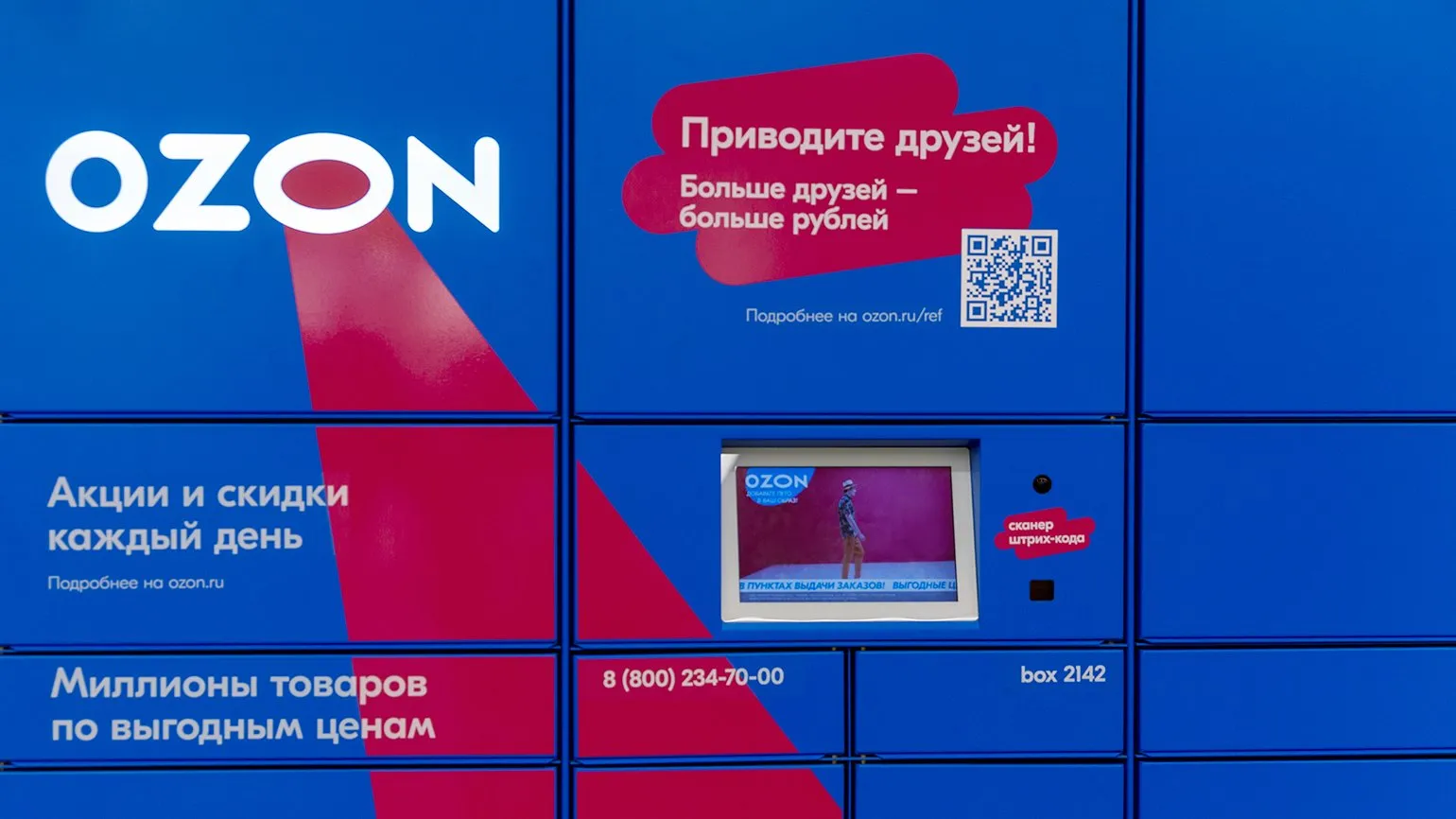
Marketplaces are firmly established as leaders in e-commerce. As of 2021, two major platforms, Wildberries and Ozon, accounted for 66% of all online sales in Russia. These marketplaces not only offer a wide range of products but also provide a user-friendly interface. The number of sellers choosing these platforms to sell their goods is growing every year, further fueling the development of online commerce in the country.
Marketplaces play a vital role in modern business by providing a platform for selling goods and services. They bring buyers and sellers together, simplifying the shopping experience. Through marketplaces, entrepreneurs can reach a wider audience, which contributes to increased sales and business growth.
For buyers, marketplaces offer convenience and variety, allowing them to compare products and choose the best deals. This creates a healthy competitive environment, leading to improved service quality and lower prices.
Optimizing your presence on marketplaces can significantly increase product visibility in search engines, which in turn can lead to increased traffic and sales. It's important to remember that successful marketplace operations require a strategic approach to marketing, reputation management, and customer engagement.
Thus, marketplaces are becoming an integral part of commerce, facilitating business growth and meeting customer needs.
According to a 2021 study, 90% of Russian entrepreneurs intend to partner with marketplaces. This underscores the importance of marketplaces for reaching a wider audience and increasing sales. Partnering with such platforms allows businesses to expand their markets, find new customers, and enhance brand awareness. In a context of increasing competition, entrepreneurs are increasingly recognizing that marketplaces are becoming a key tool in their business development strategy.
The online marketplace landscape has changed significantly since the pandemic. According to Data Insight, in 2020, the share of platforms such as Wildberries, Ozon, Yandex.Market, and AliExpress in online orders reached 60%. This figure continued to grow in 2021, with Wildberries and Ozon now accounting for 66% of the total market. For example, Ozon reported 21.3 million active users in the third quarter of 2021, and their total turnover amounted to 108.3 billion rubles, including VAT. This data underscores the importance of these companies amid the rapid growth of online sales in Russia.
Expert opinion on a successful business example
In today's market conditions, a successful business requires not only innovative ideas but also competent management. One example of a successful business is a company that has been able to adapt to rapidly changing conditions and customer needs. Such businesses rely on in-depth market analysis, understanding of the target audience, and the active use of digital technologies. Successful companies often stand out with a unique offering that meets consumer needs and provides high-quality services or products. Furthermore, an effective marketing strategy is crucial to attracting and retaining customers. It's also worth noting that successful businesses are built on the principles of sustainability and social responsibility. This not only enhances the company's reputation but also creates a positive impact on society and the environment. In conclusion, this successful business example demonstrates that a combination of innovation, high-quality service, and social responsibility is the key to long-term success.
Sergey Tkachuk, co-founder of the online store for newborn products, Gutikkid, listed his product range on Yandex.Market and Ozon. This decision contributed to a 25% increase in overall sales. He prioritized 5% of the most popular items, including winter sleds and backpacks for new mothers. Listing on major marketplaces not only increased brand visibility but also significantly expanded his customer base, an important step for successful business development in the newborn products segment.
Natalya Maltseva, owner of the NeBabushka store, successfully launched sales on major online platforms, Wildberries and Ozon. Despite current low revenue, she aims to expand her product range and reach a monthly turnover of 1 million rubles. Increasing the product range will attract more customers and increase the store's competitiveness.
Entrepreneurs, despite their achievements, often face certain shortcomings. Semyon Pimenov, owner of the DorogoBogato clothing chain, notes the lack of reliable customer and sales analytics. This lack of information significantly hinders planning and informed business decision-making. Effective analytics is key to successful business management and development, so addressing this issue is crucial for achieving sustainable growth. In 2022, 90% of entrepreneurs surveyed expressed their intention to continue working with marketplaces. This data was obtained from a study conducted by AliExpress Russia in conjunction with the MPGO community, which included 891 small and medium-sized businesses. Collaboration with marketplaces remains an important strategic focus for many entrepreneurs, underscoring their importance in the modern economy.
Transition to a Hybrid Work Format
In 2021, many companies began transitioning to a hybrid work schedule that combines remote work and in-office activities. This approach allows organizations to increase flexibility, improve employee work-life balance, and optimize office space costs. Hybrid work is becoming increasingly popular as it provides the opportunity to adapt to changing market conditions and employee needs.
Why is this important? A year spent in this new format has demonstrated the complexity of managing teams in a hybrid work environment. However, distributed teams offer companies the opportunity to significantly reduce office space and payroll costs. A hybrid work format also promotes greater flexibility, allowing for the attraction of talented employees from different regions, thereby improving overall productivity and efficiency.
According to a February 2021 study by the Bitrix24 business management service, more than half of the 964 companies surveyed planned to implement a hybrid work format. Sixty-six percent of respondents noted that a hybrid approach is more effective than a fully remote work regime. Furthermore, 84% of study participants believe that the remote work culture that emerged in 2020 will play a significant role in adapting to the new conditions. Implementing a hybrid format can significantly increase productivity and improve team collaboration, which is key to successful business development in today's environment.
Managing hybrid teams has become more complex in practice. Alexey Andreev, CEO of the branding agency Depot, shares his experience: at the beginning of the year, a decision was made for employees to work two days from home and three days in the office. However, this decision proved inconvenient after the Moscow mayor mandated that 30% of employees work remotely. This approach requires managers to be flexible and adapt to changing conditions, highlighting the importance of effective communication and workflow organization in a hybrid model. Organizing hybrid meetings presented certain challenges. Felix Kugel, Managing Director of the recruiting firm Unity, emphasizes that technical issues often occurred, hindering communication between participants in different locations. These difficulties can negatively impact the effectiveness of meetings and team collaboration. Therefore, it is important to consider technical support in advance and prepare participants for working in a hybrid format to ensure high-quality interaction and minimize the risk of problems.
Despite existing difficulties, hybrid work has been successfully implemented in various industries, such as pharmaceuticals, banking, IT, media, and telecommunications. However, its adoption in the public sector is limited. This is due to the specific nature of the tasks, which require a special approach, and strict information security requirements. In an environment of high responsibility and the need to protect data, hybrid work models face significant challenges, which hinders their widespread adoption in this sector.
According to a study by recruiting company Hays, 52% of employers intend to maintain a hybrid work format in 2022. This decision is driven by the fact that hybrid work meets employees' needs for flexible working conditions and helps reduce the risk of spreading infectious diseases. The hybrid work model allows companies to effectively adapt to changing market conditions and provide comfortable conditions for their employees.
The hybrid work format allows Russian companies to attract specialists from different regions, helping to address the shortage of qualified personnel. Mikhail Margilov, a partner at PwC in Russia, notes that distributed teams can significantly reduce office space and wage costs, as employees from different regions are paid at the level of their local labor markets. This makes the hybrid format not only effective, but also a cost-effective solution for business.

Business Analyst: 5 Steps to a Successful Career
Want to become an indispensable business analyst? Find out how to change your life in six months!
Find out more