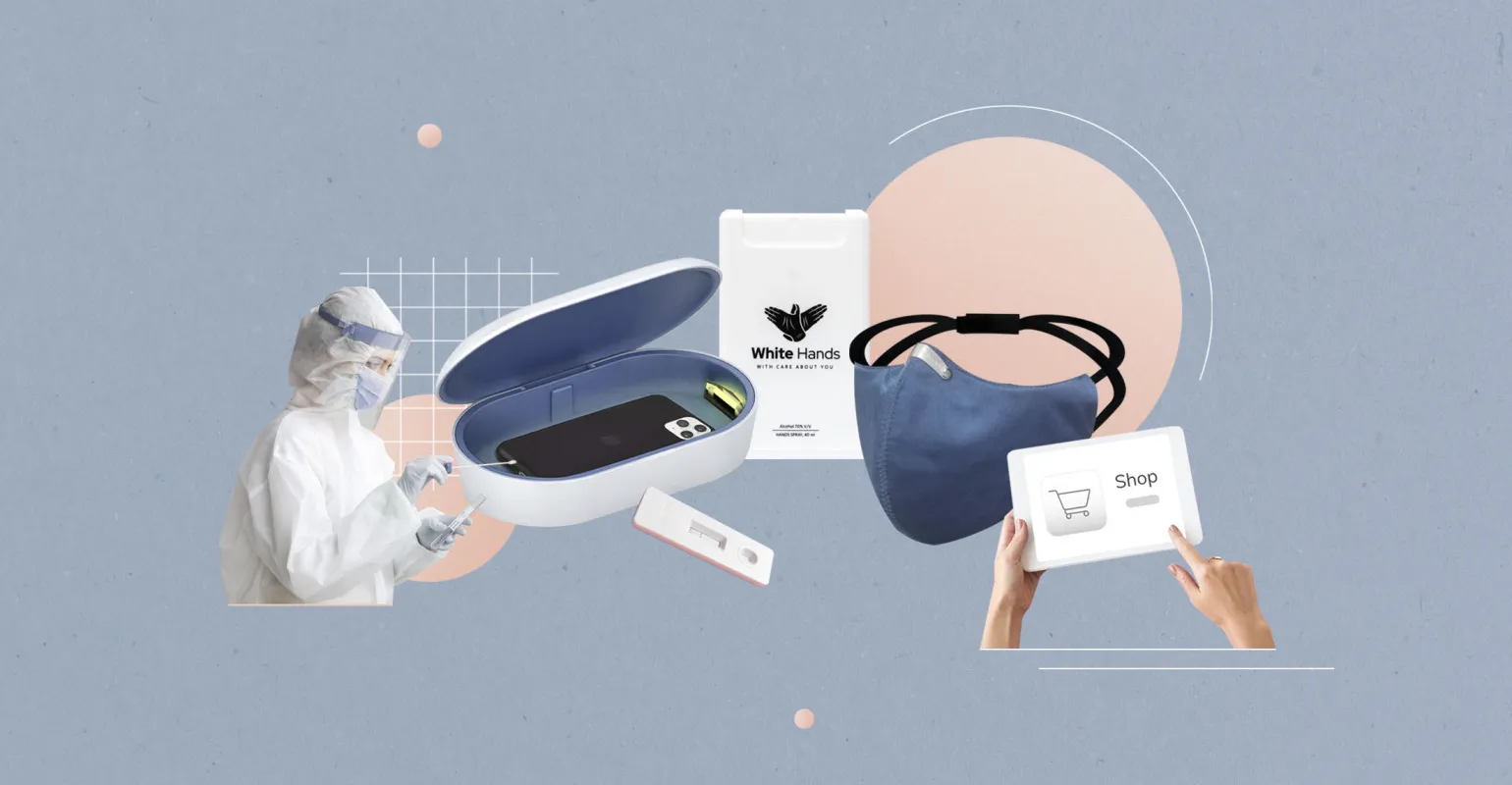
Contents:

Operations Management: 7 Key Principles of Improvement
Find out moreModern Laboratory Research: Trends and Forecasts
Laboratory research, including antibody and PCR tests, has become especially important in the context of the COVID-19 pandemic. Analytical data shows that the laboratory services market in Russia grew slowly from 2016 to 2019, growing by only 2.8%—from 272 million to 279 million tests. However, in 2020, as the pandemic swept the country, the number of tests performed soared to 330 million, representing an 18% increase compared to the previous year. This demonstrates a sharp increase in demand for laboratory services and highlights the importance of timely and accurate diagnostic testing in the fight against infectious diseases. The laboratory services market is currently going through two main phases, notes Sergey Ambrosov, COO of the LabQuest medical office chain. At the onset of the pandemic in 2020, public institutions were unable to process biospecimens, leading private laboratories to receive centralized orders from the Moscow Department of Health. This provided them with significant revenue from COVID diagnostics. However, in 2021, the situation changed: each government agency began independently selecting its own partners for collaboration, which impacted the competitive landscape and the distribution of orders for laboratory services.
The COVID-19 pandemic significantly increased the workload on laboratories, negatively impacting non-coronavirus research. According to Ambrosov in an interview with Skillbox Media, the number of tests needed to diagnose other diseases has decreased due to the coronavirus "stopping" many orders in this area. This has led to delays in the diagnosis and treatment of patients with other diseases, which highlights the importance of restoring normal laboratory functioning to ensure comprehensive medical care.
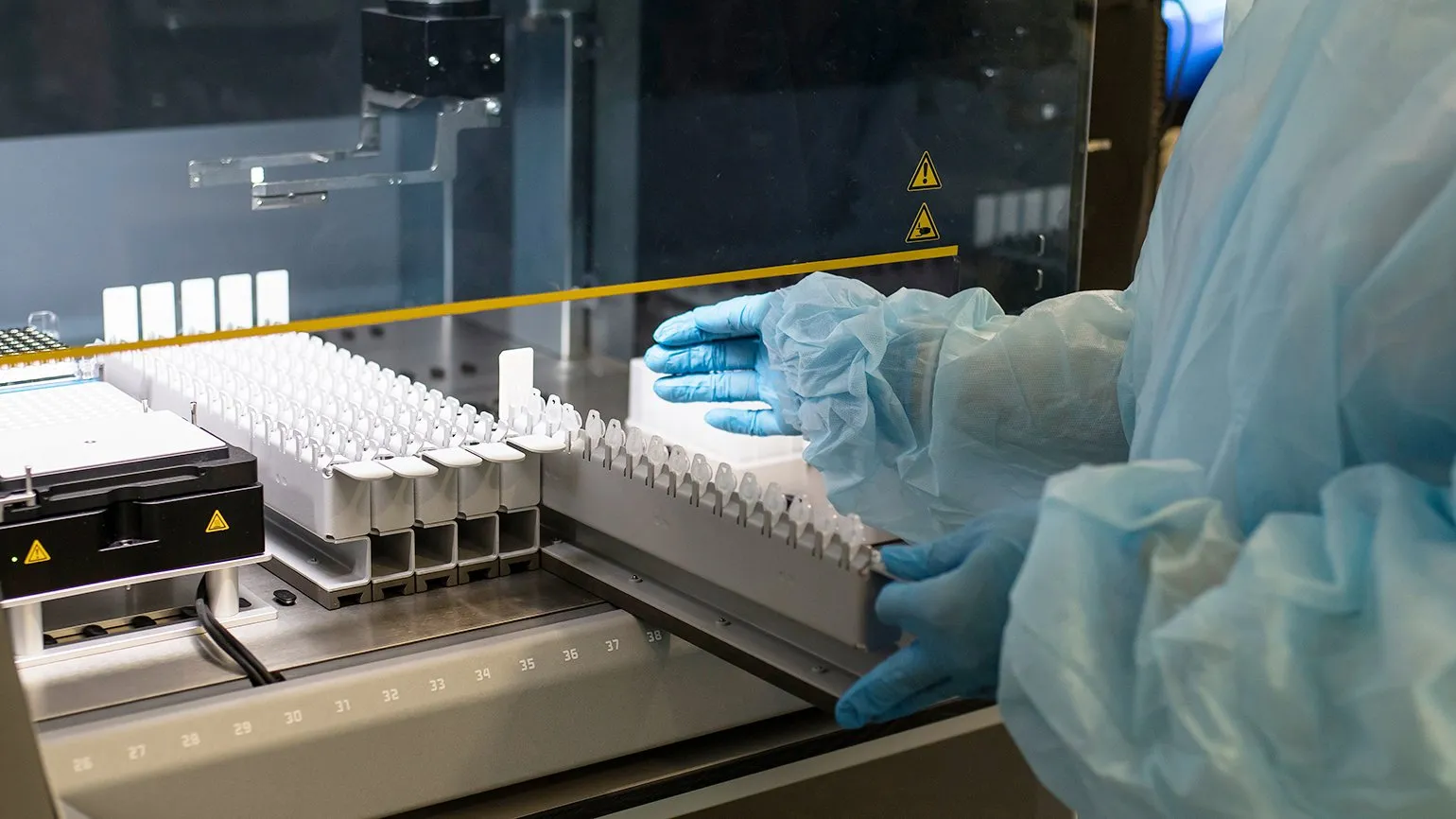
Ambrosov notes that the laboratory testing market is showing positive recovery trends. Despite continued high demand for COVID-19 testing, forecasts for 2021 predict an increase in the total number of tests by 13%, amounting to approximately 373 million. In the future, as the number of people vaccinated increases, a gradual decrease in the need for PCR tests is expected. However, by 2025, the market will grow again due to an increase in non-coronavirus tests, according to BusinesStat. This indicates sustained interest in laboratory diagnostics and its importance in healthcare.
Innovative Disinfection Solutions
The COVID-19 pandemic has significantly accelerated the implementation of new technologies aimed at ensuring safety and hygiene. In Russia, one such innovative solution is UV disinfectors developed by Vladimir Sadkov. The idea for these devices came to him after observing an ultraviolet lamp in a beauty salon, where he learned of its ability to destroy microbial DNA without harming people or the surfaces being cleaned. UV disinfectants are becoming an important tool in the fight against infections and ensure a high level of sanitary safety in various fields, from medical facilities to public spaces.
In early 2020, when the first wave of coronavirus was beginning in Russia, Sadkov and his partners decided to develop ultraviolet sterilizers for smartphones. They quickly adapted to new market conditions, where there was a high demand for effective protection against viruses and bacteria. In just 2.5 months, a minimum viable product version (MVP) was created, production was organized, and European trials were successfully completed. In the first month of sales, approximately 200 units were sold in retail and 50 units in the B2B segment. This demonstrates the growing interest in innovative solutions in the field of disinfection and safety.
Demand for disinfecting devices continues to grow. In addition to smartphone sterilizers, the EcoBox team has developed innovative solutions for businesses. One such product is the EcoBox Lift, a device designed to disinfect elevator buttons and surfaces. Sadkov noted that this device is being developed specifically for companies that install and maintain elevators and is currently being tested in several pilot projects. The EcoBox Lift is an effective means of maintaining cleanliness and hygiene in public spaces, which is especially relevant given today's sanitary requirements.
The company introduced the EcoBox Escalator, a device for sterilizing escalator belts in public spaces, including subways, airports, and shopping malls. Sadkov noted that developing this equipment was less complex due to its vandal-resistant design and discreet appearance. This significantly reduces labor costs and the purchase of cleaning chemicals. The EcoBox Escalator ensures high levels of hygiene and safety in high-traffic areas, making it an essential infrastructure element for modern cities. EcoBox is launching a new project, EcoBox Go, which aims to disinfect bags in the foodtech industry. Sadkov noted that interesting pilot projects are already underway in both Russia and the United Arab Emirates. This innovative approach to ensuring hygiene in food delivery contributes to improved safety and customer service. EcoBox Go represents a significant step in the development of disinfection technologies, making it relevant for both restaurants and delivery services.
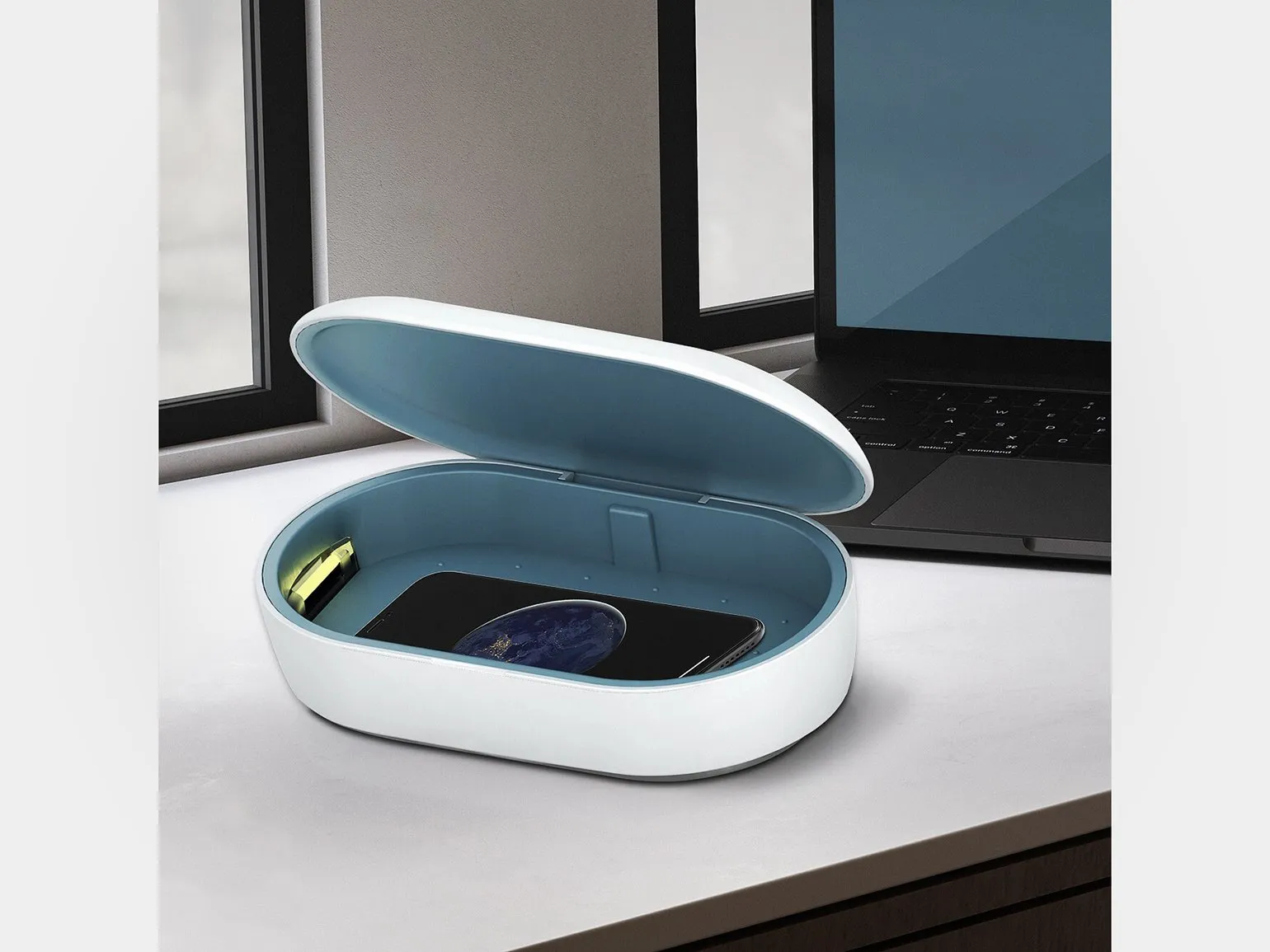
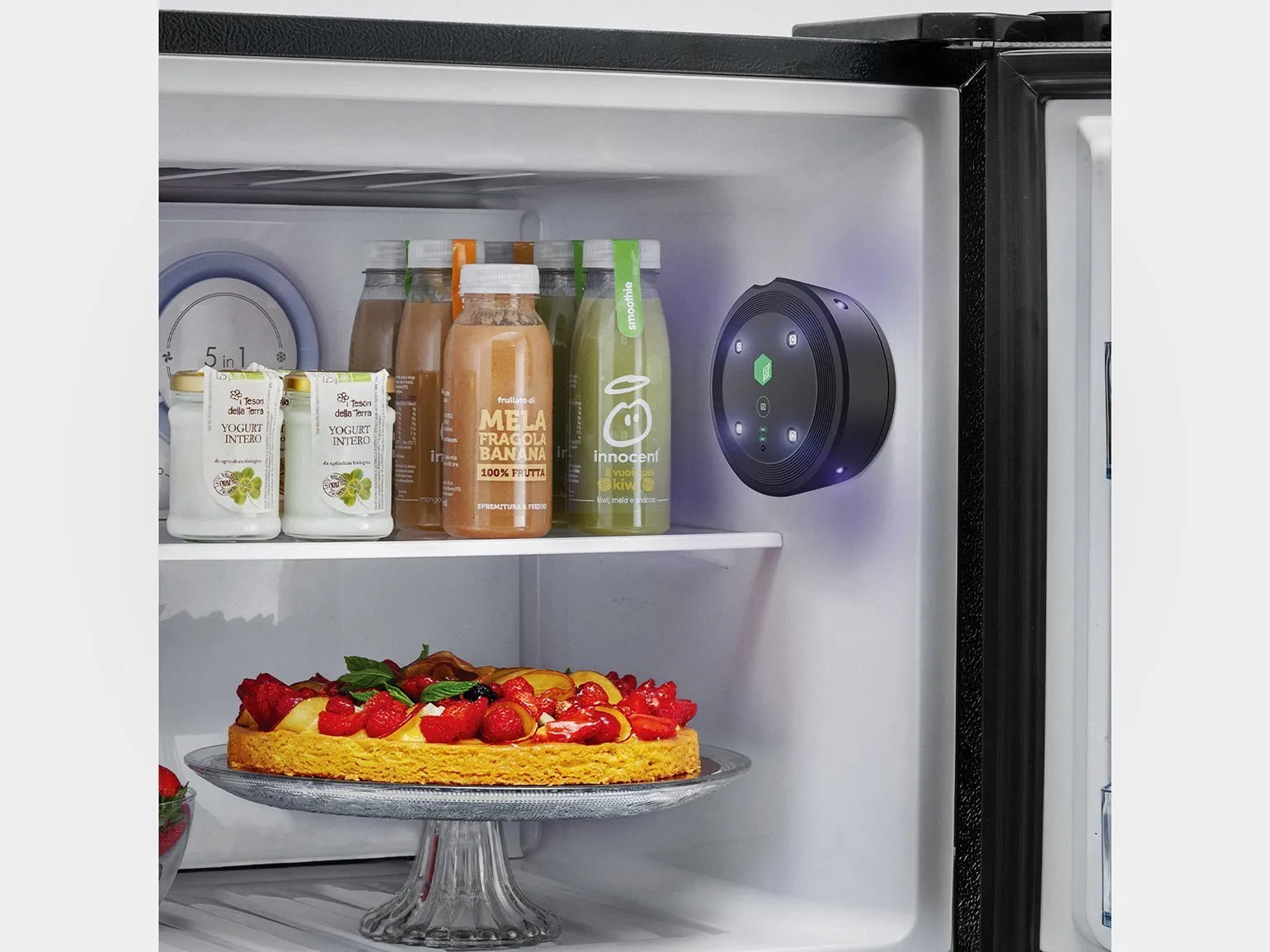
The EcoBox business, created in response to the challenges of the pandemic, is successfully entering international markets. The company's products are available not only in Russia, but also in Kazakhstan, Belarus, and the UAE. Negotiations are underway with potential partners in Qatar and India. EcoBox is currently actively engaged in research and development (R&D), expanding its distribution channels, and seeking new growth opportunities through collaboration with accelerators and investment partners. The company strives to strengthen its position on the international stage by offering innovative solutions and high-quality products.
The Mask and Antiseptic Market: Trends and Changes
Since the onset of the pandemic, there has been a significant increase in demand for disinfectants. According to the Stopcoronavirus portal, approximately 50% of Russians regularly carry antiseptics with them. This change is due to recommendations from Rospotrebnadzor regarding the disinfection of workplaces and public spaces. Given the importance of maintaining hygiene standards, antiseptics have become an integral part of everyday life. The use of disinfectants helps reduce the risk of spreading infections and ensures safety in public places. The continued growth in interest in antiseptics underscores the need for them in every home and workplace.
In 2020-2021, the personal protective equipment market saw the addition of new players. One such project was White Hands, a Samara-based company founded over a year ago. The company's founders noticed a shortage of uniquely designed antiseptics amid the pandemic. They decided to fill this gap by offering consumers stylish and effective hygiene products that meet modern requirements.
Grigory Sakhno, sales expert at White Hands, emphasizes: "Our bottles had a uniform and discreet design. We decided to develop an ergonomic antiseptic that would be easy to carry and use in any setting."
At the beginning of the pandemic, there was a noticeable increase in demand for antiseptics when they became scarce in pharmacies. People began actively purchasing antiseptics from nail salons. Danila Drapeza, a marketer at Danis Market, notes that this situation has prompted shoppers to search for needed products on online platforms. Consequently, demand for online stores has increased significantly, and many users have begun to explore new shopping methods, changing traditional consumer behavior and making online shopping more popular.
In the spring of 2020, the market for hand sanitizers and masks experienced unique changes. Amid shortages, sellers significantly inflated prices, but this didn't stop buyers eager to protect themselves and their loved ones. On marketplaces, hand sanitizers and masks sold out instantly, despite the high prices. This period has become significant for the entire personal protective equipment market, emphasizing the importance of such products in everyday life.
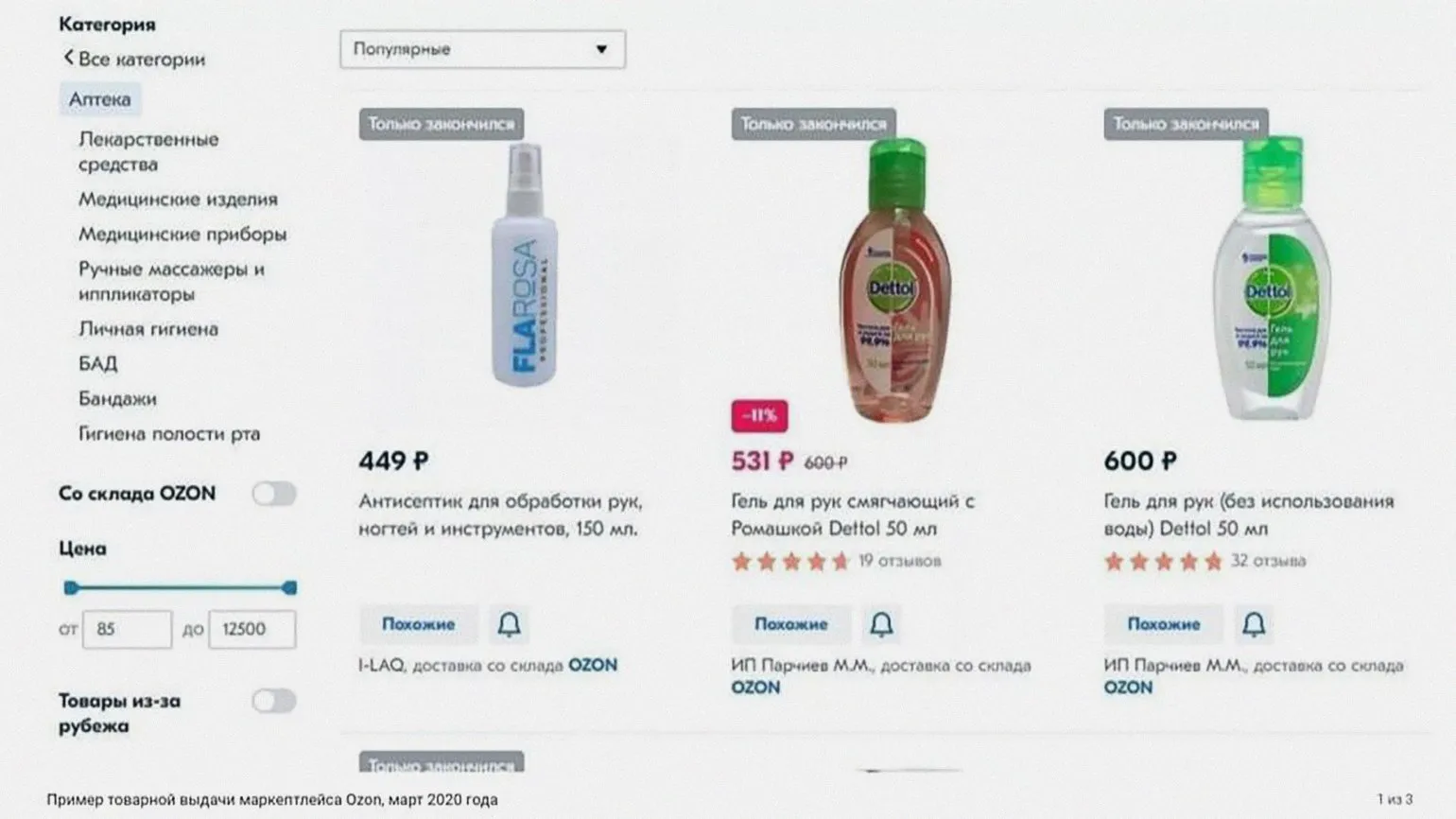
Danila Drapeza notes that the antiseptic market has become truly chaotic. Sellers offered protective equipment in large quantities, including liters and canisters. Suddenly, a multitude of new brands appeared on the market, and antiseptics became available even on platforms like Avito. This high demand and variety of offerings are the result of changes in consumer preferences and the desire to ensure safety during the pandemic.
The situation in the antiseptic and mask markets continued to fluctuate: these products appeared and then disappeared from marketplaces. In response to changes in demand, marketplaces began introducing price caps, which led to a change in sales format. Antiseptics are now sold in sets and kits, which helps avoid inventory buildup and streamline the distribution process.
According to SellerFox analytics, in September 2020, leading sellers in the "Protective Masks" category on the Wildberries platform generated approximately 6 million rubles in monthly revenue. In this market segment, disposable mask sets were the most popular.
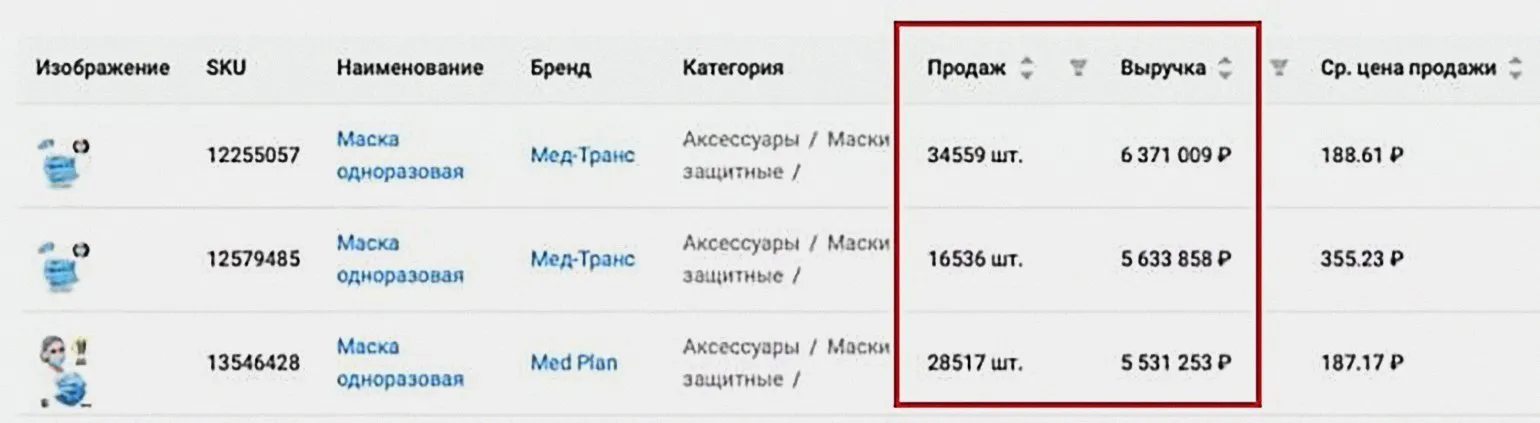
By December 2020, revenue in the disposable mask category had halved. At this time, reusable masks began to gain popularity as shoppers sought more cost-effective and sustainable protective solutions. The transition to reusable masks has become a response to the demands of consumers looking to reduce their costs and minimize waste.
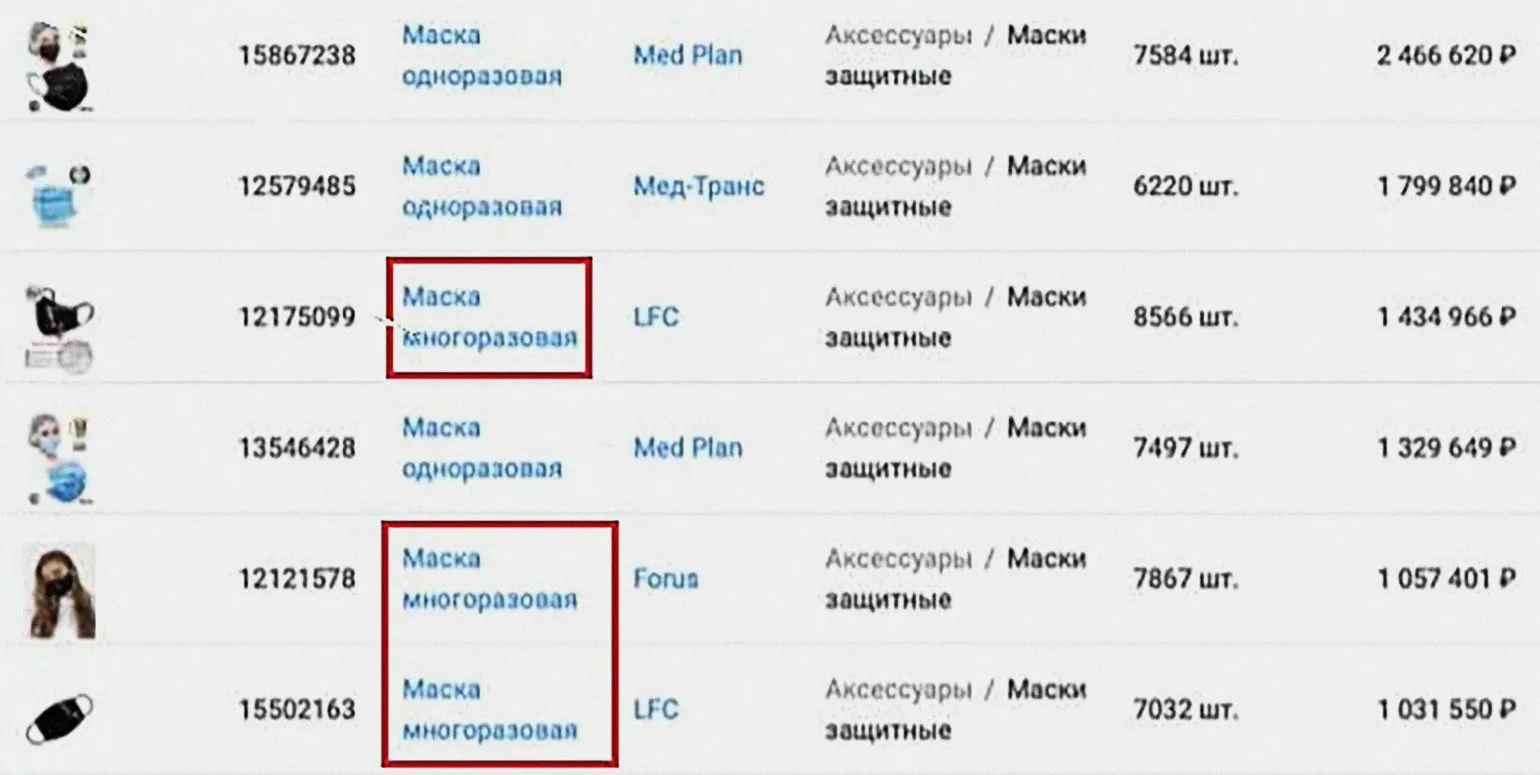
By February 2021, there was a significant decline in sales, which contributed to the emergence of new accessories on the market, including mask holders and cases. This suggests that the industry has begun to actively develop in the direction of related products, which opens up new business opportunities and meets consumer needs.
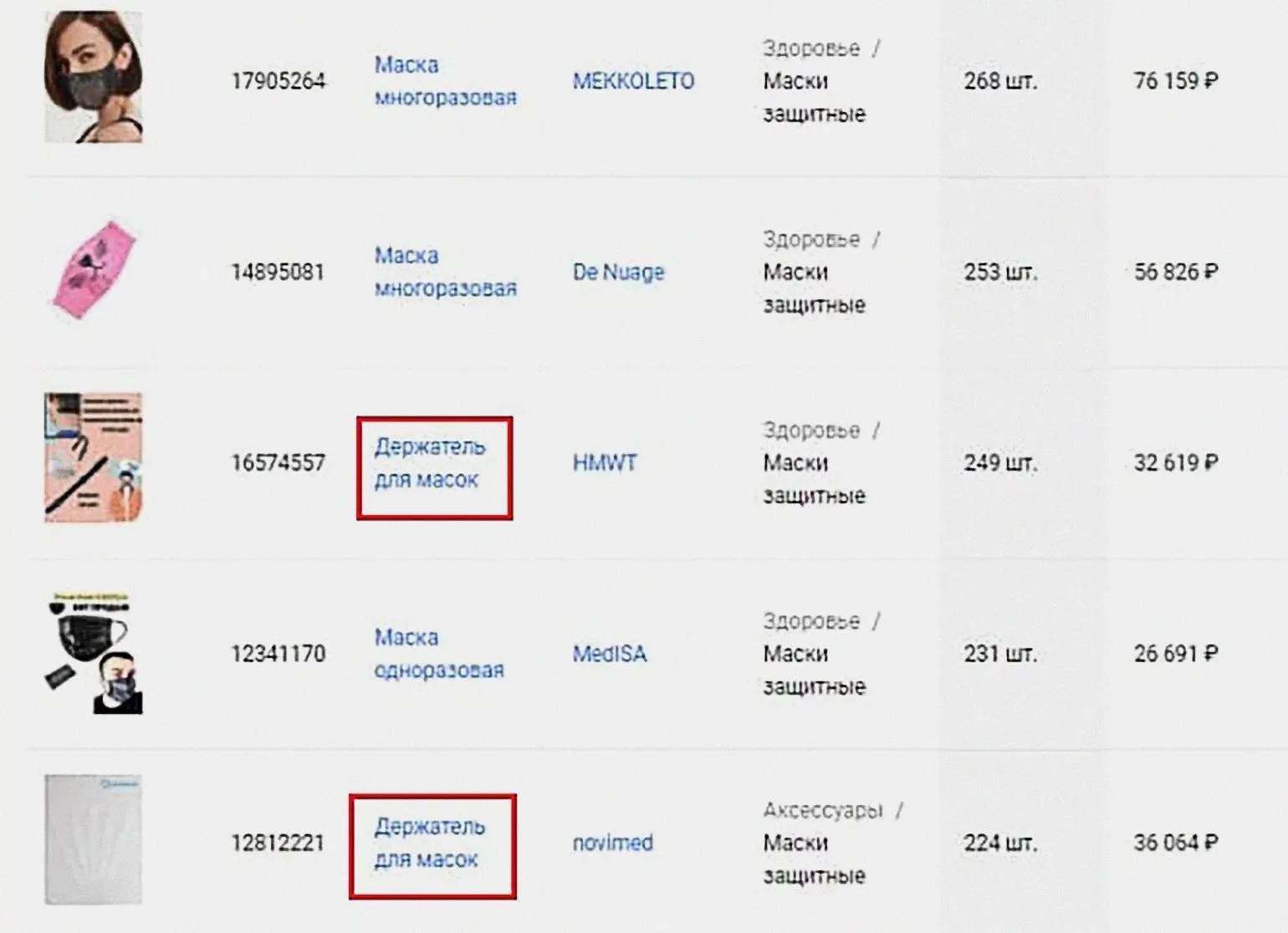
As of the end of 2021, approximately 8,500 products, including a variety of accessories, were available for the search query "Protective Mask." Total sales at this time amounted to 1,305,876 rubles. Compared to the previous year, when sales were almost six times higher, this represents a significant decline. Given the current global situation, the protective mask market may shift again in the coming months, which could impact supply and demand in this product category.
The Evolution of Consumer Habits and the Future of the Medical Products Market
The COVID-19 pandemic has significantly impacted consumer preferences, as confirmed by Danila Drapeza, Head of Marketing at Danis Market. According to him, sales of protective masks on marketplaces have decreased. This may be due to several factors: Russians have become less attentive to protective measures or prefer to purchase personal protective equipment in regular stores. Changes in consumer behavior highlight the need to adapt marketing and sales strategies to the new reality.
According to recent research, more and more people are opting for reusable masks, which require less frequent replacement. However, it is important to consider that some regions have not yet imposed a lockdown, and therefore the market may react to the changes with a delay. Reusable masks are gaining popularity due to their cost-effectiveness and eco-friendliness, which helps reduce the number of disposable items. During the ongoing pandemic, the use of reusable masks plays a vital role in ensuring safety and health protection.
The pandemic has had a significant impact on corporate ethics, and experts are noting changes in how companies approach their social responsibilities. Vladimir Sadkov, founder of EcoBox, emphasizes that organizations with high social responsibility pay more attention to the health of their employees and customers. This creates new opportunities for introducing innovative products and services, which, in turn, helps improve a company's reputation and strengthen its market position. In a changing business landscape, companies striving for sustainable development must adapt and find new ways to enhance their social responsibility.
Grigory Sakhno, sales specialist at White Hands, notes that the new reality is fostering the habit of using hand sanitizers and masks. Previously, hand sanitizers were optional in healthcare facilities, but today they have become essential for anyone leaving home. This trend highlights the importance of maintaining hygiene standards in the face of modern challenges, which, in turn, increases demand for high-quality antiseptics and protective equipment.
The medical products market is showing significant growth. Investment analyst Oleg Shupan of IFC Solid emphasizes that successful examples of growth in pharmaceutical stocks such as BioNTech and Moderna confirm this trend. "BioNTech shares increased by more than 100% from mid-July to August following the approval of the vaccine," he notes. This growth indicates growing interest and investment in the pharmaceutical sector, which opens up new opportunities for investors and contributes to the development of healthcare.
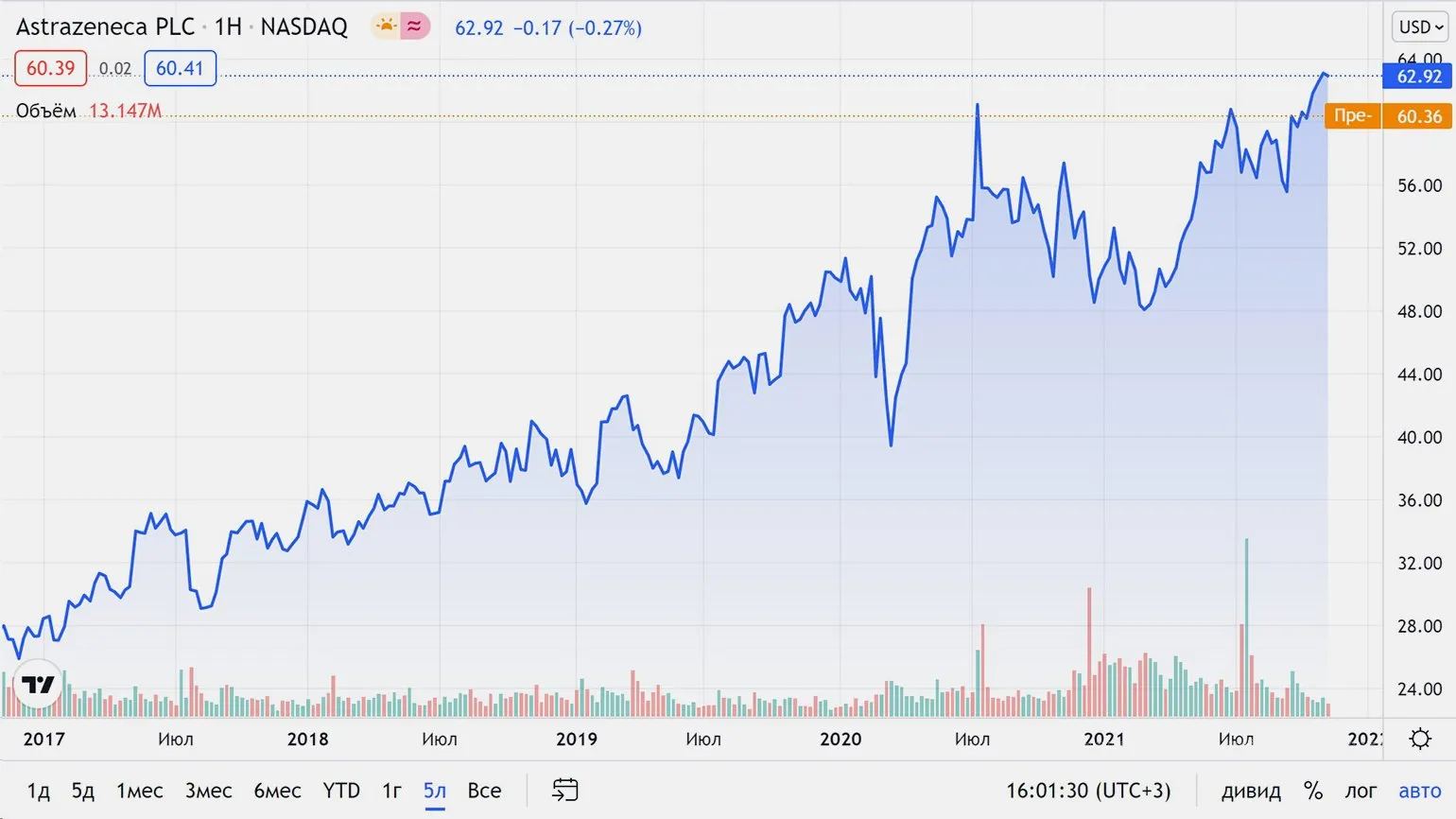
Given current trends, Merck & Co. stands out as a company actively developing new vaccines and drugs. A diversified portfolio, sustainable sales growth, and innovative achievements in the field of oncology make this company an attractive investment. Analysts note that Merck's strategic approach to developing new healthcare solutions confirms its market leadership and potential for further growth. Investing in Merck & Co. can be a profitable step for those looking for stable and promising assets in the pharmaceutical industry.
Operational Management: 5 Ways to Improve Business Processes
Want to effectively manage operational activities? Learn 5 key methods for achieving consistent product quality!
Learn more