
Contents:

4 professions in internet marketing: a free mini-course
Learn moreResale algorithms: principles of operation and impact on the market
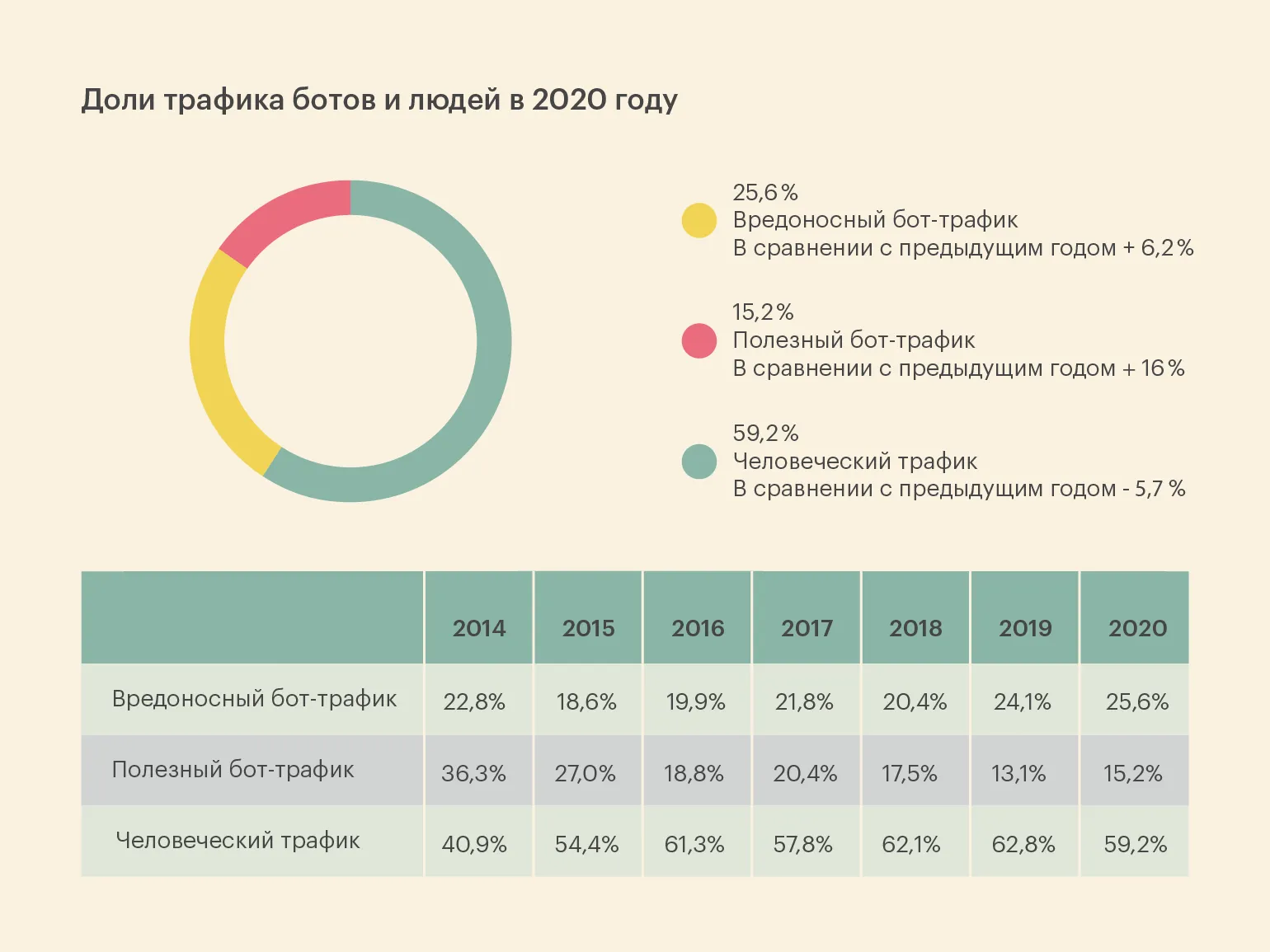
According to the company's research According to cybersecurity specialist Imperva, "bad" bots accounted for a significant 25.6% of total internet traffic in 2020. This increase, compared to 24.1% in 2019 and 20.4% in 2018, indicates growing scalping bot activity. These programs are designed to mass-purchase scarce and highly liquid goods, such as tickets to popular events and the latest gaming consoles. The growing threat of scalping bots requires the attention of both users and online store owners, as they can significantly impact the market and product availability.
Mikhail Korneev, developer and team lead at BestDoctor and author of the YouTube channel "Sly Python," asserts that automated scripts have existed since the advent of the internet. These tools not only generate comment spam but also manipulate competitors' contextual advertising and solve a variety of other online problems. It's important to note the positive side of such technologies—robotic process automation (RPA), which automates routine tasks, freeing employees for more creative and productive work. This technology increases business efficiency and reduces costs, making it relevant in the modern world.
Korneev emphasizes that automated purchasing of out-of-stock items is just one of the many applications of modern technology. As technology advances, its availability increases, which, unfortunately, creates new risks and opportunities for fraud. The expert draws an analogy with the availability of call centers and mass phone calls, for example, from the supposed "Sberbank security service," which underscores the urgency of the problem. It is important to be attentive and aware of the potential threats associated with the use of technology and take precautions. Reselling algorithms are becoming increasingly widespread, significantly influencing consumer behavior and creating artificial shortages in the market. Brands and retailers must adapt to this new reality by developing effective strategies to protect against automated purchasing. In a context of increasing competition, it is crucial not only to understand the threats posed by such algorithms but also to implement innovative solutions to minimize their impact. Adapting to market changes and taking a proactive approach to protecting your products will help you remain competitive and satisfy customer needs.
How Hypebeasts Fight Hypebots: New Market Realities
In the age of digitalization, the methods of selling clothing and footwear have undergone significant changes. Previously, the only way to purchase new collections was in physical stores, where real battles took place over rare sneakers. Today, these "battles" have moved online. Online stores offer a wide selection, where shoppers can easily find and order the products they want, avoiding the lines and stress associated with traditional stores. Online platforms provide the opportunity to compare prices, track new arrivals, and participate in sales. This approach not only simplifies the shopping process but also makes it more accessible to customers around the world.
An example of an interesting approach to problem solving is the story of a female hacker with the nickname finalphoenix. Like many fashion lovers, she actively follows current trends and enjoys online shopping. When she faced the problem of limited-edition collections selling out quickly, she decided to create her own bot. Using JavaScript Jest and the BeautifulSoup parsing module in Python, she developed a tool that significantly simplified the process of purchasing a desired dress. This case demonstrates how technology can be used to improve the online shopping experience and achieve goals in a highly competitive environment.
Finalphoenix uncovered the existence of an entire ecosystem of hype bots designed to automatically purchase limited-edition clothing for resale at inflated prices. These scripts significantly simplify the online shopping process, allowing users to automatically place orders while saving their preferences and payment information. Hype bots are becoming indispensable tools for collectors and resellers looking to quickly and efficiently capture limited fashion stock.
Bots are available on the market with prices ranging from $10 to $500, and their resale value can reach significant amounts. For example, Supreme collaboration T-shirts, which retail for $30 to $50, can resell on eBay for over $200. This demonstrates the high demand for limited collections and the importance of using effective tools to acquire them.
To combat the bot problem, major brands like Adidas and Nike have begun developing mobile apps that include additional questions for buyers. This makes it more difficult for automated systems to find the right product. Brands also host giveaways for unique links to limited-edition items, creating additional barriers to attack. However, despite the measures taken, there are numerous ways to circumvent these protections, and users are discussing them on forums.
Fashion expert and author of the Telegram channel MUR, Madonna Moore, notes that the bot problem only affects certain market segments. In the casual wear and luxury segments, there is no rush, as supply significantly exceeds demand. This contrasts with the shortages observed previously, when competition for limited items was much higher.
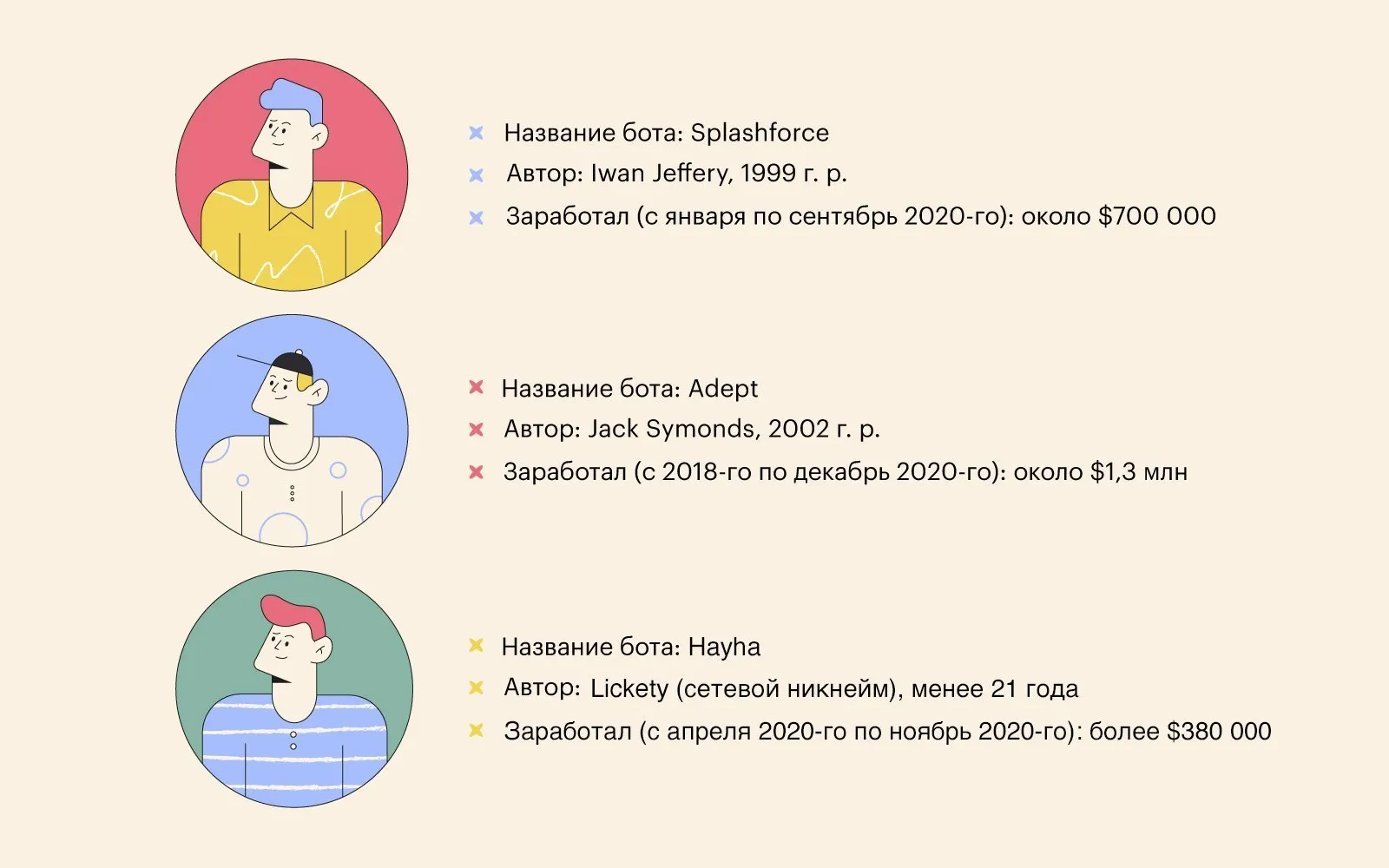
Resale bots are becoming increasingly popular among both experienced developers and amateurs. An example of a successful project is Splashforce, which serves almost four thousand clients and was created by a young British man. According to Insider, these self-taught developers have managed to earn over $380,000 selling their bots. This confirms that even programming novices can achieve significant success in the resale automation market.
Large scalping companies with significant financial resources are also active in the market. These companies offer their trading bots to beginners looking to profit from resale. According to experts, the cost of one professional trading bot can reach $27,500. Investing in such solutions can be attractive to those looking to improve their chances of successful trading, but it is important to carefully evaluate the risks and opportunities before making a purchase decision.
Sneaker manufacturers, despite the lack of direct revenue from resale, are indirectly benefiting from the increased demand for limited editions. As of July 2020, the rare sneaker market was valued at $2 billion and continues to grow. Increased interest in limited editions not only drives sales but also strengthens brand image, creating exclusivity and increasing product value. This trend opens up new opportunities for manufacturers, allowing them to leverage demand for limited-edition models to promote their core product line and increase consumer loyalty.
How Bots Are Taking Over the PlayStation 5 Market
Since the release of the PlayStation 5 and Xbox Series X at the end of 2020, purchasing new game consoles has become a real challenge for gamers. Botnets—networks of hacked devices actively used for automated purchasing—have played a key role in this process. For example, during the first hours of sales, one botnet made over a million attempts to purchase a PS5, causing significant queues and disappointment among buyers. This situation highlights the need for more effective security and consumer protection measures in the online sales of game consoles.
During Black Friday, Walmart, the largest US retailer, blocked over 20 million bot-driven attempts to purchase PS5 consoles in just 30 minutes. Walmart.com experienced significant outages while updating inventory, overwhelmed by the influx of automated requests. This situation highlights the severity of the console hoarding problem, which has become a real challenge for retailers and shoppers. With increasing interest in the PS5, the need for effective anti-bot protection is critical to ensuring fair access to products.
It is estimated that scalpers have earned a staggering $19 million in profits from reselling PS5 consoles. Some sellers using bots, such as Carnage Bot on Twitter, claim to have purchased over 2,000 units. If these figures are confirmed, the investment in this activity has been around £1 million, and the estimated profit for scalpers could be double that. This highlights the high demand for the PS5 and the growing resale market for gaming consoles.
Kevin Hirchi, a programmer from Austria, developed a Twitter bot, @iloveps_5, that monitors the availability of the PlayStation 5 in online stores. This bot automatically notifies users of the console's availability, significantly simplifying the purchasing process. Thanks to Hirchi's help, many people were able to successfully purchase a PS5 and expressed their gratitude to him. The bot has become a real helper for those who want to seize the opportunity to purchase a popular gaming console.
Harry Nagarajan, a developer at Amazon Web Services, created the bot after an unsuccessful attempt to manually purchase an NVIDIA GeForce RTX graphics card. He posted his bot code on GitHub so that others can use it to automate the purchase of not only graphics cards but also gaming consoles like the PS5. This tool significantly simplifies the process of purchasing popular items in a highly competitive and limited-supply environment.
Scalping has become a widespread practice, leading to a sharp increase in GPU prices on platforms like eBay. Many users resold graphics cards at prices up to double the market price. One buyer, who spent $120 on a sophisticated bot to automate the purchasing process, was unable to obtain the desired graphics card due to the highly competitive market. This situation highlights the relevance and difficulty of scalping in a context of scarcity of popular items.
According to information provided by engineer Michael Driscoll, scalpers have earned over $10 million reselling Xbox and $16 million reselling PlayStation on eBay. On the secondary market, prices for these game consoles sometimes exceeded the retail price by 300%. This indicates high demand for the devices and issues with their availability in retail.
Thomas Platt, Head of E-Commerce at Netacea, identifies three categories of bots. The first type are AIO bots, which can automatically scan multiple websites and complete purchases faster than a human. The second type of bot notifies the owner of the product's availability, allowing them to respond more quickly to changes in stock. The third type offers the user the ability to reserve an item and wait for it to become available for purchase. These technologies significantly impact the online shopping process, making it easier for users to find and purchase products.
Similar practices are observed in the airline industry, where users can reserve a ticket and then list it for resale, notes Platt. This highlights the significant advances in technology in automating the purchasing and sales processes. With the development of such solutions, purchasing and reselling tickets is becoming more accessible and convenient for users, which contributes to a better overall travel experience.
Regulatory Differences: US vs. Russia
Automated ticket-purchasing programs, or bots, have been a serious problem for both the concert industry and fans for years. The issue gained public attention after a 2013 New York Times article detailed how bots were hogging tickets, causing discontent among audience members. Bots are able to instantly book massive numbers of tickets, leaving genuine fans without the opportunity to secure their desired seats. This drives up prices on the secondary market and creates discontent as many fans are unable to attend the events they want. Combating this practice requires a concerted effort by event organizers and regulators to protect consumers and restore fairness to the ticket-buying process.
In 2016, the US Congress unanimously passed the Better Online Ticketing (BOTS) Act, aimed at protecting consumers. This law prohibits the use of technology to circumvent security systems that limit ticket sales for events with more than 200 attendees. Violations of this law are classified as "unfair practices," which gives the Federal Trade Commission the authority to intervene and protect the interests of citizens. The BOTS Act was an important step in combating fraud in the ticketing industry, ensuring a more transparent and fair environment for buyers.
In Russia, legislation prohibits the use of bots for ticket purchases, but this restriction only applies to certain cases. Ekaterina Orlova, head of the legal practice at CM Grace Consulting Ltd, explained that the use of bots can only be classified as an offense in the context of a conspiracy aimed at maximizing profits and eliminating competition in the market. This underscores the need for legal and ethical compliance in ticket sales to ensure a fair environment for all market participants.
In practice, barring outright collusion, Russian consumers have no protection from bot activity. Mikhail Stetsenko, associate partner at the law firm Legit, notes that the use of bots in itself does not violate the law. It is more a question of ethics than of law. It is important to understand that the lack of legal protection leaves consumers vulnerable to manipulation by automated systems. Therefore, a more in-depth discussion is needed about the legal and ethical aspects of using bots in various sectors.
Stetsenko emphasizes that restricting customers is only possible in the event of fraudulent activity. He draws a parallel with queues in Soviet stores, where only those who learned about a new arrival were the first to buy a product, leaving others without the opportunity. The issue of regulating the use of bots in consumer markets remains relevant and requires further discussion.
The use of bots to purchase goods and services may become illegal in certain cases. For example, at the Euro 2020 event, tickets were personalized, and their resale without the organizer's consent was strictly prohibited. This case highlights the importance of adhering to established rules and legislation in the sales industry. It is important to consider that violating such regulations can lead to legal consequences and negative consequences for users. Ekaterina Orlova emphasized that penalties for the use of bots are actively discussed in the area of antitrust regulation. In 2019, the Federal Antimonopoly Service (FAS) proposed legislative amendments aimed at tightening the rules regarding digital violations of competition. However, aspects related to consumer protection still require more detailed consideration and refinement. Differences in the regulation of the use of bots for ticket sales in the US and Russia highlight the importance of stricter oversight of practices that may infringe on consumer rights and lead to an uneven playing field in the market. Measures aimed at protecting the interests of buyers and ensuring transparency in ticket sales are needed. Effective regulation will help create a fair competitive environment and prevent abuses associated with the use of automated systems.
Starting a Business in 2025: 5 Steps to Success
Want to start a business in Russia? Find out 5 key steps to successfully implementing your idea. Read the article!
Find out more