
Contents:

4 Internet Marketing Professions: Free Mini-Course
Learn MoreDeepfakes: From Pornography to Business Communications
Deepfakes, which are technologies for deeply forging videos, have significantly transformed the approach to creating media content. They can be used to generate fake videos with a high degree of realism by replacing the faces of characters on the screen. These innovations are not only entertaining but are also becoming an important tool in various business areas, including marketing and advertising. While deepfakes allow companies to create unique advertising materials and improve customer engagement, the ethical aspects and potential risks associated with their use must be considered.
The history of deepfakes began in 2017, when anonymous users began creating pornographic videos featuring famous figures. However, this technology soon acquired more serious applications, including commercial use for creating stock photos and video footage for advertising. Today, deepfakes are actively used in the film, marketing, and entertainment industries, opening new horizons for creative solutions but also raising serious ethical and legal questions. Deepfake technology continues to evolve, and its impact on society is becoming increasingly significant.

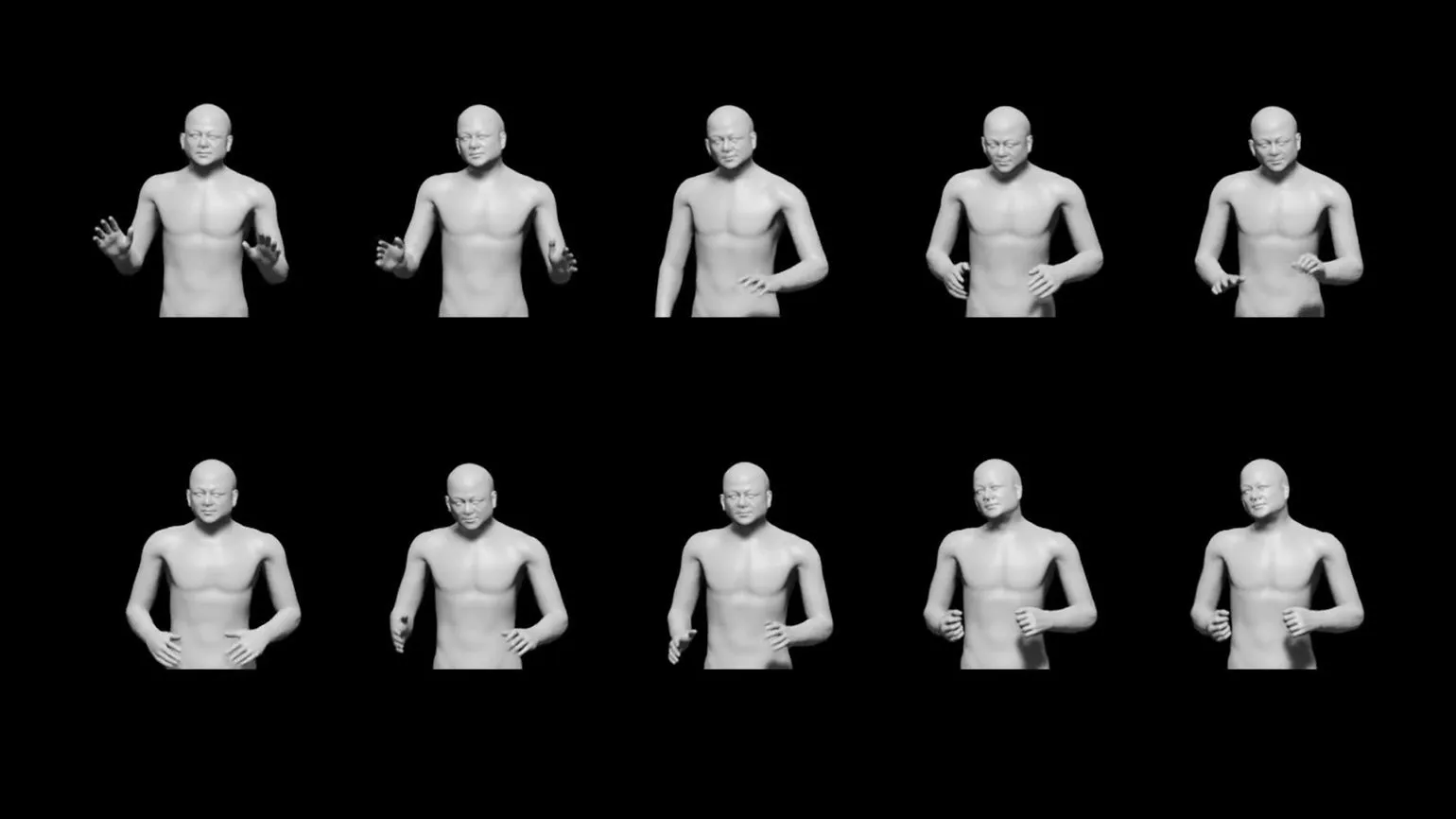
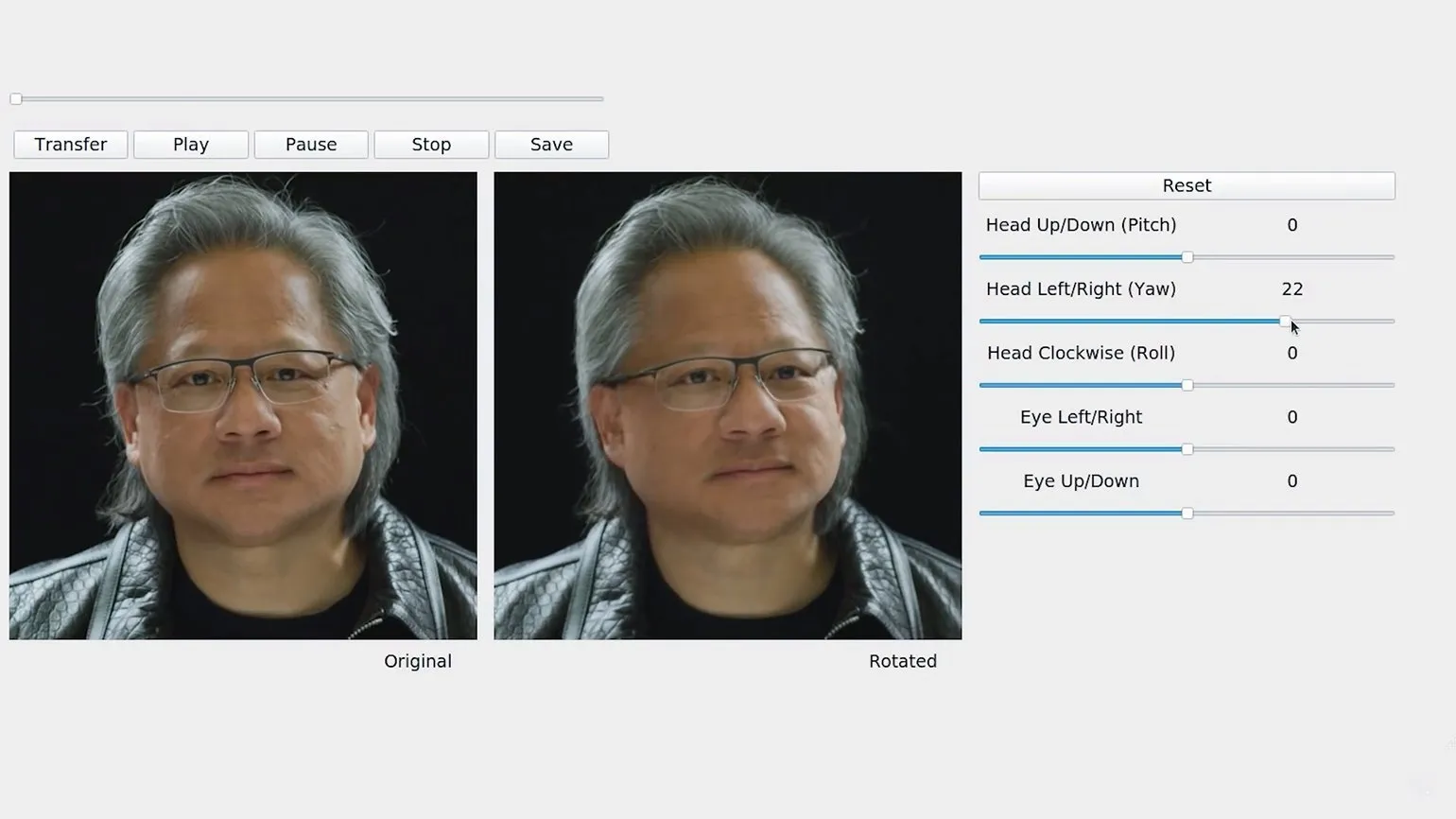
Today, deepfakes are widely used in the fashion and film industries. For example, NVIDIA confirmed that a deepfake version was briefly shown during CEO Jensen Huang's presentation. These technologies open up new possibilities for creative content and visual effects, enabling innovative solutions and enhancing the viewing experience. The use of deepfakes in these areas continues to grow, highlighting their importance and future potential.
The COVID-19 pandemic has fundamentally changed business communication methods, limiting opportunities for in-person meetings and business lunches. As Simonite emphasizes, while video calls and PDF sharing have become commonplace, they cannot replace full-fledged face-to-face interaction. In a remote work environment, it is important to find new ways to maintain effective communication and build partnerships to minimize the impact of restrictions on business processes.
Virtual communication can sometimes be less effective and engaging than in-person interactions. In response to this challenge, EY has developed an innovative approach by implementing deepfake technology to improve business communication. Using deepfakes makes negotiations more engaging and memorable, increasing participant engagement and improving information comprehension. This solution creates a more personal and interactive experience, which contributes to more productive interactions in the business environment.
Communication Innovation: EY Employee Digital Avatars
To enhance the quality of interactions with clients and partners, EY employees are embedding modern deepfake videos, developed based on their individual personas, in their emails and presentations. This innovation allows for the creation of more personalized and attractive content that promotes better information comprehension and strengthens business relationships. The use of deepfake technologies in communication opens new horizons for effective interactions and underscores the company's commitment to innovation.
Jared Reeder, an EY expert, notes that the use of video in communication helps stand out from the competition. Video allows the recipient to see who is speaking to them, making the conversation more personal and warm. This creates the effect of a puppy appearing on the video call, helping to build trust and improve interaction. Using video in business correspondence is becoming an important tool for improving communication effectiveness and strengthening customer relationships.
London-based startup Synthesia, a recognized leader in artificial intelligence-powered video creation, is actively developing deepfake technology. Creating their first video takes approximately 40 minutes, during which time they read a pre-prepared script in front of the camera. Synthesia offers innovative video generation solutions that open new horizons in content production and marketing.
AI can now automatically create realistic videos based on entered text. Users can choose the background, and natural locations, such as office spaces or rooms, are recommended. This creates a more immersive experience and improves the perception of the content.
The technology makes it possible to create videos in various languages. In one example cited in Simonite's study, an EY employee was able to effectively interact with a Japanese partner. This interaction significantly improved their collaboration and contributed to the successful implementation of joint projects.
The British international PR agency WPP and other companies are actively using Synthesia's technology to create internal video messages. This technology enables the effective transfer of information between employees who speak different languages, improving communication and collaboration in multilingual teams.
EY avoids the term "deepfake" due to its negative connotations. Instead, it uses the term "virtual reality identity" (or ARI), which emphasizes the ethical and transparent use of the technology. This approach highlights the positive aspects of using virtual reality and artificial intelligence, which helps build trust among users and partners.
ARI is created only with the employee's consent, emphasizing the company's desire to avoid potential misunderstandings. Each video clearly states that it is artificial, ensuring transparency in interactions with partners. This approach helps build trust and ensure honest and open communication in business.
The Impact of Deepfakes on Business Communications: A New Era or a Temporary Phenomenon?
According to analysts at Simonite, innovative technologies, including deepfakes, could become a temporary trend that quickly loses its significance. This raises doubts about their long-term impact on business communications and interactions between companies. In a constantly changing technological landscape, it is important to consider how these tools may affect business processes in the short term and what measures should be taken to minimize the risks associated with their use.
Anita Woolley, a professor of organizational psychology at Carnegie Mellon University, conducts research on the impact of video calls on business processes. She argues that visual elements during video conferences can distract participants from completing core tasks rather than facilitating them. These findings call into question the effectiveness of technology in business communication and highlight the need for a more critical approach to the use of video calls in professional settings.
According to Woolley, augmented reality (AR) has the potential to engage users, but many experience discomfort when using it. The line between genuine communication and awkwardness is often thin. Therefore, it is important to consider how users perceive AR in the context of interactions to create a more comfortable and natural experience.
Jared Reeder of EY notes that among his colleagues, there is dissatisfaction with new technologies, especially deepfakes. Some employees express concerns that the use of these technologies could lead to a loss of the human aspect of professional work. At the same time, Reeder emphasizes that digital avatars can improve interactions by replacing standard text messages with more personal greetings, such as "Hi, how are you?" using voices that resemble real ones. This can help create a warmer and more humane atmosphere in communication.
Business from scratch: 5 steps to successful implementation
Want to open a business in 2025? Find out 5 key steps to success! Read the article.
Find out more