Table of Contents:
- What is digital literacy and why is it important?
- What is digital literacy?
- Key digital literacy skills
- Additional aspects of digital literacy
- Why is it important?
- Consequences of lack of digital literacy
- Financial security: how to avoid phishing and fraud
- What is digital literacy and why is it important?
- Frequently asked questions about digital literacy
- Personal data: what is it and how does it relate to digital literacy?
- Cybersecurity: why is a password not enough?
- Secure file transfer: how to avoid leaks?
- Why is it important to verify the authenticity of information?
- Why is digital literacy necessary in the modern world?
- How to develop digital literacy?
- Frequently asked questions about digital literacy
- How to improve your digital literacy?

4 professions in internet marketing: free Mini-course
Learn moreWhat is digital literacy and why is it important?
Digital literacy is not only the ability to use the internet, but also a broad set of skills necessary for safe and effective interaction with digital technologies. It includes the basics of cybersecurity, such as protection from hacker attacks, understanding the principles of personal data protection, and the ability to recognize phishing. It is important to know how technologies such as NFC in bank cards and smartphones work, as this is also part of digital literacy. Mastering these skills allows you to minimize risks and use digital resources with maximum benefit.

Digital literacy consists of several key components. Key elements of digital literacy include proficiency in information technology, knowledge of cybersecurity fundamentals, information search and analysis skills, and the ability to create and distribute digital content. It is also important to understand the ethical aspects of online interactions and know how to protect your personal information. Developing digital literacy promotes the effective use of technology in everyday life and professional activities. Safe use of the internet and social media is an essential skill in the modern world. Knowing the basics of personal data protection and privacy helps users keep their information safe. Recognizing scams and phishing is a key aspect of protecting against cyberthreats. Understanding the basics of digital technologies and online services is also important, as it promotes safer and more effective interactions with the internet. These skills will help users avoid trouble and protect their personal information online. It should be emphasized that the ability to exchange messages on social media is not an indicator of digital literacy. This is only a basic level and does not guarantee the necessary data protection or understanding of the digital environment. To become a truly digitally literate user, it is necessary to develop information handling skills, master security tools, and critically evaluate the information received.
According to a study by the European Commission, low levels of digital literacy increase the risk of exposure to cyber threats. Therefore, it is crucial to regularly update your digital knowledge and skills to ensure your safety online. Maintaining up-to-date knowledge of cybersecurity will help protect personal data and reduce the likelihood of becoming a victim of cyberattacks.
What is digital literacy?
Digital literacy is not only knowledge of basic computer and internet skills, but also the ability to use digital technologies effectively and safely in everyday life. It covers a wide range of topics, including personal data protection, online security skills, and the ability to recognize potential threats online. In today's world, digital literacy is becoming a key element for successful adaptation and interaction with information technology. Digital literacy training helps people confidently navigate the digital space, make informed decisions, and protect their personal information.
Key Digital Literacy Skills
To be considered digitally literate, one must master several key skills. Important aspects of digital literacy include the ability to work with information, critically evaluate sources, and use various digital tools to solve problems. Understanding the basics of online security, including protecting personal data and recognizing internet threats, is also crucial. Knowledge of basic computer literacy, such as working with word processors, spreadsheets, and internet resources, also plays a significant role. The ability to effectively communicate and collaborate in a digital environment, as well as use social media for professional growth, adds value to digital literacy. By mastering these skills, you will be able to confidently navigate the rapidly changing digital world.
- Ability to resist cyberbullying.
- Ability to recognize phishing and other fraudulent schemes in a timely manner.
- Knowledge of laws regarding the processing of personal data.
- Skills to protect your personal data online.
- Ability to quickly verify the veracity of information.
- Safely share information with friends and colleagues.
Additional aspects of digital literacy
Digital literacy includes the ability to ensure privacy online, recognize fake news, and automate routine processes to save time and effort. In today's world, these skills are becoming crucial for the effective use of digital technologies and the protection of personal information. Developing digital literacy not only increases overall user awareness but also promotes safer and more productive interaction with information online.
Why is this important?
Given the growing number of online threats and the increasing volume of information available online, a high level of digital literacy is becoming a necessity. It allows you not only to effectively protect yourself from various risks but also to confidently use modern technologies. This opens up new opportunities in your personal and professional spheres and promotes the development of the skills necessary for successful adaptation in the digital world. Awareness of the importance of digital literacy helps users navigate the online space more easily, securely manage their data, and use online resources to achieve their goals.
A person with a high level of digital literacy is able to safely and effectively use the internet and digital technologies, protecting themselves from a variety of threats. They know how to navigate the online space, critically analyze information, and apply modern tools to solve personal and professional problems. High digital literacy is becoming an essential skill in the modern world, where cyberthreats and information can be both beneficial and dangerous.
Digital literacy plays a key role in modern society, yet it is not yet included in the mandatory curriculum in schools and universities. The lack of such education can create serious risks when people encounter real threats online. With the rapid development of technology, it is essential that everyone has the skills to safely and effectively interact with digital resources. Without this knowledge, users can become victims of fraud, personal data leakage, or cyberbullying. Therefore, it is necessary to improve the level of digital literacy among young people so that they can confidently and safely navigate the online environment.
Consequences of Lack of Digital Literacy
A lack of basic knowledge in digital security makes people vulnerable to cyberattacks. Hacking of large companies often begins with experienced but uninformed employees opening suspicious emails and downloading malicious files. These actions launch Trojans on the corporate network, which can lead to data leaks and financial losses. Training employees in the basics of cybersecurity is an important step in protecting information and preventing attacks.
Cybersecurity risks affect not only the corporate sector but also private users. According to a 2020 study, Russians lost approximately 150 billion rubles due to phishing and other types of cyberfraud. Despite this, many users continue to email passwords, save them in public Google docs, and enter their data on suspicious websites. These actions have serious consequences, including loss of access to accounts and disappearance of funds from bank cards. To protect their data, users must be vigilant and use secure methods for storing and transmitting personal information. Digital literacy encompasses not only internet safety skills but also the ability to effectively use digital tools in both professional and personal life. According to the latest World Economic Forum report, digital literacy will be one of the key factors for successful adaptation to the labor market in 2022. Ability to use new technologies and internet resources is becoming a prerequisite for career advancement and competitiveness. Developing digital skills not only improves the quality of your work but also enhances your interactions with colleagues and clients.
Financial Security: How to Avoid Phishing and Fraud
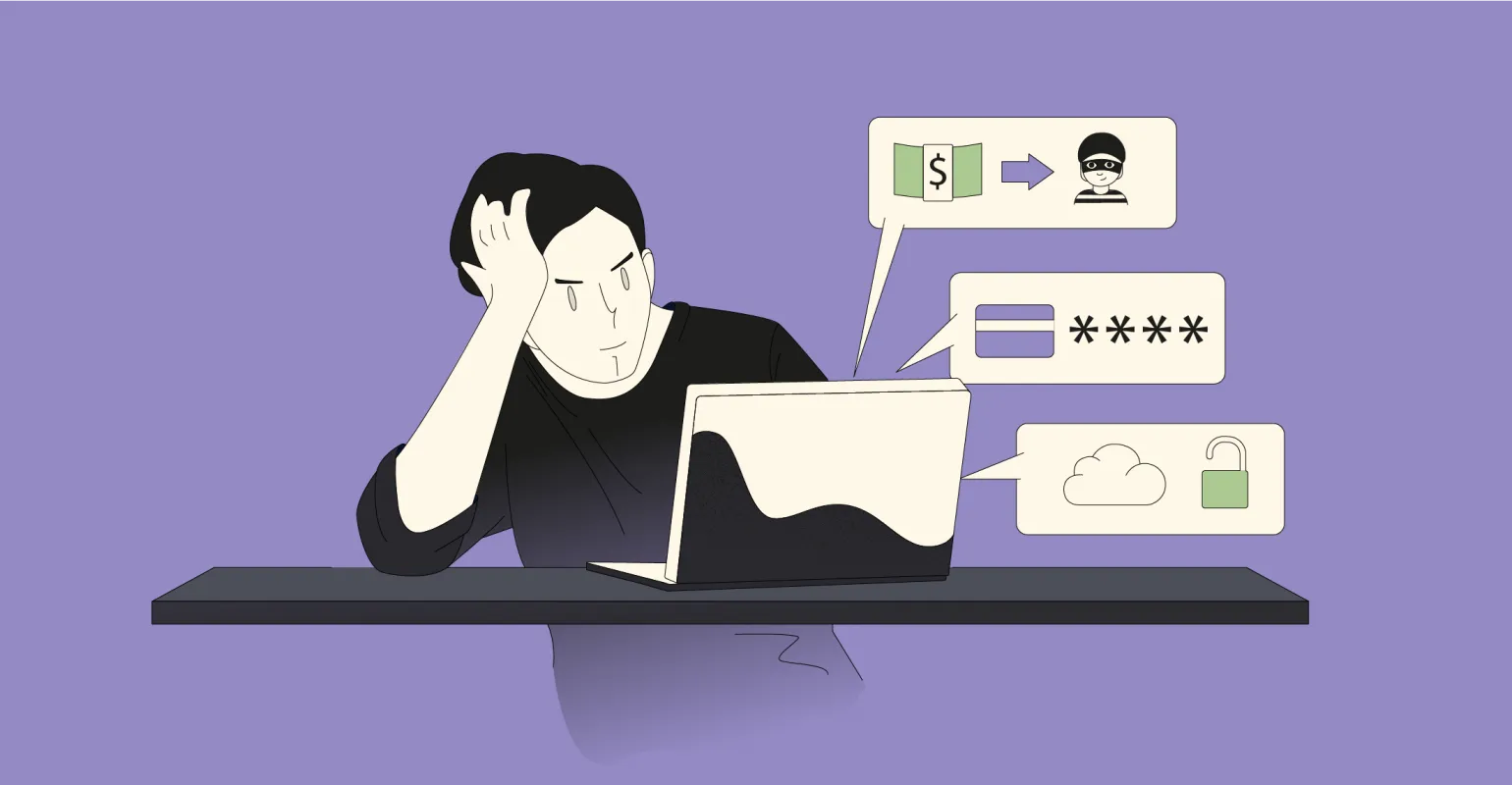
In today's world, digital literacy is the foundation for effectively protecting your finances and personal data. Many people believe that knowing about phishing and recognizing fraudulent schemes ensures complete security. However, this is a misconception. It's important to understand that cyber threats are constantly evolving, and fraudsters are developing new methods of deception. Therefore, in addition to knowledge about phishing, it is essential to regularly update your skills and stay up-to-date on the latest cybersecurity trends. This includes using strong passwords, two-factor authentication, and regularly updating your software. Only a comprehensive approach to digital literacy can protect you from potential threats and keep your financial and personal data safe. Imagine a situation where you receive a message from an old acquaintance on a messenger, in which they share their difficult situation and ask for financial assistance. Unaware that their account may have been hacked, you send money, thinking you are supporting a friend. As a result, you risk becoming a victim of fraud. This case highlights the importance of awareness of phishing, which is only one component of digital literacy. Knowing how to recognize fraudulent schemes and protect your finances online is essential knowledge for every user. Digital literacy covers a wide range of skills and knowledge necessary for the safe and effective use of technology. A key aspect is the ability to protect personal data, including bank card information, such as CVC/CVV codes. It is important not only not to share this information with strangers but also to know how to keep your personal data secure. Users should be able to verify the veracity of information received from various sources and take measures to protect their data online. Mastering these skills helps improve overall digital security and protect against online threats.
What is digital literacy and why is it important?
Digital literacy is a key competency in the modern world, ensuring the effective and safe use of technology and the Internet. According to the World Health Organization (WHO), the number of internet users will reach 5 billion in 2022, which underscores the relevance of digital skills. With the rapid development of technology, the ability to navigate the online space is becoming essential for successful life and work. Developing digital literacy contributes not only to personal but also professional growth, opening up new opportunities for learning, communication, and business.
To ensure your safety in the digital space, it is important to consider several key aspects. First, it's important to understand phishing and other forms of online fraud to avoid becoming a victim. Second, you should know how to create strong passwords and be sure to use two-factor authentication for additional account security. Third, it's important to know how to verify information sources and recognize fake news, which will help avoid manipulation and disinformation. By following these recommendations, you can significantly improve your digital security.
Frequently Asked Questions about Digital Literacy
Protecting your personal data online is an important task for every user. To ensure the security of your data, use complex passwords and update them regularly. It is recommended to enable two-factor authentication on all available platforms, which will significantly increase the level of protection.
To recognize phishing, it is important to carefully check the addresses of websites that request personal information. Never click links in suspicious messages and be cautious with email attachments. These simple measures will help you protect your data and avoid potential online threats.
In conclusion, awareness and practice of digital literacy play a key role in ensuring your online safety. It's important to continually learn and update your knowledge of modern cyberthreats. This will help you effectively protect your personal data and minimize the risks associated with using digital technologies. Don't miss the opportunity to develop your skills and stay up-to-date with new trends in internet security.
Personal data: what is it and how does it relate to digital literacy?
Personal data is information that allows you to identify an individual. This includes your passport number, residential address, full name, and contact phone number. In today's digital world, protecting your personal data is becoming critical to ensuring security and privacy. Knowing how to protect your personal data is not only an element of digital literacy but also a necessity in the face of the ever-increasing cyberthreats. Ensuring the security of your personal information will help prevent fraud and data leaks, which is a pressing concern for every internet user.
Recent studies indicate that more than 60% of internet users are unaware of how to protect their personal data. Lack of knowledge can lead to serious consequences, such as identity theft and financial fraud. The case of Rafael Khalilov from Moscow illustrates how easily criminals can use other people's data to obtain loans or engage in blackmail. Protecting personal data in today's digital world is becoming a critical task, and every user should be aware of the methods for protecting their information.

Knowledge of what data can be posted in the public Knowing which services you can access and which should be kept secret is a key aspect of protecting your personal information. It's important to understand that not all services require you to provide your personal data, and some may misuse it. Being mindful of the information you share and choosing reliable platforms will help you avoid data leaks and maintain your privacy. Understanding the rules and risks associated with online services will help you surf the internet more safely and protect your interests.
To improve your digital security, we recommend following a few key principles. First, use complex passwords and change them regularly. A combination of letters, numbers, and special characters enhances the security of your accounts. Second, enable two-factor authentication, which adds an extra layer of protection when logging into your accounts. Third, be alert to phishing attacks: do not open suspicious links or attachments in emails. Also, regularly update your software and operating systems, as updates often contain important security patches. Finally, use reliable antivirus software and monitor your digital footprints to minimize the risk of personal information leaks. By following these recommendations, you will significantly improve your digital security and protect your data from potential threats.
- Use complex passwords and change them regularly.
- Avoid sharing your personal information on dubious platforms.
- Enable two-factor authentication where possible.
- Regularly monitor your accounts for suspicious activity.
Digital literacy training covers not only technical skills but also important aspects of personal data protection. To improve your online safety, it is important to study information from reputable resources. We recommend paying attention to the materials provided by the Cybersecurity & Infrastructure Security Agency and the Electronic Frontier Foundation. These resources will help you better understand how to protect your personal information and avoid threats in the digital space. Stay up-to-date on current cybersecurity methods and develop your digital security skills.
Data security is a crucial topic in today's digital landscape. In the face of growing cyberattacks, protecting personal information requires a systematic and comprehensive approach. Effective data security measures include the use of modern encryption technologies, regular software updates, and user training in cybersecurity basics. It's important to understand that data security is not only the responsibility of the IT department, but also the responsibility of every user. Taking conscious measures to protect your data allows you to minimize risks and keep your personal information safe.
Cybersecurity: Why Isn't a Password Alone Enough?
Setting a password on your computer is an important step in ensuring security, but it's worth remembering that this method can easily be bypassed by simple viruses. According to research by Kaspersky, about 40% of users experience data leaks due to insufficient protection of their devices. Therefore, it is important to go beyond simply setting a password and implement comprehensive security measures, such as antivirus software, regular system updates, and data backups. This will significantly reduce the risk of personal information leakage and improve the overall security of your data.
To ensure reliable data storage, it is crucial to create regular backups. According to statistics, more than 50% of companies experience the loss of critical data due to a lack of reliable backups. Such losses can lead to serious financial losses and negatively impact a business's reputation. Regular data backups help minimize risks and protect information from accidental deletion, hardware failures, or cyberattacks. Investing in reliable backup solutions not only preserves data but also ensures long-term business stability and reliability.
Secure File Transfer: How to Avoid Leaks?
It is important to pay attention to the security of information transfer. Sending files via email often does not provide an adequate level of protection. It is recommended to use specialized platforms such as Dropbox or Google Drive. These services offer encryption and access restrictions, ensuring that only authorized users have access to your information. Using such platforms significantly reduces the risk of data leakage and increases the security of your files.
Using two-factor authentication (2FA) significantly increases the security of your accounts. Cybersecurity experts claim that 2FA can prevent up to 99% of unauthorized access attempts. Implementing this authentication method is an important step in protecting personal information and data online. Ensure your security by activating two-factor authentication on all available platforms.
Why is it important to verify the authenticity of information?
Verifying the authenticity of information plays a key role in preventing financial losses and protecting against fraudulent manipulation. Fraudsters often hack social media accounts and then send messages impersonating your friends, asking them to urgently transfer money to their Qiwi wallet. It's crucial to remain vigilant in such situations to avoid losing significant amounts of money. Regularly checking your sources of information and being aware of common fraudulent schemes will help you protect your funds.
In today's climate, where fundraising for medical treatment is actively promoted on social media, it's crucial to be able to distinguish between genuine requests for help and scams. There are numerous examples of scammers using photos and stories of real people to deceive well-meaning citizens. Verifying sources of information and facts can protect you from participating in false campaigns. Be vigilant and cautious to avoid becoming a victim of online scams.
Verification skills play a key role in professional work. The ability to critically evaluate data helps avoid serious errors that can lead to the need to revise or completely redesign projects. Research shows that approximately 70% of projects encounter problems due to insufficient verification of information during the planning stage. Effective data validation not only improves the quality of work but also contributes to the successful completion of projects, making this skill especially important for professionals in various fields.
Why is digital literacy necessary in the modern world?
Digital literacy is a crucial skill, in demand both in the workplace and in everyday life. According to a 2023 study by the Center for Digital Economy, more than 85% of employers in Russia believe that the level of digital competence of employees significantly impacts their productivity and efficiency. Proficiency in digital technologies not only improves the quality of task completion but also facilitates faster decision-making, improving overall team dynamics. With the rapid development of technology, the ability to adapt to new tools and platforms is becoming critical for career success.
Digitalization continues to actively penetrate various areas of our lives, turning from a trend into a necessity. Employers understand that only employees who are able to adapt to new technologies can effectively perform their duties. Therefore, those who fail to keep up with digital development risk losing their jobs and will be forced to seek new opportunities in other industries. Adapting to digital change is becoming a key factor for resilience and competitiveness in the labor market. Digital literacy plays a key role not only in professional activities but also in personal life. It helps minimize the risks and losses associated with storing important data. For example, the ability to use cloud storage will help you reliably protect family photos and videos from possible loss due to a hard drive failure. This simple yet vital skill can save you significant time and stress, ensuring the safety of your memories. Cloud storage also simplifies access to files from various devices, making it especially convenient in the modern world. By developing digital literacy, you not only protect your data but also improve the quality of your life.
How to develop digital literacy?
There are many resources for improving digital literacy. Online courses such as Coursera and Skillbox offer training in various aspects of digital technology, allowing you to gain the necessary skills in a convenient format. Also, many libraries and educational institutions offer free seminars and training, making training accessible to everyone. Take advantage of these opportunities to improve your knowledge and skills in digital technology and increase your competitiveness in the job market.
Frequently Asked Questions about Digital Literacy
Digital literacy plays a key role in career advancement. In today's world, employers prefer candidates who can effectively use modern technology. Learning to use digital tools not only increases your competitiveness in the job market but also opens up new opportunities for professional development. In a constantly changing technology landscape, mastering digital skills is becoming essential for a successful career.
How can I quickly improve my digital literacy? Take short courses, watch educational videos on YouTube, and actively practice with new programs and applications. This will help you master the necessary skills and confidently use technology in your everyday life. Regular practice and studying useful materials will significantly accelerate the learning process and increase your confidence in the digital world.
What are the key skills in digital literacy? Key digital literacy skills include the ability to effectively use office applications, knowledge of internet security basics, and the ability to work with various digital devices. These skills are essential for successfully interacting with modern technology and maintaining the security of personal information online.
How to improve your digital literacy?
Digital literacy is a key skill in modern society. To improve your knowledge and skills in this area, it is important to stay up to date with current events. We recommend starting by studying the frequently asked questions (FAQs) of the services you regularly use, as well as keeping up with the latest news about online fraud. This will help you protect yourself and develop the skills necessary to use digital technologies safely and effectively. Maintaining digital literacy not only promotes personal safety but also opens up new opportunities in work and education.
Digital literacy includes an important aspect - the ability to recognize fake news. To do this, you need to learn how to verify information by turning to primary sources and authoritative resources such as Snopes and FactCheck.org. These platforms will help you effectively distinguish fact from fiction, which is especially important in today's information flow. By developing critical information analysis skills, you can protect yourself from misinformation and make more informed decisions.
It's important to pay attention to educational resources. There are numerous online courses and articles that can help you master various software applications, securely share files, and effectively work with data. Platforms like Coursera and edX offer a variety of digital literacy courses, making learning accessible to a wide audience. These resources will not only help you increase your knowledge but also enhance the skills needed to succeed in today's work environment. Learning digital technologies is becoming an integral part of professional growth, and available online courses provide an excellent opportunity for self-development.
Starting a Business in 2025: 5 Steps to Success
Want to start a business in 2025? Learn 5 key steps for a successful launch! Read the article.
Find out more