
Contents:
- Digital ruble: what is it and when will it appear in Russia?
- Digital ruble: why is it needed?
- What is the digital ruble and how does it differ from cryptocurrency, cash and non-cash money?
- Using the digital ruble: main aspects
- Digital ruble security: can it be stolen?
- Global trends in the use of digital currencies
- Problems and prospects of digital currencies
- Advantages and disadvantages of the digital ruble: what is needed Know
- Key aspects of the digital ruble: three key points

Financial Literacy: 5 Steps to Budget and Investment Management
Learn MoreDigital Ruble: What is it and when will it appear in Russia?
The digital ruble is a modern virtual version of the national currency of Russia, which will become the third form of the ruble along with cash and non-cash money. This innovative form of currency was created to increase the convenience and security of financial transactions, providing citizens and businesses with access to more efficient payment methods. The introduction of the digital ruble can contribute to the improvement of the country's financial infrastructure, as well as reduce transaction costs and increase the transparency of payments.
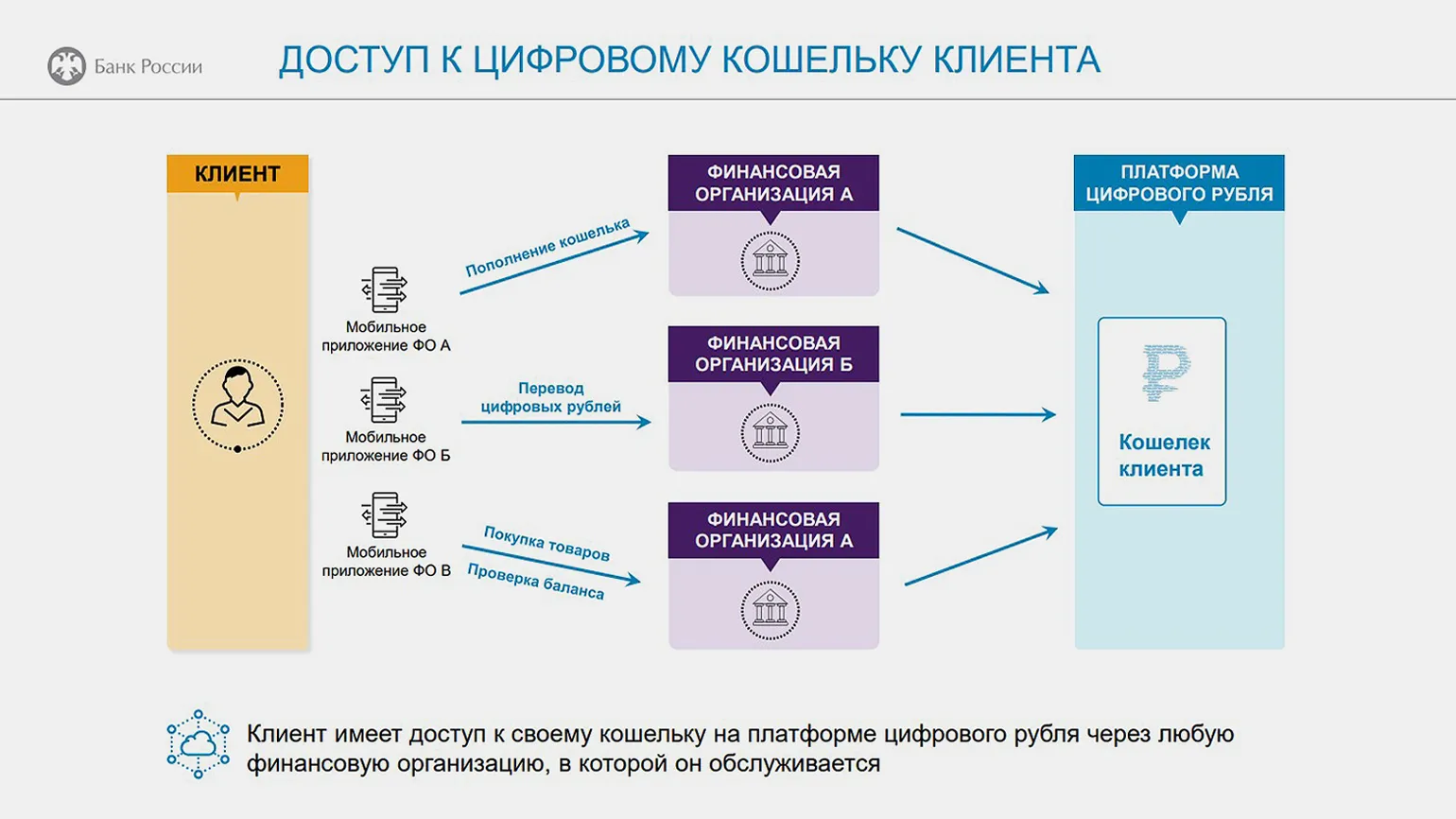
From a technical point of view, the digital ruble is a unique code stored in a special wallet of the Central Bank of the Russian Federation. Users will be able to access this wallet through the applications of various banks. This will ensure ease of payment and money transfer, similar to using traditional bank accounts. The digital ruble will provide additional opportunities for convenient and secure financial management, improving the country's financial infrastructure and promoting the development of cashless payments.
When will the digital ruble be available to the general public? Currently, the exact launch date has not been determined. The Central Bank of Russia emphasizes that the project is large-scale and requires time to implement. In July 2023, President Vladimir Putin signed the law on the introduction of the digital ruble, which was an important step towards its launch. Since then, pilot testing has begun, with the participation of major commercial banks such as Sber, VTB, Alfa-Bank, and T-Bank. The full launch of the digital ruble for citizens is expected no earlier than 2025. The introduction of the digital currency is expected to improve financial services and increase the convenience of payments for users.
Use of the digital ruble is optional. Every citizen has the opportunity to choose whether to use this new currency or continue using traditional payment methods. This ensures flexibility and freedom of choice for all users of financial services. Thus, the introduction of the digital ruble is aimed at improving the financial system, but does not force citizens to switch to a new form of payment.
If you're looking to improve your financial skills, consider courses from Skillbox. They will help you master the basic principles of financial literacy and investing. This knowledge will allow you to manage your finances more effectively and make informed investment decisions.
- "Financial Literacy: Learning to Manage a Budget, Save, and Invest" is a course on monitoring income and expenses, setting financial goals, and achieving them.
- "Personal Investments" is a program dedicated to the basics of smart investing in securities.
- "Trading" is an opportunity to learn how to make money on the stock market in your free time or make it your profession.
The Digital Ruble: Why is it Needed?
The digital ruble, according to the concept of the Central Bank of Russia, is designed to simplify and speed up financial transactions, as well as increase their security. In this article, we will consider how digital currency can contribute to the development of the state, business, and society as a whole. The digital ruble can optimize payment processes, reduce transaction costs, and improve access to financial services. The introduction of a digital currency could also be an important step toward improving financial literacy and ensuring transparency in the economy.
The digital ruble will become an important tool for the state, simplifying control over cash flows. All transactions will be recorded in the Central Bank system, significantly increasing the transparency of financial operations. The transition to a digital currency will also reduce the costs of administering budget payments, improve the cross-border settlement system, and increase competitiveness in the financial market. Furthermore, the introduction of a digital ruble could help speed up payment processes and improve their security, which in turn will strengthen the trust of citizens and businesses in the financial system.
Konstantin Egorov, a graduate of the New Economic School and a research fellow at the University of Antwerp, notes that there is increasing competition between traditional and digital currencies globally. As the number of users of currencies such as the yuan or dollar increases, the likelihood that other countries will follow suit increases. The expert emphasizes that "it is more convenient to work with a currency that your partners already accept." The introduction of the digital ruble could significantly enhance its attractiveness and competitiveness on the international stage, which, in turn, could strengthen Russia's position in the global economy.
Dmitry Borodin, Investment Director and Associate Professor at Bauman Moscow State Technical University, emphasizes that the digital ruble could become a serious alternative to cryptocurrencies. With the growing popularity of decentralized currencies, control over the issuance of the digital ruble will allow the state to maintain exchange rate stability and effectively control inflation. This also plays a key role in ensuring the security and sustainability of monetary policy. The development of the digital ruble could reduce the risks associated with the use of cryptocurrencies and increase public confidence in the financial system.
Businesses can significantly reduce acquiring costs and simplify the transaction process thanks to smart contracts. In Russia, the average acquiring cost ranges from 2% to 2.5% of the transaction amount. However, with the introduction of the digital ruble, this cost could drop to 0.2% for transfers from individuals and only 15 rubles for transfers between legal entities. The use of smart contracts and the digital ruble not only streamlines financial processes but also improves transaction security, making them more attractive for businesses.
Smart contracts are software algorithms that automate the execution of transaction terms and the transfer of funds. For example, when a company purchases raw materials, payments to the supplier are made only after confirmation of receipt of the goods. This approach not only simplifies the process of concluding complex transactions but also ensures control over the targeted use of financial resources. Smart contracts contribute to increased transparency and reliability of business processes, minimizing the risk of fraud and errors.
The digital ruble will provide citizens with new financial opportunities. Users will be able to make transfers and payments without fees or restrictions. According to forecasts, fees for transfers between individuals will be abolished, and the Central Bank guarantees that the digital ruble will be an instrument free of bank limits. This will allow transfers of any amount within the balance in the digital wallet, significantly simplifying financial transactions and increasing the accessibility of services.
The introduction of the digital ruble is a significant stage in the development of the Russian financial system. This innovation promises to bring benefits to the state, businesses, and citizens. Understanding the benefits and functionality of the digital ruble will help all market participants quickly adapt to changes and maximize the opportunities offered by digital currency. The digital ruble can improve financial transactions, enhance transaction security, and simplify access to financial services for the population.
What is the digital ruble and how does it differ from cryptocurrency, cash, and non-cash money?
The digital ruble is an innovative currency created by the Central Bank of Russia. This new form of money is designed to optimize financial transactions and simplify the payment process. The digital ruble will have significant significance in the context of existing forms of money, including cash, non-cash funds, and cryptocurrencies. It is important to consider how the digital ruble will integrate into the modern financial system, ensuring security and convenience for users.
The digital ruble differs from cryptocurrency in its centralized nature. While most cryptocurrencies operate on decentralized principles and are not dependent on a single center, the digital ruble will be controlled and issued by the Central Bank of Russia. This ensures stability and reliability, which are important for the country's financial system. Central control avoids the volatility typical of many cryptocurrencies and creates a more predictable environment for users and businesses. Cryptocurrencies can be created by users, making them decentralized and susceptible to market fluctuations. In contrast, the digital ruble will be issued exclusively by the Central Bank, ensuring a more stable and controllable financial system. This approach avoids the risks associated with cryptocurrency volatility and promotes trust in digital currencies, protecting the interests of users and investors. Unlike highly volatile cryptocurrencies, the digital ruble will have a stable value equal to the value of the traditional ruble. This stability is ensured by the country's gold and foreign exchange reserves, making the digital ruble more predictable and convenient for everyday use. Thus, users will be able to count on the immutability of the digital ruble's value, which will facilitate its widespread adoption and use in financial transactions.

Digital rubles will be stored in a specialized electronic wallet managed by the Central Bank. Unlike non-cash rubles, which are deposited in accounts at commercial banks, digital rubles provide more direct access to funds. Users will be able to easily access their e-wallet through bank apps, significantly simplifying the process of using digital currencies. This innovation is aimed at increasing the convenience and security of financial transactions, as well as integrating digital currency into everyday economic life.
The digital ruble has an important feature: it can be used without internet access. This significantly increases its availability and applicability in various life situations, making it a convenient tool for users. The ability to conduct offline transactions opens new horizons for using the digital ruble in everyday life and in conditions of limited internet connection.
The digital ruble is intended exclusively for payments and transfers. It does not provide the ability to obtain loans or open deposits at banking institutions. It is worth noting that when using the digital ruble, benefits such as cashback or other bonuses that are often offered when paying with bank cards are not available. This makes the digital ruble an instrument aimed at simplifying financial transactions, but not at receiving additional rewards.
The digital ruble has unique characteristics that distinguish it from cryptocurrencies, cash, and non-cash funds. These features make it a significant tool for the future development of the Russian financial system. The digital ruble can improve payment efficiency, improve control over cash flows, and promote financial inclusion, which is an important step in the evolution of the country's economy.
Read also:
Cryptocurrencies: what they are, how they function, what types exist, and what they are intended for.
Cryptocurrencies are digital or virtual currencies that use cryptography to ensure security. They operate on blockchain technology, which provides decentralized data storage and protection against counterfeiting.
There are many types of cryptocurrencies, the most well-known of which are Bitcoin, Ethereum, and Litecoin. Each of them has its own characteristics and purpose. Bitcoin, the first and most popular cryptocurrency, is used as a medium of exchange and store of value. Ethereum, in turn, provides a platform for creating decentralized applications and smart contracts. Cryptocurrencies are essential for simplifying financial transactions, reducing costs, and increasing security. They also open up new opportunities for investment and financial independence. The development of cryptocurrencies and blockchain continues to attract the attention of both private investors and large financial institutions. If you are interested in questions related to the digital ruble or want to learn about its advantages, we recommend visiting the official website of the Central Bank of Russia at [cbr.ru](https://cbr.ru). Here you will find up-to-date information and answers to all your questions about digital currency.
Using the Digital Ruble: Key Aspects
The digital ruble is a new form of currency that will be available to citizens after the testing phase is complete. Currently, only a limited number of users have access to this instrument. In this article, we will look at how to effectively use the digital ruble after its official launch. We will discuss the benefits of the digital ruble, its functionality, and how to use it in everyday life.
To open a digital wallet, you need to install a mobile application from one of the Russian commercial banks. Registration in the application will be similar to the process of opening a regular bank account or card, which will ensure accessibility and simplicity for all users. Using a digital wallet allows you to conveniently manage your finances, make payments, and conduct transfers.
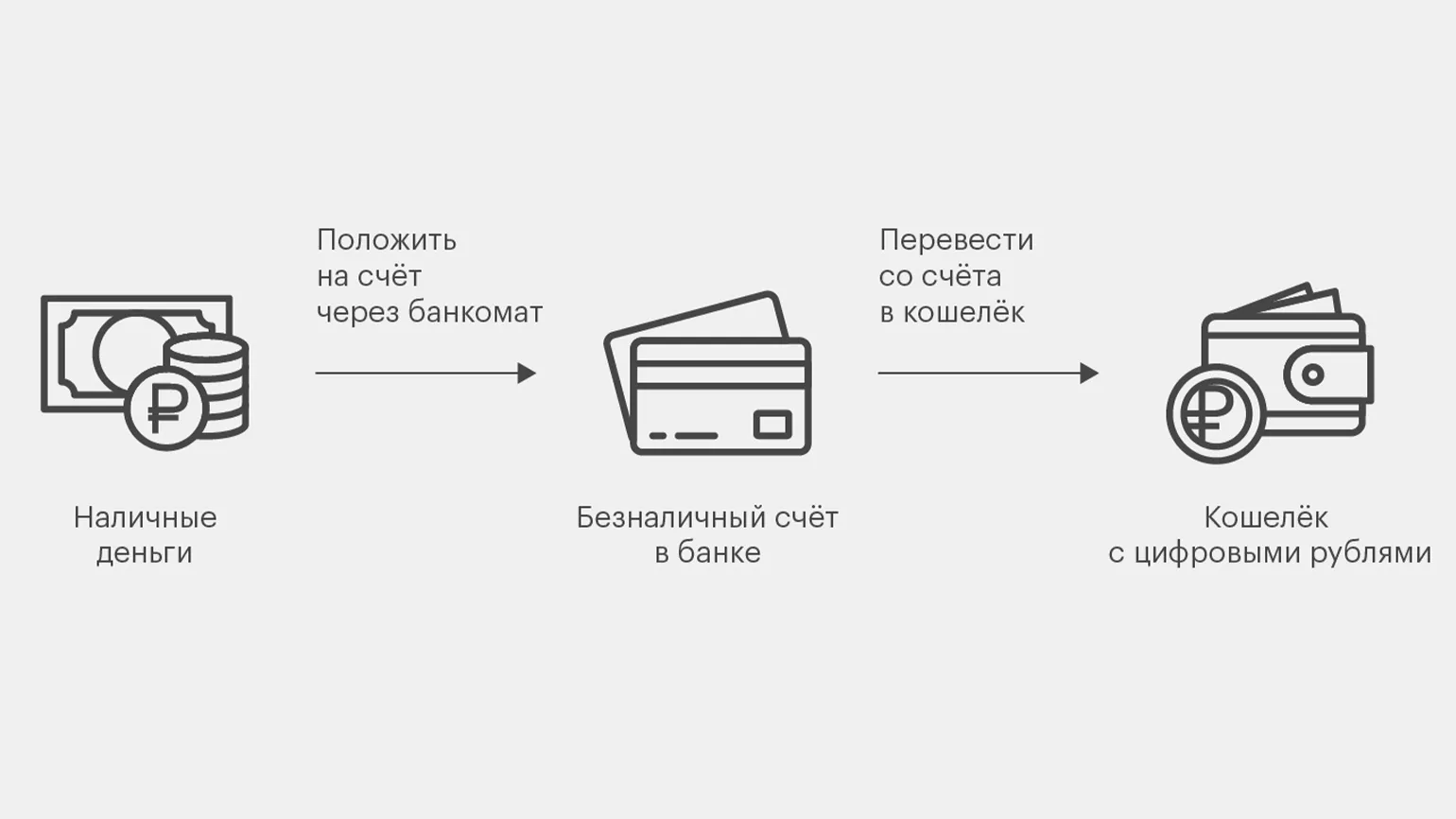
Paying for goods and services using QR codes is becoming increasingly popular. The seller indicates the amount and generates a QR code, which the buyer can easily scan using their banking application. After selecting the digital ruble and confirming the payment, the process is complete. This payment method ensures fast and secure transactions, allowing users to conveniently pay for purchases. Using QR codes for payments speeds up service and reduces queues in stores. Digital rubles can be transferred using a phone number, significantly simplifying financial transactions. The process will be similar to using the Fast Payments system: simply enter your phone number, enter the amount, and confirm the transfer. This innovation will make transfers more accessible and convenient for users, improving interaction with digital finance. To exchange digital rubles for cash, you must use the banking app and an ATM. The exchange process involves several steps: first, transfer digital rubles to a non-cash account at your bank using the app, and then withdraw cash from an ATM. It is important to remember that the exchange rate is 1:1, making the process profitable and transparent. The use of digital rubles is becoming increasingly popular, and knowing how to exchange them will help you manage your finances effectively.
Initially, the digital wallet top-up limit is set at 300,000 rubles per month. This will allow users to gradually become accustomed to the new financial instrument and manage their funds effectively.
In the near future, the Central Bank intends to implement contactless payments using NFT technology. This innovation will open up new horizons for users, providing more convenient and secure payment methods. We recommend following the latest news to stay informed about the latest updates and opportunities offered by the digital economy.
Security of the digital ruble: can it be Steal?
The risk of digital ruble theft continues to generate debate. To date, the Central Bank of Russia has not provided full information on the security measures planned for the digital ruble platform. This creates uncertainty among users and potential investors, as the security of digital currencies is key to their successful implementation and use.
Deputy Director of the National Payment System Department of the Central Bank of Russia, Denis Polyakov, announced the implementation of an innovative security system. However, the details of the project have not yet been disclosed. He noted that a specialized software module has been developed to ensure user security, encrypting all messages using modern cryptographic technologies. This measure is aimed at protecting user data and increasing trust in the national payment system.
The development of this technology was carried out in accordance with strict security requirements and under the supervision of the FSB, which demonstrates a serious approach to data protection. Nevertheless, even with the availability of modern technology, users can still fall victim to fraudulent schemes. It is necessary to be vigilant and take additional precautions to protect personal information and finances.
Representatives of the Central Bank emphasize that the main threat to financial security lies not in technology, but in the human factor. Carelessness by users when transferring their personal data to cybercriminals can lead to significant financial losses. Therefore, it is important to exercise caution and protect your information to avoid unpleasant consequences.
According to the latest data in the field of cybersecurity, the level of fraud in the financial sector is steadily increasing. This underscores the importance of protecting users' personal information. Experts recommend being especially vigilant and avoiding disclosing confidential data. By following these simple rules, you can significantly reduce the risk of becoming a victim of fraud.
Global trends in the use of digital currencies
According to data from the Bank for International Settlements (BIS), interest in digital currencies continues to grow. In 2023, a study of 86 central banks found that 86% were actively exploring the possibility of implementing digital currencies, and 14% were already implementing pilot projects. These facts indicate the significant potential of digital financial solutions in the global market, which could lead to the transformation of financial systems and improved economic efficiency.
Currently, digital currencies are being implemented in countries such as China, Nigeria, and several Caribbean states. At the same time, France, Canada, the United Arab Emirates, and Sweden are actively developing their own digital currencies, highlighting the global trend towards the digitalization of finance. This process not only changes traditional financial systems but also creates new opportunities for investment and business. The successful implementation of digital currencies can significantly improve the efficiency of payment systems and simplify currency exchange, which in turn contributes to the economic development of countries.
The launch of a digital currency does not always guarantee its successful adoption by users. For example, despite the presentation of the digital yuan at the 2022 Beijing Olympics, its popularity remains below expectations. Since its launch, the digital yuan platform has processed only $260 billion, while the largest aggregator, Alipay, processed a staggering $17 trillion during the same period. This highlights the importance of not only the adoption of new technologies but also their ability to attract users and compete with established digital payment solutions.
Challenges and Prospects of Digital Currencies
Despite the growing interest in digital currencies, there are many factors that can influence their success. Key among these are issues of security, regulation, and public trust in such assets. Successful integration of digital currencies into the financial system requires a comprehensive approach to addressing these issues. It is necessary to develop reliable data protection mechanisms, establish clear regulatory rules, and create conditions for building user trust. These aspects play a crucial role in the acceptance of digital currencies as a full-fledged instrument in the global economy.
In conclusion, digital currencies have significant potential to transform the financial sector. However, their successful implementation requires careful analysis and consideration of user opinions. It is important to consider both the benefits and risks associated with using digital currencies to create a secure and efficient financial environment.
Advantages and Disadvantages of the Digital Ruble: What You Need to Know
The digital ruble is an innovation in the financial sector, generating active discussions among economists, investors, and financial experts. In this article, we will analyze the key advantages and disadvantages of the digital currency, which are actively discussed online and in specialized forums. The digital ruble has the potential to change the financial system by providing faster and more secure transfers of funds, but it also raises questions about security, privacy, and possible implications for traditional banking structures. We will consider these aspects to provide a complete understanding of the digital ruble and its impact on the economy.
One of the key advantages of the digital ruble is the ability to use an e-wallet without an internet connection. This is especially convenient for travelers and users roaming. The ability to conduct transactions and pay without an internet connection makes the digital ruble an attractive option for many people, providing simplicity and accessibility for payments in any situation. Reduced commissions and acquiring fees allow individuals to transfer funds between themselves without additional costs. Legal entities will also be able to significantly reduce their acquiring costs. This will lead to a reduction in business operating costs, making them more competitive in the market. The implementation of such changes will create favorable conditions for financial transactions and improve business efficiency. The Central Bank of Russia does not intend to impose restrictions on transfers between users, ensuring flexibility and convenience in financial transactions. The absence of transfer limits creates additional opportunities for users, allowing them to freely manage their finances and carry out necessary transactions without unnecessary obstacles. This solution contributes to improved financial inclusion and stimulates economic growth, making the system more attractive to customers. Integration of the digital ruble into banking applications will allow users to conveniently manage their funds without the need to install additional software. This will significantly simplify access to digital rubles and improve the user experience. Customers will be able to conduct transactions with digital assets through the interface of familiar banking applications, which will increase their level of trust and convenience.
The digital ruble does not offer the opportunity to receive cashback or interest, which distinguishes it from traditional bank accounts. This limits users from receiving additional benefits and advantages that banks often offer through loyalty programs. As a result, the lack of such features may reduce the appeal of the digital ruble for some users looking for ways to optimize their financial transactions and receive additional bonuses.
Susceptibility to inflation is an important aspect to consider when storing funds in a digital wallet. Despite their convenience and security, digital currencies are also susceptible to inflation, which can lead to asset depreciation. Investors should be mindful of this factor when planning their finances and savings to avoid losses and preserve the purchasing power of their funds.
The digital ruble has both positive and negative aspects that need to be carefully considered. Like any new financial system, it takes time to adapt and understand its features. It is important to conduct a detailed analysis of all the advantages and disadvantages of digital currency to ensure its effective implementation and use.
Key aspects of the digital ruble: three key points
Want to improve your financial literacy and learn how to effectively manage your finances? In this material, we will present useful resources and practical recommendations that will help you make more informed financial decisions and optimize your budget.
- If your goal is to accumulate funds, check out a series of articles dedicated to saving and saving methods. Anna Dengina, an expert in financial health, offers unique strategies for saving and effectively managing expenses.
- If you are experiencing difficulties with saving, we recommend studying materials on how to build a healthy relationship with money. These articles explain in detail why budgeting can be a challenge and how to overcome it.
- The online course "Financial Literacy" from Skillbox is an excellent choice for those who want to master the skills of monitoring income and expenses, as well as learn how to set and achieve financial goals. As part of the program, participants work with real financial scenarios and ultimately create a personal financial plan.
Financial Literacy: 5 Steps to Budget and Investment Management
Want to learn how to manage your finances? Learn the 5 key principles of financial literacy!
Learn more