
Contents:
- What is fictitious bankruptcy and how to recognize it: a checklist of warning signs for a creditor
- Is it possible to prevent fictitious bankruptcy: negotiations with the debtor
- What to do if bankruptcy proceedings have already begun
- Which debts are not written off in bankruptcy
- How to protect yourself from unscrupulous borrowers: the main elements of a creditor's strategy

Practical Course: "How to Start a Business"
Learn MoreWhat is Fictitious Bankruptcy and How to Recognize It: A Checklist of Warning Signs for Creditors
Fictitious bankruptcy is a situation where an individual or legal entity intentionally resorts to bankruptcy proceedings not because of an inability to repay debts, but in order to avoid repayment. This approach can be used to manipulate creditors and eliminate financial obligations. Fictitious bankruptcy is illegal and can lead to serious legal consequences, including criminal liability. It's important to understand that the law protects creditors' rights, and abusing bankruptcy proceedings can negatively impact a debtor's reputation.
A borrower's tactics can be identified by a number of characteristic signs. First, this may manifest itself in frequent applications for loans from different financial institutions. Second, the borrower may demonstrate instability in repaying debts, deferring payments or applying for new loans to pay off old ones. It's also worth paying attention to changes in financial behavior, such as frequent requests for credit limit increases. These and other signs may indicate potential problems with the borrower and their intentions. It is important to carefully analyze the borrower's financial history to avoid risks when granting loans.
- Suspicious behavior. Regular evasive promises to pay soon, requests for deferments without exact deadlines, closing current accounts without explanation.
- Changes in reporting. For example, a significant discrepancy between the company's declared income and actual turnover, or the appearance of "strange" losses.
- "Cascading bankruptcy." The debtor sequentially transfers assets through a chain of interconnected companies or transfers them to the accounts of shell companies to conceal assets before initiating bankruptcy proceedings.
- "Preventive bankruptcy." The debtor files for bankruptcy before creditors begin collecting the debt. This is usually done against a backdrop of apparent prosperity, to get ahead of the creditor and protect against claims. With this approach, creditors' chances of recovering their debts are minimal.
If you suspect a counterparty is experiencing financial difficulties, begin monitoring their financial situation. One effective method is to check the Unified State Register of Real Estate (USRN), where you can track real estate transactions. If a borrower sells property but the proceeds are not used to pay off debts, this may be a warning sign of potential financial problems. Regularly analyzing the financial status of your counterparties will help avoid risks and protect your interests.
Is it possible to prevent fraudulent bankruptcy: negotiations with the debtor?
Experienced debt collectors emphasize that in 40% of cases, proper and timely psychological intervention can prevent bankruptcy abuse and help reach agreements with the debtor. It is important to note that this applies exclusively to legal and ethical methods of working with debtors. A professional approach to interacting with clients contributes to more effective resolution of financial conflicts and reduces the likelihood of resorting to extreme measures, such as bankruptcy.
For effective communication with a debtor, it's important to adhere to several key principles. Start by establishing a trusting relationship, demonstrating understanding and a willingness to engage in dialogue. Use clear and professional language, avoiding aggressive or accusatory language. Communicate regularly to maintain contact and maintain control of the situation. Listen to the debtor, consider their opinions and suggestions, which will help find a mutually beneficial solution. Remember to document all interactions so that you have evidence of communication if necessary. Establishing an open channel of communication will not only help resolve current issues but also prevent potential problems in the future.
- Inform the debtor that you are aware of the possibility of fraudulent bankruptcy and are ready to take legal action if necessary.
- Offer compromise options for debt repayment - for example, you can agree on a payment deferment or agree on a convenient installment schedule.
- Emphasize that a compromise is the debtor's chance to preserve their reputation and business.
It is important to record all agreements in a separate agreement. The document must specify the payment schedule and the tools for monitoring their implementation. It is recommended to provide for the possibility of early termination of the agreement in the event of another late payment. This will help avoid misunderstandings and ensure the protection of the interests of both parties.
What to do if bankruptcy proceedings have already begun
If the debtor has filed for bankruptcy, it is important to act promptly. After the official publication of information about the bankruptcy proceedings in Kommersant, the creditor has 30 days to file a petition with the court and be included in the creditor register. This is a critical step, as missing this deadline could deprive the creditor of the opportunity to participate in the proceedings and protect their interests. A quick response to a debtor's bankruptcy allows you to minimize financial losses and increase the chances of debt repayment.
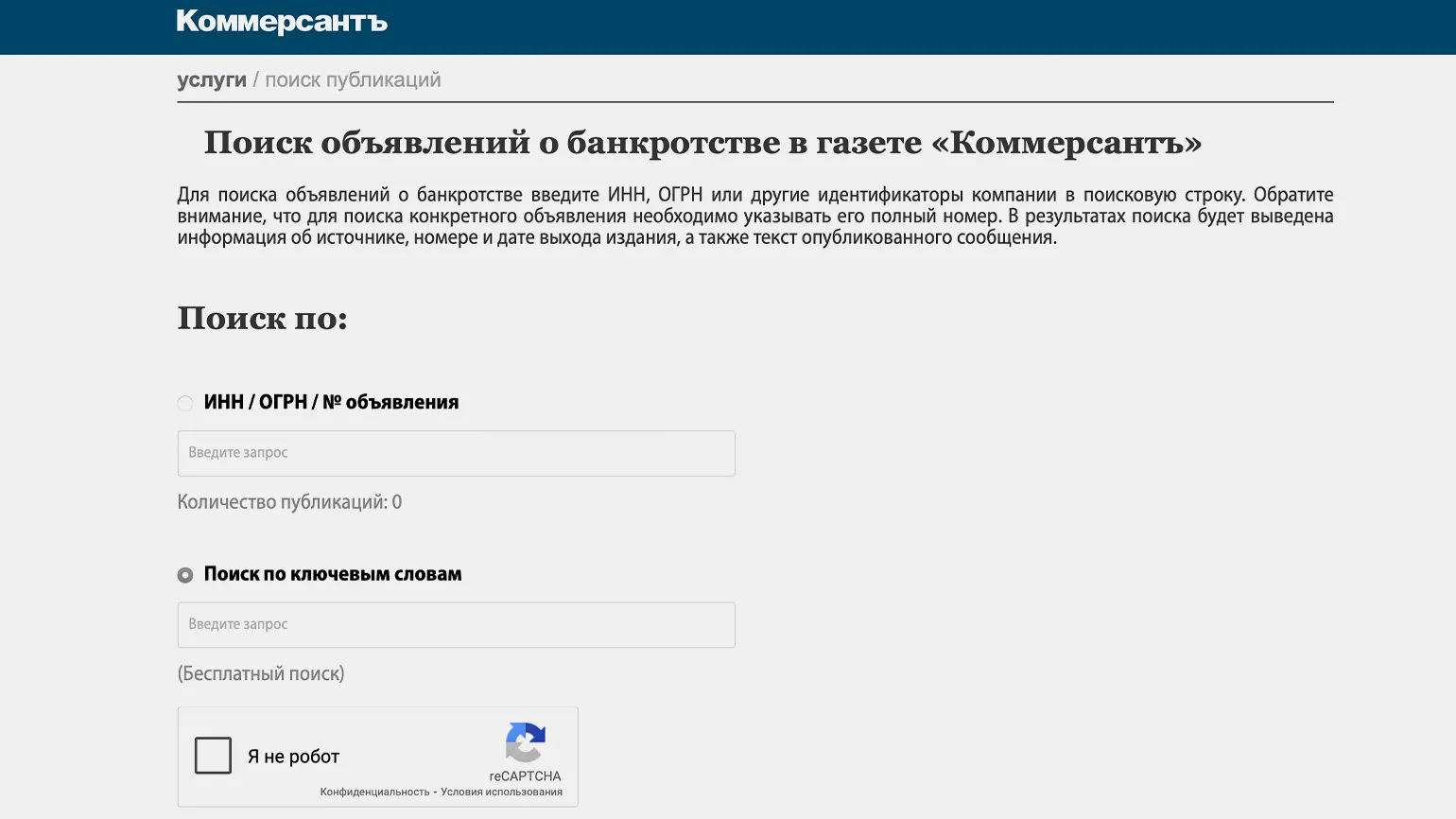
Inclusion in the creditor register is a key step in protecting financial interests. It's not just a formality, but an important element that allows for control over the bankruptcy proceedings. Creditors gain the opportunity to influence the actions of the financial manager and challenge suspicious transactions made by the debtor. Thus, participation in the creditor register increases the chances of preventing fraudulent bankruptcy and recovering lost funds. Proper interaction with the creditor register can be a decisive factor in restoring financial stability.
According to the law, it is possible to challenge suspicious transactions made within one year, and in some cases, within three years, prior to filing a bankruptcy petition. This process is an effective method for returning withdrawn assets to the bankruptcy estate and significantly increases the likelihood of debt recovery. Challenging such transactions can help creditors restore their rights and improve the financial situation of a company in bankruptcy.
To prove the suspicious nature of transactions, not only official documents such as contracts, financial statements, and court decisions can be used, but also correspondence that may contain information about the intention to "zero out" through bankruptcy proceedings. It is important to pay special attention to transactions with affiliates, as well as transactions concluded at non-market prices. These aspects can serve as important indicators of unfair practices and manipulation, making them critical for the analysis and investigation of financial irregularities.
Subsidiary liability is one of the most effective tools for debt recovery. It allows for the enforcement of debt repayment by the company's co-founders, top managers, chief accountants, directors, and even their relatives. This applies to individuals who made decisions that led to bankruptcy, including cases of fictitious bankruptcy. It's important to understand that subsidiary liability can serve not only as a mechanism to protect creditors' interests but also as an incentive for officials to act more responsibly in their work. Using this tool can significantly increase the chances of recovering funds and restoring financial stability.
Subsidiary liability may arise based on various factors, including the transfer of funds to personal accounts, transactions with shell companies, and other indicators of deliberate bankruptcy. These actions may indicate an intent to evade debt obligations, which in turn may lead to liability for the directors and owners of the business. It is important to understand that such actions not only violate the law but can also have serious consequences for the debtors themselves.
Creditors' active actions during bankruptcy proceedings serve as an important incentive for the debtor to act in good faith. Attempts to hide assets or misrepresent the debtor's financial status can easily be detected through careful monitoring by creditors. This highlights the need for transparency and honesty in financial matters, which is a key aspect of successfully resolving a bankruptcy situation.
Which debts are not written off in bankruptcy
There are categories of debt that cannot be written off under any circumstances, even if the debtor is undergoing bankruptcy proceedings. These debts include alimony, fines, and compensation for damages. These obligations remain in effect regardless of the debtor's financial situation and are not subject to write-off as part of the bankruptcy proceedings. It is important to understand that even in the event of bankruptcy, these debts may continue to impact the debtor's financial situation and capabilities. Therefore, before deciding on bankruptcy, you should carefully consider all aspects of your debt obligations.
- alimony obligations to support children, spouses, or parents;
- compensation for harm to life and health;
- unpaid taxes and insurance premiums;
- criminal fines;
- compensation for moral damages;
- wage arrears to employees.
Debts related to compensation for moral damages are not subject to the statute of limitations and can be claimed at any time, as soon as the debtor has income or property. This means that even if the debtor is going through bankruptcy proceedings, you have the right to collect this amount. Your claims for compensation for moral damages will remain valid, and you will be able to fulfill them as soon as possible.
How to protect yourself from unscrupulous borrowers: key elements of a lender's strategy
According to research by leading financial institutions, allocating 2-3% of the total loan portfolio to measures to prevent losses from fraudulent bankruptcy can reduce potential losses by 15-20%. Therefore, it is worth investing in risk mitigation in advance. Let's consider effective measures that can be taken to protect against financial losses.
Implementing comprehensive systems for monitoring the financial condition of counterparties is an important strategy for mitigating business risks. Modern technologies provide automatic tracking of the financial condition of borrowers in real time. Use specialized software and services to analyze accounting statements, lawsuits, and changes in ownership structure. This approach allows you to identify potential problems in advance and take action before they become critical. Effective monitoring of counterparty financial performance contributes to more secure and profitable business operations.
Popular services for data analysis and verification include Kontur.Fokus, the cloud-based Saby Profile solution, and the Fira Pro and Rusprofile analytical systems. These platforms offer integration with user databases via API interfaces, enabling efficient data management. They also provide the ability to store verification results and monitor changes in real time. Many of these solutions offer a free trial period, allowing you to evaluate their functionality before purchasing.
Create a "risk profile" for all major debtors. Include key financial indicators, information on beneficiaries, related companies and affiliates, and litigation history. A complete profile will help you more accurately assess risk levels and make informed decisions. The more data you collect, the easier it will be to identify potential threats and protect your company's interests.
Implementing preventative asset protection strategies is an important step in maintaining and increasing financial stability. Legal measures include obtaining personal guarantees and securing collateral, which provides additional security for your investments. Economic measures, such as diversifying your loan portfolio, will help reduce risks and increase your business's resilience to financial fluctuations. The use of these strategies promotes effective asset management and minimizes potential losses.
It is important to prepare a package of documents in advance that will help challenge questionable transactions or hold the debtor liable in the event of litigation. This will allow you to effectively protect your interests and increase your chances of a successful resolution. Proper documentation is key in legal disputes and will help avoid negative consequences.
Training employees to effectively interact with potential debtors is an important part of financial management. Regular training on identifying signs of potential problems with meeting financial obligations will help improve the team's preparedness. Particular attention should be paid to the signs of fraudulent bankruptcy, which will allow you to take timely measures to minimize financial risks. Effective employee training will not only improve the quality of work with debtors but also strengthen the financial stability of your company.
Modern companies are actively using advanced technologies to combat fraudulent bankruptcy. In particular, they are implementing artificial intelligence and big data analytics systems that allow for effective risk forecasting. These innovative approaches help not only identify potential threats but also minimize financial losses, ensuring business stability. The use of such technologies is becoming a prerequisite for successful operation in a competitive market, which underscores the importance of integrating them into a risk management strategy.
Another important point: experience shows that recovering funds through bankruptcy proceedings is often more effective than through standard enforcement proceedings. Bankruptcy proceedings allow debtors to restructure their obligations and, in some cases, preserve their assets, offering a higher chance of satisfying creditors' claims.
During bankruptcy, creditors gain expanded opportunities to protect their interests. They can participate in creditors' meetings, challenge transactions that may be deemed suspicious, and initiate subsidiary liability proceedings against management or owners. These actions significantly increase the chances of debt recovery, especially if they are undertaken in a timely manner and with the right legal strategy. Proper use of these tools allows the creditor to respond to the situation as effectively as possible and increases the likelihood of a successful resolution of the bankruptcy case.
How to start a business: from idea to implementation
You will learn how to do business in Russia in 2025. You will learn how to choose in-demand niches, create a financial model and predict risks. While training, launch a business and start earning.
Find out more