Contents:
- Livestream shopping trends in China: the future of shopping
- How livestream shopping works
- Advantages and disadvantages of shopping streams for sellers and buyers
- How shopping streams conquered the Russian market
- Livestream shopping in Russia: lagging behind China
- The future of livestream shopping: what awaits us?

4 professions in internet marketing: free Mini-Course
Learn MoreLivestream Shopping Trends in China: The Future of Shopping
In a highly competitive environment, brands are seeking innovative ways to attract customers. One of the most promising trends is livestream shopping, which has its roots in China. This modern format, called "TV Shopping 2.0," effectively connects sellers and consumers through influencers. This helps increase traffic and expand audience reach, making livestream shopping a key tool for successfully promoting goods and services in the digital space. Brands using this approach not only gain sales but also create a deeper connection with customers by tailoring their offerings to their needs and interests.
Influencers hosting live streams actively engage with their audience, answering questions, showcasing products, and encouraging purchases. A striking example is blogger Becky Lee, who, in partnership with the brand Rebecca Minkoff, was able to sell 1,200 bags in just two days. This case clearly illustrates the high effectiveness of live streaming for promoting products and increasing sales. Using influencers in marketing strategies allows brands to significantly expand their audience and increase trust in their products through personal interaction.


The pioneer of shopping streams was the TaoBao marketplace, which introduced this format in 2016. TaoBao is also setting sales records: Chinese "shopping goddess" Becky Li managed to sell 100 Mini Coopers in just five minutes through her WeChat account. Equally impressive are the achievements of blogger Tao Liang, who sold out of a limited edition of 80 Givenchy products in just 12 minutes. These examples highlight the growing popularity of shopping streams and their impact on online retail, capturing consumer attention and creating new opportunities for brands.
The audience for shopping streams continues to grow and demonstrate impressive scale. For example, a stream by popular blogger Viya attracted 43.1 million viewers, demonstrating growing interest in this shopping format. Shopping streams are becoming increasingly popular, allowing brands and retailers to effectively engage with customers in real time. This unique format not only entertains but also significantly influences consumer decisions, opening new horizons for online commerce.
How Livestream Shopping Works
Livestream shopping is a modern online commerce method that offers users a unique real-time shopping experience. The main advantage of this format is the instant transition to the product page with a single click. This allows buyers to quickly and easily take advantage of exclusive discounts and promo codes from famous brands. Livestream shopping not only simplifies the shopping process but also creates an interactive atmosphere where users can ask questions and receive answers in real time, which increases trust and customer satisfaction.
During the livestream, viewers have the opportunity to watch influencers who not only present products but also describe their characteristics in detail, creating an interactive atmosphere. During the broadcast, celebrities can joke, perform songs dedicated to the products, or share exclusive offers and discounts, turning the shopping experience into an engaging experience. Each viewer can become an active participant by asking questions in the chat, after which the host addresses them by name and demonstrates the product in detail. This format of interaction not only increases interest in the products but also helps build trust in the brand.
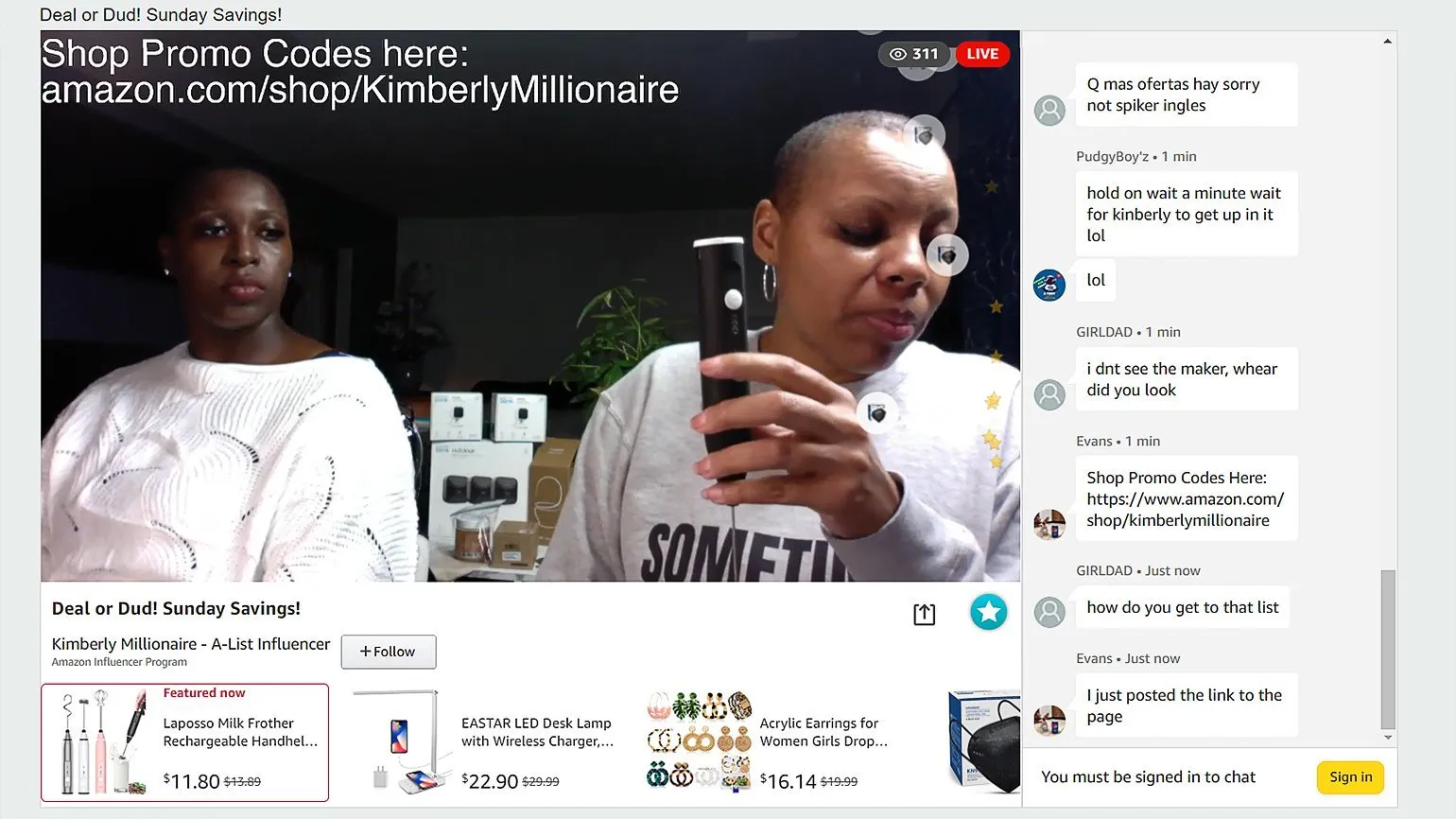
On the Amazon Live platform, the shopping process is optimized for user convenience. Icons of the products that are shown in the stream are placed under the video. By clicking the icon, the user is immediately taken to the relevant product page, where they simply confirm the purchase. One significant advantage is that customers don't need to re-enter their shipping address or link a bank card, as this information is saved from the moment they register on the platform. This makes the purchasing process quick and simple, which improves the customer experience and increases sales. Standard streams on platforms such as Twitch, YouTube, and Instagram allow viewers to interact with content in real time. However, the purchasing process on these platforms is often less convenient. To purchase an item, users must send a private message or redirect to the seller's website, which creates additional steps and can negatively impact purchase interest. Streamlining this process can significantly improve conversion rates and customer satisfaction.
Advantages and Disadvantages of Shopping Streams for Sellers and Buyers
Shopping streams continue to gain popularity, offering brands unique opportunities to engage with a dedicated audience. According to major marketplaces, the personality of livestreamers plays a crucial role in the success of these broadcasts. For example, Chinese influencers like Viya, with over 12 million subscribers, achieve outstanding results by carefully selecting the products they promote. She emphasizes that she tests products for four hours before each broadcast, which significantly increases the trust of her audience and contributes to higher sales. Thus, high-quality customer interaction and the professionalism of livestreamers are becoming crucial factors for success in the world of shopping streams.
The livestream format is suitable for both large brands and small companies, emphasizes Evgeny Shirinkin, Director of Social Commerce at Ozon. With proper stream organization, it is possible to significantly increase the number of viewers and their viewing time. This, in turn, creates additional opportunities for monetization through advertising and paid product promotion. Livestreams are becoming an effective tool for audience engagement, allowing not only to promote products but also to strengthen relationships with customers.
The benefits of shopping streams for viewers are becoming increasingly clear. These broadcasts offer a unique opportunity to shop at significant discounts. A striking example is the automotive streams on the Chinese platform TaoBao Live, which attract a large number of viewers. Last March, one auction attracted over 10,000 viewers, offering discounts of up to 40% on cars from well-known brands such as Volvo and Maserati. These deals aren't available in traditional car dealerships, making shopping streams an attractive option for shoppers looking to save money.
Shopping streams attract viewers thanks to the element of unpredictability. Even with a pre-written script, the host can improvise, making the broadcast more engaging. Unexpected jokes and spontaneous moments can instantly increase interest in even the most unremarkable products. This creates a unique atmosphere in which viewers not only shop but also enjoy the process, which in turn contributes to increased sales and brand recognition.
However, the situation is not so simple. For large retailers, shopping streams can carry certain risks. The founders of the Eyezon service identify three key drawbacks that brands and independent retailers face in the field of streaming shopping. These drawbacks can significantly impact the success and effectiveness of marketing strategies, so it is important to consider them when developing an approach to online sales.
- Significant advertising costs. To achieve high conversion rates, it is necessary to invest in large-scale advertising campaigns upfront.
- High costs of content creation. Brands will have to constantly increase their budget for attracting influencers and developing creatives.
- Risks to brand image and reputation. By collaborating with popular bloggers, companies put their reputation at risk. If an influencer tarnishes their name, this will negatively impact the brands they promoted.
How shopping streams conquered the Russian market
Shopping streams, originally popular in China, began to rapidly develop in Russia amid the COVID-19 pandemic, which became a powerful catalyst for this format. This innovative approach to online sales attracted the attention of both sellers and buyers, providing an interactive shopping experience. Shopping streams allow brands to present their products in real time, interacting with their audience, which helps increase sales and build customer loyalty. With digitalization and the growth of online commerce, shopping streams are becoming a key tool for successfully promoting products on the market.
The pandemic has significantly changed the market and customer engagement approaches, notes Nadezhda Egorova, Vice President of Social Commerce at AliExpress Russia. During self-isolation, there was a sharp increase in interest in entertainment content, leading to an increase in the popularity of live streams. Brands adapted to the new conditions, and users began to engage with them more actively in the digital space. This opens up new opportunities for marketing and communications, allowing companies to find relatable formats for engaging with their audiences.
Since early March 2020, the AliExpress Russia team has been actively developing the live stream format, hosting its own broadcasts during major sales and training salespeople. This decision has been a significant factor in the platform's growing popularity. Live streams enhance customer engagement by showcasing products in real time and providing the opportunity to ask questions. As a result, this format not only contributes to sales growth, but also strengthens trust in the brand.
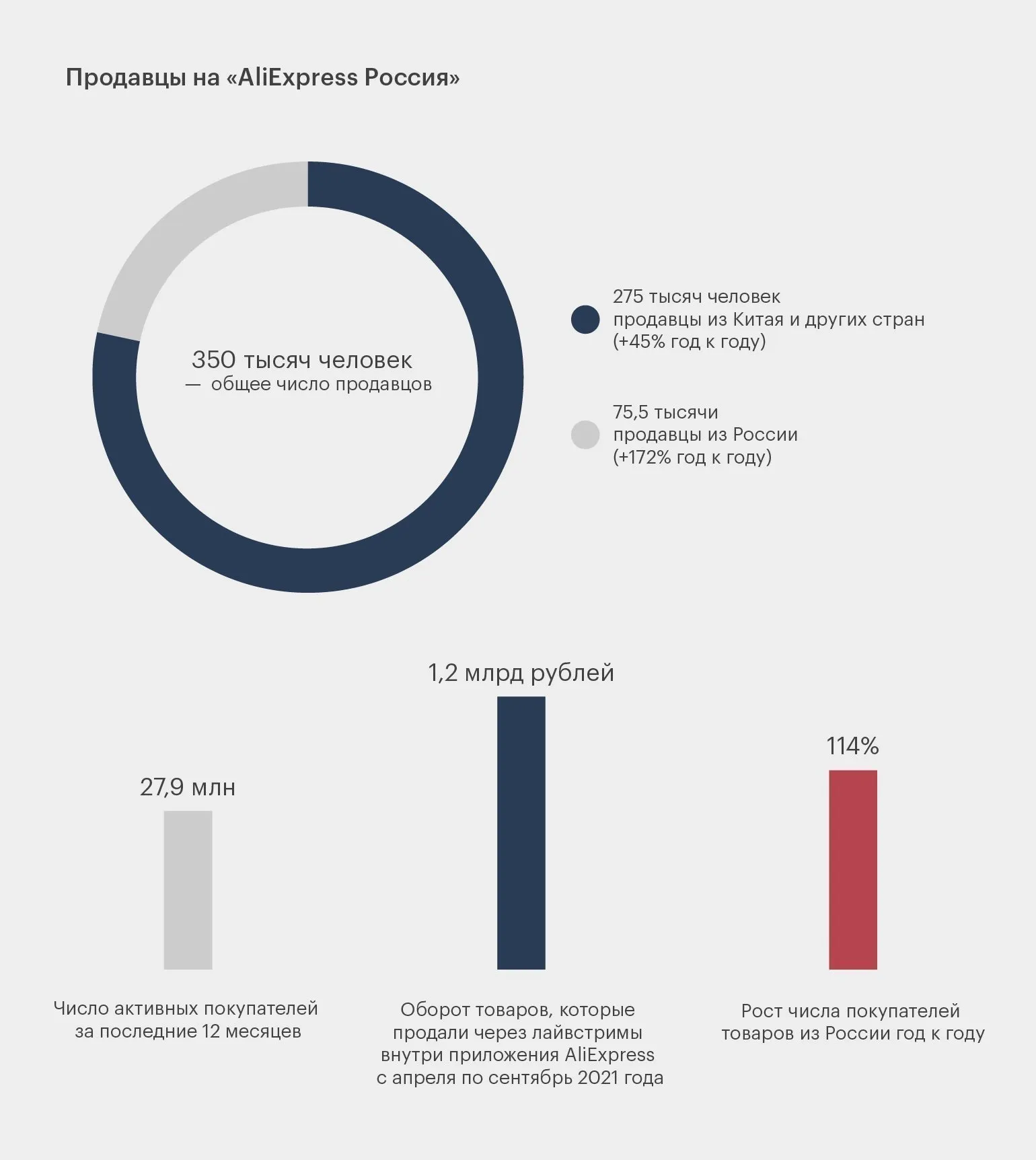
Over 350 thousand sellers are registered on the AliExpress Russia platform, of which more than 275 thousand represent China and other countries. Over the past year, the number of international sellers has increased by 45%. Meanwhile, the number of Russian sellers has grown by 172%, reaching 75,500. Over the past 12 months, the number of active buyers has exceeded 27.9 million, and the turnover of goods sold through livestreams amounted to more than 1.2 billion rubles between April and September 2021. These data highlight the growing popularity of the platform and its significant impact on the Russian e-commerce market.
A striking example of the successful use of shopping streams is the broadcast dedicated to the Xiaomi Redmi Note 9S smartphone. On the day of the broadcast, traffic to the seller's page increased 3.5 times. There was also a 144% increase in the number of items added to cart. The average check for users who came from the broadcast was twice as high, according to Egorova. Livestream shopping is becoming an effective tool for increasing sales and attracting new customers in online retail.
Shopping streams are becoming increasingly popular on various platforms, including Ozon. The average number of viewers per stream reaches 15,000, and the number of orders after broadcasts can increase up to 15 times compared to traditional sales. Ozon representatives emphasize their plans for the further development of livestream shopping, which indicates growing interest in this trading format.
Livestream Shopping in Russia: Lagging Behind China
One of the main problems holding back the widespread adoption of livestream shopping in Russia is the insufficient popularization of this sales format. Key players in the Russian market include AliExpress Live and Ozon Live. Both platforms launched just over a year ago and offer similar features, but their user acquisition strategies differ. For the successful development of livestream shopping, it is necessary to more actively inform consumers about the benefits of this format, as well as improve the user experience on platforms.
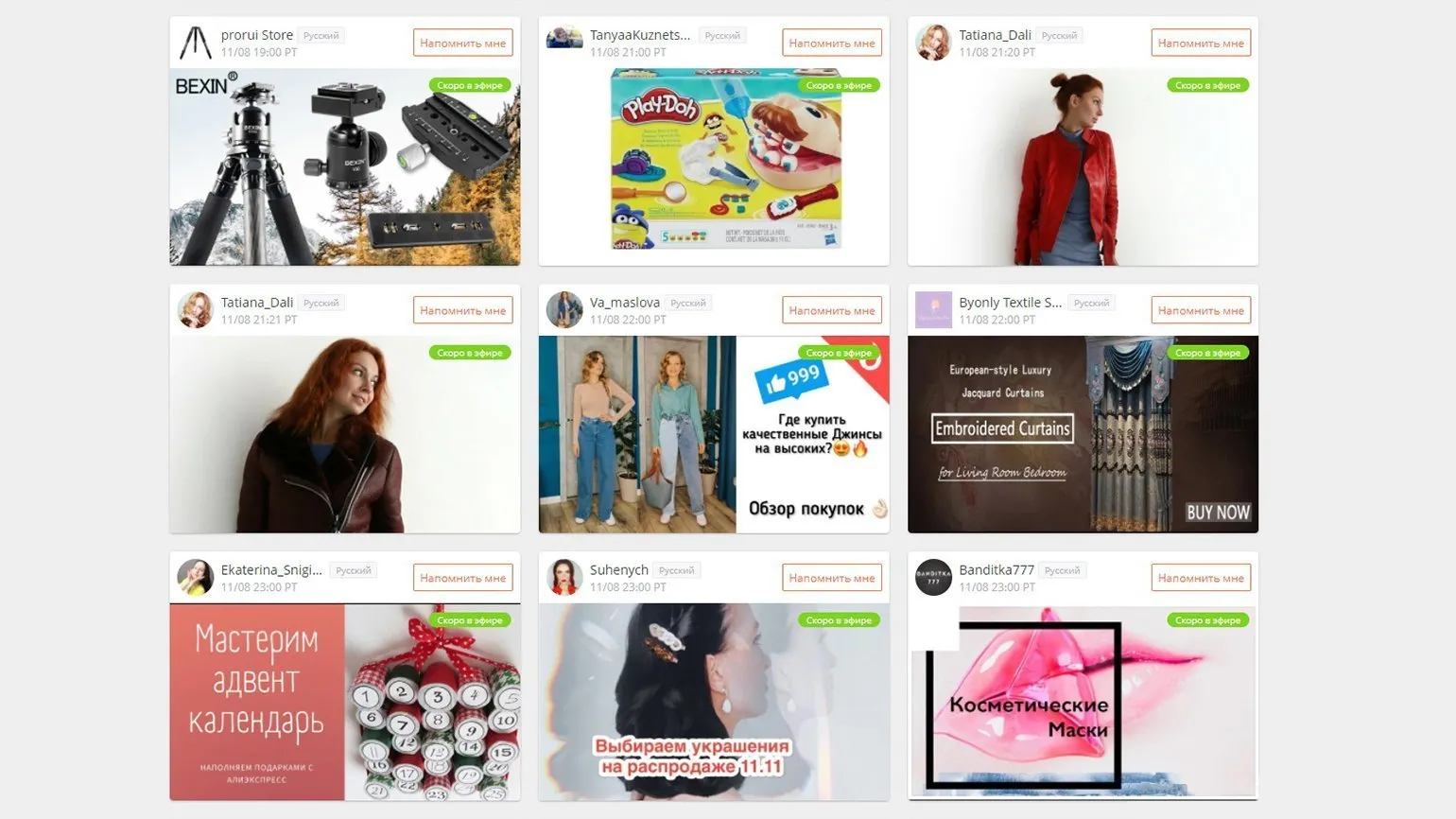
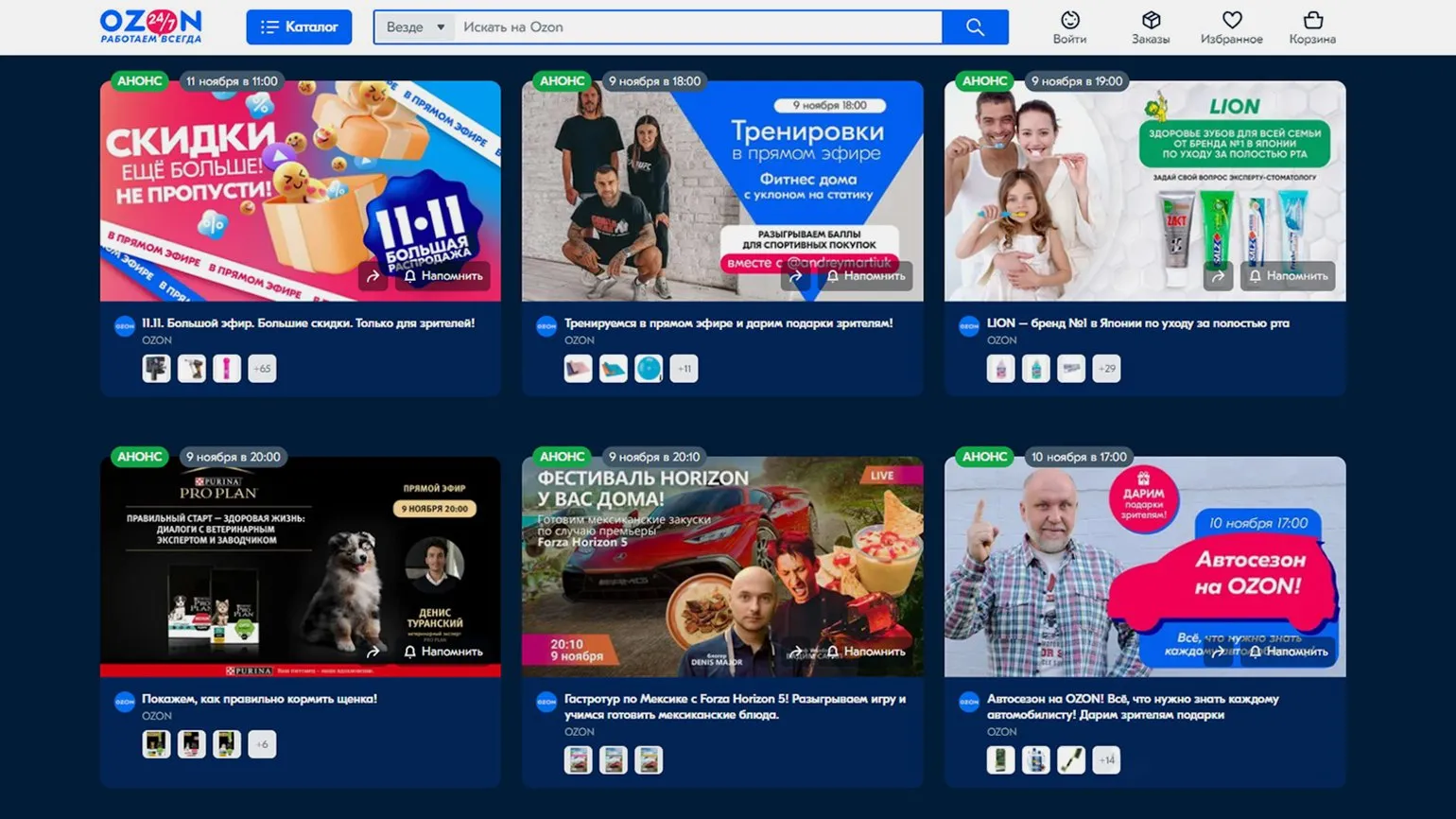
AliExpress focuses on the mass approach, providing streaming opportunities even for lesser-known bloggers. At the same time, Ozon emphasizes popular streamers and specialized broadcasts. This difference in strategies can significantly impact audience attraction and retention. AliExpress strives to create a diverse content experience that can attract a wider audience, while Ozon focuses on celebrities and niche topics that can deepen engagement with specific audiences.
AliExpress Live creates incentives for sellers by offering favorable terms. New sellers can take advantage of zero commission for the first six months and on the first 100 items sold. After that, the commission rate is 5% or 8%, depending on the product category. The platform also provides detailed instructions, allowing new sellers to quickly master its functionality and begin selling effectively.
Despite the growing popularity of Russian-language streams, not all of them are able to attract a significant number of viewers. For example, blogger Ziggss's stream, dedicated to selling bicycles, attracted over two thousand viewers, while other streams barely reached 100-200 concurrent viewers. This highlights that the livestreaming segment in Russia is still in its infancy, with enormous potential for growth and improved content quality. Creating unique and engaging content could be key to attracting a wider audience and developing a livestreaming culture in the country.
According to expert Evgeny Shirinker, the livestreaming segment is currently in the process of active development. Consumers have not yet fully embraced the benefits of this format, and it lacks a clear market positioning. This underscores the importance of deeply understanding consumer preferences and adapting platforms to user needs. To successfully promote livestreams, it is crucial to focus on creating unique content and optimizing the user experience.
The Future of Livestream Shopping: What's in Store?
According to eMarketer, the livestreaming shopping market in China has already reached an impressive $300 billion. It is projected to grow to $623 billion by 2023. In Russia, this format is just beginning to develop, and exact figures have not yet been established. Nevertheless, experts are confident that livestream shopping will account for a significant share of the overall online retail volume, which, according to Data Insight, could reach 7.2 trillion rubles by 2024. Interest in this segment is growing, and given global trends, livestream shopping has every chance of becoming a significant player in the Russian market.
Evgeny Shirinkin emphasizes that the product offers significant potential for further development. This applies to both sales mechanics and traffic generation methods, as well as the variety of formats and broadcast scenarios. These prospects point to significant potential that has yet to be fully realized.
Ozon forecasts indicate that the livestreaming model may soon transform into User-Generated Content (UGC). This change will allow each user to launch their own streams, which in turn will significantly expand interaction between buyers on the platform. Thus, each user can become a creator of unique content, which will increase engagement and the diversity of offerings on Ozon.
AliExpress Russia is seeing an increase in interest in live streams. In 2020, several leading Russian marketplaces began implementing live streams, and this decision had a positive impact on their popularity. More than 5,000 live streams were held on the AliExpress app, with a total of over 43 million views. On the social network, some streams reach 2-3 million views and garner tens of thousands of comments. This format of audience interaction not only increases user engagement but also promotes sales, making live streams an important tool for online commerce.
Nadezhda Egorova asserts that in the future, companies will actively develop content and platforms for user interaction. She emphasizes the importance of creating high-quality content that will facilitate effective communication and strengthen connections with the audience. This approach will allow companies not only to improve the user experience but also to increase brand trust.
The younger generation is completely immersed in the digital environment, where communication, information searches, and purchases take place online. Brands and marketplaces must adapt to these changing conditions, otherwise they risk losing a significant portion of their audience. Adapting to digital trends and understanding the needs of young people are becoming critical to running a successful business in the modern world.
Starting a Business in 2025: 5 Steps to Success
Want to start a business in 2025? Find out how to choose a niche and launch a project! Read the article.
Find out more