
Contents:

Thinking about a new profession, but don't know where to start? Find out what's right for you: IT, design, game development, management, or marketing. Take a free career guidance course.
Find out more
Director of the Legal Department of RTM Group with over 20 years of experience in the field of law and information technology. Previously, she held key positions at the Lesaffre Group of Companies, the Rudgormash management company, and the consulting firm ConsultGroupBusiness. She specializes in legal support for IT projects and ensuring legal security for businesses.
Photo courtesy of Elena Khomyakova.
Today, all Russian courts accept screenshots, copies of web pages, and instant messaging messages as evidence. However, users are often unaware of how Telegram messages can be shared with investigators and how they can be excluded from case materials. Skillbox Media, together with RTM Group lawyers, have prepared a detailed guide that will help you check your correspondence for compliance with the law and provide recommendations for behavior in court if the messages have already been sent.
- What is best not to write about in instant messengers to avoid problems in the future?
- How can correspondence be included in the list of evidence?
- Do other people have the right to disclose your correspondence?
- The correspondence has still been submitted to court. What should I do?
- Will hiding your phone number and signing with a pseudonym help?
- Does it make sense to delete messages?
It is important to remember that any actions considered illegal in real life are also unacceptable online. Using instant messengers, you cannot organize or advertise unauthorized rallies, publish calls for extremism, or distribute pornographic materials. Incitement to crime or suicide, as well as insulting others and government officials with obscene language, are prohibited. Adhering to these rules is not only important for personal safety but also contributes to a safer and more respectful online environment.
Telegram users may face criminal liability for distributing questionable materials, even if they didn't realize they were transmitting content deemed extremist or related to undesirable organizations in Russia. Before sending materials, it's important to check whether they are on any banned lists. Even the most innocuous memes and personal opinions can be grounds for administrative or criminal prosecution. Current lists of extremist materials and undesirable organizations can be found on the official website of the Russian Ministry of Justice, which is regularly updated. This will help avoid unwanted consequences and maintain your digital security.
Major social networks and messaging apps are required to provide information about their users upon request from law enforcement agencies. According to current legislation, internet platform operators collect and store all data, including correspondence and encryption keys. If requested, this data must be transferred to the police and investigative agencies to ensure law and order and security.
In April 2018, Roskomnadzor decided to block the Telegram messenger due to the company's refusal to provide the FSB with keys to decrypt user messages. However, in June 2020, the restrictions were lifted. Telegram continues to claim that it does not collect, store, or transfer user data, their correspondence, or information about their activity to law enforcement agencies.
Telegram is registered in the register of online information dissemination organizers maintained by Roskomnadzor. According to government officials, Telegram administrators cooperate with law enforcement agencies, responding to specific requests as part of the fight against extremism and terrorism. If such requests are fulfilled, Telegram correspondence may be used in criminal cases.
Your interlocutors have the ability to copy messages from the chat and share them with third parties. The legality of such actions depends on the context of the correspondence. It's important to consider whether the chat was personal or work-related. If the correspondence was confidential, disseminating the information could violate privacy regulations. In the case of business communications, it's important to be mindful of corporate policies and the potential consequences of an information leak. Therefore, before sending messages, especially those containing sensitive data, it's recommended to assess the risk of transmitting them.
If you sent intimate photos or shared information about your health, and someone you know forwarded these materials to law enforcement or posted them on social media, you have every right to demand that these materials be removed from the court file and that the offender be held accountable. Your interlocutor had no right to use such correspondence: disclosing private information is a violation of Article 137 of the Criminal Code of the Russian Federation and may result in a fine of up to 200,000 rubles or imprisonment for up to two years. If the victim is a minor, the penalties are even more severe. Protecting personal information and respecting the right to privacy are important aspects that must be protected by law.

When copying correspondence from a work chat, it is important to carefully read the agreement concluded between the plaintiff and the defendant. Judges hearing civil cases may accept screenshots from messaging apps as evidence if the contractual terms allow the parties to negotiate or exchange official documents via Telegram. This can significantly impact the outcome of the case, so it's important to ensure that all actions comply with the terms of the agreement.
The parties agree that electronic documents and correspondence sent to the addresses specified in the "Addresses and Details of the Parties" section are legally binding. This applies to both emails and messages sent via instant messaging apps, such as WhatsApp and Telegram, to representatives of the parties. This provision confirms the legality of using electronic means of communication for business correspondence.
If the contract lacks corresponding provisions or your phone number is not included in the contact list, judges generally do not accept screenshots of correspondence as evidence. It is important to defend your position. Exceptions are situations where both the plaintiff and the defendant confirm in court that they use the Telegram messenger for business negotiations.
First, you need to gather evidence confirming your involvement in the correspondence. In most cases, courts hearing administrative and criminal cases analyze messages in instant messaging apps along with mobile device or computer inspection reports, identification certificates, witness statements, domain name registrar queries, and other evidence. This helps create a complete picture and establish the authenticity of the materials presented.
Law enforcement agencies verify that the profile picture matches the passport photo and the owner of the registered phone number. Experts compare user accounts in various instant messaging apps and social media. If the case lacks evidence confirming authorship, this can be used as an argument in court.
According to information provided by RTM Group experts, in case No. 2-2900/2018 dated September 6, 2018, the plaintiff's representatives and witnesses did not refute the defendant's assertion that anyone with access to the Telegram messenger could create an account in their name without their knowledge. As a result of this argument, the court found the defendant's position justified. The Pskov City Court of the Pskov Region confirmed that the defendant did not have access to the Telegram messenger, which became an important factor in resolving the case.
Users seeking to conceal their connection to a Telegram account often register it on anonymous SIM cards. They also avoid publishing personal photos and choose pseudonyms for their username and short profile address. These measures help protect personal information and ensure anonymity on the messenger.
Despite possible methods for linking an anonymous account to a specific person, such as log analysis, the process remains complex. Logs can provide information about the time a message was sent, the device used, and the IP address from which the session was conducted. However, such evidence is rarely used in Russian courts, significantly increasing the chances of maintaining anonymity online. Thus, users can feel more secure knowing that their personal information is unlikely to be disclosed in court proceedings.
The ability to delete messages in Telegram depends on the chat type. In private chats, users can delete both their own and other users' messages, while in group chats, only the option to delete your own messages is available. The messenger also offers the option to completely delete a chat or account. However, it's important to remember that deleting messages will only be effective if they were deleted from all users' devices while they were connected to the internet. If, for example, messages were deleted only from a phone, and the computer wasn't synced with the server at the time, there's a high chance the information can be recovered by specialists. Thus, to be completely sure of deleting the data, it is important to take into account all the devices on which the correspondence could be saved.
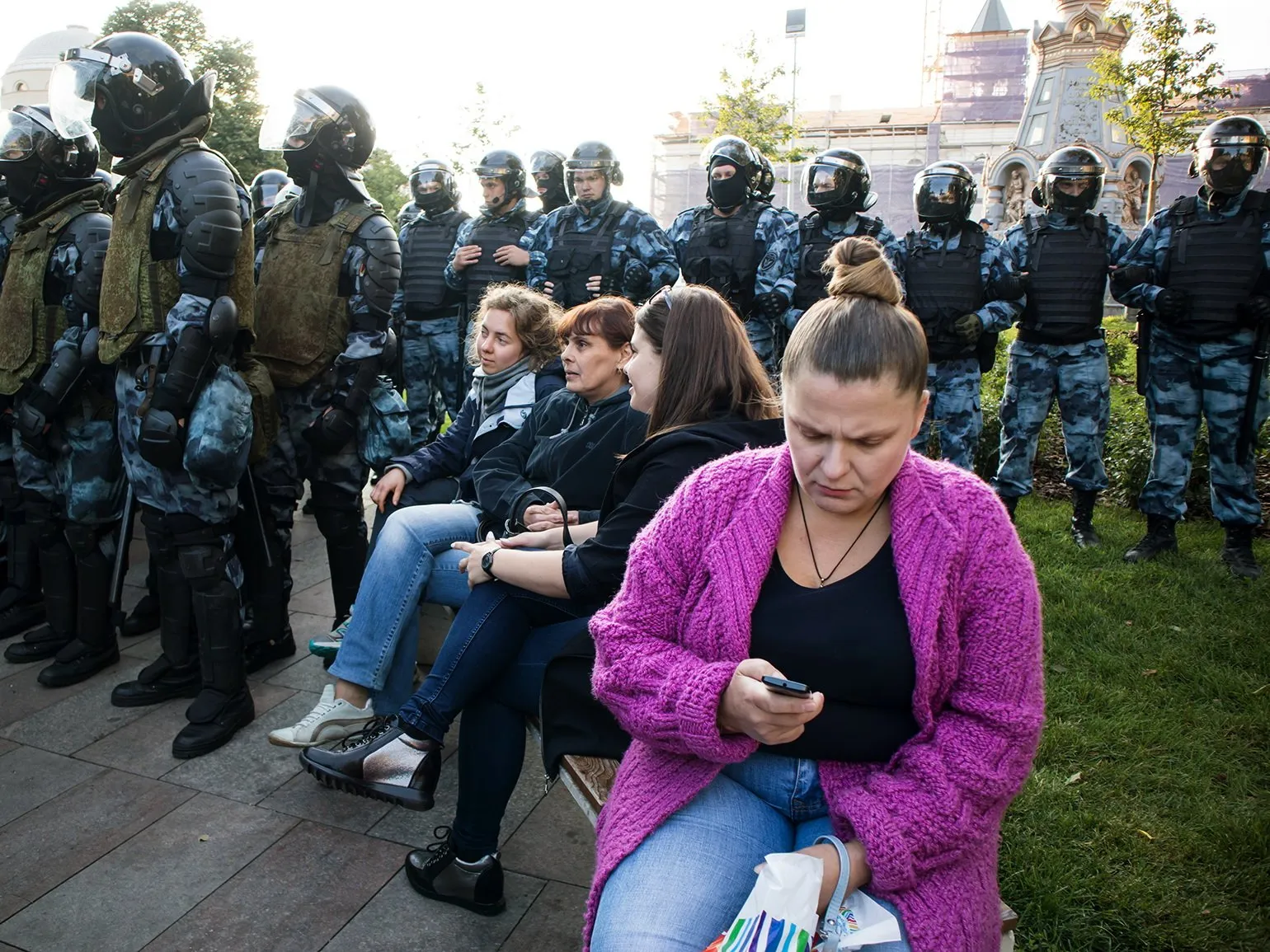
Smartphones are often turned off during arrests when police officers seize The device is placed in airplane mode and handed over to experts for examination. Even if you or someone you know deletes messages on the computer after the seizure, forensic experts will be able to recover the correspondence. This underscores the importance of understanding that information can be retrieved from a device, even if it has been deleted.
The human factor plays a crucial role in the security of communication on Telegram. In this messenger, as in other similar apps, users can take screenshots or save the chat history to their computer, including files and photos. Even secret chats do not guarantee absolute protection, as lawyers emphasize. Therefore, it is important to be aware of the possibility of information leaks and take measures to protect personal data.
Free career guidance
Take a short test and find out which profession is right for you, and then try your hand at your chosen specialty. At the end of the course, you will have a session with a career guidance specialist. It will help you decide on your career path.
Find out more