Contents:
- Online Cash Registers: Modern Solutions for Business
- Who Doesn't Need to Use Online Cash Registers
- Fines for Violating Online Cash Register Rules: What You Need to Know
- Variety of Online Cash Registers: Choosing for Business
- How to Choose an Online Cash Register: Key Factors
- All About Modern Online Cash Registers
Starting a Business: 7 Steps from Idea to Implementation
Learn MoreOnline Cash Registers: Modern Solutions for Business
An online cash register (KKT) is an essential tool for tracking sales in today's business environment. This device not only generates receipts but also encrypts them, ensuring the security of the data stored in the fiscal storage device. The information is then transmitted to the Federal Tax Service (FTS) via the fiscal data operator (FDO). Using online cash registers helps entrepreneurs comply with tax laws, improve the transparency of financial transactions, and enhance customer service. Every cash register must comply with legal requirements, making it indispensable for any business seeking to effectively manage financial flows.
The fiscal data operator (FDO) plays a key role in the online cash register system, ensuring reliable communication between cash registers and tax authorities. It is responsible for storing receipt information for five years, ensuring data availability for tax audits and analysis. This promotes greater transparency in financial transactions and simplifies interactions between entrepreneurs and government agencies.
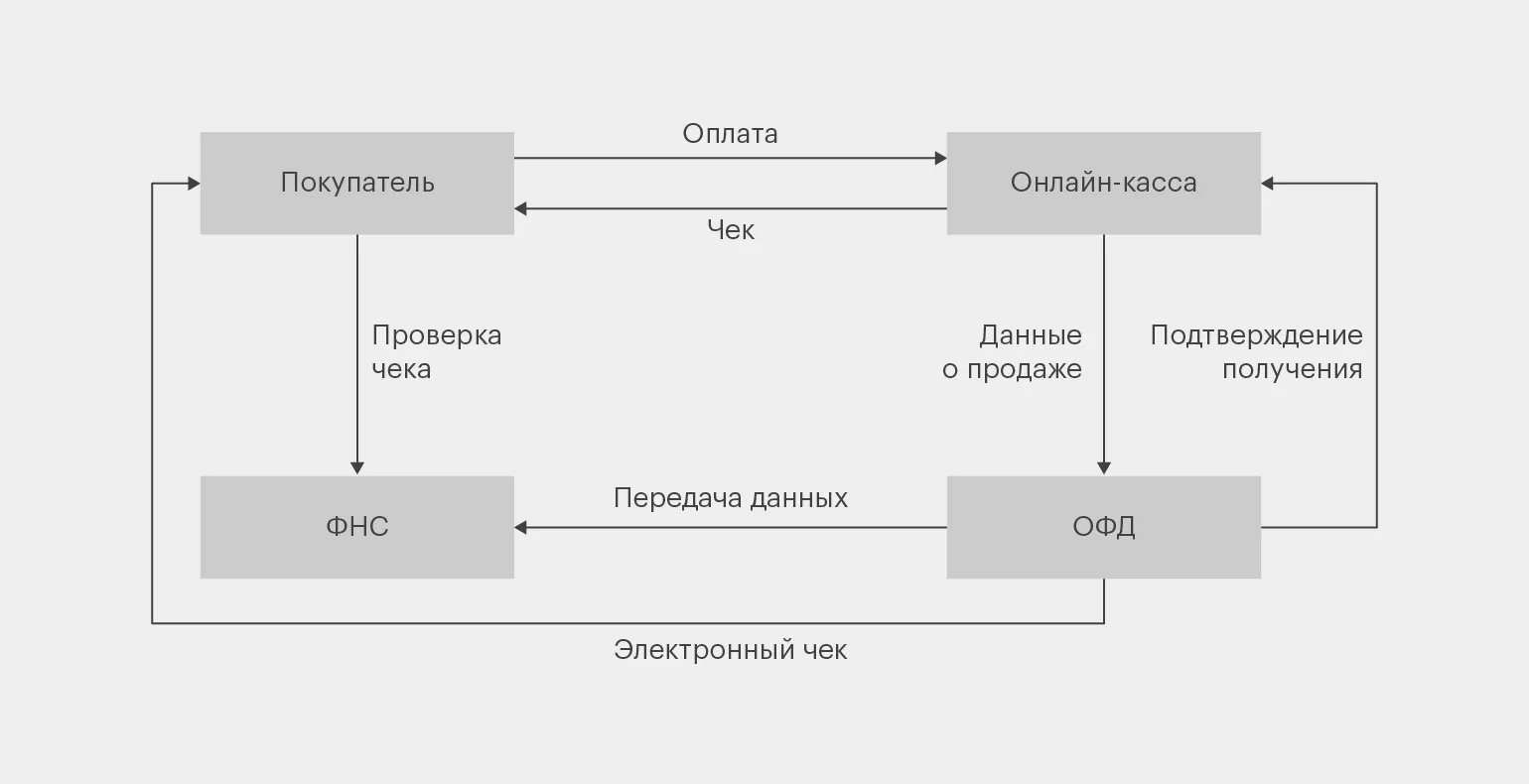
When implementing an online cash register, companies and sole proprietors are required to enter into an agreement with the selected fiscal data operator (FDO) and pay for their services. FDO tariffs vary and can range from approximately 300 rubles per month, 1,700 rubles for six months, 3,000 rubles per year, and 6,700 rubles for three years. To select a suitable operator, we recommend consulting the register of companies accredited by the Federal Tax Service. This will help ensure compliance with legal requirements and optimize online cash register maintenance costs. The online cash register process involves several key steps. The first step is collecting sales information from the seller. The transaction data is then processed and transferred to a fiscal storage device, where it is stored and encrypted for subsequent transmission to tax authorities. After this, a fiscal receipt is generated and sent to the customer. Online cash registers provide automatic data transfer in real time, simplifying sales monitoring and tax compliance. Importantly, using online cash registers not only facilitates the work of entrepreneurs but also increases business transparency. Thus, online cash registers are an integral part of the modern retail and service sector, helping to improve the quality of customer service and simplifying the accounting of financial transactions.
- The cashier carries out a payment transaction for a product or service, which can be automatically generated when paying through an application or website.
- The online cash register transfers transaction data to the fiscal storage device and generates a receipt.
- The receipt is issued to the buyer in paper and/or electronic format, depending on the capabilities of the cash register.
- The fiscal storage device stores and encrypts the receipt information.
- The encrypted data is sent to the OFD.
- The OFD checks and processes the information, and then forwards it to the Federal Tax Service.
The buyer has the right to contact the Federal Tax Service (FTS) at any time to verify the information about their receipt, which helps increase transparency and trust in the interaction process. This right allows users to verify the accuracy of the data and protects their interests.
Online cash registers provide real-time data transfer, but they can operate without internet access for up to 30 days. Once the connection is restored, all transaction data is automatically transferred to the system. This allows users to maintain efficiency even during temporary internet outages.
It is important to understand that even with the introduction of online cash registers, companies and sole proprietors are still required to file tax reports. Online cash registers simplify the accounting and control process, but this does not eliminate the need to comply with tax laws. It is important for every entrepreneur to remember the deadlines for filing reports and ensure they are completed correctly to avoid fines and other penalties. The introduction of online cash registers can significantly simplify the process, but responsibility for tax liabilities remains with taxpayers.
Who is not required to use online cash registers
According to current legislation, all organizations and individual entrepreneurs (IE) are required to use online cash registers. However, there are certain exceptions, which are detailed in Article 2 of Federal Law No. 54-FZ. This rule is aimed at simplifying accounting processes and increasing the transparency of financial transactions. It is important to familiarize yourself with these exceptions to avoid unwanted consequences and penalties.
Some groups of entrepreneurs are able to operate without using online cash registers in certain cases. For example, this may apply to individual entrepreneurs who operate under the patent taxation system and do not exceed the established income limits. Organizations selling goods and services not subject to mandatory control, such as educational services or medical consultations, are also exempt from the mandatory use of online cash registers. It is important to note that in each specific case, current legislation and possible changes to the tax code should be taken into account to avoid violations and ensure the legality of their operations.
- Sole proprietors or individuals who pay the Professional Income Tax (PIT) are required to issue receipts to clients using the "My Tax" mobile app.
- Sole proprietors operating under the patent taxation system and engaged in clothing and footwear repair or sewing, dry cleaning services, key making, furniture repair, livestock farming, photography and photo processing.
- Enterprises and sole proprietors whose activities do not allow the use of cash register equipment due to the specifics of their work or geographic location, including the sale of securities, trading at fairs and exhibitions, and the provision of childcare and sick care services.
- Sole proprietors renting out their own residential premises and parking spaces.
- Businesses operating in remote or hard-to-reach regions. A list of such locations is compiled and published on the official websites of the constituent entities of the Russian Federation.
Your business may fall under these exceptions, but it is important to regularly monitor legislative updates. Changes may affect the conditions of the exceptions, and they may be modified or excluded from the list. Maintaining up-to-date knowledge of legislative changes will help avoid unexpected problems and ensure the stability of your business.
Fines for Violating Online Cash Register Rules: What You Need to Know
Violations related to the use of cash register equipment (KKT) are regulated by Article 14.5 of the Code of Administrative Offenses of the Russian Federation (CAO RF). Depending on the type of violation, various penalties are provided, which can range from a simple warning to significant fines. In some cases, sanctions up to and including suspension of the business's operations are possible. Compliance with the rules for using cash registers is an important aspect of ensuring legality and transparency in business.
To avoid fines and other sanctions, it is necessary to clearly understand which actions may entail punishment. Let's consider the key violations that can lead to financial penalties and legal consequences. A proper understanding of these points will help minimize risks and ensure compliance with the law.
- failure to use or absence of an online cash register;
- refusal to issue a receipt to a customer;
- failure to submit requested documents on the operation of the cash register to the tax authorities;
- incorrect use of cash registers, including non-compliance with the requirements of Federal Law No. 54-FZ, violations of registration deadlines, lack of communication with fiscal data operators (FDO), or inflated receipt amounts.
Fines for the lack of an online cash register are quite high. For individual entrepreneurs (IE), the fine ranges from 25% to 50% of the amount received without using a cash register, but not less than 10,000 rubles. For a first offense, only a warning is possible. It is important to remember that compliance with legislation on payments using online cash registers not only helps avoid fines but also promotes customer confidence and improves financial accounting. Legal entities face severe penalties for not using a cash register. Fines can range from 75% to 100% of the amount, with a minimum fine of 30,000 rubles. Additionally, an employee who makes a payment without using a cash register is subject to a fine of 25% to 50% of the transaction amount. This emphasizes the importance of adhering to cash register usage rules for businesses to avoid significant financial losses and legal consequences.
For repeated violations, when the amount of transactions without the use of cash register equipment (KKT) exceeds 1,000,000 rubles, tax authorities have the right to suspend the activities of individual entrepreneurs and legal entities for up to 90 days. This measure is aimed at ensuring compliance with the law and protecting consumer rights. It is important to comply with tax legislation to avoid negative consequences for businesses.
To reduce the risk of fines, individual entrepreneurs and organizations are advised to prepare a correction receipt for the amount received without the use of a cash register equipment (KKT). This receipt must be submitted to the tax service, indicating the reason for the violation, such as lack of internet access. It is important to complete this procedure before the tax authorities discover the violation. This will help avoid penalties and improve tax records.
Fines for failure to provide a receipt are 2,000 rubles for individual entrepreneurs and officials, while legal entities may be fined 10,000 rubles. A warning is provided for the first violation. It is important to follow the rules for issuing receipts to avoid financial penalties and maintain the reputation of the business.
Failure to comply with the Federal Tax Service's requirements to submit documents confirming the operation of cash register equipment (KKT) can lead to serious consequences for individual entrepreneurs (IE) and officials. Such violations are punishable by warnings or fines ranging from 1,500 to 3,000 rubles. Legal entities are also not immune to sanctions, which can range from 5,000 to 10,000 rubles. Compliance with legislation regarding the use of cash registers is crucial to avoiding financial consequences and maintaining a business's reputation. Fines similar to those previously established are provided for violations related to the improper use of online cash registers. For sole proprietors and officials, the fine ranges from 1,500 to 3,000 rubles. For legal entities, the fine ranges from 5,000 to 10,000 rubles. It is important to adhere to the rules for operating online cash registers to avoid financial penalties and ensure the proper operation of your business. The final fine is determined by the frequency and nature of the violations. If an audit establishes that the violation was the result of a technical error and was not intentional, the penalty may be minimal. This allows you to take into account the circumstances and reduce the negative consequences for the responsible person.
Variety of online cash registers: a choice for business
Online cash registers have become an integral part of modern business, providing automation of settlements and simplifying financial transactions. These devices vary in functionality, design, and purpose, allowing each entrepreneur to choose the best option. In this article, we will consider the main types of online cash registers suitable for both large companies and individual entrepreneurs, as well as their key advantages and features of use.
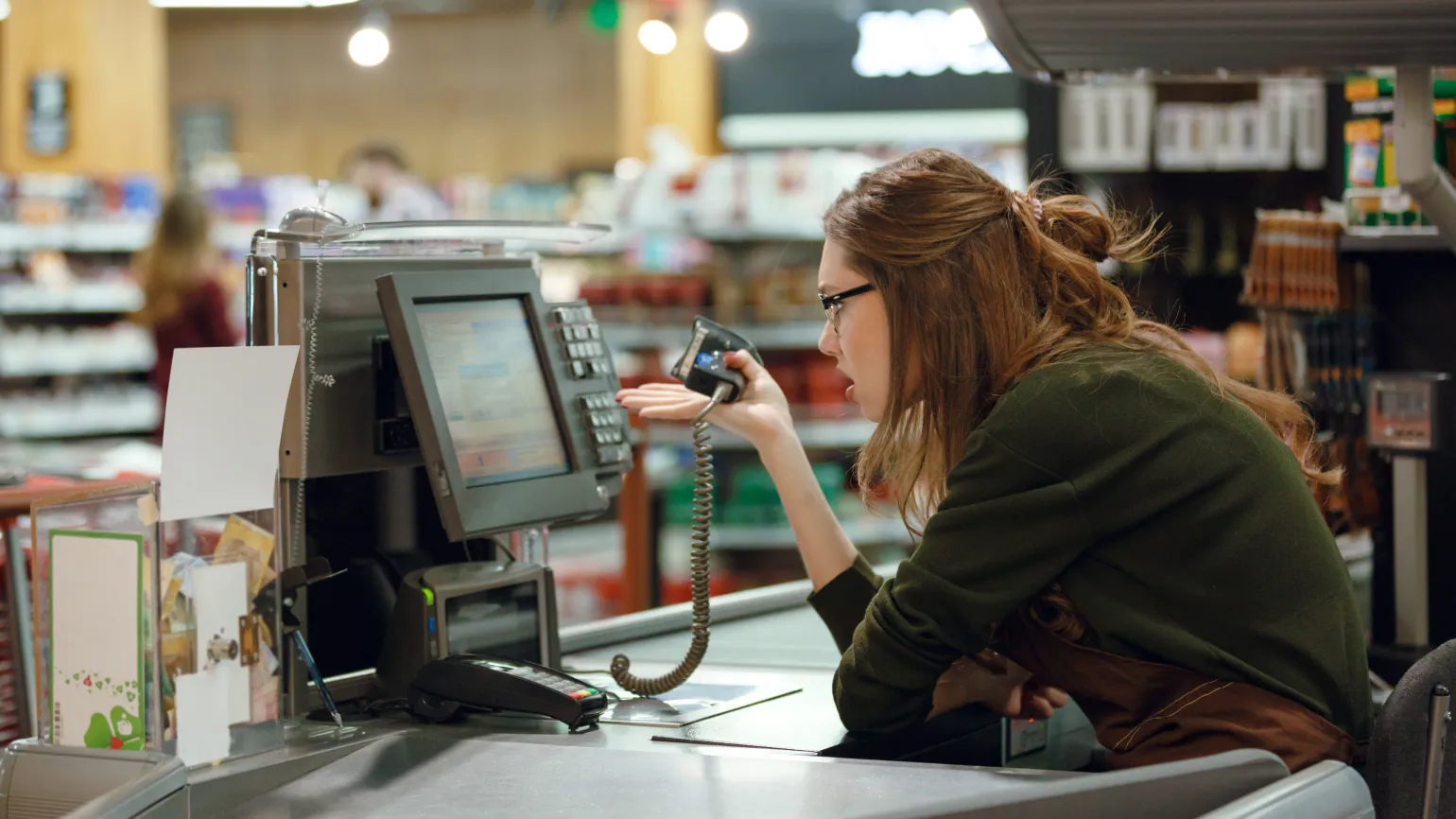
Stationary online cash registers, widely used in large retail chains and restaurants, are comprehensive cash register solutions. These systems include a fiscal registrar, computer unit, barcode scanner, scales, payment terminal, and receipt printer. Online cash registers provide automation of sales accounting, minimizing errors and speeding up the customer service process. They comply with modern legal requirements and allow for easy integration with other accounting and management systems. Using stationary online cash registers significantly increases business efficiency, improving service quality and facilitating financial transaction control.
Cash register systems can be integrated with accounting programs and inventory management systems, including 1C and MyWarehouse. This significantly simplifies business management, allowing for automated accounting and streamlined workflows. Integration with these systems provides more precise control over finances and inventory, which contributes to increased business efficiency.
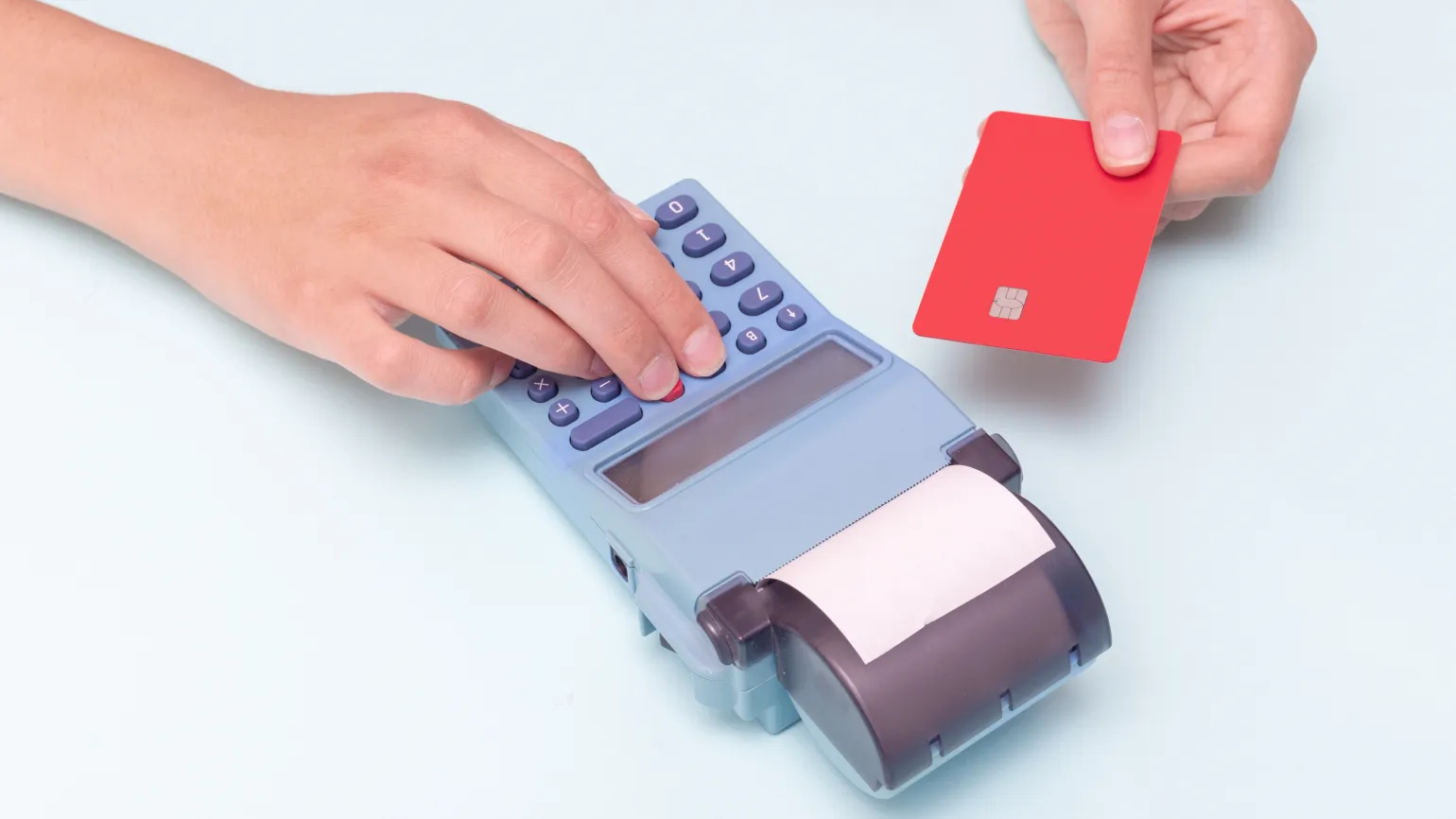
Standalone online cash registers are compact, calculator-like devices that incorporate a fiscal recorder and receipt printer. They can operate either from mains power or a built-in battery, ensuring their mobility and ease of use. This type of cash register is ideal for micro-businesses with a limited product range who require a simple and effective sales accounting solution. Standalone online cash registers simplify the business process, ensuring compliance with legal requirements and allowing for quick transaction processing.
Standalone cash registers offer a significant advantage due to their ability to operate in conditions with limited internet access and without power. These devices provide data transmission via Wi-Fi or mobile networks, allowing them to maintain functionality even in the most challenging conditions. This approach makes autonomous cash registers an ideal solution for businesses that need to maintain continuous operation and ensure a stable sales process, regardless of external factors.
Smart terminals are touchscreen devices with an integrated receipt printer running on the Android platform. They offer the ability to install a variety of apps for sales analysis and effective business management. These devices are ideal for retail, allowing you to optimize processes and improve customer service. Smart terminals help business owners make data-driven decisions, which leads to increased profits and improved competitiveness.
These devices provide connectivity to acquiring systems, cash drawers, and other peripherals, making them a versatile solution for various types of businesses. Their flexibility and compatibility allow them to be effectively integrated into existing business processes, improving financial transaction management and enhancing customer experience.

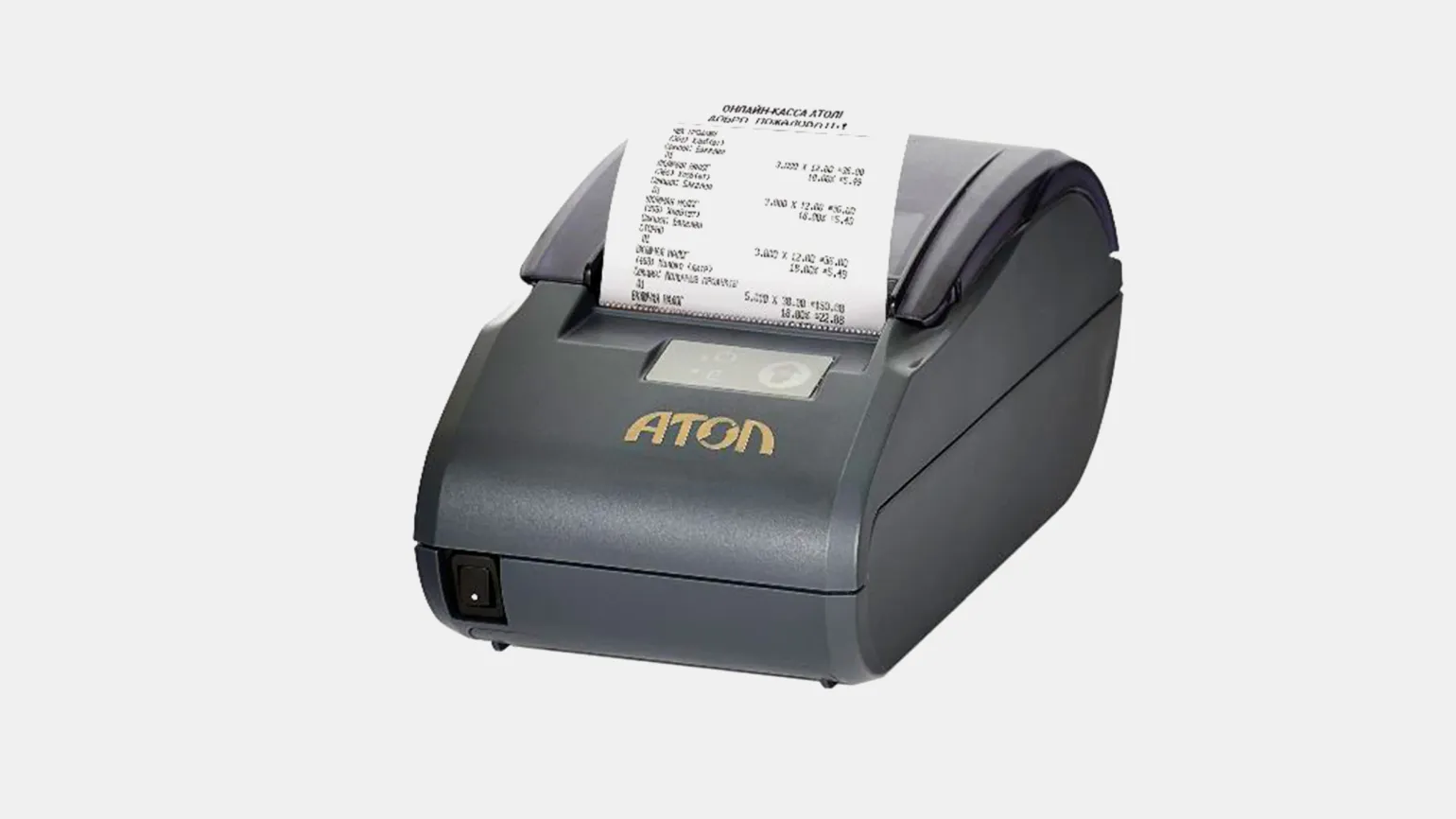
Fiscal recorders are specialized devices used in conjunction with computers and accounting software. These devices do not have built-in modems or batteries, meaning they require a constant connection to a power source to operate. Fiscal recorders are an essential tool in accounting and taxation, automating processes and improving accounting accuracy. Their use ensures compliance with legal requirements and simplifies interaction with tax authorities.
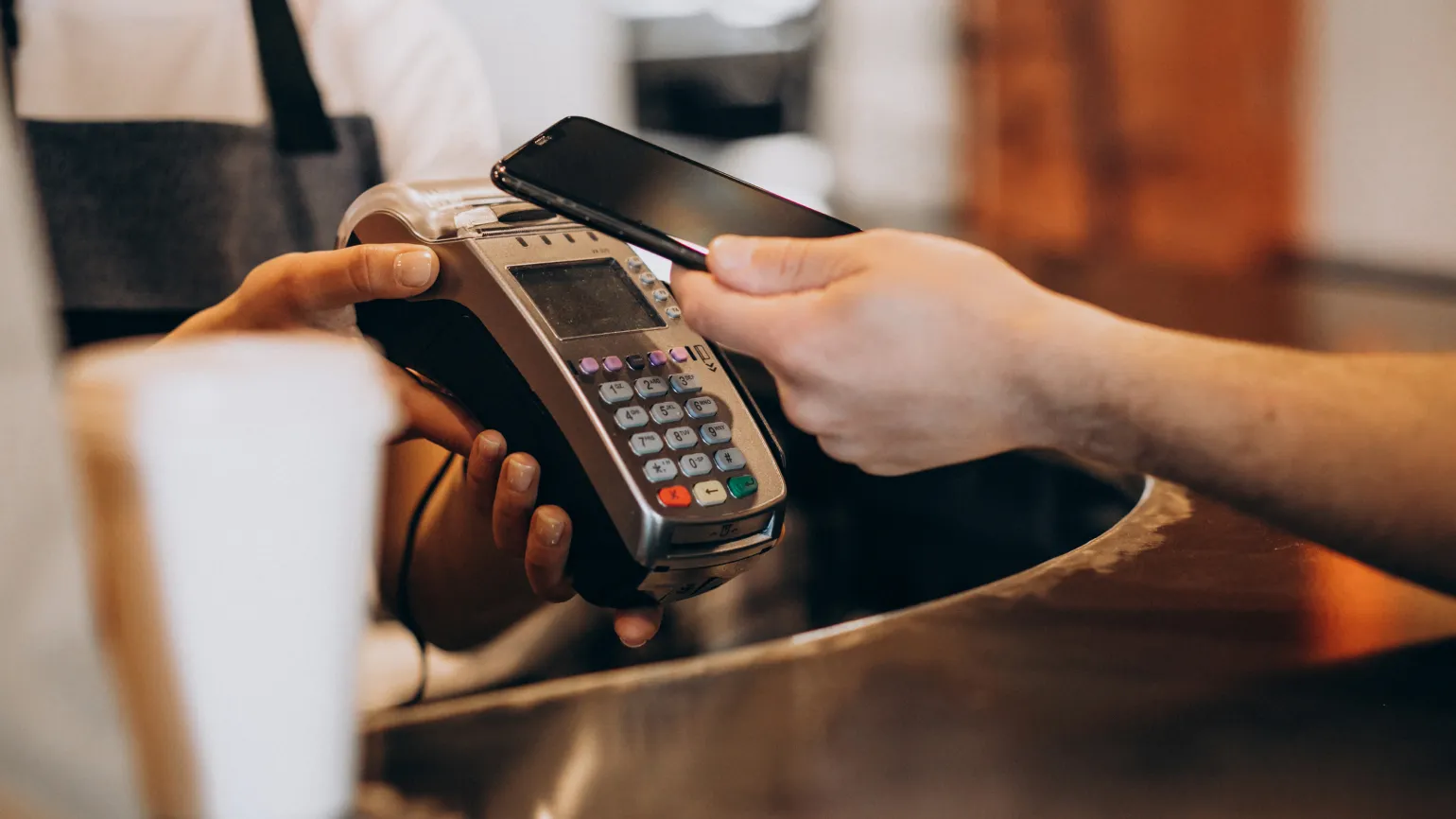
Online cash registers Online cash registers with integrated acquiring are modern, integrated solutions that allow payments using bank cards without the need for additional devices. This approach significantly simplifies the payment process and makes it more convenient for couriers and field service providers. Using online cash registers with acquiring improves business efficiency, enhances the customer experience, and speeds up service. The integration of these technologies minimizes the time spent on financial transactions and optimizes workflows, a significant advantage in a competitive market. If acquiring equipment fails, the ability to accept cash may be significantly limited. This is important to consider when organizing payments, as a failure in acquiring can lead to inconvenience for customers and loss of sales. Therefore, it is recommended to have alternative payment methods in case of technical problems.
Cloud-based online cash registers are the optimal solution for companies operating online or in the field. These systems easily integrate with websites, enabling efficient sales management from anywhere. Using cloud-based online cash registers not only simplifies accounting and reporting but also significantly improves convenience for customers and employees. Furthermore, they ensure data security and the ability to scale your business.
The cash registers are hosted in cloud service data centers, ensuring reliability and availability. Users can track statistics and manage the device through a convenient personal account. This allows for effective monitoring of cash register operation and access to up-to-date data at any time.
Cloud cash registers are becoming an integral part of online stores and delivery services, which underscores their importance for business in the era of digitalization. These technologies improve settlement efficiency, sales accounting and analysis, and provide convenience for customers. Integrating cloud cash registers into business processes helps optimize operations and improve customer service, which is especially important in today's market.
How to choose an online cash register: key factors
Before purchasing an online cash register, it is important to carefully evaluate the terms of its use. Key selection criteria include functionality, compatibility with your business, legal requirements, and the level of technical support. Make sure the selected cash register matches the specifics of your business and can meet all your needs. This will help avoid problems in the future and ensure the efficient operation of your trade.
Choosing the type of business and settlement format is essential for effective management. For small stores located in residential areas, it is recommended to use standalone cash registers with an acquiring function. This will ensure fast and convenient customer service. For flower delivery services, the optimal solution is cloud-based cash registers, which allow for easy order and payment management remotely. Large wholesale stores, in turn, require stationary cash registers equipped with the necessary software integration. This will automate accounting and management processes, thereby increasing overall business efficiency. The right choice of cash register solution improves customer service and increases sales.
Retail conditions require careful selection of equipment. In confined spaces, compact smart terminals are the optimal solution, providing convenience and efficiency. For outdoor sales, it is recommended to use standalone cash registers or cash registers with acquiring functionality, which will allow for fast and secure payment processing. It is also important to consider the device's battery capacity: it must guarantee uninterrupted operation throughout the working day to avoid interruptions in customer service. The right choice of equipment helps increase sales and improve the quality of service.
The number of customers directly influences the choice of cash register equipment. The greater the customer flow, the more productive the cash register must be to efficiently process transactions and quickly generate receipts. In high-traffic locations, it is recommended to use stationary online cash registers or high-performance fiscal recorders, which ensure fast data processing and minimize customer wait times. The correct choice of equipment helps improve service and increase customer satisfaction. Business process automation is an important aspect for increasing business efficiency. If your cash register system is used only for printing receipts and transmitting data to tax authorities, a standalone online cash register or a cash register with acquiring functionality may be sufficient. However, if your business plans to implement automated systems, it is recommended to consider installing cash register equipment that supports integration. These can be smart terminals or stationary online cash registers, which can provide broader functionality and improve interaction with other systems. Investing in such solutions will help optimize workflows and improve customer service. Software compatibility is a key factor when choosing an online cash register. It's essential that the POS solution be able to effectively interact with existing equipment, such as barcode scanners and acquiring terminals. This will avoid additional software upgrade costs and ensure seamless business operations. The correct choice of compatible software ensures integration with existing systems and process optimization, which in turn increases the overall efficiency of the enterprise.
All about modern online cash registers
- Online cash registers are modern devices designed for settlements with customers and automatic transfer of sales data to tax authorities.
- According to Federal Law No. 54-FZ, all entrepreneurs and companies are required to use online cash registers, with the exception of certain categories, which are described in detail in Article 2 of this law.
- Various types of online cash registers are available on the market: stationary, stand-alone, with integrated acquiring, smart terminals, fiscal registrars and cloud solutions that differ in functionality and size.
- When choosing an online cash register, you need to consider the specifics of your business: settlement format, trading conditions, volume of client flow, compatibility with software and hardware, and the need to automate trading processes.
We recommend exploring Skillbox Media's resources for an in-depth study of taxation and accounting issues. These materials will help you obtain up-to-date information and practical advice on tax and accounting issues, which will improve your knowledge and skills in this area.
- Single tax payment and single tax account: what they are and how to work with them.
- Taxation systems: types, features and how to choose the right one for your business.
- Individual entrepreneur or LLC: we compare the advantages and disadvantages of each option.
- How to open an individual entrepreneur in 2022: a practical guide with step-by-step instructions.
- Accounting: its importance, structure and organization of the process.
- Self-employed: who they are and how to become one of them.
Starting a Business in 2024: 5 Steps to Success
Want to start a business in Russia? Learn 5 key steps for a successful start! Read the article.
Find out more