Contents:

4 Internet Marketing Professions: A Free Mini-Course
Learn MoreThe Future of Data Management: How to Protect Yourself
Fraudsters are increasingly using online banking to steal funds from bank accounts. They use special programs to automatically select passwords, which allows them to access user accounts. Passwords for popular services like Facebook and Sberbank Online are often the same, making cyber fraud even more prevalent. It's important for users to use unique passwords for different services and enable two-factor authentication to protect their finances and personal data. Securing online banking accounts is a key step in preventing money theft.
Criminals can link stolen bank accounts to payment systems like PayPal, allowing them to withdraw funds to anonymous accounts. They also actively use "carding" to make online purchases, selling the stolen goods on platforms like Avito or reselling them to acquaintances. This practice is becoming increasingly common among criminals, posing serious risks to users and requiring increased vigilance regarding the security of online financial transactions.
According to research, the cyber speculation market is a huge problem—the value of stolen cards online is approximately $2 billion. Last year, damage caused by carders reached nearly a trillion US dollars, highlighting the seriousness of this problem. Given the scale of cybercrime, it is essential to raise user awareness of the risks and ways to protect themselves from online fraud.
Russian carders have risen to prominence internationally, focusing their efforts on stealing credit cards from European and US citizens. They argue that stealing from their compatriots is wrong and unsafe, as such actions are criminalized in Russia. However, according to the Central Bank of Russia, fraudsters defraud Russians of approximately 1 billion rubles annually, which also causes significant damage to banks and online stores. This escalating situation requires active measures to combat cybercrime and improve financial literacy among citizens.
Telephone fraud, including the activities of underground call centers, remains one of the most common types of fraud. Experts recommend caution, as banks rarely initiate calls first. If you have any doubts, it's best to end the conversation and call the bank back. Ransomware, in which attackers lock files on computers and demand a ransom for their recovery, remains a pressing problem. Be vigilant and protect your data from fraudsters.
The security of your accounts is paramount. Fraudsters continue to actively bruteforce passwords for popular apps like Uber and Yandex.Taxi, allowing them to make unauthorized purchases. They are also targeting accounts at stores like Magnit and Pyaterochka, making users especially vulnerable. Protecting personal data and accounts is becoming a pressing concern for every user. It is recommended to use complex passwords and enable two-factor authentication to enhance security.
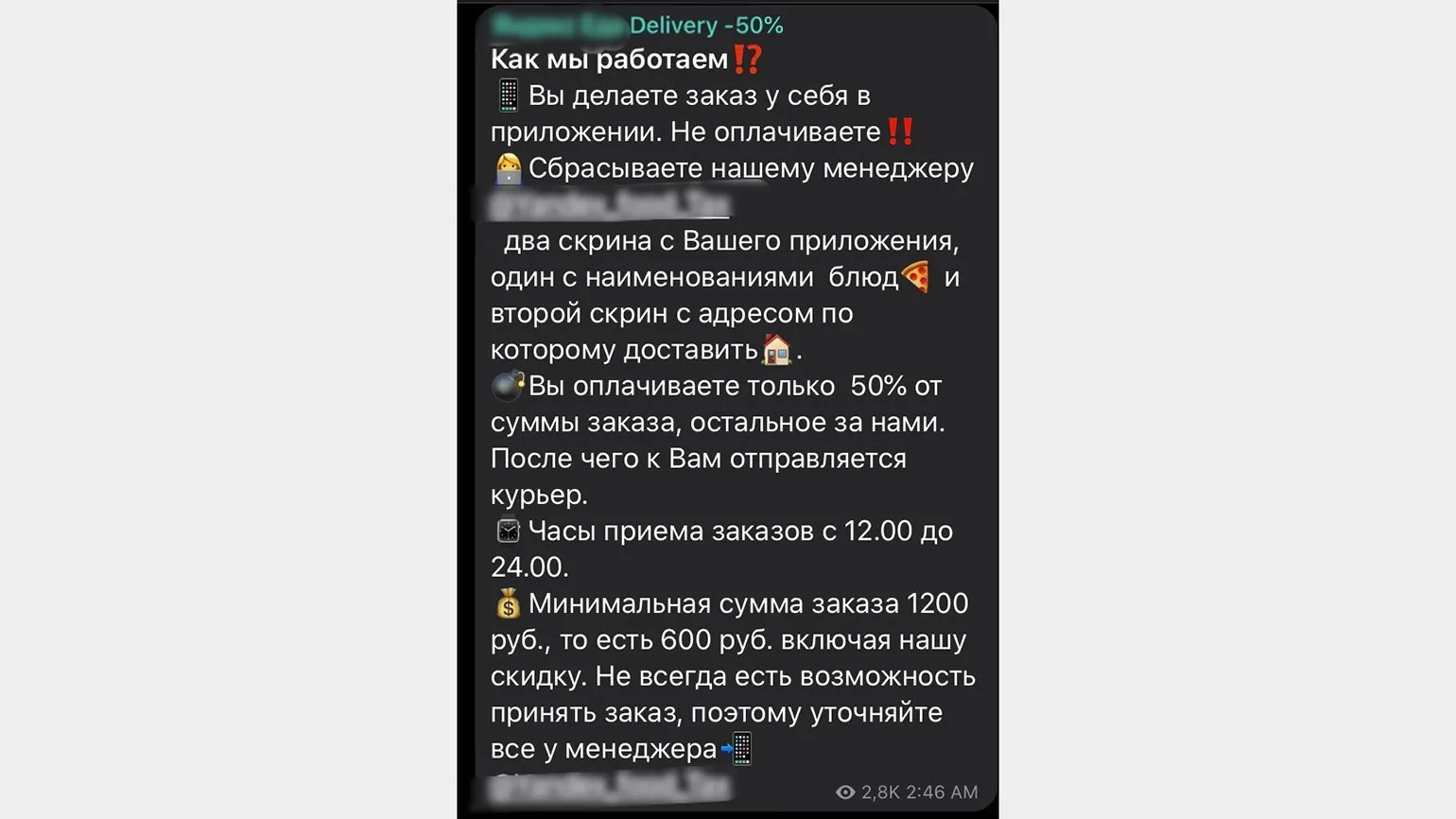
The carding business includes various schemes, such as offers to order food or taxis with big discounts. These methods are used to cash out stolen funds, allowing criminals to conceal their actions. While such offers often appear attractive to consumers, they serve only as a cover for illegal activity. It's important to be vigilant and aware of such schemes to avoid becoming a victim of fraud.
Vigilance is essential to protect against data breaches. Awareness of computer and financial security in Russia remains low: many users still share their card numbers, including expiration dates. This creates opportunities for fraudsters. Regularly updating the software on your devices, especially Android devices, is an important security measure. Avoid installing suspicious apps that could transmit your data to fraudsters. It is also recommended to use complex passwords and two-factor authentication to enhance the protection of personal information.
When a business falls victim to cyber threats
Cybercriminals are constantly developing new attack methods, exploiting both human factors and technical vulnerabilities. Hacking online stores has become one of the most common approaches in their arsenal. These attacks can lead to leaks of confidential information, financial losses, and the erosion of customer trust. Protecting online stores from cyber threats requires a comprehensive approach, including regular software updates, employee training, and the implementation of reliable security systems.
Hackers use exploits—specialized scripts to attack websites in order to take advantage of their vulnerabilities. These malicious tools can target various platforms, including online stores, banks, and corporate portals. Most often, such attacks rely on SQL injections, which penetrate databases and can reveal users' personal data, including payment details. Protecting against such threats is critical to ensuring data security and maintaining customer trust.
In today's world, both small online stores and large corporations are vulnerable to cyberthreats. A case in point is the 2013 incident, in which the data of over 2.9 million Adobe users was stolen. The breach affected personal data, including credit card numbers, expiration dates, and customer contact information. This highlights the importance of data protection and the need to implement robust security systems to prevent similar incidents. Information security should be a priority for all online businesses, regardless of size.
Web skimming is another data theft method in which malicious code, typically written in JavaScript, is injected into web pages. This code replaces the original payment page, redirecting users to a fake resource with a similar URL. One of the most well-known examples of this type of attack is the 2018 incident with British Airways, which resulted in the theft of approximately 380,000 customer payment cards from the ticket payment page. It is important to understand the threat of web skimming and take steps to protect your personal information when shopping online.
Who is responsible for online fraud?
E-commerce fraud poses a serious threat to both buyers and the online stores and banks involved in processing disputed transactions. The issue of liability and refund methods are becoming increasingly important in the face of growing cyber threats. Effective protection against fraud requires all participants in online commerce to implement modern solutions and technologies to prevent financial losses.
According to Lyudmila Kharitonova, managing partner of the law firm Zartsyn & Partners, the buyer has the right to submit a request for a refund to the bank within 180 days. If this period has expired, justice can only be restored through the courts or law enforcement agencies, but the likelihood of a successful resolution in this case is significantly reduced.
Sellers are obligated to exercise due diligence and ensure that the debits are legal. Having a purchase and sale agreement formalized as an offer, as well as proper accounting of all transactions, can significantly strengthen the company's position in the event of a dispute. These measures help protect the seller's rights and minimize financial risks.
Sergey Pavlovich, a financial expert, notes that banks often refuse to accept reports of missing funds, referring clients to the police. As a result, the police return the funds to the bank, creating a vicious circle. This process leads to a high percentage of denials in cases involving the use of cards without the owner's knowledge. This issue requires attention, as many clients are left without adequate support in difficult situations involving fraud and loss of funds.
According to Fedor Muzalevsky, Director of the Technical Department at RTM Group, recovering funds becomes extremely difficult if it can be proven that the buyer provided their information voluntarily, for example, through a phishing site. In such a situation, the bank will be protected, since its actions are within the scope of the agreement with the client and the recipient. This underscores the importance of maintaining security measures when transmitting personal information and being aware of potential online threats.
Customer data breaches pose a serious threat to online stores. Specifically, the European Union's General Data Protection Regulation (GDPR) requires companies to ensure the security of users' personal information. Violating this regulation can lead to serious consequences, including hefty fines. For example, the British Airways case demonstrated that companies can be fined up to £20 million. Protecting customer data is not only important for compliance but also for maintaining user trust and a business's reputation.
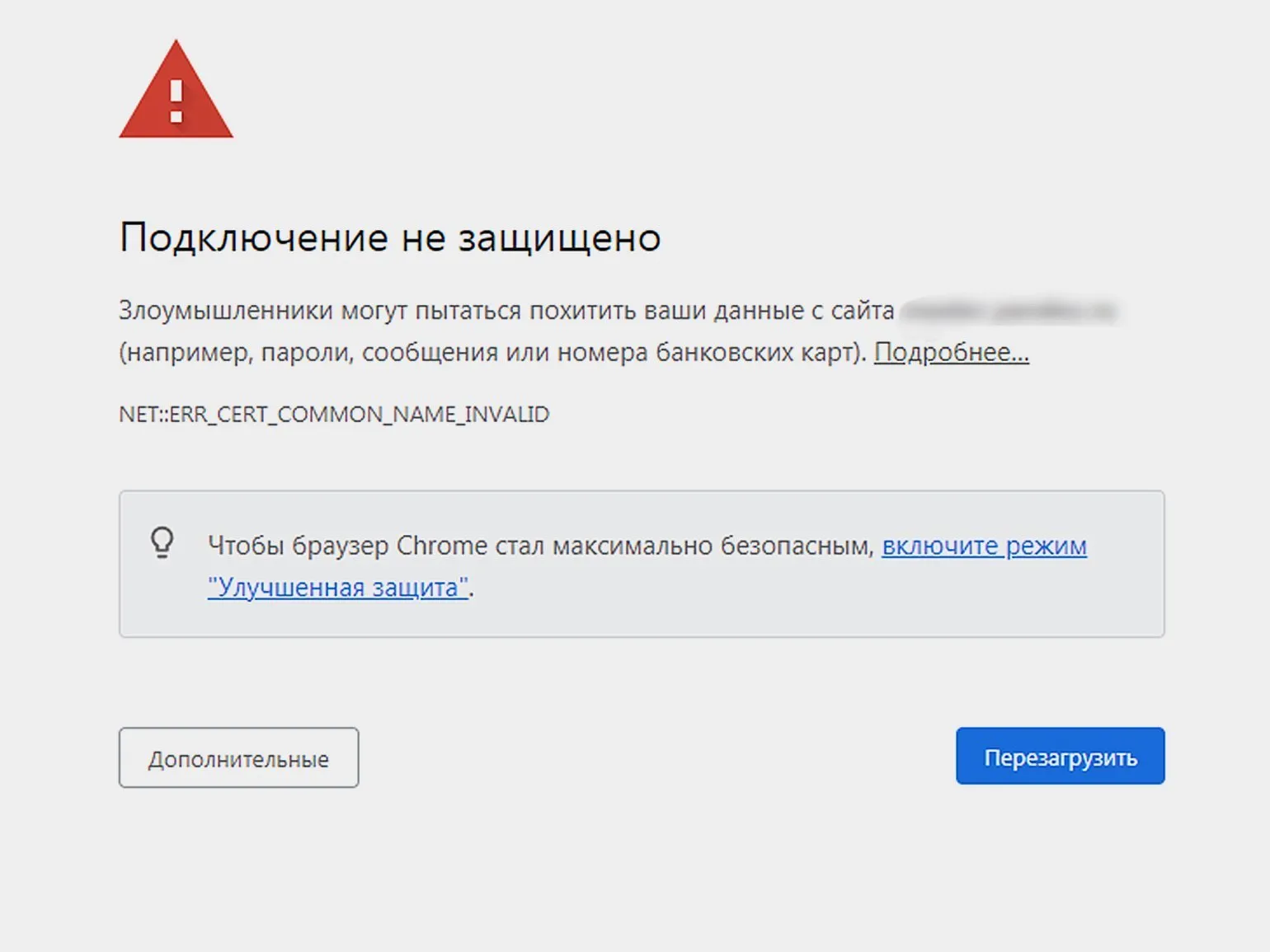
A website that suffers a data breach faces serious risks, including the possibility of penalties from search engines, such as de-indexing. As a result, users will see a warning about insufficient security when attempting to access the resource. This significantly damages the site's reputation and can lead to a decrease in traffic, which negatively impacts business. Therefore, it is important to ensure reliable data protection and regularly conduct security audits to avoid such consequences.
In Russia, issues related to the protection of personal data are regulated by Federal Law 152-FZ "On Personal Data". Fines for violating this law can reach significant amounts, amounting to tens of thousands of rubles for each data breach affecting an individual. In practice, however, Roskomnadzor and the courts most often impose sanctions in favor of the state. Victims of a data breach must independently prove damages and, in some cases, seek compensation through the courts. This creates additional difficulties for individuals whose rights have been violated.
Fedor Muzalevsky, Director of the Technical Department at RTM Group, emphasizes the importance of taking preventative measures to protect customer data. He emphasizes that companies must actively address information security issues to avoid serious consequences associated with data breaches and loss. Ensuring reliable data protection not only strengthens customer trust but also helps maintain the company's reputation in the market.
Starting a Business in 2025: 5 Steps to Success
Want to start a business in 2025? Find out 5 steps to success today!
Find out more