Contents:
- Artificial Intelligence: The Basis of Modern Bionic Prostheses
- Prosthetics and Orthopedics Market Review
- The Current Situation in the Prosthetics Market: Problems and Prospects
- Who Is the Prosthetics Business Suitable for?
- Prospects for the Development of the Prosthetics and Medical Technologies Market
- Who Can Provide Financial Support?

Internet marketing: 4 professions for free Mini-course
Learn moreArtificial Intelligence: The Basis of Modern Bionic Prostheses
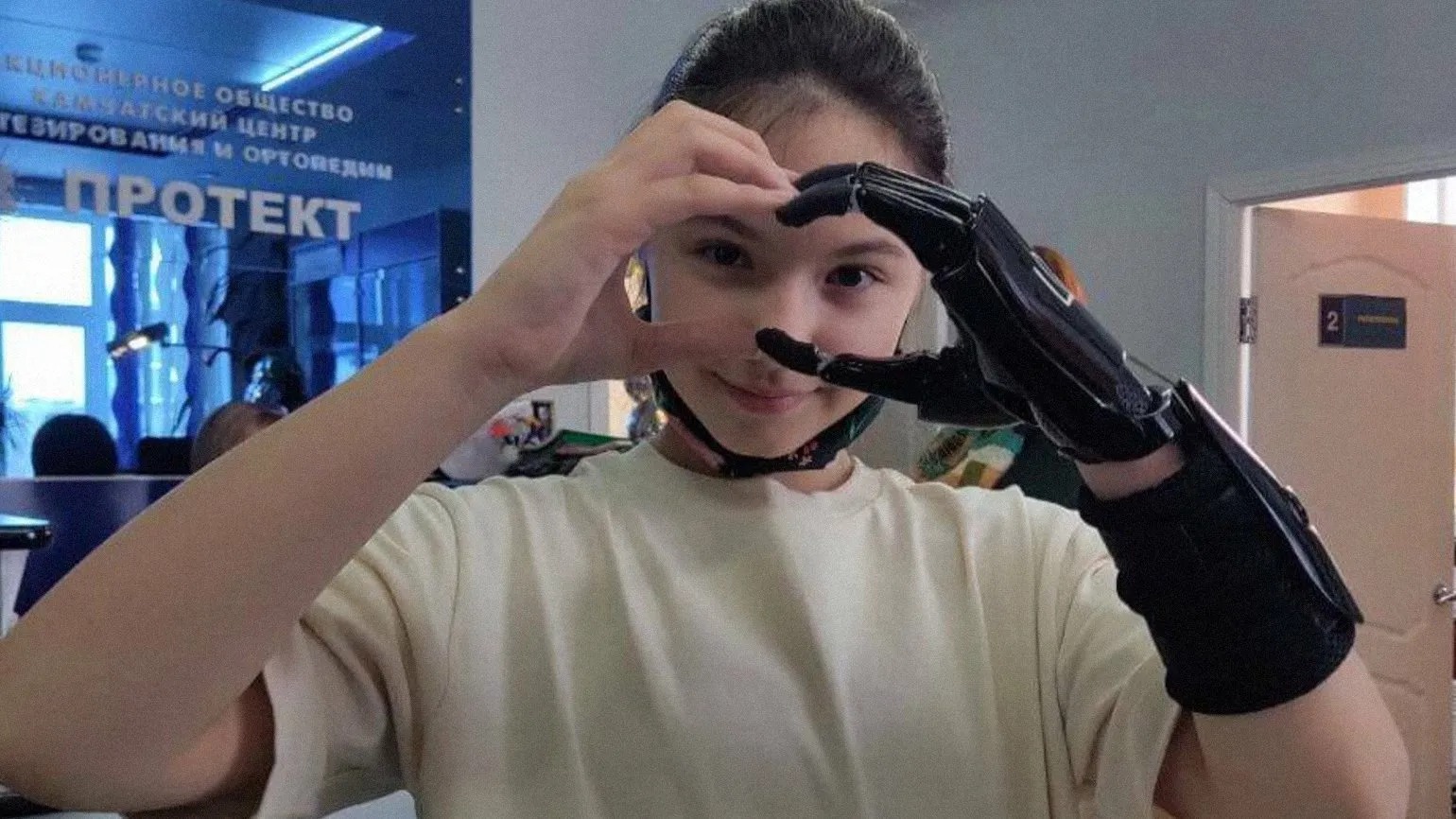
Modern high-tech bionic prostheses are a significant achievement in science and technology. These devices operate on the basis of electromyography, which allows the embedded electrodes to respond to muscle impulses and perform programmed movements. Bionic prostheses not only replace lost limbs but also give the user the opportunity to lead an active lifestyle, improving quality of life and restoring functionality. The use of such prostheses opens new horizons for rehabilitation and social integration, allowing people with amputees to return to their usual activities.
The transition from cosmetic prostheses that simply hide imperfections to functional bionic devices has been a significant step forward. Modern prostheses have the ability to perform a wide range of tasks, including holding objects and preparing food. For example, these prosthetics can be used to bake pancakes, which clearly demonstrates their high functionality and adaptability to the user's daily needs. This evolution in the field of prosthetics opens new horizons for the rehabilitation and improvement of the quality of life of people with disabilities.

The origins of bioelectric prosthetic control technology date back to the mid-20th century. In 1956, Soviet biomechanist Yakov Slavutsky described the basic principles that formed the basis for further development in this field. Since then, technology has evolved significantly. Modern prosthetics are highly sensitive thanks to the use of advanced sensors, allowing for precise and natural movements of artificial fingers, hands, and feet. The development of scientific research and innovative solutions in biomechanics is opening new horizons for prosthetic users, improving their quality of life and functionality.
Artificial intelligence is becoming a major factor in the development of bionic prosthetics. Modern companies are creating innovative sensors that provide highly accurate movement recognition. Neural networks are able to effectively classify gestures and synchronize the movements of individual fingers. For example, a microprocessor in a prosthetic leg analyzes surface characteristics, which allows it to adapt the dynamics of walking and make it as natural as possible. The introduction of such technologies significantly improves the quality of life of people with disabilities, allowing them to recreate familiar movements and increase their level of independence.
Prosthetics and Orthopedics Market Review
According to Grand View Research, the global market for prosthetics and orthopedic solutions reached $6.11 billion. While the United States plays a significant role in this market, American companies such as The Ohio Willow Wood Company and Ultraflex are not the only ones enjoying success. Leading UK manufacturers, including Blatchford and Steeper, as well as Swedish company Fillauer, Icelandic Össur, and German brand Ottobock, also hold significant positions and contribute to the development of innovative technologies in prosthetics and orthotics. These companies are actively developing new solutions aimed at improving the quality of life for people with disabilities, which contributes to the further growth and development of this market segment.
Russian companies, although they have not achieved global recognition, are actively implementing innovative technologies. A striking example is the company "Motorika," which has developed silicone finger cots. These devices allow users to control their smartphones even if they are wearing prosthetics. In addition, the company has created a prosthetic that supports the contactless payment function PayPass, significantly simplifying everyday transactions for users. Such developments highlight the commitment of Russian companies to innovation and improving the quality of life of people with disabilities.
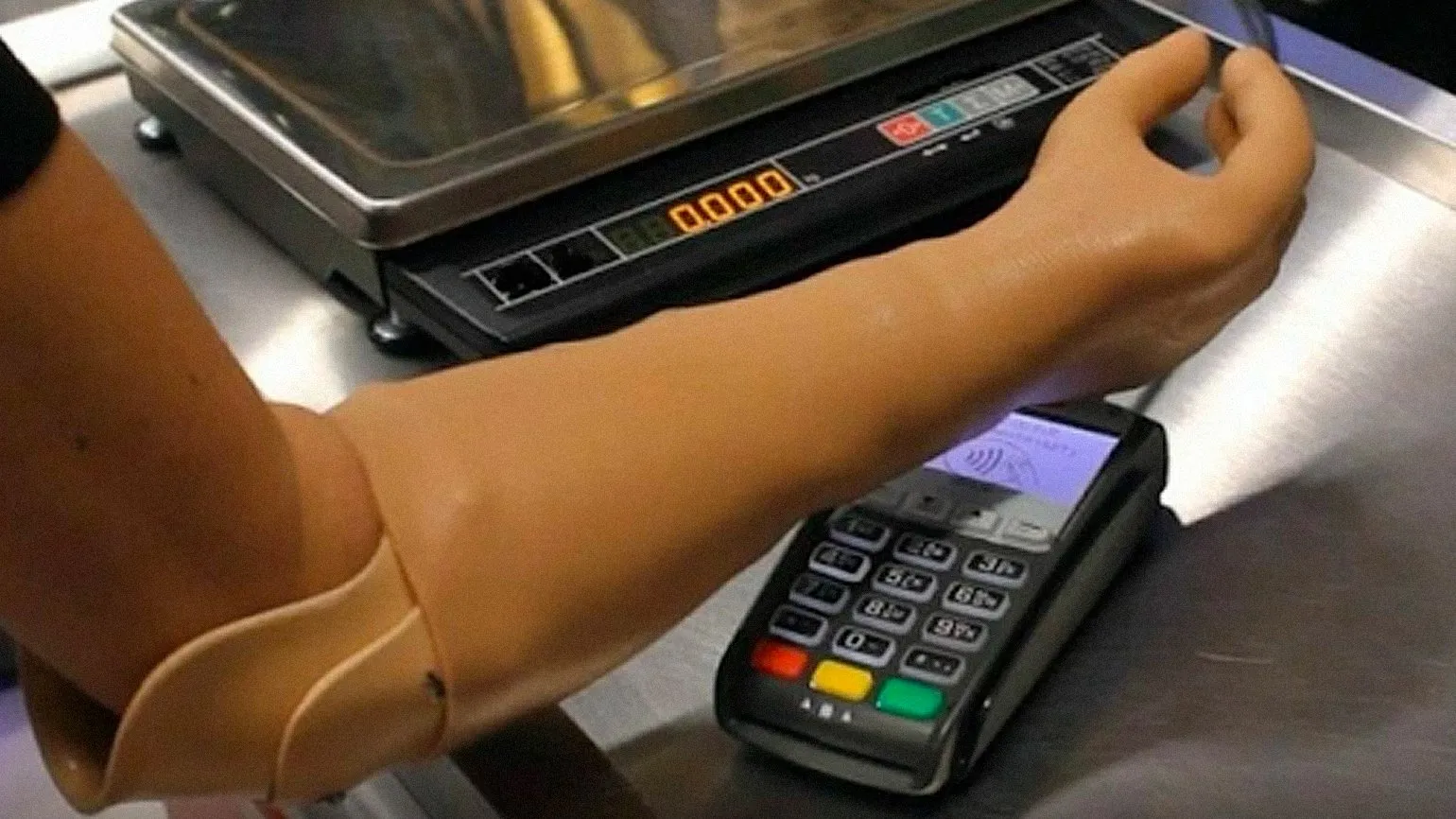
Motorika prostheses are not simply functional devices, but high-tech solutions that change the concept of rehabilitation. These innovative prostheses are equipped with SIM cards, which provide communication with technical support. Thanks to this, rehabilitation specialists can remotely monitor the condition of the prostheses and update the software, significantly simplifying the process of diagnostics and troubleshooting. Previously, users could only report problems verbally, which complicated the service process. Now, thanks to modern technology, interaction has become more effective and efficient.
Motorika founder Vasily Khlebnikov emphasizes: "Our goal is not only to reproduce the functionality of the hand, but also to significantly expand it."
The company aims to ensure that users don't feel self-conscious about their prosthetics, but rather perceive them as stylish art objects. The Motorika workshop employs talented artists who create custom designs, creating original textures and vibrant colors to make prosthetics look striking and attractive. For example, one client, 11-year-old Philip, was inspired by Thanos's appearance in Avengers: Infinity War and received a unique prosthetic that is not only functional but also a stylish accessory. Our goal is to change the perception of prosthetics, turning them into symbols of individuality and creativity.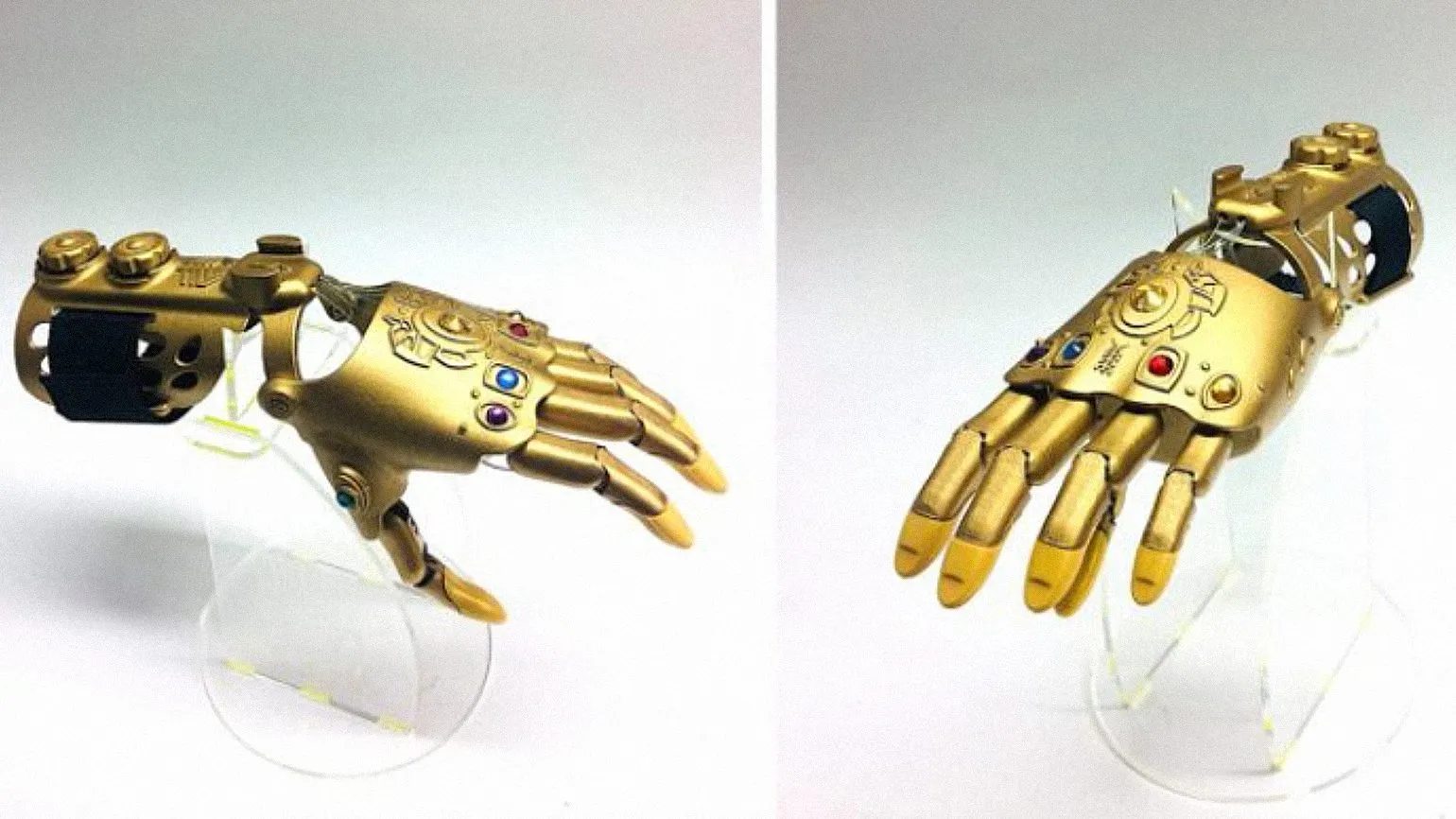
The company is actively developing its luxury product line, offering unique prosthetics adorned with Swarovski crystals. This underscores our individual approach to each client and high product quality standards. Our products are not only functional but also stylish accessories that reflect the owner's personality.
Bionic prosthetics are known for their unique combination of functionality and aesthetic design. However, new solutions are emerging on the market that can also offer these benefits. Maxim Lyashko, co-founder of MaxBionic, is actively developing a project called Fadvis. This project offers innovative cosmetic and functional prosthetics that are comparable in performance and quality to the best bionic models. Fadvis strives to meet the needs of users by combining high technology and attractive appearance, which makes their products competitive in the prosthetics market.
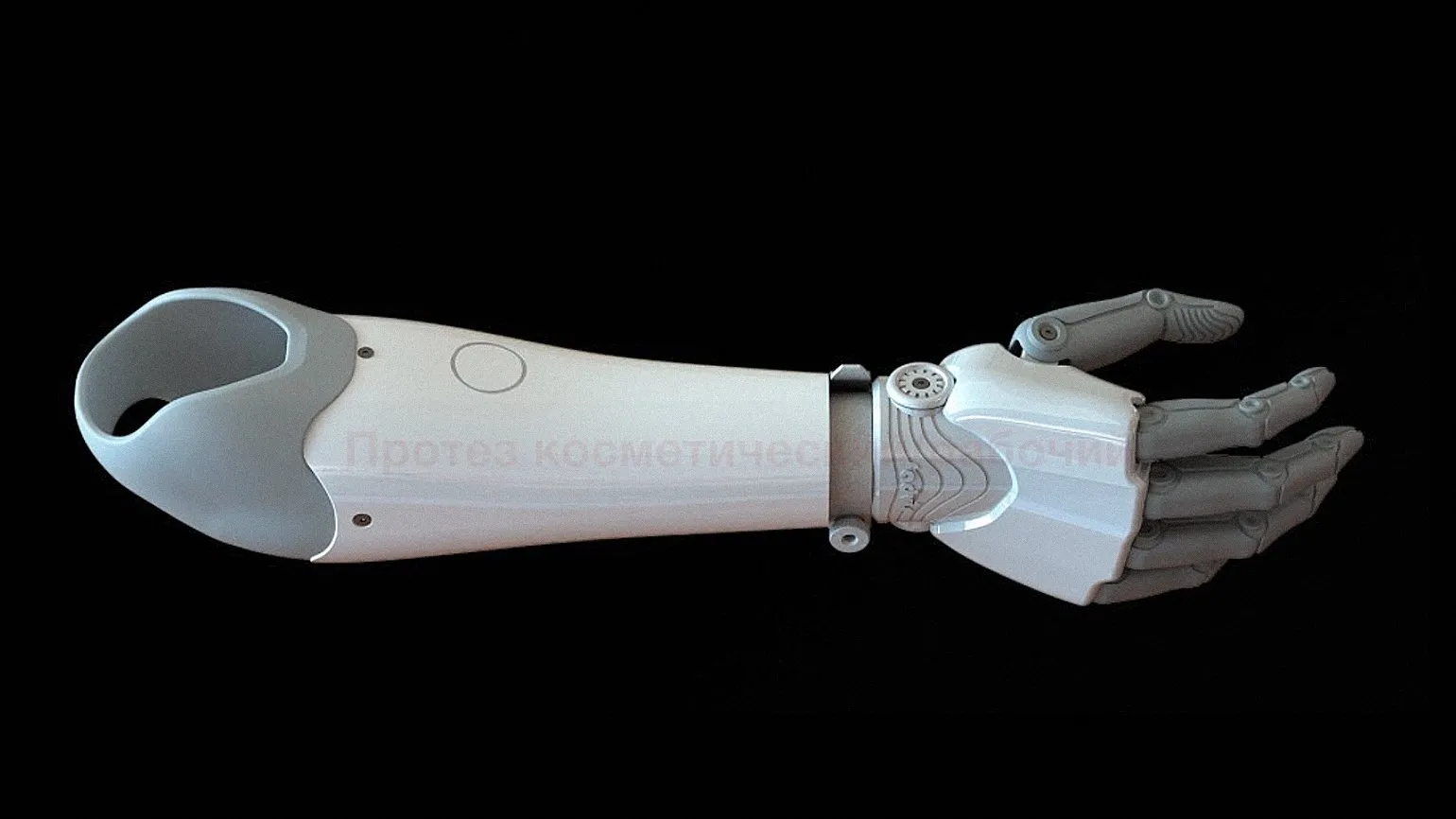
Fadvis offers a wide range of prosthetic attachments, including specialized options for push-ups, pull-ups, and swimming. These attachments make cosmetic prosthetics more functional and competitive with bionic analogues, and in some cases even surpass them in performance. Innovative solutions from Fadvis allow users to actively engage in sports and maintain a high level of physical activity.
Maxim Lyashko, co-founder of MaxBionic and Fadvis, emphasizes the unique concept of his developments, which is focused on convenience rather than bionic technology. "We have created prostheses with quickly removable elements, which significantly simplifies their use and increases comfort," he notes. This innovation makes prosthetics more accessible to users, allowing them to be easily adapted to various situations and needs.
The new prosthetic socket provides effective sweat removal and prevents slipping. Innovative materials such as rubber and silicone are used in production, which significantly increases the durability of the product. These characteristics make the socket not only comfortable to use but also reliable in the long term.
The Fadvis design incorporates cyberpunk elements, allowing users to perceive their prosthetics as stylish and modern accessories. This creates a sense of pride and uniqueness, emphasizing the individuality of each user.
The current situation in the prosthetics market: problems and prospects
The Russian prosthetics market, despite the introduction of innovative technologies and creative solutions, continues to face established problems. The leading role in this sector is played by the Federal State Unitary Enterprise "Moscow Prosthetic and Orthopedic Enterprise," which is currently undergoing reorganization. This situation poses challenges for the industry's development and requires new approaches to improving the quality and availability of prosthetics.
According to the Accounts Chamber, the enterprise is facing difficulties in implementing its Activity Program. In 2017, according to official information, the program was declared fully implemented, but the actual figure was only 75%. Experts believe this is negatively impacting the quality of services provided to citizens. Furthermore, the enterprise is experiencing financial losses due to aggressive price dumping by private resellers offering significantly lower rates for their services.
Maxim Lyashko, co-founder of MaxBionic and Fadvis, emphasizes that state-owned companies are experiencing a shortage of qualified personnel and financial resources. This is due to the fact that many valuable specialists are moving to private companies or choosing other fields. Manufacturing processes emphasize cost reduction, which hinders experimentation with new materials and the development of high-tech products. The technological solutions we use arrive at government agencies with a delay of five to seven years.
State-owned enterprises are able to offer low prices for their products, but they are unable to adapt to modern market demands. As a result, they continue to produce outdated single-joint prostheses that are significantly inferior in functionality to more modern multi-joint models. This creates a need for innovative solutions and modern technologies that can meet the current needs of users.
Modern users, especially the younger generation, tend to choose companies offering innovative solutions with modern management systems and attractive designs. However, the state market, despite its limitations, has significant administrative resources that can be effectively used to increase competitiveness.
Motorika is focused on a strategy of partnership with government agencies. Company founder Vasily Khlebnikov emphasizes that "We collaborate with the Moscow Prosthetic and Orthopedic Enterprise. Our company provides a full cycle of services, from development to production, acting as a vendor for organizations that can provide services to users even in the most remote regions of the country." This collaboration improves the accessibility of high-quality prosthetics and orthotics for people with disabilities, which is an important step toward social inclusion and support for such users.
Khlebnikov notes that our industry has an effective system of government regulation and high-quality insurance for people with disabilities. However, government and charitable resources could be used more efficiently. In this context, digitalization can have a significant impact. Our ecosystem solutions are receiving positive feedback from industry participants, including government agencies. We are already initiating pilot projects, which we believe will significantly improve the situation in the coming years.
Who is a business in the field of prosthetics suitable for?
The field of prosthetics offers entrepreneurs and specialists a unique opportunity to improve the quality of people's lives. State subsidies can fully cover the cost of prosthetics, fostering a healthy competitive environment in the private market. Expert Maxim Lyashko notes that "the state reimburses even high-quality German prosthetics, which cost 4.5-5 million rubles." However, receiving this reimbursement requires overcoming administrative hurdles, which can take six months to a year. Thus, despite existing difficulties, the potential of the prosthetics market remains high, and interested parties can make a significant contribution to this important area.
The emergence of the private sector in prosthetics has created a competitive environment where market mechanisms operate effectively. Companies use targeting and contextual advertising to attract customers. For example, Motorika offers an innovative prosthetics subscription model, with prices starting at 130,000 rubles. With a subscription, the cost drops to just over 10,000 rubles per month, making prosthetics more accessible to a wider range of users. As Vasily Khlebnikov noted in an interview with the YouTube channel "Transformer," "some people spend more on coffee." This is especially true for children, who grow quickly and require regular prosthetic replacements. This subscription approach allows parents to more flexibly manage expenses and provide their children with the medical supplies they need. Motorika offers a comprehensive prosthetic service, including medical training and paperwork for participation in government programs. After receiving a prosthesis, clients can count on full maintenance, guaranteeing reliability and long-term use. A key feature of our business is our high customer retention rate: adults require prosthetic replacements every 2-3 years, while children require them even more frequently, sometimes once a year. This approach allows us to maintain long-term relationships with our clients and meet their needs for high-quality prosthetics. According to project co-founder Ilya Chekh, we are committed to building long-term relationships with our clients. If a child with a congenital injury receives a cyber-arm at the age of 2-3, we continue to support them throughout their growth and development. Approximately 83% of our clients return to us for revision dentures, which speaks to our high efficiency and reliability.
Prospects for the Development of the Prosthetics and Medical Technologies Market
According to analytical data from Quince Market Insights, the global prosthetics and orthotics market shows a compound annual growth rate of 4.8% and is projected to continue developing until 2030. Experts such as Ilya Chekh, co-founder of the Motorika project, are confident that in the future, replacing natural hands with cybernetic ones will become commonplace, and cyborgization will have a significant impact on human evolution. Technological advances in prosthetics and orthotics are opening up new horizons for rehabilitation and improving the quality of life of people with disabilities, making this sector important for the medical and social spheres.
According to Khlebnikov of Skillbox Media, the prosthetics market has long been undervalued in the venture capital and technology sectors. However, the situation is currently changing for the better: new innovative projects are emerging, and the number of investment and M&A transactions is increasing. Khlebnikov emphasizes that this industry is of strategic importance for governments, which are actively developing support and financing programs. The prosthetics market is becoming increasingly attractive to investors, opening up new opportunities for growth and technological development in this field.
In Russia, prosthetics are growing at a rate exceeding global averages. However, as expert Khlebnikov notes, the Russian market faces accessibility issues. More than 50% of people with amputations do not use prosthetics, which is due to insufficient infrastructure and financial constraints. Improving the availability of prosthetics is a crucial task for improving the quality of life of people who need these technologies. Measures are needed to overcome financial and infrastructural barriers to ensure that everyone in need has access to modern prosthetics.
Oleg Shupan, investment advisor at IFC Solid, emphasizes the prospects for financial investments in biotechnology, pharmaceuticals, and medical equipment. He notes the recent success of BioNTech, whose shares increased by more than 100% after receiving approval for a vaccine. Amid the COVID-19 pandemic, the healthcare sector has become especially attractive to investors, opening up new opportunities for effective investment in medical technology and innovation.
Pavel Bronfman, head of the MUIV.LAB accelerator and vice president for client policy at Moscow University named after S. Yu. Witte, emphasizes that medical technology is one of the most promising areas of innovation. He notes that the accelerator is looking for startups with ready-made solutions that can be recommended for participation in the SkyDeck accelerator at the University of Berkeley. Interest in medical technology is explained by its potential to transform healthcare and improve quality of life. New technologies play a key role in the development of the industry. Khlebnikov notes: "We are focused on robotics, digital manufacturing, and IoT technologies, which significantly improve the user experience and the rehabilitation process. Our goal is to create an ecosystem that digitalizes the rehabilitation process and optimizes interactions between users and medical specialists, as well as organizations." These innovations not only increase the effectiveness of treatment but also make it more accessible and comfortable for patients. An important aspect is invasive microelectronics, which connects to the nervous system using electrodes. Neural interfaces have the potential to transform the way we control bionic limbs by transmitting signals from sensors in bionic fingers and palms directly to the nervous system. This opens up new horizons in prosthetics and motor restoration, enabling more natural interactions between humans and artificial devices.
Who can provide financial support?
Financial support from government agencies and private investors is critical for the successful implementation of innovative projects in Russia. However, there is a significant divergence of opinions regarding the availability of these resources in the Russian market. Investors and entrepreneurs face various obstacles and challenges, which can hinder the launch and development of new ideas. Effective collaboration between the public and private sectors can significantly increase funding levels and create a more favorable environment for innovation.
Maxim Lyashko, co-founder of MaxBionic and Fadvis, shares his experience in business and technology. He emphasizes the importance of innovation and adapting to modern market conditions. He believes that successful company development requires constant analysis of customer needs and the implementation of new solutions. It's important not only to follow trends but also to offer unique products and services that can meet audience demands. Maxim emphasizes that the key to success is a team capable of working towards common goals and unafraid to experiment.
Obtaining large government grants is a complex task. It requires not only connections but also negotiation skills. We once won a grant from the Start program, which provides up to three million rubles. These funds had a significant impact on our project, but unfortunately, they represent only a fraction of the total investment required. For example, the cost of a prosthesis is about one million rubles, while the grant is three million. This is comparable to trying to develop a smartphone with a budget of 60,000 rubles, when its actual cost reaches 200,000. The allocated funds only last for a few months of development and production, highlighting the importance of finding additional sources of funding to ensure the project's successful completion.
In Western countries, technology-related projects are actively developing and are perceived as charitable initiatives. A prime example is Open Bionics, which has received grants from major companies such as Google and Disney. Investors recognize the difficulty of achieving high profits in this sector, so they view their investments as an opportunity to improve their image and contribute to social development. Such initiatives not only promote technological progress but also draw attention to important social issues.
There are numerous accelerators and technology clusters that support startups, including Skolkovo Technopark. In 2015, Motorika became a resident of this coworking space, allowing it to avoid VAT and reduce payroll taxes. A residence at Technopark provides startups with access to essential resources, expert support, and networking opportunities, facilitating their growth and development in a competitive environment. Skolkovo Technopark continues to attract innovative companies, creating favorable conditions for a thriving startup ecosystem in Russia.
In addition to Skolkovo, the Russian Direct Investment Fund (RDIF) and the Far Eastern High Technologies Fund (FEHF), acting as institutional investors, play a key role in project development. These funds support startups in scaling and entering international markets, and facilitate networking with partners both in Russia and abroad. Their participation enhances the competitiveness of domestic projects and opens new opportunities for innovative growth.
Cooperation with government agencies yields significant results. The Russian Direct Investment Fund (RDIF) invested 200 million rubles in Motorika as part of the Investment Lift program, which is aimed at supporting non-resource companies with high export potential. Motorika is actively expanding its position in the international market, supplying prosthetics to Europe and India. Since its inception, the company has installed over 2,700 prosthetics in 14 countries, demonstrating its success and the demand for its products on the global stage.
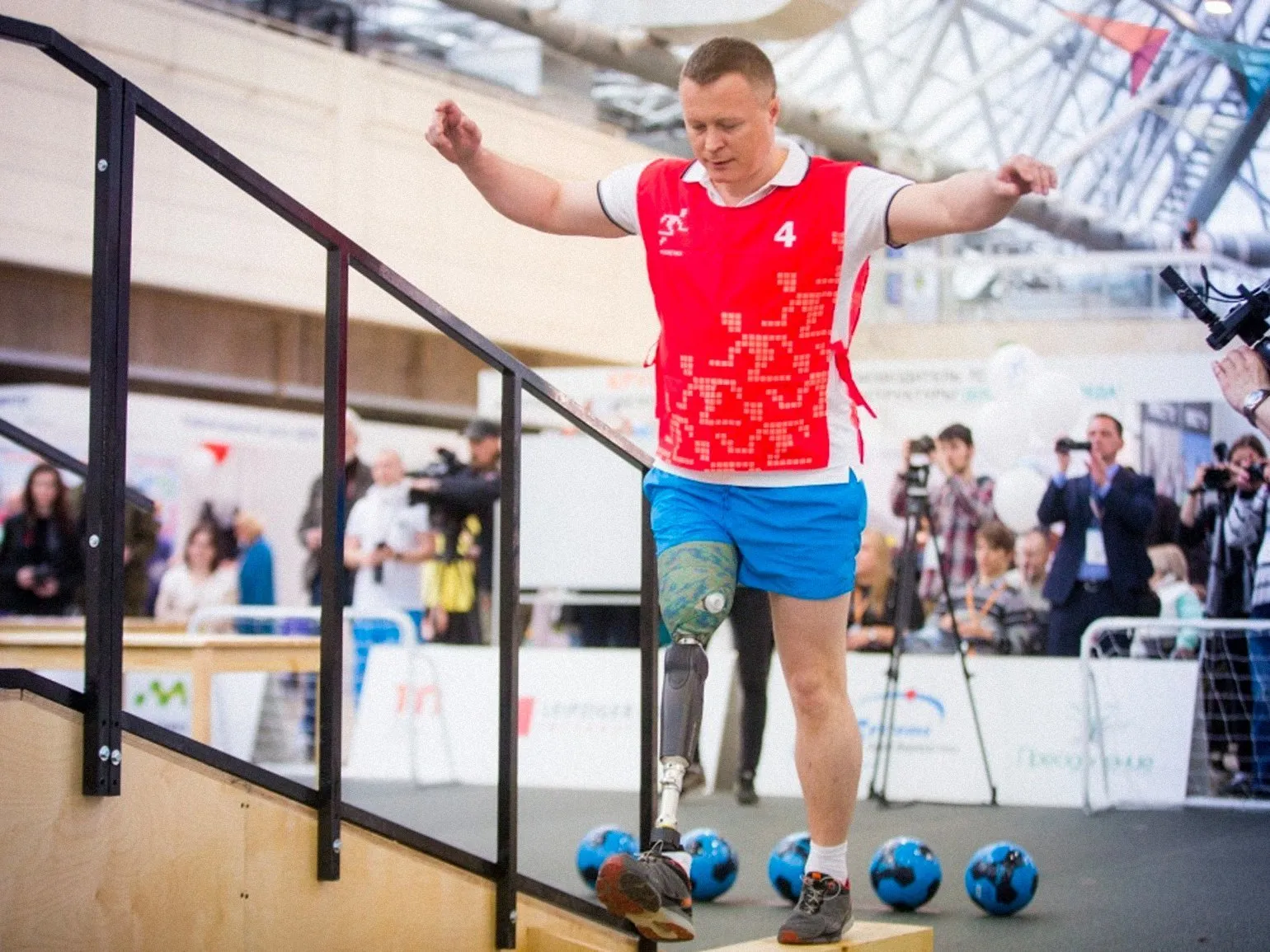
The State Agency for Strategic Initiatives actively supports Cybathletics, a sports competition for people with prosthetics. This event not only showcases the athletic achievements of its participants but also attracts the attention of the political elite. Such initiatives help strengthen ties between the government and the sports industry, and raise public awareness of the capabilities of people with disabilities.
Accelerators play a vital role in attracting investment for startups. For example, the MUIV.LAB project provides financial and advisory support, focusing on IT startups. Currently, 19 participating projects have secured funding totaling 50 million rubles. This confirms the effectiveness of accelerators in developing innovative business ideas and facilitating the growth of the technology sector.
Pavel Bronfman, head of the MUIV.LAB accelerator and vice president for client policy at Moscow University named after S. Yu. Witte, emphasized the importance of innovative approaches in education and business. He emphasized the need to integrate modern technologies into the educational process and startup development. Bronfman also noted that collaboration between academia and business is key to the successful implementation of projects and increased competitiveness in the market.
Our spring intake included the startup Meditronica, which develops foot, lower leg, and knee prostheses using 3D printing technology. Also participating was the startup Senso Rehab, which offers an innovative smart glove for neurorehabilitation. The program also included the VR GO app, designed for smartphones and VR headsets, which focuses on musculoskeletal rehabilitation. These startups represent cutting-edge solutions in medical technology and rehabilitation that help improve patients' quality of life.
In our fall intake, we invite startups from various fields, with a special emphasis on projects with the potential to enter the international market. Medical technology startups will be able to take advantage of our program, as we have a wide network of partnerships in this field, which contributes to the accelerated development of their ideas and solutions.
Starting a business in 2025: 5 steps from idea to profit
Want to open a successful business in Russia? Learn 5 key steps to start and earn money today!
Learn more