Contents:
- Digital immortality: who develops and why projects are closed
- Why Pushkin strove for a digital heritage
- How VIRperson recreates Pushkin's thinking using AI
- Why is the digitalization of cultural and historical figures important for modern society?
- What does this mean for the educational process?
- Frequently asked questions about the VIRperson project
- Ethical aspects of personality recreation: who deserves digital immortality?
- Finding funding for a startup: strategies and Opportunities
- Monetization of the VIRperson platform: prospects and opportunities
- How a Microsoft patent threatens small companies: an expert's view
4 Professions in Internet Marketing: Free Mini-Course
Find out moreDigital Immortality: Who Develops It and Why Projects Are Closed
The concept of creating digital copies of people has long interested scientists and writers, forming the fundamental ideas for many science fiction works. A striking example is the series "Black Mirror," which raises pressing questions about digital consciousness. One of the first practical projects in this area was the Replika app, launched in 2018. Its creation belongs to Evgeniya Kuyda, who in 2016 developed a chatbot named Roman, which reproduced the personality of her late friend Roman Mazurenko, who died in a car accident. This bot's algorithm was based on an analysis of Roman's personal messages and publications, which made it possible to recreate his unique communication style. The Replika project was a significant step in the development of digital consciousness technologies and sparked numerous discussions about the possibilities and ethical aspects of creating virtual copies of people. The startup Soul Machines, founded in 2016, is actively developing technologies for creating digital personalities, providing companies with tools for developing unique avatars. Other leading developers, such as ObEN, Sony, and SberDevices, are also working in this field, contributing to the evolution of digital interfaces. In 2020, the VIRperson project, aimed at creating digital replicas of historical figures, was launched in Russia. This project opens up new opportunities for studying and interacting with history, making it more accessible and understandable for modern society.
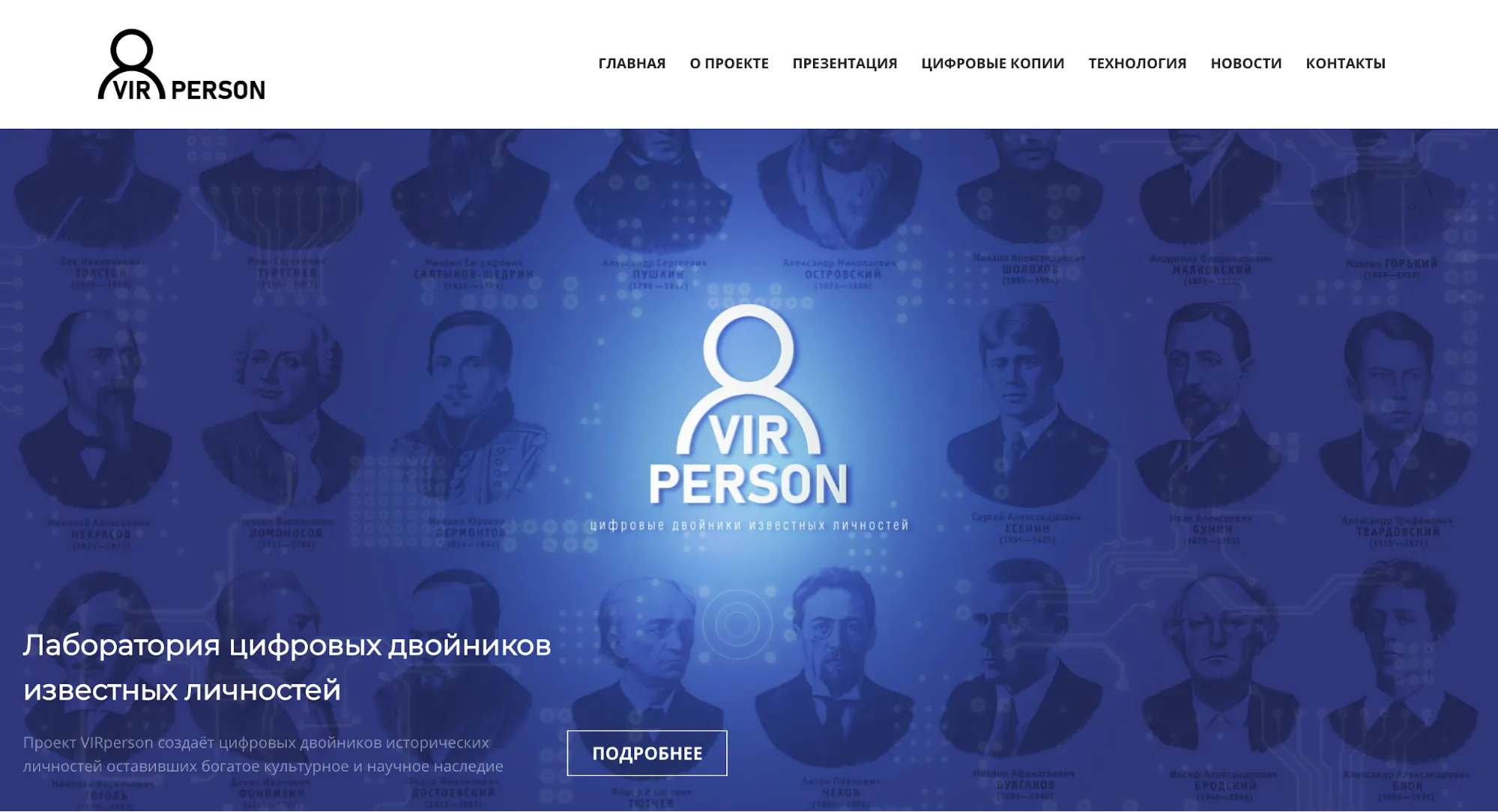
Roman Dushkin, founder of VIRperson and an expert in artificial intelligence with over 20 years of experience, notes that startups focused on digitizing human memory often face significant challenges and frequently cease operations. A prime example is Luka, which initially developed chatbots for communication but eventually shifted its focus to creating psychological bots. This highlights the complexity and multifaceted nature of digital immortality, as well as the need for deep understanding and an innovative approach in this field.
Roman Dushkin notes that many digital immortality projects may be under government control, which impacts their viability. The topic of digital immortality raises numerous questions and sometimes raises concerns, which could lead to the cessation of development. This highlights the importance of open discussion and understanding of these technologies for their further development and implementation.
Why Pushkin Strived for Digital Heritage
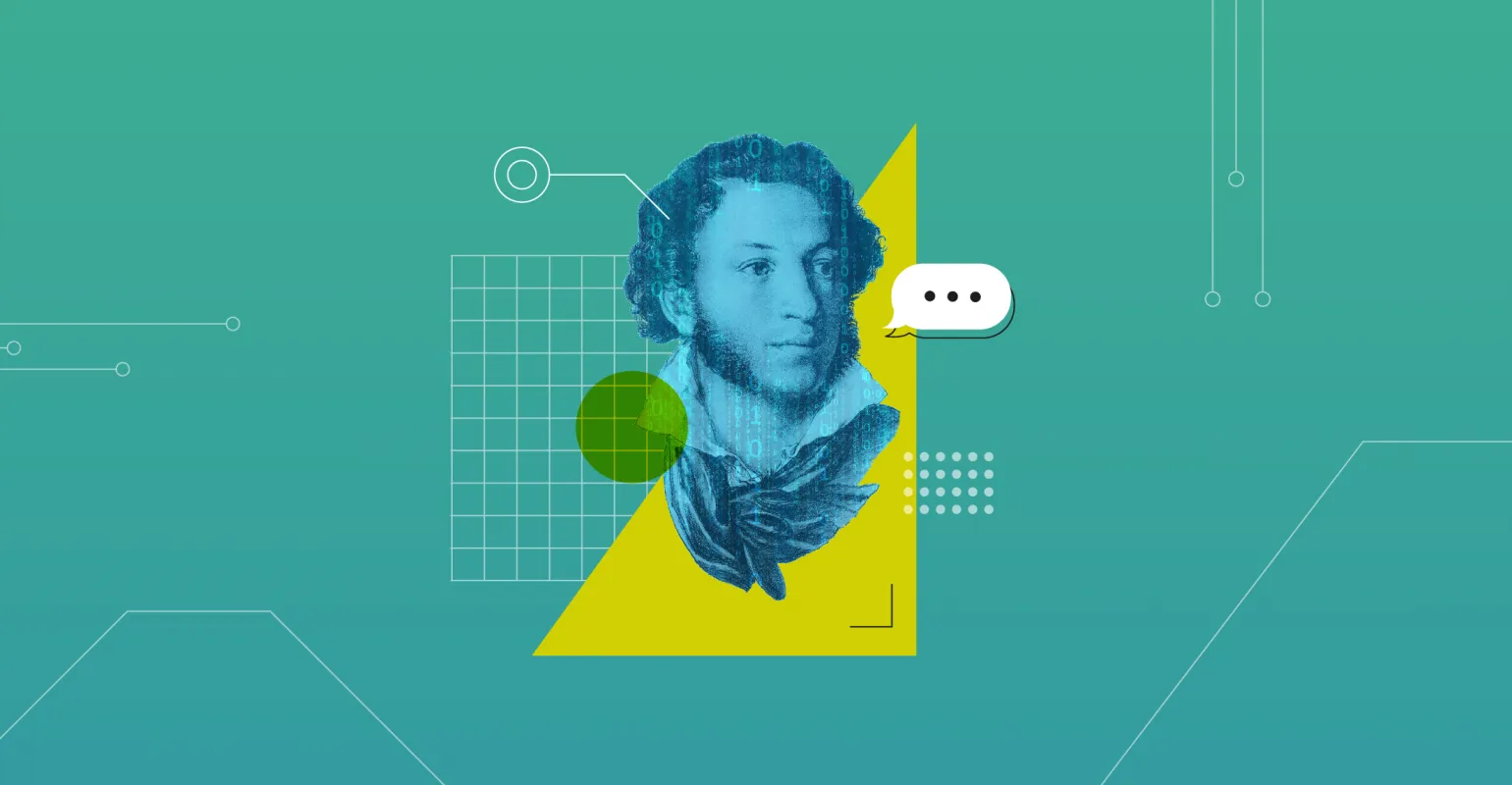
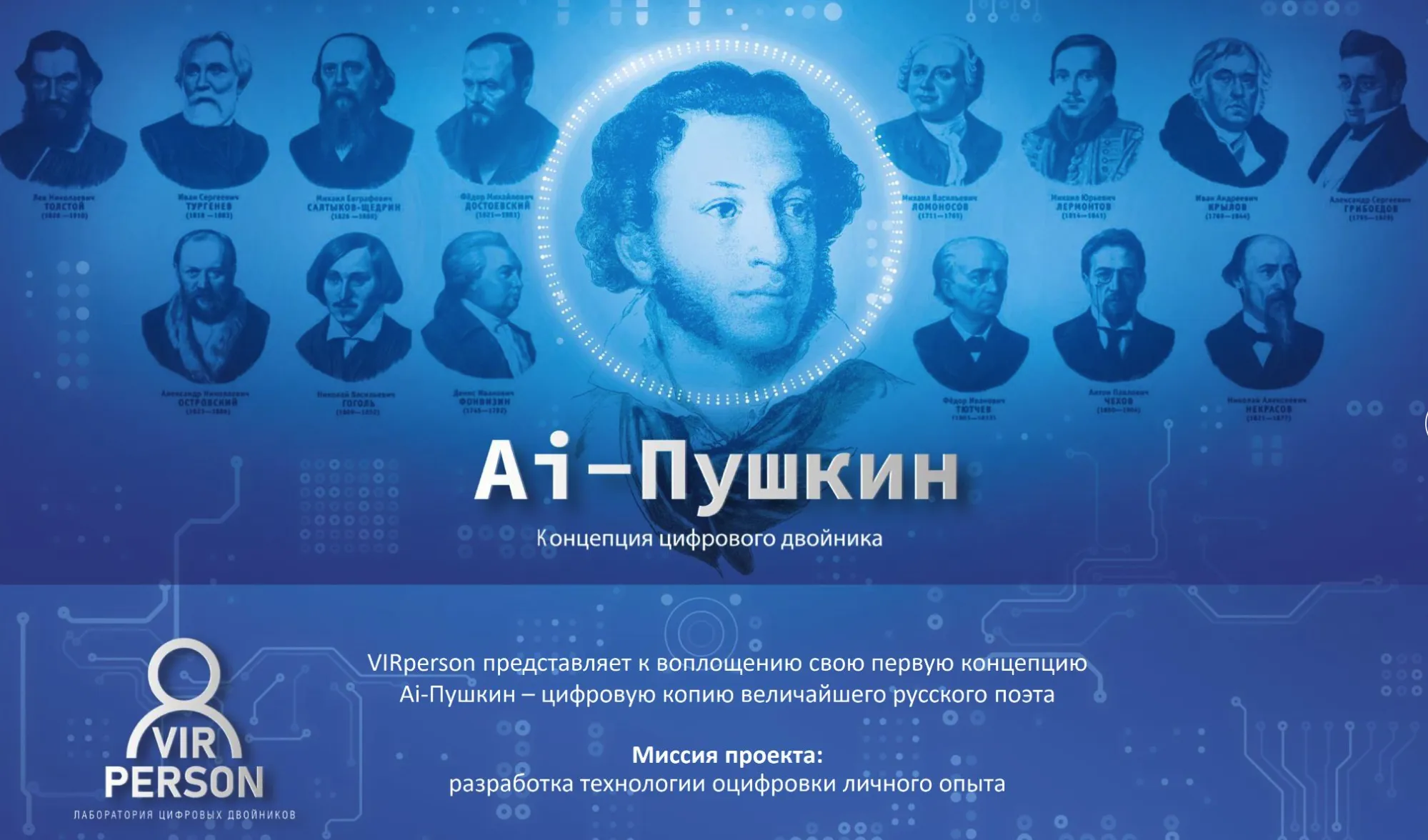
The VIRperson startup is actively developing digital replicas of historical figures who have had a significant impact on culture, science, and literature. The team chose Alexander Pushkin as the first subject for their work. This decision is due to the fact that the poet left behind an extensive literary legacy, including numerous letters and works that allow for a deeper understanding of his personality and contribution to Russian literature. The creation of a digital replica of Pushkin opens up new opportunities for studying his work and interacting with cultural heritage, which may attract the attention of both researchers and a wider audience.
Roman Dushkin, one of the founders of the project, claims that Alexander Pushkin himself sought to digitize his work. This statement is confirmed both in the poem "Monument" and in his diaries. Pushkin deeply reflected on his eternal memory and the significance of his literary legacy. Digitizing the works of this great poet allows us to preserve and promote his work for future generations, providing access to his thoughts and ideas.
The poet openly shared his thoughts in his diaries, making them a valuable source for understanding his inner world. When creating a digital copy of Pushkin's works, it is important to consider this aspect and set certain boundaries to avoid publishing overly personal and intimate details. This will preserve the essence of his work and provide readers with access to important ideas without excessive frankness.
The VIRperson project aims to recreate the personality of Alexander Pushkin, drawing on his literary works, correspondence, and critical materials collected over two centuries. This unique solution will allow users to interact with a digital image of Pushkin, creating the illusion of communicating with the great poet in real time. This innovative approach to studying Pushkin's legacy opens new horizons for researchers and literary enthusiasts, allowing a deeper dive into his work and personality.
Dushkin emphasizes that digitization must consider not only the poet's creative aspect but also his personal qualities. Pushkin had a complex character, which may influence the perception of his work by modern readers. Our goal is to preserve the poet's authentic essence while making the necessary adjustments to better understand his legacy in the digital age.
The founder of VIRperson emphasizes that every morning we update our life narrative based on our memories. In this light, Alexander Pushkin's autobiographical narrative will form the basis for the creation of his digital copy. This will preserve the memory of the great poet and his legacy for future generations, providing access to his work and life in digital format.
Reproduction
How VIRperson recreates Pushkin's thinking using AI
The virtual startup VIRperson is actively developing a unique system that uses artificial intelligence technologies to create a digital twin of the great Russian poet Alexander Pushkin. Currently, the development team is in the process of patenting their innovative solutions, which emphasizes the significance and uniqueness of this project. Using modern technologies, VIRperson strives not only to preserve Pushkin's legacy, but also to make it accessible to new generations. The project promises to be an important step in the digitalization of cultural heritage and the use of artificial intelligence in art.
At the moment, VIRperson offers a chatbot that can interact with users both via text and voice, similar to the voice assistant "Alice". You can ask the "Pushkin" chatbot questions both in text format and via voice messages. These requests are processed using modern technologies, which ensures high accuracy and efficiency of responses. The chatbot is designed to improve user interaction and offers convenient solutions for obtaining information.
- Your message is analyzed using two specialized modules: a linguistic module, which recognizes the meaning of what is said, and an emotional module, which determines the emotional coloring.
- The analysis results are sent to the decision-making module, which uses data from an extensive knowledge base and the system's personal memory.
- The generated theses, based on personal characteristics, are transmitted to the generator, which forms a response and sends it to the user.
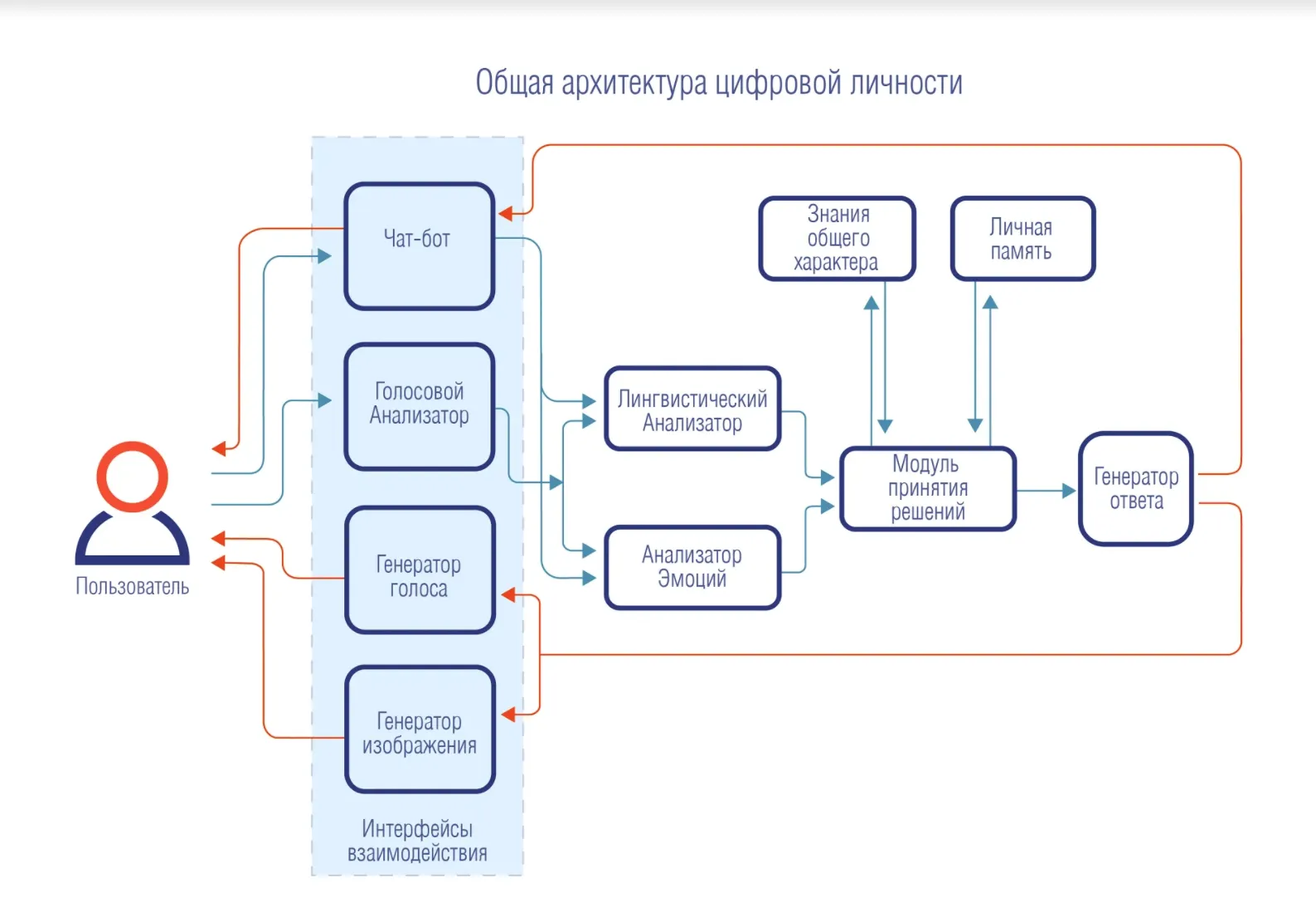
By the end of March 2021, the VIRperson project is preparing to launch a virtual Alexander Pushkin, who will be able to answer basic user questions. By the poet's birthday, June 6, the developers plan to present a visualization of his image, collaborating with actors and companies that create digital avatars. This project aims to popularize Pushkin's legacy and use modern technology to more deeply engage with his work.
Pushkin's voice will be recreated using modern digital technologies based on an analysis of his speech style. The project is led by Roman Dushkin, who reports that neural networks and other innovative methods will be used. This will create a unique audio version of the great poet's voice, close to the original, which will open new horizons for the study of his work and the perception of literature.
Why is the digitization of cultural and historical figures important for modern society?
The VIRperson startup is developing digital avatars of outstanding personalities, including such great authors as Alexander Pushkin and Fyodor Dostoevsky. The project's main goal is to create a unique opportunity for schoolchildren to interact with these great Russian poets and writers. This will allow the younger generation to gain a deeper understanding of their thoughts and feelings associated with the literary process, as well as be inspired by their work. The project aims to popularize Russian literature and deepen interest in the country's cultural heritage.
The Russian Ministry of Education has expressed interest in this initiative, within which the developers plan to create digital copies not only of famous literary figures but also of significant cultural and political figures, such as Henry Kissinger and Yevgeny Primakov. These digital doubles will be able to remember information about their interlocutors and adapt their responses based on their personal data, opening up new possibilities for educational and cultural projects.
When users interact with the digital Pushkin, they can experience a unique immersion in the poet's era. The system asks, "What is your name, sir?", creating an atmosphere of personal communication. She remembers the user's name and can congratulate them on their birthday by sending an original poem in the style of Pushkin, created especially for this occasion. This approach not only enhances interaction, but also makes it more memorable and personalized, which draws attention to digital technologies in literature.
All digital avatars will be united in a single information space, which will provide them with the ability to exchange knowledge and models. For example, if a user communicated with the "Pushkin" avatar and then wants to communicate with the "Dostoevsky" avatar, the latter will be able to start the conversation with the greeting: "I'm glad to see you! Alexander Sergeevich talked a lot about you." This integration will create a deeper and more personalized communication, allowing users to enjoy a unique experience of interacting with famous personalities.
The VIRperson project includes the development of digital models of successful top managers, including Herman Gref. The creation of his digital copy will allow new employees of "Sber" Gain access to his knowledge and experience, which is impossible due to limited time in real life. This initiative will not only improve the onboarding process for new employees but also create an effective environment for sharing experiences and learning, which contributes to the company's overall productivity.
What does this mean for education? process?
The digitalization of historical figures is transforming teaching and learning methods. Virtual encounters with literary classics and prominent figures can inspire younger generations to study history and culture. This provides innovative and interactive ways to gain knowledge, making the learning process more engaging and accessible. Such technologies not only enrich the educational experience but also promote a deeper understanding of cultural heritage, which is important for shaping the consciousness and values of young people.
Frequently Asked Questions about the VIRperson Project
The VIRperson project aims to create digital copies of prominent figures, which contributes to educational and cultural initiatives. This will allow people to learn more about great minds and their contributions to history, science, and art. Digital copies will help preserve heritage and ensure access to knowledge for future generations.
Users will be able to interact with digital personalities by asking questions and receiving personalized responses. These responses will be generated based on the information the system accumulates about each user. This approach will ensure a deeper and more personalized connection, significantly improving the overall user experience. Personalized responses will help users feel understood and supported, increasing the effectiveness of communication with digital assistants.
The launch of the virtual Pushkin is planned for this year. This initiative is expected to be a significant event in the field of digital culture and artificial intelligence, providing users with a unique opportunity to interact with the outstanding Russian poet and writer.
Ethical Aspects of Personality Recreation: Who Deserves Digital Immortality?
The question of recreating personalities using artificial intelligence technologies raises a number of ethical issues. The literary legacy of Alexander Pushkin, which entered the public domain over 200 years ago, can be used without any restrictions. However, for modern personalities, such as Yevgeny Primakov, legal and ethical norms prohibit the use of their materials for the creation of a digital copy without appropriate permission. This underscores the importance of upholding copyright and ethical standards in the digital age, where the possibilities for recreating and imitating personalities are becoming increasingly accessible. Questions about the limits of intellectual property use and the rights of heirs remain relevant in the context of the development of artificial intelligence.
VIRperson is actively researching the ethical aspects associated with personality reconstruction, consulting with ethics committees and specialized working groups. Currently, the startup has not reached a unanimous decision on all ethical issues, highlighting the complexity and multifaceted nature of this topic. Work on these issues will continue, as VIRperson strives to create a responsible and ethical approach to its activities.
Expert Dushkin argues that the availability of digital copying technology will play a key role in the formation of digital heritage. If the cost of developing such technologies is low, many people will be able to preserve their digital heritage. Otherwise, this opportunity will remain only for the wealthy, creating inequality in access to important information and memory.
It is necessary to understand to what extent we are prepared to grant the idea of digital immortality only to a limited number of people. At the same time, the question arises as to whether a digital copy of an ordinary person, for example, Vasya Pupkin from a small town, will be in demand. This highlights important aspects of the topic of digital heritage and the accessibility of technologies to a wide audience.
Finding Funding for a Startup: Strategies and Opportunities
The VIRperson startup faces serious difficulties in attracting investment, which forces its founders to use their own financial resources. In search of funding, the team is actively applying for grants and negotiating with large corporations interested in innovative technologies. At the initial stage of VIRperson's existence, an application was submitted for a grant from the Foundation for Assistance to Small Innovative Enterprises (Bortnik Foundation), but, unfortunately, the funds were not provided. Currently, the developers have submitted a new application to Skolkovo, which opens up additional opportunities for funding and support.
Roman Dushkin, co-founder of the project, emphasizes that the startup currently does not inspire sufficient confidence. The main reason for this is that many modern data scientists have limited knowledge, focused primarily on artificial neural networks. This narrow understanding significantly limits their understanding of all aspects and advances in artificial intelligence. To increase trust in the project, it is necessary to expand the knowledge of specialists and implement more comprehensive approaches to the study and application of artificial intelligence technologies.
According to Dushkin, companies recognizing the technology's potential in the global market could show interest in investment. Among such companies is already Sber, which focuses not on selling an idea, but on achieving specific results. After completing the first MVP (minimum viable product), the developers intend to present it to potential investors and prepare for market entry. This could open up new opportunities for attracting investment and further developing the technology.
Monetization of the VIRperson Platform: Prospects and
The startup VIRperson plans to introduce paid subscriptions to its innovative products, focusing on government institutions. Particular attention will be paid to restored figures, such as Pushkin and other classics. Russian schools will be able to take advantage of a free subscription, providing access to unique educational content. This will not only increase interest in cultural heritage but also make it accessible to a wider audience.
According to the developers, funding for this initiative will come from grants and tranches from the Ministry of Education. This will allow VIRperson to offer educational institutions a high-quality product without the need for financial investment.
The platform intends to expand its capabilities by providing foreign educational institutions teaching Russian with access to digital classics. This creates new opportunities for monetization and user acquisition.
Roman Dushkin, one of the project's developers, notes: "A $100-per-year subscription for two thousand schools covered by Rossotrudnichestvo will generate $200,000 in revenue. These funds are sufficient to support the operation and further development of our project." Thus, the subscription model represents a promising approach to funding and sustainable development of educational initiatives.
The restored identities of prominent politicians are of interest to the Ministries of Foreign Affairs of various countries, which can subscribe to the platform's services. Large private companies will also have the opportunity to take advantage of commercial tariffs. VIRperson is confident that many organizations will be interested in these offers and will be able to find the necessary resources, which will facilitate the successful implementation of paid services.
How Microsoft's Patent Threatens Small Businesses: An Expert's View
A statement by Roman Dushkin, CEO of VIRperson, recently sparked active discussions in the technology community. He expressed concern about a patent registered by Microsoft for digital twin technology. Dushkin believes that this could negatively impact small and medium-sized businesses, limiting their access to new technologies and creating barriers to innovation. It is important to analyze how such patents can affect competitiveness and business development in a rapidly changing technological landscape.
According to Dushkin, "Microsoft, having realized the potential of this technology, decided to initiate a patent war using vague wording." This statement raises an important question: do large corporations actually use patents to pressure startups? The patent system, originally designed to protect innovation, often becomes a competitive tool, which can make life difficult for young companies. In a highly competitive environment, startups can find themselves in a vulnerable position when their ideas and developments are jeopardized by legal battles with industry giants. Dushkin emphasizes that technologies that allow for the copying of personalities may soon become accessible to a wider audience. However, the implementation of such innovations may encounter resistance, as society often fears new and unexplored solutions. Adoption of these technologies will require time and effort to overcome biases and misunderstandings. It is necessary to overcome fears and strive for continuous development. It is important to focus on increasing trust in new technologies, convincing the public of their safety and long-term benefits. Technological advances open up new opportunities, and only through active collaboration and communication can their effective implementation be achieved.
Patents have a significant impact on small businesses because they can limit innovation and access to essential technologies. These legal instruments create barriers to market entry, making it less accessible for startups and small businesses. By restricting the use of certain technologies, patents can slow down the development of new products and services, negatively impacting the competitiveness of small businesses. As a result, small businesses may face difficulties in implementing cutting-edge solutions and adapting to rapidly changing market conditions.
Small businesses can effectively protect their interests by considering registering their own patents as an important step. Patents provide legal protection for unique ideas and technologies, preventing copying by competitors. Furthermore, active collaboration with other startups can open up new opportunities for joint development and experience sharing. Such partnerships can lead to the creation of innovative products and services, which in turn strengthens the competitive position of small companies in the market.
Society has varied reactions to new technologies such as digital twins. There is growing concern about their impact on privacy, security, and ethical standards. However, with the right approach and educational initiatives, these fears can be successfully overcome. Understanding the technology and its potential benefits can significantly reduce anxiety and increase user confidence. Informing the public about how to safely use digital twins will help create a more positive perception of this innovation, which, in turn, will allow society to adapt to new realities and make the most of their capabilities.
Opening a business in 2025: 5 steps to success
Want to open Business in 2025? Learn 5 key steps to success! Read the article.
Learn more