Table of Contents:
- Abundant Robotics: Innovations in Apple Picking (2016–2021)
- Chanje (2015–2021): Electric Truck Failures
- Dark Sky: The Weather We Lost (2012–2021)
- The Katerra Story (2015–2021): A Failure in Construction Technology
- Loon (2015–2021): Bringing Internet to Remote Regions
- Houseparty: The Virtual Party That Left No Trace (2015–2021)
- LG Phones: Fall of a Giant (2009–2021)
- Visionrare (2021–2021): The Path of a Startup with a Unique Approach
- The Sad Fate of Nuzzel: From Startup to Closure (2012–2021)
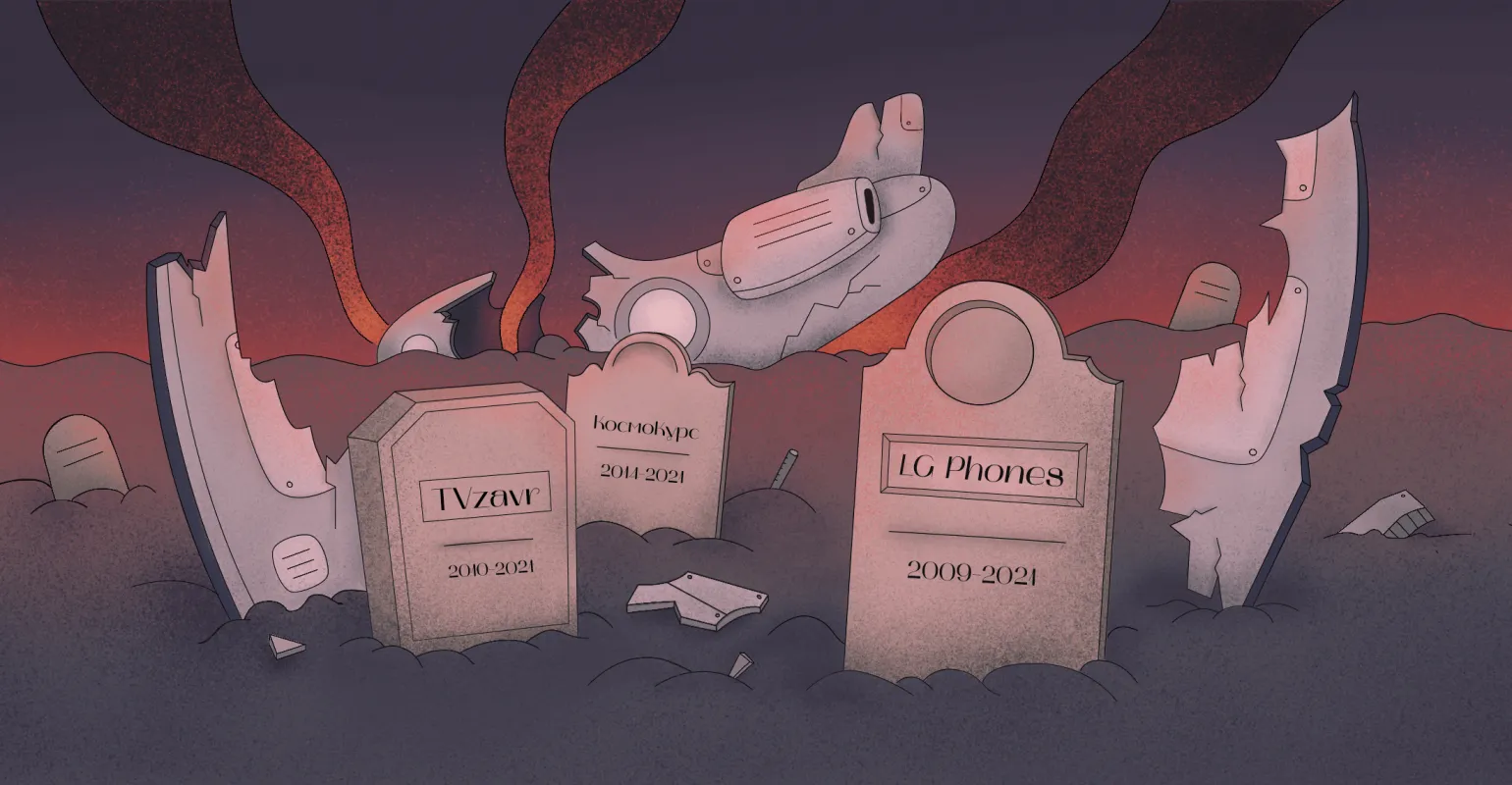
- KosmoKurs: Ambitions and Bureaucracy (2014–2021)
- The Closure of SaveTime (2017–2021): Lessons from the Crisis in E-grocery
- TVzavr: Epilogue of the Russian Streaming Platform (2010–2021)
- Bonus: Return of the Year in the World of AR

4 Professions in Internet Marketing: Free Mini-Course
Learn MoreAbundant Robotics: Innovations in Apple Picking (2016–2021)
The robotics market is showing rapid growth, and According to BCG forecasts, its volume will increase from $25 billion in 2021 to an impressive $160-260 billion by 2030. The use of new technologies is particularly noticeable in the agricultural sector, where farmers around the world are facing labor shortages. This problem leads to increased food prices. The implementation of robotic solutions allows for the optimization of processes, increased productivity, and reduced costs, making them an important tool in the fight against the food crisis.
US startup Abundant Robotics has created innovative apple picking robots that deliver high efficiency and minimal fruit damage. The devices are equipped with a unique vacuum-like system, allowing them to carefully pick apples. In addition, the robots are able to recognize ripe fruit even in low-light conditions, significantly increasing their productivity at night. Abundant Robotics' development represents an important step forward in agricultural automation and could significantly change the approach to harvesting.
In 2017, Google's venture capital fund, GV, invested $10 million in Abundant Robotics, bringing its total funding to $12 million. Despite the company's ambitious plans to capture 2% of the market by 2024, the COVID-19 pandemic negatively impacted the company's efforts to attract new investors and customers, leading to the startup's closure. In October 2021, Waverly Labs acquired Abundant Robotics' technology and development rights, opening the door to their return to the market and renewed innovation in agricultural automation.
Chanje (2015–2021): Electric Truck Failures
The American startup Chanje became the subject of discussion in 2018 after international giant FedEx signed a contract to supply a thousand electric vans. These vehicles were manufactured by the Chinese company Five Dragons Group. Chanje founder Brian Hansel began working with Five Dragons Group while working at Smith Electric Vehicles, a well-known electric vehicle manufacturer that unfortunately ceased operations in 2017. Chanje aims to become a leader in the electric transportation market by offering efficient and environmentally friendly logistics solutions. Chanje has worked with major logistics companies such as Ryder and Amazon. Potential clients include well-known brands including Walmart and IKEA, according to The Verge. Despite initial success, the startup faced significant financial difficulties in 2017 due to problems at Five Dragons Group. This resulted in delivery delays and unpaid wages. Ultimately, unable to find a buyer, Hansel decided to shut down Chanje.
According to Credit Suisse's forecasts, Chanje's revenue could reach $2 billion by 2024, but the actual situation turned out to be different. The company's founder is currently facing lawsuits from former employees and customers. In particular, the logistics company Ryder is demanding that he pay over $3 million for undelivered vans. In addition, FedEx has not received a single electric vehicle from Chanje and has incurred significant losses due to investments in infrastructure for these vehicles in California. The lawsuits and financial difficulties threaten the company's future and its plans to introduce electric vehicles into the logistics industry.
Dark Sky: The Weather We Lost (2012-2021)
Dark Sky is a mobile app known for its accurate weather forecasts with an interval of up to one minute. It has gained great popularity among smartphone users due to its unique functionality. The project started as a crowdfunding initiative on the Kickstarter platform and by the beginning of 2020 attracted more than half a million active users per month. Dark Sky offers the ability to track weather changes in real time, making it an indispensable tool for planning outdoor activities.
After Apple acquired Dark Sky in early 2020, the project underwent significant changes. Immediately after the deal, Apple stopped working with the app on the Android platform, leaving only the iOS and API versions available. In June 2021, one of Dark Sky's co-founders announced that support for the app would end at the end of 2022. This decision caused concern among users who were counting on further development and improvement of the app's functionality.
Most likely, many of the features that made Dark Sky popular will be implemented in Apple's Weather app. This will allow users to continue receiving up-to-date weather forecasts, albeit in a modified form. The integration of these features will improve the quality of the weather information provided and provide more accurate forecasts for users.
The Katerra History (2015–2021): A Failure in Construction Technology
Founded in 2015, Katerra sought to revolutionize the construction industry by incorporating modern technology into traditional processes. The company focused on the production of modular apartment buildings and office buildings that were assembled on construction sites, like a construction kit. Wood was the primary construction material, emphasizing Katerra's environmental focus and commitment to sustainability. The integration of innovative technologies significantly reduced construction time and improved the quality of finished projects.
Over the six years of its existence, Katerra has significantly expanded its scale, becoming home to more than 7,500 employees. However, despite initial successes, the company faced serious problems related to a flawed business model. Aggressive growth and a strategy of vertical integration, including manufacturing its own light bulbs in China, led to high leverage and financial inconsistencies in reporting. These factors became an obstacle to Katerra's further development and called into question its sustainability in the market.
In 2020, Katerra faced the threat of bankruptcy, but was temporarily saved by a $200 million investment from SoftBank. However, these funds proved insufficient to successfully restructure the business and adapt to the challenging conditions caused by the COVID-19 pandemic, which severely disrupted supply chains and impacted the construction industry. Issues with material supplies, as well as changes in demand for construction services, became significant obstacles to the company's further development.
In July 2021, Katerra filed for bankruptcy, a significant event in the world of construction technology. However, this did not dampen investor interest in innovations in this field. Just two months after Katerra's closure, the Agora platform raised $33 million in funding, and in December, the Brazilian startup Ambar secured $36 million. These events confirm that the construction technology market continues to thrive, despite the setbacks of individual companies. Investments in new solutions and startups demonstrate the high potential and interest in digital tools and technologies in construction.
Loon (2015–2021): Bringing Internet to Remote Areas
Project Loon, developed by Google's parent company Alphabet, ended in 2021 after a nine-year journey full of ambition and challenges. The main goal of this innovative project was to provide internet access to remote regions of the world using unique balloons. These balloons were equipped with solar panels for daytime operation and batteries for nighttime operation, allowing them to provide coverage over a radius of up to 80 kilometers. Project Loon was an important step towards bridging the digital divide and improving connectivity in hard-to-reach areas.
Despite its promising technologies, the project faced several significant challenges. As Loon CEO Alistair Westgarth noted in his Medium blog, the company failed to achieve the required level of cost reduction, making the project unviable. In this situation, finding innovative solutions to improve efficiency and reduce costs remains crucial to ensure the project remains viable in the future.
According to the BBC, one of the main problems faced by local farmers in Kenya was the high cost of 4G smartphones needed to connect to the internet. This circumstance raised doubts about their interest in internet services. In addition, many Kenyans did not show a desire to access the internet. As reported by TechCrunch, the closure of Project Loon could be due to the success of other initiatives, such as SpaceX's Starlink and Amazon's Kuiper, which offer alternative solutions for internet distribution. These new technologies may become more accessible and in demand, which reduces the need for projects like Loon.
The technologies developed as part of Project Loon live on and find new applications. They are used in Alphabet's Project Taara, which uses laser technology to transmit internet signals. This project is currently being tested in Africa. Loon has also transferred around 200 of its patents to SoftBank, which intends to use these developments in its HAPS (High Altitude Platform Stations) initiative to create high-flying communication platforms. These steps demonstrate how innovative technologies can be adapted and used to improve connectivity in different regions of the world.
Houseparty: The Virtual Party That Left No Trace (2015–2021)
Houseparty is a video messenger that quickly gained popularity during lockdowns, becoming a real salvation for people experiencing a lack of face-to-face communication. The app's creators claim that during the pandemic, new user registrations reached 50 million per month. Despite this high interest, the platform quickly lost its appeal, likely due to fatigue from constant video calls and a shift in user focus to new formats like Clubhouse. As a result, Houseparty faced challenges that led to a decline in user activity and a loss of market share in video communications.
In October 2021, Houseparty closed its doors, leaving users nostalgic for virtual parties and online socializing. The service was remembered by many as a place where friends and families could gather, chat, and have fun, despite physical distance. The closure of Houseparty symbolized changes in the world of digital communications and served as a reminder of the importance of social interactions, both in real life and online.
Since 2019, Houseparty has been owned by Epic Games, known for its achievements in the gaming industry, including the popular project Fortnite. Epic Games acquired the platform for $35 million, and in the future, it may be transformed into a format consistent with the concept of a metaverse, which is actively promoted by the company's founder, Tim Sweeney. This transformation could open up new possibilities for user interaction in virtual reality, making Houseparty a more sought-after tool for communication and entertainment in the digital space.
LG Phones: The Fall of a Giant (2009–2021)
At the turn of the 2010s, LG confidently held its position in the mobile device market, introducing innovative flagships, among which the LG Wing stood out with its unique rotating screen and multifunctional wide-angle camera. However, despite its original ideas, LG faced serious problems related to the choice of components and insufficiently fast software updates. These shortcomings led to a significant loss of market share amid growing competition from Chinese manufacturers such as Oppo, Vivo, and Xiaomi. Competitors offered more attractive solutions and a high degree of device customization to user needs, which contributed to their rapid growth in the market.
April 2021 marked a pivotal moment for LG, when it officially announced the end of smartphone production. According to Reuters, the division had posted losses for six consecutive years, ultimately resulting in total losses exceeding $4.5 billion. At the beginning of 2021, LG's share of the mobile device market was less than 2%, and in 2020, the company sold only 23 million smartphones. By comparison, its main competitor, Samsung, shipped 256 million devices in the same period. This confirms a significant decline in LG's position in the mobile industry, where competition remains extremely high.
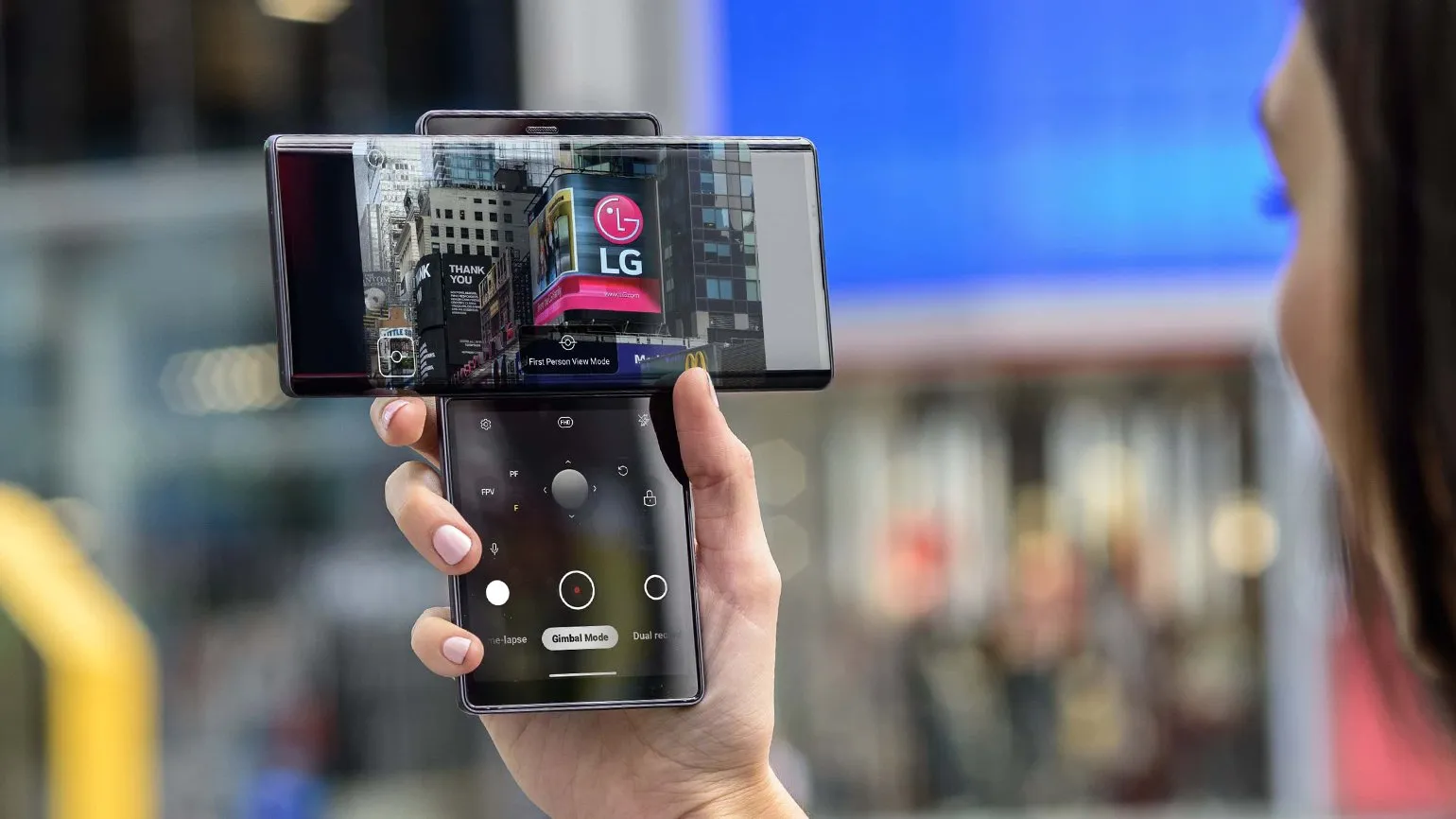
Key The reasons for LG's decline in the smartphone market are not only due to an insufficient marketing strategy but also to ineffective product management. In a highly competitive environment, the company failed to adapt promptly to rapidly changing consumer demands and the introduction of new technologies. This led to a loss of market share and a decline in customer interest.
The closure of LG's smartphone division was caused by several key factors. Firstly, the company faced increasing competition in the mobile device market. With the emergence of new players and the aggressive strategy of existing brands such as Apple and Samsung, LG was unable to maintain its position.
Secondly, a lack of innovation in LG's products also played a significant role. Despite the presence of interesting technologies, such as modular smartphones and devices with unique designs, the company was unable to attract a sufficient number of consumers.
Furthermore, LG was experiencing problems with its financial performance. Constant losses in the smartphone segment hampered further investments in research and development and marketing, which ultimately led to the decision to close the division. Thus, a combination of fierce competition, lack of innovation, and financial difficulties led to the closure of LG smartphones.
The closure of the division was a result of many years of financial losses, an ineffective marketing strategy, and the lack of competitiveness of the products offered in the market.
LG's main competitor in the smartphone market is Samsung. Both companies offer a wide range of devices with different specifications, which allows them to appeal to different consumer segments. Samsung stands out with its flagship models, such as the Galaxy S and Galaxy Note, which offer advanced technology and innovative features. At the same time, LG also strives to improve its products by releasing smartphones with unique features, such as dual screens and good cameras. Competition between LG and Samsung contributes to the development of technology and improvement of device quality, which benefits users.
LG's main competitors include such large players as Samsung, Xiaomi, Oppo, and Vivo. These companies are actively developing their technologies and implementing effective marketing strategies, which allows them to occupy a significant market share. In a highly competitive market, LG needs to focus on innovation and improving the user experience to remain competitive.
Visionrare (2021–2021): A Startup's Journey with a Unique Approach
Visionrare is an innovative project founded by Jacob Claerhut and Boris Gordts that combines current trends in gamified investing and non-fungible tokens (NFTs). The platform allows users to acquire conditional NFT shares in real-life startups, creating a unique gaming environment for "fantasy investing." This creates new horizons for investors and enthusiasts willing to participate in the development of promising projects through an interactive and engaging process.
Unfortunately, this innovative approach proved temporary. Just one day after the beta launch, the app faced significant criticism and distrust from most market participants. The financial community began to raise doubts about the legality and ethics of the project, which ultimately led to its closure. Importantly, situations like these highlight the need for careful evaluation of new technologies and their impact on the market.
Despite its short history, Visionrare has attracted the attention of experts on CoinDesk and TechCrunch. Discussions focused on the growing popularity of NFTs and their potential impact on the investment market. Startups like Visionrare highlight the importance of legal compliance in emerging technologies and finance. This demonstrates the need for clear regulatory frameworks to ensure investor safety and consumer protection in the rapidly evolving world of digital assets.
This case has become an important lesson for future entrepreneurs, highlighting the importance of due diligence and transparency in financial initiatives. In an environment of constant regulatory change, it is necessary to carefully assess the risks associated with innovation, as demonstrated by the story of Visionrare. A proper understanding of the legal aspects and an adequate assessment of the financial risks will help avoid serious consequences and create a sustainable business.
The sad fate of Nuzzel: from startup to closure (2012–2021)
Founded in 2012, Nuzzel quickly gained popularity among Twitter users by offering unique article recommendations based on the content shared by their friends. This feature significantly improved the personalization of the news feed, making the platform especially in demand. According to Crunchbase, the startup has raised $5.1 million during its existence, with Marc Benioff, CEO of Salesforce, standing out among its investors. Nuzzel has become an essential tool for those who value relevant and personalized news, which contributed to its rapid growth and successful development in the market.
In 2019, Nuzzel was acquired by Scroll, which offered subscriptions to ad-free content from popular publications such as USA Today, BuzzFeed, and Vox. However, this collaboration didn't last long: in May 2021, Twitter acquired Scroll and immediately shut down Nuzzel, a surprise blow to the service's loyal users. However, Nuzzel's technology and developments have been integrated into new Twitter products. In November 2021, Twitter Blue launched, introducing a "Top Articles" feature similar to the original Nuzzel service.
In 2021, Russia saw a significant decline in business activity, with approximately 345,700 companies closing. This was a record low in the past six years. Nevertheless, despite the economic difficulties, the market continued to attract interesting and promising projects, indicating the existence of opportunities for growth and development in the current crisis.
CosmoCourse: Ambitions and Bureaucracy (2014–2021)
The CosmoCourse company had every chance of becoming a serious competitor to giants such as Virgin Galactic. However, due to significant bureaucratic obstacles, the project was not implemented. The company's CEO, Pavel Pushkin, emphasized in an interview with RIA Novosti that CosmoCourse was unable to agree on key requirements for the cosmodrome project in the Nizhny Novgorod region and did not receive the necessary documents from the Ministry of Defense for the development of a space tourism vehicle. This situation highlights the challenges facing domestic space tourism companies and demonstrates the need to streamline approval procedures to support innovative projects.
CosmoKurs intended to create a single-stage, reusable suborbital rocket and a seven-seat spacecraft that would allow tourists to experience weightlessness for up to five minutes. The first launch is planned for 2025, with a goal of 115 launches per year. The project aims to develop space tourism and attract a wider audience, opening new horizons for research and recreational spaceflight.
SaveTime Closure (2017–2021): Lessons from the E-Grocery Crisis
The e-grocery market in Russia continues to demonstrate stable growth of 15-20% annually, but not all companies are able to successfully compete in this dynamic environment. In 2021, SaveTime, a prominent market player, announced its closure. Founded in 2017, it received a significant investment of 500 million rubles from the Tashir construction group in 2019. This demonstrates high interest in the online grocery segment, but the challenges of managing and adapting to rapidly changing market conditions can be decisive factors for the survival of companies.
SaveTime provided its customers with delivery services for goods from well-known chains, including Metro, Auchan, VkusVill, Dixy, and Detsky Mir. However, in 2020, the company ended the financial year with revenue of 301.4 million rubles, but with a loss of 290.1 million rubles. According to a representative of the Tashir Group, the decision to close was made as part of the optimization of the project portfolio and the redistribution of the company's assets. This decision highlights the importance of adapting the business to changing market conditions and the need to focus on more profitable areas.
TVzavr: Epilogue of a Russian Streaming Platform (2010–2021)
With the departure of TVzavr from the market, the Russian online cinema industry is facing significant changes. Platforms such as Kion, IVI, and Okko continue to gain popularity and attract new subscribers, while TVzavr, one of the first streaming services in Russia, has ceased operations. Rumors of a possible temporary closure have recently surfaced, but access to the site remains unavailable at this time. This creates additional opportunities for other market players seeking to fill the vacant niche and offer viewers high-quality content.
Since its founding in 2010, TVzavr has been actively developing and carving out its niche in the legal online video market. However, since 2019, the company has faced serious challenges in attracting investors and buyers. A decline in market share to less than 1% in 2020 has become an alarming sign of deteriorating user interest. For comparison, during its heyday in 2017-2018, TVzavr held between 4% and 7% of the market, highlighting the service's sharp decline in popularity. This decline reflects changing audience preferences and increasing competition in the online video industry, which poses new challenges for the company to regain its market position.
By the spring of 2021, TVzavr's financial situation had become critical. The organization was on the brink of bankruptcy, having accumulated multimillion-dollar debt, leading to mass layoffs. This situation highlights how even the most successful streaming services can face serious challenges in a highly competitive market. TVzavr's woes offer an important lesson for other companies in the industry, demonstrating that initial success does not guarantee future sustainability.
Bonus: The Comeback of the Year in AR
Magic Leap, a pioneer in augmented reality, was founded in 2010 with the goal of creating an alternative to devices like Google Glass and Oculus. Since its inception, the company has attracted significant investment from leading players in the market, including JP Morgan Chase, Alphabet, AT&T, and Alibaba, raising a total of $3.5 billion. In 2019, at the peak of its popularity, the company's value reached $6.9 billion. However, despite these achievements, a lack of interest from a wider audience led to a sharp decline in the company's value to $450 million by June 2020. This case highlights the importance of understanding the consumer market and its needs for the successful development of augmented reality technologies.
In the fall of 2021, Magic Leap shifted its strategy to focus on the B2B segment. New CEO Peggy Johnson, formerly of Microsoft, has led the company to new achievements. With new investment, the Magic Leap 2 device is expected to launch in mid-2022, and it is already attracting attention from companies in the healthcare sector. This opens up new opportunities for the use of augmented reality technologies across various industries.
Rework the text with SEO in mind, while maintaining the main topic and content. Make sure the text meets search engine requirements and includes keywords and phrases that will help improve online visibility. Avoid redundant information and focus on clarity and conciseness.
Read also:
- "Successful Success" and five books on how to achieve it. From classic to the newest
- Unicorns on the attack: 10 most expensive EdTech startups of the first half of 2021
- EdTech applications for preschoolers: an unoccupied and in-demand niche for startups
- “There are companies that strive for profit, and there are those that build houses. We build houses"
- How a former waiter came up with a cashless tipping service and what Monetochka has to do with it
Business in 2025: 7 steps from idea to implementation
Want to start a business in 2025? Learn 7 key steps for a successful start! Read the article.
Learn more