Contents:
- The Future of Astronautics: Can Artificial Intelligence Replace Humans?
- The Role of Artificial Intelligence in Space Exploration
- Conclusion: AI and Humans in Space
- The Return of Russian Scientists to Venus: Key Goals and Plans for Creating a Lunar Base
- Where Are Scientists Studying Possible Traces of Extraterrestrial Life?
- A Mission to Mars and a Lunar Base: Reality or Fantasy?
- Space Cooperation: A Puzzle That Connects the World
- Key Questions about the Universe: What Do We Want to Know?
- Science Fiction and Space: What Researchers Read and Watch
- Space Tourism: A Step Toward a New Era

4 Internet Marketing Professions: Free Mini-Course
Find out moreThe Future of Astronautics: Will Artificial Intelligence Be Able to Replace Humans?
The development of artificial intelligence (AI) opens new horizons in space exploration. On the one hand, missions involving human participation require significant financial costs and carry high risks. While automated vehicles equipped with AI are capable of performing a variety of tasks with high efficiency and minimal cost, these technologies enable them to process large volumes of data, make real-time decisions, and adapt to changing conditions, making them indispensable in space exploration. AI can control robotic research vehicles, analyze collected data on planets and stars, and assist in the search for exoplanets and the study of their atmospheres. The use of AI in space not only improves safety but also opens up new opportunities for scientific discovery. Despite significant advances in artificial intelligence, there are tasks that require human involvement. For example, modern technology allows us to send humans to the Moon and even Mars. However, places like Jupiter's radiation belts remain inaccessible to humans due to hazardous conditions. Research confirms that radiation levels in these zones are thousands of times higher than those of Chernobyl, making them extremely unsafe for life. Thus, it is important to consider the limitations of technology and the need for human presence in conditions of increased radiation.
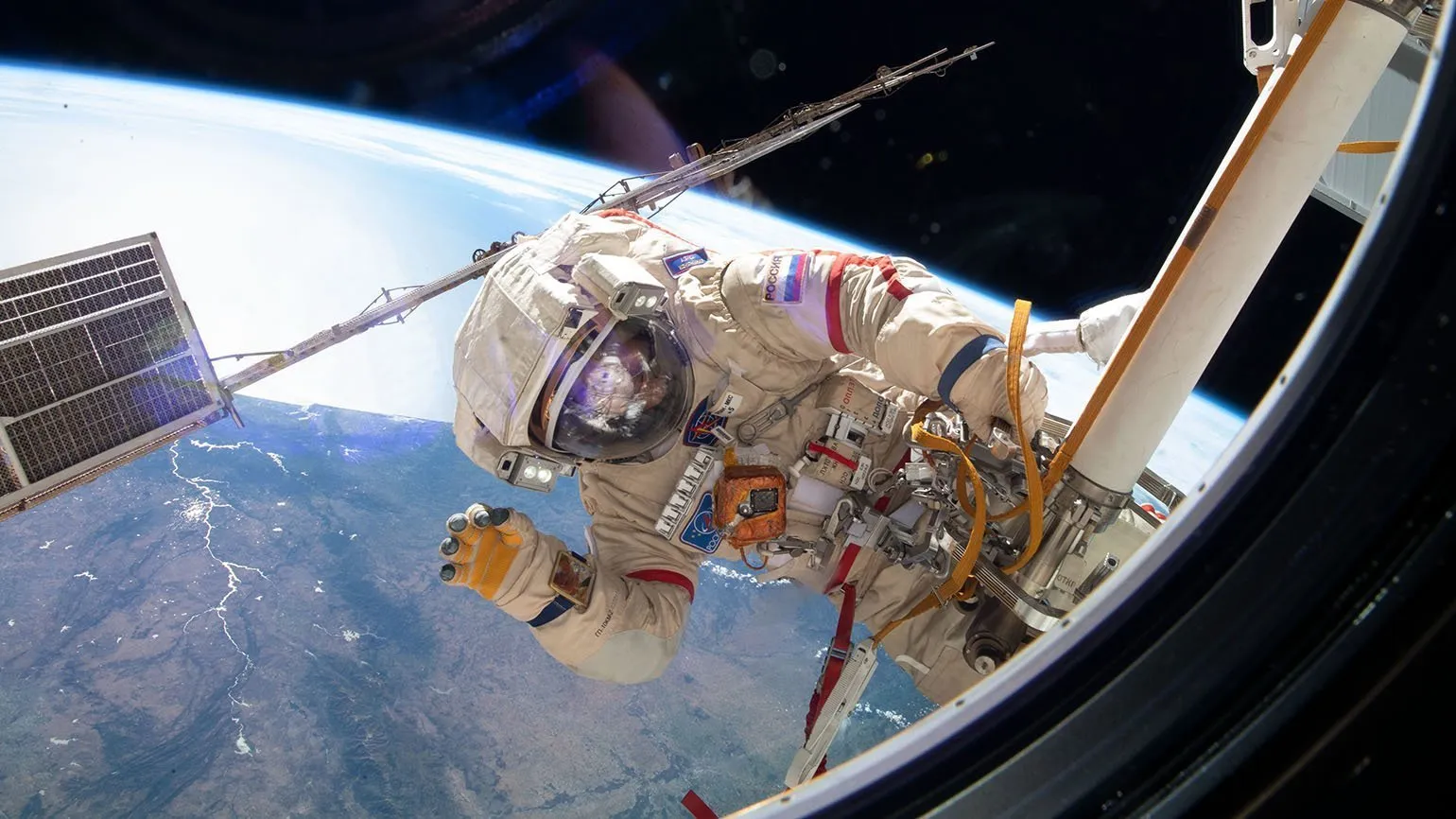
The emotional aspect of space exploration plays a significant role and cannot be overlooked. People willing to risk their lives to discover new horizons demonstrate a thirst for knowledge, as seen in climbing Everest or diving into the Mariana Trench. This desire to overcome boundaries and seek out the unknown is an integral part of human nature. Space exploration not only expands our knowledge of the universe but also inspires new achievements, pushing humanity forward in search of great discoveries.
The question of replacing astronauts with artificial intelligence is a source of much debate. Technology already allows robots to perform a variety of tasks, but the human presence remains critical to the emotional and cultural development of society. Experts emphasize that "humanity will always reach for the stars, despite technical difficulties." This drive to explore space and seek new knowledge cannot be completely replaced by machines, as human experience and emotion play a key role in exploring new horizons.
The Role of Artificial Intelligence in Space Exploration
Artificial intelligence (AI) is becoming an integral part of automated space missions. Modern satellites and rovers, including NASA's Mars rovers, use advanced algorithms to perform their tasks autonomously. These devices are capable of making decisions based on predefined programs, allowing them to function without constant interaction with Earth. Thus, AI significantly increases the efficiency of space exploration and expands the capabilities for performing complex missions in conditions where communication with Earth may be limited.
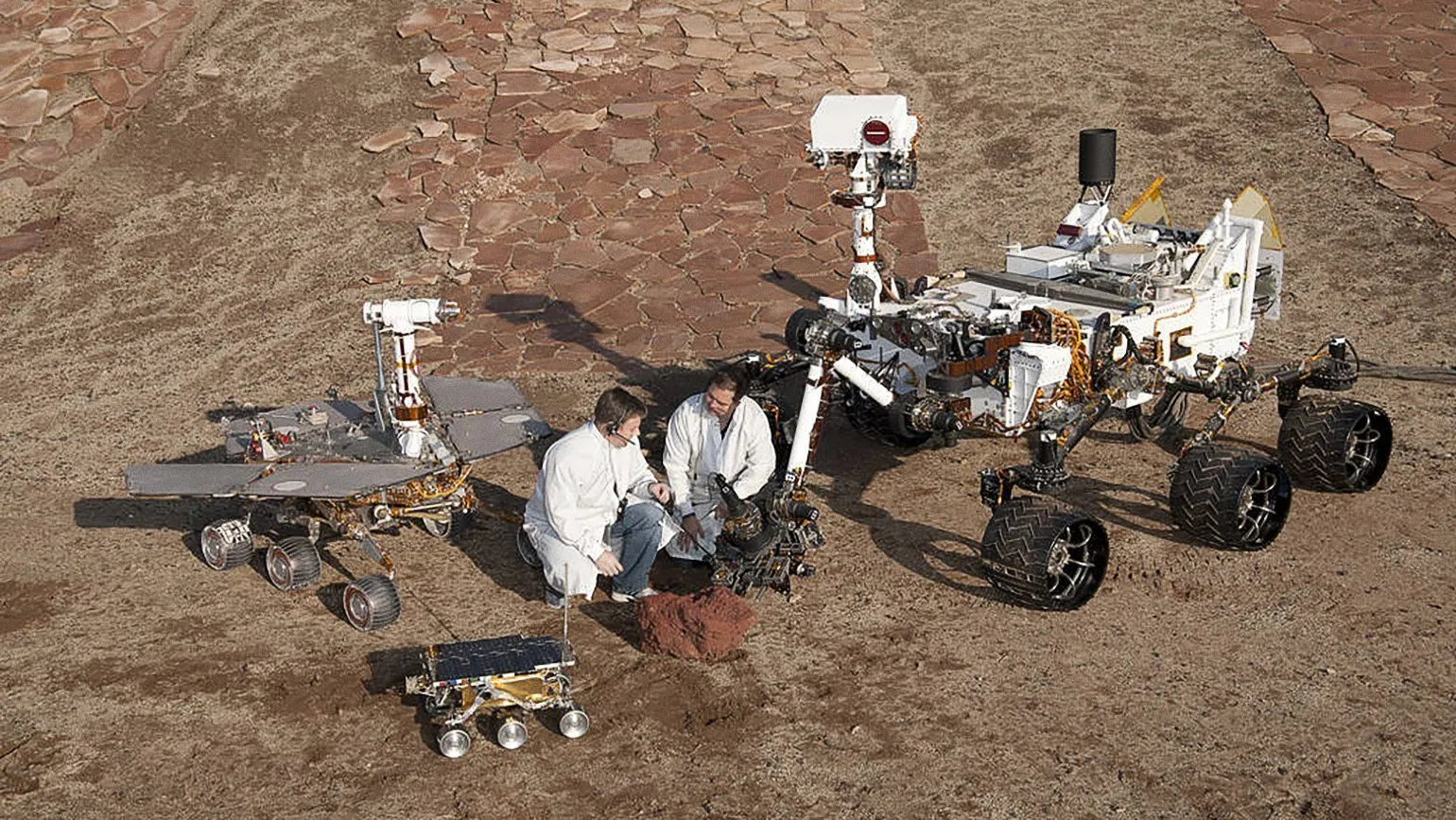
The Mars rover is capable of independently determining the direction of travel to overcome obstacles, eliminating the need for assistance from operators on Earth. This autonomy significantly increases the efficiency of scientific research, especially in remote regions of the solar system. Thanks to modern technologies, rovers can adapt to complex conditions, allowing them to conduct a more in-depth and comprehensive study of the planets and the moon.
Artificial intelligence systems, despite the presence of errors, are becoming increasingly sophisticated and relevant for the successful implementation of space projects. According to NASA, research confirms that without automated technologies, the implementation of future space missions would be impossible. The use of AI in space opens new horizons for research and provides greater efficiency in managing complex tasks. This underscores the importance of implementing and developing artificial intelligence technologies in astronomy and space sciences.
Conclusion: AI and Humans in Space
Despite significant advances in artificial intelligence, it is not capable of completely replacing humans in space. The human desire to explore and discover new horizons remains enduring, making space travel not only a scientific challenge but also an important milestone in the evolution of the human spirit. The future of astronautics will likely be determined by the harmonious coexistence of humans and artificial intelligence, where each complements and supports each other in the pursuit of new achievements.
The return of Russian scientists to Venus: key goals and plans for creating a lunar base
You recently discussed preparations for a joint mission with NASA to Venus. What are the current achievements of this project? Have political and economic barriers been overcome?
The Venera-D project requires significant effort and faces numerous challenges. This ambitious space exploration has already received the necessary funding, but the challenges remain challenging and intriguing. On the surface of Venus, pressure reaches almost 100 atmospheres, and temperatures of approximately 500 degrees Celsius make conditions extremely hostile for any technology. However, at an altitude of 50-60 kilometers, the situation changes significantly: the temperature there is significantly lower, and the atmosphere becomes more similar to Earth's, opening up new possibilities for studying this mysterious planet. The Venera-D project aims to explore these unique conditions, which could lead to important discoveries in the field of planetary science.
Recent research has revealed that certain microbes may live in the clouds of Venus, causing a real sensation in the scientific community. Scientists have detected solar absorption bands in the planet's clouds, similar to those observed on Earth in the presence of microbial life. This discovery has prompted leading space agencies like NASA to reconsider their research priorities and focus on exploring Venus. New data opens up prospects for further research and the possibility of searching for life in extreme conditions on other planets.
NASA has planned two expeditions to Venus over the next ten years, while the European Space Agency has also announced its mission to this enigmatic planet. Landing on Venus will be particularly exciting, given its extreme conditions, such as high temperatures and pressures, and a hostile atmosphere. These missions will provide unique opportunities to study the geology, atmosphere, and potential signs of life on Venus, which could significantly expand our knowledge of the planets in our solar system.
In the 1970s, the Soviet Union successfully sent eight robotic probes to Venus, a significant achievement in space exploration. We are currently striving to replicate this success by planning the launch of our new mission to Venus later this decade. Active negotiations with American partners are underway, which, despite the current difficulties in relations between Russia and the United States, gives hope for the possibility of working together. In September, the head of NASA is expected to visit Moscow, and the issue of Venus will be a key topic of discussion. Cooperation in space exploration can open new horizons and contribute to scientific progress.
Where are scientists studying possible traces of extraterrestrial life?
The search for extraterrestrial life continues to be the focus of astronomers and biologists. Venus, Jupiter's moon Europa, and Mars are considered the most promising objects for research. These celestial bodies are of particular interest due to their unique conditions that may support life. On Venus, despite its extreme temperatures and acidic clouds, there are theories about the possible existence of microbial life in the upper atmosphere. Europa, with its subglacial ocean, may hide conditions suitable for life beneath its icy crust. Mars, with its ancient rivers and polar caps, also remains an object of active research, as evidence of the presence of water in the past has been found on its surface. Research into these planets and their moons continues, and each new result brings us closer to unraveling the question of whether life exists beyond Earth.
While it's not my area of expertise, as an enthusiast, I believe that Europa, Jupiter's largest moon, may have the most favorable conditions for life in the solar system. Beneath its dense layer of ice, there likely lies an ocean of salty water about 10 kilometers deep. Heating from the moon's inner core helps maintain liquid water, a key requirement for the emergence and maintenance of life. Research suggests that these conditions could foster the development of microbial life, making Europa one of the most promising targets for further astrobiology research.
Cracks are forming on Europa's surface, emitting jets of water. If scientists can capture and analyze these jets, it could provide important information about the presence of organic molecules and the possibility of subglacial life. American researchers are already preparing an expedition to Europa, and the success of this mission depends largely on luck. Exploring Europa, one of the most intriguing objects in the Solar System, could unlock secrets about potential life on other planets.
Mars continues to be the target of numerous space missions seeking life. One key project is the Russian-European ExoMars probe, which was scheduled to launch in 2020 but was postponed until next summer due to the pandemic. This mission includes a research platform and the Pasteur rover, which will drill into the planet's surface to detect possible traces of life beneath the radiation-sterilized surface. Mars exploration is essential for understanding the potential for life on other planets and opens new horizons in astrobiology.
Drilling on Mars is key to understanding this planet. Mars has a low magnetic field and a thin atmosphere, with a pressure of only 0.6% that of Earth. This creates conditions in which radiation easily penetrates the upper layers of the surface. However, at depths of between half a meter and a meter, radiation levels drop significantly. It is in these depths that valuable information about possible life forms that existed on Mars in the past may be stored. Studying the subsurface could open new horizons in understanding the geology and climate evolution of the planet, and answer questions about potential life on Mars.

A Mission to Mars and a Moon Base: Reality or Fantasy?
The human journey to Mars is an ongoing debate. Is this goal realistic? What are the key challenges that must be overcome to achieve it? Key challenges include long mission times, high costs, life support issues, and radiation exposure. Some of these issues can be addressed through new technologies and scientific research. For example, developing effective life support systems and radiation protection could significantly improve the chances of a successful mission. Additionally, international cooperation and investment in space projects can accelerate the preparations for human flights to Mars. The journey to the Red Planet is becoming increasingly realistic, and we are getting closer to its implementation with each passing year.
New horizons are opening up for humanity, but significant obstacles stand in the way. Elon Musk, the eminent engineer and founder of SpaceX, actively shares his views on Mars missions. However, words alone are not enough to achieve ambitious goals. Successful colonization of Mars requires not only technology but also the development of effective strategies to overcome the challenges associated with long-term space travel, the planet's surface conditions, and life support. It is essential to combine the efforts of scientists, engineers, and researchers to make the dream of life on Mars a reality. The problems that arise during long-term missions have already begun to be addressed. For example, astronauts on the International Space Station (ISS) are successfully adapting to zero-gravity conditions. Russian cosmonaut Valeri Polyakov set a record by spending 480 days on the ISS, significantly exceeding the time required for a one-way trip to Mars, which is approximately 10-11 months. Such achievements indicate progress in preparation for interplanetary missions and open new horizons for space research and exploration.
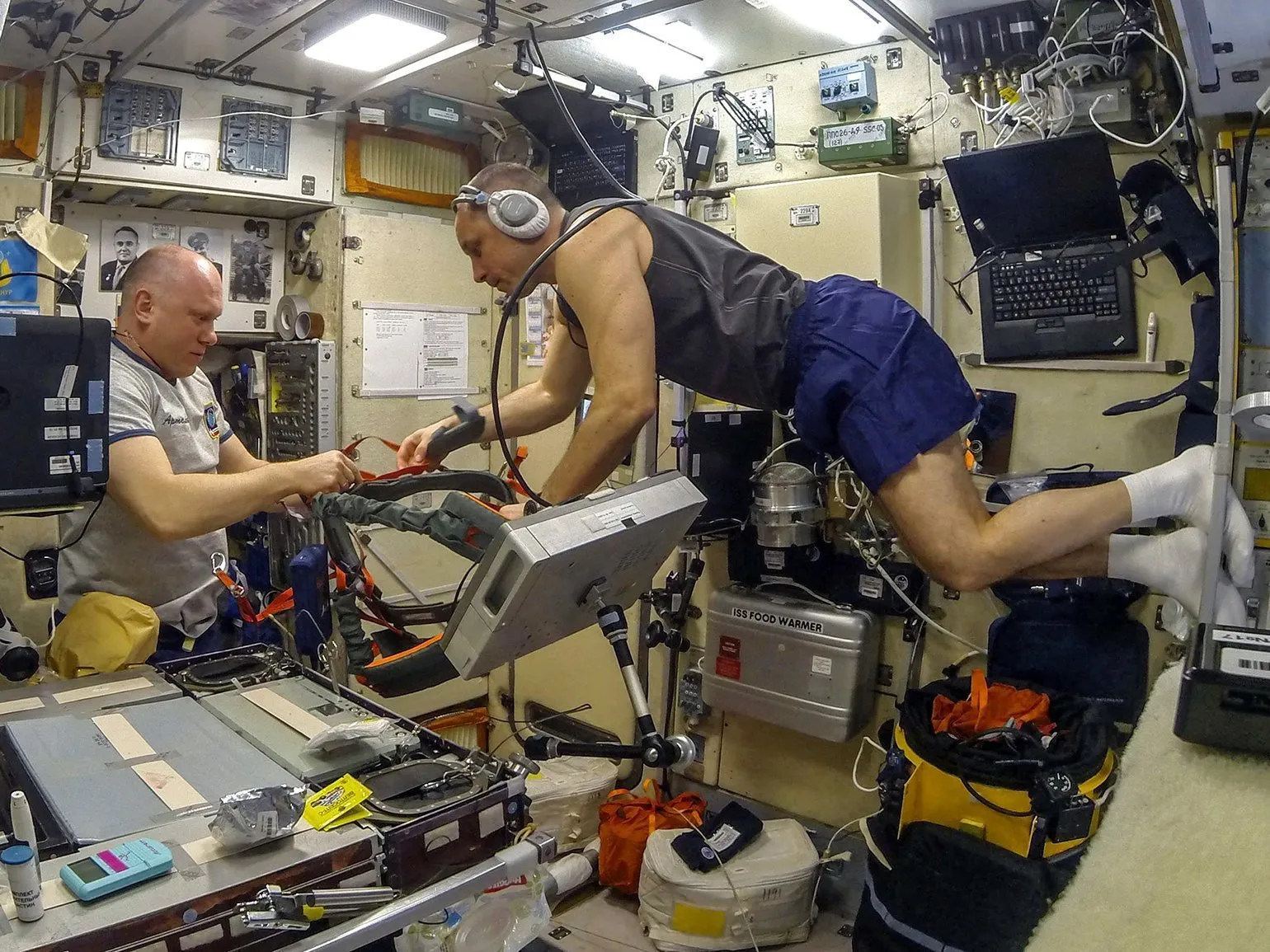
There are a number of serious issues that need to be addressed in preparation for a trip to Mars. One key aspect is radiation protection. Unlike the Moon, which lacks a protective atmosphere, Earth provides protection from harmful radiation. Astronauts traveling to Mars will face threats from both solar radiation and galactic cosmic particles. This issue requires the development of effective solutions to ensure crew safety and the successful completion of the mission.
Standard radiation protection methods are ineffective in space conditions. For example, lead can provide some level of protection, but transporting it into space is a significant challenge. Sergei Korolev's project used water tanks for protection, but this approach raises additional questions, especially in the context of returning from Mars. Effective protection against space radiation requires the development of new technologies and materials capable of ensuring the safety of astronauts on long-term interplanetary missions.
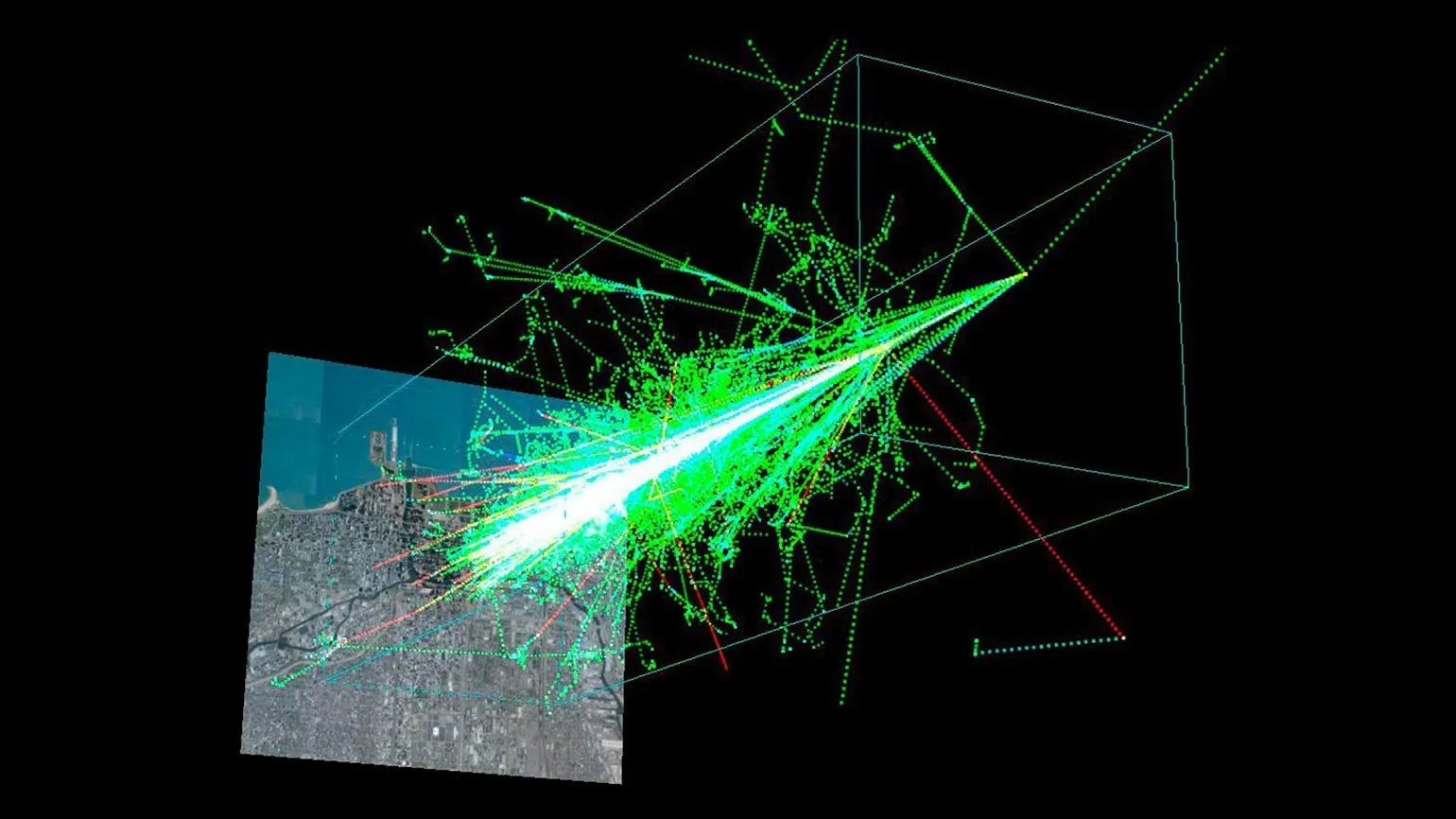
Recent experiments conducted by scientists in Dubna demonstrated that mice exposed to cosmic particle radiation lost their cognitive abilities. These results raise serious concerns about how such conditions may affect humans. Research in this area highlights the importance of studying the effects of cosmic radiation on the nervous system and the possibility of developing methods of protecting against its negative effects on human health in space.
The absence of a magnetic field in space presents a serious unresolved problem. On Earth, a magnetic field provides protection from harmful cosmic radiation. However, what would happen to a person accustomed to this field if they spent 10 months in its absence? The answer to this question remains uncertain, and scientists continue to study the potential health and safety consequences of human outer space. Research in this area is important for future space missions and the colonization of other planets.
Russia is actively implementing a program to explore the Moon and cislunar space. Why is this necessary? Lunar exploration opens new horizons for both fundamental science and practical applications. It can lead to significant discoveries in astronomy and geology, as well as facilitate the development of technologies that will be useful on Earth. Lunar exploration can provide access to new resources and create opportunities for international cooperation in space exploration.
Although many believe we have complete knowledge of the Moon, there are in fact many unresolved questions regarding its origin, size, and other characteristics. Russia is actively working on lunar exploration projects, planning to launch unmanned spacecraft and implement manned flights by 2030 with the goal of deeply exploring our satellite. These missions could significantly expand our knowledge of the Moon and its role in the Earth-Moon system.
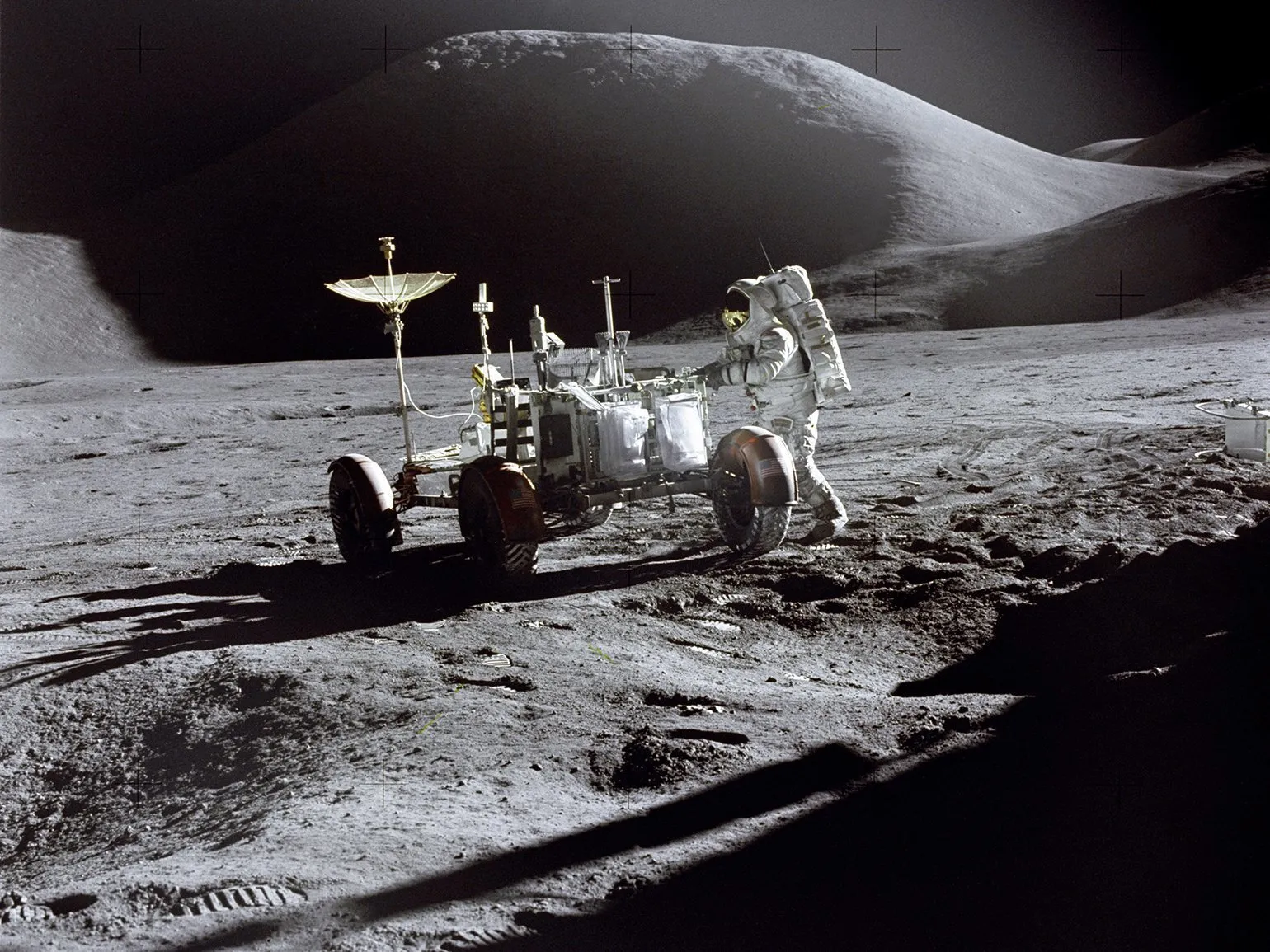
The Moon can be considered the seventh continent of Earth, possessing a unique distance from our planet. Lunar exploration is becoming an important goal for humanity in the context of rapid technological advancement and space exploration. However, it is currently unclear what specific benefits we will be able to derive from this process. Possible prospects include mineral extraction, resource exploration for future space missions, and expanding the horizons of scientific knowledge. Lunar exploration could open new opportunities for humanity and contribute to sustainable development.
Throughout history, from Columbus promising gold to the Spanish queen, humanity has always anticipated unexpected discoveries. One such discovery was the presence of rare metals on the Moon. Despite this, extracting these resources may not be economically feasible. Research shows that although the Moon contains many valuable materials, the costs of extracting them may exceed the potential profit. Thus, further research and development of technologies for the efficient extraction and use of these resources remain relevant.
The presence of water on the Moon is of great interest to scientists and space explorers. This resource plays a key role for future astronauts, as transporting water from Earth presents significant difficulties and costs. Water on the Moon can be used not only to support astronauts but also to generate electricity and fuel. The exploration and use of lunar water opens new horizons for lunar exploration and future space missions.
Unlike Mars, radiation on the Moon is manageable due to the shorter travel time to Earth's satellite. This allows for the construction of protective shelters that can be placed beneath the Moon's surface. Buried structures provide reliable protection from cosmic radiation, making the Moon more attractive for further exploration and potential development.
However, there are significant concerns related to the Moon's magnetic field and lunar dust, which could pose a health risk to astronauts. The Moon's magnetic field is significantly weaker than Earth's, which could lead to increased radiation levels for astronauts. Lunar dust, in turn, contains aggressive chemical compounds and small particles that can cause respiratory illnesses and other health problems. These factors must be considered when planning future missions to the Moon and developing protective measures to ensure the safety of space explorers.
The creation of a lunar base represents a strategically important step for the scientific community. It offers unique opportunities for space radiation research, allowing experiments to be conducted under conditions impossible to replicate on Earth. The lunar base will be an ideal platform for studying the effects of radiation on the human body, as well as for developing technologies to protect against space radiation. These studies can significantly improve the safety of future space missions and expand our knowledge of the impact of space on living organisms.
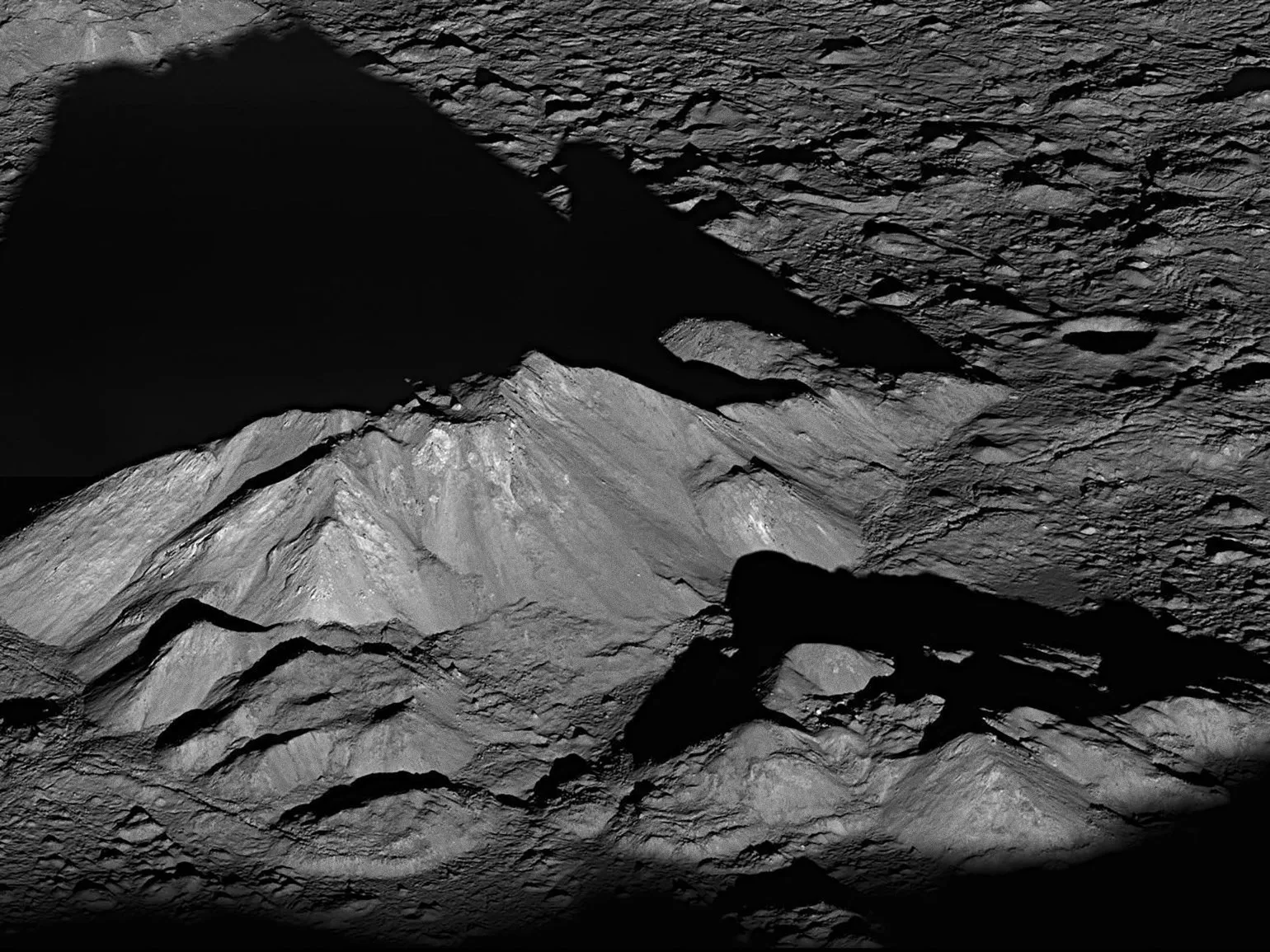
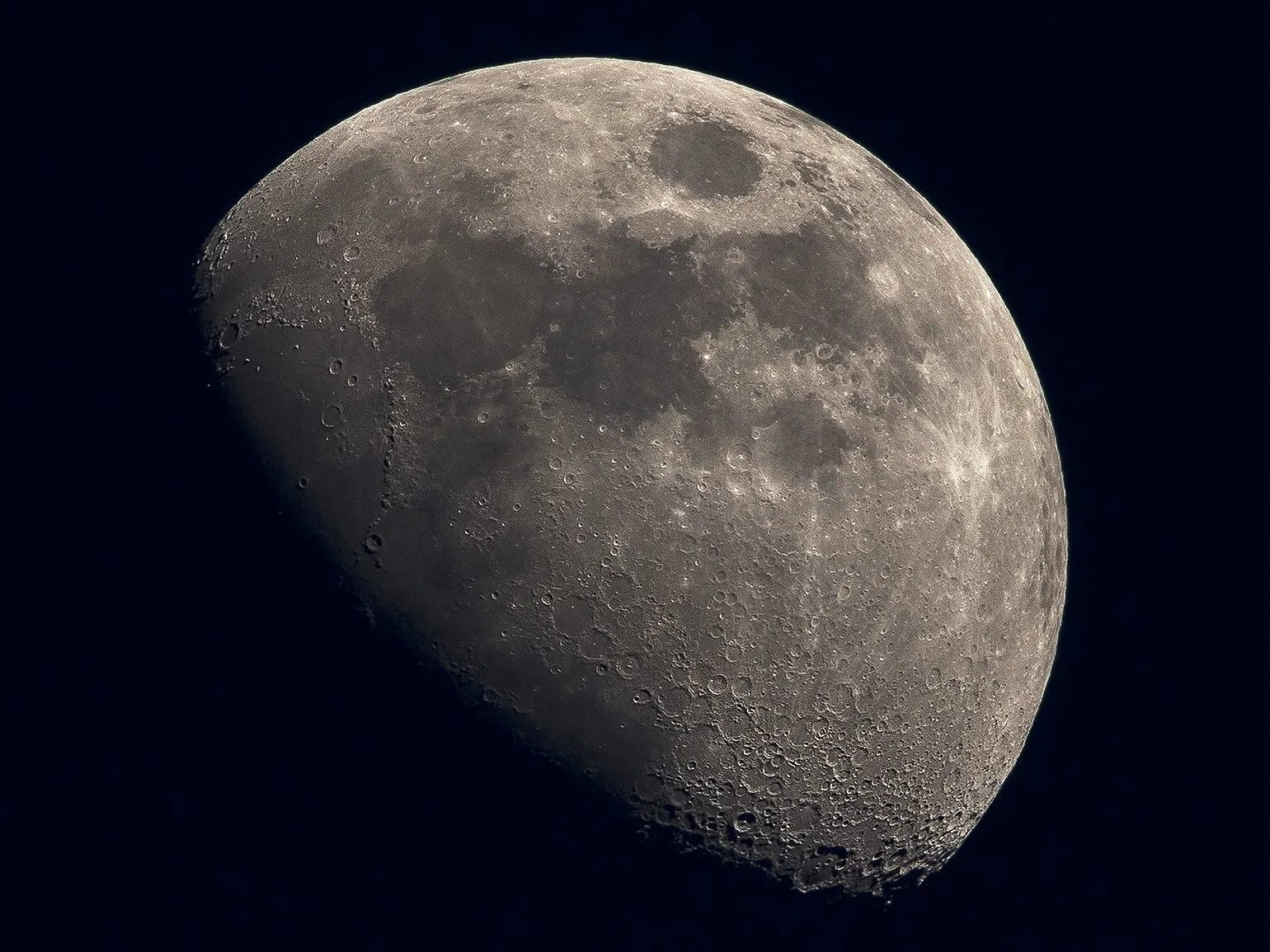
The Moon offers significant advantages for astronomers. Its atmosphere is virtually absent, eliminating the influence of clouds and minimizing electromagnetic noise. These conditions create an ideal environment for astronomical observations, allowing for detailed studies of stars, planets, and other galaxies. Exploration of the Moon could significantly improve our knowledge of the Moon and its structure.
Space Cooperation: A Puzzle Connecting the World
The Russian-Chinese Zhenghe project is a significant initiative aimed at studying asteroids and comets. This project has become especially relevant in the context of growing global interest in the exploration of small celestial bodies. Currently, Russia does not have active programs dedicated to the study of comets and asteroids, which underscores the importance of this international cooperation. The Zhenghe project not only contributes to the development of space technologies, but also opens new horizons for scientific research in the fields of astronomy and planetology.
Asteroids, being the remnants of failed planets, may contain valuable traces of the primordial matter that existed in the Universe. This provides Russian science with a unique opportunity to gain access to important data and fill gaps in our space program. Collaboration with Chinese partners will open new horizons for data and technology exchange, which is key to advancing our research. Such interactions will not only strengthen scientific ties but also advance our understanding of the origin and evolution of the Solar System.
Time is against us. The project is scheduled for 2024, and we need to act quickly to seize this opportunity. In the past, Russia has encountered situations where discussions dragged on, ultimately resulting in Chinese spacecraft being launched into space without our participation. We need to accelerate processes and actively participate in developments to maintain competitiveness in the space industry.
The recent incidents with the Nauka module have caused some tension, but I am confident that this will not negatively impact international cooperation in space. Under the leadership of Vladimir Alekseevich Solovyov, Roscosmos successfully overcame the difficulties that arose, which allowed the mission to be completed at a high level. Such experience only strengthens trust between partners and promotes the further development of joint space programs.

Space partnerships require a high degree of transparency and mutual understanding in the process of joint research. Roscosmos clarified the current situation, which was received positively, even taking into account the risks associated with the introduction of new technologies. Space missions are invariably associated with risk, which makes redundant systems necessary to ensure the safety and success of operations.
Financial constraints remain the main obstacle to full-fledged cooperation. Scientific projects are key elements of the program, but recently there have been difficulties with their funding. This negatively impacts the timing of significant initiatives, such as the ExoMars project and the lunar program. Sustainable funding is critical to the successful completion of these ambitious scientific tasks and the further development of international cooperation in space research.
The Space Research Institute (IKI RAS) has a stable budget, but funding the development of new instruments is a serious problem. Innovative technologies in space exploration require significant investment, which can reach amounts comparable to the cost of several aircraft carriers. This highlights the need to optimize funding and attract additional resources to maintain competitiveness in space technology.
Moscow faces a serious shortage of skilled personnel, particularly in engineering and technical fields. Engineers and technicians play a critical role in the development of space instruments, yet many young professionals prefer to work in software development. This results in space technology lacking the necessary professional support, which could negatively impact the industry's development. This situation requires attention and solutions to attract young talent to space technology.
Educational programs such as Skillbox play a key role in training specialists for the space industry. Given the growing need for highly qualified personnel, it is important that such initiatives be actively developed. Training specialists for space research will help ensure a sustainable future for Russian programs in this field and enhance the country's competitiveness on the international stage. By investing in education, we are laying the foundation for the successful development of the space industry in Russia.
Key Questions about the Universe: What Do We Want to Know?
Where will the next significant discovery in space occur? It could be related to the foundations of scientific knowledge, new research technologies, or fields such as planetology and astrobiology. Space exploration opens new horizons for understanding the Universe and our place in it. Future discoveries could radically change our understanding of planets, stars, and potential life beyond Earth. The use of modern technologies such as artificial intelligence and robotics will help scientists conduct research in extreme conditions and obtain new data about distant worlds. It is important to monitor the development of these areas, as each new discovery can lead to revolutionary changes in science and technology.
Today, scientists are actively exploring Venus and Mars in search of signs of both past and existing primitive life. These studies are aimed at understanding the mechanisms of the origin of life, which remains one of the most intriguing mysteries of science. Understanding the conditions under which life could have arisen on other planets could significantly expand our knowledge of biocenoses and evolution in the cosmos. Research on these planets may provide clues to how and where life might exist beyond Earth.
The second significant problem facing modern science is the evolution of the Universe. Ordinary matter, which forms protons and electrons, makes up only a small fraction of all matter in the Universe. The majority of it remains an unsolved mystery and is represented by dark matter, traces of which we can detect in various astronomical phenomena. The study of dark matter is key to understanding the structure and dynamics of the Universe, as well as its further evolution.
Dark matter remains one of the most enigmatic topics in modern physics. Scientists, including nuclear physicists, are actively conducting experiments at hadron colliders, seeking to unravel its nature and composition. These studies play a key role in understanding the structure of the Universe and can lead to significant discoveries in the field of particle physics. Understanding dark matter will not only deepen our knowledge of the cosmos but also open new horizons in scientific research.
In addition to dark matter, dark energy also exists in the cosmos. Observations show that the Universe is constantly expanding, and although we do not feel this process, data on receding stars indicate its acceleration. The reasons for this accelerated expansion remain a mystery to scientists. The study of dark energy and its influence on cosmic dynamics is one of the key tasks of modern astrophysics. Understanding these phenomena can radically change our understanding of the structure and future of the Universe.
I am deeply interested in the question of the origin of the Moon. There are two main hypotheses explaining its formation. The first hypothesis states that the Moon was formed as a result of a powerful collision of the early Earth with a large celestial body, which could have occurred in the youth of the Solar System. The second hypothesis suggests that the Moon formed independently of, but close to, the Earth. These theories continue to generate active debate among astronomers and geologists, as understanding the Moon's origins may provide clues to the broader processes of planet formation in our solar system.
Understanding the causes of the strong greenhouse effect on Venus is key to studying atmospheric processes on other planets. Studying what Venus looked like billions of years ago, at the beginning of the formation of the Solar System, allows us to better understand the dynamics of climate change. Similar questions are also relevant for Mars: were there ever bodies of water on its surface, and what happened to some of its water reserves? These aspects are important for studying not only the planets of our system, but also for searching for signs of life on exoplanets. Understanding the history of climate change on Venus and Mars can help further research and assess the possibility of life in other parts of the Universe.
There are many questions, and we can only expect exciting answers from upcoming research.
Science Fiction and Space: What Researchers Read and Watch
The question of favorite works of science fiction is of considerable interest. What books and films about space inspire modern scientists and researchers? Science fiction, as a genre, not only entertains but also stimulates the imagination, encouraging new discoveries. Works such as Frank Herbert's Dune and Arthur C. Clarke's 2001: A Space Odyssey explore themes of colonization, artificial intelligence, and human interaction with extraterrestrial civilizations. These ideas become the basis for modern research in astrophysics, biology, and technology. Films such as Interstellar and The Martian not only entertain but also raise important questions about the future of humanity in space. Thus, science fiction serves as an important source of inspiration and motivation for scientists seeking to expand the boundaries of our knowledge of the universe.
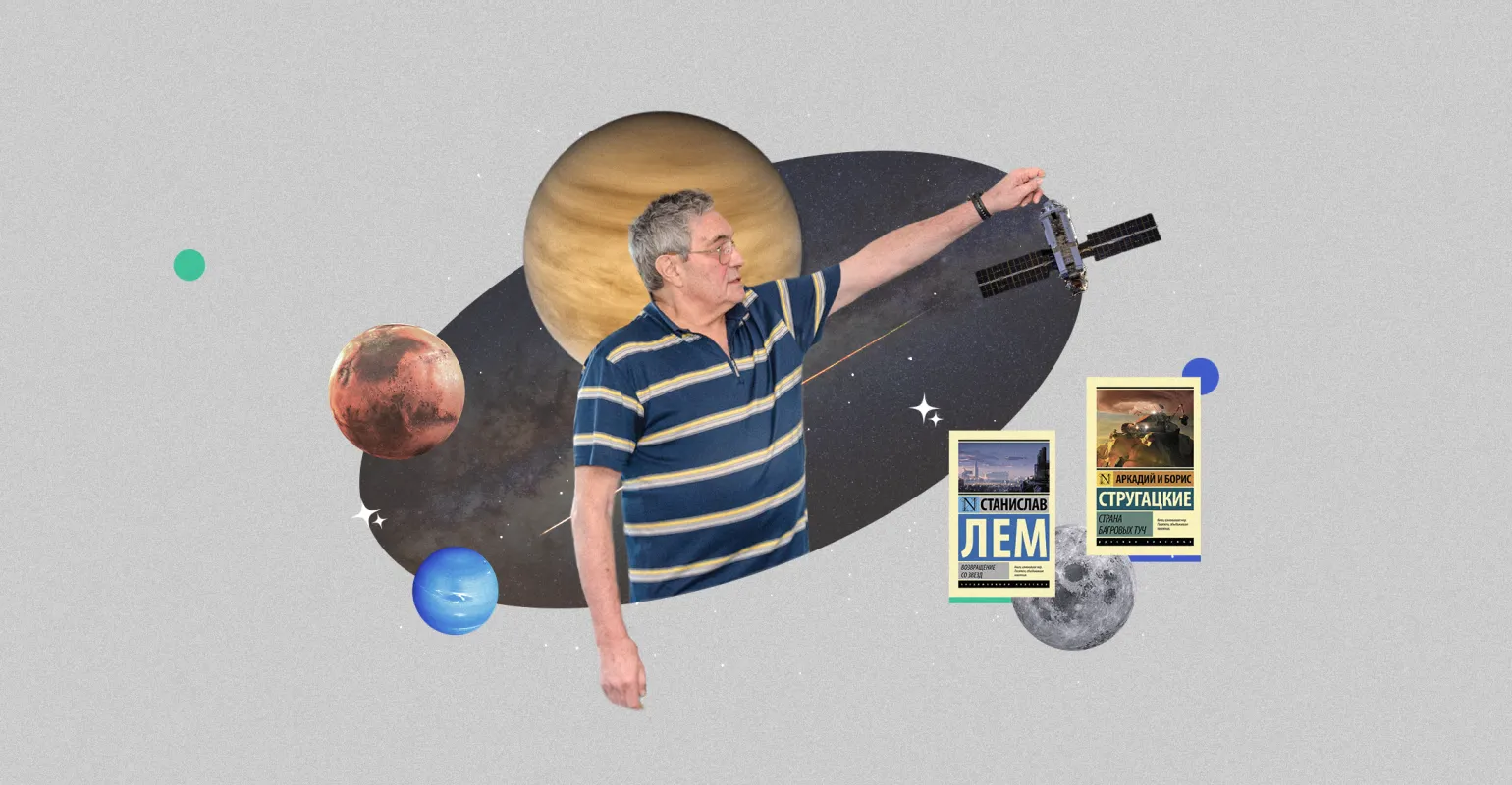
Many of us experienced a fascination with science fiction in our youth, which can wane over time. As a child, I was particularly drawn to the works of the Strugatsky brothers. Their first book, "The Land of Crimson Clouds," was published just as I was starting first grade. These works left an indelible mark on my memory and shaped my perception of the world. Science fiction, as a genre, opens doors to new worlds and allows us to see familiar things from a different perspective. Even if interest in this genre wanes over the years, the influence of authors like the Strugatsky brothers lives on in our consciousness, inspiring reflection on the future and human values. This work about Soviet cosmonauts on Venus became iconic for my generation, just as Harry Potter became iconic for the youth of the 2000s. Witnessing the creation of an important book and following the development of its characters as you grow up is a unique experience. This story not only captivates but also immerses the reader in a fantasy world where science and adventure intertwine, creating an unforgettable experience. The book inspired many to dream about space and opened new horizons of thought, leaving a significant mark on culture.
The Strugatskys not only explored themes of space but also delved deeply into philosophical questions. Although the authors themselves were not professional philosophers, they successfully integrated philosophical ideas into their works. Their literary legacy includes books such as "The Waves Extinguish the Wind" and "Monday Begins on Saturday," which not only entertain but also shape ideas about the future and humanity. These works inspire reflection on the meaning of life, moral choices, and the fate of humanity in the face of technological progress. The Strugatskys remain relevant today, offering readers a unique perspective on possible scenarios for the development of society.
Stanislaw Lem became one of the most interesting authors in the field of science fiction. His work "Return from the Stars" examines the fate of astronauts returning to Earth after a long journey at a speed close to the speed of light. Two centuries have passed since their absence from the planet, and the world they return to has changed dramatically. This philosophical work asks important questions about the purpose of space exploration and the future of humanity, forcing the reader to consider the impact of technology on society and how time changes our values and perceptions of life.
In "Lem," the crew encounters a new world in which humanity has lost interest in space. This story raises a key question: how can space inspire people to progress and prevent the degradation of society. Space, as a symbol of endless possibilities and aspirations, can awaken in people the desire to explore, discover new things, and develop. It is important to realize that interest in space is not only the engine of scientific discovery, but also a source of inspiration for future generations.
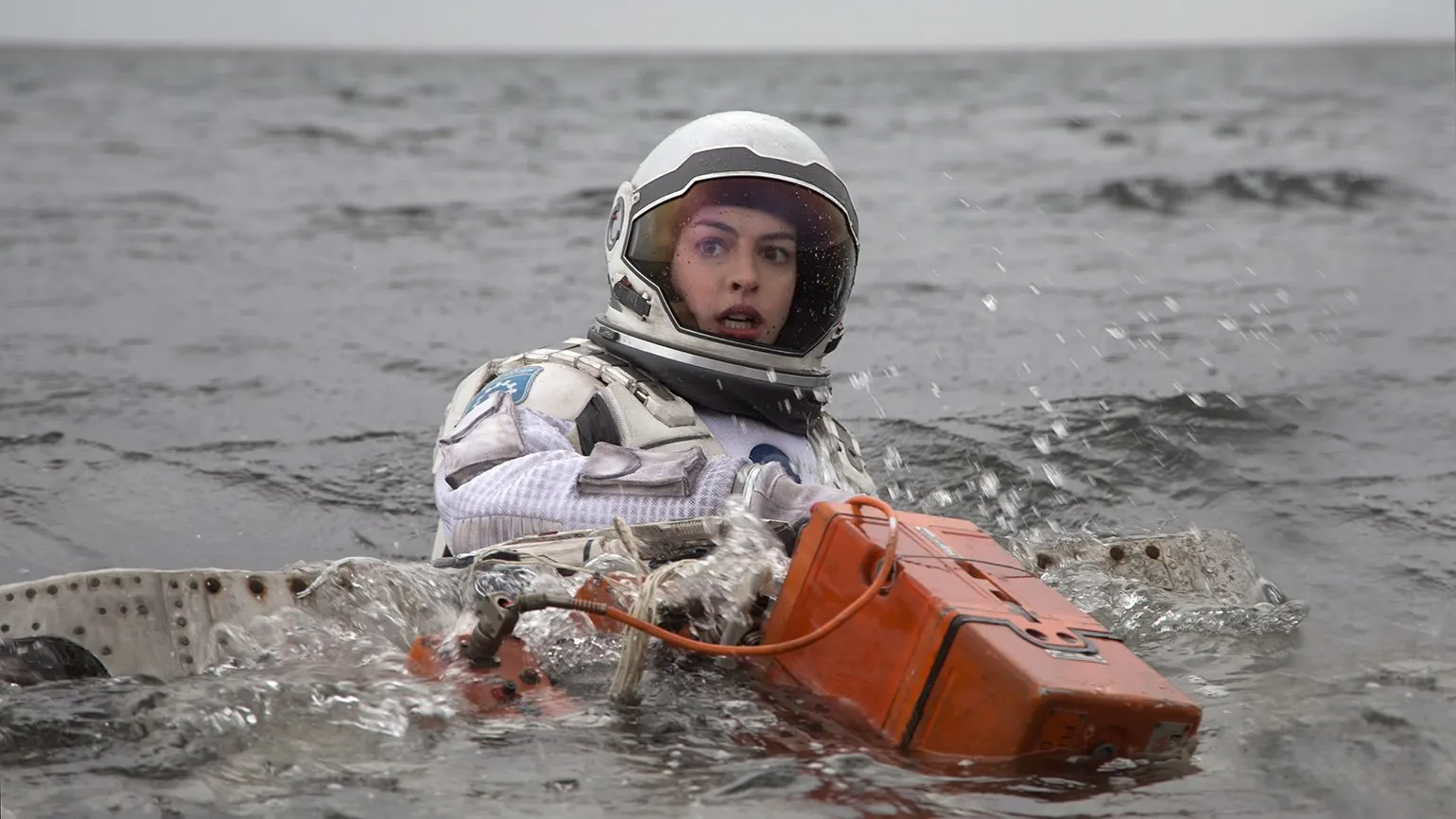
In recent years, I have been fortunate to meet the contemporary writer Roman Arbitman, whose works have had a significant influence on the science fiction genre. His book, "The History of Soviet Science Fiction," stands out among other works for its social focus and ironic style, making it unique. Sadly, Roman tragically passed away due to the effects of COVID-19, leaving behind a significant literary legacy. Cinema cannot be complete without mentioning "Interstellar," a landmark in the science fiction and space adventure genres. This film draws attention with its profound themes and visual effects. Also noteworthy are "Deep Impact" and "Armageddon," in which humanity unites to confront cosmic threats. In "Armageddon," a Russian cosmonaut wearing an ushanka becomes the central character, sparking widespread public debate. These films not only entertain, but also make you think about the place of man in the vast expanses of space, reflecting the current problems and fears of our time.
Space tourism: step Towards a New Era
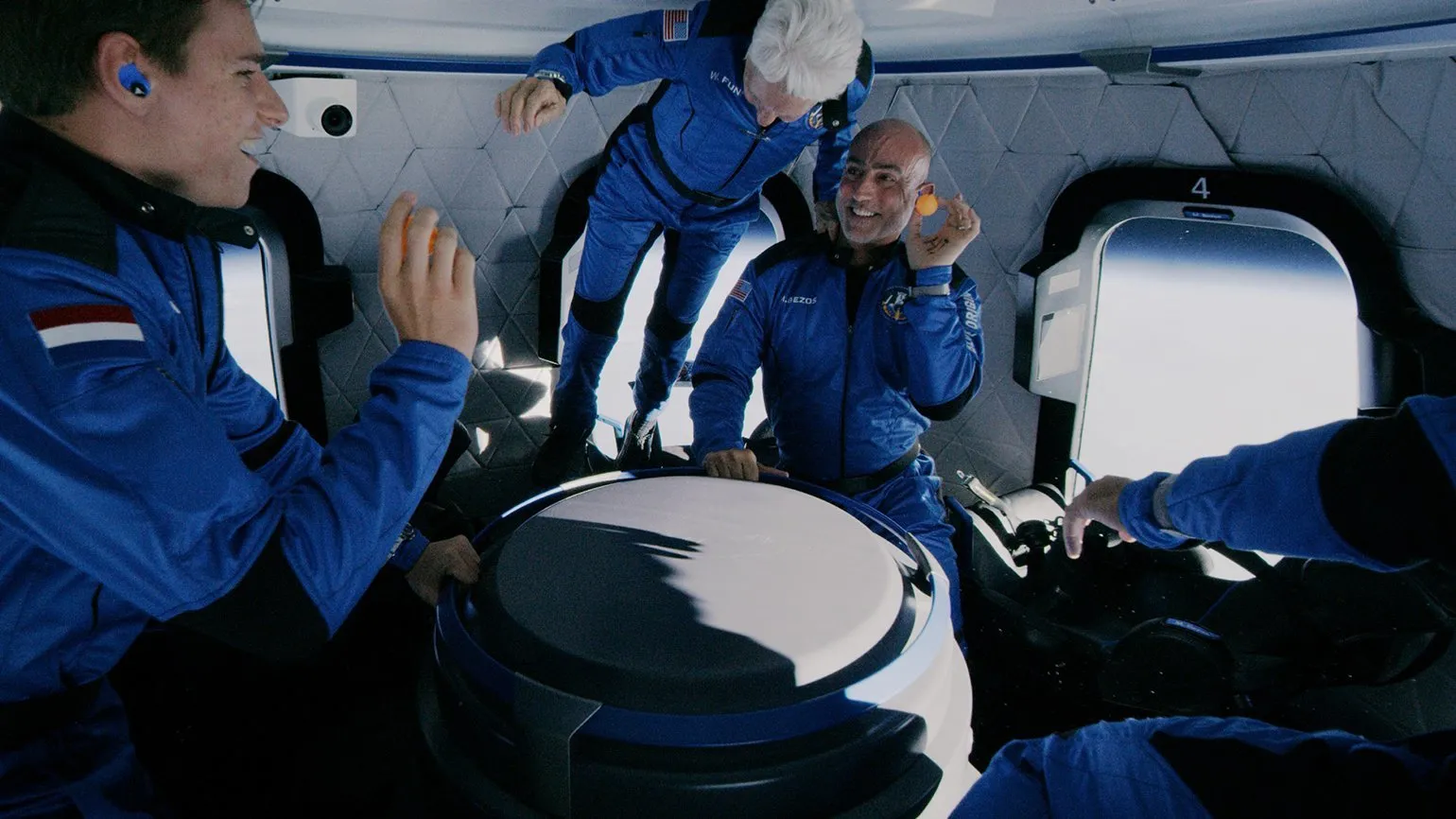
Space tourism is rapidly gaining popularity, especially following the successful flights of entrepreneurs like Jeff Bezos and Richard Branson. These innovators are actively developing a unique type of vacation, opening new horizons for travelers. However, the question remains whether space tourism will become accessible to the general public in the near future. It is also important to determine which destinations will be most popular among tourists. New companies and startups offering space travel are expected to emerge in the coming years, making this experience more accessible and diverse. Interest in space travel continues to grow, and perhaps soon we will see not only private flights but also organized tours to orbit or even the Moon.
Space tourism will undoubtedly continue to develop. The opportunity to see the Earth from above opens new horizons for travelers. Short-term flights that do not require a significant time investment make space travel more accessible and attractive to tourists. This unique perspective not only allows you to enjoy stunning views but also understand the fragility of our planet, adding added value to the experience. Technology is becoming more advanced every year, which only accelerates the growth of interest in space tourism. Jeff Bezos has chosen an effective strategy for his space travel, focusing on short flights that provide vivid and memorable experiences. These flights minimize the risks associated with radiation thanks to the natural protection provided by the Earth's magnetic field. The weightlessness, which lasts only a few minutes, makes such space travel not only relatively safe but also attractive to a wide audience. Short flights provide a unique experience that is becoming available to people seeking the thrill of space without significant risks.
I proposed the idea of holding lotteries for space tours at Roscosmos. This will give ordinary people, not just wealthy oligarchs, the opportunity to experience the unique thrill of space travel. Although only one person will ultimately go into space, interest in participating in the lottery will be high. Flight preparation includes a medical examination, which is an added benefit: some participants will not pass the selection, and those who remain will be ready for space travel. Thus, the lottery will not only be a chance to fulfill a dream but also an incentive to improve their health.
The cost of a space tourism ticket, in the range of 100-150 thousand rubles, could become accessible to a wider audience. This will make space travel less exclusive and open up new opportunities for many who want to experience weightlessness and see the Earth from space. Personally, I would also consider purchasing a ticket for such a flight. The accessibility of space tourism will facilitate the development of this industry and attract new participants, which in turn will contribute to further price reductions and improved service quality.
This is truly impressive. What comments do Roscosmos representatives have on this issue?
Decisions are currently being made regarding the possibility of space travel for domestic tourists. Currently, space is primarily enjoyed by foreign travelers. I am actively promoting this initiative and hope that my idea will be supported. From a PR perspective, this will be a significant step forward and will draw attention to our country in the field of space tourism.
Starting a business in 2025: 5 steps to success
Want to start a business in Russia? Find out 5 key steps for a successful start! Read the article.
Find out more