
Contents:
- Marketplaces: History and Current Trends
- The Future of Online Trading: Marketplaces or Independent Stores?
- The Variety of Products on Marketplaces
- Choosing a Platform to Start Sales
- Efficient Trading on Marketplaces: Understanding Logistics and Commissions
- Document Control on Marketplaces: Availability and Risks
- Problems of Sellers on Marketplaces: Hidden Aspects
- Marketplaces: An Effective Channel for Increasing Sales

Marketplace Promotion: 7 Effective Strategies
Learn MoreMarketplaces: History and Current Trends
Marketplaces play a vital role in e-commerce, acting as intermediaries between buyers and sellers. Some of the most popular platforms include Ozon, Yandex.Market, AliExpress, Wildberries, and eBay. These marketplaces not only sell their own products but also earn a significant share of their revenue from third-party sales, which forms the basis of their business model. Thanks to their convenience, wide selection, and competitive prices, marketplaces are becoming a preferred choice for many users, which contributes to their further development and growth.
Marketplaces differ significantly from aggregators and classifieds sites. Aggregators such as Aviasales and Banki.ru aggregate offers from various suppliers and typically receive a commission for driving traffic to sellers' websites. Classifieds sites such as Avito and Yula provide a platform for users to post ads free of charge, but charge fees for additional services such as promotion and listing highlighting. These characteristics make marketplaces unique in their business model, providing users with a convenient way to purchase goods and services in one place. While aggregators and classifieds sites serve to connect buyers and sellers, they do not offer the full range of services typical of marketplaces. Marketplaces differ from aggregators and classifieds sites in that they are full-fledged online supermarkets, offering a wide range of products, convenient delivery, and warehouse availability. They primarily focus on working with legal entities, ensuring a high level of service and transaction reliability. However, in some cases, there is overlap between the various models, making it difficult to clearly distinguish between them. Marketplaces are becoming increasingly popular due to their ability to connect sellers and buyers on a single platform, providing a convenient and efficient online shopping experience.
The history of marketplaces dates back to the mid-1990s with the founding of Amazon, which initially focused on selling books. Founder Jeff Bezos implemented an innovative model allowing other sellers to list their products on the platform, receiving a commission on each sale. By 1999, Amazon had partnered with 350,000 partners, transforming itself from a bookstore into a comprehensive marketplace. This approach became the foundation for the development of many other marketplaces that followed suit, creating new opportunities for buyers and sellers around the world.
Amazon's success inspired the creation of similar platforms in Russia. In 1997, Ozon entered the Russian market, initially selling books, video cassettes, and CDs. Over time, Ozon significantly expanded its product range, covering various product categories. In the 2000s, fashion retail platforms such as KupiVIP and Wildberries emerged and gained popularity among users. In 2017–2018, major players including Yandex, Mail.ru, and Sberbank launched their marketplaces, further fueling the development of e-commerce in the country. These changes indicate growing interest in online commerce and increased competition in the Russian market.
The Future of E-Commerce: Marketplaces or Independent Stores?
In recent years, marketplaces have seen significant growth, significantly outpacing the development of independent online stores. According to Data Insight, online retail sales increased by 60% in 2020. Meanwhile, platforms such as Wildberries, Ozon, AliExpress Russia, and Yandex.Market demonstrated an impressive 108% growth. This trend demonstrates the growing popularity of marketplaces among consumers and their ability to attract shoppers through a wide selection and convenient shopping experience. Currently, marketplaces account for approximately 30% of total online sales and 49% of all online purchases. These statistics reflect global trends, where in Europe and Asia, the marketplace share reaches 60%, while direct sales through online stores account for 40%. The growing popularity of marketplaces is due to their convenience for consumers and a wide range of products, which makes them attractive for online shopping.
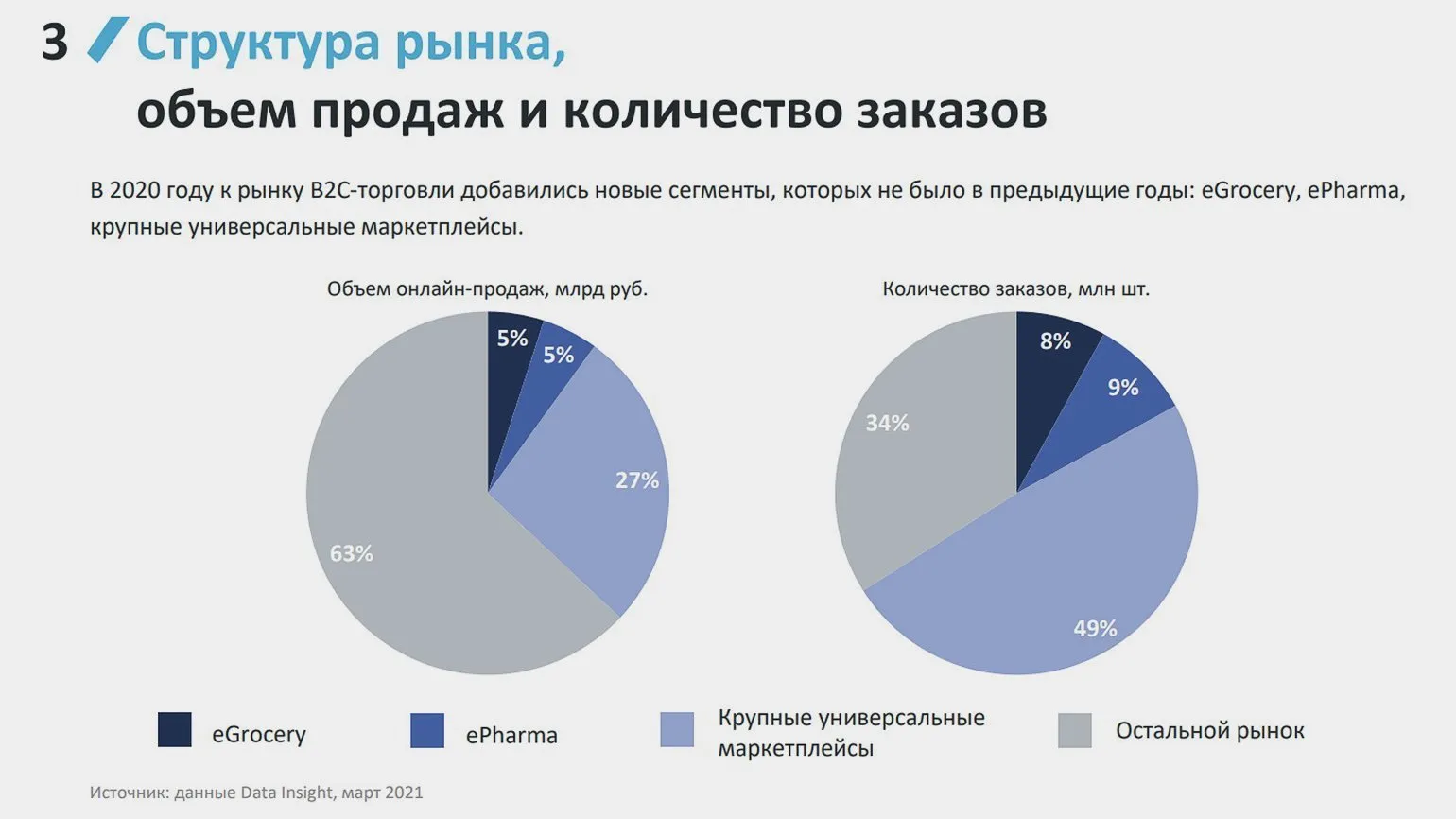
According to expert forecasts, including Yuliana Gordon, founder of the iWENGO e-commerce school, the market share of marketplaces could grow to 60-65% in the coming years. Currently, the market is split evenly between marketplaces and independent online stores. This indicates the growing popularity of platforms that offer convenience and a wide selection of products for consumers, as well as opportunities for sellers to expand their audience. This trend is expected to contribute to the further development of e-commerce and changes in shopping habits.
Ivan Skorikov, founder of the Market Manager marketplace promotion school, is confident that in the future, 90% of all purchases will occur on marketplaces. He notes that these platforms provide a more user-friendly interface and a better user experience compared to traditional online stores. Given the growing popularity of marketplaces, entrepreneurs should consider their potential for increasing sales and attracting customers.
Skorikov emphasizes that large marketplaces have significant resources to continually improve the user experience, something unavailable to many independent online stores. With the growing selection on marketplaces, shoppers no longer need to search for products in individual stores with limited selection. This makes marketplaces more attractive to consumers, which in turn strengthens their competitive advantage in the market.
Investment analyst Rami Zaitsman believes that the COVID-19 pandemic has significantly accelerated consumers' shift to online shopping. He warns that small stores risk losing market share unless they begin offering unique products and services that marketplaces cannot. To survive in an increasingly competitive environment, small businesses must adapt to new realities and find ways to stand out from the overwhelming number of online offerings.
A Variety of Products on Marketplaces
Marketplaces are innovative trading platforms that allow the sale of a wide variety of goods, excluding those prohibited by Russian law. Such goods include weapons, prescription medications, alcohol, tobacco products, and items related to the occult. Using marketplaces gives sellers the opportunity to reach a wide audience, effectively promote their products, and increase sales. These platforms also offer convenient tools for inventory management and customer interaction, making them attractive to both small and large businesses.
These platforms allow you to not only sell your own products, such as clothing or art, but also offer products from other manufacturers. This creates extensive opportunities for entrepreneurs, allowing them to diversify their product range and attract more customers. Using these platforms, you can effectively expand your business and increase your revenue by offering customers a wide selection of products.
The infographic below shows the most popular product categories on five major online marketplaces, including Ozon and Wildberries. The most popular categories include electronics, clothing, accessories, and sporting goods. These market segments attract the greatest attention of buyers, which confirms their relevance in the conditions of modern online shopping.
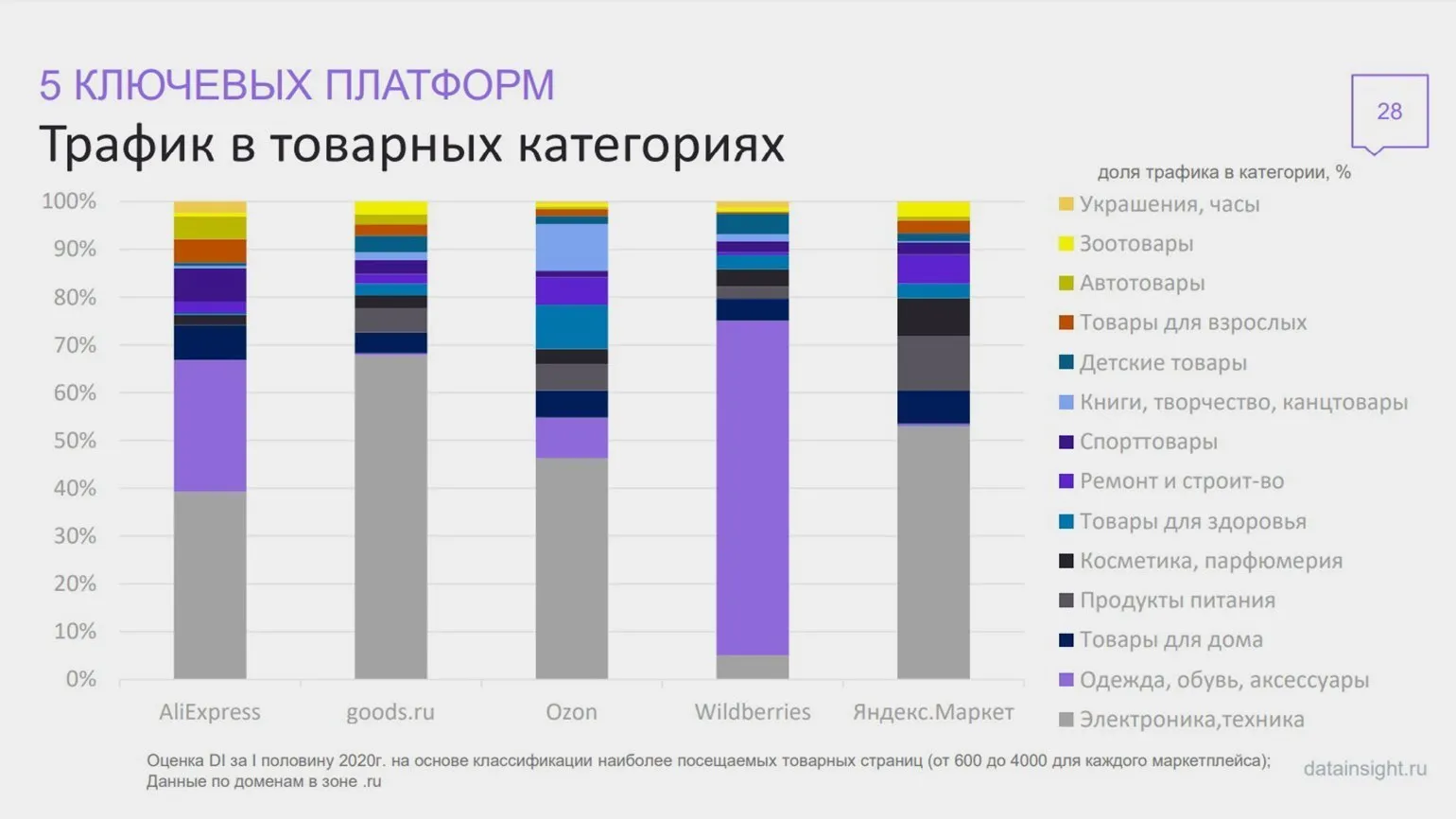
Statistical analysis reveals interesting trends. During the pandemic, there was a significant increase in demand for everyday items such as toothbrushes and paper towels. Furthermore, major marketplaces are seeing strong interest in seasonal and trending products. For example, whiskey kegs became especially popular ahead of the February 23rd holiday. These shifts in consumer preferences highlight the importance of adapting business strategies to current market trends.
To deeply analyze demand and identify market trends, entrepreneurs can use platform-specific tools and specialized services. One such tool is SellerDen. Denis Vetrennikov, head of the marketplace seller ecosystem, explains this service in detail. SellerDen provides data analytics functionality, helping entrepreneurs make informed decisions and adapt their strategies to market changes.
SellerDen actively partners with five leading marketplaces: Ozon, Wildberries, Yandex.Market, SberMegaMarket, and AliExpress. The platform analyzes sales data over various time periods to identify the most popular products and avoid oversaturation of certain niches. For example, the system indicates that pop-it toys are currently an overcrowded category across all marketplaces. Using SellerDen data, sellers can optimize their strategies by focusing on less competitive products and increasing their chances of success.
Trends are often not obvious at first glance. Analysis showed that the summer season sees an increase in interest not only in traditional gardening and outdoor products but also in intimate goods. This creates new business opportunities and opens up prospects for product range expansion. It is important to consider these changes in consumer preferences to successfully develop sales offerings.
Choosing a Platform to Start Sales
When choosing a marketplace to launch a business, it is critical to assess its popularity and sales volume. According to Data Insight, Wildberries and Ozon are the leaders in the Russian market in 2023. Wildberries is demonstrating impressive results, with sales exceeding 400 billion rubles, while Ozon is second with approximately 200 billion rubles. Choosing between these platforms can significantly impact the success of your business, so it's important to consider not only current performance but also the growth prospects of each marketplace. AliExpress Russia platform demonstrates significant sales volume, which varies depending on the calculation method. Considering only sales from Russian sellers to local buyers, the total amount is 49 billion rubles. However, if all sales, including goods from international suppliers, are included, the total volume rises to 210 billion rubles. This underscores the importance of market analysis and understanding the dynamics of purchases on the platform, which can be useful for both consumers and businesses looking to carve out a niche on this popular marketplace. The success of these platforms is largely determined by their versatility. They offer a variety of products, allowing shoppers to complete all their shopping needs in one place. This significantly increases convenience and user satisfaction, making the shopping experience more efficient and enjoyable.
New market players such as SDEK.Market, SberMegaMarket, and RoboMarket are actively trying to establish themselves. However, launching on these platforms can be challenging due to their lower popularity and traffic volume. Additionally, there are specialized platforms such as Lamoda and KupiVIP, which focus on clothing and footwear, offering unique offers to their target audience. These platforms can provide a higher probability of successful sales for fashion brands.
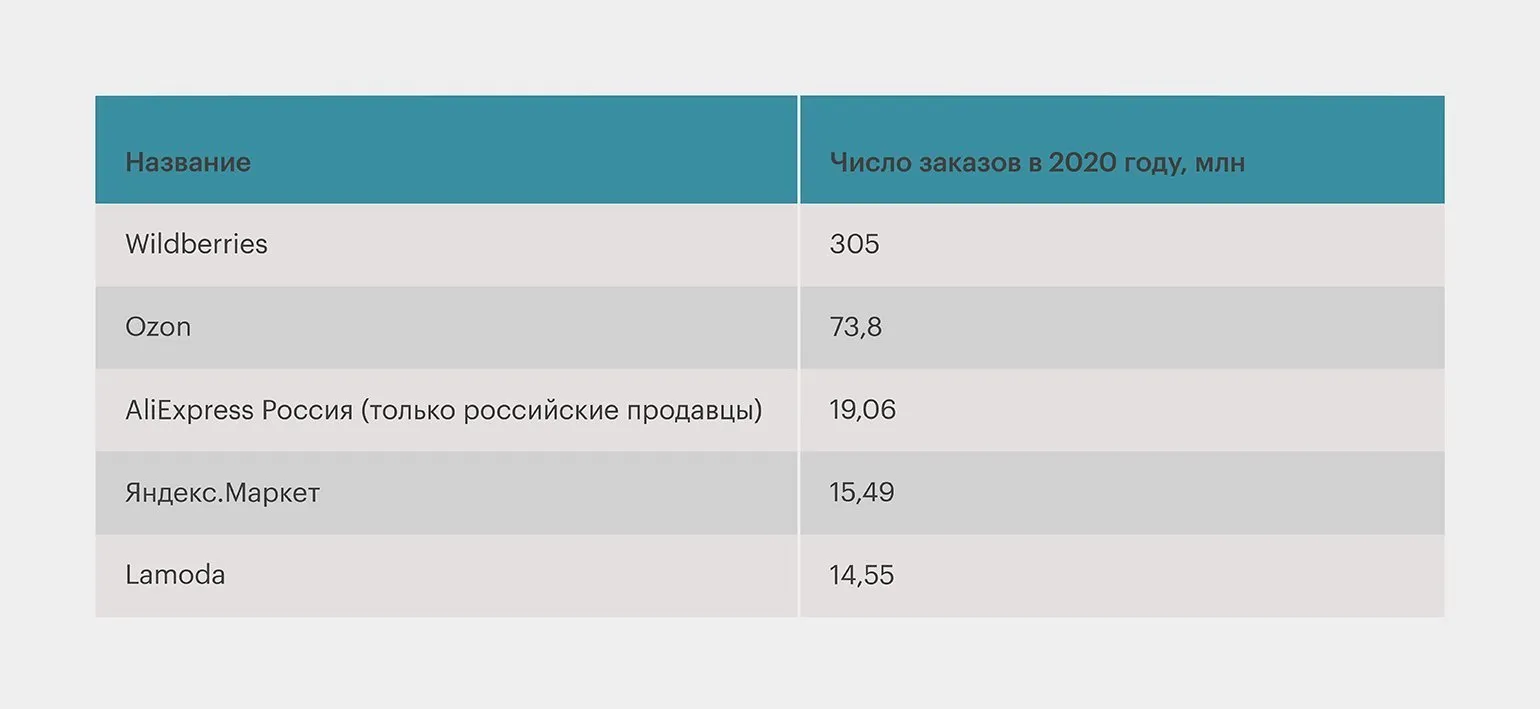
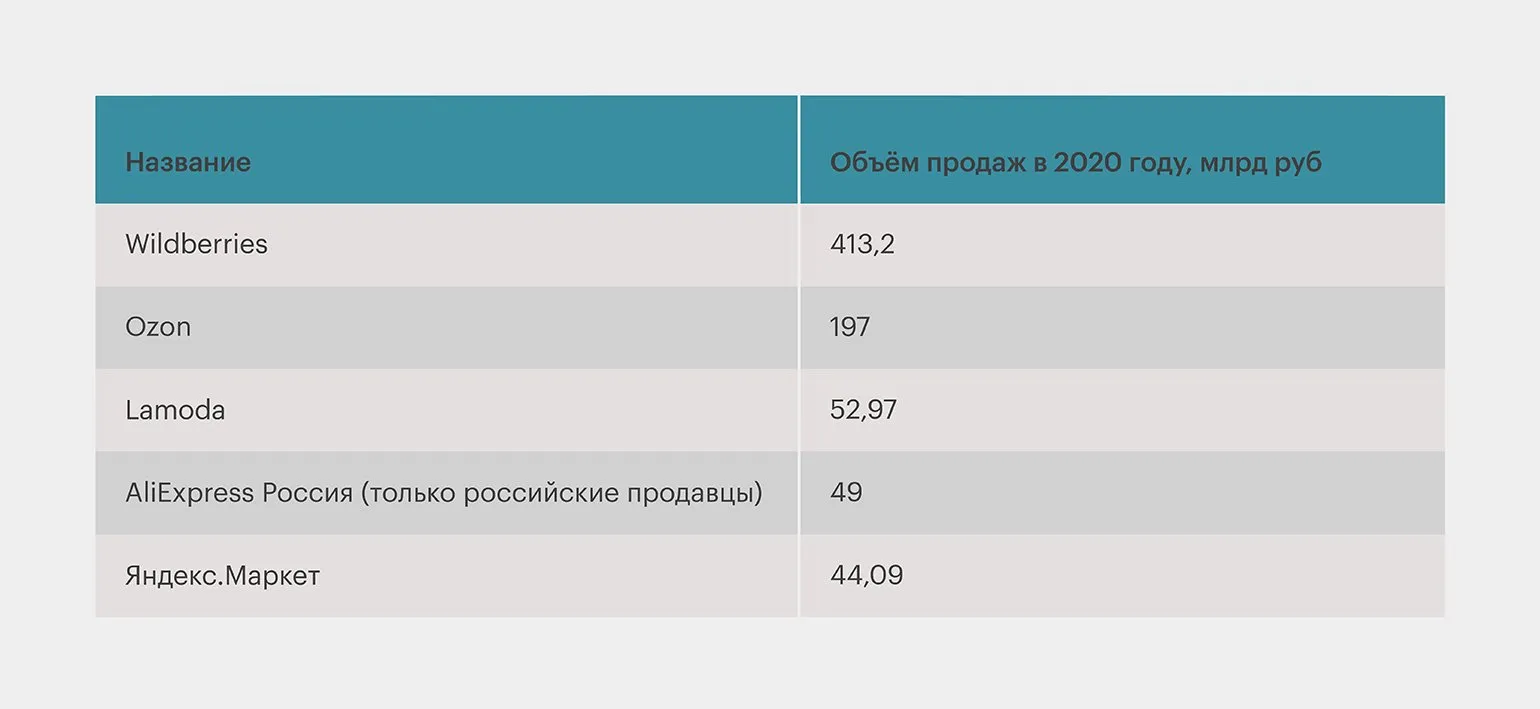
Among entrepreneurs working with marketplaces, Wildberries and Ozon are the leading platforms for successful sales. These two online marketplaces offer a wide range of products and convenient conditions for sellers, making them attractive for businesses. Wildberries and Ozon provide high product visibility and access to a wide audience, which contributes to increased sales and brand development. Choosing these platforms for product distribution allows entrepreneurs to compete effectively in the market and achieve their business goals.
Vladimir Sadkov, founder of the startup EcoBox, discussed the company's strategy for expanding distribution channels, in which marketplaces play a key role. EcoBox produces UV sanitizers for smartphones, and entering marketplaces allows it to reach a wider audience and increase sales.
Wildberries was EcoBox's first choice due to its rapid growth and leading market position. As of August 2020, 53,000 suppliers were operating on the platform. Wildberries is also ideal for selling electronics, making it ideal for promoting new products. Currently, when it comes to marketplaces, Wildberries and Ozon are the first to come to mind. However, there are many other platforms on the market that also have their advantages. We chose Wildberries because it demonstrates the highest sales volumes in the clothing category. While Ozon is more focused on selling electronics and household goods, Wildberries offers excellent opportunities for brands in the fashion segment. Leonid Barancha, founder of the men's suit store and brand Barleone, confirms this. Choosing a marketplace is critical for business, especially in a highly competitive environment. Effective Selling on Marketplaces: Understanding Logistics and Commissions Selling on marketplaces requires sellers to have a deep understanding of key aspects, including logistics and commissions. In this guide, we'll take a detailed look at the three main shipping models offered by various platforms to help optimize your sales process and improve business efficiency. Understanding these models will help you choose the most appropriate strategy for your online store and improve customer engagement. The FBS (Fulfillment by Seller) model involves the seller shipping all of their inventory to the marketplace warehouse. When the buyer places an order, the platform handles the assembly and delivery process to the specified address. This model offers convenience for the seller, as they don't have to worry about logistics, and it also speeds up the order processing process, which positively impacts customer satisfaction. With FBS, sellers can focus on growing their business, improving product quality, and increasing sales.
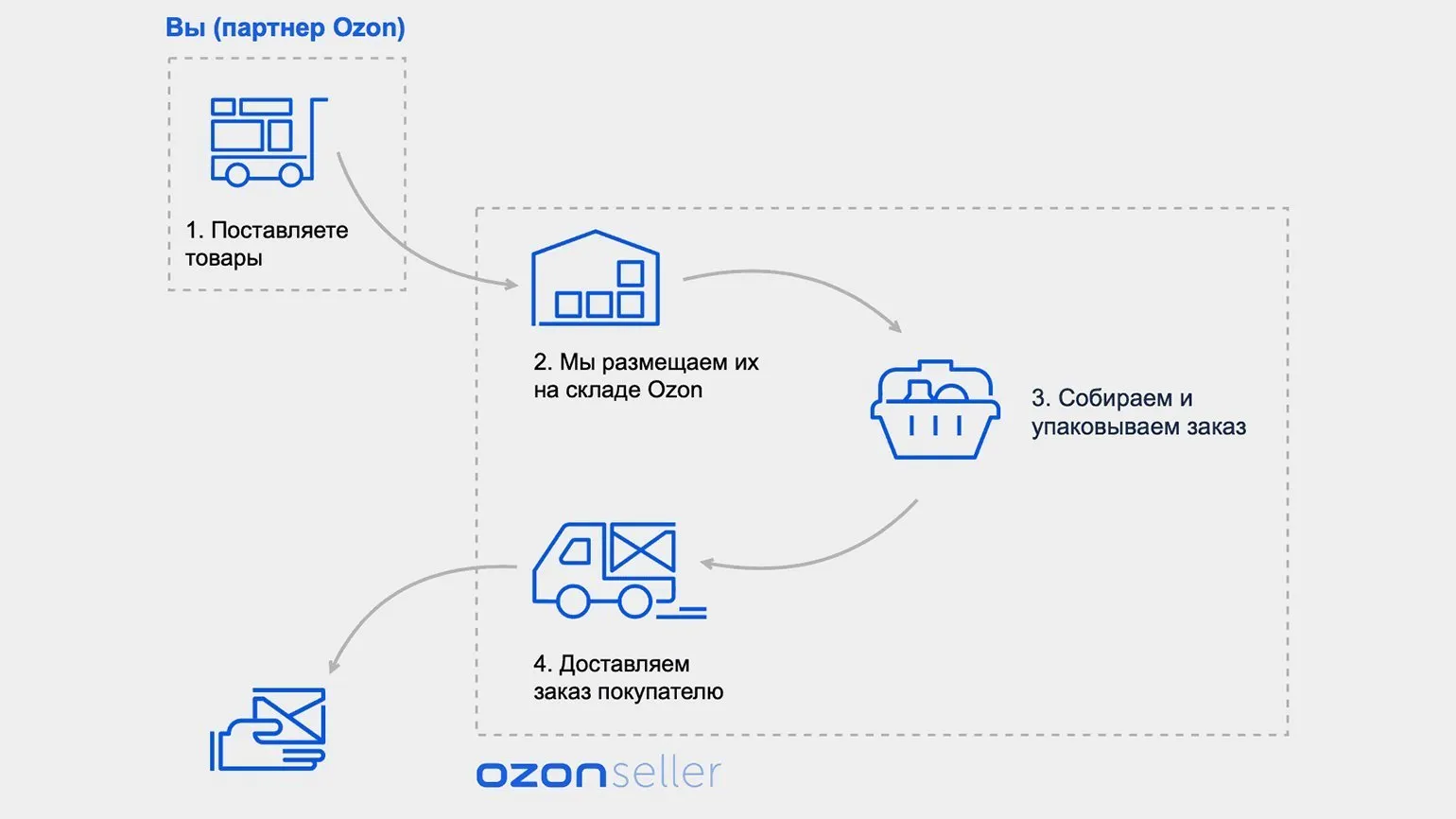
DBS (Delivery by Seller) is a model in which the seller independently manages the processing of orders and organizes their delivery. In this system, the marketplace serves only as a customer acquisition channel, providing a platform for interaction between buyers and sellers. This allows sellers to control the entire process, from product packaging to delivery to the end customer, which can improve service levels and customer satisfaction. Choosing the DBS model can be beneficial for those seeking to optimize their logistics processes and minimize costs on third-party carriers.
The intermediate model implies that the seller ships to the marketplace warehouse only those products that have been pre-ordered by customers. In this case, responsibility for delivery remains with the platform. This approach optimizes inventory and minimizes the risks associated with unsold goods. Using the intermediate model also improves service levels and customer satisfaction, as they receive their orders as quickly as possible.
Yakov Kvetkin, an experienced seller and author of the YouTube channel "Tovarnaya Otbivannaya," emphasizes that working with a marketplace warehouse is most effective with high sales volumes. For beginners, it's recommended to start with your own warehouse, even if it's just the seller's apartment, as ease of storage and inventory management is crucial. This approach will help minimize risks and better understand the sales process before moving on to more complex schemes.
All the necessary information is available in the sellers' personal account on the platform. Here, you can effectively manage inventory, track sales statistics, and interact with customers and customer support. The platform offers convenient tools for analyzing and optimizing sales, which allows sellers to make informed decisions and improve business efficiency.
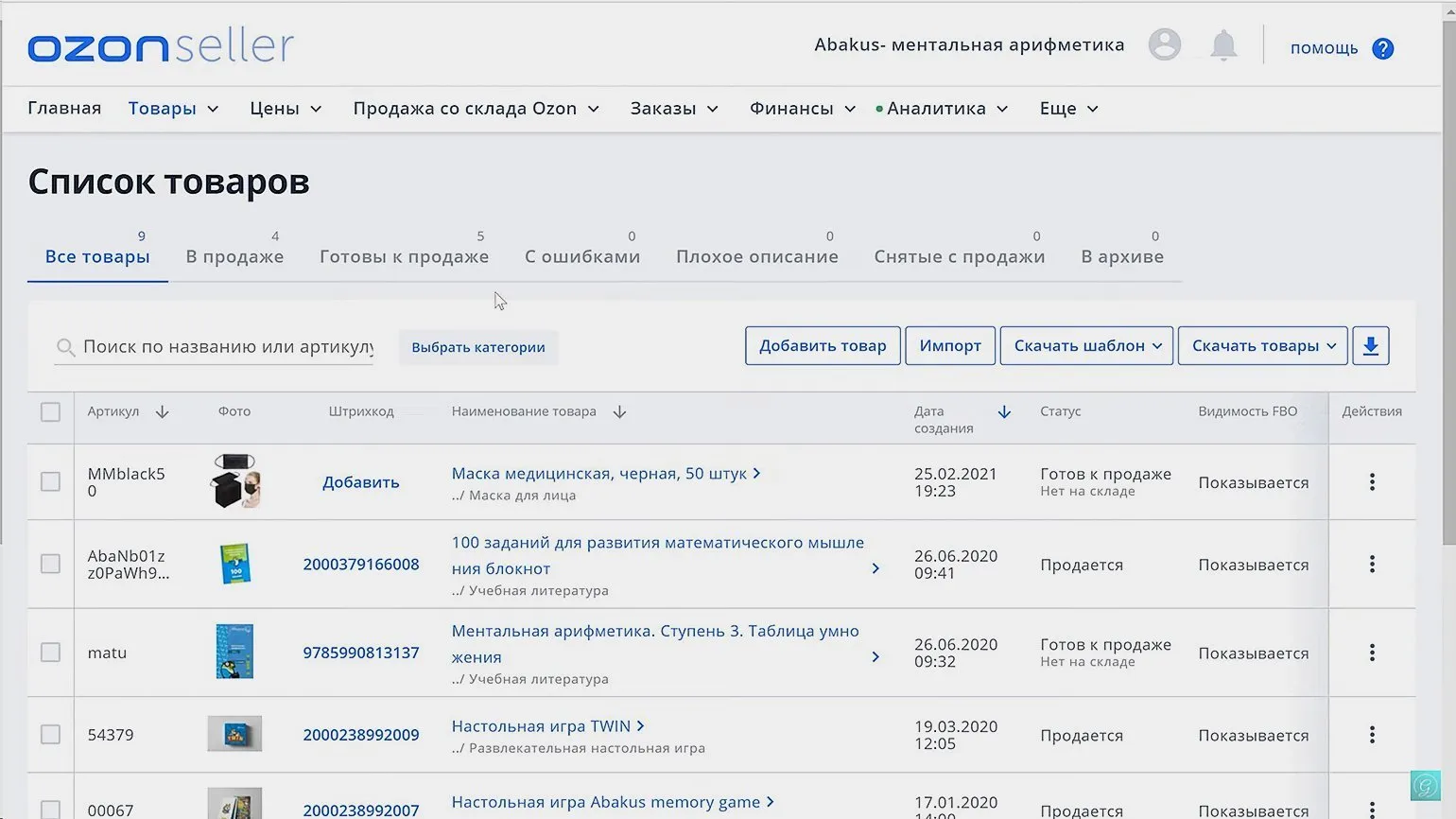
Marketplaces set sales commissions, which typically range from 5% to 15%. The commission amount depends on the product category and the specific platform conditions. It is important for sellers to closely monitor promotions, as their participation can significantly impact the visibility and sales of their products. Proper commission management and participation in promotions can significantly improve sales efficiency on marketplaces.
The AliExpress platform offers three types of commissions for sellers. New participants can start with a 0% commission on the first 100 sales, as well as on sales made through advertising links. After reaching this limit, the commission is 5% or 8%, depending on the product category. This approach allows new sellers to attract customers and test the market without significant financial outlay, making AliExpress an attractive business platform.
Experts emphasize the importance of considering commissions when setting product prices. Leonid Barancha, founder of the Barleone brand, notes that marketplaces offer a sense of affordability. Therefore, he sets prices below retail, which helps increase sales. Effective pricing allows sellers to compete effectively and attract more customers, which in turn leads to increased sales and higher profits.
Vladimir Sadkov, founder of EcoBox, emphasizes that commissions rarely exceed 15%. He recommends factoring these costs into pricing so that buyers can see the full cost of an item. This approach promotes transparency and builds customer trust in the company.
Marketplaces actively use discounts and promotions, which can lead to a reduction in margins. However, such strategies contribute to increased turnover and higher ratings through positive reviews. Setting competitive prices for products is key to avoid alienating potential buyers. It is important to monitor price trends for similar products and adjust your offerings to remain attractive to your target audience. Effective use of promotions and discounts can significantly increase product visibility and demand in the highly competitive marketplace environment.
Choosing a shipping model is an important step for any online store and depends on sales volume and convenience. Beginners often choose the DBS model, which is suitable for their first steps in e-commerce. Experienced sellers prefer the FBS model, as it allows for streamlining processes and improving logistics. Choosing the right shipping model will help improve customer satisfaction and increase sales.
Setting the right price for your product is a key aspect of successful trading. It is important to consider all fees that may affect the final cost of the product. At the same time, try not to set a price higher than your competitors to remain competitive. Analyze the market, study competitors' pricing strategies, and adapt your price accordingly to attract more customers and increase sales.
Participating in promotions can significantly increase your product's visibility in the market. However, it is important to carefully monitor your margins to avoid losses. A proper promotional strategy will help attract new customers and increase sales while maintaining the financial stability of your business.
Document Control on Marketplaces: Availability and Risks
It's a common belief that large marketplaces like Wildberries and Ozon meticulously check their sellers' documents and monitor product quality. However, experts argue that in a rapidly growing market, this approach may be ineffective. Rapid product range expansion and an increasing number of sellers create challenges in maintaining high quality standards and verifying all documents. This can lead to the appearance of substandard products on platforms, negatively impacting the marketplaces' reputation. Therefore, it is important for buyers to be attentive and check reviews of sellers and products before purchasing.
Vadim Nigmatullin, founder of marketplace training courses and the popular YouTube channel "Global Retail Team," notes that sellers previously had to undergo a complex verification process, which included providing numerous certificates and permits from manufacturers. This process could take weeks. "Three or four years ago, when I talked about trading on these platforms, it raised eyebrows and questions about connections," the expert recalls. The situation has changed, and sellers can now access marketplaces more quickly, opening up new business opportunities and simplifying the trading process.
Today, the registration process on marketplaces has become significantly simpler and faster. Sellers can register in the morning and ship their first batch of goods by noon. This innovation is aimed at attracting more partners, which facilitates business growth. However, this simplified procedure also places responsibility on sellers for compliance with the law and ensuring product authenticity. Therefore, it is important to thoroughly check all documents and ensure that products meet established standards.
Ivan Skorikov, founder of the Market Manager school, emphasizes that document checks are only performed for certain products and brands, including Xiaomi and Pepsi. In most cases, requests for documents are initiated solely based on complaints from buyers or competing sellers. This practice creates opportunities for unscrupulous market participants, highlighting the need for greater transparency and accountability in e-commerce.
The AliExpress Russia press service reports that Russian sellers no longer need to exchange paper documents to complete transactions. They can conduct transactions through an online offer with the legal entity "Alibaba.com (ru)". This approach simplifies the trading process and makes it more convenient for market participants. Using online offers allows for quick and efficient transaction processing, which is a significant advantage for businesses in today's digital environment.
Products that do not require mandatory certification can be uploaded to the platform without additional confirmation. For categories where certification is required, sellers must submit a request to open a category through their personal account and provide the relevant documents. This ensures product compliance with established standards and simplifies the process of selling them on the platform.
Mandatory documents, such as certificates of conformity, declarations, and registration certificates, play a key role in protecting buyers from low-quality products. Marketplace representatives emphasize the importance of these measures to ensure trust in goods and services. The presence of such documents confirms product compliance with established standards and requirements, which in turn promotes consumer safety and satisfaction. Vadim Nigmatullin recommends that entrepreneurs take advantage of current opportunities in the Russian marketplace market, which is still in its infancy. He notes that platforms are actively experimenting with various document verification and quality control methods. Time will tell when these processes will be optimized, but in the future, this could significantly increase the barrier to entry. Entrepreneurs should act now to secure their niche before conditions become more stringent. The expert emphasizes that the algorithms of platforms like Amazon function almost flawlessly. However, entering these international markets requires significant financial investment and faces challenges in scaling. In contrast, the Russian market offers the opportunity to start a business with minimal investment, making it more accessible for aspiring entrepreneurs.
Marketplace Seller Challenges: Hidden Aspects
The challenges faced by marketplace entrepreneurs are being actively discussed online. One key difficulty is the need to pay for storage of goods if they are not sold within a certain period of time. Sellers also risk product damage during delivery, which can negatively impact their reputation and lead to poor customer reviews. These factors highlight the importance of careful planning and inventory management for successful marketplace trading.
Yakov Kvetkin, a well-known blogger and author of the YouTube channel "Tovarnaya Otbivanaya," shares his opinion on the challenges faced by Wildberries platform users. He notes that parcels sometimes get lost in warehouses, and employees may confuse item numbers when registering items. These issues negatively impact the shopping experience and customer trust in the service. Kvetkin emphasizes the importance of improving logistics and upgrading staff qualifications to increase Wildberries' efficiency.
Kvetkin emphasizes that sending toys or Christmas trees to the warehouse before the New Year may result in them not being accepted until February. This creates the risk that the goods will become unwanted, forcing the seller to either take them back or pay for storage until the next season. To mitigate these risks, entrepreneurs should consider breaking large shipments into smaller lots and shipping them in stages. This approach will optimize inventory and avoid unnecessary storage costs.
Vadim Nigmatullin, author of the "Global Retail Team" channel, emphasizes that marketplaces currently set the terms of cooperation with sellers unilaterally. He emphasizes the importance of dialogue between sellers and platforms. Support issues remain significant, with sellers sometimes having to wait months for a response from support. Establishing effective communication between all parties involved can significantly improve service quality and increase seller satisfaction.
Unofficial sources on various marketplaces indicate a variety of terms for working with sellers. Many of these platforms are focused on creating partnerships, making it difficult to assume there is a single, strict policy for interaction. Each marketplace has its own characteristics and approaches to working with sellers, which emphasizes the need for an individual analysis of the terms and conditions on each platform.
Marketplaces: An Effective Channel for Increasing Sales
According to a study by Data Insight, sales on marketplaces are showing rapid growth, significantly outpacing traditional online stores and social media. This confirms that marketplaces are becoming one of the most attractive and effective channels for businesses looking to increase their visibility and expand their audience reach. Given current trends, companies looking to succeed should consider the potential of marketplaces as a platform to increase their sales and improve customer engagement.
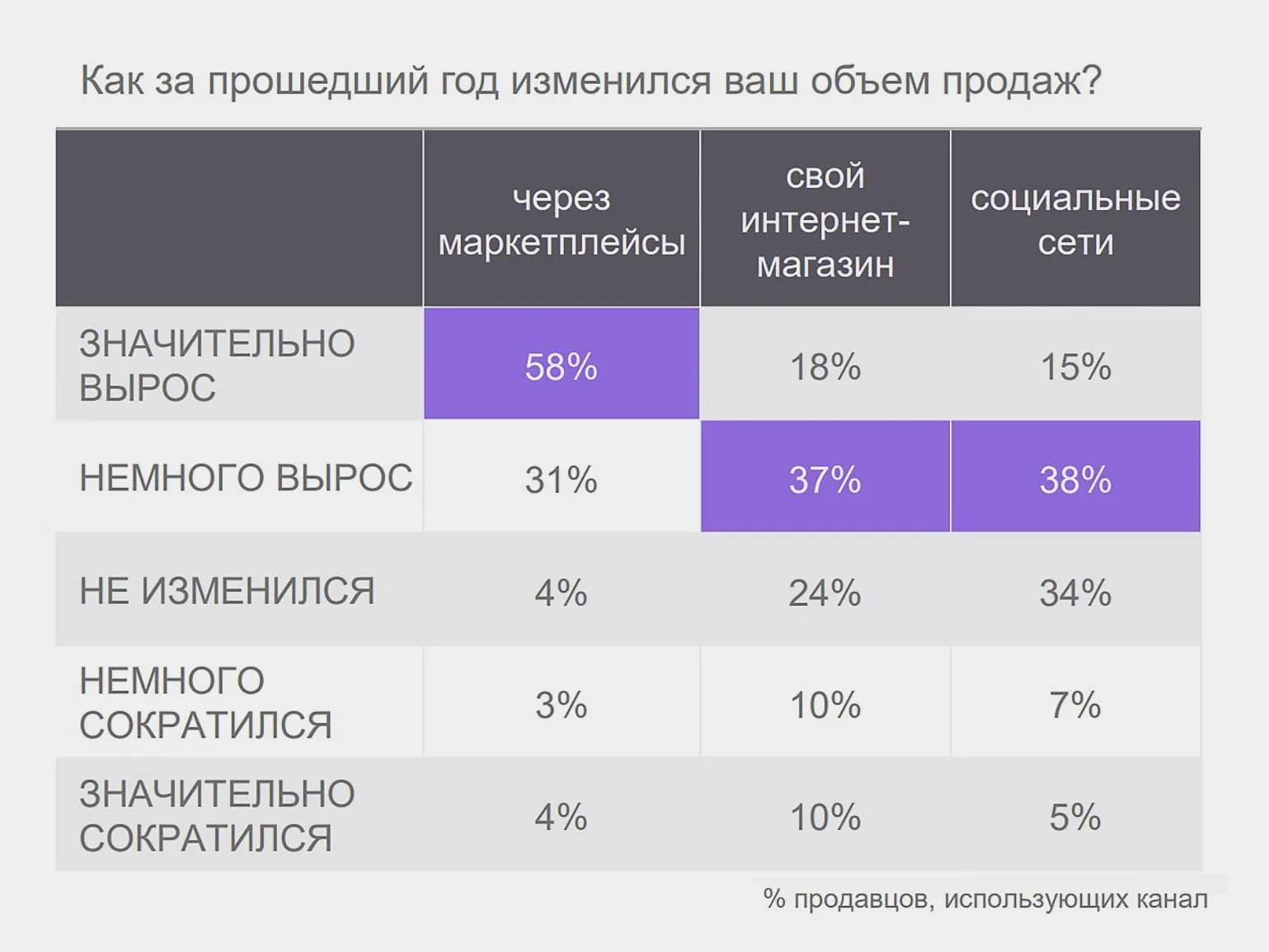
Expert Vadim Nigmatullin emphasizes, Marketplaces offer significant advantages for aspiring entrepreneurs. Unlike creating your own online store, launching on a marketplace takes significantly less time—just a few days. This allows you to quickly test various products and adapt your assortment based on demand. If one product doesn't attract buyers, it can be easily replaced with another, making marketplace operations more flexible and efficient. Abandoning other sales channels is not recommended. Yuliana Gordon, founder of the iWENGO online school, suggests using a three-atom model, which includes social media, direct sales (D2C), and marketplace trading. This strategy significantly increases the reach of a brand and its products, ensuring effective engagement with the target audience and sales growth. Using this model promotes harmonious business development, allowing you to leverage the advantages of each channel to achieve maximum results. Yuliana asserts that the three-atom model is the most viable and sustainable in e-commerce. It encompasses all available e-commerce channels, significantly increasing the chances of success. This position is shared by Leonid Barancha, founder of the men's suit store Barleone, who emphasizes the importance of different approaches to business management and marketplace sales. Using the three-atom model not only improves sales strategy but also effectively adapts to changing market conditions. A marketplace-based business model and an online store represent two unique niches with different sales mechanisms. However, combining these channels can significantly expand reach, increase revenue, and strengthen brand awareness. This strategic approach can significantly strengthen competitive positions in the market, providing access to a wide audience and diverse growth opportunities. Using both platforms helps optimize sales and create a more sustainable business model.
Marketplace Promotion: 7 Steps to Success
Want to increase your sales? Learn 7 steps to successful marketplace promotion! Read the article.
Find out more