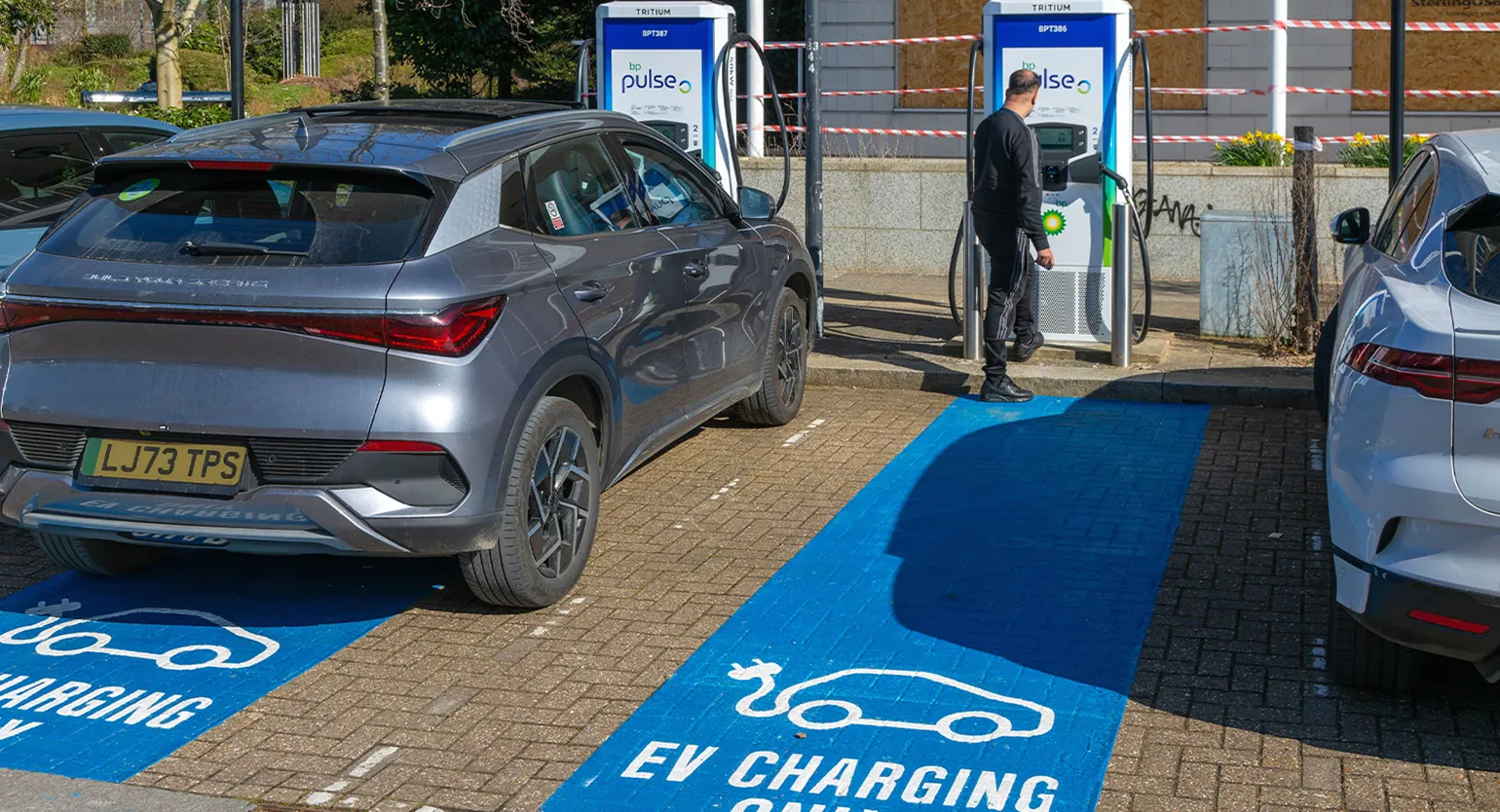
Contents:

Try 4 internet marketing professions in practice ➞On a free mini-course. You will research the target audience, create a website, design social media, write sales copy, and set up advertising. Take the course and decide what you like.
Find out more
Vladislav Mazov, CEO of the Artis network of charging stations for electric vehicles, shared his experience in this area. His insights on the development of electric vehicle infrastructure can be useful for both entrepreneurs and sustainable mobility specialists. Vladislav discussed the key aspects of effective charging station management, as well as the opportunities offered by the growing electric vehicle market. Since 2023, the number of electric cars in Russia has increased by 33%. More and more companies are realizing that using electric vehicles is not just a fashion trend, but an effective way to optimize costs. Fuel savings, reduced maintenance costs, and potential tax incentives make electric vehicles attractive for business. However, it is worth considering some nuances: the high initial investment cost and limited model selection on the market remain significant barriers to the widespread adoption of electric vehicles. If you are considering upgrading your fleet, it is important to evaluate all the advantages and disadvantages of this decision in advance. In this article for the Skillbox Media "Business" editorial team, we will examine the key aspects and opportunities for implementing electric vehicles in business. Electric vehicles are becoming increasingly popular due to their fuel efficiency, environmental friendliness, and low operating costs. However, before switching to electric vehicles, it is necessary to consider factors such as charging infrastructure, maintenance costs, and possible mileage limitations. Understanding these nuances will help you make an informed choice for your business, maximizing the benefits of electric vehicles.
- What are the benefits of electric vehicles for businesses?
- What are the challenges of introducing an electric fleet?
- Who can switch to electric cars?
What are the benefits of electric vehicles for businesses?
One of the key advantages of electric vehicles is significant savings on fuel and maintenance compared to traditional cars. Electric vehicles eliminate the need for oil changes, spark plugs, and other consumables. A study by the British company Geotab found that over seven years of operation, one electric vehicle can save up to £13,279. This makes electric cars not only an environmentally friendly but also an economical choice for owners.
The cost of electricity for electric vehicles is significantly lower than the price of gasoline or diesel. According to research from the University of Michigan, the average annual cost of charging an electric vehicle is only $485, while refueling a traditional car costs up to $1,117. This makes electric vehicles a more economical choice for car owners, which in turn contributes to the growing popularity of electric transport.
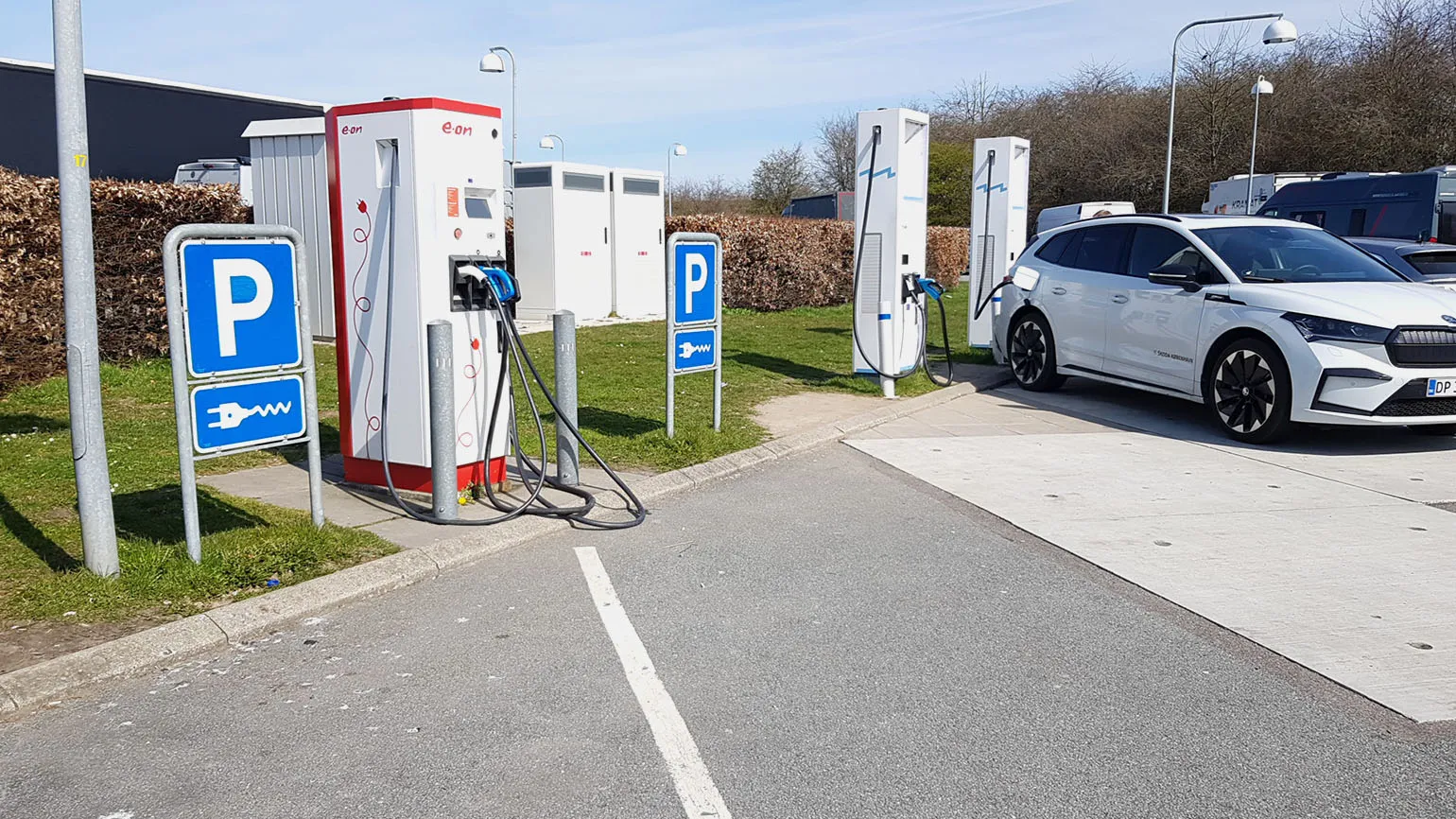
Additional benefits are expected for taxis and car sharing operating on the future. Electric traction. In Russia, measures to support these services are being considered. The Ministry of Transport proposes to compensate part of the costs of purchasing electric vehicles and installing charging stations. This will create favorable conditions for the development of environmentally friendly transport and increase the availability of services for the population.
Certain benefits have already been introduced at the city level. Currently, citizens can use free services, such as:
- parking electric vehicles in municipal parking lots in Moscow and St. Petersburg;
- charging them at 290 stations as part of the Moscow Energy program;
- driving free on toll roads until the end of 2025, if you have a Russian-made car.
The transition to electric vehicles is an important element of the sustainable development policy (ESG). This decision has a positive impact on social, environmental and corporate aspects, which helps to improve the company's reputation. For large enterprises, the introduction of electric vehicles is becoming a mandatory element of the strategy, while for small businesses it represents an opportunity to strengthen the trust and loyalty of customers and partners. Electric vehicles not only comply with modern environmental standards but also contribute to a more sustainable future.
Not every company can afford to upgrade its fleet. In regions without their own electric charging stations, a mass transition to electric vehicles remains a challenge. Without infrastructure investment, businesses cannot rely on the efficient use of electric traction. Effective development of the charging station network is key to the successful adoption of electric vehicles, which in turn can lead to lower fuel costs and improved environmental conditions.
Determining the long-term benefits of replacing a fleet with electric vehicles is quite difficult. Currently, there is a lack of extensive historical data that could demonstrate the return on investment in electric transport. It is necessary to consider the costs of creating charging infrastructure, equipment depreciation, and potential changes in electricity tariffs. These factors can significantly impact the financial viability of switching to an electric fleet and require careful analysis to make informed decisions.
The Challenges of Introducing Electric Vehicles
In this article, we will consider three key challenges that businesses may face: high costs, insufficient infrastructure, and limited technology. These factors can significantly impact a company's efficiency and competitiveness. High costs can arise from both inefficient resource management and the need to invest in development. Poor infrastructure complicates processes, increases task completion times, and reduces service quality. Technological limitations can hinder innovation and reduce productivity. Understanding these challenges will help businesses develop strategies to overcome them and improve overall efficiency.
Electric vehicles require significant investment. The starting price of most electric vehicle models often exceeds the cost of vehicles with internal combustion engines. In 2023, the average price of an electric car was $50,799, while the average price of a gasoline car was $48,759. However, more affordable options are starting to appear on the market, such as the Chevrolet Bolt EV, which starts at $26,500, and the Nissan Leaf, which starts at $28,140. Despite the availability of budget models, buying an electric car remains a significant investment, especially if you plan to buy multiple cars.
The inadequate charging infrastructure in Russia remains a pressing issue. The country still lacks electric charging stations, and the existing electrical grid requires modernization. However, the situation is gradually improving: over the past five years, the number of fast charging stations has increased 17-fold. The total number of charging stations is projected to reach 72,000 by 2030. While this looks promising, this number may prove insufficient. Furthermore, the distribution of charging stations across regions remains uneven, with a predominance of them in large cities. To achieve an effective transition to electric vehicles, it is necessary to develop strategies to improve infrastructure and expand the charging network, especially in remote and rural areas.
Technological limitations remain an important aspect of electric vehicle development. Some models still have limited range, which may be a concern for potential users. In winter, battery efficiency decreases due to low temperatures, which also affects the overall performance of electric vehicles. Furthermore, the range of commercial electric vehicles on the market remains insufficient, limiting consumer choice.
Models that effectively address existing challenges in the commercial vehicle space are already appearing on the market. One such solution is the Ford E-Transit Courier, a compact van that offers a range of up to 180 miles (293 kilometers), making it an ideal choice for urban transportation. Although this van's payload is limited to 1,500 pounds (700 kilograms), which may be insufficient for some tasks, the GMC Sierra EV Denali is an excellent choice for heavier loads. This model has a range of up to 740 kilometers and an impressive towing capacity of almost 5 tons, allowing it to handle more complex transport tasks.
Who can switch to electric cars now?
Companies with an urban fleet and organized logistics can safely switch to electric vehicles. Electric vehicles are ideal for courier services, taxis, and organizations operating on established routes. Pre-planned routes allow for efficient resolution of issues related to mileage limitations and the need for charging. Switching to electric vehicles not only reduces fuel costs but also contributes to improved environmental conditions in cities, making the business more attractive to environmentally conscious customers.
The international biopharmaceutical company AstraZeneca began the process of replacing its fleet in Russia with electric vehicles in 2022. By 2025, the company plans to increase the number of electric vehicles to more than 200 units, which will reduce CO₂ emissions from transport by 16%. In the Kaliningrad region, the König-Rent service has also introduced electric taxis based on Amberauto models. Over the next two years, the company intends to convert half of its fleet to electric traction. This underscores the growing trend toward environmentally friendly transportation solutions in Russia and the business commitment to sustainable development.
Companies with their own parking lots have the opportunity to switch to electric vehicles, as charging stations can be installed directly on their premises. This is especially relevant for logistics centers, warehouses, and production sites. An example of this approach is the initiative of Rusnano, which is developing a network of charging stations in the regions in collaboration with local authorities. Switching to electric vehicles not only reduces carbon footprints but also provides convenient access to charging stations for employees and visitors.
The conditions described above do not apply to companies located in regions with harsh climates. At low temperatures, the performance of electric vehicle batteries is significantly reduced, resulting in a shorter range and longer charging times. For example, at temperatures around -5°C, an electric vehicle's range can be reduced by up to 40% compared to normal conditions. Therefore, using electric vehicles as a primary mode of transport in northern regions remains a challenge, and electric fleets are primarily developing in cities with warmer climates.
Expand your knowledge and resources with Skillbox Media materials for entrepreneurs. We offer a variety of training materials, articles, and courses to help you grow your business and improve your skills. Discover helpful tips, practical recommendations, and current trends in the world of entrepreneurship. Skillbox Media is your reliable partner in training and development.
- Small business support programs in 2025: federal, regional, and industry-specific
- An undervalued asset: why does business need social and charitable activities today?
- 7 myths about mobile development: when businesses need and don't need their own apps?
- How does augmented reality (AR) technology work and how does it benefit businesses?
- Is the customer always right? We talk about consumer terrorism.
How to start a business: from idea to implementation
You will learn how to do business in Russia in 2025. You will learn how to choose in-demand niches, create a financial model and predict risks. While training, launch a business and start earning.
Find out more