Contents:

Weight loss in a month: 5 proven tips
Find out moreA journey into the world of radio engineering
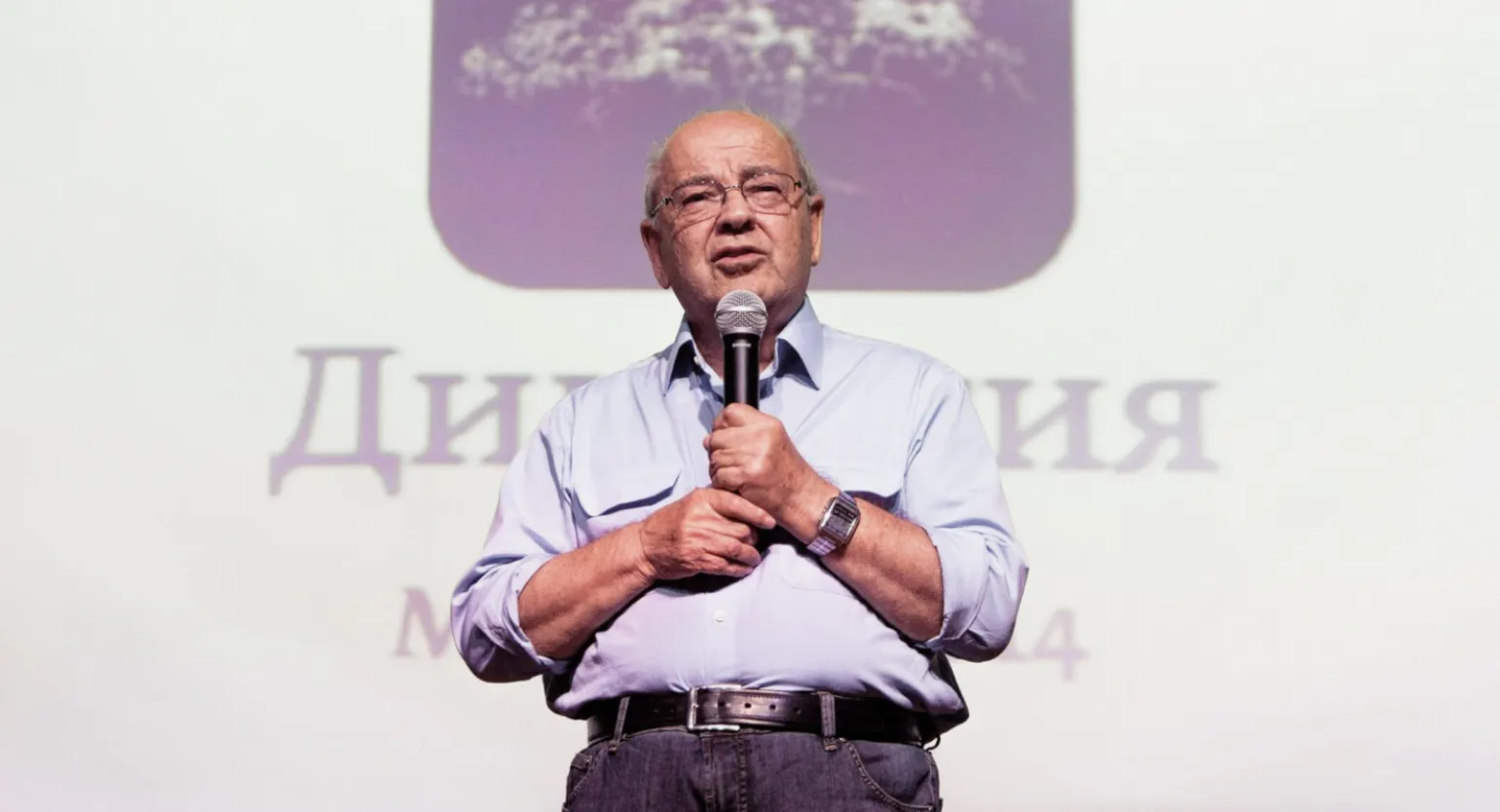
Dmitry Zimin, a recognized pioneer of mobile telephony, showed a passion for radio engineering from an early age, considering it his true passion. In his memoirs, he fondly recalls visiting flea markets as a teenager, where he acquired parts for his first radios and televisions. He found the financial means in the most unexpected ways: from parental promises to sales of valuable books from the family library. This interest in radio technology became the foundation of his later career and made a significant contribution to the development of mobile communications.
My library was a true treasure, containing works by Shakespeare, Schiller, and rare editions of Brockhaus and Efron. These books are now stored in my Moscow apartment on Arbat, but I thoughtlessly sold most of them at second-hand book markets to raise money for television parts. In this interview, I talk about my love of literature and how sacrificing books for money for technology left a deep mark on my soul.
After graduating from school, Zimin entered the aircraft electronics department of the Moscow Aviation Institute (MAI). In his fourth year, he encountered financial difficulties while trying to buy a motorcycle. To solve this problem, he took a job as a laboratory assistant in the Department of Radio Transmitters and Antenna-Feeder Devices, as there were no vacancies in the Department of Radio Receivers. This work not only allowed him to earn the necessary funds but also gained practical experience in radio electronics, which subsequently had a positive impact on his studies and career. Zimin began an in-depth study of antennas, which later became the basis for his diploma thesis and professional work in the Problems Laboratory. For thirty years, he held leadership positions at the Radiotechnical Institute of the USSR Academy of Sciences. He defended his doctoral dissertation and won several awards, including for his co-authored book "Scanning Microwave Antenna Systems" and for innovative developments in phased array antennas. These achievements made him a prominent figure in the field of radio engineering and antennas, significantly influencing the development of technologies in this area.

From Scientist to Successful Businessman
In 1991, during Russia's transition to a market economy, Zimin began his business career by founding KB Impulse at the Radio Engineering Institute. His focus was on developing modern satellite and cable television systems. This move marked the beginning of his journey to creating one of the largest telecom operators in Russia, marking a significant milestone in the development of the country's telecommunications industry.
In 1992, KB Impuls launched the VimpelCom cellular network, which became known as Beeline. This event played a significant role in the development of the Russian telecommunications industry. In June of that year, a base station from the American company Plexsys was installed on the Ministry of Foreign Affairs building in Moscow. In mid-July, the first call was made on the VimpelCom network. Just two months later, the company was officially registered, and its founder, Gennady Zimin, took over as CEO. Beeline thus became one of the first mobile operators in Russia, laying the foundation for the further growth and development of mobile technologies in the country.
The VimpelCom network has demonstrated rapid growth since its inception. On July 28, 1994, the company celebrated the connection of its 2,000th subscriber, and a year later, the number of users exceeded 10,000. In 1996, VimpelCom became the first Russian company to successfully conduct an initial public offering on the New York Stock Exchange, attracting over 50,000 subscribers across the country at the time. This significant event not only strengthened the company's market position but also significantly increased its popularity among mobile users in Russia. Despite this successful start, by the late 1990s, VimpelCom faced serious challenges. It used the American AMPS cellular standard and held a GSM-1800 license, while the most widespread standard in Europe was GSM-900, which only MTS managed to obtain. VimpelCom CEO Gennady Zimin acknowledged the situation was critical: "Death has come for us," he remarked upon learning of his competitor's achievements. As a result, the company was forced to reconsider its strategy and seek new ways to remain competitive in the market.
In search of a solution to the problem, Zimin turned to the Minister of Communications Alexander Krupnov, but their negotiations did not produce the expected result. The situation changed with the appointment of Boris Nemtsov to the post of Deputy Prime Minister. "At the end of the summer of 1998, I visited the White House, feeling excited! We had a constructive conversation, during which I outlined the unequal conditions our company faces in the market. Nemtsov promised to provide support, and soon a decision was made to issue a license to VimpelCom. This decision was a saving grace for our company!" Zimin noted.
Letting Go of Love: Lessons from Zimin's Story
In May 2001, Gennady Zimin, businessman and founder of VimpelCom, made the important decision to leave his post as CEO. This decision was the result of deep reflection and was not accidental. Zimin has repeatedly emphasized that his departure was a conscious choice, demonstrating his strategic approach to business management. His resignation opened new horizons both for him personally and for the company, which continued to develop and adapt to changing market conditions.
Amid the changing political and economic realities in Russia, Zimin faced a number of serious challenges. During his company's tenure, the post of Minister of Communications was held by three people, each of whom had an impact on the development of the business. The fourth minister, Leonid Reiman, with a background in business, found himself at the center of a scandal when a lobbying campaign began to transfer frequencies from VimpelCom to competitors. These events highlight the importance of the political environment for technology companies and their resilience in a competitive environment.
Zimin recalls Reiman with gratitude: "Initial hostility towards him eventually transformed into gratitude. This story made my departure easy and joyful." In his memoirs, he repeatedly mentions this official, who he believes was the catalyst for his decision. Reiman had a significant influence on his life, facilitating important changes and decisions that proved fateful.
Age was a significant factor in his decision. Zimin felt uncomfortable with the company's rapid growth, which by then had over a thousand employees. He noted, "The romantic side of business was a thing of the past. I no longer felt like I was at the same level as I had been at the beginning."
Having relinquished his position as CEO, Zimin focused his efforts on ensuring the well-being of his company. He recognized that retaining power could negatively impact VimpelCom's future. This decision underscores his dedication to the cause and his willingness to sacrifice personal ambitions for the sake of the company's sustainable development. This step demonstrates strategic thinking and responsibility, which can positively impact VimpelCom's image and its future prospects in the competitive environment.

Legacy and Philanthropy: Dmitry Zimin's View
After Dmitry Zimin retired from business, he became the owner of a large block of shares, which he gradually sold off. However, retirement was not part of his plans. Zimin was concerned that leaving a legacy to his children could negatively impact their motivation and future. He believed that the lack of financial challenges could reduce their desire to achieve goals and develop. Therefore, despite ending his career, he continued to be actively involved in business life and seek out new opportunities to support his ideas and principles.
In an interview with Ekho Moskvy, he emphasized that "leaving children just money means ruining them, depriving them of incentive in life." This statement illustrates his deep philosophy, based on the importance of personal effort and hard work. He believes that material wealth should not replace important life lessons that shape character and contribute to development. The importance of hard work and the pursuit of achievement are the foundation of a successful life, and passing this understanding on to future generations plays a key role in their upbringing.
In 2002, Zimin initiated the creation of the non-profit organization "Dynasty," focused on the development of fundamental science and education in Russia. This marked the beginning of the country's first family-run social investment fund, which strives to support scientific research and educational initiatives. The Dynasty Foundation actively promotes the improvement of the scientific environment and the popularization of education, which are crucial for the future of Russia.
The Dynasty Foundation initially provided scholarships to students and young researchers in the field of physics. The program soon expanded to include graduate students and scientists without a PhD. Over time, the foundation launched numerous initiatives aimed at supporting schoolchildren, teachers, and other specialists in the scientific field. Dynasty also actively financed the translation and editing of popular science books, and established a number of annual awards and festivals promoting the development of science and education in Russia.
The structure of the Dynasty Foundation was designed to be independent of its founder. The Foundation's board included prominent figures, such as Sergei Guriev, Rector of the New Economic School, who later became Chairman; Arkady Dvorkovich, Assistant to the President; Boris Zimin (Dmitry's son), President of the investment company BMT Management Limited; and State Duma Deputy Sergei Petrov, among others. In 2007, Boris Zimin transferred almost 90% of his fortune to the Foundation, while retaining the deciding vote. It is important to note that he and his heirs are not entitled to receive profits from the Dynasty Foundation. This governance model ensures the Foundation's sustainable development and its independence in the long term.
When the time comes to retire, especially after your fifties, there's a desire to leave something meaningful behind. It's not about eternity, which is unattainable, but about creating a sustainable structure capable of functioning independently of the personality of its creator. Zimin shares his thoughts on the importance of such initiatives that will serve the interests of future generations.
A Critical Moment for the Dynasty Foundation
2015 was a pivotal year in the life of renowned Russian philanthropist and scientist Boris Zimin. Earlier in the year, he received the "Loyalty to Science" award from the Ministry of Education, underscoring his important role in the scientific field. However, just four months later, his Dynasty Foundation unexpectedly found itself at the center of a scandal, having been added to the register of foreign agents. This turn of events sparked widespread public outcry and cast doubt on the future of the foundation, which had previously actively supported scientific initiatives and educational projects in Russia.
The closure of the Dynasty Foundation was shocking news not only for its members but also for many politicians. Public figure Irina Prokhorova expressed concerns that this decision could have serious consequences for Russia's cultural and educational spheres. She emphasized that such actions threaten the foundations of the country's scientific and cultural life, which could negatively impact the future development of these important areas. The preservation of the foundation and its activities is critical to supporting science and culture in Russia.
Ella Pamfilova, the Russian Human Rights Commissioner, expressed her dissatisfaction with the designation of Russian citizens funding charities in the country as foreign agents. She called this absurd and appealed to the president with a proposal to amend the law on foreign agents. Despite her initiative, the situation remained unchanged, and the foundation's founders decided to close it.
The Dynasty Foundation faced repression due to funding from foreign sources. Yevgeny Yasin's Liberal Mission Foundation, which also received funding from Dynasty, was also included on this list. Unlike Zimin, Yasin was able to have his organization's foreign agent status lifted and its funding returned. However, Zimin was forced to part with his foundation and temporarily leave the country. The situation with repression against non-profit organizations receiving foreign funding underscores the importance of transparency and compliance with funding laws.
Our foundation committed no illegal actions; our only action was to support Yasin's organization. After that, the closure process began, which left me completely perplexed. This process dragged on for many years. We didn't stop supporting it completely, but it significantly decreased. At that moment, I felt very resentful, but over time they subsided,” Zimin said a year before his death.
Weight Loss in a Month: 5 Proven Tips
Want to lose weight without stress? Find out 5 proven methods in the article!
Find out more