Contents:

Learn: Free career guidance
Learn moreNeoclassical music encompasses several genres and movements.
The term "neoclassical" is somewhat misleading, as the music of this movement has no direct analogies with the classical era. Instead, neoclassical music combines elements of minimalism, creating simplicity and conciseness, the atmosphere of film music, the emotional depth of romanticism, and the immersive qualities of ambient music. The result is a unique sound that combines diverse musical traditions and styles, bringing new emotions and sensations to contemporary music.
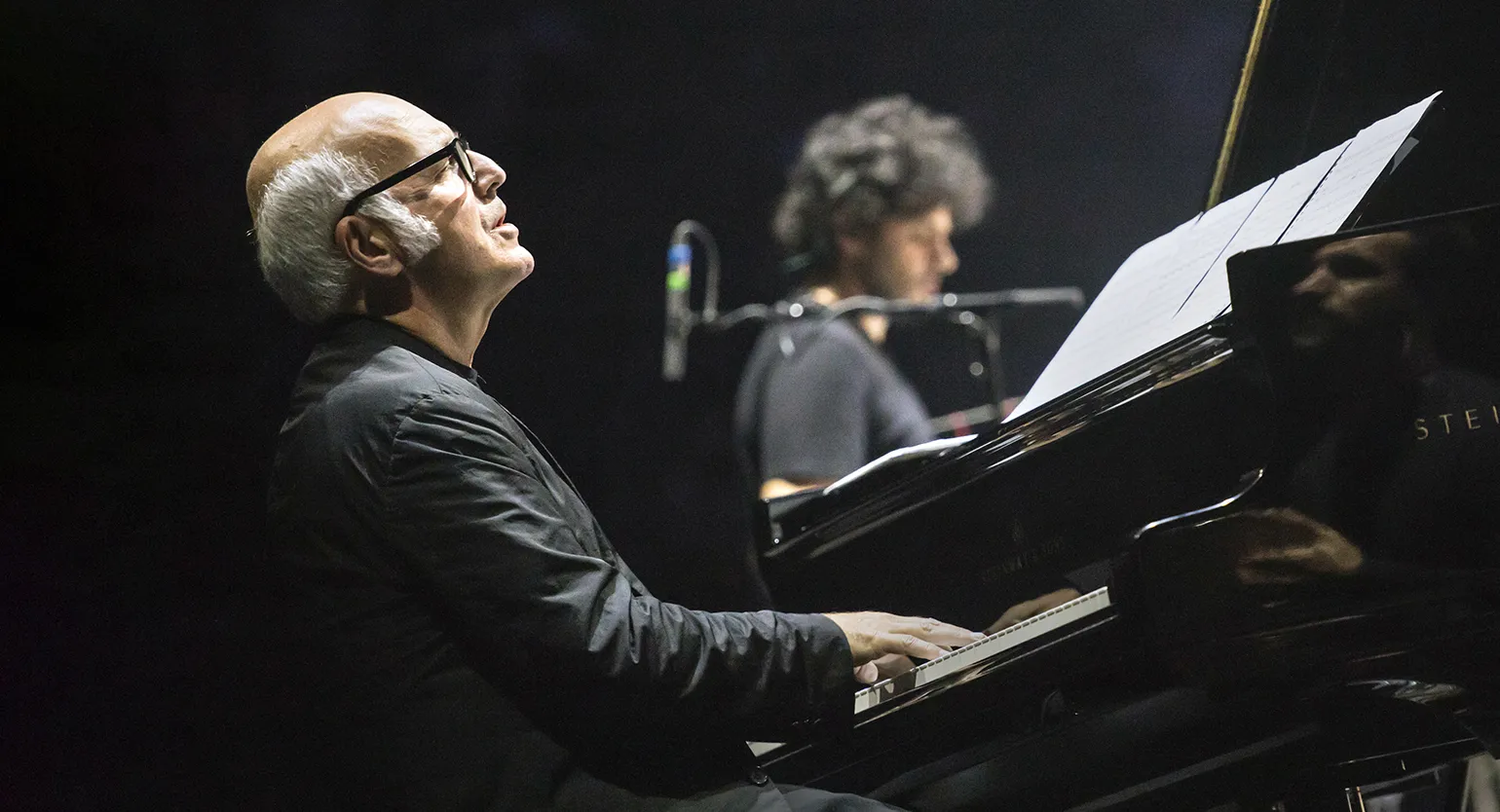
The term "neoclassical" encompasses a variety of composers, each of whom makes a unique contribution to the art of music. Neoclassical composers include the minimalist Philip Glass, known for his repetitive structures; the founder of "furniture music," Erik Satie, with his atmospheric and meditative works; and Ludovico Einaudi, who creates sensual and melodic compositions for film and beyond. Let's not forget Nastasya Khrushcheva, an ambassador of metamodernism, whose music combines elements of various styles. The works of these composers can be combined into a diverse playlist that will delight listeners with its harmonious sound and diversity of musical ideas. Neoclassical music is an entire world of music, capable of inspiring and soothing, bringing aesthetic pleasure to everyday life.
Neoclassicism is a term that raises many questions, and not everyone understands its true meaning. The word feels more like a brand or a marketing ploy than an accurate definition of a musical movement. For musicians, especially emerging or lesser-known artists, using the "neoclassical" tag can be a useful way to attract attention to their music. However, many minimalist and experimental composers reject the term, considering it pejorative. Their comments on discussions of neoclassicism often highlight their dissatisfaction with the label. Attempts to call them neoclassical can often result in a negative reaction, suggesting that the word itself can be controversial in musical circles.
Neoclassical is simple and understandable to everyone
Attributes of neoclassical music include melodic harmony, a film-like atmosphere, the pleasing timbres of classical instruments, and a minimalist approach. Major works are most often composed for piano with string accompaniment. Neoclassical melodies are easy to understand, and the harmony helps immerse one in a meditative state. This music has an intimate and lyrical character, making it easy to "fall" into its sounds and experiences. Neoclassical music is becoming increasingly popular due to its ability to evoke deep emotions and create a special atmosphere of comfort and tranquility.
Listeners easily perceive the message of this music, based on simple, repetitive harmonic structures, but with a variety of shades and dynamics. First, we remember the melody, and then experience it in different interpretations. A striking example of this is the composition "Life" by Ludovico Einaudi. At first, the theme sounds monotonous and routine, then it creates an atmosphere that emphasizes the touching scene of a child's game. Over time, the melody is filled with anxiety and, ultimately, leads to a feeling of relief.
Writing a piece in the style of Einaudi does not require advanced compositional skills. If you have basic piano skills, you can create similar music by following YouTube lessons. After watching the videos, it is worth paying attention to the patterns present in other works of neoclassical music. Critics note that many compositions in this genre have similar features, which often leads to the perception of simple neoclassical forms as monotonous. To improve your skills, study different musical elements and experiment with them in your compositions.

Reading is an important part of our lives. It not only develops thinking but also enriches vocabulary. Regular reading of books, articles, and other materials helps improve analytical and critical thinking skills. Reading also helps broaden your horizons and allows you to learn new things about the world.
Modern technology provides widespread access to information. Using online resources and digital libraries, you can easily find the materials you need and read them at any time. This makes the reading process more convenient and accessible.
Don't forget that reading different genres helps develop creative thinking. Reading fiction promotes emotional development, while scientific articles and research help deepen your knowledge in a particular field.
Invest time in reading to enrich your life with new ideas and discoveries.
Solfeggio: What is it, who needs to study it, and why
Solfeggio is a discipline that studies musical notation and ear development. It includes aspects such as pitch recognition, rhythm, and melody. Knowledge of solfeggio is essential for both beginning musicians and professional performers, as it helps develop musical ear and improves music reading skills.
Solfeggio is useful not only for musicians but also for anyone who wants to gain a deeper understanding of music. The ability to recognize notes and their combinations allows for a better understanding of musical works and develops aesthetic perception. Furthermore, solfeggio classes help develop memory and concentration, which is beneficial in any field.
Learning solfeggio opens the door to a variety of musical styles and genres. This is an important step for those pursuing a professional career in music or simply wanting to develop their skills and understanding of musical art.
Neoclassical music sounds both academic and pop music
Neoclassical music is a unique combination of academic and popular music. By becoming familiar with the harmonious sound of the piano, violin, and cello, listeners may become interested in academic music and its diversity of genres and styles. This process can be mutual: if you have difficulty perceiving the works of composers such as Schoenberg or Wagner, the work of Lyubomyr Melnyk is an excellent start. His music will help you better understand the complex aspects of the academic tradition and expand your musical horizons.
Neoclassical music can create a false impression of classical music, since a significant portion of the concepts, techniques, and artistic means do not find their application in this direction. It is important to understand that neoclassical music does not cover the full range of possibilities and techniques inherent in the academic style. This can lead to misunderstandings and a simplification of the richness and diversity of classical music.
Confusion in terminology exists, since the creators of non-academic music are also called composers, and their works often end up on classical playlists on streaming platforms. Neoclassical music is promoted in a similar way to popular genres. Mikhail Mishchenko and Nikola Melnikov discussed this topic in detail at the IMI Conference in 2021.
Neoclassical Music Is Perfect for a Film Soundtrack
Try swapping Joe Hisaishi's "Merry-Go-Round of Life" from the anime "Howl's Moving Castle" with Yann Tiersen's waltz from the film "Amelie." These composers created music that fits harmoniously into any context and enriches any project. The power of neoclassical music lies in its ability to help the viewer delve deeper into the story and catalyze their own reflections.
Ludovico Einaudi is one of the most famous composers in the neoclassical genre. His music has a unique atmosphere that makes each piece the perfect background accompaniment for films, even if they are not official soundtracks. For example, for the film "1+1" the compositions "Fly" and "Writing Poems", previously created by Einaudi, were used. These works helped the film receive a César Award nomination for "Best Sound". Einaudi's music continues to inspire and touch the hearts of audiences around the world with its depth and emotion.

Rework the text, but stay on-topic. Don't add unnecessary information. Optimize the text for SEO and expand the content a little. Avoid using emoticons and unnecessary symbols. Don't add sections with numbers or bullets. Provide only clean text.
Read also:
The process of determining the Oscar winners is a complex and multifaceted mechanism that involves many film professionals. The final decision on who will receive this prestigious award is made by the Academy of Motion Picture Arts and Sciences. It is made up of more than 9,000 members representing various professions in the film industry, including actors, directors, producers, and screenwriters. Each year, the Academy holds a vote to select the best films, actors, and other categories. Thus, the Oscars become a reflection of the professional community's opinion on outstanding achievements in cinema.
There is also a flip side to the question: does music, taken out of context, retain its artistic value? Would we remember the names of composers such as Tiersen, Hisaishi, Einaudi, Jóhannsson, and Newman if they had not created film soundtracks? It's also important to understand what exactly is of interest—the composer or the film in which his music is featured? These questions highlight the relationship between cinema and musical art, as well as the role of the soundtrack in shaping the composer's image.
Neoclassical Music is an Emotional Outlet
We have reached the key point that prompted the creation of this material.
Neoclassical music is valued for its expressiveness, expressiveness, and melody. It allows one to immerse oneself in the atmosphere of measured French life, filled with the aroma of coffee and fresh croissants, as one can feel in Yann Tiersen's waltz from the film "Amelie." Neoclassical music helps one to survive difficult emotional moments, as does Mikhail Mishchenko's composition "Aura," or simply to immerse oneself in dreams. Listening to how musical themes transform and develop throughout a piece, the listener begins to understand and recognize their feelings and experiences more deeply. Neoclassical music opens up new dimensions of emotional perception, allowing everyone to find something personal in music.
Musicologist Anna Vilenskaya offers an alternative perception of neoclassicism, defining it as "sentimental minimalism." In this musical tradition, repeating patterns create different shades of the same internal state—sentimentality. However, the question arises: is there neoclassical music that can convey emotions such as grief, rage or idleness?
Free career guidance
• Determine what you want from a new profession• Take the test and find out which professions are right for you• Understand what such specialists
Learn more