
Thinking about a new profession, but don't know where to start? Find out what suits you: IT, design, game development, management or marketing. Take a free career guidance.
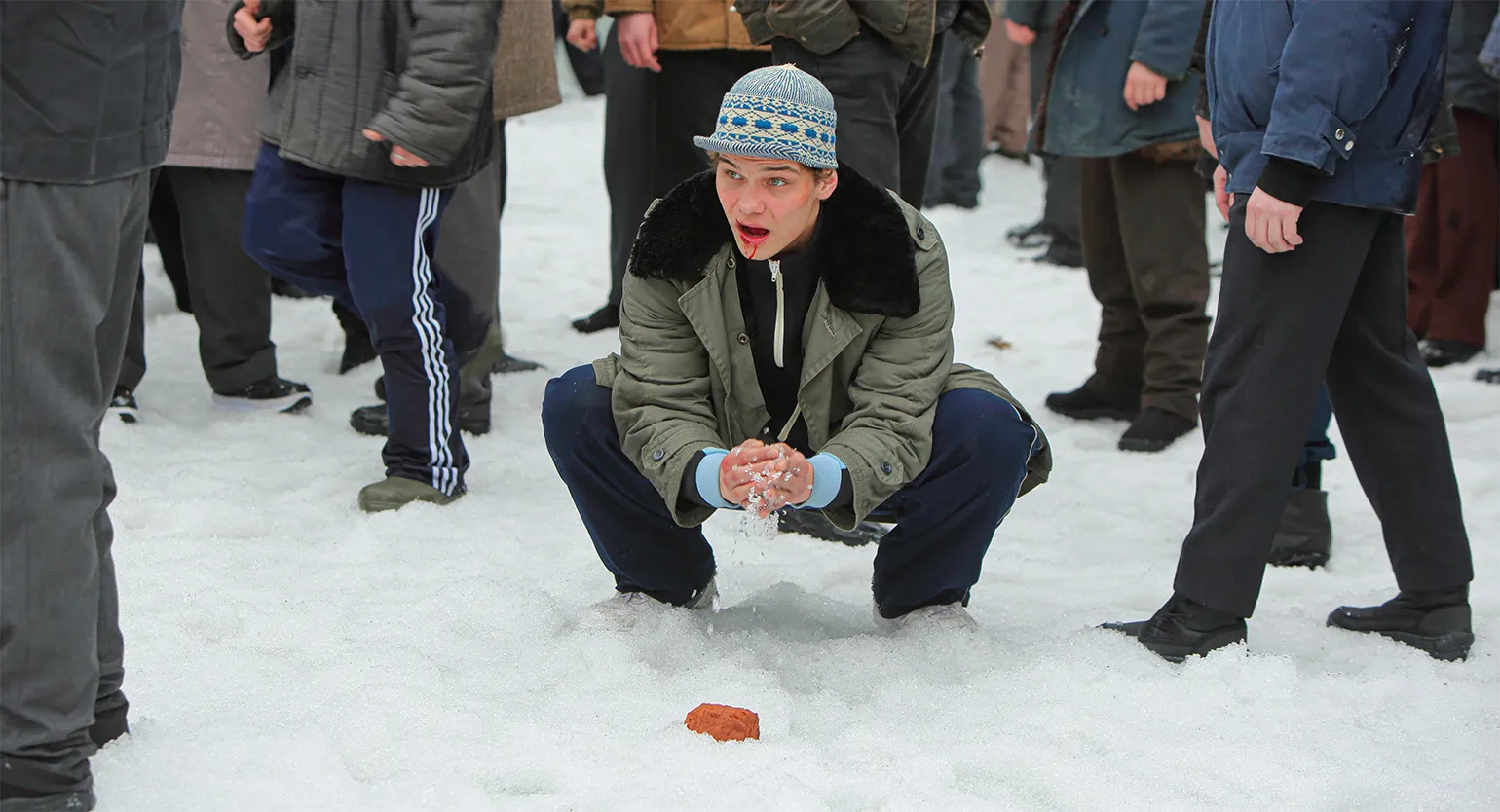
Find out moreDirector and screenwriter Zhora Kryzhovnikov has presented a provocative project that is provoking controversial reactions among viewers. Some admire its boldness and originality, while others express dissatisfaction and outrage. Roskomnadzor even conducted an inspection of the series for compliance with traditional values due to the numerous scenes of violence and the detailed depiction of the life of Kazan street gangs in the late 1980s. This project has become the subject of active discussion, raising questions about the boundaries of artistic expression and moral standards in modern cinema.
In this article, we examine the main aspects of the topic in detail. We analyze key points that will help you better understand the subject under discussion. Our goal is to provide you with valuable information and practical advice that you can put into practice. We hope this material will be a useful resource for you in studying and mastering the topic.
- What is the series "A Boy's Word" about?
- Which characters are the actors' best?
- How does director Zhora Kryzhovnikov film?
- Is it true that the show romanticizes cruelty?
Subscribe to the "How Are You?" Telegram channel. In this channel, our experts share deep scientific and heartfelt insights about psychology and self-development. On weekends, we will publish current film and music selections that will help you broaden your horizons and become inspired. Join our community and stay up to date with the most interesting topics in psychology and self-development.
Plot
The series is based on Robert Garayev's book "A Boy's Word: Criminal Tatarstan in the 1970s–2010s." While the literary work covers forty years of criminal activity, the series focuses on a specific gang in 1989. This allows for a deeper understanding of the characteristics and dynamics of local crime during that period, as well as revealing the characters' personalities and their interactions within the criminal underworld of Tatarstan.
In the first episodes, the key character is schoolboy Andrei (Leon Kemstach). He is a diligent student and caring son who leads a law-abiding lifestyle. Andrei is interested in music, does his homework, and encounters a street gang of teenagers who are trying to rob him. One day, an English teacher asks Andrey to help Marat (Ruzil Minekaev), a junior member of the "Universam" gang, with his studies. Gradually, the two develop a friendship, and Andrey begins to realize he wants to break free from his "goody two shoes" image. He dreams of becoming part of street culture, which changes his views and life priorities.
In Andrey's example, the viewer is immersed in the rite of passage into a criminal group, where key aspects are revealed: the required actions, the rules of conduct, and the boundaries of personal space—who is allowed to touch and who should be avoided. The hierarchy of the criminal underworld also becomes clear, with Andrey occupying the entry level, Marat in the middle, and Marat's older brother, Vova (Ivan Yankovsky), representing the major league. Vova returns from Afghanistan, where he served in an airborne reconnaissance company, adding depth to his character and emphasizing the importance of military experience in criminal circles.
He remains a member of "Universam," but now takes the position of commander, having supplanted the previous leader. Although Vova is more prudent and fair than his predecessor, this does not prevent the group from frequent conflicts with competitors, clashes with the police, and internal crises that threaten its stability and even disintegration.
Directing
Kryzhovnikov's film career began with comedies. These funny musical films attracted audiences with their vitality and vibrant characters capable of evoking smiles and laughter. His humorous plots and catchy melodies helped him gain popularity and recognition in the film world.
In the "Gorko" duology, the director masterfully utilizes familiar wedding archetypes and key elements of this celebration, such as fights, alcoholic feasts, and absurd contests. These traditional aspects of the wedding celebration are taken to extremes, creating a comical and sometimes absurd effect. The production focuses on the peculiarities of wedding culture, highlighting its eccentricity and evoking both laughter and reflection on social norms.
This was followed by the not very successful karaoke comedy "The Best Day" starring Dmitry Nagiyev. The film uses a controversial entertainment technique, showing drunk people trying to have fun by causing harm to others while singing songs. This comedy raises questions about the extent to which this approach to entertainment is justified and whether it is truly capable of entertaining viewers.
The director's career began a period dedicated to dramatic films. Some of these films, such as "Call DiCaprio," received positive reviews from both critics and audiences. These films demonstrated the director's skill in creating deep and emotional stories, which attracted the attention of a wide audience and strengthened his reputation in the film industry.
In November 2023, the director released his new film "Words of a Boy." Zhora's style is easily recognizable: he again addresses serious themes, while retaining the characteristic elements of his early comedies. The new project, like "Bitter," utilizes a handheld camera, which is consistent with the mockumentary genre and creates an immersive experience. The film demonstrates the director's ability to combine tragic events with elements of lightness and humor, making it unique in contemporary cinema.
In "The Boys," the handheld camera adds dynamism to the narrative and keeps the viewer in constant suspense, unlike static shots that create the illusion of calm. However, the camera's movement can sometimes be excessive and intrusive. For example, in a scene in a psychiatric hospital, where the camera zooms in close to a character's face, it can distract from the main plot. Furthermore, the use of Dutch angles in some shots doesn't emphasize the emotional weight, but rather distorts the perception of the characters' experiences.
It seems as if Zhora was behind the cameraman, controlling his actions and manipulating the camera. He brings it closer and tugs it, whispering: “This will make the frame more dynamic, go ahead, arouse the viewer’s interest.”
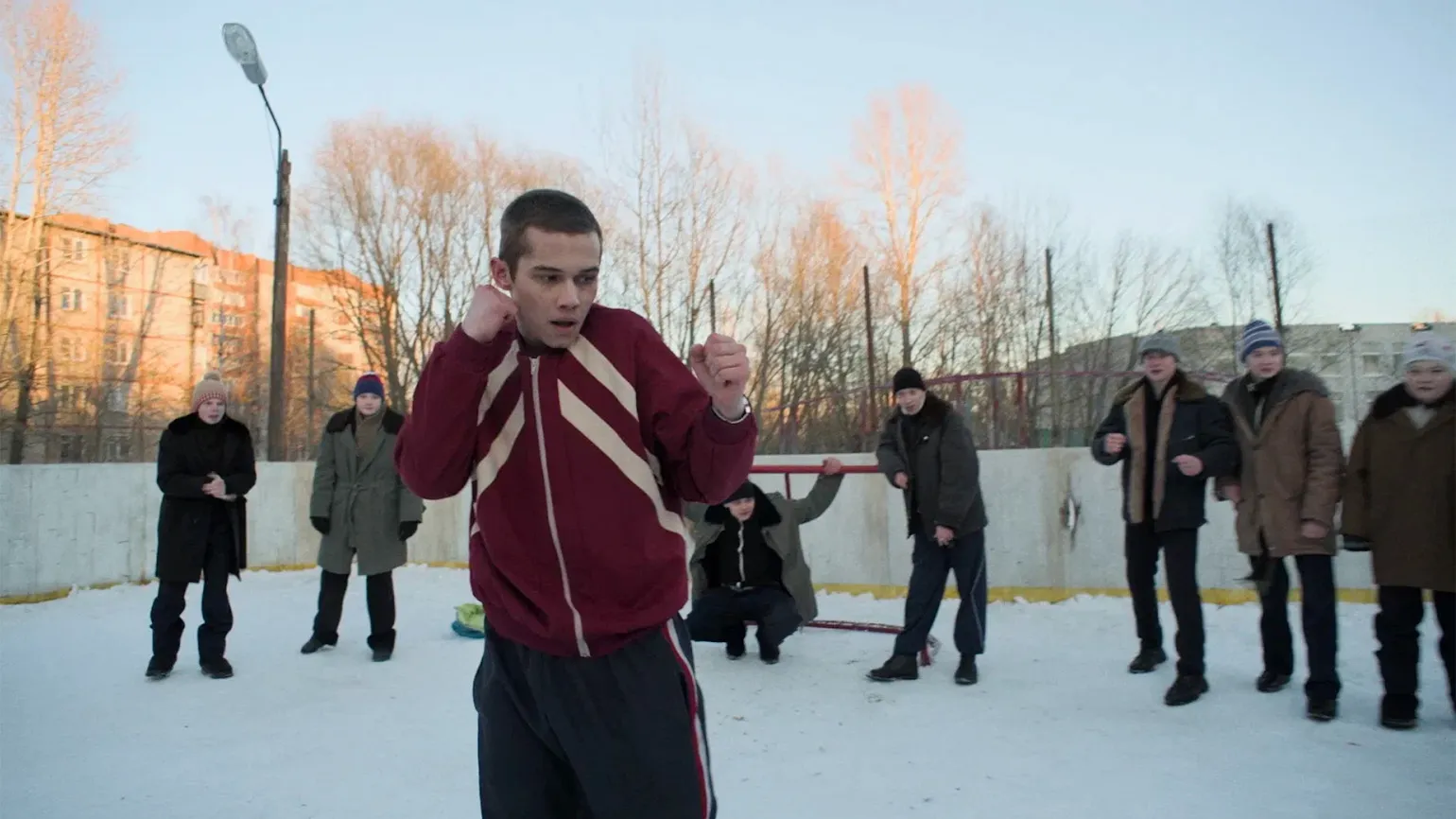
The frequency of cuts plays an important role in creating dynamics even in simple dialogue scenes shot on an "eight." In such cases, micro-cuts add movement and rhythm, which may indicate that the director is trying to maintain the viewer's interest. Perhaps this is due to a habit that is difficult to break. However, the series does not lack dynamics and is not a slowburner - there is always enough action and movement that occurs continuously. Thus, there is no need to artificially increase the plot or frame rate, as it is already engaging enough.
The musical arrangement of the series has interesting moments. Director Kryzhovnikov strives to give the characters the opportunity to sing, adding to this the lyrics, which run along the bottom of the screen. It's hard to count how many times the song "Gray Night" is played in the series, but the characters, tired of the song, always begin singing again. It's as if there's a countdown timer behind the scenes that regularly starts playing the track "Laskovy May." This musical component gives the series a special character and rhythm, emphasizing the emotional weight of the scenes.
The title track of "Aigel," titled "Pyyala," is completely different from the others. Despite its frequent use, this composition doesn't cause discomfort and, on the contrary, adds a stylish atmosphere to the action on screen. Music blends seamlessly with the visuals, creating a harmonious combination of sound and image.
Reading is an important aspect of our lives that promotes learning and development. It not only broadens our horizons but also helps improve critical thinking skills. Books, articles, and other sources of information provide us with new ideas and knowledge necessary for personal growth and professional development. Furthermore, reading helps improve writing and communication skills, which are essential in modern society. It's important to devote time to reading to stay abreast of the latest trends and innovations in various fields. Read regularly to enrich your inner world and develop your intellect.
The "Aigel" phenomenon is a unique phenomenon in the field of culture and art. This movement, which emerged in recent years, combines traditional elements and modern trends. "Aigel" has already attracted the attention of a wide audience due to its originality and innovative approach to creativity. "Aigel" art incorporates various forms of expression, such as music, painting, and design, making it multifaceted and accessible to different segments of the population.
Gradually, the "Aigel" phenomenon is reflected in various cultural events and exhibitions, becoming an important element of the contemporary cultural landscape. Its influence is felt not only in the artistic environment but also in public life, facilitating new forms of interaction and self-expression. Thus, "Aigel" is not just a trend, but an important phenomenon that promotes cultural exchange and the development of creativity.
The rest of the production is top-notch. The director's experience is evident in his skillful staging, careful prioritization of shots, and balanced action sequences with dialogue. Each episode ends on a cliffhanger, compelling viewers to immediately tune in to the next one. Overall, Kryzhovnikov successfully holds the audience's attention and maintains suspense.
Characters and Acting
Young Leon masterfully executes complex and dramatic scenes, conveying deep emotions. His eyes emanate inner doubt: "I don't even know if I'm doing the right thing." He manages to evoke empathy for a character who is difficult to sympathize with because of his profession. Andrei constantly experiences confusion and anxiety, although he tries to hide it behind a mask of equanimity and masculinity. His voice also changes: at first, it sounds fragile and uncertain, but by the end of the series, it becomes deep and abrupt. This transformation of the characters helps the viewer better understand their inner struggles and emotional states, making the series more engaging and tense. Andrey, a devoted member of his gang, experiences internal torment when his friends make immoral decisions. Some characters in the series are already on the brink of hopelessness, but Andrey can still change his path. He stands at a crossroads and has the opportunity to become a decent and honest person. His struggle for moral values makes him one of the most interesting heroes, and viewers hope to see him make the right choice.
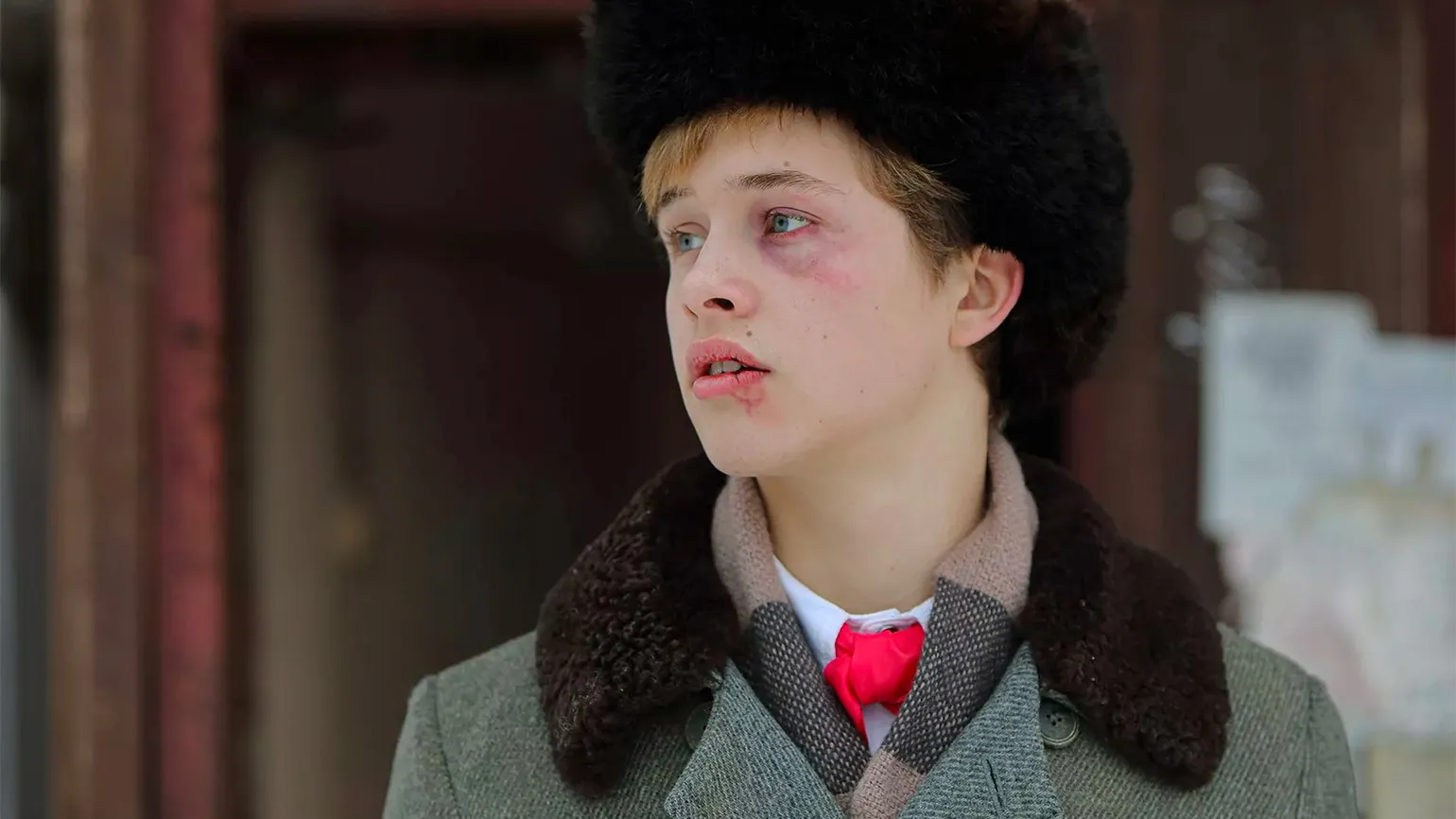
Ruzil Minekaev delivers a complex and multi-layered performance, showcasing his character's evolution. Initially an experienced young man from the street who can easily approach a stranger, steal their money, and use force, his character undergoes a significant transformation. Gradually, he becomes a person with a sensitive heart and capacity for empathy. Despite the fact that Marat commits disgusting and vile acts, he falls in love and opens up to new feelings, which radically changes his inner world. This character transformation is particularly captivating to watch—the process of thawing his heart becomes a central theme, allowing for a deeper understanding of the dynamics of human emotions and moral choices.
Ivan Yankovsky delivers a brilliant performance as a complex antihero with a traumatic past—Vova, nicknamed Adidas, a veteran of Afghanistan. His performance deeply conveys the character's inner experiences and conflict, making the portrayal of Vova particularly memorable. Yankovsky managed to create a multi-layered character that reflects not only the physical but also the emotional wounds left by the war. This role highlights the actor's talent and his ability to delve into the psychology of complex characters.
Vova suffers from post-traumatic stress disorder and feels useless in this world, reminiscent of Danila Bagrov's performance in the film "Brother." Like his film character, he doesn't know where to go next or what to do in the current situation. In one episode, he shares his experiences with his father. His only option is to do what he does best: demonstrate his strength and try to assert his authority.
Sergei Burunov's performance deserves special mention, despite the fact that his role is not the main one. He plays the role of Marat and Vova's father with complete dedication, demonstrating mastery through every cell of his body. His gaze, facial expressions, and body movements create a profound and memorable interpretation of the character. Burunov is able to convey emotion, making his character lively and realistic, which adds significant value to the overall perception of the work.
One of the most memorable scenes in the series depicts a character chasing Marat around the apartment, trying to catch him and bring him to his senses. The father, tired of the lawlessness committed by his children, feels helpless. This may be due to his lack of influence or the fact that the children seem to ignore him. The scene highlights the deep psychological struggle between parental expectations and the reality in which children ignore their instructions, which creates tension and makes viewers reflect on the complexities of family relationships.
Aleksandrova is a regular actress of Kryzhovnikova, whose roles often boil down to emotions associated with crying and conflict. In the film "A Boy's Word," her character experiences a crisis due to the theft of a hat given to her by her son, Andrei. This minor trigger serves as the director's illustration of how parents suffer when their children choose a criminal path. While Burunov successfully conveys emotion, Aleksandrova fails to reach the depth of pain and disappointment felt by her character. She doesn't convey the necessary emotions to the viewer, merely fulfilling the role prescribed by the scriptwriters, making it difficult to empathize with her character.
Anastasia plays a police officer and simultaneously Andrei's love interest. However, conveying emotion on her face is a challenge, as is capturing the lively intonation of her performance. The character's inexpressive nature fails to evoke strong emotions in the audience and leaves them indifferent.
The characters in "The Boy's Words" are in many ways similar to those in the satirical drama "The Heirs." Both of these works present us with characters who are hardly positive. Each of them displays duplicity and cruel cynicism. This approach allows the authors to deprive the viewer of a deep emotional connection with the main characters, as most of them lead immoral lifestyles. This creates a critical atmosphere that highlights the complexity and contradictions of human nature.
Now we will turn to an important question that has sparked much discussion online: does the series truly romanticize violence?
Accusations of excessive cruelty
Before its release, the show was criticized for its detailed depiction of the life of a criminal gang and the potential negative impact on young people. There are concerns that some young people may be inspired by this lifestyle and want to engage in similar activities.
The series' release sparked unrest, fueled by a number of events. For example, the murder of a schoolboy at a bus stop in Irkutsk was initially linked to the series' influence, but the Ministry of Internal Affairs later denied this. In Tatarstan, any violent acts involving teenagers are now often associated with the series "The Word of a Boy." Tatarstan's Children's Rights Commissioner, Irina Volynets, even appealed to Roskomnadzor to ban the series.
The Word of a Boy has become a symbol that is blamed for problems, rather than addressing their true causes. This is regrettable and alarming, as school shootings and bullying have long been a problem. These phenomena are not new trends arising from modern TV series, video games, or music. Children sometimes show excessive cruelty, not distinguishing the boundaries between play and reality, and not understanding what is "good" and "bad". It should be noted that the series in question seeks to demonstrate how destructive violence can be.
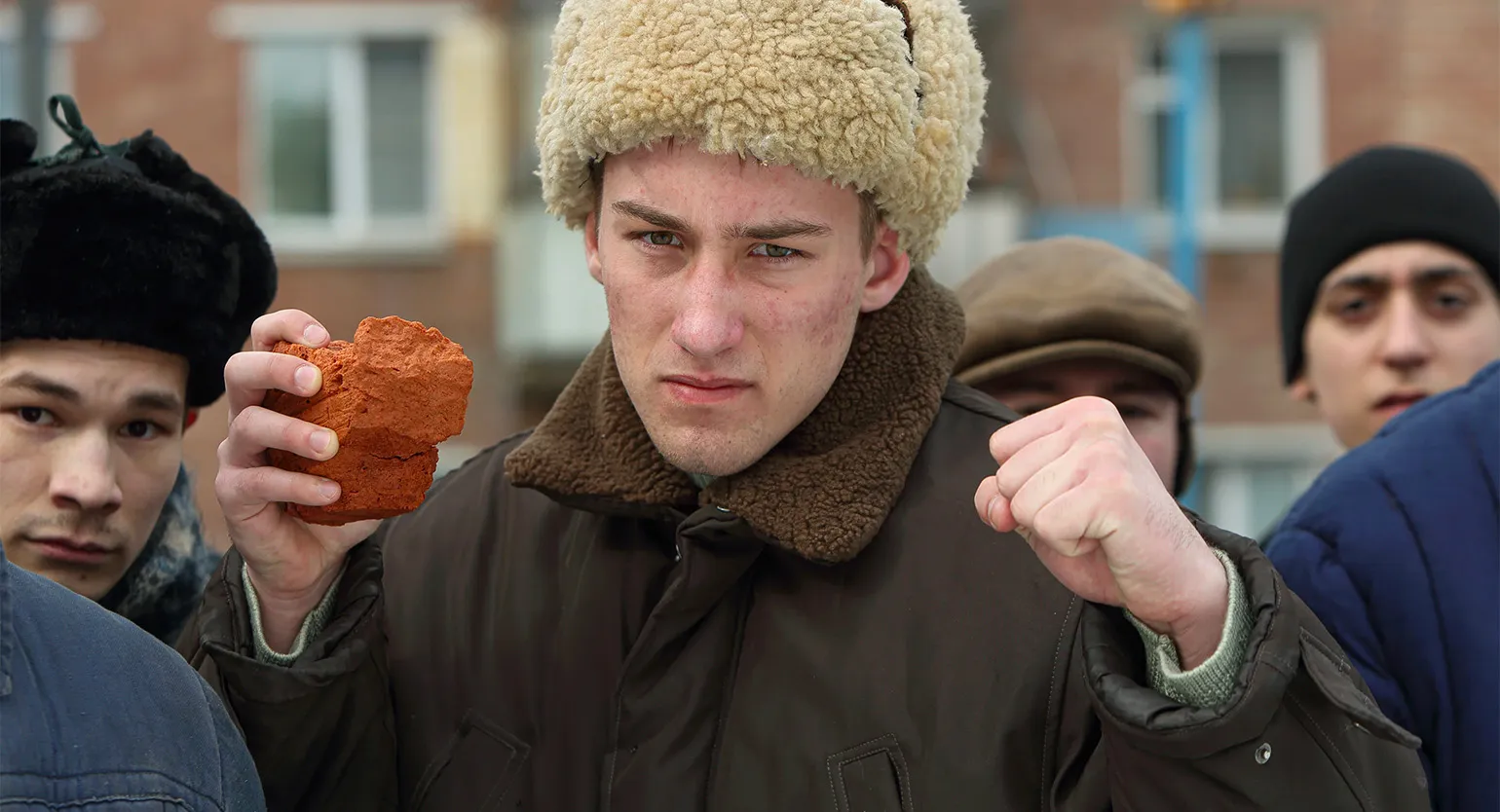
Director Kryzhovnikov noted in an interview that "Crime cannot go unpunished... If you have committed evil, it will come back - multiplied, bloody, but your own evil." These thoughts perfectly reflect the essence of the series "Words of a Boy", in the final episodes of which the heroes face the consequences of their actions and get what they deserve. This approach to revealing the theme of justice and morality makes the series relevant and profound, leaving viewers to think about karma and the consequences of their actions.
The series is saturated with scenes of violence, which cannot be denied. Perhaps, both the quantity and level of cruelty should be reduced, since at times it looks too intrusive and conspicuous. However, this is a matter of personal perception. The director uses a grotesque approach to demonstrate to the viewer the horror of cruelty. It's questionable whether a teenager will become a criminal after watching it. It's unlikely unless they have mental disorders. Furthermore, Roskomnadzor, during a recent inspection, found no violations in the series' content.
Results
The series "A Boy's Word. Blood on the Asphalt" has become a real megahit on the Start and Wink streaming platforms, setting viewing records. On Kinopoisk, the project receives an impressive rating of 9 points and ranks 36th in the top 250. The series is actively discussed on social networks, and jokes about "chushpans" are appearing. This phenomenal success testifies to the high audience interest in the plot and characters, making the series one of the most discussed projects today.
Does the series "A Boy's Word. Blood on the Asphalt" deserve its status? In our opinion, it's overrated, and its cult following has grown out of nowhere. It's a good show, no doubt about it. The series captivates viewers, is professionally produced, and the actors deliver compelling performances. It's a quality product that offers an engaging storyline in a nostalgic context familiar to many. The best approach to viewing it is to approach it with a lighthearted approach, which may lessen the discussion of its negative impact and romanticization of violence. It is important to remember that, despite their artistic value, such works and their impact on society must be critically assessed.
Free career guidance
• Determine what you want from a new profession • Take the test and find out which professions are right for you • Understand what such specialists do
Find out more