Contents:

Free test: which digital profession is right for you? Find out the answer in 15 minutes and try your hand at a new specialty.
Find out moreWho is Antonio Vivaldi
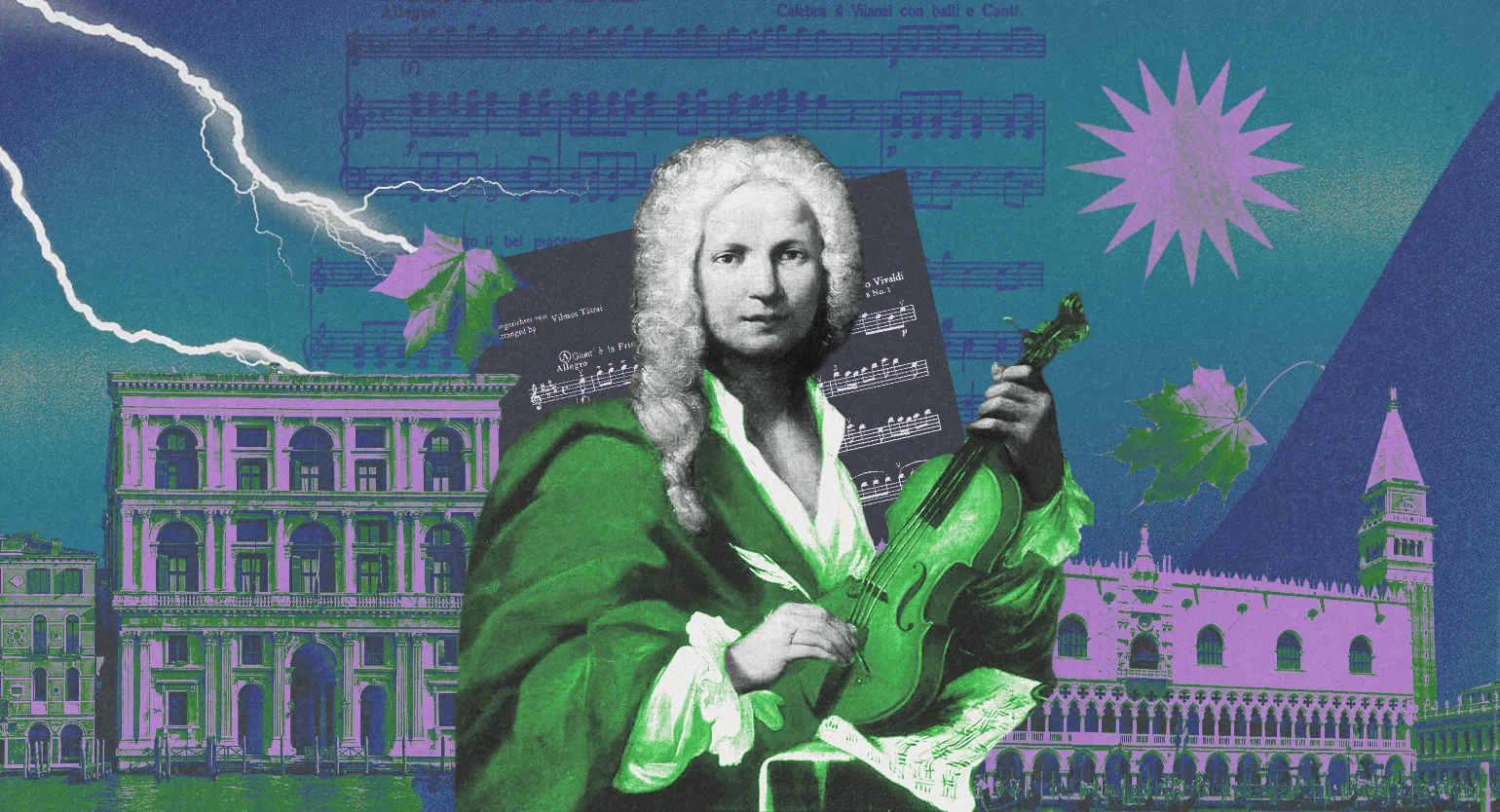
During his lifetime, legends arose about him as a virtuoso violinist and outstanding composer. He enjoyed fame, but eventually found himself forgotten and met his death in poverty. For a long time, Antonio Vivaldi was remembered only as an eccentric performer, but at the beginning of the 20th century his works regained popularity thanks to a fortunate combination of circumstances. From that moment on, a revival of his work began, and today Vivaldi is considered one of the greatest masters of early music.
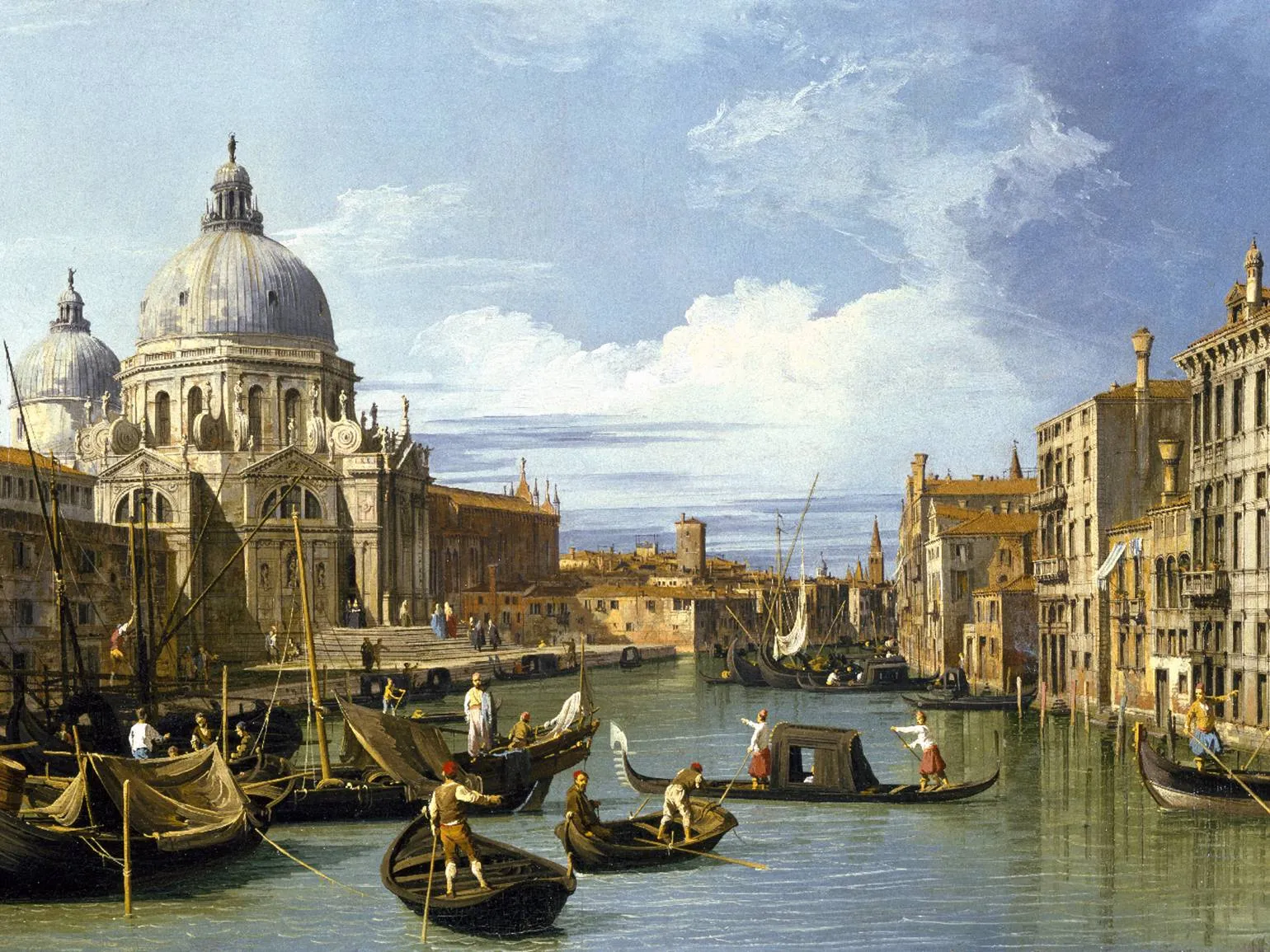
Antonio Vivaldi and Venice are inextricably linked. In the 17th century, this Italian city experienced a decline in trade and a weakened navy. Nevertheless, cultural life continued to flourish: theaters staged operas, concerts were held, and famous carnivals were celebrated. At this time, the father of the future composer, Giovanni Vivaldi, arrived in Venice. He was a barber and was passionate about music, perfecting his violin playing. Venice of that time was a true musical center, where the sounds of music accompanied everyday life. Instead of the usual cup of coffee or a glossy magazine, barbershop visitors could be offered a musical instrument to brighten their wait. This atmosphere inspired Vivaldi to create his great works, which have become an integral part of world musical culture.
Giovanni Vivaldi was not simply passionate about music; he achieved a high level of mastery, performing the violin in the chapel of St. Mark's Cathedral in Venice. His passion for music was passed on to his son, Antonio, born in 1678. By the age of ten, Antonio was already an accomplished violinist, allowing him to replace his father in the chapel during his tours. Little is known about Antonio Vivaldi's early years, but researchers believe he likely studied with renowned musicians: composition with Giovanni Legrenzi and violin with Arcangelo Corelli. These early lessons and the influence of outstanding masters played a key role in shaping Vivaldi's musical talent, which later became one of the most significant composers of the Baroque era. In 1704, Antonio was ordained a priest. However, his lifestyle was far from spiritual, and he wrote far more secular music than church music. Because of the vibrant hair color he inherited from his father, the composer was nicknamed "the red priest," a nickname that remained with him throughout his life. It should be noted that he was unable to fully fulfill his spiritual duties because he suffered from asthma attacks since childhood.
I have not celebrated Mass for 25 years and do not plan to return to this practice. My decision is based not on a prohibition or instruction, but on a personal choice caused by an illness that has plagued me since birth.
A letter written by A. Vivaldi in 1737 contains important information about his views on music and creativity. Vivaldi shares his thoughts on the importance of musical art in human life, emphasizing its ability to evoke emotions and convey feelings. He emphasizes the need for an individual approach to creating musical works, which contributes to the originality and uniqueness of each composer. The letter also reflects his desire for musical excellence and the importance of constant self-improvement. Vivaldi viewed music as a means of communication capable of uniting people and conveying cultural values. These ideas remain relevant to this day, inspiring musicians and composers to create new works.
The fame of the virtuoso violinist Antonio Vivaldi steadily grew, and in 1703 he was invited to take the post of maestro di violino (violin master) at the renowned Venetian conservatory, the Pio Ospedale della Pietà. It is important to note that at that time, a conservatory in Italy was not an educational institution in the modern sense, but rather a home for orphans. These institutions were funded by benefactors and provided children with the opportunity to study various arts, including music and singing. Boys were prepared for a life in commerce, considered a more promising occupation, while girls often remained in the chapel, pursuing musical studies. Venice at the time had four such conservatories, and Vivaldi was invited to one of them, which became an important milestone in his career and contributed to the development of his musical talent and reputation.
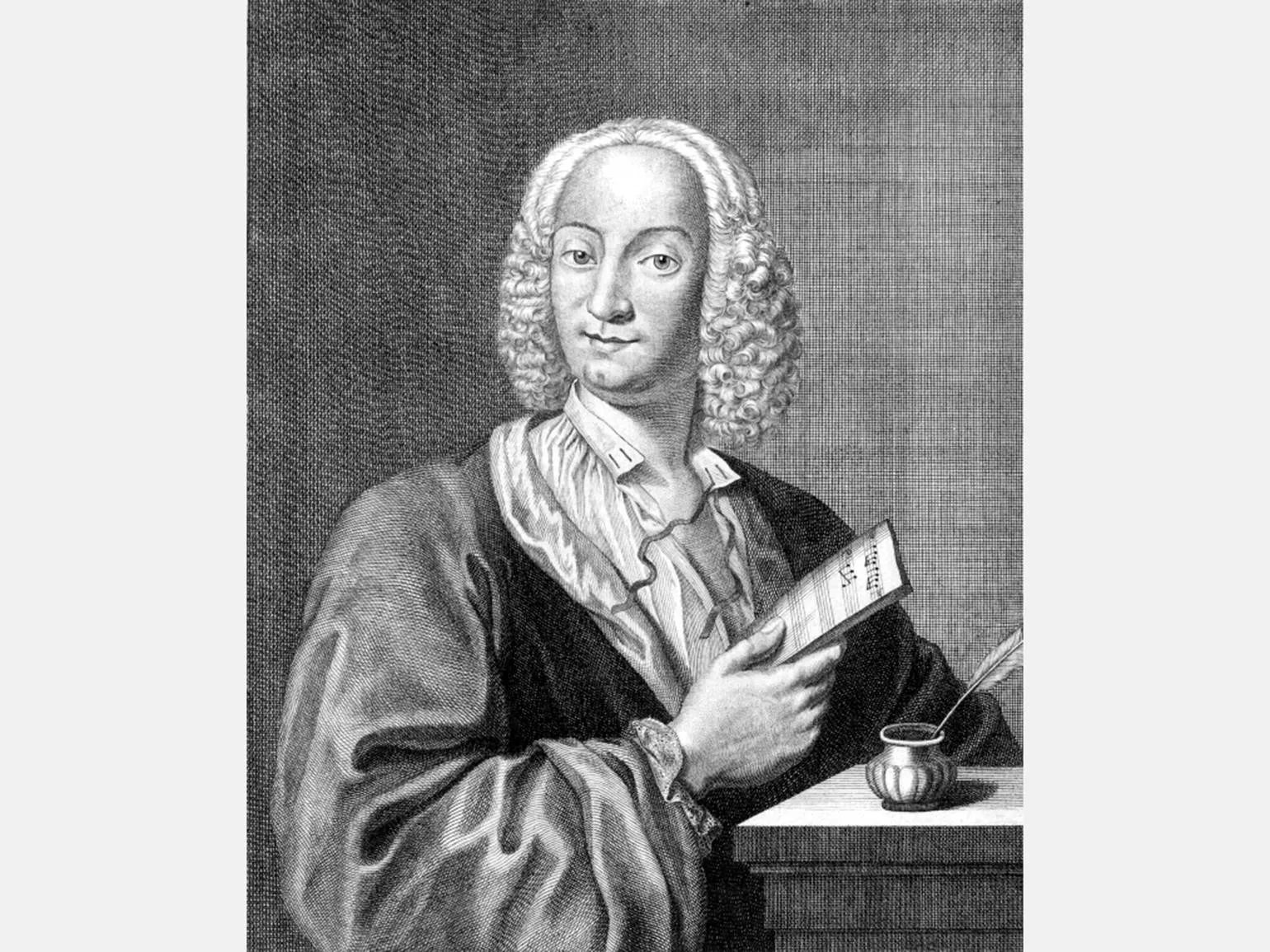
His work at the Conservatory became an important stage on the path to fame for Antonio Vivaldi. Here he had the opportunity to conduct concerts and teach talented violinists. Vivaldi founded a magnificent ensemble and wrote music for it, simultaneously creating other works: operas, oratorios, cantatas, concertos, and sonatas for various instruments. His work had a significant influence on the development of classical music and left an indelible mark on the history of musical art.
During his life, Antonio Vivaldi created about 800 musical works, most of which he and his students performed. Despite health problems, Vivaldi actively worked with soloists, learning parts and directing productions of his operas. His music gained popularity not only in Italy but also abroad; the composer's works began to be published in such musical centers as Amsterdam, London, and Paris. Vivaldi had a significant influence on the development of Baroque music and continues to inspire musicians around the world.
The creative legacy of Antonio Vivaldi, a composer who has long earned recognition, demands your attention and appreciation. His unique ideas and musical experiments significantly enriched classical music, introducing fresh concepts and innovative approaches. Vivaldi continues to inspire and delight, and his contribution to musical art remains relevant and significant.
The 1716 edition of the opera "Constancy Triumphant over Love and Hate" contains a note from an unknown copyist. This commentary attracts the attention of researchers and music lovers, as it can reveal additional meanings and context for the work. The opera, created during the Baroque era, explores complex themes of love and hate, as well as the resilience of the human spirit. Studying such notes can enrich our understanding not only of the opera itself but also of the historical context of its creation. Analyzing such comments helps us gain a deeper understanding of the influence this opera had on the musical culture of its time and on subsequent generations of composers.
How Antonio Vivaldi Went from Success to Oblivion
The speed of the composer Antonio Vivaldi is impressive. Every year he created one or two operas, and every month, according to his contract with the Pio Ospedale della Pietà, he wrote two concertos. This productivity was not limited to these works alone – Vivaldi found time for other musical compositions as well. Even by the standards of the 18th century, when composers often worked on numerous works under strict deadlines, such activity is admirable. Vivaldi became a symbol of the musical genius of his era, and his works continue to inspire musicians and listeners around the world.
In a historical period when most musical works were created to order, the figure of Ludwig van Beethoven stands out as the first "free artist." He was the first composer to begin writing music based on his own preferences. Before Beethoven, many composers, including Antonio Vivaldi, were forced to adapt to the demands of patrons such as orchestras, opera houses, and patrons. Beethoven changed this approach, opening up new horizons for musical creativity and reinvigorating the idea of artistic independence. After achieving fame, Vivaldi traveled extensively throughout Italy and Europe. In 1720, in Mantua, he met Anna Giraud, a singer and talented actress who became a regular performer of his operas. Anna and her sister Paolina often accompanied the composer on tour and cared for his health. Such close association with women caused discontent among the clergy. In 1737, when Vivaldi was scheduled to direct a production of his opera in Ferrara, the Pope banned him from entering the city, citing the composer's "failure to celebrate mass and the favor of Giraud's women." The incident was a serious embarrassment to Vivaldi, who, as a priest, faced discredit. As a result, the operas did not take place, and the fees for them had to be returned.
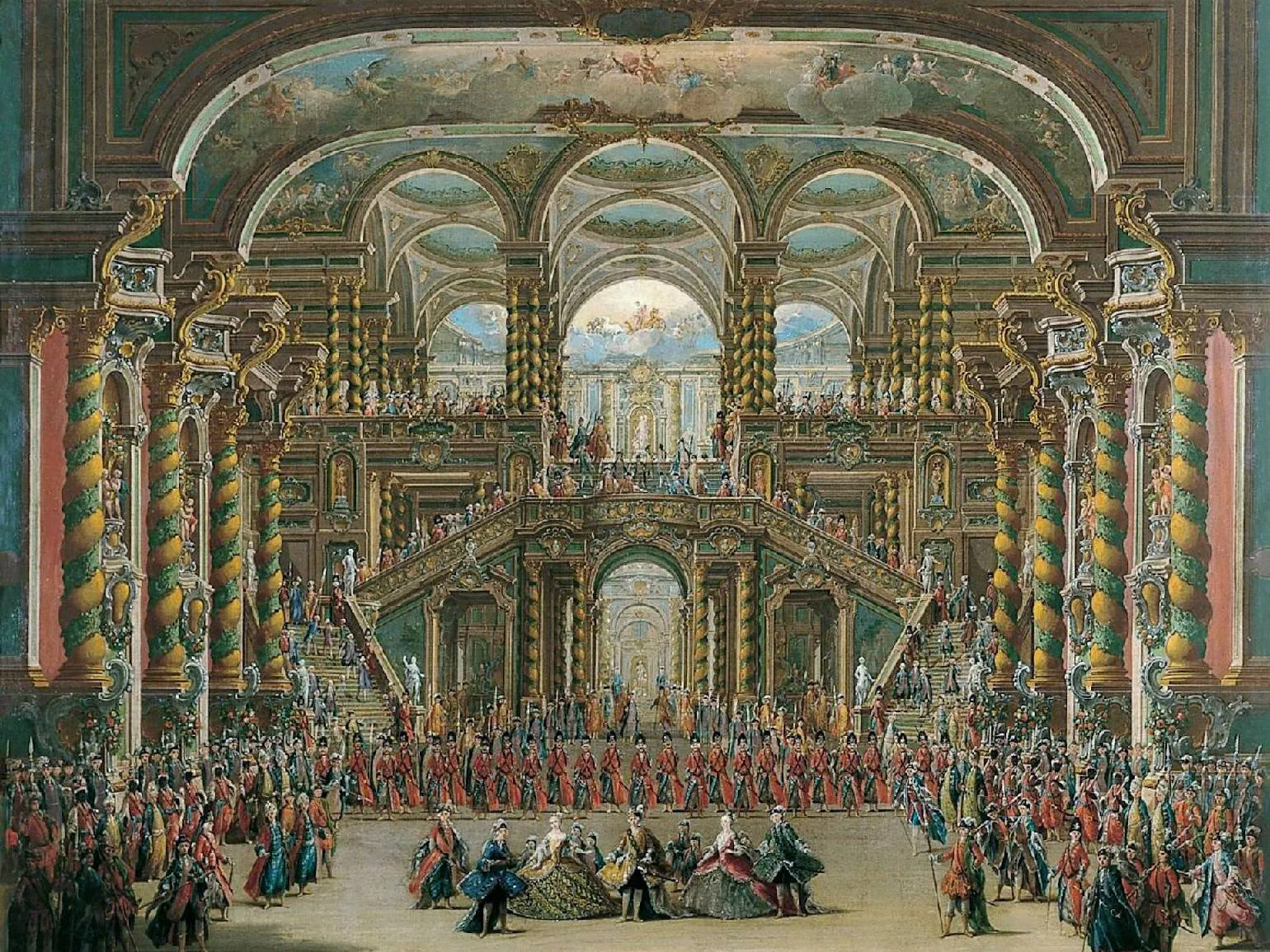
In 1740, relations Relations between composer Antonio Vivaldi and the administration of the Venice Conservatory continued to deteriorate. The institution's management was dissatisfied with the musician's frequent touring, and given his age, new talented composers were emerging on the music scene. Due to a lack of work in his homeland, Vivaldi decided to move to Vienna. He hoped for the patronage of Emperor Charles VI, who had previously shown interest in him and frequently invited him on tour. However, the monarch's sudden death altered his plans. The War of the Austrian Succession also began at this time, diverting the Viennese attention from music and the famous Italian composer. Antonio Vivaldi died in Vienna on July 28, 1741. He was buried in a simple grave in a pauper's cemetery, symbolizing the sad fate of a great musician whose legacy continues to inspire musicians and listeners around the world.
Antonio Vivaldi was long forgotten: 30 years after his death, his name was absent even from reference books of Italian composers. However, in 1926, a remarkable event occurred: researchers discovered a vast collection of sheet music in a Piedmontese monastery. Alberto Gentili, professor of music history and aesthetics at the University of Turin, was brought in to evaluate it. While working with 262 pieces from this collection, he discovered 14 volumes of Vivaldi's works, previously thought lost during the Napoleonic Wars. This discovery led to a resurgence of interest in the composer's work, and by the mid-20th century, Vivaldi's name once again shone on the musical horizon, cementing his position as one of the greatest composers of his time.
What makes Vivaldi's concertos special
Antonio Vivaldi was an outstanding composer and violinist who lived during the Baroque era, which spanned the period from 1600 to 1750. This period was significant for musical culture, when opera was born and the works of such masters as Johann Sebastian Bach and George Frideric Handel reached their peaks. Vivaldi, along with Arcangelo Corelli, created many magnificent works for the violin, an instrument that in their hands sounded like "the voice of an angel." Vivaldi's music possesses a unique melody and emotional depth, making his legacy an important part of musical history and relevant today.
The history of the violin represents a fascinating evolution of the instrument. Initially considered a folk instrument, the violin eventually found its place in aristocratic salons and church music. In the 17th century, the violin and its stringed cousins—the viola, cello, and double bass—occupied a leading position in Italian urban musical culture. These instruments supplanted similar instruments such as the viola da gamba. This is explained by the violin's bright and resonant sound, and its design allows for the performance of more virtuosic musical works. The violin has become a symbol of musical art, enriching the diversity of musical genres and styles.
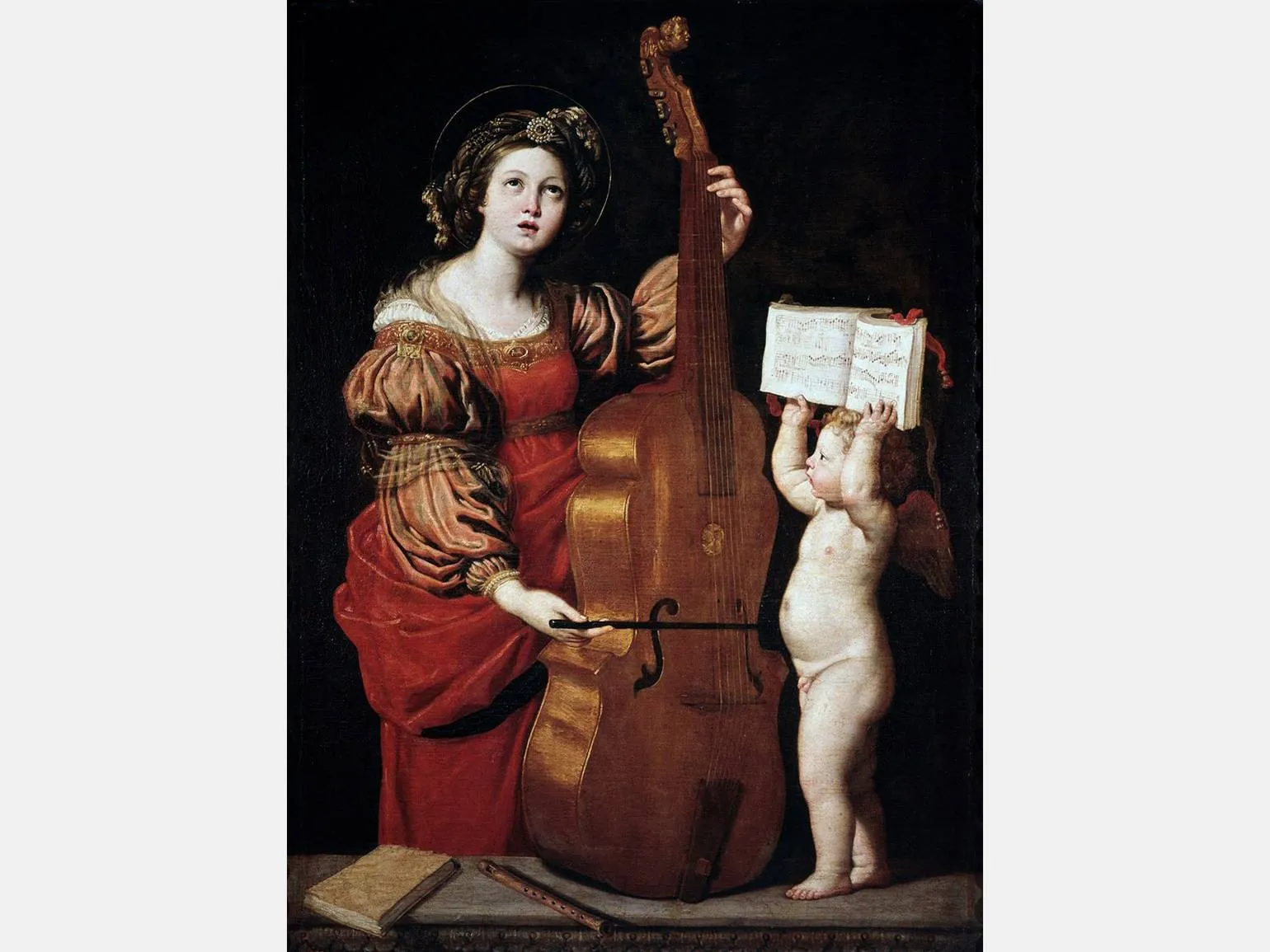
During the Baroque era, a tradition emerged of bringing together professional and amateur musicians in a single performance. Although amateurs often played at an average level, their desire to connect with music led to the emergence of a new genre – concerto grosso, which translates as "great concert." In this genre, soloists and the ensemble alternate their parts, creating a unique musical dialogue. Concerto grosso became an important stage in the development of music, facilitating the interaction between performers of different skill levels and enriching the musical culture of the time.
In a concerto, the soloist did not have the opportunity to fully demonstrate their skill. This prompted Vivaldi to create a new instrumental format – the violin concerto. As an outstanding violinist, he could perform solo parts superbly. The first example of this format was The Four Seasons, composed between 1723 and 1725. In these works, the violin appears as a striking soloist and the soul of the entire music.
Nowadays, when we mention a "violin concerto and orchestra," we mean a symphony orchestra. 18th-century orchestras were relatively small ensembles, consisting mainly of string instruments. Thus, Vivaldi's works can be seen as an important transitional stage between early concertos, in which individual instruments were not emphasized, and modern concertos with an emphasis on the soloist. This emphasizes the evolution of concert music and the development of the role of solo instruments in orchestral performance.
Where did the poetry come from in The Four Seasons?
In The Four Seasons, Vivaldi introduced an innovative concept of combining music with extra-musical elements. Program music, which has a title and is accompanied by poetry or prose, opens up new horizons of perception. Vivaldi was one of the first composers to combine instrumental music with vivid images of life and art, significantly enriching the musical language and deepening the emotional impact of his works. This innovation made The Four Seasons not only a musical but also a literary work, attracting the attention of listeners and art scholars.
The composer accompanied each concert with a sonnet. It is known that these poems were prepared specifically for publication, but the author's identity remains a mystery. Many researchers of the composer's work, in particular Virgilio Boccardi, suggest that Antonio Vivaldi himself may have authored these texts. Studying the connection between music and literature in his works opens new horizons for understanding his work and deepens the appreciation of his musical legacy.
The composer devoted considerable attention to his sonnets, striving to convey their essence through music. He divided the text into notes, placing individual phrases and sentences on different pages. The music seems to echo the content of these poetic lines: it flows like water in streams, rumbles like thunder, and sounds like birdsong. This approach helps create a deep connection between word and sound, making each piece unique and emotionally rich.
How to listen to "The Four Seasons"
Antonio Vivaldi's "The Four Seasons" is a famous series of four concertos: "Spring," "Summer," "Autumn," and "Winter." These works are written for violin, accompanied by string orchestra and harpsichord. In the original sheet music, the composer specifies not only the harpsichord, but also "organ or harpsichord." Each concerto consists of three movements, which is typical for large-scale instrumental works: the first movement is fast, the second is slow, and the third is fast again. Vivaldi's concertos not only demonstrate the composer's skill but also allow listeners to experience the changes of the seasons through music.
Contrasts in music provide composers with a unique opportunity to convey a variety of images associated with nature and the seasons. They can express an exciting hunt and the gentle breeze, a spring thunderstorm and calm walks along frozen ponds, summer midday fatigue and the piercing cold of winter. These contrasting elements enrich musical works, creating vivid and memorable pictures that resonate with the feelings of the listeners.
Concerto No. 1: "Spring"
Spring is the time of nature's awakening after winter sleep. During this period, everything begins to grow and renew itself, birds fill the air with their melodic songs, and beautiful flowers bloom, delighting the eye. People are filled with hope and joyful anticipation, preparing for the new changes and opportunities this season brings. Spring symbolizes renewal, rebirth, and inspiration, making it one of the most beloved times of the year.
Spring brings with it the melodic singing of birds fluttering in the clear blue sky. The sounds of a trickling stream and the rustle of fresh leaves swaying in a gentle breeze create an atmosphere of renewal and harmony. Spring days are filled with life and joy when nature awakens from its winter sleep.
The text of the sonnets is presented in the translation by Vladimir Rabey. These works reflect deep feelings and thoughts, conveying the beauty and complexity of human emotions. Rabey masterfully conveys the original meaning and rhythm, while preserving the richness of the language. Each sonnet immerses the reader in a world of reflections on love, life, and time, allowing one to discover the poet's inner world. Rabei's translations deserve attention both for their literary merit and for their profound philosophical content.
The first movement of the concerto features distinctly audible bird songs. The music uses a rapid alternation of two notes—a technique called a "trill" and denoted in musical notation as tr. Vivaldi's sonnet conveys the atmosphere of spring and an enchanting mood. However, an attentive listener will notice a change in the weather: a thunderstorm begins, and the orchestra resounds with assertive melodies reminiscent of peals of thunder. This contrasting sound creates a unique atmosphere, emphasizing the composer's mastery of conveying nature and emotion through music.
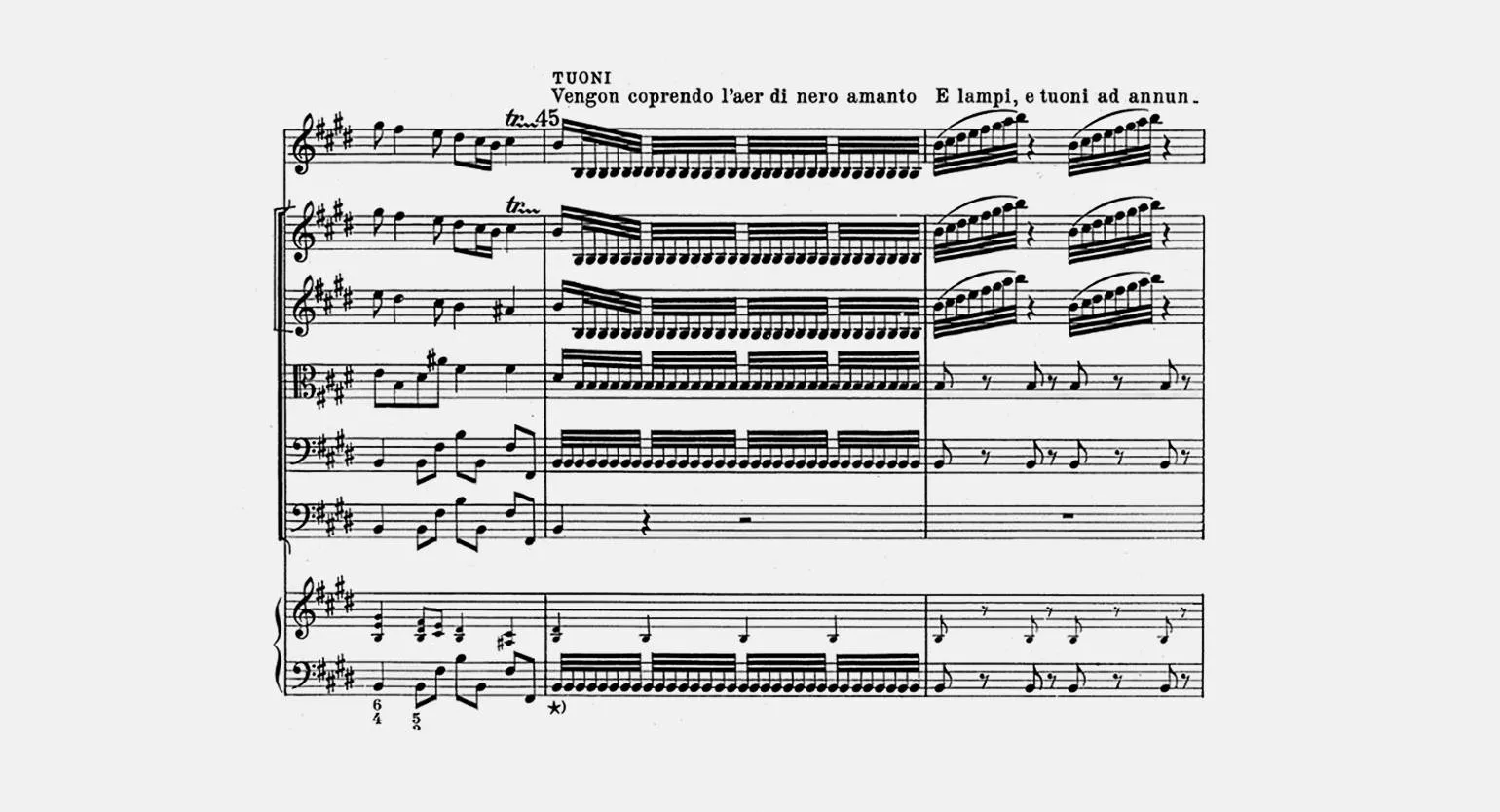
Repeating notes at a fast tempo create the effect of echoes of thunder, reminiscent of the sound of a thunderstorm. The upward-sweeping passages evoke lightning flashing brightly in the sky. This musical approach conveys dynamism and tension, creating a sense of the power of natural phenomena.
Spring thunderstorms are usually short-lived, and soon the sun's rays will begin to warm the earth again.
Among the flowers, with his faithful shepherd friend, a shepherd boy has nestled comfortably nearby. They sleep comfortably to the rustling grass and rustling leaves, immersing themselves in an atmosphere of love. This moment, filled with peace and harmony, reflects the simple beauty of nature and the closeness between man and his friend.
The second movement of "Spring" immerses us in the dream of a shepherd who sleeps in a flower meadow, surrounded by the soft sound of rustling branches and the babbling of a stream. The composer creates this pastoral atmosphere with lightness and airiness. In this piece, he gives low instruments such as cellos and double basses a rest. Meanwhile, the violins and violas deliver a high, transparent melody, maintaining a consistent, quiet dynamic—pianissimo—throughout the piece.
The sound of bagpipes resounds over a meadow where joyful nymphs dance in a circle. Spring fills the space with a magical light, creating an atmosphere of joy and harmony. This melody immerses one in the world of nature, where every sound and every movement fills the soul with happiness and peace.
In the third movement, the musical accompaniment once again fills with cheerful and energetic melodies. Nymphs, shepherds, and villagers have gathered for the festival to celebrate the arrival of spring. They enjoy the moment, swirling in a captivating pastoral dance that reflects the beauty and joy of the spring season. This lively dance symbolizes the unity of nature and people, creating an atmosphere of celebration and joy.
Concerto No. 2: "Summer"
Vivaldi creates a classic vision of spring, full of bright colors and freshness, but his "Summer" can surprise the listener with its depth and contrasts. This part of the "Seasons" cycle reflects all the complexities and passions inherent in the summer season and offers a unique interpretation of the warm season through music.
The herd moves slowly, the grasses lose their freshness. All living things suffer under the oppressive and suffocating heat. In such conditions, nature begins to fade, and animals experience discomfort. The heat affects the ecosystem, causing stress in flora and fauna. The need to take care of the environment is becoming increasingly urgent in order to prevent further negative consequences.
The first part of the concert "Summer" opens with melancholic music in a minor key. This time of year, according to the composer's intention, is associated with sweltering heat and thunderstorms, which creates vivid contrasts in the musical piece. The composition captures the various winds mentioned in the sonnet: the light, warm, and damp zephyr, as well as the cold and gusty northern boreas. These sonic images help convey the atmosphere of summer and its emotional palette.
Boreas rose into the sky, sweeping past like a whirlwind, leaving traces in its wake. The shepherd, hearing its roar, weeps bitterly, cursing his fate. He experiences fear upon hearing distant thunder, and freezes in fear at the sight of lightning.
Summer harvest is hard and exhausting work in the fields. This season, summer does not bring the desired joy. Nevertheless, this slow music is full of contrasts. It contains distant peals of thunder, heralding the approach of a new storm. Each sound emphasizes the difficulties faced by rural workers and creates an atmosphere of anticipation of change that rain and the renewal of nature can bring.
A thunderstorm lashes the earth, swirling torrents of water cascading from high slopes into the valleys. The wind roars and rages over the unharvested field, and violent hail strikes devastating blows, tearing off the heads of proud flowers and grains. This natural phenomenon is caused by powerful atmospheric processes that create conditions for heavy precipitation and squalls. The thunderstorm demonstrates the power of nature and its impact on agriculture, emphasizing the need to protect plants and maintain ecological balance.
The hot days give way to rain, which the composer depicts with vibrant melodies of string instruments. This movement of "The Seasons" is one of the most famous and memorable, filled with astonishing energy. This is unusual for a composer who was also a priest. His work demonstrates a unique approach to the musical interpretation of the seasons, creating a sense of contrast between natural phenomena and human emotion.
Concerto No. 3: "Autumn"
Autumn in Vivaldi symbolizes the harvest festival. This season is permeated with an atmosphere of abundance and change, when nature is filled with bright colors and sounds. Vivaldi masterfully conveys in his music melodies that reflect the transformations taking place in the surrounding world. The composer's autumn compositions immerse the listener in a mood of generosity and wealth, creating a sense of harmony with nature. Vivaldi's music in autumn inspires reflection on the fruits of labor and the joys of life, which makes it relevant in the modern world.
Autumn brings crisp air and clear weather. Gardens and groves are filled with vibrant autumn colors. Happy farmers joyfully welcome this golden time of year, enjoying the fruits of their labor. Autumn is a period of harmony with nature, when every leaf seems to tell its own story. On days like these, you want to get out into the fresh air, admire the beauty of the world around you, and experience all the charm of the season.
In this concerto, as in other works in this cycle, Vivaldi maintains a connection with folk traditions. The music of the first part of the autumn concerto is in many ways similar to the melodies of the first concerto, "Spring." This creates a sense of continuity and unity in his work, emphasizing the importance of folk music for the composer. Vivaldi masterfully uses musical elements that convey the atmosphere of each season, making his music vibrant and emotionally charged.
The fields have reaped a bountiful harvest, the labors are over, and worries no longer disturb. Now is the time for songs, games, and dances. The priceless gift of Bacchus flows from the barrels. He who drains the glass to the dregs will enjoy a deep sleep and complete bliss.
The celebration has ended, and the tired people are falling asleep. In this musical fragment, the composer used the technique of playing violins with a mute. A mute is a special device used to muffle the sound of an instrument, creating a softer and more intimate sound. This technique emphasizes the atmosphere of fatigue and tranquility inherent in the moment after the feast.
Trumpets sound, and a pack of hounds rushes in pursuit. The hunters, hidden in the shadows of the dense forest, follow the beast, leaving it no chance of escape. Sensing the approaching threat, the animal rushes forward, but the vicious pack relentlessly pursues it, driving it into the dark depths of the forest, where its fate is decided.
At dawn, the hunters and their dogs sound a loud horn, and the hunt begins. In this context, Vivaldi employs a unique genre known since the 14th century in poetry and music called caccia (the Italian caccia translates as "hunt, chase, pursuit"). This genre captures the dynamics and atmosphere of hunting, creating vivid musical images and emphasizing the connection between man and nature.
Concert No. 4: "Winter"
Winter is a cold and harsh time of year, when nature freezes under a blanket of snow. On such days, a cozy home with a fireplace becomes a real salvation, where you can hide from the frost and enjoy the warmth. Create a comfortable atmosphere in your home to enjoy winter evenings with family and friends.
A frosty road stretches into the distance, covered with an icy surface. A man, feeling the cold in his feet, makes his way through the snow, his teeth chattering from the cold. He hurries, trying to warm up a little in this winter cold.
The winter concert immerses the listener in the atmosphere of a cold wind that permeates everything around. Despite its threatening and cruel nature, the gusts of wind sound surprisingly melodic. The first movement of the winter concerto deserves attention and can compete in popularity with the summer thunderstorm from the second concerto, often performed as a standalone piece. This contrast between winter's severity and melody creates a unique musical experience that attracts both performers and audiences.
Happiness is the warmth and light of a home that protects from the winter cold. Outside, snow and wind may rage, but inside, comfort and peace reign. This contrast between harsh weather conditions and the warmth of home emphasizes the importance of family and loved ones. At such moments, we realize how important it is to have a place where we can feel safe and harmonious, far from the cold world.
Winter is a time when it is especially pleasant to warm up by the fireplace. Outside, the storm rages, and inside the house, a cozy atmosphere is created. At such moments, you can enjoy the joys of winter and immerse yourself in music. Pyotr Ilyich Tchaikovsky, in his cycle "The Seasons," was inspired by an image from Vivaldi's concerto and created the work "January." By the Fireplace," which perfectly captures the atmosphere of winter evenings.
Walking on ice can be dangerous, but it always attracts young people. Careful steps along the slippery and precarious edge of the ice can lead to unexpected falls. A miscalculation can result in a fall on thin ice, after which fear forces one to quickly flee from danger. It's important to remember the dangers of winter fun to avoid injury and preserve the joy of winter activities.
A winter walk has its risks, but it is also full of exciting moments. The sounds of a solo violin evoke a person carefully stepping onto the ice and trying to glide across it. Vivaldi masterfully conveys this feeling through low instruments, creating long, drawn-out notes that symbolize careful movement on a slippery surface. Such musical images allow you to more deeply feel the atmosphere of the winter season and all its nuances.
Free test: which digital profession is right for you?
IT, design, marketing or management? Find out the answer in 15 minutes. And then try your hand at a new specialty for free.
Find out more