Contents:

Thinking about a new profession, but don't know where to start? Find out what suits you: IT, design, game development, management or marketing. Take a free career guidance course.
Learn moreElectronic music is divided into two main genres. The first is loud and energetic music, perfect for clubs and dance events. The second includes calm and meditative compositions that create an atmosphere for doing housework, studying, or reading. Both styles have their own unique characteristics and resonate with different listeners, making electronic music a versatile genre for a variety of situations.
We've already discussed iconic rave compositions. This time, we suggest recalling genres that help you relax and enjoy the atmosphere. Let's consider musical genres that are ideal for creating a calm environment and relieving stress. From trap to downtempo, these genres offer a variety of melodies that will help you disconnect from the daily hustle and bustle and immerse yourself in a world of musical pleasure. Perfect music for relaxation helps improve your mood and can be a great backdrop for social gatherings or private moments.
Subscribe to the "How Are You?" Telegram channel. Here, our experts share deep and scientific knowledge about psychology and self-development. We also publish relevant film and music selections every week to help you broaden your horizons and improve your mood. Don't miss out on the opportunity to stay up-to-date with interesting news and recommendations in the field of personal growth and cultural enrichment.
Ambient
Ambient is a musical genre that relies primarily on synthesizers, while percussion instruments are rarely used. Ambient compositions are typically long, lack a clearly defined melody, and focus on variations in synthesizer timbre. This creates a unique atmosphere, allowing the listener to immerse themselves in soundscapes formed by sonic textures and overtones. Ambient music is ideal for background music, meditation, and creating a calming environment.
The Berlin School became a key foundation for the development of the genre, combining elements of progressive rock and electronic music. Representatives of this movement abandoned guitars but retained the complex sonic textures inherent in 70s rock. Experimentation with synthesizers allowed them to create surreal, cosmic audio landscapes, which made artists such as Tangerine Dream, Klaus Schulze, Ashra, and Popol Vuh cult figures in the world of music. These artists became pioneers, opening new horizons in sound and composition, which significantly influenced the further development of electronic music.
The main popularizer of the ambient genre, who first used this word in the title of the album (Ambient 1: Music for Airports), was Brian Eno, former member of the group Roxy Music. He conceptualized ambient as background music, creating an enveloping atmosphere in public places. The album Ambient 1 was created as a sound installation for an airport in New York with the aim of calming passengers. This project marked a significant milestone in the development of a genre that continues to influence contemporary music and art.
Ino later transformed ambient's relaxing effect with the album Ambient 4: On Land, which became the foundation for one of the key subgenres: dark ambient. This genre is characterized by a gloomy atmosphere and mysterious, otherworldly sounds, which can be heard in the works of artists such as Musica Cthulhiana, Saåad, and Noises of Russia. Interestingly, even representatives of heavy music culture, such as metalheads, expressed interest in such recordings.
Ambient music is closely linked to the perception of space, which motivates composers to create musical collages. They integrate real-world sounds into synthetic streams, and sometimes form audio canvases exclusively from these sounds. For example, the Chilean composer bahía mansa effectively uses the sound of water in his works, adding depth and atmosphere. Such elements make ambient music more lively and immersive, allowing listeners to feel a connection with the environment.
The ability of ambient music to perfectly fill and complement space has made it a popular element of soundtracks. Abstract synthesizer passages have particularly attracted the science fiction and horror genres, both in films and in computer games. Examples of ambient music can be seen in films such as Stalker, Eraserhead, and Blade Runner, as well as in games such as Silent Hill and Outlast. Ambient music creates an atmosphere that enhances immersion in the story and emotional weight, making it indispensable in audiovisual works.
Ambient in Combination with Other Genres
Ambient music is one of the most influential genres in electronic music. It harmoniously combines elements of various genres, revealing their hidden aspects, such as mystery, meditativeness, and tranquility. Ambient music is suitable for both acoustic and electronic compositions, creating an atmosphere that promotes deep immersion in the sound space. Its unique ability to evoke emotion and create a mood makes ambient music a popular choice for listeners seeking peace and inspiration in music.
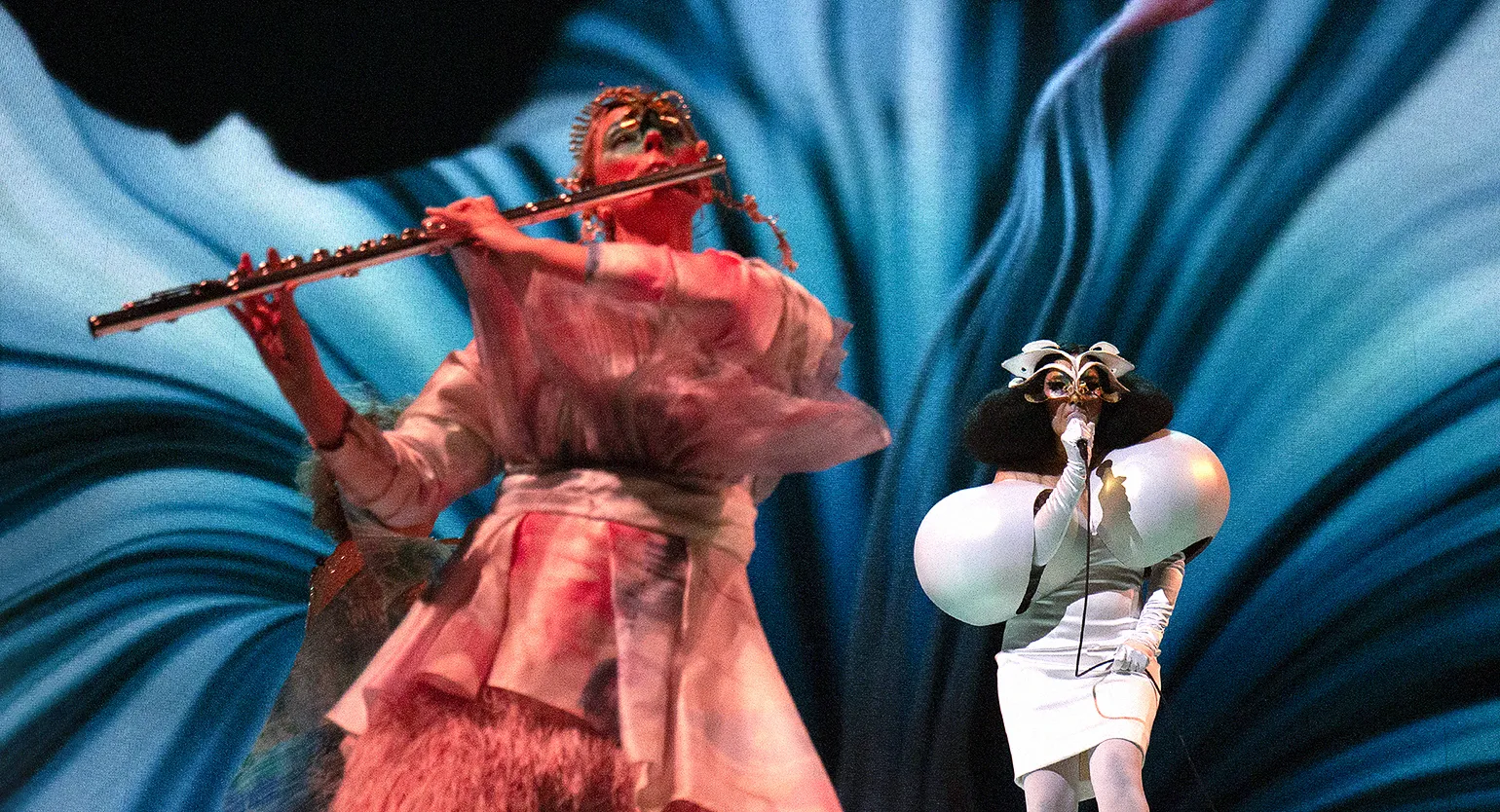
Ambient music, combined with live music, is a unique musical genre that creates atmospheric soundscapes. This style combines atmospheric electronic sounds with live instruments, creating a harmonious sound. Examples of such works include the work of renowned artists who masterfully combine structured ambient melodies with performer improvisation. This interaction opens new horizons in musical art, allowing listeners to immerse themselves in the atmosphere and experience the depth of sonic textures. The fusion of ambient and live music not only enriches the musical experience, but also expands the boundaries of perception, creating unique and memorable moments.
- Jamaican dub (The Orb, Burial);
- Country (Andrew Tutte, Caleb R. K. Williams);
- Folk (Maya Al Khaldi, Nytt Land);
- Ritual music of the world's peoples (Steve Roach, Forndom);
- And even pop music (Bjork, Joji).
Ambient music had a significant influence on the development of electronic dance music in the early nineties. DJs began creating records not only for raves, but also for thoughtful listening and relaxation after parties. Artists such as The Orb and The KLF became famous and performed on major stages, which contributed to the popularization of the genre. Ambient has also found its way into other branches of electronic music, such as techno, where its elements were used by artists like Aphex Twin and Autechre, and house, featuring Ultramarine and The Grid. This synergy of genres has enriched the musical palette and made ambient an important part of the electronic scene.
Reading is an important part of our lives, contributing to the development of thinking and broadening our horizons. It not only enriches our vocabulary but also helps us better understand the world around us. It is important to devote time to both fiction and non-fiction in order to gain a variety of knowledge and emotions.
Regular reading improves concentration and memory, and helps reduce stress. Research shows that people who read books have higher intelligence levels and better analytical skills. Reading can also be a great way to spend time productively and enjoy engaging stories.
Remember to choose a variety of literature: from classic works to modern bestsellers. This will allow you not only to enjoy reading but also to develop critical thinking.
In conclusion, reading is not just a hobby, but an important element of personal growth. Choose books that interest you, and never stop exploring new genres and authors.
Avant-garde electronic music: 10 key works
Avant-garde electronic music is a unique genre that is constantly changing and evolving. In this genre, composers use innovative technologies and unconventional approaches to creating sound art. In this article, we will look at 10 of the most significant compositions that influenced the development of electronic music and became classics of the genre. They inspire new artists and demonstrate a variety of sounds. Each piece reflects the originality and creativity of the authors, which makes them important in the history of music. These compositions not only define the aesthetic boundaries of the genre but also open new horizons for experimentation in music.
Trip-hop
Trip-hop emerged as a uniquely British response to hip-hop. This genre combines elements of sampling, programmed rhythms, and rap, but is distinguished by a slower tempo and a calm atmosphere. Trip-hop also predominantly features vocals, which add emotional depth to the compositions. The genre integrates elements of various musical styles, including rock, jazz, and soul, creating a rich and varied sonic palette. Trip-hop has become a significant movement in musical culture, distinguished by its experimentalism and atmospheric quality.
The genre emerged in multicultural Bristol, a city with a diverse and vibrant immigrant community, particularly from the Caribbean. Jamaican immigrants organized street parties using sound systems—large, mobile speakers capable of producing powerful bass that could be heard over considerable distances. These parties became the foundation for the formation of a unique musical style that continues to influence musical culture in the UK and beyond.
Jamaican music has had a significant influence on the development of trip-hop, particularly on the genre's first internationally renowned band, Massive Attack. For example, the distinctive bassline in "Save from Harm" showcases Robert Del Naja's unique blend of soul vocals, hip-hop rhythms, and rap. This fusion of diverse musical styles highlights the diversity and depth of trip-hop, as well as its connection to Jamaican musical traditions.
In 1994, Adrian Towse, a member of the legendary band Massive Attack, began his solo career under the name Tricky. His musical project Tricky became a symbol of a new sound in the genre, bringing an atmosphere of mystery and ghostliness to it. Tricky's music combines elements of hip-hop, trip-hop and electronic music, creating a unique style that had a significant influence on the development of the alternative scene.
The third key group in the development of trip-hop was Portishead. They are distinguished by their jazz influence and the characteristic theatrical vocals of Beth Gibbons. Portishead's music combines elements of electronica and hip-hop, creating a unique atmosphere that had a significant influence on the trip-hop genre and its development.
Later, groups like Morcheeba, Hooverphonic, and Unkle became popular on the music scene. Trip-hop gradually evolved, moving away from traditional hip-hop and emphasizing melodic vocals. Experimentation with samples and complex rhythms, however, remained in the hands of DJs like DJ Shadow and DJ Krush, who created their compositions without vocalists. This development contributed to the diversity of the genre and brought new sounds to musical culture.
Reworked text:
Be sure to check out more information.
The Best Reggae Hits in History Without Bob Marley
Reggae is more than just a musical genre, it’s an entire culture that embodies the spirit of Jamaica. While Bob Marley is the icon of reggae, there are many other artists and songs that have left a lasting mark on the genre. This list features 13 of the best reggae hits you need to listen to.
Each track on this list showcases the uniqueness and diversity of reggae, reflecting both social and personal themes. From classic tunes to modern interpretations, these songs inspire and unite people around the world.
The best reggae hits you shouldn’t miss include works by the likes of Peter Tosh, Jimmy Cliff, and Toto Kitunji. These artists brought their unique ideas and styles to reggae, expanding the genre's boundaries and making it accessible to a wider audience.
Listening to these tracks, you will be able to feel the atmosphere of reggae and appreciate its influence on music as a whole. Reggae continues to evolve, and new artists bring fresh ideas, but the roots of this genre remain unshakable.
These 13 hits are not just songs, but true works of art that deserve a place on your playlist.
Intelligent Drum 'n' Bass
In the first half of the 90s, the jungle and drum 'n' bass genres emerged on the music scene, characterized by high speed and aggressive sound, based on breakbeats with looped drums. These genres were distinguished by street roughness, with an emphasis on low-frequency bass and powerful drums. However, over time, many jungle producers began to strive for a more accessible sound, simplifying breaks and incorporating traditional instruments to make their compositions more melodic and appealing to a wider audience. This approach contributed to the spread of these genres and their integration into the mainstream, opening up new opportunities for artists and listeners.
Goldie presented the 21-minute composition "Timeless," saturated with atmospheric synthesizers and strings. The group 4Hero introduced elements of jazz, adding a unique sound, and A Guy Called Gerald euphorically reworked the legacy of black music, creating new musical horizons. These works have become a milestone in the development of electronic music and demonstrate the influence of various genres on modern sound.
LTJ Bukem and Alex Reece are among the leading performers of the calm drum and bass genre, perfect for listening in the cozy atmosphere of a bohemian bar with a cocktail in hand. Their music creates a relaxing environment, allowing you to enjoy the moment and immerse yourself in the sonic textures.
After the mid-nineties, drum and bass split into two main branches: heavier compositions intended for the most energetic dance floors, and a calmer subgenre known as "intelligent" or "atmospheric". The latter is characterized by soft drums, atmospheric synthesizers and elements borrowed from traditional musical styles. This diversity allows every fan of electronic music to find something suitable for themselves, from dynamic tracks for clubs to relaxing melodies for listening at home.
In the world of drum and bass, such famous names as Calibre, Netsky and London Elektricity stand out. These artists not only set the tone for the music industry, but also influence its development. Among them, special attention is drawn to Brazilian DJ Marky, who became popular in Europe thanks to his unique style, combining drum and bass with elements of samba. This fusion of different musical traditions brings freshness and diversity to the sound, making his approach appealing to a wide audience.
Downtempo
Downtempo appeared at the intersection of ambient and trip hop. This genre is characterized by the presence of a rhythm, which, however, is softer and has a less pronounced structure compared to trip hop. Unlike ambient, downtempo has a more rhythmic nature, and the compositions are often shorter and follow a verse-chorus structure.
Moby is a key figure in the downtempo genre, and his album «Play» became a landmark event in the development of this musical genre. On this album, he demonstrated a wide range of sounds, combining traditional downtempo, represented by the track "Porcelain", with elements of blues in the composition "Honey", as well as the influence of religious gospel in "Run On" and a rock sound in "South Side". This diverse approach to creating music made "Play" not only commercially successful, but also had a significant influence on subsequent works in the downtempo genre.
Many well-known artists boldly experimented with space psychedelia, such as Air, as well as house music, such as Röyksopp. The use of vintage synthesizers and nostalgic samples became characteristic of Boards of Canada, while Ulrich Schnauss brought complex programmable rhythms. Four Tet actively borrowed elements of folk. Interestingly, downtempo also attracted artists from other genres, including rock musicians such as Texas and Peter Gabriel, expanding the boundaries of musical experimentation.
Hontology
Hontology can be considered a subgenre of ambient, but in practice it is closer to sound art and contemporary art than to produced music. The genre is steeped in philosophical concepts, and its limited number of artists explore issues of individual and collective memory. Hontology offers a unique perspective on the perception of sound and space, focusing on how musical works can reflect and shape our perception of reality.
Philosopher Jacques Derrida argued that the past is a ghost that continues to affect the present despite the fact that it does not actually exist. We have access to only fragments of information about the past, making it impossible to fully understand history. As a result, we can only speculate about what really happened. Hauntological musical artists seek to translate Derrida's concept into the sonic realm, creating works that reflect this ambiguity and uncertainty.
The Caretaker has released a six-part album that illustrates the stages of consciousness decay in dementia. The album opens with waltzes from the 1930s, imbued with a pleasant nostalgia. However, as the composition progresses, distortions begin to appear: doubling, noise, and interruptions appear. In the final part of the melody, the sounds are finally lost in chaos, creating a powerful visual and audio perception of the process of memory destruction. The album becomes not only a musical work but also a profound artistic interpretation of the complex topic of dementia.
William Basinski created a unique musical work in which he documented the destruction of his magnetic recordings from the 1980s during digital dubbing. During this process, sections of the tape were torn or damaged, leading to the gradual disappearance of sound fragments of old songs. This experiment became not only an exploration of time and memory, but also a reflection on the vulnerability of musical heritage. Basinski demonstrated how sound can transform and disappear, creating new layers of meaning and evoking deep emotions in listeners.
Jakob Kierkegaard captured the sounds of abandoned buildings in the Chernobyl Exclusion Zone, including a gym, theater, swimming pool, and church. This combination of silence and unseen hum reminds us that these places were once teeming with life. The sounds he recorded create an atmosphere of nostalgia and highlight the historical significance of these locations. They serve as a reminder of the people who once filled these spaces with joy and activity, now lost only in memory and sound recordings.
Dubstep
In Russia, the term "dubstep" is often misunderstood, associated with the music of American DJs such as Skrillex. However, Skrillex represents a more aggressive direction, which is significantly different from the original dubstep sound, which originated in London, particularly in the Croydon area, where many black immigrants lived. True dubstep is characterized by deep bass, slow rhythms, and atmospheric sonic textures, reflecting the cultural roots and influence of British electronic music. Understanding true dubstep requires recognizing its historical context and unique sound, distinct from commercial adaptations.
To truly understand the dubstep genre, it's important to recognize its Caribbean roots. Dubstep emerged from Jamaican dub, which was originally a genre of reggae remixes. Engineers often stripped vocals, guitars, and keyboards from tracks, emphasizing bass and drums. In the early 2000s, producers began experimenting with electronic recording, creating a unique take on dub while maintaining its signature rhythm. This shift to electronic music became the foundation for the formation of modern dubstep, which combines elements of various styles and continues to evolve, attracting the attention of listeners worldwide.
Dubstep is a genre of electronic music characterized by low-frequency bass and a slow tempo. It creates unique vibrations that penetrate the body. Many DJs, such as Pinch, Skream, Mala and Burial, create tracks that, despite their danceable nature, can have a calming and hypnotic effect on listeners. Dubstep does not always require a melody: the rhythm of the drums and the undulating vibrations of the bass can completely immerse you in the atmosphere (for example, Coki, D1). This genre attracts attention for its ability to combine the energy of club sound with depth and emotionality.
Dubstep producers, like the Jamaicans, actively use various effects to enrich the sound of the main rhythm. They adjust the volume of tracks, cut instrumental parts, and add echo, as do 2562 and Benga. Some of them experiment with drums, replacing the usual drums with unusual sounds, like Ramadanman. Although the genre is primarily instrumental, it occasionally features vocal samples from Jamaican songs or raps, as is typical of artists like Digital Mystikz and The Bug. These elements make dubstep unique and diverse, bringing new shades and depth to it.
Reworked text:
Read also:
- 16 best compositions of electronic music of the rave era
- Electronic music of avant-garde artists: 10 essential compositions
- 9 best rock operas of the 21st century
Free career guidance
Take a short test and find out which profession is right for you, and then try your hand at your chosen specialty. At the end of the course, you will have a session with a career guidance specialist. They will help you decide on your career path.
Find out more