Contents:
- Editing in cinematography is an important stage of film production.
- What is the difference between a film editor and a video editor?
- What does an editor do?
- What tools does he use in his work?
- Professionals who have made a great contribution to the development of world cinema
- About the prospects of the profession. How to become a film editor
- Useful resources from the editors of Skillbox.by
Editing in cinematography is an important stage of film production
Watching a video on YouTube, a TV series or a full-length film, we see a complete picture, often without even realizing that any professional video is not a single film shot in stages, in chronological order, but a complex and intricate puzzle of thousands of individual frames.
Sometimes months or even years can pass between shots of a single scene. And vice versa. Takes of the intro, the denouement, and many shots from the main narrative can be filmed in a single day. Some directors prefer to immediately achieve a shot that will be included in the video sequence, while others shoot dozens of takes, leaving room for creative maneuvering. Making sense of this chaos and sequencing the footage according to the script is the job of the editor.

Learn how to create dynamic stories from individual frames in the Editing in Adobe Premiere 2023 course.
Learn more.What is the difference between an editor and Video Editor
>An editor is often confused with a video editor. However, these are different professions, although similar in many ways. Let's take a closer look to understand the difference.
An editor is a leader with a certain degree of creative freedom. They don't just assemble footage into a single video; they create a coherent work. We often see a film as the editor envisions it. This specialist is equally responsible for the result as the director. They closely communicate with the director, screenwriters, and producers, study the script, and present their own ideas. He supervises the work of colorists, CG artists, a sound engineer, a foley artist (ed.: noise specialist), a video editor or a video engineer (if working on live television).
The video editor, in turn, is a technical specialist who glues together shots according to a ready-made template or under the direction of the editor.
In the past, when films were shot on film, and editing involved physically gluing together pieces of film into a single whole, the editor chose which shots to use. A video editor used to trim, splice, and rewind film. With the development of digital technology, these professions have largely merged. Complex, cumbersome editing tables and film reels are no longer necessary. Work is performed in specialized computer programs, where any action takes a fraction of a second, so now the editor trims and splices frames themselves.
In general, an editor is a specialist in the field of film production. Another name for this profession is sometimes found – non-linear editing director. Like a video editor, they assemble filmed takes into a finished video sequence, overlay audio tracks, and add visual and sound effects. However, unlike a video editor, they have creative freedom. He can independently select takes, play with special effects, and in some cases even remove unnecessary scenes from the finished film, relying on personal taste and professional intuition.
In small projects like commercial editing, where timing is limited, there is no need to understand the intricacies of staging and dramaturgy. It is enough to have the ability to work in a video editor and color correction skills.
What does an editor do?
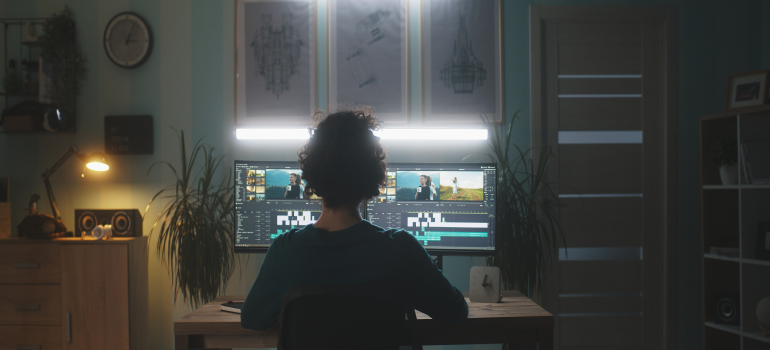
An editor is responsible for the post-production of films, commercials, music videos, video blogs, and TV shows. Let's take a closer look at their responsibilities. This specialist:
- Collects and studies footage - usually starting with adding video to a timeline (edit: working area) and viewing the footage;
- Selects the best shots and deletes unsuitable ones;
- assembles a rough cut, which is subsequently approved by the director or producer;
- adds music and audio tracks with voiceover to the video - in large productions and film studios, the sound engineer is responsible for this;
- carries out color correction, performs compositing (edit: combining computer graphics and footage that was shot in different locations), adds visual effects and titles - on large projects, a colorist and a computer graphics artist are responsible for this.
What tools does an editor use in his work?
An editor is a versatile profession. This is one of those specialists who, along with the producer and director, shapes the final vision. He creates a complete picture that the audience will see. Therefore, knowledge should not only be technical. It is necessary to understand cinema as an art. Some of the key hard skills include:
- Fundamentals of staging and dramaturgy.The editor controls the viewer's attention and must be able to recognize falsehoods in the actors' performance, notice inconsistencies or lack of logic in the construction of scenes, and see shots that need to be re-shot or additionally filmed.
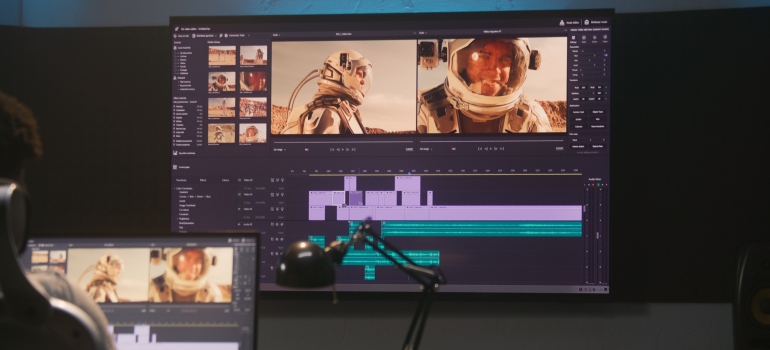
- Proficiency in editing software (video editor).It is necessary not only to be able to glue shots together or cut a video into parts, but also to know the advanced capabilities of the programs. Most studios today use: Adobe Premiere, Final Cut, DaVinci Resolve, Vegas Pro, Avid Media Composer.
- Knowledge of color correction principles and the ability to use professional tools in this area.For example: DaVinci Resolve, Adobe Lightworks. In large projects, a separate specialist - a colorist - is responsible for this area, but often when editing small presentations and videos for the same YouTube, the task falls on the shoulders of the editor.
- Ability to work with visual effects and use chroma key technology (editor: this is an alternative to combined shooting), compositing skills. Popular VFX applications used by large film production companies and small creative studios include: Adobe After Effects, Nuke, Fusion.
- Ability to work with applications for creating visual effects and 3D graphics.This skill may be useful for work in some studios that specialize in the production of TV series, full-length films and TV commercials. Popular programs include: Houdini, Cinema 4D, Maya 3D, Blender, 3Ds MAX. Although computer graphics are handled by a separate specialist, the editor must understand how to export files and know the basic capabilities. For example, how to adjust lighting, remove unnecessary objects, or render.
- Basic audio skills. You need to know how to adjust balance, add noise, fading, transitions, and be able to use the video editor's built-in mixer. For this, experienced editors use advanced audio software: Avid Pro Tools, Adobe Auditions, Audacity, Apple Logic Pro. On large projects, a sound engineer is responsible for sound.
The editors of Skillbox.by note that the list of professional skills is approximate. And an editor needs to master not only video editors, but a whole suite of applications. Today, there are dozens of programs on the market - it all depends on the position you are applying for and the requirements of the company itself.
A significant portion of YouTube bloggers and creative studios prefer Adobe software: Premiere, Express (a limited but free version of Premiere), or the mobile equivalent Premiere Rush. Small studios that film events prefer to use applications with an intuitive interface and a large set of built-in effects and transitions. For example: Pinnacle, Corel Video, Filmora, and even CyberLink Power Director. Some companies even use completely free open-source software: KDNLive, OpenShot, Shotcut, VSDC Video Editor. Television producers often rely on Avid Composer and Edius, editors for non-linear editing and live broadcasts. For example, OBS Studio or Vmix.
In film production, specialists rely on more powerful systems. For example, Edius was used to edit the series "911." And the first versions of Avid Media Composer software were used to create "Terminator 2." Adobe Premiere was used to edit films such as Deadpool, Hail, Caesar, and Gone Girl, while Final Cut was used to edit The Girl with the Dragon Tattoo and The Social Network.
Today, DaVinci Resolve is the number one editor in Hollywood. This software is used in the editing of most films. Among the films that were edited with its help, we can note: "Deadpool 2", "La La Land", "Jason Bourne", "Star Wars: The Last Jedi", "Avatar", "Doctor Strange", "The Legend of the Green Knight", "Thor", etc.
Professionals who made a great contribution to the development of world cinema
Film editing is an important part of film production, which even has its own nominations for the Oscar, Golden Globe and BAFTA awards. We'll tell you about famous editors who made a great contribution to the development of world cinema.
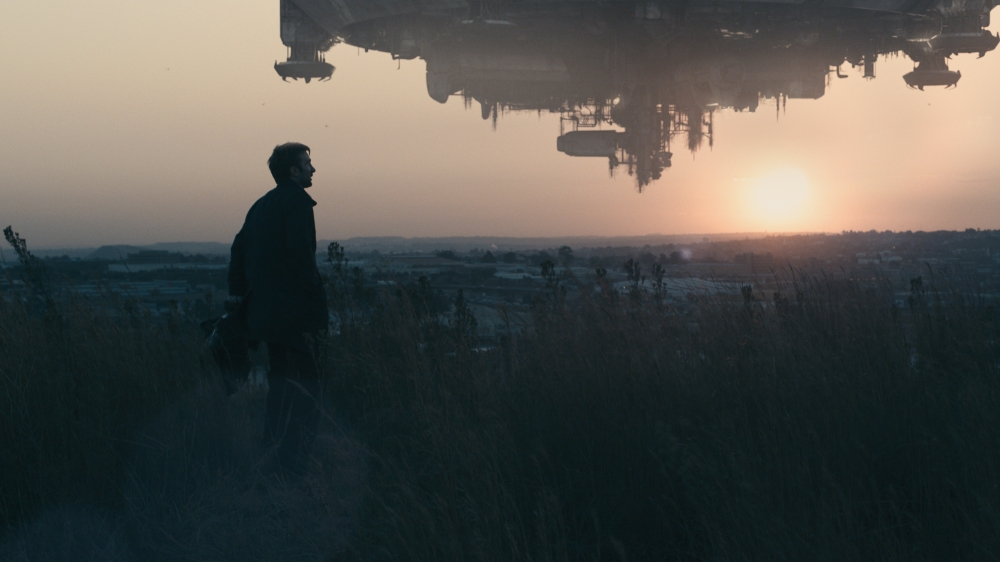
Clark Julian.Nominated for an Oscar and BAFTA for his work in the project "District 9", which was remembered for its unusual editing of pseudo-documentary. This director has worked on such films as Terminator: Dark Fate, Deadpool, Continuum, The Thing, and Elysium.
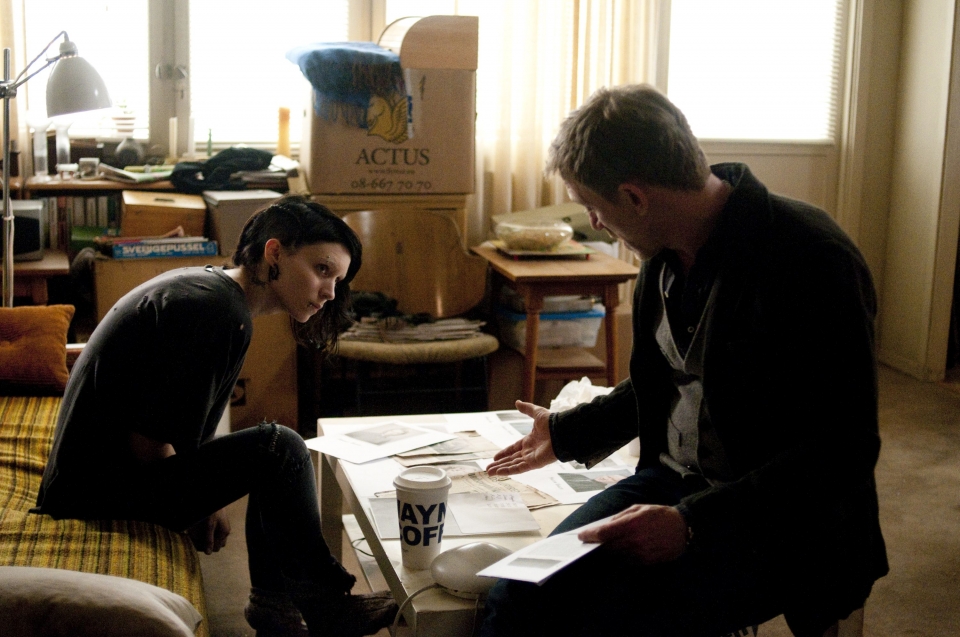
Angus Wall. Two-time Academy Award winner for editing the films "The Girl with the Dragon Tattoo" and "The Social Network". Winner of BAFTA awards and four Emmy awards. The editor works on both feature films and advertising. He created commercials for Nike, WMW and HP. He is remembered for his work on the films "The Curious Case of Benjamin Button," "Seven," "Fight Club," and the TV series "Rome." It was he who came up with the idea for the unusual editing using digital cameras in the film "Zodiac."
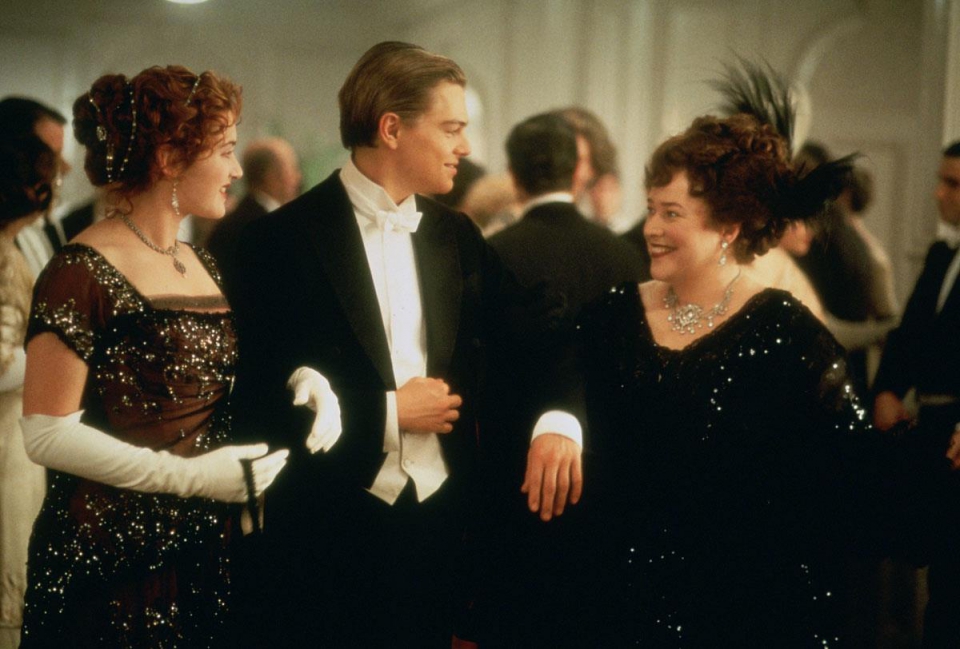
Conrad Buff IV
It's probably hard to find a person who isn't familiar with the work of Conrad Buff. He recreated the wreck of the legendary Titanic, for which he received an Oscar, and was able to realistically bring the T-1000 to life in Terminator 2: Judgment Day. This editor is remembered for his work on the fourth episode of Star Wars, The Abyss, Ghostbusters, and Indiana Jones.
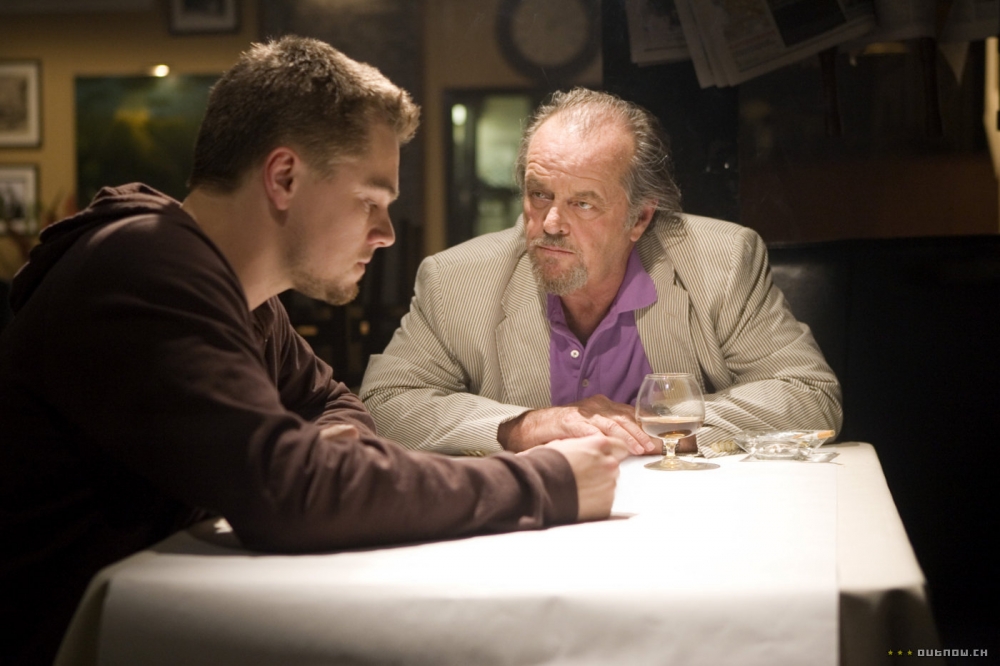
Thelma Schoonmaker
Eight-time nominee and three-time Oscar winner for the films Raging Bull, The Departed, and The Aviator. Eleven nominations and three BAFTA awards. The director worked on the film The Departed, which collected a whole string of awards. It was Thelma who achieved the unusual effect of documentary authenticity in feature films. She is also known for such films as Gangs of New York, Hugo, The Wolf of Wall Street, Shutter Island and The King of Comedy.
On many projects, film editing is supervised by directors-producers. Among them are James Cameron, Christopher Nolan, Akira Kurosawa, David Lynch, David Lean, Steven Soderbergh, Robert Rodriguez, Frederick Wiseman and Andrei Tarkovsky.
Each of these specialists did more than just make films. They created new technologies and filming methods from scratch, achieving incredible effects. Many artistic and technical techniques appeared in cinema thanks to these people, who did not separate the art of cinema into separate parts and participated in every stage of film production.
Moreover, some filmmakers received Oscars not as directors, but for editing. For example, the Coen brothers were twice nominated for an Oscar as editors and are listed in the credits of "The Bourne Ultimatum" as directors of editing along with Christopher Routh. James Cameron and Alfonso Cuaron managed to make a kind of double, individually receiving two awards for "Best Director" and "Best Editing" for one film: Cameron for "Titanic", and Cuaron for "Gravity".
About the prospects of the profession. How to Become an Editor
Editing is a profession whose demand has grown with the development of streaming platforms and video hosting sites like YouTube, TikTok, and DailyMotion. Thousands of companies now have the opportunity to post their own commercials to attract target audiences without investing millions of dollars in promotion. And smaller firms that can't afford the services of large production houses now have the opportunity to hire freelance editors.
Today, the profession offers many career opportunities. You can join a production studio that produces commercials, music videos, and small projects for television. You can also become a freelancer and edit commercials and music videos to order. Alternatively, you can sign contracts with bloggers and edit their vlogs. You could also consider developing in the television and film industries. To start, you could take on smaller projects, such as TV shows or documentary videos. Or you can start with editing trailers, teasers, work on credits and gradually move on to editing TV series and full-length films.
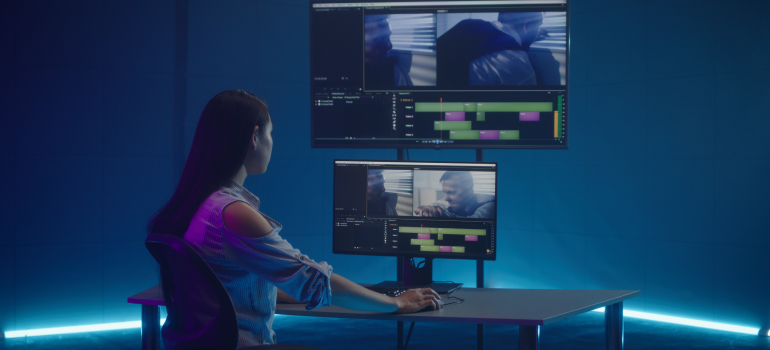
To become an editing director, you can graduate from a college or university in this or a related field. But now there are not many companies on the market where having a higher education is a mandatory requirement. Employers more often pay attention to ready-made cases.
You can try joining a studio and learning directly through real projects. However, this strategy is only suitable if you live in a large city with many professional studios willing to take on long-term internships. Alternatively, you can consider distance learning courses. When choosing a platform, pay attention to the relevance of the curriculum and the ability to build a portfolio. You can also learn the profession independently. However, this method is suitable for those who already have a related profession. For example, you are a motion design specialist.
Useful resources from the editors of Skillbox.by
The editors of Skillbox.by have compiled for you useful resources for getting acquainted with the profession and unrivaled classics of world cinema to develop your viewing skills.
Literature:
- Lev Kuleshov "The ABCs of Film Directing";
- Alexey Sokolov "Editing. Television, Film, Video";
- Jacques Godin "Colorimetry in Video Processing";
- Steve Wright "Digital Compositing for Film and Video";
- Steve Hallfish "The Profession of an Editor";
- Bobby O'Steen "Invisible Editing. Tips for Beginning Editors Based on Legendary Films."
Internet Resources:
- MediaEquipt: Learn Filmmaking & Content Creation — a blog dedicated to filmmaking, content creation, and video editing;
- Kapwing Resources — a section with guides dedicated to editing videos for social networks;
- Video | Movavi Blog — in the blog you will find articles on video editing for a corporate blog and YouTube channel;
- Video Copilot — a blog dedicated to video effects and compositing, here you can find tutorials on working in After Effect, ready-made footage and projects for download;
- Frame.io Insider— An English-language blog where you can watch interviews with Hollywood editors and find useful tips;
- Video Transitions, Light Leaks, VFX — Shutterstock Elements — a blog with educational materials on motion design and video editing;
- The Beat: A Blog by PremiumBeat — The Best for Video and Beyond — a blog run by Shutterstock, here you can find materials dedicated to 3D design, motion design, sound work and video editing.
Movies to develop your viewing habits:
- Gravity (2013). Director: A. Cuaron, editors: A. Cuaron, M. Saenger. The technothriller won three Sputnik Awards, five Saturn Awards, a Golden Globe, five BAFTA Awards, and seven Oscars. Critics praised the film for its realism, and James Cameron called Gravity the best space movie in history.
- Gone with the Wind (1939).Director: Victor Fleming, Editing: Hal C. Kern, James E. Newcomb. The first color film to win an Oscar. Included in the list of the greatest films. The film was the first to use techniques that set the standards for filming and editing for decades to come.
- «The Sound of Music» (1965).Directed by Robert Wise, edited by William Reynolds. This war musical won 10 Oscars and is included in the register of films with aesthetic and cultural significance.
- «Raging Bull» (1980).Directed by Martin Scorsese, edited by Thelma Schoonmaker. Included in the list of the best films about sports. The film is based on the memoirs of world champion boxer Jake LaMotta. This film will allow you to appreciate the aesthetics of editing before the advent of computer special effects.
- The Bourne Ultimatum (2007).Directed by Paul Greengrass, edited by Christopher Rouse. This spy thriller is a prime example of cool modern editing. It clearly demonstrates how to skillfully use computer special effects to maintain momentum without turning a film into a comic book.
- The Departed (2006).Directed by Martin Scorsese, edited by Thelma Schoonmaker. This crime drama received many good reviews for its unusual presentation, including the pseudo-documentary effect.
- The Hurt Locker (2008). Director: Kathryn Bigelow, editors: Bob Murawski, Chris Innis. The drama, which tells the story of the daily work of American sappers in Iraq, collected a whole scattering of awards, including an Oscar for best editing and a BAFTA, pushing aside James Cameron's Avatar and District 9.
You'll learn how to create professional videos: color correction, sound editing, effects, and animation. You'll also gain insight into the work of camera operators, screenwriters, and directors. You will be able to create videos for television, social networks, advertising, edit films and music videos.
Remove access