Contents:
Who are you in the world Gamedev? Find out in our free course ➞ You'll experience three professions: game designer, 2D artist, and Unity developer. Create your first Mario-style game. Click here for details.
Learn moreIn today's video game world, the concept of cinematic quality is often discussed. Many projects, especially in the AAA segment, feature visual and story elements that bring them closer to the characteristics of feature films. This allows players to immerse themselves in gripping narratives and enjoy high-quality graphics, making the gaming experience more engaging and emotionally charged. Cinematography in games not only attracts attention but also creates unique storytelling opportunities, allowing developers to tell stories on a new level.
A deeper analysis reveals that the perception of a work of art does not depend solely on realistic graphics, animation, voice acting, or script. Cinematic language plays a key role in creating a compelling film—a tool that shapes artistic reality and conveys meaning through visual imagery. Thanks to this, the viewer or player can not only understand the characters' emotions but also experience the atmosphere of the scene while remaining a passive observer. Effective use of cinematic language deepens perception and makes interaction with the work more intense and emotional, which in turn increases audience engagement.
In this article, the editorial team of Gamedev at Skillbox Media analyzes key techniques of cinematic language, using examples of cutscenes and CG animations from video games. We will examine how these techniques help create exciting and emotionally charged moments in game narratives. Understanding film language allows developers to more effectively convey plot and character depth, which in turn improves the overall experience of the game.
Please note that some sections of the text may contain spoilers.
A summary is an important element that helps readers quickly familiarize themselves with the main ideas and themes of the text. It highlights key points and makes the information easier to digest. Summary are often used in academic papers, business documents, and literary works to give readers a general idea of the content. A well-written summary should be clear, concise, and informative to attract attention and encourage further reading. It is important that it captures the essence of the text and contains the main ideas without going into detail. A summary can also improve search engine optimization, as it includes keywords and phrases that can be useful for increasing visibility in search engines.
- Close-up
- Optics
- Angle
- Camera movement
- Editing techniques
A few words about the history of cinema
Modern films differ significantly from films of past eras, which indicates a constant change in the format of presentation in cinema. Cinema of the late 19th and early 20th centuries is characterized by theatricality and the use of wide shots, without an emphasis on detail. The evolution of technology, screenwriting approaches, and visual effects has led to the creation of deeper and more multi-layered narratives. Today, cinema strives for more detailed and realistic images, allowing viewers to become more immersed in the plot and experience the characters' emotions.
Films, as a new art form, were initially aimed at audiences who could not afford to attend theaters or concerts. The cost of a movie ticket was significantly lower than that of a live performance. Furthermore, films were shown from optimal angles on the screen, allowing viewers, regardless of their seating position, to enjoy the experience. However, technical limitations, such as the length of the film and the lack of sound (except for live music), made films rather simple and naive by today's standards. Despite this, their accessibility contributed to their rapid popularity within the film industry.
The new film format initially caused unusual sensations in viewers. For example, a screening of the Lumière brothers' film "Arrival of a Train at La Ciotat Station" became famous thanks to an urban legend about the terrified audience. People are said to have left the theater in panic, believing the train appearing on screen would hit them. This story highlights how innovative filmmaking technologies could profoundly influence audience perceptions at the time. Cinema could not completely replace theatrical performance, as live performance provides a unique connection between actor and audience. Directors began to explore new artistic techniques to create emotional impact, including original camera angles, intertitles, voiceovers, special effects, and editing. These techniques help transform the plot and enhance perception, making cinema more multi-layered and expressive.
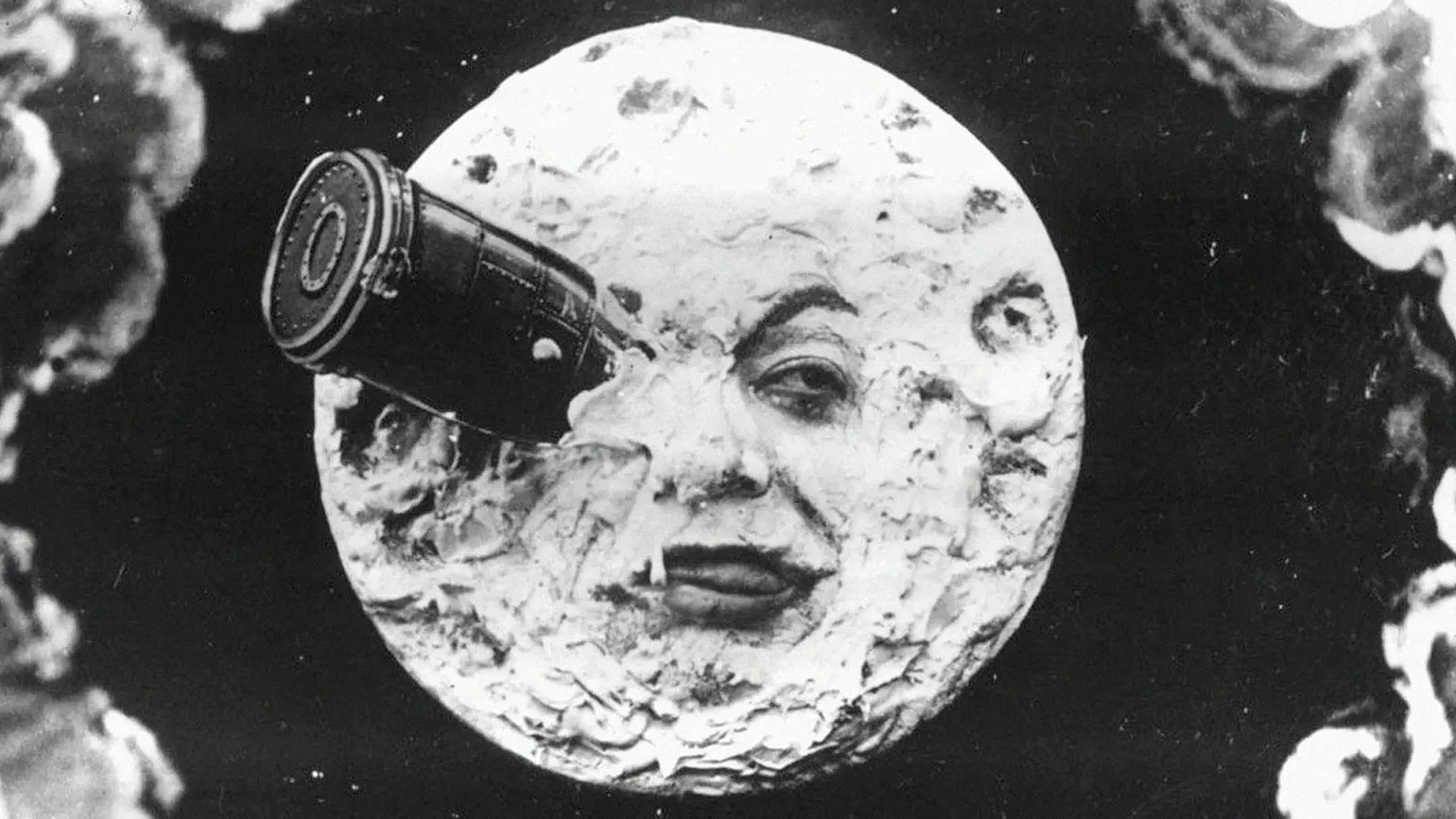
As cinema has evolved, directors have continually sought new approaches to deeply immerse the viewer in the plot and emphasize key moments. The format of film delivery has undergone significant changes over time, largely due to the emergence of new media formats such as television programs, reports, series, video games, vlogs, and VR technology. However, regardless of the time of film's creation, audiences continue to empathize with the heroes of Charlie Chaplin, the James Bonds of the 1960s, and the superheroes of the Marvel Universe. This is due to the mastery of visual drama, which is formed through skillful camera work and editing. Effective visual techniques and clever cutting create an emotional connection between the viewer and the characters, making each story unique and memorable.
Each shot in a film usually has a specific meaning, but there are also cuts. These cutscenes can be found not only in television programs and documentaries but also in fiction, where they can be used to extend a sequence or emphasize an important detail. However, in modern cinema, cutscenes are often avoided, as they can distract the viewer from the main idea of a scene and take up too much screen time. This leads filmmakers to strive for more concise and focused storytelling, which improves plot perception and maintains viewer interest.
In the early 2000s, despite technical limitations, video game developers made efforts to create impressive cutscenes. When budgets allowed, they implemented cinematic CG animations, which contributed to the visual appeal of games. In modern game design, elements of film language are actively integrated, including the choice of shots, camera angles, lens focal length, camera movement, editing, composition, and lighting. Let's look at these aspects using specific examples to better understand how they impact gameplay and player immersion.
Directors of game cutscenes and CG animations have significant advantages over film production. They can pre-set all the artistic techniques that convey character emotions and advance the plot in the game engine or rendering program. Furthermore, the video sequence can be supplemented with interactive elements, which is especially important for game projects. This capability allows for deeper interaction with the audience and strengthens the emotional connection between players and characters.
Close-up
Character placement in the frame plays an important role in creating a visual narrative. The closer the close-up, the more immersive the viewer is in the emotional state and inner world of the character. Shot abbreviations are often used in the film industry, so for convenience, the English terms and their abbreviations are provided in this description. Correct use of these rules helps create a deeper connection between character and audience and enhances the overall storytelling experience.
A full shot (FS) is a shot in which a character is shown in full height. This type of shot not only emphasizes the character but also the surrounding environment, helping the viewer better understand the context of the scene. Using a long shot in film and video production helps create atmosphere and establish a connection between a character and their surroundings.
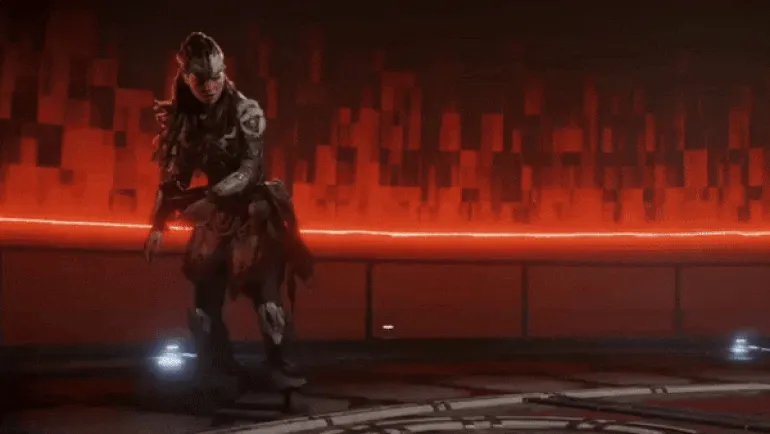
The second medium shot, also known as the American shot or cowboy shot, shows a character from mid-thigh. This type of shot gets its name from classic Westerns, where it was used to emphasize the characters' actions, especially in scenes involving guns. While this shot has fallen out of favor in modern films and games, it can still be found in some works, demonstrating its historical significance in the film industry. The American shot continues to be an important element of visual storytelling, allowing filmmakers to convey the dynamics and atmosphere of scenes.
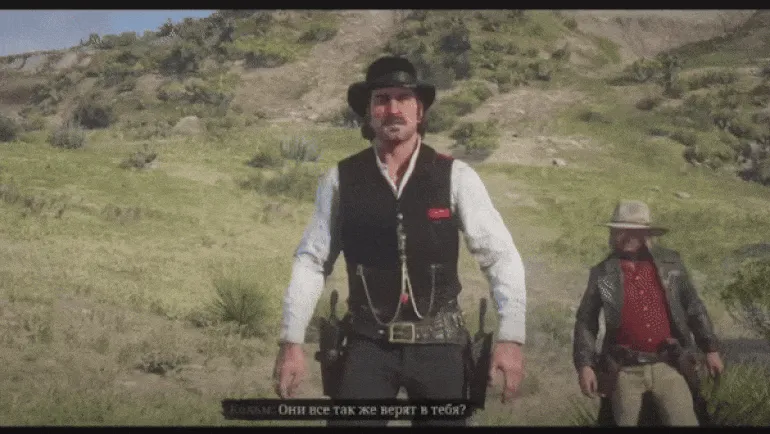
This shot isn't just for cowboy scenes.
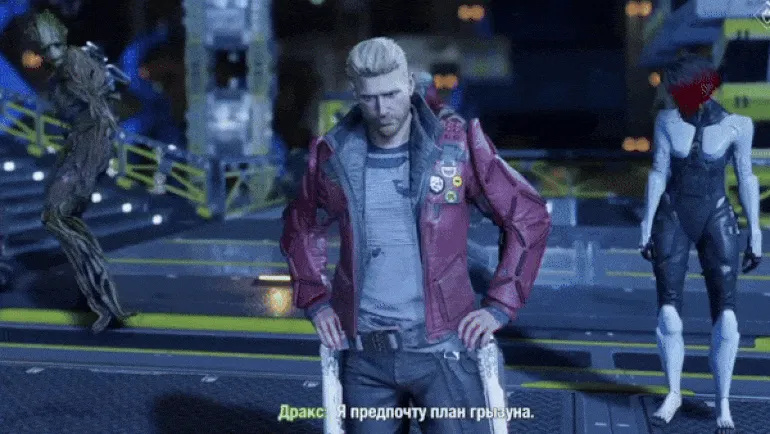
The medium shot (MS) is the most common type of shot in film and photography. It focuses on the subject, showing them from the waist up. This approach maintains a balance between the main subject and the surrounding space. The viewer gets the opportunity not only to see the character's emotions but also to appreciate the context of the scene in which they are located. This plan effectively conveys the atmosphere and mood, making the image more expressive and informative.
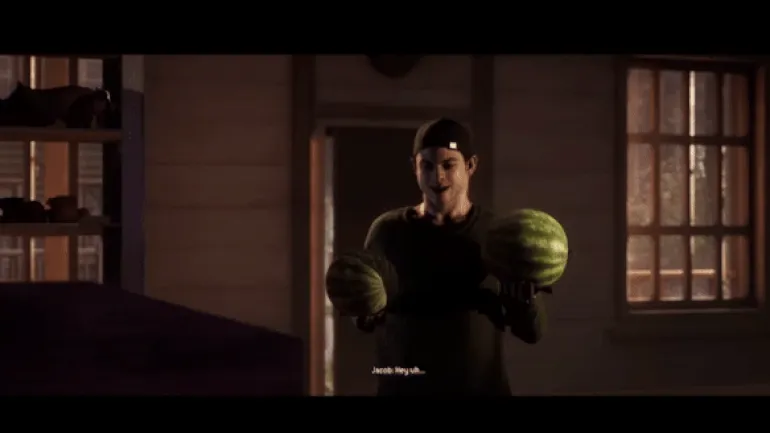
Close-up A close-up shot (CU) is a portrait shot that covers the area from the collarbone to the chest. This type of shot allows you to emphasize the subject's facial expressions and emotional state. A medium close-up (MCU) is also used to convey facial expressions but covers a slightly larger area. The choice between these two shot types depends on the purpose of the shoot and the need to convey emotion in detail. Choosing the right close-up helps create a deeper and more expressive visual storytelling.
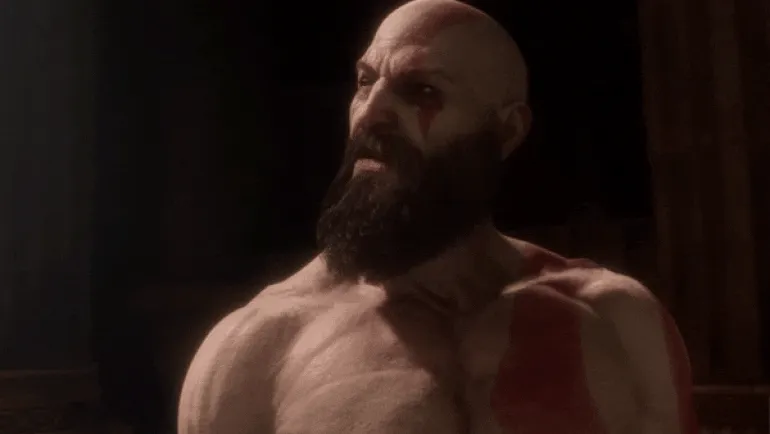
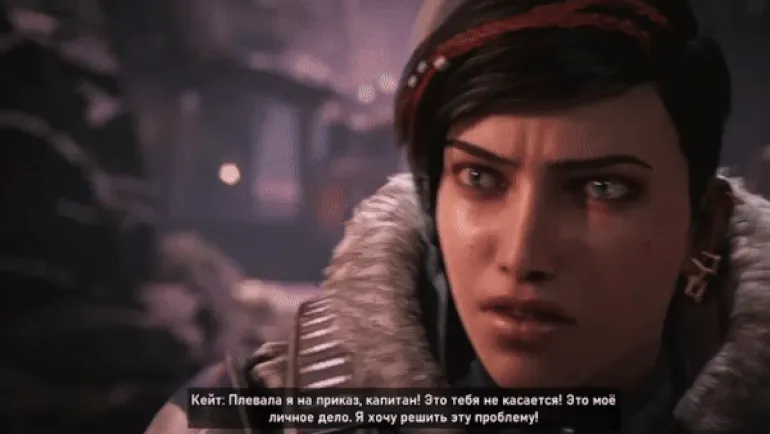
Extra Close Up (ECU) is a cinematography technique that allows you to convey a character's emotions in as much detail as possible. This format focuses solely on the actor's face, allowing the audience to gain a deeper understanding of the character's inner experiences and feelings. Extreme close-ups are effectively used to create tension and emphasize the significance of the moment, allowing the viewer to focus on the subtlest changes in facial expression. This technique is often used in dramatic scenes where every emotion is important.
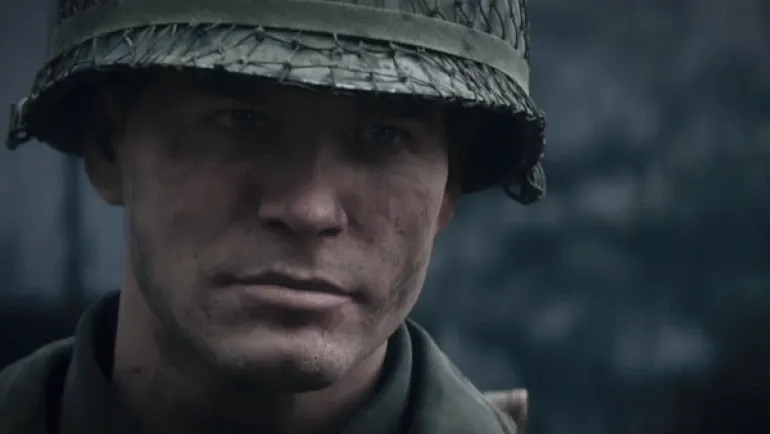
Depending on To create context, the shot can be zoomed in to focus on specific facial features, such as the eyes, lips, nose, or eyebrows. This approach allows for a more detailed depiction of the model's emotions and character, creating expressive portraits. The use of close-ups emphasizes unique facial features, making the image more appealing and memorable.
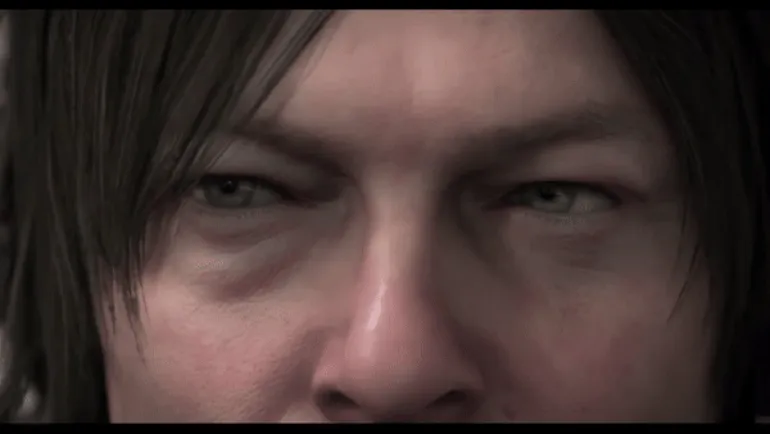
Close-up An object in photography or cinematography emphasizes its importance to the viewer. This can often be expressed in extreme close-ups, such as those of a pupil, which highlights a character's emotional state or a key moment in the story. This approach allows the audience to be more deeply immersed in the atmosphere and creates an effect of involvement, turning a detail not just an element of the frame, but an important symbol in the narrative.
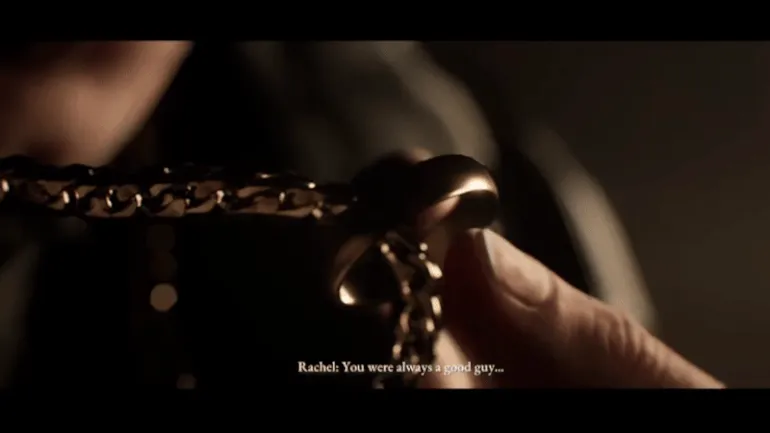
An establishment shot (ES) is a key element in visual storytelling that establishes the location where the action takes place. It creates context for the viewer, allowing them to quickly understand the setting and atmosphere of the scene. Using an establishment shot helps establish a geographic and emotional connection, and prepares the audience for further developments. An effective address plan can significantly enhance the perception of a film or video product by providing the viewer with essential information about the setting.
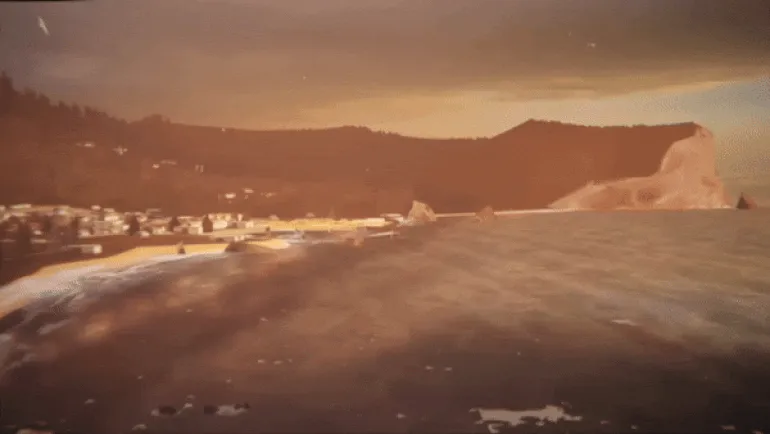
An address plan is often used in conjunction with a detail or character focus. This approach helps create a deeper immersion in the plot and allows the reader to better understand the characters' motivations and inner worlds. Уделяя внимание как окружающей среде, так и индивидуумам, автор может усилить эмоциональную связь между читателем и произведением.
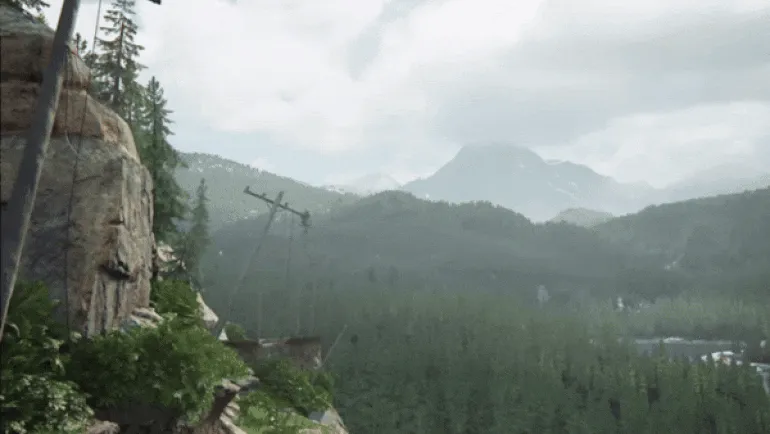
Широкий план (Wide shot, WS) используется для передачи масштаба локации, акцентируя внимание на окружении персонажа, а не на нем самом. В отличие от общего (ростового) плана, который фокусируется на персонаже, широкий план позволяет зрителю лучше понять контекст событий. Такие кадры часто применяются для создания атмосферы и подчеркивания величия или значимости места, где происходят действия, и могут служить заменой адресных планов.
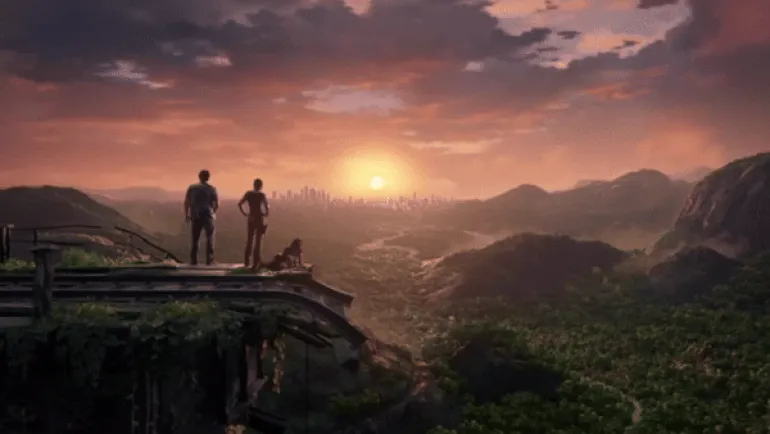
Сверхширокий план (Extreme Wide Shot, EWS) эффективно акцентирует внимание на масштабах окружающей среды, придавая персонажам миниатюрный вид. Этот тип кадра позволяет зрителю оценить обстановку и контекст, в котором развиваются события. Сверхширокий план используется для создания впечатления величия природы или архитектуры и может усиливать эмоциональную нагрузку сцены, подчеркивая одиночество или уязвимость героев.
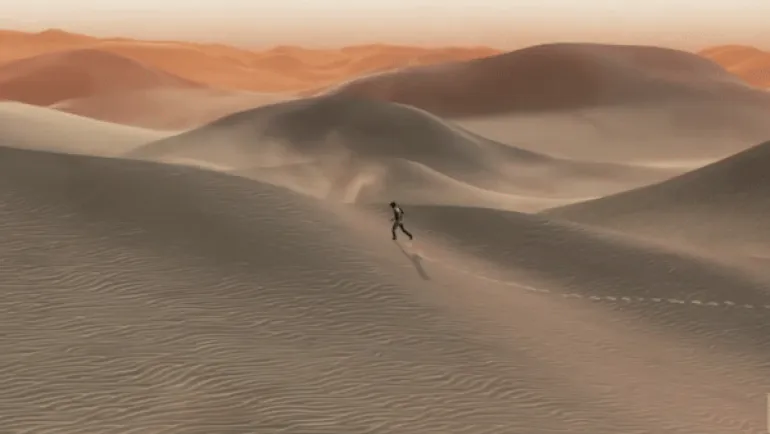
Примечание: данный текст служит для дополнительной информации и пояснений по основным темам. Важно учитывать, что каждая деталь может повлиять на общее восприятие материала. Обращаем внимание на необходимость внимательного изучения представленных данных, чтобы получить наиболее полное представление о рассматриваемом вопросе. Подробности и уточнения помогут лучше понять основные идеи и концепции. Рекомендуется уделить внимание всем аспектам, чтобы избежать недопонимания и повысить качество усвоения информации.
В некоторых классификациях выделяют дальний план и сверхдальний план (Long shot / Extreme long shot), однако информация об их различиях с общим планом часто противоречива из-за различных трактовок. Некоторые источники утверждают, что в дальнем плане персонаж занимает незначительную часть кадра, тогда как другие рассматривают дальний план как синоним адресного плана. Это разнообразие определений подчеркивает важность контекста в киноискусстве и визуальной коммуникации. Правильное понимание этих терминов может помочь в создании более выразительных и глубоких визуальных историй.
В дискуссиях о кино часто поднимается вопрос различия между широким планом и длинным планом. Некоторые утверждают, что Long Shot является устаревшим термином из классического кинематографа и в современном контексте утратил свою актуальность. Это мнение подтверждается материалами таких профильных изданий, как StudioBinder, NFI и No Film School, где Wide Shot и Long Shot рассматриваются как синонимы. Таким образом, можно заключить, что в современном языке кинематографа кадры, акцентирующие внимание на окружении, а не на персонаже, чаще всего называют общим или широким планом, что не является ошибкой. Использование этих терминов в контексте современного кино подчеркивает их взаимозаменяемость и отражает эволюцию языка киноискусства.
Optics
When choosing a virtual camera lens for your shots, it's important to consider the context of the scene and the message you want to convey. Each lens has its own characteristics that can significantly impact how an image is perceived. Choosing the right lens will help create the right atmosphere and highlight key elements of the story.
A normal lens is one that delivers an image as close as possible to how the human eye perceives it. Typically, the focal length of such a lens is 50mm, but can range from 40mm to 60mm. This lens is ideal for capturing both medium and close-up shots, as well as for detailed shots. Due to its versatility, a normal lens is an excellent choice for photographers looking to capture realistic and natural images.
Lenses with a short focal length (35mm and below) are ideal for capturing wide spaces, making them an excellent choice for landscape and interior photography. A shorter focal length increases distortion at the edges of the image, which can be used to create dynamic scenes such as car chases or simulating amateur photography. These lenses capture more detail and convey the atmosphere of the surrounding world, making them indispensable for photographers seeking unusual angles and creative solutions. A wide-angle lens effectively emphasizes the emotional state of a subject, especially in close-up shots. In such shots, part of the surrounding environment is out of focus and distorted, enhancing the sense of isolation from the outside world. This technique is especially effective for scenes in which the subject is lost in thought, experiencing discomfort, intoxication, or hallucinations. Using a wide-angle lens in these contexts helps create a deeper emotional impact on the viewer.
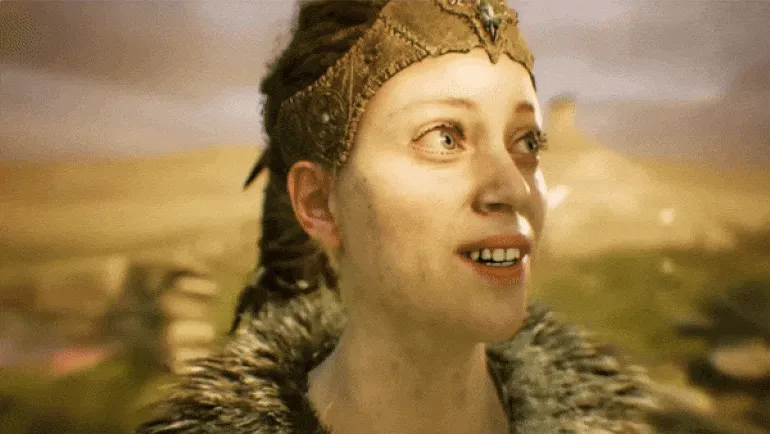
In real life, a telephoto lens is a complex optical system with a focal length reaching several hundred millimeters, allowing for the capture of objects at a considerable distance. Telephoto lenses are widely used not only for television and reportage, but also in the film industry, as they add depth and expressiveness to shots. The key is that such lenses capture not only the main objects but also their surroundings, maintaining sharp focus. This allows for the subject to be clearly shown in the context of its surroundings, ensuring a natural perception in both outdoor and indoor locations. The use of telephoto lenses helps to create more three-dimensional and realistic images, which makes them indispensable in professional photography and video shooting.
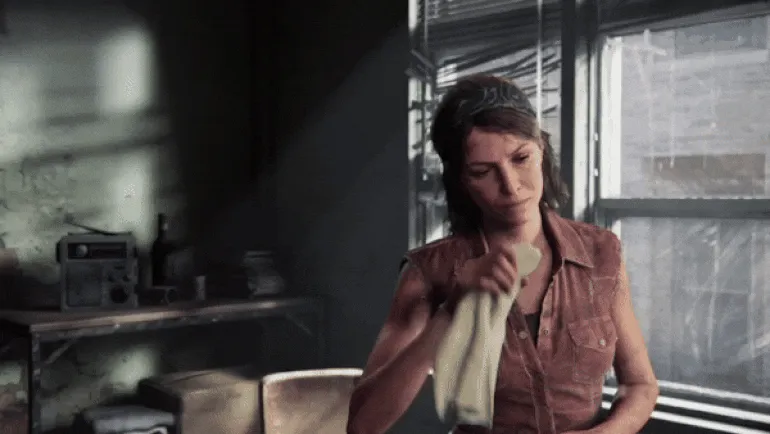
Angle
Angles play a key role in emphasizing the context of a scene and the emotional state of a character. The right angle can significantly enhance the perception of a storyline, focusing attention on important details and creating the desired mood. Using different angles not only helps convey atmosphere but also reveals the inner world of the characters, making them more multifaceted and understandable to the audience. Visual composition based on the choice of angle contributes to a deeper immersion in the story and allows for a better understanding of the characters' motivations.
Shooting at eye level, also known as eye-level or normal angle, is a standard approach in photography and videography. This angle allows you to capture objects and people from a natural perspective, creating the effect of direct communication with the viewer. Shooting at eye level promotes a deeper understanding of the image, making it more accessible and understandable. This angle is often used in portrait photography, interviews, and documentaries, as it conveys genuine emotion and creates a sense of intimacy with the subject. By using this standard angle, photographers can achieve a harmonious and expressive result that will attract the audience's attention.
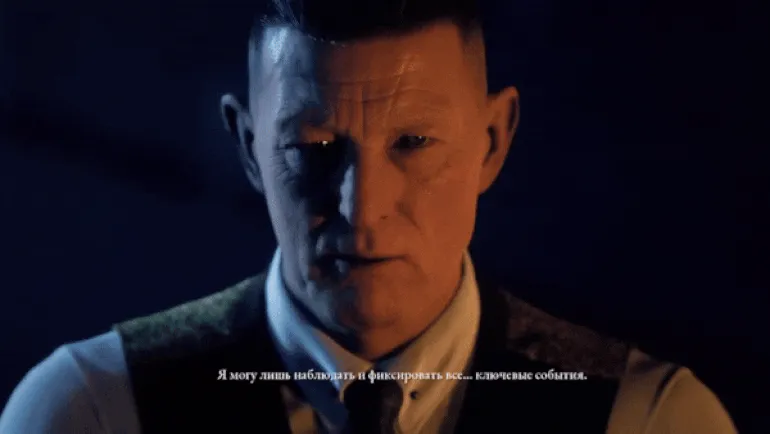
Low-angle shooting, also known as low-angle shooting, is a technique in which the camera is positioned below eye level and pointed upward at a character. This angle effectively emphasizes the strength and majesty of a character or group of characters, creating an impression of dominance and confidence. Low-angle shooting is often used in film and photography to enhance visual impact, allowing viewers to feel the power and authority of the subject being depicted.
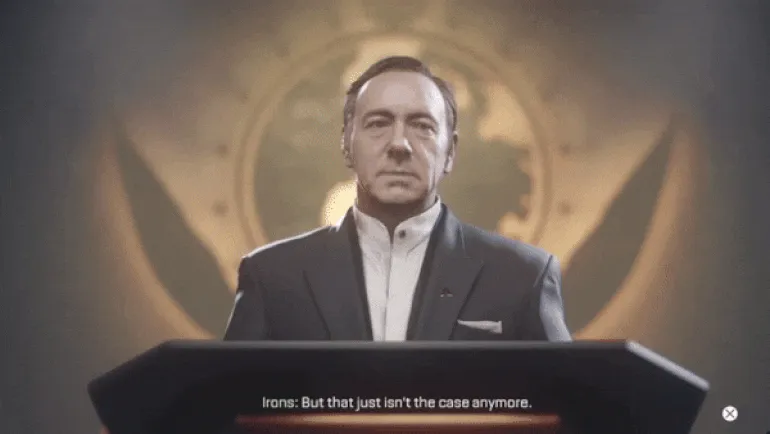
The storyline frequently features situations where the protagonist is threatened or, conversely, offered assistance. These moments play a key role in the development of conflict and the development of characters. Threats create tension, heightening viewer interest, while offers of help can reveal new facets of the protagonist's character and their interactions with the world around them.
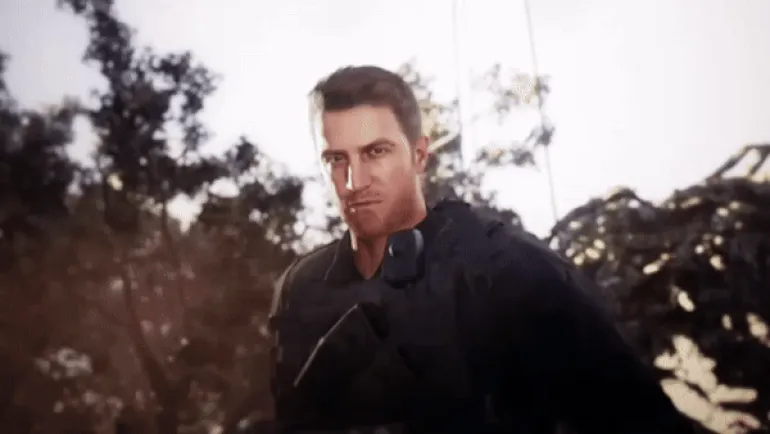
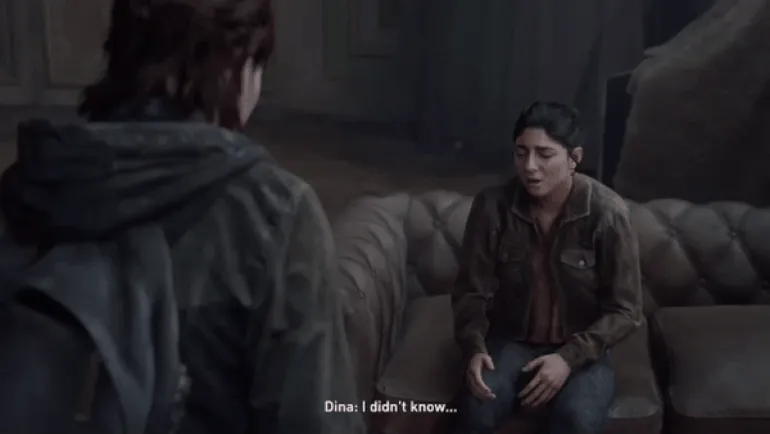
A high-angle shot, or overhead shot, is a technique in which the camera is positioned above the subject and pointed downward. This angle is often used to convey a character's vulnerability or attempts to justify themselves. A high angle creates a sense of dominance over the character, which can heighten the emotional weight of a scene. This approach allows the viewer to see the situation from a new perspective and better understand the character's inner state. Using high-angle shots in film and photography helps create expressive visuals and deepen storylines.
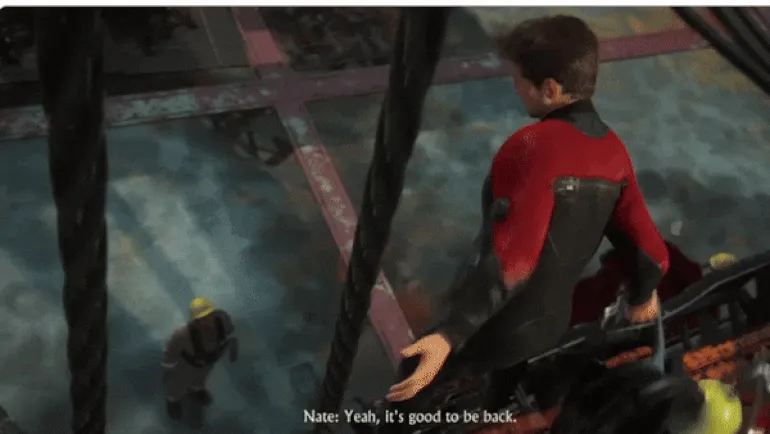
It also appears in scenes where the hero interacts with another character located on a lower level of the location. These moments highlight the dynamics of relationships and can be key to the development of the plot.
There are many variations of shooting using low and high angles that can significantly change the perception of an image. Exaggerated angles create unique visual effects by emphasizing certain aspects of the composition and adding dynamism to shots. Using a low angle can make a subject appear more imposing and majestic, while a high angle often adds lightness and vulnerability to a scene. These techniques are actively used in photography and videography to create memorable and expressive works.
Shooting from a low angle, known as a "straight up" (or "worm's eye"), is a technique in which the camera is positioned below the subject's eye level and pointed upward. This creates the impression of grandeur and superiority of the protagonist, especially when their head is held high. This approach not only focuses attention on the character but also adds drama and dynamism to the frame. Using this technique can significantly enhance the visual appeal and emotional weight of scenes, making them more memorable for the viewer.
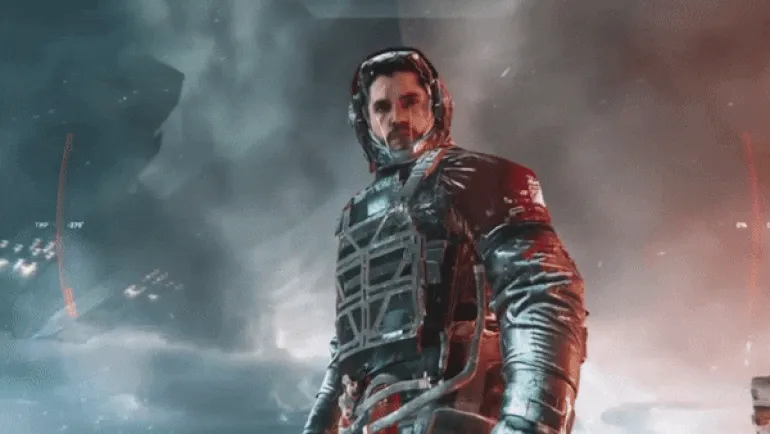
A very high-angle shot, or bird's-eye view, is a technique in which the camera is positioned significantly above the subject. This allows for a better depiction of the surroundings and context of the subject. This technique is often used in film and video production, especially in scenes where the protagonist is trapped or facing danger. This angle heightens the tension and allows the viewer to appreciate the scale of the situation, creating a sense of hopelessness and emphasizing the character's vulnerability.
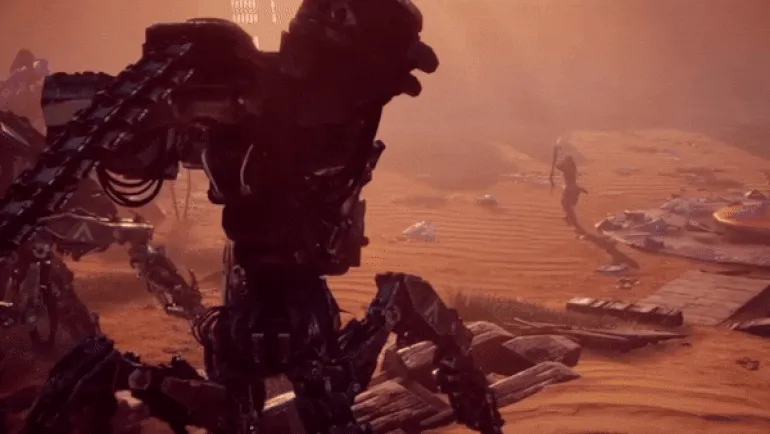
This angle allows you to demonstrate the general view of the location in which the character is located, focusing attention on the surrounding space, and not on the hero himself. This approach helps create atmosphere and convey mood, emphasizing the importance of the location in the plot.
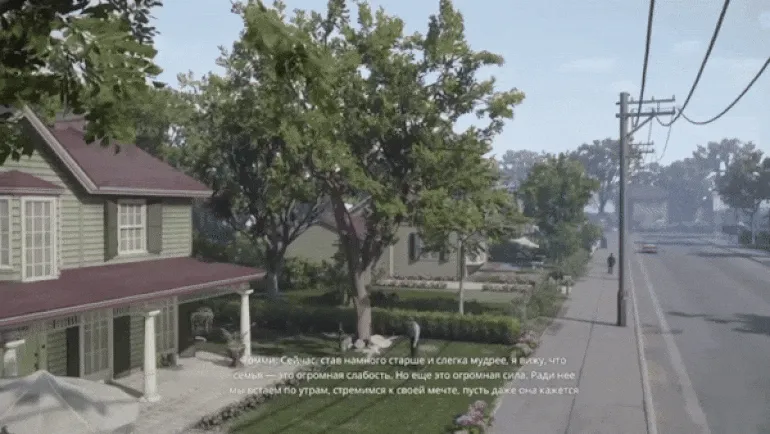
Shooting from a high angle, also known as "God's eye view," allows for a unique perspective on the action. This shooting method is characterized by extreme distance from the scene, which helps create a complete picture of the scene. This angle is most often used to show large-scale battles or mass events where it is important to show the dynamics and interaction of multiple elements. Aerial shots help viewers better understand the context and perceive the scale of what's happening, making them popular in film and television.
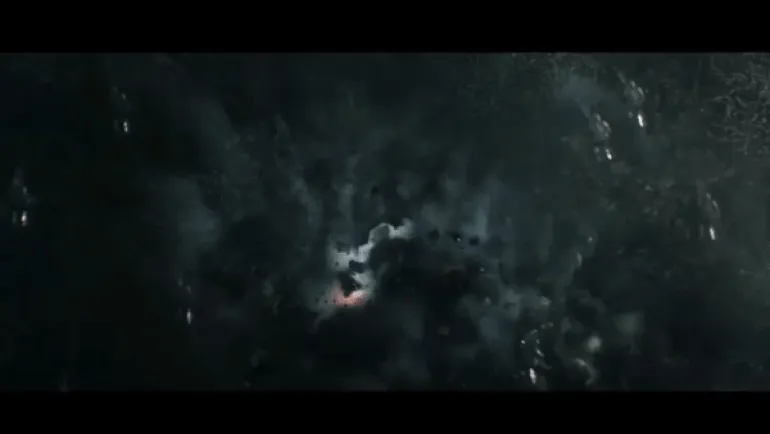
When a subject is in danger of falling from a great height or is already beginning to fall, this creates unique moments to capture. In such situations, it's important to consider safety and employ appropriate shooting techniques. Using slow motion allows you to capture the dynamic of the fall, emphasizing the movement and emotional weight of the moment. Proper lighting and composition will highlight details, making the shot more compelling. Filming in hazardous conditions requires preparation and careful assessment of the situation to avoid injury and damage to equipment.
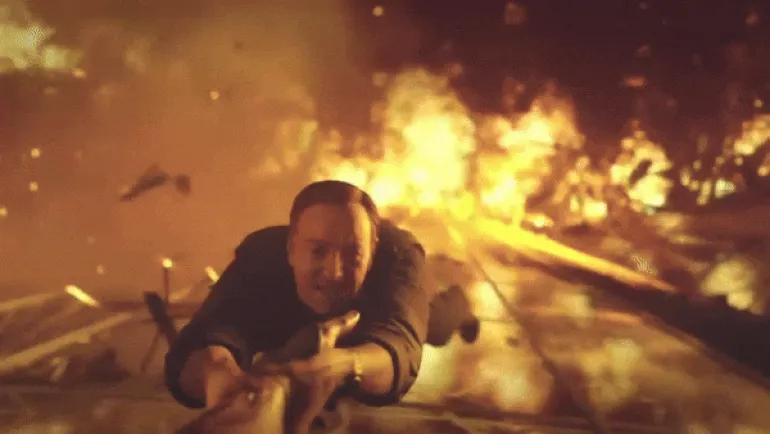
Shooting from a straight angle in enclosed spaces can effectively convey a sense of emotional detachment. This approach creates a unique atmosphere, allowing viewers to become more immersed in the characters' experiences and the situation. Using a straight angle in the image's composition emphasizes details that highlight isolation and internal conflict. This makes such shots especially expressive and memorable, which can be useful for photographers and videographers seeking to convey complex emotions through visual art.
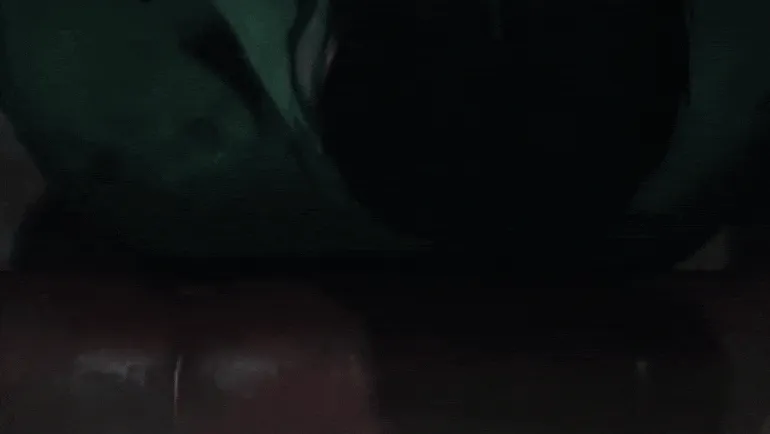
Adds drama to scenes in which a character is already dead. This technique heightens the emotional impact, allowing the viewer to more deeply understand the consequences of loss. In moments like these, the emphasis on a character's death creates tension and makes you think about life and death, which makes the plot more layered and memorable.
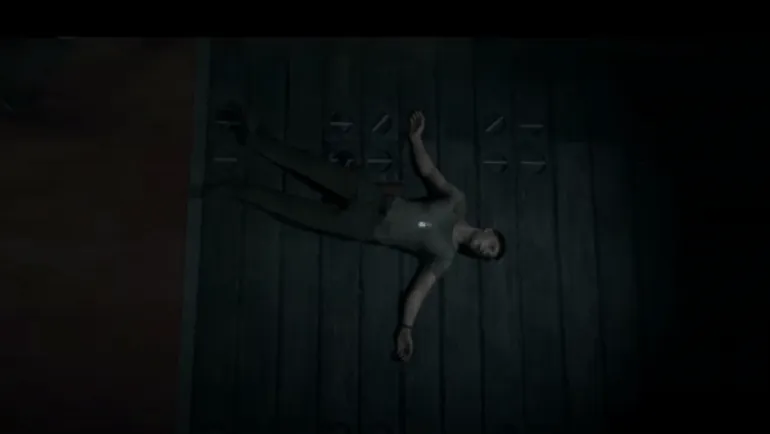
Canted angle (also known as Dutch angle) is a technique that can significantly alter the perception of an image. Vertical and horizontal lines create a sense of stability and calm, but a tilted horizon, often criticized by beginning photographers, can be used to convey emotional weight. A deliberately tilted horizon isn't a mistake; on the contrary, it helps convey a sense of chaos and dynamism, adding a dramatic edge to the shot. By using this effect correctly, a photographer can draw the viewer's attention and enhance the atmosphere of an image.
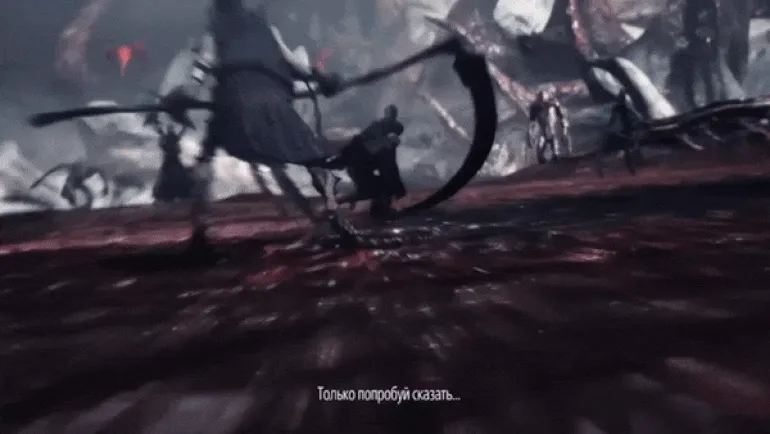
This angle effectively emphasizes the hero's confusion, focusing on his emotional state. Using this visual approach creates a deep connection with the audience, allowing viewers to better understand the character's inner experiences.
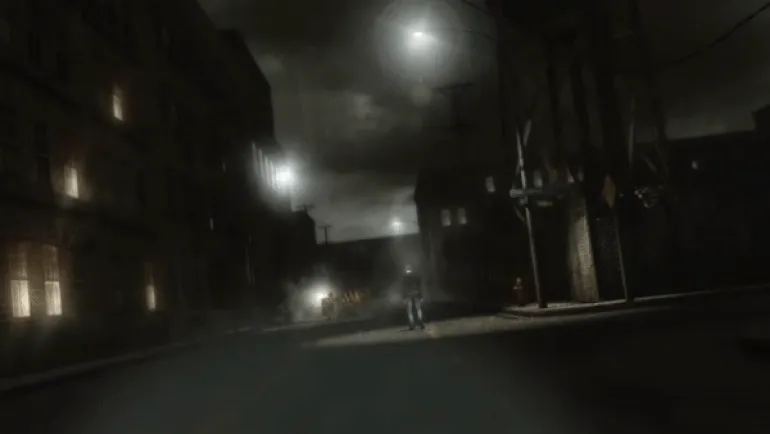
The first-person view (POV) creates a deep connection between the player and the character, allowing them to become fully immersed in the gameplay. This perspective is fundamental to first-person games, as it provides a realistic perception of the surrounding world and allows the player to see events as if they were in the game themselves. Using a first-person perspective enhances the emotional connection with the character and makes the gaming experience more immersive. Games that use this angle often emphasize environmental details, which helps create atmosphere and increases player engagement.
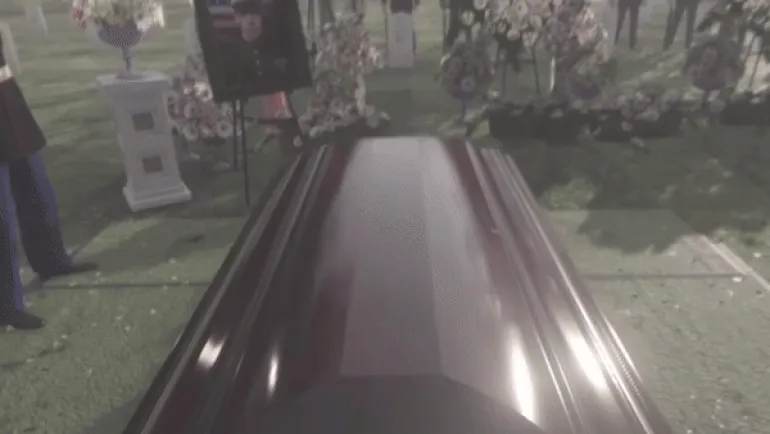
In other cases, POV can be useful for conveying a scene through a character's perspective. This allows readers to become more deeply immersed in the character's emotional state and experience their experiences. Использование точки зрения персонажа помогает создать более интимную атмосферу и делает сюжет более увлекательным.
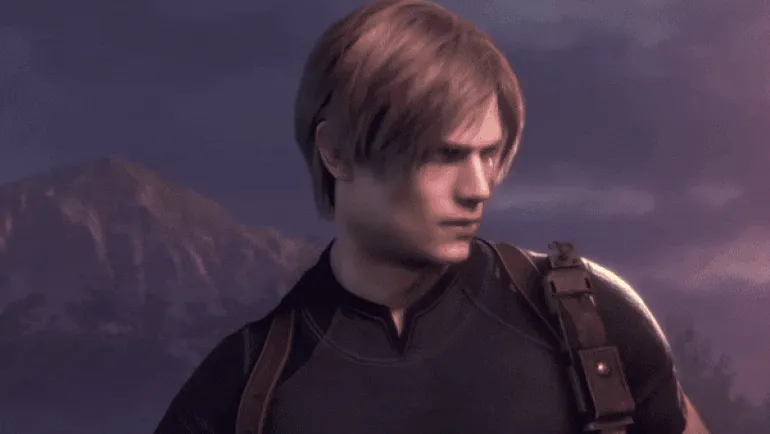
Ракурс через плечо (Over the shoulder / OTS) представляет собой технику съёмки, при которой камера фиксирует не только основной объект, но и часть плеча и головы его собеседника. Этот ракурс широко используется в диалогах, так как он эффективно подчеркивает связь и взаимодействие между персонажами. В случае, если один из собеседников становится более активным в обсуждении, ракурс может изменяться на средний или крупный план, создавая динамику в сцене. Чем увереннее персонаж выражает свою точку зрения, тем крупнее становится план, что привлекает внимание зрителя и усиливает эмоциональную нагрузку момента. Использование ракурса через плечо позволяет создать более интимную атмосферу и углубить понимание отношений между героями.
Если объект съемки принимает решения или высказывает значимые аргументы в ходе диалога, крупность кадра меняется плавно. В зависимости от содержания сцены ракурс через плечо можно комбинировать с различными приемами, что позволяет создать более динамичное и выразительное изображение. Это сочетание помогает подчеркнуть эмоции персонажей и усиливает воздействие на зрителя. Правильное использование таких техник делает видеоряд более интересным и многослойным, что важно для достижения качественного результата в визуальном повествовании.
Движение камеры
Виртуальная камера предлагает огромные возможности, однако любое её перемещение должно быть обоснованным. При анализе движения камеры в современных фильмах можно заметить, что траектория её движения тесно связана с сюжетом. Динамичные или статичные кадры могут по-разному передавать настроение и контекст сцены. Важно рассмотреть особенности каждого типа движения, чтобы понять, как они влияют на восприятие зрителем.
A static shot is a still image in which the camera remains stationary. Such shots were the basis of the first films in cinematic history. Today, despite the prevalence of dynamic scenes, static shots play an important role, focusing the viewer's attention on key plot points. They can create an atmosphere of tension, allowing for a deeper immersion in the characters' emotions and the significance of the events. The use of static shots in modern cinema emphasizes the artistic intent and helps establish a connection between the viewer and the on-screen action.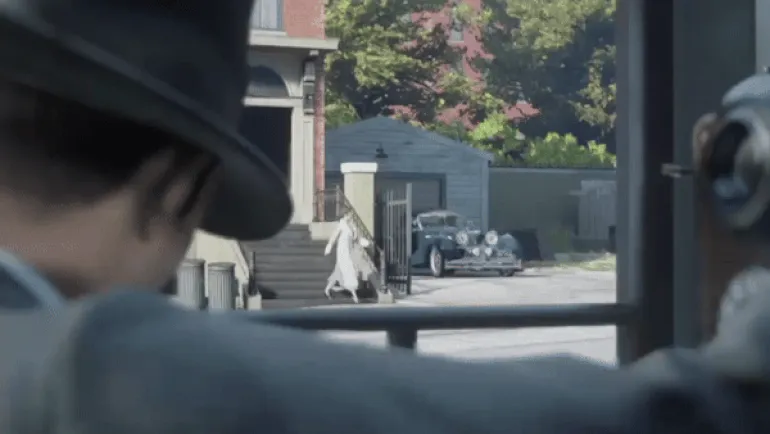
A tilt shot is a filming technique in which the camera remains in a fixed position, but the lens moves vertically. This allows the viewer to convey new information and change the perception of the scene. Using this technique in film and video production helps create interesting visual effects, focusing attention on key elements of the frame and adding dynamics to the story.
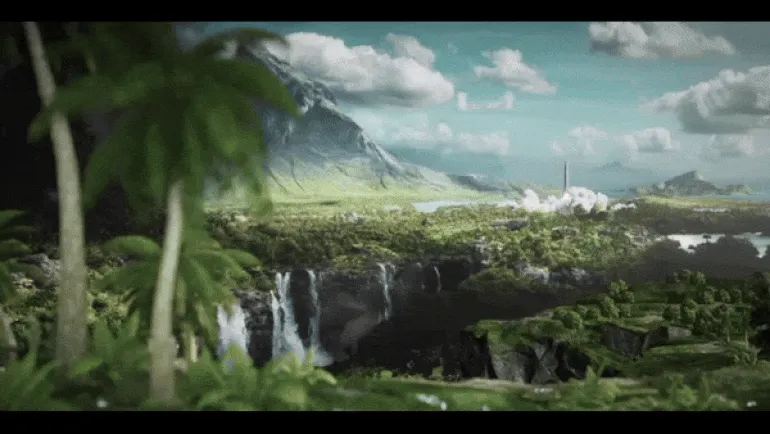
Panning is a technique in which the camera lens rotates horizontally. This technique, similar to panning, reveals new elements of a scene, adding dynamism and interest to the frame. Panning is often used in conjunction with focusing on other objects, which helps to emphasize key details and creates a more immersive visual effect.
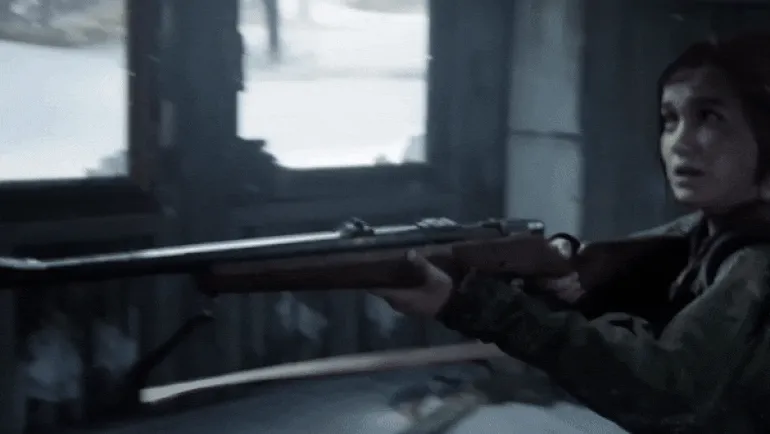
Whip panning is a technique in which the camera pans so quickly that the image between the starting and ending points becomes blurred. This effect is often used in film and video production to create dynamic transitions between scenes or to emphasize fast movement. Whip panning can add energy and visual appeal, as well as emphasize the action or emotions of characters. Correct use of this technique can significantly improve the visual perception and dynamics of video material.
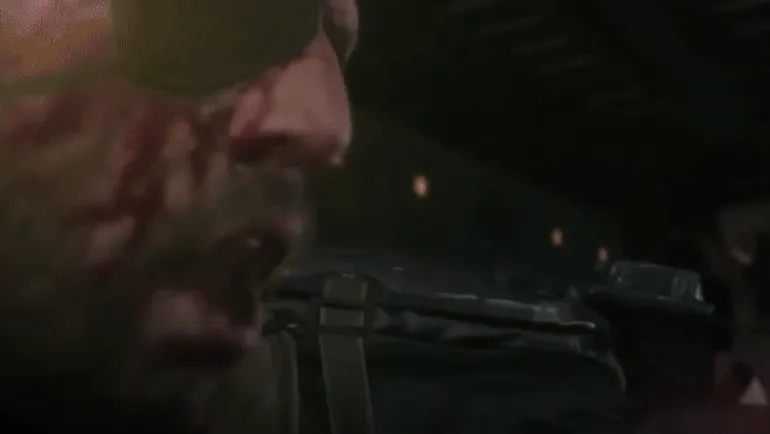
Frame Tracking shots, also known as tracking shots, are a technique in which the camera follows a moving object. On set, these shots are created using a specialized dolly, allowing for smooth camera movement. In video games, this concept is implemented by locking the camera to a character or setting a specific angle and moving it along a predetermined trajectory. This technique not only enhances the perception of the action but also increases audience engagement. Proper use of tracking frames can create more immersive and realistic experiences in both film and interactive media.
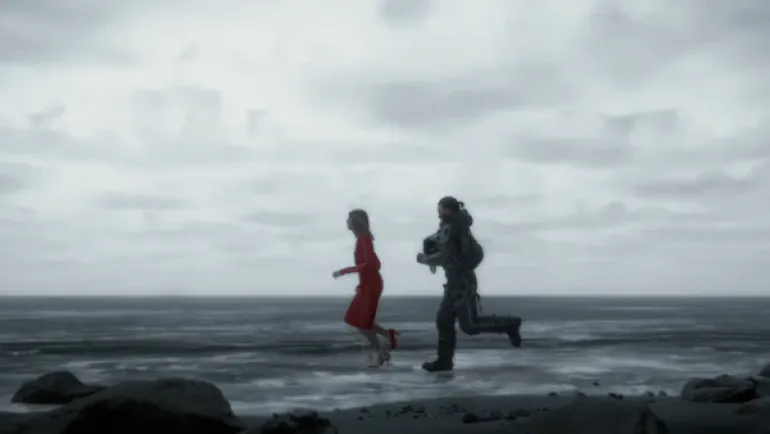
The camera can track the movement of characters within the frame, positioned not only behind them or to the side, but also in front. This allows for the creation of dynamic and captivating scenes, enhancing viewer engagement with the action on screen. This approach provides a deeper immersion in the plot and allows you to better convey the characters' emotions.
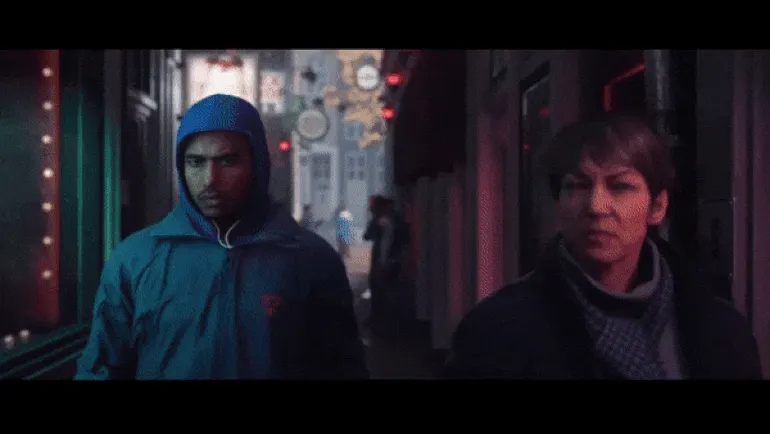
Zoom is a process in which the focal distance changes while the camera remains in a fixed position. This allows for the emphasis of an object or its details, emphasizing their importance and enhancing visual perception. Using zoom is especially useful in photography and videography, where specific elements of a composition need to be highlighted. Proper use of zoom can significantly improve the quality of visual content and make it more engaging for viewers.
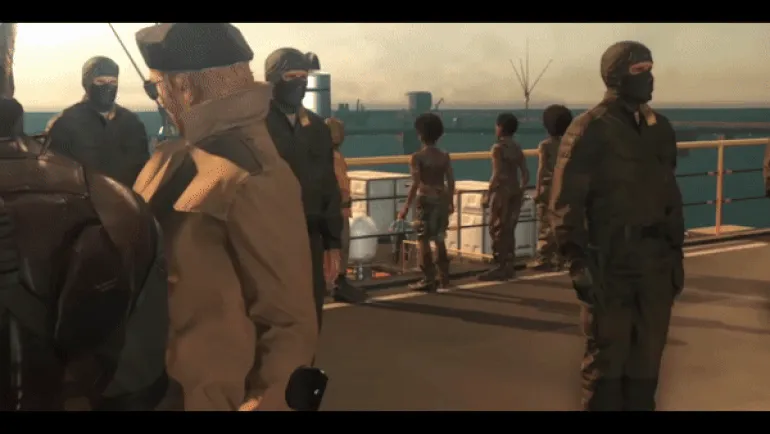
Dolly zoom is a unique filming technique in which the camera moves forward or backward while the focal length changes in the opposite direction. This technique creates a distorted sense of space, which can enhance visual perception. Dolly zoom also accentuates changes in a character's emotional state, making it particularly effective in film and video games. In games, this effect is most often used in the horror genre, but its uses are not limited to this genre. Transtrav can be used in various genres if it is necessary to convey a certain context and create tension in scenes.
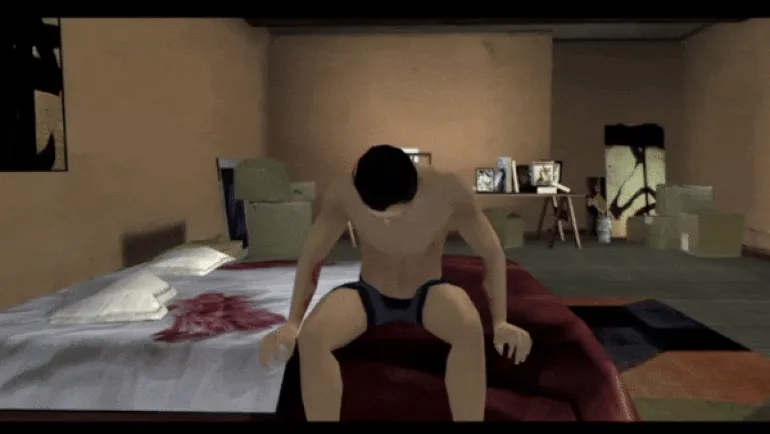
Complex movement (motion) is a technique that continuously combines various types of camera movement. This can include changes in focal length, which helps create visual drama. In professional filming, such movements are achieved using a variety of devices, including cranes, dollies, stabilizers, drones, and handheld cameras. This approach allows for changing camera angles without the need for editing. Game engines and rendering programs can simulate complex movements by pre-setting the virtual camera's trajectory. This technique allows for more exciting and dynamic visual effects, improving the overall perception of the video material.
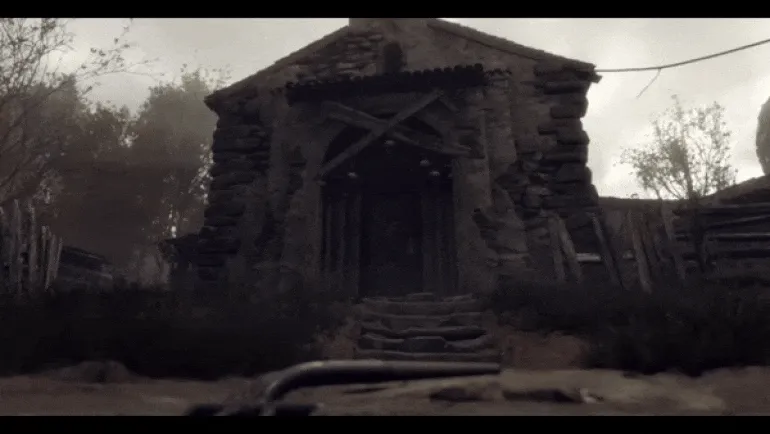
Unreal Engine offers camera assets that simulate dolly and crane shooting. These tools enable the creation of dynamic and cinematic scenes, adding depth and realism to video games and animations. Using camera assets, developers can easily customize camera angles and movements, greatly simplifying the process of creating visually appealing content.
Editing Techniques
Editing is a key tool for developing a narrative, creating atmosphere, conveying scene space, and expressing character emotion. It also serves to indicate time intervals in the plot. For a more detailed study of the features of video editing, we recommend that you familiarize yourself with the materials of our colleagues. In the context of game cutscenes, the editing process does not require the use of film, as it is performed directly in the game engine or in a CG animation rendering program. However, the methods and techniques remain virtually identical, highlighting the importance of editing in creating high-quality video content.
Cutting on action, or cutting on action, is an editing technique in which the same action in a scene is shown from different angles. This method is often used in action scenes such as fights, shootouts, and chases to create dynamism and tension. This approach helps the viewer better understand what is happening, as well as feel the speed and realism of the events. Cutting on action creates smoother transitions between shots and keeps the audience's attention by emphasizing key moments of the action.
This technique can also be effectively used in static scenes, for example, when a key object or character appears in the frame. This helps focus the viewer's attention on significant elements of the plot and enhances the perception of the importance of the moment.
Cut-away editing is a technique in which the action continues in one location, but the emphasis shifts to a new detail, previously unseen by the viewer. This technique is actively used to develop the plot, allowing for abrupt flashbacks or focusing on objects important to the characters. Editing "sideways" helps to immerse the viewer deeper into the action, revealing additional aspects of the story and enhancing emotional perception.
Sometimes you need to hide shocking moments.
Cross-cutting, also known as parallel editing, is a technique in which the camera cuts sequentially between multiple scenes taking place simultaneously in different locations. This method is often used in scenes where characters interact over a distance, such as by phone, walkie-talkie, or videoconferencing. Cross-cutting helps create tension and dynamism in a narrative, emphasizing the connections between characters and advancing the plot. This technique also helps the viewer better understand what is happening in different parts of the story, creating a deeper perception of the events.
Parallel editing, which is often used in cinema, involves characters' actions occurring in different locations simultaneously. This technique helps build tension and deepen the plot by showing how events in different places are interconnected. A prime example of parallel editing is a scene in which the actions of several characters unfold simultaneously, emphasizing their emotional states and the overall dynamics of the action.
Split screen is a technique in which multiple scenes are displayed on the screen simultaneously, allowing for events that cannot be captured in a single frame. Like cross-cut editing, split screen creates tension and helps the player better understand what is happening in the game. This technique is actively used in video games, such as projects by Quantic Dream, where it contributes to deeper immersion and improves the perception of storylines. Split-screen also allows players to follow multiple storylines simultaneously, making gameplay more dynamic and engaging.
Match cutting is a technique that alternates shots with visually similar elements. This technique can be effectively used to create flashbacks or illusions in a character's mind, as well as to convey significant time gaps and changes in location. Match cutting can also be an important part of a parallel editing sequence, as was done in the opening scene of Uncharted 3: Drake's Deception. Using this technique allows not only to deepen emotional perception, but also to connect various storylines, creating a more dynamic and captivating narrative.
A jump cut is an editing technique that alternates shots with the same shot but different actions. This technique is often used to emphasize significant periods of time, allowing the viewer to sense a change in time or the dynamics of events. Jump cuts help speed up the narrative and make it more expressive, which is especially relevant in modern video projects. This technique is widely used in film, television, and vlogs, allowing for the creation of effective and memorable narratives.
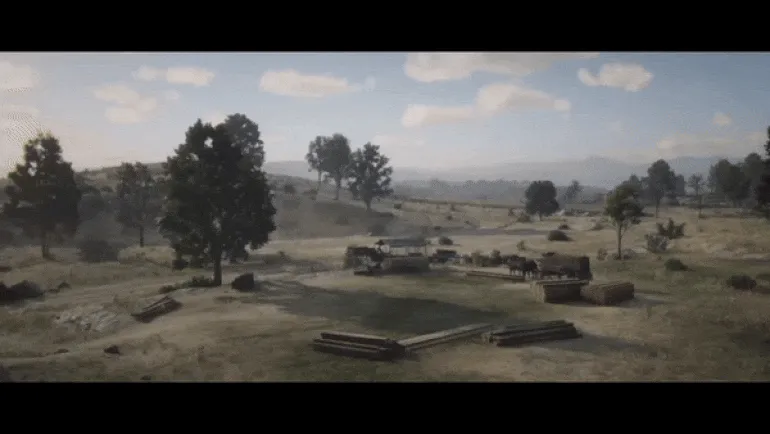
Fade in/out is a scene-by-scene effect that is widely used in classic Hollywood cinema. In video games, this technique is used more frequently and in a variety of interpretations. It can manifest as a classic black fade or a smooth screen fill with white, which often symbolizes loss of consciousness, death, or a character's successful escape. Fade in/out is also used for technical purposes, allowing the screen to be hidden while loading a new location and improving the user experience. Этот прием не только создает атмосферу, но и помогает поддерживать плавность игрового процесса, что делает его важным инструментом в арсенале разработчиков.

Ограничение обзора (Iris) является интересным приемом в киноискусстве, который можно заметить ещё с эпохи немого кино. В тех временах режиссеры использовали эффект сужающегося круга, чтобы сфокусировать внимание зрителей на определенных элементах сцены. Этот метод был связан с управлением диафрагмой объектива. В современных фильмах данная техника эволюционировала и больше не требует манипуляций с диафрагмой. Сейчас ограничение обзора достигается с помощью наложения фильтров, которые целенаправленно сужают угол обзора, особенно в сценах, снятых от первого лица. Например, в моментах, когда персонаж наблюдает за событиями через отверстие в стене, подзорную трубу или снайперский прицел, данный прием создает эффект погружения и усиливает напряжение в сюжете.
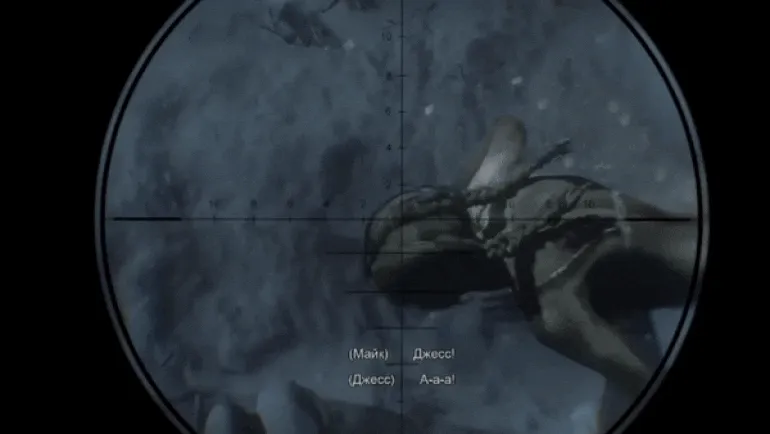
Рваный монтаж (Smash cut) представляет собой технику, характеризующуюся резкой сменой кадров. Чаще всего он используется в сценах, где герой пробуждается после кошмара, но также может служить для создания флешбэков. Важным аспектом данного приема является не только визуальный компонент, но и звуковое оформление. В начале сцены звуки могут быть приглушенными, а затем резко увеличиваться в громкости, создавая эффект неожиданности и усиливая эмоциональное восприятие. Эта техника помогает создать напряжение и интригу, а также позволяет зрителю лучше погрузиться в внутренний мир персонажа. Рваный монтаж эффективно используется в различных жанрах, включая триллеры и драмы, где важна передача сильных эмоций и контрастов.
Dissolve is a technique used to convey a character's thoughts or to smoothly change locations. This effect is also used in scenes where an object in the frame should dissolve or change shape. Achieving the desired result may require visual effects or the use of planes with transparent textures. Overlaying frames helps create atmosphere and enhance the narrative by making scene transitions more seamless and visually appealing.
Invisible cut is a technique used in film to create the illusion of a continuous shot. In reality, cuts occur in places where they are less noticeable to the viewer, such as sudden camera movements, transitions to dark objects, shifts in the foreground, or even during blinks. In game cutscenes and CG animations, invisible cuts are achieved in a similar way, but here the emphasis shifts from a simple cut to advantageous angles and quick asset changes. This technique allows you to create dynamic and exciting scenes that hold the audience's attention and ensure a smooth narrative.
Oblique cuts, also known as L-cuts and J-cuts, are effective editing techniques that facilitate seamless transitions between scenes. With an L-cut, the visuals change while the audio remains the same. This helps build tension or anticipation while maintaining a connection to previous shots. A J-cut, on the other hand, offers the opposite effect: the visuals remain the same, but the audio changes. These editing techniques not only direct the viewer's attention but also allow for the juxtaposition of different shots, furthering the narrative and emphasizing metaphors. Using L-cut and J-cut in video production helps create a deeper, more layered narrative, making them essential tools for directors and editors.
All of the above techniques can be effectively combined with each other. This allows for a significant expansion of their application capabilities and the achievement of superior results. Combining various techniques opens up new horizons for creativity and process optimization.
Additional Materials: Lighting, Color Correction, and Composition
Lighting and color correction in cutscenes have much in common with photography. By applying a variety of techniques, you can accentuate key elements even in large scenes, as well as create an atmosphere that emphasizes the setting and narrative. Proper lighting and competent color correction can not only improve visual perception but also significantly enhance the emotional impact of scenes. It is important to consider how light and color interact to achieve the desired effect and make the story more expressive.
For a deeper understanding of the use of these techniques in 3D graphics, we recommend checking out Andrew Price's lectures, as well as our material on post-processing. You can follow the links provided for more information.
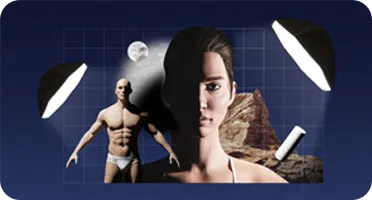
Working with light in 3D is an important aspect of creating realistic visualizations. Adjusting the direction and size of light sources can significantly improve image quality and create the desired mood. In 3D modeling, light sources can have varying positions and intensities, which affects the perception of objects in a scene. Properly setting the direction of light helps accentuate key elements, creating shadows and highlights that add depth and volume. The size of light sources also plays a significant role: larger sources create soft shadows, while smaller sources create sharp edges. Using different lighting types, such as spot, directional, and ambient, allows you to achieve a variety of effects and moods in a scene. Experimenting with these parameters helps you find the optimal settings for a specific task, whether it's architectural visualization, animation, or game graphics.
Thus, competent work with light in 3D not only improves the quality of visualization, but also contributes to the creation of more attractive and effective content.
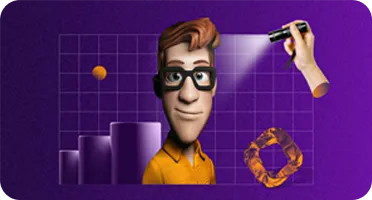
Working with light in 3D: color, perception and Accents
Effective use of light in 3D design plays a key role in creating visually appealing and realistic scenes. Light not only determines color perception but also affects the readability of objects. Proper lighting helps highlight important elements and create the right mood.
Colors in a 3D scene depend on light sources. Different types of lighting, such as point, directional, or diffused sources, can change the hue and saturation of objects. It is important to experiment with color temperature and light intensity to achieve harmony and expressiveness.
The readability of objects depends on the contrast between light and shadow. Carefully selected accents and shadowed areas can direct the viewer's attention to key details. Using light to create depth and volume makes a scene more dynamic and interesting.
In conclusion, working with light in 3D design requires attention and creativity. Lighting helps create atmosphere and highlight important aspects of the work, making scenes more memorable.
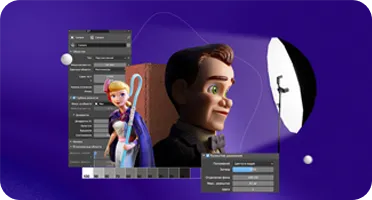
Secrets of Photorealism in 3D for Beginners
Photorealism in 3D modeling is the art of creating images that look as close to reality as possible. For beginning 3D artists, it's important to understand the key principles that will help them achieve a high level of realism in their work.
The first step in mastering photorealism is learning the basics of lighting. Proper lighting creates atmosphere and highlights model details. Use different light sources and experiment with their placement and brightness. Also, pay attention to shadows, which play an important role in creating depth and volume.
Textures and materials are another important aspect. To achieve a photorealistic effect, it's necessary to use high-quality textures that accurately reflect the physical properties of objects. Pay attention to details such as reflections, transparency, and surface roughness. Using normal and specular maps will help improve visual perception.
Modeling also requires special attention. Create highly detailed models, avoiding simple shapes and primitives. Use high-resolution polygons to achieve natural curves and details.
Animation and composition also play a significant role in photorealism. Proper arrangement of elements in a scene and the use of perspective can significantly improve the final result.
Finally, don't forget about post-processing. Using image editing programs will allow you to add finishing touches, such as color correction and contrast enhancement, making your image even more realistic.
By following these tips, beginning 3D artists can create impressive and photorealistic works that will stand out from the crowd. Practice and experimentation are the key to mastering photorealism in 3D.
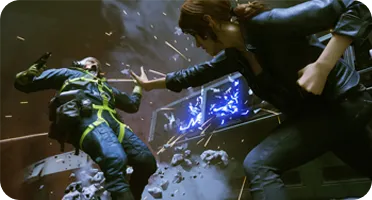
Post-processing in games is the process of applying various effects to an image after it has been rendered. This stage enhances visual perception by adding effects such as blur, color correction, lighting, and shadows. Post-processing helps create a more realistic and atmospheric picture, improving the overall quality of graphics.
The use of post-processing in games has become a standard in the industry. Developers apply it to achieve specific artistic goals and improve the visual experience of players. For example, the depth of field effect helps highlight objects in the foreground, while motion blur creates a sense of dynamism and speed in fast-paced games.
Modern games actively use post-processing to create a unique style, attracting players' attention. This can be achieved with filters and effects that give the game its own personality and make it more memorable. Ultimately, post-processing becomes an important tool in the arsenal of developers, allowing them to convey atmosphere and emotion that make gameplay more engaging.
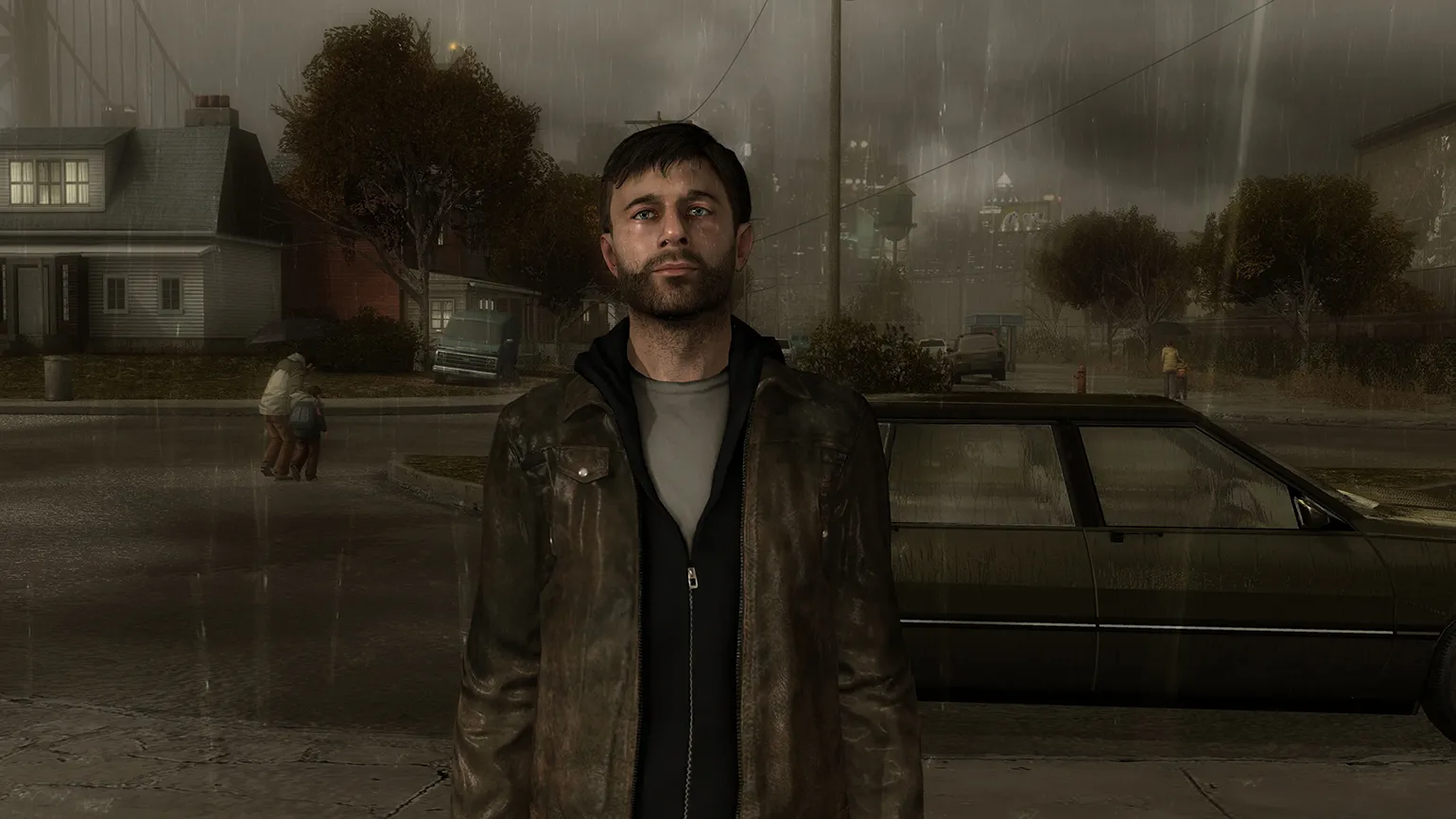
Heavy Rain takes place in dark, muted tones, which emphasizes the game's atmosphere. This is due to the constant rain and the harsh realities the main characters face. Bright colors appear in scenes related to Ethan's happy past, in Jaden's virtual reality, symbolizing his isolation from the outside world, and in some endings that have a positive message. These visual contrasts enhance the emotional load and help to better understand the characters' inner experiences.
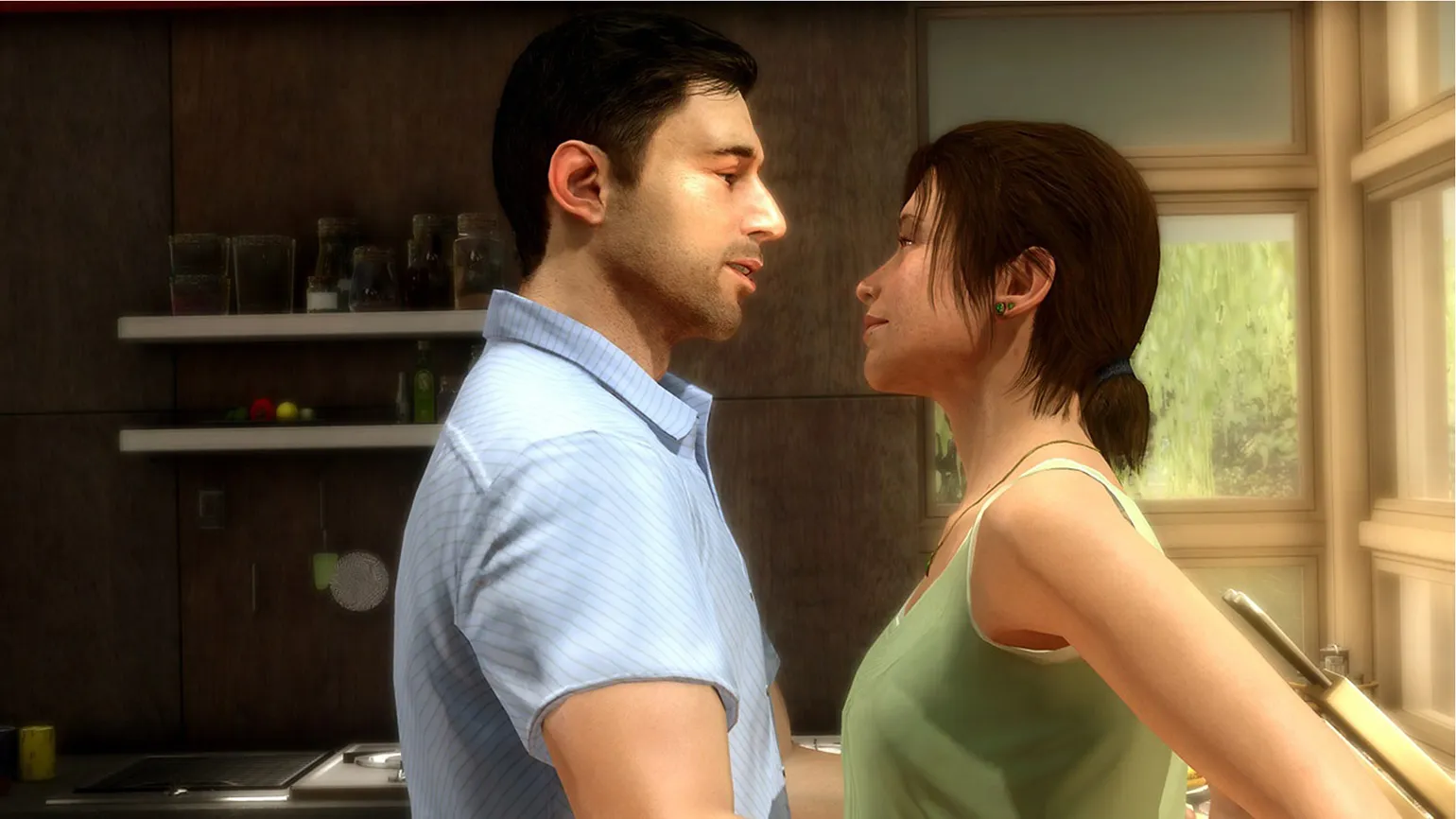
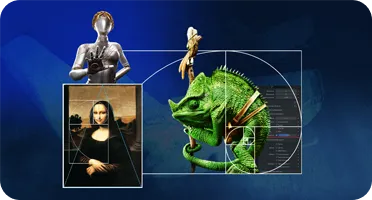
The rules of composition are applicable not only to cinema, but also to various fields of art and design. Effective use of compositional techniques allows you to create a harmonious and engaging work. In our article, you'll find a detailed analysis of these techniques and their practical application in various contexts. Check out the link below for a deeper understanding of composition and its impact on perception.
Reworked text:
Explore additional resources:
Composition is the arrangement of elements in a work of art, design, or literature that creates a harmonious and A holistic perception. It includes the arrangement of objects, the use of color, shape, text, and other elements to achieve a specific effect. Composition helps convey ideas and emotions to the viewer or reader, making a work more expressive and memorable. It is important to consider principles of composition, such as balance, contrast, rhythm, and unity, to create an attractive and effective piece. Proper composition can significantly improve the perception and value of a work, whether in painting, photography, graphic design, or literature.
A note is an important element of a document that allows you to clarify, supplement, or clarify basic information. Notes can contain references to sources, clarification of terms, or additional details that help the reader better understand the context. They are often used in research articles, educational materials, and other texts where a more in-depth explanation of a topic is required. Effectively formatted notes not only improve the perception of information but also increase its value to the reader. Proper use of annotations can improve the SEO of your text, as they can contain keywords and phrases, leading to increased page visibility in search engines. Cutscenes differ from static shots in their highly dynamic nature, allowing directors to deviate from traditional compositional conventions depending on the context. For example, character placement in the frame doesn't always have to follow the rule of thirds. If one character occupies a dominant position, this can emphasize their superiority over their interlocutor, giving them more screen space. Furthermore, using a camera angle that defies classical compositional principles can be an effective creative technique, adding depth and tension to a scene. This approach helps create a unique visual style and convey emotional weight, making cutscenes more expressive and memorable.
Where to start?
Beginners often find it difficult to cope with a large amount of theory, which can cause difficulties in understanding the language of cinema. To make this process easier, we have prepared practical recommendations. They will help you better understand the main aspects of film language and successfully apply them to your projects.
Study key scenes from classic films and popular films, including behind-the-scenes materials that reveal the creation process. Immersion in these films will help you better understand the art of cinema and its impact on audience emotions and perception.
Analyze the shots based on all aspects mentioned in the material. Explore how each technique is related to the idea the director wanted to convey to the viewer. For example, consider the choice of camera angles, shots, and movements: how do they affect the perception of the scene? Consider how lighting helps create mood and atmosphere. Also, analyze the editing techniques used and their role in developing the plot and emotional impact on the audience.
Analyze cutscenes in cinematic games based on this principle. Consider their structure, dynamics, and interaction with the gameplay. Such scenes not only develop the plot but also enhance the emotional perception of the game. Consider how visuals, music, and dialogue interact with each other to create an immersive experience for the player. Studying these elements will help you better understand how cutscenes affect the overall perception of the game and its success in the marketplace.
Pay attention to technical aspects of video content creation: virtual camera movement, changes in focal length, and the placement of light sources and objects in the frame. These elements play a key role in shaping the visual perception and atmosphere of your video. Правильное использование этих технических средств позволяет не только улучшить качество изображения, но и сделать повествование более динамичным и привлекательным для зрителей.
Воссоздайте любимую сцену из игры или фильма, используя игровой движок или программу для рендеринга. Это не только увлекательно, но и позволяет улучшить навыки моделирования, анимации и визуализации. Процесс создания таких сцен может помочь вам разобраться в тонкостях работы с графикой и эффектами, а также развить креативность. Погрузитесь в детали, изучите освещение, текстуры и композицию, чтобы добиться максимального реализма и выразительности в вашей работе.
При создании анимации и окружения не обязательно придерживаться полной аутентичности ассетов. Основное внимание следует уделить точности передачи планов, ракурсов, освещения, а также движения камер и их переключения для достижения эффекта монтажа. В качестве временных элементов можно использовать ассеты с маркетплейсов, а также модели и анимации, доступные на платформе Mixamo. Это позволит эффективно сосредоточиться на ключевых аспектах проекта, сохраняя при этом качество визуального оформления.
Чтобы избежать хаоса в восприятии вашей сцены, важно четко прописать концепцию в виде раскадровок. Раскадровка поможет структурировать идеи и визуализировать ключевые моменты, что сделает процесс создания более организованным и последовательным. Это не только упрощает понимание сюжета, но и позволяет заранее выявить возможные проблемы в композиции и ритме. Использование раскадровок является эффективным инструментом для сценаристов и режиссёров, позволяя им лучше планировать каждую сцену и достигать желаемого результата.
Шаблоны раскадровок доступны для скачивания в интернете. На сайте StudioBinder можно найти архив с раскадровками в различных вариантах, которые готовы к печати в формате А4. В этих шаблонах предусмотрено место не только для концепции кадра и краткого описания, но также возможно отметить крупность плана, используя сокращения на английском языке, а также указать ширину объектива. Такие шаблоны помогают организовать процесс съемки и упрощают визуализацию сцен.
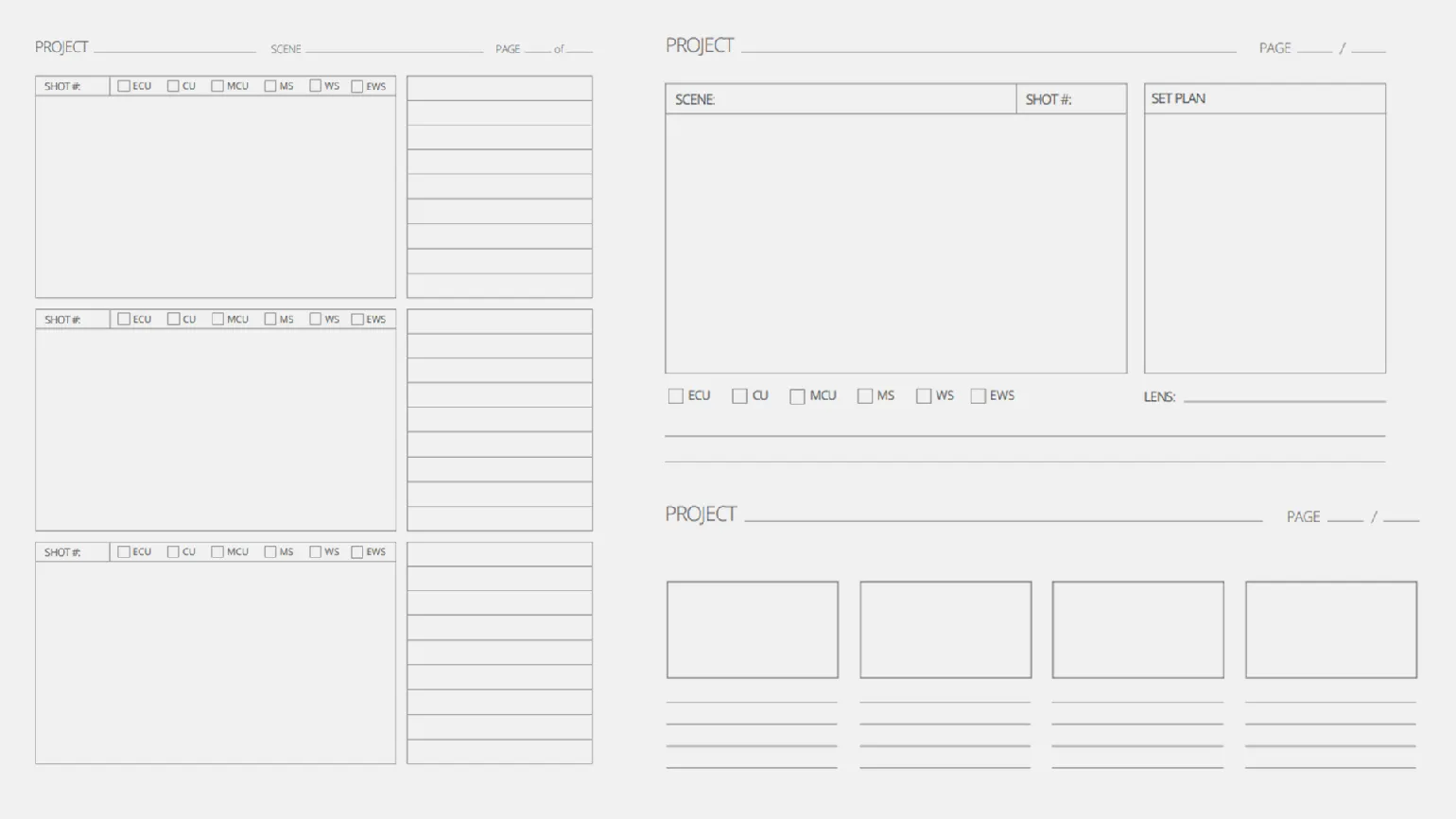
Для эффективной визуализации раскадровки не требуется быть профессиональным художником. Главное — это способность передать основные идеи и концепции. Даже простые наброски или схемы могут значительно улучшить понимание сюжета и структуры. Используйте доступные инструменты, чтобы создавать визуальные материалы, которые помогут донести ваше видение до команды. Помните, что ясность и последовательность важнее художественного мастерства. Простая и понятная раскадровка позволит лучше представить сценарий и упростит процесс создания видео или анимации.
Создание скриншотов основных кадров в 3D-концепте собранной сцены — это эффективный способ визуализации проекта. Эти изображения можно вставить в документ, что позволит собрать коллекцию кадров с нужными ракурсами. Такой подход упростит процесс последующей съемки, обеспечивая четкое представление о том, как должны выглядеть финальные кадры. Использование скриншотов также помогает избежать недоразумений и оптимизировать рабочий процесс, направляя внимание на ключевые элементы композиции.
Кино является искусством, в котором нет строгих границ. Овладев теорией и практическими навыками создания кинематографичных сцен в играх, вы получите возможность сознательно нарушать устоявшиеся каноны и, возможно, даже создать новые. То, что сегодня кажется необычным или непонятным, в будущем может стать важным этапом в эволюции киноязыка. С каждым новым экспериментом мы приближаемся к расширению возможностей визуального повествования.
Кто вы в мире геймдева? A mini-course for those who want to make games.
In this free mini-course, you'll try yourself as a game designer, 2D artist, or Unity game developer and choose the profession that's right for you.
Find out more.