

Try 4 top professions in design. Free ➞ In 5 days, you'll get acquainted with illustration, UX/UI, web, and graphic design. Add 4 compelling case studies to your portfolio and decide which direction to take next.
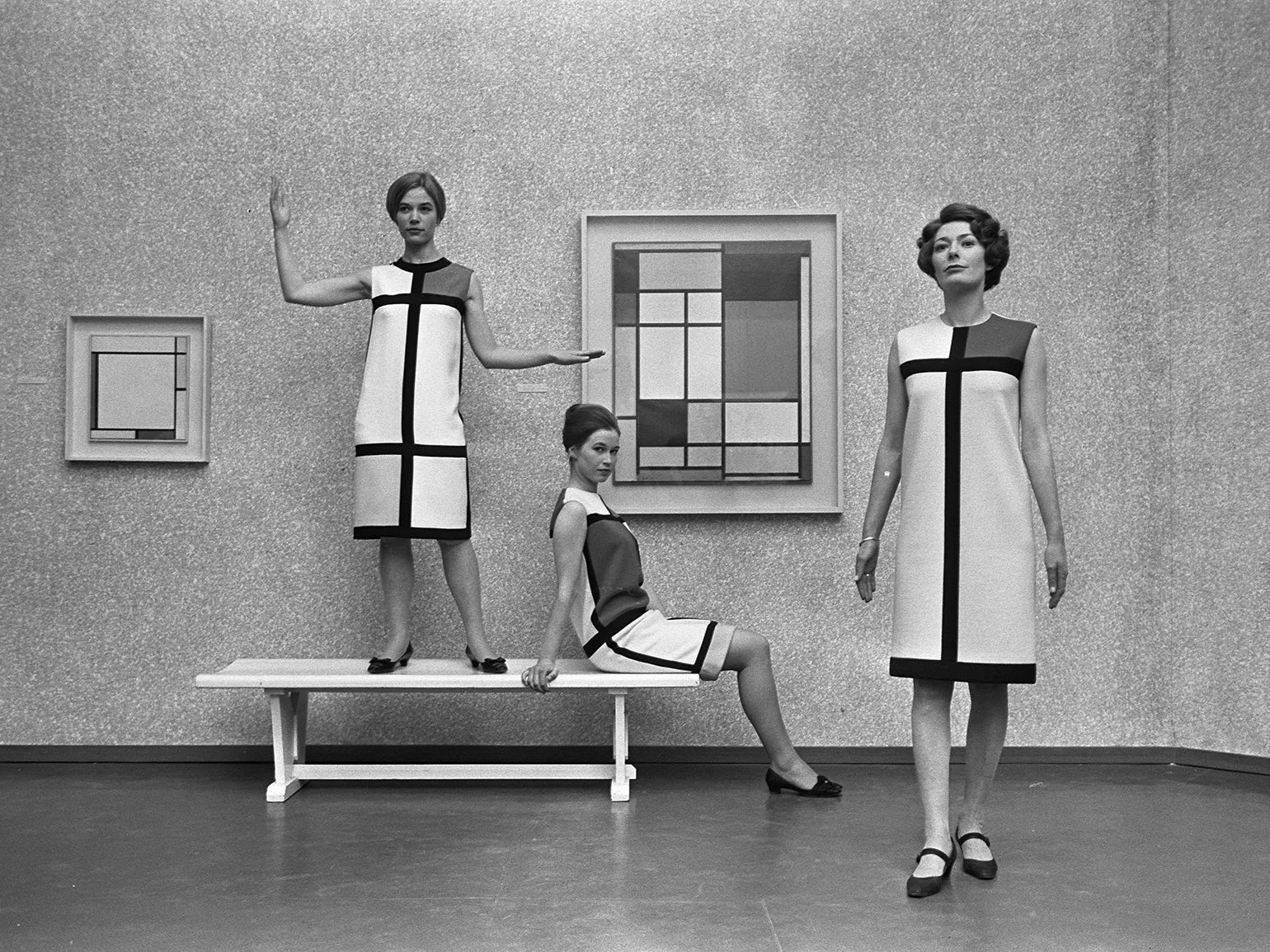
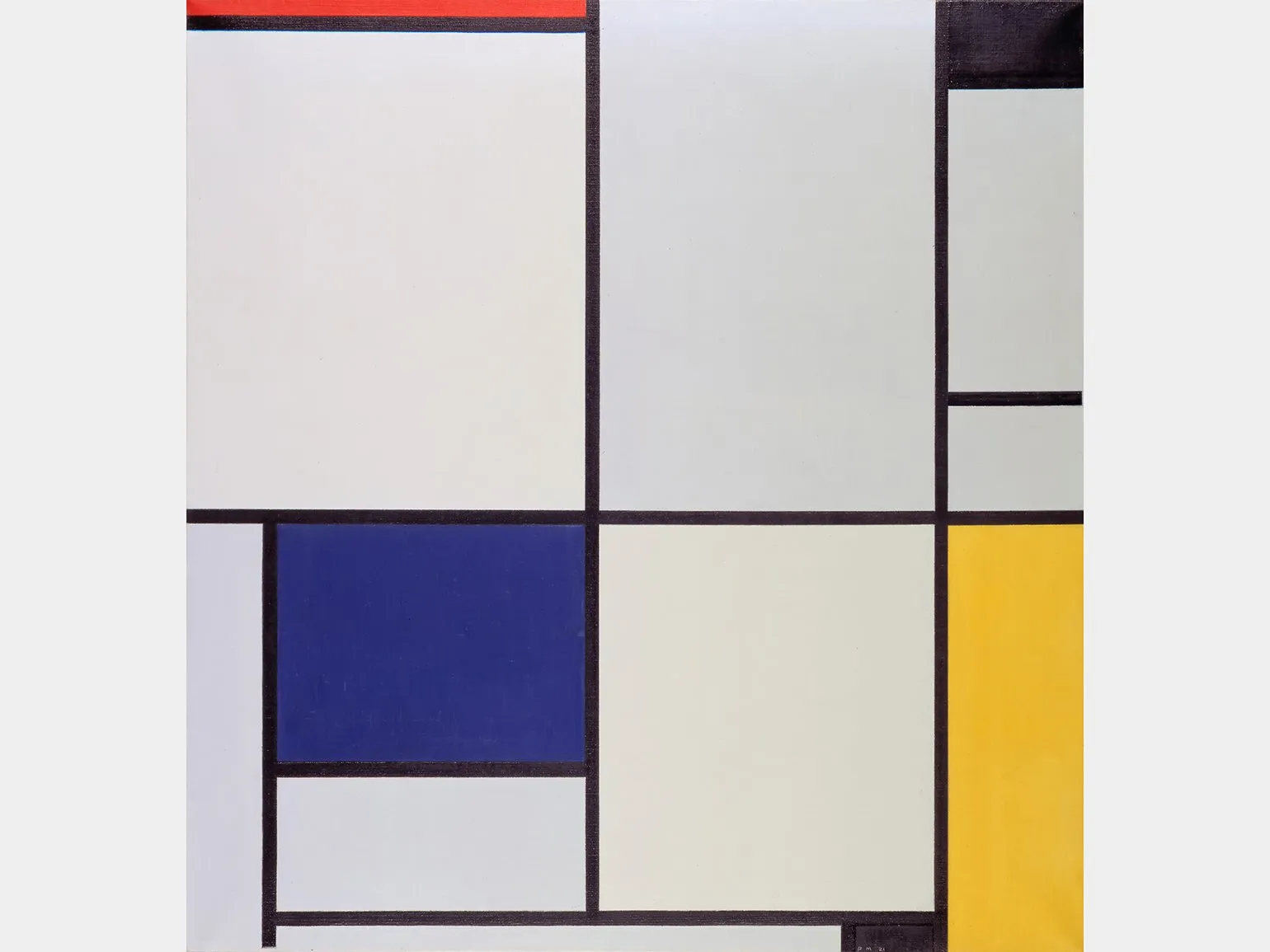
Learn moreVisual acuity is a key quality for a successful designer. In this context, painting plays a special role, providing rich opportunities to explore color allusions, graphic rhymes, and compositional techniques. Painting serves as an important source of inspiration, allowing designers to develop their skills and expand their creative horizons. An understanding of artistic techniques and compositional principles helps create unique and expressive visual solutions, making a keen eye for painting an integral part of a designer's professional development. Yves Saint Laurent drew inspiration from the works of Dutch abstract artist Piet Mondrian in his iconic 1960s collection and continued to interpret classic works, including paintings by Van Gogh and Claude Monet. In 1972, Andy Warhol's "Flowers" series inspired his friend, renowned American designer Roy Halston. In the 1980s, Vivienne Westwood presented her "Witches" collection, based on the work of Keith Haring. In the modern fashion world, bags and T-shirts with prints of famous paintings have become a must-have item for both luxury and mass-market brands, emphasizing the influence of art on fashion and its constant presence in everyday life.

Cinema, unlike fashion, rarely uses direct quotes from painting, but such cases do occur. In the history of cinema, there are several dozen examples when directors turn to works of art. In this article, we will consider the five most interesting and memorable examples of the use of painting in cinema.
In this article, we will consider the importance of citations in scientific and academic works. Citation is the process of citing the sources of information used in your research. Proper citation not only supports your arguments but also allows readers to locate the original sources, which enhances the transparency and credibility of your work. We will discuss various citation styles, such as APA, MLA, and Chicago, and provide recommendations for their use. Knowing the basics of citation will help you avoid plagiarism and improve the quality of your writing. The importance of citation in academic research cannot be overstated, as it is the foundation of academic integrity and ethics.
- Lars von Trier, Ophelia;
- John McTiernan, The Son of Man;
- Luc Besson, Broken Column;
- Robert Zemeckis, Christina's World;
- Luca Guadagnino, A Bigger Splash.
John Everett Millais is a prominent artist known for his vibrant and expressive works. His work exemplifies the Pre-Raphaelite aesthetic, emphasizing detail, rich colors, and deep emotional states. Millais created paintings that not only amazed viewers with their beauty but also conveyed complex human experiences. His works remain relevant and in demand in the art world, attracting the attention of collectors and connoisseurs of art.
The year 1852 was an important stage in history, marked by significant events and changes. This year saw significant political and social transformations that had a lasting impact on subsequent decades. One of the key events of this year was the development of industry and the growth of cities, which contributed to economic prosperity. In addition, 1852 was a time of cultural change, when literature and art began to reflect new ideas and societal moods. Important historical figures who lived during this time also made significant contributions to the development of science, education, and philosophy. Thus, 1852 is an important milestone that continues to influence modern society.
Genre: Art Nouveau, representing the Pre-Raphaelite movement, is characterized by a desire to return to the original artistic values that were lost during the era of academicism. The Pre-Raphaelites, drawing on medieval traditions and nature, sought to create works imbued with symbolism and emotional intensity. Their art is distinguished by vibrant colors, detailed images, and a profound attention to nature and human emotions. This movement had a significant influence on the development of modern art, inspiring artists to explore new forms of expression and original ideas. Art Nouveau, in the context of the Pre-Raphaelites, became an important stage in the evolution of artistic thinking, combining elements of Romanticism and Realism.
The plot of the painting "Ophelia" is inspired by the tragic story of Prince Hamlet's beloved from William Shakespeare's play. Ophelia, who lost her mind after Hamlet murdered her father, becomes a victim of circumstances. Her death, which can be interpreted as an accident or suicide, occurs when she drowns in a river while collecting wreaths. Ophelia's death is presented in a poetic light: her face does not express panic, but only detachment. She accepts her fate and slowly sinks to the bottom, surrounded by greenery and flowers. This painting symbolizes the tragedy of love and loss, reflecting the deep emotions inherent in Shakespeare's plot.
A film scene plays a key role in developing the plot and setting the emotional backdrop. Every element, from dialogue to visuals, contributes to creating a unique atmosphere. A well-designed scene can evoke a wide range of emotions in the viewer, from joy to sadness, and be remembered for a long time.
Filmmakers carefully choose locations, lighting, and sound to emphasize important moments. It is important that a scene not only attracts attention but also serves to develop the characters and their relationships. Successful scenes help the viewer understand the characters' motives more deeply, thereby creating a more complete perception of the story.
Overall, film scenes are an integral part of the narrative and play a vital role in maintaining audience interest. Creating such scenes requires creativity and skill, which ultimately makes the film memorable and meaningful.
The film's prologue features shots that reference Millet's famous painting. Justine, dressed in a white wedding dress, slowly moves along the riverbed, her confident gaze directed at the viewer. The fates of Ophelia and Justine are similar: both heroines suffer from depression and ultimately peacefully accept their deaths. The original Millet painting is featured in the first part of the film, when Justine, in a panic, rearranges the books in her study, replacing Malevich's Suprematism with an image of Ophelia. Such visual parallels emphasize the depth and tragedy of the characters, as well as their internal struggle with unbearable feelings.
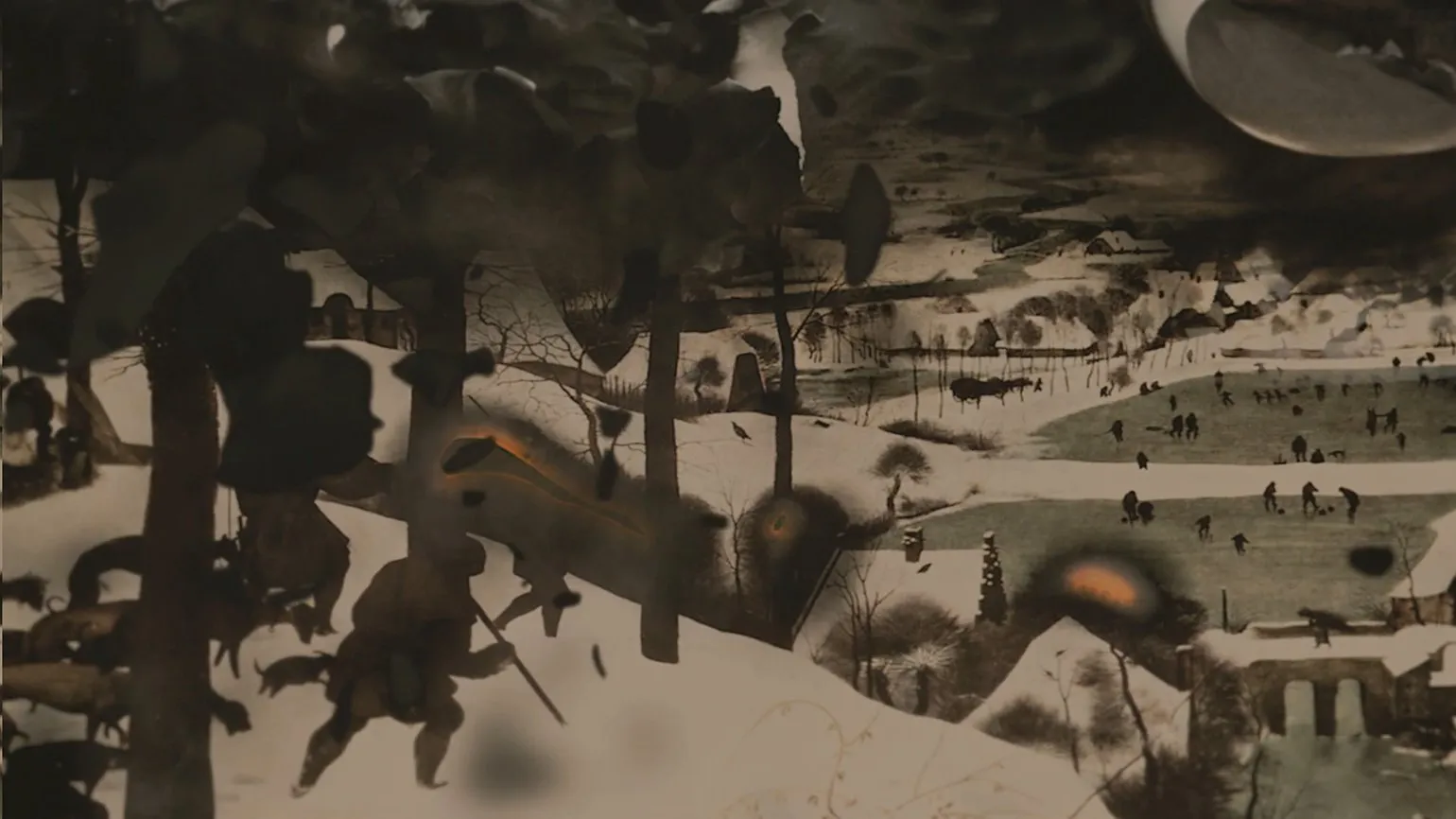
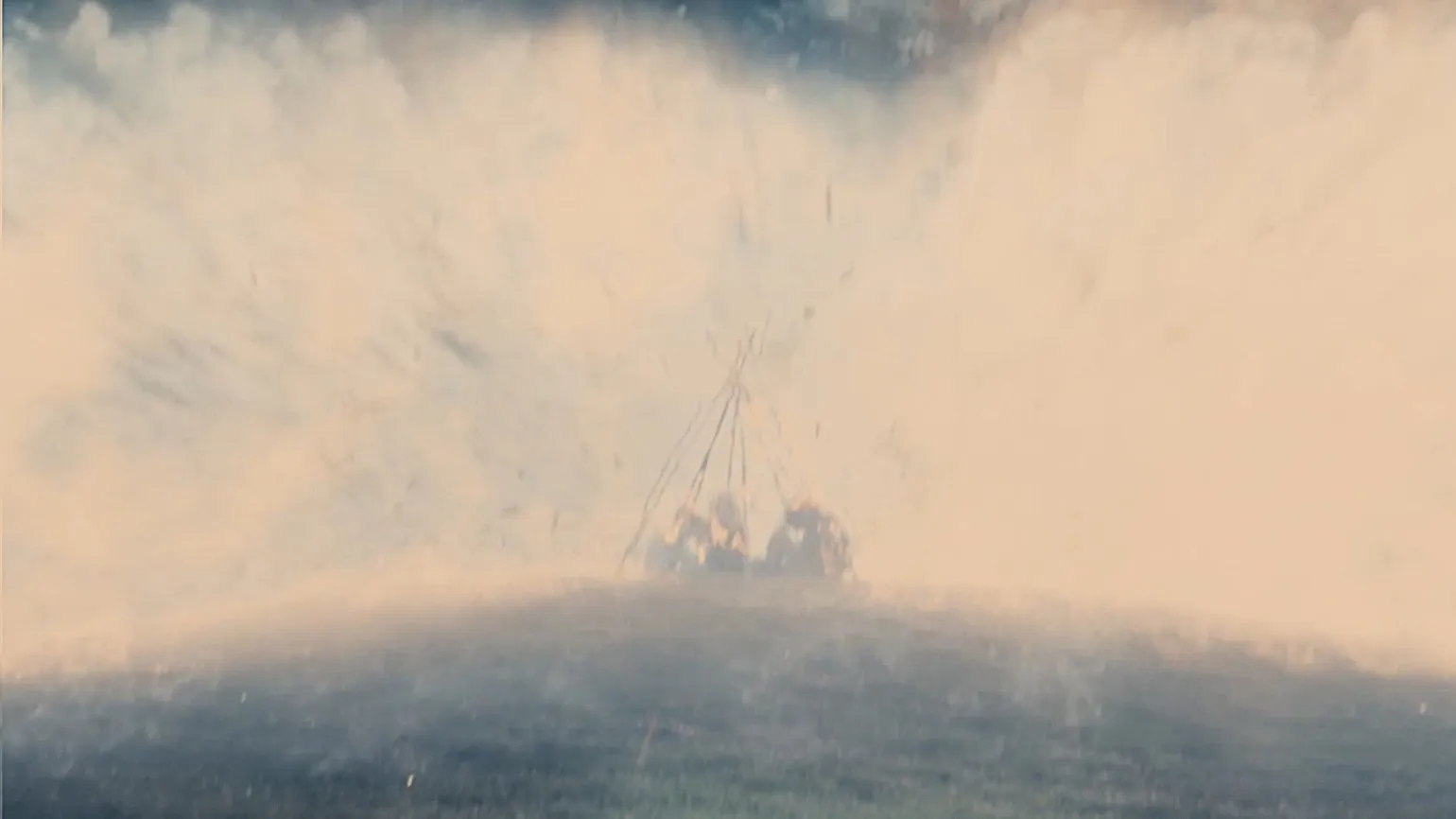
Interesting fact: the visually magnetic prologue of the film "Melancholia" refers not only to the painting "Ophelia", but also to the work "Hunters in the Snow" by Pieter Bruegel the Elder. In this prologue, director Lars von Trier sets fire to the painting from the inside, which serves as a harbinger of the fire that will break out in the final scene of the film. This visual technique underscores the film's core themes, including destruction and inevitability.
The Thomas Crown Affair
Director John McTiernan is known for his ability to create gripping films that remain memorable. His work is characterized by high levels of tension and masterful storytelling. McTiernan rose to prominence with such iconic films as Die Hard and The Deer Hunter, which showcased his talent for creating dynamic and emotionally charged scenes.
His unique approach to working with actors and attention to detail have allowed him to achieve outstanding results in the film industry. The director continues to be an influential figure, inspiring a new generation of filmmakers. His films not only entertain but also challenge viewers to consider important themes, making his work relevant and meaningful.
The year 1999 was a significant milestone in history, marked by many key events and changes. The year marked the transition to a new millennium and was filled with important political, economic, and cultural events. In the field of technology, 1999 was marked by the development of the internet and the onset of widespread digitalization. Globally, political systems were changing, and discussions about globalization were rife. In culture, 1999 saw the release of landmark films and music albums that set trends for years to come. All these factors make 1999 an important year for study and analysis, both historically and culturally.
Romantic detective fiction is a genre that combines elements of romance and mystery. It draws readers in with captivating plots where intriguing crimes unfold against the backdrop of romantic relationships. The main characters often encounter secrets, investigations, and unexpected twists, making the narrative dynamic and gripping. The reader is immersed in an atmosphere of passion and suspense, and explores the depth of human feelings and emotions. A romantic detective story can not only entertain but also make you think about the complex aspects of love and trust.
The plot centers on playboy and millionaire Thomas Crown, brilliantly played by Pierce Brosnan. Living a world of luxury and entertainment, Crown decides to commit a daring crime for pleasure: he meticulously plans the theft of a Claude Monet masterpiece from the Metropolitan Museum in New York. Having uncovered his plan, insurance detective Catherine Banning, played by Rene Russo, faces a difficult task. At first, she perceives Crown as an adversary, but soon realizes that something more is developing between them - true love. This film combines elements of thriller and romance, which makes it interesting for a wide audience.
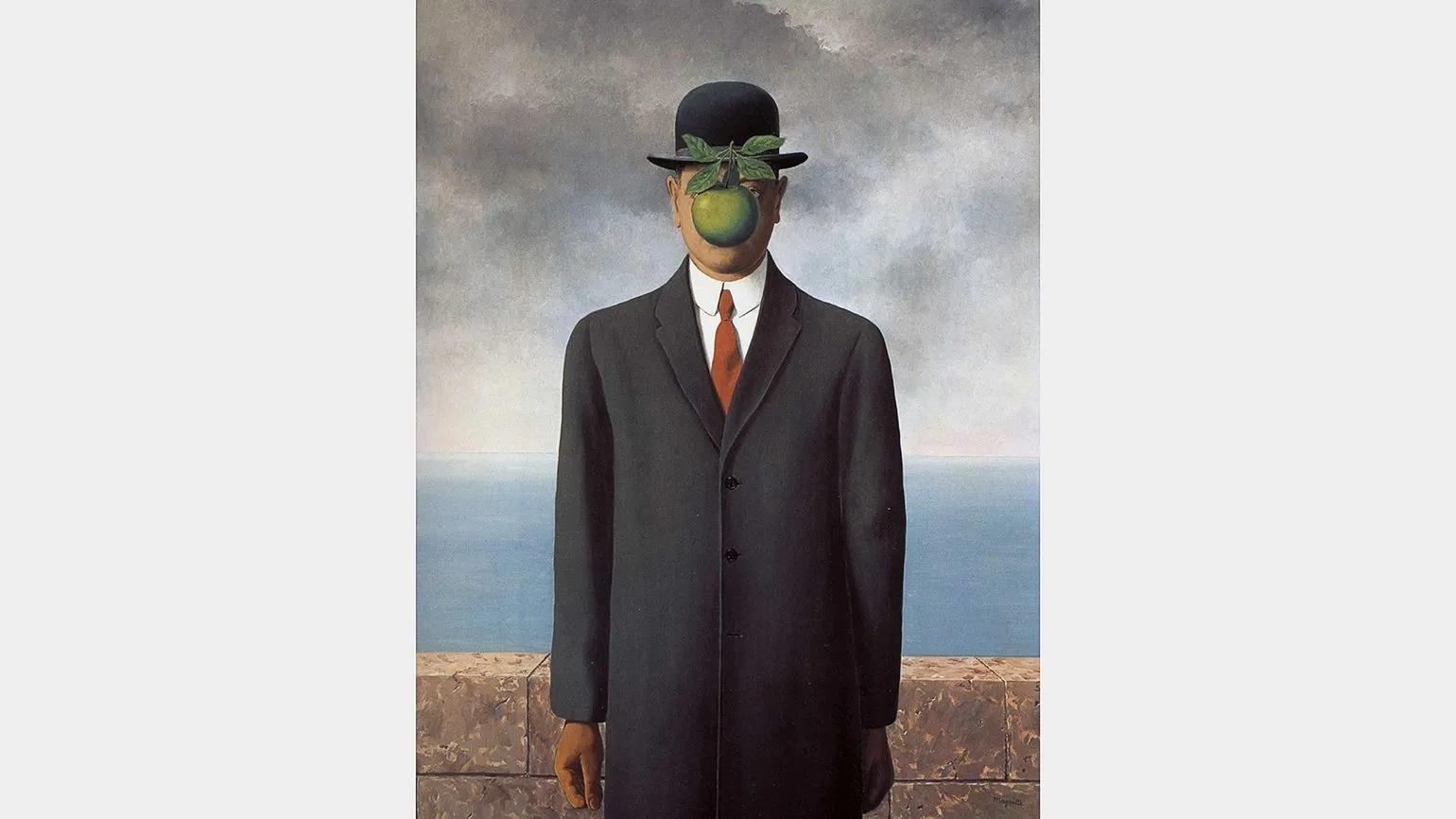
René Magritte is a prominent Belgian artist known for his surrealist works. His work explores the boundaries of reality and illusion, often using imagery that forces the viewer to consider what is true and what is deception. Magritte masterfully combines everyday objects with unexpected contexts, creating unique visual metaphors. His works, such as "The Son of Man" and "The Book of Philosophy", continue to inspire artists and viewers today, evoking profound reflections on the nature of perception and artistic expression. René Magritte remains a key figure in art history, and his influence is felt in contemporary artistic movements.
The year 1964 was a significant milestone in history, marked by important events and achievements in various fields. The year was filled with political changes, cultural developments, and technological innovations. One of the key events was The Thin Line, which captured the attention of the entire world. In the field of art, 1964 was a year of outstanding musical and artistic achievements, including the emergence of new genres and movements. Technology also took a step forward, with new inventions that transformed people's daily lives. This year left a noticeable mark on world history, influencing many aspects of modernity.
Surrealism is an artistic and literary genre that seeks to convey the irrational, fantastical, and often absurd aspects of human consciousness. It emerged in the early 20th century as a reaction to realism and traditional artistic forms, opening up new horizons for self-expression. Surrealist works often explore the boundaries between dream and reality, using unexpected combinations of imagery and symbols.
Surrealism has become an important movement in both painting and literature, with such famous representatives as Salvador Dalí, René Magritte, and André Breton. Their works defy logic and usually require active reflection from the viewer or reader. This genre attracts attention with its unique ability to provoke emotion and thought, creating profound metaphors and images.
Over time, surrealism continues to influence modern art and literature, inspiring artists and writers to create new, unconventional works. The use of surrealist elements allows for a deeper understanding of the inner world of man and his perception of reality.
"The Son of Man" is one of the most famous works of surrealist René Magritte. The painting depicts a mysterious man in a black coat and bowler hat, his face hidden by an apple, which symbolizes sin. This raises questions: is the man truly immersed in sinful thoughts, or are his thoughts focused on something more mundane, instead of turning to look at the water behind him? This work by Magritte forces the viewer to consider the nature of human thought and what lies behind the outer appearance.
Magritte once noted of his painting: "Everything we see hides something else, and we always strive to discern what is hidden behind the visible." This thought makes one reflect on the deep meaning of his work. Each work of art by Magritte arouses interest and controversy, prompting viewers to seek hidden meanings and interpretations. To this day, the true meaning of his paintings remains a mystery, which makes them even more attractive to art researchers and connoisseurs. Interest in his work only grows, opening new horizons for analysis and perception.
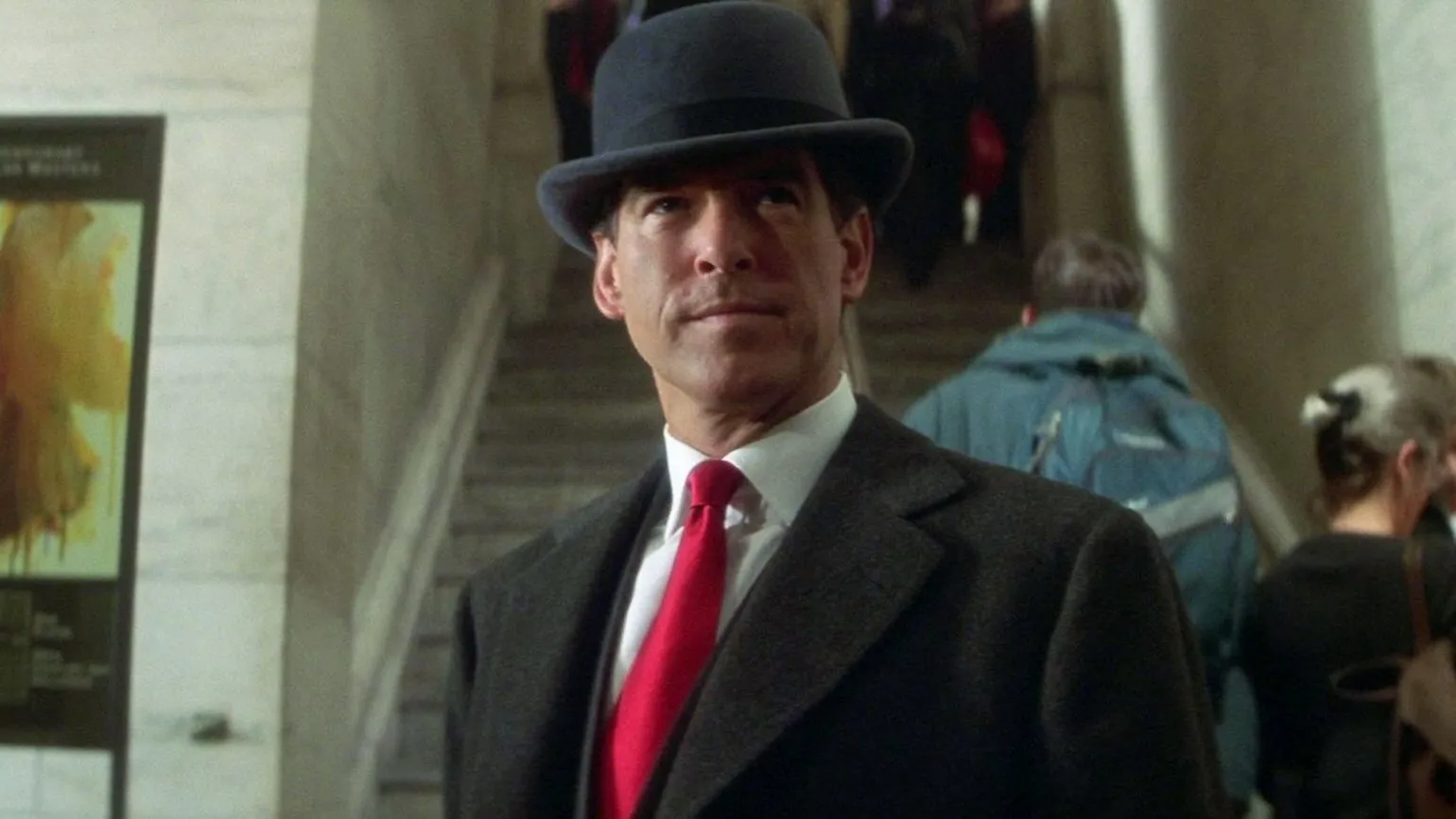
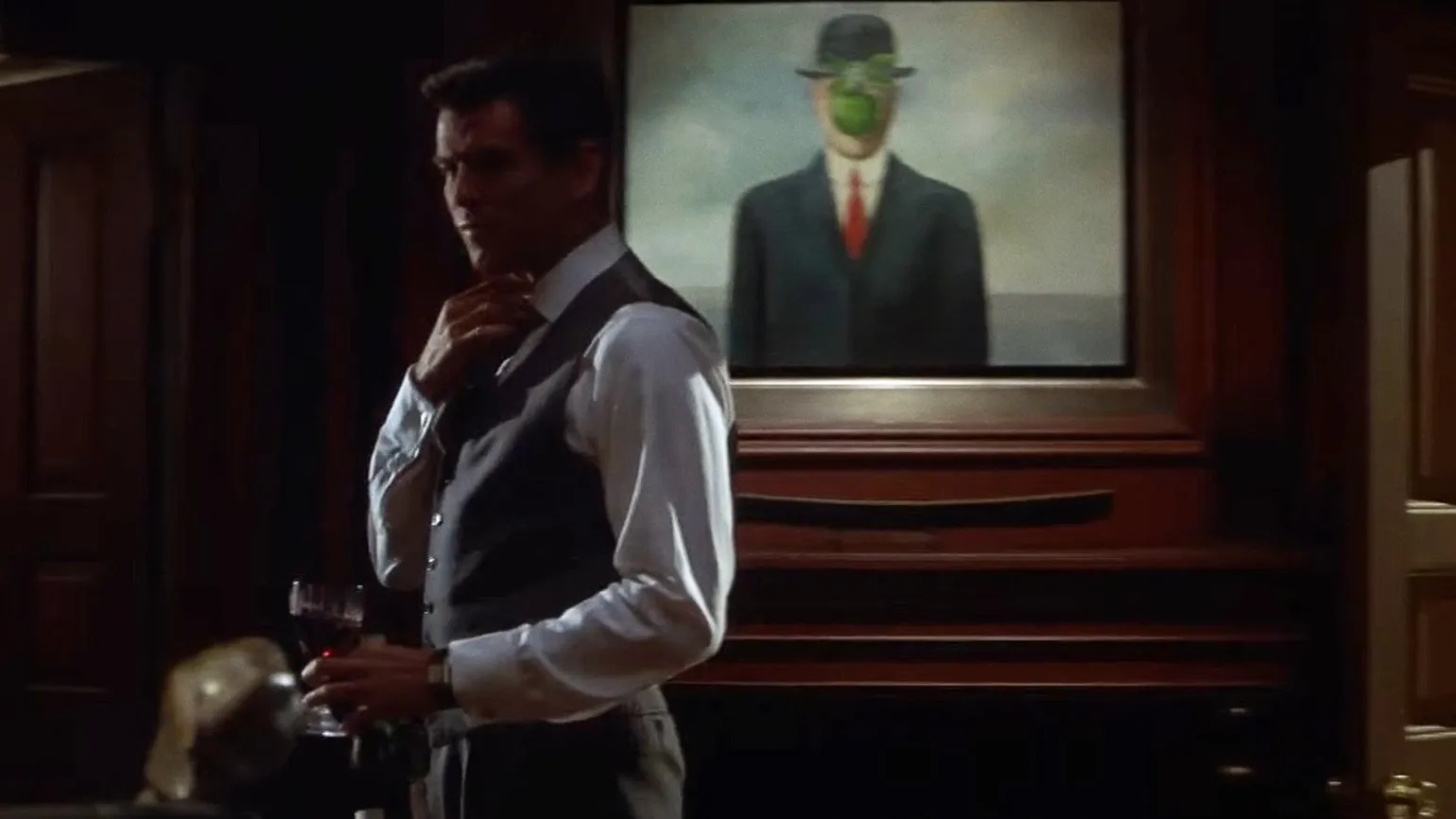
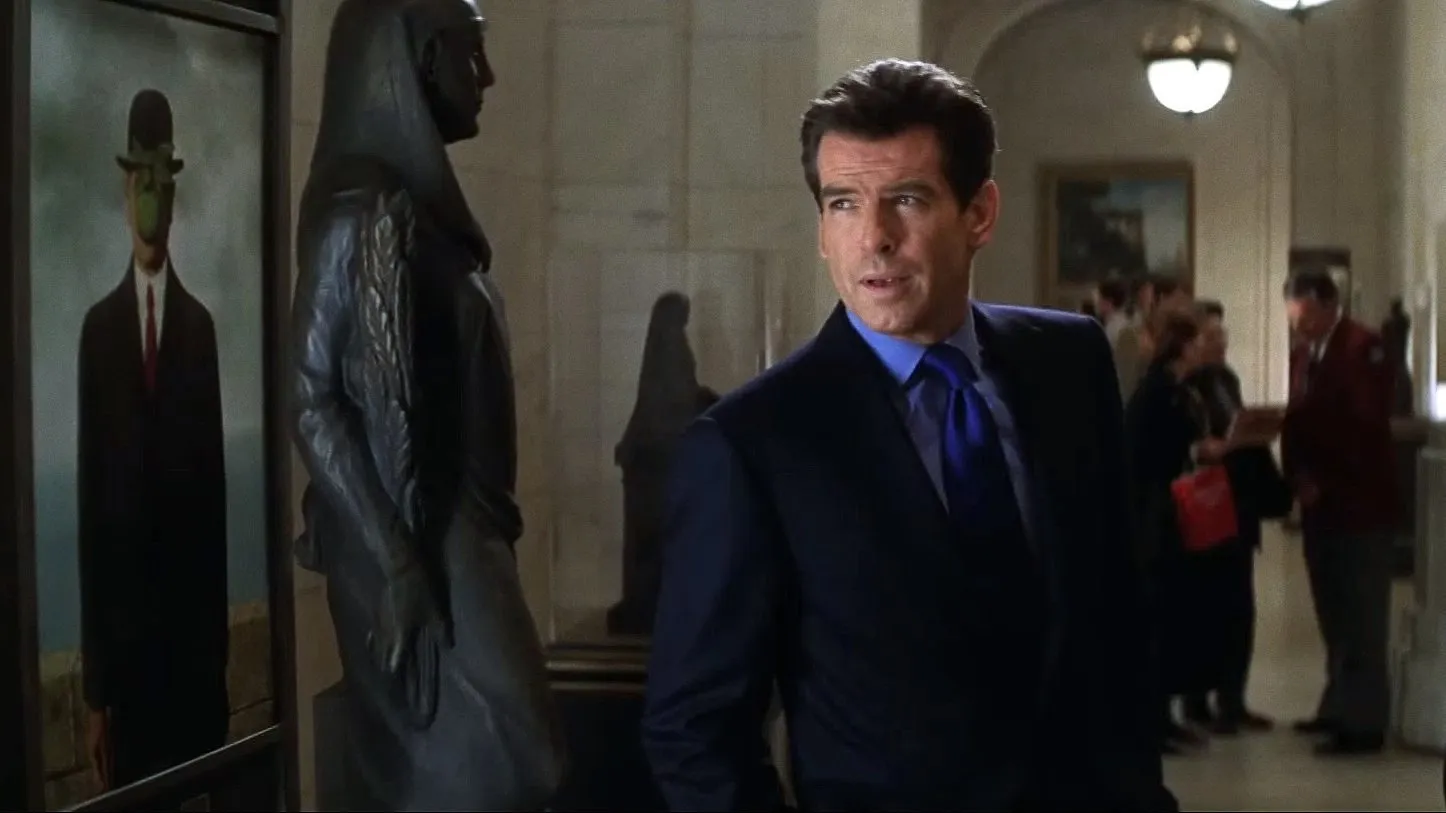
The painting "The Son of Man" plays a key role in the film, appearing several times. She first appears in the protagonist's house when he returns from successfully stealing a Monet masterpiece. Later, Crown himself adopts the style of the man in the painting while preparing for a repeat scam at the Metropolitan Museum. He dons a bowler hat and a black coat, which helps him pull off his latest stunt. The underlings he hires dress identically to him, allowing him to escape the crime scene undetected. This approach to disguise and deception highlights Crown's skill as a criminal and creates tension in the plot.
Thomas Crown and the "Son of Man" represent a conflict between two sides of human nature. At first glance, they appear to be paragons of integrity, but upon closer examination, it becomes clear that Crown is not all that he seems. The forbidden pleasure of a major theft becomes so alluring that he is willing to jeopardize his successful career and reputation to fulfill his hidden desires. This internal conflict makes the character multi-layered and interesting, highlighting how deeply rooted human vice can be in even the most respectable individuals.
The Fifth Element
Director Luc Besson is an iconic figure in the world of cinema. His unique style and inimitable visual aesthetic have made him one of the most renowned and influential filmmakers of our time. Besson is famous for creating such iconic films as "Léon," "The Fifth Element," and "Nikita." His works often explore themes of love, adventure, and the inner struggles of characters. With his approach to storytelling and mastery of captivating visuals, Luc Besson continues to inspire a new generation of filmmakers and audiences worldwide.
The year 1999 was a landmark year for many events in world history and culture. This year saw significant changes in politics, economics, and society. The field of technology saw numerous innovations that transformed the way we live. At the turn of the millennium, the world was preparing for a new round of the digital revolution, which impacted many industries, including communications, entertainment, and education. Cultural events such as the release of cult films and music albums also left an indelible mark on people's memories. Importantly, 1999 became a harbinger of new trends that continued to develop in the 21st century.
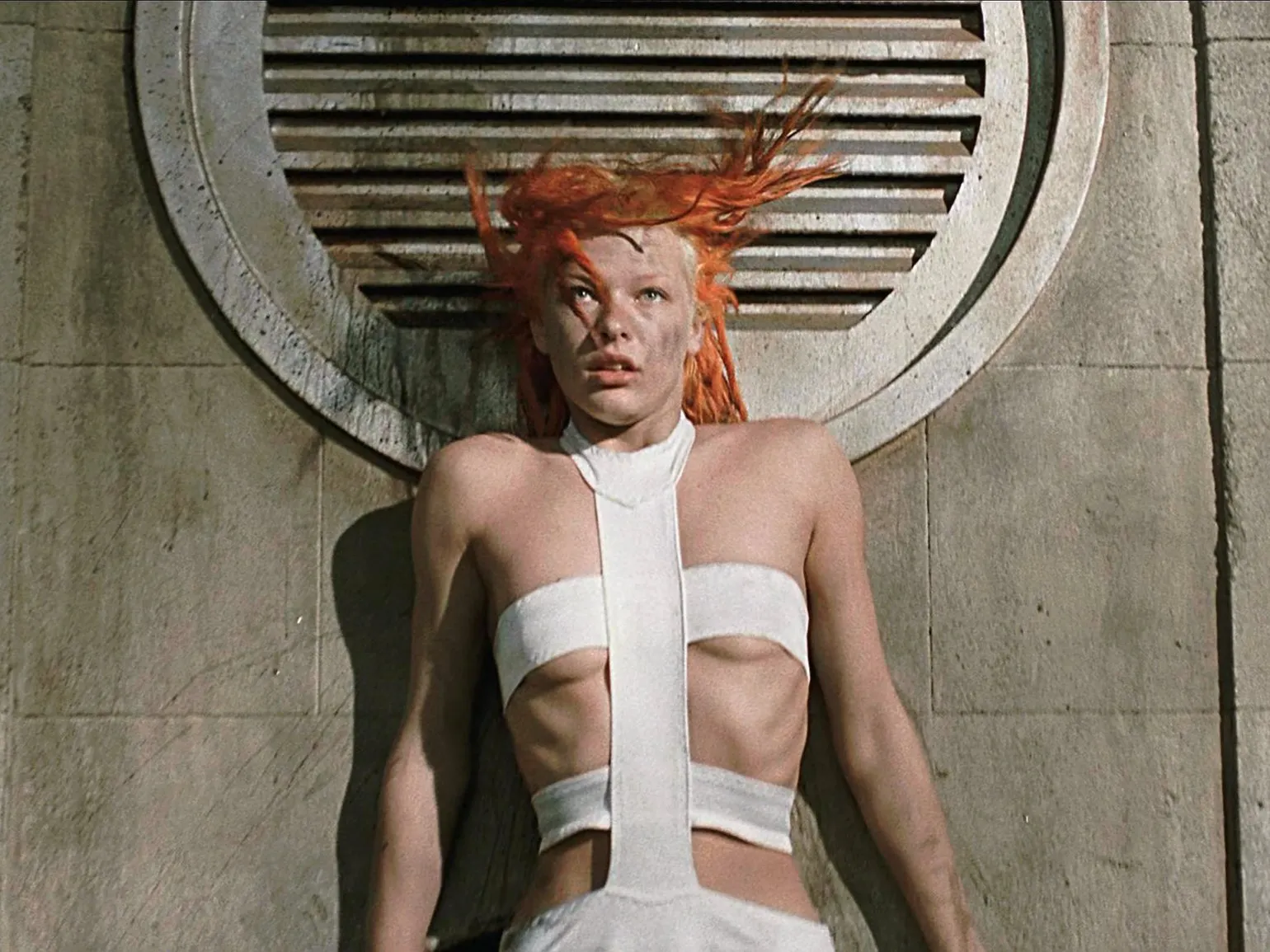
Science fiction is a genre of literature and art that incorporates elements of fictional worlds, unusual creatures, and technologies that do not exist in reality. This genre allows authors to explore the boundaries of human imagination, creating alternative realities and scenarios in which anything is possible. Science fiction addresses philosophical and social issues, exploring the impact of technology on society, the nature of human existence, and the future of civilization. Science fiction readers are immersed in worlds where the laws of physics may be different, and moral dilemmas are posed in entirely new contexts. Science fiction encompasses subgenres such as science fiction, fantasy, horror, and alternate history, making it diverse and multifaceted. Science fiction often uses metaphors and allegories to provide a deeper understanding of pressing contemporary issues. The Fifth Element is a remarkable work by French director Luc Besson, who created a unique world of the future. In this futuristic reality, taxis fly through the air, and space travel has become as common a leisure activity for the wealthy as cruising the Atlantic. However, this world is in danger, and only the beautiful alien Leeloo, played by Milla Jovovich, has the power to stop the spread of evil. The film combines elements of science fiction and adventure, which makes it not only visually impressive but also filled with deep meaning.
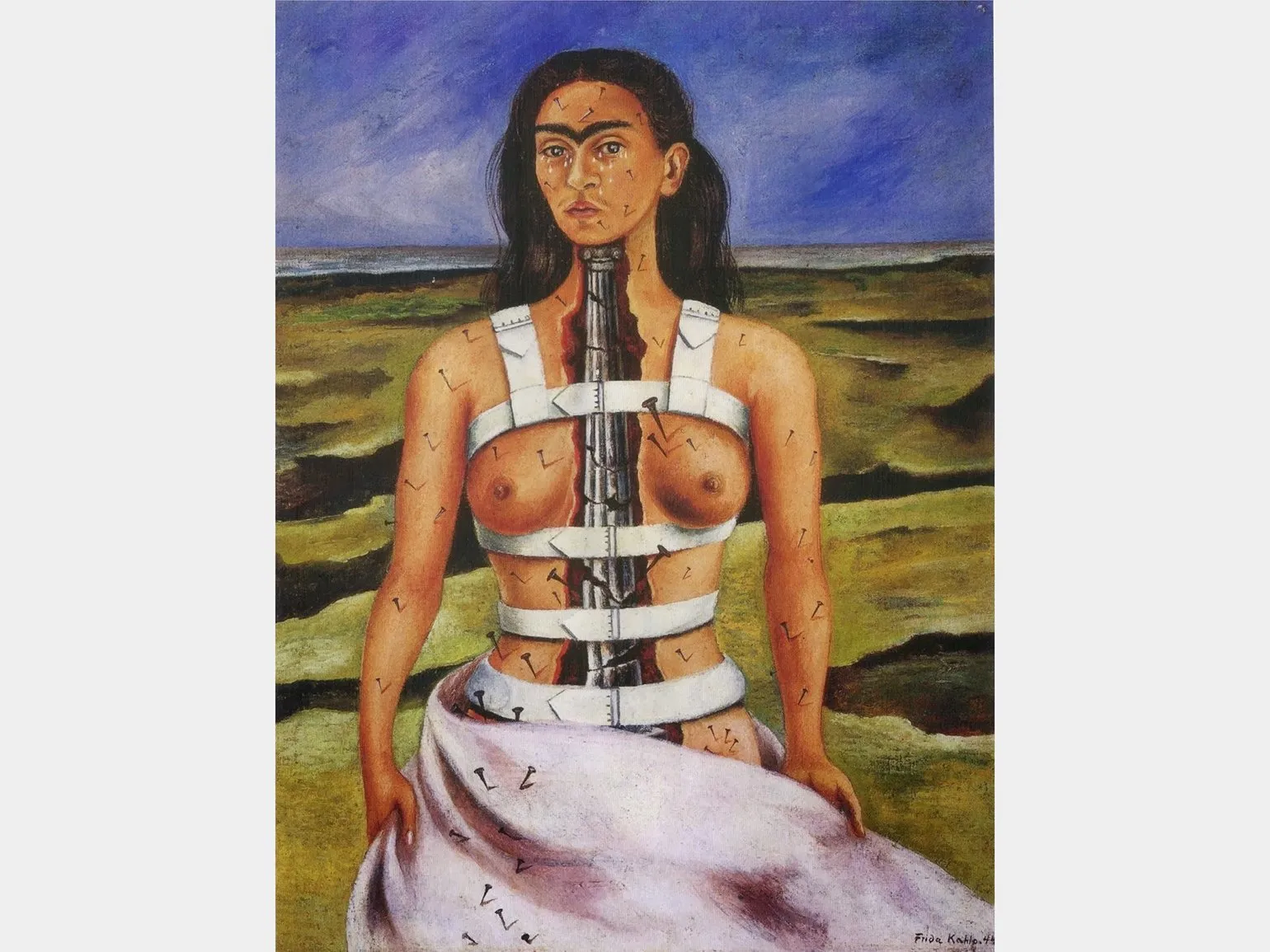
Frida Kahlo is a prominent Mexican artist known for her unique self-portraits and a vibrant style that combines elements of folk art and surrealism. Her works often reflect personal experiences, pain, and passion, making them deep and emotional. Frida used vibrant colors and symbolism to express her inner state and cultural roots. She became a symbol of feminism and the fight for women's rights, inspiring generations of artists and viewers. Each of Kahlo's paintings is more than just a work of art; it is an expression of her experience, identity, and strong spirit. Frida Kahlo's art continues to capture attention and spark interest, leaving an indelible mark on art history.
The year 1944 saw significant events that would shape the course of World War II. This year was a time of decisive battles and strategic operations that changed the balance of power on the fronts. In Europe, the Allied forces launched successful offensives, including the Normandy landings, which became a turning point in the conflict. In the Pacific, active hostilities also continued, with the Allies attempting to regain control of captured territories.
Furthermore, 1944 was marked by important political and social changes that would influence the future of post-war Europe. Scientific advances and developments, such as the creation of new technologies, also played a significant role in the course of the war. This year became a significant milestone in history, shaping the world we live in today.
Symbolism is an artistic genre that emerged in the late 19th century and became an important milestone in the development of literature and art. The main idea of Symbolism is the use of symbols to convey deep emotional and philosophical meanings. Unlike realism, Symbolism seeks to move away from a direct depiction of reality and instead creates multi-layered images that evoke associations and reflection in the reader.
In literature, Symbolism manifests itself through poetic imagery, metaphors, and allegories. Poets and writers such as Charles Baudelaire, Stéphane Mallarmé, and Paul Verlaine created works full of hidden meanings and aesthetic forms. Symbolism also influenced painting and music, where artists and composers sought ways to convey inner experiences and feelings through abstract forms and sounds.
Symbolism continues to be relevant in contemporary art, inspiring new artists to create works that explore the facets of human experience and emotion. This genre opens new horizons for self-expression and allows for a deeper understanding of the complex aspects of life.
"Broken Column" is a self-portrait by Mexican artist Frida Kahlo, created at the age of 37, shortly after complex spinal surgery. At the age of 18, Frida was in a serious car accident from which she never fully recovered. This work of art reflects her suffering and inner strength, becoming a symbol of her struggle with physical ailments. Known for her unique ability to convey emotion through painting, Frida Kahlo masterfully combines elements of symbolism and realism in this painting. "Broken Column" not only reveals her personal experiences but also profound themes of identity and femininity, making this work relevant and significant in the context of art and culture.
Frida Kahlo's broken spine symbolizes an Ionic column crumbling at the fault line in her body. In place of the metal corset she wore due to chronic back pain, in this painting the artist wraps herself in white bandages. In this self-portrait, Kahlo appears vulnerable, yet she also demonstrates her inner strength, which defies even physical ailments. This image highlights the contradiction between her physical suffering and her fortitude, making the film a particularly profound and emotional work of art.
A scene in a film is a key element that determines its dynamics and atmosphere. Each scene plays a vital role in the development of the plot, as well as in the revelation of the characters. Skillfully constructed scenes can evoke a wide range of emotions in viewers, from joy to tragedy. The importance of a scene lies not only in its visual presentation but also in the soundtrack, which creates a certain mood.
A high-quality scene can be remembered for a long time, becoming an iconic moment in cinema. Directors and screenwriters pay special attention to detail so that each scene not only moves the plot forward but also leaves a deep imprint on the audience.
An important aspect of scene creation is the choice of location, lighting, and camera angle, which together form the unique visual style of the film. The emotional weight of scenes can significantly affect the perception of the film as a whole. Thus, a scene in a film is not just part of a narrative, but a powerful tool for conveying an idea and creating a connection between the viewer and the film.
Kahlo's work in The Fifth Element was illustrated by Lilou's costume, designed by the renowned French couturier Jean-Paul Gaultier. Gaultier is well acquainted with the work of Mexican artist Frida Kahlo: in 1998, he presented a collection inspired by her style. One of the costumes, referencing the painting "Broken Column," is a synthesis of visual elements from her work and the aesthetics of rock singer Marilyn Manson.

In the film, the designer created a costume for the character Leeloo that resembles the white fabric bandages from the painting "Broken Column." Like Frida, Leeloo has experienced severe physical injuries and her body has been restored after surgery. However, the alien character is endowed with outstanding strength, fulfilling a mission to save the world, while maintaining her sensuality and vulnerability.
"Forrest Gump"
The director of this project is Robert Zemeckis, known for his outstanding work in the film industry. His unique style and mastery of visually captivating stories have made him one of the most influential figures in modern cinema. Zemeckis is famous for such films as "Back to the Future," "Forrest Gump," and "The Last Jedi." and "Who Framed Roger Rabbit," which demonstrated his ability to combine technology and emotional depth. With each new project, he continues to amaze audiences and critics, setting new standards in directing and storytelling.
The year 1994 was a significant milestone in history, marking many important events in various fields. This year saw significant changes in politics, culture, and technology that influenced the development of society. In the field of technology, 1994 was a time of rapid growth of the internet, as more and more people began to master its capabilities. In culture, this year is remembered for the release of iconic films and music albums that left their mark on history. The political events of 1994 also played a significant role in shaping the modern world. This year became a turning point, opening new horizons and opportunities for future generations.
The drama genre is one of the deepest and most multilayered genres in art. It explores human emotions, conflicts, and inner experiences, allowing viewers to empathize with the characters. Dramas often touch on serious and relevant themes such as love, loss, betrayal, and the struggle with inner demons.
Film dramas, theater productions, and literary works in this genre strive to evoke strong feelings in the audience and make them reflect on important aspects of life. Dramatic plots can be both realistic and fantastical, but in any case, they remain rooted in the human experience.
Therefore, the drama genre has enormous cultural significance as it helps people better understand themselves and the world around them.
Since its release, Forrest Gump has won acclaim from audiences and critics around the world. The film tells the story of an ordinary guy, Forrest (Tom Hanks), who, despite physical limitations and low intelligence, managed to build his life in an amazing way. This film is not only an ode to the American dream, but also a subtle satire on the ideals of the 20th century. "Forrest Gump" demonstrates how determination and kindness can lead to success, inspiring viewers to believe in themselves despite obstacles.
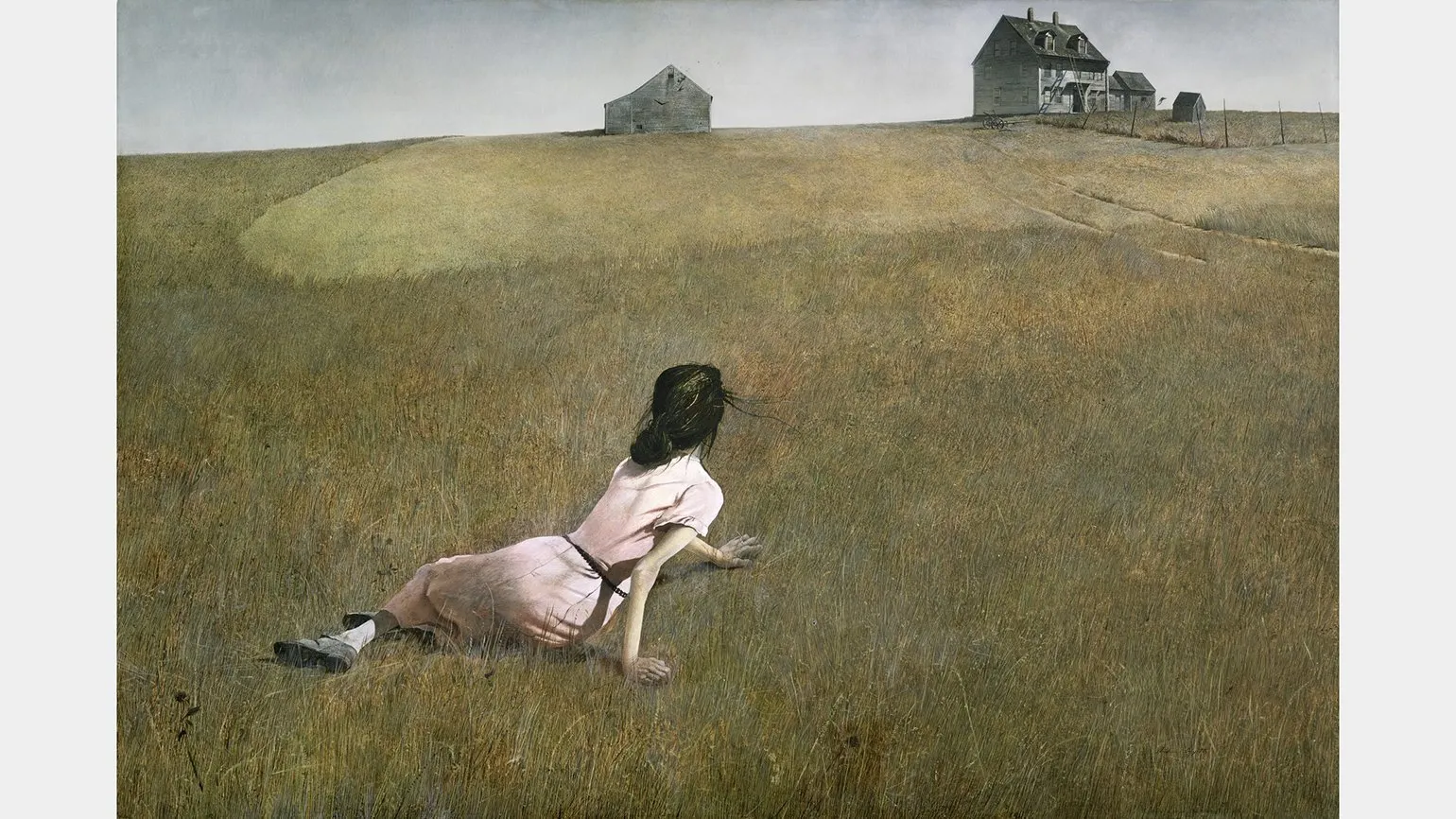
Andrew Wyeth is a prominent American artist known for his realistic paintings. His work covers a wide range of subjects, including rural landscapes and portraits. Wyeth is known for his unique style, which combines elements of realism and symbolism. His paintings often explore human emotions and relationships, which makes them particularly memorable. Among the artist's most famous works are "Winter" and "Christina's World". Andrew Wyeth continues to inspire countless artists and art lovers around the world with his skill and depth of artistic expression.
The year 1948 was a significant milestone in history, marking many important events. The year is remembered as a time when the world was recovering from World War II and beginning to shape new political and social realities. In 1948, the United Nations was created to ensure international cooperation and maintain peace. This period also saw significant changes in Europe, including the process of rebuilding its devastated economies. The United States and the Soviet Union began to establish their spheres of influence, which would later lead to the Cold War. 1948 also witnessed crucial cultural and scientific achievements that would influence the following decades.
The genre of realism is a literary and artistic movement that strives for an accurate and truthful depiction of life. It focuses on everyday events, social conditions, and the inner world of characters. Realism emerged in the mid-19th century as a reaction to Romanticism, which emphasized idealized images and emotional experiences. In realist works, authors strive to show people as they are, with their flaws and virtues, exploring the depth of human nature and social interactions. This genre allows readers to gain a deeper understanding of real-life issues in society, such as class differences, poverty, and moral dilemmas. Realism remains relevant today, inspiring modern writers and artists to create works that reflect real life and its complexities.
The heroine of the painting "Christina's World" by the American artist Andrew Wyeth was based on a real person – Christina Olson, his neighbor in his summer house. Christina apparently suffered from polio, but she steadfastly refused to use a wheelchair, preferring to crawl. This choice became a symbol of her fortitude and independence. Wyeth's works, particularly "Christina's World," reflect not only the sitter's physical condition but also her inner strength, making the painting significant in the context of art and the humanist theme of overcoming adversity.
The artist noted that he was impressed by Christina's fortitude and resilience in circumstances that many might consider hopeless. In the painting, she is depicted seated with her back to the viewer, her gaze directed at the American countryside, where gray farm buildings are visible. This contrast between Christina's inner strength and the natural environment around her creates a deep emotional resonance, allowing viewers to feel her resilience and unbroken spirit.
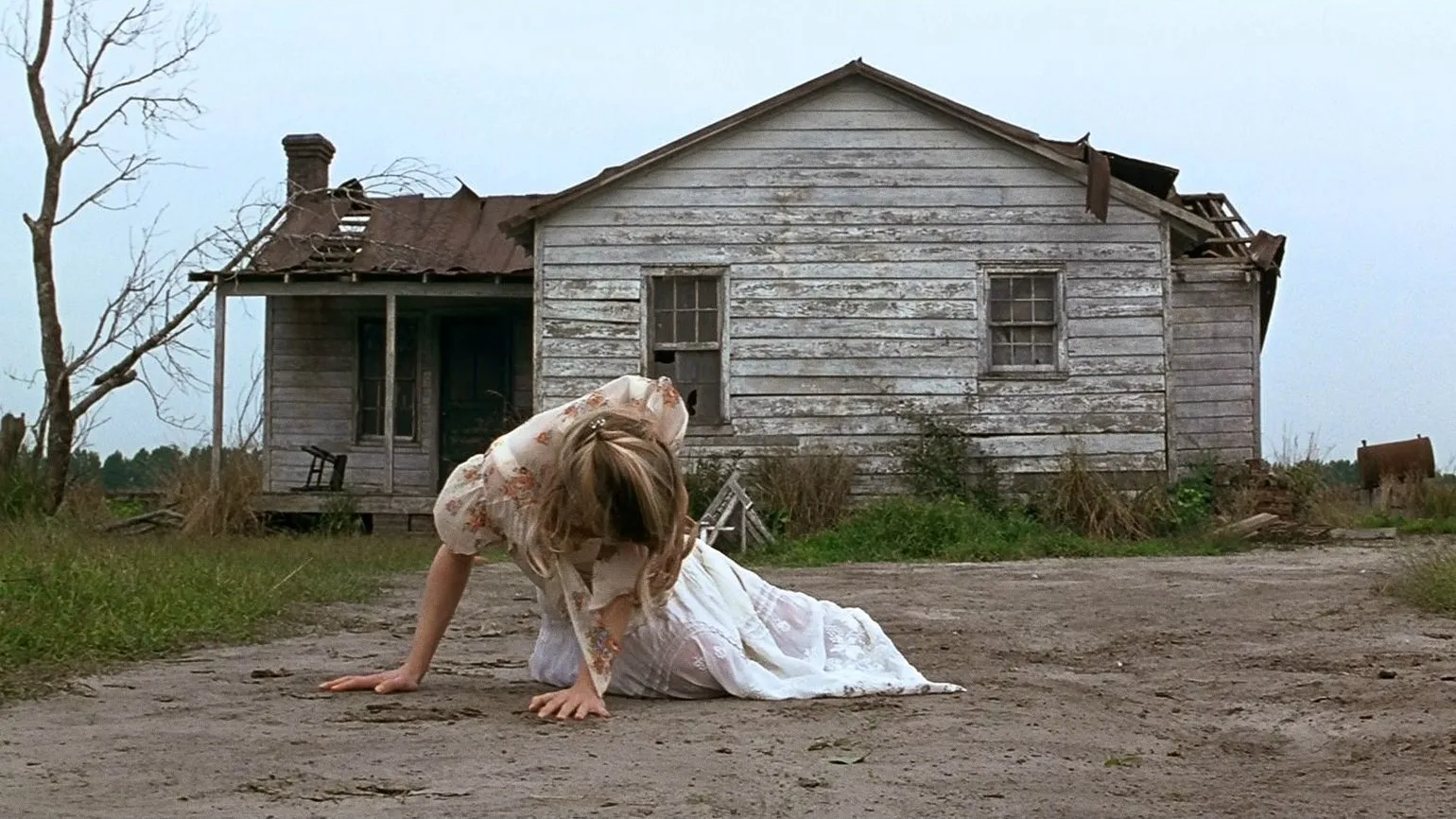
Jenny Curran, Forrest's high school friend and later true love, was abused and violated by her father as a child. In one key scene, they return to her family home, now empty and derelict. This meeting symbolizes not only their shared memories but also the deep wounds left on her soul. Childhood traumas haunted Jenny throughout her life, and she needed to at least symbolically try to rid herself of the ghosts of the past. In a state of despair, she picks up stones from the ground and throws them at the house, recalling her father's cruel abuse. Exhausted, Jenny falls to the ground and cries, reminiscent of the heroine of Wyatt's painting. Behind her is a gray country house, echoing the buildings in the artist's canvas. This emotional moment highlights the profound connection between personal experiences and art, as well as the need to release the pain that stems from childhood.
A Bigger Splash
Director Luca Guadagnino is known for his unique work in cinema. His films are distinguished by a striking visual style and deep emotional stories. Guadagnino masterfully combines elements of drama and thriller, creating memorable images and atmosphere. His work includes such acclaimed films as "Call Me by Your Name" and "Suspiria", which have received acclaim from both audiences and critics. Guadagnino's projects not only entertain but also provoke reflection on complex human emotions and relationships.
Year of release: 2015. This year was significant for many events and achievements in various fields. In the field of technology, 2015 was marked by the release of new innovative devices and the improvement of existing ones. In the cultural sphere, vibrant events such as film festivals and music concerts took place, attracting the attention of audiences from all over the world. This year's economic trends also influenced the global market, shaping new trends. It is important to note that 2015 was a time when many companies began actively implementing environmental initiatives, striving for sustainable development.
Crime drama is a genre that explores the complex aspects of the criminal world and the internal conflicts of characters. In such works, the emphasis is on moral dilemmas, investigations, and the interaction between criminals and law enforcement. Crime drama attracts viewers with deep plots and realistic characters, sometimes making them reflect on the nature of evil and justice. This genre often includes thriller elements, which heighten tension and intrigue. Crime dramas can be based on real events, which adds authenticity and thrill.
"A Bigger Splash," directed by Italian director Luca Guadagnino, famous for "Call Me by Your Name," partially echoes the atmosphere of Jacques Deray's 1969 film "The Swimming Pool." Both films explore complex human relationships, the tension, and uncertainty that arises between characters. In "A Bigger Splash," Guadagnino masterfully combines elements of drama and thriller, creating an intriguing plot that keeps the viewer on the edge of their seats. The film offers a unique interpretation of themes related to love, jealousy, and betrayal, making it a relevant and memorable work of art.
The main character, world-class rock star Marianne, played by Tilda Swinton, faces a problem: she is losing her voice. In search of peace and rejuvenation, she travels to the Italian island of Pantileria with her boyfriend, Paul. The couple enjoys the privacy of a villa with a swimming pool, immersing themselves in an atmosphere of relaxation and harmony. However, their idyll is shattered by the unexpected arrival of Harry, Marianne's ex-lover, who strains their relationship and casts doubt on their future. This unexpected visit forces Marianne to rethink her life, relationships, and choices.

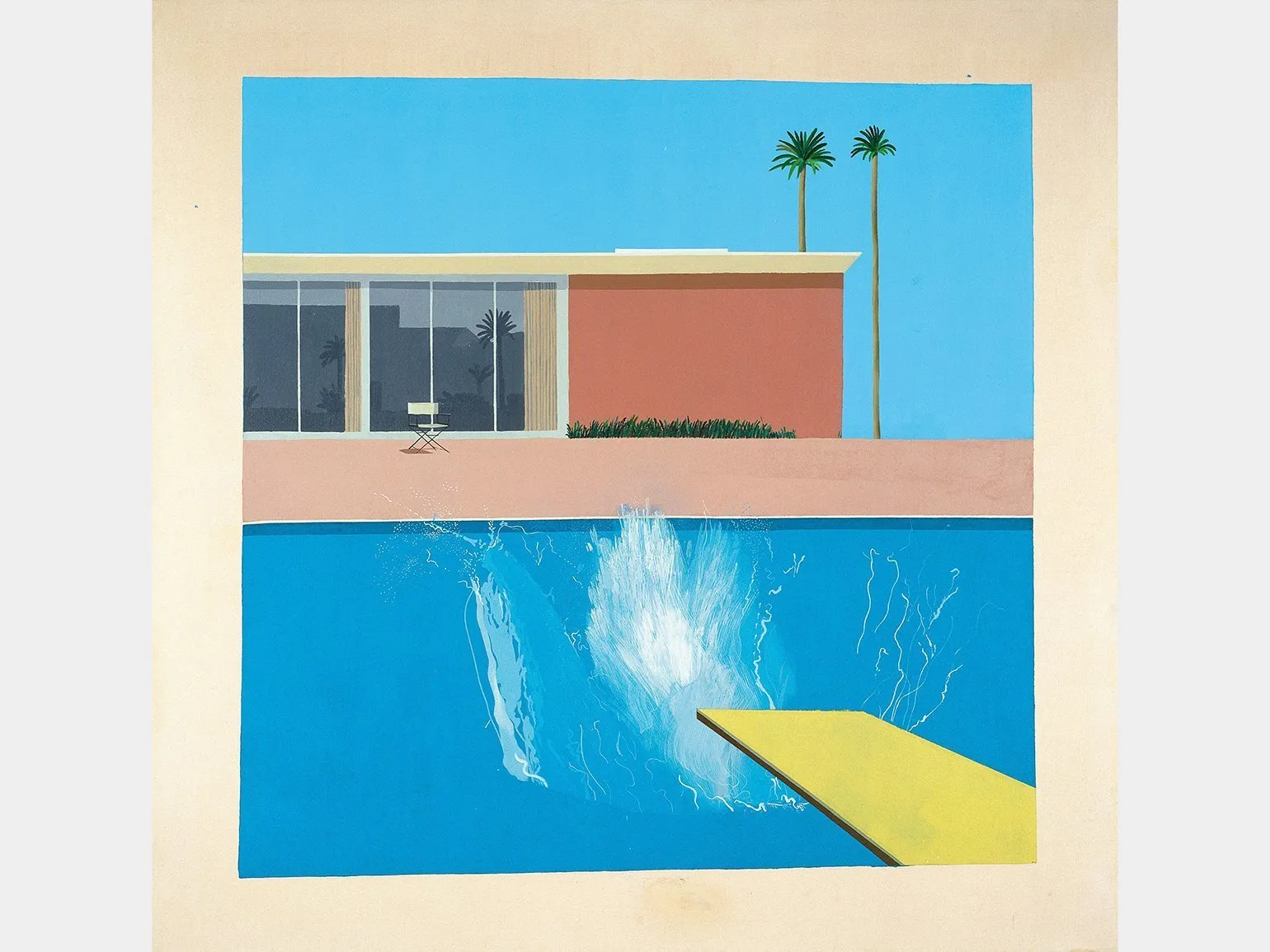
David Hockney is an outstanding artist known for his vibrant and expressive works of art. His work spans various fields, including painting, drawing, and photography. Hockney has become one of the key figures in the world of contemporary art thanks to his unique style and innovative approaches. His works often explore the themes of the perception of space and time, making them particularly relevant to the discussion of contemporary artistic movements. Hockney's influence on art is difficult to overstate, and his works continue to inspire both viewers and other artists.
The year 1967 was a significant moment in history, with important events occurring that influenced many areas of life. This year was marked by cultural, political, and social changes that led to the formation of a new worldview. In 1967, the world witnessed significant advances in science and technology, as well as vibrant events in pop culture. These changes set the stage for further societal developments and influenced the following decades. 1967 is remembered as a period when important transformations began that shaped the future of many countries.
Pop art is an artistic genre that emerged in the mid-20th century and has become an important part of modern art. It is characterized by the use of popular culture imagery, such as advertising, comics, and celebrities. Pop art seeks to blur the boundaries between high and low art, highlighting the influence of commerce and consumer society on creativity. Artists working in this genre use bright colors, simple forms, and repeating elements to create visually appealing and memorable works. Pop art remains relevant today, continuing to inspire new generations of artists and viewers.
"A Bigger Splash" is a famous artwork by British artist David Hockney. This painting was created during Hockney's period living in sunny California, where a swimming pool is seen as an integral part of everyday life, rather than a symbol of luxury, as in his native Britain. Since then, the pool and its reflection have become characteristic elements of his work and the artist's signature.
The artist's painting vividly depicts the moment when someone jumps into the water, causing a powerful splash, although the identity of the jumper remains unknown. The entire emphasis is placed on the dynamic splash, which captures the viewer's attention. According to David Hockney, he himself has no idea who exactly made the jump into the water. The inspiration for the painting came from a photograph found in a book about swimming pool construction, which underscores his interest in combining art and everyday life.
We won't see the painting in the film, but the use of "A Bigger Splash" in the title has profound meaning. As director Guadagnino notes, when developing the film's main concepts—such as regret, lost love, and jealousy—he was reminded of David Hockney's work from the 1960s. This splash symbolizes the moment when reality is torn apart: the viewer does not know what happened before and what will happen after. The allegory of "A Bigger Splash" also concerns the appearance of Harry and his daughter in Marianne's life. These events, culminating in the pool, temporarily disturb the singer's peace, creating tension and intrigue.
The scene with the painting was excluded from the final version of the film. In the original script, as the director noted, Dakota Johnson, who played Harry's daughter, was supposed to be in front of a David Hockney painting at the Tate Britain Gallery. This moment would emphasize the importance of art in the plot and add depth to the character.
Read also:
- About film techniques that will come in handy in your work,
- About the best titles in the history of cinema,
- About films that will inspire visual artists.
Graphic Designer PRO
You'll learn how to create branding elements and graphics for your business. You'll build a portfolio that reflects your style and demonstrates your design skills. You can begin a career in a studio or as a freelancer.
Find out more