
Contents:

Thinking about a new profession, but don't know where to start? Find out what suits you: IT, design, game development, management or marketing. Take a free career guidance.
Find out moreA quick reference is a concise summary of information on a specific topic. It serves to quickly familiarize you with the main aspects and key facts. It's important for such a summary to be concise and up-to-date. It can include definitions, key characteristics, and important statistics. A brief summary allows the reader to quickly get an overview of the subject without going into detail. Using keywords in the text helps improve search engine visibility.
Andrey Nyanchuk is a theater and film director who received recognition at the Cannes Film Festival in the categories of Best Musical Film and Best Actor. He is a nonverbal communication coach and the founder of the Nonverbal Communication Academy, as well as an expert in public speaking. As part of his teaching experience, Andrey teaches students on the Storytelling course, emphasizing the importance of nonverbal communication in the art of storytelling.
In the interview, Andrey shared his experiences and opinions on various topics. He covered key aspects of his professional work and discussed important moments that influenced his career. Andrey also highlighted trends in his industry and offered valuable advice for beginners. His insights will help better understand the current challenges and prospects faced by professionals in this field.
- to what extent does a project's success depend on the presenter;
- what must be done to earn ten TEFIs;
- what bloggers should learn from the "box";
- why studying non-verbal communication is so useful;
- who is the best presenter on television.
At the previous meeting, Andrey and I discussed the process of creating television in Russia and the paths that lead to the success of a television presenter. This time, we delved deeper into the specifics of television work and also considered his experience in teaching.
A brief summary is concise information that serves as a quick introduction to the key aspects of a topic. It can include basic facts, statistics, and definitions, allowing the reader to quickly obtain the necessary information without in-depth study of the material. A brief summary is typically used in scientific publications, reference materials, and educational resources where it's important to convey the essence of a topic in a concise manner. This information format is convenient for quick searching and analysis, making it an indispensable tool in various fields of knowledge.
Andrey Nyanchuk is a talented theater and film director, known for his work, which has won awards at the Cannes Film Festival for Best Musical and Best Actor. He is also a nonverbal communication coach and the founder of the Nonverbal Communication Academy, where he teaches effective communication and public speaking skills. As part of his work, Andrey teaches a course on "Storytelling," in which he shares his knowledge on creating engaging and memorable stories.
I have worked with several dozen programs, developing, launching, consulting, and creating them from scratch. My experience covers all stages of the software lifecycle, from the initial idea to successful implementation.
How did you become a teacher and trainer after working as a director and presenter on central television?
I started teaching because I realized how important my knowledge was. When I first entered the television world, I couldn't find answers to my questions. I asked many people to explain various aspects to me, but unfortunately, many of them didn't have a clear understanding of their work. With the arrival of foreign specialists in our country, I began persistently asking them questions, sometimes driving them to despair, because they had to share their knowledge and give lectures for me.
When people started asking me for help, I realized that I had to share my knowledge. I remembered how difficult it was to find those willing to help. Now I teach people and see how they change and achieve their goals. Judging by the results, my work is bearing fruit.
In this context, we are talking about the results that can be achieved in a particular area or project. These results can include both quantitative and qualitative indicators, such as increased sales, increased customer satisfaction, or improved process efficiency. It is important to clearly define success criteria and measurement methods so that the results achieved can be objectively assessed and areas for further improvement can be identified. Successful achievement of set goals can serve as the basis for future strategies and business development.
In the television industry, I have extensive experience, including several dozen programs, which I not only developed and launched, but also consulted on their creation and complete restoration from scratch. I have also conceived program concepts and passed them on to other specialists for implementation. More than ten of these projects have been awarded the TEFI award.
In the area of nonverbal communication, which I teach, many of my students have significantly changed their lives. One striking example is a girl who worked as a cutter in a household goods store. After completing my course, she made a bold decision: she divorced her husband, quit her job, sold her apartment, and moved to London. In the capital, she rented a glass pavilion and began sewing and exhibiting her designs. A renowned designer noticed her work and invited her to participate in a competition. As a result, her talent caught the attention of a renowned couturier, who offered her the position of chief designer. This confirms that mastering nonverbal language can open new horizons and radically change your life's path.
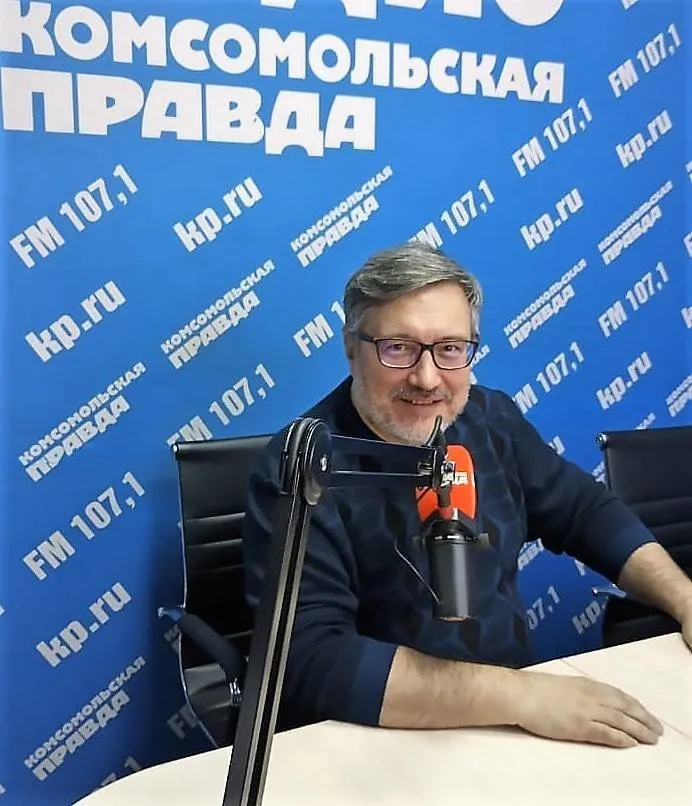
After classes with me, one girl decided to divorce her husband, leave her job, sell her apartment and move to London. This step became the beginning of a new life for her, full of possibilities and changes. Nonverbal communication plays a vital role in our daily lives, influencing communication and interaction with others. It includes body language, facial expressions, gestures, and other silent signals that can convey emotions and intentions. In my workshops, I teach participants to recognize and interpret nonverbal cues, which helps improve communication skills, increase empathy, and build deeper connections with people. The ability to read nonverbal cues allows not only to better understand others but also to effectively express your own thoughts and feelings. This knowledge is useful in a variety of areas, including business, personal relationships, and social interactions. I set students challenges aimed at solving specific problems. They work diligently on them, and in the process, they release their protective barriers and controls. This allows the necessary parts of the body to relax and function in accordance with natural instincts. Gradually, people begin to use a language they previously considered inaccessible. I observe how they change, and how their imaginations begin to flourish.
Our psychological inhibitions are often exacerbated by the physical limitations we impose on ourselves throughout life. Humans are born free and capable of using nonverbal language to communicate. At an early age, when we cannot speak, we interact with the world around us through gestures, facial expressions, and vocal intonation. However, with the advent of verbal communication, restrictions begin: we are forbidden from actively gesturing, forced to sit modestly, and adhere to certain norms of behavior. These restrictions negatively impact our freedom of expression and emotional well-being. It is important to realize that returning to natural forms of communication and moving towards inner freedom can contribute to the improvement of the psycho-emotional state.
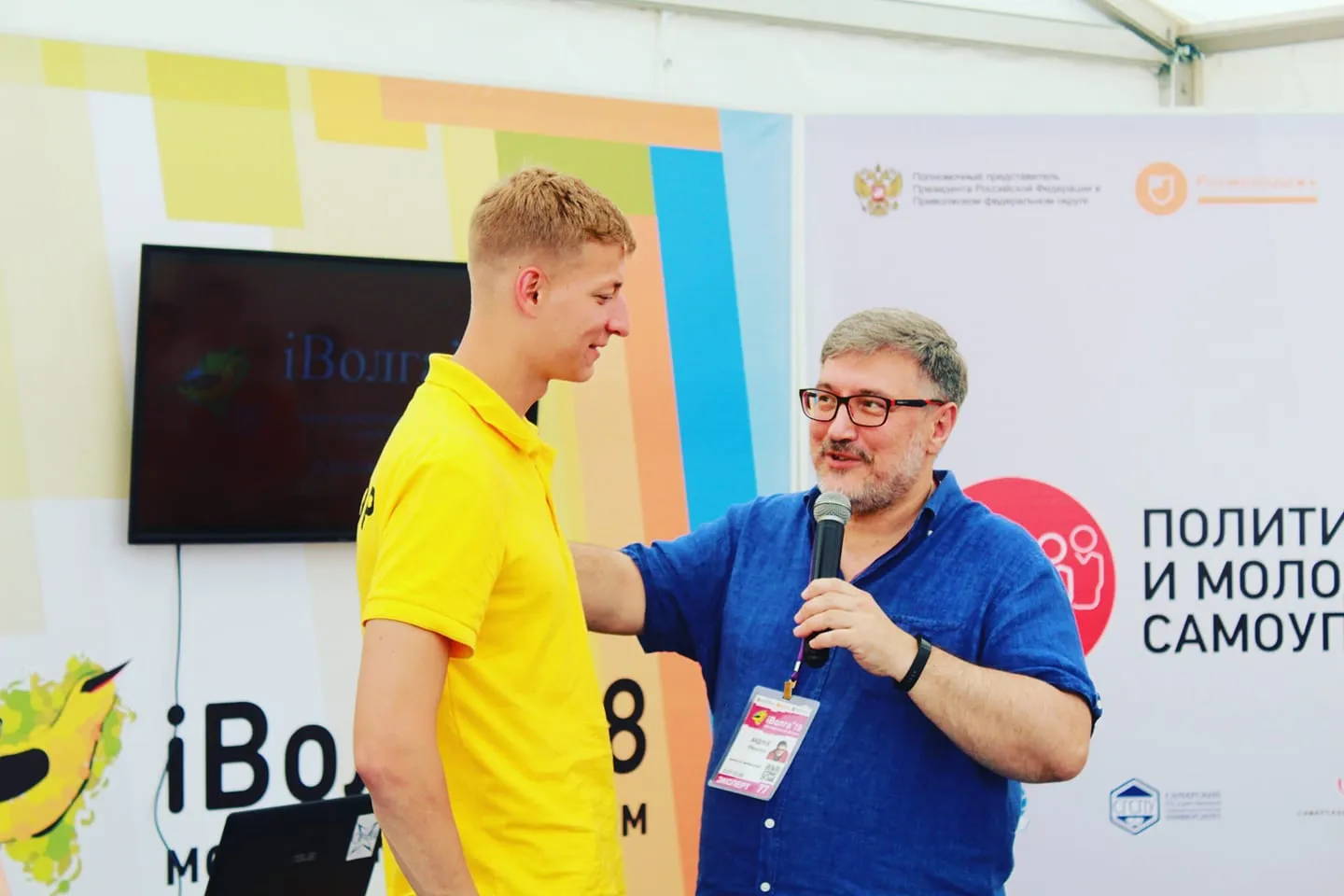
When you use non-verbal language, you do not need to say unnecessary words. The urge to insert interjections disappears, as you can express your thoughts through facial expressions, gestures, and posture. Thoughts flow freely, and by waving your hands, you expand the boundaries of your imagination, unleash your creativity, and begin to create. Nonverbal communication allows you to understand others more deeply, making interactions richer and more expressive.
Do bloggers need specialized education?
We create content for our YouTube channel, targeting people interested in studying nonverbal communication. Our lessons and master classes are designed for both beginners and those with some experience in this field. We strive to help anyone who wants to improve their communication skills, develop emotional intelligence, and learn to better understand body language. Our goal is to make the study of nonverbal communication accessible and engaging for a wide audience, including professionals, students, and simply curious viewers.
Several years ago, I had a producer who strongly recommended that I switch to an online lesson format, as this trend was rapidly gaining popularity. I tried to explain to him my position, explaining that it was ineffective. Reading a book on swimming is no substitute for practical skills, and even with theoretical knowledge, you can encounter serious difficulties in practice. Despite my arguments, he continued to insist. Ultimately, I decided to create video master classes that allow people not only to hear the information but also to see it in action. I use a similar approach at Skillbox, filming exercises that help solve specific problems.
YouTube bloggers can truly be seen as the new TV presenters. In recent years, many of them have been moving to television, which underlines their popularity and influence on the audience. However, bloggers often lack the specialized education traditionally required by TV presenters. This raises debates about whether their success is a result of talent and charisma or a lack of professional skills. Nevertheless, their ability to attract and retain viewers makes them important figures in the modern media landscape, where traditional and new formats intersect.
A person with a specialized education has a unique approach to performing tasks, which allows him to effectively use his knowledge and skills. While others have to reinvent the wheel, wasting time and effort on solving problems that could be solved much faster. It's important to remember that having professional knowledge and experience significantly simplifies the process of achieving goals and improves the quality of work. Therefore, investing in education and skill development is key to successfully completing tasks in any field.
Some people have unique natural abilities. I recently learned about the host of "Chuma Vecherinka," who created her own language and gained popularity online. Her natural qualities, such as charm and passion, make her truly unique. She had no formal training and achieved success on her own, but such individuals are very rare. Unfortunately, not everyone manages to attract the attention of producers and receive the recognition they deserve.
Anyone can become a TV host, but possessing certain talents and skills significantly increases the chances of success in this profession. Good communication skills, self-confidence, and the ability to work with an audience are essential. Knowledge of journalism, the ability to quickly respond to changes and adapt to various situations are also important. In addition, experience in the media, good diction, and charisma can be decisive factors when choosing a candidate for this role. Thus, while anyone can become a TV presenter, possessing certain qualities and skills significantly facilitates success in this field. Anyone can become a TV presenter if they have a sincere desire and a willingness to work hard. It's similar to learning to sing: many dream of mastering this art but avoid taking any steps, citing a lack of musical ear. In fact, there's no such thing as a musical ear—there are only people who lack it. Regular lessons and daily practice can lead to significant progress. The same is true for the TV presenter profession: with motivation, diligence, and a willingness to learn, it's possible to achieve the desired result. It's important to find qualified mentors who can help develop the necessary skills. Otherwise, your chances of success will depend on chance, and there's no point in waiting for luck to smile on you.
How to Convey Emotions Through Facial Expressions Alone
The "Video Blogger" course includes a lesson on "Head Movement," where students learn how to convey emotions through facial expressions and movements of various parts of the face, including the head, nose, eyebrows, eyes, eyelids, lips, and chin. Conveying emotions through the nose may seem unusual, but it is an important aspect of nonverbal communication. The nose can express surprise, displeasure, or irony when combined with other facial movements. For example, raising the nose in combination with squinting the eyes can convey doubt or contempt. By mastering the technique of using nose movements, students will be able to improve their expressiveness and make their videos more emotionally rich.
The nose is the most noticeable element of the face. Even from a distance, when a person's eyes are out of sight, we can identify them by the shape and size of their nose. It serves as a cue for perceiving the direction of gaze. For example, in theater, with puppets that have fixed eyes, we can tell what they're looking at simply by the position of their noses. Furthermore, the nose can reflect emotions. This is confirmed by numerous phrases, such as "to walk with one's nose down," "to turn one's nose up," and "to turn one's nose up," which indicate various states and moods.
The nose is an important facial element, playing a key role in nonverbal communication. Like the head as a whole, it helps convey a person's emotions and mood. Even from a distance, one can determine a person's emotional state: a downcast head may indicate depression, while a tilted head may indicate self-confidence or pride. Nonverbal cues emanating from the face, including the nose, play a significant role in social interaction and understanding the emotions of others. The nonverbal cues students study in this course are essentially acting skills. The appropriateness of an online format in this context becomes relevant. Online learning provides the opportunity to study nonverbal communication, such as gestures, facial expressions, and intonation, in a format convenient for students. However, it is important to consider that some aspects of nonverbal cues may be more difficult to grasp without direct interaction with the instructor and other participants. Nevertheless, modern technology allows for video lessons that can effectively simulate live communication. Therefore, an online format can be quite appropriate for studying nonverbal cues, provided it is supported by high-quality teaching methods and active student participation. If a person is diligent, practices independently, and completes homework after each lesson, the results will be noticeable. It's important for TV presenters to develop their on-camera skills, and this can be achieved through hands-on training. In addition to online lessons, we have several offline meetings planned in Moscow. I will meet with those who are available to join and help them overcome their fear of the camera and teach them how to communicate with it as if it were a real person.
After completing the course, students can consider various opportunities to apply their acquired skills. In addition to working as a presenter or maintaining their own blog, they can create content for social media, manage advertising campaigns, develop scripts for videos and podcasts, and work in PR and communications. The skills acquired in the course can also be useful in marketing research, writing and editing texts, and event planning. These competencies open doors to a variety of fields, including media, advertising, and corporate communications, making graduates highly sought after in the job market.
Proper communication is an important aspect of both business and personal communication. The program includes fundamental principles that will prove useful in any situation. I teach active listening skills, which are especially important for TV presenters during interviews. Listening attentively to the interviewee and maintaining eye contact allow you to obtain the necessary information, making communication more productive and natural. This approach helps reveal the personality of the interviewee and create a comfortable atmosphere for dialogue.
When a person feels listened to, it creates a sense of comfort and trust, which facilitates more open and free communication. In this state, they become more inclined to talk, and your job is to guide their thoughts in the right direction. Effective listening allows you to establish a deep connection and improve the quality of interaction.
A graduation project in the form of a video business card is a unique tool that allows graduates to showcase their skills and creativity. This project not only serves as a culmination of their studies but also as an effective means of self-presentation. Graduates can use a video business card to promote their professional competencies and achievements, significantly increasing their chances of successful employment. In a highly competitive job market, having a high-quality video business card can be a key aspect that distinguishes a candidate from other applicants. Thus, a video business card not only demonstrates the graduate's level of preparation but also serves as an important tool in the job search.
A video business card is an effective tool for sending to television channels. Unlike a resume, which may not always contain truthful information and is often viewed with distrust, a video business card allows you to see the person in person. This allows you to assess their comfort in front of the camera, their perception of the material, as well as their expressiveness and appearance. A video business card is becoming a reliable way to showcase your skills and personal qualities, making it an indispensable element when applying for a job in the media industry.
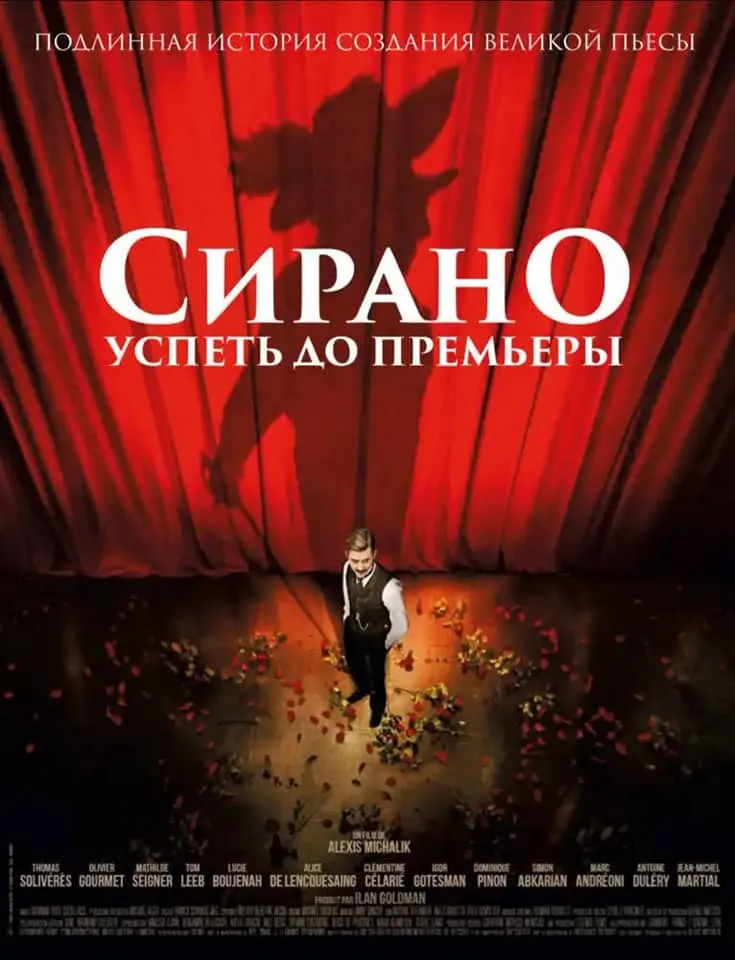
For television, appearance isn't crucial—any physical feature can be turned into a unique attribute. Cyrano de Bergerac, possessing a prominent nose, used it as his calling card. He joked about it, wrote poetry, and went down in history as the poet with the big nose, although in reality, his nose wasn't all that prominent. This is an example of how creative imagination can turn any insecurities into advantages. In the case of TV presenters, any disadvantage can be turned into an advantage by emphasizing individuality and originality.
A tip on non-verbal communication that will be useful for everyone concerns the importance of being aware of your body and facial expressions during communication. Non-verbal behavior, including gestures, postures, and facial expressions, can significantly affect the perception of information by the interlocutor. For example, an open posture and eye contact create an atmosphere of trust and interest. It's also important to consider that nonverbal cues can vary depending on the cultural context, so it's important to be mindful of the nuances of communication. By mastering the basics of nonverbal communication, everyone can improve their interaction skills with others, which, in turn, will positively impact personal and professional relationships.
When speaking, use gestures and facial expressions to enhance your speech. Every word is perceived differently by different people. Although the words may be the same, their interpretation depends on the listener. Facial expressions complement your speech, helping you avoid unnecessary words. Gestures express your attitude, and hand movements give your speech additional volume and significance.
Blitz
You can ask briefly, but the answers can be more detailed.
My personal rating of domestic presenters is formed on the basis of their professionalism, charisma, and ability to hold the audience's attention. This list includes several names that have proven themselves in various genres of television and radio broadcasting. These presenters not only possess outstanding oratorical skills, but are also able to create an atmosphere of trust and comfortable communication with viewers. Their experience and ability to work with different formats make them in demand and loved by viewers. Each of them makes a unique contribution to the development of domestic television, and their work deserves attention.
The first host of the program "Heads and Tails", Zhanna Badoeva, left a bright mark thanks to her original gestures, which became the hallmark of the show. Regina Todorenko is also worth mentioning, whose ability to play with the program's format allowed her to express her creativity and create a unique atmosphere. Early in his career, Vanya Urgant was full of fresh ideas and energy, but over time, his style became less dynamic, which affected his work. Among foreign hosts, Larry King and Oprah Winfrey are undeniable, remaining the most prominent figures in the television world thanks to their talent and charisma. Anyone aspiring to a career in television should pay attention to certain books that will help develop the necessary skills and understanding of the industry. Important works cover topics from the basics of television to the specifics of working in various segments. Books on journalism, screenwriting, and television production will provide insight into how to create high-quality content, work with the camera, and interact with the audience. It's also worth studying literature on media ethics and modern trends to stay abreast of current changes in the industry. Reading such books not only promotes professional growth but also develops the necessary mindset for successful work in television.
Classic literature is the foundation for developing speech skills. It not only teaches correct pronunciation but also helps develop literate speech. Reading classics promotes an understanding of punctuation rules, which is important in both written and oral communication. Furthermore, classic fiction develops imaginative thinking, an important aspect of creativity and imagination. Nothing stimulates the imagination like the richness of language and storylines presented in the works of great authors.
Storytelling
You will learn to tell stories through text and visual images. You will understand how to immerse people in the narrative, manage the audience's emotions and convey ideas. You will be able to present your projects in an engaging way.
Find out more