
Learn: 2D Graphics Basics
Learn MoreFilm noir is a mysterious term that became popular in the mid-20th century. It denotes films with a distinctive style, but it has not become a true genre of film noir. Because of this, it is difficult to clearly identify its main characteristics. However, films in the film noir style are often characterized by a dark and gloomy atmosphere, complex characters, and intricate plots. These elements create a unique atmosphere that attracts audiences and makes film noir an important part of film history. Film noir is easily recognized by the characteristic elements that shape its unique style. According to English writer Adam Frost, there are up to sixteen such elements, but the key ones that truly define the genre are significantly fewer. These core components help viewers identify film noir and immerse themselves in its atmosphere, creating memorable plots and visual images. The topics discussed here are relevant not only to cinema but also to video games, where familiar elements can also be found. In this article, we'll take a closer look at these characteristics and their impact on gameplay.
Detective Story
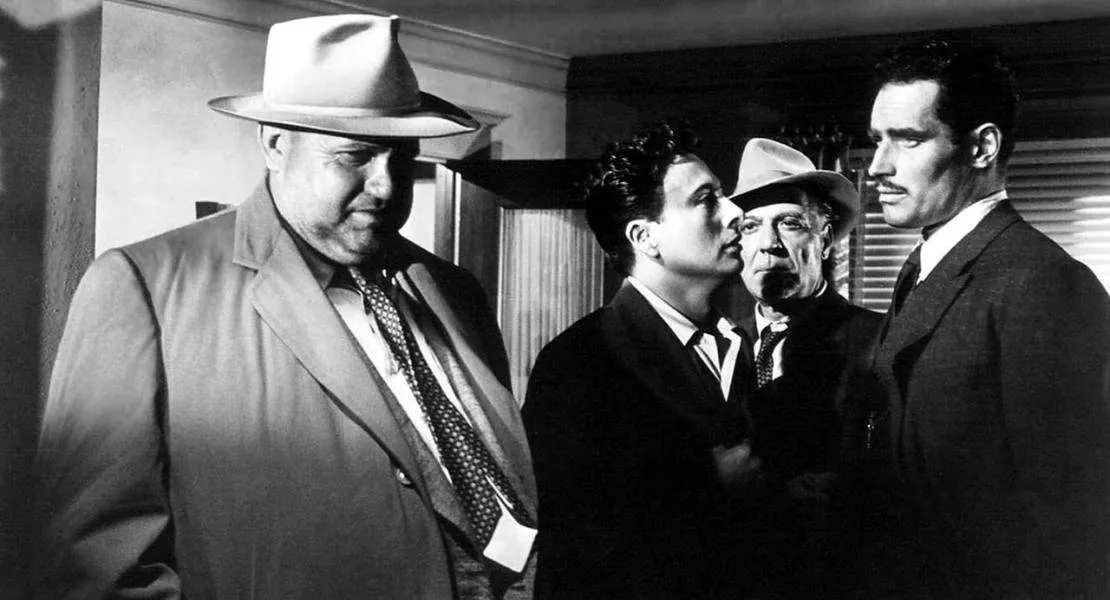
Classic film noir features gripping stories about detectives solving complex cases. The 1941 film "The Maltese Falcon" is considered the beginning of the classic film noir era, setting the standard for future works in the genre. This era is concluded by "Touch of Evil," released in 1958, which sums up and symbolizes the transition to new directions in cinema. Both films are important milestones in the history of the genre and continue to influence modern detective and crime cinema.
L.A. Noire is a unique game that masterfully combines elements of noir and detective fiction. Its plot centers on a gripping detective story, making the game not only engaging but also multifaceted. An innovative approach to gameplay immerses players in the atmosphere of the 1940s, where every decision and interaction with characters matters. This game has become a landmark work in which detective investigation and noir motifs intertwine, creating a unique gaming experience.
In L.A. Noire, Detective Cole Phelps is immersed in the criminal underworld of 1947 Los Angeles. Together with the player, he explores various locations, carefully examines crime scenes, and collects evidence. Once enough information is collected to identify a suspect, the interrogation process begins. The game offers a unique investigative experience, combining elements of a detective story and interactive cinema, allowing players to deeply immerse themselves in the atmosphere of post-war Los Angeles.
Interrogations play a key role in the gameplay. Players must ask questions and determine whether a suspect is telling the truth or lying based on their emotional expression. This level of interaction was made possible by realistic facial animation created by the Australian studio Team Bondi using Motion Scan technology. This innovative technique allows for the conveyance of nuanced emotions, significantly enhancing immersion in the game and making interrogations more engaging and tense.
Using this technology, we recorded the performances of real actors and instantly produced 3D models with full animation. Our main goal was to make the "detective" mechanics a key element of the gameplay. During the interrogation of suspects, the player must determine whether the character is lying. To do this, it is important to carefully observe the subtle changes in facial expressions and movements. Intuition also plays a significant role in this process.
Brendan McNamara is a key figure in his field. He is known for his achievements and significant contributions to the development of technology and business. With his help, many projects have gained new life and achieved market success. Brendan actively shares his knowledge and experience, making him a valuable expert for aspiring professionals and entrepreneurs. His approach to work is based on innovation and strategic thinking, which allows him to achieve high results. Importantly, Brendan McNamara is a role model, inspiring others to achieve goals and implement ambitious plans.
The founder of Team Bondi and the head of development on L.A. Noire, this talented developer has made a significant contribution to the video game industry. Under his leadership, an innovative game was created that combines elements of detective investigation with an open world. L.A. Noire received recognition for its unique atmosphere, realistic graphics, and deep storyline, making it one of the most significant games of its time. Team Bondi's work highlights the importance of creativity and technical mastery in video game development.
While the detective story is the main "noir" element of L.A. Noire, Team Bondi also devoted significant attention to creating the atmosphere typical of 1940s films. To achieve this, the development team conducted research in Los Angeles, interacting with the local historical society and the police. This allowed them to accurately recreate details of the time and location, enhancing players' immersion in the game's unique world.
90% of the game's missions are based on real events. We researched newspapers from 1947, such as The Examiner and Daily News, and discovered many amazing stories. These real cases turned out to be much more compelling than any fictional plots we could have created. However, for unsolved cases, we still added elements of our own imagination.
Brendan McNamara is a professional in his field, possessing significant experience and knowledge. His work covers a wide range of aspects, making him an expert in various fields. Brendan actively shares his knowledge, which helps others develop and succeed. His approach to work is based on meticulous analysis and a commitment to quality, which ensures high results in his projects.
Founder of Team Bondi and lead developer of the game L.A. Noire.
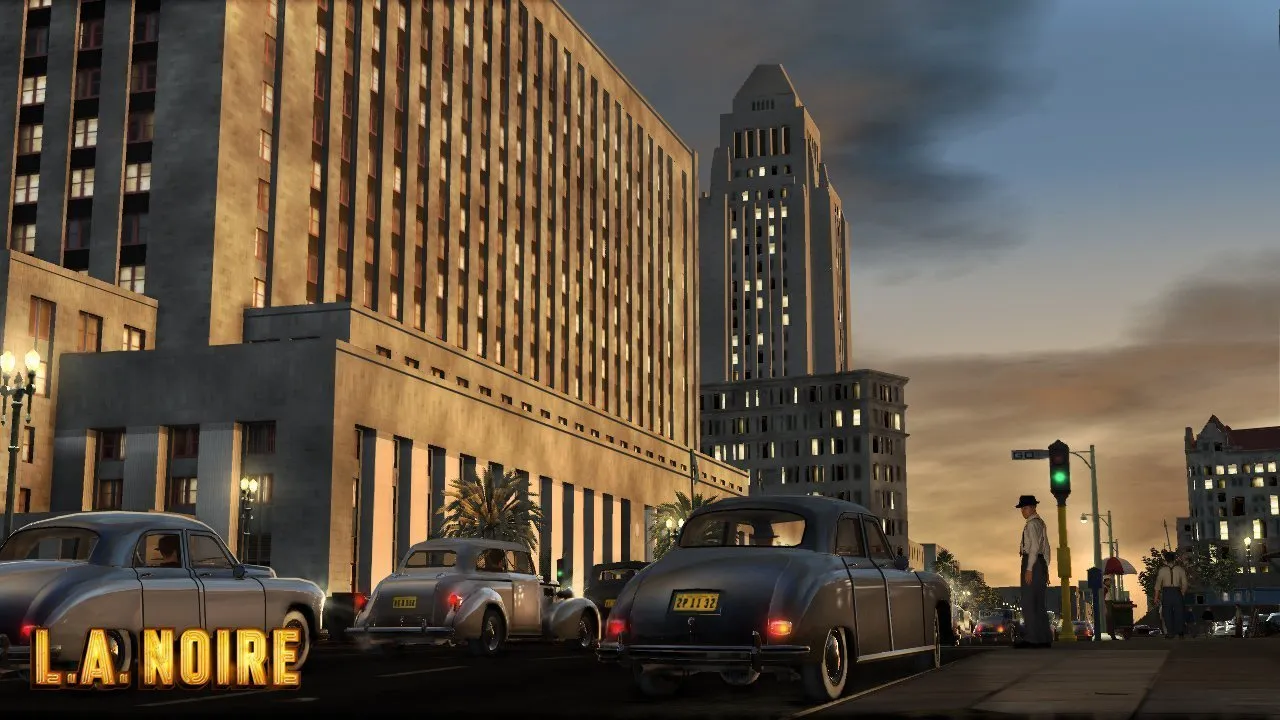
The developers visited the old prison, spending considerable time exploring the surrounding streets. They used still and video cameras to capture the unique architecture and atmospheric details that could be incorporated into their project. This journey became an important part of their work, inspiring the creation of deeper and more authentic content.
The developers' work has resulted in meticulously recreated details of the historical era, including cars, costumes, and household items. The virtual city map accurately reflects the layout of streets typical of that time. In addition, the game has recreated key landmarks, allowing players to compare the architectural structures inside L.A. Noire with their real-life counterparts. This creates a unique atmosphere and immerses players in the past, providing the opportunity to explore the city in its historical context.
L.A. Noire features true film noir classics. In the cinemas of the in-game Los Angeles, you can see original 1947 films such as "Switched," "Lady in the Lake," and "Out of the Past." In addition, players can collect 50 noir films from the 1940s and 1950s. Before the release, Rockstar, the game's publisher, prepared selections of the best films and reviews to immerse players in the atmosphere of noir cinema. This makes L.A. L.A. Noire is not only a game, but also a tribute to the cult films of that time.
Ambiguous Hero
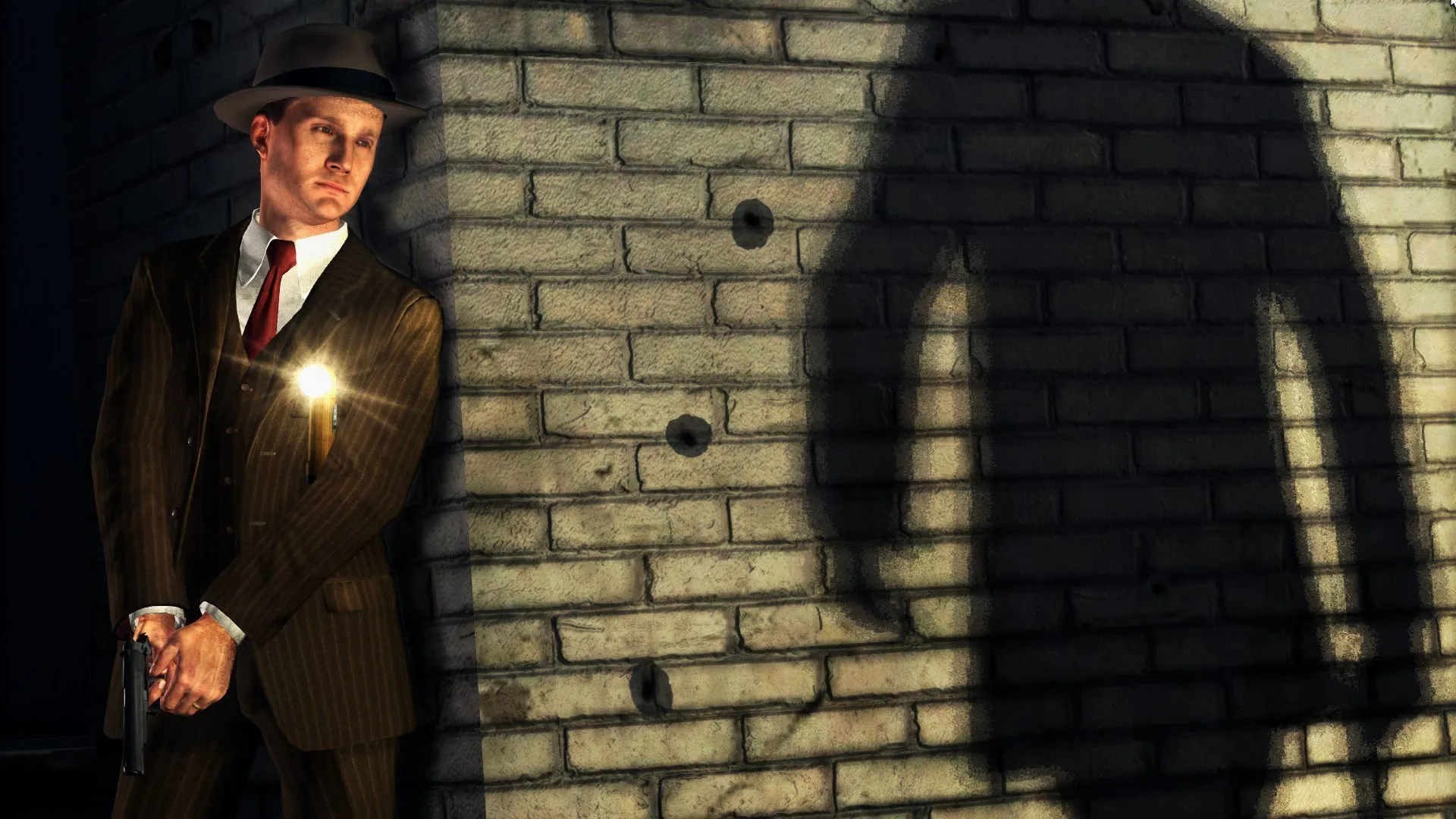
Classic film noir invariably features an ambiguous hero whose internal conflicts become a key element of the plot. This is a character who is often thrust into a catastrophic situation against their will. Their struggle with their own demons and external circumstances creates tension that draws viewers and readers in. The ambiguity of such a hero allows for a deeper exploration of themes of morality, choice, and consequence, which makes film noir particularly appealing to audiences.
In cinema, there are striking examples of antagonists and complex characters, such as Joe Gillis from Sunset Boulevard (1950) and John Ferguson from Vertigo (1955). These characters are deeply developed and leave a significant mark on culture. The world of video games also offers memorable images, such as Max Payne from the action game of the same name by the Finnish studio Remedy. These heroes and antagonists are distinguished by their multi-layered nature and experiences, which makes them appealing to audiences and creates a deep emotional connection with players and viewers.
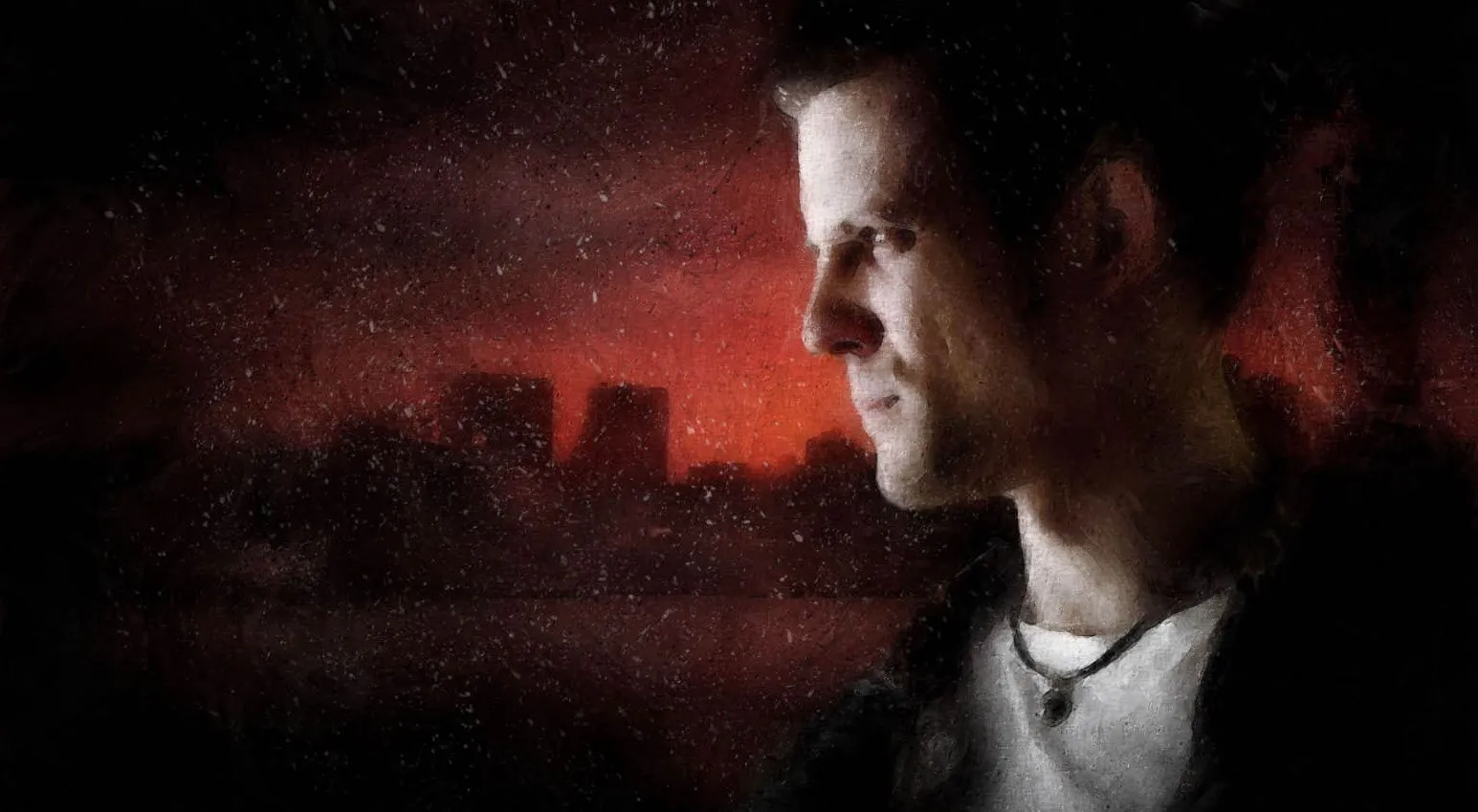
Max Payne is a dark and tragic story about a former police officer who suffered a terrible loss. His wife and young daughter became victims of the gangsters he once fought. Now, Payne is driven by a thirst for revenge and seeks to find everyone involved in the murder of his family. His goal is to take revenge in the most brutal way possible, plunging into a world of violence and darkness. Max Payne combines elements of film noir and action, creating a unique atmosphere full of drama and tension.
Max's character is ambiguous in that his motives are understandable to the player, but the cruelty and rage with which he deals with those who have offended him can be difficult to accept. Payne commits terrible acts, and not all of them can be justified from the player's perspective. This complexity in perception makes his image multi-layered and makes one think about the moral aspects of violence and revenge in gameplay. Max Payne becomes not just a means to an end, but a symbol of the internal struggle between justice and cruelty, which gives the game deep meaning.
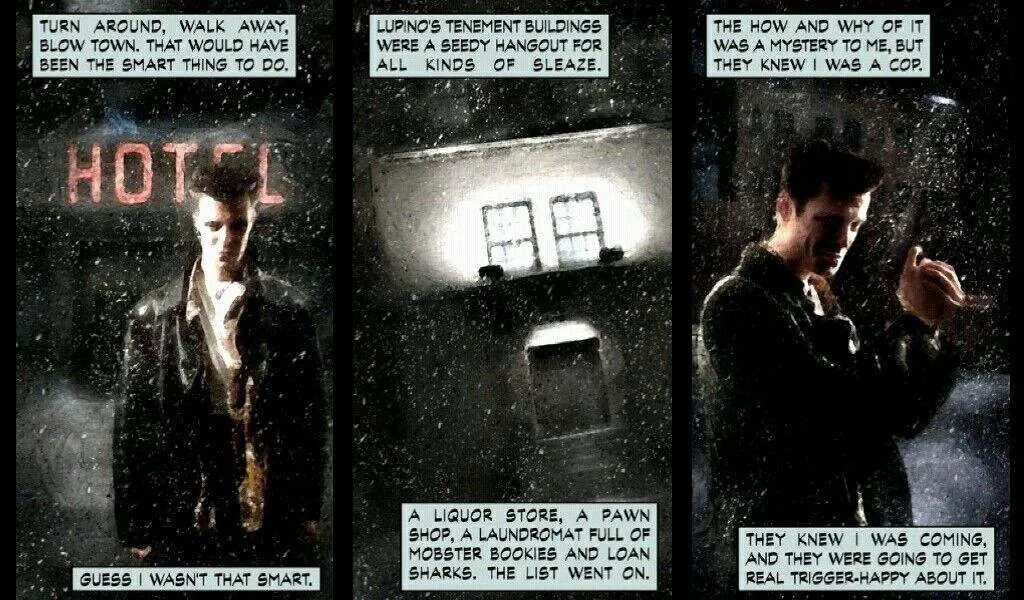
The protagonist, Max Payne, experiences an internal conflict throughout the story. The writers, led by Sam Lake, who gave Max his appearance in the first game, masterfully convey his self-talk through his words. In this internal monologue, you can observe how Payne, a police officer, gradually transforms into Payne, a vigilante. This transformation emphasizes the character's depth and adds emotional weight to his story.
I started this project with the idea of a private detective, a charismatic police officer. When writing the script, I strove to create the image of an invincible hero, typical of detective and action films, but absent from games. After analyzing other projects, I didn't find anything similar and realized that I wanted to create a deep psychological story about a character's transformation. This will be a story about external and internal conflict, which will allow the audience to gain a deeper understanding of the hero's character and their motivations.
Sam Lake is a renowned Finnish writer and screenwriter who has gained popularity for his captivating works in the video game genre and literature. He is one of the key creators of the Max Payne and Alan Wake series of games, which have received high praise from both critics and players. Lake is distinguished by a unique storytelling style, combining elements of thriller and psychological drama. His works often explore themes of internal struggle, human fears, and the distortion of reality. With his original approach to storytelling and deep characters, Sam Lake has left a noticeable mark on the video game industry. His contribution to the creation of interactive stories continues to inspire numerous creators and developers around the world.
The writer and creative director of Remedy is a key figure in the development of video games. He is responsible for creating compelling stories and character development, which makes the company's games unique and memorable. His attention to detail and deep understanding of narrative allow him to create an atmosphere that captivates players and immerses them in the game's world. The work of the screenwriter and creative director of Remedy significantly influences the overall perception of games and their success in the market, making this process an important aspect of the gaming industry.
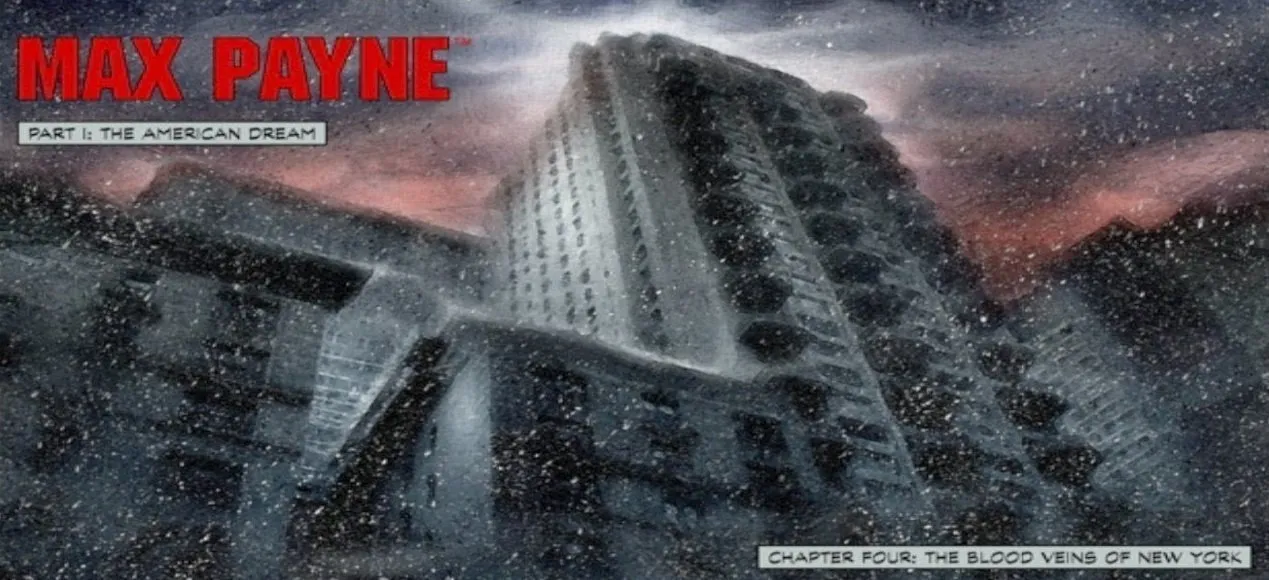
Lake wanted to share a story about New York City, which serves as a backdrop for Max's personal drama. This dark and snowy city becomes an integral part of the narrative, creating an atmosphere in which the hero's inner experiences unfold. New York, with its mysterious streets and cold climate, reflects all the complexities and contradictions that Max faces in his life.
In 1999, the Remedy team went to unexplored areas of New York to get unique ideas for creating game levels. Accompanied by two bodyguards, they spent a week exploring disadvantaged areas, capturing the surrounding reality on camera. They descended into the subway, visited abandoned buildings and photographed demonstrators demonstrating against police brutality. This research became the basis for the development of atmospheric and realistic game locations reflecting the social issues and urban landscape of the time.
Of course, I am ready to help you with text editing. Please provide the original text you wish to change.
We visited the southern part of Manhattan and came across the so-called "worst hotel in the world." We were curious to peek inside, but what we saw shocked us so much that we hardly took any photos – we just stood in silence. There were locked iron gates at the entrance, and in the lobby we were greeted by criminals and drug addicts with scarred faces, glaring at us. The rooms of this hotel resembled toilet stalls without ceilings. This place left a deep impression and became a symbol of the neglect and decay found in some areas of the city.
Released in 1999, Max Payne became a landmark event in the world of video games. Developed by Remedy Entertainment, this game revolutionized the action genre with its unique combination of a gripping story and innovative gameplay. The story centers on detective Max Payne, who, after the tragic loss of his family, embarks on a dark journey of revenge and betrayal.
One of the key features of Max Payne is its narrative style, which uses comic book elements, giving the game a unique atmosphere. Also worth noting is the implementation of the "slow motion" system, allowing players to more effectively deal with enemies and creating impressive combat scenes.
The game received acclaim not only for its graphics and gameplay, but also for its deep character development and atmospheric soundtrack. Max Payne had a significant influence on subsequent games and continued to evolve through several sequels, cementing its place in video game history.
The studio's designers took over five thousand photographs and recorded ten hours of video footage, which became the basis for the textures, locations, and sounds in the project. These elements played a key role in creating a unique atmosphere that reflects the character of the ambiguous "noir" hero. The result is an immersive setting that enhances the game's story and atmosphere.
When creating this expansion, we studied numerous films starring Barbara Stanwyck. Anyone familiar with the noir genre will immediately notice that the protagonist, Booker, is a charismatic private detective, while Elizabeth is a femme fatale. In this story, we showcase the unexpected twist in the father-daughter relationship established in Infinite, while also hinting at all the sources of inspiration that influenced our project.
Ken Levine is a prominent expert in the fields of video game and software development. He is known as one of the creators of the BioShock series, which has received critical acclaim for its innovative approach to gameplay and depth of storytelling. Levine actively explores themes of philosophy, morality, and human nature in his projects, making his games not only entertaining but also thought-provoking.
During his career, Ken Levine has worked for various studios and created several notable gaming projects. His unique style and creative approach to game development have had a significant impact on the industry. Levine continues to develop his ideas and experiment with new formats, striving to create games that are interesting and meaningful to players.
Ken Levine's work is the subject of study and discussion among gamers and experts, highlighting his important place in the world of video games.
Writer and development director for BioShock. His responsibilities include creating a gripping story, developing characters, and developing the game world. Every detail in BioShock is meticulously thought out, allowing players to immerse themselves in a unique atmosphere and experience an unforgettable one. An important aspect of the writer's work is collaborating with the development team, which ensures a harmonious blend of story and gameplay. BioShock became a landmark in the video game industry thanks to its deep storyline and original design.
Visual Style
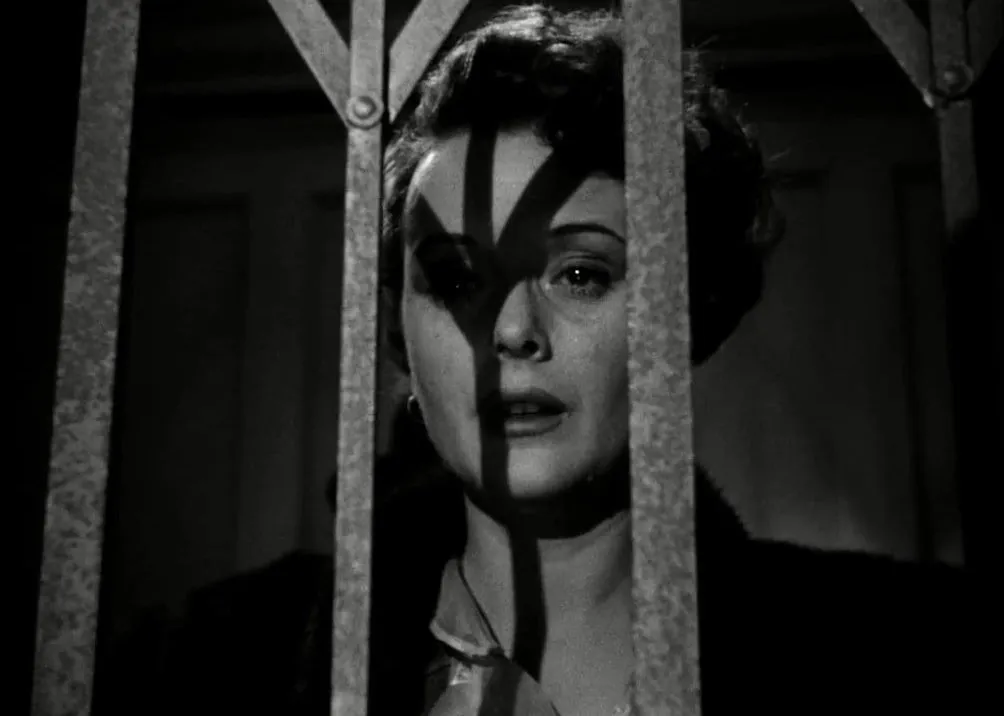
Film noir is distinguished by unique visual characteristics that set it apart from classic Hollywood films of the first half of the 20th century. Contrasts of light and shadow play a key role. For example, in close-ups, characters' faces are often only partially illuminated, emphasizing their multi-layered nature and ambiguity. In wide shots, lighting is used to blend characters into the surrounding environment, creating a sense of depression and hopelessness. To enhance the visual impact, directors actively use reflections in mirrors, adding depth and complexity to the shots. These techniques help create a distinctive film noir atmosphere that differs from traditional Hollywood styles.
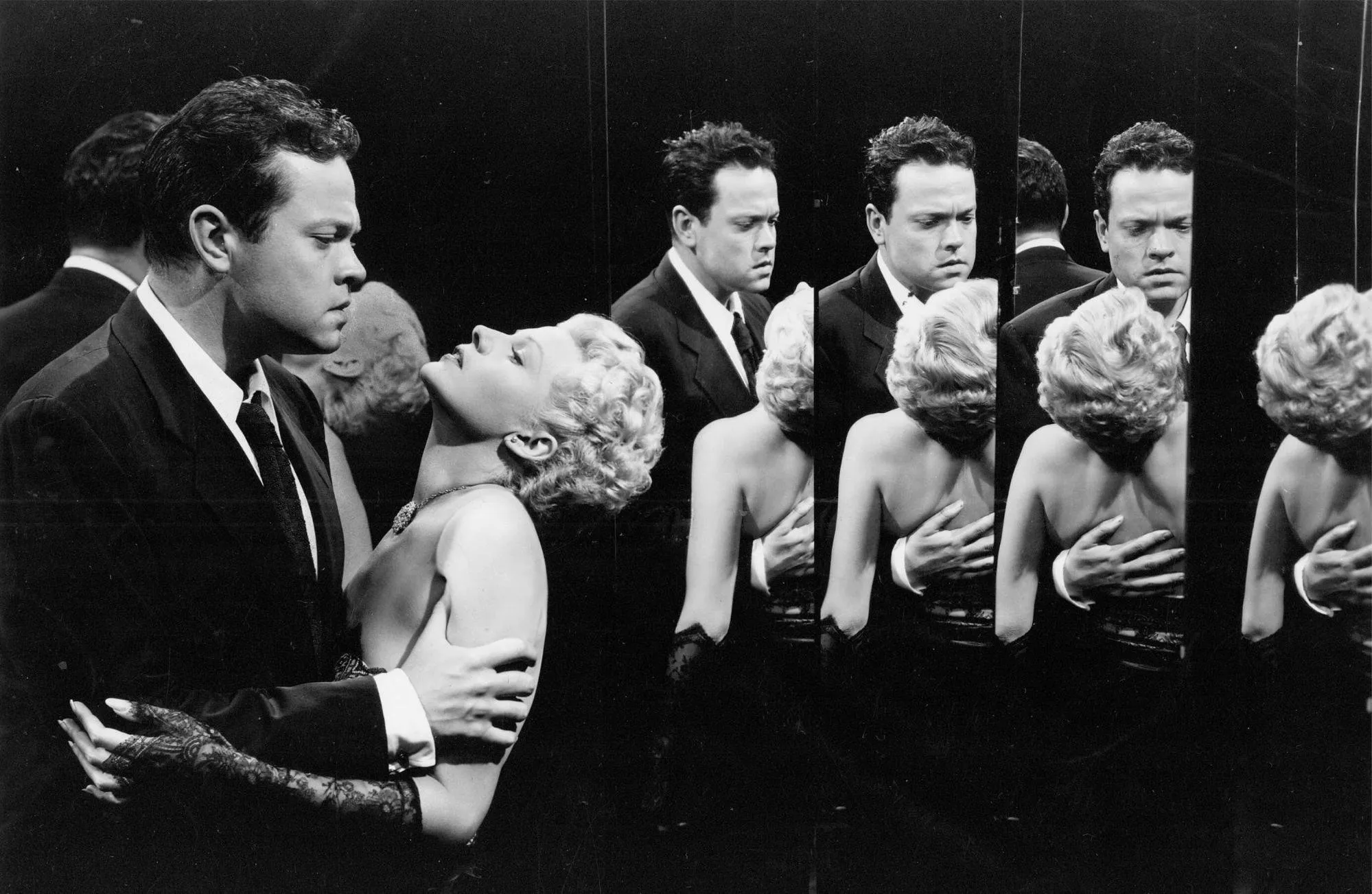
Settings play a key role in creating an atmosphere of danger in film noir. Events often unfold in unfriendly and seedy settings—bars, motels, brothels, and underground casinos. These confined spaces evoke a sense of claustrophobia, heightening the tension of the plot. The combination of vertical and horizontal lines in the interior visually reduces the space, creating a sense of hopelessness and menace. Thus, decorative elements not only complement the plot, but also become an important tool for conveying the emotions and mood of films in the film noir genre.
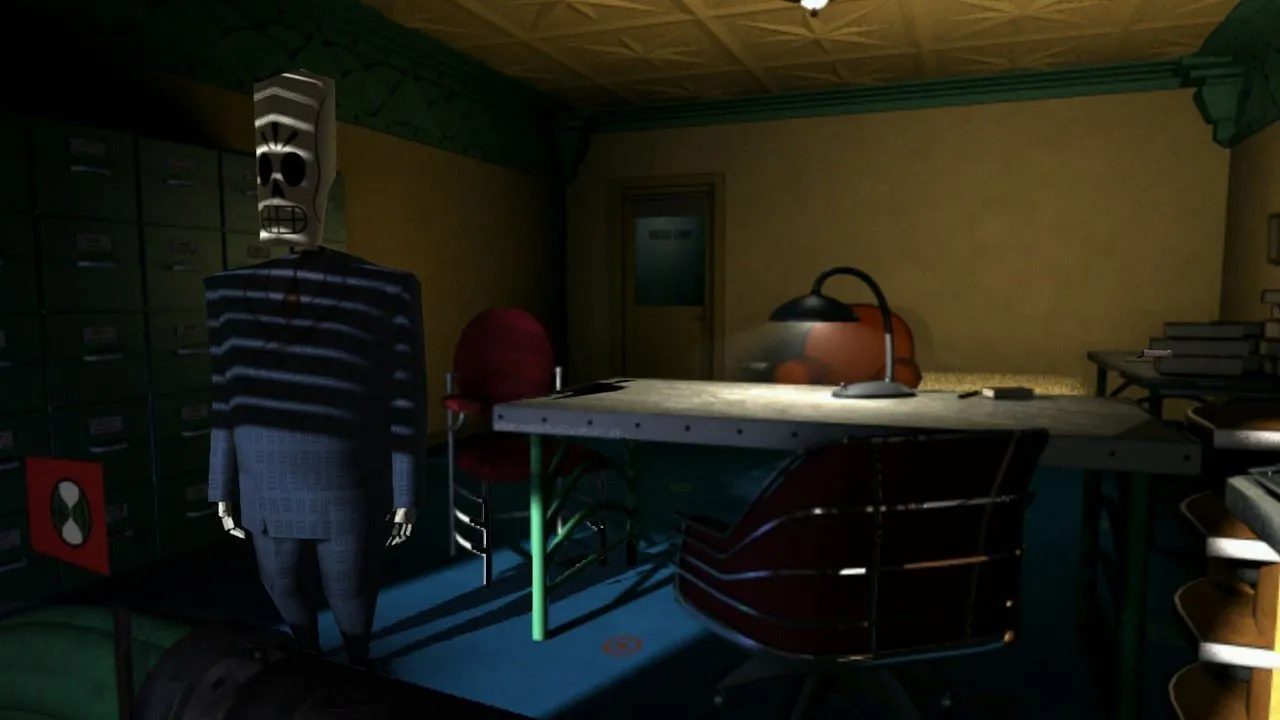
Released in 1998, Grim Fandango is a landmark title from LucasArts, featuring distinctive visual elements. The aesthetic of this adventure game evokes associations with film noir classics such as The Maltese Falcon, Casablanca (1942), and On the Waterfront (1954). The game stands out for its unique style, which combines elements of Mexican culture and characteristic features of film noir, creating a unique atmosphere and immersing players in a mysterious world.
Interestingly, the story of Grim Fandango ironically explores the concept of life after death. The protagonist, working in the Department of Death in the Afterlife, encounters the souls of the recently deceased. The game is saturated with references to the Mexican Day of the Dead, which gives it a unique atmosphere. Grim Fandango's visual style, along with elements of classic film noir, creates a unique feel. Despite the humor, the theme of death and the constant sense of hopelessness reinforce the similarities to "film noir." This game not only entertains, but also makes you think about life and its mysteries, which makes it truly unique in the world of video games.
Unexpected Combinations
One of the main reasons for the end of the classic noir era in the mid-20th century was the spread of color cinema. The transition from a black-and-white palette to vibrant colors led many directors to ignore the traditional techniques of working with light and shadow characteristic of noir. This shift in the visual perception of films changed not only the aesthetics but also the narrative techniques, which ultimately led to the transformation of the genre and the emergence of new directions in cinema.
Noir has not lost its popularity to this day only due to its black-and-white palette. As this article will show, there are many other factors that contribute to its relevance. Over time, elements of noir have been combined with various genres, creating unexpected combinations and introducing new stories that expand the boundaries of classic noir. These innovations help maintain interest in the genre and attract new audiences.
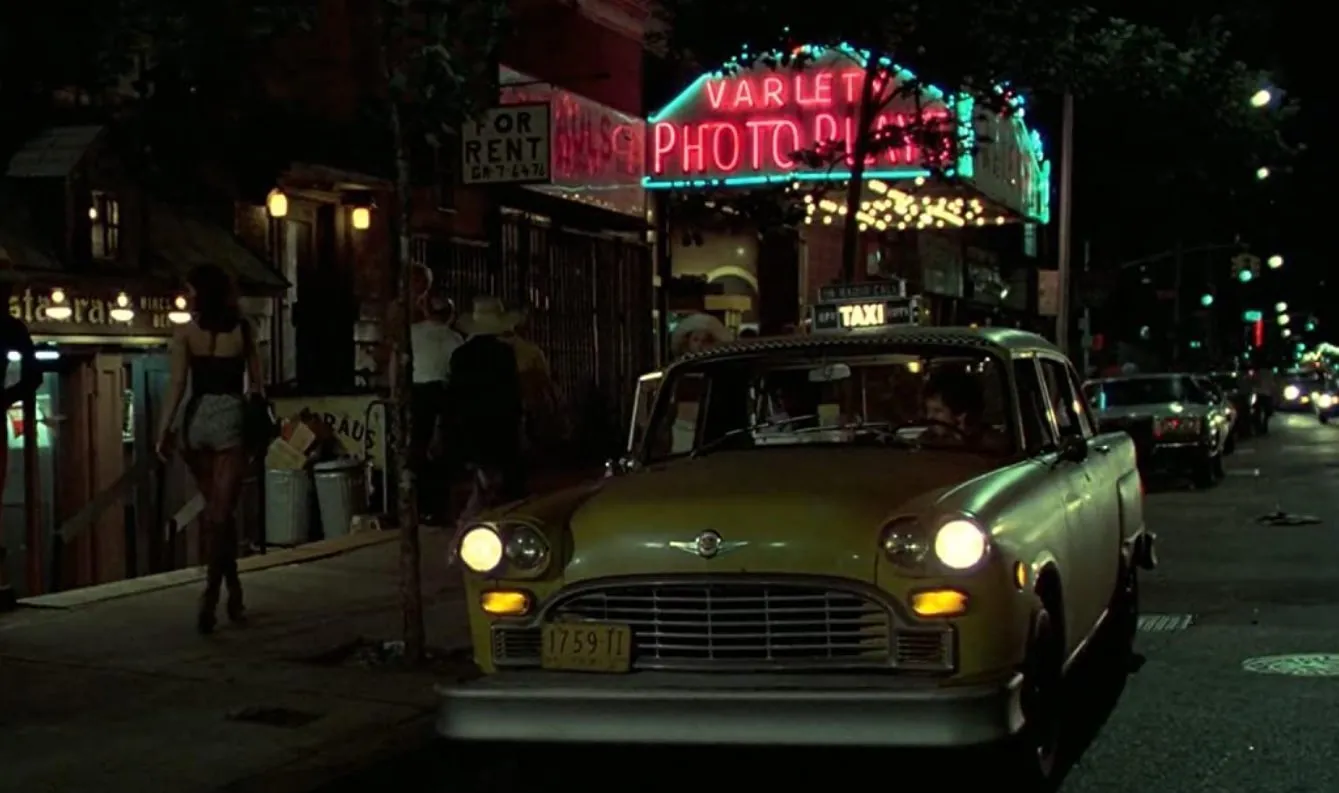
Neo-noir, as a genre, appeared in cinema and includes such films as Chinatown (1974), Taxi Driver (1976), Seven (1997), and Sin City (2005). In this context, it's worth noting that elements of noir are also present in Ridley Scott's iconic cyberpunk film, Blade Runner (1982). The protagonist, a detective pursuing replicants, and the femme fatale, the android Rachael, create imagery characteristic of the genre. The play of light and shadow, as well as the overall dark mood of the world, make this film a striking example of neo-noir, despite its fantastical nature.
The 1997 game Blade Runner certainly borrowed many elements from the original work. Although it tells the story of a different character, the plot devices and visual solutions remain true to the spirit of the source material. This allows players to immerse themselves in a cyberpunk atmosphere and explore a world based on the cult film.
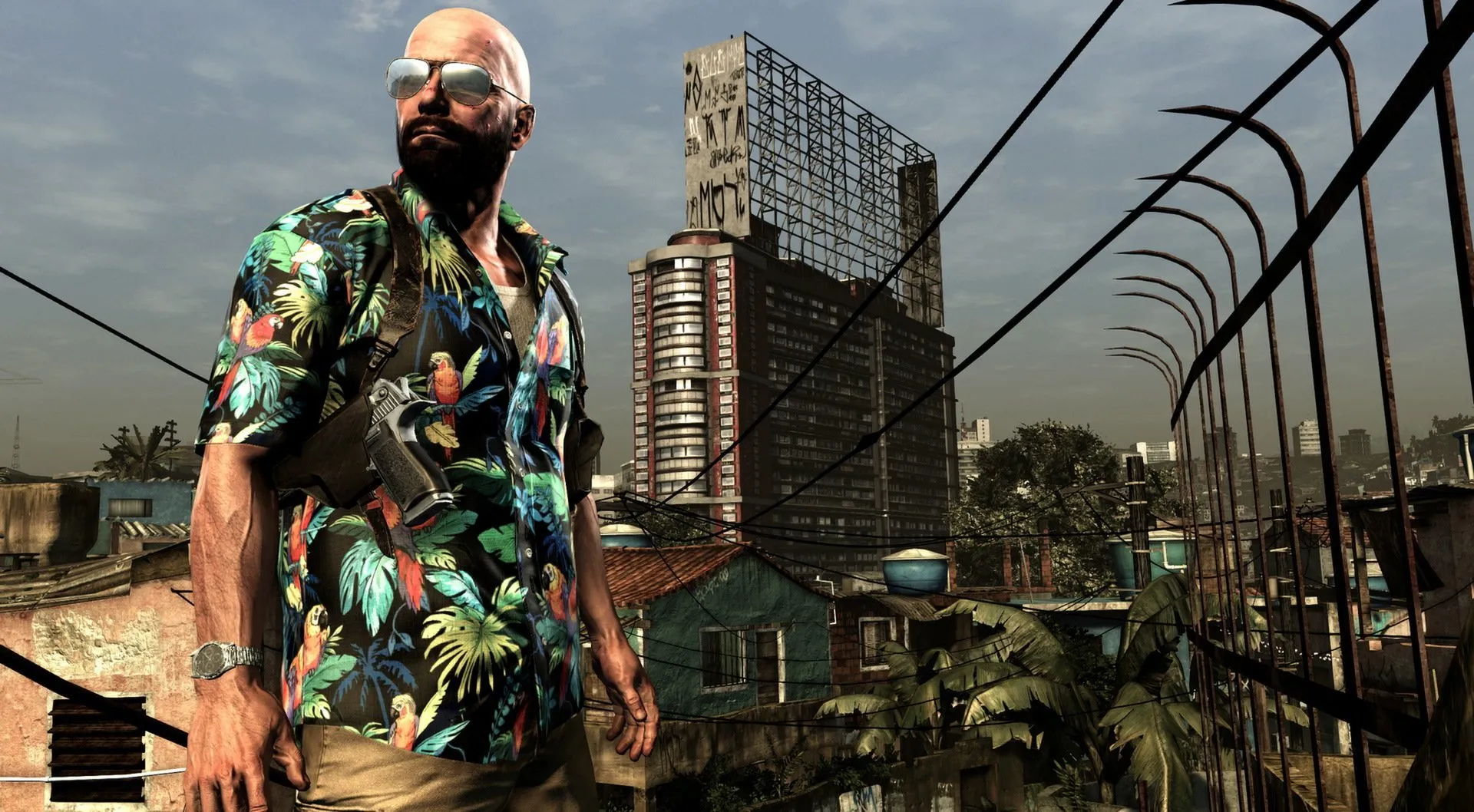
Max Payne 3 is a game that at first glance may not be associated with classic noir, but the neo-noir influence is clearly felt in it. Instead of gloomy New York, the action takes place in bright São Paulo, where the usual elements of the genre are seemingly absent. However, this is only an illusion. Despite the sunny scenery, Max Payne 3 retains the noir atmosphere characteristic of the first two parts. The voiceover still accompanies the events, and the plot revolves around the investigation of corruption. A depressing ending emphasizes that evil will never be completely defeated, which makes this game a true representative of the genre. Max Payne 3 continues the series' tradition, offering players a unique experience that combines action elements with a deep narrative. The streets of São Paulo are also filled with darkness and danger. We stayed true to tradition: Max Payne remains a gritty and experienced ex-cop caught in a critical situation. Much time has passed since the release of Max Payne 2, and continuing the hero's story in the same setting didn't feel right. We decided to test him in a new, dangerous environment, far from his familiar home. We're also concerned that many associate the film noir genre exclusively with New York City, when in fact, it originated in Los Angeles. For us, film noir represents a unique visual style and distinctive storylines that we strive to convey in the game.
In an interview with Rockstar representatives, the key setting of Max Payne 3 is discussed. This installment of the game takes players to Brazil, a significant change from previous installments, which were set in New York City. The developers emphasize that the choice of Brazil was not random; this location was chosen for its unique atmosphere and the contrast between luxury and poverty, which perfectly reflects the protagonist’s internal conflicts.
Rockstar also notes that the detailed recreation of Brazilian urban landscapes and cultural characteristics helps create a deeper immersion in the game. In Max Payne 3, players will encounter not only criminal elements, but also a variety of local traditions and lifestyles. This adds a new level of complexity and realism to the gameplay mechanics, making each level unique and memorable.
Furthermore, the developers paid special attention to the graphics and animation to convey the dynamics and tension characteristic of the world of Max Payne. Brazilian locations, from bustling streets to cozy yet dangerous alleys, become more than just a backdrop, but a fully-fledged element of the gameplay. This approach allows players not only to enjoy the gripping story but also to gain a deeper understanding of the protagonist's atmosphere and surroundings.
Thus, the choice of Brazil as the setting for Max Payne 3 has become an important element that enhances the emotional perception of the game and makes it more multi-layered and interesting.
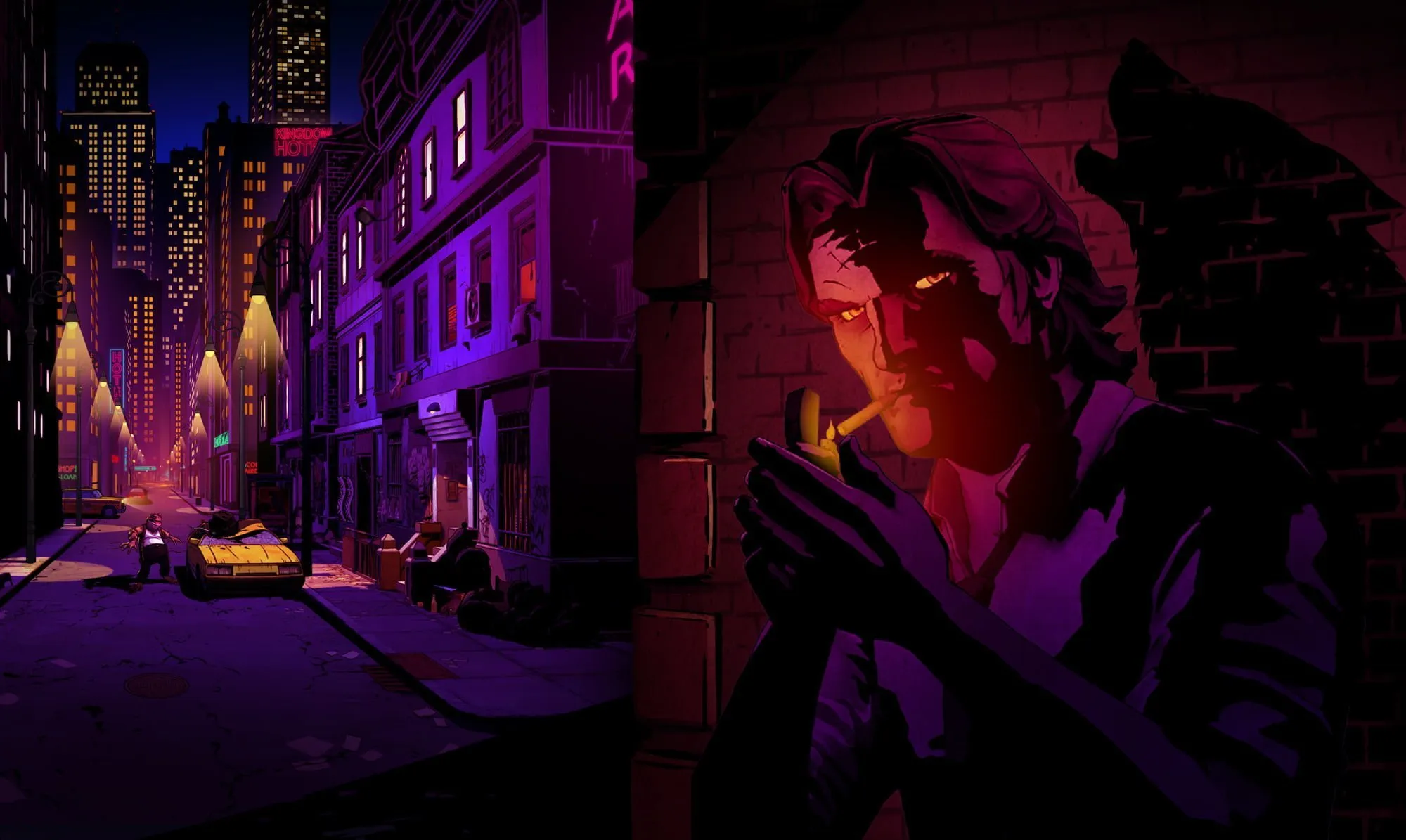
Noir elements are widely used in various genres, including science fiction, cyberpunk, thrillers, and action films. But what if we transfer them to the world of fairy-tale characters facing real-life problems? The Wolf Among Us, released in 2013, perfectly exemplifies this concept. Based on the Fables comic book series by Bill Willingham, it is a socio-psychological drama. The plot centers on characters such as Gray Wolf, Prince Charming, and Snow White, who have left their home worlds and now inhabit Fabletown, a fictional district of New York City. This game offers a unique combination of fairy-tale aesthetics and a deep understanding of human emotion, making it appealing to a wide audience.
The Wolf Among Us's classic noir spirit manifests itself through a detective plot, the protagonist's inner reflections, and the complexity of human nature. These elements are seamlessly intertwined with the visual aspects of neo-noir, represented by bright colors and unexpected genre combinations. The game successfully combines traditional noir motifs with modern visual solutions, creating a unique atmosphere that attracts attention and holds the interest of players.
These are far from all the examples of noir games, but they are certainly key. If you want to trace the influence of mid-20th-century Hollywood cinema on modern video games, start with those listed in this article. Then you can turn to less obvious options, such as the cyberpunk detective Gemini Rue, the adventure game Hotel Dusk: Room 215, or the FMV adventure Under a Killing Moon. It's also worth exploring any other games that have used noir elements to create a unique atmosphere.
2D Graphics Basics
You will master the basics of painting and digital drawing. Learn to create illustrations in Adobe Photoshop and apply storytelling. Build a portfolio and be able to take on commissions as a 2D artist.
Find out more