Contents:

Learn: Profession Sound Designer
Learn moreWhen a player first enters a game, their attention is immediately drawn to the visual design and vibrant graphics. This is no coincidence, as a significant portion of information is perceived through vision. High-quality graphics and a well-thought-out visual style create a first impression and can significantly influence the overall perception of the gameplay. It is important that the graphics not only impress but also fit harmoniously into the game world, contributing to immersion.
The sound component of video games is of great importance and can be even more memorable than the graphics, plot, and gameplay. The melodies from games like Super Mario, Sonic the Hedgehog, and Tetris are familiar even to those who have never played them, and the games themselves are easily recognizable by several characteristic sound effects. This emphasizes that sounds play no less a role in shaping the uniqueness of a game project than carefully crafted musical compositions. It's important to consider that high-quality sound design can significantly enhance player immersion and create a memorable atmosphere, making it an integral part of a successful video game.
This article discusses the methods developers use to create sound effects in games, their evolution, and their importance in gameplay. Sound effects play a key role in creating atmosphere and engaging players. We will also examine potential challenges that may arise during the development of audio content. Sound quality, synchronization with visual elements, and optimization for various platforms are important aspects to consider when creating sound effects. By analyzing these issues in detail, you can better understand how sound design affects the overall gaming atmosphere and perception of the game.

The Evolution of Sound Effects
Disabling sound in games significantly reduces their appeal and degrades the overall gaming experience. Immersion in a virtual world is quickly lost when there is no audible response to character actions. Sound plays a key role in creating atmosphere and interaction with the game environment, making the gaming experience more rich and realistic. Players who value complete immersion understand that high-quality sound is an integral part of games, promoting emotional engagement and improving the overall experience.
A few seconds of gameplay in your favorite game without sound is enough to understand how important sound effects are to creating an engaging gaming experience. Sounds, from reloading weapons to famous jingles, for example, in The Legend of Zelda, play a key role in bringing virtual characters, stories, and worlds to life in our perception. They not only enhance the atmosphere but also help players better immerse themselves in the gameplay, making it more intense and memorable. Sound effects become an integral part of the interaction with the game, creating unique moments and emotions.
Dustin Tyler is a renowned game designer whose work has left a significant mark on the video game industry. His approach to game development is based on a deep understanding of gameplay mechanics, which allows him to create engaging and innovative projects. Tyler actively experiments with new ideas and technologies, making his work appealing to a wide audience.
Dustin Tyler has collaborated with various studios throughout his career, developing games that have received acclaim from both critics and players. His experience includes the creation of both indie games and large-scale game projects, confirming his versatility and mastery of game design.
Dustin also actively shares his expertise with the community by participating in conferences and workshops, where he discusses current trends in game development and shares advice for aspiring game designers.
Sound has played a key role in the gaming industry since its inception. The first experiments with using sound to enhance the gaming experience were conducted in the 1970s. Developers realized that sounds could significantly enrich the player's interaction with the game, creating atmosphere and strengthening the emotional connection. Since then, sound design has become an integral part of game development, contributing to the creation of memorable moments and increasing user engagement.
A classic example of the use of sounds in games is the game Pong. The game's creator, Allan Alcorn, varied the pitch and duration of the sound cues so that each action, such as a ball bouncing off a wall, a "paddle" hitting, a pass, or a goal, had a unique soundtrack. With just three simple beeps, he was able to create a variety of audio responses to player actions, significantly improving the gaming experience and user engagement.
Allan was completely new to these actions, so he relied on intuition and tried different approaches.
Of course, I'm willing to help. However, I need the text you want me to revise. Please provide it, and I'll work on the corrections.
How do digital circuits work? How are ones and zeros converted? I didn't have a clear understanding of this, so I spent about an hour researching and discovered various tones already available in the clock generator. This process requires a thorough understanding of the fundamentals of digital logic and signals. Understanding the principles of working with binary data is key to creating effective digital devices. The capabilities of clock generators allow not only to process information but also to generate various audio signals, opening up new possibilities in digital circuit design.
Allan Alcorn is a renowned video game developer who rose to fame with the creation of the legendary game Pong. Released in 1972, this game is considered one of the first arcade games and had a significant influence on the development of the video game industry. Alcorn, while working at Atari, developed Pong as a simple table tennis simulation that quickly gained popularity and became a cult phenomenon. The creation of Pong was a milestone in the history of video games, opening the door to many new developments and genres. Allan Alcorn's contribution to the world of gaming cannot be overstated, and his work continues to inspire new developers around the world.
Creating unique sound effects for projects is called sound design. A sound designer, also known as a sound designer, is responsible for recording and editing sounds. High-quality sound can significantly enhance a game, giving it uniqueness and atmosphere, while poor-quality sound effects can negatively affect the perception and overall experience of the gameplay. It's important to understand that sound design not only complements visual elements, but also creates an emotional connection between the player and the game.
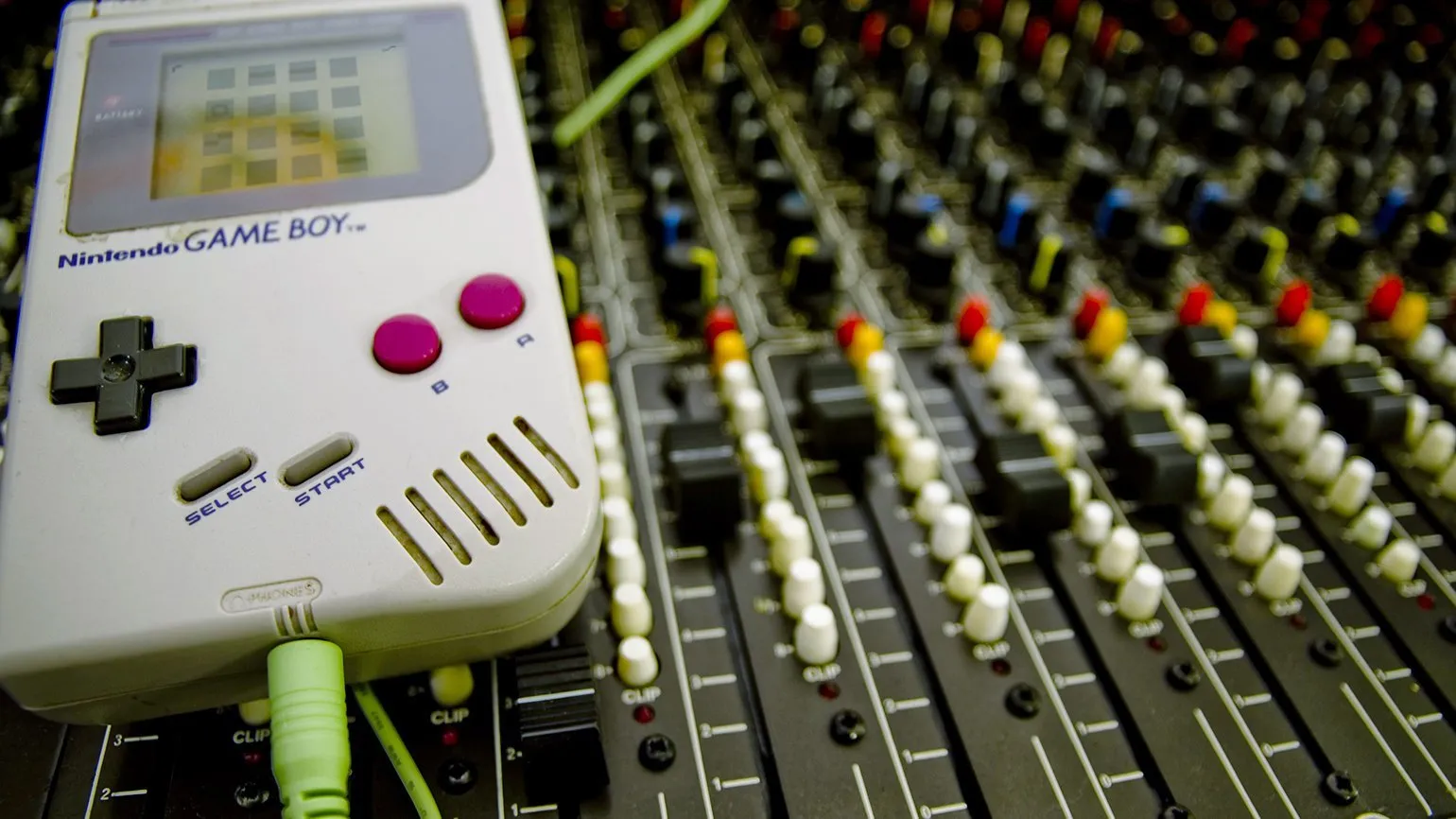
Sound designers of the 1980s faced a serious problem – limited memory. At the time, digital media could only store a small amount of data, which significantly complicated the process of creating and processing sound effects. This limitation required specialists to be creative and able to effectively use available resources, which contributed to the development of unique sound solutions and innovative recording methods.
A standard MP3 file is approximately one megabyte per minute of audio. At one time, the 16-bit Sega Mega Drive was limited to 4 megabytes for storing games. And even earlier, on the NES console, games took up an average of 128 to 384 kilobytes. Under these conditions, there was simply no room for high-quality audio.
Recording realistic melodies and sounds with limited technical capabilities was impossible, and game console developers recognized this. As a result, specialized sound chips were created that generated audio in real time rather than playing pre-recorded samples. This approach significantly saved space on physical media. In the modern world, this music is known as chiptune and has become a popular genre, distinguished by its unique style and sound. Chiptune continues to inspire musicians and developers, combining nostalgic elements with modern musical trends.
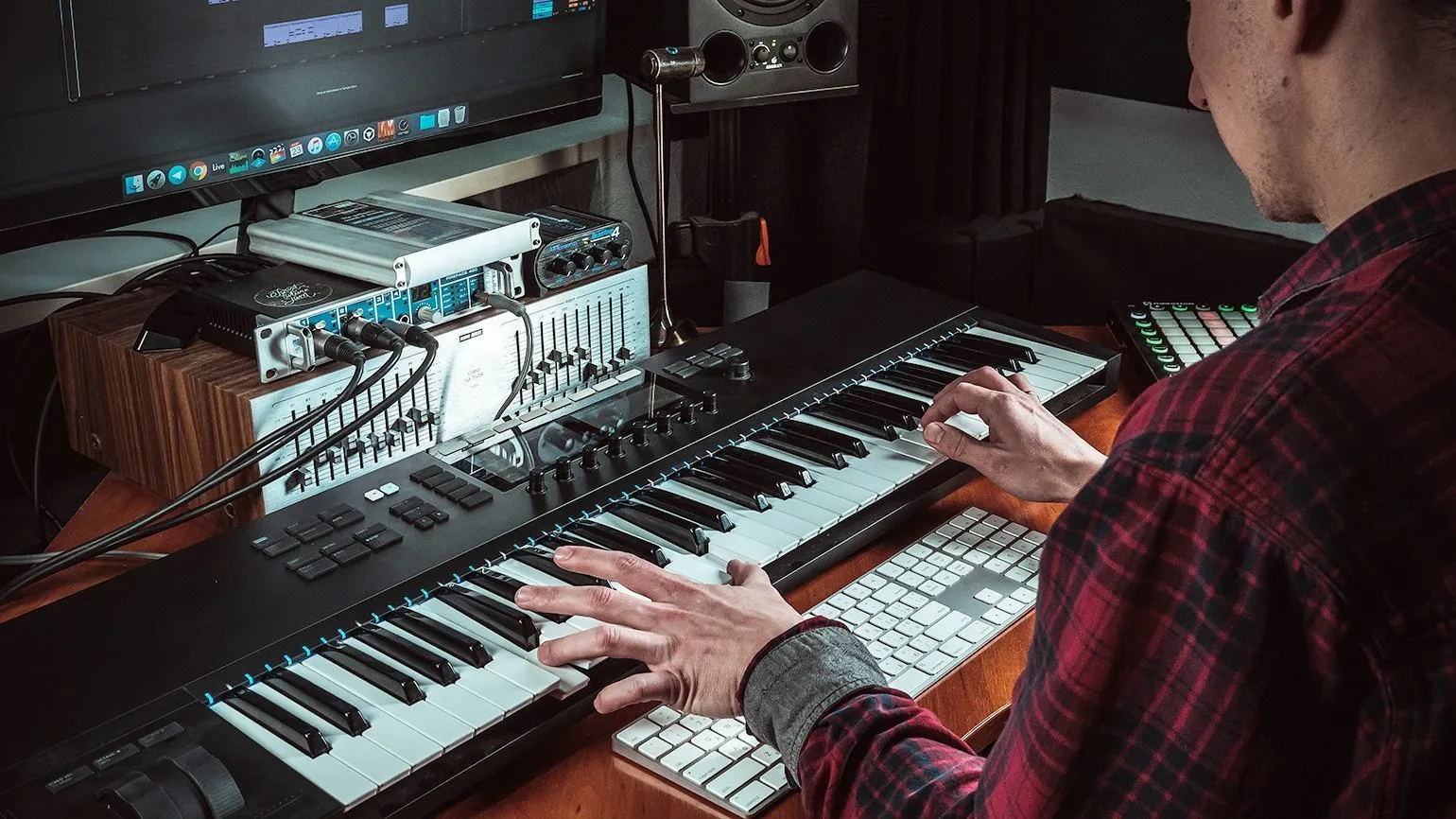
In chiptune, sounds are generated using mathematical formulas and simple software commands that communicate wavelength and noise information to the sound chip. This allows for the production of specific sounds. Chips ranged from simple ones, capable of producing only a few tones at a time, to more complex ones, such as FM chips. Creating music for older game consoles involved developing specialized software rather than traditional notation. However, composers and sound designers achieved unique sounds for their games using available technology and creative approaches. This allowed them to create memorable melodies and sound effects that became an integral part of the gaming experience.
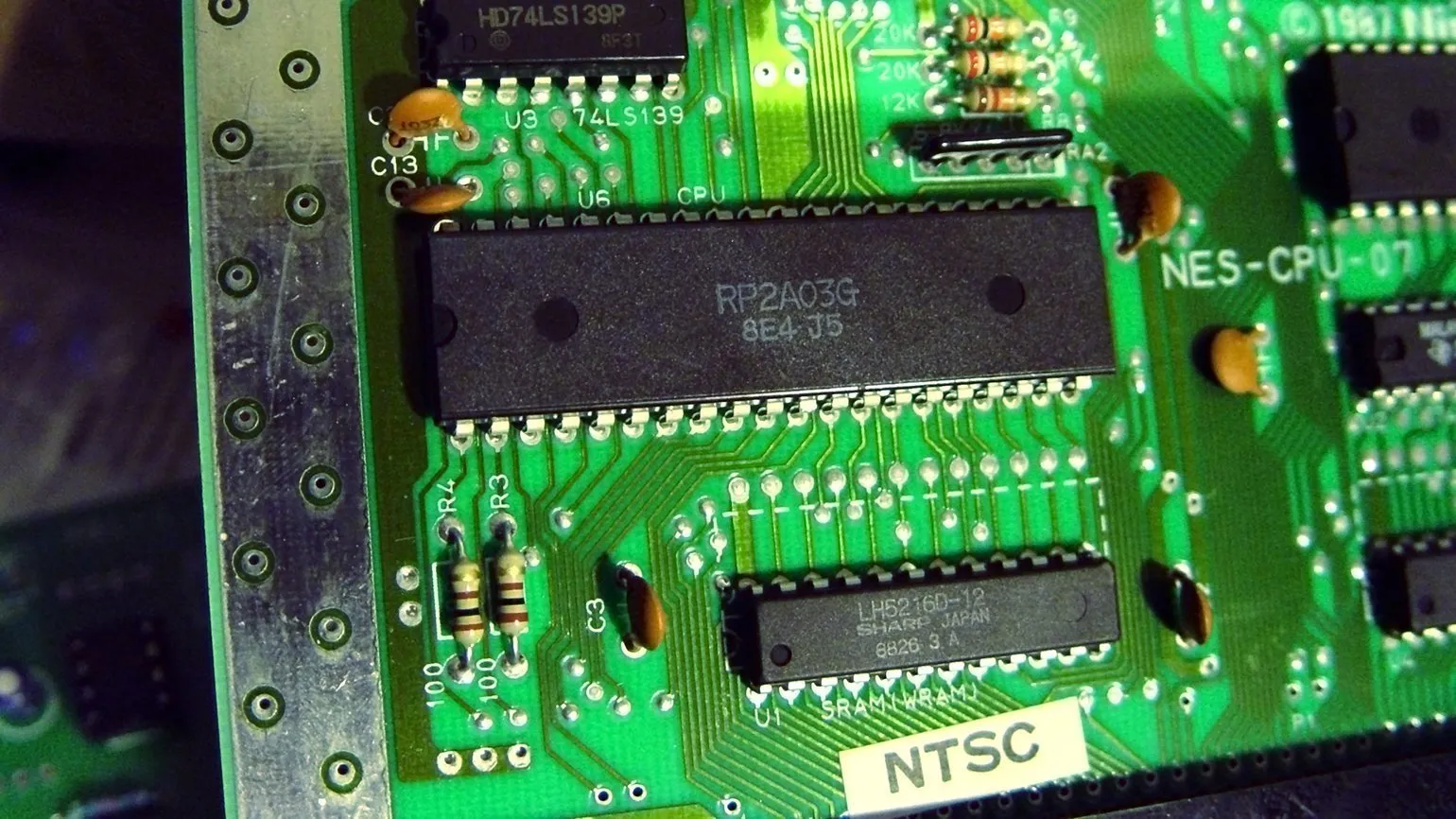
The NES game console used a Ricoh RP2A03 sound chip, which provided sound playback using five channels. These channels included two square wave channels, one triangle wave channel, one noise generator, and a digital sample channel (DPCM). Each of these channels performed a specific function, which allowed for the creation of a variety of sound effects and musical compositions typical of games of the era. Square waves were responsible for creating melodies, the triangle wave was used to generate bass, and the noise generator added effects such as gunshots and explosions. The digital sample channel allowed for the playback of recorded sounds, expanding the console's audio capabilities and adding atmosphere to games.
- Square waves were used to control the volume, frequency, and duty cycle of audio signals. This was how most sounds were produced.
- The triangle waveform was used primarily for drums and bass. There was no special control for this channel, but the DPCM channel could influence its final output sound.
- The noise generator was responsible for cyclical sequences, which could be changed to influence the sound. It was also used to create "white noise" for the background.
- DPCM is a kind of prototype of a modern looper, mainly used in later games.
In an interview, composer Hirokazu Tanaka, who created music for famous game series such as Metroid and Donkey Kong, shared the peculiarities of working with the NES console's sound chip. He noted that the process of creating sound in games was unique and different from the usual approach. Tanaka described how the NES's limited technical capabilities shaped his creative process and inspired innovative compositional solutions.
Most music and sounds of that era were formed gradually, using a combination of transistors and capacitors. Sometimes, sound effects were created directly in the processor, where 1s and 0s were recorded to form a waveform that eventually became sound. This process became the basis for the development of unique sound design that continues to influence modern music and sound effects.
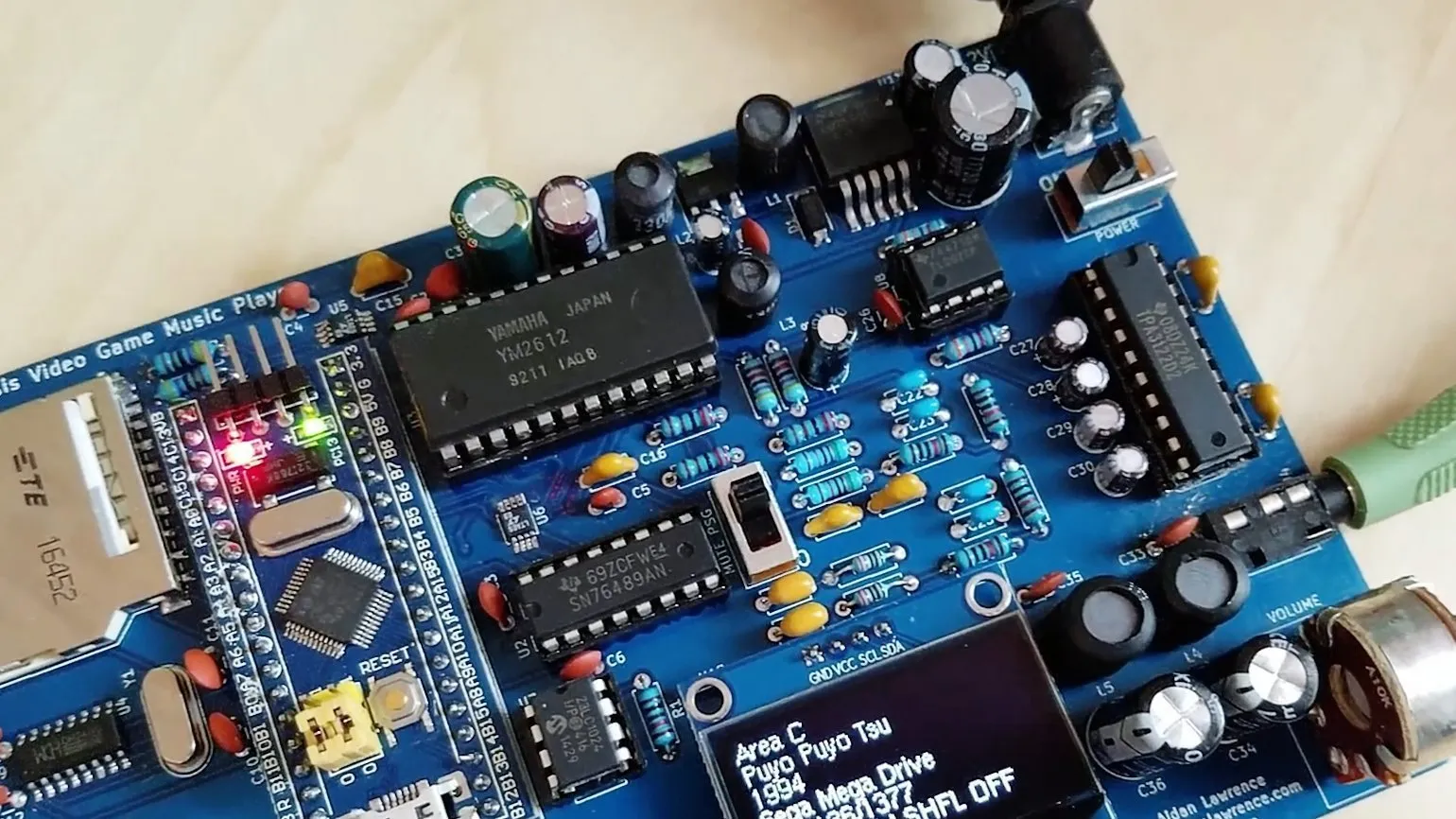
The Sega Mega Drive console used the Yamaha YM2612 FM chip, which became known for its characteristic synthetic and "hard" sound. This sound was noticeably different from the warmer and softer sound of the SPC700 chip used in the competing SNES console. The era of 16-bit gaming systems was distinguished by the extensive use of frequency modulation, which contributed to the creation of unique pieces of music and sound effects. The sound palette of the Mega Drive, thanks to the YM2612, left a significant mark on the gaming industry, attracting the attention of users and musicians.
Frequency modulation is a sound synthesis method in which the frequency of a sine wave is varied to generate new sound effects. This process allows different modulators and waveforms to interact infinitely, which significantly expands the range of available sounds. Frequency modulation is used in music production and sound design, offering the ability to create unique textures and tones. Due to its flexibility and expressiveness, this method has become the basis for many modern synthesizers and sound instruments.
The YM2612 is a sound synthesizer integrated circuit introduced in the late 1980s. This chip features six independent channels, allowing it to simultaneously generate six different tones with unique FM operator settings. Each channel contains four operators that function as oscillators, providing a richness and variety of sonic textures. The YM2612 has become an iconic element in the world of music technology and has been widely used in video games and musical productions, making it an important part of synthesizer music history.
Operators can be connected to other operators as well as to the synthesizer output. The unique routing of these connections is called an algorithm. The algorithm used for the FM operator significantly influences the final sound. Effective algorithm tuning allows for the creation of diverse sonic textures and enriches a musical composition. Proper operator routing helps achieve the desired sound and unlocks the synthesizer's potential.
The YM2612 features a unique analog stereo output, which distinguished it from other FM synthesizers of the time, which often required additional chips to achieve stereo sound. The chip also integrates two programmable timers and an ultra-low frequency oscillator, expanding its functionality. Thanks to the YM2612, the Sega Mega Drive console was able to reproduce high-quality stereo sound, a significant achievement for the late 1980s. This chip not only improved the audio experience in games but also opened up new possibilities for developers in creating musical content.
In the mid-1990s, games began to transition to 3D technology, opening up new horizons in sound design. A significant advancement in this field occurred with the release of the first PlayStation in 1994, equipped with a CD drive. This allowed composers and sound designers to record and place high-quality music and sound effects on CDs that rivaled live performance. The advent of 3D graphics and improved audio marked a significant milestone in the development of the gaming industry, bringing new sound and atmosphere to the table.
The first generation of PlayStation featured a unique audio processing unit from Sony. The SPU chip supported 24 channels at a sampling rate of 44.1 kHz, ensuring high-quality CD audio playback. Games on this console could automatically shift the pitch of their samples without the need to access additional files, significantly optimizing the use of the SPU's 512 kilobytes of RAM. At the time, video games were beginning to implement digital signal-altering effects such as reverb, echo, and compression, creating richer, more realistic sound. The PlayStation released numerous games memorable for their unique sound. Particularly notable are the three Final Fantasy games (Final Fantasy VII through Final Fantasy VIII), which represented a breakthrough in the role-playing game genre. These games are valued not only for their stunning soundtracks by composer Nobuo Uematsu but also for their vibrant, distinctive sound effects, which was the goal of the developers at Square. The sound design in these games significantly enriched the gaming experience, making each installment unforgettable for players. Our team was tasked with creating sound effects that matched the high quality and character of those used in the film industry. This process was significantly different from our previous experience in sound effects creation. We strove to achieve a level of professionalism that would meet the demands of modern cinema.
Motonori Sakakibara, the renowned director of CG cutscenes for Final Fantasy VII, made a significant contribution to the development of visual storytelling in video games. His works are characterized by a high level of detail and artistic expression, which has made them iconic among fans of the series. Sakakibara created many memorable scenes that enhance the emotional component of the game and help players become more immersed in its world. Thanks to his talent and innovative approach, CG cutscenes have become an integral part of the overall aesthetic and perception of Final Fantasy VII, setting high standards for future projects in the industry.
In 2000, the PlayStation 2 console was released, equipped with a new audio chip, the SPU2, which significantly improved the sound technology compared to the previous model. Key improvements included an increase in RAM to 2 megabytes and the ability to work with 48 channels, which was double the number of channels of the previous SPU. The SPU2 consists of two sound processors, called CORE0 and CORE1, each capable of processing 24 channels. This allowed developers to create more complex and rich sound scenes in games, which significantly improved the audio quality and the overall gaming experience.
The SPU2 inherited the effects from the SPU, thus providing high-quality audio processing. The allocated memory was used as a "scratch zone," allowing developers to store raw waveforms and provide additional space for applying various effects. This significantly expanded the sound processing capabilities and improved the overall sound produced by the device.
The SPU2 chip was designed with the ability to downmix all audio channels to provide a high-quality stereo output. One of the unique features of this chip is its ability to feed the downmixed audio sample as a new input. This opened up additional opportunities for connecting with a larger number of sounds and effects, significantly expanding the audio capabilities of the system.
A lot of time has passed since then, and sound recording technologies for games have reached a level comparable to the creation of music albums and film soundtracks. Nowadays, the process largely consists of recording samples that will be reused in the game. Since memory problems are a thing of the past, it is now possible to record hundreds and even thousands of sounds for a single project. This allows developers to create richer and more varied soundscapes, significantly improving the overall experience of the game.
Today, there are outstanding examples of the use of sound effects in games. One such example is Hellblade: Senua’s Sacrifice, developed by Ninja Theory. This game utilized binaural sound design, which creates a sense of surround sound even when using regular stereo headphones. This solution significantly enhances immersion in the game world and helps the player better understand the inner experiences of the main character, who suffers from auditory hallucinations and non-existent voices.
Differences in Approaches to Sound
Game design requires a thorough understanding of sound design in various locations and environments, as well as the purpose of their inclusion. All sound effects in games can be classified into several categories, each of which performs a unique function. Sound effects can enhance atmosphere, convey emotion, and inform the player of important events. The correct selection and placement of sound elements significantly enhances the gaming experience and helps create a more immersive environment for players.

The essence of this approach is the desire of the authors to make the game more realistic through sound design. For example, in various installments of the Medal of Honor shooter series, the developers worked extensively to recreate the atmosphere of real military conflicts. The sounds of weapons and vehicles were carefully crafted to match reality as closely as possible and enhance player immersion. This attention to detail helps create a richer and more believable game environment, which in turn attracts fans of the genre and increases interest in the game.
We strive to create an atmosphere for the player that is as close to the real world as possible so that they can have an authentic gaming experience. Weapons in the game should accurately reproduce their real-world counterparts, ensuring authenticity and believability. The voiceover should resemble a documentary, emphasizing the accuracy of foreign languages and the realism of the sound design.
Eric Kraber is a talented sound designer who made significant contributions to the sound design of Medal of Honor, released in 2010. His work on the project brought a unique atmosphere and depth to the audio, making the gameplay more immersive and realistic. Kraber successfully used sound effects and music to emphasize in-game moments and enhance the overall experience. Thanks to his professionalism and creativity, Medal of Honor became one of the memorable games of its time, leaving a bright mark on the video game industry.

Sound effects play a key role in creating atmosphere and mood in video games. They can convey emotion and enhance the perception of what is happening on-screen. Dark games like Resident Evil 4 and Doom 3 use grounded and brutal sound effects familiar to all horror fans. These sounds enhance the feeling of fear and tension, immersing the player in the game's grim world. Meanwhile, the platformer Cuphead, stylized as classic American animation, uses unrealistic cartoon sounds. This helps create the atmosphere of a cartoon come to life and gives players a unique experience. Using a variety of sound effects allows game developers to set the mood, evoking a wide range of emotions in players and immersing them in the gameplay.
We aimed to capture the authentic feel of 1930s cartoons, rather than simply replicating them. For example, at the beginning of the game, the player interacts with the Elder Kettle, and to voice this character, the actor used a large pot, creating the effect of rattling lids. This approach allows for a deeper immersion into the atmosphere of the era and creates a unique experience for the player. We paid attention to detail to ensure that every element of the game evokes associations with classic animated films, making our creation truly unique.
Samuel Justice is a talented sound designer known for his work on Cuphead. His unique approach to creating sound design and music is integral to the game's atmospheric experience. Justice uses vintage instruments and recording techniques, giving the sound design authenticity and character, reflecting the aesthetic of classic mid-20th-century cartoons. His work helped create an unforgettable atmosphere that complements Cuphead's visual style and enhances player immersion in the game's world. Samuel Justice has become an important figure in the industry, demonstrating how sound can significantly enrich the gaming experience.
Game developers often recreate the atmosphere of real places rather than creating them from scratch. For example, the sound designers of Never Alone, a game about adventures in the Far North, specifically traveled to the snowy and sparsely populated mountains to record their sounds. These recordings were used to create an audio library, which was then used in the game. This approach allows for a deeper immersion in the game's reality and creates a unique atmosphere that captures the spirit of northern nature.
On the way home, we unexpectedly turned into a parking lot surrounded by piles of snow, which in places had formed large blocks of ice. We spent some time kicking and throwing these chunks of ice around the parking lot. The sounds produced during these events became an important part of our game, for example, they were used during the destruction of a snow cave.
Excuse me, but I need the actual text you wish to revise. Please provide it, and I will assist you with the revisions.
Brendan Hogan is a sound designer known for his work on Never Alone. His contributions to the sound design and musical score significantly enriched the game's atmosphere, immersing players in the unique world of the Inuit. Hogan pays special attention to detail, which allows for a deep emotional experience throughout the story. Brendan's involvement in the project highlights the importance of sound design in video games, which can not only complement visual elements but also enhance narrative aspects. Hogan's work in Never Alone exemplifies how music and sound can influence gameplay and enrich the player experience.
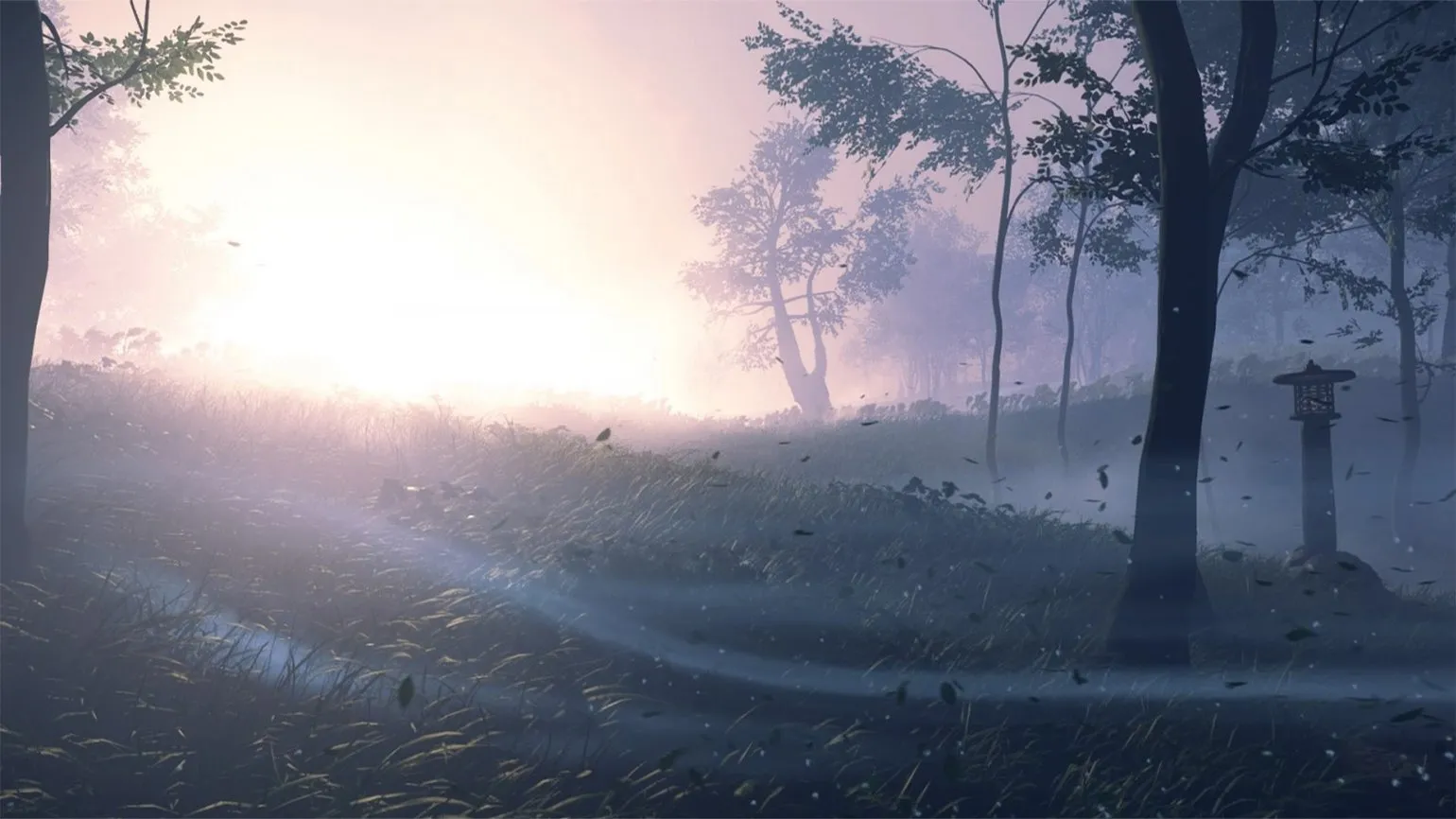
In most games, sound effects play a key role in player interaction, helping them navigate the game world. For example, in an RPG, when the hero is searching for a waterfall, a group of enemies, or a train, they can initially only faintly hear the corresponding sounds. These sounds gradually increase in intensity, signaling their approach to the target, until it becomes visible. This approach allows the developers to guide the player to the desired destination without using direct cueing and creates an atmosphere of immersion and anticipation. Sound becomes an important tool in shaping the game experience and helps players better perceive the environment.
In Gears 5, the main characters encountered a spectacular waterfall, which became an important part of their adventure. This location not only brought elements of visual beauty to the game but also played a key role in the development of the plot, emphasizing the atmosphere of danger and grandeur in the world of Gears. The waterfall became a symbol of the new challenges the heroes would face.
When developing the waterfall sequence in Gears 5, we meticulously analyzed every detail even before the first prototypes were created. We considered the player's surroundings and what they would see. As a result, the location was filled with the sounds of birdsong and other pleasant panoramic effects. Particular attention was paid to ensuring the player's awareness of their location in relation to the sound sources, which creates a deeper immersion in the game's atmosphere.
Josh Osiris is a renowned sound designer who worked on the Gears 5 project. His contribution to the game's audio significantly influenced the overall experience. Thanks to Josh's skill, the sound effects and musical score of Gears 5 have become important elements, creating a unique atmosphere and immersing players in the captivating world. His work not only improved the sound quality but also heightened the emotional weight of the scenes, making the game more engaging and memorable.
The sound feedback from virtual objects, such as a knife that easily cuts through everything in its path, the crackling of wood in a fire, or an exploding gas pump, significantly enhances the experience of gameplay. High-quality sound effects immerse the player in the atmosphere and make interaction with the environment more realistic. This creates a unique experience that captivates and holds attention, allowing players to become fully immersed in the game world.
Sound effects play a key role in hyper-casual games, where the same objects with similar sounds are constantly repeated on the screen. For example, the developers of Fruit Ninja paid special attention to the sound of the blades, ensuring that every swing and slash brings maximum pleasure to the player. High-quality sound design enhances the user's emotional engagement and makes the gameplay more immersive. Properly selected sounds help create a unique atmosphere, which is especially important for attracting and retaining players in hyper-casual games.
In this article, I will discuss the creation of sounds for the butterfly blade. To record the whistle, we used a branch that was quickly waved near the microphone. In addition, we added the sound of a tree, which created a high-frequency tone upon impact. To enhance the effect, we used wind chimes, and to create a sense of lightness and the flutter of butterflies, we cut up several sheets of paper, stacked them together, and shook them. This approach helped create a unique sound atmosphere that was perfect for our project.
Kedar Jones is a talented sound designer known for his work on the popular mobile game Fruit Ninja. His contributions to the game's sound design were key in shaping its unique atmosphere and gameplay experience. Kedar developed numerous sound effects that enhance player interaction and make the game more engaging. Jones's work in sound design demonstrates his skill and creativity, making him one of the preeminent practitioners in the field.
We strive to create a sense of complete immersion for players in a realistic world, providing them with a unique gaming experience. Weapons should closely resemble their real-life counterparts, and the sound design should be reminiscent of documentaries, conveying believability and accuracy. Particular attention is paid to high-quality voice acting to accurately reproduce foreign languages and accents, further enhancing the game's atmosphere.
Eric Kraber is a renowned sound designer who worked on the sound design for Medal of Honor (2010). His contribution to the project was significant, as high-quality sound plays a key role in immersing players in the atmosphere of military operations. Kraber used innovative techniques and technologies to create unique sound effects that enhanced the game's dynamics and realism. Eric Kraber's work on Medal of Honor is a prime example of the influence sound design has on the overall perception and success of a video game.
On the way home, we unexpectedly turned into a parking lot with large snowdrifts and chunks of ice along the edges. We spent some time kicking and throwing ice chunks in the parking lot. These sounds became an important element of our game, for example, when a snow cave collapses.
The end result turned out exactly like this.
Brendan Hogan is an experienced sound designer who worked on the unique project Never Alone. This video game, developed in collaboration with Alaska Native people, stands out not only for its engaging gameplay but also for its carefully crafted sound design. Hogan created an audio atmosphere that immerses players in the culture and traditions of the Native people, making the game not only entertaining but also educational. His work highlights the importance of sound in video games and demonstrates how audio design can enhance emotional perception and enrich the gaming experience.
Recording Challenges
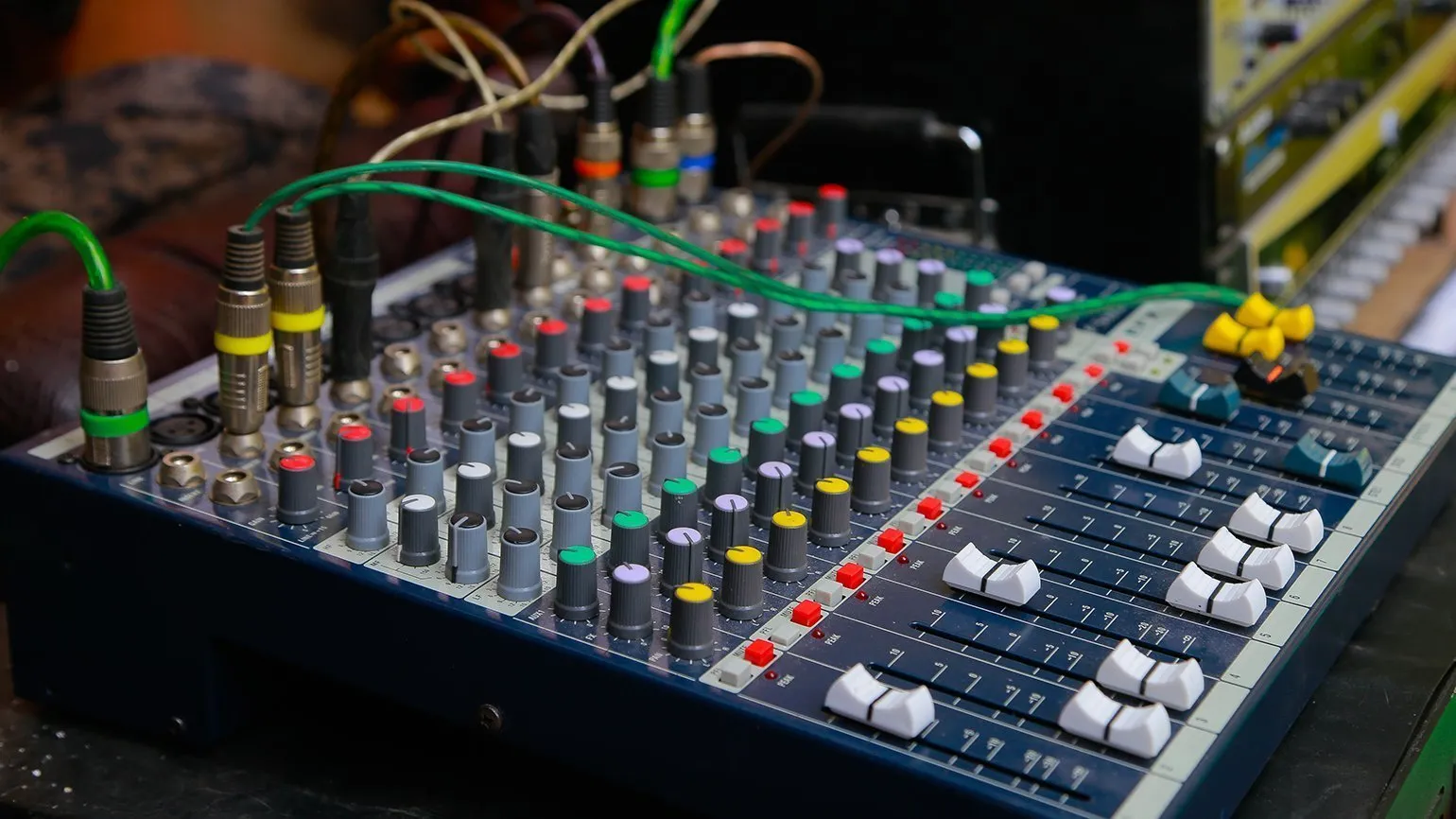
Creating a sense of reality in a virtual environment is a challenging task. In the real world, every action is accompanied by sound effects; even simply pressing a light switch produces a sound. In video games, sound effects not only signal actions but also provide additional cues. For example, if a player attempts to open a door, the distinctive creaking of the door handle may indicate that passage is currently impossible. Proper use of sound effects enhances gameplay immersion and helps players better perceive the environment.
Achieving a high-quality sound script can be challenging. Modern audio recording devices are highly sensitive to noise, and the sources of some sounds may not be obvious. Furthermore, developers sometimes lack the ability to record the desired sound in natural settings. In such cases, various techniques, methods, and active editing of audio recordings are used to achieve the desired result.
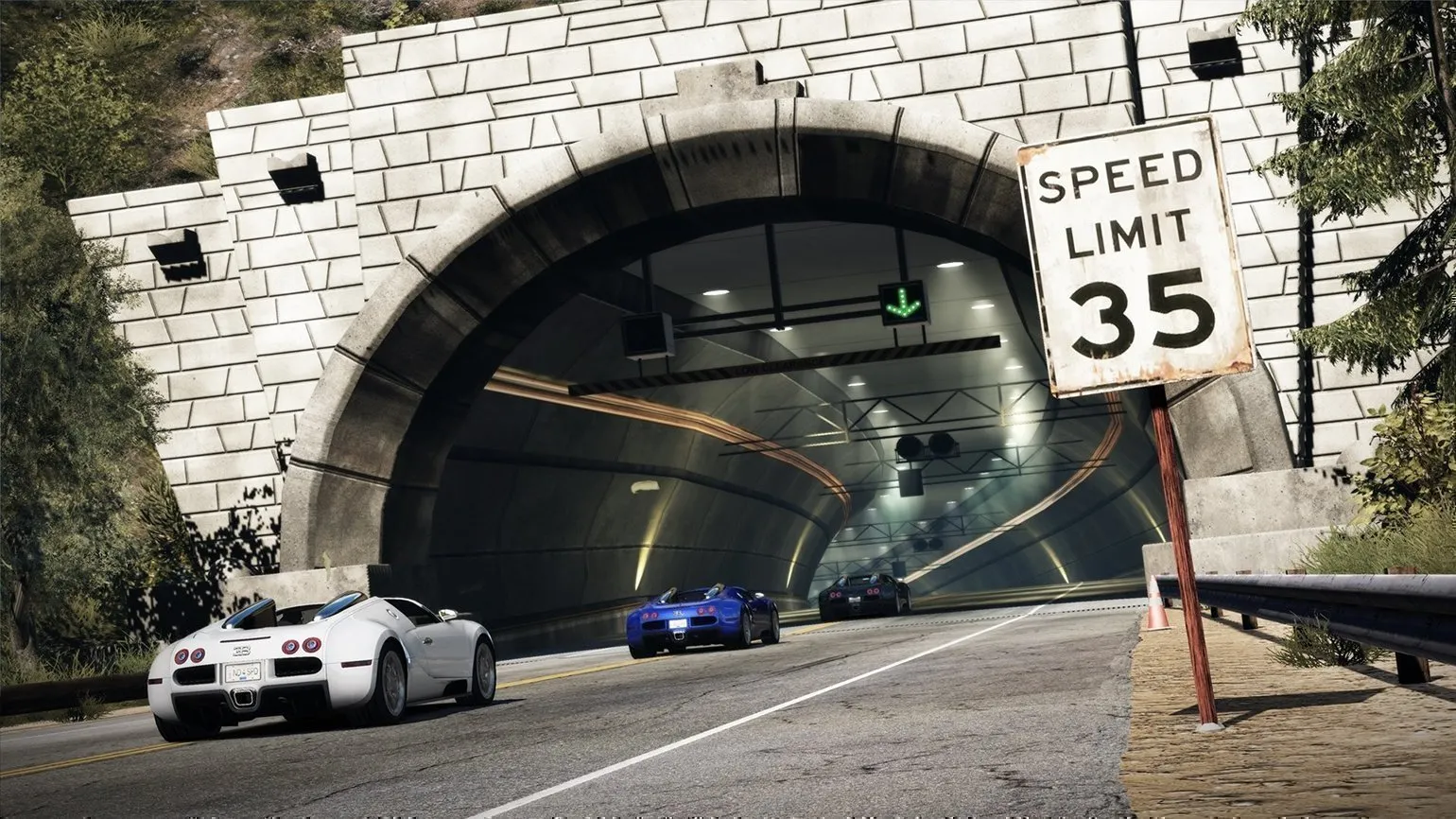
The sounds of driving through a tunnel in Need for Speed: Hot Pursuit are the result of the meticulous work of professional sound designers. They processed the standard sound of a car driving on the road to create a unique sonic atmosphere. This approach highlights the importance of sound design in video games and demonstrates how high-quality audio effects can significantly enhance the gaming experience, immersing players in a world of racing and adrenaline.
When creating the sound design for Need for Speed: Hot Pursuit, our primary goal was to convey the atmosphere of driving. For example, in scenes where players race through tunnels, I decided to take a risk and suggested the team use reverb in an unconventional way. This solution was unusual for us, but we spent considerable time to achieve a clear and realistic sound.
Vanessa Lorena Tate is a talented composer and sound designer known for her contributions to the Need for Speed series. Her music and sound design have become an integral part of the gaming experience, creating an atmosphere of speed and adrenaline. Tate successfully combines various musical genres to emphasize the dynamics and tension of racing. Her work in Need for Speed highlights the importance of audiovisual perception in games, making each race more exciting and memorable. Vanessa Lorena Tate continues to inspire players and game creators with her unique style and creative approach to music.
When creating sound effects, sometimes the most Unusual and absurd moments. For example, to record the fatality sounds in Mortal Kombat 11, the developers used various techniques, including crushing and destroying vegetables. Black Mesa sound designer Joel Nielsen even enlisted the help of his wife to create unique sound effects. Such creative approaches highlight the importance of sound design in video games and show how unconventional methods can lead to impressive results.
The sound of footsteps on a fleshy surface originated from the light slap of a palm on a wet buttock. The rest is up to your imagination. I would like to express my sincere gratitude to my wife, Kala, who made a significant contribution to the implementation of this project. Her support and creativity helped me cope with many aspects of the work.
Joel Nielsen is a professional sound designer working on the Black Mesa project. His expertise in sound design allows him to create unique audio effects that immerse players in the game's atmosphere. With a meticulous approach to every detail of sound design, Nielsen makes gameplay more realistic and immersive. At Black Mesa, he is responsible for creating soundscapes that support the mood and drama of the project, making him an essential part of the development team.
When creating sound design for games, you can face various challenges, both in recording sound effects and in their application. Unfortunately, some developers can be careless in their use of sound effects, which can negatively impact the overall experience of the game. Errors in this area can be classified into several types:
- the sound misinforms the player;
- the sound appears without conveying any essential information;
- the sound appears too frequently.
Repetitive sounds, such as the low health signal, play an important role in gameplay. However, if these sounds occur too frequently and too loudly, they can distract the player and provoke them to reckless actions. Instead of serving their intended purpose as a warning, such sound effects can become a source of irritation, which will negatively impact concentration and the overall atmosphere of the game. To avoid this, it is necessary to find a balance in the use of sound cues, ensuring their effectiveness without disrupting the gaming experience.

Ambient sounds created by sound designers to enhance immersion can sometimes be distracting and irritating. The key is to skillfully integrate sound effects into the overall soundscape of a location. It's important that each element blends harmoniously with the surrounding atmosphere without disrupting the balance of the soundtrack. This will create a more immersive experience for users and avoid overemphasizing individual effects.
I was creating the atmosphere for a match in the favelas, and one of the characteristic sounds was a rooster crowing every 30 seconds. I thought it added realism and was pleased with the result. However, a few days later, one of the producers came into my office with a look of despair on his face and asked, "Please turn off this rooster, I can't stand him anymore!"
Viviana Caro is a sound designer known for her work on FIFA 18. She has made significant contributions to the game's unique sound design, which helps players fully immerse themselves in the atmosphere of football matches. Viviana uses innovative sound engineering techniques and attention to detail to create realistic audio landscapes that reflect the dynamics and energy of modern football. Her work on FIFA 18 demonstrates the importance of sound in video games, allowing players to not only hear but also feel every moment on the pitch.
Creating sounds for fictional characters and locations, as well as realistically simulating familiar objects, is a complex process. Sound designers must collaborate effectively with game designers, level designers, writers, and animators to create a sound library that seamlessly integrates with other aspects of the game. This work requires a keen ear, high skill, and significant responsibility. Proper sound design plays a key role in creating an immersive gaming experience, fostering an emotional connection between the player and the game world.
How to Create Game Sound Design Yourself
Creating sound effects isn't just for professionals. While expensive microphones and sound cards may not be available at home, simple audio can be recorded by almost anyone. There are three main methods for creating sound design for games. These methods allow developers and amateurs to create unique sound effects using readily available resources and tools.
Finding licensed stock sounds online is the most common way to obtain audio files. Despite its popularity, this method has one major drawback: overusing stock sounds can reduce the uniqueness of a project. However, in some cases, you may find a sound effect found online that is superior to one you create yourself. Therefore, it's important to find a balance between using stock sounds and developing original content to preserve the game's individuality.
If you need the sound of a lion's roar but are having trouble recording it, you can license an existing audio file and use it as you wish. Some sound designers offer their work for free, which is a great resource for beginning developers. This will save you time and money while providing high-quality sound effects for your projects.
The second method for creating sounds is using virtual instruments and synthesizers. This method is not suitable for everyone, as it requires basic musical notation and an understanding of how an audio signal is formed. Knowing these basics will allow you to edit the input and output parameters, which is necessary to achieve the desired sound. Mastering virtual instruments opens up new possibilities for composers and musicians, allowing them to experiment with various sound textures and effects.
The third way to create sound effects is to record your own sounds. This method is accessible to anyone with a smartphone and a quiet room for at least an hour. Even at home, you can easily create simple sound effects using everyday objects and the surrounding environment. Recording sounds in a quiet environment allows you to achieve good sound quality and unleash your creativity.
To summarize
Sound design in the gaming industry is a key aspect that is often underestimated by players. Many users do not realize the importance of sound effects, as the main focus is on graphics and gameplay. However, high-quality sound design can significantly enhance the gaming experience, creating atmosphere and immersing the player in the virtual world. Sound effects, musical score, and character voiceovers create an emotional connection and enhance the game's experience. It's important to remember that well-designed sound can be a decisive factor in the success of a game and its perception. For aspiring developers looking to immerse themselves in the world of game development, it's crucial to understand the importance of high-quality sound. Sound is an integral part of the gaming experience and can deeply impact players' emotions, creating atmosphere and enhancing the gameplay experience. Correctly selected sound effects and music can make a game more memorable and attractive to the audience, which ultimately contributes to its success in the market.
Sound Designer Profession
You will learn how to create noise patterns, synthesize sound and voice objects. You'll work on samples, game sound, or video. You'll build a portfolio and earn money in your new profession.
Find out more