Contents:

Thinking about a new profession, but don't know where to start? Find out what's right for you: IT, design, game development, management, or marketing. Take a free career guidance.
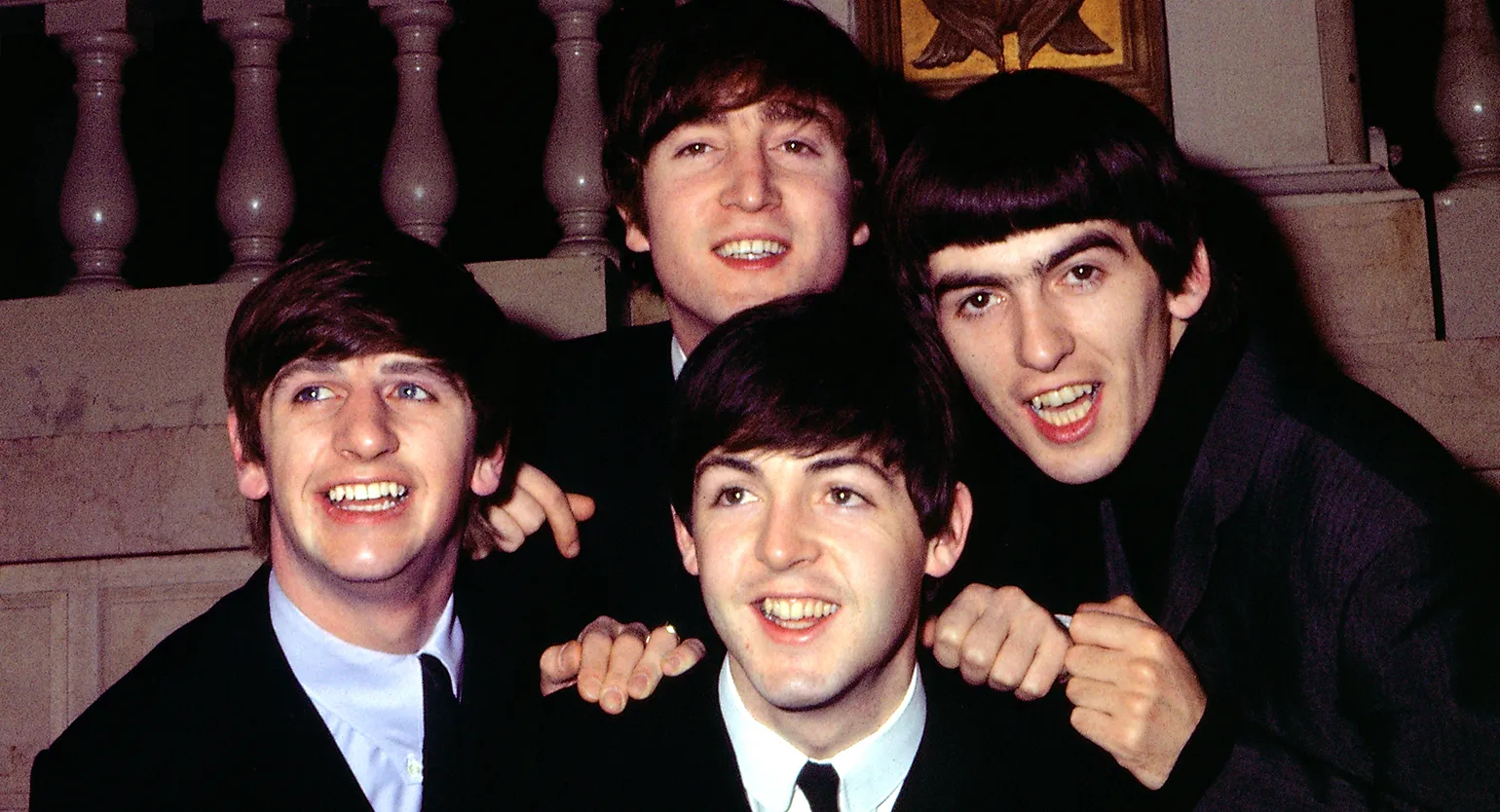
Learn moreMore than fifty years have passed since the breakup of The Beatles, and they remain among the most talked about musicians in the world. Their influence on the music industry has not faded, and their songs continue to inspire new generations of performers and listeners. The Beatles left an indelible mark on the history of music, and their work continues to generate interest among both fans and music researchers.
In discussions about The Beatles, two opposing points of view often clash. One of them claims that the band single-handedly created concept albums, which can indeed be considered a fact. The discography of this famous foursome contains many songs that were ahead of their time and had a significant impact on the music industry. The Beatles not only revolutionized music, but also set new standards for album creation, integrating deep themes and ideas into them.
Some argue that the Liverpudlians merely copied other artists. There is some truth to this opinion, since it was thanks to their popularity that many avant-garde genres and techniques gained wide recognition. The Liverpool music scene truly played a key role in the spread of new ideas and styles that went on to influence many artists around the world.
In this article, we will look at the experiments that the members of The Beatles consciously or subconsciously resorted to.
Think for Yourself
Album «Rubber Soul» The Beatles' album Rubber Soul is one of the most significant works in music history. Released in 1965, it became a landmark for the development of rock music and pop culture as a whole. Rubber Soul stands out for its innovative approach to songwriting, experimentation with arrangements, and profound lyrics that touch on themes of love, relationships, and self-identity.
This album demonstrates the evolution of The Beatles' sound, moving from simpler melodies to more complex compositions. In Rubber Soul, you can hear the influence of folk music and a variety of musical instruments, which gives it a unique character. Songs such as In My Life and Norwegian Wood (This Bird Has Flown) have become classics and continue to inspire new generations of musicians.
The album "Rubber Soul" not only cemented The Beatles' status as one of the most influential artists of their time, but also had a significant impact on the music industry, opening new horizons for creativity and self-expression.
1965 was a landmark year in history, leaving a significant mark on various areas of life. This time was marked by important events in politics, culture, and science. This year saw significant changes that influenced the future of many countries. In the field of music, 1965 was the year when the popularity of rock 'n' roll reached new heights, and bands like The Beatles gained recognition worldwide. Cinema also flourished, with the release of cult films that have become classics. Scientific advances in 1965 opened new horizons in technology and medicine, contributing to the progress of humanity. This year continues to be a subject of study and interest for historians, cultural experts, and the public.
This song belongs to the early stage of The Beatles' creative work, when their compositions were distinguished by simplicity and aimed at concert performance. Nevertheless, one can already detect in it charges of fascination with the wide possibilities of studio work. This fascination became especially noticeable after 1966, when The Beatles stopped touring and focused on creating more complex and experimental musical works.
Although this track is a standard pop-rock, it stands out for the presence of two bass parts: one traditional and the other processed through a fuzz box. This approach allowed Paul McCartney to achieve a distortion effect, which gives the sound a heavier sound. This technique later became popular among metalheads and punks, but The Beatles successfully integrated it into the structure of a pop song, thereby expanding the boundaries of the genre and demonstrating new sonic possibilities.
Rain
Single «Paperback Writer» «Paperback Writer» and «Rain» are iconic songs released by the legendary band The Beatles. The song «Paperback Writer» tells the story of the dreams and aspirations of a writer who hopes for success and recognition in the world of literature. With lyrics filled with vivid imagery and an energetic melody, this composition has become a true anthem for creative people.
On the «B» side of the single is the track «Rain», which has a more experimental sound and deep lyrical reflections. «Rain» reflects philosophical moods and the search for inner peace, which makes it relevant for listeners of all ages.
Both tracks demonstrate The Beatles' mastery of creating memorable music and lyrics that continue to inspire new generations. Single «Paperback Writer» / "Rain" occupies an important place in musical history and remains relevant to fans of rock music.
The year 1966 was a significant milestone in a variety of areas, including culture, science, and politics. The year was marked by important events, such as the release of landmark music albums, significant advances in space exploration, and changes in world politics. In music, 1966 was remembered for the release of albums that later influenced the development of rock music. In the scientific field, the year was a time of new discoveries and opportunities, particularly in the fields of technology and medicine. The political arena was also undergoing changes, which affected international relations. The year 1966 remains an important milestone in history, determining the further development of many aspects of society.
In the mid-sixties, the band moved away from the pop direction of their early work and became one of the first to join the developing psychedelic rock movement. This genre seeks to transform the listener's perception through the use of cosmic sounds and a variety of sound effects. Psychedelic rock has had a significant impact on musical culture and continues to inspire new generations of artists.
The Beatles showed an interest in Indian culture, which was reflected in their music. In the song Rain, despite the use of only guitars, the influence of Indian musical traditions is noticeable. The composition lacks pronounced melodic motifs, but does feature a drone - a monotonous, buzzing sound with minimal chord development. The riff in Rain is distinguished by a slow tempo, which creates an atmosphere of calm and depth characteristic of Indian musical aesthetics.
One of the most original solutions in the music was the use of reverse sound scrolling, which is quite rarely used in pop music. The backing vocals feature recordings of Lennon's lyrics, such as "sunshine," "rain," and the phrase "when the rain comes they run and hide their heads," played in reverse. This gives the composition a mysterious sound and creates an atmosphere that can immerse the listener in a trance. The reverse sound becomes an important element, adding depth and unusualness to the musical piece.
Tomorrow Never Knows
The Beatles' album "Revolver" is one of the most influential and iconic records in music history. Released in 1966, this album was a breakthrough in sound and approach to music making. "Revolver" is distinguished by experimental arrangements and a variety of styles, combining elements of rock 'n' roll, pop, and psychedelia.
The album features iconic tracks such as "Eleanor Rigby," "Tomorrow Never Knows," and "Taxman," demonstrating the band's creative evolution. The use of innovative studio technology and unconventional instruments such as strings and brass give "Revolver" a unique sound.
This album not only cemented The Beatles' status as musical innovators, but also had a significant impact on the development of rock music and pop culture as a whole. "Revolver" continues to inspire musicians and listeners around the world, remaining relevant and in-demand as a work of art.
1966 was a landmark year for many events in history. The year was marked by important cultural and political changes that had an impact on society. New directions emerged in music and art, and significant transformations took place in politics that determined the future of entire countries. This period was also characterized by active human rights movements and social protests, making 1966 an important milestone in history.
The song "Tomorrow Never Knows" was recorded a few days before "Rain", but was not released until three months later. In this track, the guitar parts left over from the song "Taxman" were used in reverse. But these are only a few of the innovative ideas. Most surprising was the use of samples and looped drum rhythms, which anticipated the development of hip-hop that would appear only a few years later.
Ringo Starr created a unique drum loop, which was then slowed down, resulting in a smooth and mechanical sound. This precision of performance is so high that it would be difficult to achieve a similar result in a live performance.
The Beatles layered the song with distorted samples of seagulls, orchestral beats, and Indian instruments like the sitar and tabla. Lennon's vocals, distorted and tremulous, are processed through a Leslie speaker—a rotating loudspeaker built into a Hammond organ. The entire melody is based on a single chord, giving it more of a mantra than a traditional pop song. This unique arrangement highlights the band's experimental approach to music and their commitment to innovation, which made the Beatles icons of musical culture.
Love You To
Album «Revolver» — is the iconic work of The Beatles, released in 1966. It became an important stage in the development of rock music and had a significant influence on musical culture. "Revolver" is distinguished by its experimental sound that combines elements of psychedelic rock, pop music, and indie. The album features such iconic compositions as "Eleanor Rigby", "Taxman", and "Tomorrow Never Knows", each of which demonstrates an innovative approach to musical production and lyrics.
The creative process of recording the album was marked by the use of new technologies and studio effects, which made the sound of "Revolver" unique. This album was a breakthrough for the band, demonstrating their desire to experiment and develop as musicians. "Revolver" not only cemented The Beatles' status as the leading rock band of their time, but continues to inspire new generations of musicians and listeners.
The album "Revolver" is rightfully considered a classic and occupies a worthy place in the history of music, as evidenced by its high critical acclaim and constant presence on lists of the best albums of all time.
The year 1966 became a significant milestone in history, marked by many important events and achievements. This year is remembered not only for political and social changes, but also for cultural achievements that influenced the following decades. The year 1966 saw significant changes in the world of art, music, and literature, making it an important stage in the development of culture.
In particular, 1966 was a landmark year for the film industry, when many cult films were released, influencing audience preferences and the formation of cinema. This period also saw the rise of youth movements, which fueled new ideas and styles in fashion and music.
Furthermore, 1966 was a time of scientific discoveries and technological advances that changed people's lives and laid the foundation for further research in various fields. All these events made 1966 an important and memorable year in world history.
The Beatles' creative innovations are largely due to the band's fascination with Indian culture. The song "Love You To" was written almost entirely by George Harrison, who was an ardent admirer of India. This composition became one of the first examples of raga rock, a musical genre that harmoniously combines elements of rock music and traditional Indian music. Harrison's interest in Indian instruments and philosophy had a significant influence on the band's sound, expanding the boundaries of rock music and opening new horizons for musical experimentation.
Garrison played acoustic and rhythm guitar, as well as sitar, a traditional Indian string instrument. The recording also featured guest musicians who added tampura, another string instrument, and tablas, a pair of drums, which created a rich musical sound.
Strawberry Fields Forever
The single "Strawberry Fields Forever / Penny Lane" is one of the most famous works of the Beatles. Released in 1967, it became iconic for the era and had a significant influence on the development of rock music. 'Strawberry Fields Forever' stands out for its experimental arrangement and profound lyrics reflecting dreams and memories, while 'Penny Lane' is a bright and melodic account of everyday life in Liverpool. Both tracks showcase The Beatles' unique style and their ability to combine various musical genres, which made them classics. The single became a milestone in musical history and continues to inspire new generations of artists.
The year 1967 was a landmark year, marked by important events and changes in various spheres. Significant transformations were taking place in the political life of the world, while culture and art were experiencing a rapid flowering. This year is remembered for famous events such as the anti-war protests, which reflected public discontent. In the music industry, 1967 marked the emergence of new genres and experimental trends. Cinema also took part, offering audiences vibrant and memorable films. Thus, 1967 remains a significant milestone, influencing the future of many countries and cultures.
When the Beatles stopped touring in 1966, their music began to take on more complex and multilayered forms. In the studio, the band was free to experiment with various effects and instruments. The composition "Strawberry Fields Forever" harmoniously blends the diverse musical techniques previously explored by the band members. This marked a significant milestone in the evolution of their sound and opened up new horizons for the development of rock music.
This piece features instruments arranged in reverse order, as well as the sounds of Mellotron, Swarmandal (Indian zither), cello, trumpets, Caribbean percussion, and a honky-tonk piano with buttons or nails. This composition, along with others in this collection, is one of the first examples of popular psychedelic rock.
A Day in the Life
The album «Sgt. Pepper’s Lonely Hearts Club Band» is an iconic work by The Beatles, released in 1967. This album was one of the first concept albums in music history, combining various musical styles and innovative sound recordings.
«Sgt. Pepper’s Lonely Hearts Club Band» is distinguished by its vibrant artwork and creative approach to music production. Songs such as «Lucy in the Sky with Diamonds» and "With a Little Help from My Friends" showcased the band's uniqueness and experimentalism, which had a significant impact on the development of rock music.
The album received numerous awards and is recognized as one of the greatest in music history. Its influence is felt to this day, and its compositions continue to inspire new artists. "Sgt. Pepper's Lonely Hearts Club Band" became a symbol of the era and a role model in the world of musical art.
The year 1967 was a landmark in history. This year saw many important events that influenced culture, politics, and technology. In the world of music, 1967 was marked by the release of The Beatles' album "Sgt. Pepper's Lonely Hearts Club Band", which became a real milestone in rock music and had a significant impact on musical trends. The global political situation was also tense, with the ongoing Vietnam War and protests against it in the United States and other countries. In the technological realm, 1967 marked the beginning of the rapid development of computer technology, which would later lead to a revolution in information technology. Overall, 1967 left an important mark on human history, symbolizing change and a new perspective on many aspects of life.
In the 1970s, progressive rock rose to prominence on the global music scene thanks to bands like Pink Floyd, King Crimson, and Yes. This genre is characterized by complex structures, long compositions consisting of multiple sections and varied melodies, and lengthy solos. Progressive rock musicians actively used a wide range of instruments, creating a unique sound. However, the first experiments in this direction began to appear as early as the 1960s, especially with The Beatles, who laid the foundation for the further development of progressive rock.
'A Day in the Life' consists of three parts: the first and third parts have one melody with John Lennon's vocals, and the second part has a different one, with Paul McCartney's voice. Despite the simplicity of the piano-based verses, they are unexpectedly contrasted by loud and harsh symphonic inserts. In the finale, the song transitions into atonal orchestral noise, creating a unique sonic palette. The symphonic part is performed by an orchestra of 40 musicians, which highlights the band's innovative approach to creating a musical work.
Revolution 9
The Beatles, also known as the White Album, is one of the most significant works of the Beatles. Released in 1968, this double album embodies the musicians' experimental approach to genres and styles. It presents a variety of musical directions, from rock 'n' roll to folk, reflecting the creative growth of the band members.
Among the most famous tracks of the album are "Back in the U.S.S.R.", "While My Guitar Gently Weeps." and "Helter Skelter". Each composition showcases the unique style and influences of each member. The "White Album" was not only a commercial success, but also had a significant influence on the development of music as a whole.
The album is also known for its minimalist cover design, which emphasizes its content and concept. "The Beatles" became a symbol of an era and an important milestone in the history of rock music, leaving an indelible mark on musical culture.
1968 was a landmark year in history, marked by important events and cultural changes. The year was full of political unrest, social movements, and significant cultural achievements. In the United States, protests against the Vietnam War took place, which led to mass youth protests and a change in public opinion. Similar events were taking place in many countries around the world, reflecting a desire for change and improved social conditions.
In the arts, 1968 brought many innovations. Cinema, music, and literature underwent changes, reflecting the spirit of the times. In music, rock and psychedelic movements gained popularity and became symbols of the era. In cinema, films were released that influenced the subsequent development of this industry.
1968 was also a landmark year for many cultural and sporting events, such as the Olympic Games in Mexico City, where many historical moments took place. This time became the starting point for changes that influenced the future of many countries and peoples. The year 1968 is an important stage in history that continues to be relevant and inspiring for future generations.
This song became an iconic moment in the career of the Beatles and caused a mixed reaction among fans who expected their traditional sound. Inspired by avant-garde composers such as John Cage and Karlheinz Stockhausen, as well as the experiments of John Lennon's girlfriend Yoko Ono, the band set out to challenge musical standards. This experimental approach became one of the factors that defined a new direction in music and expanded the Beatles' creative horizons.
Revolution 9 is a unique sound work that cannot be classified as a traditional song. It is an experimental composition that mixes a variety of sound fragments, including excerpts from works by composers such as Beethoven, Schumann, and Sibelius. It includes phrases, screams, and laughter, as well as recordings of tape loops using a mellotron, violins, oboes, and guitars. Over the course of 8.5 minutes, no less than 45 different sound sources are heard, creating an atmosphere of complete sonic madness and experimental art.
The question of whether the song has meaning or drama remains open for each listener. Everyone has the opportunity to interpret the lyrics and melody on their own, finding in them what resonates with their inner world. Analysis of songs can reveal various aspects, such as emotional load, storyline and philosophical ideas. Ultimately, the perception of music is individual and depends on personal experiences and feelings.
Helter Skelter
The Beatles' album, also known as the White Album, is one of the most iconic musical works of The Beatles. Released in 1968, this double album is a unique combination of various musical styles, including rock, pop, folk and experimental music.
White Album stands out for its diversity, including hits such as "Back in the U.S.S.R.", "While My Guitar Gently Weeps" and "Helter Skelter." Each composition showcases the individual talents of the band members, as well as their ability to innovate musically.
The album has become a symbol of the era, reflecting the cultural and social changes of the 1960s. Its cover, made in a minimalist white design with the simple inscription "The Beatles", has also become an iconic element, personifying the band's philosophy during that period.
The "White Album" continues to influence musicians and listeners, remaining relevant and in demand in the music industry. This album serves as a shining example of The Beatles' creative potential and their legacy in music history.
The year 1968 was a landmark year in history, marked by important events and transformations in various fields. This year was a time of change, as the world faced social and political challenges. 1968 saw significant protests and civil rights movements that left a deep mark on public consciousness. This time also saw the development of cultural and artistic movements that shaped a new perception of art and society. The year 1968 not only reflects historical changes but also continues to inspire modern generations striving for freedom and justice.
Paul McCartney is often associated with writing romantic ballads, but his composition Helter Skelter becomes a powerful counterargument to such assertions. The song was inspired by a review of The Who, in which their track I Can See for Miles was described as loud, raw, and frantic. Helter Skelter showcases McCartney's different musical style, revealing his multifaceted talent and desire to experiment with genres.
The Beatles recorded a song that became iconic and controversial. Some listeners perceived it as noise, but its sound anticipated genres such as hard rock and punk rock. In the modern era, the composition may not seem so heavy, although Paul McCartney's vocals on it stand out for their intensity and emotion, which he did not demonstrate in other songs. The recording of "Helter Skelter" took place in an atmosphere of deliberate chaos: while Paul performed vocals, George Harrison ran around the studio with a lit ashtray. This song became an important step in the development of rock music, personifying the spirit of experimentation and creative freedom inherent in the band at that time.
Rocky Rассoon
The Beatles' album, also known as the White Album, is one of the most iconic musical works of the 20th century. Released in 1968, it is distinguished by its variety of styles and experimental approach to music recording. The album includes such hits as "Back in the U.S.S.R.", "While My Guitar Gently Weeps" and "Blackbird", demonstrating the band's creative growth and their desire for innovation.
The White Album became a milestone in the history of rock music, demonstrating how musical genres can intertwine and evolve. It also reflected the social and cultural changes of the time. Despite its controversial critical reception upon release, the album eventually gained acclaim and became a classic, leaving an indelible mark on musical culture.
Today, The Beatles (White Album) continues to inspire new artists and captivate listeners, confirming the band's status as one of the most influential in music history.
The year 1968 was a landmark in history, leaving a significant mark on various areas of life. This time was marked by significant historical events, political changes, and cultural transformations. In 1968, the world witnessed important protests, such as student demonstrations in France and anti-war demonstrations in the United States. These events reflected the desire of young people for change and the fight for human rights.
On the cultural front, 1968 was also remembered for the release of a number of cult films and musical works that influenced the development of art. In music, rock bands were gaining popularity, and the ideas of freedom and self-expression became the main themes.
Thus, 1968 became an important milestone in history, personifying people's desire for change and progress. This year rightfully deserves attention and study, as its influence is still felt today.
While The Beatles' style has British roots, the band also has very American compositions, such as "Rocky Raccoon." Paul McCartney noted that he wrote this song as a parody, highlighting their unique approach to music and interpretation of various cultural influences.
This is a country song with elements of ragtime, a precursor to jazz that became popular in the late 19th century. Paul McCartney plays the melody on acoustic guitar, and John Lennon adds the sound of the harmonica. Producer George Martin plays honky-tonk piano, typical of the saloons of the Wild West. In the lyrics, Paul describes a love triangle in a cowboy environment, which adds depth and drama to the composition. This song not only reflects musical traditions but also immerses the listener in the atmosphere of life on the frontier.
Honey Pie
The Beatles' album, also known as the White Album, is an iconic work by the British rock band The Beatles, released in 1968. This album stands out for its variety of musical styles, spanning rock, pop, folk, and experimental sounds. White Album distinguishes itself from the band's previous work with its ambitious concept and freedom of expression.
The album includes such iconic tracks as "Back in the U.S.S.R.", "While My Guitar Gently Weeps," "Blackbird," and "Helter Skelter." Each song showcases the band's unique approach to music, making the "White Album" one of the most influential albums in the history of rock music.
Recorded in a creatively experimental environment, the "White Album" reflected the cultural changes of the 1960s and remains relevant to both fans and critics today. The album deservedly ranks high among lists of the greatest musical works of all time, confirming the status of The Beatles as one of the most outstanding groups in the history of music.
The year 1968 became a landmark in history, leaving a significant mark on various areas of life. This year was marked by important political, cultural, and social changes. Protests against the Vietnam War took place around the world, which led to mass demonstrations and a change in public opinion. The culture of 1968 is highlighted by significant events, such as the release of cult films and the emergence of new musical trends that reflect the spirit of the times. This year also saw important scientific discoveries and achievements that influenced the future. 1968 became a symbol of change and the pursuit of justice, influencing the following decades.
At the end of their joint work, the Beatles moved away from the strict framework of a single musical style, which is reflected in the diversity of the compositions of the "White Album." The song "Honey Pie" is a tribute to music hall—the popular entertainment shows of the 19th century. The album became a symbol of experimentation and musical diversity, demonstrating the band's ability to incorporate various genres and styles.
The crackling of a vinyl record creates an atmosphere of nostalgia, while a violin orchestra plays a light and melodic composition. The song centers on a famous actress and her old lover, who is impatiently awaiting her return from the USA to England. This is a typical music hall plot that immerses the listener in a world of romance and anticipation.
I Want You (She’s So Heavy)
The Beatles' album "Abbey Road" is one of the most significant and influential musical works in history. Released in 1969, this album marked the final stage of the legendary band's career and left an indelible mark on music culture.
'Abbey Road' includes such iconic tracks as 'Come Together', 'Something' and 'Here Comes the Sun'. The music on the album combines elements of rock 'n' roll, pop and psychedelic rock, making it diverse and multifaceted.
The album was recorded at Abbey Road Studios in London, which also inspired its title. The album cover, which shows the band members crossing a pedestrian crossing, has become one of the most recognizable in the world.
'Abbey Road' Not only cemented The Beatles' status as musical innovators, but continues to inspire countless modern artists. The album has become a symbol of an era and remains relevant to new generations of listeners.
The year 1969 was a landmark in human history. This year is remembered for many important events, including the moon landing. On July 20, 1969, astronauts Neil Armstrong and Edwin "Buzz" Aldrin became the first people to set foot on the moon as part of the Apollo 11 mission. This moment became a symbol of scientific progress and human courage, inspiring millions of people around the world.
Furthermore, 1969 witnessed significant changes in culture and society. This year saw the famous Woodstock music festival, which attracted thousands of people and became a symbol of the 1960s counterculture. The world of cinema also saw the birth of cult films that have influenced entire generations.
Thus, 1969 left an indelible mark on history, combining the achievements of science and art, making it one of the most memorable of the 20th century.
This is another experiment in a genre close to hard rock, but with pronounced blues elements. This composition lasts almost eight minutes and includes repeating lyrics, blues scales, powerful bass and organ. Despite its length, the song does not contain guitar solos, but offers slow and heavy riffs that create a rich sound and atmosphere.
Critics compared the loud sound to later Black Sabbath works, arguing that the song "I Want You (She's So Heavy)" penetrated not only the sphere of heavy metal, which by that time had already been established as a genre. It can be said to be a precursor to doom metal—a slow and dark genre with very heavy riffs. This composition demonstrates the influence it had on the development of heavy music, opening new horizons for future artists and genres.
Read also:
- 13 Best Reggae Hits in History - Without Bob Marley
- 16 Best Compositions of Electronic Music of the Rave Era
- 9 Best Rock Operas of the 21st Century
Songwriter Profession
You'll learn how to write songs and music in Ableton Live from scratch. You'll understand the music market and how to work with other artists and labels. You'll be able to promote and monetize your work.
Find out more