Contents:

Thought about a new profession, but don't know where to start? Find out what suits you: IT, design, game development, management or marketing. Take a free career guidance.
Find out moreWoland and his retinue have returned to Russia: the film "The Master and Margarita" directed by Mikhail Lokshin has been in theaters for two weeks. This project follows Lokshin's successful debut, the fairy tale film "Silver Skates," which caused a stir three years ago. "The Master and Margarita" captivates audiences with its unique visuals and profound interpretation of Mikhail Bulgakov's classic work. Lokshin's direction demonstrates mastery in capturing the novel's atmosphere and philosophical ideas, making it relevant to modern audiences.
The events surrounding the film adaptation of "The Master and Margarita" have sparked heated discussions and are reminiscent of the intense passions described in Mikhail Bulgakov's novel itself. Particularly memorable is the scene at the Variety Theater, where unexpected and shocking events unfold. The film adaptation also involves significant financial gains: in 12 days, the film's box office receipts exceeded one billion rubles. It has held the top spot at the box office for two consecutive weekends, demonstrating strong audience interest. Additionally, sales of Bulgakov's original work have increased significantly, underscoring the film's cultural impact and interest in the author's literary legacy.
Voices, as if incited by Woland, demand reprisals against Lokshin, almost as if he were a master of ceremonies. In this article, we analyze how the film became the subject of public debate and whether it is truly as terrifying as it is portrayed. We will examine the reasons why the film has sparked so much controversy, as well as its impact on viewers and society as a whole.
This article will introduce you to important aspects of the topic that will help you better understand the basic principles and features. We will provide up-to-date information and useful tips that can be useful for both beginners and experienced professionals. Read on to deepen your knowledge and get practical recommendations.
- Who is accused of what after the release of the film "The Master and Margarita";
- What was the fate of previous film adaptations of the novel;
- What was the result of Mikhail Lokshin's film?
What's happening
Before the premiere, patriotic channels expressed dissatisfaction with the fact that a significant number of foreign actors were involved in the film. Woland was played by German actor August Diehl, known for his role in the film "Inglourious Basterds". Pontius Pilate was played by Dane Claes Bang, and Yeshua Ha-Nozri by British and Israeli actor Aaron Vodovos. However, the question arises: why can't the roles of the "German professor", the Roman procurator and the Jewish prophet be played by foreign actors? This decision could enrich the film with international experience and a diverse cast, which is undoubtedly an important aspect of contemporary cinema.
The film's director, Mikhail Lokshin, is based in Los Angeles. He came to Russia for filming and handled post-production from the United States. At the film's Russian premiere, held at the Oktyabr cinema in Moscow, he was replaced by a seven-year-old Maine Coon named Kesha, who played the role of Behemoth.
After the premiere, a scandal erupted: it was recalled that the lead actors, Yevgeny Tsyganov and Yulia Snigir, openly expressed opposition views. Meanwhile, the role of Gella was played by Polina Aug, whose mother, actress Yulia Aug, left Russia in 2022. This circumstance attracted attention and intensified the discussion surrounding the film.
Rumors circulated among the public that director Mikhail Lokshin was raising funds for Ukrainian filmmakers. Tigran Keosayan commented on this information in his blog, stating that if the information about Lokshin's donations to the Ukrainian Armed Forces and his anti-Russian positions are confirmed, the situation must be seriously considered. He called for active action, from producers to law enforcement agencies. This situation is causing widespread controversy and requires careful analysis, given the importance of supporting Russian cinema and its representatives.
Vladimir Solovyov and Margarita Simonyan expressed their support, citing "one director" who created a film on highly lurid, anti-Soviet, and anti-Russian themes. They agree with the need for a serious approach to the situation. However, Solovyov believes that the scandal is not sufficient grounds for removing the film from distribution. The film is based on Bulgakov's novel, which was deemed "banned" in Ukraine.
Patriotic channels expressed dissatisfaction with the Russian Ministry of Culture, which allocated over a billion rubles for the film's production and granted a distribution certificate without any conditions. In this regard, they proposed an investigation of the production company Mars Media and clarifying the situation. On January 29, the "Call of the People" movement sent appeals to the head of the Investigative Committee and the director of the FSB demanding that they initiate a criminal case against Lokshin and add him to the list of terrorists and extremists. A petition was also filed with the Prosecutor General's Office asking that Lokshin be investigated for discrediting the Russian army and funding the Ukrainian Armed Forces.
What were previous film adaptations like?
If the director truly intended to create a scandal around his film, he hardly expected it to come out this way. Work on the film began before February 24, when a completely different reality existed, as even Solovyov agrees. Initially, "The Master and Margarita" was planned for international release on major online platforms such as Netflix. However, all these ambitious plans were destroyed simultaneously with the isolation of the Russian film industry.
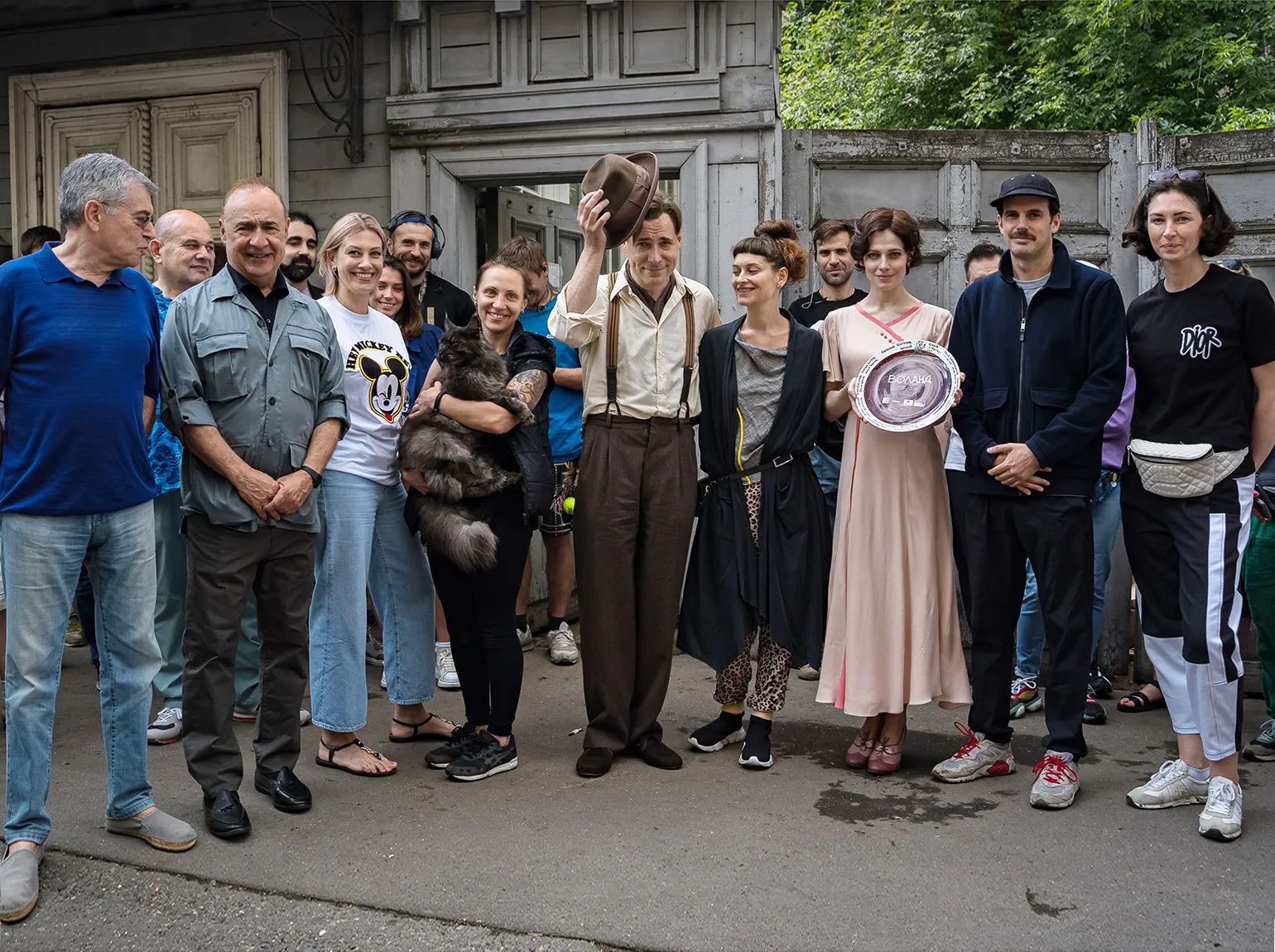
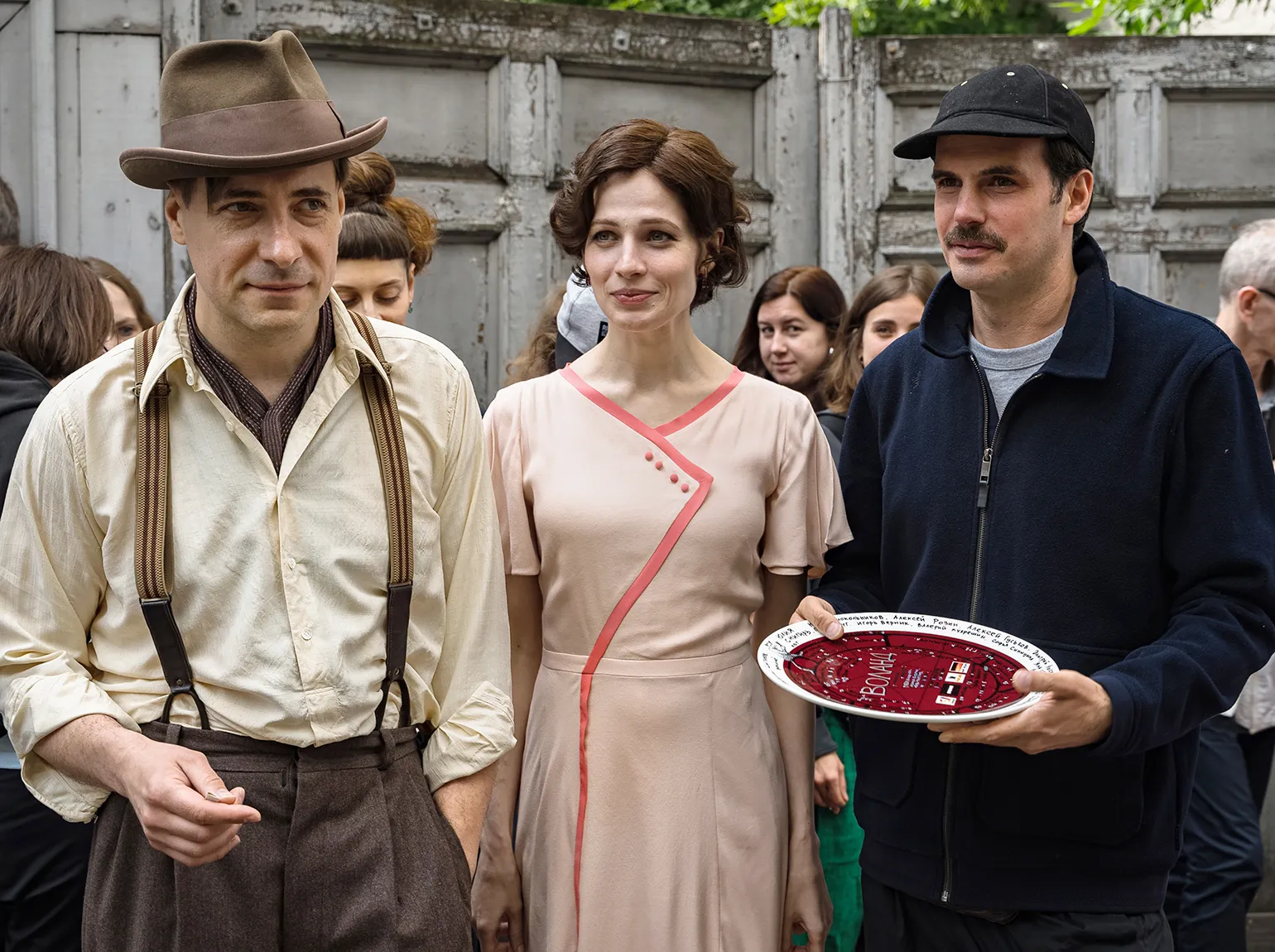
The film attracted the attention of many Russian viewers, as it creates an atmosphere as if it came from another time, not paying attention to modern realities and circumstances. Its characters, like Woland and his retinue, appear in Moscow in the 1930s, acting according to their own rules and unaware of the context in which they find themselves. This disinterest in current events has provoked discontent among some patriotic members of the public, which adds an additional layer of meaning and provocation to the film.
Every film adaptation of The Master and Margarita invariably provokes discussion and controversy. Yuri Kara's 1994 film was plagued by a conflict of interest between Bulgakov's heirs and the producers, leading to significant problems. Vladimir Bortko's 2005 TV series was criticized for its limited budget and poor special effects. And the 1972 film adaptation, created by Yugoslav director Aleksandar Petrović, was pulled from theaters shortly after its release due to accusations of anti-communist propaganda. Thus, every attempt to adapt this classic novel faces difficulties, which highlights the complexity and multi-layered nature of Bulgakov's work.
The adaptation of The Master and Margarita to the screen invariably provokes controversy, purist outrage, and dissatisfaction with the portrayal of Woland, Margarita's appearance, and the loss of key plot lines. This is understandable, as the unfinished novel possesses a complex structure and polyphony, making it difficult to adapt literally to film. This became especially evident in Bortko's series: attempts to adhere as closely as possible to the original text were unsuccessful. Scenes and lines that sound vivid and captivating on the pages of the novel lose their expressiveness on screen, becoming dull and inexpressive. Adaptation requires not only fidelity to the text but also the ability to convey its emotional depth and multilayered nature, which, unfortunately, is not always achieved.
Mikhail Lokshin's film demonstrates a lack of literalism, which is its advantage. The creators successfully adapted the original, giving viewers the opportunity to experience the work "based on." This approach opens up space for creative liberties and original interpretations, making the film engaging and multifaceted.
What is the new "Master and Margarita" like?
Bulgakov's novel is divided into two key parts: Moscow of the 1930s, permeated with mysticism, and the Master's world—Yershalaim, where Pilate and the darkness that came from the Mediterranean meet. Lokshin introduces another dimension, adding the Master's imagination, in which the events of the devil's and Pilate's diabolism unfold. Perhaps this also reflects Bulgakov's own imagination, his inner experiences and thoughts. This combination of different worlds creates a multi-layered work and deepens understanding of its philosophical and social aspects.
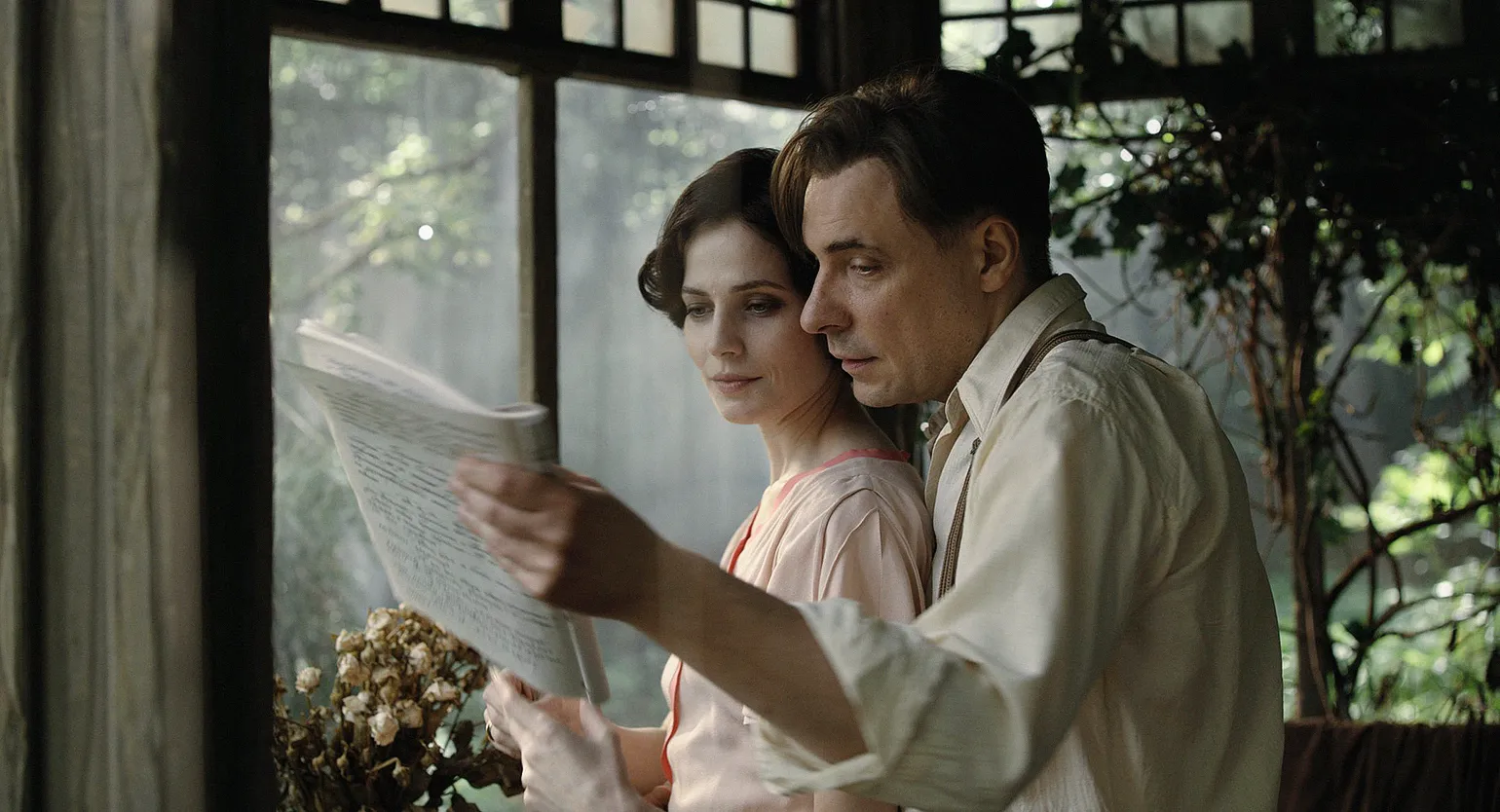
In his role, Yevgeny Tsyganov vividly resembles Mikhail Afanasyevich, with his characteristic fringe, cigarette, and tilt of his head. The actor, always known for his restraint, significantly reduces his acting palette in this production: it seems he finds it difficult to seriously engage with the events. It seems he already knows how it will all end. And the events unfolding on screen are familiar from both the distant past and the present: public condemnation, deprivation of membership in the Writers' Union, fear and the alienation of former friends, and new, even more difficult trials lie ahead. This interpretation highlights important themes such as social pressure and the consequences of choice.
August Diehl, as Woland, demonstrates a much more active reaction to the events. His tightly pressed lips and ironic smile lend a touch of convulsiveness to the image, while his sharp eyes make the prince of darkness seem unexpectedly youthful and sinister. This image matches Mikhail Bulgakov's description of the character. At the same time, we are accustomed to seeing Woland played by Oleg Basilashvili and Valentin Gaft, who, in Kara and Bortko's films, portrayed more mature and seemingly good-natured Wolands. This contrast in interpretations creates an interesting perception of the character and emphasizes his versatility.
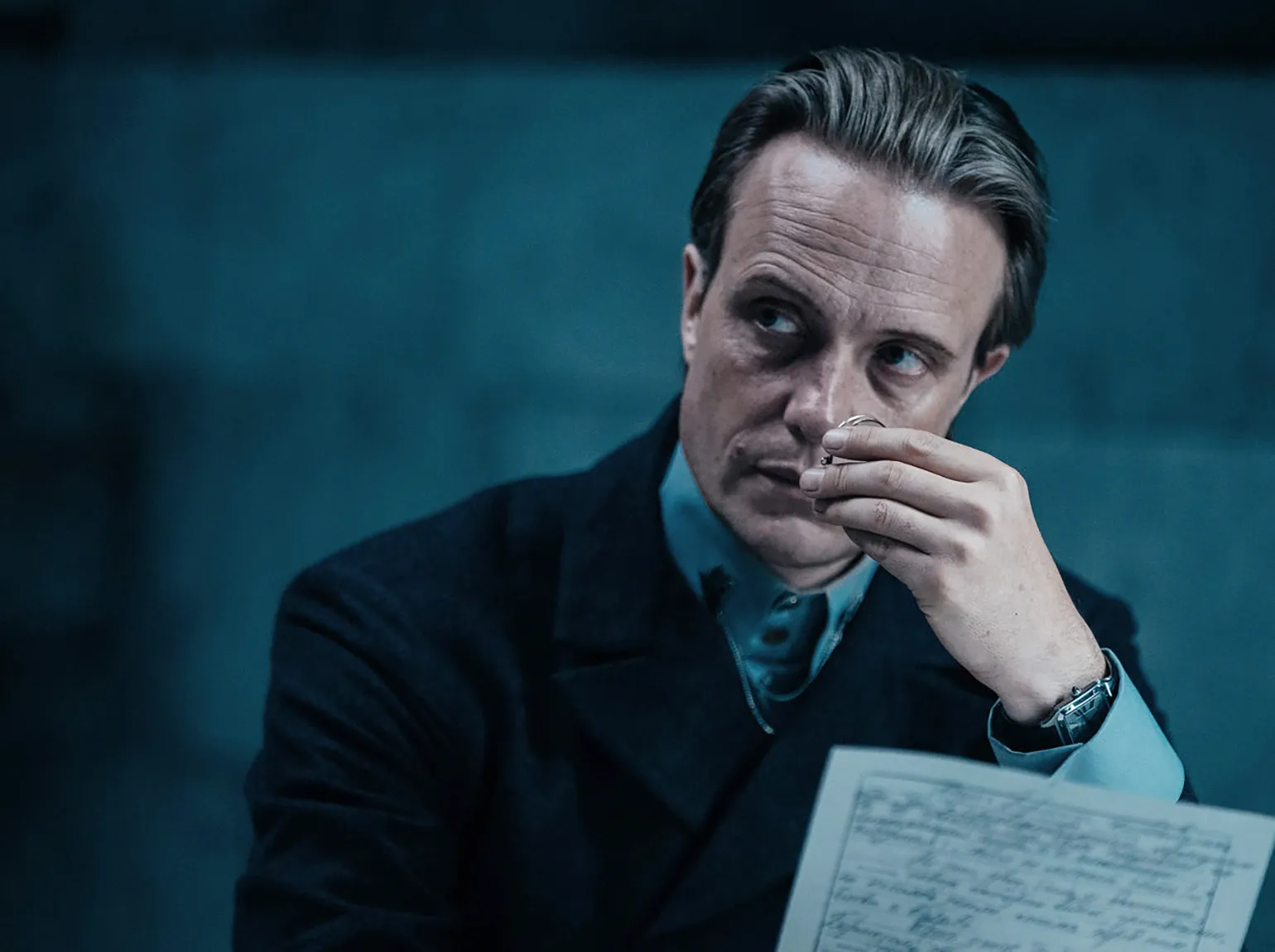
Here the character experiences pleasure in carrying out Retribution against the barons Maigel and Styopa Likhodeyev. At one point, a black cap appears on his head, reminiscent of the one Margarita embroidered for the Master. Could this be a manifestation of the author himself—that entity that can act and exact revenge, if not in real life, then at least in the world of fantasy?
Woland's "foreign consultant" is extremely engaging to watch, which explains the film's original title—"Woland." Woland's retinue leaves a mixed impression. Polina Aug plays Gella beautifully, with an expressive, almost ethereal face. However, Fagot-Koroviev, played by Yuri Kolokolnikov, resembles a stereotypical Joker and fails to evoke strong emotions. Alexei Rozin as Azazello also fails to impress. Behemoth the Cat, voiced by Yura Borisov, sounds excellent, but his appearance doesn't quite match the expected image and doesn't look infernal enough.
Margarita, played by Yulia Snigir, inspires absolute confidence. She seems too refined and fragile, but in reality, she is a flexible steel blade serving as the Master's instrument of vengeance. This multifaceted character makes her a key figure in the plot, emphasizing the contrast between her appearance and her inner strength.
The film devotes considerable attention to the theme of Moscow society, encompassing both literary and theatrical circles. A more appropriate title for this picture might be not "The Master and Margarita" or even "Woland," but "MASSOLIT." The film features an impressive cast: Alexei Guskov as Baron Maigel, Yevgeny Knyazev as Berlioz, Alexander Yatsenko as Aloisy Mogarych, Dmitry Lysenkov as the critic Latunsky, Marat Basharov as Styopa Likhodeyev, and Valery Kukhareshin as Rimsky. These characters create a new world in which power reigns, capable of both judging and deciding destinies. Interestingly, there is no obvious higher authority in this world, and references to it are limited to hints and fleeting gestures. However, Bulgakov's novel also lacks a direct mention of Stalin; Instead, the focus is on the devil and his interactions with Moscow—a city symbolizing power and capable of suppressing its prophets.
Moscow is a key character in Lokshin's film. This city, familiar for its dug-up infrastructure, simultaneously surprises with its snow-white Stalinist ziggurats and majestic colonnades. Moscow becomes not just a backdrop, but a full-fledged participant in the plot, reflecting the contrasts and multilayered nature of city life.
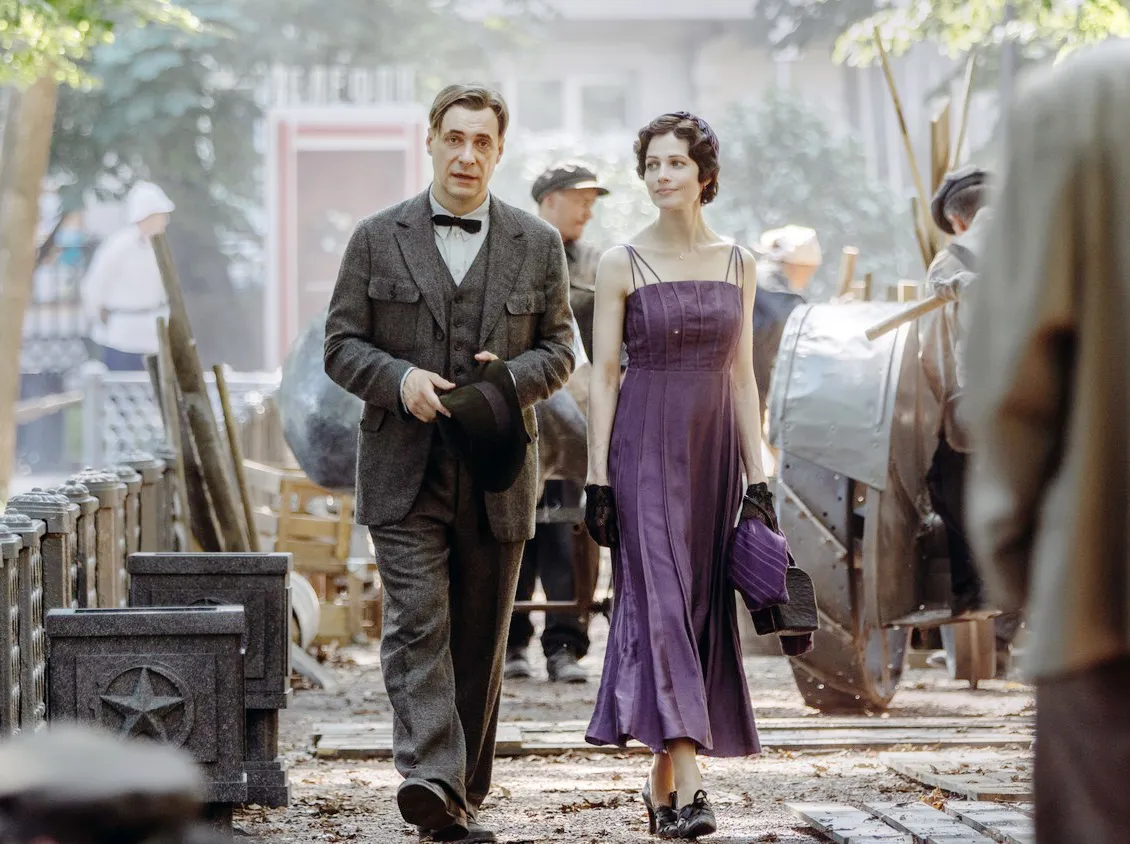
This aesthetic is based on Stalin's grandiose plan for the reconstruction of the city. Filming took place in the Moskovsky District of St. Petersburg, where architectural complexes from the 1940s have been preserved. Finding similar locations in Moscow has become significantly more difficult. As a result, thanks to the peculiarities of the graphics, the Moscow Babylon appears as an illusion, reminiscent of fantasies or stage sets.
The film adaptation pays special attention to the stage. "The Master and Margarita" is organically intertwined with "The Theatrical Novel" and Bulgakov's fate. At the beginning of the film, the Master is not writing a novel about Pilate, but staging a play about him, facing insurmountable obstacles from the "founders" and the system. This storyline highlights the creative challenges and conflicts the artist faces, making the adaptation particularly relevant and profound within the context of Bulgakov's work. Bulgakov's motivations and Lokshin's additions combine in a free-flowing alchemical reaction, creating both the film's strength and vulnerability. While he manages to transcend the literal confines of the text, he also becomes entangled in a web of his own plotlines. Some arcs, such as the Master and Margarita, Aloysius and Woland, stand out more vividly, while others, such as the plot involving Pilate and Ha-Nozri, are almost lost. In Bulgakov's novel, these elements occupy a minor place, despite the well-known phrases "in a white cloak with a bloody lining" and "a good man." In Lokshin's film, they are perceived as unnecessary. Some aspects, such as the retrofuturistic Moscow seamlessly blending with ancient Yershalaim, prove unexpected and striking, while other scenes and allusions to modernity sometimes feel too literal or even helpless. Director Lokshin found himself in a difficult situation, like Woland's characters. He was asked to choose between pursuing his own creative path, risking failing to reach the original, and adhering to the source material, which could lead to the loss of the film's vibrant creative spirit. In the process, he alternates between both approaches, losing important scenes and creating new subtexts. However, it's undeniable that he at least made an attempt. In the finale, Moscow is engulfed in flames, the hearts of indignant patriots burn, the eyes of the audience sparkle, and the pages of the Master's novel, which Woland grinningly flips through, also burn. And once again, the phrase resounds: "Your novel is not finished." This emphasizes that the history of film adaptations of "The Master and Margarita" continues to be relevant and unfinished.
Free career guidance
• Determine what you want from a new profession• Take the test and find out which professions are right for you• Understand what such specialists
Learn more