Contents:

Free Test: Which Digital Profession Is Right for You? Find out the answer in 15 minutes and try your hand at a new specialty.
Learn MoreWhat is Rhythm and Blues
Rhythm and blues (R&B) is a musical genre with an interesting history. It emerged in the 1940s and continues to evolve to this day, encompassing a wide range of musical styles. Since its inception, the term has acquired multiple meanings. In a narrow sense, rhythm and blues refers to a faster, more modern version of blues, but some critics have used the term to describe all music created by African-American artists. This genre has had a significant influence on the development of popular music, including such genres as soul, hip-hop, and pop. Rhythm and blues continues to be relevant, introducing new elements and sounds to contemporary musical culture.
The term has evolved, ranging from guitar-driven blues to lyrical songs with string instruments. Even some rock musicians have begun to position themselves as rhythm and blues performers. As a result, the same term encompasses artists ranging from early rock and roll to contemporary artists like The Weeknd, and from blues guitarists to Janet Jackson. This wide range of musical genres demonstrates the influence of rhythm and blues on the development of modern sound and the diversity of musical styles.
Rhythm and blues, or R&B, cannot be considered a single genre, as its meaning has evolved since its inception. To better understand how the term has changed, it is important to trace the history of rhythm and blues and its influence on music across eras. At its inception in the 1940s, rhythm and blues referred to a style that combined elements of jazz, blues, and gospel. Over time, as the music industry developed, R&B began to incorporate various influences such as soul, funk, and pop. This transformation reflected not only changes in musical preferences but also social changes in society. Thus, rhythm and blues became not just a musical genre, but an important cultural phenomenon that continues to influence modern musical styles.
Emergence: Jump Blues of the 1940s
Rhythm and blues emerged as a natural continuation of the evolution and urbanization of the blues. Traditional blues was performed by solitary musicians with acoustic guitars, who were often poor, vagabonds, or rural residents. With the advent of rhythm and blues, the musical style became richer and more diverse, reflecting changes in urban life and culture. New sonic nuances, such as the use of electric guitars and percussion instruments, made rhythm and blues more energetic and appealing to a wider audience. The genre became an important part of the music scene, inspiring future generations of artists and forming the basis for many modern styles. By the mid-20th century, African Americans began to migrate to cities in search of work, leading to a shift in the cultural landscape. City dwellers, accustomed to the rhythms of jazz and swing, sought new forms of entertainment and dance. Blues, with its melancholic and minimalist sound, was not always suitable for dance events. At the same time, cities adapted to new technologies more quickly, and one of the most noticeable changes was the introduction of electric instruments, which significantly expanded musical possibilities and influenced the development of various genres.
Read also:
Blues is a musical genre that emerged in the early 20th century in the United States, which combines elements of African-American folk music, spiritual songs, and jazz. Its characteristic features include a specific chord structure and emotional expressiveness, often reflecting themes of suffering, love, and social justice. Blues has become the basis for many other genres, including rock, jazz, and R&B. Important elements of blues include improvisation, the use of blue notes, and a unique rhythm. This style of music continues to influence modern artists and remains relevant among listeners around the world. Blues culture also includes forms such as blues-rock and contemporary blues, expanding the boundaries of the genre and introducing new elements to the traditional sound.
The main predecessor of rhythm and blues is jam blues - a musical genre that combines elements of jazz, blues, and boogie-woogie. This style is distinguished by its dynamic, fast, and danceable sound, as well as expressive saxophone parts and energetic guitar riffs. Key jam blues performers include Louis Jordan, Roy Brown, and Lionel Hampton, who made significant contributions to the genre's development and its influence on subsequent musical movements.
Traditional Rhythm and Blues: The Predecessor of Rock and Roll
R&B is distinguished by its distinct characteristics, including powerful backbeats accented on the second and fourth beats. Music in this genre is often built on melodies in a major key, which gives it emotional richness. Chord structures are usually simple, making the compositions accessible to perception. Repeating instrumental phrases create a memorable musical background, which is one of the key components of the R&B style.
A typical band usually consists of a soloist or lead instrument, a rhythm section, a horn section, and backing vocalists. The instrumentation includes bass, drums, piano, guitar, saxophone, and trumpet, which is similar to the lineup of jazz bands that performed swing in the 1930s. As in swing, the band's repertoire often borrows from blues and pop music, which makes the sound relevant and appealing to a wide audience.
Let's consider the differences between rhythm and blues and its predecessors in African-American music using Jimmy Forrest's famous hit "Night Train" as an example. Although this track retains rhythmic elements of jazz, its simple melodies overlaid with a powerful beat are a characteristic feature of R&B. These elements highlight the evolution of the genre, which blends complex jazz structures with more accessible and memorable motifs, making rhythm and blues a unique and popular direction in music.
In 1949, the Billboard Harlem Hit Parade chart was renamed the Billboard Rhythm & Blues. This period saw the release of many hits that became classics of the Rhythm & Blues genre. These songs had a significant influence on the development of music and left an indelible mark on history.
- The Huckle-Buck by Paul Williams (live performances were more energetic);
- Ain’t Nobody’s Business by Jimmy Witherspoon (a version of one of the oldest blues standards).
In the early fifties, R&B records began to gain popularity not only among African Americans, but also among a general audience across the country. The genre gained national popularity thanks to hits by artists such as Johnny Otis and the Clovers. Their musical achievements contributed to the development of R&B and attracted new listeners, which had a positive effect on the popularity of the genre as a whole.
The songs mentioned above differ significantly from the dynamic jump blues. Although they combine similar musical genres, their performance is distinguished by a more sophisticated and intelligent approach. This creates a unique sound that attracts listeners who appreciate depth and nuance in music.
Huckle-Buck is based on a classic blues bar sequence, but is distinguished by a more rhythmic and lively performance. In subsequent compositions, despite their novelty, the emphasis is on vocal performance. The Clovers introduced elements of group singing characteristic of gospel - African-American Christian music. This combination creates a unique sound and highlights the influence of traditional musical styles on modern performance.
At the same time, another style of rhythm and blues was developing, representing a more aggressive interpretation of jump blues. In 1951, Ike Turner wrote the song "Rocket 88", which became one of the iconic songs of its time. This composition is based on blues rhythms and is distinguished by the speed characteristic of jump blues, but with an even greater aggressiveness. "Rocket 88" features a blistering piano, a piercing saxophone solo, and a guitar that stands out thanks to a noticeable distortion caused by accidentally damaging the amplifier. The song marked a milestone in the evolution of rhythm and blues and had a significant influence on the development of rock and roll.
The guitar and energetic keyboards became the main elements of the aggressive rhythm and blues, which later gave rise to rock and roll. The compositions of artists such as Little Richard, Bo Diddley and Fats Domino played an important role in this process. These musicians not only laid the foundations of rhythm and blues, but also shaped the sound of rock and roll, becoming classics of the genre. Their influence is felt today, emphasizing the importance of these artists in musical history.
A clear line can be drawn between the genres, as rock and roll absorbed influences absent from R&B, such as country and rockabilly. This is clearly evident, for example, in Chuck Berry's song "Maybellene." However, until the late 1950s, the two terms were used interchangeably. Rock 'n' roll is also characterized by more explicit lyrics, which distinguishes it from other musical styles of the time.
Rhythm and Blues in Britain
In the late 1950s, Britain experienced a real boom in American blues, which had a significant influence on young musicians. Most British bluesmen sought to emulate a more traditional acoustic sound, while in the United States, electric blues was gaining popularity. This difference in approach to blues performance became the basis for the formation of a unique British style, which later influenced the development of rock music. British musicians began to adapt elements of American blues, creating new sounds and directions, which ultimately contributed to the genre's global spread.
The situation on the music scene changed thanks to the group Blues Incorporated, founded by Alexis Korner. Many key figures of British rock of the 1960s emerged from this group. Members of such legendary bands as The Rolling Stones, The Yardbirds, The Kinks, and Manfred Mann played in Blues Incorporated. Alexis Korner also became a mentor to Jimmy Page, who later became the guitarist for Led Zeppelin. These groups made significant contributions to the development of psychedelic rock, blues-rock, and hard rock, shaping musical trends and inspiring new generations of musicians.
British rhythm and blues was distinguished by its guitar energy and dynamics compared to the American variant, where riffs were often more complex. Many musicians in the R&B genre began their careers in skiffle, a genre known for its simplicity and performance on accessible instruments such as washboards. Skiffle emphasized energy and drive rather than jazz complexity. British artists such as Mick Jagger and Keith Richards sought to bring maximum passion and emotion to their music, creating sounds filled with heat and power. This gave British rhythm and blues a unique sound and made it an important part of musical culture.
British R&B has largely moved away from the jazz that formed the basis of this genre. A striking example of this is the performance of the group The Animals. Their keyboardist and guitarists display a style more characteristic of rock than jazz, highlighting how much the genre has transformed, incorporating elements of other musical styles.
Notable performers of British R&B include The Pretty Things, Them, and The Kinks. These bands demonstrated how the overdriven guitar sound became a characteristic feature of the genre, which led to the creation of garage rock and the precursors of punk. Their music had a significant influence on the development of rock, introducing elements of aggression and sonic experimentation.
In Britain, there were jazz-oriented bands with a characteristically soft sound. Such groups include Georgie Fame and the Blue Flames and Zoot Money’s Big Roll Band, which made a significant contribution to the development of jazz music in the country. Their unique style and melodic compositions attracted the attention of listeners and contributed to the popularization of jazz in the UK.
1960s: R&B and Soul
By the sixties, the guitar subtype of R&B was transformed into rock, while its calmer version developed independently. This decade saw the emergence of soul, a genre that partially inherited elements of R&B. Gospel had a significant influence on soul, which was reflected in the vocal style of the performers. Soul is characterized by lightness, airiness and sophistication, which makes its sound particularly sublime and emotional.
The soul and blues genres have much in common, and many classic compositions can be attributed to both directions. One of the first soul songs worthy of attention is «Bring It On Home to Me» Sam Cooke. Although rhythmically reminiscent of blues, the arrangement is distinct, featuring soft acoustic guitar chords, delicate violins, and cello. The song also utilizes the call-and-response vocal technique, which draws on religious chants and African folk music. In this piece, Sam Cooke engages in a dialogue with the backing vocals, dropping phrases that are responded to, creating a unique atmosphere of interaction. This composition not only reflects the fusion of genres but also showcases the richness of musical traditions.
Ben E. King's "Stand by Me" clearly demonstrates how R&B has shifted its emphasis to vocals, although the musical accompaniment is also carefully crafted. The composition features a jazz bass, but the main instruments are violins and cellos, which has become a characteristic feature of soul. King's vocals are distinguished by restraint, but they convey a wide range of emotions. This is a significant difference between the new direction of R&B and its predecessors.
To understand the evolution of soul, it is worth paying attention to its sound in 1971. During this period, the genre focused on orchestral sections, without the influence of jazz. Isaac Hayes, when performing, not only sang songs but also spoke in a preacher's manner, which gave his music a special depth and emotion. This style became an important milestone in the development of soul and had a significant influence on future generations of performers.
Not all R&B soul is characterized by calm. Gospel music often features high-pitched performers who lift the spirits of service participants with their powerful vocals and energetic music. In soul, the religious context disappears, but the musical form remains similar. A striking example of this sound are the songs of Aretha Franklin, among which "Respect" occupies a special place. This composition combines elements of classic R&B, such as saxophone and rhythm, but the guitars in it sound new, complemented by a Hammond organ, which gives it uniqueness and power.
1980s and Beyond: R&B Is Everything That Isn't Hip-Hop (But Not Always)
Hip-hop and modern recording technology revolutionized R&B. Producers realized that they didn't need an orchestra to create a track—all they needed was one or more musicians skilled in the use of synthesizers, drum machines, and samplers. As a result, R&B became associated with African-American pop music, losing much of its connection to its jazz and blues roots. These changes led to a new sound and style that is capturing the attention of listeners around the world.
R&B is a genre of music that combines elements of electronic and analog sound. Prince, one of the most influential artists in this genre, left a significant mark by creating numerous compositions that harmoniously intertwine these two styles. His work has become a model for many artists seeking to combine modern technology with classical musical traditions.
Janet Jackson, one of the most influential artists of the 1980s, became a symbol of the musical era. Her producers masterfully adapted traditional African-American genres such as R&B and funk to modern electronic sounds. This allowed her to create a unique style that had a significant influence on the development of pop music and the formation of a new sound of that time. Janet Jackson continues to be an icon, inspiring new generations of musicians and fans.
R&B's melodies, music videos, and performances are increasingly closely related to pop music, sometimes making it difficult to draw a clear line between the genres. In some cases, the term R&B may be merely symbolic, especially since the use of hip-hop beats has become commonplace in pop music since the 1990s. Prominent examples of this fusion of styles can be seen in artists such as TLC, Montell Jordan, and Beyoncé. This fusion of genres enriches the musical palette and attracts a diverse audience, making R&B an integral part of modern pop culture.
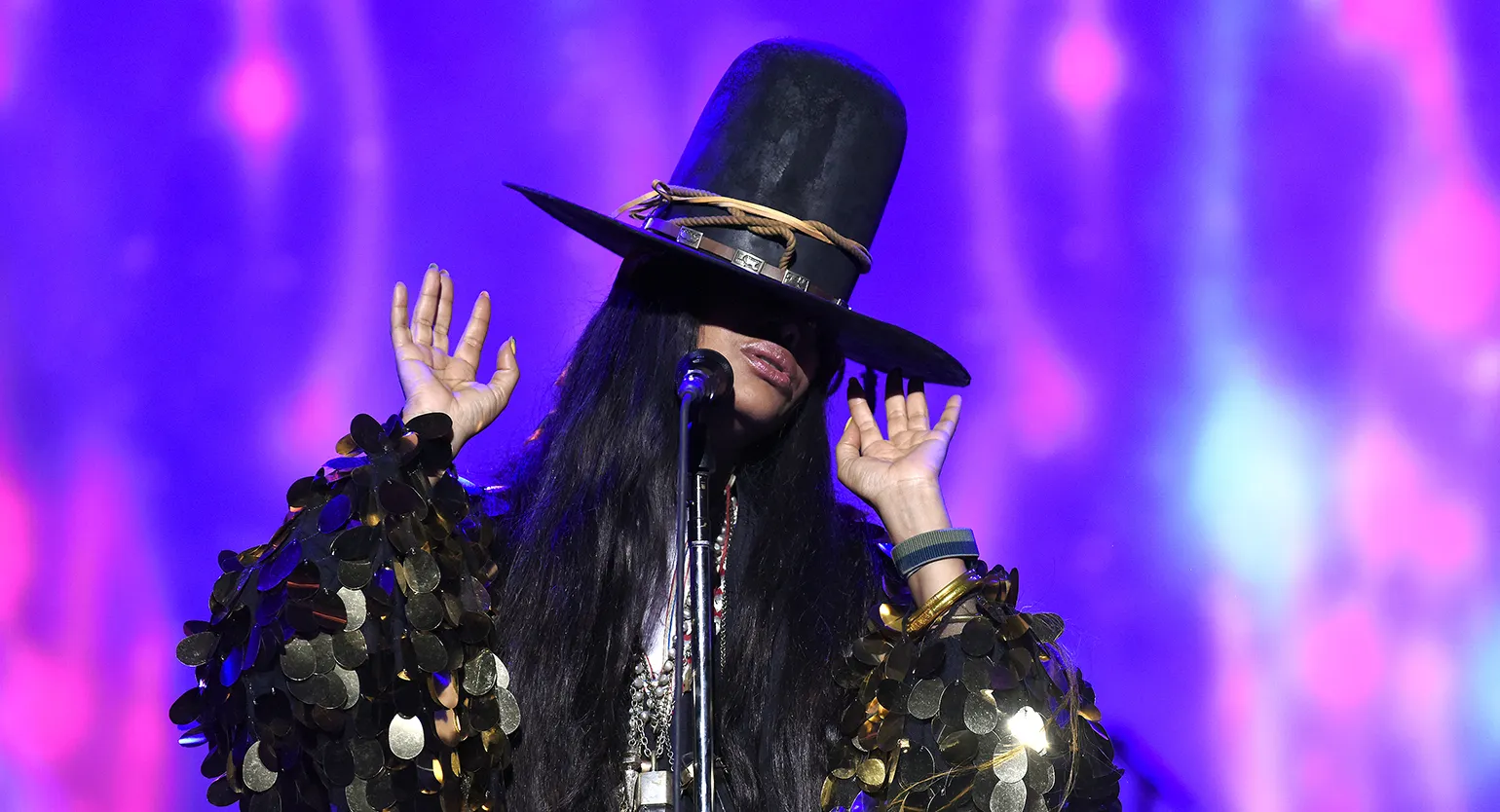
The diversity of R&B is emphasized by the fact that with the advent of electronic instruments, the classic sound continues to exist. Singers such as R. Kelly and Erykah Badu remain prominent representatives of the genre, performing their songs with live instrumental arrangements. This testifies to the fact that R&B retains its roots while adapting to modern musical trends, which makes it attractive to new generations of listeners.
R&B and hip-hop have become integral parts of modern musical culture, firmly intertwined with each other. R&B artists actively participate in rap compositions, sometimes rapping themselves, as does Lauryn Hill. Rappers, in turn, are not standing on the sidelines and are experimenting with vocals, with artists such as Kanye West and Drake standing out. This interaction of genres helps create a unique sound and expands the boundaries of music, attracting new listeners and shaping modern musical trends.
In the early 2010s, alternative R&B emerged on the music scene—a term encompassing artists such as Miguel, Frank Ocean, and How to Dress Well. These artists were distinguished by the diversity of their lyrical themes, often immersing listeners in dark atmospheres. Their work was distinguished by bold experiments with sounds that combined elements of rock and electronic music. Alternative R&B became a symbol of a new wave that brought a fresh perspective to the genre and expanded its boundaries.
The Weeknd became one of the most popular artists in the alternative R&B genre. This subgenre is characterized by diversity, but over time, a number of artists with a similar sound have emerged within it. One of The Weeknd's first hits, "The Hills," was a prime example of this style, featuring the ratcheting Roland TR-808 drum machine characteristic of hip-hop, along with a gothic and sexy atmosphere, high-pitched vocals, and industrial sound effects. The Weeknd's early efforts, such as "House of Balloons / Glass Table Girls," plunged the listener into an even darker atmosphere, with electronic distortion overlaid with samples from the gothic rock band Siouxsie and the Banshees. Thus, The Weeknd not only defined the sound of alternative R&B but also had a significant influence on the development of the modern musical landscape.
- Blues Standards: The History of the Genre in 7 Songs
- Jazz Standards: 20 Songs Considered Classics of the Genre
- A Brief History of Rock in 15 Subgenres
Free test: Which digital profession is right for you?
IT, design, marketing, or management? Find out the answer in 15 minutes. And then try your hand at a new specialty for free.
Find out more