Contents:

Free test: which digital profession is right for you? Find out the answer in 15 minutes and try your hand at a new specialty.
Find out moreWhy Twilight Became So Popular
If the first film had come out a year earlier than 2008, we could joke about going back to 2007, when much about Twilight would have become obvious. It was a time when debates between emo and rap fans raged in Russian schools. Boys and girls actively updated their VKontakte statuses with phrases like "the rain will wash away your tears," danced Tektonik, and took photos in abandoned places wearing black-and-white Arafat hats and skinny jeans. This period in youth culture reflected a desire for self-expression and the search for identity, which became an important part of their lives.
Twilight, the first film based on the popular books published since 2005, opened in theaters. Schoolgirls who had read the series enthusiastically invited their friends, unfamiliar with the vampire saga, to see the film adaptation together. Thus, teenagers around the world made these films a true cultural phenomenon.
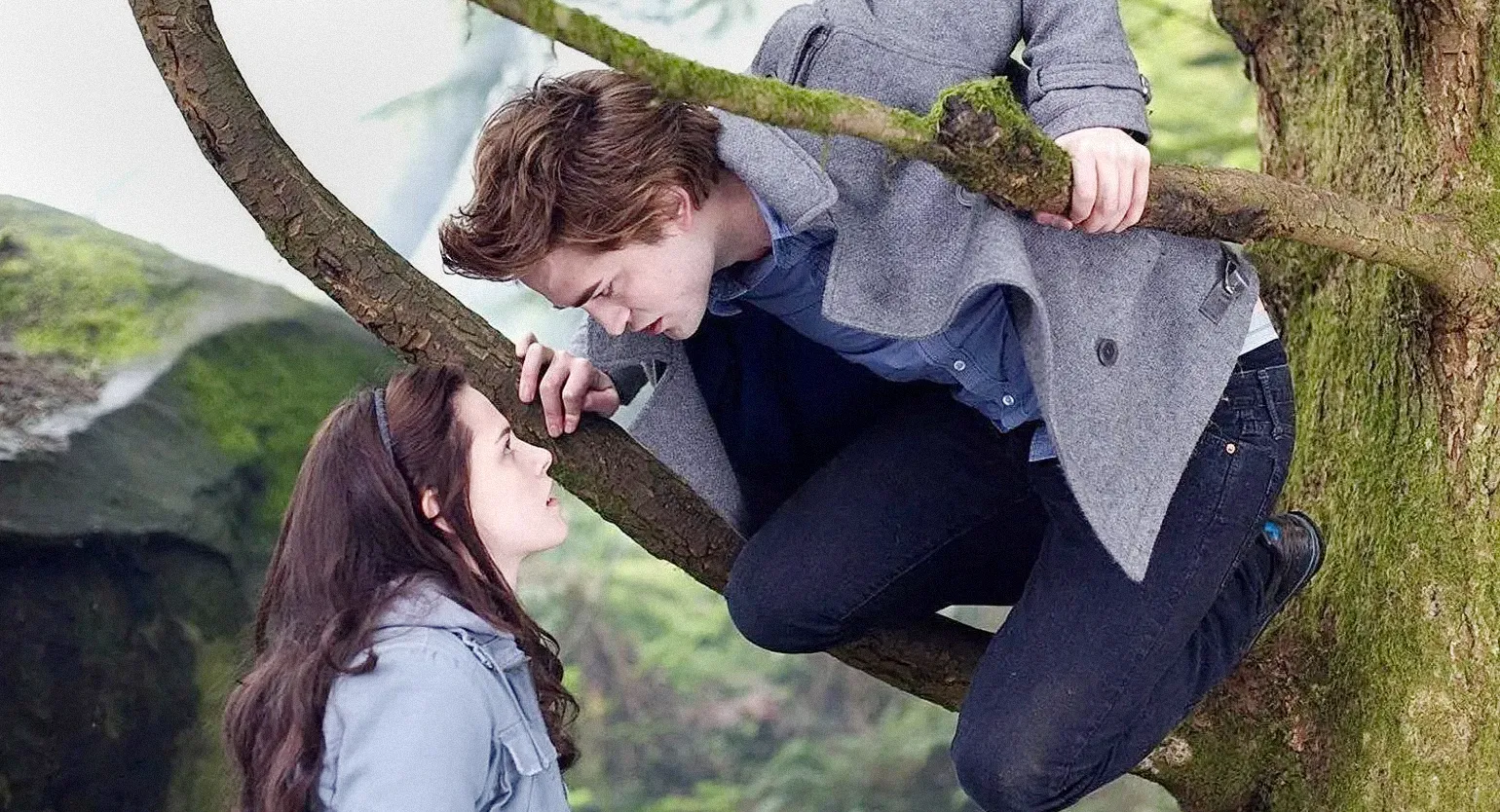
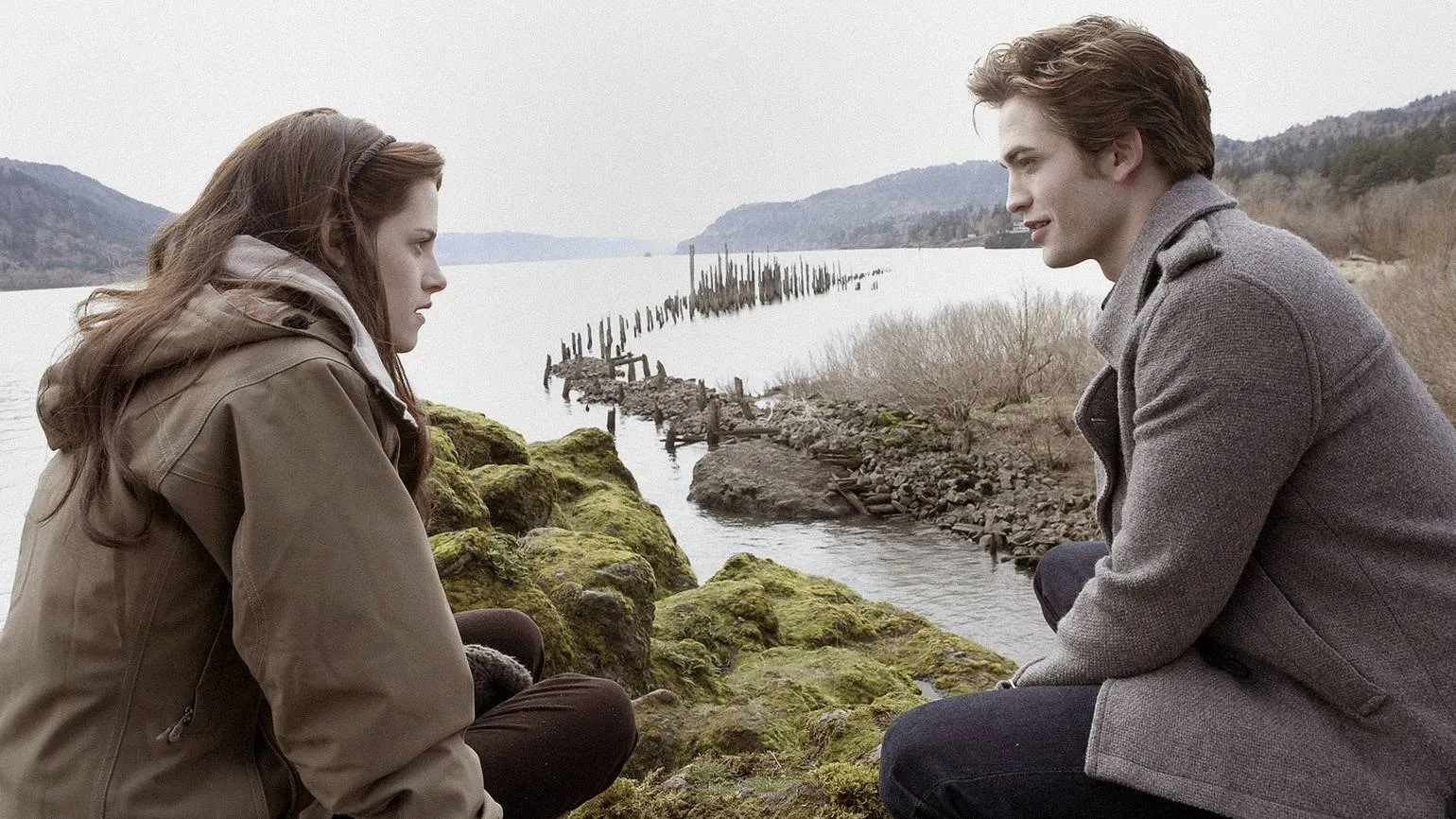
Twilight is a series of novels by Stephenie Meyer that tells the story of the complex relationship between a human and a vampire. The main character, Bella Swan, moves to the small town of Forks, where she meets the mysterious Edward Cullen, who turns out to be a vampire. Their love faces many obstacles, including the dangers associated with the world of vampires and humans. The story covers themes of love, sacrifice, and choice, making Twilight a popular saga among young audiences. The novels were adapted into films, bringing even more attention to this romantic story.
Learn more.
Twilight is a famous book and film series that tells the story of the love between an ordinary girl, Bella Swan, and a vampire, Edward Cullen. Edward, with his predatory nature, has a strong desire to harm Bella, but overcomes his instincts for the sake of their relationship. The plot tells the story of Bella completing high school and experiencing all the emotions of first love, while being caught in the conflict between Edward and Jacob, a werewolf who is in love with her. This story touches on themes of love, sacrifice, and internal struggle, making it appealing to a wide audience.
Twilight is a dark and mysterious film that explores themes of violence, death, and complicated love, satisfying the desire of teenagers for deeper and more layered stories. At a time when young adult films and TV series were often lacking in seriousness and depth, young people were offered simple tales of good and evil, like Harry Potter. Teenagers were portrayed on screen in stereotypical ways: they were depicted as exclusively cheerful and happy, and if tragedy occurred, universal justice immediately restored balance, repaying them for their suffering. Twilight marked a significant step toward a more realistic and complex representation of teenage life, opening up new horizons for the genre.
Children are generally not allowed to experience misfortune, unless they are orphans living in a cupboard under the stairs. However, even in such difficult circumstances, Harry Potter remained positive and found joy in life. The release of Twilight was a significant moment for many viewers, who saw their own experiences reflected on screen for the first time. Schoolgirls, discussing the books and films, often said, "It's like Harry Potter, only darker." This argument was powerful: teenagers felt that such media works spoke honestly about life and did not demand unnatural joy from them. Twilight and stories like it opened a new page in young adult literature and cinema, giving teenagers the opportunity to identify with characters who face real-life problems and emotions.
The 2000s saw a rise in the popularity of alternative, gothic, and emo music, driven by teenagers' desire to freely express their negative emotions and explore sadness. Previously, teenagers seemed to have a right to exist only in a carefree optimism mode, which created difficulties for more serious-minded, pessimistic, or depressed teenagers. These young people couldn't find their place in society until bands like Amatory and Evanescence, and cultural phenomena like Twilight, emerged on the music scene. These new directions became a kind of refuge, allowing teenagers to identify with and find support in music that reflected their inner experiences.
The love story with a vampire had a huge influence on world cinema. The films of the saga "Twilight" The Twilight films have grossed over $3.36 billion worldwide, surpassing even The Lord of the Rings trilogy's $2.91 billion. While the primary audience for Twilight was teenagers, the films also gained popularity among women over 35. Large fan communities formed online, actively discussing plot twists, debating Edward and Jacob's preferences, and creating fan fiction. One of these fan fictions was even adapted into a film, highlighting the franchise's significance and influence on modern culture. Twilight became a mass phenomenon for several key reasons. First, its unique blend of romance and fantasy appealed to a wide audience, making the story more universal. Second, vibrant and memorable characters like Edward and Bella created an emotional connection with readers, contributing to its popularity. Furthermore, the powerful themes of love, sacrifice, and conquering inner demons resonated with young people.
An equally important factor was the successful marketing strategies aimed at creating a significant buzz around the books and films, which attracted the attention of not only genre fans but also a wider audience. As a result, Twilight became a cultural phenomenon that had a significant influence on literature and cinema, spawning numerous imitations and discussions.
- A thrilling romantic story. Audiences were drawn to the central plot line – the forbidden relationship between schoolgirl Bella and vampire Edward. The story particularly resonated with teenagers: they empathized with the feeling of first love, as well as the conflicting emotions of the heroine – an ordinary girl who was loved by "the most dangerous predator in the world."
- The dark aesthetics popular at the time. Vampires, werewolves, and the mysterious world of Twilight created an attractive mystical atmosphere. The mid-2000s saw a surge in interest in the supernatural, and the franchise perfectly captured this trend.
- Simplicity and intensity of conflict. The Twilight series' premise is simple yet captivating: a boy loves a girl, but his vampire instincts compel him to kill her. Love can literally lead teenagers to their deaths, in the best traditions of Shakespeare's Romeo and Juliet. This high potential for tragedy created a thrilling story that, on the one hand, is relatable to many, and on the other, captivates readers and viewers with its powerful emotions.
- Characters you can easily identify with. Bella, a simple and clumsy schoolgirl, is intentionally portrayed in a way that makes it easy for viewers to imagine themselves in her shoes. For audiences, Twilight became a window into a world where they find themselves in amazing adventures, while the vampire Edward and the werewolf Jacob—the perfect teenage crushes—follow them.
Why Everyone Hated Twilight
A phenomenon that achieves widespread popularity inevitably evokes both admiration and criticism. Opponents of the Twilight saga have many complaints. Let's consider how justified these accusations are and what lies behind the negative reviews of this franchise.
Viewers have expressed dissatisfaction with the main characters' exclusive focus on their relationships. Critics note that romantic experiences and love lines do not create a strong enough foundation for the plot. However, this point of view demonstrates a misunderstanding of the romance genre. In this genre, the development of romantic relationships is a key plot element. Outrage over the excessive focus on romance in love stories can be compared to dissatisfaction with the presence of murders in a detective story. It is important to understand that it is emotional connections and their development that attract viewers and constitute the essence of the genre.
In the late 2000s and early 2010s, the mainstream observed a dismissive attitude toward love lines in cinema. This period coincided with the active development of computer graphics and the release of such large-scale sagas as Pirates of the Caribbean and The Lord of the Rings. The creators of Twilight felt the need to add more dynamics and spectacle to their love story, although there was no room for this initially. It is important to remember that Twilight is not an action film, but first and foremost a story about love, which, despite the influence of time, retains its uniqueness and depth.
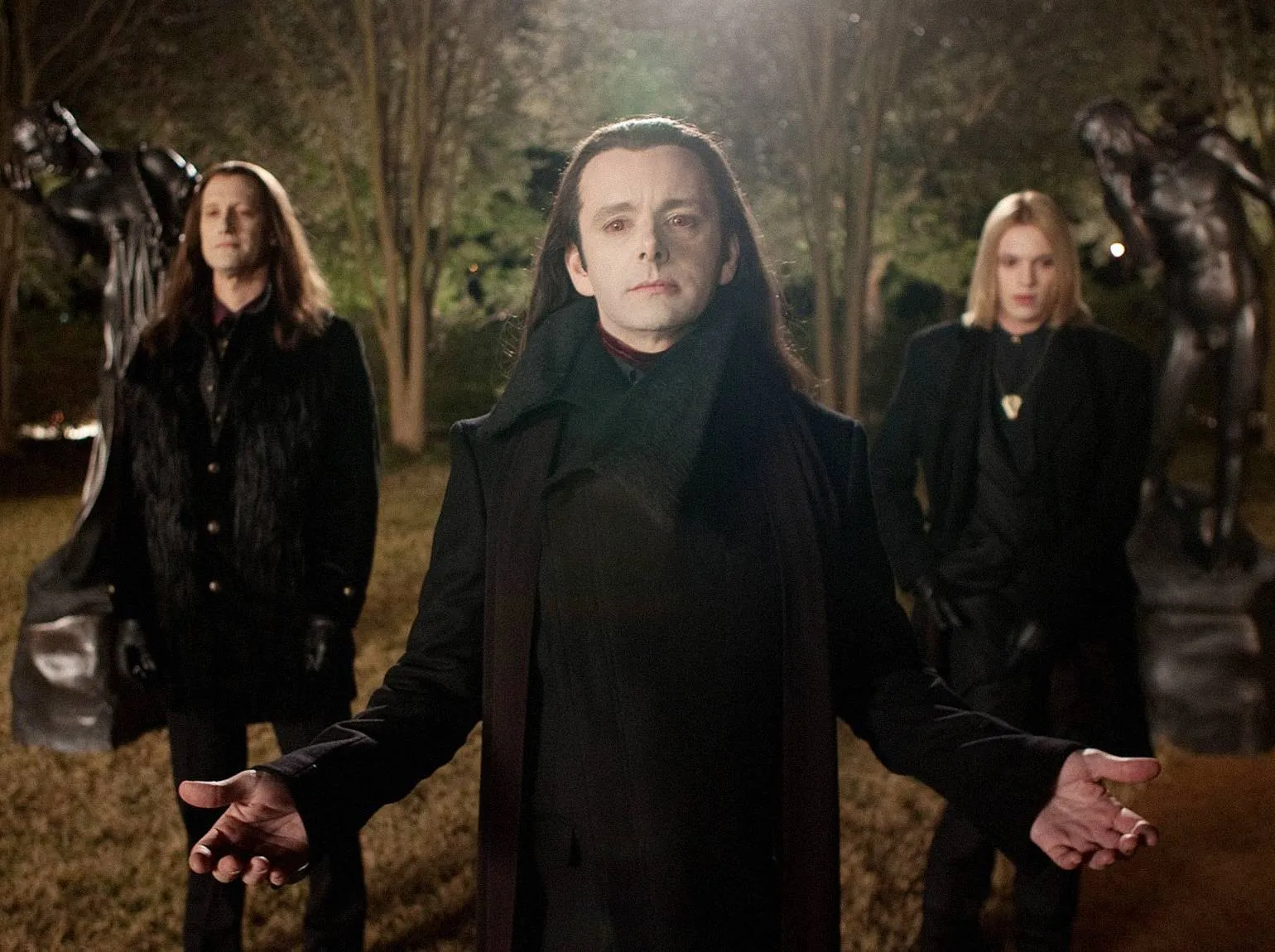
In The Twilight Saga: Breaking Dawn - Part 2 (2012), the filmmakers added an epic battle that was missing from the original books. A spectacular scene unfolded on screen, filled with bloody clashes, severed heads, and the deaths of beloved characters, which significantly increased the tension and drama of the plot. This creative interpretation made for a more exciting and emotionally charged ending, attracting the attention of both fans of the books and new viewers.
At the end, the story turns to a "dog's dream" - a prophecy that one of the heroines transmitted into the minds of the vampires preparing for battle. This decision left the audience in a state of uneasy emotions: they had already gone through the suffering of murder and loss, and now they were forced to reconsider their experiences, realizing that everything was an illusion.
Read also:
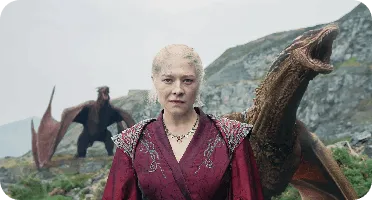
"House of the Dragon" is not a feminist work, despite the presence of strong female characters. The series focuses on political struggles, succession, and dynastic conflicts in the world of Westeros. Women play a significant role in the series, but their actions and motivations are often driven by power and influence rather than purely feminist aspirations.
The series focuses on the complex relationships between characters and their struggle for the throne, with female figures such as Rhaenyra Targaryen and Alicent Hightower operating within the context of traditional patriarchal structures. Their conflicts and ambitions highlight not the feminist idea of equality, but the realities of the brutal power struggle that can be experienced by both men and women.
Thus, House of the Dragon is more a drama about power and betrayal than a work that emphasizes a feminist agenda. The series explores how characters' ambitions and desires influence their destinies, while the issue of gender roles remains secondary.
The Twilight franchise is often criticized for pandering to the romantic fantasies of women and girls. Critics of the story argue that it is unrealistic, overly sentimental, and overly focused on the desires of female fans. Some viewers felt uncomfortable, perceiving the plot as something shameful, reminiscent of the contents of the teenage diary of the author, Stephenie Meyer. Robert Pattinson, who played Edward, also shared his impressions of the project, emphasizing that the perception of this story can be very subjective.
While reading the books, I came to the conclusion that Stephanie identified with the character Bella. This work seemed like it should not have been published. I felt that it was more a collection of her personal fantasies.
Despite the PG-13 rating, some scenes in the films in the US release may convey an atmosphere of sexual fantasy. In particular, the books and the film adaptation include a scene in which Bella, Edward, and Jacob spend a cold night in a tent. Bella, suffering from the cold, finds herself in a difficult situation, since her lover Edward is a vampire, who does not possess the warmth of a human body. As a result, he is forced to give way to the werewolf Jacob, who, undressing, embraces Bella and warms her with his body heat. At this moment, Edward, possessing the ability to telepathy, is forced to endure all of Jacob's thoughts about Bella, which adds tension to the scene. This episode illustrates the complex relationships between the characters and highlights the emotional and physical conflicts that arise in their interactions.
Stephanie Meyer assures that her books are devoid of any obscenity. She is not interested in erotica and traditional romance novels, considering them too explicit. Meyer is a member of The Church of Jesus Christ of Latter-day Saints, known for its strict views on sexuality. This explains why her works are dominated by an atmosphere of modesty and innocence, creating a unique literary world in which relationships between characters develop within a certain moral framework.
Audiences perceive Twilight as a subconscious erotic fantasy from which the overt erotic elements have been removed. Stephenie Meyer acknowledges that her work contains many hidden meanings. The writer seems to lay bare those shameful and vulnerable thoughts that many prefer to ignore. Interacting with someone else's subconscious can be uncomfortable and even painful—it opens up new dimensions of self-knowledge.
Films that cater to male fantasies are as common as Twilight, which is aimed at a female audience. In pop culture, this phenomenon has become quite common. For example, any film about a courageous professional who saves the world and ultimately wins the heart of an attractive woman represents a typical male heroic fantasy. This emphasizes the hero's achievement, which immediately creates desire. Thus, critics condemn Twilight for its fan service, which has been present in male-dominated films for decades. It is important to note that such narratives are part of a broader cultural tradition in which both genders are entitled to their own fantasies and ideas about love and success.
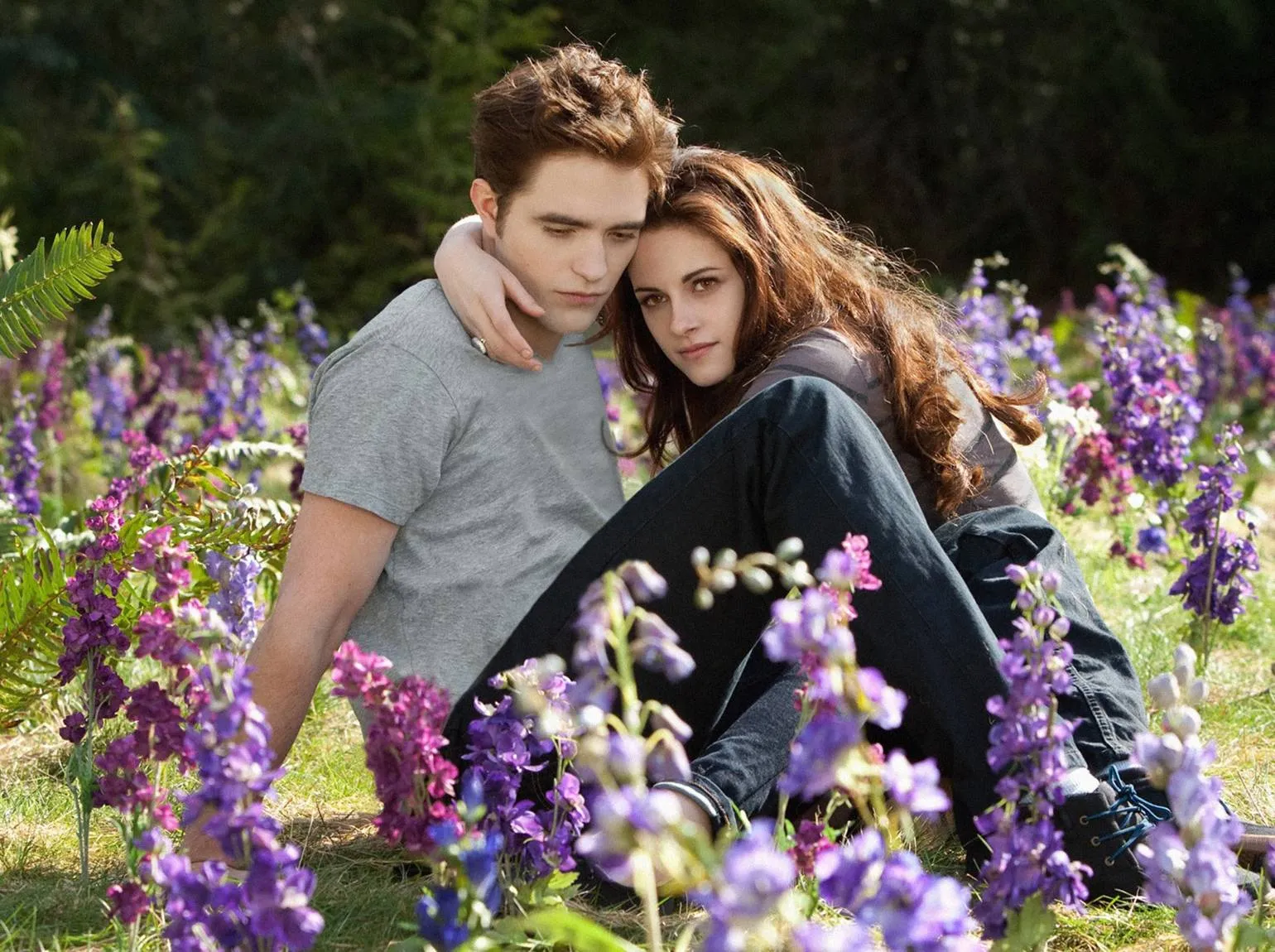
The superhero and action genre in the style of Rambo is geared towards male fantasies. This fan service is taken naturally, but when such stories are created with a female audience in mind, they often come across as unnatural and ridiculous. Is this fair? Probably not. However, this is precisely the structure of modern pop culture. The situation highlights existing stereotypes and expectations that influence the perception of works and their audience.
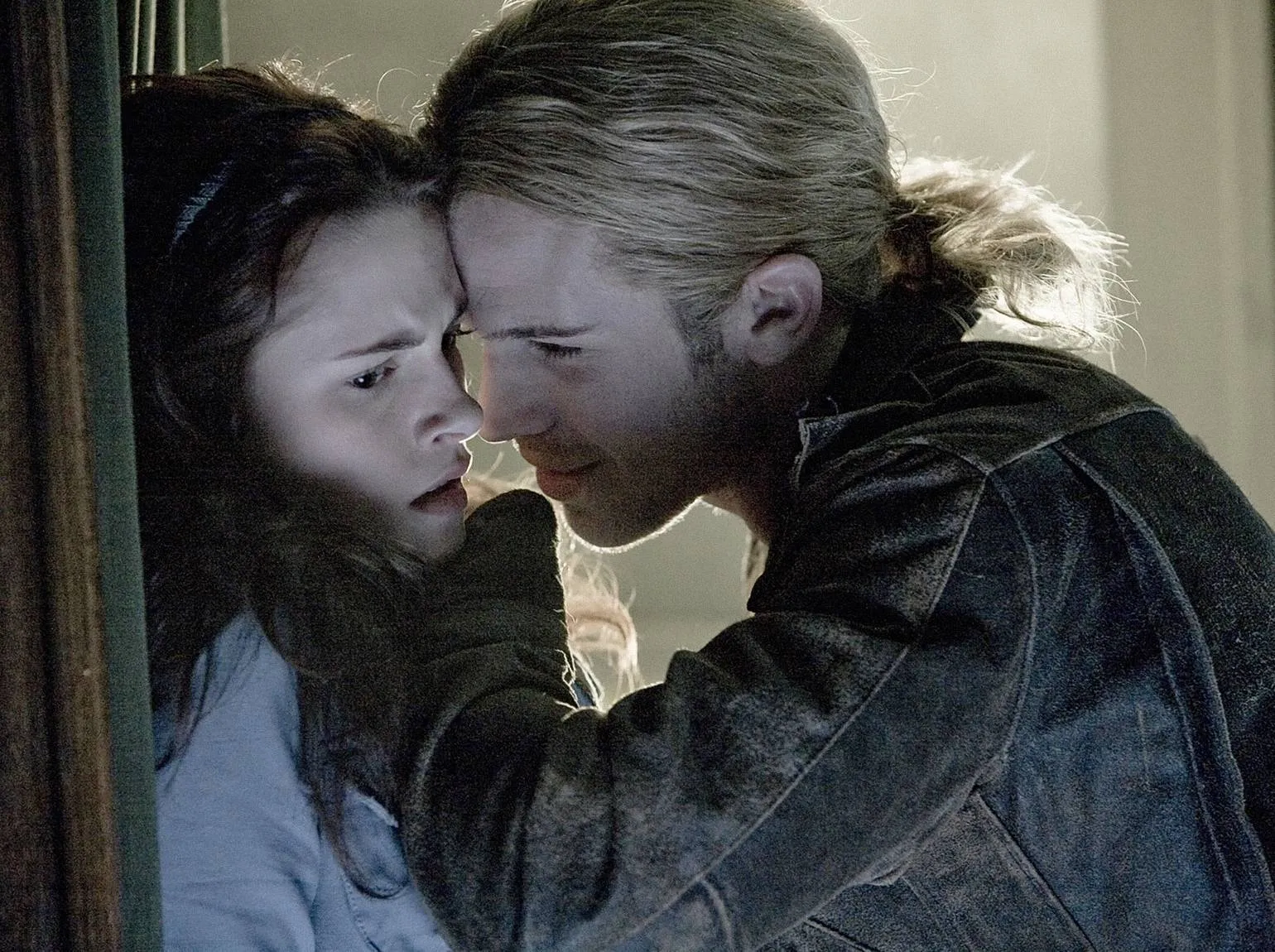
The main conflict in the Twilight series is that Edward is in love with Bella, but at the same time feels an overwhelming desire to destroy her, since he is a vampire. His feelings sometimes take the form of obsession. For example, he regularly sneaks into Bella's room to watch her sleep. If we consider this behavior in a realistic perspective, it can be perceived as a clear manifestation of stalking. Such plot elements raised concerns among critics, who feared that young female readers might normalize abusive relationships. It is important to analyze such aspects in the context of literature to understand their influence on adolescent perceptions of romantic relationships.
Twilight is a romantic fantasy that presents love and relationships in an idealized form. It is a fiction, disconnected from real life and how real relationships develop. Girls dream of a dream boy who cares for them even in their dreams, reflecting their desire for safety and protection. In their imagination, he appears not as a threat, but as a protector, creating a romantic ideal that is far from reality.
Boys often imagine themselves as heroes who sacrifice themselves to save the world. At the core of this fantasy is not a death wish, but a desire to be respected and recognized. Thus, the romance surrounding abuse in Twilight is not dissimilar to the romanticization of suicide in stories of heroic self-sacrifice. In both cases, it reflects deep psychological needs and longings, rather than the intrinsic value or ideality of such acts.
Robert Pattinson and Kristen Stewart's performances have long been criticized, creating an image of them as talentless. This perception is partly due to the fact that their on-screen characters seemed lacking in emotion. However, the directors' decision to portray Bella and Edward as "empty" was driven by a desire to align them as closely as possible with the original characters from the book. This is due to the canonical characteristics of the characters, which allowed the creators of the saga to offer viewers images into which they could invest their own fantasies. Bella appears expressionless and "flat," which makes it easier for viewers to associate with her. Edward, with his mysteriousness, becomes the perfect canvas for imagining the perfect partner. Thus, the artistic decisions in the adaptation of "Twilight" are aimed at creating a deep connection between the characters and the audience.
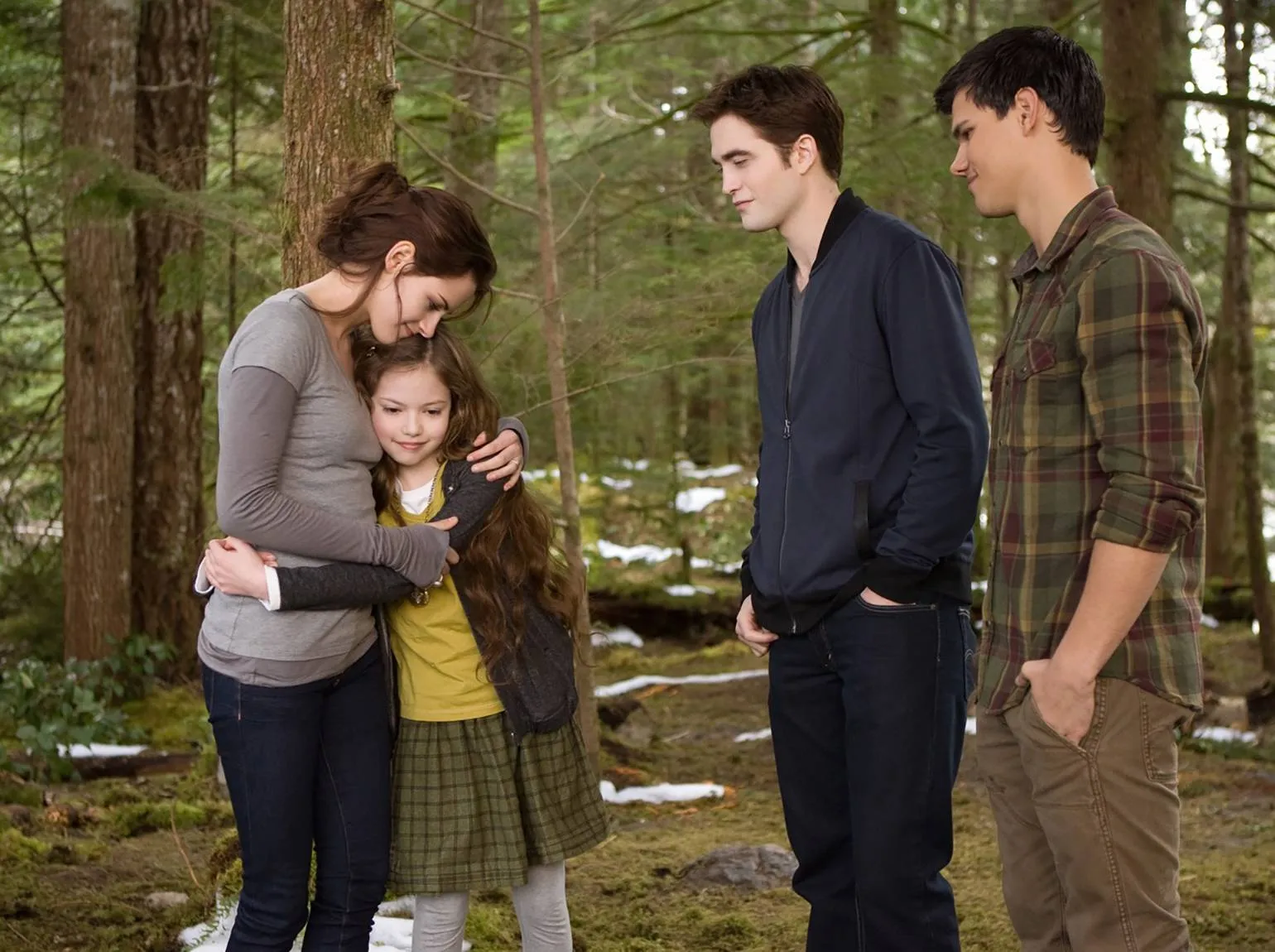
A common technique in media is to create streamlined characters, allowing viewers or readers to more easily identify with them. A prime example of this approach is the character of Harry Potter, whose character has no clearly defined traits in both the books and the films. Similarly, characters' love interests may also be depicted in a streamlined manner, allowing the audience to imagine more relatable and personalized characters. This technique promotes deeper engagement with viewers and readers, allowing them to experience events through the prism of their own emotions and experiences.
In the context of female characters, there is a trope known as the manic pixie dream girl. This archetype is explored in detail in the film (500) Days of Summer. In the story, the protagonist falls in love with an eccentric and flamboyant girl named Summer, who prefers to keep him at a distance. She is uninterested in serious commitment and seeks light, casual relationships. This emotional distance becomes a source of conflict for the protagonist, highlighting the complexity and ambiguity of such romantic relationships.
Because Summer does not reveal her true nature, the protagonist lacks information about her character and desires. In this situation, he easily projects his own expectations onto Summer. As a result, the young man interprets her actions at his own discretion, perceives their relationship as serious, and stubbornly ignores reality.
Payback images have become common in cinema. However, when it came to Twilight, the audience reaction was sharply negative, reflecting the same techniques that were actively used in other films. Critics often point out the shortcomings of the franchise, which can be found in numerous genres and films. However, only Twilight faced such a wave of hatred, while Harry Potter, the Marvel Cinematic Universe, and other popular projects were met with enthusiastic audiences. The reason is that...
Western journalists have long noticed an interesting phenomenon: as soon as teenage girls become interested in something, the internet immediately reacts with negativity. The rock band Tokio Hotel, singer Justin Bieber, and the boy band One Direction have all, at one time or another, been the target of criticism precisely because of their popularity among schoolgirls. This phenomenon highlights not only society's complex relationship with female preferences, but also the general dynamic of cultural trends, when the success of a certain group or artist provokes condemnation.
Girls' interests are often perceived as frivolous and immature, although in fact they are no different from boys' interests. For example, the Winx fairies can be compared to Spider-Man: both stories are full of superpowers and heroism, but in the Winx world, the emphasis is on friendship and teamwork, where the heroines unite to overcome difficulties together. This shows that girls' interests can be just as deep and meaningful as boys', and deserve respect.

Rework the text, keeping its main topic and avoiding adding unnecessary information. Optimize it for SEO, expanding the content if necessary. Avoid using emojis and unnecessary symbols. Do not use sections with numbers or bullets, just provide clean text.
Read also:
Disney Princesses: Evolution from Traditional Images to Self-Care
Disney princesses have always been a symbol of kindness and gentleness, but their images have undergone significant changes over time. Previously, they were idealized images of good girls who waited to be rescued by a prince. Today, characters have become more independent and self-sufficient, emphasizing the importance of self-care and personal growth.
Modern princesses, such as Moana and Elsa, demonstrate strength, confidence, and a desire for self-realization. They inspire the younger generation to follow their dreams and take care of their own needs. These changes in princess images reflect new social trends that emphasize the value of self-esteem and personal strength.
Thus, the Disney princesses' journey from traditional stereotypes to modern ideals of self-care has become an important step in the evolution of their images. This not only makes them more relatable to viewers but also helps foster healthy thinking in young people.
Sexual discrimination and misogyny remain pressing issues, particularly for adolescent girls. Negative attitudes toward them can be explained by historical roots dating back to the 18th and 19th centuries, when girls faced severe limitations in accessing education. They rarely had the opportunity to attend public schools, and access to universities and academies was virtually impossible. These historical barriers have shaped preconceived notions about the role of girls in society, the consequences of which are still felt today.
There is a stereotype in society that teenage girls are supposedly less intelligent than boys. They are perceived as flighty, superficial, and narrow-minded. This preconceived notion continues to persist today. Activist Bailey Poland notes:
There is a perception that teenage girls are unable to adequately control their emotions and interests, which leads them to excessive joy or frustration for no apparent reason.
The Twilight franchise does not stand out much from other popular films of its time. It follows the traditions of the romantic drama genre and actively exploits the audience's imagination. However, critics view the series' characteristics as flaws and even criticize it.
Twilight is far from perfect, and today it can be perceived as light trash or camp. However, this franchise does not deserve such harsh criticism. Recently, the media landscape has been rethinking: what exactly caused such hatred towards Twilight in the mainstream? How justified is this wave of negative reviews?
Why loving Twilight isn't cringe, but self-care
People respond to different stories because they satisfy their emotional needs. For example, at the heart of the animated series "Enchantress" and the Percy Jackson films is the desire to be special and deserve recognition. The core idea of "Twilight" and the film "Scott Pilgrim vs. the World" is the desire to have a partner who will love and accept you, flaws and all. These stories resonate with viewers because they reflect universal human feelings and dreams of love and acceptance.
The emotional needs of men and women can differ significantly. Content creators consider the gender of their target audience and use different approaches to meet these needs. For example, in romantic stories, men often prefer images of independent and vibrant women whom they can "tame." An example is Ramona Flowers from Scott Pilgrim, who, despite demonstrating her manic-pixie nature, nevertheless chooses a relationship with Scott. At the same time, women tend to dream of millionaires or celebrities whose love emphasizes their value and contributes to an increase in social status. This approach allows content creators to effectively reach different audience segments, creating stories that resonate with their desires and expectations.
Video essayist Natalie Wynn has shown that the popularity of the Twilight franchise is a reaction by female viewers to patriarchal societal norms. In this context, love for Twilight should not be considered cringe, but rather an important act of self-care. This phenomenon allows women to recognize and understand their true desires. Let's look at how Twilight helps in this process and why it remains relevant to audiences.
In a typical romance novel, a man showers a woman with gifts, but she refuses to accept them. He strives to win her love, while she displays coldness. He persistently seeks her attention, while she rejects his feelings. Such scenarios are common in love stories, where characters play the game of "predator" and "prey." This approach is interesting, but often leaves questions about real relationships and mutual understanding between partners.
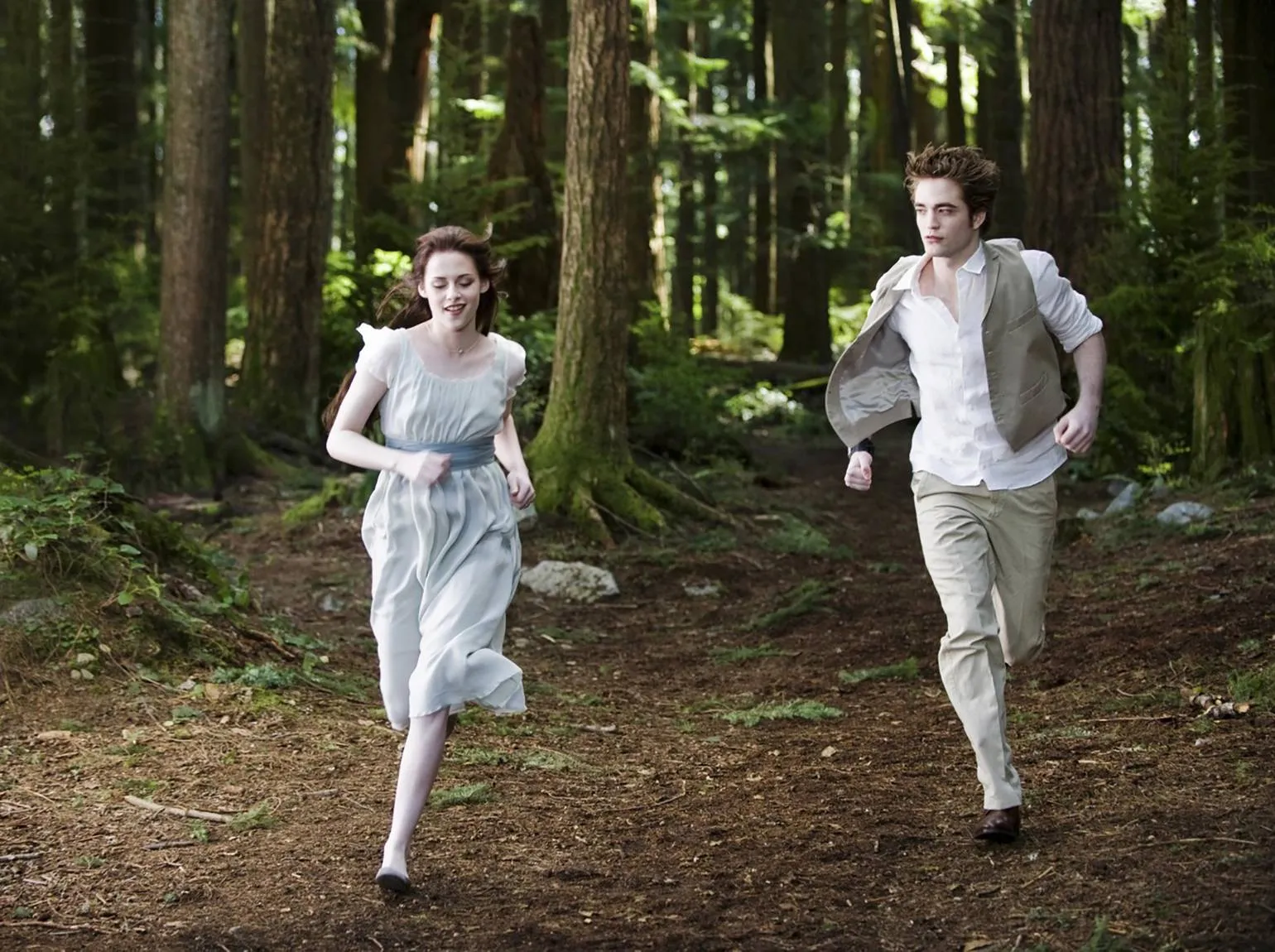
In these relationships, the man plays the role of the predator, persistently seeking intimacy, while the woman occupies the position of the victim, simultaneously experiencing desire and fear of his love. The outcome of such plots is usually predictable: the woman, despite her hesitation, succumbs to the pressure of the man's attention. Although deep down she has long awaited this moment, the path to the end is a long and tortuous struggle of resistance and rejection. The more unattainable the woman seems, the more valuable the intimacy won by the "predator" becomes. In such stories, the play of contrasts is crucial, where desire and avoidance intertwine, creating tension and intrigue in the relationship. Anne Carson, a Hellenistic writer, notes in her book "Bittersweet Eros" that a fascinating triangle often develops between the lover, the "bad girl" he's attracted to, and the "good girl" who honors him by rejecting her. Importantly, the "bad girl" and "good girl" may be the same heroine. Stories about "predator" and "victim" are captivating not only because of the final erotic scene, but also because of the long anticipation leading up to it. For the characters' rapprochement to be truly anticipated, the "victim" must continually flee from the "predator," even if she has long desired him. This approach creates tension and intrigue that keep the reader's interest until the very end.

Twilight honestly presents itself as a romance novel, with Edward saying, "The lion fell in love with the poor lamb," emphasizing his and Bella's roles. Bella is portrayed not only as a "victim," but also as the ideal "good girl." This plot device creates a contrast between the strong and mysterious vampire and the vulnerable but kind heroine, which attracts readers. Bella, despite her naivety, is imbued with strength and inner resilience, which makes her an interesting and multi-layered character within the genre.
Bella is embarrassed not only to wear beautiful underwear, but even to look at it—it makes her embarrassed by its obvious sexuality. However, Edward finds her innocence attractive. As Bella descends the stairs in a long skirt and blue blouse, Edward comments on her appearance with admiration.
"Your appearance is perplexing—it's not fair to look so seductive."
Stephanie Meyer is the author of the popular Twilight series, which has won the hearts of millions of readers worldwide. The plot centers on the love story between Bella Swan and vampire Edward Cullen. This romantic saga explores themes of love, sacrifice, and eternal life, appealing to both young adult and adult audiences.
The Twilight series consists of four books, each immersing the reader in the mysterious world of vampires and werewolves, where human emotions and supernatural forces intertwine. Meyer masterfully creates tension and intrigue, making her works captivating and memorable.
The Twilight books not only became bestsellers but also launched a successful franchise, including films that also enjoyed immense popularity. Stephenie Meyer created a unique atmosphere that continues to attract new fans, making her works relevant to this day.
Female audiences find in Twilight a reflection of their emotional need to be desired. These books, written by Stephenie Meyer, open a window into a world of sexual fantasy, allowing readers and viewers, through the character of Bella, to experience situations in which they become the center of male attention without having to take any active action. This creates a sense of intimacy and identity, which makes the work especially appealing to women.
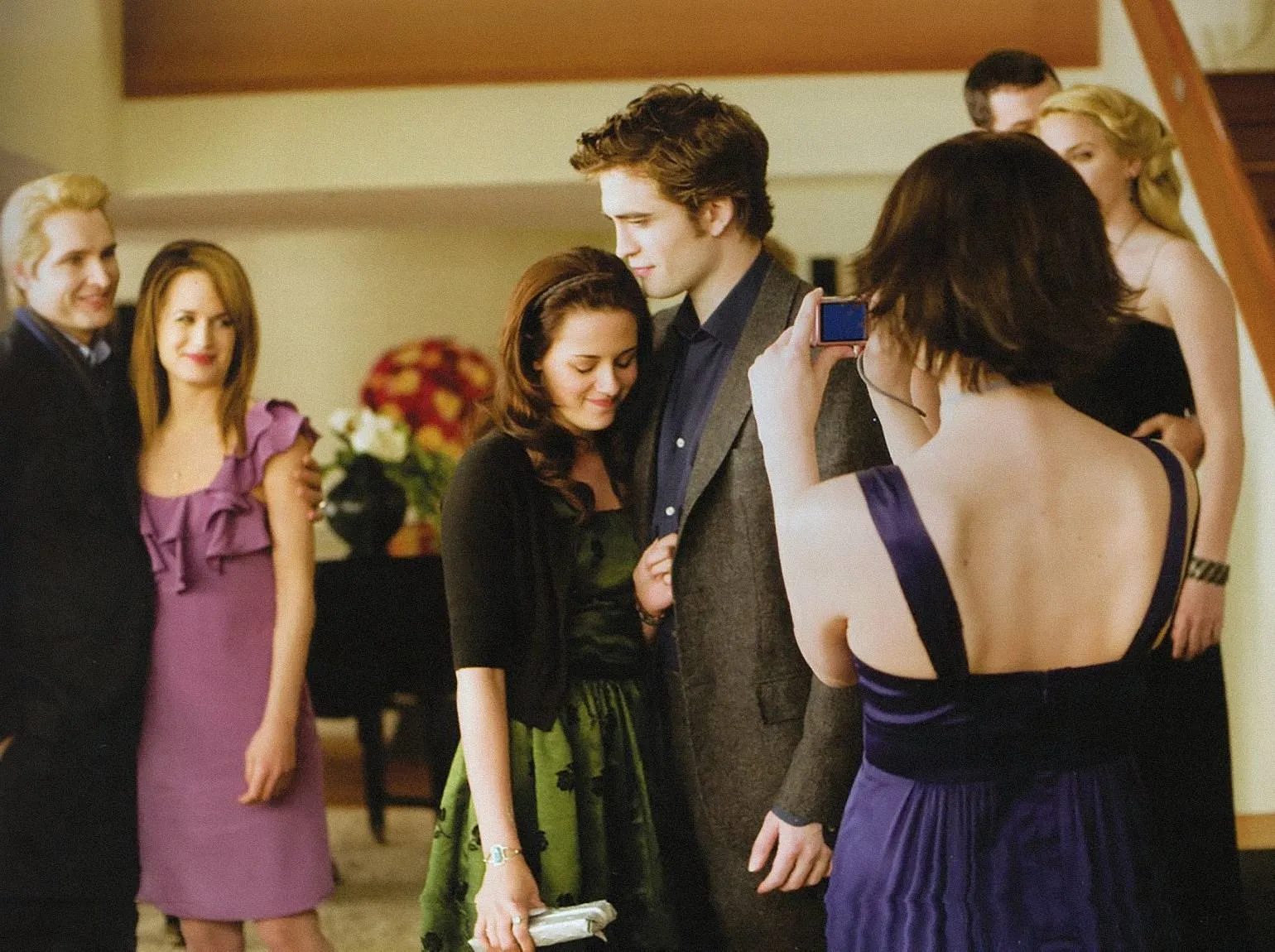
Vampire Edward and werewolf Jacob vie for Bella's attention, constantly asserting how much they love her. At the same time, Bella herself does nothing for this. To attract their attention, she only needs to be herself. This situation emphasizes that true attractiveness does not require effort and that sincerity and naturalness can be more valuable than any tricks.
The desire to be desired is natural for every girl, but there is a certain problem in this matter. Societal stereotypes impose on women the idea that they should hide their desires and remain modest and passive, following the image of a "good girl." At the same time, active expression of sexuality and the desire for attention are associated with the image of a "bad girl." This creates an internal conflict, preventing many women from openly expressing their desires and accepting their sexuality. It is important to recognize that every woman has the right to express her individuality and desire for love and attention without being bound by established stereotypes.
Being "bad" in society is not only condemned but also perceived as dangerous. Society often justifies violence against "bad girls" by claiming that "she asked for it." This creates the impression that violence becomes a justified punishment for provocative behavior. Therefore, many women find it important to maintain the image of an innocent "good girl" in their fantasies: a good character like Edward Cullen will love her, while a "bad" one may face threat and violence. This context highlights the complex conditions in which women are forced to balance societal expectations and personal desires, which requires a deep understanding and discussion of gender stereotypes and violence.
The fantasy of a "predator," whether a radiant vampire, Christian Grey, or Count Dracula, allows women to satisfy their emotional need to feel desired. These images create a space where women can explore their desires without the shame, guilt, or anxiety that often accompany active libidos. Such fantasies help women overcome internal barriers and open themselves to new emotional and sexual experiences, which is an important aspect of personal growth and self-expression. Fantasies are not literal desires. No sensible woman would want to be in Bella's situation—alone with a man who wavers between love and the desire to harm her. Psychoanalyst Michael Bader, in his book "Arousal: The Hidden Logic of Sexual Fantasies," argues that fantasies serve as a tool to help people overcome barriers to pleasure. These imaginary scenarios allow women to explore their desires and fears, creating a space for understanding intimate needs and emotional states. Sexuality is not the result of perverse desires, but rather a manifestation of a natural need for pleasure and safety. Understanding your sexuality can be achieved through various paths, and sometimes these paths can seem confusing. It is important to recognize that the desire for pleasure is a normal part of human nature. Safety in relationships and intimate life plays a key role in allowing people to openly explore their sexuality and experience positive emotions from it.
Michael Bader is a renowned psychoanalyst who has made significant contributions to the development of psychoanalysis and psychotherapy. His work focuses on understanding deep psychological processes and their influence on human behavior and emotions. Bader explores how unconscious mechanisms shape our thoughts, feelings, and actions, allowing for a better understanding of the causes of psychological problems. His approach helps clients recognize their internal conflicts and overcome psychological difficulties. Michael Bader's practice emphasizes the importance of psychoanalytic understanding for achieving harmony and personal growth.
Viewers find it appealing to imagine themselves in Bella's place because it allows them to feel desirable without worrying about attracting attention from others. This aspect allows them to immerse themselves in a fantasy world where desire and confidence go hand in hand, creating a feeling of freedom and self-sufficiency.

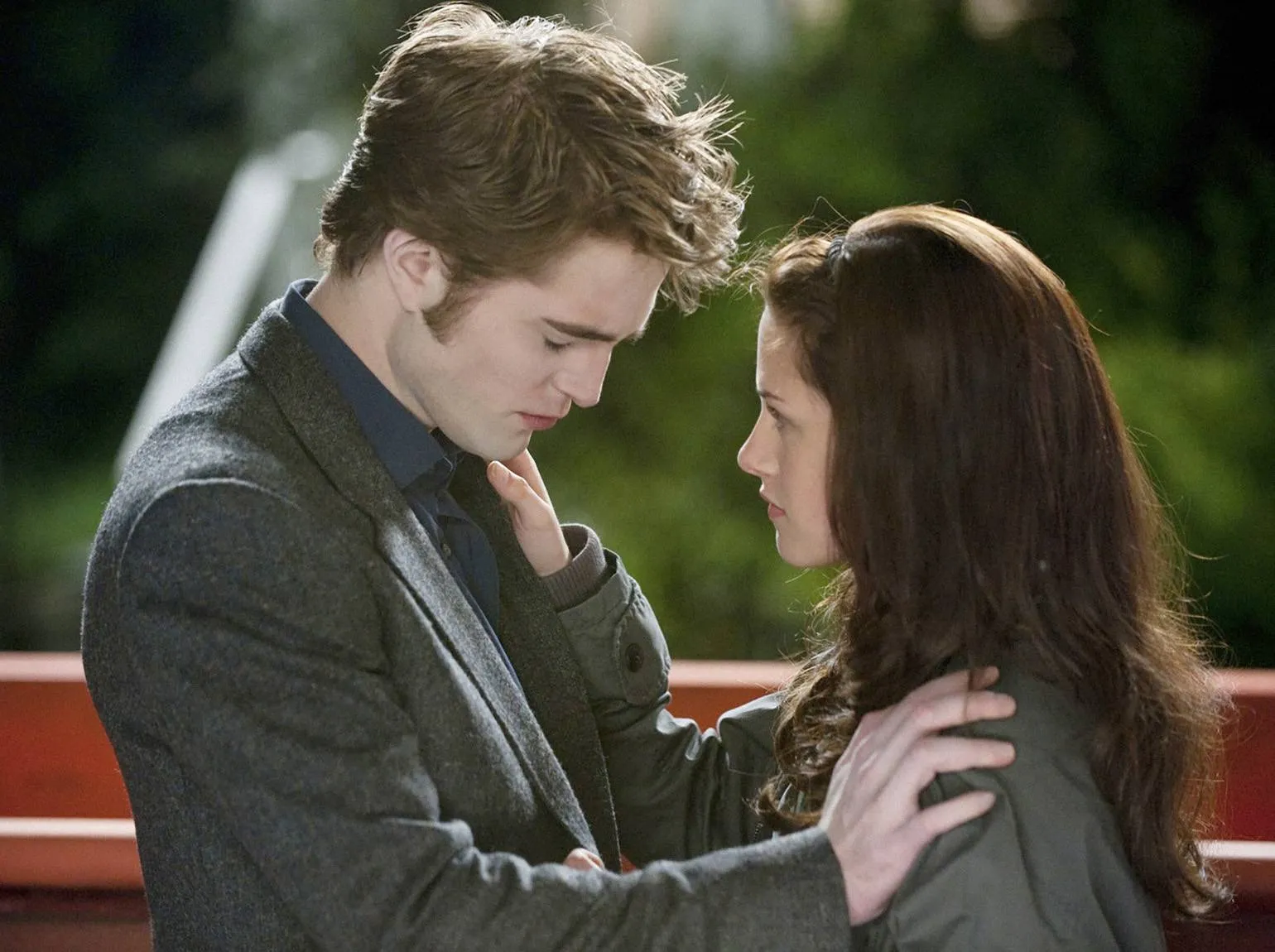
Twilight creates a safe space for women to explore their sexual needs without guilt or shame. This novel offers a deep understanding of female sexuality and self-expression, making it an important work in the context of women's literature. It touches on themes related to intimacy and self-identification, which contributes to a more open perception of sexuality and relationships.
Fantasy allows us to freely experience emotions that are absent in real life. Women are especially drawn to the theme of persistent billionaires reminiscent of Christian Grey. The desire for financial well-being is a natural desire for everyone, especially in today's society. However, women are often accused of materialism for such desires. To avoid judgment, they create fantasies in which wealthy suitors, despite all their reservations, shower them with lavish gifts and force them to accept them, leaving them with virtually no alternative. These scenarios reflect deep-seated desires and aspirations, highlighting both the allure of material wealth and emotional needs that may be inadequately met in real life. Sometimes, the role of the suitor in the heroine's life is played by a "fairy godmother." In the novel "Twilight," it is most often not Edward who brings gifts, but his sister, Alice. For example, Bella doesn't dream of a lavish wedding, but Alice insists on organizing a grand celebration. Ultimately, Bella relents and receives a magnificent celebration without having to ask for it, freeing her from the feeling of materialism. This allows readers to feel comfortable in this fantasy: they can "embody" Bella and not feel ashamed of their dreams and desires. Thus, Twilight creates a space where feminine aspirations and romantic ideals become accessible and acceptable.
Alice persuades Bella to wear heels. Bella reluctantly resists, as she dislikes "girly things" and prefers to wear trousers and flannel shirts. This situation reflects the popular fantasy of how a person is made more attractive against their will, freeing them from the need to care for their own appearance.
Thinking about being desirable reveals vulnerability. This state is often associated with "bad girl" behavior, where concern for appearance is considered a sign of emptiness. However, I am confident in my worth, and that is why my fiancé's sister will help me with my outfit and makeup. This approach emphasizes that true beauty and self-confidence do not depend on the opinions of others. It is important to remember that the desire to look attractive is not a sign of weakness, but a desire to show your individuality and confidence.
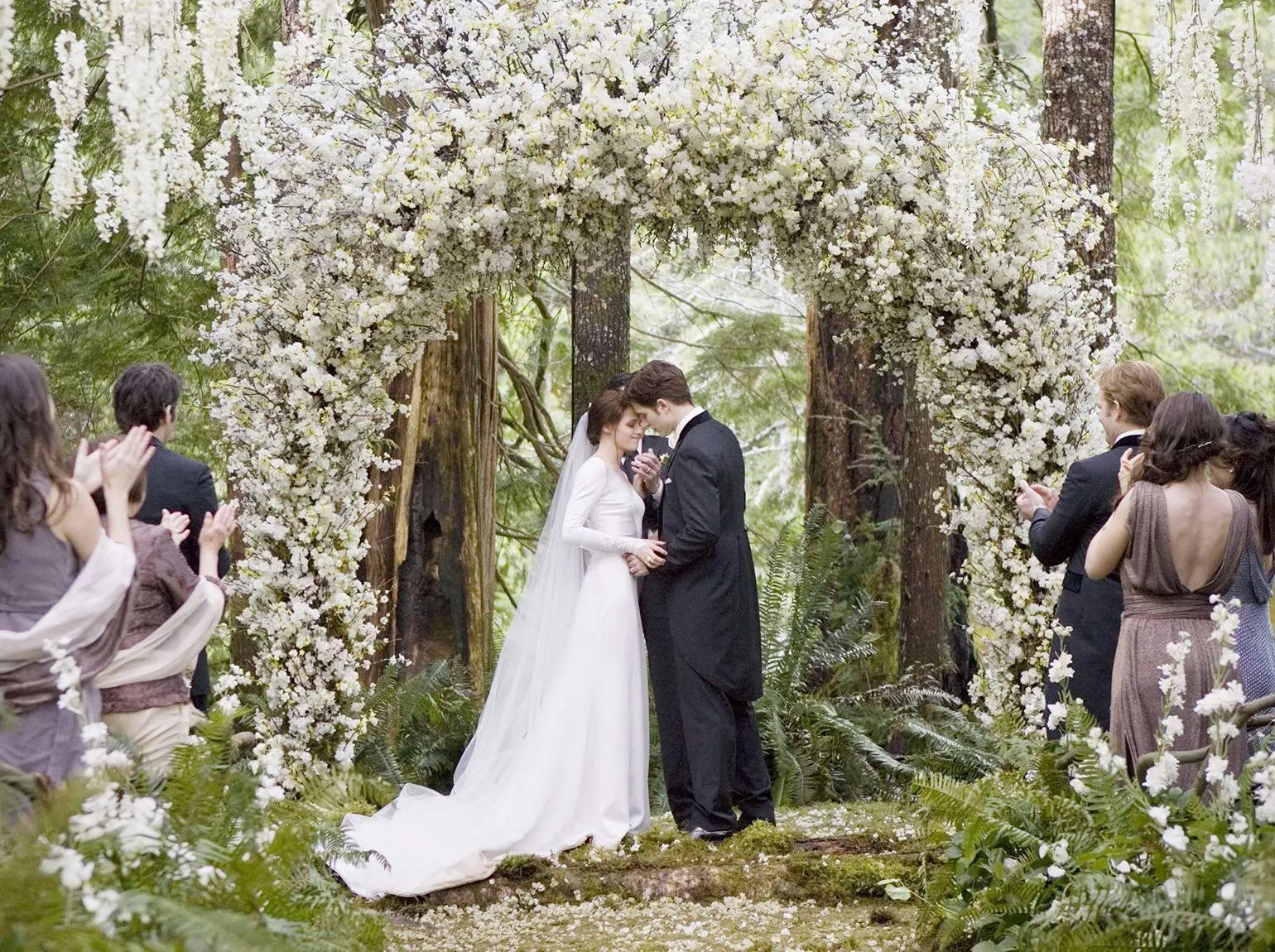
These small episodes represent details that highlight the core concept of Twilight: the Cinderella tale. The saga creates a unique world where an ordinary girl attracts the attention of an attractive, century-old vampire, and his love becomes a confirmation of her worth. In this context, themes of self-esteem and transformation are explored, showing how even the most ordinary individuals can be noticed and appreciated.
The dream of being special is familiar to many. Most of us have our own insecurities, and in our own eyes, we often perceive ourselves as something incongruous: stupid, boring, clumsy, or ugly. But in the eyes of a vampire, we suddenly become unique and attractive. Thus, Twilight creates a temporary world in which our insecurities lose their power, and our flaws become desirable traits. This allows viewers to feel special and attractive, despite their inner struggles.
This world is attractive because it gives us a sense of comfort. It helps us forget shame and anxiety, even if only for a short time. Films that may seem naive, cringe-worthy, or funny actually care about our emotional state—and that is truly wonderful. The pursuit of comfort should never be perceived as a negative thing, despite the opinions of critics online.
How Twilight Found Its Second Wave of Popularity
The Twilight Saga enjoyed immense popularity from 2008 to 2012, when the films based on Stephenie Meyer's books were released. However, after the film adaptations of the franchise ended, interest in it began to fade. The fandom, which once burned brightly, gradually began to fade, leaving only memories of iconic characters and a gripping storyline. Despite this, the Twilight Saga still retains its relevance to fans and continues to spark discussions in various circles.
For a long time, the Twilight franchise remained on the periphery of popular culture, but its influence continues to be felt in various ways. Despite its fall from the mainstream, Twilight has become a foundational element for numerous new projects in the young adult genre. Since the release of the book and film series, numerous franchises inspired by its success have emerged, a testament to Twilight's enduring legacy. The influence of this phenomenon can be seen in the development of stories, characters, and themes that have become popular with young audiences.
- The Hunger Games;
- The Maze Runner;
- Divergent;
- The 100.
Twilight's resurgence in popularity began during the COVID-19 pandemic, when people were isolated and seeking solace in familiar stories. Much like many people re-watch Harry Potter in the lead-up to the New Year, vampire films have become a kind of refuge from the chaos and uncertainty for viewers. These films evoke a sense of carefree childhood, when life seemed simple and easy. Twilight truly is a comforting film that offers a break from everyday worries. The films have a unique ability to captivate viewers with their spectacle and suspense, but the beloved characters rarely face true suffering. Dangerous moments always end happily, love invariably triumphs over evil, and heroines like Bella emerge from any adversity. Upon rewatching, viewers can rest assured, "I don't have to worry about feeling sad or hurt," because the saga's ending always leaves a pleasant aftertaste. Films create an atmosphere of comfort and hope, allowing you to enjoy adventures without fear for the fate of the main characters.

Contemporary feminist discourse begs the question: why did an innocuous teen film provoke such a strong reaction? Over the past 20 years since the release of the first film, society has significantly changed its perception of teenage girls. Girls' interests are increasingly less the target of criticism, and when Twilight once again found itself in the spotlight, the saga was met not with condemnation, but with widespread support and love. This indicates a positive change in the public perception of women's stories and teenage themes, demonstrating a growing understanding and acceptance of diversity in cinema.
In 2024, the saga regained its popularity. Inspired by nostalgia, the Spanish brand Bershka released a collection of Twilight-themed merch. Clothes adorned with an image of Edward Cullen are reminiscent of stylish items from the 2000s that were popular among schoolgirls. The collection attracts attention with its unique design and brings back into fashion elements that once defined youth style.
The American cosmetics manufacturer ColourPop did not remain on the sidelines and presented a line of products inspired by popular characters. At the same time, the streaming platform Netflix announced the creation of an animated series based on the book "Midnight Sun" written by Stephenie Meyer and released in 2020. Sinead Daly, known for her work on the series "Dirk Gently" and "Raised by Wolves", will be the screenwriter and executive producer of the project. The animated project based on "Twilight" is generating great interest, and we look forward to new details about its development.
How the saga changed cinema, the internet, and ourselves
Following the success of the Twilight series of books and films, the popularity of teenage fantasy and the young adult genre in general began to rapidly grow. In the wake of this success, film franchises like The Hunger Games and Divergent emerged, seeking to replicate the commercial success of the vampire saga. Furthermore, works combining romance and supernatural elements also gained new momentum. For example, the popularity of Twilight fueled the rise of series like The Vampire Diaries and True Blood, bringing fantasy and horror genres to a wider audience. Fantasy projects continue to borrow the dark aesthetic and melodramatic tone characteristic of the Twilight saga. The series Wednesday was a prime example of this legacy, bringing a dark atmosphere that resonated with a teenage audience. Many young viewers recognized their own pessimism in the main character, contributing to the show's immense popularity. As a result, Wednesday has become the most popular series on the Netflix platform, confirming the growing interest in such stories in the fantasy world.
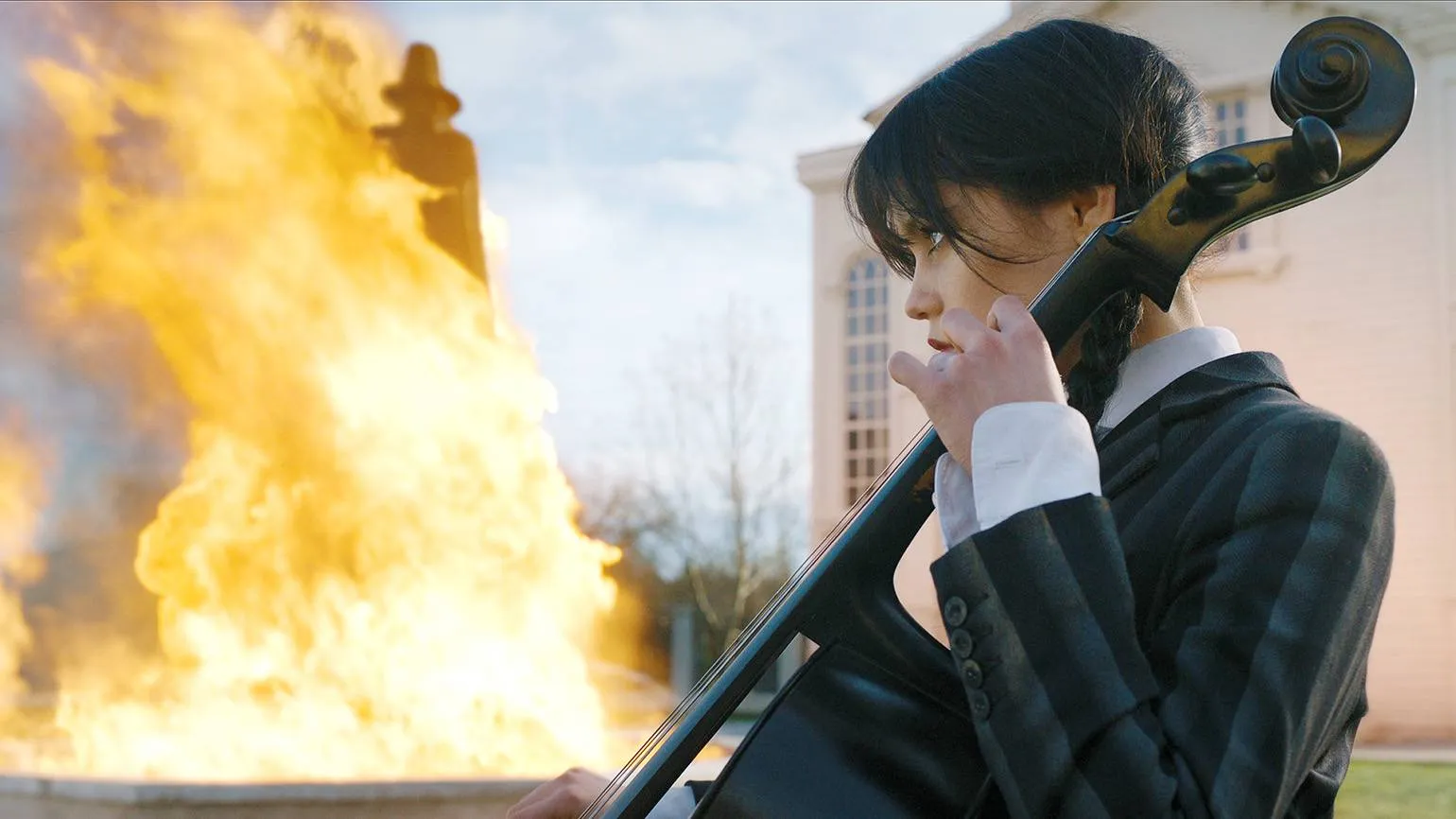
The success of the Twilight franchise demonstrated its high commercial appeal to female audiences, particularly schoolgirls. This spurred the film industry to create more content aimed at this target group. Furthermore, Hollywood realized significant profits from splitting the final installments of popular series into two films. This practice, pioneered with Harry Potter, became standard after Twilight. The final installments of such well-known franchises as The Hunger Games, The Hobbit, Divergent, and Fantastic Beasts were also split, although audiences did not always perceive this positively, feeling the pressure on their budgets.
The Twilight book series became a catalyst for the formation of numerous fan communities online. Fans actively created fanfiction, illustrated their ideas, and discussed their favorite stories on various platforms such as VKontakte, X (formerly Twitter), Instagram, and Tumblr. At the time, these social networks were just beginning to develop, and fans contributed significantly to their popularization. Twilight not only inspired a wave of creative expression but also became a source of memes, parodies, and jokes that strengthened online communities. Thus, Twilight's influence extends beyond literature, shaping a unique culture of interaction and creativity in the digital space. Twilight fanfiction became the basis for widespread interest in fan art. A striking example is the fanfiction "Master of the Universe" about the characters Edward and Bella, which later transformed into the famous erotic saga "Fifty Shades of Grey." Author E.L. James changed the characters' names to present the book as an original work. The 2015 film adaptation of "Fifty Shades of Grey" opened the door to new adaptations of fan content. In 2019, the film "After" was released, based on a fan fiction about the popular singer Harry Styles, which also changed the characters' names. These examples demonstrate how fan art can influence the mainstream entertainment industry, creating new trends and opportunities for adaptations.
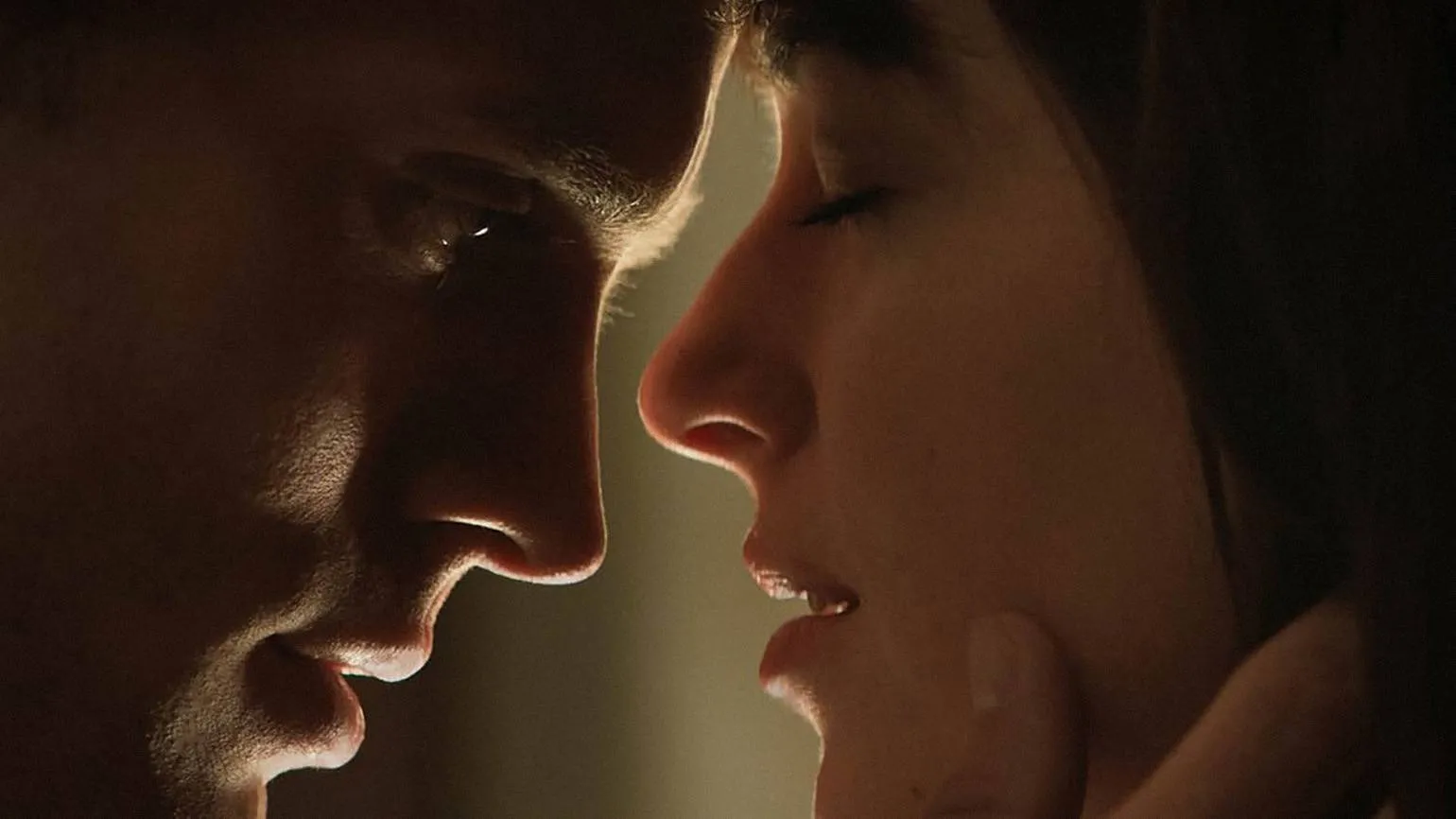
Film studios have realized the significant value of fans. Every fan fiction, drawing, or discussion, for example, about who is better – Edward or Jacob, serves as free advertising for the films. This creates additional interest among external audiences and helps attract new viewers. In this regard, studios began actively collaborating with fan communities to promote their projects, which not only increases audience reach but also creates a deeper connection with fans.
The rivalry between Edward and Jacob fans became the basis for the formation of "warring" camps among fans. Some preferred Bella to remain with a vampire, while others supported her relationship with a werewolf. These disagreements generated active discussions and attracted attention to the saga. As a result, interest in the project increased. Recognizing this trend, many studios have begun actively using love triangle elements in their works to increase audience engagement and boost ratings.
In the second season of the series "Divide," the protagonist Mark Scout faces a difficult choice, which divides the fandom: some root for his pairing with Helly, while others root for Gemma. A similar concept is used in the gaming industry, as demonstrated by the studio that created "The Witcher 3: Wild Hunt," which offered players a choice between the characters Yennefer and Triss. And although the game was released in 2015, debates about which heroine is better continue to rage. This practice of creating ambiguous characters and choices that influence the plot remains popular among viewers and players, highlighting the importance of emotional connection with characters in modern media.
"Twilight" became a milestone in cinema, changing its face and fostering fandoms that have become an integral part of pop culture. However, the most significant lesson we've learned from this phenomenon is embracing our passions and not being ashamed of our interests. Twilight demonstrated that "girly" interests are not only normal, but also desirable and deserving of respect. This cultural phenomenon has opened the door to discussing topics that were previously kept in the background and inspired many people to be honest about their preferences.

Read also:
Adolescence: Rage, Despair, and Paranoia in One Moment
Adolescence is a complex and multifaceted period in every person's life. It's accompanied by intense emotions such as rage, despair, and paranoia. This stage of identity development often presents challenges for both adolescents and their parents. Internal conflicts, mood swings, and the search for one's place in the world become characteristic features of adolescence. Understanding these emotions and their impact on adolescent behavior allows one to better cope with the challenges of this time. Emotional instability, caused by hormonal changes and social pressure, can manifest itself in various forms, making this period particularly challenging. It is important to realize that adolescence is not only problems, but also an opportunity for growth and self-discovery.
Free test: which digital profession is right for you?
IT, design, marketing or management? Find out the answer in 15 minutes. And then try your hand at a new specialty for free.
Find out more