
Learn: The Game Designer Profession from Scratch to PRO
Learn MoreStreamer John Wolfe, faced with a time loop and a repeating room in the game, expresses dissatisfaction: "Ah, so this is one of those games!" In responses to IGN's tweet about the horror game MADiSON, they actively discuss why the game resembles P.T. The main conclusion of the discussions is that many modern games share elements with P.T. This underscores P.T.'s influence on the horror genre and on creating an atmosphere of tension and mystery in gaming projects.
Seven years have passed since the release of the playable teaser for Silent Hills, and during this time, numerous imitations have appeared and continue to be released. The flow of remakes and demakes, discussions and rumors, as well as searches for new meanings in this game, does not subside. Thus, it can be argued that P.T. is one of the most significant events in the world of horror video games of the last decade. In honor of the game's next anniversary, it is worth taking a closer look at what exactly makes it outstanding and why it continues to be relevant as a benchmark for developers.
A Game with Expectations
The cult status of this project can be explained by several external factors. First of all, its connection to the Silent Hill series, dramatically announced at the game's conclusion, attracts fans' attention. The involvement of celebrities like Hideo Kojima also adds credibility to the project. The scandal with Konami and the subsequent removal of the project from PSN made it unavailable, which only increased interest. Finally, the concept of a repeating corridor has proven extremely attractive to indie developers who work with limited budgets, relying on creativity and hard work. These factors combined create a unique atmosphere around the project and contribute to its cult status in the gaming industry.
We can assume that the reason lies in the project's outstanding characteristics, which distinguish it from other non-game stories. Scandals and rumors distract attention from how high-quality P.T. is as a horror game. This is a project that demonstrates a high level of execution and atmosphere, attracting the attention of players and critics. P.T. deserves recognition not only for its outrageous aspects, but also for the unique gaming experience it offers.
Horror and comedy have more in common than might initially appear. Fear and laughter are subjective concepts, and their perception depends largely on each person's personal experience. Compared to more universal genres like adventure or drama, discussing common themes in horror and comedy becomes even more complex. These genres can use similar techniques, such as surprise and tension, to evoke an emotional response in the viewer. Thus, their connection demonstrates how a variety of emotions can be expressed through similar mechanisms, which makes them interesting for analysis and comparison.

Both horror and comedy often focus on playing with the expectations of the viewer, reader, or player. One striking example is the subversion of stereotypes and familiar perceptions of the audience. In comedic situations, comic effect is achieved when a serious businessman who disdains entertainment finds himself forced to care for a naughty child. Or Death is presented as a cheerful and relaxed character. The conflict between the hero's image and the circumstances in which he finds himself forms the comic element, which makes the plot more captivating and memorable. Authors effectively use such techniques to create unexpected twists, maintaining audience interest and involvement.
A classic example from the horror genre demonstrates how a familiar home, perceived as a safe and familiar space, turns out to be hostile. This discrepancy with expectations causes anxiety and fear, undermining basic subconscious settings. The concept of the game P.T. is based precisely on this effect, creating an atmosphere of psychological tension and horror.
When you open a door expecting to see a new space, and are faced with the same thing, it shatters basic notions of reality and creates an unsettling and surreal feeling. In this context, it becomes clear that successfully solving puzzles leads to changes in new "circles" of the corridor. Progress in the game is not only possible but also closely linked to the restoration of the natural order, emphasizing the importance of each successful attempt. This creates a unique gaming experience in which every action matters and contributes to the overall picture.
The concept of a repeating corridor fits naturally into the psychological horror genre. This location serves as a metaphor for a vicious circle of guilt and madness from which there is no escape. Moreover, it evokes associations with hell, which is reinforced by both direct and subtle allusions in the game design. This approach creates an atmosphere of hopelessness and increases tension, making the player feel trapped in an endless cycle of fear and anxiety.

The word "hell" not only became an element of the puzzle, but also symbolizes the transition to the next level, which is carried out through a downward descent. The door leading to the new "circle" is located below the corridor level, creating a feeling of going deeper into hell. Even without delving into the plot, one can assume that the main character is being punished for a certain offense. This element of the descent emphasizes the themes of suffering and redemption, which adds depth to everything that happens.
The concept of a changing time loop evokes a number of vivid sensations in the player: confusion, since the loop defies the laws of reality, and the environment itself can change unexpectedly; depression due to the inability to break out of the vicious circle; and fear caused by the uncertainty of the rules and the surreal nature of the world, making it nearly impossible to predict future events. These emotions influence various aspects of the game, including gameplay, creating a unique and tense gaming experience.
Note that the game's puzzles vary widely. In some cases, responding to a sound or paying attention to a specific object, such as a bathroom door, is enough to progress through the story. Other situations require more active participation, such as collecting photograph pieces, which is optional, while rearranging letters on the wall is a necessary step to further progress. Sometimes, simply waiting is enough to solve problems, as with the circle with an error. Don't forget the final puzzle, the solution to which can sometimes prove extremely difficult to find on your own.
The unintuitive nature of some elements of the game is a key aspect of the gameplay. This is due not only to the fact that the Silent Hill series is famous for its complex and non-obvious puzzles. This approach heightens the player's sense of confusion. The game deliberately breaks familiar rules to create an atmosphere of uncertainty. If any sequence of actions appears, it quickly breaks, emphasizing the instability of the game world. For example, changes in the corridors stop after receiving an error message, and three children's giggles are required to complete the game. This element of surprise makes the gaming experience unique and memorable.
Interestingly, the project's meta-component often remains in the shadows of discussions. For example, error screens that hint that everything happening could be just a game, even in the context of the P.T. universe. Or a hidden photograph in the menu, which also introduces an element of intrigue. These details help subvert expectations and undermine conventional rules, adding a new layer to the project and opening up new possibilities for interpretation. Such elements make the experience of interacting with the game deeper and more layered, prompting players to reflect on what is actually happening in this unusual world.
Volatility and uncertainty, creating the effect of constantly pulling the rug out from under the player's feet, shape the unique atmosphere of P.T. This is one of the most noticeable strengths of this playable teaser.
Atmosphere and Story
Something is clearly wrong, but at first glance, it is difficult to understand what exactly is causing this feeling. This technique creates a feeling of confusion and anxiety in a person.
Hideo Kojima is a renowned game designer known for his innovative approaches to creating video games. His works, such as the Metal Gear Solid series, have become iconic in the industry and have made a significant contribution to the development of gaming art. Kojima is renowned not only for his mastery of game mechanics, but also for his ability to tell deep and multi-layered stories. His games often explore complex themes such as war, humanity, and technology, making them not only entertaining but also philosophically significant. Kojima continues to be an influential figure in the world of video games, inspiring a new generation of developers and players.
The atmosphere in P.T. is permeated with mystery—it's not just the enigmatic setting typical of many horror games. It feels like a unique reality, distorted beyond recognition. It becomes clear to the player that everything that happens disrupts the natural order, creating a world that is simultaneously cold and hostile. This space is filled with a muted dread that arises not so much from the appearance of terrifying creatures, but from the awareness of the absurdity and wrongness of what is happening. P.T. is an example of psychological horror, immersing the player in an atmosphere of anxiety and confusion, where every step intensifies the feeling of impending danger.

The horror genre has long grappled with the tired trope of a father or husband's guilt over the tragic death of their family. This is also the core theme of P.T., which demonstrates that even such clichés can be transformed into an outstanding project if presented correctly. The presentation in P.T. is truly impressive and sets the game apart from many others in the genre.
The project focuses on creating an untold story based on hints and details open to interpretation. From the very beginning, the player is given a foundation for understanding the plot, which is achieved through both textual elements and environmental details. This structure fosters immersion in the game world and allows each user to interpret events as they see fit, making the gameplay more engaging and multilayered.
In the room where the protagonist wakes up, prison-like marks are visible on the wall, indicating that someone has been here for an extended period of time. On the first lap, the protagonist can hear a long radio recording that speaks of the brutal murders of families committed by fathers. From the very beginning, the main theme is established: the crime (the father kills his family, presumably under the influence of some external force) and the punishment (confinement in the room). Subsequent events represent a development of this theme. We are also confronted with facts that can be spoken of with certainty: the very same numbers from the first radio broadcast are mentioned, and it becomes clear that Lisa was killed by her husband, and she was likely pregnant.
What force drives murder? Who are we playing as? What is this place like? What is the essence of the text? Why does the error message appear? There are no definitive answers to these and many other questions, but there is a foundation from which to build. The presence of relatively clear elements enhances the interest in developing one's own interpretation of a plot composed of vague phrases that are easy to get lost in. At the same time, the game's plot is not overly expansive—it is minimalist both in its core and in its cryptic statements. It is sufficient to create an impression: the text complements the visual elements, and the visuals support the gameplay scenes and atmosphere. Everything is harmonious, as both the imagery and sound are as minimalist as the plot itself.
The graphics in this work combine elements of realism with a slight sense of surreality. This is achieved through subtle use of color palette and lighting. This approach demonstrates how modern technology can create a unique visual style that enhances the atmosphere of a work, rather than simply striving for the most realistic image possible. The visual elements are not overloaded with small details, yet they evoke memories of difficult times. This creates a sense of pressure and unnaturalness, which makes the graphics even more memorable and expressive.

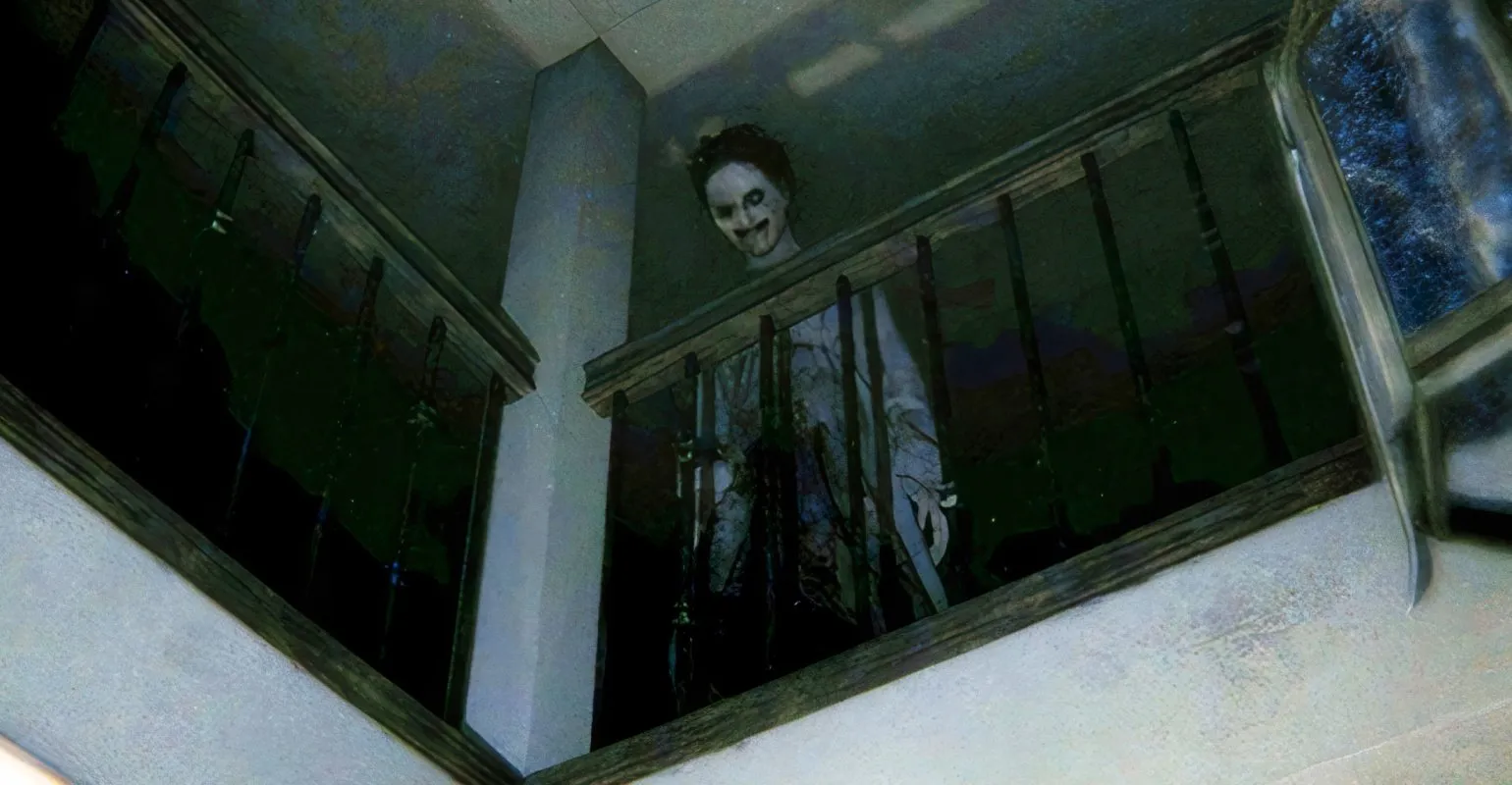
The corridor in the game is designed in such a way that it is impossible to see it in its entirety. This creates the effect of surprise when Lisa's ghost begins to haunt the player - her appearance is not always predictable. The length of the corridor is perfectly balanced: not too long and not too short, which keeps the player's attention. The L-shaped corridor is carefully considered. This space effectively utilizes environmental and gameplay narrative. Scattered cigarette butts, trash, a scorched portrait, fragments of a photograph, dirt, and cockroaches create atmosphere and help develop the plot. This approach enhances immersion and contributes to a tense atmosphere.
Cockroaches are a key motif in the game, beginning in the opening scene and recurring throughout the story. They not only add atmosphere but also serve as a connecting element and a metaphor for neglect and filth in the characters' minds. P.T. features many other recurring motifs, such as half-open doors, insects, the image of a child, and a distant voice, be it a radio or the final phone call. All these elements create a sense of coherence and depth in the gameplay, emphasizing the characters' emotional state and heightening the tension in the plot.
The scenes with the talking package and the baby are worth noting. As we mentioned earlier, comedy and horror often rely on the violation of expectations. In this case, we witness conversations between those who shouldn't be speaking. In another context, this might be funny, but in this case, it only reinforces the atmosphere of absurdity and impropriety, creating the feeling that anything is possible in this world.
Returning to the sound design, it's worth noting that there is little music and sound effects in the project, which makes them particularly noticeable and memorable. For example, the eerie sound of a bloody refrigerator is hard to forget. Also worth mentioning is the unnatural intonation of the actor delivering the final monologue—it's clearly overdone. Each sound is carefully thought out and fits seamlessly into the overall atmosphere, enhancing immersion.

The first screamer in the game is implemented with a high degree of thoughtfulness. First, we hear the sound of a door opening, then we turn and notice insects scurrying towards the slightly open bathroom door. As we get closer, we begin to peer into the darkness of the bathroom, and at that moment Lisa slams the door. This carefully orchestrated action is aimed at the player, who is first drawn in by the sound effects, then by the visual elements, and finally by the uncertainty of the darkness in the doorway. Furthermore, when the player raises the flashlight, Lisa appears behind them, creating a persistent stalking effect: the player begins to notice her shadow and hear the sounds she makes wherever they go. This approach significantly enhances the atmosphere of tension and dread, making the gameplay more engaging and exciting.
The Problems of Copycats
I scare easily, like Alfred Hitchcock and Steven Spielberg, for example. It is precisely because of this sensitivity to fear that I am successful in creating horror games. I have a keen understanding of what can evoke terror and tension in viewers, which allows me to masterfully convey an atmosphere of fear in my works. My experience in creating tense plots and developed characters makes my works appealing to fans of the genre.
Hideo Kojima is a renowned Japanese game designer who has had a significant influence on the development of video games. His work spans many genres, but he is most popular for the Metal Gear series. Kojima is known for his unique ability to combine deep storylines with innovative gameplay. His works often explore philosophical and social themes, making them not only entertaining but also thoughtful. Thanks to his creative approach and attention to detail, Hideo Kojima has become an icon in the world of game design, inspiring a new generation of developers and players.
Hideo Kojima has stated that he created his game based on the elements that evoked fear in horror games. This approach was also used by Keiichiro Toyama when developing the first Silent Hill. Perhaps this is precisely the element missing from the developers of the numerous P.T. clones, which aims to achieve genuine atmosphere and tension. Creating a frightening gaming experience requires a deep understanding of what truly evokes fear, rather than simply copying the superficial elements of successful projects. Many creators of clone games often turn to the concept of time loops, guilt, and event triggers, seeing this as a way to cut costs. However, it is important to note that in P.T., these elements play only a supporting role in a broader, harmonious structure. P.T. is not a simple game with a vague plot about a ghostly woman wandering an endless corridor and a few scary moments. It is a carefully crafted work that affects the player through the unity of plot, gameplay, visuals, and sound. The game skillfully balances between ambiguity and clarity, creating a unique sense of confusion and dread, which makes it a truly outstanding example in the industry.

Many theories about the "true meaning of P.T." often focus on the rift between Kojima and Konami, as well as the bitterness associated with the canceled return of the Silent Hill series. However, many forget the less obvious, but significant, merits of this game. It is unknown how successful Silent Hills could have been. It is possible that Kojima would have again overloaded the project with excessive descriptions, dialogue, and clunky metaphors, which could have detracted from the game's atmosphere. There is also a possibility that third-party intervention during development would have led to the need for radical changes, which could have affected the final product.
It is likely that the large number of clones and copycats is driven not only by a desire to fill the void left by Silent Hills' cancellation or a desire to capitalize on the success of the "playable teaser." Most likely, it is P.T. demonstrated that just one corridor, a few small rooms, and a couple of monsters can give players genuine fears and nightmares. It's an inspiring message about how minimalism in game design can create deep emotions and immerse players in a terrifying atmosphere.
P.T. laid the foundations for a new type of horror, demonstrating how minimalist tools can evoke a powerful sense of dread. The team behind the project inspired us to create Visage, where we decided to expand on the original formula by focusing on the fear of the unknown. This allows for a deeper immersion in an atmosphere of anxiety and uncertainty, making the gameplay more exciting and tense.
Jonathan Gagne is a game designer at SadSquare Studio. He specializes in developing unique game mechanics and creating immersive gaming experiences. Thanks to his creative approach and deep understanding of gameplay, SadSquare Studio's projects are gaining popularity among players. Jonathan is actively involved in concept development and helps shape the visual style of games, which makes them not only interesting but also aesthetically pleasing.
Many developers have unthinkingly adopted the concept of repeating locations and event triggers activated by movement within them. However, attention to player expectations and atmosphere often falls by the wayside. Dozens of similar clones can be found on Steam and itch.io. While there are some interesting projects among them, most simply attempt to imitate certain aspects of P.T. without bringing anything new to the table. Let's take a look at those games that have successfully embraced this concept and offered players a unique experience.
Resident Evil Village is an example of the successful use of horror in modern games. The dollhouse level is a clear homage to P.T., depriving the player of the ability to fight enemies, which contrasts with the rest of the game. This level features changes to the same location without the use of a time loop, and includes elements such as a radio and a menacing child monster. Many players consider this level the scariest in the game, which is explained by its well-constructed rhythm—a short, yet intense and tense level that creates a unique atmosphere of dread. This is an interesting direction for the Resident Evil series. Capcom also used the "playable teaser" concept in the seventh installment, which attracted attention despite criticism for its staggered release, which contrasted with the completed P.T.

Among the lesser-known games, Visage stands out, drawing heavily on the horror elements present in P.T. Visage emphasizes the fear of the unknown, minimalism, a deep story, and horror that unfolds through detail and a gradual buildup of atmosphere. The gameplay differs from P.T. by offering unique mechanics, such as a light and shadow system, and the ability to manage the character's sanity as tension mounts. Visage invites players to immerse themselves in an atmosphere of psychological horror, focusing on emotional perception and interaction with the environment.

At the opposite pole is A charming and good-natured parody of QT, available on Steam. It's a game in which traveling through a cartoonish world of repeating corridors becomes a captivating experience for players, immersing them in engaging adventures with amusing creatures. As they progress, players discover new secrets and mysteries of the location. One interesting element is collecting fragments of photographs from P.T., which adds a touch of nostalgia to the game. However, QT doesn't just copy a popular project; it offers a unique and enjoyable atmosphere, as well as exciting gameplay with an emphasis on exploring the surrounding world.

There are other projects similar to ASPEN: Uncanny Home that strive to recreate the atmosphere of P.T. However, they take the search for triggers to the point of frustration. While the visuals and ideas of these games can be interesting, their quality is not always high enough for most players to overcome the irritation caused by the gameplay.
A review of the lesser-known and more popular imitations of P.T. deserves special attention. This game has become a significant event in the world of horror in recent years, and its influence extends far beyond the marketing associated with Kojima and the legendary Silent Hill series. P.T. not only set new standards for the genre, but also inspired many developers to create unique projects reflecting its atmosphere and mechanics.
It introduced the concept of the "playable teaser," which was successfully adapted by Capcom, but unsuccessfully implemented by the developers of Abandoned. P.T. demonstrated that quality horror can be minimalist. A lesser-discussed aspect is that the project has become a model example of short form in video games, boasting a polished and harmonious structure that proves far more complex than it initially appears. A new "traditional" Silent Hill game is likely to appear soon, but it's not guaranteed to surpass the mysterious game with the corridor and the talking package.
Game Designer Profession from Scratch to PRO
A game designer creates the structure of a game. They develop the concept, rules, and gameplay, and decide what emotions the story will evoke in players. You'll master game design principles from scratch and learn how to work with popular engines like Unity and Unreal Engine. You'll learn how to keep players engaged and monetize your games. And we'll help you start a career in the gaming industry.
Find out more