Contents:
- The Role of the Processor in Computing Systems
- Processor Components: From Silicon to Computing
- Key Features of Modern Processors
- Processor Architecture: Variety and Application
- Processor Power Consumption and Heat Dissipation
- How a Processor Functions: A Step-by-Step Guide
- Processor Types: Overview and Features
- Key Points about Processors
IT for beginners: 5 free steps to your first program on Python
Learn MoreThe Role of the Processor in Computing Systems
The central processing unit (CPU) is the key component of a computer, responsible for performing all computing operations. The CPU's primary function is to process machine code, from which programs are created. Each command entered by the user is translated into a sequence of actions that the processor executes. This could include launching a browser, performing mathematical calculations on a calculator, and many other tasks. The efficiency of a computer depends largely on the performance of the central processing unit (CPU), which makes it an important element in the architecture of modern computing systems.
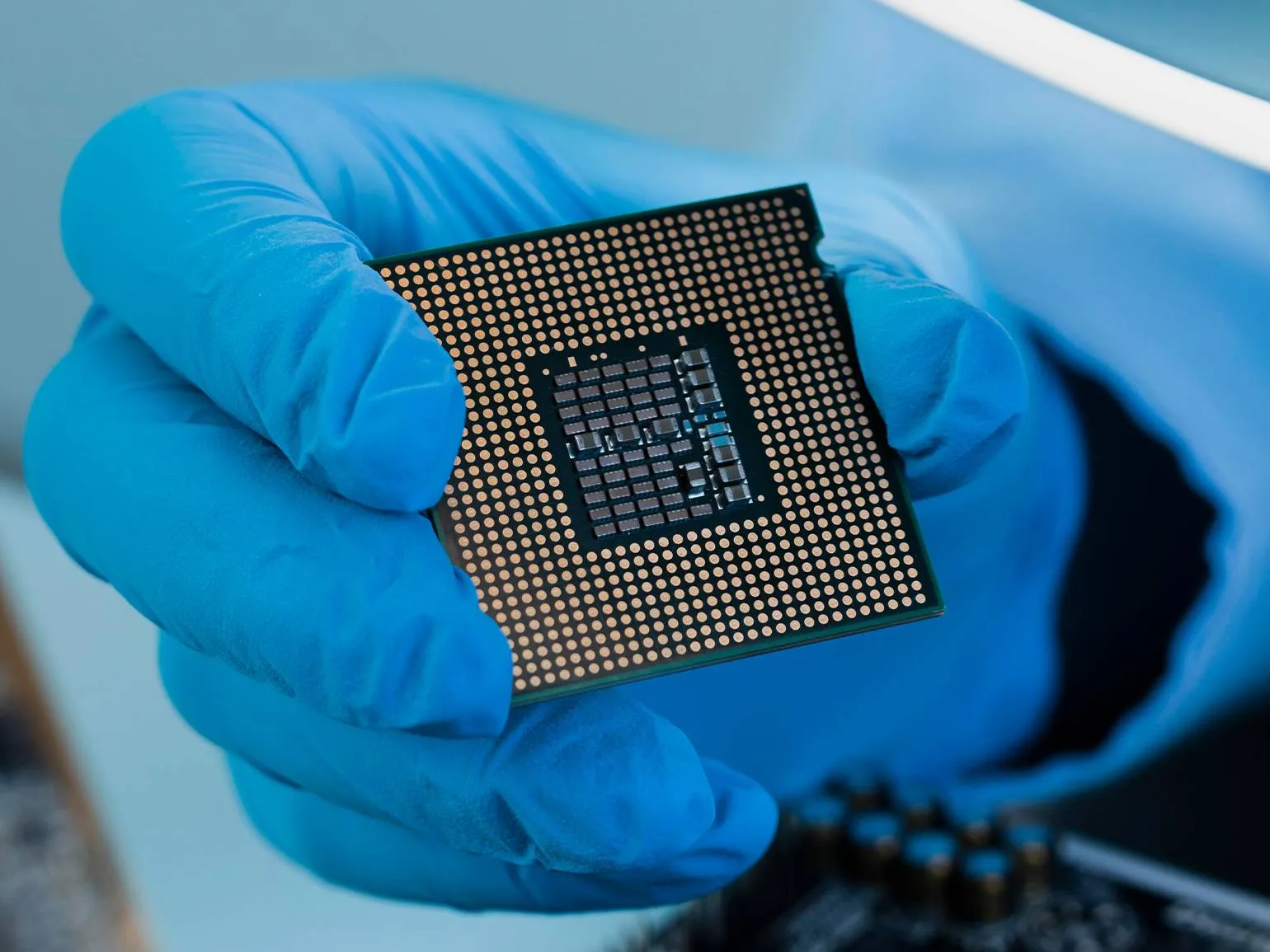
The key functions of the central processing unit (CPU) are to perform computational operations, manage data, and coordinate the work of all computer components. The CPU is responsible for interpreting and executing software instructions, which is the basis for the functioning of all applications and systems. It processes arithmetic and logical operations and manages data flows between RAM, input/output devices, and other system components. High CPU performance directly affects the speed of the PC and its ability to perform multitasking. Key CPU characteristics include clock speed, number of cores and threads, and architecture, which determine its effectiveness in solving various tasks.
- Command execution. Programs transmit machine instructions in binary format to the processor, which it interprets and executes at the hardware level.
- Data management. The CPU manages interactions with RAM, storing information in permanent memory or retrieving data from cache memory.
- Information Processing. In addition to program instructions, the processor receives data for processing and returns the results to the user.
- Coordination of system components. The processor facilitates interaction between hard drives, video cards, RAM, and other system elements.

Additional resources for in-depth study of the topic include a variety of sources that will help expand your knowledge and skills. These materials may include research articles, tutorials, video lectures, and online courses. Use these resources to deepen your understanding of the subject matter and improve your practical skills. Explore different content formats to find the best fit for your learning style.
Random-access memory (RAM) plays a key role in the operation of computers and other devices. It is responsible for temporarily storing data needed by the processor to perform current tasks. RAM provides fast access to information, significantly speeding up system operation.
There are several types of RAM, including DDR, DDR2, DDR3, and DDR4. Each of these types differs in data transfer speed, capacity, and power consumption. Modern devices most often use DDR4, which offers high performance and efficiency.
The choice of RAM depends on a number of factors, such as the type of device, the tasks it will perform, and budget. When upgrading a system, it is important to consider the compatibility of RAM with the motherboard and other components. Properly selected RAM can significantly improve overall system performance, increase application loading speed, and handle multitasking more efficiently.
Therefore, RAM is an integral part of modern computing systems, and understanding its functions, types, and usage patterns will help users optimize the performance of their devices.
Components of a Processor: From Silicon to Computing
In this article, we will examine in detail the process of creating processors, the key components of their design, and how they function. We will consider how different technologies and materials affect processor performance, and also examine the stages of their development and production. Important aspects such as architecture, microarchitecture, and the impact of thermal processes will also be discussed to provide a complete understanding of how modern processors work.
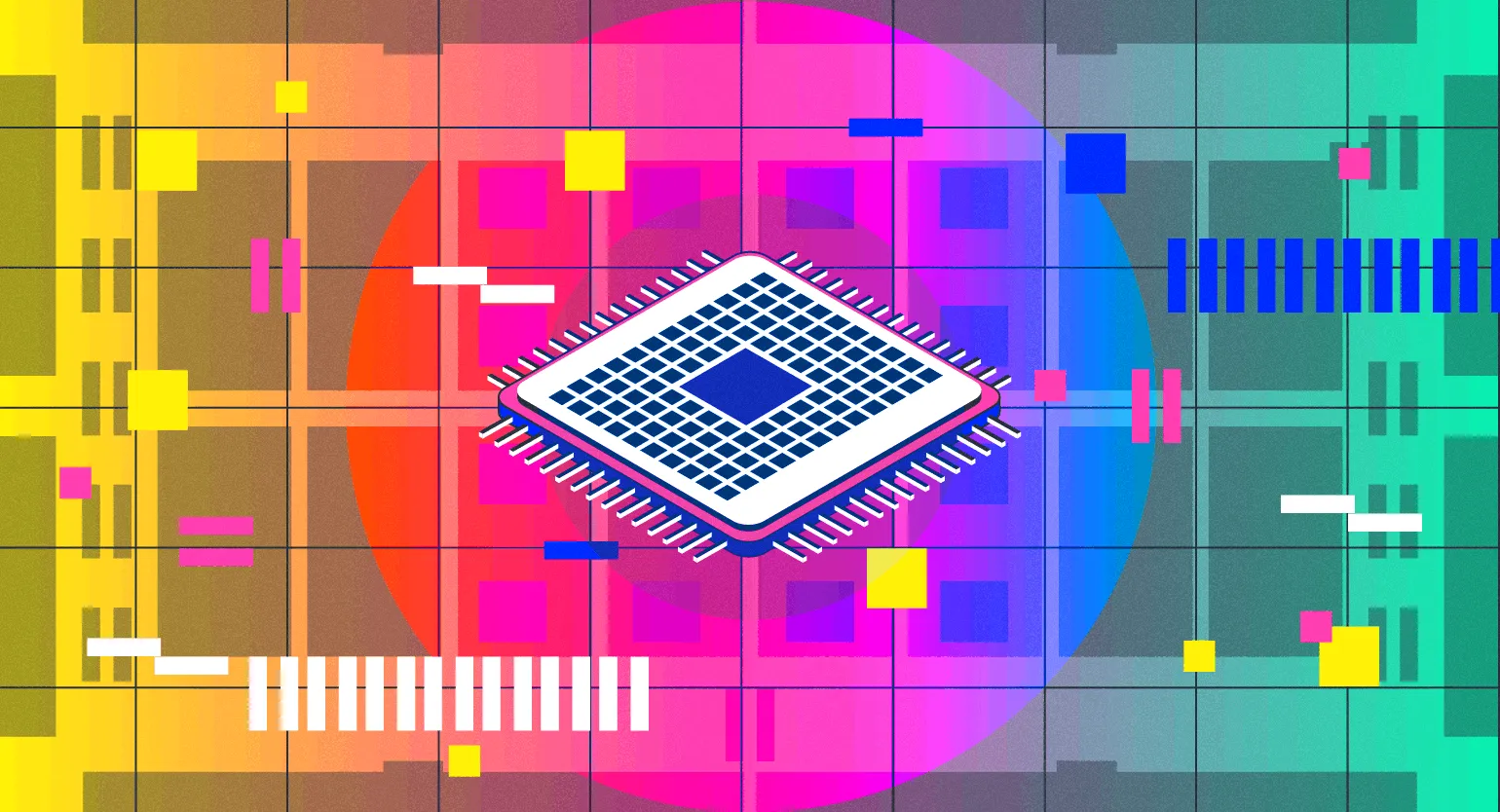
A processor, or central processing unit (CPU), is the key element of a computer, representing a thin silicon wafer with billions of transistors that perform calculations. Processor production involves several high-tech stages. First, a silicon wafer is created, then layers of various materials are deposited onto it, and transistors and interconnects are formed. This is followed by photolithography, which allows for the precise deposition of microcircuits. The final stage involves testing and packaging the finished chips. This complex process ensures the high performance and efficiency of modern processors, which is critical for the operation of computers and other electronic devices.
- Sand (silicon dioxide, SiO₂) is converted into high-purity polycrystalline silicon.
- Silicon is melted to form a rod.
- The rod is cut into perfectly smooth wafers up to 1 millimeter thick.
- Billions of transistors are deposited onto the wafers using lithography.
- The wafers are divided into crystals, each of which becomes an independent chip.
- The crystals are placed in packages with a thermal interface for efficient heat dissipation.
- The finished processors are tested, marked, and released for sale.
The process of obtaining pure silicon, although it appears simple, includes complex technological steps. Achieving high levels of silicon purity requires at least three chemical purification steps, conducted at temperatures reaching 1,900 degrees Celsius. These high temperatures and complex chemical reactions remove impurities, which is critical for silicon's use in a variety of industrial applications, including semiconductor and solar cell manufacturing.
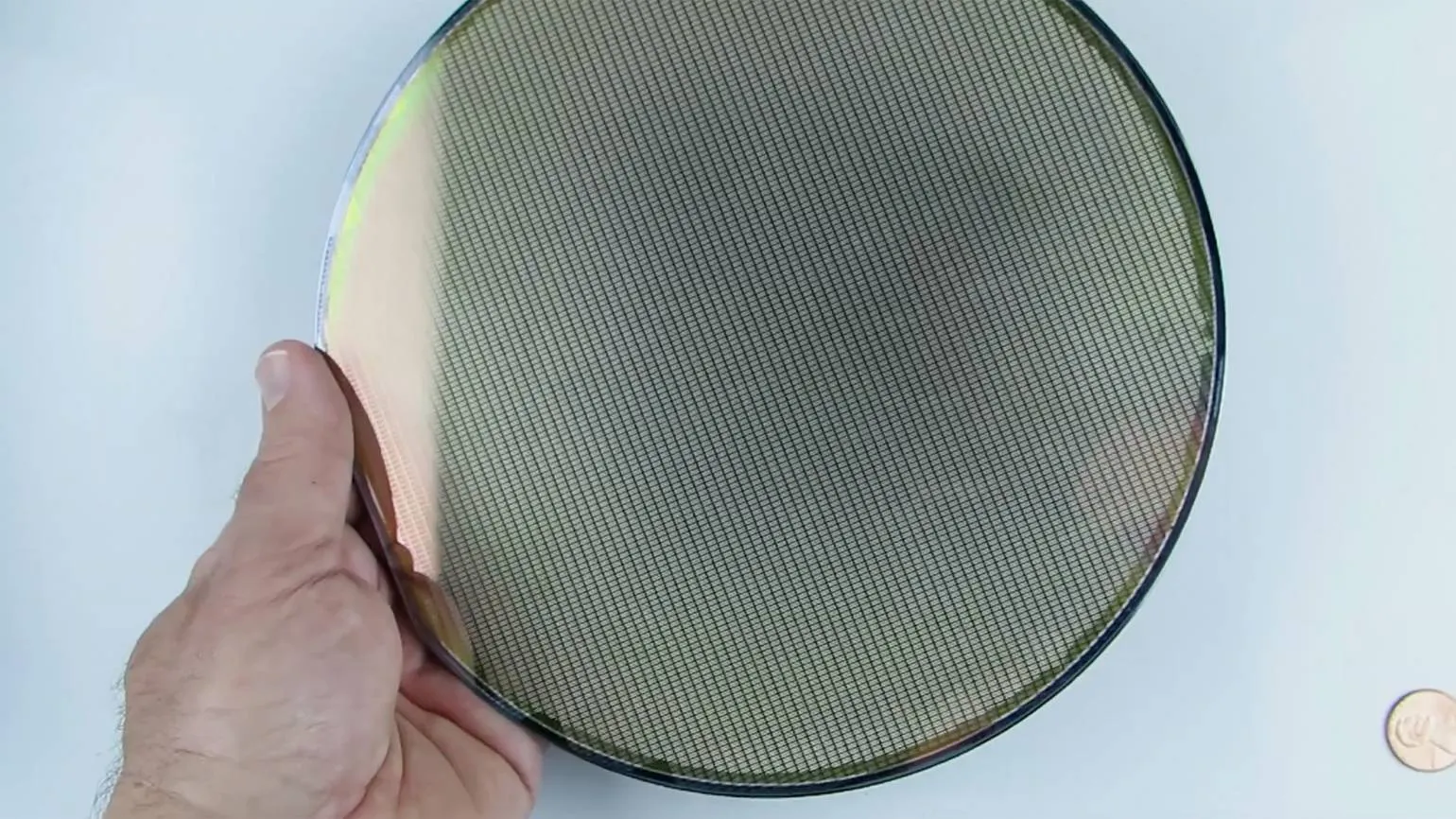
Lithography is a key step in semiconductor manufacturing. Today, transistor sizes reach nanometers—one billionth of a meter. Even the tiniest speck of dust can cause defects in an entire wafer, making it critical to maintain a clean production environment. Air is constantly filtered in the workshops, and workers are required to wear special protective suits. Furthermore, the factories are located on seismic pads, which helps minimize vibrations and ensures high-quality products.
Now that we've covered the processor manufacturing process, let's take a look inside the device. By removing the top thermal interface cover, we can see the die, which is protected by an additional housing. This die is the heart of the processor, where all computing operations occur. The protective housing plays a vital role in ensuring the longevity and stability of the processor, preventing damage and overheating. The processor's internal structure contains millions of transistors, which are responsible for processing data and executing commands. Understanding this device helps to better understand how modern technologies ensure the fast and efficient operation of computers and other electronic devices.
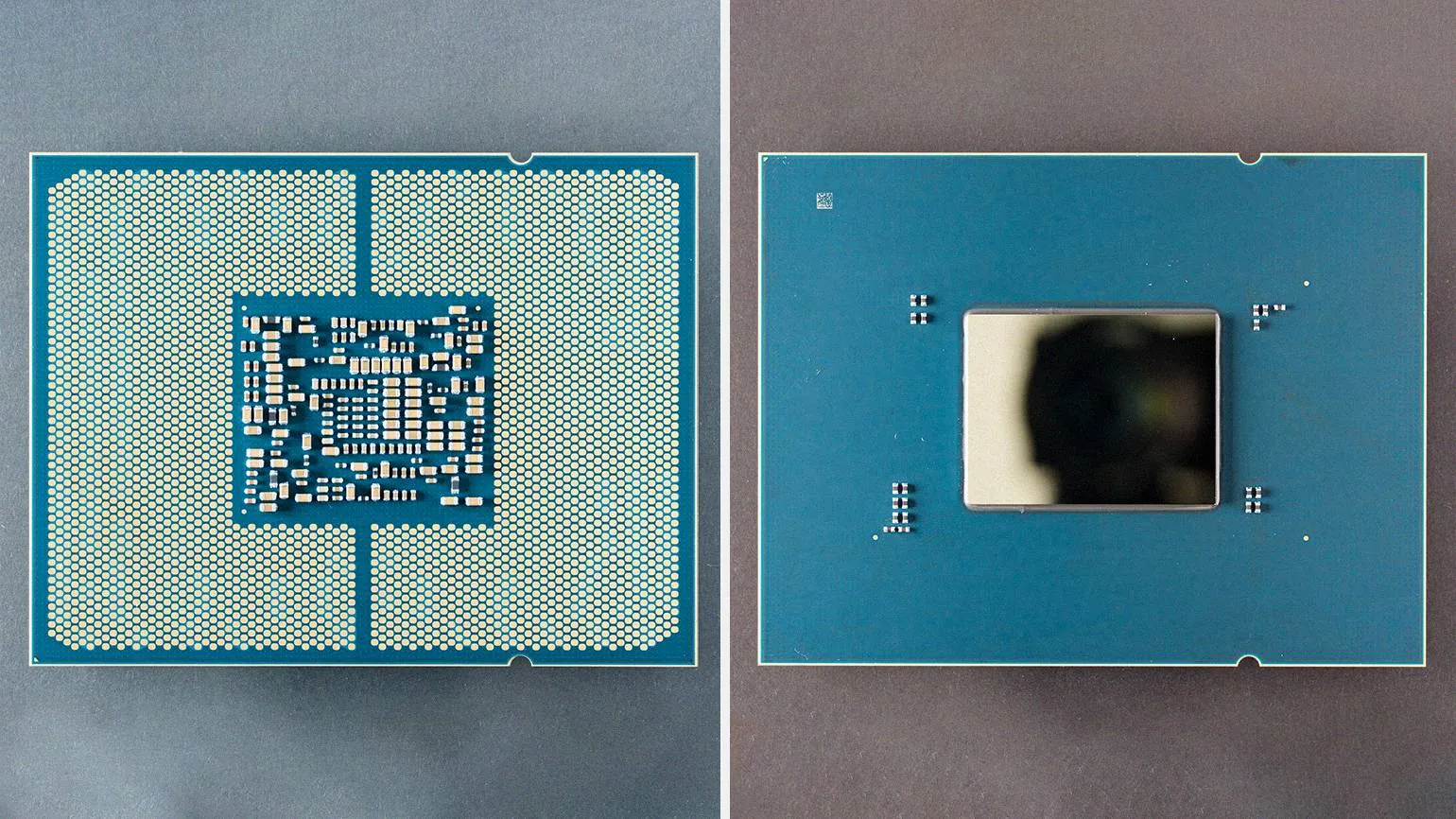
Removing the protective layers makes it possible to observe the topology of the processor blocks. This process allows for a detailed study of the chip's architecture and structure, revealing its internal elements and connections. Understanding the processor topology is essential for optimizing performance and developing new technologies in microelectronics.
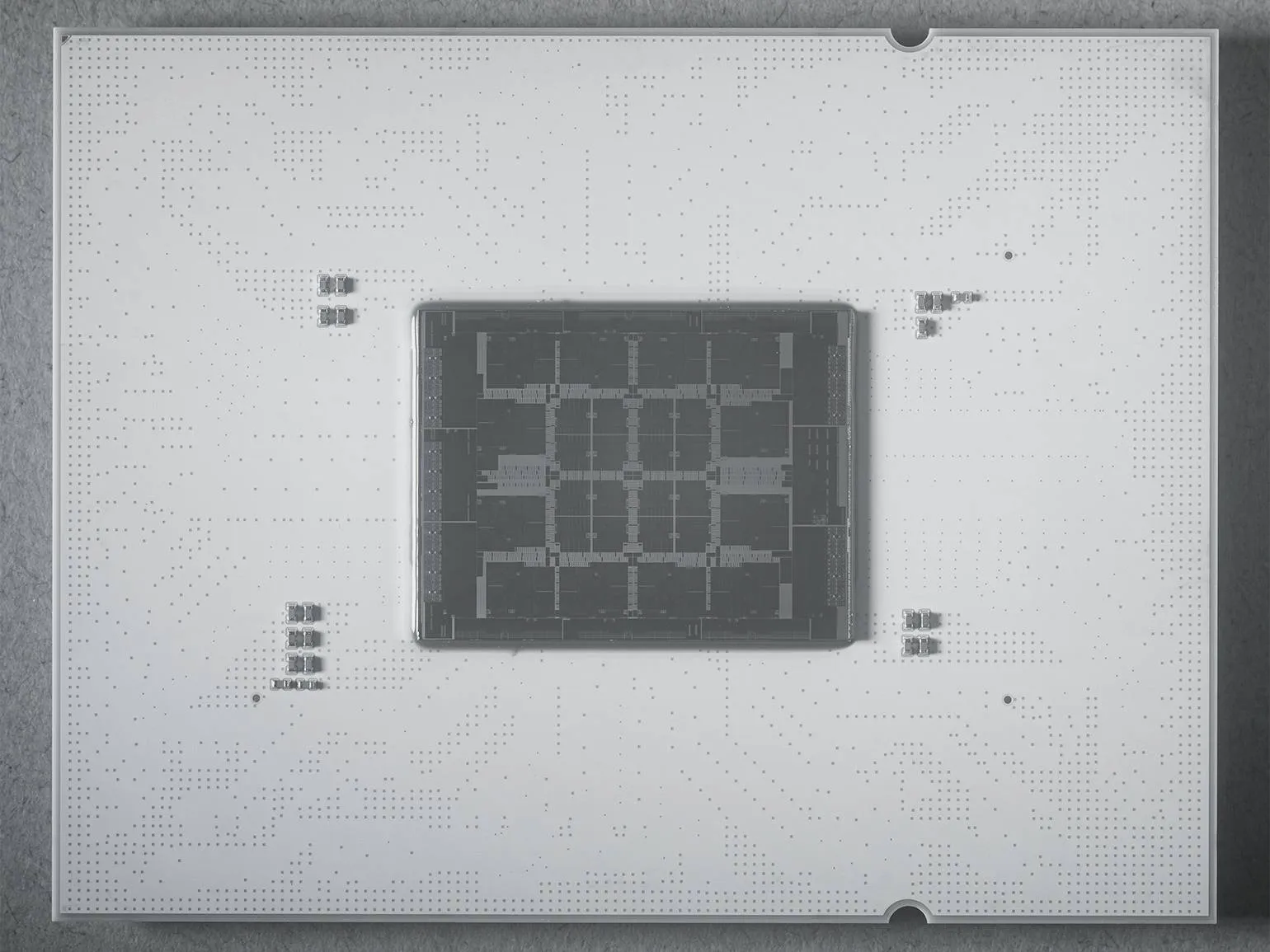
After removing the protective layer, we can see the processor crystal, on which the semiconductor elements are located.
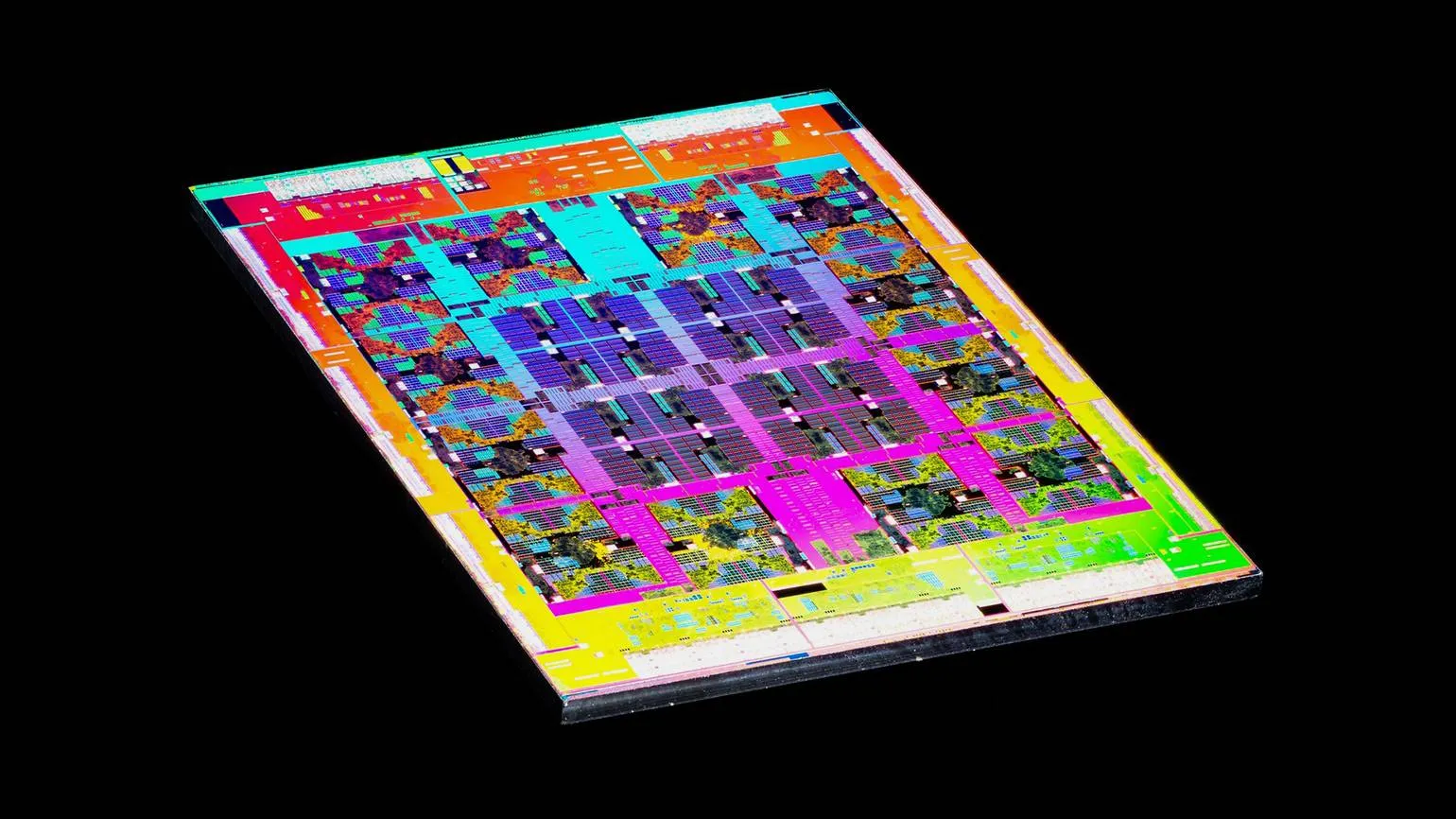

It is recommended to study the etched crystal of the Intel Core i5-12400F processor, released in 2022, at the same time as the Baikal-S processor. This analysis allows us to better understand the architectural features and technologies used in these processors, which can be useful for enthusiasts and specialists in the field of computer hardware.

The processor die includes three key components: the core, memory, and buses. The core is responsible for performing calculations and processing data, memory stores information and instructions, and buses facilitate the transfer of data between different parts of the processor and other system components. These elements work closely together to ensure high performance and efficient information processing.
The central processing unit (CPU) core is responsible for performing computational tasks, such as reading, decoding, executing, and transmitting instructions. It includes the arithmetic logic unit (ALU) and the control unit (CU), as well as a number of other components that ensure the efficient operation of the processor. The ALU performs arithmetic and logical operations, while the CU manages the sequence of operations and coordinates the work of all parts of the core. This interaction of various blocks allows the processor to perform complex calculations and process data at high speed, which is key to the performance of modern computing systems.

Memory consists of registers and cache memory, which store current instructions and data, as well as frequently accessed elements. This significantly speeds up operations and improves overall system performance. Cache memory plays a key role in optimizing data access, minimizing the time required to retrieve it. Efficient use of registers and cache memory is critical to improving the speed of information processing in modern computing systems.
Buses are key components of computer architecture, providing channels for transferring information between the processor, RAM, and other devices. They play a vital role in the efficient transfer of data, which directly affects system performance. Buses enable communication between various computer components, allowing them to work in concert and process information quickly. Optimizing bus operation can significantly improve overall system efficiency and speed up task execution.
Additional reading is an important aspect of in-depth study of a topic. It allows you to expand your knowledge and improve your understanding of the material. Reading additional sources helps you gain a more complete understanding of the subject, as well as discover new ideas and concepts. This contributes to the development of critical thinking and improves information analysis skills. Integrating additional materials into the learning process enriches and diversifies the experience. To effectively use additional resources, it is important to select high-quality and relevant sources. This will ensure the proper understanding and application of the acquired knowledge.
John von Neumann: The Life Architecture of an Eminent Mathematician
John von Neumann is one of the greatest mathematicians of the 20th century, whose achievements have had a significant impact on many sciences. His work in mathematics, physics, and computer science laid the foundations for modern computing technologies and game theory. The architecture of von Neumann's life reflects his passion for knowledge and innovation, which made him a key figure in the history of science.
Born in Hungary, von Neumann showed outstanding aptitude for mathematics from an early age. He graduated from the University of Budapest and then continued his studies in Germany and the United States. His contributions to mathematics include developments in functional analysis, quantum mechanics, and probability theory.
One of von Neumann's most significant achievements was the creation of a computing machine architecture known as the von Neumann architecture. This concept, which describes the structure of computer systems, remains the foundation of most modern computers. It includes a unified storage for data and programs, allowing for efficient information processing.
John von Neumann also made significant contributions to game theory, exploring strategies and optimal decisions in competitive situations. His work in this field became the basis for many modern economic and social theories.
Thus, the life and achievements of John von Neumann continue to inspire scientists and researchers, emphasizing the importance of an interdisciplinary approach in science. His legacy remains relevant in modern research and technology, making him one of the most significant figures in the history of science.
Key Characteristics of Modern Processors
Processor performance depends on several key characteristics, including clock speed, bit depth, cache size, and architecture. Clock speed affects the speed of operations, bit depth determines the amount of data processed, and cache memory ensures faster information processing by storing frequently accessed data. Processor architecture also plays a significant role, as it determines the efficiency of all these parameters and affects overall system performance.
Clock speed is a key indicator of processor performance, reflecting the number of operations it can perform in one second. It is measured in gigahertz (GHz). For example, a processor with a clock speed of 3 GHz can perform up to 3 billion operations per second. A higher clock speed indicates faster task execution and overall system efficiency. However, it is important to note that excessive processor load can lead to throttling—an automatic reduction in clock speed aimed at preventing overheating and protecting components. Choosing a processor with an optimal clock speed is important for achieving high results when running resource-intensive applications and games.
The bit depth of a processor determines the amount of data it can process in a single clock cycle. 64-bit processors are becoming the standard for modern computing systems. They provide faster and more efficient processing of large amounts of information compared to 32-bit processors. This is especially important for resource-intensive tasks such as working with large databases, multimedia content, and modern applications. The transition to a 64-bit architecture allows for the use of more RAM, which significantly improves overall system performance.
A key characteristic of a processor is cache memory, which serves as a fast memory for storing frequently used data and instructions. Cache memory is divided into levels L1, L2, and L3. The higher the cache level, the faster data access is, which significantly increases the overall performance of the processor. Optimizing cache memory can reduce task processing time and improve overall system efficiency.
Processor Architecture: Variety and Application
Processor architecture is a key aspect of its internal structure and instruction set. Currently, there are several main architectures that are widely used in modern processors. Each of these architectures has unique characteristics and advantages that impact performance, energy efficiency, and compatibility with various software systems. Understanding the processor architecture allows developers to optimize applications and improve interaction with the hardware.
- CISC (complex instruction set computer) - uses complex instructions, allowing them to be executed in several cycles.
- RISC (reduced instruction set computer) - a minimalistic architecture optimized for executing simple instructions in a single cycle, often used in mobile devices.
- VLIW (very long instruction word) - performs multiple operations in a single cycle, which increases performance.
- MISC (minimal instruction set computer) - designed for devices with limited resources, such as IoT devices.
Architectures belonging to the Neumann type are characterized by the fact that the program and data are stored in RAM and loaded alternately. This can limit performance when running complex tasks. Unlike the Neumann architecture, the Harvard architecture separates program and data storage, allowing them to be accessed simultaneously. This separation makes the Harvard architecture more efficient for embedded systems, such as home appliances and medical devices. Thanks to its design, the Harvard architecture provides higher processing speed and reliability, which is especially important in mission-critical applications.
Processor Power Consumption and Heat Dissipation
Processor power consumption, expressed in watts (W), reflects the amount of electricity required to operate the processor. As the workload increases, this value can increase significantly. Effective processor power management is important for both reducing power costs and improving overall system performance. Optimizing settings and using modern technologies can help reduce power consumption without sacrificing performance.
A processor's heat dissipation is the amount of heat generated during its operation. This level of heat dissipation is directly related to the power consumption and other technical characteristics of the processor. When choosing a cooling system and computer case, it is critical to consider this parameter to ensure effective heat dissipation and prevent components from overheating. Proper thermal management contributes to increased performance and longevity of your device.
To further your knowledge of processor characteristics, we recommend consulting resources such as Tom's Hardware and AnandTech. These sites offer extensive reviews, comparisons, and analysis that will help you better understand the performance and functionality of various processor models. Researching the information on these platforms will allow you to make an informed choice when purchasing a processor that meets your requirements.
Frequently asked questions are an important element of any website. They help users quickly find answers to their questions and make it easier for them to interact with your content. In this section, you will find answers to the most frequently asked questions to help you better understand the services or products offered. We strive to ensure transparency and accessibility of information so that every visitor can find the information they need. If you have any additional questions, do not hesitate to contact us for more detailed information.
- How to choose a processor for gaming?
- What to look for when buying a processor?
- How does clock speed affect performance?
How a processor works: a step-by-step guide
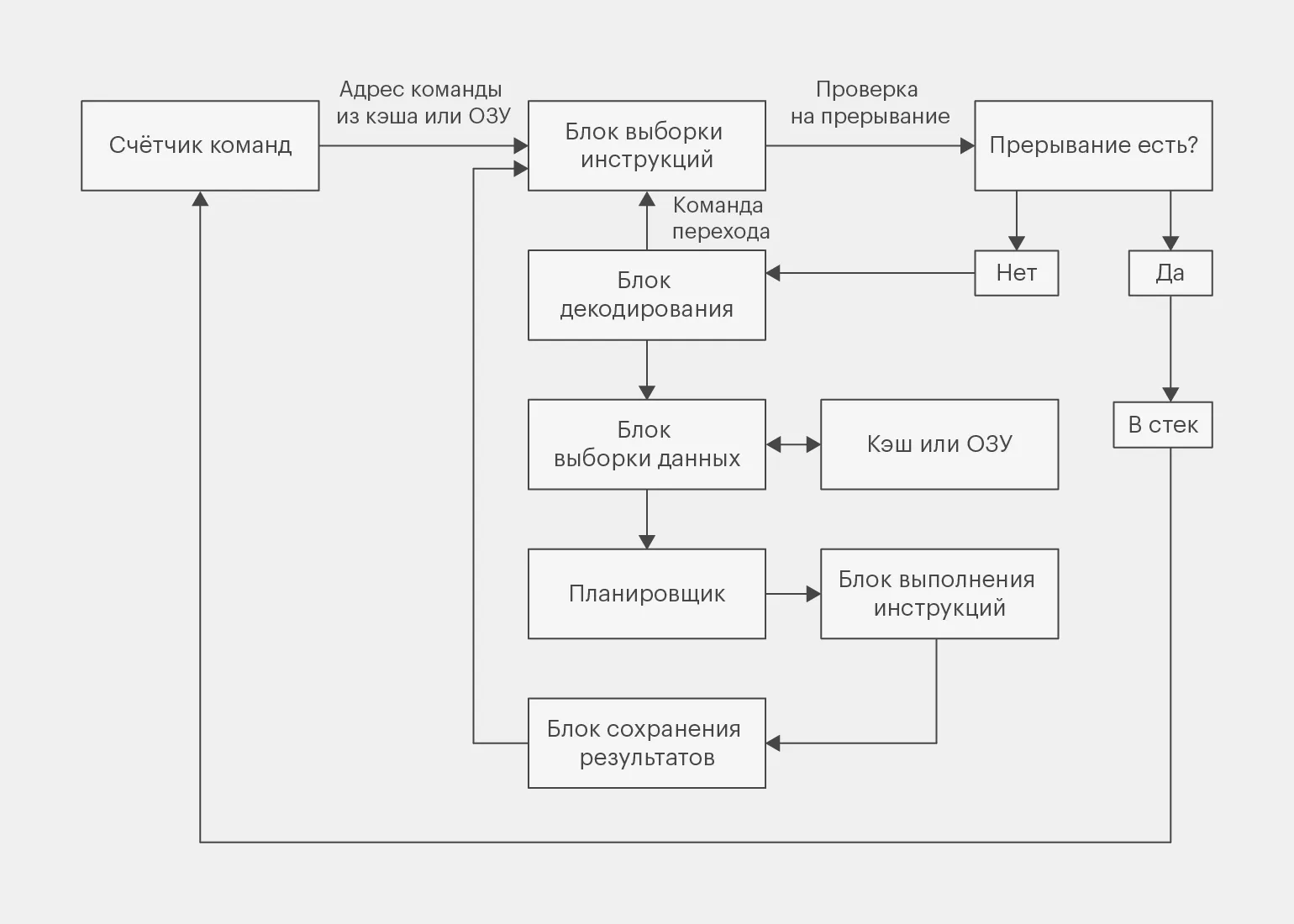
The processor (CPU) is the main component of your computer, and its operation involves several important steps. Broadly speaking, the functioning of the processor can be divided into seven key steps. These steps help us understand how the processor processes data and executes instructions, ensuring the efficient operation of the system. Understanding these processes will help you better understand the characteristics of processors and their role in your computer's performance.
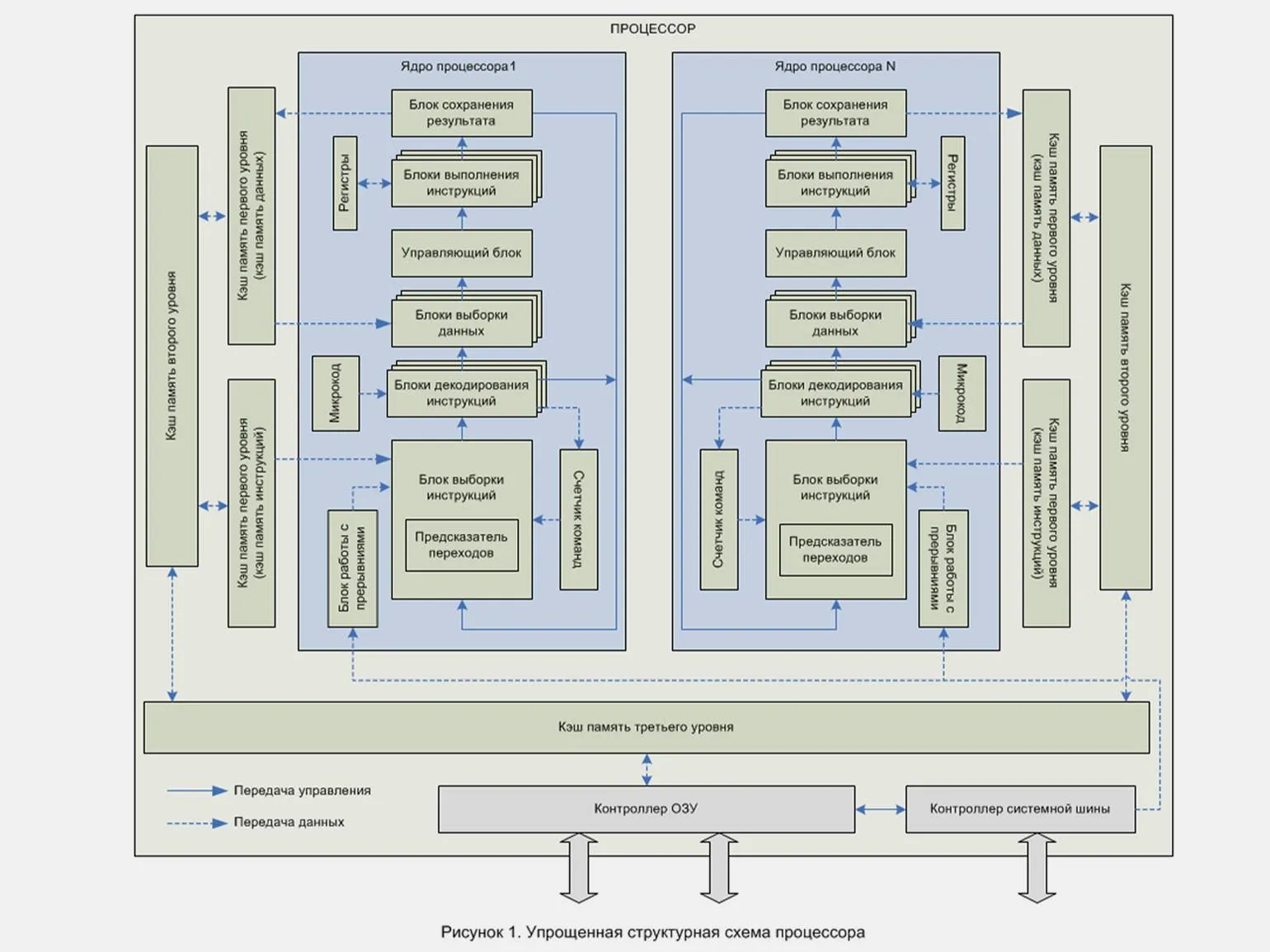
The instruction fetch unit begins by checking for interrupts, which can occur for various reasons, such as keyboard input or network data retrieval. If an interrupt is detected, the registers and program counter are saved to the stack. The program counter is then updated with the address of the appropriate interrupt handler. Once the interrupt is processed, the data is restored, allowing the system to continue executing previous tasks without losing information.
The second stage of the processor's operation is selecting an instruction to execute. The instruction fetch unit obtains the instruction address from the program counter and reads the corresponding instruction from the cache or random access memory (RAM). The data is then passed to the decode unit for further processing. This process ensures efficient instruction execution and optimized processor operation, which is critical to the performance of modern computing systems.
Before an instruction can be executed, it must be decoded. The decode unit analyzes the instruction, and if it is a branch instruction, the new address is written to the program counter. After this, control returns to the instruction fetch unit. If the instruction is not a branch, the program counter is incremented by the instruction size (for example, by 4 bytes for 32-bit instructions), and control is transferred to the data fetch unit. This is an important stage in the instruction execution process, which ensures the correct interpretation and execution of instructions in the processor.
In the fourth step, the data fetch unit is responsible for retrieving the necessary data to execute the instruction from the cache or random access memory (RAM). After this, it transfers control to the scheduler, which continues processing the request. This process is key to improving system performance, as it ensures fast access to the necessary resources. Correct operation of the data fetch unit contributes to more efficient instruction processing and optimized software operation.
The control unit determines which of the instruction execution units will handle the current task and transfers control to the appropriate unit. This is a key stage in the data processing process, allowing for the efficient allocation of resources and optimization of algorithm execution. Selecting the correct instruction execution unit ensures the timely and correct execution of tasks, which is critical for system performance.
Step 6. The instruction execution units process the incoming command and transfer control to the unit responsible for storing the results.
Step 7. The result storage unit is responsible for writing data to RAM and returns control to the instruction fetch unit, which completes the current processing cycle. This process is repeated many times, and the speed of execution depends on the processor clock frequency. Thus, the efficiency of the system is largely determined by this parameter, since it affects the number of operations performed per unit of time.
Below is a visual diagram of the processor. This diagram illustrates the main components and processes that occur inside the processor, ensuring its functioning. The processor, as the central element of the computing system, is responsible for executing commands and processing data. Understanding the structure and operation of the processor is important for optimizing its performance and efficient use of computer resources.
For a deeper understanding of how modern computers work, it is worth studying the principles of von Neumann architecture and their influence on the development of the first computing machines. The von Neumann architecture, proposed in the mid-20th century, became the basis for most modern computers. It describes the structure in which the processor, memory, and input/output devices interact with each other. Understanding these principles will help you better understand how modern computing systems function and how they have evolved over time.
Modern processors are capable of performing billions of operations per second, making them highly efficient tools for processing data and performing complex computational tasks. These components ensure the fast and reliable operation of various programs, which is especially important in the face of increasing performance demands in the information technology field. Using modern processors significantly accelerates calculations and improves the overall efficiency of systems, which finds application in various fields, from scientific research to everyday use in personal devices.
Cache plays an important role in the operation of the processor, as it is high-speed memory designed for temporary storage of frequently accessed data. Thanks to the cache, the processor can significantly speed up access to information, minimizing delays associated with accessing slower levels of memory, such as RAM. Using the cache can improve system performance, as it ensures faster data processing and accelerates task execution. Optimizing the cache is a key aspect in the architecture of modern processors, which contributes to more efficient use of computing resources. Clock speed plays a key role in processor performance, as it indicates the number of operations the processor can perform in one second. The higher the clock speed, the more computing tasks the processor can handle, which directly affects the overall speed of the system. This is especially important for resource-intensive applications and games, where high performance is critical. Choosing the right processor with the optimal clock speed can significantly improve the efficiency of your computer. The processor copes with multiple tasks simultaneously thanks to multithreading and multi-core technologies. Multithreading allows the processor to process multiple streams of instructions simultaneously, which significantly improves overall system performance. Multi-core, in turn, implies the presence of multiple cores in a single processor, each of which can perform a specific task. This combination of technologies ensures efficient resource allocation and accelerates complex calculations, which is especially important for modern computing tasks and applications.
Types of Processors: Overview and Features
Processors are the main components of modern devices, playing a decisive role in their performance. The variety of processors allows you to meet the different needs of users, from high-performance models for gaming computers to energy-efficient solutions for mobile devices. In this section, we will consider the main types of processors that are widely used in various gadgets, including desktop PCs, laptops, smartphones, and tablets. Understanding the characteristics and features of these processors will help users make an informed choice when purchasing a new device.
General-purpose processors, or central processing units (CPUs), are the most common type of computing devices. They are designed to perform a variety of computing tasks, as well as manage memory and peripheral devices. These processors are found in most desktop and laptop computers, playing a key role in the overall performance of the system. General-purpose processors ensure efficient program execution and multitasking, making them indispensable in the modern technological world.
Server processors deliver high performance thanks to multiple cores and threads. These processors are optimized for working with resource-intensive tasks and large amounts of data, making them indispensable for servers and data centers. Popular models include Intel Xeon and AMD EPYC, which offer excellent scalability and data processing capabilities. Using such processors allows for efficient workload management and improves the overall performance of server systems.
Mobile processors are designed with an emphasis on energy efficiency and compact size, making them ideal for use in smartphones and tablets. These processors provide long battery life, which is especially important for users who actively use mobile devices. Popular examples include Qualcomm Snapdragon and Apple's A-series processors. Their performance and efficiency enable high-speed operation and high-quality graphics, significantly improving the user experience. Embedded processors are widely used in a variety of devices, including televisions, home appliances, and automobiles. These processors are optimized for specific tasks, ensuring high efficiency and reliability. Due to their specialization, embedded processors can improve device performance and reduce power consumption, making them an ideal solution for modern technology. Processors are classified based on the type of tasks they perform, helping to select the optimal solution for specific requirements. Dividing processors by purpose allows for consideration of the specific needs of various applications and tasks, such as data processing, gaming, or resource-intensive computing. Choosing the right processor ensures efficient system operation, improves performance, and meets user needs.
- Graphics processing units (GPUs) are specialized for graphics, 3D visualization, and parallel data processing, making them ideal for gaming and graphics applications.
- Central processing units (CPUs) perform basic computing operations and coordinate the work of other system components.
Processors can be classified into two main categories depending on how they are attached to the motherboard.
- Soldered processors - such models cannot be dismantled without a soldering iron, which makes their replacement difficult and time-consuming.
- Socket processors - are installed in special sockets, which allows them to be quickly and easily replaced without the need for specialized equipment.

Key points about processors
- The processor (central processing unit, or CPU) is the heart of the computer and other electronic devices, performing all the basic computing functions and interacting with other system components.
- The clock speed of the processor, measured in hertz (Hz), indicates the number of operations it can perform in one second and is an important indicator of its performance.
- Modern computers mainly use 64-bit processors, which allows them to process 64 bits of data in one clock cycle, which significantly increases the speed and efficiency of information processing.
- Processors are made from high-quality silicon wafers onto which billions of transistors are deposited using complex lithography, which makes the process of their creation high-tech and expensive.
- There are two main types of processors: central (CPU), which is responsible for all computing tasks, and graphics (GPU), designed for graphics processing and visualization.
Python Developer: 3 Projects for Career Success
Want to become a Python developer? Find out how projects and expert support can help you with this!
Find out more