
Contents:

IT for beginners: Free course on Python in 1 Week
Learn MoreThe History of Floating-Point Numbers: Who Is Behind This Standard?
In the 1970s, during the active development of the computer revolution, scientists and programmers tirelessly worked to create new computers and algorithms. Their main goal was to demonstrate the potential of these innovations to radically transform the world of computing. These efforts became the basis for further progress in the field of information technology, which ultimately led to the creation of powerful computing systems and complex software solutions that changed the approach to data processing and interaction with information.
At that time, each computer worked differently, using unique operating systems and different methods of data representation. This situation led to significant difficulties, since porting software from one device to another required a lot of effort, including completely rewriting programs for the new architecture. This created problems for developers and users, as software compatibility was limited, hindering data exchange and integration between different systems. Standardizing number representation became one of the most challenging tasks in software development. The variety of number formats required significant time and effort from programmers, often leading to changes in application logic. This, in turn, negatively impacted program stability and performance. An effective solution to this problem allows you to improve the quality of your code and increase the efficiency of your development.

Recognition of the importance of standardizing the representation of real numbers became the basis for the formation of a project group at Intel, consisting of leading engineers. This initiative arose in the context of increasing competition, when other companies, such as DEC, also began actively developing their own solutions in this area. Standardizing the representation of real numbers plays a key role in ensuring the compatibility and efficiency of computing processes, making it relevant for all market participants.
An active race to create the optimal standard began. Each company sought to promote its developments, hoping that their solution would become generally accepted. At this time, major players such as IBM and Cray closely monitored the situation, waiting for a clear leader to emerge so they could integrate their standard into their systems. The situation highlights the importance of standardization in the industry, as a single standard can significantly simplify the interoperability and compatibility of technologies.
As a result of all the developments, two key standards remain: Intel's K-C-S specification and DEC's VAX architecture. Each of these standards has its own advantages and disadvantages, which affect their use in various computing systems. The K-C-S specification offers certain performance advantages, while VAX is distinguished by its versatility and compatibility with various software solutions. These aspects make both standards significant in the history of computer architecture.
- Decimal format, convenient for human reading, but less efficient for computation.
- High precision due to decimal representation, which reduces rounding errors, especially when working with large numbers.
- Inclusion of special values, which made it easier to work with errors and prevent overflows.
- Binary format, which ensures high computing efficiency on suitable systems.
- Wide distribution, which allowed the VAX specification to be easily adapted to different devices.
- Optimized performance, requiring fewer computing resources.
DEC sought to make VAX the accepted standard, actively convincing leading scientists that the K-C-S architecture could not achieve comparable performance. However, Intel had its own advantages, including unique optimization secrets and advanced technologies that allowed it to get ahead of the competition. The competition between DEC and Intel in the field of computing architecture underscores the importance of innovation and a strategic approach in high technology.
Intel won, and its specification formed the basis for the IEEE 754 standard, which was formally adopted by the Institute of Electrical and Electronics Engineers (IEEE) in 1985. This standard continues to be used in modern computing and programming, ensuring a high degree of compatibility and accuracy. IEEE 754 became a key element in the development of numerical computing, providing a reliable representation of floating-point numbers and standardized operations, which significantly simplified the work of developers and improved software quality.
Understanding Fixed Point in Computing
Fixed point is a method of representing numbers in binary, widely used in computing. To understand how the IEEE 754 standard works, you must first understand the basics of number representation. Computers process decimal numbers in two main formats: fixed-point and floating-point. Fixed-point allows for precise representation of numbers, making it particularly useful in applications requiring high precision, such as financial calculations. The IEEE 754 standard, in turn, defines rules for working with floating-point numbers, providing greater flexibility in processing values with varying degrees of precision. Both formats have their advantages and disadvantages, and the choice between them depends on specific tasks and requirements.
Although we use the term "point" in this article, it is worth emphasizing that the word "comma" is often used in English-language literature. Both terms mean the same thing, but in Russian-language sources, the former is more common.
Fixed-point numbers are binary numbers in which the length of the integer and fractional parts is strictly limited. In a 16-bit representation, for example, 10 bits can be allocated for the integer part and 6 bits for the fractional part. This allows for the efficient storage and processing of numerical data in systems where precision and memory management are critical. Fixed-point numbers are widely used in digital signal processing and embedded systems, where resources are limited and performance is critical. A period separates numbers into integer and fractional parts. When interpreting a number, a computer uses a 16-bit system, where 10 bits are allocated to represent the integer part and 6 bits to represent the fractional part. The example below clearly demonstrates this principle.
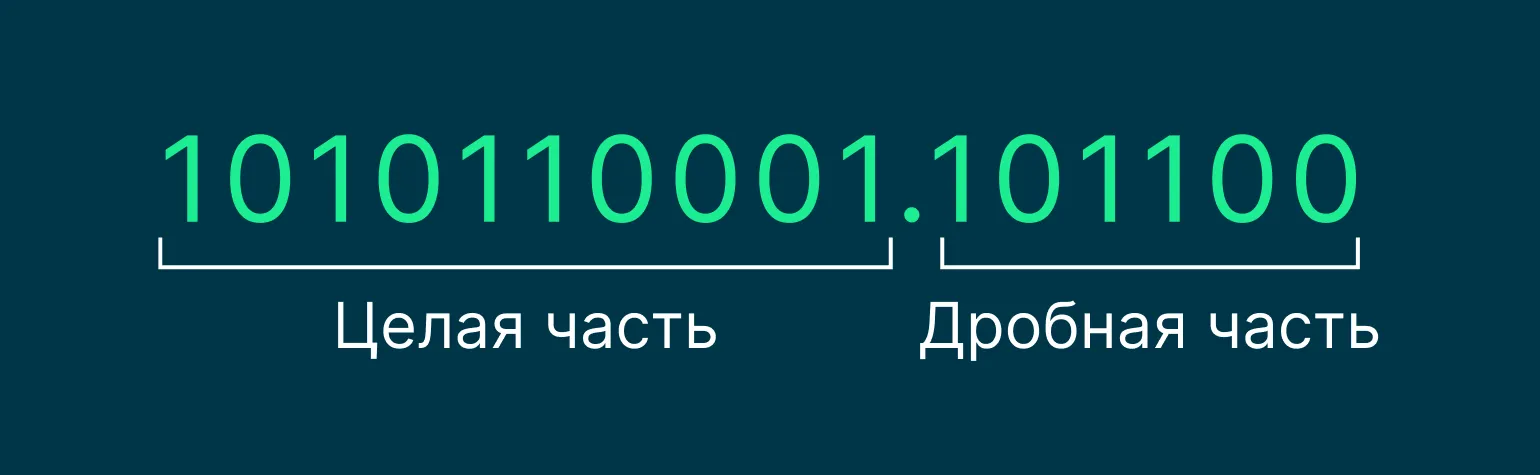
The image displays a binary number, which corresponds to the decimal value 689.6875. To better understand the number system, let's look at another example where the number 13.0 is encoded. This illustration helps visualize the conversion of decimal numbers to the binary system, which can be useful for learning the basics of computer arithmetic.
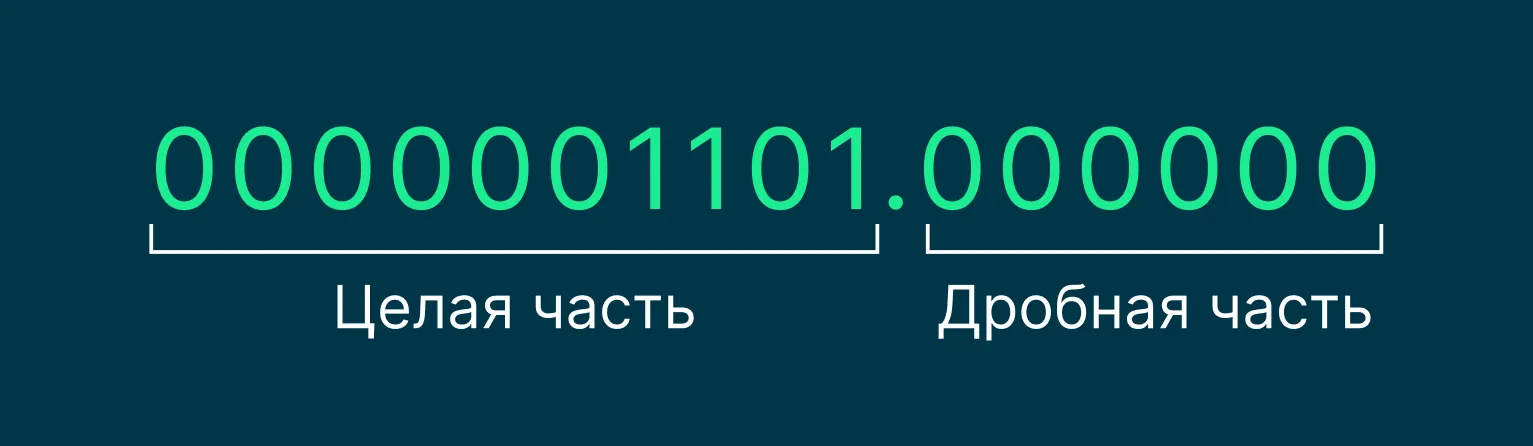
In In this case, we observe that the fractional part of the number consists exclusively of zeros, indicating the absence of a significant fractional part in the decimal representation. This means that the number is an integer.
To understand how fixed point works, it is important to analyze the integer part of the number. It is represented in the binary system, where each bit corresponds to a power of two. For example, the number 13 can be factored into powers of two as follows: 13 in binary is written as 1101. This means that 13 is equal to 1 times 2 cubed (8) plus 1 times 2 to the second power (4) plus 0 times 2 to the first power (2) plus 1 times 2 to the zero power (1). Thus, 13 = 8 + 4 + 0 + 1. Understanding this process is key to working with fixed point, as it allows integers to be represented and processed efficiently in digital systems.
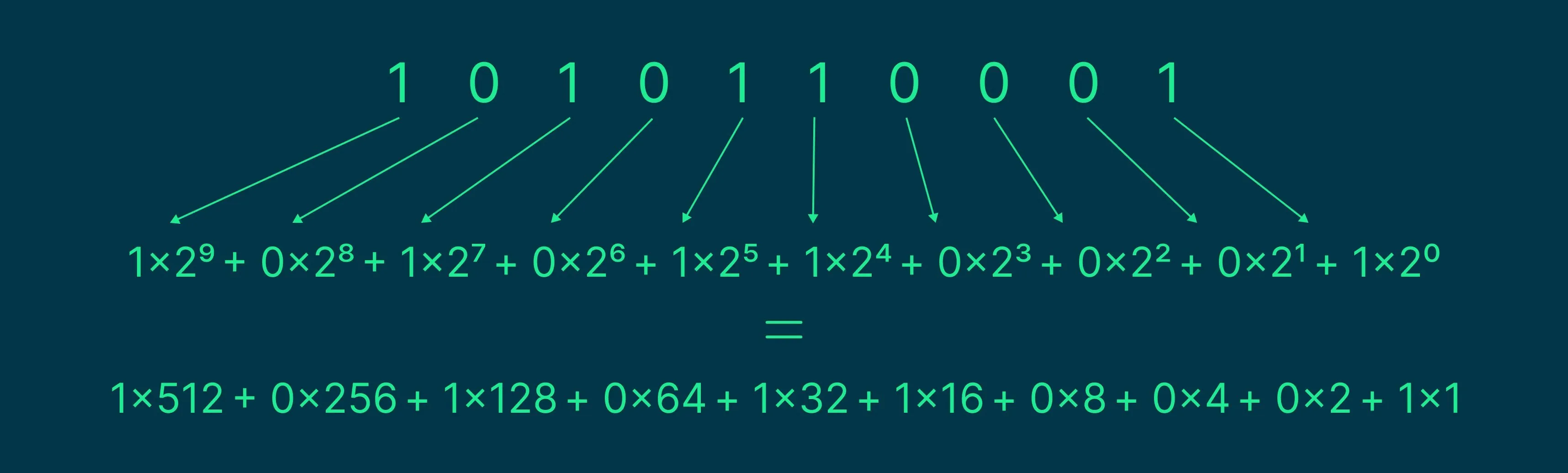
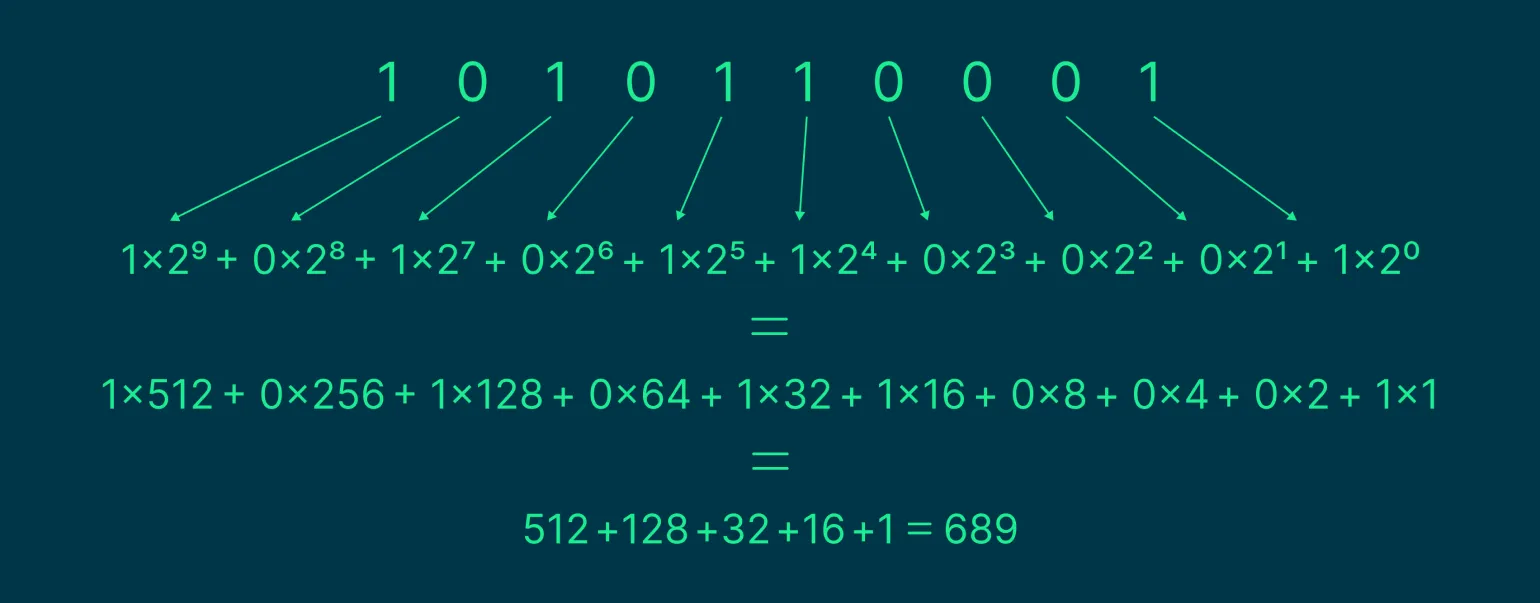
Now let's look at the fractional part of the number. The principle of converting the fractional part is similar to converting the integer part, but here negative powers of two are used. For example, let's take the number 689.6875.
First, let's separate the integer and fractional parts. The integer part, 689, will be converted to binary code, and the fractional part, 0.6875, will be converted using negative powers of two.
For the fractional part, we multiply it by 2 and record the integer part of the result. We repeat the process with the remaining fractional part until we achieve the required accuracy or until the fractional part becomes zero.
Thus, converting the fractional part allows us to obtain a binary code that accurately represents the original number in the binary number system.
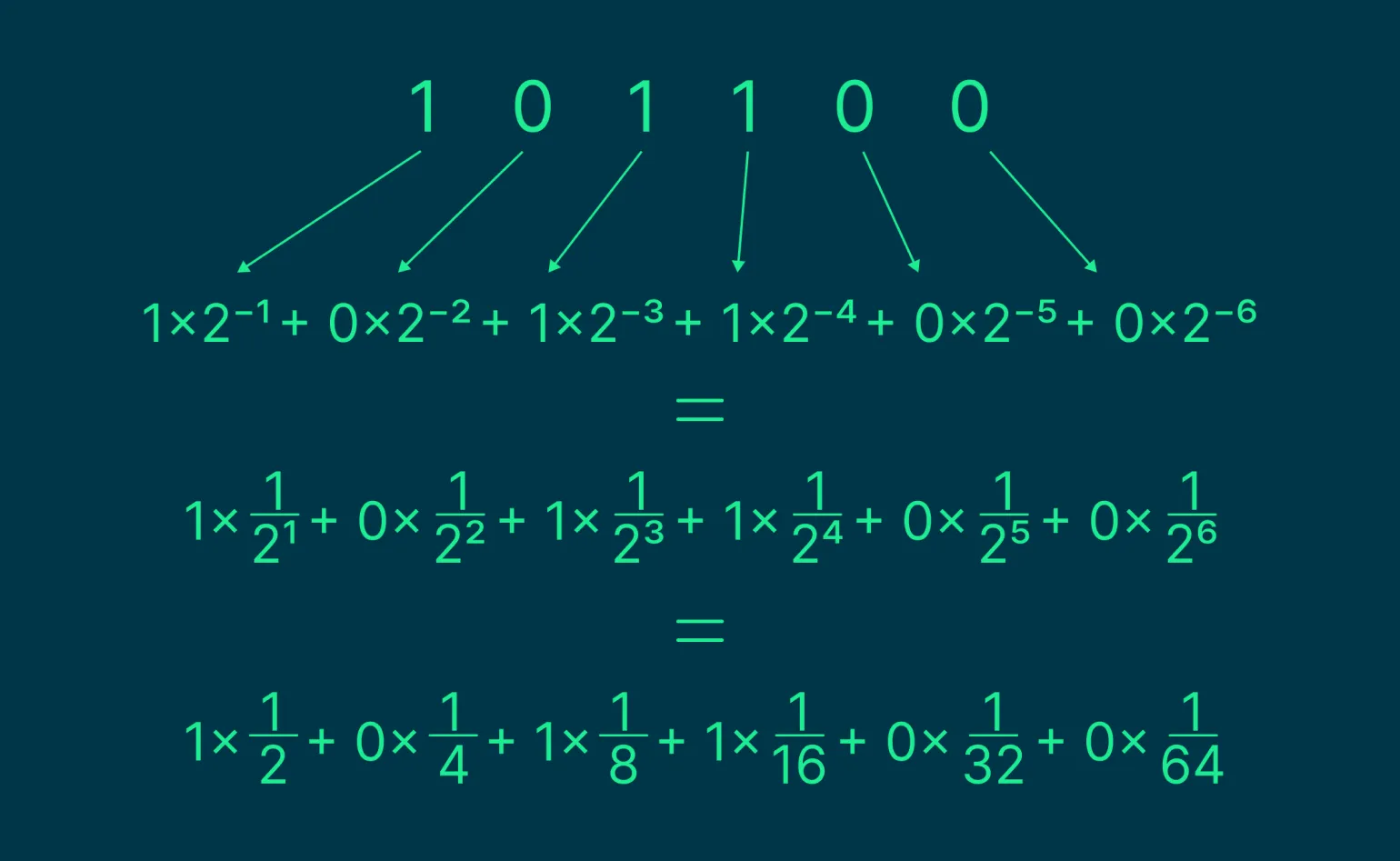
Powers in this system start at -1 and continue decreasing: -2, -3, and so on. To convert negative powers to positive, simply use a fraction. To get the final value, add up all the powers where the bit is equal to 1.
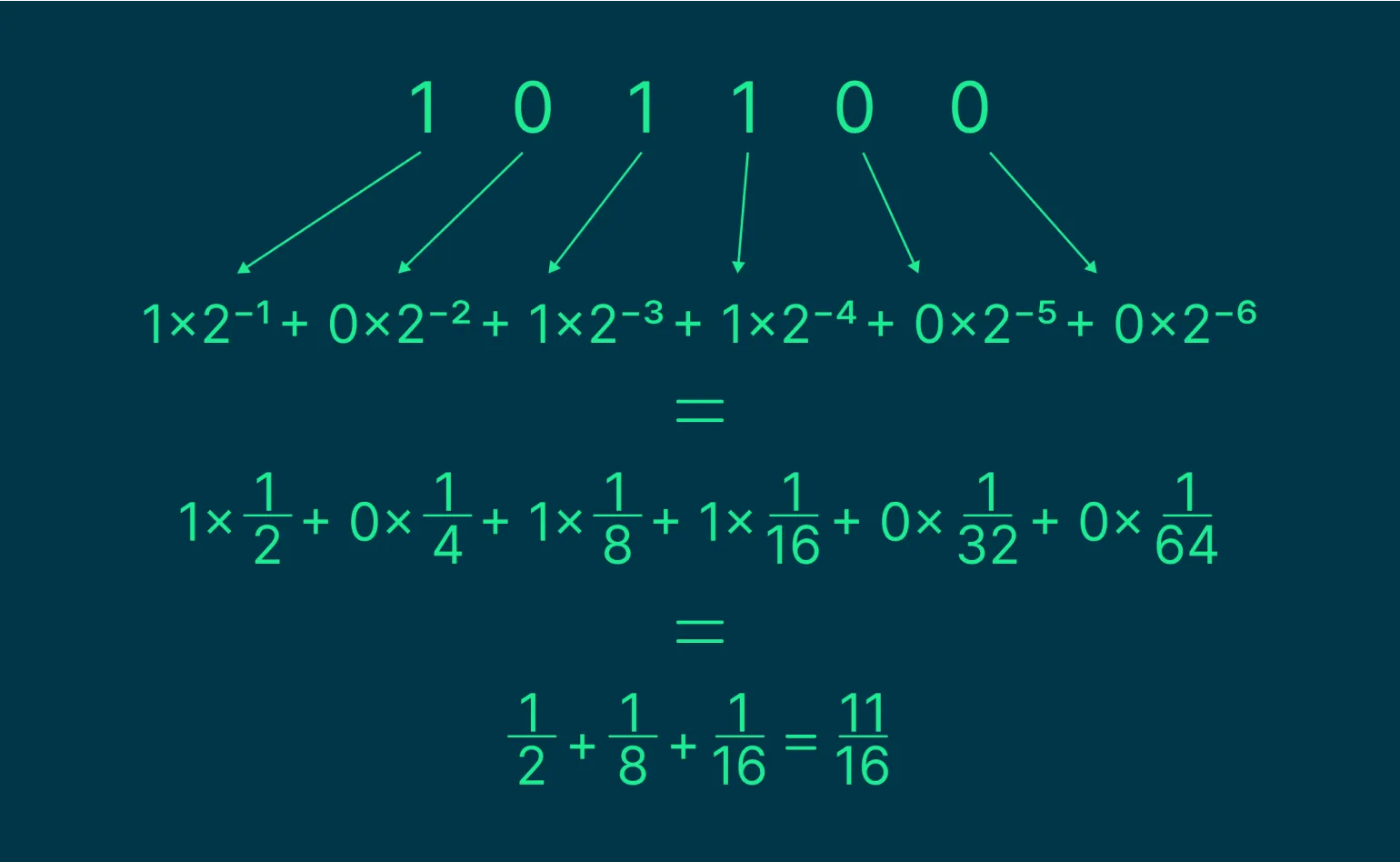
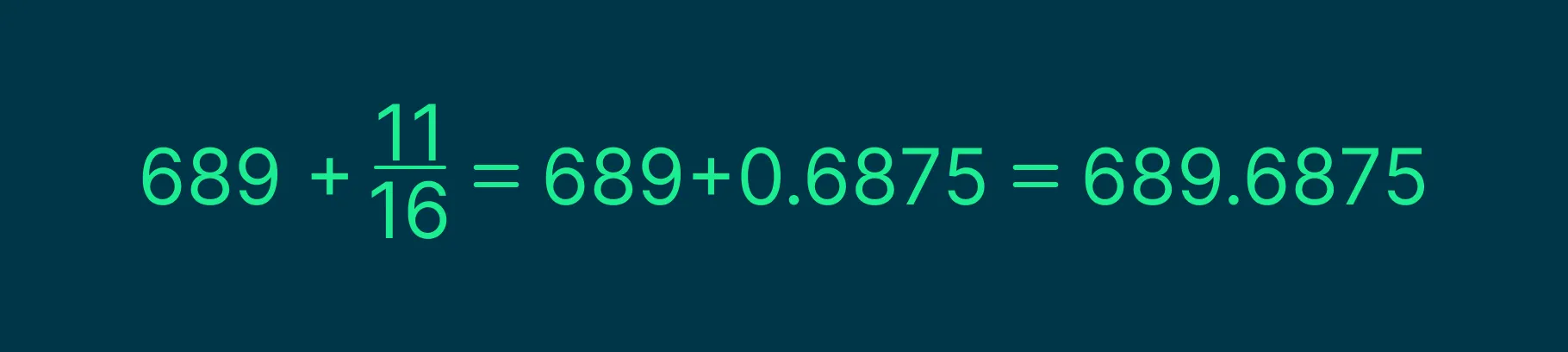
Now let's combine the integer and fractional parts of the number. This process produces a single integer value that includes both the integer and fractional parts, simplifying subsequent mathematical operations. Combining the integer and fractional parts is especially important in various fields, such as accounting, engineering, and programming, where precise calculations play a significant role. A proper understanding of this topic will help you avoid mistakes when working with numbers and improve your mathematical literacy.
The advantages of fixed point are The fact that such representations always have a finite length. For example, the number pi can be rounded to a certain decimal place, with excess digits discarded. This allows for efficient memory management and increases computation speed, especially in systems where accuracy and stability of results are important. Fixed point also simplifies working with numerical data, as it eliminates the problems associated with infinite decimal fractions, which are typical for representing floating-point numbers.

The number Pi is presented as an approximation that does not reflect its exact value. Pi, denoted by the symbol π, is a mathematical constant used to calculate the ratio of a circle's circumference to its diameter. The value of Pi is approximately 3.14, but this is only a rounded-off value. In reality, Pi is an infinite, non-repeating decimal fraction, making it unique in mathematics and science. Understanding Pi has important implications for a variety of fields, including geometry, physics, and engineering.
Fixed point has certain drawbacks. Consider 16-bit numbers, where 10 bits are reserved for the integer part and 6 bits are reserved for the fractional part. In this configuration, the range of values will be limited. This can create difficulties when working with numbers that require a wider range, affecting the accuracy of calculations and potentially leading to overflow. Understanding these limitations is important for optimizing programs and algorithms, especially in the context of numerical computing and graphics.

Fixed point has a significant drawback that is worth considering. Consider the largest number that can be represented in this system and the number one less. The difference between these values is not 0.000001, as in the decimal system, but 0.015625. This value defines the minimum step in the fixed-point system and indicates the limit of precision with which calculations can be performed. Understanding these characteristics is key to effectively using fixed-point notation in programming and numerical methods.
When adding the next number, the difference remains unchanged. This means that as the sequence of numbers increases, the difference between them does not change, which can be useful for analyzing number series and mathematical sequences. Understanding this principle is important for a variety of fields, including statistics and economics, where the persistence of differences can impact forecasting and data modeling.
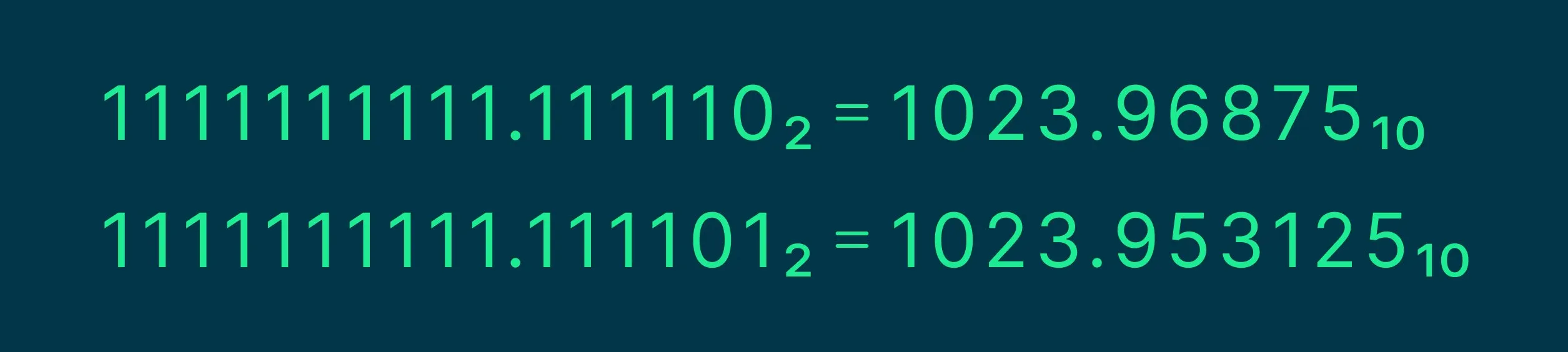
High-precision decimal-to-binary conversion significantly optimizes computational processes and reduces the workload on the computer. This allows the system to clearly distinguish which bits represent the integer part and which represent the fractional part. This improves data processing efficiency and software performance.
Now that we've discussed fixed-point numbers, we can move on to floating-point numbers and take a closer look at the IEEE 754 standard. This standard describes the representation of floating-point numbers in computer systems, ensuring consistency and compatibility across different computing platforms. Understanding IEEE 754 is important for software developers and engineers because it impacts computational accuracy and performance. Let's look at the main aspects of the standard, including the representation format, operations on numbers, and issues related to rounding.
Understanding Floating-Point Numbers
In programming, a floating-point number, also known as a floating-point number, is a numeric value used to represent real numbers. This representation provides the ability to work with numbers of varying magnitude and precision, which is an important aspect when performing calculations in various fields, such as scientific computing, graphics, and financial applications. Using floating-point numbers allows you to effectively manage the range of values and minimize rounding errors, making them indispensable in modern programming.
The binary representation of floating-point numbers includes three main components: the sign bit, the exponent, and the mantissa. The sign bit determines whether the number is positive or negative. The exponent is responsible for scaling the number, allowing both very large and very small values to be represented. The mantissa, in turn, contains the significant digits of a number. Together, these three elements ensure the precise representation of floating-point numbers in computing systems, which is critical for performing complex mathematical operations and data processing.
- The sign bit determines whether a number is positive or negative.
- The exponent indicates how many times the mantissa should be multiplied.
- The mantissa is a fixed number of bits that reflects the precision of a number.
Scientific notation is an important tool for representing numbers, especially when dealing with large or very small values. It allows numbers to be written in a compact form using a factor and a power of ten. For example, the number 123.456 can be expressed as 1.23456 × 10^2. This format not only makes numbers easier to read and write, but also facilitates mathematical operations such as addition, subtraction, multiplication, and division. Scientific notation is widely used in scientific calculations, engineering, and other fields that require working with a wide range of numbers.
Consider multiplying 0.0006 by 0.0002. In scientific notation, this expression can be simplified by adding the exponents and performing a simple multiplication. Unlike the standard form, which can be confusing due to the large number of zeros, scientific notation allows for clear and quick calculations. This makes working with small numbers more understandable and convenient.
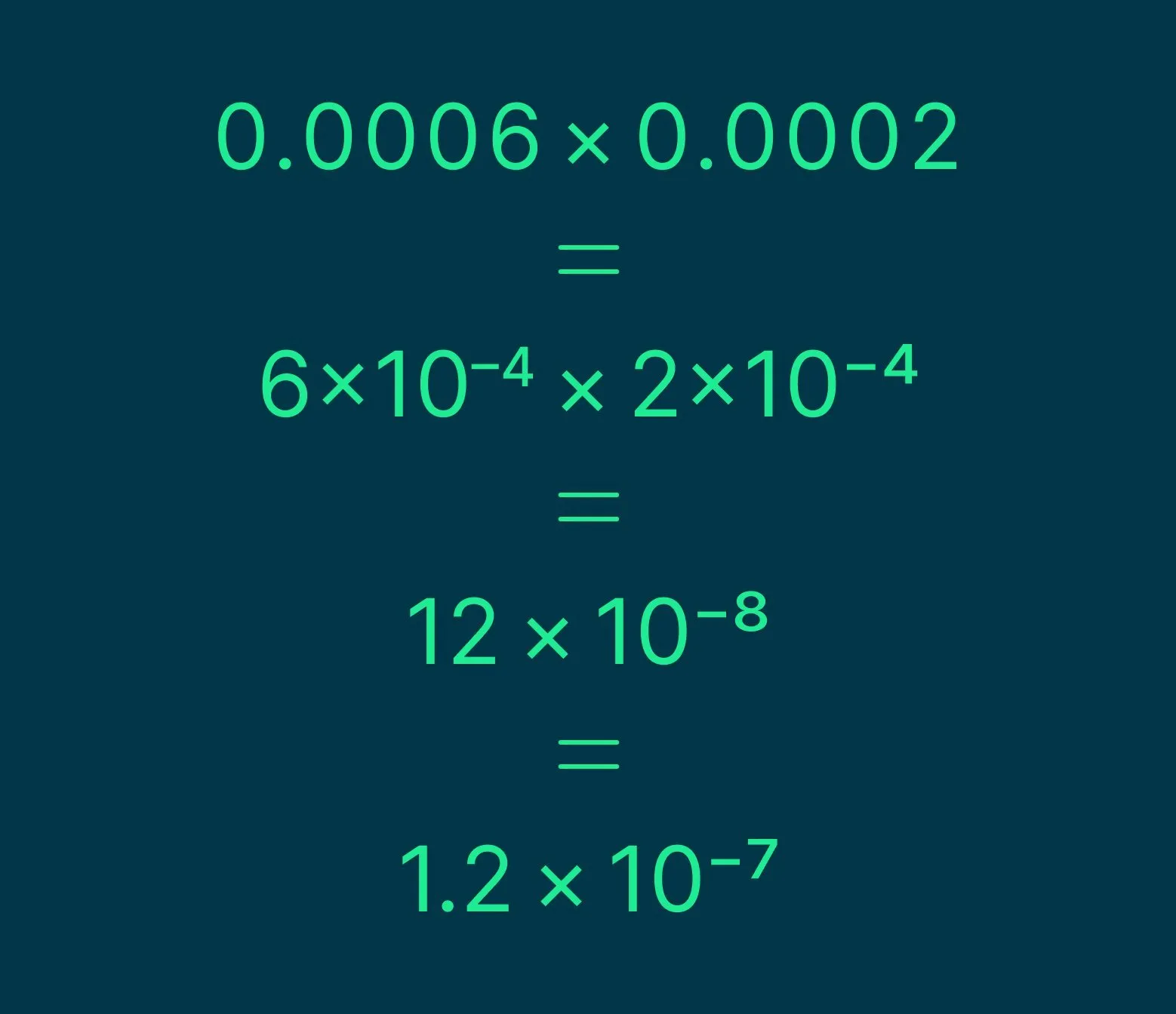
Scientific notation is a convenient way to represent numbers, which greatly simplifies mathematical operations. This format allows for efficient work with both very large and very small numbers, making them easier to analyze and calculate. Using scientific notation makes mathematics more understandable and facilitates the rapid solution of complex problems. In scientific notation, a number is represented by three main components: the sign, the coefficient (or mantissa), and the exponent. This notation allows for convenient expression of both very large and very small numbers, simplifying their use in mathematical and scientific calculations. The sign indicates whether the value is positive or negative, the coefficient determines the numeric part, and the exponent indicates the power to which the number 10 should be raised. Using scientific notation makes it much easier to work with large data and improves the accuracy of calculations.
- The sign of a number (positive or negative) allows us to work with positive values, which can then be converted to negative if necessary.
- The coefficient is the fundamental part of the number, usually in the range from 1 to 9, but for floating-point numbers it ranges from 0 to 1.
- The mantissa is the fractional part of the coefficient.
- The exponent indicates how much we multiply the coefficient.
The number 1.2 × 10^−7 can be expressed in standard form. This value is scientific notation, where 1.2 is the coefficient and 10^−7 indicates the power, meaning divided by 10 to the seventh power. Thus, 1.2 × 10^−7 is equal to 0.00000012. This notation is convenient for working with very large and very small numbers, which makes it popular in scientific and engineering calculations.
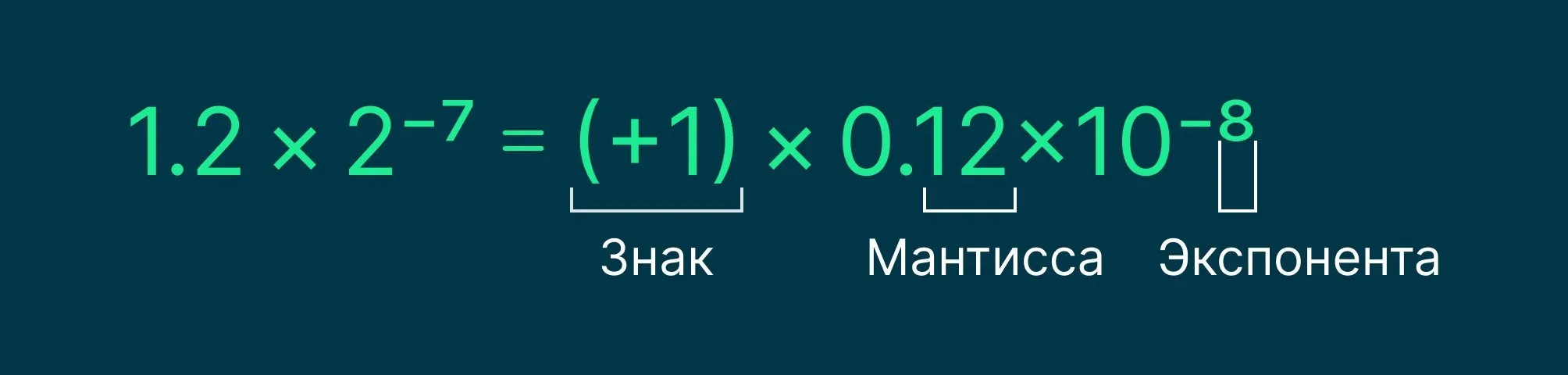
Components of a number include the positive sign +1, the mantissa 0.12, and the exponent -8.
The number 10 is the base of the decimal number system, but it can be replaced with another value. For example, consider converting the number 0.12 × 10^−8 to a base 5 number system. This allows us to explore how different bases affect the representation of numbers and their meaning in mathematics and programming. Understanding how to convert numbers between number systems is an important aspect in various fields such as computer science and engineering.
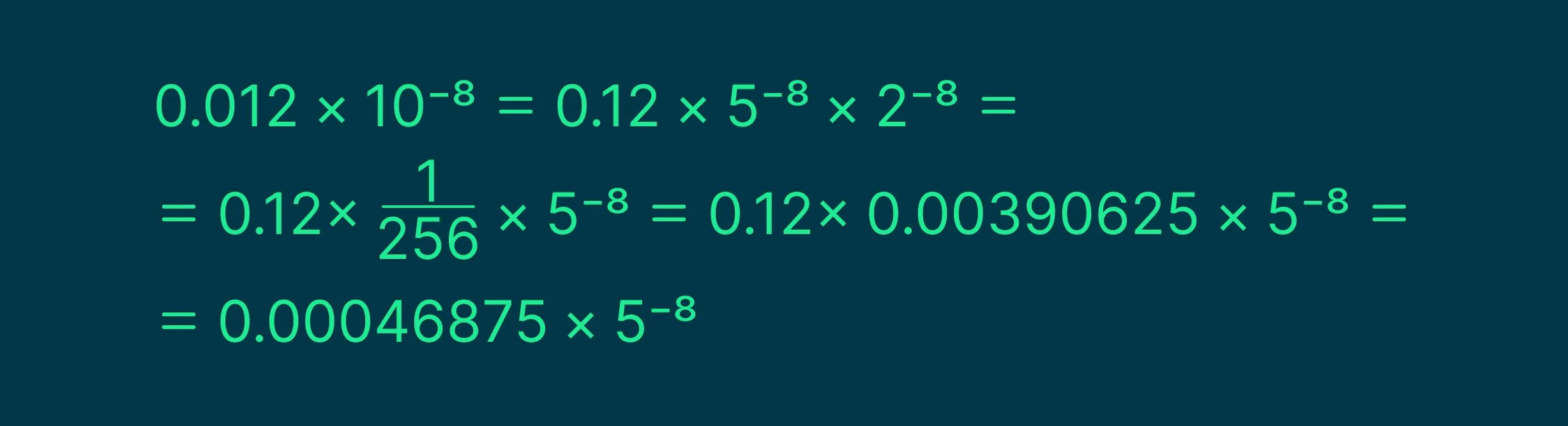
Despite the change mantissa, the exponent remains unchanged because we followed the basic rules of multiplication.
The exponent remains unchanged because we are factoring the number 10 into its factors 5 and 2. If the original power is −8, then we can represent the number 10 as the product of 5^−8 and 2^−8. This explains why the exponent does not change under this factorization.
Now let's look at the binary representation of numbers, where the base is 2, similar to the decimal system where the base is 10. In this system, the mantissa will range from 0 to 1, excluding 1. Binary representation is used in computing systems and digital electronics because it allows for efficient information processing. Understanding the principles of the binary system is key to studying computer science and programming.
The decimal number 0.12 × 10^−8 in the binary number system is converted to the following value. To convert a decimal number to binary, it is necessary to take into account both the integer and fractional parts. This number, represented in scientific notation, is first converted to decimal format. Then, the conversion to the binary system is performed. The resulting binary representation allows for more efficient data processing in computer systems.

Scientific notation is the key principle underlying the binary representation decimal numbers in computer systems. In this context, special attention should be paid to the IEEE 754 standard, which defines the format for representing real numbers and their arithmetic operations. The IEEE 754 standard is widely used in modern computing, providing high accuracy and efficiency for processing floating-point numbers. Let's consider its main aspects and impact on computational processes in computer technology.
How Floating-Point Numbers Are Represented
The IEEE 754 standard is a key set of rules that defines the encoding of real numbers in computer systems. It has become the de facto standard in programming, especially in the area of floating-point arithmetic. This standard provides a universal way to represent and work with real numbers, which is critical for high-precision calculations in various applications, including scientific calculations, financial analysis, and graphics. The IEEE 754 rules include specifications for various number representation formats, such as single and double precision, and also define rules for rounding and handling exceptional values. Using IEEE 754 standards helps avoid calculation errors and ensures consistency of results across platforms.
The IEEE 754 standard represents numbers using a fixed number of bits, each of which has a unique function. The standard implementation uses 32 bits, which are divided into three main components: one bit is designated as the sign of the number, 8 bits are allocated for the exponent, and 23 bits are used for the mantissa. This format allows for the efficient representation of both integers and fractional numbers, ensuring the precision and range of values in calculations. The IEEE 754 standard plays a key role in computer arithmetic and is widely used in modern processors and software.
Signs, exponents, and mantissas are key elements in the representation of floating-point numbers. The sign bit indicates whether the number is positive or negative. The exponent is responsible for scaling the magnitude, allowing for the representation of both very large and very small numbers. The mantissa, in turn, determines the precision of the value representation, providing the required level of detail. Understanding these components correctly is important for working with numerical data in computing and programming.

A specific formula is used to convert a binary number to a decimal number. Each digit of a binary number is multiplied by 2 to the power of its position, starting with zero on the right. Then, all the resulting values are summed. This yields the equivalent decimal number. For example, to convert the binary number 1011 to decimal, you would calculate: 1*2^3 + 0*2^2 + 1*2^1 + 1*2^0, which ultimately yields 11 in decimal. Using this formula allows you to quickly and easily convert between binary and decimal number systems.

In this formula, Z denotes the sign bit, M represents The mantissa, and E is the exponent. To correctly display both positive and negative values of the exponent, an offset of 127 is used. This offset simplifies working with numbers, providing a more convenient representation in the binary system. Thus, the use of the sign bit and offset makes it possible to efficiently represent floating-point numbers. Without taking the offset into account, the exponent value ranges from 0 to 255, while with the offset, the range changes from -127 to 128. This offset contributes to a more efficient representation of small numbers, which is especially important in computer graphics and digital signal processing. Correct use of number representation formats helps optimize memory and improve computing performance. To calculate the mantissa, one is added to the number, followed by a decimal point, as in a fixed-point number. After this, the calculation is performed.

As a result of the calculations, we get the value 1.23, but this number is only an approximation. Under ideal conditions, with an infinite number of bits, the exact value could be represented as 1.230000000000000000000000000000000001, providing a more precise representation. However, due to the limited bit length, rounding occurs in digital calculations, which affects the precision of number representation. This phenomenon is important to consider when working with high-precision calculations and in tasks requiring a high degree of accuracy.
Now let's substitute all the values into the formula. This will allow us to obtain an accurate result and analyze all the parameters. It is important to consider each variable to ensure the accuracy of the calculations and avoid errors. Paying close attention to each element of the formula will help us achieve the best results and understand the process more deeply.
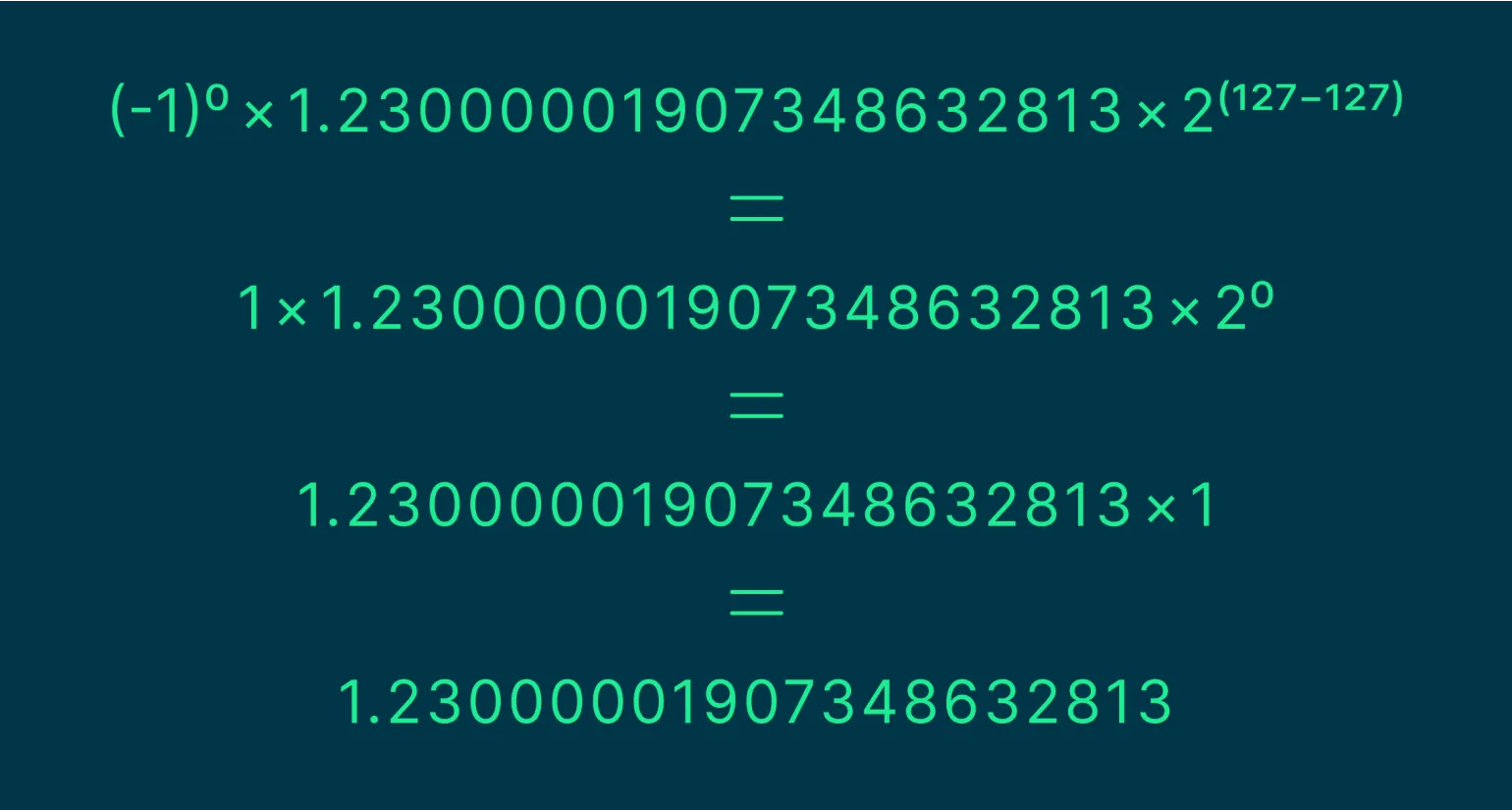
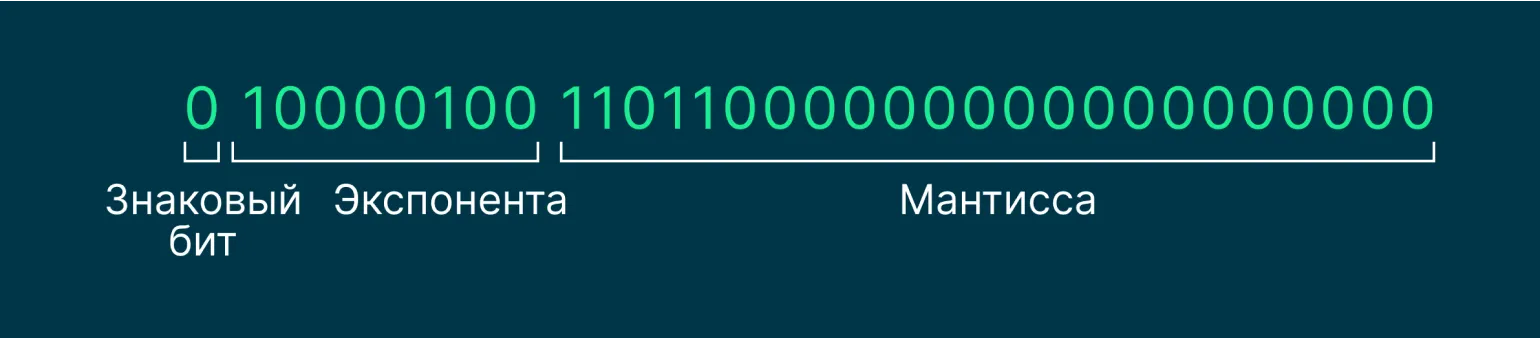
All calculations are verified. Now let's convert another binary number to decimal. Consider the following binary representation:
Optimizing text for SEO is about using keywords and phrases that will help improve the visibility of your content in search engines. It is also important to make the text more informative and appealing to readers.
The current text «0 10000000 11100000000000000000000» does not contain informative content and is not suitable for SEO. It is a good idea to add context and explain what these numbers mean. For example, if it refers to numerical data, they can be presented as statistics, graphs, or other analytical metrics.
The next version of the text might read like this:
«Modern analytical systems often use numerical data to visualize information. For example, the values 0, 10,000,000, and 111,000,000,000,000,000,000 could represent different categories of statistics or financial metrics. This data is essential for analyzing trends and making informed decisions. Understanding the numbers allows you to better understand volumes, trends, and opportunities in the market.
This approach not only improves SEO but also makes the text more useful to the audience.
We will follow all the necessary steps.
- sign bit - 0;
- exponent - 128;
- mantissa - 1.875.
Now we need to substitute the obtained values into the formula. This will allow us to conduct the analysis and obtain the desired result. Using the formula with up-to-date data will help accurately determine the desired parameters and simplify further calculations. It is important to ensure that all values are correct to avoid errors and get a reliable result.
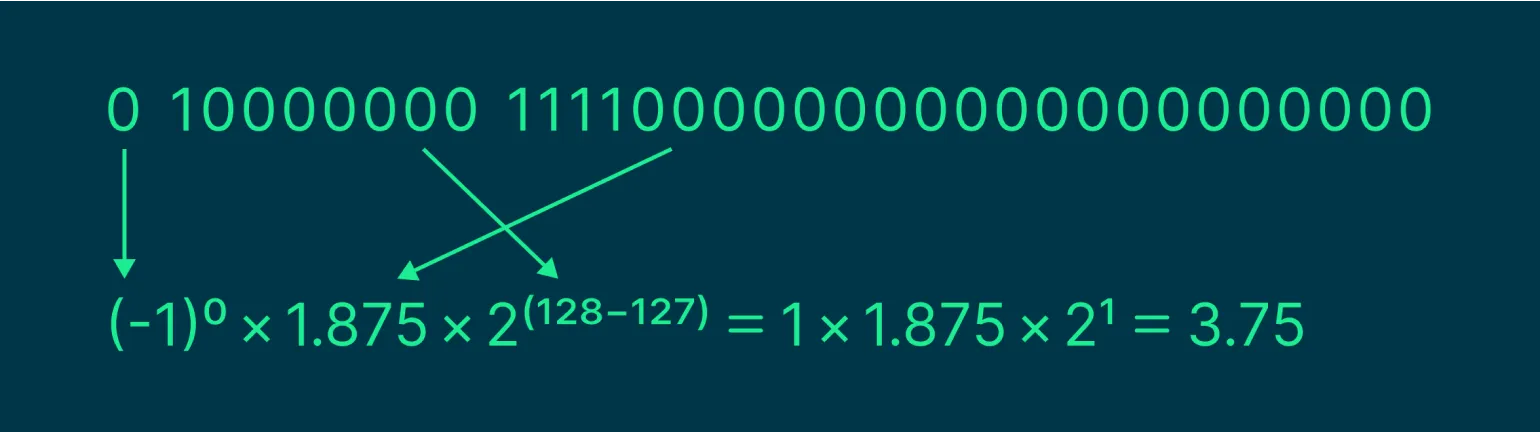
As a result of the calculations, we get a decimal value of 3.75. This value can be used in a variety of mathematical problems and applications that require precision.
Understanding Floating-Point Numbers
Floating-point numbers play a key role in computing systems. We've already discussed how they are stored in memory and converted to decimal values according to the IEEE 754 standard. Now, let's dive deeper into their characteristics and usage. Floating-point numbers enable precise mathematical operations that are essential in science, engineering, and financial applications. However, despite their advantages, it is important to be aware of possible rounding errors and precision limitations when working with these numbers. Understanding these aspects will help you avoid problems and ensure correct calculations in various software applications.
Floating-point numbers include unique values such as positive and negative zero, positive and negative infinity, and uncertainty. These concepts play a key role in ensuring the accuracy of calculations and the correct interpretation of results. Understanding these values helps developers and researchers avoid errors and improves the efficiency of data processing in various applications, including scientific computing and financial analysis.
Positive and negative zeros play an important role in computer calculations, allowing us to distinguish between values close to zero but with different signs. This is especially important in financial applications, where working with small interest rates requires a clear understanding of whether the rate is positive or negative. Accounting for these differences facilitates more accurate data analysis and informed financial decision-making.
Missing two zeros in numerical calculations can cause significant rounding errors. According to the IEEE 754 standard, these zeros are represented as follows:
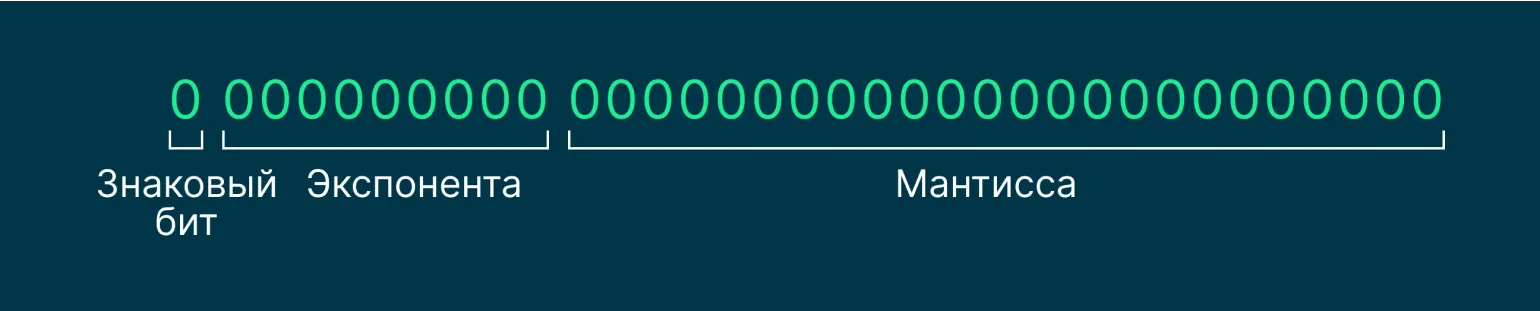
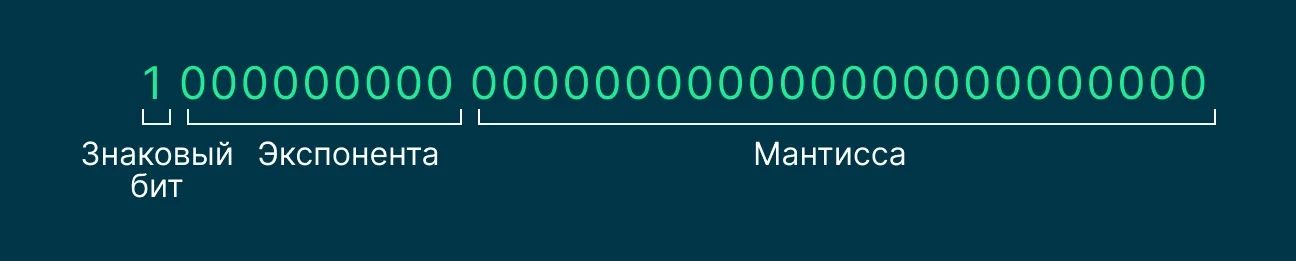
In mathematics, infinity is divided into two types: positive and negative. Dividing by zero results in infinity, and while this idea may seem unusual, it plays a key role in various mathematical concepts and theories. Understanding infinity is essential for exploring limits, functions, and number series, making this topic especially important for students and professionals in mathematics.Positive infinity occurs when a positive number is divided by zero, which has a positive sign, while negative infinity occurs when a negative number is divided by positive zero. This can be explained as follows: when we attempt to divide a positive number by ever smaller values approaching zero, the result approaches positive infinity. Similarly, dividing a negative number by values approaching positive zero results in negative infinity. Thus, the concepts of positive and negative infinity are related to the behavior of functions and limits in mathematics.
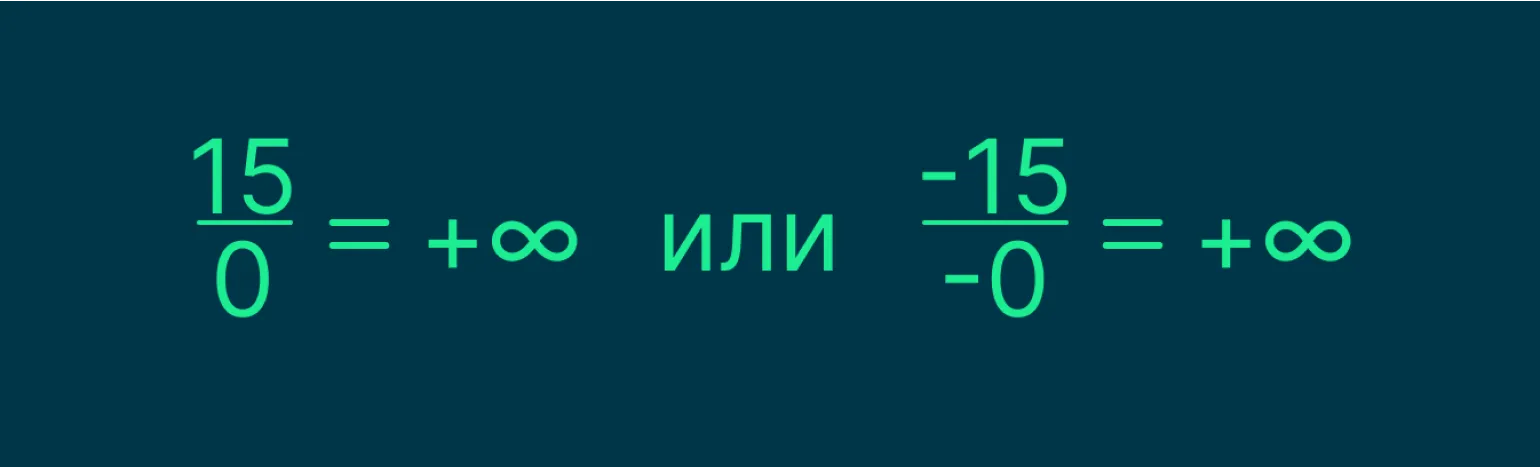
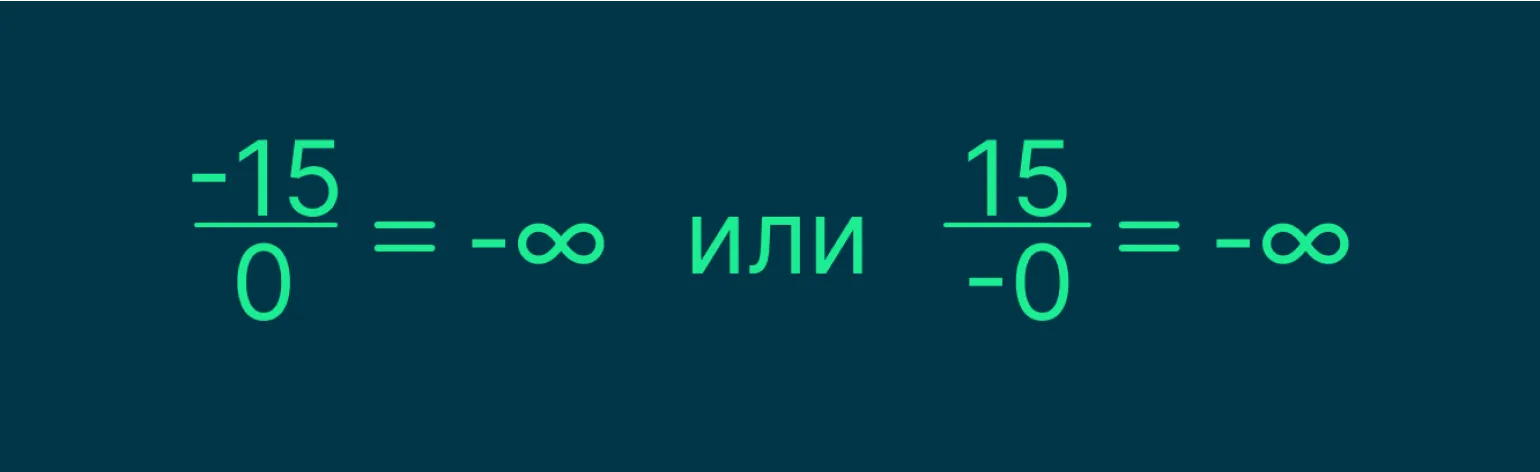
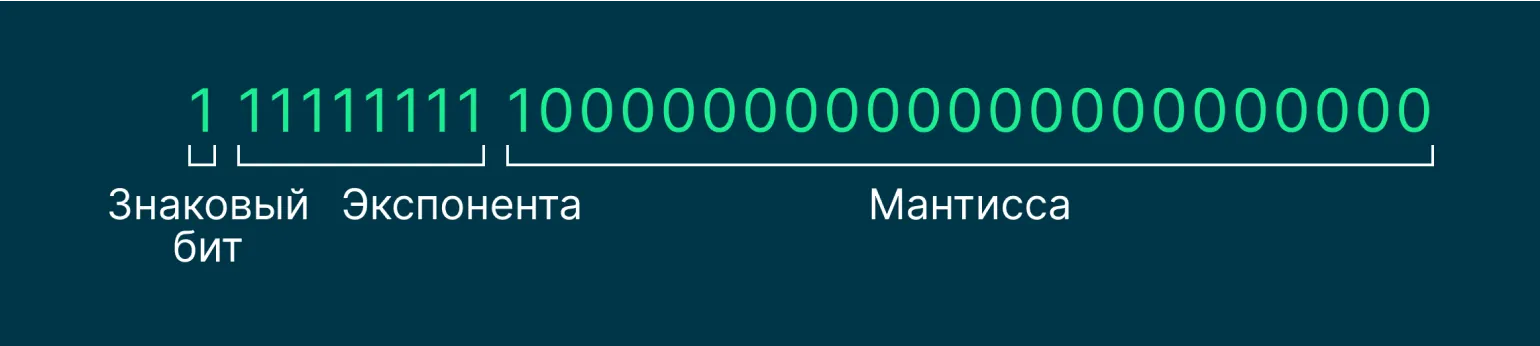
In the binary representation of positive infinity, the exponent is filled only with ones, and the mantissa consists exclusively of zeros. A similar situation is observed for negative infinity. This property is important to consider when working with floating-point numbers and when analyzing the specific features of representing infinity in computing systems.
Uncertainty, known as Not-a-Number (NaN), occurs in situations where the result of a mathematical operation cannot be precisely determined. One common example is dividing zero by zero. Uncertainty has special properties that are important to consider when working with numbers in programming and computing. For example, NaN is not equal to any number, including itself, which can lead to unexpected results when comparing. Understanding and properly handling NaN is critical to preventing errors in algorithms and calculations.
The main difference between NaN (Not a Number) and infinity is that NaN has at least one non-zero bit in the mantissa. This means that NaN is used to denote undefined or invalid numeric values, while infinity represents a numeric value beyond finite values. Understanding these differences is important for working with numeric data and calculations in programming and mathematics. NaN can result from division by zero, invalid operations, or calculation errors, while infinity can result from exceeding the limits of numeric types. Understanding these aspects helps developers properly handle exceptional cases and avoid errors in their code.
The IEEE 754 standard defines two main categories of floating-point numbers: normalized and denormalized. Normalized numbers are used to represent large values and provide high precision in calculations. Denormalized numbers, in turn, are used to represent very small values close to zero. This standard is fundamental to working with floating-point numbers in modern computing systems, ensuring the reliability and consistency of numerical representations. Normalized numbers provide high precision and require less storage memory than other formats. In scientific notation, the number 123 is represented as 1.23 × 10². This approach allows for efficient use of memory, since the first bit of the mantissa is always one. This makes normalized numbers especially useful in computational mathematics and programming, where not only accuracy but also resource optimization is important.
If a value is close to zero, it can be rounded to zero, making the normalization process ineffective for small numbers. This limitation should be taken into account when processing data, as small values may lose their significance and not reflect the true picture. It is important to find a balance when normalizing to preserve the information content of the data, especially in cases where small values may be important for analysis.
Denormalized numbers serve as an effective solution to the rounding problem in calculations. However, their use requires more bits for storage, which can lead to a loss of precision. It is important to consider these aspects when choosing a number format for performing arithmetic operations, especially in tasks where high calculation accuracy is critical.
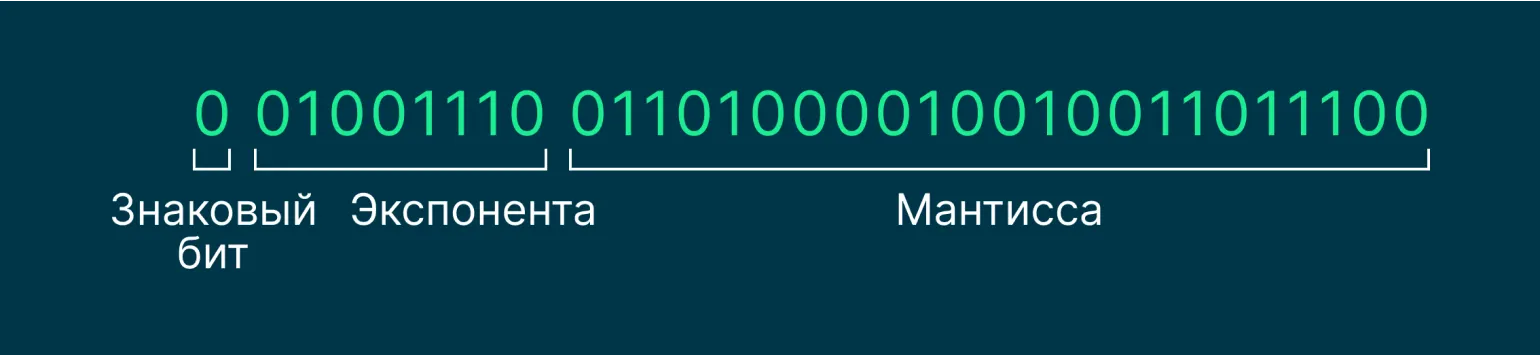
The boundary between normalized and denormalized numbers is set at 0.75. This threshold plays a key role in various fields, including statistics and data analysis, as it determines how numerical values should be processed and interpreted to achieve the best results. Understanding this limit allows professionals to more effectively manage data and make informed decisions based on the obtained results.
The single-precision floating-point standard uses 32 bits: one bit is allocated for the sign, eight bits are for the exponent, and 23 bits are intended for the mantissa. This format is the most common for representing numbers in computing, providing a balance between range of values and precision. Single precision enables efficient data storage and processing in a variety of applications, including scientific computing and graphics.
Double-precision numbers use 64 bits, providing a significantly wider range of values and increased precision compared to single-precision numbers. This makes them ideal for use in applications that require a high degree of accuracy, such as scientific computing and engineering. Using 64-bit numbers eliminates rounding errors and ensures more reliable results in mission-critical calculations.
Single-precision numbers can represent values in the range of −3.40282347 × 10³⁸ to +3.40282347 × 10³⁸, providing accuracy to seven decimal places. Double-precision numbers, on the other hand, have a wider range, ranging from −1.7976931348623157 × 10³⁸ to +1.7976931348623157 × 10³⁸ and guarantee an accuracy of 15 to 17 decimal places. These characteristics make single- and double-precision numbers important for programming and scientific calculations that require a high degree of precision. Programming languages, including Java, have specialized data types, such as BigInteger and BigDecimal, which are designed to work with arbitrary-precision numbers. Although these data types provide high calculation accuracy, their use can negatively impact application performance. This is because operations with large numbers require more processing time and consume more resources. Therefore, developers should carefully consider when and how to use BigInteger and BigDecimal to balance the need for precision with software efficiency.
Key Points to Understand
In this article, we've explored the concept of floating-point numbers in detail. However, this is only a superficial introduction to a broad and complex topic that requires deep analysis and understanding. Learning about floating-point numbers can be time-consuming, but understanding the basic principles and features of this concept is essential. In conclusion, we will highlight key points worth remembering for future use.
- Floating-point numbers are an approximate representation of real numbers in programming, and all the rules for their representation are based on the IEEE 754 standard.
- This standard is necessary to ensure compatibility and efficiency in working with real numbers on different computer architectures.
- There are two main formats of floating-point numbers: single and double precision. Single precision occupies 32 bits and includes one sign, eight bits for the exponent, and 23 bits for the mantissa. While double precision uses 64 bits: one sign, 11 bits for the exponent, and 52 bits for the mantissa.
- The IEEE 754 standard also includes special values needed to represent positive and negative zero, infinities, and undefined values.
If you want to learn more exciting content, join our Telegram channel. We regularly publish fresh materials to help you stay up to date with the most relevant topics. Don't miss the opportunity to be part of our community and receive interesting updates straight to your phone.
In addition to the main material, we recommend you check out the following resources. These will help you deepen your knowledge and gain a more complete understanding of the topic. Our recommendations include articles, research, and practical guides that will allow you to expand your horizons and increase your expertise in this field. Don't miss the opportunity to enrich your knowledge and improve your skills by studying the proposed materials.
- How to Prepare for an Interview: Random Numbers in Python
- Test of Knowledge of Esoteric Programming Languages
- Binary Arithmetic: Basic Operations with Binary Numbers
Python Developer: 3 Steps to a Successful Career
Want to become a Python developer? Learn how to master the profession in 3 steps with expert support! Read the article.
Find out more