Contents:
Free Course: "Quick Start in Python"
Learn MoreThere are phenomena in mathematics that amaze with their beauty and harmony, evoking a desire to study them endlessly. One such phenomenon is fractals. These unique figures have the property of self-similarity, which allows them to recursively reproduce themselves and form amazing patterns in two- and three-dimensional spaces. However, fractals are more than just visual art; they also provide access to deep mathematical concepts and serve as a tool for describing natural processes in the surrounding world. The study of fractals helps us better understand the complex structures found in nature, from cloud shapes to plant distributions and even biological systems.
The table of contents is an important element of any text, as it allows readers to quickly navigate its structure and find the information they need. To optimize for SEO, the table of contents should be clear, concise, and include keywords relevant to the topic. Proper use of headings and subheadings helps improve readability and increase the chances of high search engine rankings.
The table of contents not only facilitates navigation but also promotes better information comprehension. When composing the table of contents, it is important to pay attention to the sequence and logic of the presentation of topics so that the reader can easily follow the train of thought. Use clear wording and avoid redundant terms to make the text accessible to a wide audience.
Remember that the table of contents should reflect the key points of your text, so it is important to update it according to changes in the main content. As a result, properly formatted content will not only improve user experience but also increase the effectiveness of your content in search engines.
- What is a fractal?
- Types of fractals
- Geometric fractals
- Algebraic fractals
- Stochastic fractals
- Fractal images
- Fractals in physics
- Fractals in nature
What is a fractal?
A fractal is a figure with the unique property of self-similarity. An object is considered self-similar if one or more of its parts resemble its whole. An interesting feature of fractals is that the number of repeating parts tends to infinity, which distinguishes them from self-similar geometric figures with a finite number of links, known as prefractals. This property makes fractals important in a variety of fields, including mathematics, art, and nature, where they appear in complex patterns and structures.
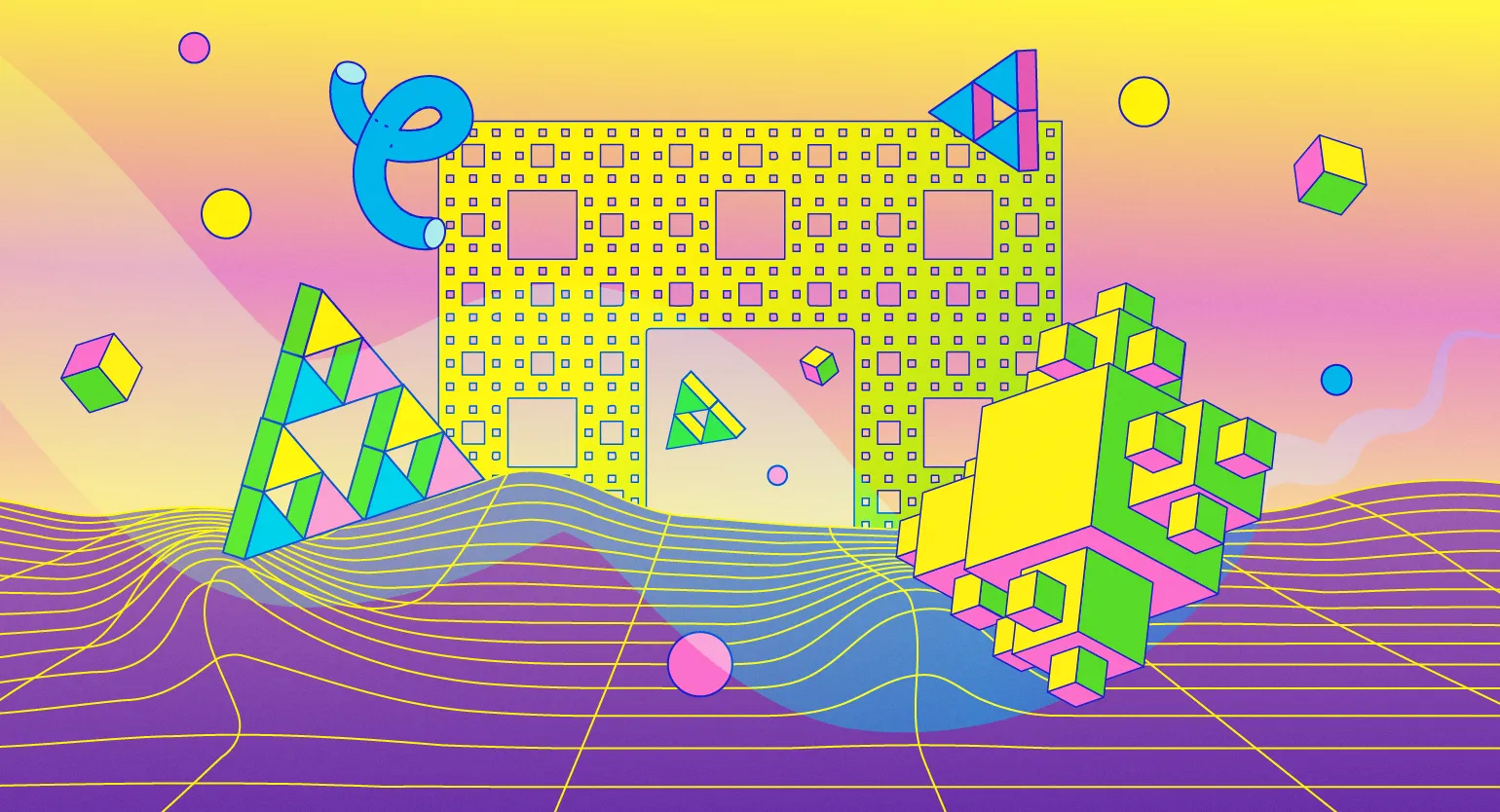
The term "fractal" was introduced in 1975 by American mathematician Benoit Mandelbrot, who based it on the Latin word fractus, which translates as "divided into parts." In his book, The Fractal Geometry of Nature, Mandelbrot presented an innovative approach to describing complex natural objects based on fractals. Conventional Euclidean shapes such as straight lines, triangles, squares, and circles fail to adequately describe the diversity of forms found in nature. Fractals, with their self-similar structure, allow for more accurate modeling and analysis of natural phenomena, opening up new horizons in mathematics and the natural sciences.
The concept of fractals was known long before Benoit Mandelbrot's research. The first such figure, known as the "Cantor set," is the result of Georg Cantor's work in 1883. Using this set, the mathematician demonstrated the properties of self-similarity and recursion, which became fundamental for the further study of fractal geometry.
Scientists later discovered recursion in natural objects such as trees, lightning, and clouds. The structure of these objects turned out to be similar to the structure of their components. This discovery makes it possible to describe nature using mathematical laws, avoiding attempts to represent it exclusively through square and round geometric figures.
Read also:
Recursion in Everyday Life: People, Architecture, and Romanesco Cabbage
Recursion is a concept that manifests itself in various aspects of our lives. People, buildings, and even nature demonstrate this phenomenon. Recursive elements can be observed in the architecture of cathedrals, where each level and detail repeats the overall style and form, creating a harmonious whole. These structures are not only beautiful but also symbolize the complexity and depth of human creativity.
Romanesco cabbage is a striking example of recursion in nature. Its unique spiral structure is made up of many small cones, each resembling the overall appearance of the plant. This natural wonder illustrates how simple elements can form complex shapes, reflecting the idea of recursion.
Thus, recursion surrounds us everywhere, from human creativity to natural forms, and helps us better understand the world we live in.
Modern models based on fractals find wide application in such fields as physics, biology, medicine, and other scientific disciplines. Scientists continue to discover new patterns associated with fractal structures in various phenomena occurring in our Universe. The study of fractals provides a deeper understanding of complex processes and interactions in nature, opening new horizons for scientific discovery and practical applications.
Types of Fractals
Fractals are classified into three main types: geometric, algebraic, and stochastic. Geometric fractals are characterized by self-similarity and are often found in nature, for example, in the shapes of snowflakes and trees. Algebraic fractals are created using mathematical equations and algorithms, which allows for the generation of complex and beautiful structures. Stochastic fractals, in turn, are based on probabilistic processes and model random phenomena, such as cloud distribution or surface textures. Studying these types of fractals provides a deeper understanding of their properties and applications in a variety of fields, including mathematics, art, and science.
Geometric shapes are formed from an initial form that is successively divided and modified at each iteration. This approach allows for the creation of complex structures and patterns based on simple geometric elements. The use of iterative processes in geometry opens up new possibilities for the design and analysis of forms, making it an important tool in mathematics and art.
Algebraic constructions are based on algebraic formulas. They are an important element of mathematical analysis and are used to solve various problems in algebra. Algebraic expressions include variables, constants, and mathematical operations, allowing for the modeling and analysis of numerical relationships. Understanding algebraic formulas is key to learning more complex mathematical concepts and applying them to real-world problems.
Stochastic processes occur when one or more parameters in an iterative system are randomly varied. Such changes can significantly affect the behavior of a system, leading to a variety of outcomes. Stochastic models are widely used in mathematics, statistics, and economics, allowing us to analyze systems with uncertainty and unpredictable outcomes. Their use helps to better understand the dynamics of processes and optimize results in various fields, including financial markets and scientific research.
In this section, we will consider each class in detail.
Geometric Fractals
Shapes created from straight lines, squares, circles, polygons, and polyhedra represent an important aspect of geometry. In this text, we will consider various examples, starting with the simplest forms and gradually moving to more complex ones. Analyzing these shapes will help us better understand their properties and application in various fields, such as architecture, design, and art.
In 1883, the German mathematician Georg Cantor, the founder of set theory, developed the concept of a self-similar set. He took an arbitrary segment and divided it into two equal parts, then divided each of these parts into two again, and so on, creating an infinite sequence of divisions. This idea became the basis for understanding fractals and infinity in mathematics, and also had a significant influence on the development of modern mathematical theories. The Cantor set, also known as the Cantor set, is an example of how complex structures can be built from simple elements, marking a milestone in mathematical analysis and set theory.
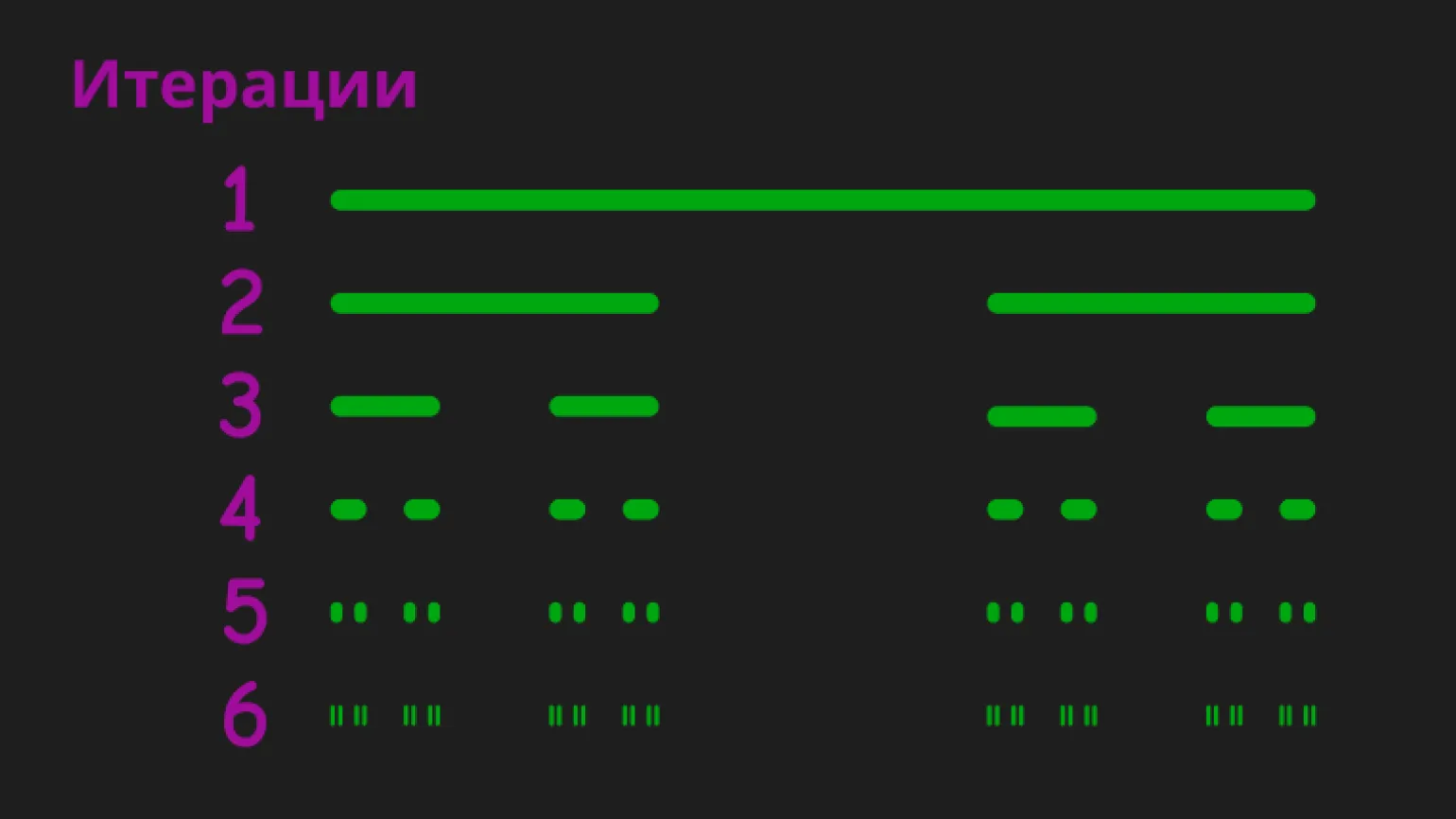
Each step in the process of dividing lines into two parts is called an iteration. Iterations play a key role in mathematics and programming, ensuring that actions are performed sequentially and allowing the desired result to be achieved through repetition. Understanding iterations allows you to more effectively solve problems related to division, data analysis, and optimization.
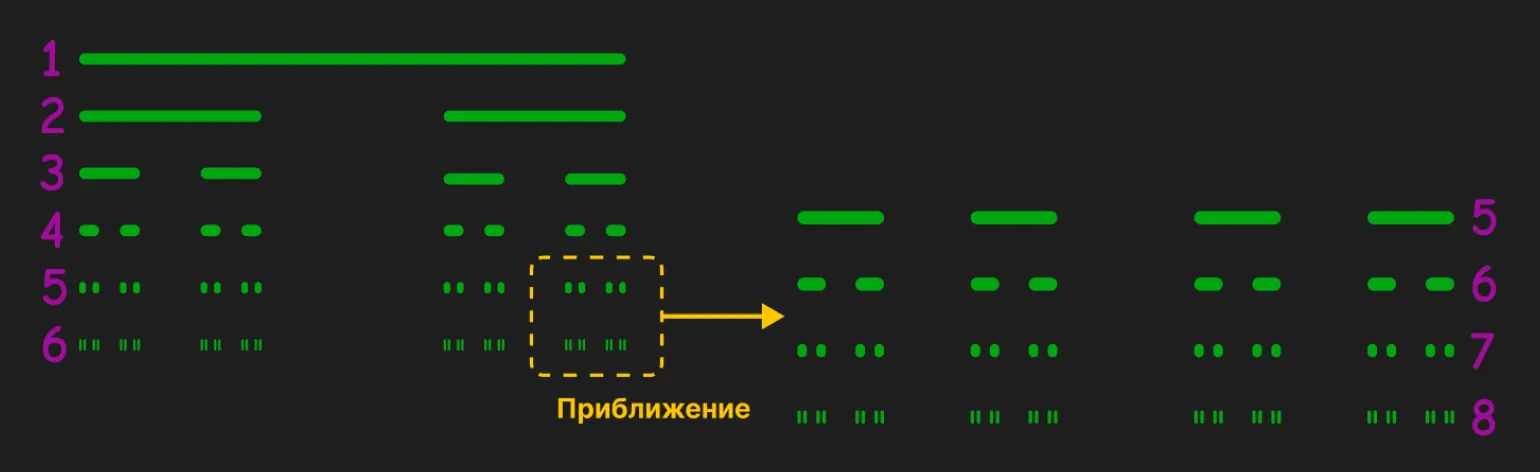
Iteration is the process of repeating the same action. In programming, this can be compared to one pass through a loop. In the first iteration, we have one segment, in the second - two segments, in the third - four, and so on. If we continue this simple action indefinitely and zoom in, we see the same picture as at the beginning. This phenomenon illustrates the concept of self-similarity, where a structure is repeated at different scales. Self-similarity plays an important role in a variety of fields, including fractal geometry and nature, where such structures can be observed in plants, clouds, and other natural forms.
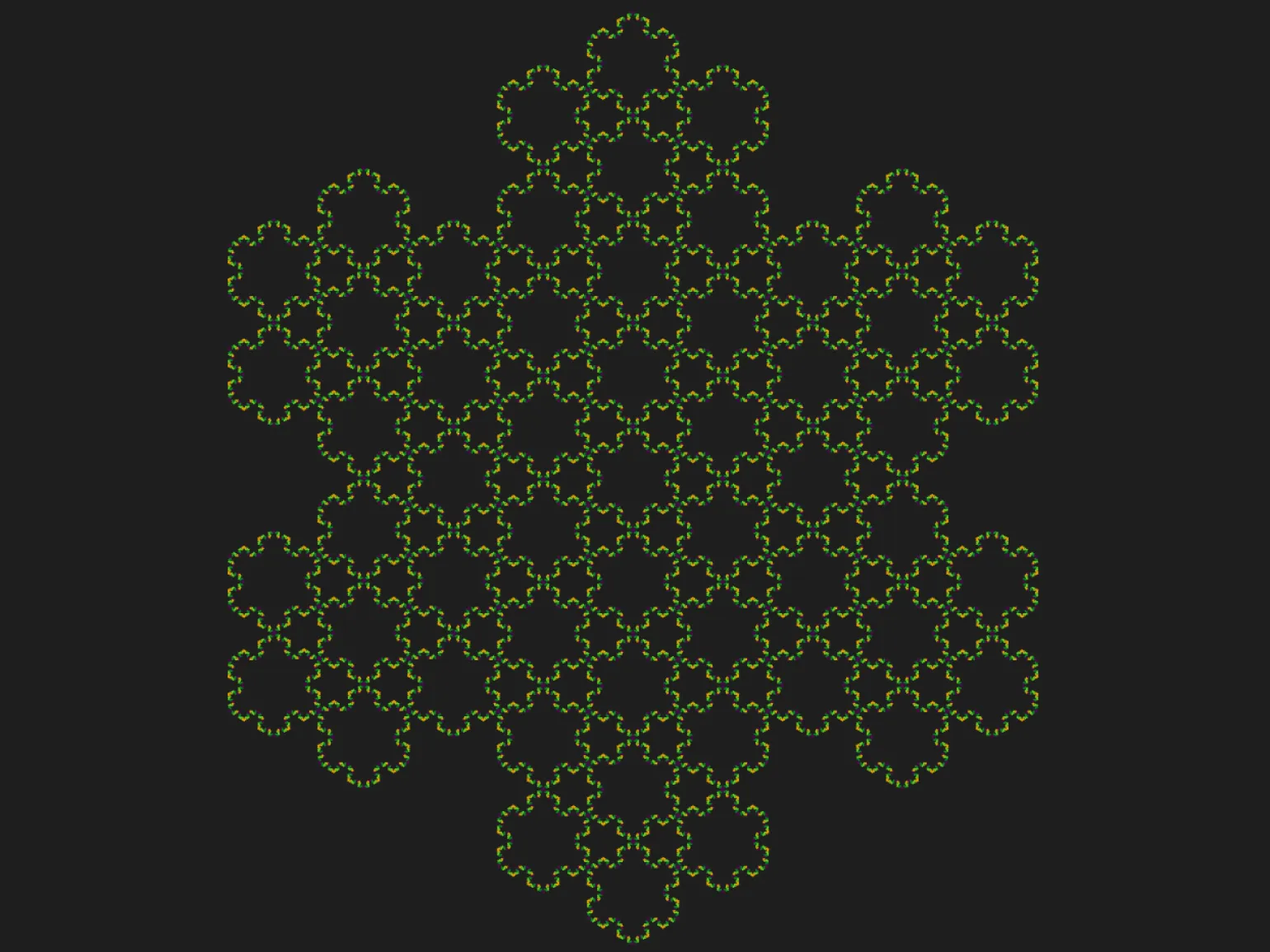
In 1904, Swedish mathematician Helge von Koch introduced his famous curve using a triangle and the principle of self-similarity. This research resulted in the fractal snowflake, which has become a classic example of fractal geometry. The Von Koch curve demonstrates how simple geometric shapes can generate complex structures, which is important in mathematics and various fields of science. Fractals like the Von Koch snowflake are used in nature, art, and computer graphics, highlighting the beauty and complexity of geometric forms.
The four stages of the figure's formation are shown. On the left are the original curves, and on the right is the resulting snowflake created from them. Clearly, both the equilateral triangle and the curve itself fit harmoniously into the snowflake. This clearly demonstrates the symmetry and geometric harmony inherent in snowflakes, which can be used in various fields of design and art.
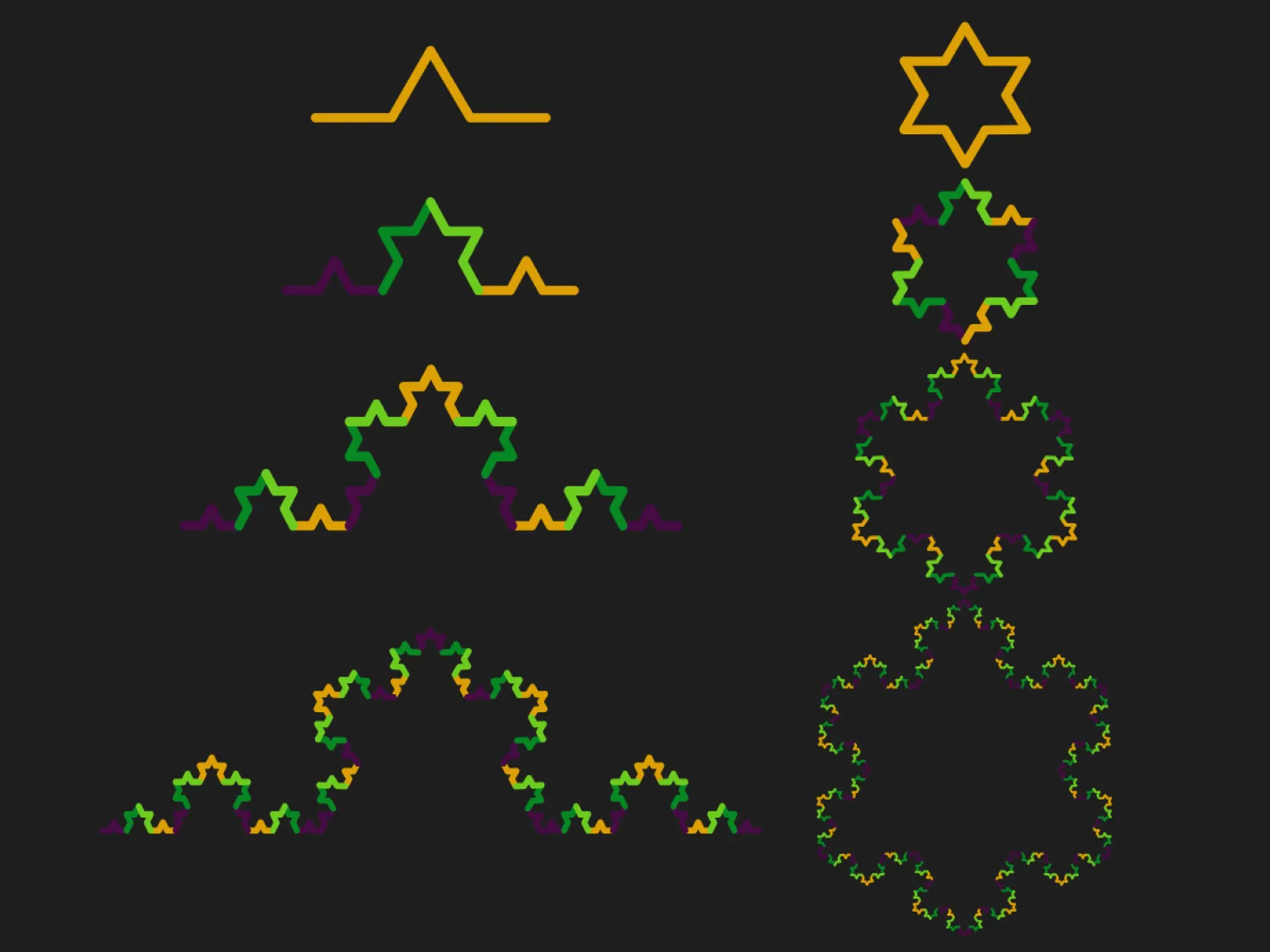
When we zoom in on the image, we invariably We observe a familiar pattern, similar to the Cantor set. It is impossible to determine the perimeter of such a snowflake, as it continues indefinitely. This is one of the key properties of fractals—their infinity. Fractals are remarkable geometric structures that exhibit self-similarity at various scales. Their study opens new horizons in mathematics, physics, and even art, allowing us to understand how infinity and complexity can manifest themselves in simple forms.
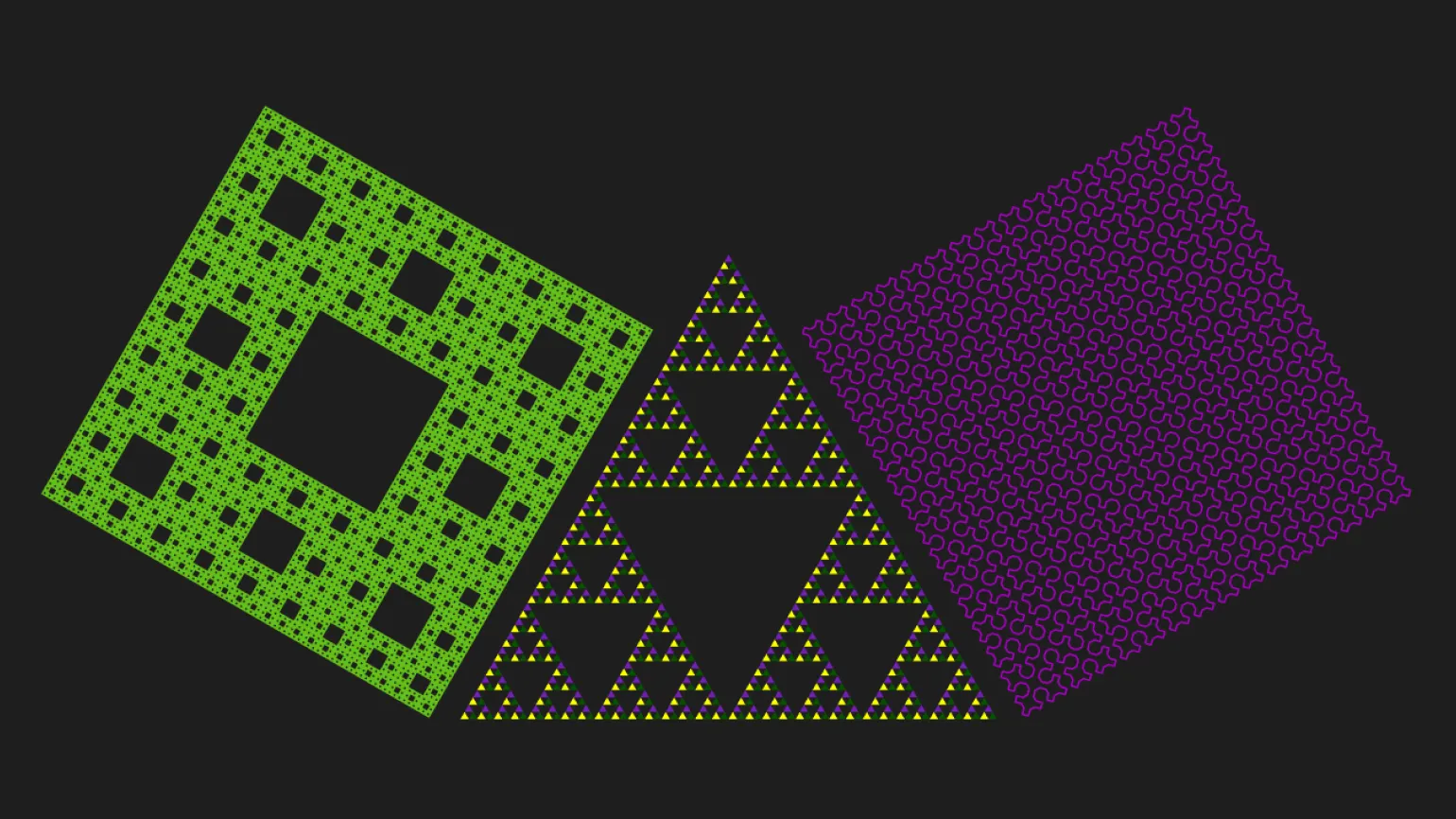
Polish mathematician Wacław Sierpinski developed a fractal based not only on curves but also on a combination of squares and triangles. His work made significant contributions to fractal theory and geometry, demonstrating how simple geometric shapes can create complex structures. Sierpinski fractals are an important example of self-similarity and find application in various fields, including computer graphics, physics, and biology.
The Sierpinski curve is an intriguing fractal that quadruples its copy number with each iteration. As the fractal replicates, its structure becomes more complex, creating increasingly intricate patterns. This phenomenon demonstrates how simple initial shapes can transform into complex geometric structures while retaining their fractal properties. Studying the Sierpinski curve helps to better understand the basic principles of fractal geometry and its applications in various fields, such as computer graphics and theoretical mathematics.
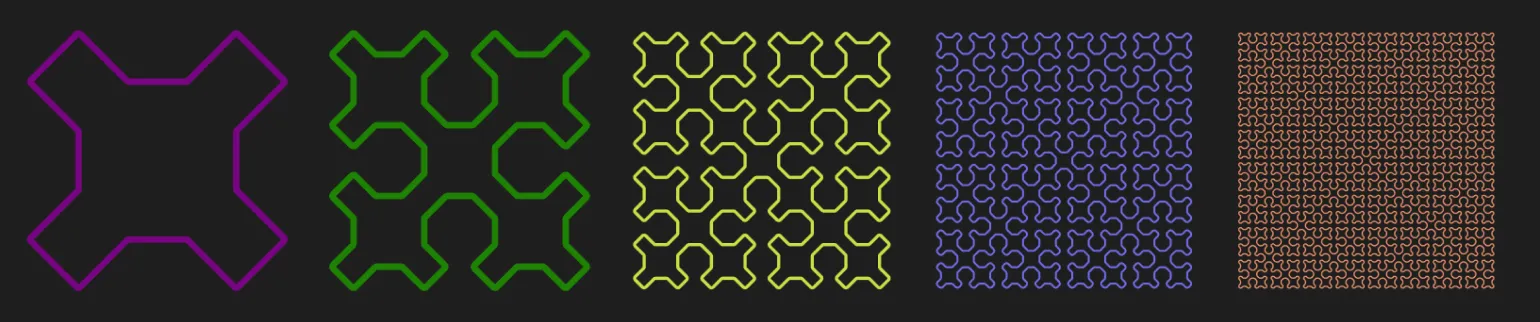
Triangle At each stage, the triangle is divided into three equal parts. This division process allows for the creation of smaller triangles, resulting in interesting geometric properties and patterns. By repeating this operation, one can observe how the original shape begins to transform, forming fractal structures. Dividing a triangle into equal parts not only helps in the study of geometry, but also finds application in various fields, such as computer graphics and architecture.

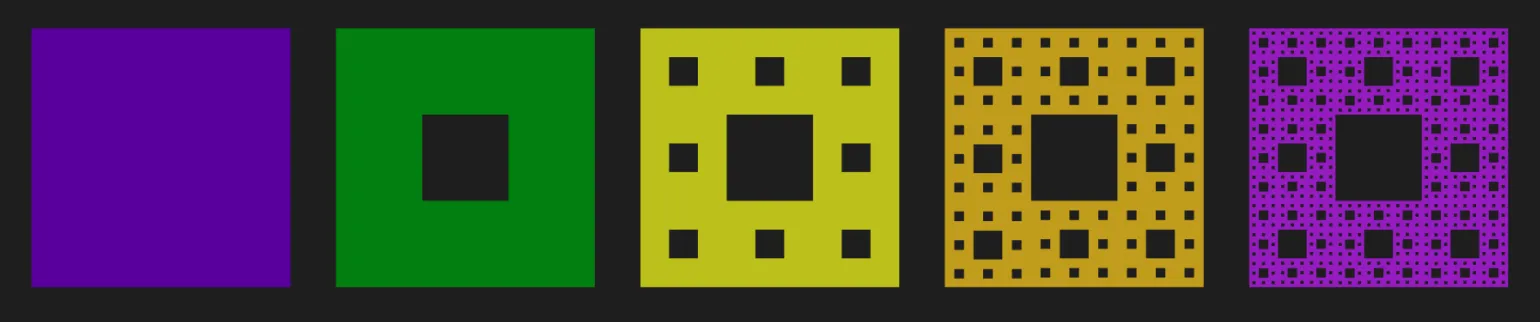
Square or carpet The Sierpinski triangle is formed similarly to the Sierpinski triangle, but in this case, the initial figure is divided into eight squares. By the fifth iteration, individual squares become difficult to distinguish, as the structure begins to fill with fractal patterns. This process demonstrates how simple geometric shapes can create complex and beautiful patterns that continue to evolve with each iteration. The Sierpinski Carpet is a striking example of fractal geometry, where repeating elements form a coherent pattern, making it an interesting object of study in mathematics and art.
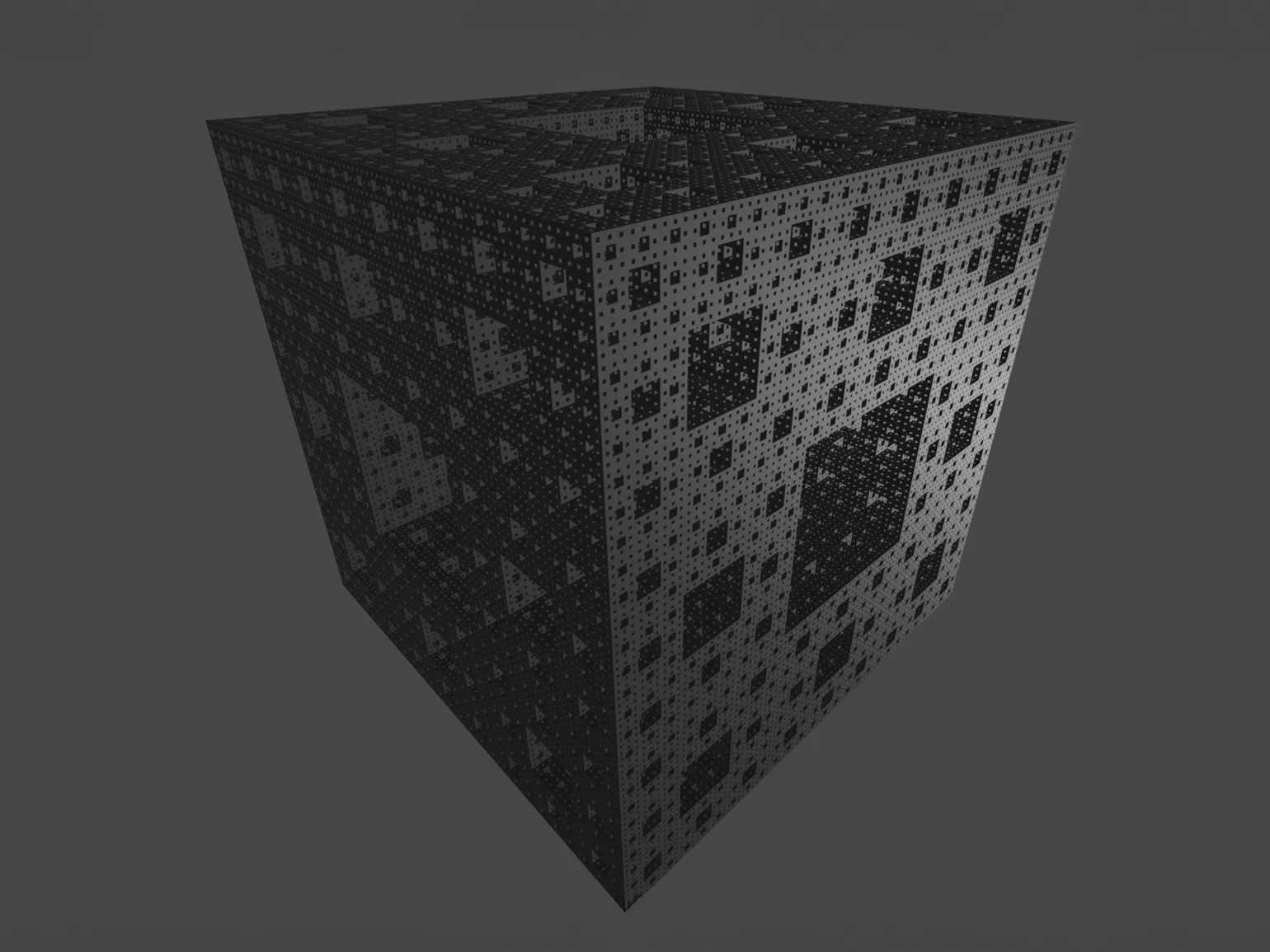
Geometric fractals can be created on the basis of polyhedrons, which allows them to have a three-dimensional structure. These fractals are complex geometric shapes that exhibit self-similarity at various scale levels. Volumetric fractals find application in a variety of fields, including computer graphics, architecture, and art. Their unique properties make them fascinating to study and the creation of visually striking objects.
The Sierpinski carpet in three-dimensional space transforms into a cubic polyhedron known as a Menger sponge. This fractal is an example of a complex structure formed by successively removing cubes from an initial volume. The Menger sponge exhibits unique properties of self-similarity and infinite complexity, making it an intriguing object of study in the field of fractal geometry. Thanks to its unusual shape and mathematical properties, the Menger sponge finds application in various fields of science and art, including computer graphics and architectural design.
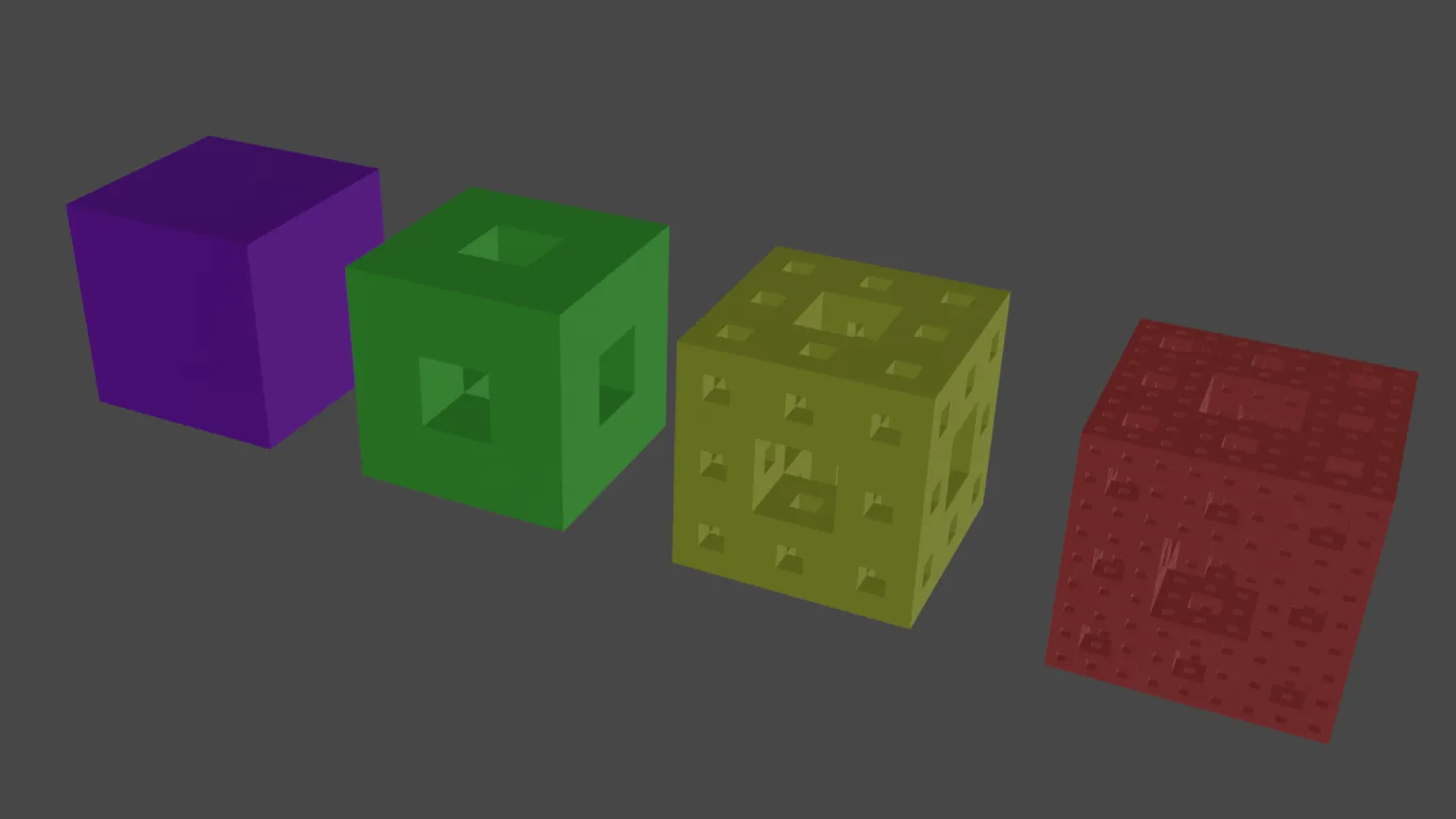
If If we were to enter the fractal and attempt to approach any of its sides, we would likely become lost and be unable to escape, since the Menger sponge conceals infinite space. This principle can also be used to model the three-dimensional Sierpinski triangle. Fractals such as the Menger sponge and the Sierpinski triangle exhibit remarkable properties of self-similarity and infinite complexity, making them fascinating to study in mathematics and art.
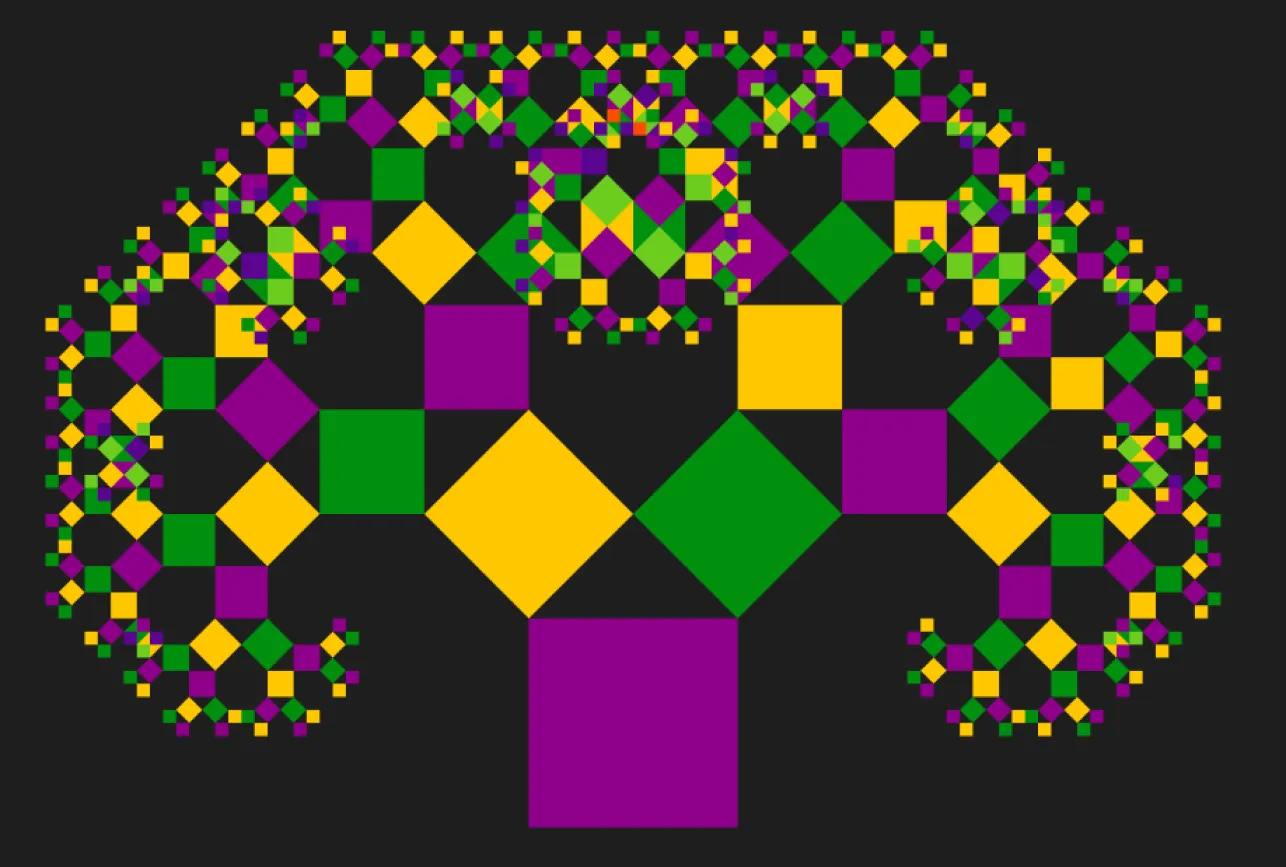
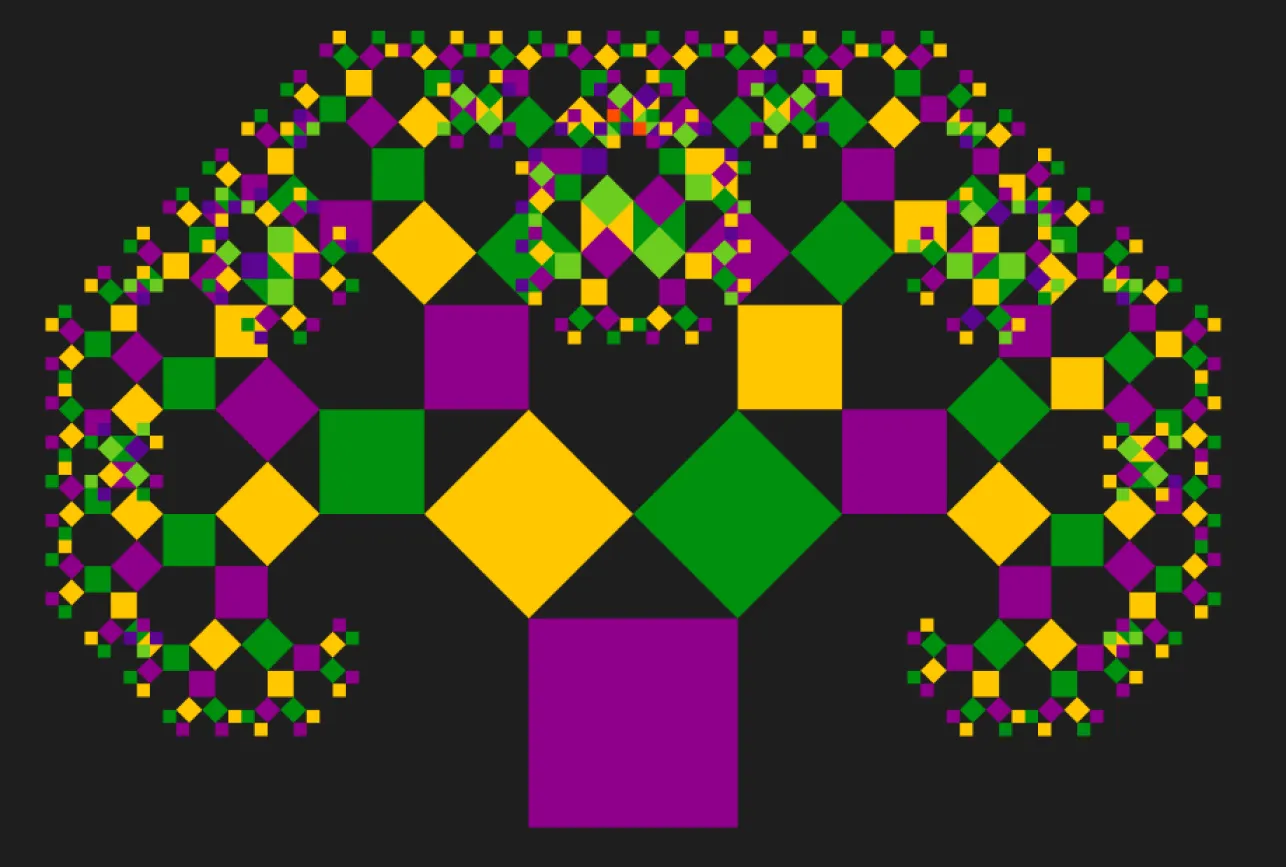
The Pythagorean tree is a recursive figure created by mathematician Albert Bosman in 1942. This figure is based on the famous Pythagorean theorem, which states that the sum of the squares of the two sides equals the square of the hypotenuse. This tree-like geometric fractal exhibits remarkable properties of self-similarity and complex structure arising from simple mathematical principles. The Pythagorean tree not only exemplifies mathematical beauty, but also illustrates the interaction of geometry and nature.
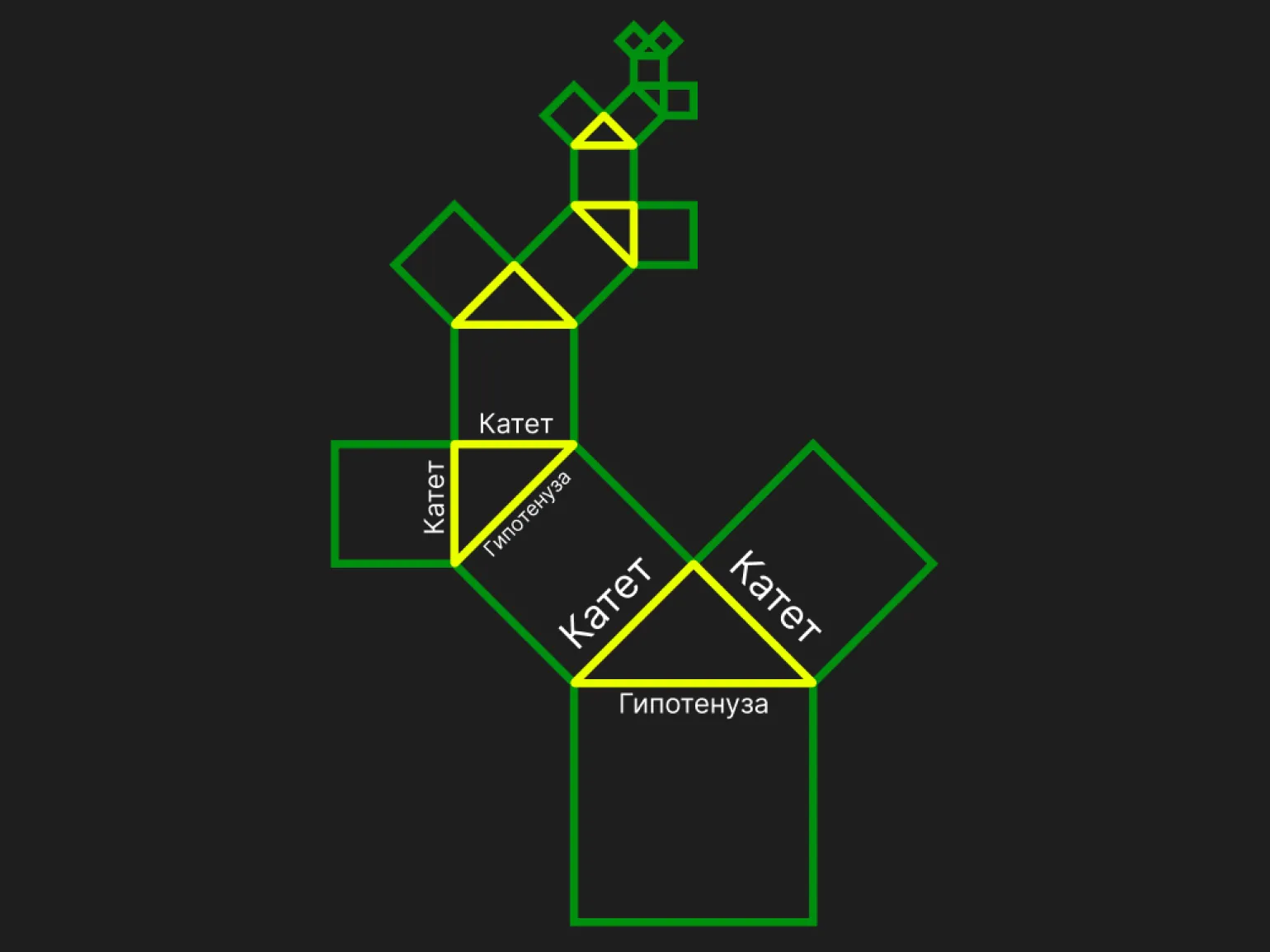
The Pythagorean tree may resemble a binary A tree for those familiar with algorithms. At its core, binary search reflects Cantor's principle, where the number of branches doubles at each iteration. This serves as another illustration of the concept of self-similarity, which was already mentioned. The Pythagorean tree and binary trees demonstrate how complex structures can emerge from simple, repeating elements, which is important for understanding algorithmic processes and mathematical models.
Algebraic Fractals
Algebraic fractals, unlike geometric fractals, are constructed based on mathematical formulas instead of specific figures. They are also subject to recursive iteration, which gives them unique and complex shapes. Algebraic fractals often appear more whimsical and captivating than their geometric counterparts, demonstrating interesting properties and patterns that can be explored in mathematics and art.
In 1905, the French mathematician Pierre Fatou introduced the concept of a set, which was first modeled using a computer in the 1970s by Benoit Mandelbrot. This set, known as the Fatou set, has become an important object of study in the fields of fractal geometry and complex analysis. Its visualization on the complex plane has opened new horizons for exploring the complex structures and patterns that arise in mathematics. The Fatou set and its properties continue to inspire researchers and artists, demonstrating the beauty of mathematical concepts in the visual arts.
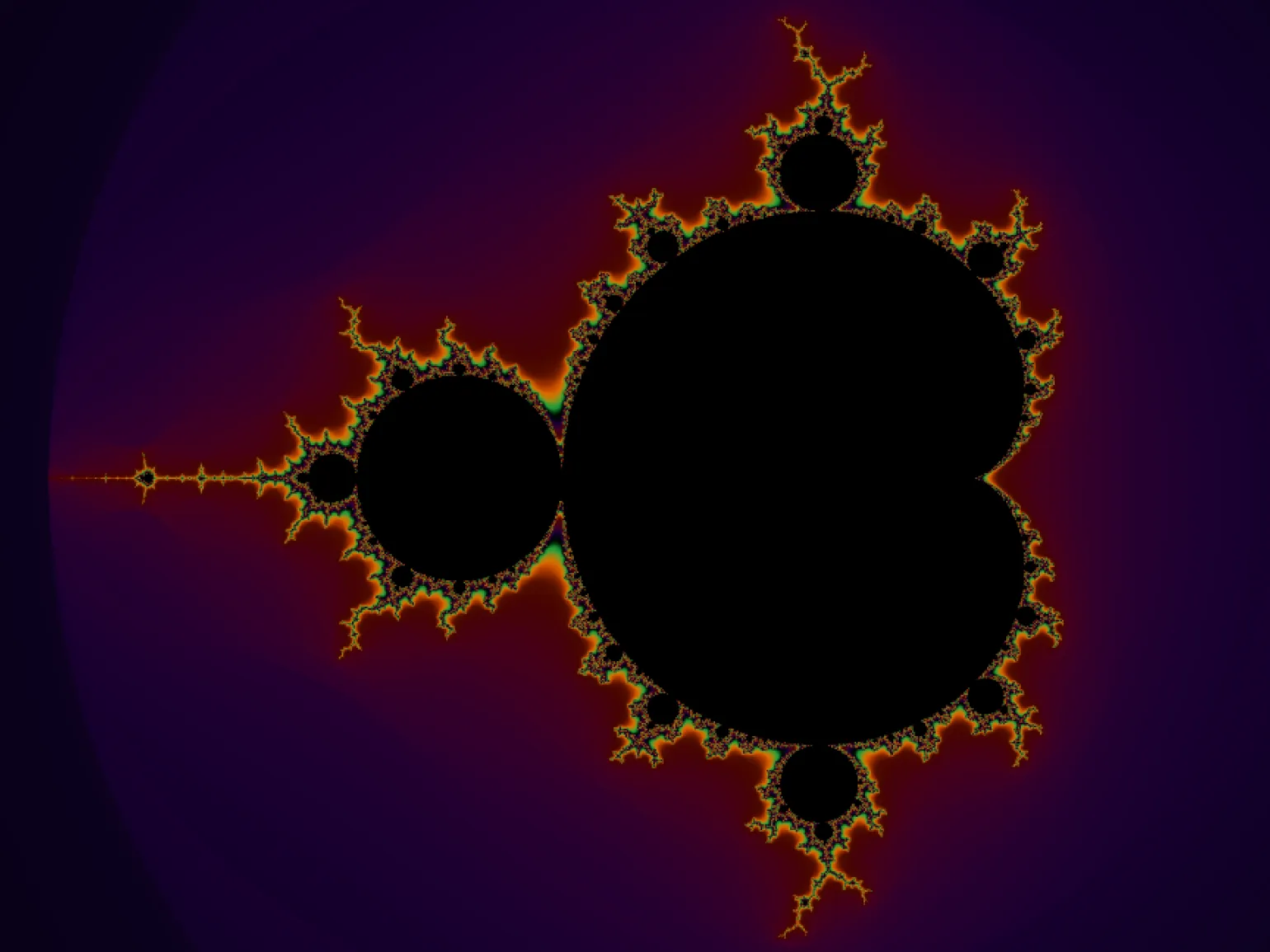
At the heart of this set is a formula, which serves as a key element for its understanding and application. This formula defines the structure of the set and its properties, allowing us to explore various aspects related to its elements. Proper use of this formula facilitates a deeper understanding of sets and their practical applications in various fields, such as mathematics, statistics, and computer science. Understanding this formula is an important step for professionals and students seeking to study set theory and its practical aspects.
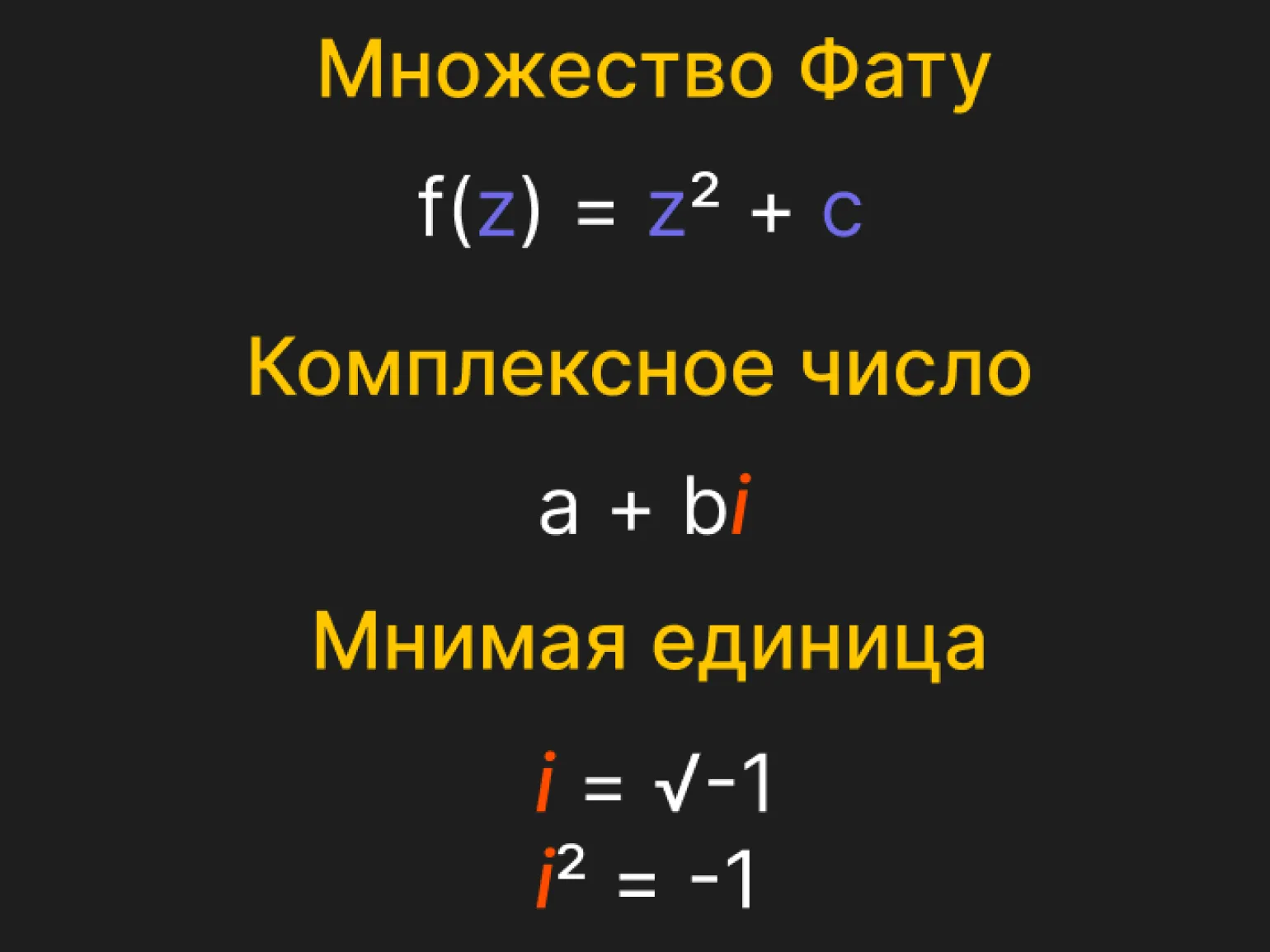
The formula Zn+1 = Zn² + C describes a sequence used in complex dynamics, which studies the behavior of iterated functions. In this formula, Zn represents the current value, and C is a constant that affects the shape and dynamics of the sequence's trajectories. This formula is the basis for creating fractals, such as the Mandelbrot set, and finds application in a variety of fields, including mathematics, physics, and computer graphics. Iterations of this function allow us to visualize the complex structures and patterns that arise from different values of C. Studying such sequences helps us understand the dynamic behavior of systems and their stability.
Complex numbers are denoted by Z and C. These numbers are a combination of the real and imaginary parts, which allows us to expand our understanding of numerical systems. The use of complex numbers has wide applications in various fields of mathematics, physics, and engineering. Understanding their properties and operations with them is important for learning more complex mathematical concepts. Complex numbers play a key role in equation solving, signal analysis, and vector algebra.
Let's consider complex numbers. It is important to note that extracting the square root of negative numbers is impossible within the framework of ordinary arithmetic. This is because the square of any number, whether positive or negative, always yields a positive result. However, this is where complex numbers come to the rescue, allowing us to work with square roots of negative values by introducing the concept of an imaginary unit, denoted as i, where i^2 = -1. Thus, complex numbers open up new possibilities in mathematics and allow us to solve equations that would otherwise remain unsolvable.
Logic is rigorous and fair, but only in the context of real numbers. In the general sense, real numbers include all whole and fractional numbers, including the recurring fractions we use in everyday life. Examples of such numbers: 1, 0, -56.7, 1/3, 5/6, and many others. Real numbers play a key role in mathematics and are used for various calculations and analytical problems.
In addition to real numbers, mathematics includes a large class of complex numbers. Complex numbers are expressions that have the following form:
a + bi is the general notation for a complex number, where a is the real part and b is the imaginary part multiplied by the imaginary unit i. Complex numbers are an important element in mathematics, physics, and engineering, as they allow us to describe phenomena that cannot be represented using real numbers alone. In complex numbers, the real and imaginary parts can be used to solve various equations and analyze signals. Understanding complex numbers and their properties is key to learning more advanced mathematical concepts, such as functions of a complex variable and integrals, which opens new horizons in mathematical analysis.
where a and b are real numbers. In the context of mathematical equations and functions, real numbers play a key role in analysis and problem solving. They can be used to express a variety of values and provide continuity in mathematical models. Understanding the properties of real numbers and their applications is the foundation for further study of more complex mathematical concepts.
The imaginary unit is denoted by the letter i and is a value equal to √-1. In mathematics, the imaginary unit plays a key role in complex numbers, which have the form a + bi, where a and b are real numbers. Using the imaginary unit allows us to solve equations that have no solution in the real number domain, expanding the capabilities of mathematical analysis and applications in various fields such as physics and engineering. Understanding the imaginary unit and complex numbers is an important aspect in the study of algebra and calculus.
Here, the usual rules of arithmetic are violated.
At first glance, it may seem strange that the square root of negative numbers can be extracted. Many of us remember from fifth grade that this is impossible. Yet, this concept has proven important in the history of mathematics. In the 16th century, it played a key role in solving complex cubic equations. Furthermore, complex numbers found widespread application in various fields, including trigonometry, significantly expanding the horizons of mathematical research and practical application.
Returning to the Mandelbrot set, we offer a brief overview to refresh your memory of the key points of the discussion. The Mandelbrot set is a fractal with unique geometry and astonishing properties. It arises from complex mathematical analysis and represents a remarkable example of the interplay between simple mathematical equations and incredibly complex visual forms. Exploring the Mandelbrot set opens the door to a world of fractal geometry, where every detail echoes the overall structure. This makes it not only an object of mathematical interest but also an inspiration for artists and designers striving to create unique visual works. It is important to understand that the Mandelbrot set is not just a mathematical concept, but also the key to a deeper understanding of complex systems and their behavior.
The Mandelbrot fractal is based An iterative process in which the value of the function at each iteration depends on the result of the previous step. This approach results in the creation of amazing and complex visual patterns that attract attention with their diversity and beauty. The Mandelbrot fractal is a striking example of how simple mathematical rules can lead to complex and aesthetically stunning images.
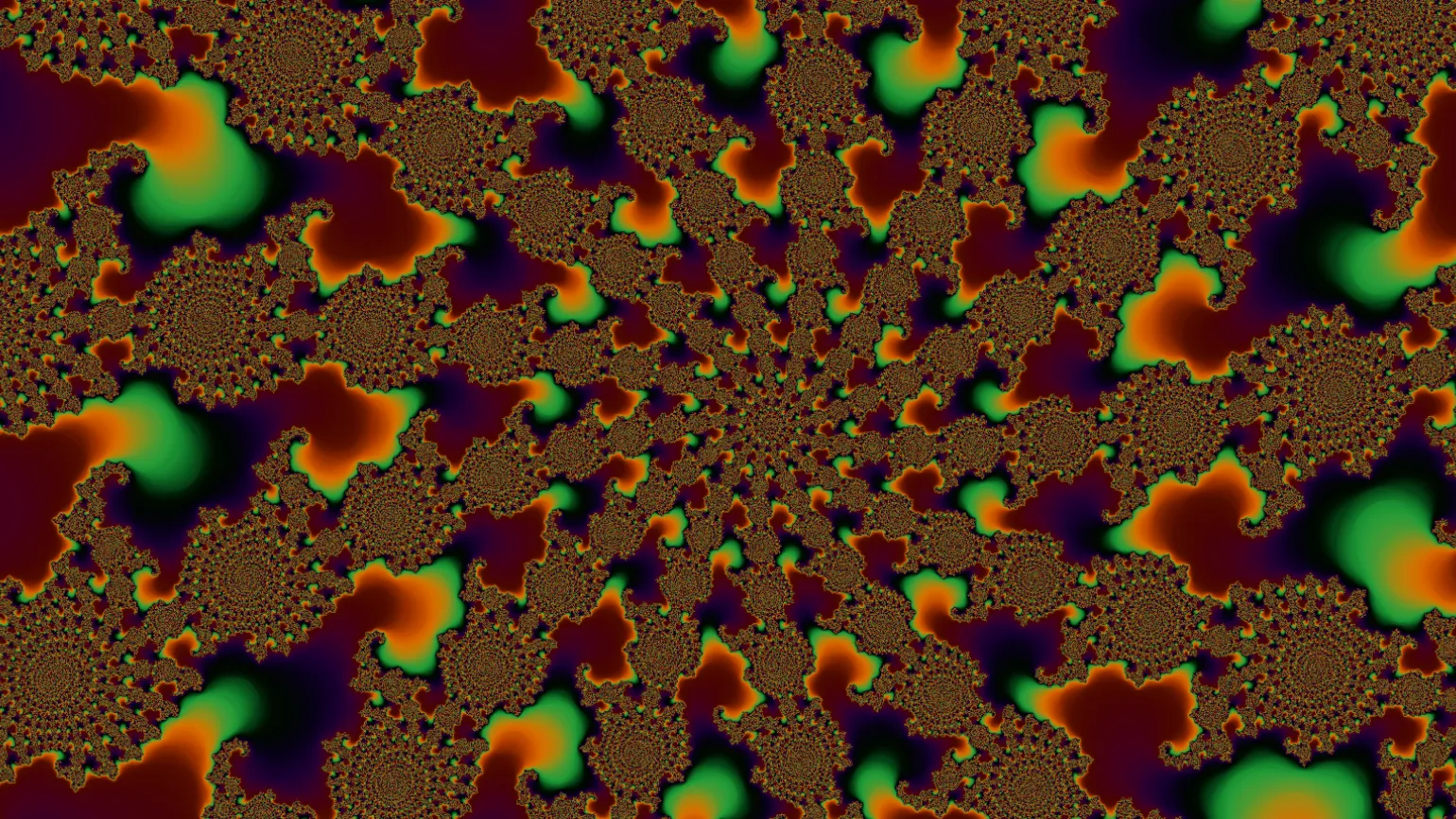
As you approach the coordinates of the Mandelbrot set, you will discover infinite patterns that continue to resemble the original fractal. Studying these complex shapes and their repeating patterns can take an infinite amount of time. Fractals like the Mandelbrot set are not only visually impressive but also mathematically interesting, making them the object of endless research and observation.
We have reached only one point of the Mandelbrot fractal, illustrating its complexity and infinity. The Mandelbrot fractal is a mathematical construct with amazing properties of self-similarity. Every point on its surface can be explored for an infinite number of details and structures. This makes fractals not only an object of study in mathematics but also a source of inspiration for artists, designers, and visual content creators. Understanding the fundamentals of fractals, such as the Mandelbrot fractal, opens new horizons in various fields of science and art.
Formula Zn+1 = Zn² + C describes an iterative process used in mathematics to generate sequences. In this formula, Zn denotes the current value, and C is a constant that specifies the initial conditions for each iteration. This process finds widespread application in the theory of dynamical systems and fractal geometry, particularly in the context of studying Mandelbrot sets. Each iteration allows for the visualization of complex structures that can arise from simple equations, making this formula important for researchers and artists working in computer graphics and mathematical modeling. Effective use of this formula requires an understanding of the initial conditions and their impact on the final result.
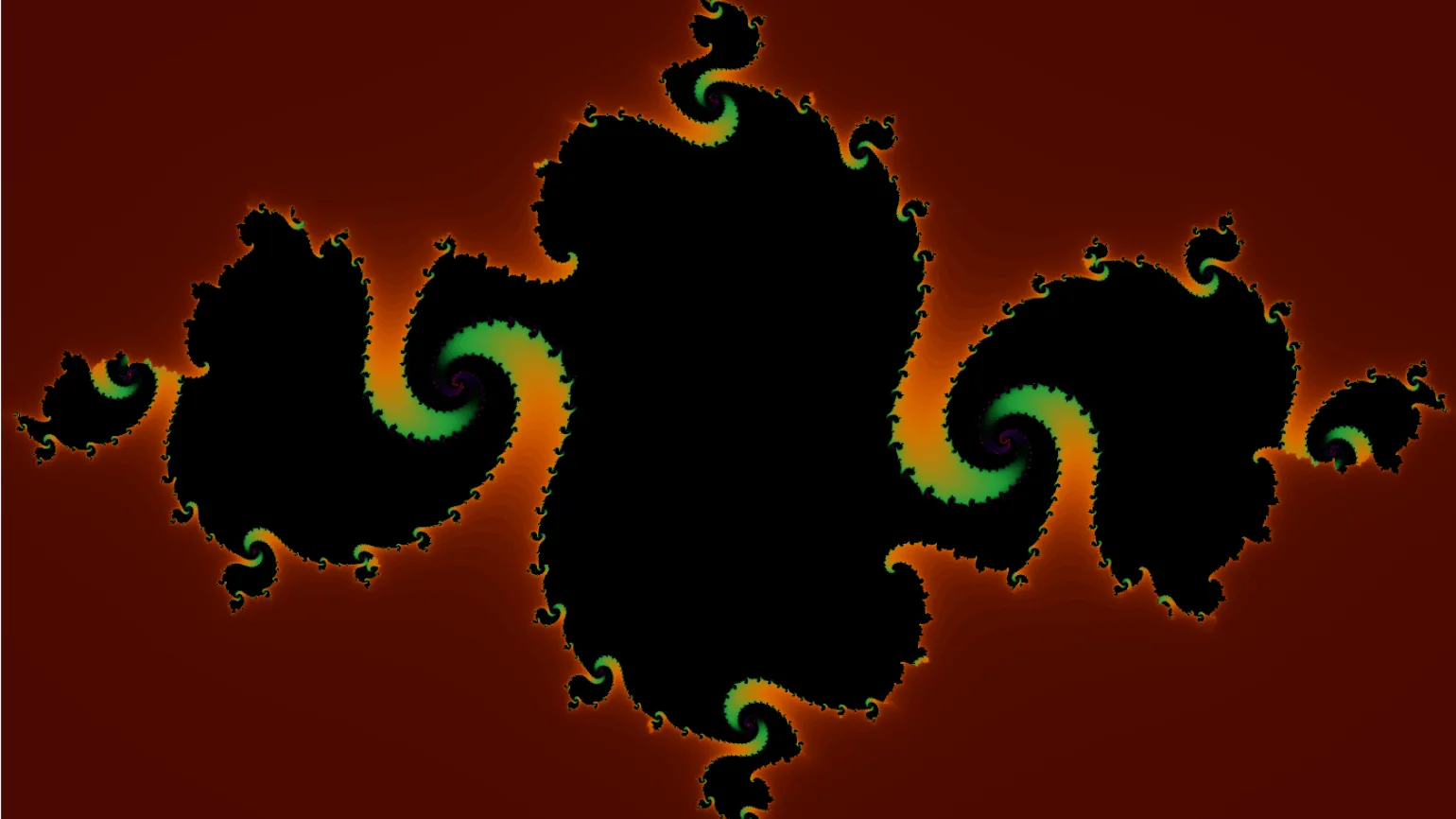
a + bi is the standard notation for a complex number, where a represents the real part and b is the imaginary part multiplied by the imaginary unit i. Complex numbers are used in various fields of mathematics and physics, including electrical engineering, quantum mechanics, and signal theory. They allow for convenient operations of addition, subtraction, multiplication, and division, greatly simplifying the solution of many problems. Understanding complex numbers and their properties is an important aspect of higher mathematics and aids in the analysis of many mathematical models. Developed by the French mathematician Gaston Julia, the Julia set is based on Fatou's formula f(z) = z² + c and resembles the Mandelbrot fractal. However, it has certain mathematical differences that significantly affect the final result. These differences in the behavior of the function's iterations lead to the formation of unique structures and patterns, making the Julia set an important object of study in the fields of complex analysis and fractal geometry. Studying these sets helps to better understand the nature of dynamical systems and their visualization.
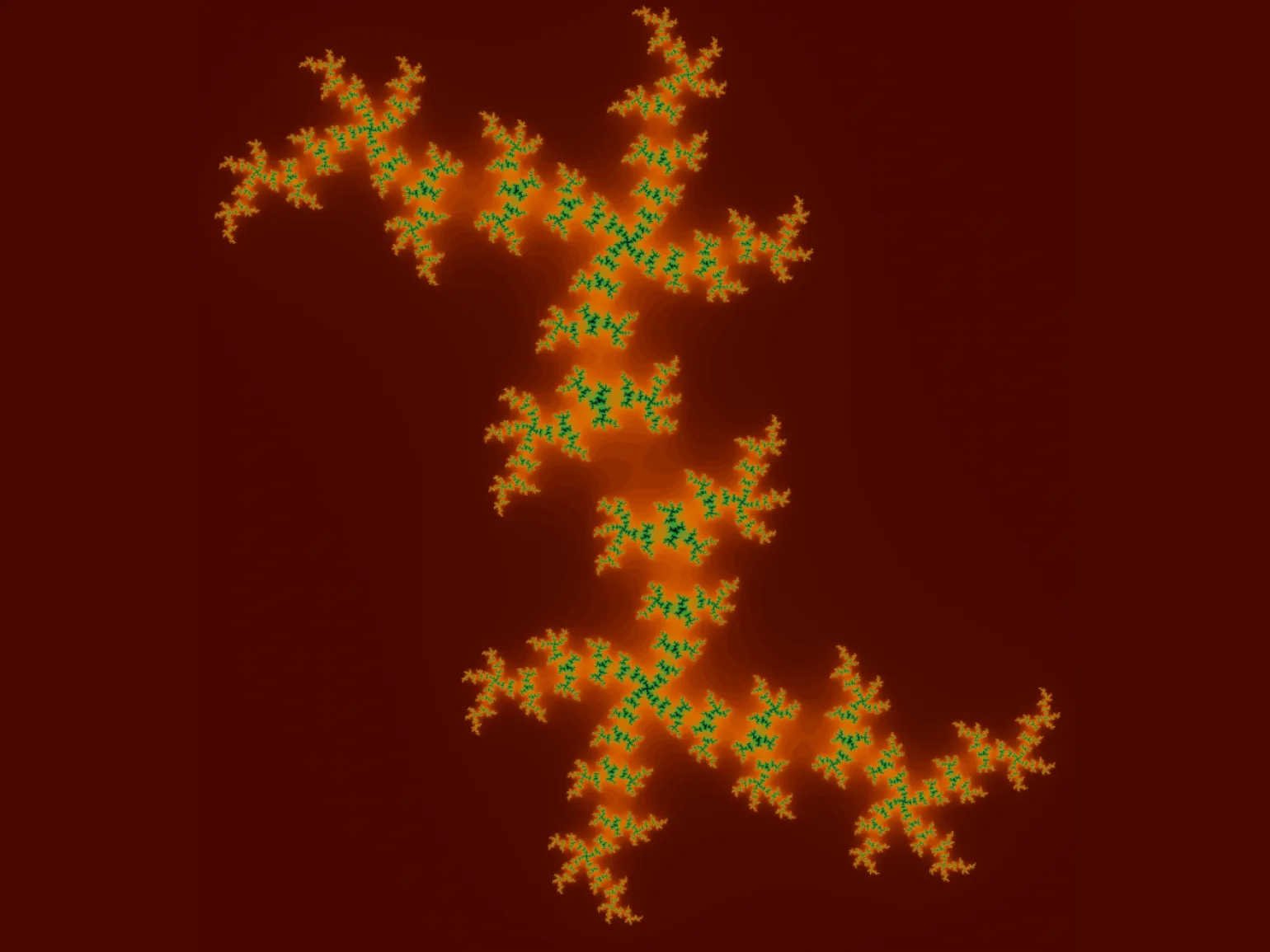
The Mandelbrot set and Julia fractals are important objects in The world of fractal geometry. The main difference between them is the use of the parameter C. In the Mandelbrot set, a new value for this parameter is applied at each iteration, while in Julia fractals, the value of C remains fixed throughout all cycles. This difference allows the Julia fractal to be visualized differently depending on the chosen value of C. Julia fractals have unique shapes and structures that can range from simple to complex depending on the parameters, making them interesting to study and visualize.
Stochastic Fractals
Unlike geometric and algebraic fractals, where the formula remains unchanged, stochastic fractals are characterized by a changing formula throughout the process. These changes can occur either according to a specific law or randomly. In both cases, the result is impressive visual effects that attract attention and inspire further exploration of fractal geometry. Stochastic fractals demonstrate an amazing variety of forms and structures, opening new horizons in art and science.
The following image is based on various fractal formulas. These formulas allow you to generate complex and beautiful patterns that fascinate with their symmetry and diversity. Fractals find application in mathematics, art, and even in nature, where they describe many processes and structures. Using fractal algorithms to create images opens new horizons in data visualization and artistic expression.
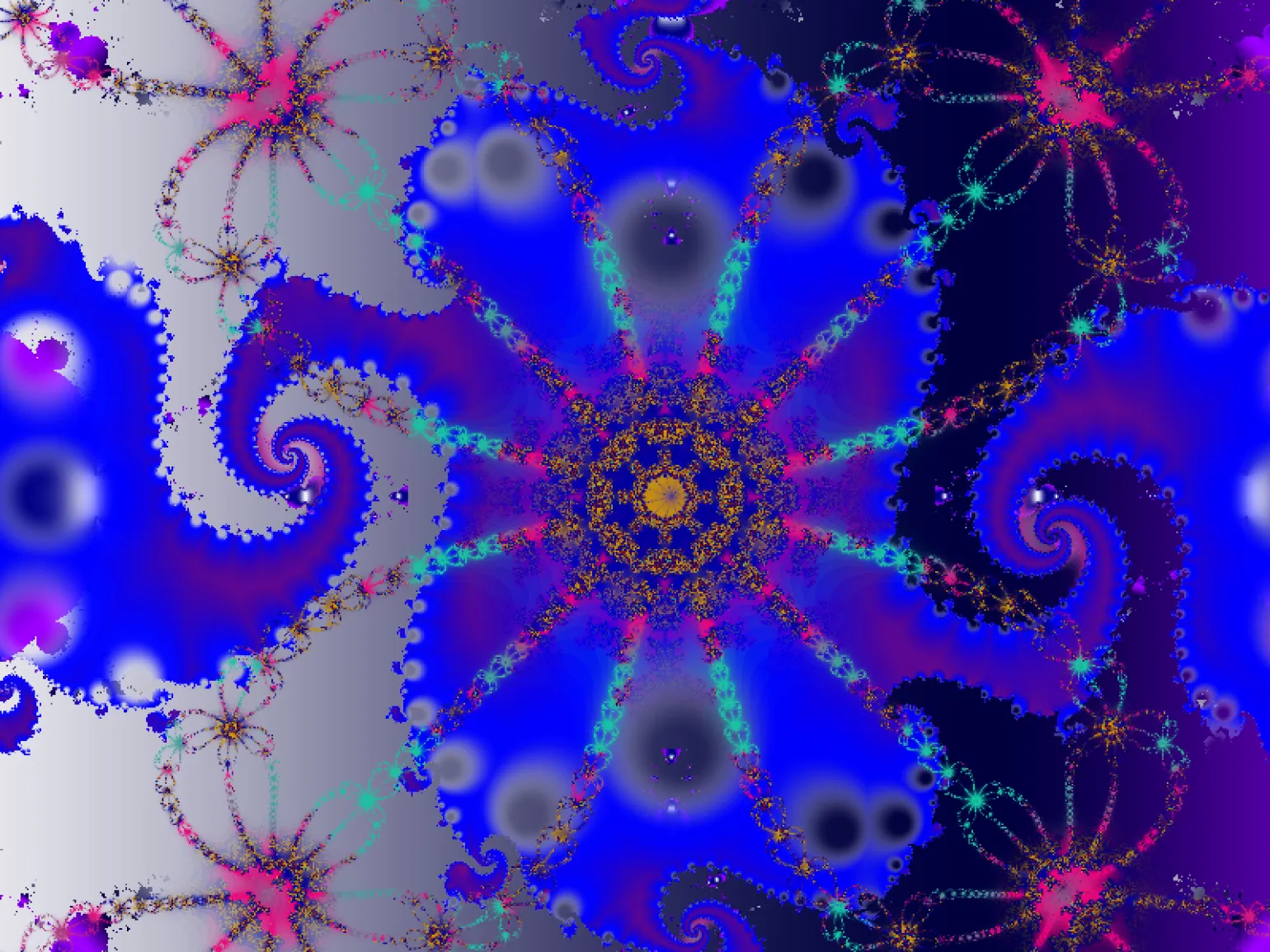
Scientists use complex stochastic laws to reproduce the structures of living objects. By introducing variations in fractals such as the Pythagorean tree or the Koch snowflake at various iterations, one can create images of tilted foliage or generate an infinite number of unique snowflakes. This approach opens new horizons in understanding natural forms and allows for the modeling of their diversity with a high degree of realism.
Fractal Graphics
The principle of self-similarity is the foundation of an entire field of computer graphics. This method allows computers to store not finished objects, but only the formulas for rendering them, significantly saving memory and resources. Using self-similarity in graphics opens up new possibilities for creating complex and detailed images, allowing for efficient data management and performance. This approach is widely used in fractal graphics, modeling natural phenomena, and other areas requiring a high degree of detail with minimal memory consumption.
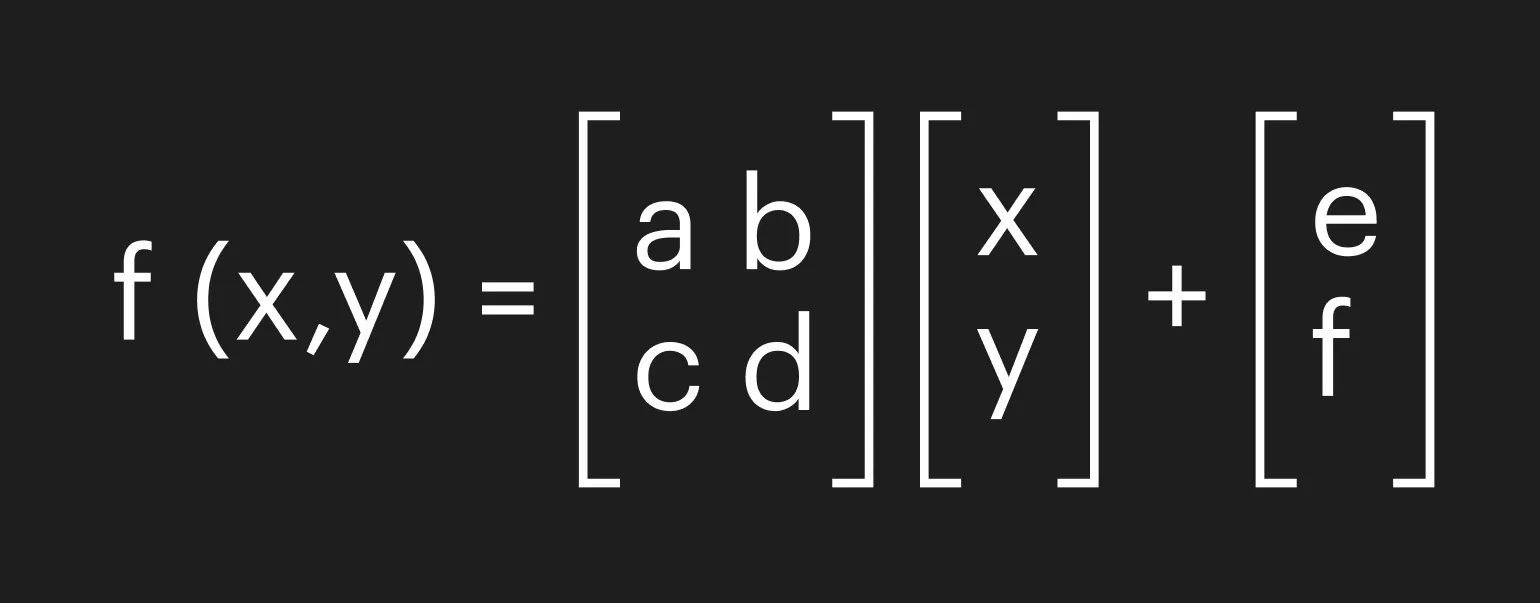
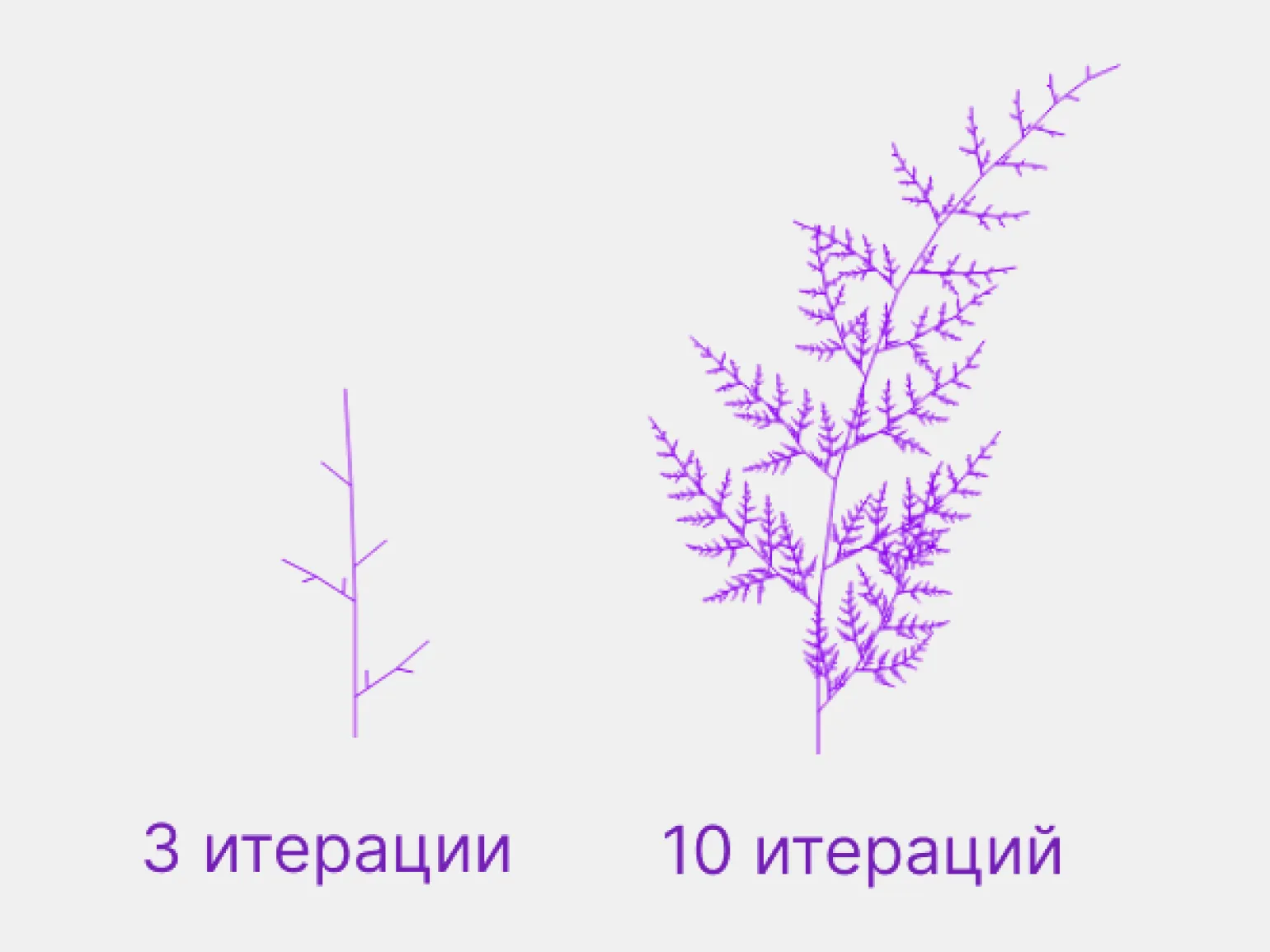
It allows the creation of both specific objects and abstract 3D models, describing only a portion of the final image. For example, the famous Barnsley fern can be generated by defining a formula for constructing a single branch, specifying the number of iterations, and adding random variations in subsequent steps. This approach allows for the effective use of mathematical algorithms to visualize complex shapes and textures, opening up new horizons in graphic design and 3D modeling.
Fractals in Physics
Fractal principles are used in various fields of physics, such as Hydrodynamics, plasma physics, electrodynamics, and radio electronics. One of the most significant inventions in this field is the fractal antenna, created by American engineer Nathan Cohen in 1995. This antenna is compact in size and highly efficient, making it suitable for use in modern communication systems. Fractal structures provide improved signal transmission and reception characteristics, making them suitable for use in mobile communications and wireless technologies.
The main advantage of this antenna is its wide operating frequency range, making it a universal solution for various applications. In addition, it has a compact size compared to classic antennas, allowing for significant space savings. This antenna can also be used as a basis for underwater antennas, expanding its functionality and applications.
Cohen's design is similar to the Koch fractal, known for its symmetry and complexity. Both of these objects are examples of fractal geometry, demonstrating how simple rules can create complex and beautiful structures. Fractals like the Koch snowflake illustrate how the process of division and modification can be repeated to produce new forms. In this context, Cohen's construction also serves as an excellent example of the application of fractal principles in mathematics and art. Studying such structures helps to better understand the nature of fractals and their influence on modern science and design.
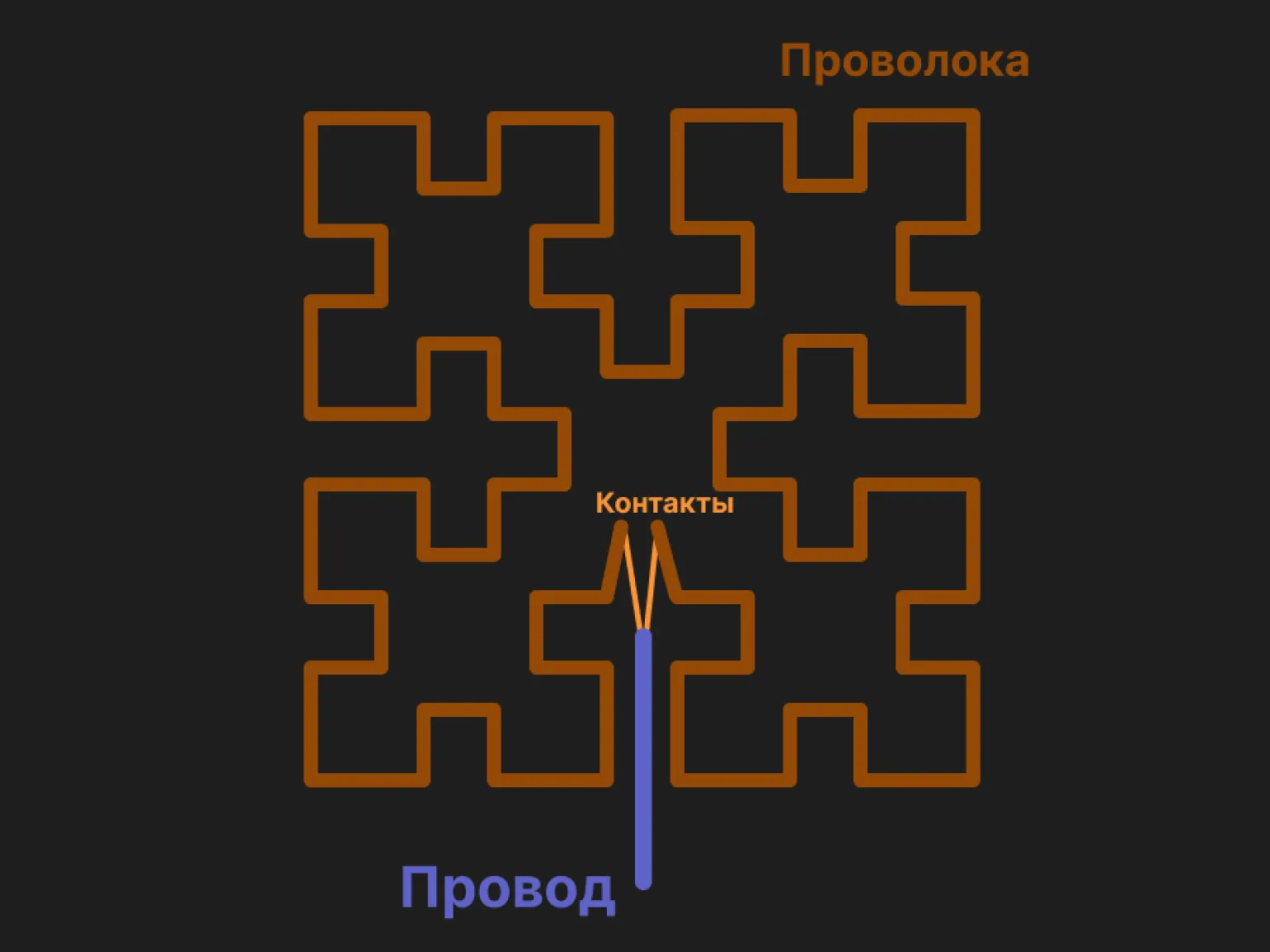
In the early 2000s, antennas measuring 30 × 40 mm began to be actively used in mobile devices. Later, engineers developed antennas based on Sierpinski fractals, Peano curves, and the Koch fractal. These innovative approaches significantly improved communication characteristics and reduced the size of antenna systems, which was an important step in the development of mobile communications and wireless technologies. The use of fractal structures in antenna design opens up new possibilities for increasing their efficiency and versatility in modern devices.
Fractals in Nature
Stochastic fractals represent an innovative approach to describing natural objects and phenomena. This method explains how mountains, clouds, lightning, rivers, plants, cells of living organisms, and even galaxies share the common property of self-similarity. Fractal geometry allows for a deeper understanding of the structure and dynamics of the surrounding world, revealing patterns that previously went unnoticed. This approach allows scientists to more accurately analyze natural processes and predict their behavior.
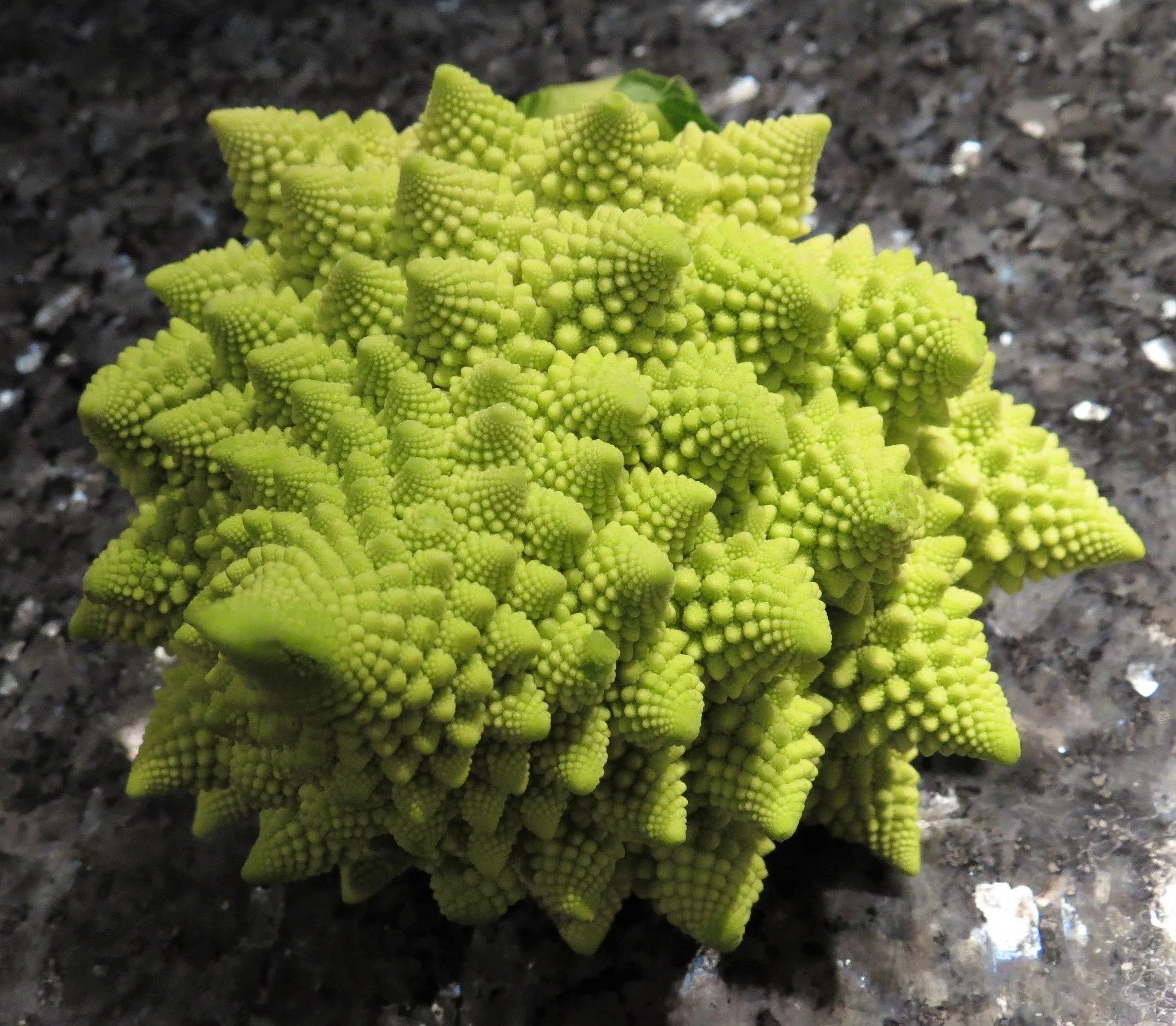
Romanesco cabbage is one of the most beautiful fractals in nature. This unique vegetable attracts attention with its spiral shape and vibrant green color. The fractal pattern of Romanesco cabbage can be seen in each inflorescence, making it not only delicious but also aesthetically pleasing. Eating Romanesco cabbage is beneficial due to its high vitamin and mineral content. This vegetable is often used in cooking to create original and healthy dishes, as well as as a decorative element. Romanesco cabbage is an excellent choice for those who appreciate not only the taste, but also the visual appeal of food.
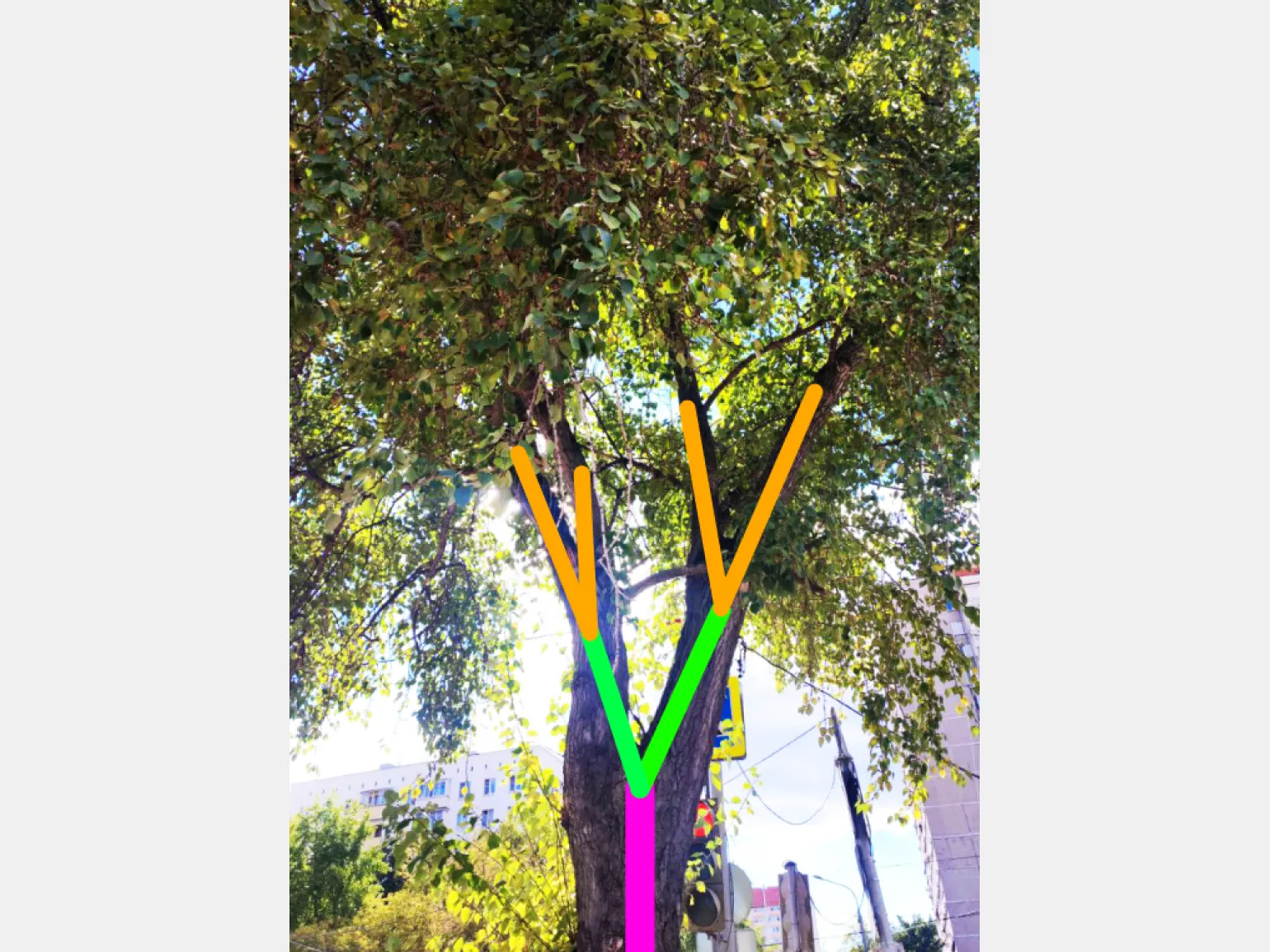
Fractals surround us They are ubiquitous and can be observed in everyday life. Simply go outside and notice nature. An example is the Pythagorean tree, named for its striking illustration of the principle of self-similarity. Tree branches form structures that repeat at different scales, demonstrating astonishing geometric shapes characteristic of fractals. These natural formations are not only beautiful, but also serve as important illustrations of mathematical concepts that can be applied in various fields of science and art.
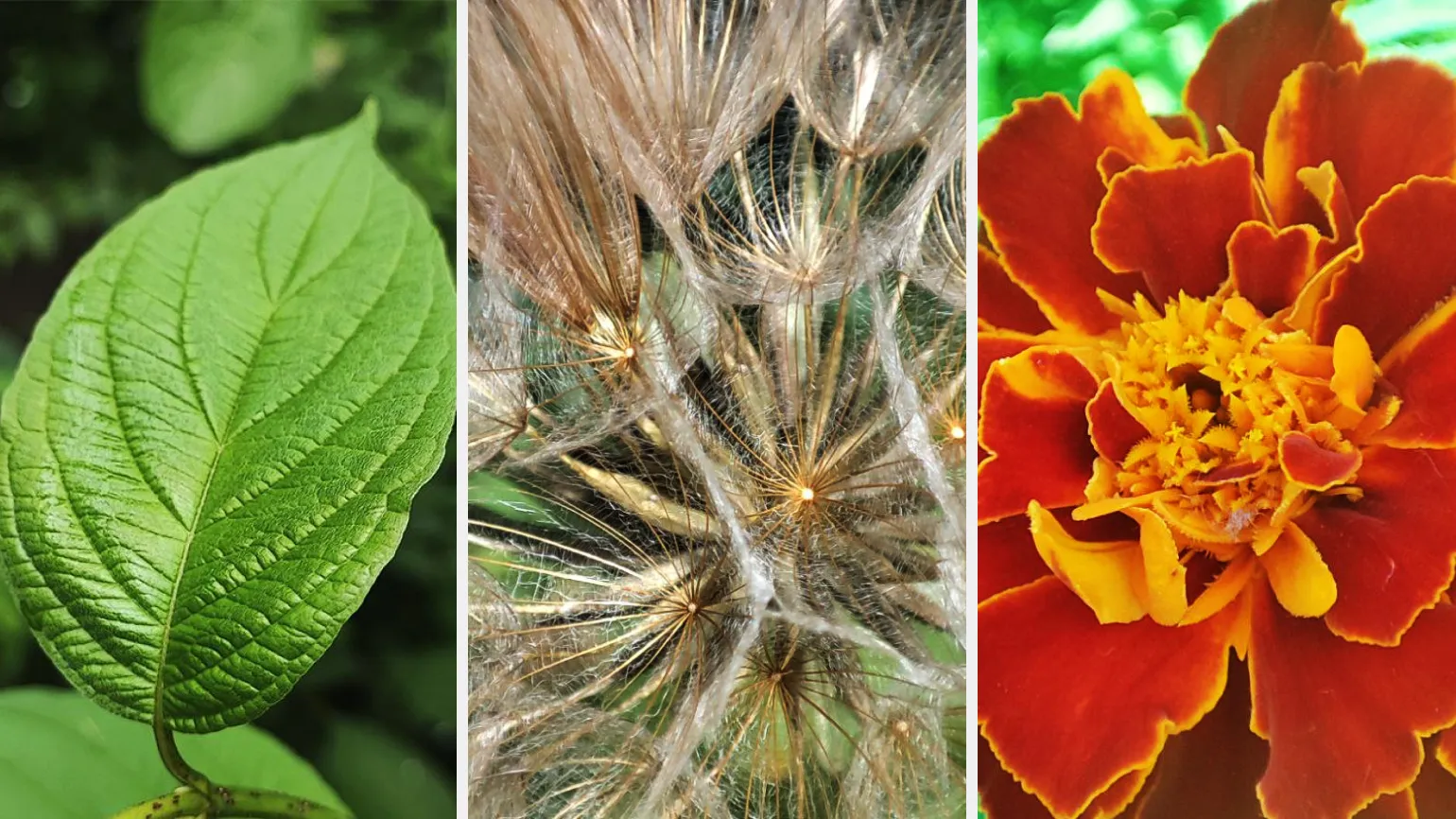
There are many examples Stochastic fractals can be observed in leaves and plants. These fractal structures appear in a variety of shapes and sizes, creating unique patterns characteristic of each species. For example, leaf branching and the arrangement of veins often exhibit fractal symmetry, allowing plants to efficiently utilize sunlight and water. Stochastic fractals can also be seen in the shape of flowers, where each individual part of the plant, from petals to seeds, follows specific mathematical patterns. Studying these phenomena not only deepens our knowledge of the plant world but also helps in the development of new technologies, such as biomimetic materials and sustainable architectural solutions.
Instead of a Conclusion: Using Fractals in Life
Today, fractals find application in a variety of fields, including mathematics, art, and science. These amazing geometric structures demonstrate how complex forms can emerge from simple rules. In mathematics, fractals are used to model natural phenomena such as clouds and mountain peaks. In art, fractals inspire artists to create unique works that captivate with their symmetry and complexity. Fractals are also used in computer graphics to create realistic textures and animations. Their properties allow for efficient image processing and compression, making them an important tool in the digital world. Fractals continue to open new horizons in the study and understanding of the reality around us.
- They are used to describe various phenomena of classical mechanics, hydrodynamics, electrodynamics and geophysics.
- In telecommunications, they allow the modeling of electromagnetic fields in cellular and satellite communications.
- In biology, they accurately describe the structure of natural objects, model and predict their behavior.
- Medicine uses fractals to study the internal processes in the human body, studying the heart rhythm, the functioning of blood vessels and the nervous system.
- In economics, fractals are used to analyze markets and identify patterns in price behavior.
- In 3D graphics, they are used to create complex textures and patterns, such as trees, clouds and sea waves.
- In art and design, when you need to create a non-standard “psychedelic” composition, immersing the viewer in new dimensions.
Fractals are just one of many applications in various fields. Fractal research is a relatively new branch of mathematics, and new discoveries and developments continue today. Identifying the patterns and characteristics of fractals opens new horizons in science and art, making their study relevant and important.
Learn more about coding and programming by subscribing to our Telegram channel. We regularly share useful information, tips, and interesting facts about development. Join the community to stay up to date with the latest news and trends in the world of technology.
Read also:
- Integrals: Everything You Wanted to Know, Without the Intrigue and Complex Terms
- Test: How Well Do You Know the Structure of a Processor?
- Hackers: Who They Are, What Types There Are, and What Do Hats Have to Do With It?