Contents:

Course with employment: "Profession Developer"
Find out moreRoot rights are a superuser mode on the Android platform that provides full access to system files and device settings. With root access, users can modify system files, remove pre-installed applications, and configure hidden features. In this article, we'll cover the key features available with root access, the process for activating them, and reasons why you should avoid this step unless absolutely necessary.
It's important to note that this material is not intended for professional developers familiar with Android architecture, but for regular users who are new to the concept of rooting. We'll explain what rooting is, the potential consequences, and how it can affect your device. If you're unsure about rooting, it's worth researching thoroughly before making a decision. Rooting can unlock additional features, but it also carries risks such as voiding your warranty, damaging your device, and exposing you to malware. Be careful and weigh the pros and cons before proceeding.
Content is an important element of any webpage, as it helps users and search engines understand the structure and main topics of the content. Well-organized content improves the user experience and contributes to better search engine rankings. To create effective content, it is necessary to consider keywords that match the needs of your target audience. Optimized headings and subheadings will help highlight main ideas and make the text more readable. It is also important to keep the information current so that it remains useful and interesting for users. Keep in mind that high-quality content not only attracts visitors, but also helps retain them, increasing the likelihood of repeat visits.
- Why do you need root rights on Android and what are the dangers?
- How to root Android
- How to disable root rights on Android
Why do you need root rights on Android and what are the dangers?
The term "root" in English means "root". This term originated from Unix and Linux operating systems. In these systems, the root user acts as a system administrator and has maximum privileges, allowing them unrestricted access to all files, processes, and system settings. The root user plays a key role in managing the system, ensuring its security and stability, and performing tasks that require high access.
The Android operating system is based on the Linux kernel, which implies the presence of superuser rights (root). However, access to these rights is limited by default. Obtaining root rights allows the user to become a superuser and opens the possibility of performing various tasks. Most often, rooting a device is necessary for the following purposes: improving performance, installing unofficial applications, changing system settings, and removing pre-installed restrictions.
- Removing pre-installed applications. You can get rid of the proprietary browser, calendar, or any other manufacturer's applications that cannot be removed in the usual way. For example, on Xiaomi smartphones, such applications can be the Mi Video player or Mi Browser.
- Running special applications. These can include system-level ad blockers, tools for creating full backups, CPU overclocking utilities, or other programs that require root access to function. For example, the AdAway app allows you to block ads in all programs once you modify the system hosts file.
- Installing custom firmware. If you decide to install an alternative version of Android from the enthusiast community, in most cases you will first need to unlock the bootloader. This is the program that runs when the device is turned on and is responsible for loading the system. Root rights may be required both during the installation of the custom firmware and afterwards, for full access to all its features.
- Expanding device functionality. There are special applications for managing root access. For example, with Magisk modules, you can customize battery charging, hide root access from banking apps, or even bring the Google Pixel's proprietary camera with its improved photo processing to a smartphone from another manufacturer.
The benefits of rooting are truly significant. However, it's important to remember that careless actions when using them can lead to serious malfunctions, unstable operation, or even complete loss of functionality. Therefore, it is strongly recommended that you carefully consider all the risks and consequences before rooting.
Rooting your device results in loss of official support, meaning you won't receive updates. This makes your device more vulnerable to viruses and may void your warranty. In addition, many financial applications check for root access and may not launch if it is detected.

Read also:
Linux is a powerful and free operating system based on the kernel developed by Linus Torvalds in 1991. It is an alternative to commercial operating systems such as Windows and macOS. Linux is known for its openness and modifiability, making it popular among developers, system administrators, and users who value control over their software.
Linux-based systems are widely used in various fields: from servers and cloud solutions to desktop computers and embedded systems. Due to its flexibility and security, Linux has found application in large corporate networks, as well as in startups and educational institutions.
One of the key advantages of Linux is its community. Thousands of developers around the world work to improve and develop Linux distributions such as Ubuntu, Fedora, Debian, and CentOS. These distributions offer a variety of interfaces and tools, allowing users to choose the most suitable solution for their needs.
Linux also supports a wide range of software, including office applications, graphic editors, and development tools. Thanks to the package management concept, installing and updating programs becomes a simple and convenient task.
For those looking to get started with Linux, there are many resources, including online courses and documentation, making the transition to this operating system easy and accessible for beginners. Linux is more than just an operating system; it is an ecosystem that offers opportunities for creativity and innovation.
How to root Android
If you understand all the risks and want to try rooting your device, there are two important points to consider. First, there is no guarantee that you will be able to successfully root your smartphone. Second, there is no universal instruction suitable for all Android models and versions. Each case requires an individual approach and may require specific knowledge and tools.
Before proceeding with any action, it is important to back up your data. Also, make sure the device is fully charged or connected to a power source. A sudden shutdown during operation can damage your smartphone.
Step 2. Each smartphone model has its own unique rooting method, so it's recommended to search for detailed instructions on the 4PDA forum. We have a budget Poco C40, which is ideal for experimenting.
The Poco C40's speaker delivers acceptable sound quality, but it lacks volume, and the TWS earbuds exhibit a frequency imbalance. These issues can be addressed using the Viper4Android system equalizer, which requires root access to function. We recommend visiting the Poco C40 page on 4PDA, where you will find detailed instructions on modifying the device and setting up the equalizer for the best sound.
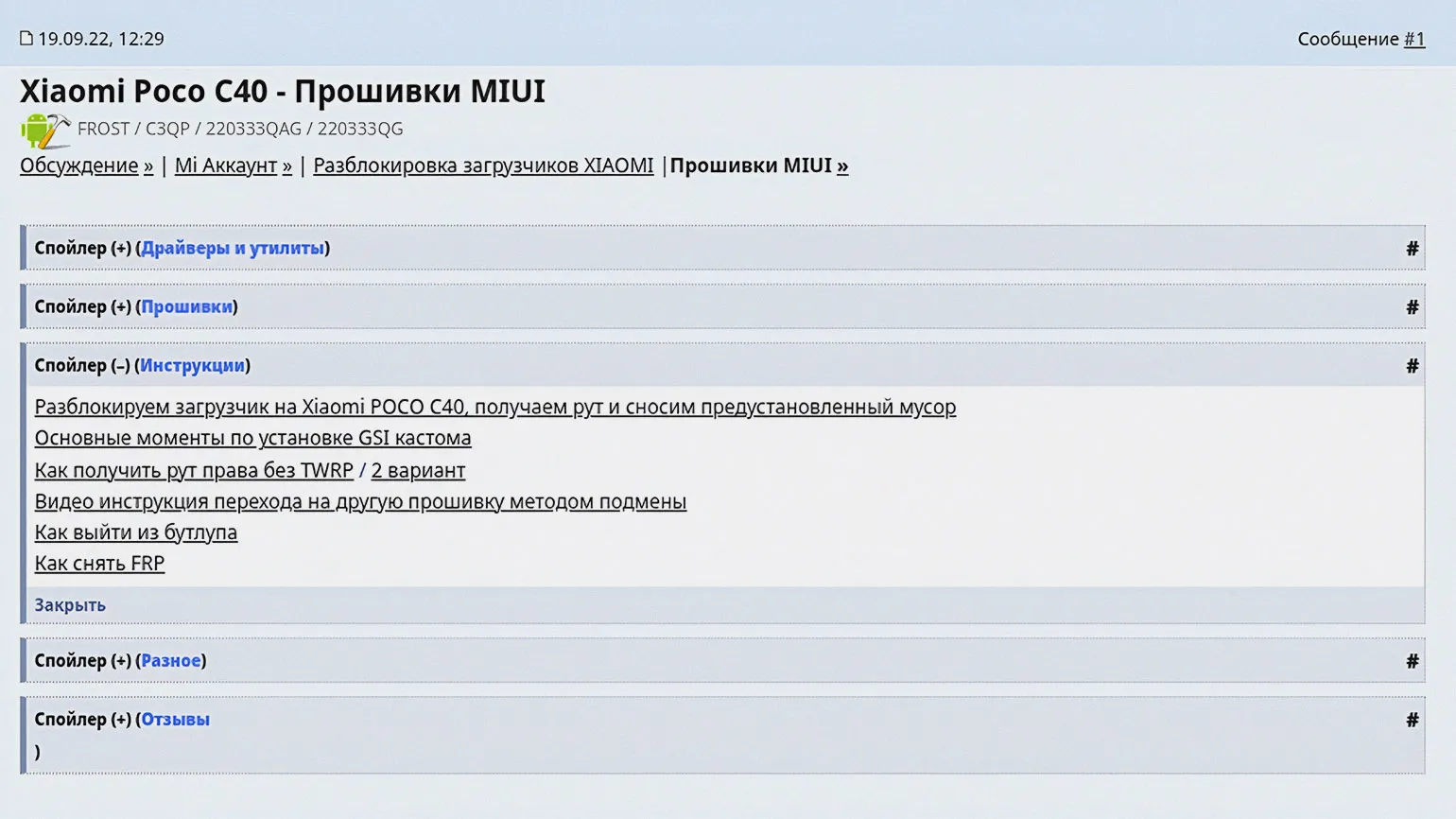
At this stage, it is recommended that you carefully read the forum discussion and follow the recommendations provided. In this case, you should do the following:
- Unlock the bootloader. This is a built-in protection for your smartphone that prevents modification of system files. After unlocking, you will have access to modifications, but this usually results in voiding the warranty and erasing all data.
- Prepare the boot.img file. It contains the Android kernel and settings for booting the system. This is the file that needs to be modified to add root support. For the Poco C40, you can take it from the firmware archive or extract it from the device using the adb pull /dev/block/bootdevice/by-name/boot boot.img command.
- Patch boot.img via Magisk. This application creates a modified image that boots the system with root access. After the patch is complete, the patched_boot.img file will appear. It should be saved to the phone's memory and later used to replace the original boot.img. After this, Magisk will open the tools for managing superuser rights.
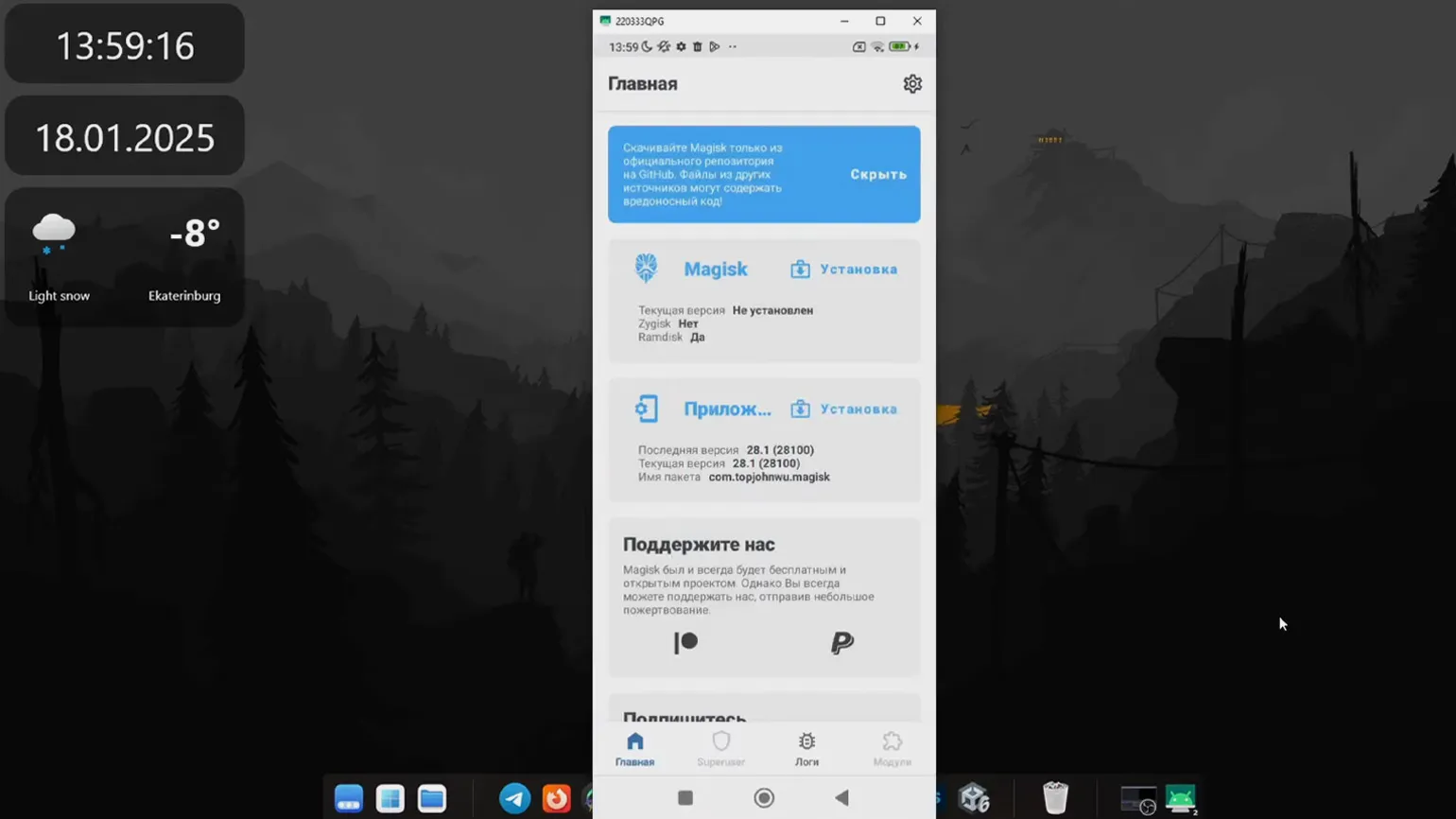
Run the Magisk application on your smartphone. At the bottom of the screen, you'll notice that the Superuser and Modules sections are unavailable. This is normal, as we don't have root access yet. Click the "Install" button, then select the "Patch boot image" option. and specify the boot.img file that you saved in the device memory.
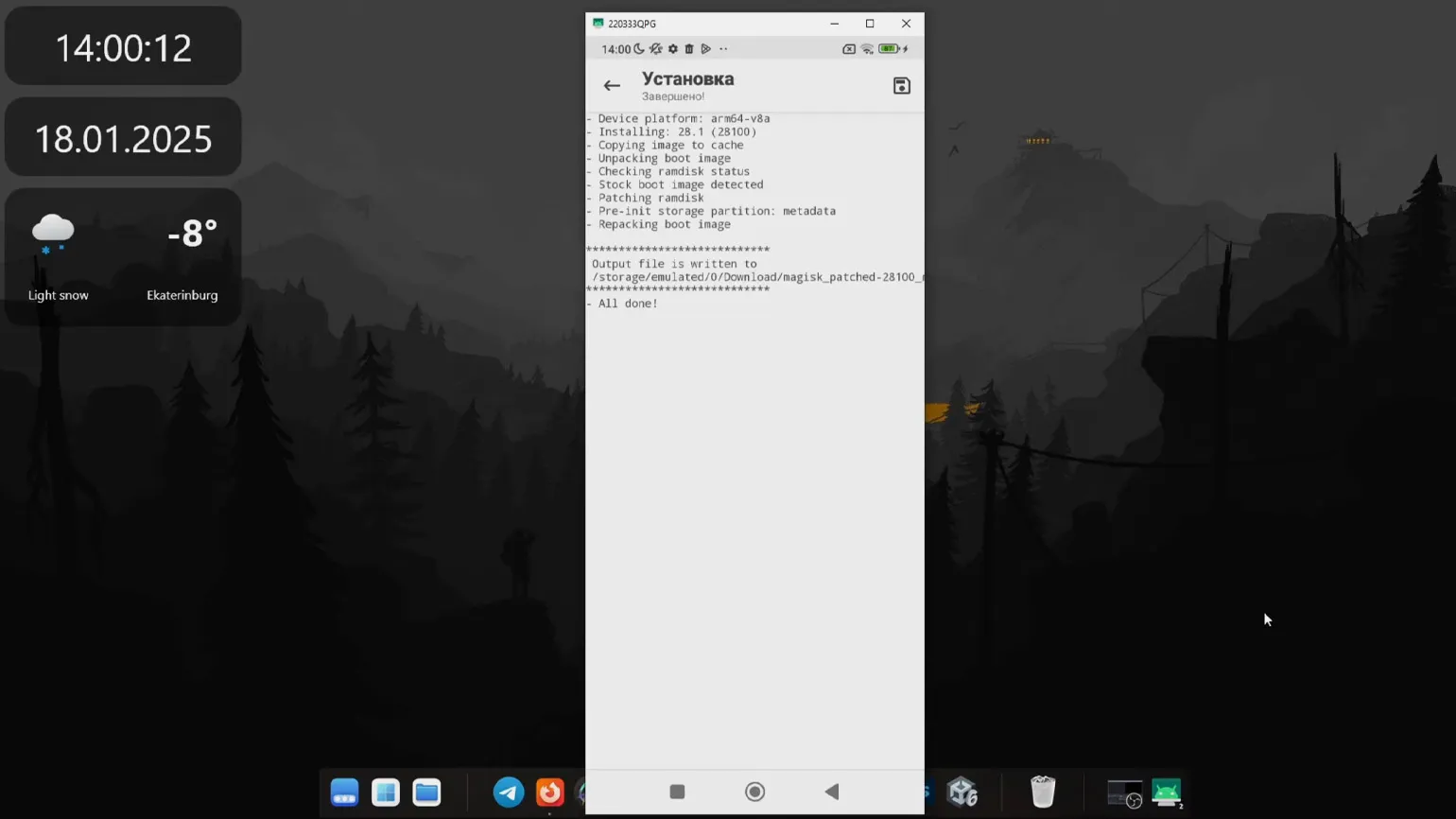
At the end of the process, you will see a message "All done!" The patched_boot.img file will be saved in your Downloads folder. For further use, you'll need to transfer it to your computer. This can be done using a USB cable or through cloud storage.
For translation To put your smartphone into Fastboot mode, first turn it off completely. Then, simultaneously press and hold the Volume Down and Side buttons until the Fastboot message appears. After that, connect your smartphone to your computer using a USB cable and make sure the system recognizes it. The Windows Device Manager should show the device in Fastboot mode, confirming a proper connection.
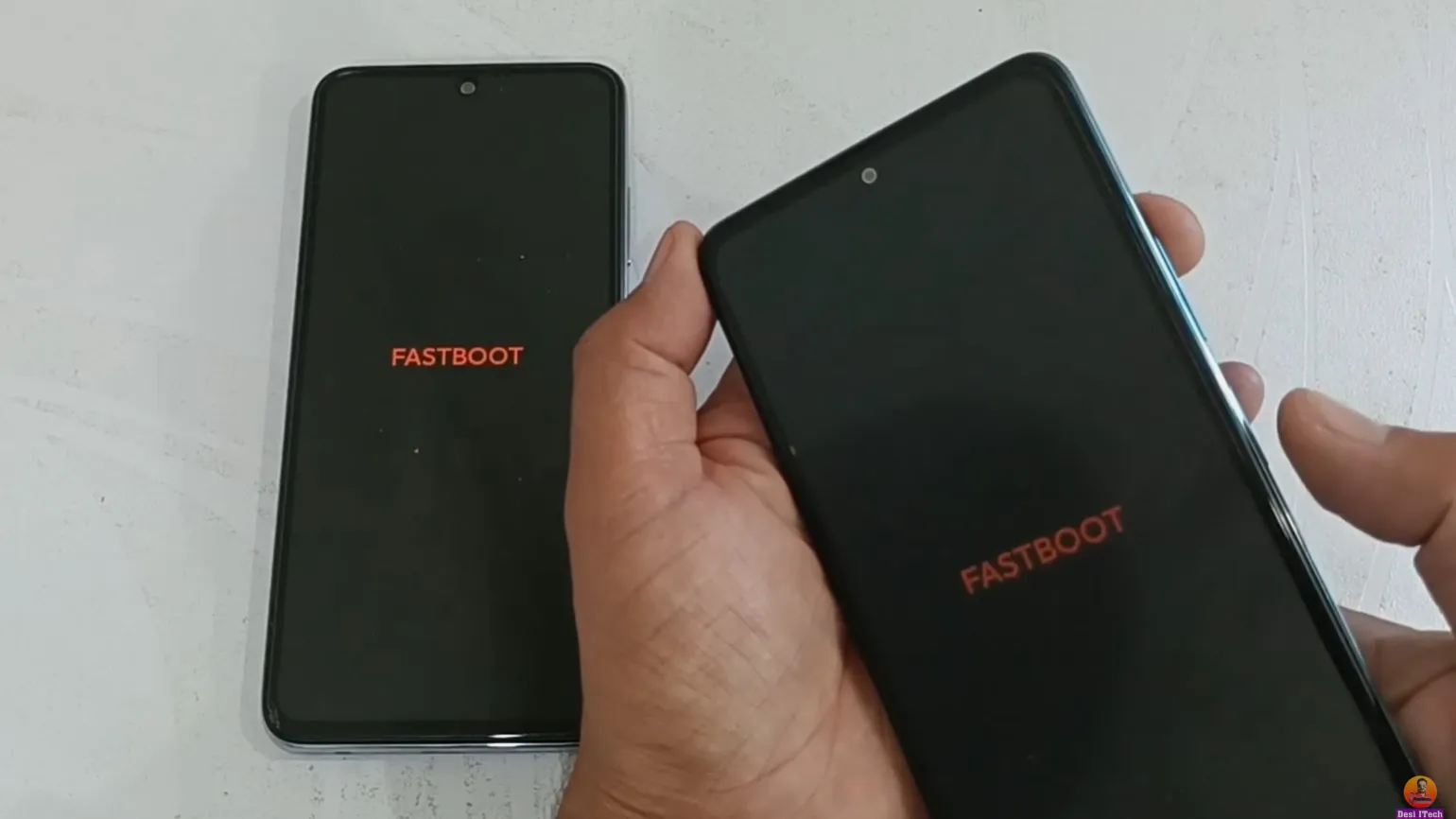
Now we can flash the modified image via Fastboot mode using the appropriate command. This process allows you to update the device's firmware, applying the necessary changes and improvements. Make sure you have properly prepared the image and connected the device to the computer. This will ensure successful flashing and stable operation of your device.
Once the process is complete, the phone will reboot. If everything went well, the Superuser and Modules features will be activated in the Magisk app. This means you now have the ability to install the Viper4Android equalizer and other apps that require superuser rights. Using Magisk opens up new possibilities for customizing your device and improving its functionality.
It is important to note that the rooting process may vary depending on the specific device model. Some methods may prove ineffective. For example, on Samsung Galaxy devices, the Odin program is most often used instead of Fastboot for rooting. On Xiaomi devices, an additional unlock associated with a Mi account may be required. It is recommended to carefully study the features of your device to choose the most appropriate method.
How to Disable Root Access on Android
There are various instructions for disabling root access on Android devices, as there is no universal method. The most reliable method is to reinstall the Android firmware. You can find the necessary firmware archive in the section for your smartphone on the 4PDA forum or on the manufacturer's official website. This process completely removes all traces of modifications and restores the device to its factory settings, allowing you to return it to its original state.
The process of rooting a device is generally similar to gaining root access. First, you need to unlock the bootloader, then download the appropriate firmware and install it using specialized tools such as Mi Flash for Xiaomi or Odin for Samsung. After performing these steps, root access is usually lost. We won't rehash all the steps; instead, we'll focus on the historical context and explain why most users don't currently need to root their devices. With the advancement of mobile operating systems and the improvement of built-in app functionality, many users find that the default device capabilities fully satisfy their needs.
Ten to fifteen years ago, smartphones were heavily restricted by manufacturers. Without root access, users couldn't take screenshots, use the device as a hotspot, or change themes. However, today, the Android operating system has evolved significantly. Most technical limitations have been eliminated, and built-in personalization tools are available without the need for additional permissions. This allows users to more freely customize their devices to their individual preferences, improving the overall smartphone experience.
Today, root access is primarily obtained by tech enthusiasts who test custom ROMs, perform deep system optimization, or use specialized modules. However, for most regular users using a smartphone for everyday tasks, such advanced features are often unnecessary and can pose potential risks. It is important to note that root access can lead to security vulnerabilities and void the device's warranty. Therefore, users who do not have experience and knowledge in this area should refrain from such actions in order to avoid unwanted consequences.

Study additional materials:
Backup: what is it, why is it necessary and how to do it
Backup, or backup, is a process Creating copies of data to protect it from loss. In today's digital world, where information is becoming increasingly valuable, having a reliable backup is critical. Data loss can occur for a variety of reasons, including hardware failures, virus attacks, or accidental file deletion.
The main purpose of a backup is to ensure data recovery in the event of loss. This is especially relevant for businesses, where information loss can lead to financial losses and damage to a company's reputation. For individuals, a backup helps preserve important documents, photos, and other valuable data.
There are several ways to back up. One of the most popular methods is using cloud storage. They provide access to data from anywhere and automate the backup process. You can also use external drives, such as hard drives or USB drives, which allow you to store data locally.
It is important to remember to create backups regularly. Setting up automatic backups will help avoid losses and minimize risks. Additionally, it's a good idea to periodically test the integrity of your backups to ensure they're working properly.
Finally, backups are a necessary measure to protect your data. Whether you use cloud services or local storage, regular backups will help keep your information safe and ensure its recovery if necessary.
Learn more about programming and coding in our Telegram channel. Subscribe to stay up-to-date with important updates and interesting materials!
To successfully promote your content in search engines, it's important to create high-quality and informative texts. SEO optimization includes using keywords, creating unique descriptions, and attracting readers' attention. Pay attention to the structure of the text to ensure it's easy to read and understand. Try to maintain focus on the main topic, avoiding unnecessary digressions. Effective use of headings and subheadings will help organize information and improve navigation. It's also recommended to regularly update your content to ensure it stays relevant and meets the latest search engine requirements.
Read also:
- 9 stable Android emulators on PC for different tasks
- How to make an Android app yourself
- How to change the DNS server in Windows: simple instructions