
Contents:

Where to start your journey in IT? Get a detailed guide in our Telegram channel for free! Click on the banner and visit the channel—you'll find the guide pinned.
Learn MoreThis article will introduce you to the history of storage media, from prehistoric times to the modern day. We'll look at how data storage technologies have evolved, how storage media sizes have shrunk, and how memory capacity has increased. Learn about the key innovations that have shaped the development of information and how they've shaped the modern approach to storing and processing data.
We'll share key insights to help you better understand the topic. You'll learn about important factors that influence results and receive recommendations for optimizing them. Our goal is to provide you with useful knowledge that will help you improve your skills and understanding. Get ready for detailed analysis and practical advice that will make your work more efficient.
- How much information is around us?
- What is a storage medium?
- Examples of storage media?
- What types of electronic media are there?
- What properties do storage media have?
- Ancient storage media?
- What media were used in the 20th century?
- What are they using now?
- What are they going to use to store data in the future?
- How scientists preserve information for our distant descendants?
How much information is around us?
The information around us has become ubiquitous and invisible, like air. In the modern world, we are constantly surrounded by data that influences our lives and the decisions we make. This ubiquitous nature of information makes it an essential resource shaping our perception of reality.
We store photos on cloud services and carry thousands of files on flash drives. When shopping, we habitually use our smartphones, tapping them to the checkout terminals to quickly pay, get discounts, and accumulate bonuses for New Year's sales. In the modern world, digital technologies are becoming an integral part of our daily lives, simplifying the process of storing data and paying for goods. Cloud storage ensures the reliability and availability of information, and mobile payments make shopping more convenient and faster.
Of course, I am ready to help with text editing. Please provide the text itself that you want to change.
After visiting the supermarket, we get in the car, turn on the navigator, and immediately start an audiobook on our smartphone. This way, we can simultaneously drive and immerse ourselves in the works of Tolstoy. After all, I finally need to finish reading War and Peace. We strive for cultural development and self-education, even in everyday life.
Thirty years ago, the world of technology looked completely different. Most data was stored on devices that today only baffle young people. Floppy disks, punch cards, and magnetic tape were the primary storage media, and their use was commonplace. Each of these devices played a vital role in the development of computing and information storage, but significant changes have occurred since then. Modern cloud solutions and digital technologies have radically changed the approach to storing and transmitting data, providing a higher level of convenience and security.
Over the past thirty years, we have significantly simplified the process of storing information. Compared to our grandparents, we have access to digital technologies that allow us to quickly and efficiently store and process data. If you look at historical figures like Pushkin and Leo Tolstoy, their time was limited in the ability to store knowledge, which required great effort to record and transmit information. Ancient civilizations, including the Chinese, Egyptians, Greeks, and Romans, used various methods such as clay tablets and parchments, which also made accessing information difficult. Even our prehistoric ancestors, who used cave paintings and other primitive methods of storing knowledge, faced limitations. Today, we can store massive amounts of information in the cloud and on various devices, making accessing knowledge quick and easy.
Let's do the math. Let's use the classic novel "War and Peace" as a unit of information. Before we dive into this topic, let's cover some basics. If you're already familiar with this information, you can skip ahead to exploring the oldest storage media, where the fun begins.
What is a storage medium?
A storage medium is any physical object or structural environment capable of recording, storing, reading, and transmitting data. These media play a key role in the modern information society, enabling the efficient management and processing of information. The variety of storage media includes both traditional and digital formats, allowing users to choose the optimal storage and transmission solutions based on their needs.
The terms "media" and "storage device" are often used interchangeably, but in computer science, their meanings can differ. A storage device can be any object, such as paper, a cassette tape, or a disk. In contrast, storage devices are exclusively electronic devices capable of processing information: classifying, storing, modifying, and rewriting data. This distinction is important for understanding how information is stored and processed in modern technology.
There are two key concepts in the English language that are important to understand. These terms play a significant role in the language and help better understand its structure and nuances. Understanding these concepts will help you gain a deeper understanding of the language and improve your communication skills.
- Medium is the physical property of the materials used to store data.
- Device differ or storage media is the device used to read and write it.
The storage medium in this context is a metal magnetic disk platter, and the storage device itself is called a hard disk drive (HDD). Hard disk drives (HDDs) use magnetic disks to write and read data, allowing them to efficiently store large amounts of information.
Examples of Storage Media
A storage medium is any object on which data is written and from which it can be read. Such media include various devices and materials. For example, these could be hard drives, optical discs, flash drives, or even paper media such as books and documents. Each of these storage media has its own characteristics that allow for the effective storage and transfer of information.
- A sheet of paper with text, numbers, illustrations, and graphs.
- A magnetic tape cassette with music recordings.
- A DVD with a movie.
- An HDD with an operating system.
- A flash drive with documents.
Some storage media allow us to perceive data directly, such as text on paper, which we read visually. However, other types of storage media, such as disks and hard disk drives (HDDs), require specialized devices, such as floppy disk drives and electronic components. These devices provide access to the information stored on the storage media and allow users to effectively interact with the data.
Types of Electronic Storage Media
There are several ways to classify storage media. First of all, they can be divided based on the principle of data recording. The main categories include magnetic, optical, and flash drives. Magnetic drives, such as hard drives, use magnetic fields to store information. Optical drives, including CDs and DVDs, record data using a laser. Flash drives, such as USB drives, store information in the form of an electronic charge. Each of these types of drives has its own advantages and disadvantages, which makes them suitable for different tasks and user needs.
- Analog - converts a continuous signal from the outside world (sound, image).
- Digital - records incoming information as discontinuous (discrete) binary code.
Photographic film is an analog storage medium, while an SSD is a digital storage medium.
Electronic storage media are classified according to various criteria, including the methods of reading and writing data. The main types of such media include magnetic, optical, and solid-state devices. Each category has its own characteristics and applications. Magnetic media, such as hard drives, provide high storage capacity, while optical media, including CDs and DVDs, offer ease of portability and durability. Solid-state drives (SSDs) offer high data access speeds and reliability. Understanding the different types of electronic storage media will help you choose the best data storage and processing solution based on your specific needs.
- Magnetic: floppy disks and HDDs.
- Optical: CD-ROM, DVD-ROM, Blu-ray.
- Semiconductor: flash cards and SSDs.
In the 21st century, solid-state drives, such as hard drives and flash cards, have become the most common data storage media. While DVDs and Blu-rays are still used to distribute movies, music, software, and video games, streaming and online downloads continue to gain popularity. This indicates a shift in user interests towards more convenient and faster ways to access content. Data storage and transmission technologies evolve every year, making them even more accessible and effective for the end user.
Paper media continues to be an important part of the information space. Books, magazines, textbooks, advertising banners, brochures, and many other materials are produced on them. Despite the development of digital technologies, interest in printed materials has not disappeared. At the same time, media such as gramophone records, punched cards, and VHS cassettes are becoming artifacts of the past, attracting the attention of only collectors and retro enthusiasts. Printed materials have unique characteristics that cannot be completely replaced by digital counterparts, which emphasizes their importance in the modern world.
Properties of Information Media
An object considered an information carrier must have certain properties. Firstly, it must provide the ability to store data. Secondly, the object must be capable of transmitting information so that it can be used in the future. It is also important that the storage medium ensures the availability and integrity of the data. In addition, the medium must be compatible with various devices and systems, which will allow its use in different contexts. Finally, the object representing the storage medium must be resistant to external influences to guarantee the safety of the data over a long period.
- Durability. Recordings should not disappear "into thin air" and can be reproduced upon user request.
- Readability. Information can be obtained directly or read using a special device.
- Writability. Contents can be written or rewritten, their structure, order and properties can be changed.
- Accuracy and completeness. Data on the medium is stored without errors and in full.
- Reliability. Data is protected from environmental influences and its safety can be controlled.
Throughout human history, storage media have continually evolved, but their key characteristics have remained unchanged. Modern technologies continue to advance the ways we store and transmit data, but core functions such as preservation, accessibility, and transmission of information remain relevant and important. Innovations in storage media, including digital formats and cloud technologies, highlight the importance of these basic properties in the modern world.
Ancient Storage Media
Let's go back to the era when Neanderthals inhabited the Earth. These ancient people were like punks: their lives passed quickly, and death overtook them at a young age. Neanderthals had no prospects, as they lost the evolutionary struggle to Cro-Magnons, who became the dominant species. Research shows that Neanderthals were unable to adapt to changing environmental conditions, which led to their extinction. This period of history illustrates the complex mechanisms of natural selection and competition between species. Despite the lack of an alphabet, Neanderthals possessed the ability to accumulate and transmit information. They used petroglyphs to encode messages, demonstrating a sophisticated level of communication. These signs allowed them to share experiences and knowledge, which undoubtedly played an important role in their survival and social structure. Petroglyphs were among the first examples of visual communication, demonstrating that even in ancient times, people sought to exchange information. Ancient messages known as petroglyphs are preserved on the walls of caves where our ancestors lived. These unique images, created over tens of thousands of years ago, represent important evidence of the history and culture of ancient people. Initially, petroglyphs were applied with paint, but they quickly wore off under the influence of rain. To preserve them for a long time, ancient people switched to the technique of engraving, chiselling images, which ensured the durability of their artistic expressions. Petroglyphs not only demonstrate the skill and creativity of ancient artists, but also serve as a valuable source of information about the lives, beliefs, and environment of our ancestors.
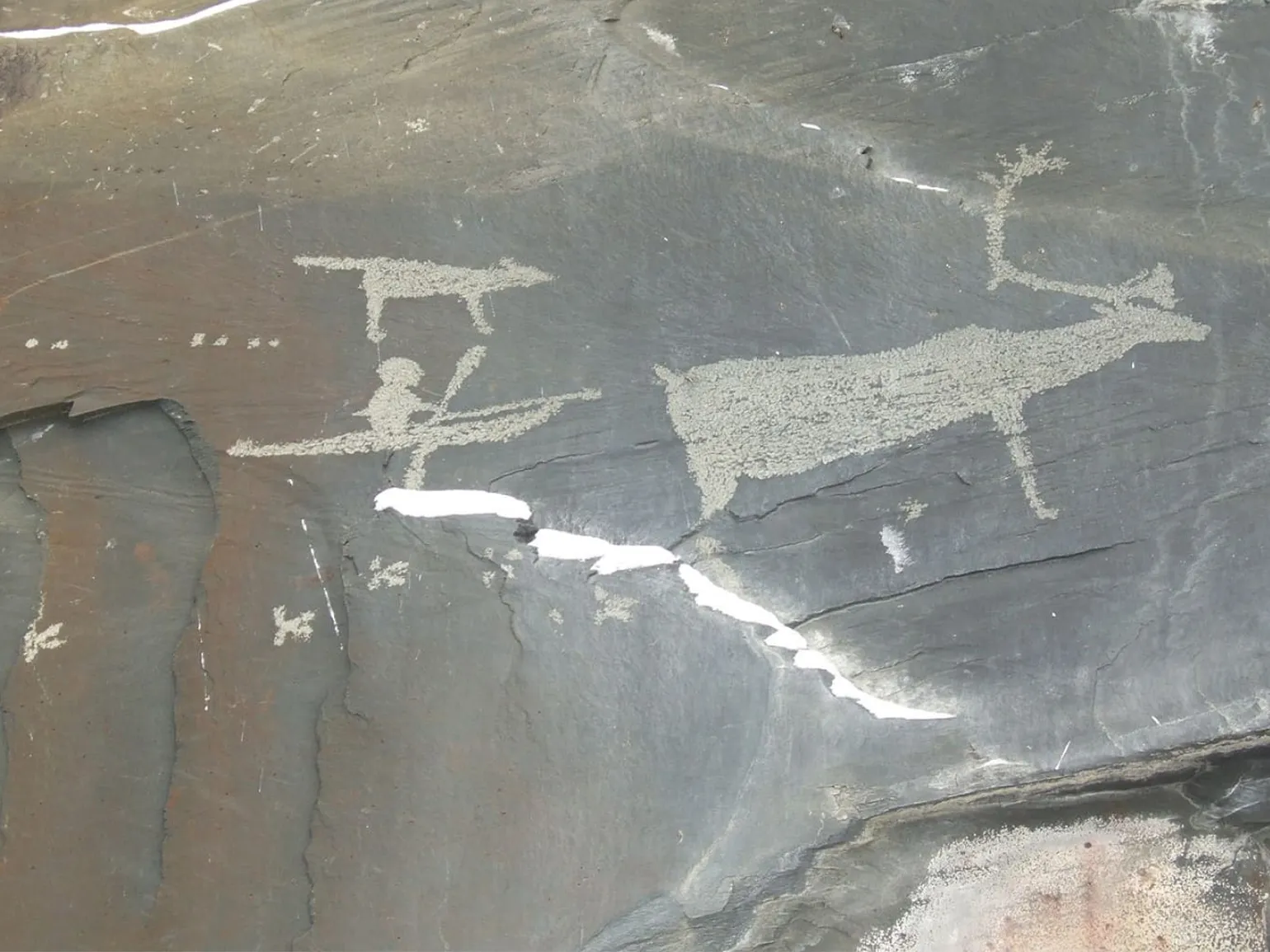
The oldest petroglyphs, dating from the Upper Paleolithic (c. 40,000–20,000 BC), primarily depicted animals. These included species such as mammoths and saber-toothed tigers, which are now extinct. With the transition to the Neolithic (c. 10,000 BC), art began to be dominated by images of people, their rituals, and the daily life of communities. This indicates significant changes in the cultural and social aspects of human existence, reflecting the development of self-awareness and human interaction with the world around us.
Scientists continue to debate the purpose of petroglyphs. According to one theory, they were created by sorcerers, as scientific knowledge was absent at the time, and understanding of the world was based on intuitive sensations. People may have believed that animal images on the walls promoted successful hunting. Petroglyphs represent an important element of ancient culture and serve as evidence of our ancestors' worldview.
Imagine that a Leo Tolstoy lived among these people, who unexpectedly wrote the novel "War and Peace." According to the website "Otvet.Guru," this immortal work by Leo Nikolayevich contains 478,458 words and 2,521,613 characters without spaces, and its disk size is 6.14 MB. This novel became an important milestone in Russian literature and continues to inspire readers and researchers around the world.
Ancient writers were distinguished by their sweeping handwriting. Одним из самых впечатляющих наскальных изображений является лебедь, найденный на полуострове Кочковнаволок в Карелии. Его размеры достигают 4,12 метра от хвоста до головы. В сравнении с этим, средний размер петроглифа составляет 50 × 50 см, что соответствует площади 0,25 квадратных метра.
«Война и мир» в указанной кодировке заняла бы не менее 119 614,5 квадратных метров на поверхности скалы. Если учесть пробелы, эта площадь увеличится примерно вдвое. Необходимо также учитывать многочисленные черновики, что увеличит итоговую площадь в пять раз. В итоге, размеры этой работы составили бы около одного километра на километр. Это впечатляющее представление, которое не снилось даже самому Пикассо.
Льву Николаевичу, даже если бы он был неандертальцем, пришлось бы обойти всю Евразию и оставить след в каждой пещере своими произведениями. Возможно, именно эта неугасимая тяга к творчеству стала толчком для расселения человечества по планете. Не исключено, что именно отсюда проистекает наша генетическая потребность оставить след на любой покоренной скале с надписью: «Здесь был Вася». Как вам такая гипотеза, историки?
Работа с камнем требует значительных усилий, поэтому мягкая и податливая глина стала не только материалом для создания посуды, но и первым носителем информации. Древние шумеры начали использовать глиняные таблички для записи, что положило начало созданию первых книг и библиотек. Аналогичные методы записи применялись также в Древнем Египте, что свидетельствует о важности глины как материала для сохранения знаний и истории.
Древние люди использовали глину для создания плоских листов, на которых с помощью трёхгранных палочек записывали информацию клинообразными знаками. После этого таблички сушили и укладывали в определённом порядке в ящики, подобно страницам книги. Первая таблица выполняла роль титульной, на ней указывались автор и содержание. Ящики объединялись в библиотеки, а отдельные таблички использовались для каталогизации информации. Это можно считать одним из первых примеров базы данных или жесткого диска, отражающих желание человека систематизировать знания и хранить их для будущих поколений.
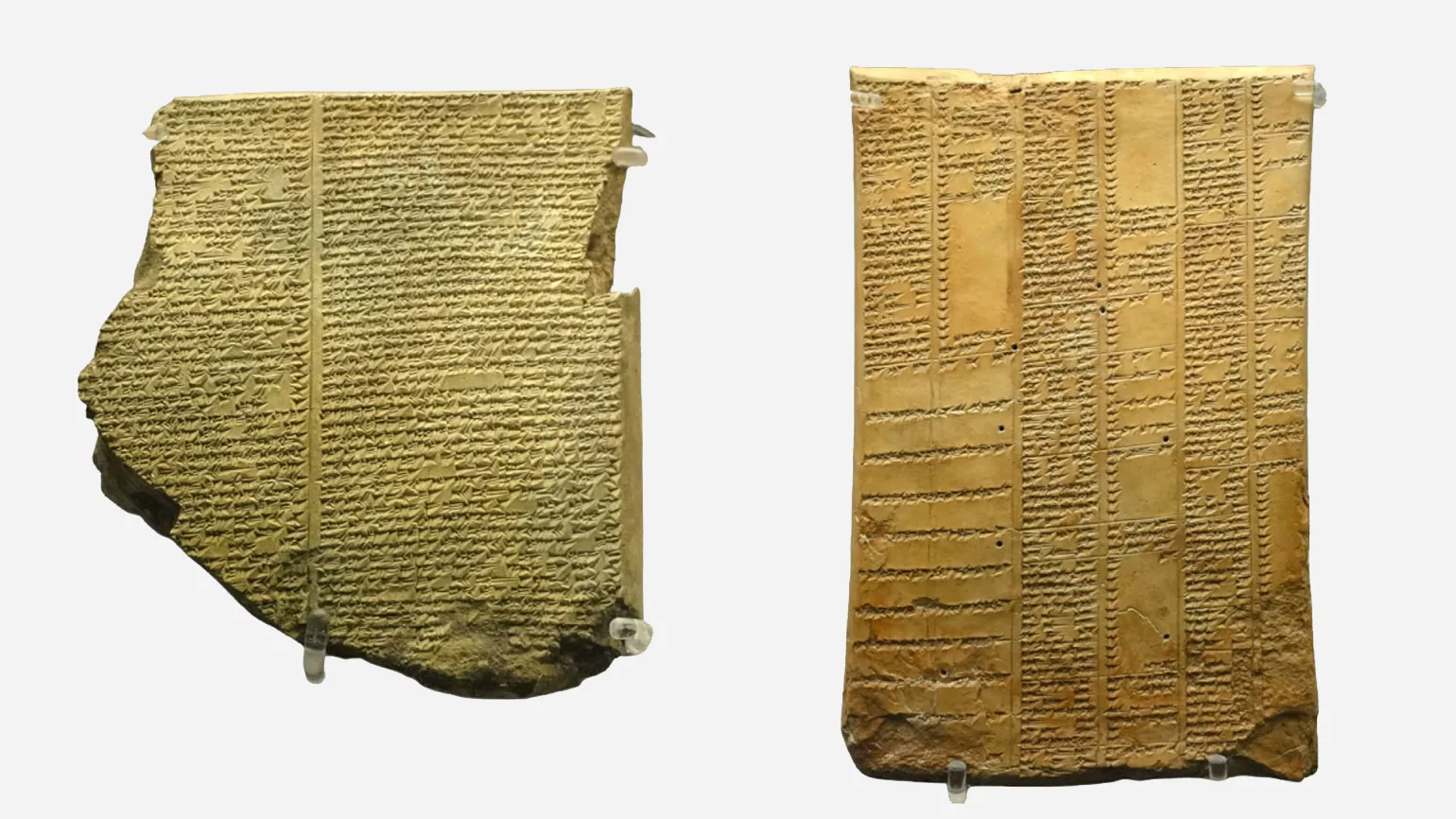
Хранение информации в виде табличек, хотя и использовалось в древности, не является самым удобным способом. Стандартные размеры библиотечных табличек составляют 32 × 32 см с толщиной 2,5 см. На одной такой табличке, даже при максимально аккуратном почерке клинописца, помещается около 2300 знаков. Для создания одного экземпляра «Войны и мира» в таком формате понадобилось бы 1096 табличек, что подчеркивает неэффективность этого метода хранения больших объемов текста. Современные технологии хранения данных значительно упростили этот процесс, позволяя сохранять и передавать информацию более компактно и удобно.
Стандартный размер современного кирпича составляет 25 × 12 × 6,5 см. Это означает, что одна глиняная табличка примерно равна 1,3 кирпича. Таким образом, все четыре тома романа, включая эпилог, в клинописной форме занимают около 1439 кирпичей. Эта информация подчеркивает масштабы и материальные затраты на создание литературных произведений в древности, а также важность глиняных табличек как носителей информации в историческом контексте.
Это шесть поддонов книг, без учета обложки, общей массой более пяти тонн. Если вы хотите разместить такую коллекцию у себя дома, подготовьте пространство размером 2,2 × 1,7 метра. Это предполагает хранение книг в два ряда и без обложки. Также вам понадобится подъемник для перемещения томов.
A typical Russian brick mini-factory can produce no more than four copies of War and Peace per day, not including the work of cuneiform scribes. This is a rather limited capacity for book printing. Perhaps this is why ancient Mesopotamia failed to produce its own Leo Tolstoy. Modern technology allows for a significant increase in literary production, but in the past, such limitations seriously impacted the development of culture and literature as a whole.
Papyrus, according to scholars, originated in Ancient Egypt approximately 5,000 years ago. This material was made from the papyrus plant, which grew abundantly in freshwater swamps. The process of creating papyrus involved peeling the stems and cutting them into thin strips, which were then stacked on top of each other. After drying in the sun, a flat surface was obtained, suitable for the application of images and hieroglyphs. Papyrus, like quality paper, came in different grades: the most expensive and high-quality ones were used at court, while less valuable varieties were reserved for merchants and minor officials. This unique material became the basis for the writing and culture of Ancient Egypt, playing an important role in the dissemination of knowledge and information.
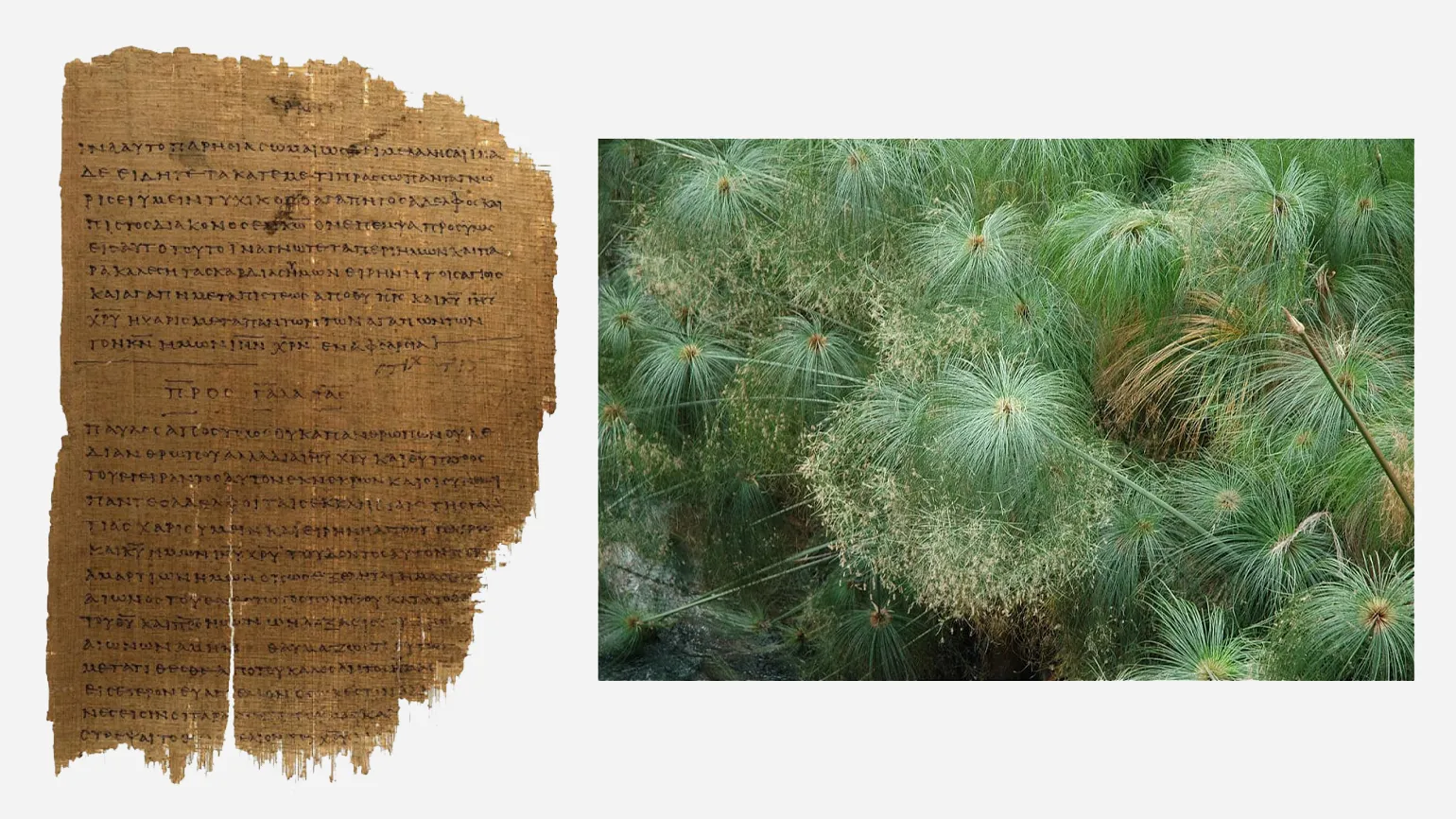
The myth of papyrus's fragility is untrue. While lower-grade papyrus quickly lost its properties, scrolls made from high-quality material could survive for thousands of years. Papyrus, as one of the first information carriers, played an important role in the history of writing and culture. Its durability and ability to preserve text make it a valuable object for the study of ancient civilizations.
Papyrus was used for many centuries due to its availability and ease of production. Its cost was so low that even workers could afford sheets of papyrus. This material remained in use until the 13th century CE, when it was gradually replaced by paper, which proved more convenient and efficient to use. Papyrus played a key role in the development of writing and the documentation of historical events, making it an important object of study in the context of the history of writing and recording materials.
Our conventional calculations indicate that one sheet of papyrus, containing 2,500 characters without spaces, requires approximately 30 centimeters of reed stem. If we consider War and Peace in its most economical form, written in the smallest hand, it would require at least a thousand papyrus sheets. This corresponds to the consumption of at least three hundred reeds, each reaching a meter in height. Such data underscores the considerable resources required to create works of literature in ancient times.
Parchment is treated animal skin, which began to be used by the Persians as early as the 5th century BC. This material is distinguished by its strength and durability, although its texture can be quite rough. A lighter, higher-quality analogue of parchment—vellum—became available only after the 13th century. Parchment and vellum found wide application in various fields, including writing, art, and book production, making them important materials in the history of writing and culture.
Until the Middle Ages, paper, papyrus, and parchment enjoyed equal popularity. In Europe, papyrus served as the primary material for writing religious books until the invention of printing in the early 15th century. With the development of this technology, parchment lost its importance and came to be used primarily in noble circles. Printing radically changed the availability of information and facilitated the dissemination of knowledge, which in turn influenced the cultural development of Europe.
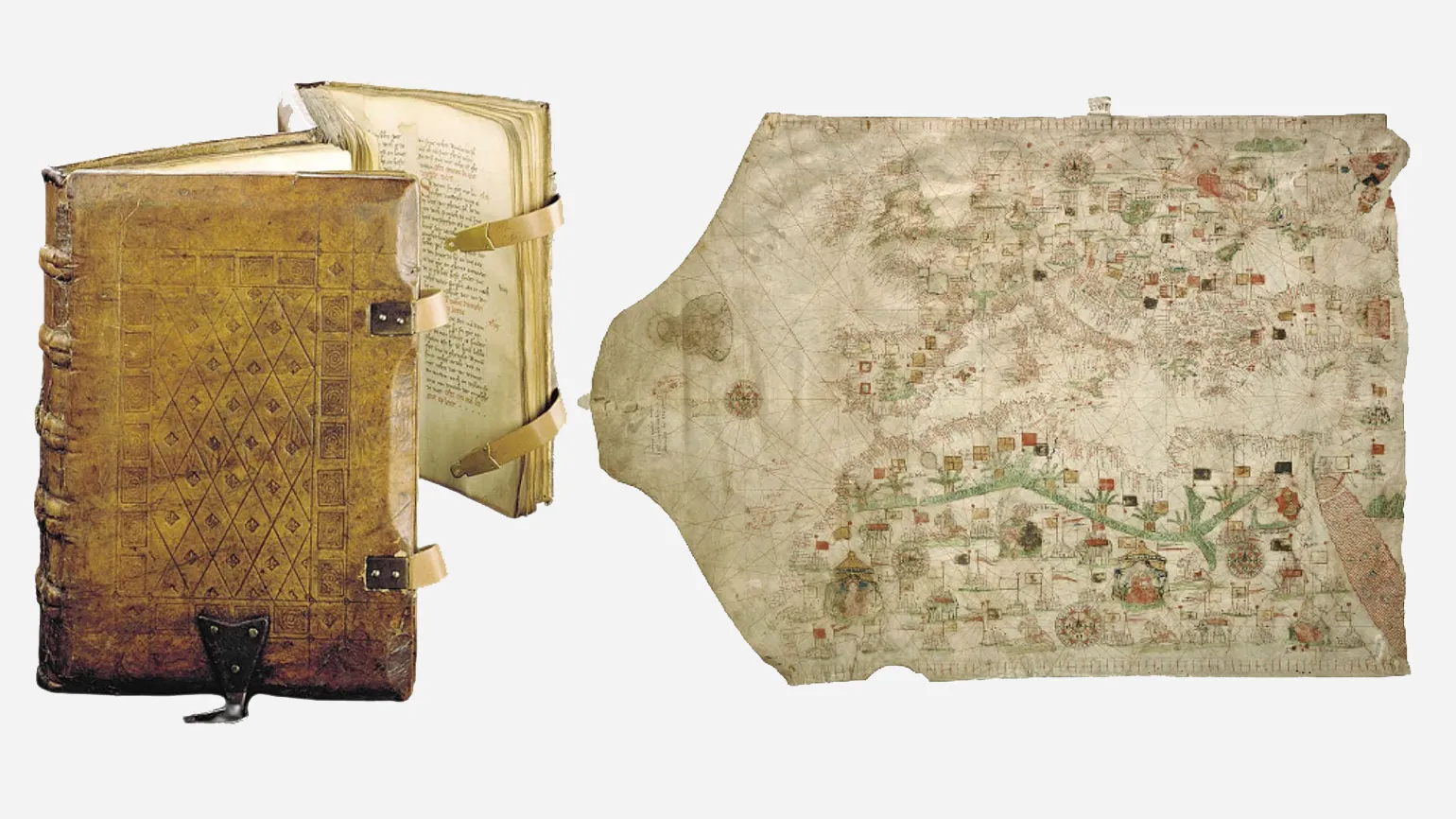
This method would hardly have pleased the renowned vegetarian and animal rights activist Leo Tolstoy. One lamb produces approximately ten sheets of papyrus. At least a thousand such sheets are required to produce a single copy of War and Peace. Thus, the cost of one novel is equivalent to hundreds of slaughtered lambs.
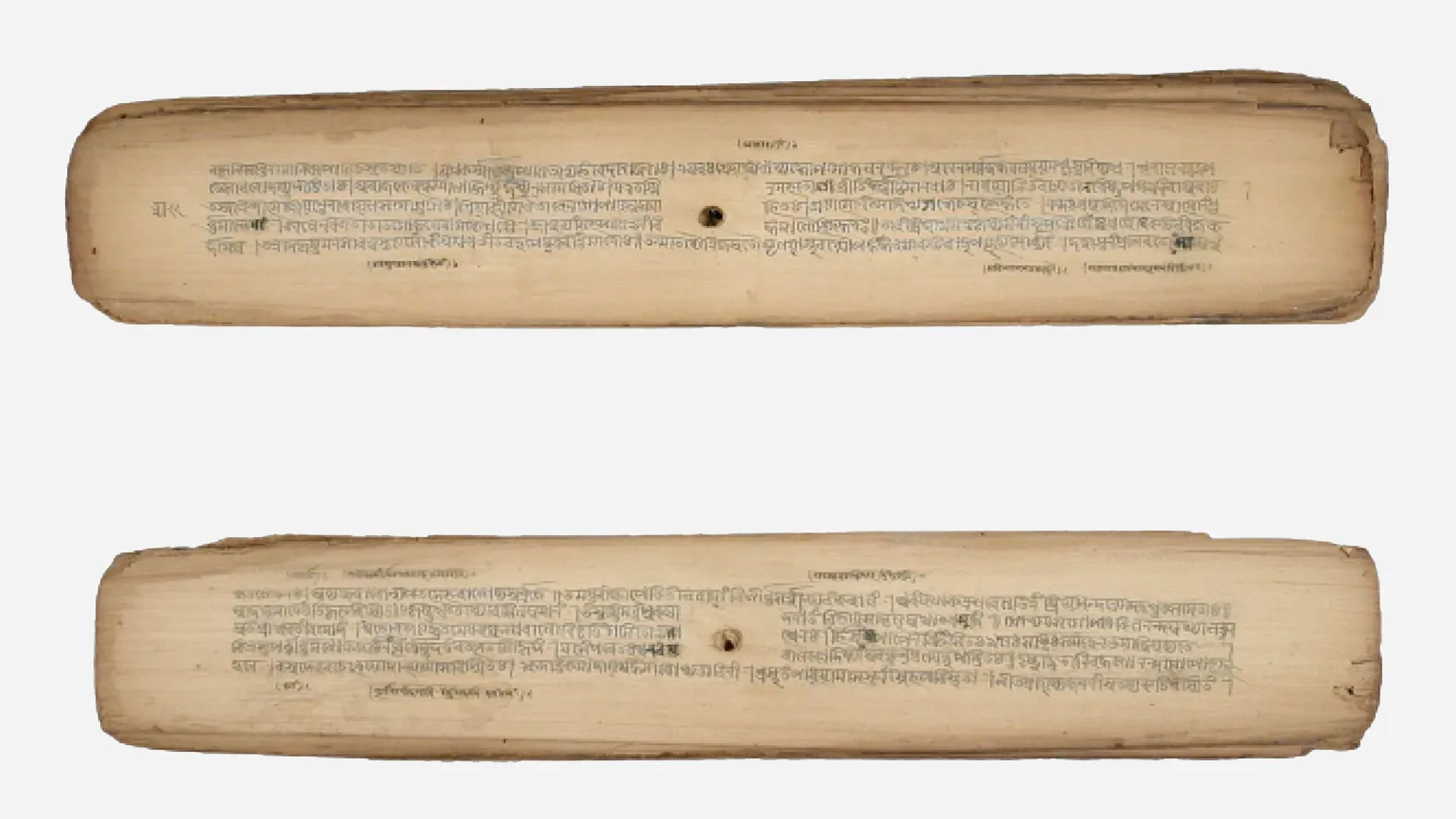
Palm leaves have a long history of use in India and Southeast Asia. Text and images were applied to them using pen and ink or by making cuts. The leaves were stacked and bound with thread, creating a kind of book. To protect them from rotting, they were coated with wax, and lemongrass was used to repel insects that could damage them. Thus, palm leaves served not only as carriers of information but were also part of the region's cultural heritage.
Palm trees grew in abundance, and the production technology was simple enough that palm leaves were used as writing materials until the 18th century. Palm leaves were used not only for literary purposes but also for recording historical events and keeping business records. This form of writing was accessible and practical, which contributed to its popularity for many centuries.
We won't bore you with the calculations, as they are similar to the previously mentioned data on papyrus. To provide every Soviet schoolchild with a copy of "War and Peace," it would have been necessary to use up a huge number of Vietnamese palms. This action could be considered barbaric, based on the opinion of activist Greta Thunberg. You'd think you'd use birch trees to make paper.
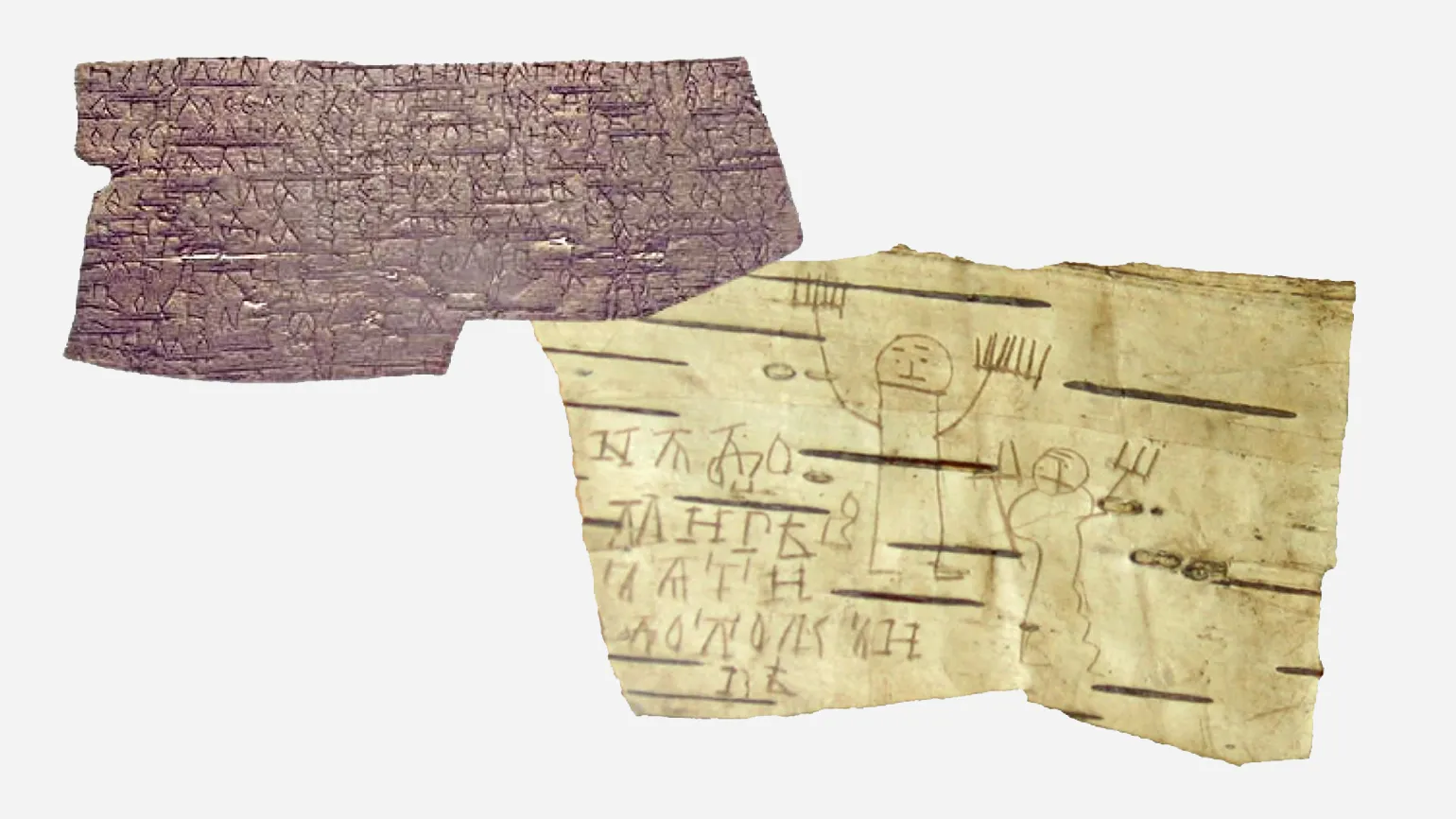
Birch bark is the outer layer of the birch tree, which was used as paper. Text was written on its surface using a slate or sharpened wooden stick, then rubbed with charcoal or soot for easier reading. Birch bark tablets were used in Ancient Rus' from the 9th to the 15th centuries and played an important role in documenting historical events, maintaining business records, and disseminating knowledge. This ancient material testifies to the high level of culture and writing of our ancestors, as well as their ability to use natural resources to create essential tools.
The largest number of birch bark tablets were found in archaeological excavations in Veliky Novgorod. These tablets served as a convenient and rapid means of transmitting information between cities. They recorded everyday instructions, demands for debt repayment, and trade proposals, demonstrating the high level of communication and business activity in medieval Rus'. Birch bark letters are a unique source of information about everyday life, economic relations, and the social structure of that time.
The speed is truly impressive, but the material consumption raises serious questions. Compared to papyrus, we can say that the consumption of birch bark is simply stunning. Let's consider a standard birch tree three meters high and a trunk diameter of 20 cm. Using the school formula for calculating the area of a cylinder, we can calculate how much birch bark can be obtained from such a tree.
The surface area of a cylinder is calculated using the formula S = h * π * D, where h is the height and D is the diameter. Substituting the values, we get S = 300 * π * 20, which results in 18,840 square centimeters. Thus, the surface area of the cylinder is 18,840 sq.
or about 30 standard A4 sheets.
Even if a unique person were to be found who could scribble with a stylus on birch bark as neatly as we write with a fountain pen on paper, it would hardly exceed 1,500 characters on a single A4 sheet. This writing method requires special skill and patience, making it a rare art. Birch bark letters are a valuable historical artifact that allows us to peer into the past and understand how our ancestors lived. Although modern writing has been greatly simplified by the use of paper and pens, birch bark records remain an important element of cultural heritage. Thus, even a short message on birch bark becomes a unique work that reflects not only information but also the skill of the scribe.
Summary.
One book, "War and Peace," corresponds to 2,521,613 characters, which is equivalent to 56 birch trees, given the average number of characters per birch tree, which is 1,500. Thus, Leo Tolstoy's work can be expressed in natural objects, such as birch trees, which emphasizes the scale and grandeur of the text.
I propose considering this question: what is more important - preserving nature or obtaining additional resources? Don't cut down trees, men, think about the consequences. Preserving birch groves is of great importance for the ecosystem. Each tree plays its role, and deforestation can lead to negative consequences for the environment. Let's respect nature and seek alternative solutions that do not require the destruction of forests.
In ancient China, papermaking began with bamboo, hemp fibers, and silk. From the first century AD, mulberry, cloth, plant fibers, and ash began to be added to the pulp. This method made it possible to create durable, high-quality sheets of paper, which became the basis for the further development of writing and art. The development of paper in China played a key role in the spread of knowledge and culture, which ultimately led to significant changes in society.
Paper production technology underwent significant changes and spread throughout the world, starting in Japan and Korea and then encompassing Europe. In the 15th century, with the invention of printing, paper became the dominant information carrier, replacing materials such as birch bark, papyrus, and parchment. This led to a revolution in the dissemination of knowledge and culture, making paper the primary means of recording and transmitting information.
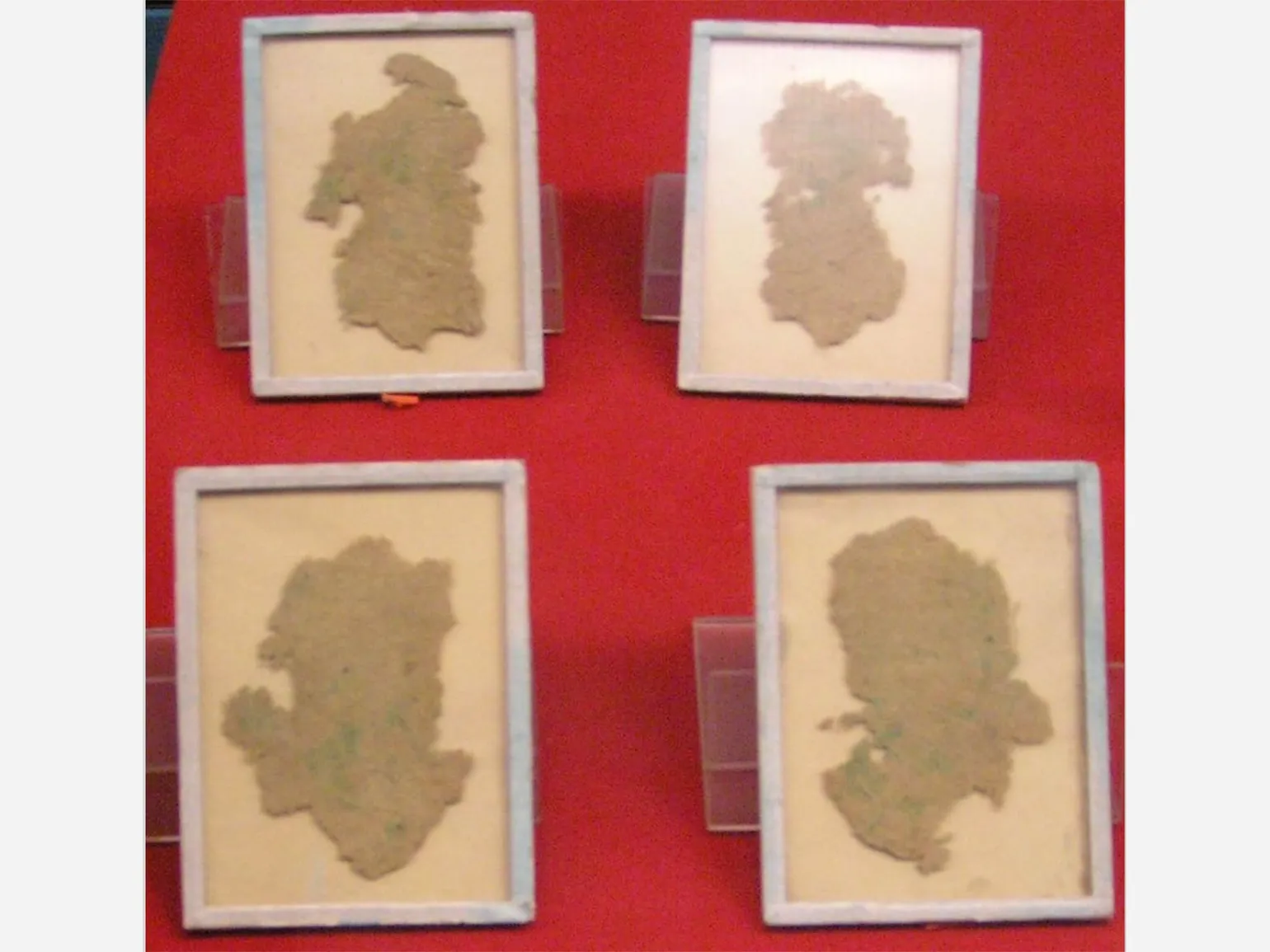
Industrial production of paper from wood pulp began to develop in the 18th century. This led to books, newspapers, and magazines becoming the main information carriers. The speed of knowledge dissemination increased significantly, and libraries turned into "temples of knowledge". All these changes had a significant impact on scientific and technological progress, contributing to the rapid development of education and culture. The increased availability of information opened new horizons for research and innovation, which became the basis for the further development of society.
The compactness of information storage has increased significantly. For example, "War and Peace" in the standard 14-volume collected works of Leo Tolstoy from 1951 (volumes 4 through 7) takes up a certain amount of space. This aspect emphasizes how modern technologies make it possible to compress and store large amounts of information, facilitating access to literary works and other materials. A comparison of old and new data storage formats shows how significantly approaches to organizing information have changed, which is extremely important in the era of digitalization and rapid data exchange.
- Volume 4 - 361 pages;
- Volume 5 - 377 pages;
- Volume 6 - 406 pages;
- Volume 7 - 363 pages.
This novel cannot be compared to simple things, such as six pallets of bricks or a flock of sheep - it does not require significant effort to perceive. The circulation of the book is 300,000 copies, which makes it accessible and popular. That is why the novel was included in the school curriculum, forming an interest in Russian classics among millions of students. Its mass production and reliability contribute to the fact that it remains relevant and beloved in the educational environment.
The surface area of a cylinder is calculated by the formula S = h * π * D, where h is the height, D is the diameter. In this case, if the height is 300 cm and the diameter is 20 cm, then the calculation would be: S = 300 * π * 20, which is equal to 18,840 square centimeters.
This is equivalent to approximately 30 standard A4 sheets.
Storage Media in the 20th Century
In the late 19th and early 20th centuries, industrialization initiated the mass introduction of electricity. This time was marked by the advent of new modes of transportation, such as steamships, automobiles, and trains, as well as faster means of communication, including the telephone and telegraph. Although paper remained the primary storage medium, scientists and entrepreneurs were actively developing new devices that gradually changed the face of society and contributed to the development of technology. These innovations not only improved the quality of life but also opened up new horizons for business and communications, laying the foundation for future advances in a variety of fields.
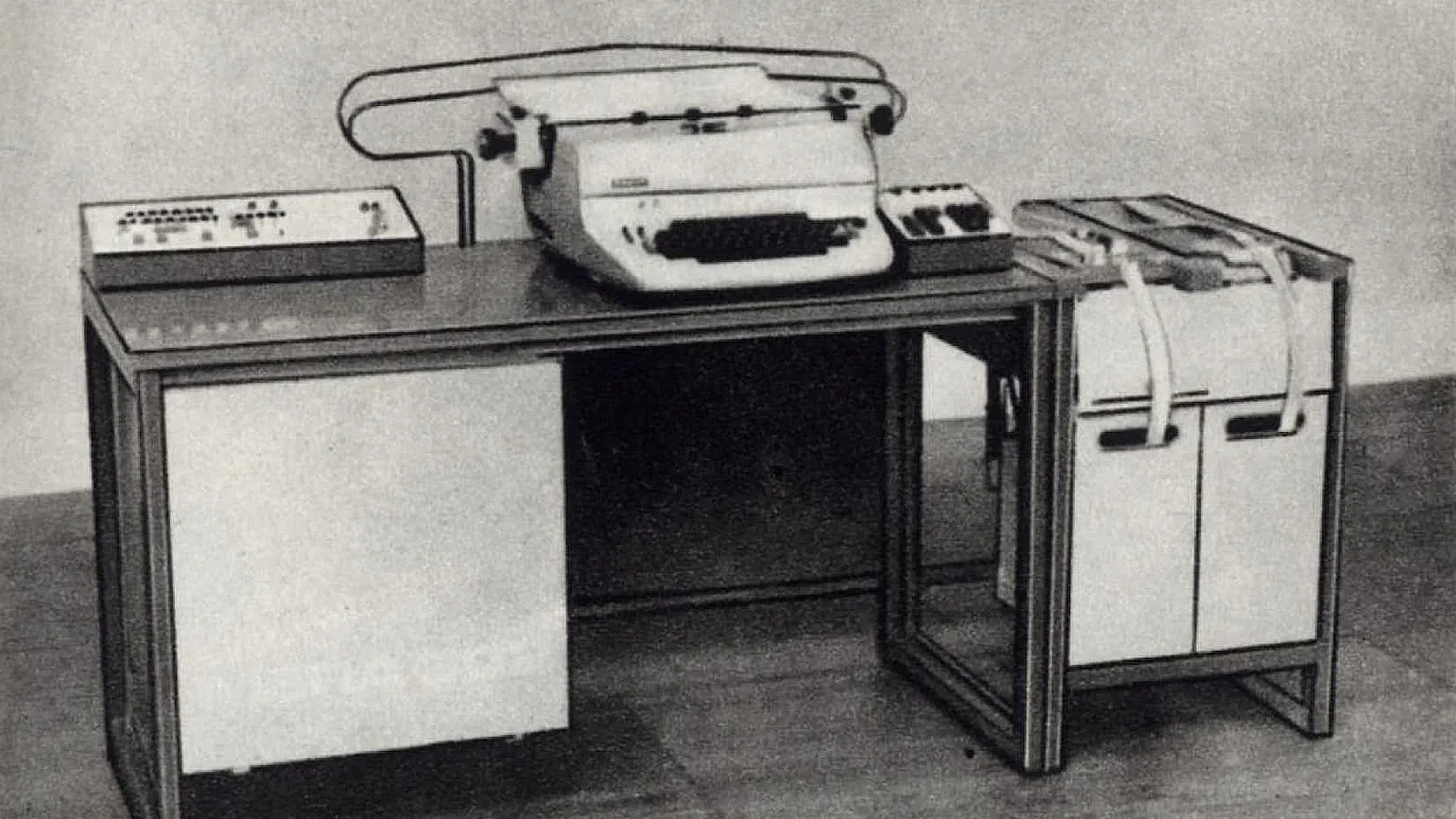
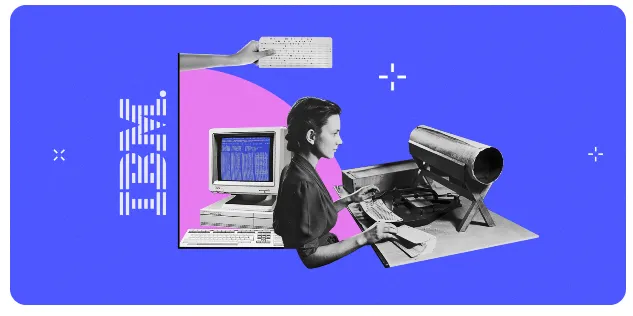
Punched cards are an early form of data storage that could only be read by specialized machines. The holes on punched cards, arranged in a strictly defined pattern, can be considered a prototype of the binary system. These devices played a significant role in the development of computer technology, enabling the storage and processing of information in the early stages of computing. Punched cards became the foundation for further innovations in data storage and programming.
Punched cards were used to create patterns on weaving looms, as well as for calculating and classifying data. Their significant achievement occurred during the 1890 census. Previously, processing census results took at least ten years, but the use of punched cards reduced this process to just three months. This innovation has significantly simplified the work with large volumes of information and has become an important step in the development of statistics and data accounting.
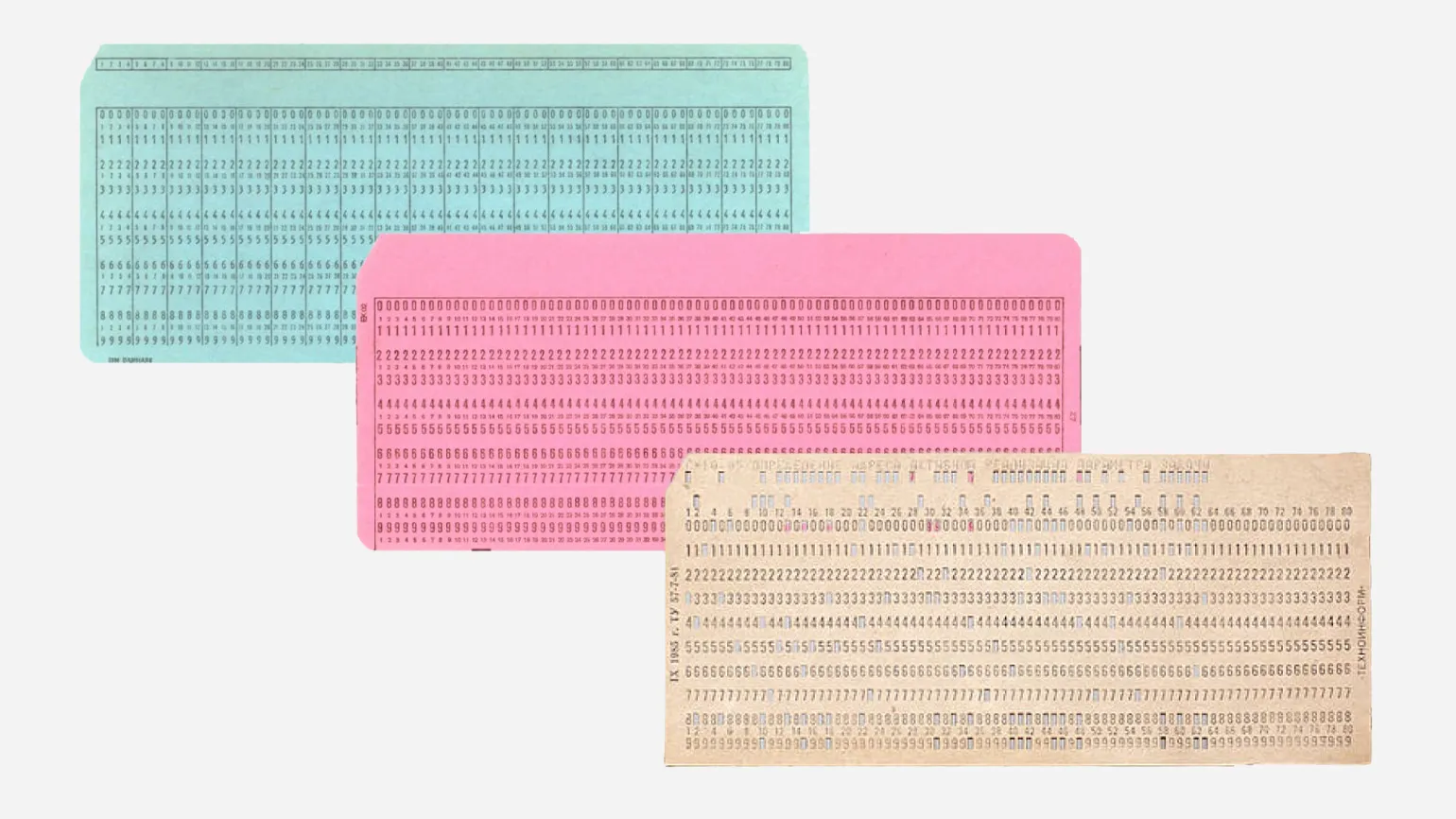
Punched cards, in an updated form, like punched tape, Punched cards were used until the 1980s. These storage media played a vital role in the operation of early electronic computers, such as the first programmable computer, the Mark I. Punched cards were also used in manufacturing plants, particularly in numerically controlled (CNC) machines. Their use marked a significant step in the development of computing and process automation.
The write speed reached 150 bytes per second, and the read speed was 1.5 kilobytes per second. These figures may seem small, but they are sufficient for performing mathematical operations. Furthermore, in this time, one could read War and Peace in just over an hour. This is an impressive result, especially considering that many people would not have enough time to do this in a lifetime.
Paper tape was a fragile storage medium that did not allow data editing. To improve the system, the idea arose to replace paper with a more durable plastic material, but the implementation of this technology proved too costly. Later, magnetic tapes appeared, which offered more convenient and efficient solutions for recording and reading information.
Чтение является важным аспектом развития, которое способствует расширению кругозора и улучшению навыков. Оно помогает не только получать новые знания, но и развивать критическое мышление. Чтение книг, статей и других материалов обогащает наш внутренний мир и способствует личностному росту. Для достижения максимальной эффективности рекомендуется выбирать разнообразные жанры и темы, что позволит глубже понять различные аспекты жизни и культуры. Не забывайте уделять время чтению каждый день, чтобы поддерживать уровень знаний и оставаться в курсе современных тенденций.
История перфокарт: от первых устройств до современных технологий
Перфокарты, изначально разработанные для управления механическими устройствами, стали важным этапом в развитии вычислительной техники. Их корни уходят в 18 век, когда Жозеф-Мари Жаккард создал механизм, который использовал перфокарты для управления ткацкими станками. Этот принцип оказался революционным, позволяя автоматизировать процессы и улучшать производительность.
В начале 20 века перфокарты нашли применение в вычислительных машинах, таких как аналитическая машина Чарльза Бэббиджа. Они обеспечили возможность хранения и обработки данных, что стало основой для дальнейших разработок в области компьютерной технологии.
С течением времени перфокарты эволюционировали, и в 1920-х годах компания IBM начала массовое производство перфокарт. Эти карты использовались для обработки данных в различных сферах, включая бухгалтерию, статистику и научные исследования. С их помощью можно было обрабатывать большие объемы информации, что значительно ускоряло анализ данных.
Несмотря на развитие новых технологий, таких как магнитные носители и современные системы хранения данных, перфокарты оставили заметный след в истории вычислительной техники. Сегодня они воспринимаются как символ эпохи, когда механические системы начали уступать место электронным компьютерам.
Таким образом, история перфокарт — это не просто рассказ о технологии, а отражение становления информационного общества. Эти устройства сыграли ключевую роль в развитии автоматизации и обработки данных, что в конечном итоге привело к созданию современных вычислительных систем, которые мы используем сегодня.
Эпоха нового подхода к накопителям звука началась с изобретения фонографа в конце XIX века. Этот прибор отличался от музыкальных шкатулок тем, что не только воспроизводил звук, но и записывал его. На цилиндрическом восковом носителе игла преобразовывала звуковые волны в борозды, которые затем можно было воспроизвести. Максимальная продолжительность записи на фонографе составляла около двух минут. Этот прорыв в технологии записи звука открыл новые горизонты для музыки и звукозаписи, изменив подход к сохранению аудиоконтента.
Thomas Edison, the inventor of the phonograph, envisioned a variety of uses for it, including dictating letters, teaching foreign languages, and recording telephone conversations. Edison also proposed using the phonograph in large dolls, but this idea was unsuccessful, as such toys caused fear in children.
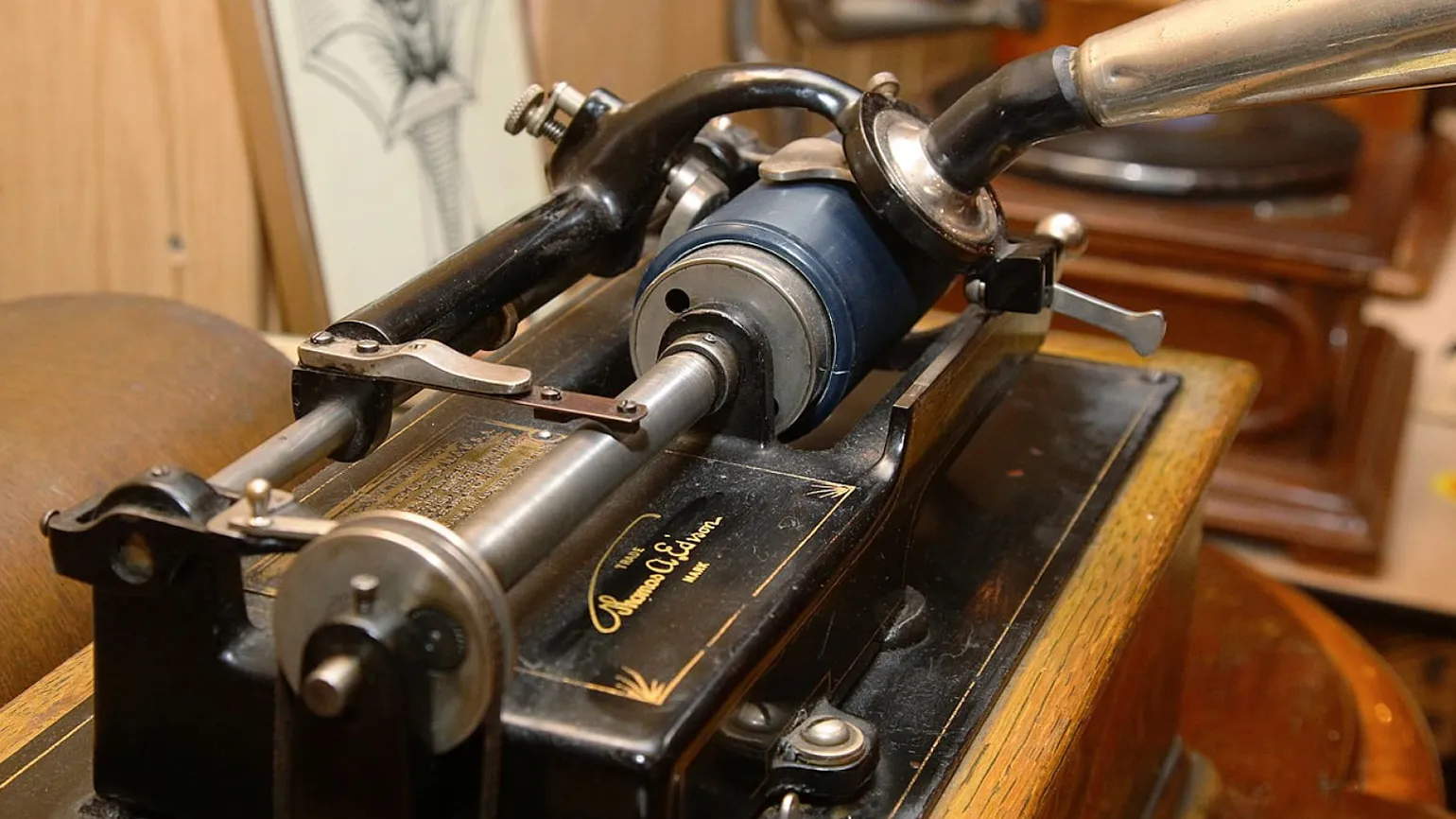
At the beginning of the 20th century, Phonographs underwent a significant evolution: wax cylinders were replaced by soft metal discs, which allowed recordings of up to four minutes. As technology advanced, phonographs evolved into electric gramophones using records, significantly improving playback quality and increasing the availability of sound recording. This transformation marked a significant milestone in the history of sound recording and paved the way for future innovations in audio technology.
Zinc and ebonite discs were used alongside wax ones, but they did not offer the ability to rewrite information. However, they had their advantages, such as ease of pressing and reproducing. In the early 20th century, the more convenient vinyl disc was developed, significantly improving sound quality. In the late 1920s, electroacoustic recording using a microphone appeared, which contributed to an expansion of the range and improvement of the recording quality.
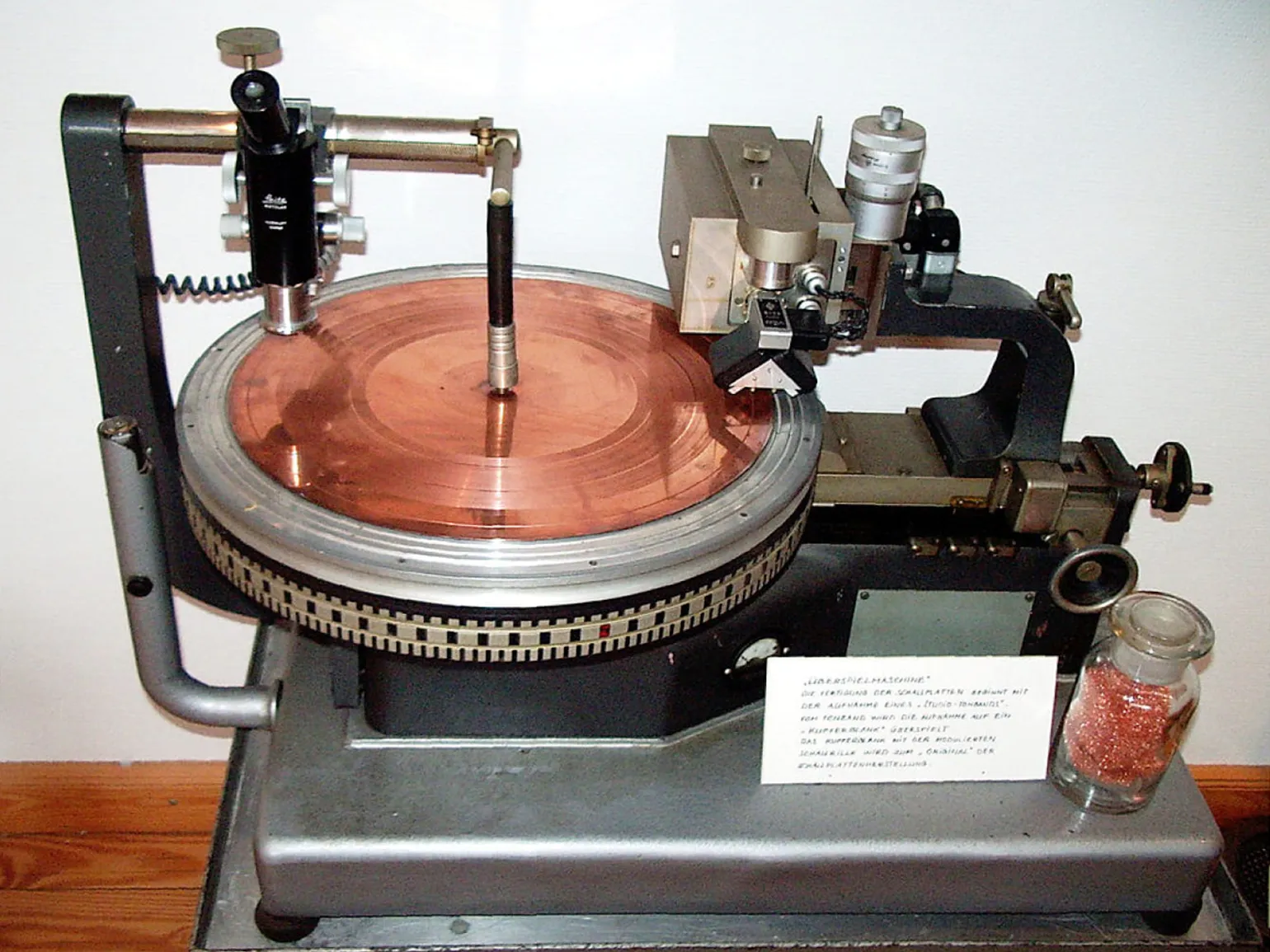
In the 1930s, recording technology couldn't efficiently fit large amounts of information onto records, meaning each record held only one song. Albums at the time were sold in boxes, which was inconvenient for music lovers. However, after World War II, a revolution in audio formats occurred with the introduction of long-playing records, which allowed entire albums to be stored on a single disc. This innovation significantly changed the music industry, making access to complete recordings more convenient and popular among listeners.
Before the advent of audio cassettes and compact discs, gramophone records were the primary medium for music playback. However, some audiophiles continue to prefer vinyl. For example, Prokofiev's opera War and Peace fits on just four discs, with music added to the lyrics. This is truly a huge improvement over the clay tablets used in the past. Vinyl records not only provide a unique sound experience but have also become a cult favorite among collectors, demonstrating their continued popularity today.
Photographic and motion picture film are important visual storage media that preserve unique "microprints" of images. These films consist of several layers, including a light-sensitive layer. Photographic film began to be produced in the late 19th century, and in the early 20th century, they became widely used in movie cameras. Despite declining production volumes, photographic and motion picture film remain commercially available. Their unique properties and ability to capture moments make them popular among photographers and filmmakers who value traditional imaging techniques.
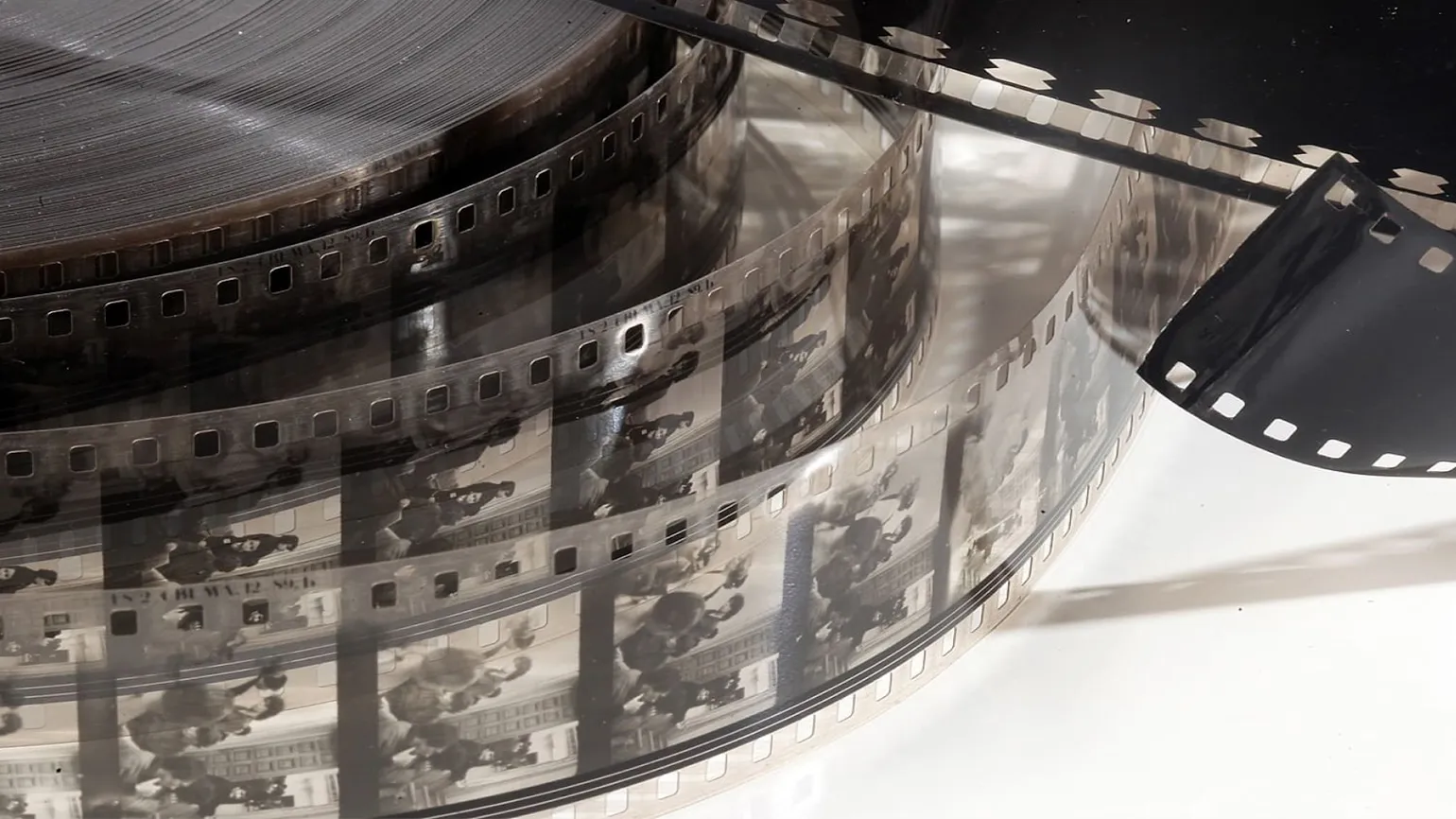
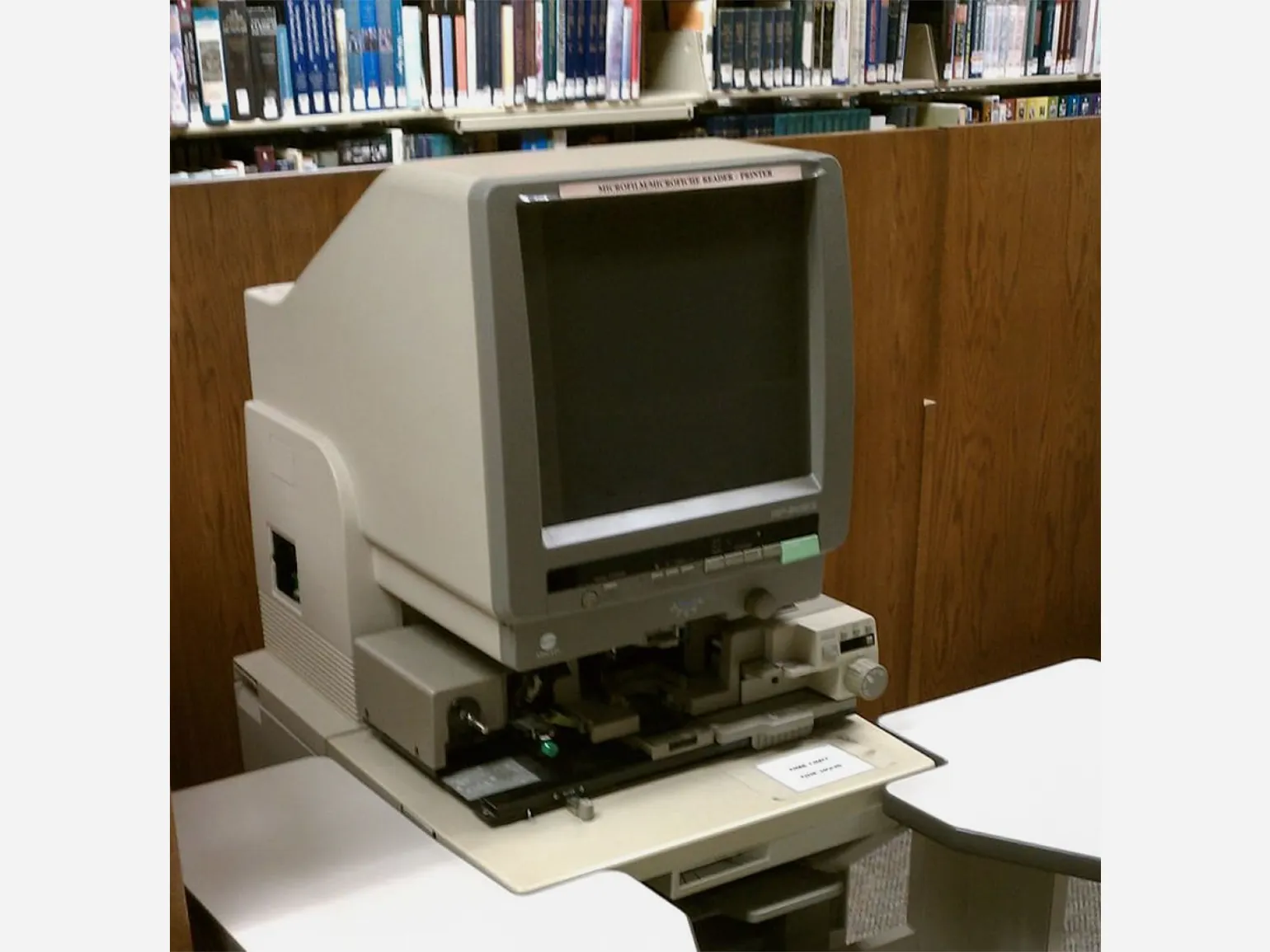
Using film for archiving printed The use of materials such as microfiche is becoming increasingly important in the modern world. Many of us have seen movies depicting characters examining old newspapers in the library, using special devices to view miniature copies. Microfiche is an effective way to preserve and store large amounts of information in a compact format, significantly saving space in archival repositories. This archival method ensures the durability and accessibility of historical documents, which is especially important for researchers and historians. Microphotography technology remains relevant despite the development of digital archives due to its reliability and ease of use. The data displayed on the screen is copies recorded in microfiche format. A single microfiche measuring 7.5 x 12 cm could hold up to 130 pages of text. In the era before the widespread use of computers, this archiving method significantly reduced paper space on shelves and simplified access to information. Microfiche became an essential tool for libraries and archives, allowing them to preserve and organize large volumes of data, facilitating efficient information management. Film film became the basis for one of the most popular school life hacks among Soviet children. Instead of spending the entire summer reading War and Peace, it was enough to watch all four episodes of Bondarchuk's film in just seven hours. This method allows you to quickly grasp the main ideas and plot of the novel, which is especially important for schoolchildren who want to save time preparing for lessons.
Magnetic tape was Invented in Germany in 1927, magnetic tape was initially made from thin paper coated with iron oxide powder. In 1932, AEG released the first commercial device for reading and writing magnetic tape, the Magnetophon K1. This invention opened up new horizons in sound recording and playback, ushering in the era of tape recorders and changing the approach to audio technology. Magnetic tape became the basis for the further development of audio formats and recording technology, making it an important element in the history of sound recording.
Video recording technology has undergone significant changes since its inception. In the 1950s, magnetic tape began to be used for video recording, marking a major step in the development of audiovisual technology. In the 1970s, the VHS format entered the market, providing a simple and reliable means of storing and playing back films and television programs. This format contributed to the popularization of video cassettes, making them the primary storage medium for home viewing. At the same time, similar changes were taking place in the audio market: compact tape was gradually replacing vinyl records, establishing itself as the preferred format for listening to music.
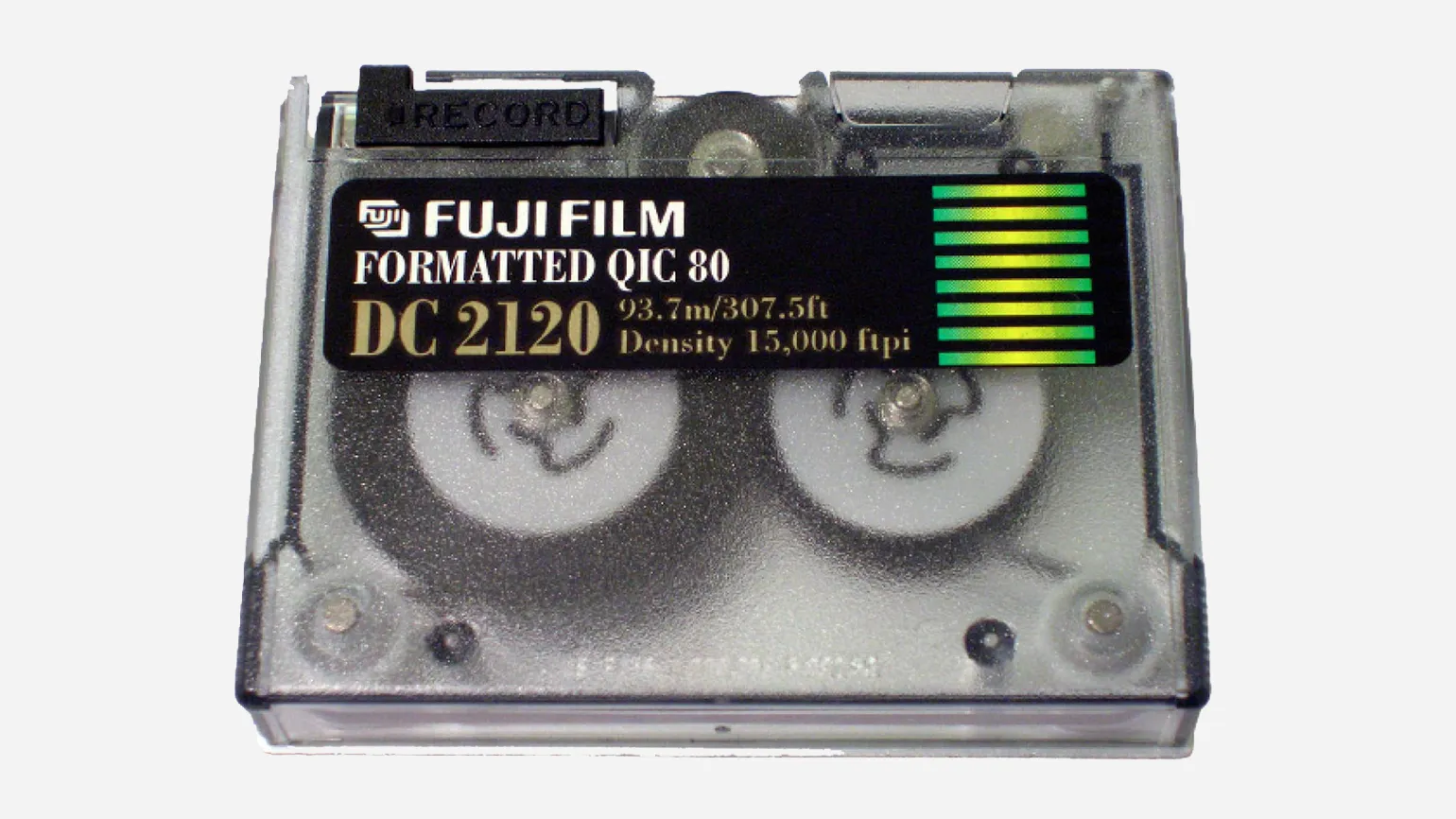
Magnetic tape began to be used as data storage in computers in 1951. The first tape drives had a limited capacity, capable of storing only a few kilobytes of information. Since then, data storage technologies have evolved significantly, and magnetic tapes have become more capacious and efficient, allowing them to take an important place in data archiving and backup. Today, magnetic tapes are used to store large amounts of information, making them popular among organizations seeking reliable and long-term data storage.
By the 1970s, the 9-track tape standard was developed, offering a capacity of up to 140 megabytes. In the 1990s, DLT recording technology emerged, offering an impressive capacity of 800 gigabytes. This is enough to store up to 133,320 copies of War and Peace with room to spare. Thus, the development of data storage technologies over several decades has significantly increased the amount of information that can be stored on media.
Tape drives are highly reliable and fast, and consume minimal power. However, it is worth noting that the speed of accessing random sections of data leaves much to be desired, since it is necessary to rewind the tape to the desired location to retrieve the information. This limitation makes tape drives less suitable for tasks that require fast data access.
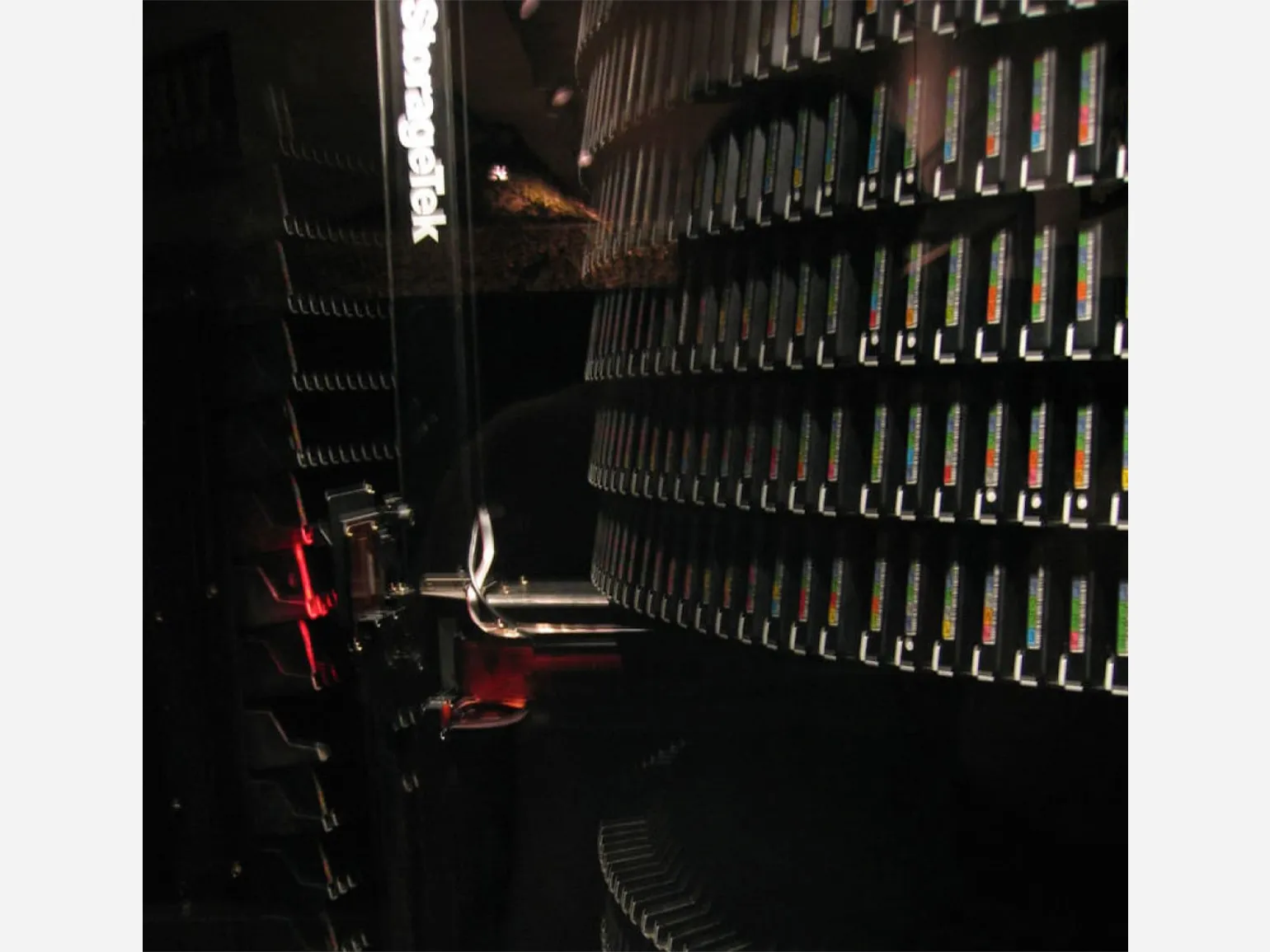
Tape drives remain relevant in the modern world, despite the development of other technologies. The two most popular formats, LTO and IBM 3592, are actively used in tape libraries. These solutions are characterized by high data storage costs and energy efficiency compared to disk systems. Tape libraries are capable of storing thousands of magnetic tapes, each holding several gigabytes of information. Upon request, the robot quickly finds the required tape and performs read and write operations, providing efficient data access.
A floppy disk, also known as a floppy disk, A floppy disk is a circular, magnetically coated plastic medium housed in a protective plastic case. A specialized floppy disk drive is required to read it. Floppy disks began to be widely used in IBM computers in the early 1970s, but are now considered obsolete storage media. However, floppy disks continue to linger in cultural memory, reflected in software: many data storage icons are designed in the shape of a floppy disk, demonstrating the device's influence on the development of information storage technologies. Several data recording technologies existed. Early versions used FM encoding, which recorded two clock signals per bit of information. The more advanced MFM technology combined the two clock signals into a single signal, doubling the recording density. In the late 1970s, M2FM technology was developed, adding additional clock signals to improve recording performance. These innovations played a key role in the development of storage devices and the increase in the amount of stored information.
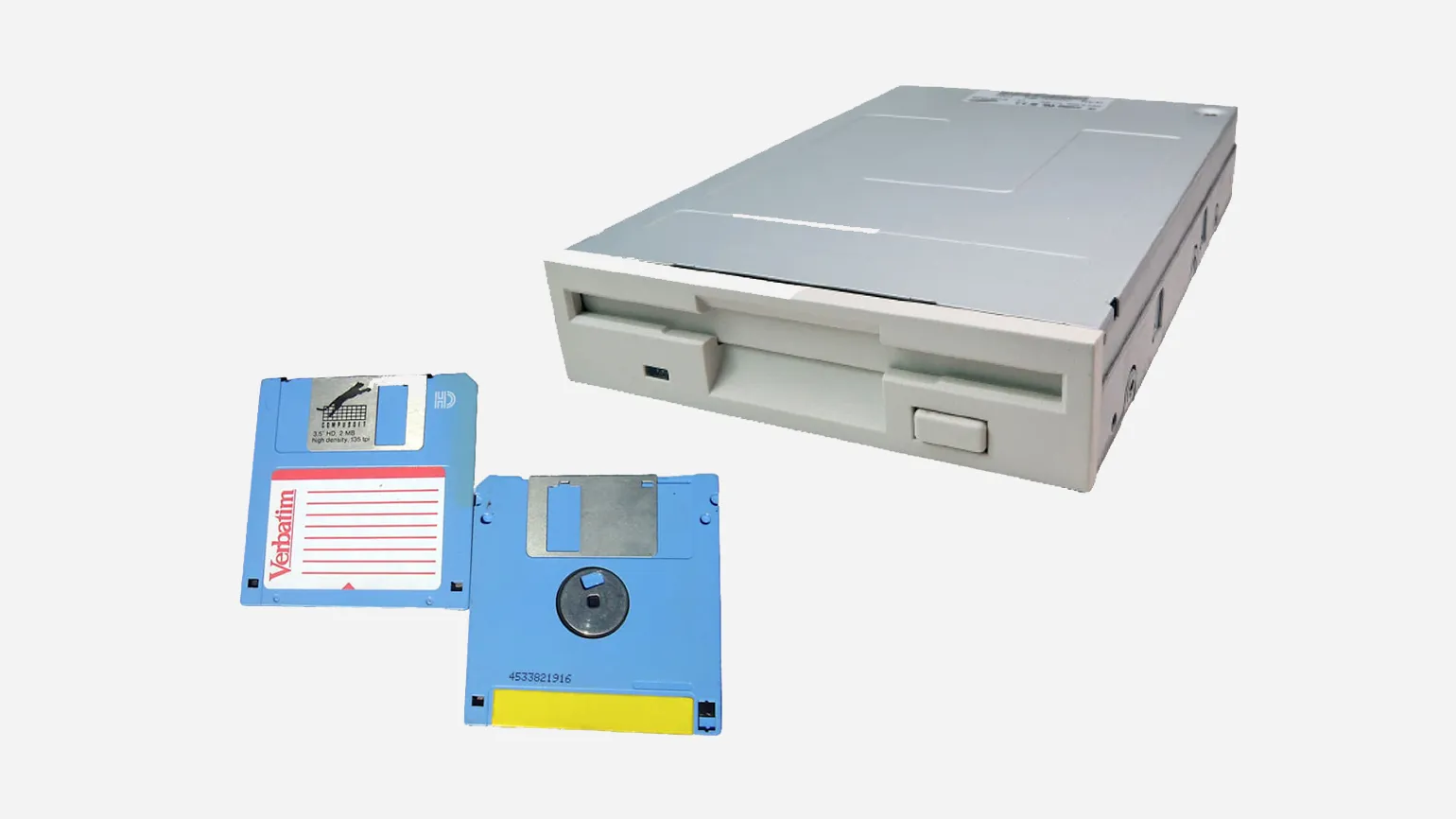
Floppy disks had several form factors: 8, 5.25, and 3.5 inches in diameter. The most popular were 3.5-inch microfloppy disks, which were actively used in the late 1980s and early 1990s. The capacity of these disks ranged from 1.44 to 2.88 megabytes, which was enough to store a variety of files, including documents, software, video games, and even complete operating systems. Despite their small capacity, floppy disks played a key role in the development of computer technology and information sharing at the time.
File sizes increased significantly, making the use of multiple floppy disks inconvenient. The last attempt to improve the floppy disk, SuperDisc, developed in the late 20th century, was unsuccessful. Although SuperDisc could store up to 140 megabytes of data, it could not compete with CDs, DVDs, and online distribution, leading to its loss in the market.
Modern Storage Media
Punched cards, tape drives, and floppy disks were no longer efficient enough to meet the growing demands of modern computers. A need arose for faster, more compact solutions for reading and writing data. New storage technologies provided significant improvements in performance and ease of use, making them the preferred choice for consumers and businesses.
Compact discs (CDs) are a revolutionary information storage and playback technology that uses an optical laser to read and write data. A special metal layer is applied to the disc, which is made of polycarbonate, in which information is stored in the form of micro-pits. A laser beam directed at this layer is reflected, allowing the encoded data to be read. This technology provided a significant increase in storage density compared to previous media such as magnetic tape. The Compact Disc became the basis for the development of many other formats, including audio CDs and CD-ROMs, making it an important step in the evolution of digital storage media.
Compact disc technology was first introduced for music recordings in the 1970s. However, by the late 1980s, it was adapted for use in computers in the CD-ROM format. In the following years, write-once (CD-R) and write-rewritable (CD-RW) discs were introduced, significantly expanding the possibilities for storing and transferring data. These formats marked an important step in the development of digital storage media.
The data capacity of a CD-ROM was limited to 700 megabytes, but in 1996, the DVD with an improved layer structure was introduced. By using a new laser with a shorter wavelength, it became possible to record up to 17 gigabytes of data on a DVD. This technology significantly increased the capacity of storage media and provided higher quality storage of audio and video. DVD quickly gained popularity due to its advantages, which was an important step in the development of digital technology.
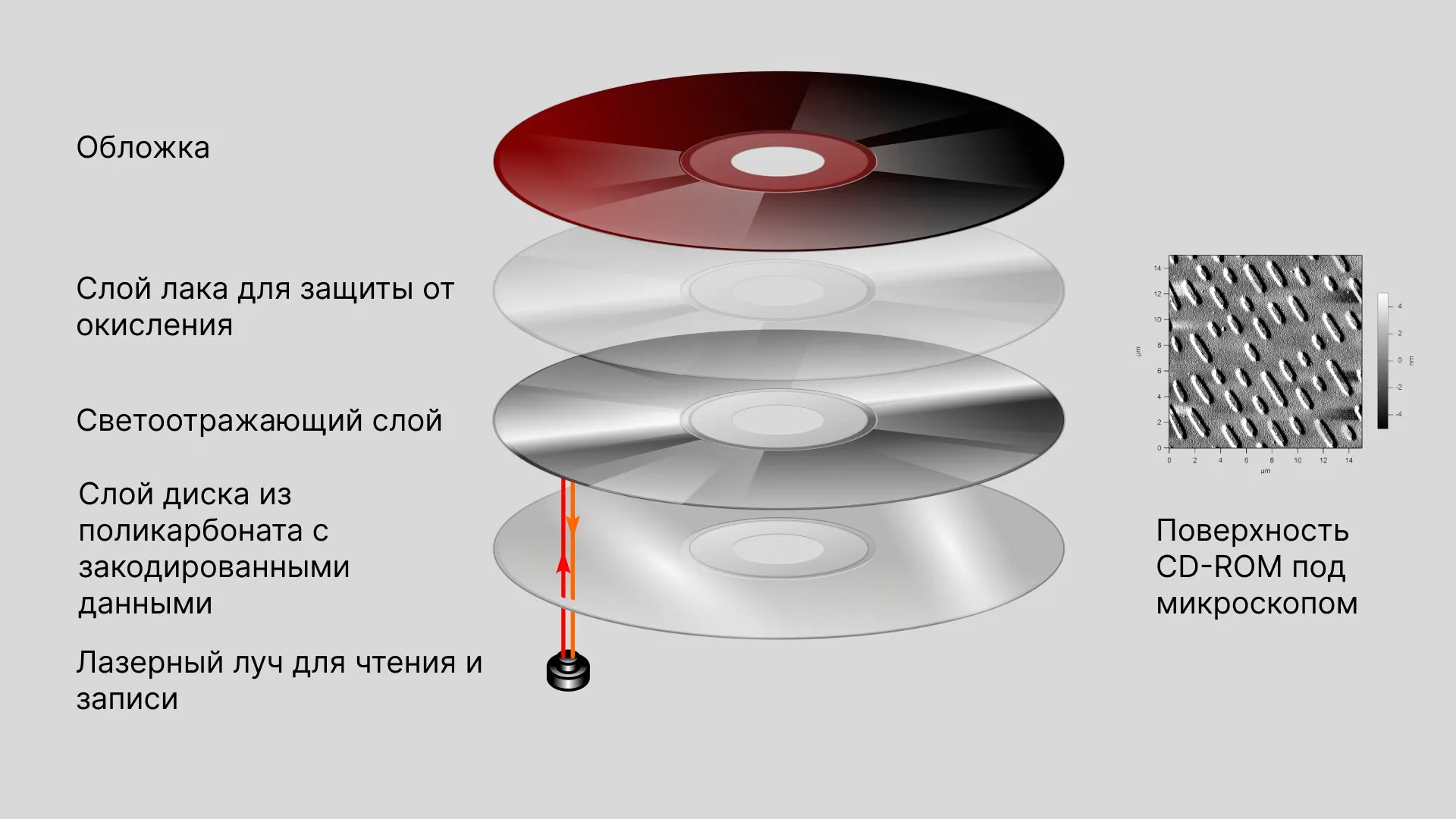
In 2006, Blu-ray Discs appeared on the market, which used a blue laser with short-wavelength. These discs provided recording densities of up to 50 gigabytes, which was especially important due to the increasing quality of films and the growth of software. The advent of Blu-ray discs coincided with the active development of the internet, which led to the rise in popularity of streaming services and online distribution. As a result, the use of discs for reading and writing became less common, and many modern laptops no longer come with built-in disc drives.
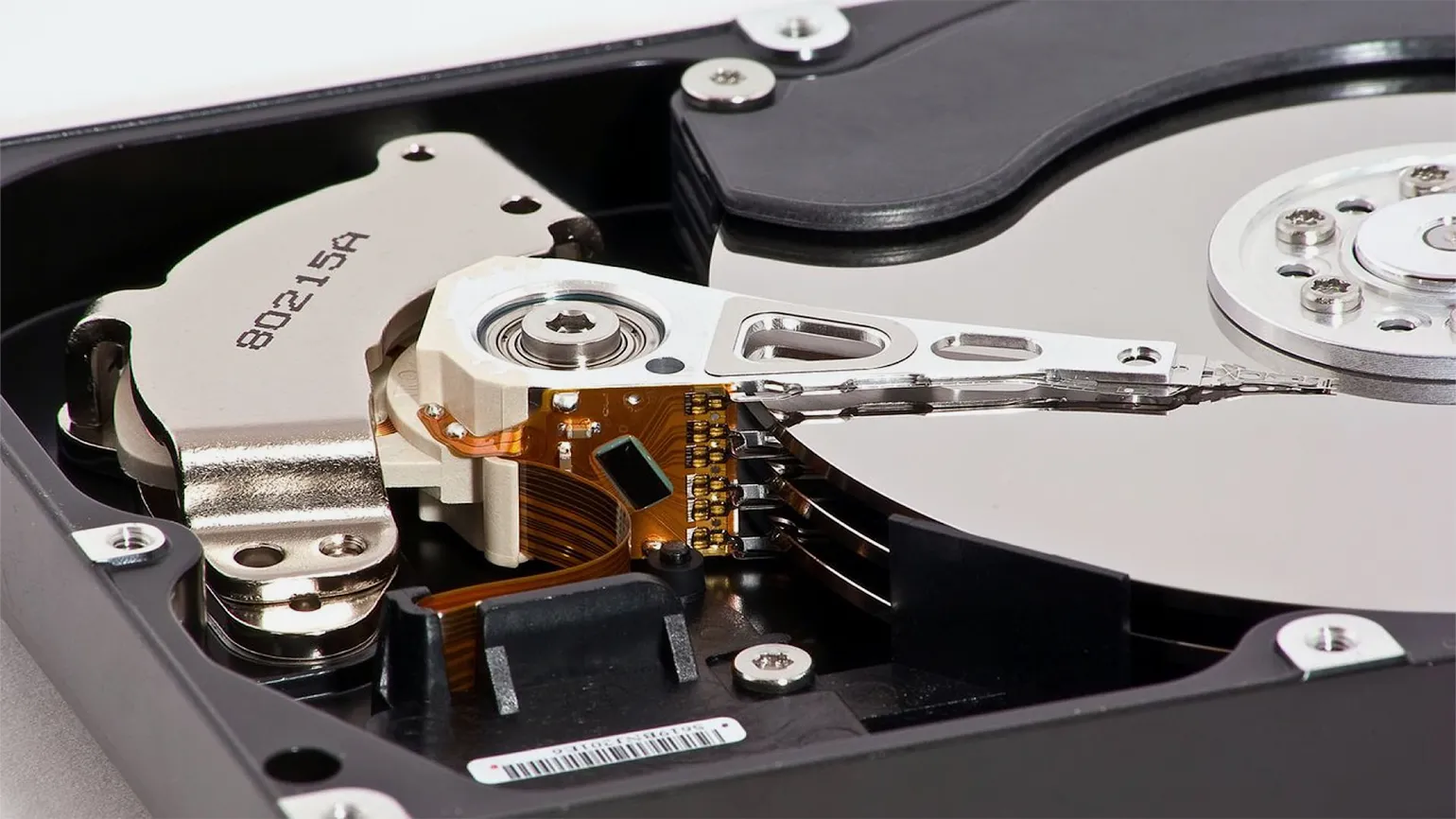
A hard disk drive (HDD) is a data storage device that uses rigid platters of aluminum or glass coated with a magnetic material. These platters are placed in a metal case that contains the electronic components. The discs are located in a sealed area, which, although not a vacuum, often uses clean air to prevent dust accumulation. Hard drives play a key role in storage systems, ensuring reliable and long-term storage of information.
Data is read using a specialized system on the device. An electric motor spins the disks at up to 7,200 rpm, and the read head, known as a rocker arm, is responsible for inputting and decoding information. This high-speed operation ensures reliable and fast data reading, which is critical for the efficient operation of modern storage systems.
Data is written in a strictly defined order, organized into sectors. Each sector is 512 bytes in size. Multiple sectors are combined into clusters, which serve as the basis for information exchange. It is in clusters that effective management and access to data occurs, which ensures fast and reliable operation of the file system.
There are several methods of recording information. Каждый из них имеет свои особенности и подходит для различных задач. Например, традиционные письменные методы, такие как ведение заметок и использование диктофонов, позволяют сохранить важные данные в удобном формате. В цифровую эпоху популярность приобрели электронные способы записи, такие как использование текстовых редакторов и специализированных приложений для создания заметок. Эти методы обеспечивают легкий доступ к информации и возможность её редактирования. Выбор подходящего метода записи зависит от личных предпочтений и целей пользователя. Правильное использование методов записи способствует эффективному управлению информацией и повышению продуктивности.
- Продольный (CMR). Биты записываются головкой над поверхностью дисков: так намагничивают сотни миллионов «доменов» — дискретных областей. Плотность записи составляет около 20 гигабайт на квадратный сантиметр, с 2010-х такая технология практически не используется.
- Перпендикулярный (PRM). Биты сохраняются в горизонтальных доменах: плотность записи выше — от 60 гигабайт на квадратный сантиметр, до, теоретически, до терабайта на дюйм. Наиболее популярный сейчас метод.
- Черепичный (SMR). Дорожки на диски «накладывают» друг на друга как в черепичных крышах, чтобы увеличить плотность чтения и записи головкой. У технологии есть минус — низкая скорость записи и перезаписи данных. Используется редко.
Жесткие диски впервые появились на рынке с высокой ценой, достигающей десятков тысяч долларов, и имели емкость всего в несколько мегабайтов. В связи с этим более доступные гибкие диски оставались основным средством хранения программного обеспечения и операционных систем до 1980-х годов. К этому времени технологии жестких дисков значительно усовершенствовались, что сделало их более доступными и практичными для широкого использования.
Твердотельные накопители (SSD) и flash-карты используют микросхемы для хранения данных, что значительно увеличивает скорость записи и чтения по сравнению с традиционными магнитными дисками. Эта технология была впервые разработана в конце 1970-х годов и применялась в суперкомпьютерах. Начиная с 2010-х годов, на рынке появились доступные SSD-накопители объемом 128 гигабайт, которые начали активно использоваться в персональных компьютерах и ноутбуках. Развитие твердотельных накопителей продолжает изменять подход к хранению данных, обеспечивая высокую производительность и надежность.
Твердотельные накопители (SSD) классифицируются на несколько категорий. Основные группы включают SATA SSD, которые обеспечивают хорошую производительность и совместимость с большинством устройств. NVMe SSD предлагают значительно более высокую скорость передачи данных благодаря использованию интерфейса PCIe, что делает их идеальными для задач, требующих высокой производительности, таких как игры и работа с большими объемами данных. Также существуют M.2 и U.2 форматы, которые предоставляют гибкость в установке и подключении накопителей. Выбор подходящего твердотельного накопителя зависит от ваших потребностей и особенностей использования, включая скорость, объем и тип подключения.
- External flash cards. Memory cards (SD, microSD) and USB flash drives. Thanks to a universal recording standard and interfaces, data can be freely manipulated and transferred from device to device—an alternative to the floppy disk scenario.
- Embedded SSD drives. An alternative to HDDs as a storage medium on devices. The first SSD drives replicated the SATA connection connector; modern solid-state drives connect via the faster PCI Express.
Solid-state drives (SSDs) are primarily based on NAND architecture, which guarantees high capacity, excellent data transfer rates, and low power consumption. There are also volatile SSDs, known as RAM SSDs, which function on the same principle as random-access memory. They provide even higher operating speeds but are significantly more expensive than NAND SSDs. The choice between these types of drives depends on performance requirements and budget.
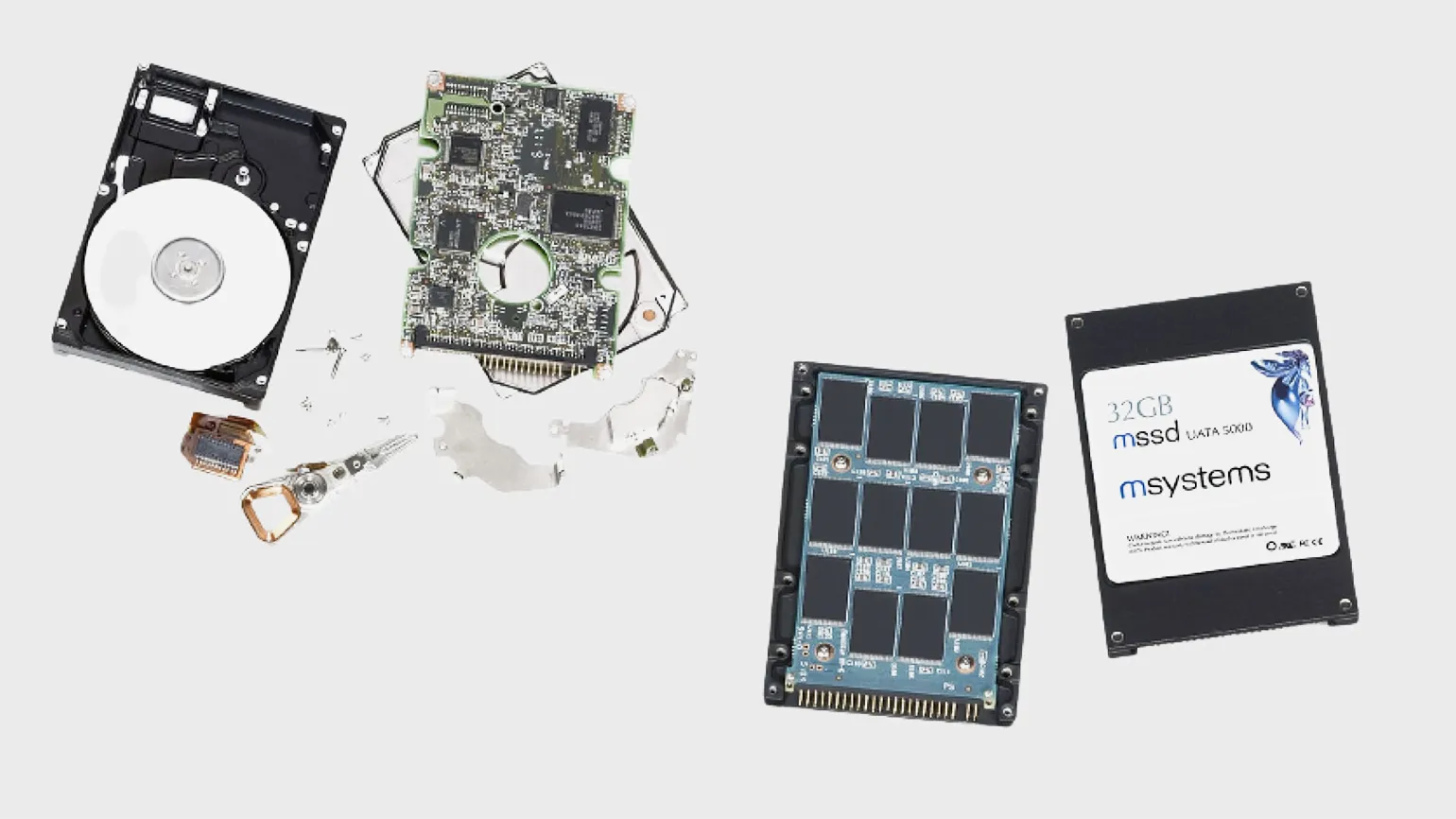
SSD has many advantages over HDD. The main advantages include their compact size and the absence of moving components, which increases device reliability and reduces the risk of mechanical damage. Furthermore, SSDs are less sensitive to external electromagnetic fields, ensuring more stable operation in a variety of conditions. Another important aspect is their high data transfer rate, which significantly speeds up the loading of the operating system and applications, improving overall system performance. Reliable data storage makes SSDs an optimal choice for users who value information security.
A disadvantage of solid-state drives is their limited number of write cycles. Inexpensive flash drives may have fewer than a thousand cycles, while internal SSDs can reach tens of thousands. As a result, the service life of solid-state drives is approximately five years, after which users begin to experience frequent errors. The problem lies in memory cells, which are currently unable to withstand long write cycles.
Storages of the Future
Information volumes continue to grow rapidly, while silicon for chip production is becoming an increasingly scarce resource. Scientists are actively exploring new directions that can provide alternative methods of storing and processing data. Let's consider several technologies that may form the basis for future solutions in this area.
In 2017, Harvard biologist George Church demonstrated that DNA can be used not only to transmit the genetic code of living organisms, but also to store information. In the experiment, an image and a six-frame GIF animation were recoded into a nucleotide sequence, which was then synthesized into artificial DNA. This approach opens new horizons for data storage, enabling the use of genetic material as a reliable information carrier.
Scientists implanted data into E. coli bacteria, which stored the information using the CRISPR system. This technology allows living organisms to control their immune system. By culturing the cells, the researchers obtained a large colony, from which they then isolated DNA and reconstructed the information. Thus, they demonstrated the potential of CRISPR for storing and processing data in biological systems.
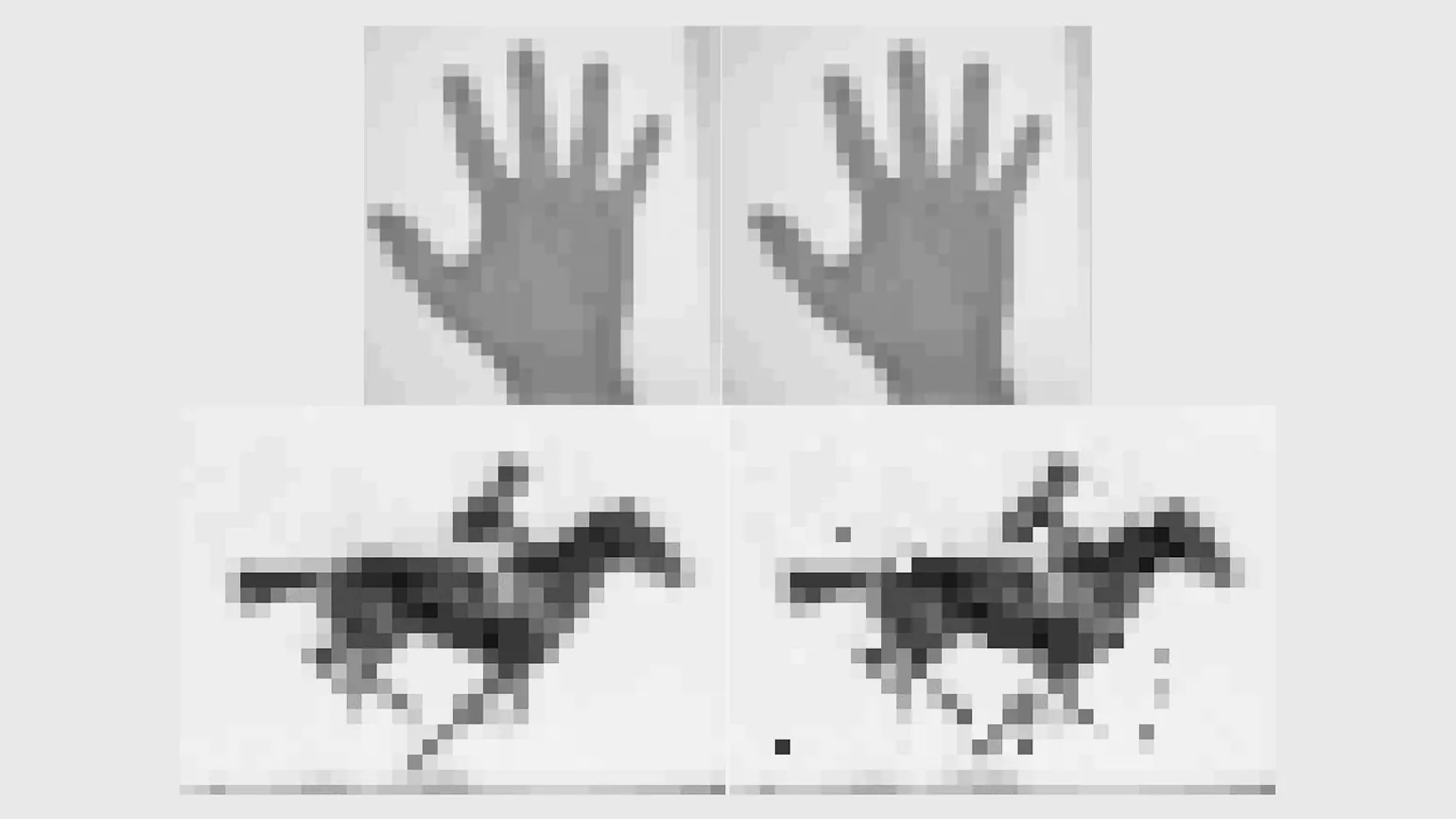
This technology is not yet ready for commercial scale-up, and the reliability of data storage is not 100%. However, it already demonstrates that, in theory, genes can act as effective information storage devices.
In 2021, researchers from Columbia University developed an innovative data storage method by converting a bacterial colony into a memory device. By connecting this device to a computer, the scientists were able to read and write information. This technique was described in detail in a Nature article, which presented an electrogenetic basis for direct digital data storage in living cells. Using electrical signals, researchers have encoded binary data in CRISPR arrays in bacterial cells, opening up new horizons in bioinformatics and information storage.
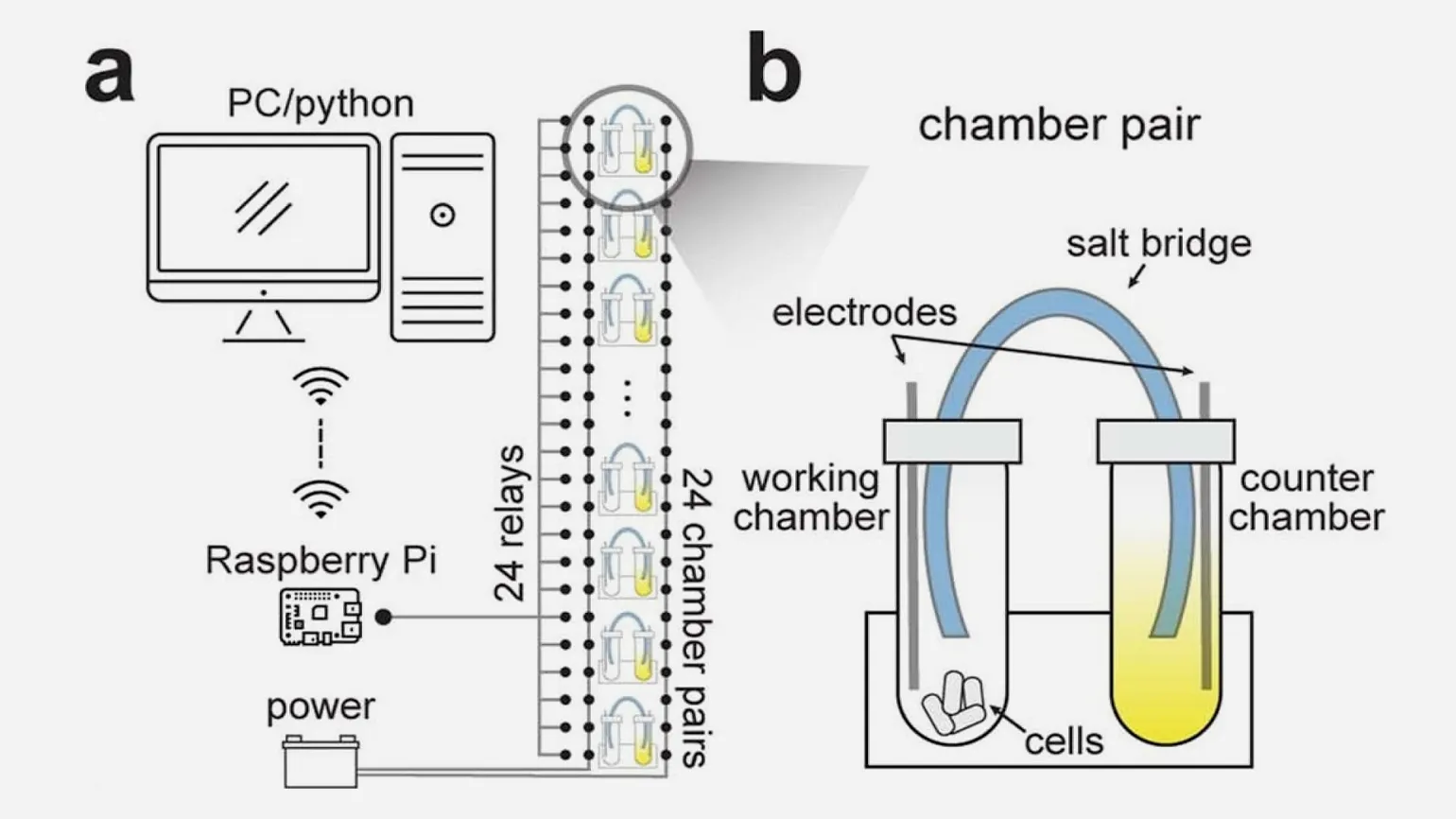
On Currently, 72 bits of information have been recorded that can persist in the natural environment for many generations of bacteria. This opens up new possibilities for data exchange between silicon and carbon systems. Research into such methods of storing information in biological organisms could significantly advance data transfer technologies and the creation of sustainable storage systems capable of functioning in conditions close to natural ones.
In 2021, a group of scientists from Texas developed a method for recording information using synthetic plastic molecules containing amino alcohols. This innovative approach enabled the encryption of letters of the English alphabet, which became the basis for the creation of a macromolecule. The experiment resulted in the encoding of a line from Jane Austen's famous novel "Mansfield Park." When decrypting the information, the researchers were able to recover 98% of the data, which demonstrates the high potential of this technology for storing and transmitting information.
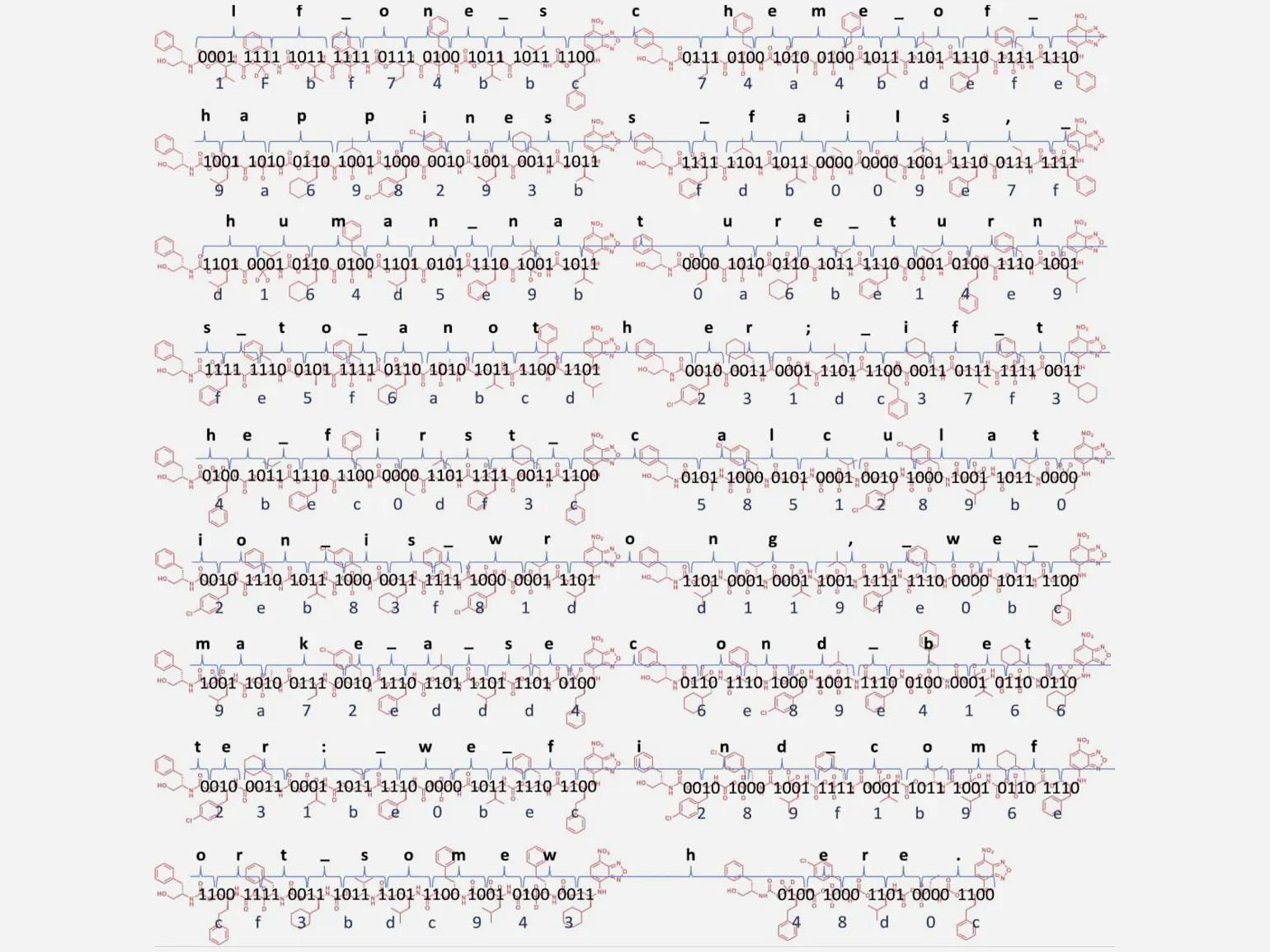
Groups of molecules can accumulate information. Scientists from Brown University have developed a method for writing and reading small images, about a few kilobytes in size, using molecular hard drives. This discovery demonstrates the potential of molecular systems for data storage and may lead to the creation of more compact and efficient information storage technologies in the future.
How it works: Information is stored in an artificial solution known as a "metabolome." This term in biology refers to a set of molecules involved in the regulation of metabolic processes in the body. The solution contains groups of small organic molecules called metabolites, which play a key role in metabolism and maintaining cellular activity.
To implement this idea, we use a binary system in which any data can be encrypted. In this system, the absence of a metabolite corresponds to zero, and its presence to one. This approach enables efficient encoding of information, opening up new possibilities for analyzing and processing biological data.
The robot deposits thousands of nanoliter-sized droplets onto metal plates, forming complex structures. Chemical analysis is used to read the information from these disks: the dried metal plate is subjected to mass spectrometric analysis, allowing the data to be deciphered. This method provides high accuracy and reliability in information retrieval, which makes it promising for storing data at the nanoscale.
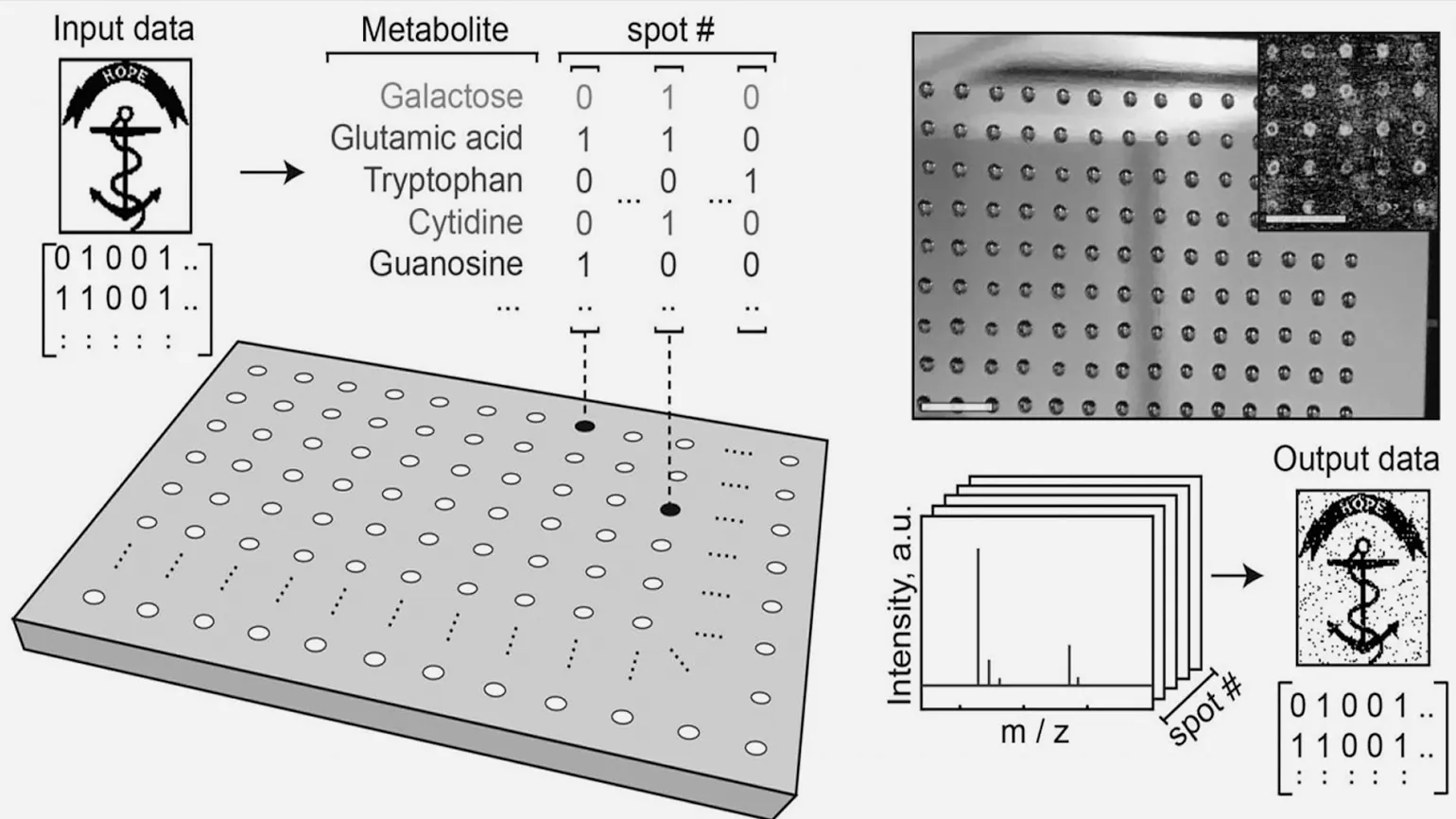
Molecular hard drive technology has its drawbacks, as metabolites can interact with each other unpredictably, leading to data corruption. However, it is important to note that the correct storage of information is critical for the drives. This drawback, in turn, can become a unique advantage: molecular hard drives not only provide data storage but are also able to efficiently manipulate it, which opens new horizons for computer technology.
In 2018, Elon Musk launched a Tesla Roadster into Earth orbit. The electric car contained a disc containing Isaac Asimov's Foundation trilogy of science fiction novels, which tells the story of humanity's distant future in space. The disc was donated to Musk by the Arch Mission Foundation, a foundation dedicated to the preservation of human knowledge. However, a more intriguing aspect is the data recording technology: the book was written on quartz glass using a femtosecond laser, known as an optical quantum oscillator, which generates pulses of laser light. This innovative technology is called a "quartz disk," or Superman memory crystal, and is also known as Eternal 5D. The use of such technologies opens new horizons in the field of information storage and its durability.

The technology of recording information on a quartz storage medium was developed in 1993 The technology was first developed in 2008, but its practical application only became possible two decades later. In 2013, scientists from the University of Southampton successfully recorded 300 kilobytes of data using a laser to create microscopic dots on a crystal. The method, known as Eternal 5D, allows data to be recorded in five dimensions: length, width, height, orientation, and size. This process is similar to recording on a CD, but with a more advanced and efficient approach. The technology promises to revolutionize data storage, ensuring the durability and compactness of storage media. The burned dots affect the characteristics of the crystals and their ability to polarize light. To effectively read the information, simply pass a light beam through the crystal and use a polarizer in combination with a microscope to acquire the data. This process allows for precise analysis of changes in the structure of crystals and their optical properties, which is important in the fields of optoelectronics and photonics.
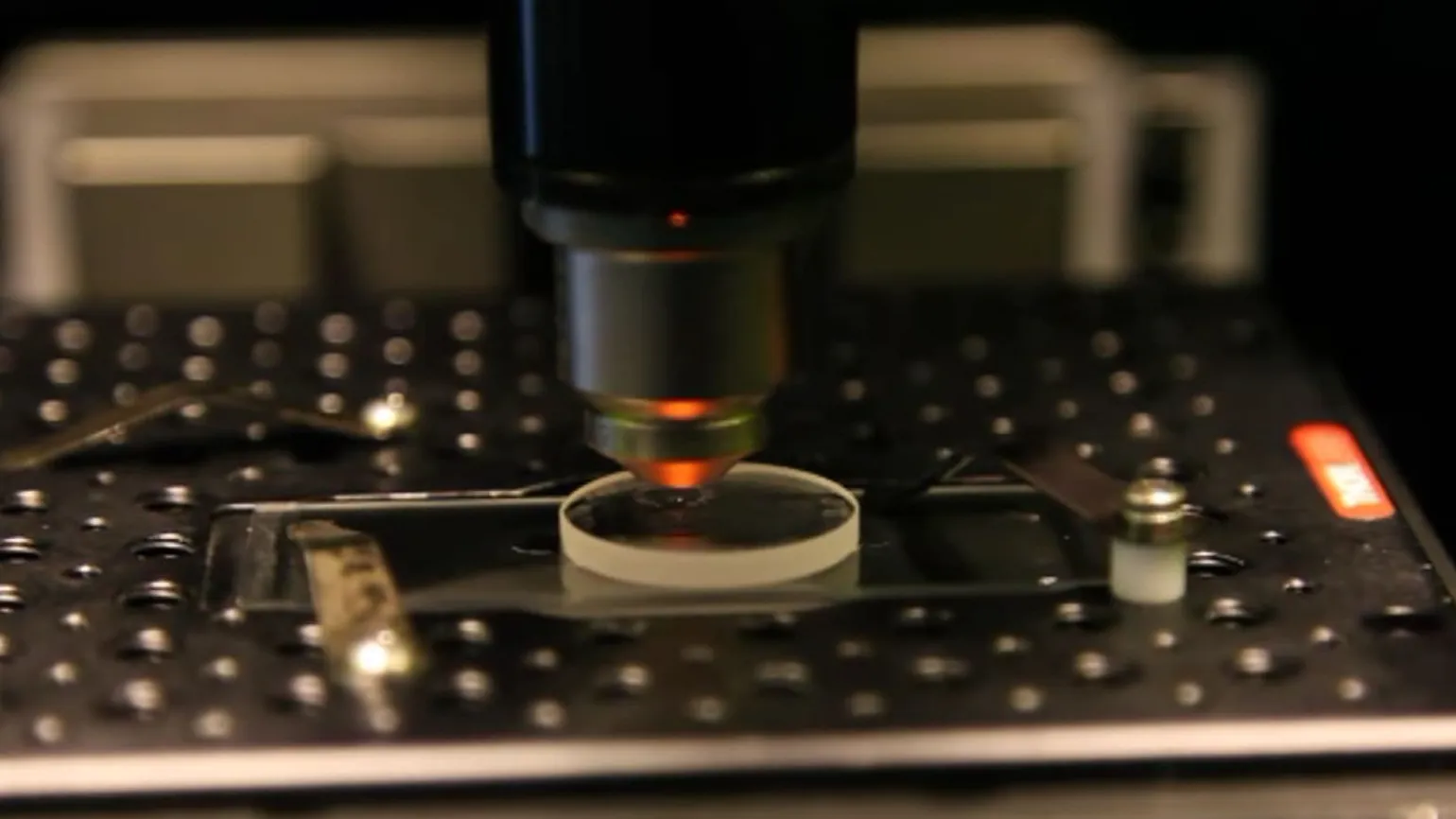
Femtosecond laser technology has great potential, but its cost remains significant—such lasers cost tens of thousands of dollars and are large. At the same time, quartz storage media offer promising advantages over traditional hard drives and SSDs. They can store over 300 terabytes of information on a single drive, and the data remains intact at room temperature for billions of years. This makes quartz storage media particularly attractive for long-term information storage and opens new horizons in data storage.
Quartz storage media can withstand temperatures up to 1000 degrees Celsius. This explains why the Foundation drive was installed in the Tesla Roadster. Even in outer space, the data on this drive remained intact. This level of protection makes quartz storage media ideal for storing information in extreme conditions.
Preserving Information for Future Generations
Information storage media and drives are quickly becoming obsolete. In 2008, NASA needed to obtain data on the properties of lunar dust, but all information about the lunar expeditions was stored on magnetic tapes. As a result, a device for reading these tapes was only found in a museum. This circumstance underscores the importance of updating methods for storing and accessing information to avoid losing valuable data in the future.
In the modern world, information is primarily transmitted and stored using remote storage. Movies, music, video games, programs, and various services are becoming available through streaming and online platforms. Cloud technologies make it possible to distribute data across the entire internet, providing access from any device. However, the question arises: what happens if communications disappear or become unavailable for many years, or perhaps even centuries? It is important to consider how to preserve information in the face of potential technological disasters and ensure its accessibility for future generations.
The threat of global catastrophe poses the important task of creating a digital archive for data preservation for scientists. To address this issue, secure archives are being actively developed. One successful example is the Arctic World Archive (AWA), located on Svalbard. This project aims to ensure the long-term preservation of critical information, making it a significant contribution to the protection of cultural and scientific heritage.
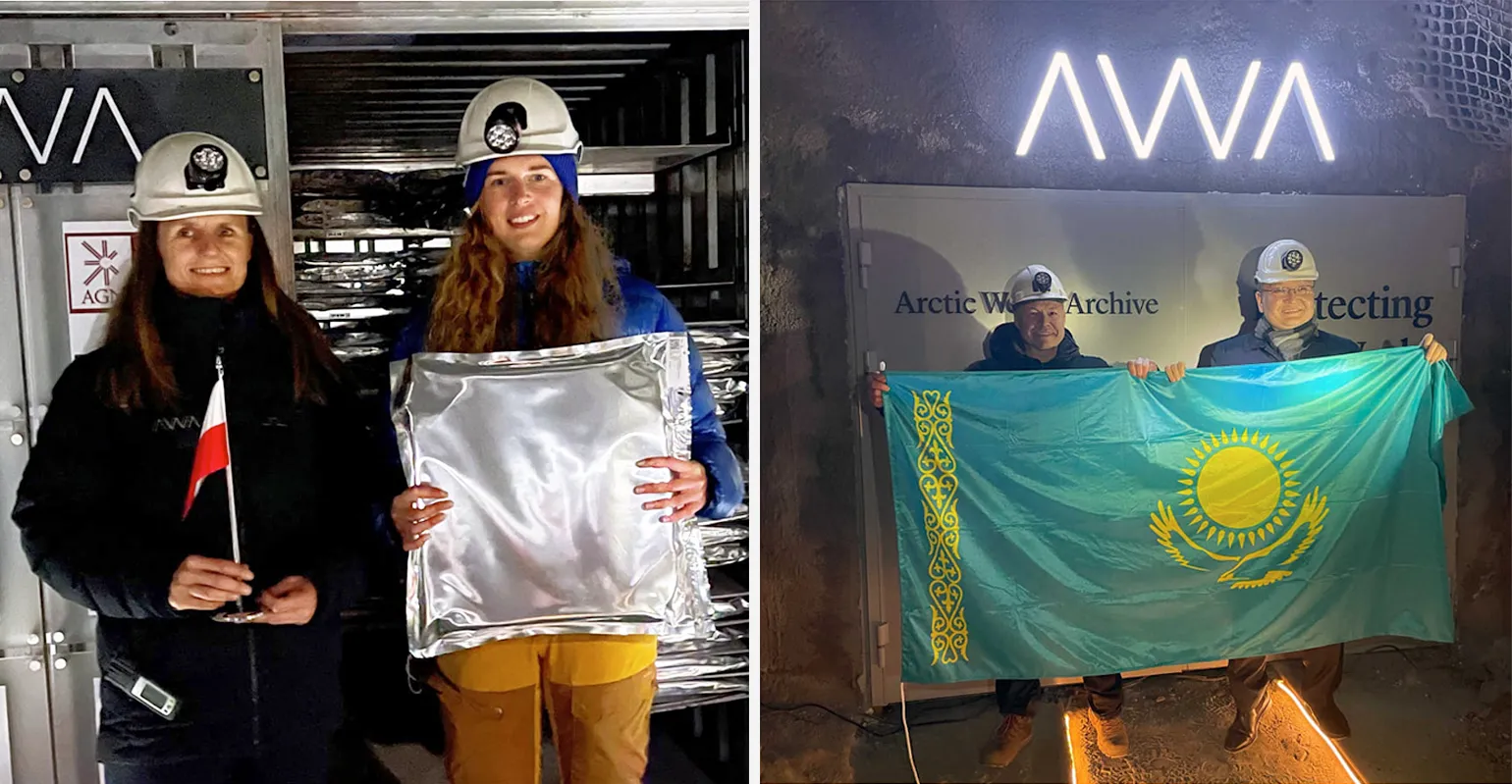
Data at AWA is stored using advanced microfiche technology. Film is packaged in special bags and placed in steel containers. This archive contains such valuable materials as GitHub source code, NFT tokens, digital art, works by Nobel Prize winners, and even the constitution of Kazakhstan. The designers envision that the data will be preserved in the Arctic for several thousand years, ensuring the long-term preservation of information for future generations.
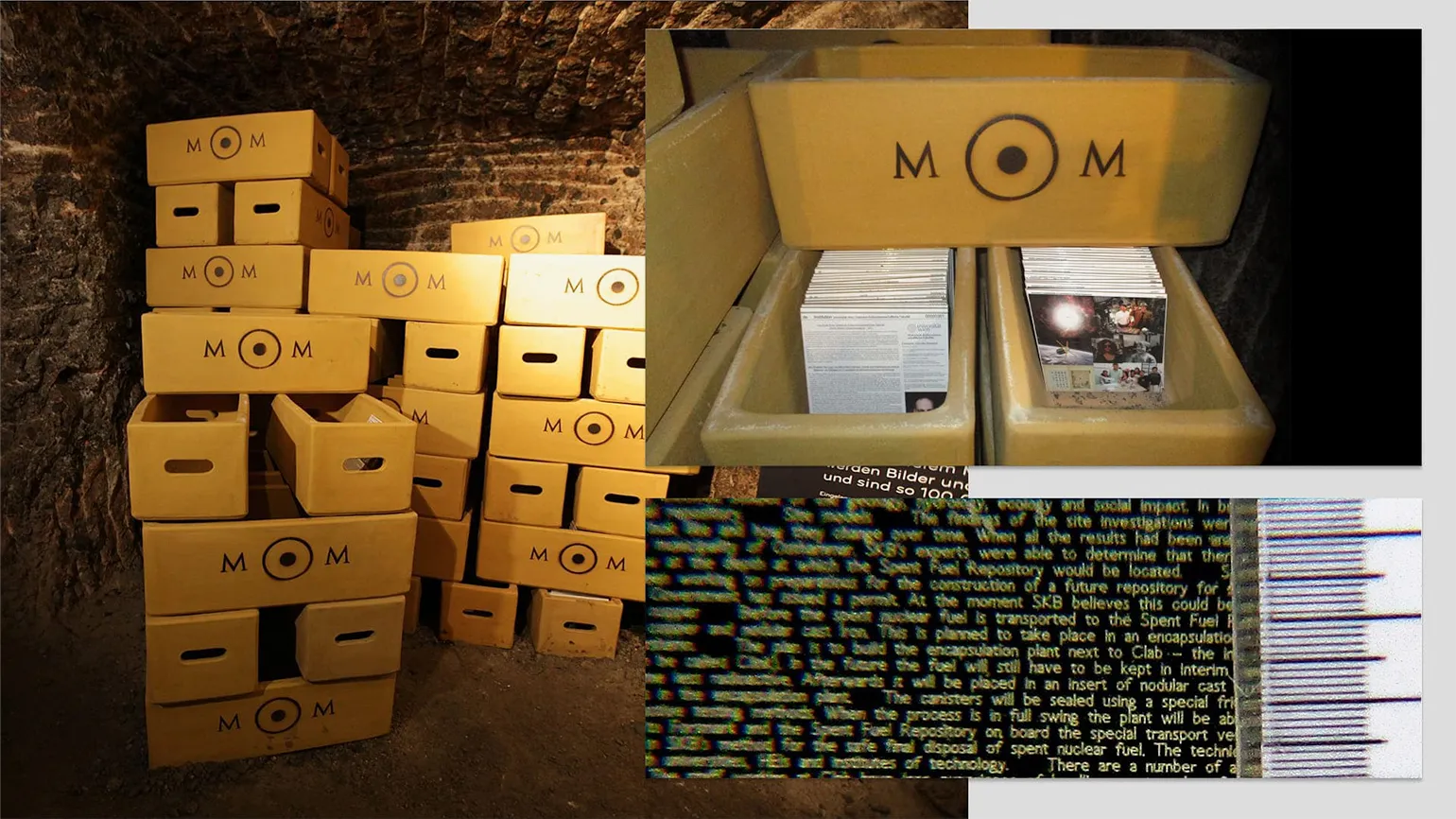
The Memory of Mankind (MOM) project abandoned digital media and chose ceramic tablets as storage media. This idea was inspired by ancient Sumerian clay tablets. The archive's main goal is to create a "time capsule" that will preserve the image of the era for future generations. The archive is located in a salt mine in Austria, which ensures reliable protection of information from external influences.
A group of scientists from Harvard University proposed an innovative idea for creating a backup on the Moon in their work "A Lunar Backup Record of Humanity." They intend not only to preserve the archive in lunar dust but also to provide remote communication with it. This proposal sounds fantastical, but its implementation is entirely possible – they plan to use a laser to communicate with the archive. Currently, it is possible to transfer approximately 10^15 bytes of data per year, which is enough to store information about literature, scientific discoveries, and genetic data that could be useful to future generations. The low data transfer rate is due to flickering, atmospheric phenomena, and the constant scattering of the laser beam. Такой подход к сохранению информации о человечестве на Луне открывает новые горизонты в области архивирования и защиты культурного наследия.
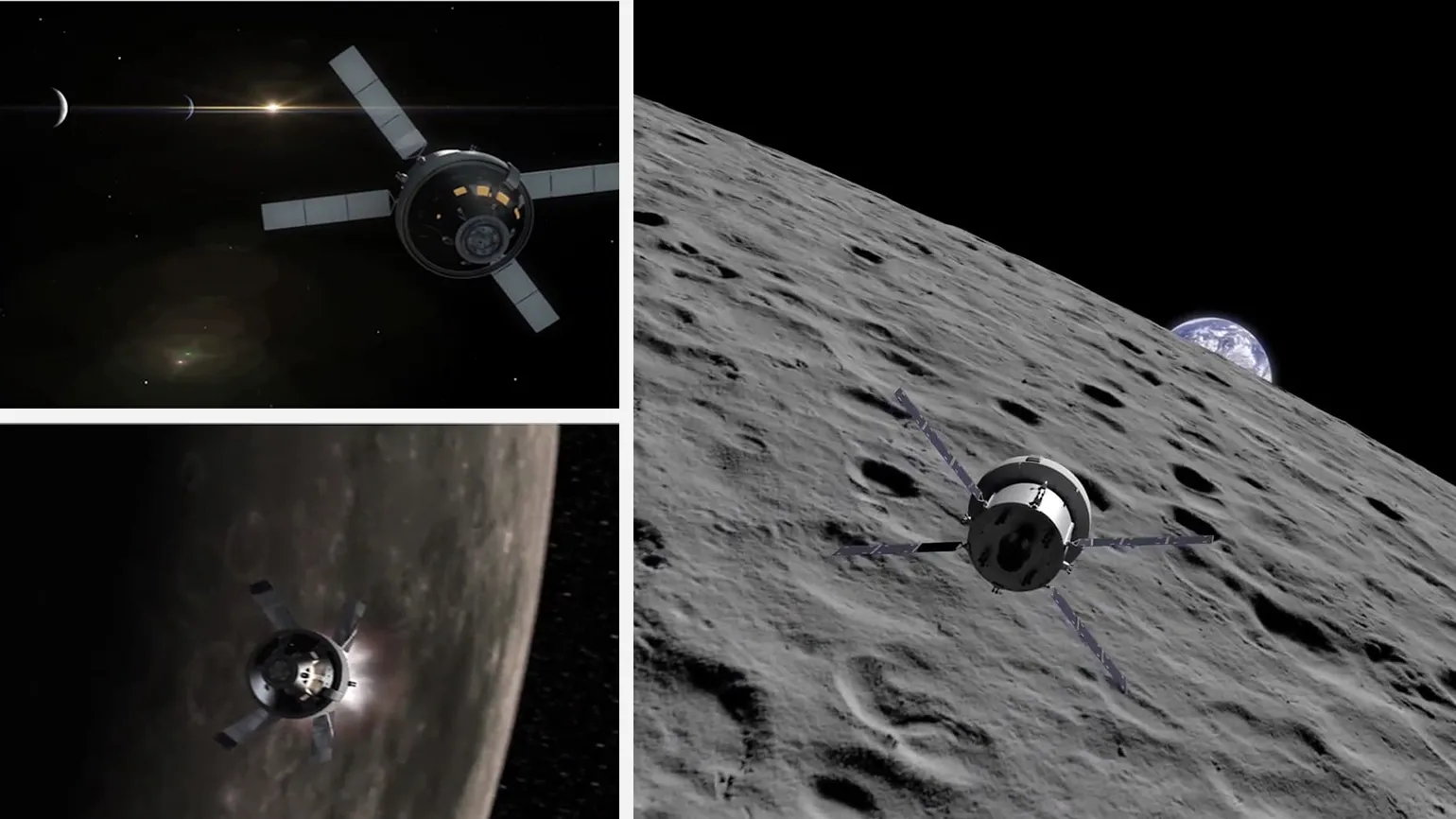
Система связи на основе лазеров может быть значительно улучшена. Создание комплекса лазерных передатчиков позволяет достичь постоянной скорости передачи данных до 622 Мбит/с. Эти технологии уже не являются фантастикой будущего: NASA разрабатывает систему оптической связи под названием Orion Artemis II (O2O). В 2023 году данная система будет испытана на космических кораблях Orion, что обеспечит не только возможность полного управления с Земли, но и передачу данных в формате 4K.
Накопители информации эволюционировали от наскальных рисунков до современных технологий записи, включая лазерное архивирование и даже хранения данных на Луне. Будущее накопителей информации связано с развитием как цифровых, так и биологических технологий. Эти инновации не только позволят справляться с увеличивающимися объемами данных, но и обеспечат новые способы взаимодействия с информацией, открывая возможности для более глубокого анализа и обработки данных. Важно отметить, что такие технологии могут значительно улучшить доступность и безопасность информации, что станет ключевым фактором в информационном обществе.
Исследуйте дополнительные материалы:
- Облачные сервисы: что такое, какими бывают и кому полезны
- Заняться фронтенд-разработкой в 12 лет, выиграть IT‑чемпионат в 13: история Али Сулейманова
- Как научиться программировать на любом языке