
Contents:

Course with employment: "Web Developer"
Learn moreSince the early days of the internet, data has been transmitted in clear text. However, over time, more and more of our everyday activities have moved online: from shopping and doctor's appointments to communication and real estate transactions. This has led to the realization of the need for traffic encryption. Protecting personal information has become critical as users have begun to understand the risks associated with data leakage. Online security has become a priority, and the implementation of modern encryption technologies has become mandatory to ensure privacy and user protection.
The first attempt to protect valuable data during transmission was the SSL protocol, which is discussed in a separate article. Currently, clear SSL is rarely used due to identified vulnerabilities. However, its more advanced version, the Transport Layer Security (TLS) data encryption protocol, provides reliable transaction security on a global level. Today, we'll discuss the features and benefits of TLS.
This article will introduce you to the main aspects of the topic, which will help you gain a deeper understanding of the matter. We'll cover key points and provide helpful recommendations to help you gain the most information. Read on to learn all the important details and practical tips.
- What is TLS
- How TLS differs from SSL
- How TLS encrypts data
- What encryption algorithms does TLS have?
- How TLS works
- What is the session resumption mechanism?
- How does it protect against man-in-the-middle attacks?
- What are the differences between TLS versions?
- What vulnerabilities does TLS have?
- How to use TLS safely
What is TLS
TLS, or Transport Layer Security, is a protocol that provides security for data transmission over a network. It operates at the transport layer of the OSI model, providing secure sessions for data exchange between a browser and a server. Using TLS is critical for protecting sensitive information, such as passwords and credit card numbers, by preventing unauthorized access and data leakage. Thanks to support for various cryptographic algorithms, TLS provides not only encryption but also authentication of parties, making it an indispensable element of modern internet technologies.
Initially, the TLS protocol was used primarily to ensure secure connections on payment pages. However, it is now actively used by most reputable websites. It is very easy to determine whether a site uses the TLS protocol: if the site address begins with https and a lock icon is displayed next to it, this indicates that your data is under reliable protection. Using TLS ensures data encryption and protection from unauthorized access, making it a necessary element for any resource striving to ensure user security.
The abbreviation HTTPS indicates that the website uses a secure version of the HTTP protocol - Hypertext Transfer Protocol Secure. This is an improved form of HTTP that provides additional security measures implemented using TLS (Transport Layer Security) technology. HTTPS encrypts data transmitted between the user and the server, protecting it from interception and unauthorized use. Using HTTPS on a website not only increases the level of security but also has a positive effect on its ranking in search engines, as more and more users and platforms prefer secure resources.


Read also:
HTTP, or the Hypertext Transfer Protocol, is the primary protocol used to transfer data on the Internet. It facilitates communication between a client and a server, allowing users to request and receive web pages and other resources. HTTP defines the rules by which information is exchanged, providing a standard way for devices to communicate.
HTTP is essential for the functioning of the World Wide Web because it allows browsers to download content from web servers. The protocol provides a structure for requests and responses, allowing users to access information efficiently. Without HTTP, the Internet as we know it would not exist because it connects users to the resources and services available online.
There are several versions of HTTP, including HTTP/1.1 and the more modern HTTP/2, which offer improved performance and security. Understanding the basics of HTTP will help users and developers interact more effectively with web technologies and optimize their web resources for the best user experience.
To understand how TLS works, an analogy can be drawn from the film Black Panther. Wakandans have two key elements of communication. The first is a unique greeting with arms crossed over the chest, which helps them identify each other. The second element is the Wakandan language, which is understood only by the inhabitants of this country. This analogy illustrates how TLS protects data: it uses specialized authentication and encryption methods to ensure secure communication between users and servers. Like Wakandans who recognize each other by their unique identities, TLS ensures that only authorized parties can exchange information, protecting it from prying eyes.
When you visit a TLS-protected website, a process similar to a handshake occurs between your browser and the server. First, a secure connection is established, then secret keys are exchanged and encryption algorithms are chosen. Then, the browser and server begin exchanging data in a language only they understand. This process keeps your information secure and protects it from prying eyes.
In this article, we'll take a detailed look at the TLS handshake and message exchange process. However, before delving into these aspects, it is necessary to discuss one more key topic related to the security of data transmission.
What is the difference between SSL and TLS?
If you have read our article about SSL, you have probably noticed many similarities between SSL and other protocols. Both types of protocols provide data encryption, use secret keys, and create secure sessions. However, there are important differences between them. To better understand these differences, it is worth looking at the history of their development and implementation.
The SSL protocol was developed by Netscape in the mid-1990s to improve the security of the Navigator browser. Although SSL provided a fairly high level of security at the time, serious vulnerabilities were discovered over time. One of the most critical issues was insecure padding checking, which jeopardized data integrity and connection security. These shortcomings have led to the development of more modern protocols, such as TLS, which offer improved security mechanisms and meet modern internet security requirements.
Padding is an additional block of data that is added to the original data before it is sent. This practice is necessary to ensure that the message meets the established mandatory length, which depends on the bandwidth of the network equipment. Proper use of padding ensures correct data transmission and improves its compatibility with various network protocols.
Hackers have developed an attack method that involves interfering with a session and sending messages with incorrect padding. When attempting to decrypt such messages, the server returns an error, revealing the internal decryption processes. The attackers use the obtained data to restore the original message.
To better understand how security systems work, imagine a situation where you are trying to guess someone's password. Instead of a simple "password is incorrect" message, the system provides additional information, indicating that the password is too long or does not contain certain characters. This allows an attacker to significantly reduce the number of possible password variations, making the brute-force process more efficient. This approach highlights the importance of comprehensive password protection and the use of strong authentication methods to prevent unauthorized access.
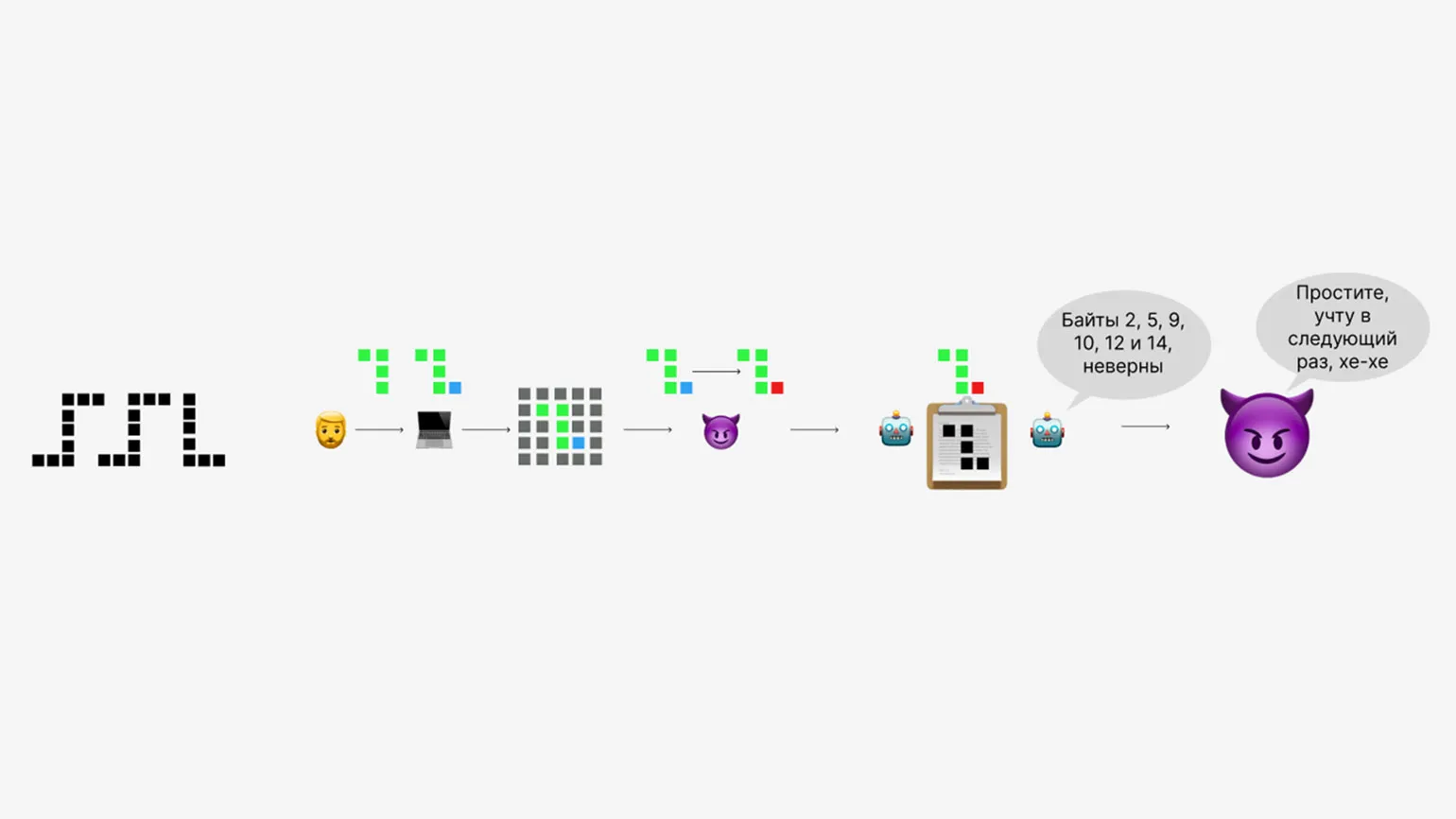
It was not possible to fix this vulnerability with updates alone, as as it related to the fundamentals of SSL's design, rather than to specific implementations. These issues, along with the bankruptcy of Netscape, led to the protocol's development being transferred to the Internet Engineering Task Force (IETF). As a result of this task force's work, the protocol was significantly improved, security flaws were fixed, and it was renamed TLS.
The new protocol featured improved encryption and authentication mechanisms, as well as improved methods for verifying appended blocks. Mispadding attacks were now significantly more difficult to carry out. These changes improve the level of security and data protection, making the protocol more reliable for use in modern conditions.
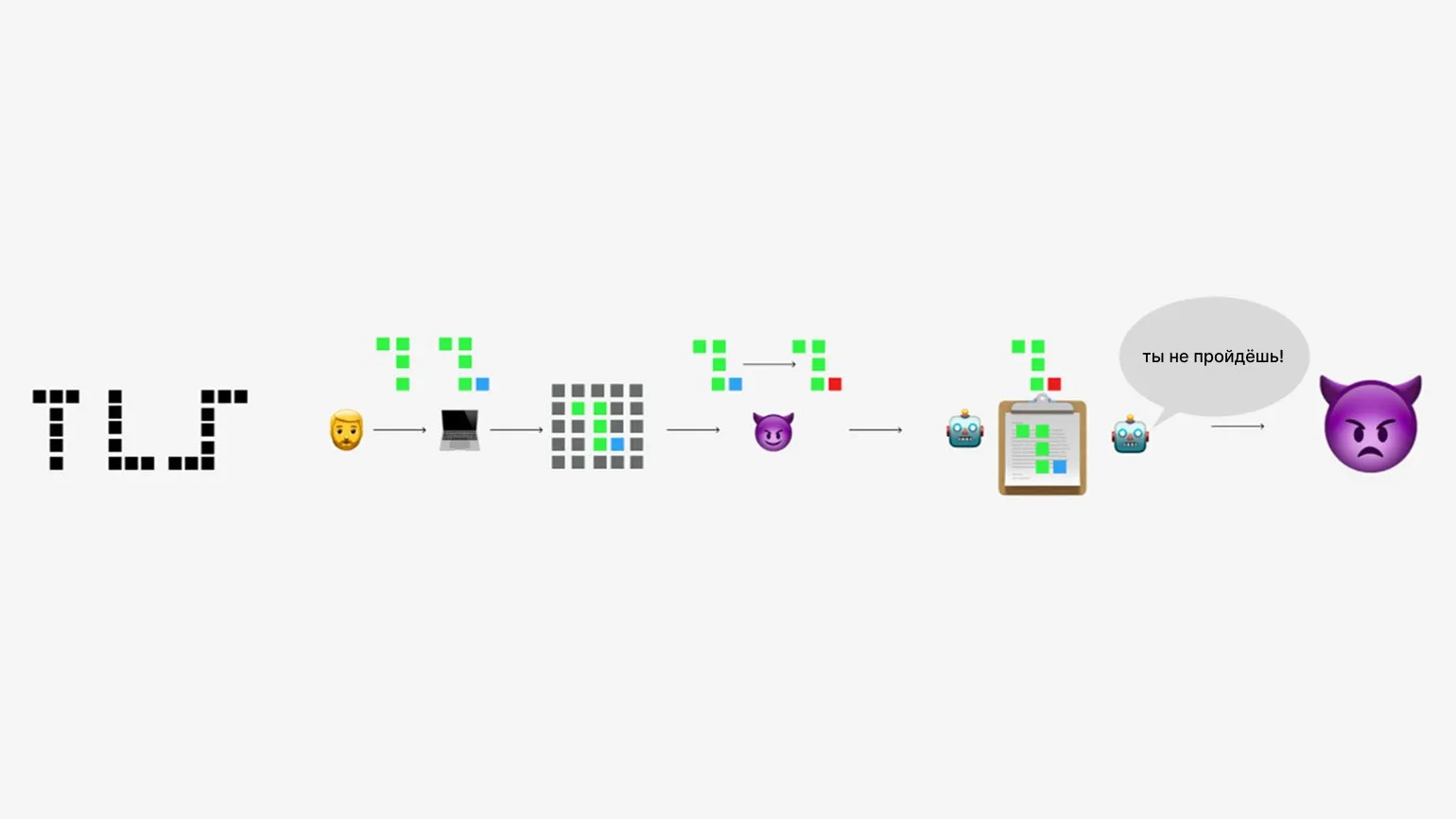
The SSL protocol is now considered obsolete, and its use is not recommended due to a number of vulnerabilities. However, the terms SSL and TLS are still often confused and used interchangeably. Now that you understand the differences between them, you can help others understand the topic. Understanding current encryption technologies like TLS is important for keeping your data secure online.
How TLS Encrypts Data
To keep your data secure, the TLS protocol creates a secure channel during transmission that prevents anyone from reading or modifying the information without the corresponding secret key. This key serves as a guide for correctly decrypting the message. A simple example of using a key is reading the first letters of a string, which illustrates how encryption works.
We continue to live thanks to your prayers, dear Igor Nikolaevich.
We do not set any limits for ourselves.
If the harvest is good, we will put the mill in order.
While holidays and events are taking place in St. Petersburg, allow yourself to enjoy the freedom.
Discover amazing beauty and meet new people.
Don't worry about us, Tver will definitely retain its greatness. We are confident that with God's help, our city will overcome all difficulties and continue to develop. Tver has a rich history and unique culture, which makes it an important center in Russia. We are confident that with joint efforts we can overcome any obstacles and preserve our beloved city for future generations.
We live comfortably and do not experience dissatisfaction.
We do not expect an immediate response, but we would be grateful if you could write when you have such an opportunity.
In practice, the keys have a more complex structure, but their basic function remains unchanged - they serve as a hint for the correct perception of the text. Keys help readers quickly navigate the material, ensuring proper understanding and interpretation of information.
Depending on the number of keys, the TLS protocol uses two classes of encryption: symmetric and asymmetric. Symmetric encryption uses a single key to encrypt and decrypt data, which ensures high processing speed but requires secure key transfer between parties. Asymmetric encryption, in turn, uses a pair of keys: a public and a private key, which allows for secure data exchange without the need for prior transfer of a secret key. Both methods play an important role in ensuring the security of transmitted information in networks.
Symmetric encryption is a method in which the same key is used to encrypt and decrypt data. This approach ensures high speed and efficiency of information processing. However, one of the main drawbacks of symmetric encryption is the need for a preliminary key exchange between the sender and recipient. During this exchange, there is a risk of key interception by attackers, which can lead to data compromise. Therefore, it is important to consider security measures when using symmetric encryption to protect keys and ensure the confidentiality of transmitted information.
Asymmetric encryption is based on the use of two keys: a public key, which is used to encrypt data, and a private key, which is needed to decrypt it. The public key can be transmitted openly, providing convenience in exchanging encrypted information, while the private key must remain strictly confidential and protected. Despite its high degree of security, asymmetric encryption requires more computing resources and has a slower execution speed compared to symmetric encryption. This makes it suitable for situations where data security is a priority, despite possible processing delays.
The TLS protocol uses symmetric encryption to secure messages during transmission. Asymmetric encryption is used at the initial stage of a session, during the handshake, for key exchange and authentication of participants. This combination of technologies ensures a high level of security for data transmitted over the internet.
TLS (Transport Layer Security) ensures server authentication using certificates issued by certification authorities. Having such a certificate allows your browser to verify that data is being exchanged only with a legitimate server and not with a hacker. This is critical to ensuring the security of internet connections and protecting users' personal information.

Read also:
SSL certificates: what they are, types and the need to obtain them
SSL certificates are a key element of internet security. They provide encryption of data between the web server and the user's browser, protecting the privacy of information. It's important to understand that having an SSL certificate not only increases website security but also positively impacts its SEO rankings.
There are several types of SSL certificates, each suited to different needs. The most common include Domain Validation (DV), Organization Validation (OV), and Extended Validation (EV) certificates. DV certificates are suitable for small websites and blogs, while OV and EV are suitable for larger organizations, as they provide a higher level of trust and verification.
Obtaining an SSL certificate is an important step for any website owner, as it not only protects user data but also improves the company's image. Search engines like Google consider the presence of an SSL certificate when ranking websites, making it an important aspect of online marketing.
Investing in SSL certificates is worthwhile, as they protect users from cyberthreats and increase trust in your website. Installing an SSL certificate is a necessary step to ensure the security of your website and improve its visibility in search engines.
In addition to encryption, the TLS protocol uses various hashing algorithms. These algorithms play a key role in ensuring data security, as they help guarantee the integrity and authenticity of transmitted information. The use of hashing in TLS allows for the detection of any changes to data, which protects against attacks aimed at modifying information in transit. Thus, the combination of encryption and hashing in the TLS protocol provides reliable data protection on the network.
Hashing is the process of converting a set of data into a fixed-length string. The hash function is independent of the input data type: whether it's the full text of a work, a numeric value, or an email address, the result will always be a string of the specified length. Changing even one character in the original data will also change the hash result. This property makes hashing an important tool in information security and data management, as it allows for efficient verification of the integrity and authenticity of information.
When your browser transmits data using the TLS protocol, a hash is automatically created. The server receives this data and applies the same hash function as the browser. If the data has not changed, the hashes match, ensuring successful message exchange. This process is an important part of ensuring internet communication security, as it guarantees the integrity and authenticity of the transmitted information. Using TLS and hashing helps protect data from unauthorized access and modification during transmission.
On wtools.io, you can create a hash of any text. For example, we hashed the text of this article. This allows information to be converted into a fixed string of characters, which can be useful for various purposes, such as verifying data integrity or storing passwords. Using hashing provides security and anonymity, which is especially important in today's digital world. Try it yourself and see how simple and effective it is at wtools.io.
The primary hashing algorithm used in the TLS protocol includes SHA with a hash length of 256, 384, or 512 bits. Using older algorithms such as MD5 and SHA-1 is not recommended, as they are prone to vulnerabilities and can be easily cracked using modern computing power and brute-force methods. To ensure data security in TLS, it is important to use only strong and modern hashing algorithms.
Primary Encryption Algorithms in TLS
Now that we have understood the mechanism of encryption, let's discuss the algorithms that provide this process. Data encryption is performed using various algorithms, such as AES, RSA, and DES. These algorithms play a key role in protecting information, ensuring its confidentiality and integrity. Each algorithm has its own characteristics and areas of application, allowing you to choose the most appropriate option depending on your specific needs and level of security. Understanding these algorithms will help you better appreciate the importance of encryption in today's digital world.
AES (Advanced Encryption Standard) is a symmetric encryption algorithm that provides reliable data protection. It uses keys ranging from 128 to 256 bits. Increasing the key length directly affects the level of security: the longer the key, the higher the information protection. However, it also reduces system performance. AES is one of the most common encryption standards due to its efficiency and resistance to attacks.
3DES (Triple Data Encryption Standard) is a less secure encryption algorithm compared to AES. It encrypts data using three different keys, which creates an additional layer of protection. You can think of it as a process of packaging information: data is placed in one box, then another box, and finally a third. This multi-layered protection makes it difficult for unauthorized individuals to access the contents, providing a more complex structure to crack. However, as technology advances and computing power increases, 3DES is becoming less suitable for modern security standards, making its use less common compared to more robust algorithms such as AES. ChaCha20-Poly1305 is a symmetric cryptographic algorithm that combines ChaCha20 encryption and the Poly1305 message authentication mechanism. This algorithm uses ChaCha20 to generate keys, providing a high level of security, and Poly1305 to create a message authentication code (MAC). When transmitting data, the server calculates the MAC and compares it with the value received from the client. If the values match, this confirms the integrity of the data, ensuring that it has not been modified during transmission. ChaCha20-Poly1305 is widely used in modern security protocols such as TLS due to its efficiency and reliability.
How TLS Works
It's time to lay things on the table. TLS is actually not one, but two protocols: the handshake protocol and the record protocol. Each of these protocols performs specific functions to ensure data security and integrity. The handshake protocol is responsible for establishing a secure connection between the client and server, while the record protocol ensures encryption and protection of the transmitted information. Therefore, understanding these two components of TLS is important for ensuring reliable data security on the network.
When you visit the Skillbox Media website to read an article about general artificial intelligence, your browser and the server do not yet know each other. To establish communication between them, the handshake protocol is initiated. This process includes several key steps that ensure a secure and correct connection.
First, the browser sends a request to the server, indicating which cryptographic algorithms it supports. The server, in turn, selects one of the proposed algorithms and sends back its certificate, which confirms its authenticity. The browser then checks the certificate for trust and, if everything is in order, generates a shared secret key. This key is used to encrypt data transferred between the browser and the server, which ensures the security of your connection and the protection of personal information.
Thus, the handshake process is an important step in establishing a secure connection, allowing users to confidently interact with web resources and access the necessary information.
Hello.
The client and the server exchange messages in which they introduce each other and agree on the encryption algorithms used to protect data during transmission. This process ensures the security of communication, allowing the parties to establish a trusting relationship and guarantee the confidentiality of information.
Key exchange — Key exchange is a process that allows two parties to securely exchange cryptographic keys to encrypt data. In modern security systems, key exchange plays a vital role, as it ensures the protection of information from unauthorized access. There are several key exchange methods, the most popular of which are the Diffie-Hellman and RSA protocols. These methods allow parties to establish a shared secret key, even when communicating over insecure channels. Proper selection and implementation of a key exchange method are critical to ensuring the security of the entire system. Effective key exchange helps protect sensitive data and prevent attacks on information.
The client and server confirm their identity and exchange keys that will be used to encrypt the data in the future. This process ensures the security of information and ensures that only authorized parties can access the transferred data.
Completing a handshake is an important part of business communication and interaction. This process symbolizes the end of a meeting, agreement, or discussion, emphasizing mutual understanding and trust between the parties. A proper handshake completion creates a positive impression and helps strengthen the business relationship. It is important to remember that the handshake completion should be confident, but not aggressive, to demonstrate respect and a willingness to cooperate. Details such as eye contact and a smile also play a significant role in this process, helping to establish a closer rapport between the participants. Ultimately, a proper handshake completion can be the key to a successful interaction and further collaboration.
The client and server confirm the successful establishment of a connection, which allows them to begin the secure transfer of data. This process ensures the protection of information, which is especially important in the face of modern cyber threats. Ensure that your connection is securely encrypted to ensure the security of the information being transmitted.
Once the connection is established, it's time to submit the required article. The write protocol plays a key role in this process, responsible for encrypting and transmitting data between the website and the browser. The write protocol operates on top of the established connection, using the parameters agreed upon between the client and server during the handshake. This process includes several stages that ensure reliable and secure information transfer.
Data fragmentation is the process of dividing information into smaller, manageable pieces to improve processing and storage efficiency. In the context of databases, fragmentation optimizes data access, improving query performance and ensuring more efficient use of resources. There are several types of fragmentation, including horizontal, vertical, and mixed. Horizontal fragmentation involves splitting table rows, while vertical fragmentation divides columns. Mixed fragmentation combines both approaches, allowing you to tailor the data structure as much as possible to specific tasks. Data fragmentation also improves system scalability and enables the efficient management of large volumes of information. Thus, the proper use of fragmentation can significantly improve the performance and efficiency of data processing.
Data is divided into smaller fragments for efficient encryption. This process improves information security because each fragment is processed separately. Encrypting fragments of data provides protection even if one of the parts is compromised. This approach improves the overall reliability of the security system and makes it easier to manage data as it is processed.
Data compression is the process of reducing the volume of information to optimize storage and transmission. It plays a key role in the modern digital world, allowing for significant savings in disk space and faster loading of web pages. There are two main types of compression: lossy and lossless. Lossless compression preserves the original quality of the data, while lossy compression may reduce quality, which is acceptable in some applications, such as streaming video and audio.
Effective use of compression methods helps improve website performance, reduce data storage costs, and speed up information exchange. It is important to choose the appropriate compression method depending on the specifics of the task. For example, JPEG and PNG formats are often used for images, while ZIP or GZIP are used for text files. Proper implementation of compression can significantly improve user experience and improve website rankings in search engines.
Data is compressed, which reduces its size. This optimizes the storage and transmission of information, increasing the efficiency of data processing. Data compression is an important process in modern information technology, providing resource savings and improving processing speed.
Encryption is the process of converting information into a format that makes it inaccessible to unauthorized access. It plays a key role in ensuring data security in the digital world. Encryption protects the confidentiality of information, whether it is personal messages, financial transactions, or corporate data. There are various encryption methods, including symmetric and asymmetric encryption, each with its own advantages and disadvantages. In today's world, where the threat of cyberattacks is increasing, encryption is becoming an essential tool for protecting information and ensuring trust between users and organizations. Proper use of encryption helps prevent data leaks and ensures that only authorized individuals can access sensitive information.
Data fragments are encrypted using a symmetric encryption algorithm that uses a shared secret key agreed upon during the handshake. This approach provides a high level of security, as the same key is used for both encryption and decryption. Data transfer security is guaranteed by the strength of the algorithm and the confidentiality of the key.
Authentication is the process of confirming the identity of a user or system. It plays a key role in ensuring data security and preventing unauthorized access to systems and resources. Authentication can be accomplished in a variety of ways, including password entry, biometric data such as fingerprints or facial recognition, and the use of tokens and multi-factor authentication. In today's world, where cyber threats are becoming increasingly sophisticated, strong authentication is essential for protecting personal information and corporate data. An effective authentication system not only ensures security but also improves the user experience, allowing users to quickly and easily access the resources they need.
Each data element is accompanied by a digital signature or authentication code, which ensures its integrity and authenticity. The use of digital signatures and authentication codes is an important aspect of data security. These methods help confirm that the data has not been altered and comes from a trusted source, which is critical in today's digital world.
Data transmission is a key process in today's digital world. It encompasses the methods and technologies used to exchange information between devices, systems, and users. Efficient data transmission ensures reliable and secure communications, which is especially important in areas such as business, medicine, and information technology.
There are many methods of data transmission, including wired and wireless technologies. Wired methods, such as Ethernet and fiber optic lines, provide high speed and stable connections. Wireless technologies such as Wi-Fi and Bluetooth offer convenience and mobility, allowing users to move freely while transferring information.
Security considerations are critical when transferring data. Using encryption and authentication helps protect information from unauthorized access. Furthermore, adhering to standards and protocols such as TCP/IP ensures compatibility and efficiency of data exchange.
Therefore, data transfer plays a vital role in ensuring interaction between various systems and users. Understanding the principles and technologies underlying this process helps improve the quality and security of information exchange.
Encrypted and authenticated pieces of data are transmitted over the network between the client and server to ensure security and protect confidential information. This process ensures that transmitted data remains protected from unauthorized access and tampering, which is critical for modern web applications and online services. Using encryption and authentication helps minimize the risk of data leaks and attacks, making user interactions with services more secure and reliable.
The process of exchanging data using TLS is a complex task that requires significant computer resources. However, engineers have developed a session resumption mechanism that optimizes this process and avoids a repeated handshake. This significantly speeds up data exchange and reduces the load on the system, ensuring more efficient use of resources when establishing secure connections.
What is the Session Resumption Mechanism?
To speed up message exchange, developers have implemented a session resumption mechanism known as 0-RTT (zero round trip time) into the TLS protocol. This mechanism allows the client and server to quickly resume a session if it was interrupted for any reason, such as network errors or server-side failures. Using 0-RTT significantly reduces latency during reconnections, improving overall performance and user experience.
The mechanism is based on caching session data by both the client and server using special tokens. If the tokens match, both parties can skip the handshake and proceed directly to data exchange. This simplifies interactions, as there is no need to re-request keys. Thus, the data exchange process becomes more efficient and faster, which positively impacts overall system performance.
At first glance, this mechanism appears impressive, but it does have its drawbacks.
Insufficient security is a serious issue. The client sends encrypted data to the server using pre-agreed symmetric keys. However, if a hacker intercepts these keys, they will be able to intercept the session and access confidential information. This highlights the importance of implementing stronger encryption and data protection methods to prevent unwanted access and ensure user security.
Token overload can be a serious problem for servers serving sites with millions of users. Storing tokens for each session in memory requires significant resources and can negatively impact performance. However, an effective solution exists: the session ticket mechanism. This method eliminates the need for the server to store all data in RAM, significantly reducing the load and improving overall system performance. Using a session ticket ensures security and ease of use for sessions, allowing for optimized token management on large resources.
Limited dynamic parameters play an important role in the authentication process. Dynamic parameters are symbols that parties use during a session to confirm their identity. In the 0-RTT mechanism, these parameters are used less frequently than in standard mode. This can reduce the level of security, since reducing the frequency of using dynamic parameters can lead to more vulnerable points in the system. Ensuring reliable authentication and data protection requires careful consideration of dynamic parameters in various operating modes.
Response delays can occur during a 0-RTT session, when the client sends data to the server before receiving confirmation of delivery of the previous data. This creates a risk of desynchronization between the server and the client, since the client can send multiple requests without waiting for a response to the first. This issue can negatively impact performance and user experience, so it is important to find ways to minimize delays and optimize the interaction between the client and the server.
Protecting against man-in-the-middle attacks
A man-in-the-middle (MITM) attack is one of the most common security threats in network communications. This attack occurs when an attacker interferes with the communication channel between the client and the server, allowing them to intercept and modify transmitted information. As a result, a malicious actor could gain access to sensitive data, such as passwords and financial information, posing a serious threat to users and organizations. To protect against such attacks, it's important to use data encryption, such as HTTPS and VPN, as well as authentication methods and network traffic monitoring.
TLS includes a number of mechanisms designed to protect against various types of attacks. These mechanisms provide data encryption, authentication of parties, and the integrity of transmitted information. The protection offered by TLS helps prevent data interception and modification, making it a reliable choice for securely transmitting information on the Internet. Using TLS protocols significantly increases the level of security when exchanging sensitive data, such as passwords and credit card numbers, and protects users from attacks aimed at compromising information.
- Data encryption. The most obvious point: the TLS protocol provides data encryption, making it unusable for eavesdropping or modification by an attacker.
- Server authentication. The client verifies the authenticity of the site using a public key and ensures that it is communicating with the right server and not an intermediary. If the certificate fails verification or is missing, the client can warn of a potential attack.
- Client authentication. In some cases where mutual authentication is required, the client provides its own certificate to the server. The server can validate this certificate and verify the client's authenticity.
- Diffie-Hellman Key Exchange. The TLS protocol allows the client and server to agree on a shared secret key using the Diffie-Hellman protocol.
- Digital Signature. The TLS protocol uses digital signatures to verify the authenticity and integrity of transmitted data. A digital signature guarantees that the data has not been modified in transit.
No security method is perfect, except perhaps in heavily guarded places like Fort Knox or Batman's bunker. Man-in-the-middle attacks can occur even with modern protocols like TLS, especially if not carefully configured. To ensure robust network security, it is important to carefully configure protocols and keep the technologies used up-to-date. Regular updates and system monitoring will help minimize risks and protect data from unauthorized access.
TLS Versions: What Are the Differences and Which One to Use
Currently, the fastest and most secure version of the TLS protocol is 1.3. This was made possible by modern encryption algorithms and the removal of obsolete features, as well as the implementation of an effective session resumption mechanism. In some cases, version 1.2 can be used, but for protocols below this level, it is recommended to exercise caution and use them only when working with outdated browsers and applications. Upgrading to TLS 1.3 will provide better data protection and improve connection performance.
The TLS (Transport Layer Security) protocol has undergone significant changes since its inception, constantly improving its security and functionality. Each new version of TLS has brought innovations and improvements that have increased the level of data protection on the internet.
Starting with SSL, the protocol was redesigned and became TLS, starting with version 1.0. Each iteration added new encryption algorithms, improved authentication mechanisms, and protected against various attacks. For example, TLS 1.2 introduced support for more modern and secure algorithms, such as SHA-256, which significantly increased the level of connection security.
With the release of TLS 1.3, the connection establishment process was significantly simplified, which not only made it faster but also more secure by eliminating deprecated and insecure features. This version also improved protection against man-in-the-middle attacks. (MITM) and significantly reduced the number of data exchange rounds to speed up the process.
Thus, the development of the TLS protocol demonstrates a commitment to improving the security and efficiency of internet connections, making it an indispensable tool for protecting data in modern digital communications.
SSL 3.0 has been replaced by more modern protocols, such as TLS (Transport Layer Security), which provide a higher level of security and data protection. Key changes include improved encryption methods that prevent attacks such as POODLE. New protocol versions also feature improved authentication and integration, ensuring a more reliable connection between the client and server. TLS supports stronger encryption algorithms and offers enhanced features to protect user privacy. These changes make modern protocols more secure and efficient for protecting data on the network.
- New functions used for key generation and MAC (message authentication code) calculation have been added.
- The formats of finished messages have been changed.
- New error codes (alerts) have been introduced.
- Mandatory support for the Diffie-Hellman protocol has been added.
What has changed in our approach? We have reviewed key aspects and implemented new methods to improve quality and efficiency. The updated process allows us to respond more quickly to customer needs and adapt to market changes. We have also improved communication within the team, which has contributed to more coordinated work and increased productivity. These changes are aimed at creating a higher quality product and improving the user experience. We are committed to continuous improvement and ready for new challenges.
- We replaced vulnerable MD5 and SHA-1 hashing algorithms with more secure ones, such as SHA-256.
- We implemented advanced encryption algorithms, such as AES and Camellia.
- We added protection against padding attacks using random number generation.
- We improved protection against cipher block chaining (CBC) attacks.
What has changed in our lives recently? We have witnessed significant changes in various aspects of everyday life. Technology continues to develop at an astonishing rate, impacting all areas, from education to medicine. The emergence of new technologies, such as artificial intelligence and automation, is changing the way people work and communicate.
Social media has also undergone changes. They have become not only platforms for communication, but also powerful tools for business and marketing. Brands are increasingly using them to engage with customers and promote their products and services.
Environmental changes are also not going unnoticed. Increased awareness of environmental issues is prompting people to reconsider their habits and choose more sustainable consumption options, which is facilitating a shift toward green technologies.
Furthermore, the COVID-19 pandemic has changed our usual way of life. We have learned to work remotely, which has become the norm for many. These changes have also affected the health sector, where the emphasis has shifted to telemedicine and disease prevention.
Thus, the changes happening around us affect every aspect of life and require us to adapt. It's important to be prepared for new challenges and seize the opportunities they offer.
- New encryption algorithms, such as AES-GCM (Advanced Encryption Standard — Galois/Counter Mode), have been added.
- Data integrity and authentication have been improved.
- Extensions have been added that allow the client and server to negotiate supported features and parameters.
What's changed in the latest version of the product? The updates and improvements implemented in the new version significantly improve performance and usability. New features are included that make tasks easier, and bugs identified in previous versions have been fixed. Users can now enjoy a more intuitive interface and accelerated processes, contributing to overall work efficiency. Improved data processing algorithms make the system more stable and reliable, ensuring maximum user productivity. We continue to actively work on improving the product, taking into account user feedback and implementing the latest technologies. Updates are now available for download, and we recommend all users upgrade to the latest version to take advantage of all the benefits and features.
- A mechanism for resuming RTT sessions (0-RTT), which we discussed in detail above, has been added.
- Connection establishment time has been reduced by optimizing the handshake protocol.
- Deprecated and vulnerable features have been removed: CBC-based encryption algorithms, RSA/DSA-based signature verification, and others.
- The client can now send data without waiting for confirmation from the server.
TLS Protocol Vulnerabilities
Absolute data protection is not possible. Like any technology, TLS has its vulnerabilities. Although TLS provides a high level of security for data transmission, there are a number of risks that can be exploited by attackers. For example, vulnerabilities in protocol implementation, incorrect settings, or outdated versions can lead to data compromise. Therefore, it is important to regularly update your software and follow security recommendations to minimize risks and ensure reliable information protection.
- Attacks on weak encryption algorithms in older versions of TLS. The computing power of today's computers makes it relatively easy to crack encryption algorithms that were previously considered impenetrable. Use modern encryption algorithms.
- Vulnerabilities in implementation and configuration. Using third-party libraries, a lax attitude towards certificate checks and updates reduces the security of your data.
- Social engineering and phishing. Even with the latest correctly configured version of TLS, do not violate online security rules - do not click suspicious links and do not leave confidential data where attackers can extract it.
- Information leakage and traffic analysis. Using the same login and password can compromise the security of your data.
- OS vulnerabilities. Disabling the firewall and neglecting operating system updates will leave your data vulnerable.
Most of the security threats and attack scenarios mentioned earlier are still relevant for TLS 1.3. However, TLS 1.3 includes significant improvements and changes aimed at countering these threats. These innovations make the protocol more resilient to modern attack methods and provide a higher level of security for data transmission on the network.
- Improved cryptography. Modern encryption and hashing algorithms that provide more reliable data protection and resistance to known attacks.
- Removal of weak encryption algorithms such as MD5 and SHA-1 to reduce the risks associated with their use.
- Updated connection establishment process. In the latest version, we optimized the connection establishment to reduce the exchange of messages and improve performance.
- Forward secrecy. Even if the server or client's long-term keys are compromised, previous sessions remain secure.
- Improved protection against MITM attacks. The fourth version of the TLS protocol includes a number of changes to improve protection against MITM attacks, such as stricter certificate validation and the use of strong authentication algorithms.
TLS 1.3 represents a major step forward in securing internet connections. Despite its significant improvements, it is necessary to remain vigilant for new threats and possible attack scenarios that may arise in the future. Regular monitoring and updating of security systems will help minimize risks and protect user data.
