Contents:

Course with employment: “Profession Data scientist"
Learn moreThe term "Turing machine" is familiar to anyone interested in computer science, computers, and information technology. However, a full understanding of this concept is simply impossible without an in-depth study of the topic. The Wikipedia article does not always provide comprehensive answers, so we decided to explain what a Turing machine is and why it is important for computer science.
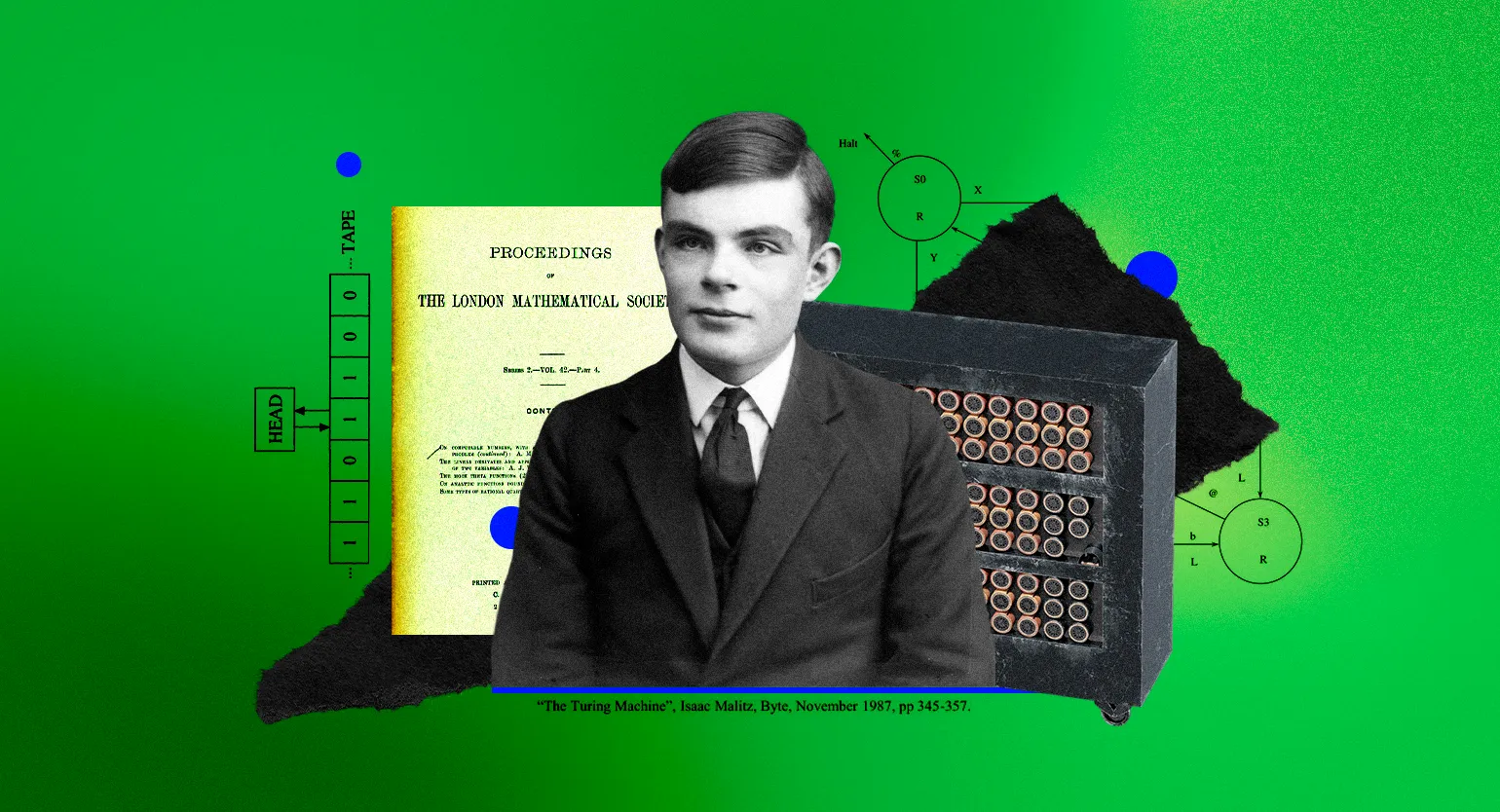
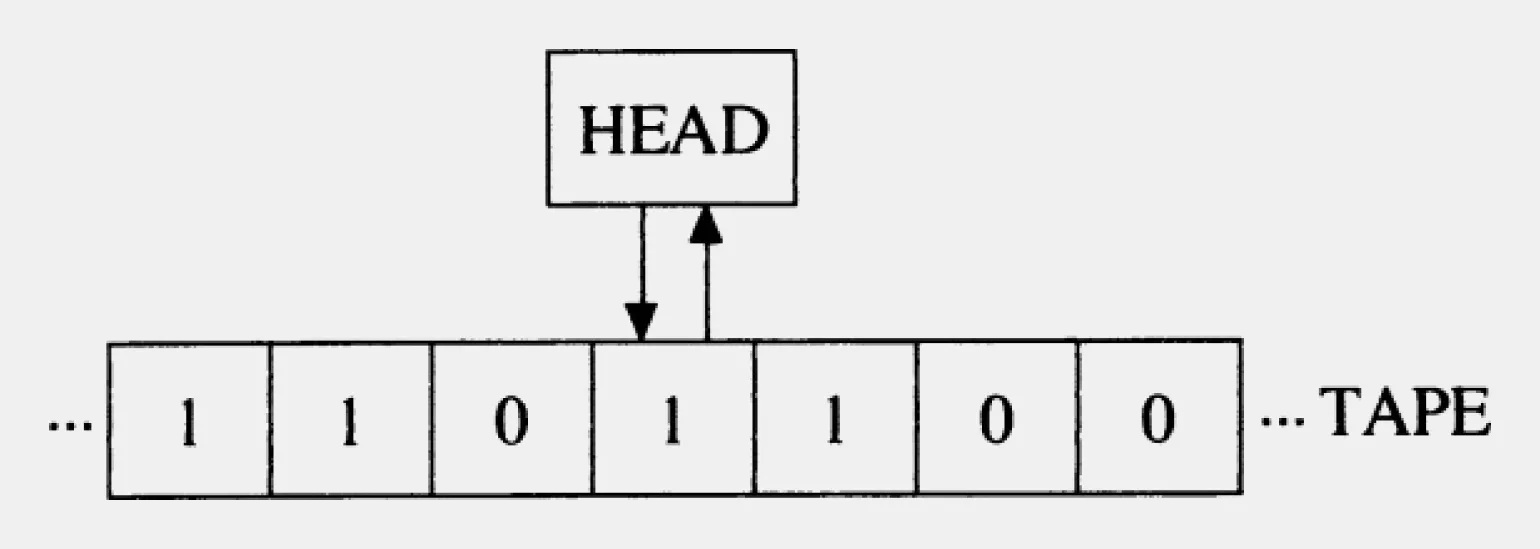
A Turing machine is an abstract computational model proposed by mathematician Alan Turing in 1936. It serves as the basis for the theory of computation and helps us understand what algorithms are and what problems can be solved using computing systems. The machine consists of an endless tape on which symbols are recorded, and a head capable of reading and writing these symbols, as well as moving along the tape.
The Turing machine can be used to formalize the concepts of computability and algorithmic complexity, which are key to the development of modern computer programs and systems. Understanding the operation of this model allows us to better understand the limits of what is possible in computation and the importance of algorithms in programming.
Thus, studying the Turing machine is an important step towards a deep understanding of computer science and IT.
Turing Machine: Key Aspects and Significance
A Turing machine is an abstract model of computation proposed by the British mathematician Alan Turing in 1936. It serves as the basis for computability theory and plays an important role in computer science and mathematics. The basic idea of a Turing machine is to use an infinite tape divided into cells that can hold symbols, and a read/write mechanism governed by a set of rules.
A Turing machine model includes the following elements: a tape, a read/write head, a machine state, and a set of transition rules. The tape represents an unlimited storage space for data, and the head moves along the tape, reading and writing symbols. The machine state defines the current configuration, and the transition rules describe how the machine should respond to the symbols read.
A Turing machine is an important tool for understanding the boundaries of computation. It allows us to determine which problems can be solved algorithmically and which remain unsolvable. This makes it not only a theoretical but also a practical tool in the field of computer and software design.
Various variants of Turing machines exist, including nondeterministic and bidirectional models. They help explore more complex computational processes and optimize algorithms. Understanding the Turing machine also contributes to the development of new programming languages and improved computer system architecture.
In conclusion, the Turing machine is a fundamental concept in the theory of computation that continues to influence the development of technology and scientific research.
- Why is it needed?
- How it works
- How it works
- Role in history
- Turing completeness
- Implementation examples
- What do mushrooms have to do with it?
Why is it needed?
In the 17th century, the eminent mathematician Gottfried Leibniz expressed an ambitious idea of developing a machine capable of determining the truth of mathematical statements. This concept became the basis for further research in the field of logic and computing. Leibniz sought to create a universal tool that would automatically solve mathematical problems and analyze scientific theories, anticipating ideas that would later form the foundation of modern programming and artificial intelligence. His vision of machine knowledge analysis remains relevant today, stimulating the development of new technologies in computational mathematics and automated logic. Three centuries later, the eminent mathematician David Hilbert posed the problem, seeking to find an algorithm capable of accepting a description of any solvable problem as input. This algorithm was supposed to provide one of two answers after completing a finite number of steps: "true" or "false."
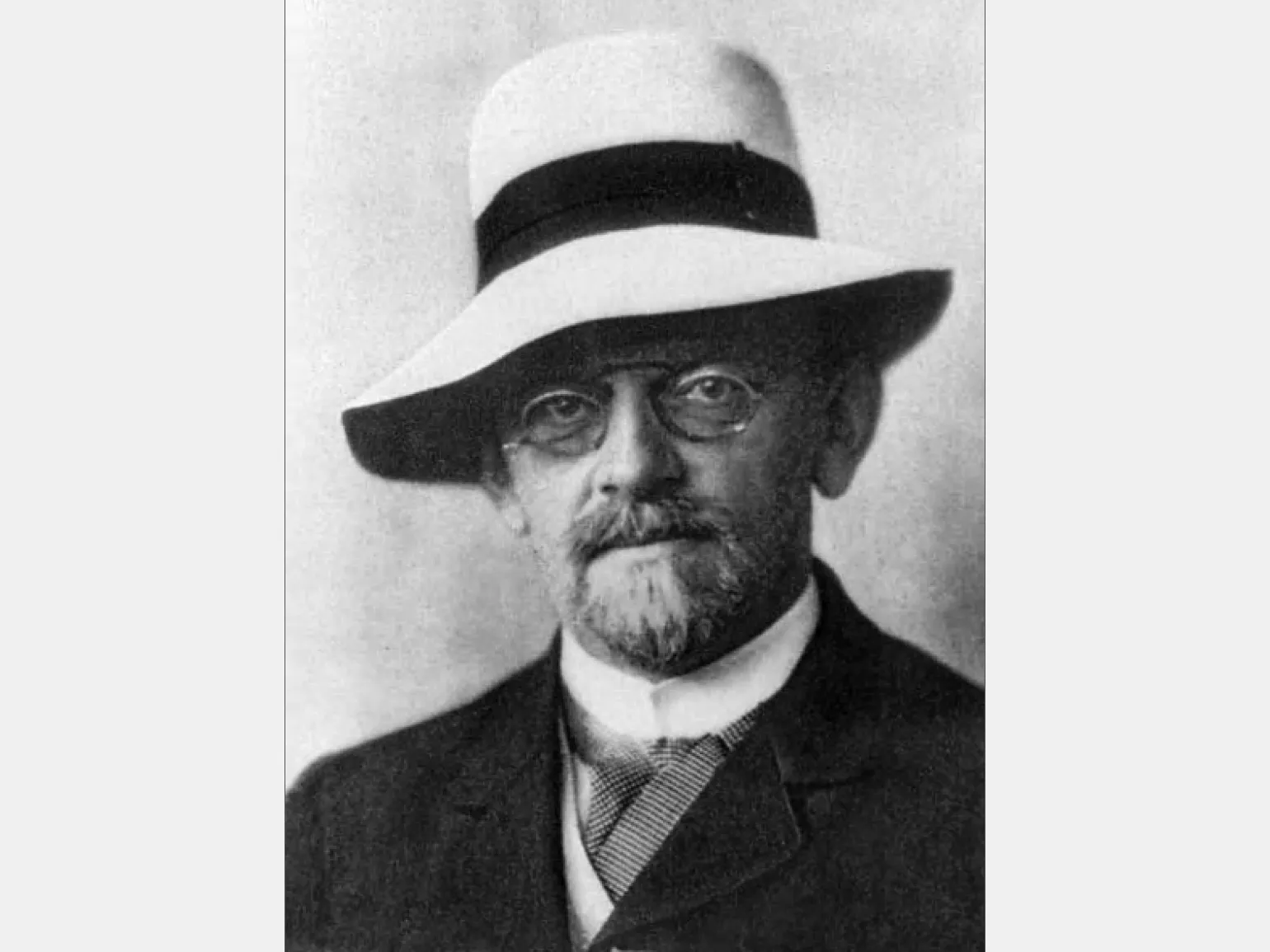
In the 1930s, the question of mathematics was addressed The renowned scientist Max Newman. While teaching at Cambridge, he also worked on cryptanalysis and played a key role in the creation of Colossus, which became the largest computer of its time. His work had a significant impact on the development of computing and cryptography.
Is there a universal method or mechanical process that can be used to verify mathematical statements for their provability? The question of whether such a method exists remains relevant in mathematics and the philosophy of science. Research in this area raises important questions about the limits of formal logic and algorithmic verification. Mathematicians and logicians continue to study whether it is possible to create an algorithm that can universally determine whether a given mathematical statement is provable.
In his lectures, Max Newton emphasizes the importance of Alan Turing's ideas, which were discussed in detail in Charles Petzold's book Reading Turing. Turing made significant contributions to the development of computing and the theory of computation, and his work remains relevant today. Petzold's book offers an in-depth analysis of Turing's concepts, allowing readers to better understand not only the historical context but also the modern applications of these ideas. Studying Turing's works and Petzold's interpretation of them helps to deepen knowledge of the principles of algorithms and the foundations of computer science.
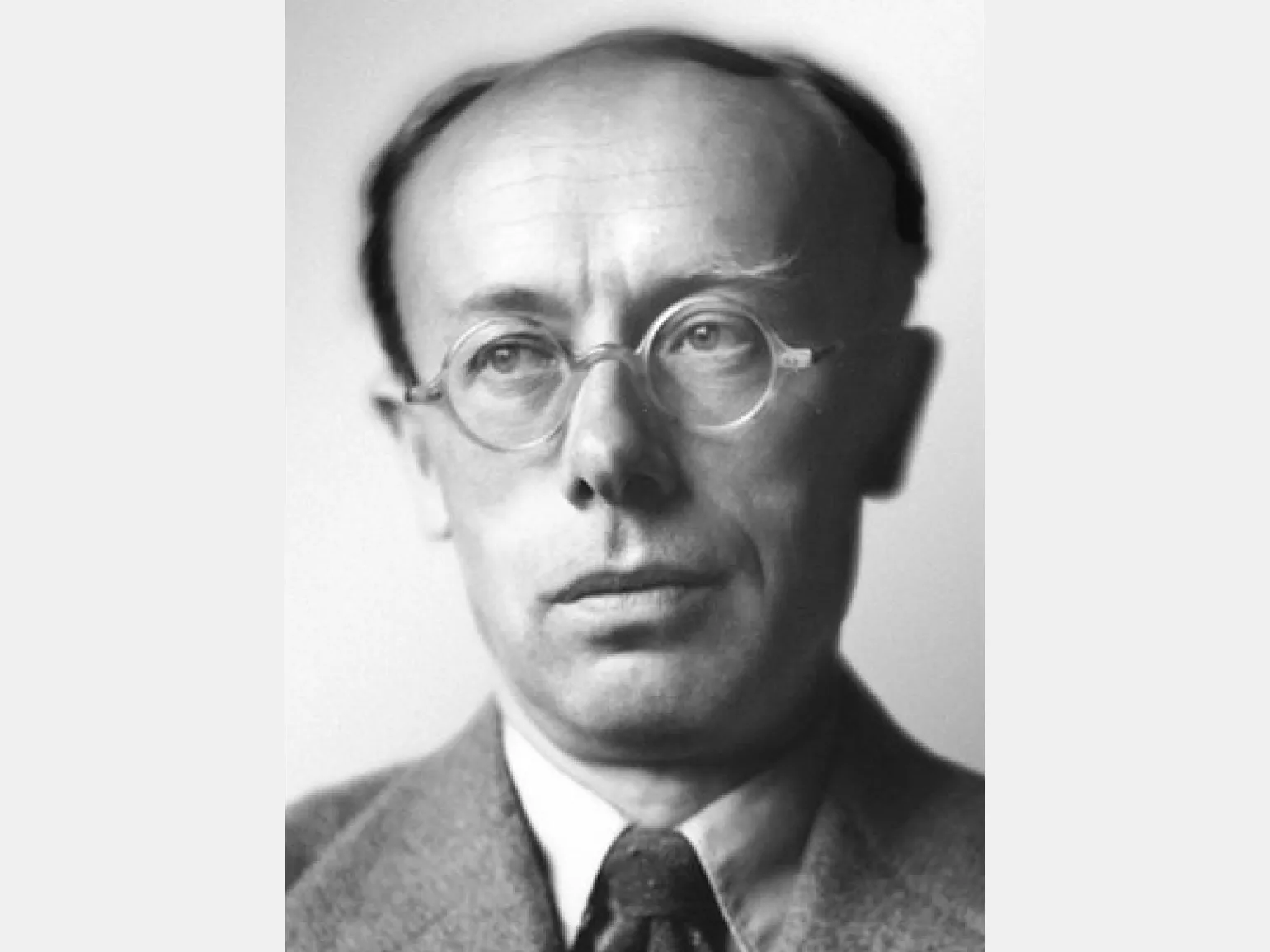
Among the students at Newman University was also An unknown mathematician, Alan Turing, spent time on the meadows of Grantchester, a hipster hangout of the time, pondering Newman's ideas. These reflections led to the paper "On Computable Numbers, with an Application to the Entscheidungsproblem," in which Turing laid the foundations for the subsequent development of computability theory and artificial intelligence.
Turing likely sought to demonstrate the undecidability of the Entscheidungsproblem from the very beginning of his career. He shared with me that the "main idea" of his paper came to him while relaxing on the meadows of Grantchester in the summer of 1935. This idea could have been either his analysis of computation or his insight into the existence of a universal machine, which in turn led to the diagonal argument for proving undecidability.
The memoirs of Turing, written by his student and friend Robin Gandy, contain many fascinating details about the life and work of this outstanding scientist. Rolf Herken's book "The Universal Turing Machine: A Half-Century Survey" highlights Turing's major achievements, his contributions to the development of computing and the theory of algorithms. These memoirs highlight the uniqueness of his thinking and the influence he had on subsequent generations of scientists. Turing remains a key figure in the history of computer science, and his ideas continue to inspire modern researchers.
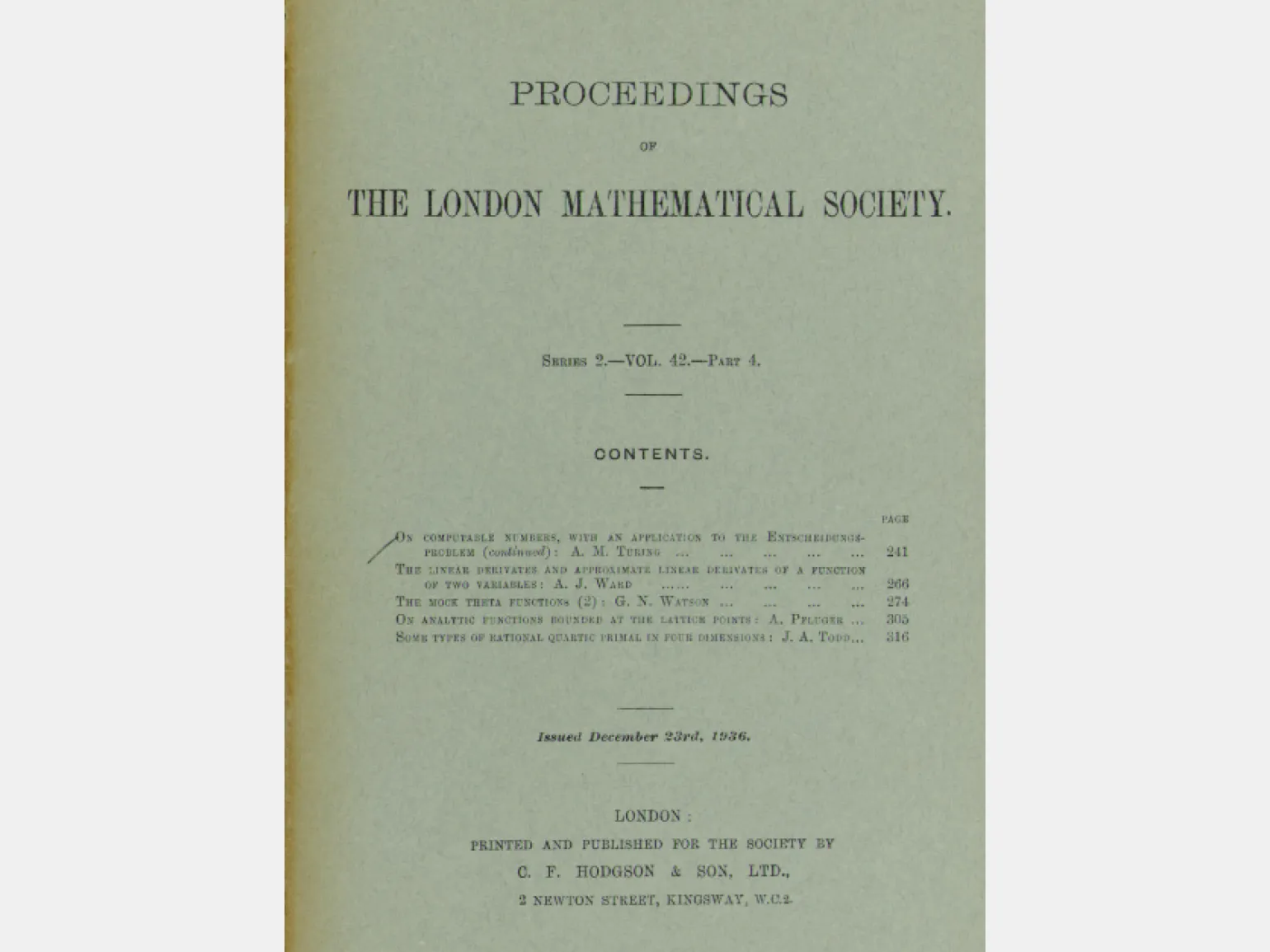
In This article, published in 1936, first presented the concept of a Turing machine. The author used the term "computing machine," which became the basis for the model's subsequent name. This work played a key role in the development of the theory of computing and the formation of the foundations of modern computer programming.
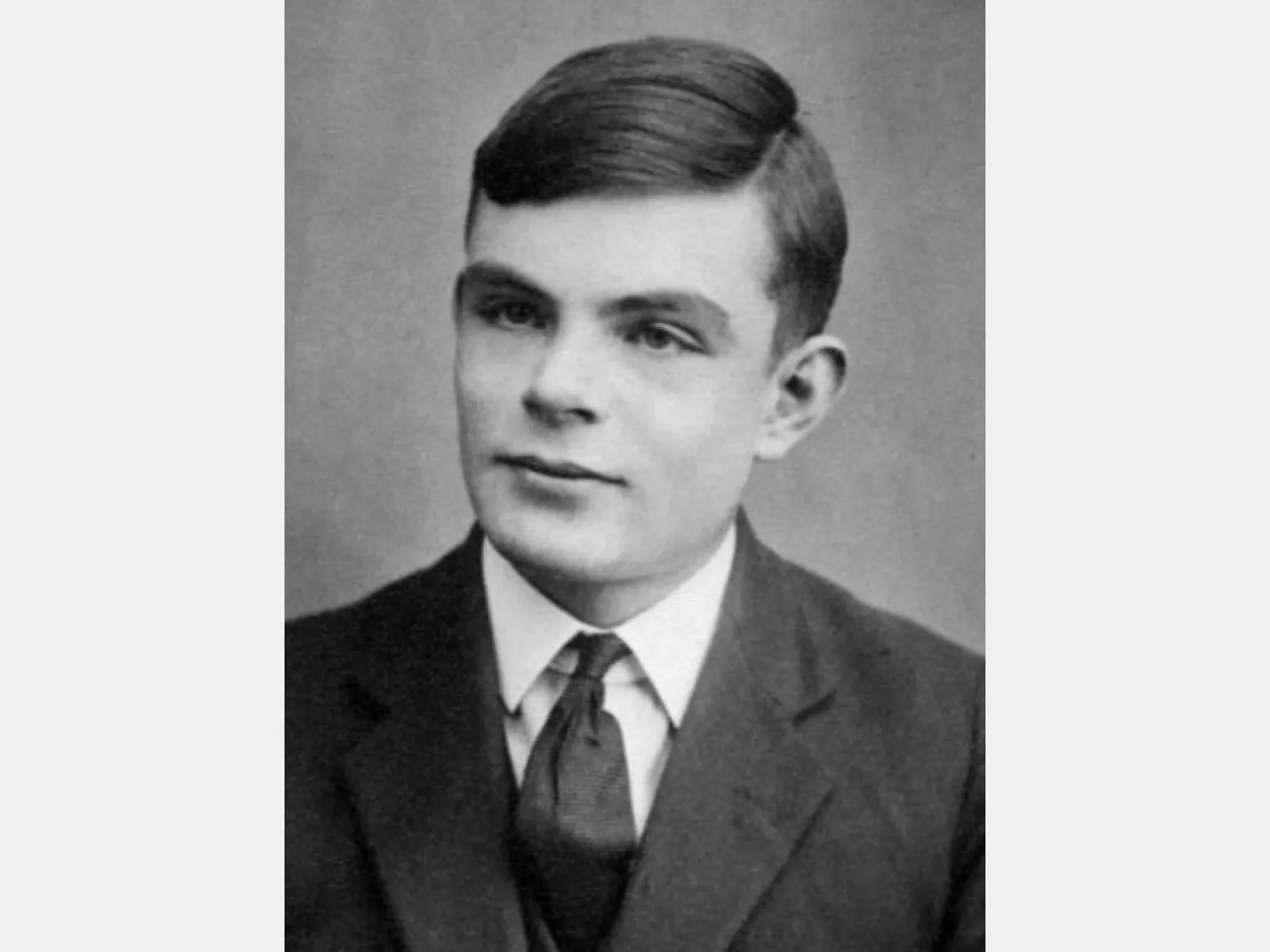
Alan Turing chose an unconventional Turing's approach began with the description of a machine that performs a series of simple operations. At that time, computers as we know them today did not yet exist, with the exception of early computing devices developed by Charles Babbage and Vannevar Bush. Turing focused on the conceptual foundations of computation, which became the basis for further research in the theory of computation and computer science. His work laid the foundation for the formal understanding of algorithms and computational processes, which became an important stage in the history of computer science.
What is a Turing machine and how does it work?
A Turing machine is an abstract computational model used in the theory of computation and mathematical logic. This thought experiment was proposed by Allan Turing to address fundamental questions about computability. The basic components of a Turing machine are an infinite tape, a reader-writer, and a set of rules that govern the machine's actions. A tape serves as a storage place for data and can be used to write information, a reader/writer moves along the tape, reading and writing symbols according to given rules. Because of its versatility, the Turing machine became the basis for the development of modern computers and programming languages, and an important tool for understanding the limits of computation.
- an infinite tape with cells;
- an automaton or head for reading and writing;
- a program.
The machine is equipped with a "tape" (analogous to paper) that passes through its mechanism and is divided into sections known as squares. Each square can contain a specific symbol.
In his paper "On Computational Numbers, with an Application to a Decision Problem," Alan Turing considers the fundamental aspects of computation and algorithms. He introduces the concept of computable numbers and formulates the decision problem, which became the basis for further research in the theory of computation. Turing's analysis of how machines can perform computations and solve mathematical problems opens new horizons for the development of computer science and artificial intelligence. His ideas on Turing machines and computability remain relevant and influential in modern research. Turing's work was a key contribution to understanding the boundaries of computation and laid the foundations for further study of algorithmic and complexity theory.
How a Turing Machine Works
The machine works by having a head that can read data from a particular memory cell, and can also erase and overwrite information, and move left or right to adjacent cells. After moving, it then performs the read or write operations again.
In certain configurations, when a cell is empty and contains no symbols, the machine writes a new symbol to that cell. In other cases, it can erase an existing symbol. The machine can also modify a cell by shifting its contents one place to the right or left. These operations are the fundamental steps a machine takes in processing data.
In his paper "On Computational Numbers, with an Application to a Decision Problem," Alan Turing discusses the foundations of computational theory and its relationship to algorithms. Turing introduces the concept of computable numbers and discusses how they can be used to solve complex mathematical problems. A key aspect of his research is the formulation of the decision problem, which became a cornerstone for further research in computer science and the theory of computation. Turing's work had a significant impact on the development of computer science and laid the foundation for understanding the limits of computability. The head's actions are controlled by a program represented as a table that includes an external and internal alphabet, as well as a transition table between them. The external alphabet is a finite set, the elements of which are called letters or symbols. The internal alphabet consists of a finite set of head states. The transition table describes the behavior of the head, determining how it should respond to certain symbols. The specific command to execute by the head is determined by the intersection of the external and internal alphabets in this table. This interaction ensures effective process control and allows the head to perform specified operations in accordance with the program.
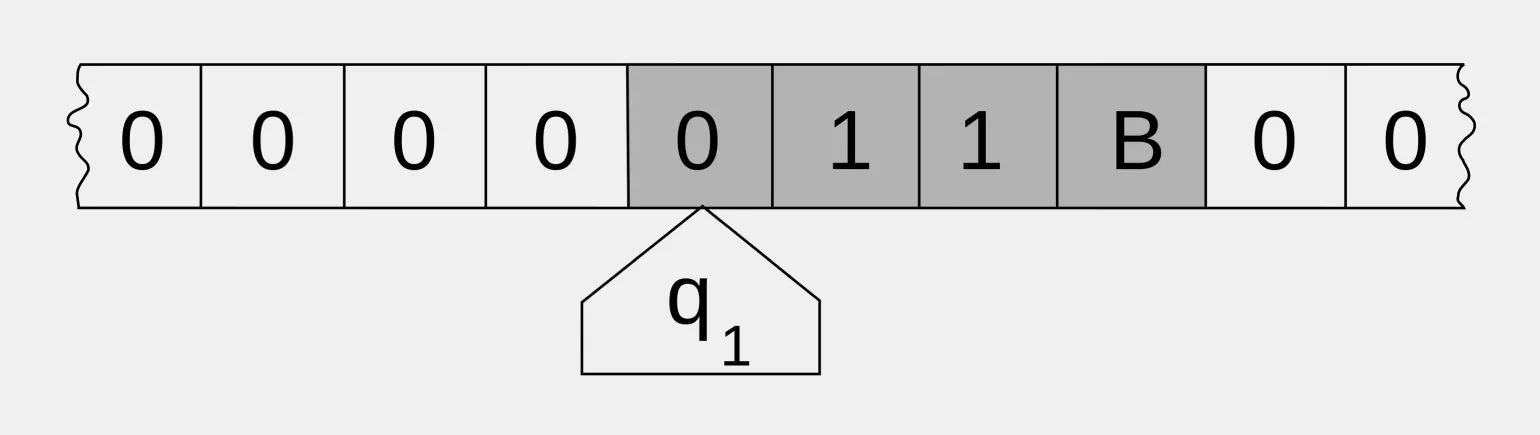
The image shown shows a tape on which the input information (11B) is placed in such a way that that each cell contains one character. On both sides of this information are zero cells. The initial state of the head is designated as q1, which initiates the machine's operation. The head can move to the left, writing a digit or letter instead of zero, or move to the right and overwrite a digit or letter with a different digit or letter. It can also move one cell to the left or right without performing the overwrite operation.
The head can remain stationary and perform no action. Operations cease when the head reads the passive state - q0. This state indicates the completion of the process and no need for further manipulation.
What is the significance of this seemingly simple design? This design plays a key role in various processes and systems, providing the necessary functionality and efficiency. Understanding its importance can significantly impact the results we want to achieve. It serves as the basis for more complex solutions and simplifies the interaction of various elements. Ultimately, even the simplest design can be critical to achieving our goals.
Role in History
The Turing machine is historically significant as the first mathematical model of universal computation. It provides a framework for understanding what can be computed and formalizes the process of computation. Although other models of computation exist, the Turing machine is the most famous and widely accepted. Furthermore, Turing described the principles of this model before the first computers existed, which underscores its significance for the development of computer science and the theory of computation.
Of course, I am ready to help with text editing. Please provide the source text you want to rework.
His cars served as a bridge connecting abstract symbols with physical reality.
In his book Alan Turing: Enigma, Andrew Hodges details the life and achievements of the outstanding mathematician and logician Alan Turing. Considered one of the founders of modern computer science, Turing made significant contributions to the development of theories that underpin artificial intelligence and algorithms. Hodges' biography covers both Turing's scientific achievements and his personal life, including the challenges he faced in society. The book is an essential resource for those interested in the history of computing technology and the lives of the remarkable individuals who influenced the development of science. Reading this work allows for a deeper understanding not only of Turing's scientific ideas but also of the context of his time, making it an indispensable resource for students, researchers, and anyone interested in the legacy of this brilliant scientist. Alan Turing's innovation was the use of the binary number system in his machine at a time when the decimal system was predominantly used. Binary numbers were unfamiliar to most people in 1936. For example, the ENIAC computer, built between 1943 and 1945, used the decimal system. The term "bit," which is short for binary digit, only appeared in scientific literature in 1948. Turing's contributions thus laid the foundation for future computing technologies, shaping the idea of how modern computing hardware should function.
An automatic machine that prints two types of symbols, the first type consisting exclusively of 0 and 1, called digits, and the second type including other symbols, is classified as a computing machine. The importance of such machines lies in their ability to process and store information, making them the foundation of modern computing devices and technologies. Computing machines play a key role in data processing and process automation, significantly simplifying the performance of complex tasks.
In his work "On Computational Numbers, with an Application to a Decision Problem," Alan Turing examines the fundamental aspects of the theory of computation. He analyzes the concept of computable numbers and introduces the concept of an algorithm, which became the basis for the further development of computer science and the theory of computation. Turing also discusses the decision problem, showing how computational processes and their limitations can be formalized. His research laid the foundation for modern concepts of Turing machines, which play a key role in understanding computability and algorithmic complexity. Turing's work is a major contribution to mathematics and computer science, influencing subsequent research in artificial intelligence and information theory.
Alan Turing's work is significant because he proposed the concept of a universal, general-purpose computer. This idea was revolutionary because, at the time, computers were built to perform specific tasks. For example, in the 1920s, Vannevar Bush and his students developed an analog computer known as a differential analyzer, which could only solve ordinary differential equations and performed only this narrow function. Turing, however, paved the way for the creation of general-purpose computers capable of solving a wide range of problems, which became the basis for the further development of computing.
Developing many specialized machines to perform different computational tasks is not necessary. All of these operations can be efficiently implemented using a single digital computer, properly programmed for each specific case. This approach provides versatility and flexibility in solving computational problems, reducing costs and simplifying the development process. Using a programmable digital computer allows its functionality to be tailored to various requirements, making it an ideal tool for modern computing processes.
In his work "Computing Machinery and Intelligence," Alan Turing explores the relationship between computing systems and the human mind. He analyzes how machines can imitate intelligent human behavior and challenges traditional notions of reason and intelligence. Turing introduces the concept known as the "Turing Test," which serves as a criterion for assessing the ability of machines to think. In his article, he also discusses the capabilities and limitations of computing machines, emphasizing that although they can perform a variety of tasks, human consciousness remains a unique and complex phenomenon. Turing's work has had a significant impact on the development of artificial intelligence and remains relevant in contemporary discussions about the limits of computing technology and its capacity for intelligent operation.
Today, there is no more powerful model of computation than the Turing machine. It allows us to define the minimal conditions necessary to perform any computation, thereby revealing the limitations of modern computers. If a given computation is possible on a Turing machine, then it can be performed on any other computing device. This property is called "Turing completeness." Understanding this concept is key to studying the theory of computation and developing new algorithms.
Turing Completeness
Turing completeness is a key concept in computer science. A programming language or computer that has the property of Turing completeness is capable of emulating a Turing machine. This means that such a language can express all computable problems that can be solved by computers. In most cases, programming languages are considered Turing-complete, ignoring limitations related to the amount of available memory. Turing completeness is important for understanding the theoretical foundations of computation and software development.
Java and C++ allow you to create programs that function as Turing machines, demonstrating their full computational power. HTML5 and CSS3, which provide extensive capabilities for web development, are also characterized by completeness. In contrast, SQL is not a complete programming language, as it is intended primarily for writing database queries, and not for creating full-fledged software solutions.
Implementation Examples
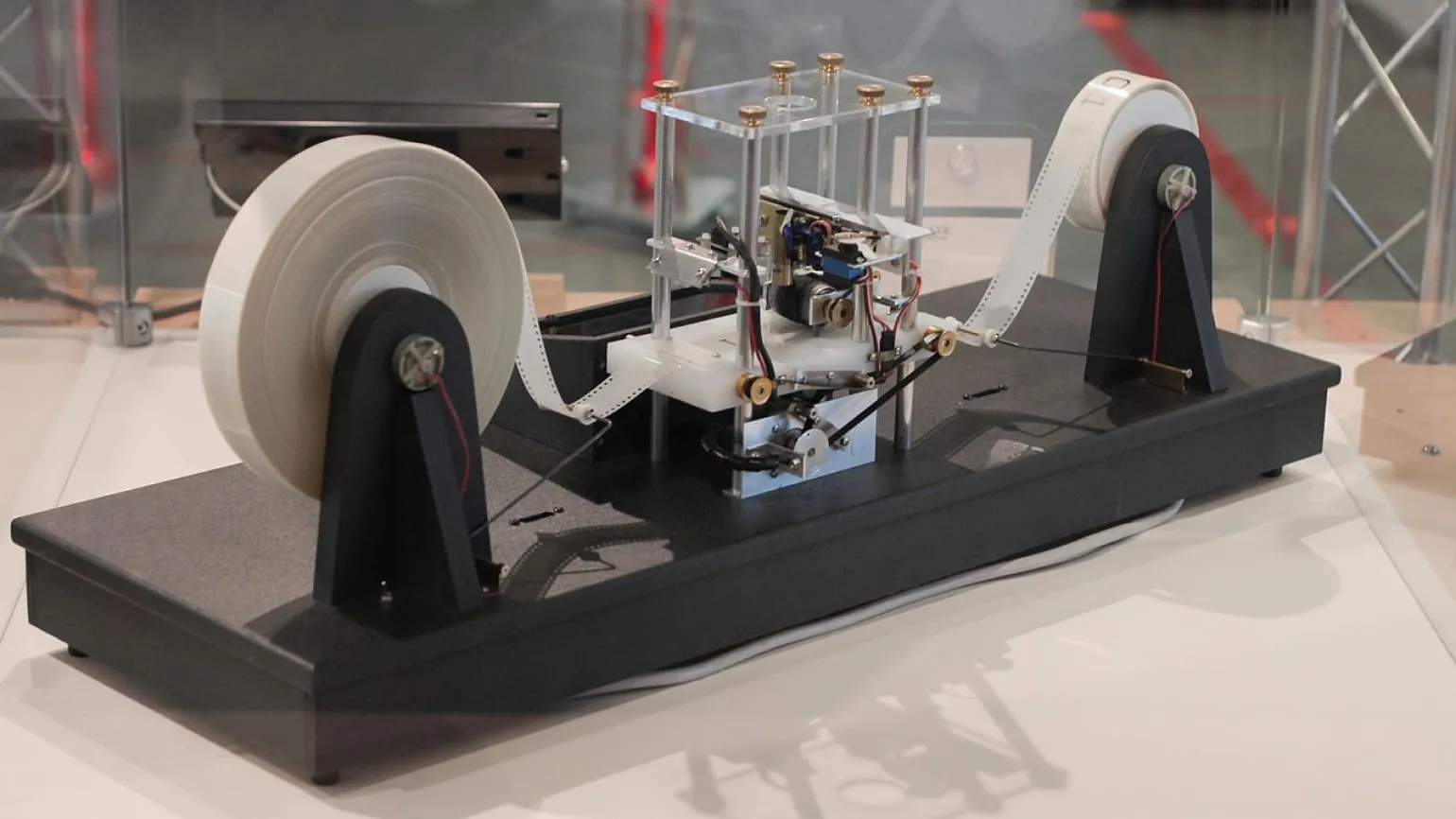
Although this development is a thought experiment, there were enthusiasts who attempted to create a physical prototype. These efforts highlight the interest and drive to implement innovative ideas that can further advance technology. Implementing such projects could open new horizons in scientific research and practical applications.
Richard Riedel created one of the most impressive models, which took him six months to complete. This labor-intensive process demonstrated his skill and attention to detail.
Some developers have created a model of the Turing machine using the capabilities of Excel. This implementation demonstrates the fundamental principles of computation and algorithms that underlie the theory of computation. Using Excel to simulate a Turing machine not only makes the concept more accessible but also helps better understand how algorithms and computational logic work. This approach can be useful for both computer science students and professionals interested in computational processes. The Excel model allows experimentation with different states and rules, opening new horizons for the study of automata theory and computational systems.
What do mushrooms have to do with it?
The Turing machine, developed almost a century ago, is still relevant and in demand in modern research. Roboticist Joshua Bongard and biologist Michael Levin in their work propose expanding our understanding of computing systems, including in this context not only traditional computers, but also living organisms. Their approach opens new horizons in the study of computational processes, which can lead to significant breakthroughs in the fields of bioinformatics and robotics.
This definition covers a variety of entities that are not traditional computers. This list includes living organisms such as schools of crabs and mushrooms, as well as inorganic substances such as liquids, and even algorithms running inside other computers.
In their paper "There's Plenty of Room: Biological Systems as Evolved, Supercharged, Multiscale Machines," Joshua Bongard and Michael Levin explore complex biological systems, viewing them as the result of an evolutionary process. The authors emphasize that biology is a multilayered structure in which different levels of organization interact. They focus on how these systems are able to adapt and evolve in response to various environmental factors. Bongard and Levin's research opens new horizons in understanding biological mechanisms and their potential applications in fields such as bioengineering and ecology. This work contributes to a deeper understanding of how nature creates complex systems that can serve as models for developing new technologies and approaches in science.
To determine whether crabs can be classified as computers, scientists consider them in the context of a Turing machine. However, this process poses certain difficulties. For example, in the case of mushrooms or liquids, it is difficult to determine what exactly corresponds to a tape, a read head, and a program. This makes it difficult to analyze and understand their functionality compared to traditional computing systems.
A system that is a Turing machine may seem complex to analyze, especially when it comes to isolating its individual components, such as a tape and a read/write head. This makes it difficult to understand its operation and functionality, as all the elements are interconnected and function together. Understanding these components and their interactions is essential for a deep analysis of computational processes and the theoretical foundations of computer science.
In their paper "There's Plenty of Room: Biological Systems as Evolved, Overwhelmed, Multiscale Machines," Joshua Bongard and Michael Levin explore the complexity of biological systems and their evolution. The authors consider how different levels of organization in living organisms interact and adapt to changing environmental conditions. They emphasize the multiscale nature of biological machines, emphasizing the importance of these systems for understanding evolutionary processes and biological resilience. This work opens new horizons for scientific research and an in-depth analysis of the mechanisms underlying life.
Biological systems evolve and change over time, making it difficult to use strict mathematical definitions to describe them. These dynamic processes require a flexible approach, as biology is a continuously evolving field where changes occur at various levels, from the molecular to the ecosystem. The evolution of biological systems demonstrates their adaptive nature, which complicates the creation of universal mathematical models. It is important to keep in mind that the accurate analysis of biological processes requires more complex and adaptive methods that can reflect their diversity and variability.
Of course, I am ready to help with text editing. Please provide the text itself that you want to revise.
This behavior not only complicates the formulation of the question: "Is this a computer?" but also complicates any attempt to determine at what point a system begins to function like a computer.
In their work "There is Plenty of Room: Biological Systems as Evolved, Supercharged, Multiscale Machines," Joshua Bongard and Michael Levin examine biological systems in terms of their evolution and complexity. The authors emphasize that organisms are multiscale machines that have evolved over millions of years, adapting to diverse environmental conditions. The book examines the mechanisms by which such systems can cope with various loads and changes, as well as the impact of multiscale systems on their functionality. Bongard and Levin's work opens new horizons for understanding biology and evolution, offering a fresh perspective on how organisms interact with the world around them and how they can be viewed as complex systems that continue to evolve.
Today, the Turing machine remains one of the most powerful concepts in computing. Therefore, Bongard and Levin must figure out where the tape is located in crabs and determine the location of the read head. Studying these elements can help in further understanding the principles of operation of computing systems and their analogues in nature.
Also study:
- PARC of the computer era: who, where and how created modern technologies
- The transistor revolution: from mechanical machines to the supercomputers of the future
- What are algorithms and what types are there?