Contents:

Learn: Screenwriter Profession
Learn moreSubscribe to our Telegram channel "Checkpoint", where you will find interesting materials about games and the process of their development. Join our community to stay up-to-date with the latest gaming news and learn more about how your favorite games are created.
Unreliable narrators have a long history, beginning in literature and continuing into film and video games. Since the term's inception, debates about their significance and role in storytelling have continued. These characters generate intrigue and sometimes confusion, making the audience question the veracity of events. Unreliable narrators are actively used to create intriguing plots, making them an important element in various art forms.
We will not delve into the debate, but simply present you with the most famous works in which the narrator's reliability is questionable. In this review, we will consider short stories, novels, films, and video games that demonstrate this interesting technique.
In this article, we will examine the concept of an unreliable narrator and try to answer the question of who exactly can be classified as this category. An unreliable narrator is a character whose words and perceptions of events cause doubt in the reader. Such narrators may distort facts, deceive, or present events in a distorted light, which forces the audience to evaluate the information critically. Understanding the characteristics of an unreliable narrator allows for deeper analysis of the text and the identification of hidden meanings.
We decided to consider examples that can be discussed without serious spoilers. Therefore, films like Shutter Island or Joker are not mentioned in this text. The only exception is The Cabinet of Dr. Caligari, as it is a classic work, and its main plot twist is unlikely to cause a negative reaction among viewers. We hope that this decision will be accepted with understanding.
Escape from the Truth. Terms and Classifications
The unreliable narrator, despite its rich history, was only described in detail in 1961 thanks to the critic Wayne Booth in his work "The Rhetoric of Fiction". In this book, Booth offers a clear definition of the concepts of "reliable" and "unreliable" narrators. A narrator is considered reliable if they speak and act in accordance with the realities of the work. Conversely, if their actions or words do not correspond to these realities, they are classified as unreliable. This definition has become important for literary criticism and narrative analysis, opening new horizons for the study of the perception and interpretation of text.
In her works, Booth examines the ethical and physical laws that define the world. Correspondence to reality becomes a key aspect—for example, the presence of astronauts in ancient Greece or dinosaurs in modern St. Petersburg makes the narrator unreliable. Literary critic Peter Rabinowitz, in his work "Truth in Fiction" (1977), argues that such a definition makes any narrator unreliable. He emphasizes that the authors' worlds, although inspired by reality, are still fictional. Rabinovich divides narrators into those who seek to imitate the truth and those who create the illusion of lies, which raises important questions about the nature of fiction and the perception of truth in literature.
Unreliable narrators may distort the truth for various reasons, which allows them to be classified. One of the most famous classifications was proposed by publicist William Regan. According to him, unreliable narrators are divided into five main categories.
- "Brasters." These characters narrate events, embellishing their actions. In their stories, failure turns into a feat, teamwork becomes an individual breakthrough.
- "Crazy." Such narrators suffer from mental illnesses or mental distortions that prevent them from perceiving reality. Obstacles to the truth include, for example, hallucinations, obsessions, and phobias.
- "Clowns." They do not take their stories seriously. Clowns play the fool; their task is to spin the most outrageous tale.
- "Naive Narrators." Characters seem to have emerged from another reality—and, due to their alienness, are unable to perceive the world around them. They may lack knowledge due to age, culture, or education; it may even be that the narrator is truly a visitor from another world and time.
- "Liars." Narrators lie deliberately, most often to conceal a shameful past. They want to evade punishment, condemnation, or shame.
Unreliable narrators include characters with physical injuries and defects, such as blindness, amputations, or memory loss. These changes significantly affect their perception of reality and create a unique perspective on the world around them, comparable in significance to mental disorders. Characters with such traits often harbor deep internal conflicts and experiences, adding layers to their narrative and making their perception of events more subjective and sometimes distorted.
Narrative designer Mata Haggis presented an interesting classification of unreliable narrators at the GDC conference in 2016. He identified three main types of such narrators, each of which brings unique nuances to the development of the plot and the perception of characters. This classification helps to better understand the mechanisms of storytelling and allows game developers and writers to create more complex and multi-layered plots by drawing the audience's attention to the peculiarities of information perception.
The first type of narrators are people who share their stories, but sometimes make errors in detail. These errors occur not due to malicious intent, but because certain aspects seem unimportant to them at the time of the story. Such storytellers may forget important details, leading to distorted facts, but their intentions are always sincere.
As an example, Haggis cites a scene from the game Fragments of Him. The main character, Sarah, recalls a movie date with a guy. The player is given the opportunity to choose which row the characters sat in. However, since this is a memory, the question arises: how significant is this choice? For Sarah, it doesn't matter, since she only remembered her emotions, not details like the row or seat number. This approach emphasizes that memories are formed not only from facts, but also from the feelings they evoke.
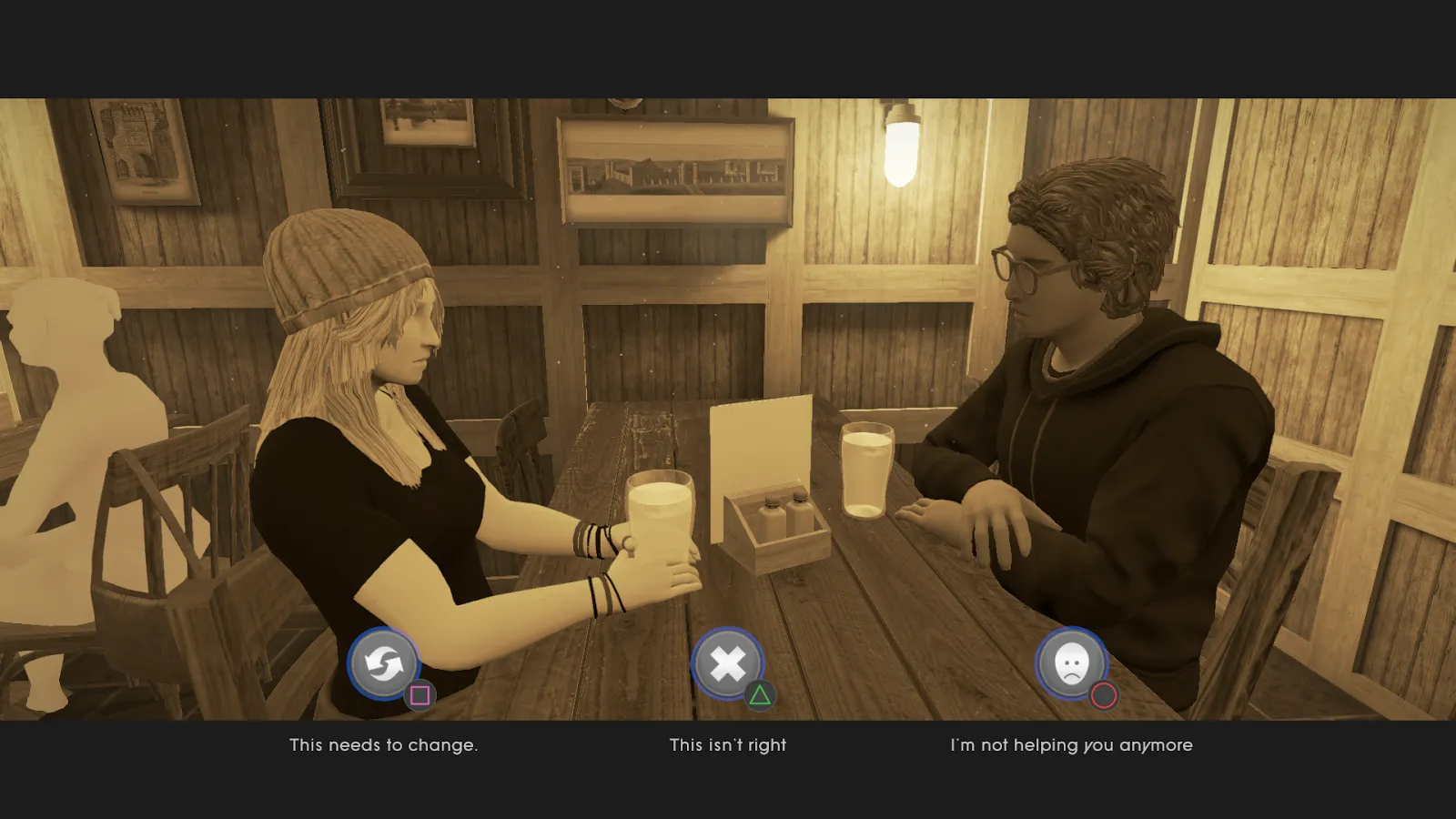
Minor errors in the game do not significantly affect the plot, but attract the attention of players who are paying close attention to the events unfolding. These "honest mistakes" provide participants with the opportunity to independently identify important details about the characters and distinguish them from secondary elements. This promotes deeper immersion in the gameplay and increases interest in the story.
The second type of unreliable narrator, according to Haggis, involves those who deceive primarily themselves. An example is the Prince from Prince of Persia: The Sands of Time, who at the beginning of the story is overly confident in his abilities and claims that he does not need anyone's help. However, as the story progresses, the player begins to realize that the Prince exaggerates his abilities and actually needs support. By the end, he recognizes his limitations and demonstrates a willingness to change, which highlights his growth as a character.
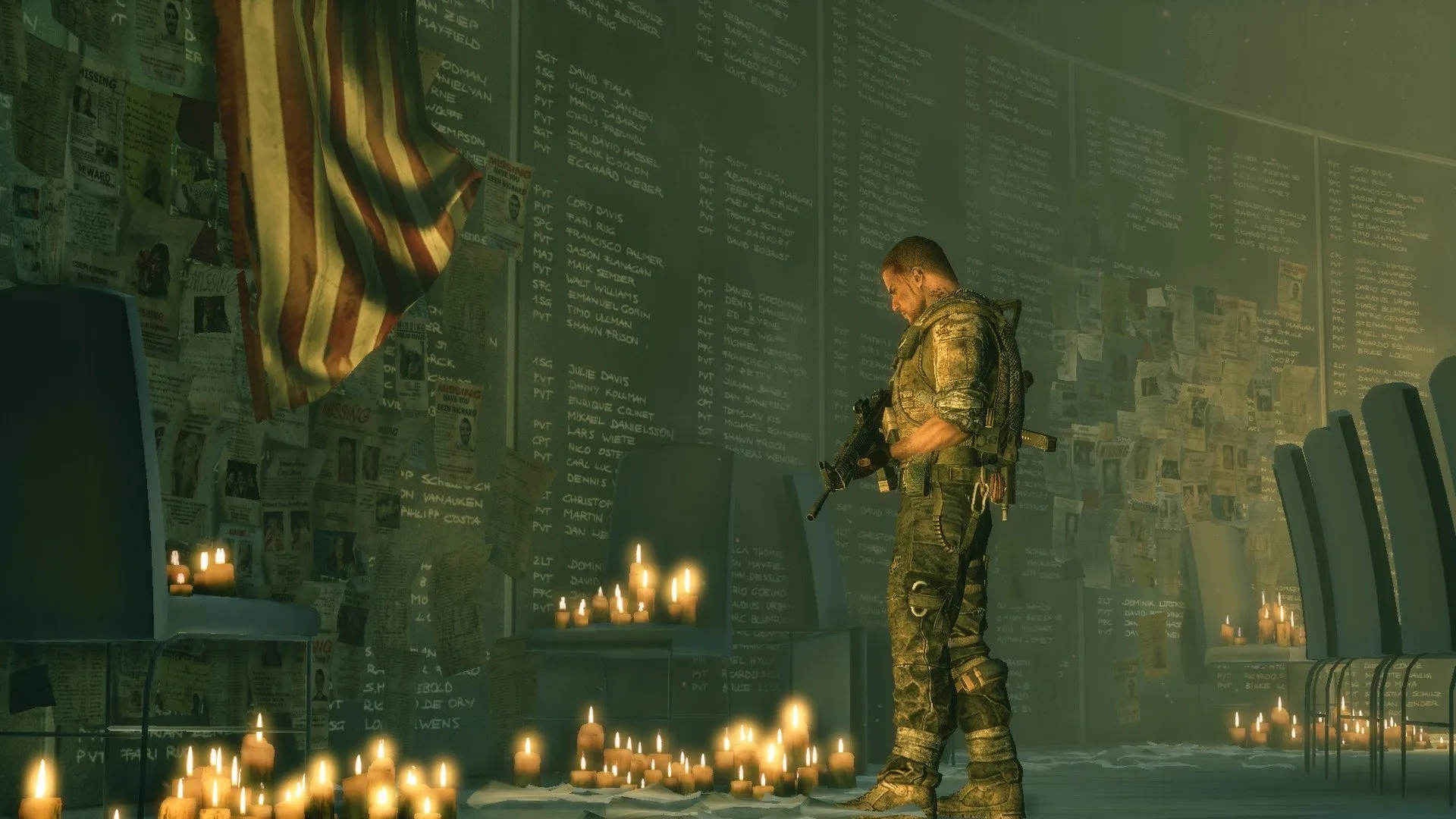
Haggis identifies a special category of storytellers who deceive not only those around them but also themselves. This type includes characters who have experienced mental and physical trauma. Their afflictions shape their unique perception of reality, as exemplified by examples such as Trevor's hallucinations in Grand Theft Auto V and the complex story of the protagonist in Spec Ops: The Line. These characters demonstrate how trauma can distort perceptions of the world and influence decision-making, creating multi-layered narratives that immerse the player in deep reflections on the nature of mental states and their impact on behavior.
The final type of narrator is the deceiver, who lies to others. In video games, they are capable of misleading not only the characters but also the players themselves. This type of narrator, like the first, rewards attentiveness and attention to detail. Unlike the "honest mistakes" technique, here the reward for the player is not only the opportunity to deeply understand the emotions and internal state of the characters, but also the receipt of valuable information that helps make informed decisions and obtain additional resources. Examples of such liars can be seen in detective stories such as L.A. Noire, where the inhabitants of Los Angeles offer their versions of events during interrogations.
The Catcher of Lies. Literature
In literature, the concept of the unreliable narrator has existed for a long time, long before Gutenberg invented the printing press. A prime example is Geoffrey Chaucer's The Canterbury Tales, written in the late 14th century. Over time, unreliable narrators began to appear with increasing frequency, becoming an important plot element at the turn of the 19th and 20th centuries. These characters bring uniqueness and multi-layeredness to narratives, allowing readers to question the veracity of the information presented and delve deeper into the characters' psychology. Unreliable narrators help authors create tension and intrigue, making works more engaging and memorable. The popularity of unreliable narrators during this period is due to many factors, including the development of the detective genre, modernist experimentation, and the decline of literature's didactic function. These elements contributed to the creation of complex narratives, where readers are forced to critically evaluate information and draw their own conclusions. Unreliable narrators have become an important tool in literature, allowing authors to explore themes of truth and perception, leading to a deeper interaction between the text and the reader.
In 1884, Anton Chekhov introduced an unreliable narrator in his work "Drama on a Hunt." This work is notable not only for its length but also for its original plot. "Drama on a Hunt" is a detective story centered on the murder of a young girl. The characters' passions revolve around this event, experiencing both love and jealousy. This story demonstrates Chekhov's mastery of creating an intriguing atmosphere, as well as a deep understanding of human nature.
The murder story is presented in manuscript format, which is being reviewed by a publishing editor. He discovers numerous inconsistencies in the work of the investigator, who is also the author of the manuscript. Doubts about the veracity of the story lead the editor to insomnia and a feeling of unbearable stuffiness, which also reflects the state of impressionable readers. This intriguing storyline highlights the complexity of perceiving the truth and manipulating information, building tension and drawing the audience into a world of mystery and investigation.
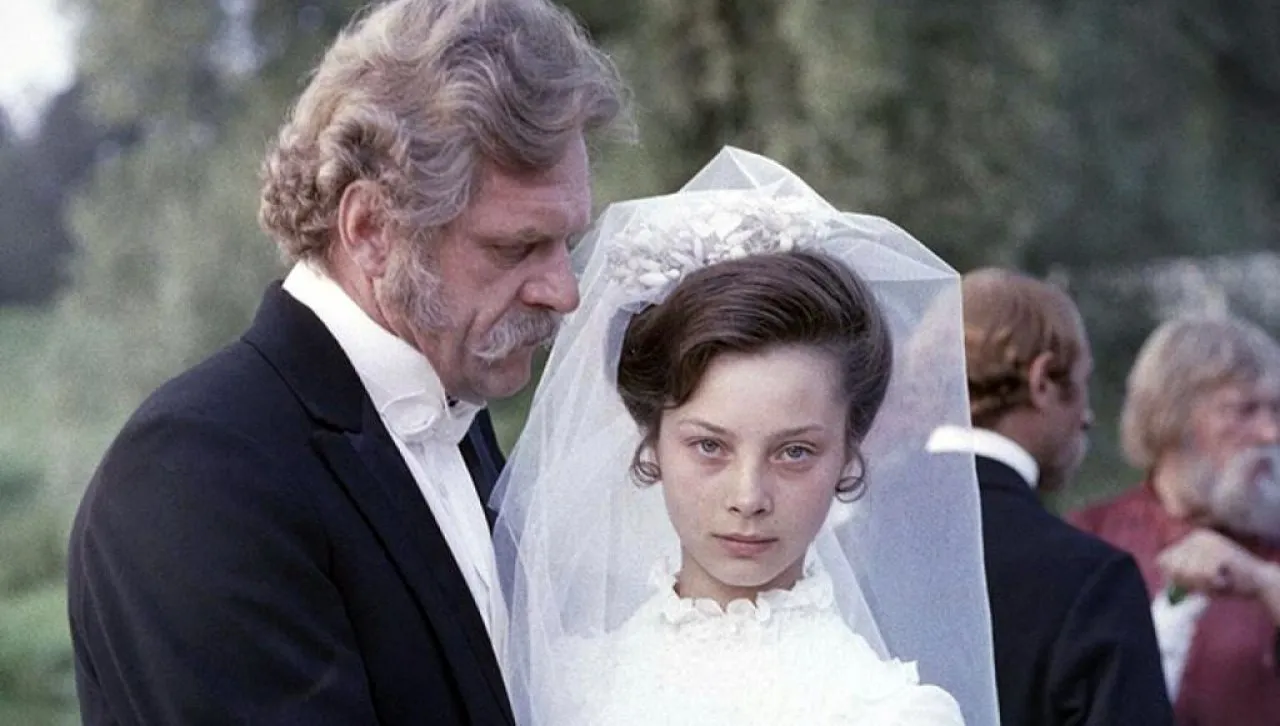
An example of the unreliability of the narrator is presented in "An Occurrence at Owl Creek Bridge" (1890), a classic work of American literature. The author, Ambrose Bierce, served in the Civil War (1861–1865) on the Union side. The themes of war's brutality, pacifism, and confrontation with death are central to Bierce's work, and "An Occurrence" is no exception. The story demonstrates how the perception of reality can be distorted, highlighting the complexity of human nature and the brutality of war.
The story opens with Northerners preparing to hang Southern planter Peyton Faquar from a bridge. Before his execution, Faquar comes to terms with what led him to this fateful situation. His desire to curry favor with the Southerners, his desire to perform a heroic deed, and his plan to set fire to the bridge to thwart the plans of the Northern army became key moments in his fate. This story highlights the conflict between Northerners and Southerners, as well as the inner experiences of a man trapped in his own ambitions.
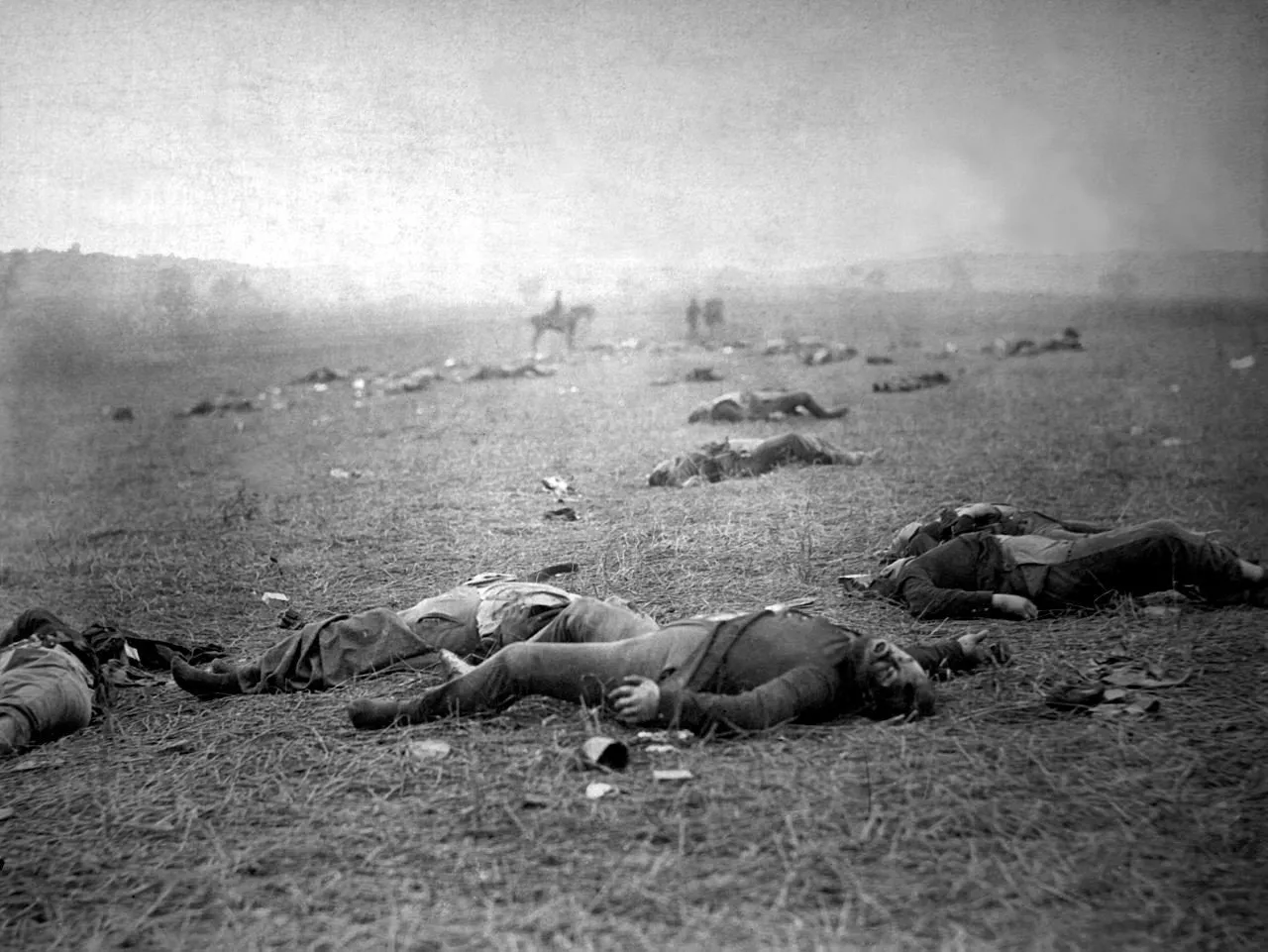
As the rope tightens around Peyton's neck, it abruptly breaks, sending the unfortunate planter plummeting into the water. The Union bullets miss their target, and Peyton narrowly escapes death by swimming, then walking. He eventually reaches his home and is about to embrace his joyful wife when he suddenly feels a blow to his neck. His vision blurs, and the world around him alternates between bright and dark. The story concludes with the line, "Peyton Farquhar was dead; his body, with a broken neck, swayed gently beneath the rafters of the Owl Creek Bridge." This powerful ending underscores the tragedy and desperation, leaving the reader deeply contemplating the hero's fate.
Bierce's story is a clear example of how a minimal number of words can be used to form an unreliable narrative. This text demonstrates how brevity can influence the perception of information and raise doubts in the reader. Unreliable narratives, based on terse wording, can leave numerous questions and perplexities, making them particularly intriguing for analysis and discussion.
Ryūnosuke Akutagawa's most famous novella, "In the Thicket" (1922), relies entirely on unreliable narrators. The plot unfolds in a forest where the body of a murdered samurai is discovered. To clarify the circumstances of the crime, investigators question seven witnesses, including the prime suspect—a notorious bandit—as well as the samurai's wife and even the spirit of the deceased. All of their testimonies contradict each other, making it impossible to establish the true course of events. This novella not only explores the nature of truth and perception, but also questions the very concept of objectivity.

Vladimir Nabokov, the eminent Russian émigré writer, repeatedly used the trope of the unreliable narrator in his works. This device appears in both his Russian-language and English-language works. Unreliable narrators add depth and layering to narratives, forcing the reader to question the veracity of the events being described and to evaluate the subjectivity of perception. Analyzing the use of this literary device in Nabokov's work allows us to better understand his unique style and philosophical approach to literature.
In the story "The Spy" (1930), Vladimir Nabokov first addresses the theme of identity uncertainty. In this work, the narrator attempts to unravel the mystery of Smurov, a regular guest of the Khrushchev family and the secret admirer of Varya, the sister of the hosts of the house. This task proves difficult, as the descriptions of familiar characters are disjointed and resemble distorted reflections in funhouse mirrors. Nabokov masterfully conveys the atmosphere of uncertainty and the multilayered nature of human relationships, making the text particularly engaging to analyze.
In Nabokov's story, the author subtly hints at a connection between the narrator and Smurov, which manifests itself throughout the text. However, only in the finale does he provide clear confirmation that these characters have much more in common than one might initially assume. This unexpected connection highlights the depth of their characters and creates a multilayered narrative, making it more engaging for the reader.
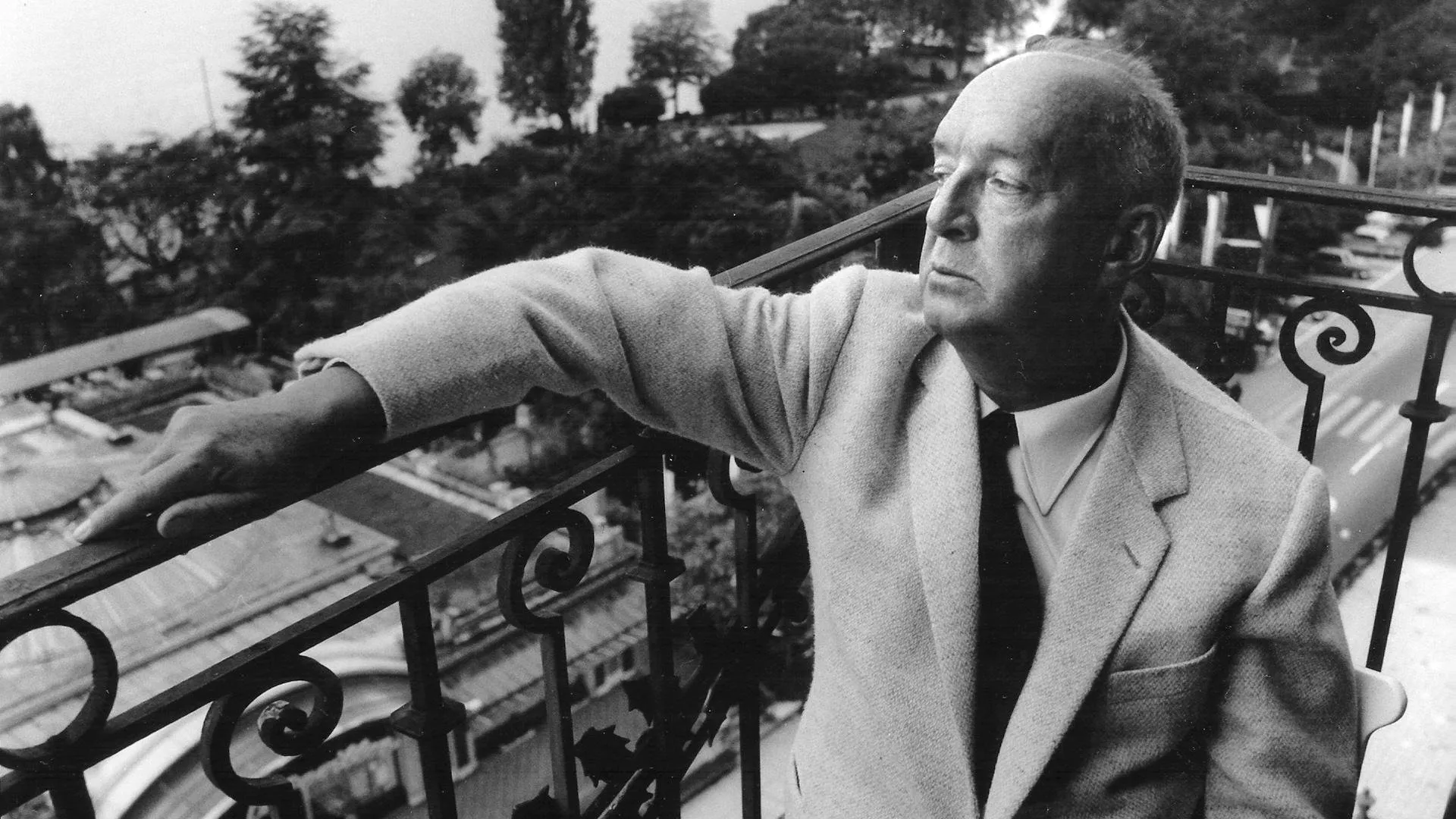
In his most famous English-language works, such as "Lolita" and "Pale Fire," Vladimir Nabokov masterfully uses unreliable narrators. Each time, the author uses this technique differently: he satirizes social stereotypes, tests the reader's attentiveness, or conveys the thoughts of characters with mental disorders. Narrative unreliability becomes a tool for deeper exploration of themes of morality, love, and madness, creating multi-layered and intriguing plots that make the reader want to analyze and rethink what they read.
The First Rule of the Unreliable Narrators Club. Film and TV Series
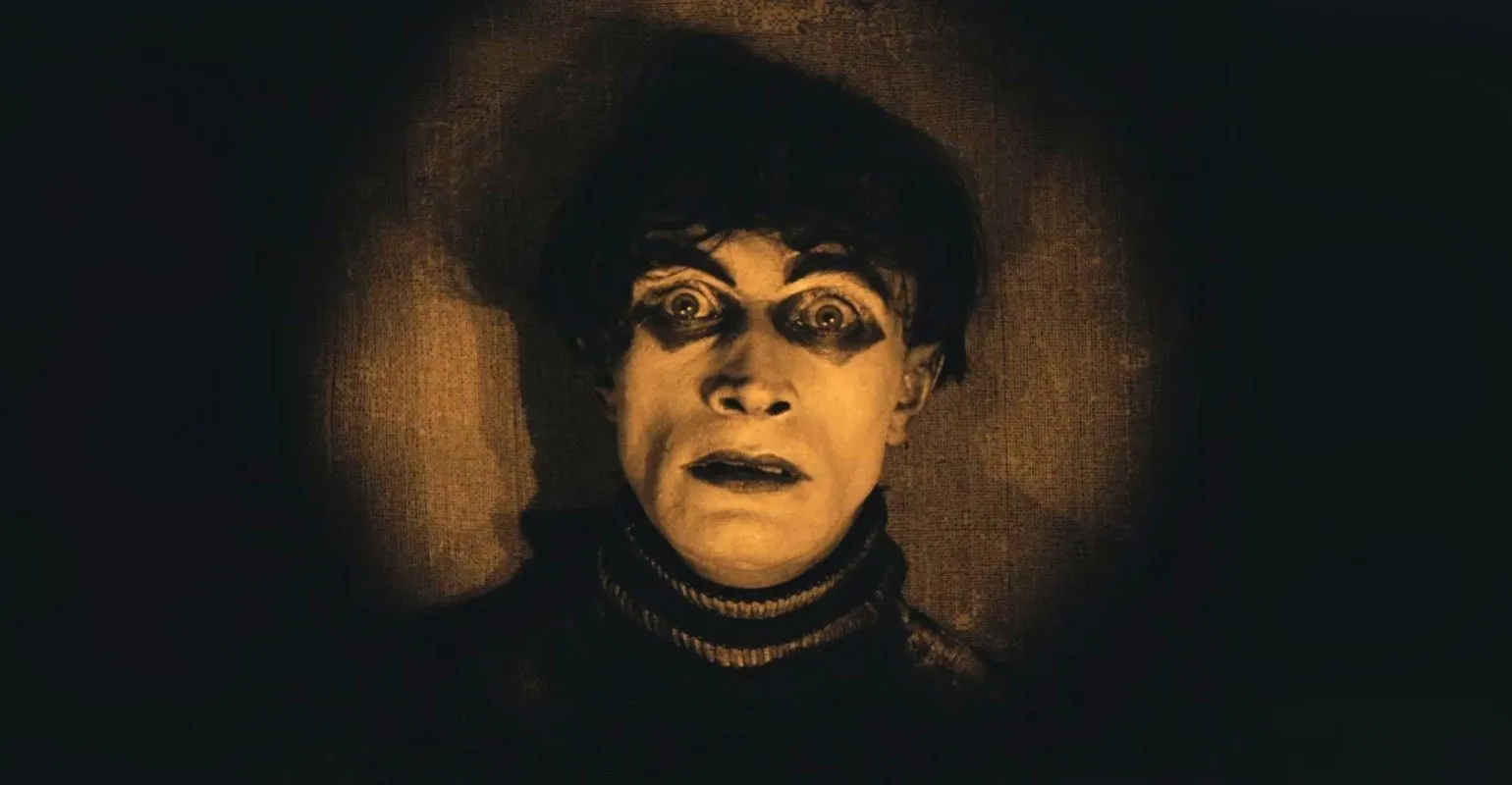
In films and TV series, unreliable narrators often become central characters from whose point of view the story is told. These characters first appeared in cinema during the silent film era. A prime example is The Cabinet of Dr. Caligari (1920), which marked the beginning of German Expressionist cinema. Unreliable narrators add depth and layers to the plot, forcing the viewer to question the veracity of the information presented. This creates a unique effect, engaging the audience in a more active perception and analysis of what is happening on screen.
"The Cabinet" begins with two men talking on a bench, where young Franz shares the story of his love and loss. As the story unfolds, the viewer is immersed in his memories. Dr. Caligari arrives at a small town fair with the sleepwalker Cesare—a man who awakens only at his master's command. This pair poses a threat to the life of Franz's friend and lover. With the help of the police, Caligari is captured and placed in a mental hospital, where, according to the narrator, he continues to remain to this day.
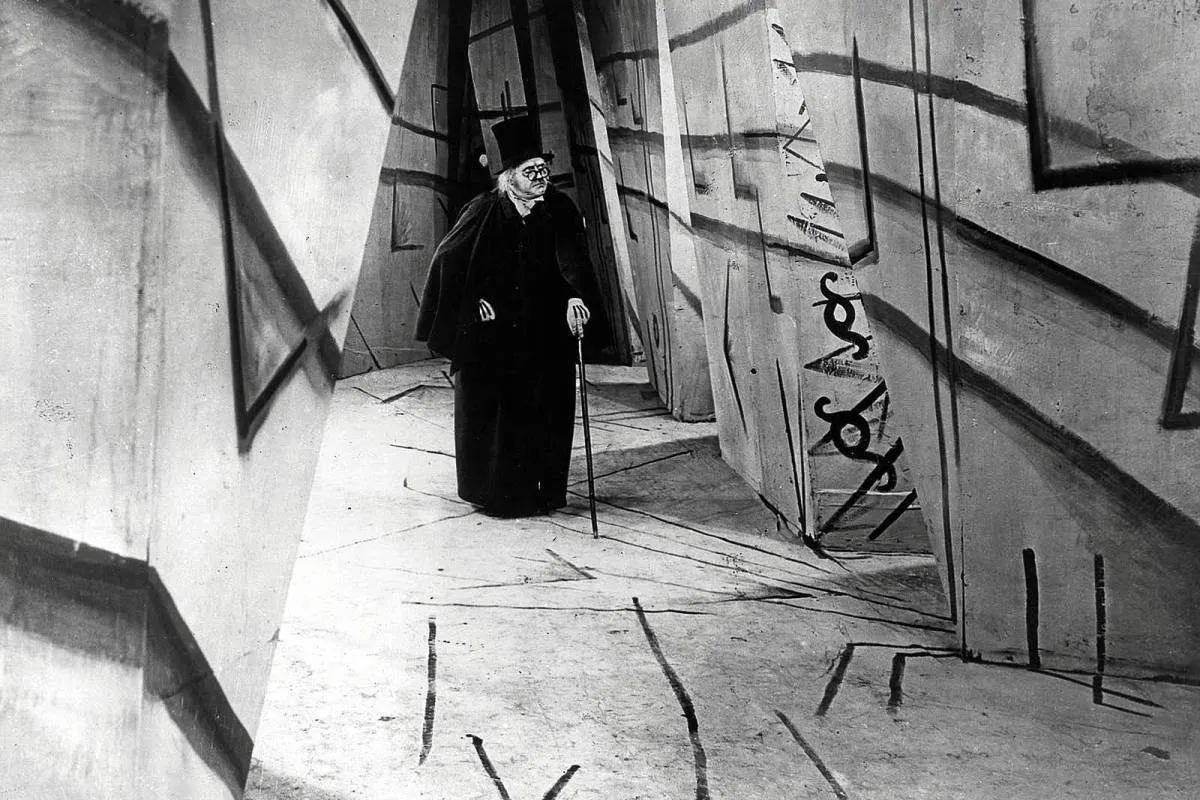
In The film's ending takes an unexpected twist: Franz himself is revealed to be a patient in a mental hospital. The story he tells is the product of his own morbid imagination, blending the images and habits of other asylum residents. This unexpected twist highlights the themes of illusion and reality and explores the depths of the human psyche. Narrative unreliability, driven by the protagonist's mental illness, is a popular technique in filmmaking. Renowned directors such as Martin Scorsese, Stanley Kubrick, and David Fincher have used this approach extensively. Its origins go back to a 1920 German silent film that pioneered new forms of storytelling in cinema. Using this technique allows for a deeper exploration of characters' inner lives and the creation of tense, multi-layered plots, making films more engaging for audiences.
Robert Zemeckis's film Forrest Gump (1994), based on Winston Groom's book of the same name, presents an example of an unreliable narrator. The protagonist, Forrest Gump, serves as a naive narrator, a characteristic often associated with a childish perception of the world. Despite his simplicity, Forrest possesses a basic understanding of moral principles, understanding good and evil. He is only troubled by complex and abstract topics associated with adults: politics, economics, and philosophy. This contrast between the hero's naivety and the complexity of the adult world highlights important social and philosophical issues that make Forrest Gump a significant film.

Colonel Dan, friend Forrest Gump decides to invest their shared funds in the promising Apple company. This investment provides the companions with financial stability, while Forrest himself calls Apple "some kind of fruit company." In another situation, the protagonist stays at the Watergate Hotel and, noticing suspicious lighting in neighboring rooms, informs the manager about the restless guests. This act becomes the catalyst for the Watergate scandal and leads to the resignation of US President Richard Nixon. It is interesting how Forrest's random actions have a significant impact on the course of history.
One way to use unreliable narrators in film is to present the same story from different points of view of conflicting characters. This technique allows for a deeper exploration of character motivations and the creation of a multi-layered narrative. A striking example of this approach can be seen in Zhang Yimou's film Hero (2002), where different perspectives on the same events reveal the ambiguity of truth and the complexity of human relationships. The use of this technique enriches the plot and makes it more intriguing, prompting the viewer to think about the subjectivity of perception.
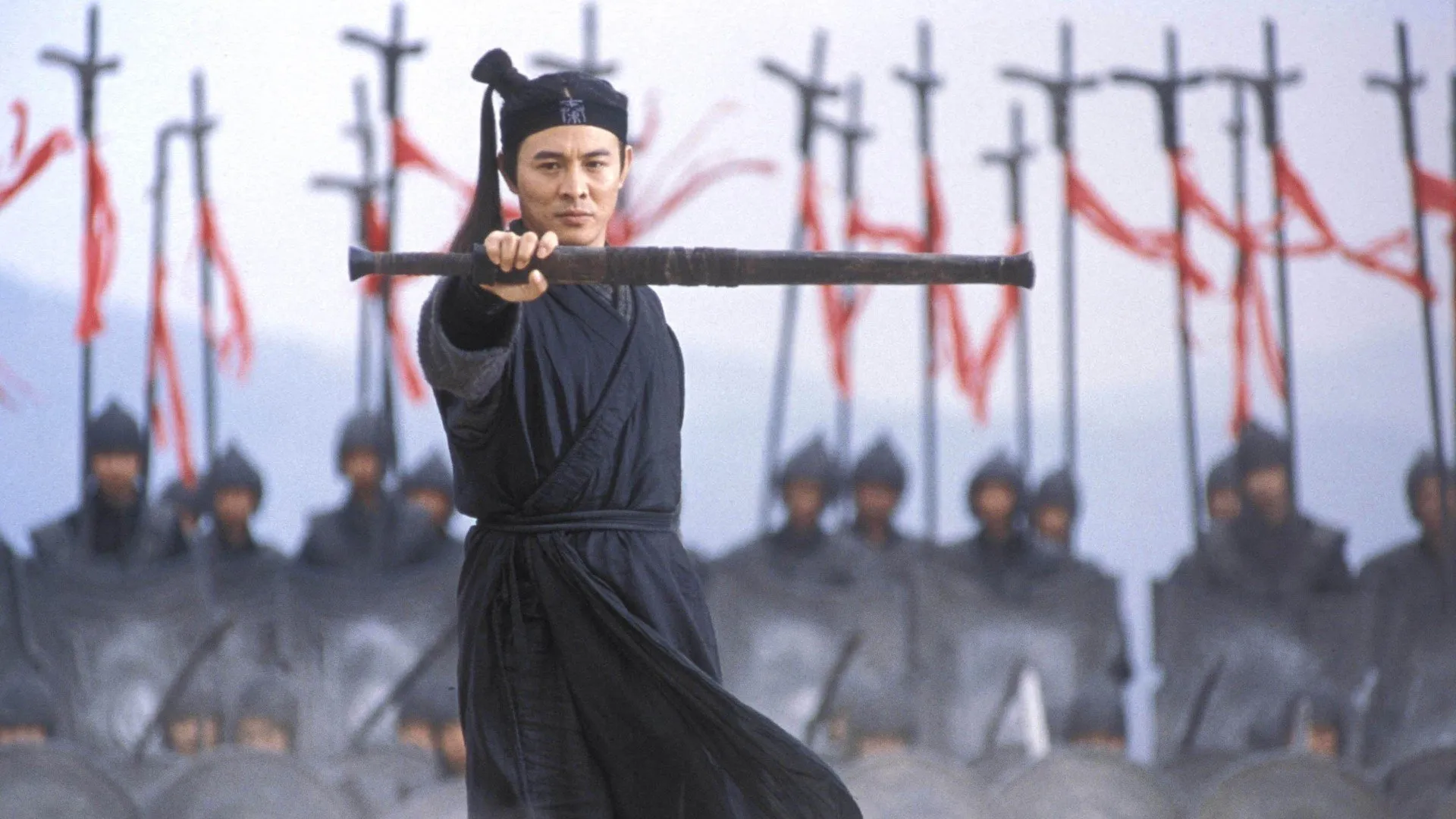
In this film, a hired killer comes to see the emperor Qing, claiming to have killed three of the ruler's known opponents, shares his version of events, but the emperor doubts his words and offers his own explanation. Ultimately, after the emperor's account, the mercenary reveals the true story, shedding new light on his actions and motives. This drama raises questions about trust, truth, and manipulation, forcing viewers to consider the real causes of conflict and how not everything is always as it seems.
The protagonist of the series "How I Met Your Mother" (2005-2014), Ted Mosby, is the central figure around which the plot unfolds. His search for love and desire to start a family make the story relatable to many viewers. Ted, an architect by profession, often shares his reflections on life and relationships, which adds depth to his character. Ted's relationships with friends and romantic adventures highlight the importance of friendship and support in the search for true love. The series combines elements of comedy and drama, making it appealing to a wide audience. Ted Mosby became a symbol of romantic idealism that continues to inspire viewers even years after the show ended.

The series takes place in 2030, when An older Ted shares his memories of meeting his mother with children. Each episode includes flashbacks that allow viewers to delve into his past. Ted Mosby, with his charisma and rich imagination, often finds himself in comical situations, which makes his story confusing and at times improbable. For example, he describes his girlfriend's 40th anniversary as an elderly lady's birthday. By the time of the story, Ted himself has become 25 years older, and therefore he calls some characters whose names he has forgotten "Mr. (Mrs.) Blah-blah." The series engages viewers not only with humor but also with depth of emotion, exploring themes of love, friendship, and family relationships.
The Beginner's Guide to Liars: Video Games
The unreliable narrator continues to find new applications in art, especially video games. This field offers unique opportunities for experimentation, allowing writers and game designers to integrate unreliability not only into the plot but also into the gameplay mechanics themselves. It's important that elements of unreliability create an interactive experience, forcing players to question their actions and perceptions of events. In this way, video games can become a means of deep immersion in a world where truth and falsehood intertwine, opening up new horizons of narrative and interaction.
The unreliability of the narrator significantly affects the dynamics of changes in life and mana reserves, as well as the process of resource acquisition. It can manifest itself through various actions that highlight the volatility of the situation. For example, unexpected turns of events, poor decisions, or distorted information about the character's state can lead to a decrease in life or mana reserves. Furthermore, the failure to perform certain actions, such as gathering resources or using abilities, can also serve as an indicator of unreliability. This creates an atmosphere of uncertainty in which players are forced to adapt to changing conditions, which in turn affects the strategy and tactics of the game. Thus, the unreliability of the narrator not only intensifies the gameplay but also makes it more engaging and unpredictable.
Answers to these questions can be found in the role-playing game Dragon Age II, released in 2011. The plot centers on the central character Hawke, whose story is conveyed through the narration of his friend, the dwarf Varric. Varric, known for his wit and penchant for exaggeration, serves as the narrator, interrogated by Seeker Cassandra. His character combines elements of comedy and drama, adding depth to the narrative and making the game more engaging. Dragon Age II offers players a unique blend of story and characters, allowing them to delve into the world of Feralden and explore its rich mythology.
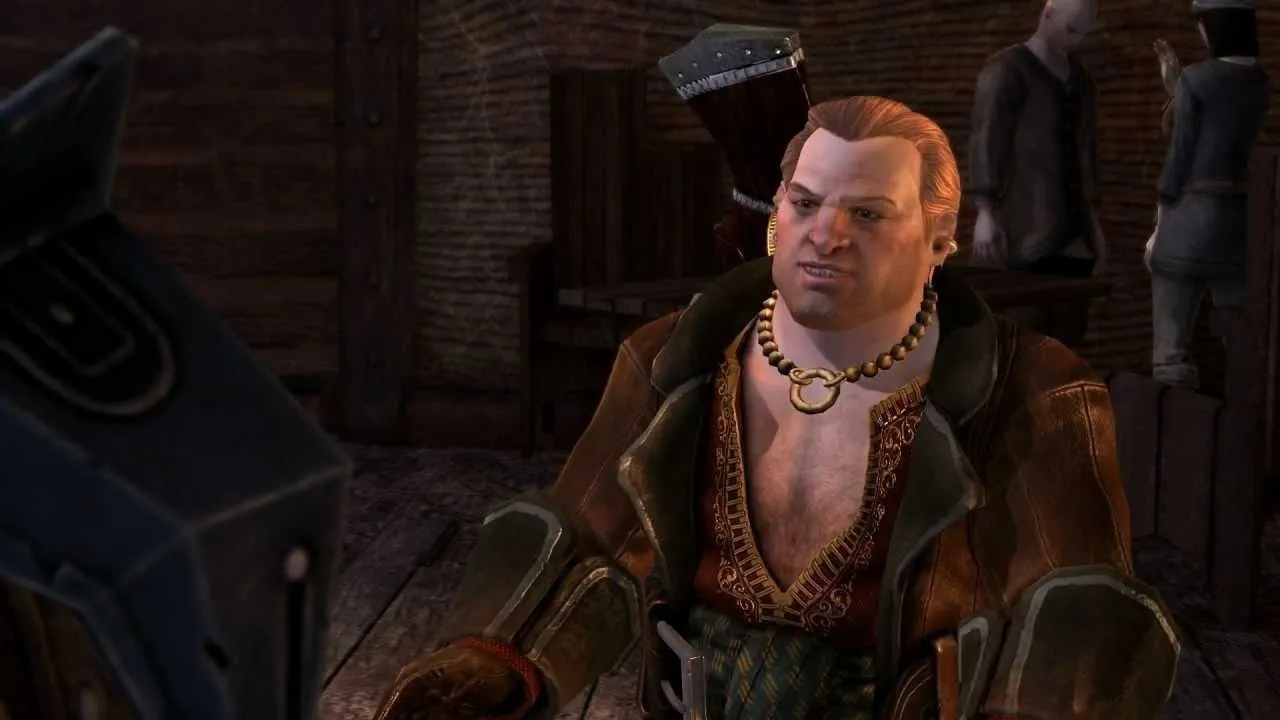
Interestingly, elements of fables appear and in gameplay. In the prologue, the player-controlled Hawke easily defeats the creatures of death, and even the mighty Ogre is no match for him. In this version of the story, Hawke's sister, Bethany, is depicted with noticeably enlarged breasts, one of many details that Varric alters on Cassandra's orders when she demands an end to his deceptions.
In another part of the story, the dwarf shares his stories, emphasizing that his crossbow allows him to easily eliminate bandits from a large gang with a single, precise shot. The cutscene preceding the battle emphasizes the hero's "toughness" and creates parallels with spaghetti westerns and the film Scarface. This technique heightens the tension and creates an atmosphere in which the viewer can fully immerse themselves in a world of adventure and crime-fighting.
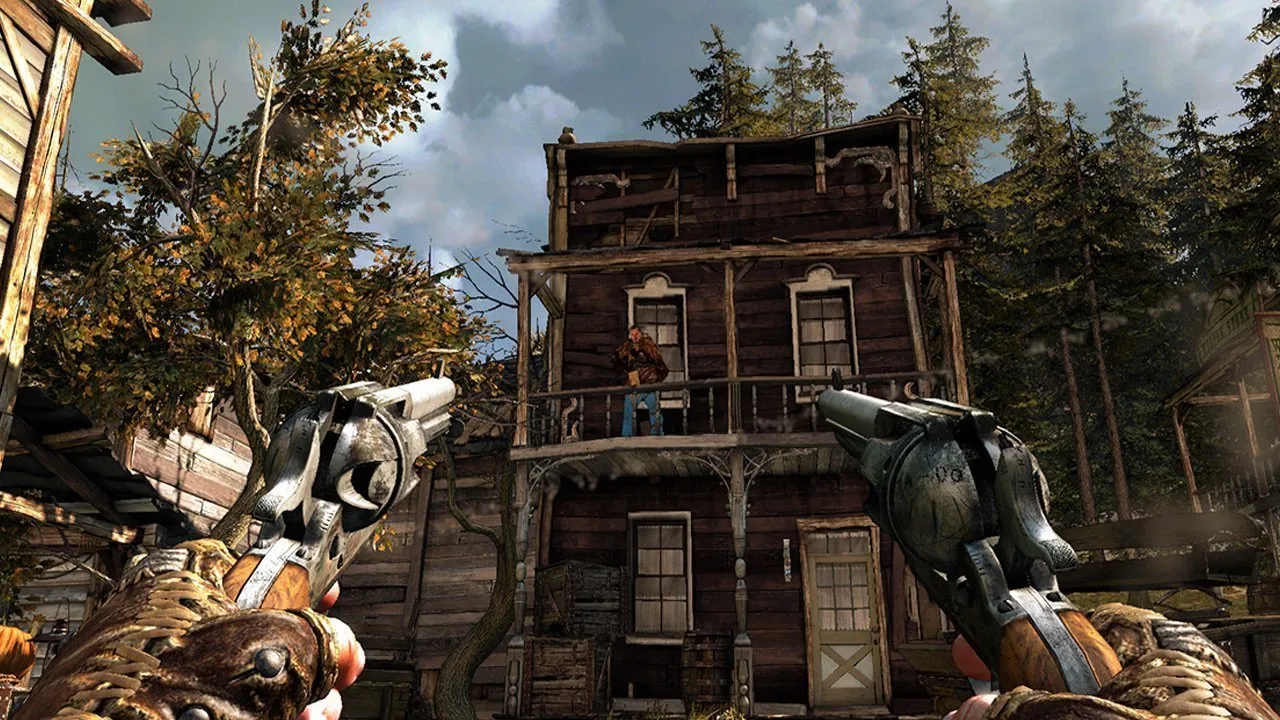
In Call of Juarez: Gunslinger (2013), the influence of the unreliable narrator on gameplay is particularly noticeable. The protagonist, Silas Greaves, a bounty hunter, shares his adventures in the Wild West in a saloon. However, with each pint, his recollections become increasingly fantastical and inconsistent. This is noticed by his distrustful listeners, forcing Silas to constantly adapt and change his story. This approach not only adds depth to the plot but also draws the player into a world where reality and fiction intertwine, creating a unique experience.
During gameplay, time can reverse in levels, causing certain player actions to be undone. Furthermore, the number of enemies, their strength, and their affiliation with the various factions of the Wild West can change depending on the story's progression. This dynamic creates a unique gaming experience, allowing players to adapt to changing conditions and strategies.
Inverse dependence in games, when the player's actions affect the development of the plot and Questioning his reliability is vividly illustrated in The Stanley Parable. Released in 2013, the game explores themes of choice and free will. An expanded version, The Stanley Parable: Ultra Deluxe, is expected in 2021, promising even deeper player interaction and new narrative elements. Office worker Stanley spent his days performing a monotonous and meaningless task—tirelessly pressing buttons on his keyboard. One fateful day, his colleagues mysteriously disappeared, and Stanley heard a mysterious Voice. This marked the beginning of a captivating journey through deserted office spaces, where he sought to solve mysteries and find answers about his work and life. The hero's gameplay is limited, providing him with only a few options: choosing the direction of movement and pressing buttons. However, the number of doors is large, and the Voice often proves persistent and unreliable. This means that even the simplest combinations of actions can send Stanley into strange and unexpected situations, opening up a variety of unique endings for him.

The Unreliable Narrator has become an important element of detective games, as this technique is particularly effective in the genre of detective literature and film. In games, a striking example is Her Story by Sam Barlow, released in 2015. This game demonstrates how complex narrative and interactive elements allow the player to immerse themselves in a world of uncertainty and unraveling the truth. The use of an unreliable narrator creates a unique atmosphere, forcing the player to question the information received and actively participate in unraveling the plot.
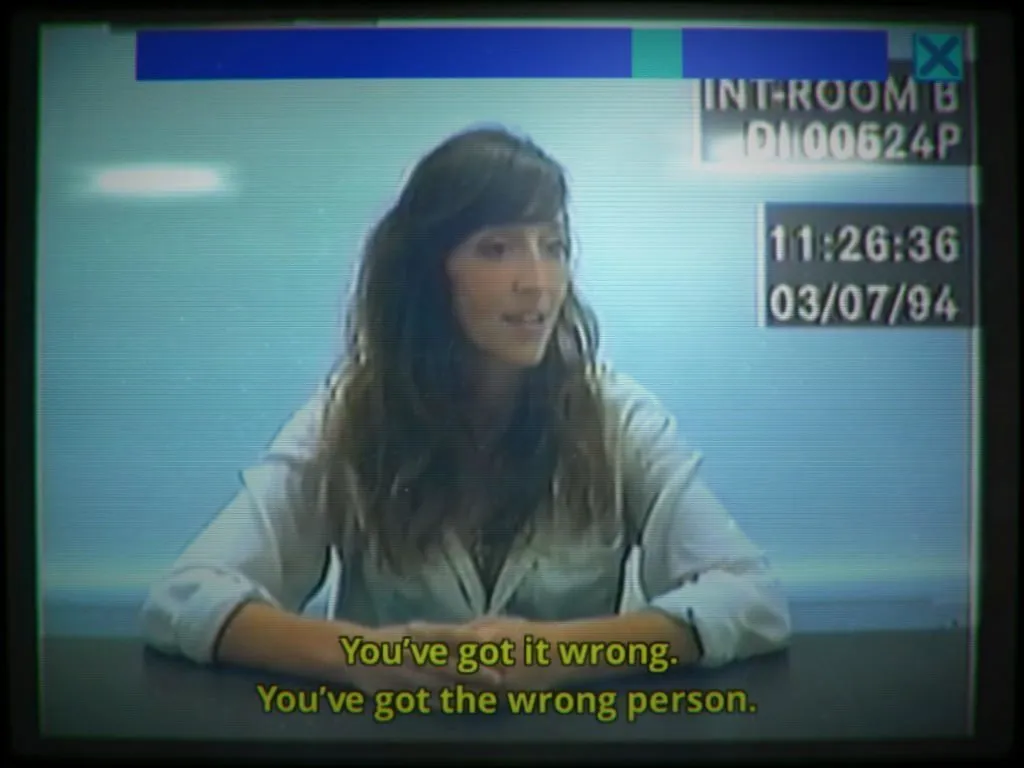
In this game, the player must investigate the murder of a man committed by Hannah's wife. The main content of the game is the recordings of this heroine's interrogations. To solve the crime, the player uses an old computer with limited capabilities. They can watch videos, add tags to them, and search for new fragments of interrogations, which makes the investigation more engaging and interactive. Players will have to demonstrate analytical skills to unravel the tangled web of events and identify the real culprit.
Search in the address bar turns the player into a real detective. The five-result limit encourages precise searches, allowing for a deeper dive into the complex family dramas of Hannah, who serves as an unreliable narrator. The more specific the word you enter, the more opportunities will open up to explore her story and uncover hidden secrets.
In video games, unreliable narrators not only continue the traditions of literature and cinema, but also takes on new meaning. Different games use this element differently: some keep the narrator's unreliability solely within the plot, others allow this aspect to influence gameplay, and still others engage players by providing the opportunity to influence the narrators themselves through interactive elements. Thus, unreliable narrators in video games open up new horizons of narrative experience and interaction, deepening immersion.
For "unreliable narrators," this is just the beginning. We eagerly anticipate compelling, albeit not always believable, stories. These narratives open up new horizons of fantasy and make us think about the boundaries of reality.
Screenwriter Profession
You will go from learning the basics to creating great scripts you can be proud of. Learn how to create compelling stories for TV series, films, and games, and start a career in film, gaming, or video production.
Find out more