Contents:
Learn: Profession Specialist Cybersecurity
Learn MoreWhat is Web 3.0
Web 3.0 is a concept for the future internet where users have complete control over their data. In this new paradigm, your photos and messages are not stored on the servers of large companies like Google, but are located in your personal digital account. You decide how and to whom you share your information. In addition, Web 3.0 allows you to exchange value directly with other people, bypassing intermediaries. For example, you can sell digital paintings or music tracks without having to use online stores. This opens up new possibilities for creativity and business in the digital space, making the internet more decentralized and secure for users.
The term Web 3.0 has a more complex technical definition, which we will explore later when we delve into the technological foundations of the future internet. Let's start by highlighting the key features of Web 3.0. This new stage in the development of the internet includes decentralization, improved interaction between users and machines, and the use of blockchain and artificial intelligence technologies. Web 3.0 aims to create a more secure and transparent environment for online interactions, as well as give users greater control over their data. Importantly, Web 3.0 will facilitate the creation of more intuitive and responsive web applications, which will open new horizons for businesses and users.
- Enhanced data security. All information is securely encrypted and can be accessed through your private keys. Therefore, even if attackers hack a company or social network server, they will not be able to access your documents.
- No single point of failure. The network is distributed across multiple nodes, which guarantees its operability even if some servers fail. Currently, a Google server outage could make Gmail unavailable to all users. In Web 3.0, this will not happen.
- Transparency of transactions. All transactions are recorded in a public ledger, which is available for inspection at any time. For example, when purchasing real estate, you can check for encumbrances and confirm the legitimacy of previous transactions with the property.
- Reduction in intermediary costs. This applies to all transactions that currently involve intermediaries: international transfers will be possible without bank fees, ticket purchases without aggregators, and the sale of digital content without platforms like the App Store and Steam.
- Tokenization of assets. Physical and digital assets can be converted into tokens for trading. For example, an apartment owner could divide the ownership into 1,000 tokens, where each token represents 0.1% of the ownership. This will allow investors to receive rental income even if they do not have the funds to purchase the entire apartment.
If you are just starting to get acquainted with Web 3.0, this may not seem like a big deal. The internet is stable, you don't worry about data security, fees are reasonable, and you have no plans to buy an apartment with tokens. However, to understand the significance of these changes, it's important to review the history of the internet, analyze its current problems, and explore the solutions Web 3.0 offers. Understanding these aspects will help you appreciate the potential of new technology and its impact on the future of the digital world.
Read also:
The Internet is a global network connecting millions of computers and devices around the world. It originated in the 1960s as a military project, but over time, it became available to the general public. The primary function of the internet is to exchange information and data between users.
The internet and the World Wide Web (WWW) are often confused, but they are not the same thing. The internet is the physical infrastructure, including servers, routers, and cables, that enable communication. The World Wide Web, in turn, is a system of interconnected hypertext documents and resources accessible through browsers.
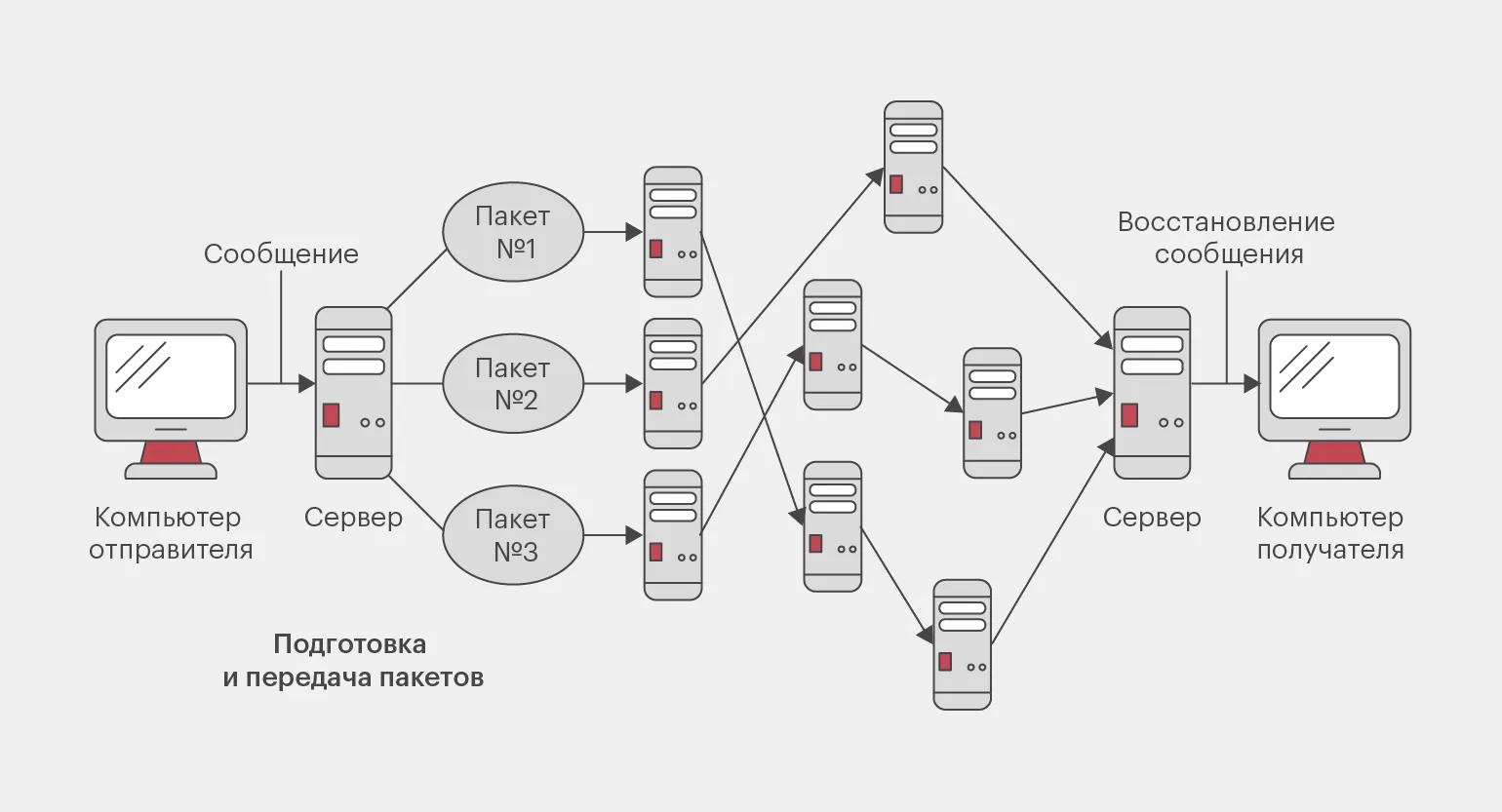
The internet operates on various protocols, such as TCP/IP, that regulate data transmission. This allows users to send and receive information in real time, regardless of their location. With the growth of the internet, new technologies such as cloud computing and mobile apps have emerged, significantly changing the way people interact with information.
Thus, the internet is the foundation of modern digital communication, and the World Wide Web is just one of its components, providing access to content and resources. Understanding these differences is important for using technology effectively in everyday life.
Why We Need a New Version of the Internet and How We Got Here
In 1969, the first computer network, ARPANET, was created in the United States, connecting computers at several universities. Over time, TCP/IP network protocols were developed, which contributed to the widespread use of personal computers. In 1989, computer scientist Tim Berners-Lee introduced the concept of the World Wide Web (WWW) - a hypertext system that laid the foundation for the development of the modern Internet, known as Web 1.0. This stage became the basis for further progress in digital technology and connected users around the world, changing the approach to obtaining information and interacting online.
In its early days, the Internet consisted of static pages on which users could only view content and follow hyperlinks. It was a period when it was possible to read text, view images, and listen to music, but there was no interactive experience. Web 1.0 resembled a digital library and operated on a "read-only" basis. This format limited users' capabilities, making them passive consumers of information.
At the end In the 1990s, static pages became unwieldy for users, leading to the emergence of platforms that allowed for the creation of custom content. One notable example is the blogging platform LiveJournal, launched in 1999. It allowed users to publish entries and comment on other authors' posts, fostering interactive online communication. The era of the renewed internet, known as Web 2.0, was based on the concept of Read-Write, allowing users not only to read but also to actively participate in the creation of content. This became the foundation of the modern internet as we know it today.
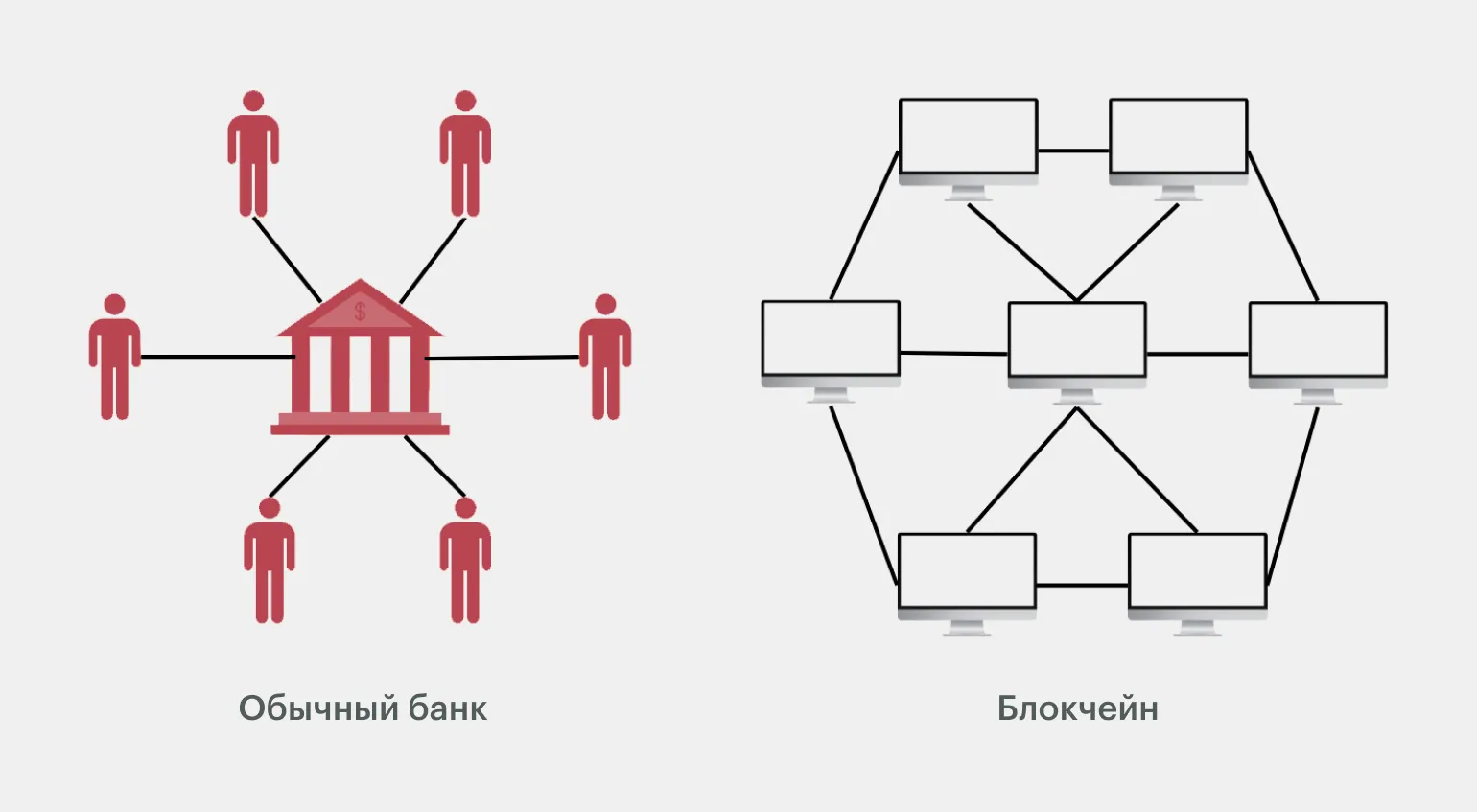
When you use social media, websites, or mobile apps, your requests are processed on servers owned by specific companies. These companies have the right, at their discretion, to block your accounts, restrict access, or remove content if it does not comply with their policies. It's important to understand that complying with the terms and conditions of use of platforms is essential to maintaining access to your data and content.
Control over data allows companies to exploit users' personal information for commercial purposes and share it with third parties. This practice not only threatens user security but also facilitates the spread of fake news and the manipulation of public opinion. Furthermore, centralized servers often struggle to cope with the high load, leading to service outages. The shortcomings of Web 2.0 have prompted specialists to seek more efficient and secure solutions. New approaches are aimed at protecting personal data and improving user interaction with online services.
Web 3.0 plays a vital role in the future of the internet, striving to preserve the convenience and interactivity we've become accustomed to while simultaneously limiting companies' uncontrolled management of user data. In the next section, we will take a closer look at the key technologies that contribute to this goal and their impact on decentralization, security, and privacy on the web.
How Web 3.0 Works
The term Web 3.0 was first proposed by Gavin Wood, one of the founders of Ethereum, in 2014. He described Web 3.0 as a decentralized online ecosystem built on blockchain. Since then, the concept of Web 3.0 has undergone significant changes, but its core principles remain unchanged. The key technologies of Web 3.0 are blockchain, smart contracts, cryptocurrencies and tokens, and decentralized autonomous organizations (DAOs). These elements form the basis of the next generation of the internet, which provides greater security, transparency, and control over data for users.
Blockchain is the foundation of all processes in Web 3.0. It records every transaction in a shared digital ledger known as a distributed ledger. The validity of this ledger is constantly verified by all network participants, guaranteeing data immutability and fault-tolerance, even in the event of individual node failures. This architecture enables the creation of a fully decentralized internet, where users have complete control over their data and interactions. The introduction of blockchain technologies opens up new opportunities for the secure and transparent exchange of information in the digital space.

Study additional materials:
Blockchain is a decentralized database, which is a chain of blocks, each of which contains information about transactions. The basic idea of blockchain is to ensure data security and transparency through distributed ledger technology. Each block is linked to the previous one using cryptographic hashes, making changes to already recorded data virtually impossible.
Blockchain operates on a network of nodes that verify and confirm transactions. When a new transaction occurs, it is first grouped with others into a block. This block then goes through a validation process, during which network nodes confirm its correctness. After successful verification, the block is added to the chain, and the information becomes available to all network participants.
Blockchain is used not only in cryptocurrencies, but also in various fields, such as finance, logistics, healthcare, and data management. Its use helps reduce costs, increase transaction speed, and ensure secure data storage. Blockchain technology continues to evolve, opening up new opportunities for business and society as a whole.
Smart contracts are digital programs that automatically execute predetermined actions when certain conditions are met. They replace traditional intermediaries such as banks and notaries, ensuring the reliable and transparent execution of agreements between users. The use of smart contracts significantly reduces the risk of fraud and improves transaction efficiency, allowing parties to interact directly and cost-effectively. For example, when a buyer purchases an item, the smart contract automatically transfers funds to the seller upon confirmation of delivery. All transaction terms and execution are recorded on the blockchain, guaranteeing the transparency and security of financial transactions in the Web 3.0 ecosystem. The use of smart contracts minimizes the risk of fraud and increases trust between parties, ensuring effective interaction in the digital economy.
Cryptocurrencies and tokens are digital assets that play an important role in the Web 3.0 ecosystem. Bitcoin, Ethereum, and other cryptocurrencies function as decentralized means of payment, allowing users to make direct transfers without intermediaries. For example, using these digital currencies, you can send money to a relative abroad, avoiding high bank fees and delays. These capabilities make cryptocurrencies an attractive tool for international transfers and financial transactions, promoting financial freedom and accessibility for users around the world.
Tokens can be classified into two main types: fungible and non-fungible. Fungible tokens, known as ERC-20, are digital currencies that can be easily exchanged for one another, similar to traditional money. They are widely used for paying for services and participating in voting in various projects. Non-fungible tokens, or ERC-721, function as unique digital certificates confirming ownership of specific digital assets. Examples of such assets include works of art or in-game items in decentralized applications. Understanding these two types of tokens is important for successfully navigating the world of blockchain and cryptocurrency, as they play a key role in various aspects of the digital economy.

Cryptocurrencies: what they are, how they function, types and their purpose
Cryptocurrencies are digital Currencies based on blockchain technology. They provide decentralized governance and transaction security. The main idea of cryptocurrencies is to allow users to conduct financial transactions without intermediaries such as banks. Cryptocurrencies operate on the principle of a distributed ledger, which stores all transactions in the form of a chain of blocks. Each block contains information about the previous one, ensuring data integrity and protection against counterfeiting. There are many types of cryptocurrencies, among which the most well-known are Bitcoin, Ethereum, Litecoin, and many others. Each has its own unique features and purpose. For example, Bitcoin is often used as a store of value, while Ethereum supports smart contracts, which allows for the creation of decentralized applications. Cryptocurrencies have many applications. They can be used for online payments, investments, the creation of new financial products, and even as a fundraising tool for startups through ICOs. As technology advances and interest in cryptocurrencies grows, their use continues to expand. Cryptocurrencies are thus becoming an important part of the modern financial world, offering new opportunities for users and investors. Understanding their operating principles and features will help you better understand their potential and risks. Decentralized autonomous organizations (DAOs) are digital communities in which participants make decisions without centralized authority. When a DAO needs to allocate a budget or make changes to the rules, participants formulate proposals and vote on them. After the vote, smart contracts automatically execute the decision, and all transactions are recorded on the blockchain. This mechanism guarantees governance transparency and minimizes the possibility of manipulation by individual participants or groups. DAOs open new horizons for collaboration and governance, allowing every community member to influence its development and functioning. Web 3.0 not only includes core technologies but also offers a variety of specialized solutions that significantly expand the functionality of decentralized systems. Let's look at the key aspects and technologies that form the foundation of this new web space.
- IPFS (InterPlanetary File System) is a decentralized file storage and transfer system that increases the speed and resilience of the web.
- DeFi are blockchain services for financial transactions without intermediaries.
- NFTs (non-fungible tokens) are unique tokens used to confirm ownership of digital assets.
- Zero-knowledge proofs are cryptographic methods for confirming information without disclosing its details.
- Blockchain bridges are systems for transferring assets between different blockchain networks.
- Verifiable credentials are digital documents that confirm the authority and qualifications of users in Web 3.0.
- Blockchain oracle are services that facilitate the transfer of information from the real world to the blockchain. They are needed for smart contracts, which require external data for decision-making. For example, a smart contract for crop insurance could use a blockchain oracle to retrieve weather data to automatically pay farmers in the event of drought or other natural disasters.
- Privacy-enhancing technologies are technologies for protecting user privacy in decentralized networks.
In 2025, Web 3.0 is a collection of disparate technologies that are not yet able to effectively interact with each other. The future of the formation of a unified Web 3.0 ecosystem remains uncertain, and the timeline for the integration of these technologies varies depending on expert opinions. Developments in this area require significant efforts to achieve harmonious interaction, which is key to the full functioning of a decentralized internet.
Technology Development Prospects
In 2025, many leading technology experts express doubts about the viability of Web 3.0, believing that it may remain a utopian concept based on disparate solutions. However, it is important to consider that Web 3.0 represents not only an idea but also the potential to transform the digital space. Despite existing challenges, blockchain technologies, decentralized applications, and new approaches to data management can become the basis for a more equitable and open internet. Thus, the future of Web 3.0 depends on the collaboration of developers, businesses, and users to ensure its successful implementation and integration into everyday life.
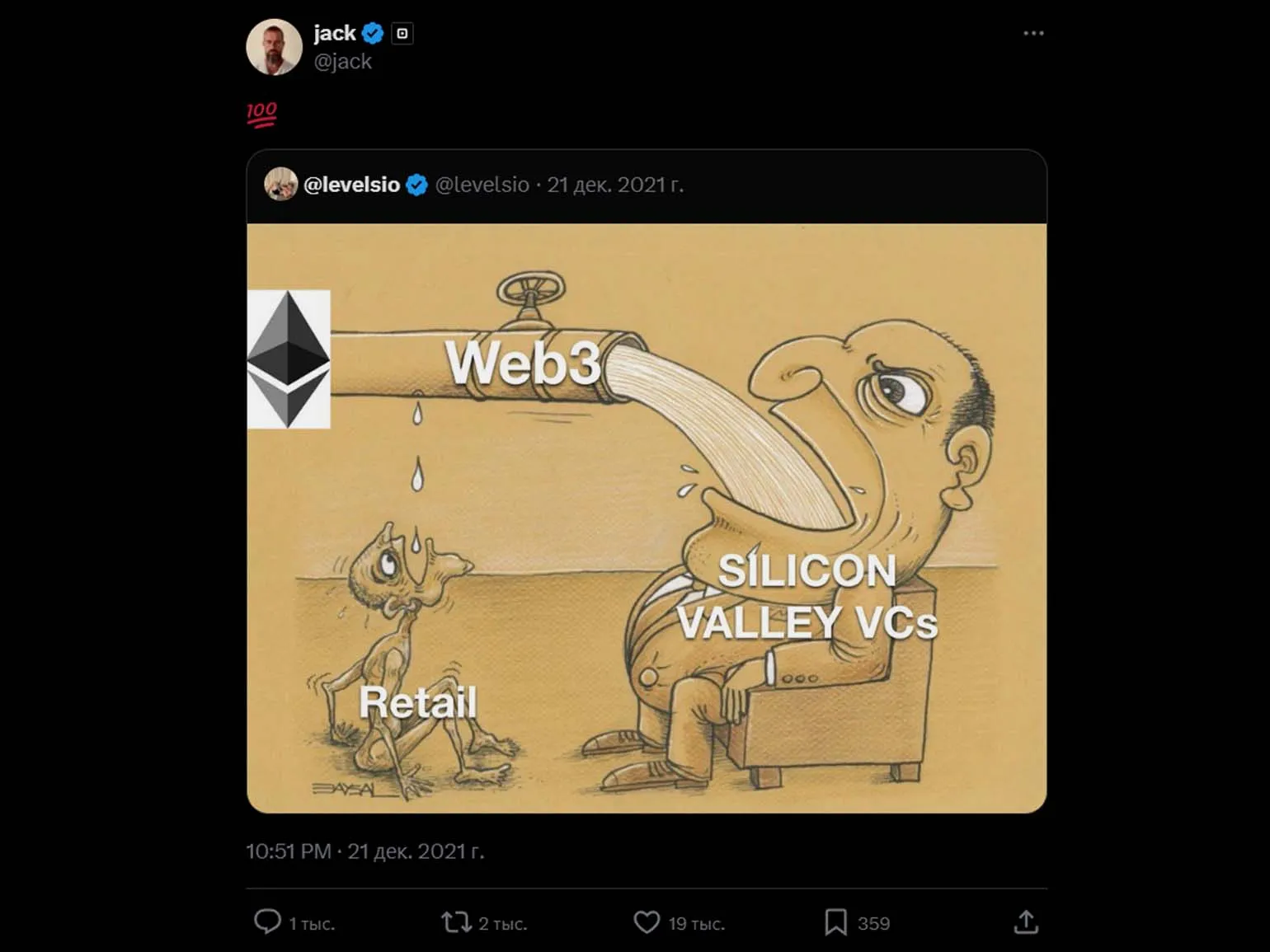
Twitter founder Jack Dorsey has criticized the Web3 concept, stating that users will not truly own it. He emphasizes that control over the new web systems will be concentrated in the hands of venture capital firms like Andreessen Horowitz, which have invested heavily in this area. This leads to centralized control of the Web3 infrastructure, calling into question the core principles of a decentralized internet. As a result, the idea of a "free" internet is under threat, since the actual freedom of users is limited by the influence of large investors.
Elon Musk considers Web 3 to be just a marketing term that doesn't yet reflect reality. This opinion is well-founded, as Web 3.0 is indeed in its early stages of development and faces a number of significant challenges. For Web 3 to become a fully-fledged ecosystem, it must address numerous issues. Key issues include security, scalability, and user experience. These aspects require careful analysis and the development of effective solutions to ensure the sustainable development of Web 3.0-related technologies.
- Scalability and performance of blockchain networks.
- High transaction fees.
- Difficulty of use for ordinary users.
- Concerns about security and data privacy.
- Lack of clear standards and regulation.
Ethereum founder Vitalik Buterin expressed concern about the insufficient level of investment in Web3 infrastructure, which, in his opinion, led to the loss of the original vision of the project. He attributes this situation to high fees, which caused the industry to deviate from the principles of decentralization. With low fees, developers are actively developing Web3, while high fees contribute to the attraction of only speculators focused on short-term gains. It is important to restore the balance and return attention to the core ideals of decentralized technologies to ensure the sustainable development of the ecosystem.
Web 3.0, as the next evolution of the Internet, requires time to fully develop. Recall that it took the first version of the internet about ten years to transition from static pages to interactive platforms. Similarly, Web 3.0 implies complex technologies and decentralized systems that could significantly change how we interact with the digital space. In the future, we can expect significant changes in the internet's structure, as well as a reduction in the control of venture capital firms over new web systems. This creates the potential for a freer and more secure internet. The development of Web 3.0 can be significantly accelerated by the development of neural networks, which can automate the creation and management of decentralized applications. Artificial intelligence can play a key role in optimizing smart contracts, improving the user interface, and automatically detecting vulnerabilities in code. This will allow developers to more quickly resolve emerging issues and improve the security and reliability of decentralized solutions. Thus, the integration of neural network technologies into the Web 3.0 development process opens new horizons for innovation and efficiency in this area.

Reading is an important part of our lives and plays a key role in personal development. It helps to broaden horizons, develop critical thinking and improve communication skills. Books, articles, and scientific research enrich our experience and allow us to better understand the world around us. Regular reading promotes concentration and improves memory, which in turn has a positive effect on mental abilities. Don't forget to devote time to reading to enrich your knowledge and develop your intellect.
Ray Kurzweil and the Concept of the Singularity
Ray Kurzweil, a prominent inventor and futurist, has become famous for his predictions about the future of technology and artificial intelligence. One of his most significant contributions is the concept of the singularity. The singularity is the point at which technological progress reaches such a degree that artificial intelligence surpasses human intelligence and begins to evolve independently, creating new technologies and solutions at incredible speed.
Kurzweil predicts that the singularity will occur in the coming decades, and this will lead to fundamental changes in society, the economy, and everyday life. He bases his predictions on an analysis of trends in computing power, genetics, and neuroscience. Kurzweil argues that thanks to the exponential growth of technology, we are on the threshold of new possibilities, such as the enhancement of human capabilities and the creation of fully autonomous systems.
The importance of Ray Kurzweil's work lies in the fact that it not only highlights the potential benefits of technological progress but also raises important questions about ethics, security, and the implications for humanity. Discussions about the singularity have become an important part of contemporary debates about the future of technology and its impact on our lives.
If Web 3.0 is successfully implemented, we can expect the development of metaverses—virtual spaces with unique economic systems where users will be able to work, learn, and interact with each other. In such worlds, it will be possible to purchase virtual offices with cryptocurrency, conduct client meetings through avatars, and store digital assets in the NFT format on decentralized platforms. The development of blockchain technologies and decentralization will create new opportunities for creating more secure and transparent interactions in the virtual environment. Metaverses promise to revolutionize the way we work, learn, and communicate, opening new horizons for business and the creative industries.
Web 3.0 could become the foundation for a symbiotic Web 4.0 network, in which humans and machines function as one. This network will feature the widespread implementation of artificial intelligence in the form of personal assistants, full integration with the Internet of Things, the use of holographic and biometric interfaces, and direct brain-computer interaction through neural interfaces. While this is still just a concept, its implementation could significantly change the way we interact with technology.
Revised text:
Explore additional materials:
The first person implanted with a Neuralink chip has mastered controlling computer games with the power of thought. This innovative technology opens new horizons for human-computer interaction, allowing gameplay to be controlled without physical action. Neuralink aims to revolutionize the approach to neurotechnology and provide new opportunities for people with disabilities. The success of this experiment highlights the potential of neural interfaces in a variety of fields, including entertainment and rehabilitation.
Cybersecurity Specialist Profession
You will develop analytical thinking, learn to search for vulnerabilities and ensure the security of IT systems. Master a sought-after profession even with zero IT experience. The course program is the most comprehensive on the market!
Find out more