Contents:
- Mottos of the year: "You can't escape the online!" and "Education - in schools and universities!"
- Reforms of the year: secondary vocational education, postgraduate studies, federal state educational standards, new accreditation of universities
- Surprises of the year: state control over electronic educational resources and change of rectors
- "Philosopher's Stone" of the year: quality of education
- Projects of the year: "Priority 2030", new campuses, digital educational system and something else
- Disappointments of the year: admissions campaign and attempts to relieve teachers of paperwork
- Scandal of the year: the case of Rakova and Zuev
- Pain of the year: more shootings in educational institutions and the question English: security
- Term of the Year: Digital Didactics
- Person of the Year: Director of the Kazan Lyceum
- Organization of the Year: Sirius University
- Rise of the Year: Facultetus Platform
- Case of the Year: L&D Academy
- Ideas of the Year: Digital Portfolio and Teacher of the Year as Fort Boyard
- Paradox of the Year: Alice in Education
- Question of the Year: So, what's going on with educational activities?

Learn: The Profession of Methodologist from Scratch to PRO
Learn MoreThroughout the year, Skillbox Media closely monitored events and changes in various segments of the educational sphere, covering key moments and striking trends. We have prepared a comprehensive review, which summarizes the most important events and trends that have had a significant impact on education. We understand that with the holidays approaching, it is difficult to find time to read long materials, so you can skip to the section you are interested in using the link provided.
- The motto of the year: "You can't escape online!" and "Education - in schools and universities!";
- reforms of the year: secondary vocational education, postgraduate studies, federal state educational standards, new accreditation of universities;
- surprises of the year: state control over electronic educational resources and change of rectors;
- "philosopher's stone" of the year: quality of education;
- projects of the year: "Priority 2030", the latest campuses, the Digital Educational System and something else;
- disappointments of the year: the admissions campaign and attempts to relieve teachers of paperwork;
- scandal of the year: the case of Rakova and Zuev;
- pain of the year: more shootings in educational institutions and the issue of security;
- term of the year: digital didactics;
- person of the year: director of the Kazan Lyceum;
- organization of the year: Sirius University;
- takeoff of the year: platform "Fakultetus";
- Case of the year: "L&D Academy";
- Ideas of the year: Digital portfolio and "Teacher of the Year" as "Fort Boyard";
- Paradox of the year: Alice in education;
- Question of the year: So, what's going on with educational activities?
Mottos of the year: "You can't escape online!" and "Education — in schools and universities!"
A general trend is noticeable in the statements of officials and education experts: the initial shock from the sudden transition to distance learning is behind us, and the online format is becoming familiar. Even those who previously opposed digitalization must admit that the time has come to accept the new reality — online and digital technologies have become an integral part of our lives. Education is adapting to these changes, and it's important to recognize that the future lies in hybrid formats that combine traditional teaching methods with innovative digital solutions. Online learning formats are increasingly viewed as an important part of the educational process. Blended and hybrid approaches are becoming not only relevant but also essential. This is due not only to the effects of anti-COVID measures but also because they offer convenience for students and optimize learning processes. Hybrid learning models combine the best practices of traditional and online education, ensuring more effective learning and flexibility in the time and place of classes. In the modern world, where technologies are developing rapidly, this approach meets the requirements of students and educational institutions.
The Minister of Science and Higher Education plays a key role in the development of the educational system and the scientific sphere of the country. His responsibilities include the formation of state policy in the field of science and education, as well as coordination of the work of educational institutions and scientific organizations. The Minister is responsible for introducing innovative technologies into the educational process, improving the quality of education, and supporting scientific research. An important aspect of the Minister's work is cooperation with international educational and scientific institutions to exchange experiences and implement best practices. Effective leadership in this area contributes not only to the development of scientific potential but also to the country's economic progress.
At a roundtable discussion on human rights in the context of digitalization, key issues related to the protection of citizens' rights in the modern digital world were discussed. Participants noted the importance of respecting human rights in the context of rapid technological development. The discussion covered various aspects, including data privacy, freedom of speech, and access to information. Experts emphasized the need to create effective mechanisms to protect the rights of users online, as well as the role of government regulation in ensuring security and legal protection in the digital space. It is essential that all stakeholders—government agencies, the private sector, and civil society—collaborate to create a fair and secure digital environment.
After the pandemic, it is becoming clear that remote and online learning will play a more significant role in the educational process. The in-person learning format will also undergo changes. Even if all restrictions were lifted tomorrow, universities would certainly return to traditional instruction, but elements of remote interaction between students and faculty would remain. This new reality opens up opportunities for hybrid education models that will combine the benefits of both face-to-face and online learning, providing students with more flexibility and access to educational resources.

Director of the Institute of Online Education of the Financial Institute under the Government of the Russian Federation and Head The head of the Department of Digitalization of Education is a key figure in the development of digital technologies in education. She actively promotes the implementation of modern educational solutions and methods aimed at improving the quality of online learning. Under her leadership, the institute implements innovative programs and projects aimed at increasing the accessibility and effectiveness of educational services in Russia. This role entails not only managing educational processes but also active participation in research on the digitalization of education, making her an expert in this field.
At the panel discussion "How Online Can Affect a University's Reputation," held as part of the eSTARS 2021 international online conference, key aspects of the influence of digital technologies on the image of higher education institutions were discussed. Conference participants examined how online platforms and social media shape public perception of universities and shared successful examples of using digital tools to enhance the reputation of educational institutions. The importance of universities' online presence and active engagement with audiences is becoming increasingly significant in the current educational landscape.
To attract Generation Z to our university, we need to change our approach to digital technologies. Instead of an aggressively negative attitude, we should develop a calmer and more positive outlook. Furthermore, it is important to modernize the educational support system to meet the needs of modern students. This will create a comfortable educational environment and increase the attractiveness of our educational institution for young people. The analytical report "Quality of Education in Russian Universities: What We Learned During the Pandemic" revealed changes in perceptions of distance learning. In 2021, the number of faculty members with a negative attitude toward online education decreased to 37% from 47% in 2020. Meanwhile, the number of faculty members confident that blended learning will become the norm in higher education increased to 70% in 2021, compared to only 22% in 2020. Students also show a preference for blended learning formats, emphasizing their convenience. Thus, there is a clear trend toward integrating distance and traditional methods into the educational process, opening new horizons for higher education institutions in Russia. School teachers are confident that blended learning represents the future of education. This approach combines traditional teaching methods with modern technology, allowing students to acquire knowledge more effectively. The use of online resources and interactive platforms in conjunction with in-person classes promotes deeper learning and increases student engagement. Blended learning also provides the opportunity to personalize the educational process, taking into account the needs of each student. Thus, the blended learning format is becoming a key element in modern education, opening up new horizons for student development.

Read also:
Why our schools haven't gone digital yet: expert opinions
In recent years, digitalization of education has become one of the most discussed topics. Despite the availability of modern technologies, many schools are failing to adapt to new requirements. Experts note several key reasons why the digitalization process is delayed. Firstly, a lack of funding limits the ability to implement new technologies and upgrade equipment. Secondly, the lack of qualified personnel capable of working with modern digital tools creates additional difficulties.
Another important factor is the conservatism of the educational system, which is not always ready to embrace innovation. Many teachers and parents are afraid of change, which slows the adaptation process. Moreover, not all educational institutions have access to high-speed internet, which significantly limits the ability to implement digital solutions.
In conclusion, for the successful digitalization of schools, it is necessary to combine the efforts of the state, educational institutions, and society. This is the only way to create conditions for the effective implementation of modern technologies in the educational process.
Difficulties in the educational process still exist. Teachers in both schools and universities often face a lack of knowledge about the use of digital services in education. Moreover, not all educational institutions have the necessary technical equipment. However, these problems have solutions and can be overcome through advanced teacher training and investment in infrastructure.
Public opinion on the impact of digital technologies on school education is changing. This year, 46% of Russians note a positive impact of digital technologies on the educational process. 12% of respondents believe that technology does not have a significant impact on the quality of education, while 26% believe its use has negative consequences. This distribution of opinions underscores the importance of further analysis and discussion of the role of technology in the educational environment.
Some participants in the educational process continue to express skepticism and a negative attitude toward the digitalization of education. However, this year the government has clearly stated its position: digitalization will be actively developed. The adopted concepts are provided for both schools and universities, underscoring the importance and necessity of integrating digital technologies into the educational process. This direction will contribute to improving the quality of education and increasing the accessibility of education for all categories of students.

Find out more:
In recent years, there has been a significant change in the relationship between teachers and students, which leads to the erasure of traditional subordination. Modern educational methods and technologies foster a more open and democratic atmosphere in the learning process. Students become not only recipients of knowledge but also active participants in the educational process, contributing their ideas and suggestions. Faculty, in turn, begin to view students as equal partners, which facilitates more effective interaction. This change not only improves the quality of education but also creates a more trusting and productive atmosphere in educational institutions. Understanding and respecting student opinions are becoming important aspects of modern education, facilitating the creation of an active and engaged community.
Last year, amendments were made to the Law "On Education in the Russian Federation," requiring educational institutions to include practical educational methods and a curriculum for educational work in their programs. These changes apply to all levels of education, including higher education institutions. It is important to note that the implementation of such methods contributes to a more effective formation of the educational environment and the development of social skills in students, which ultimately has a positive impact on their professional training and personal growth. Education plays a key role in developing a sense of patriotism and civic responsibility in students. It is aimed at strengthening respect for the memory of the defenders of the Fatherland and the exploits of Heroes, as well as for law and order. Important aspects of the educational process include respect for working people and the older generation, mutual respect among people, a careful attitude towards the cultural heritage and traditions of the multinational people of the Russian Federation, as well as towards nature and the environment. This approach contributes to the creation of a harmonious society where spiritual and cultural values are valued. The integration of educational work into curricula was launched with time given to universities for its implementation, and these standards came into full force in 2021. As part of this process, clear deadlines were established for submitting planned events and reports on educational work, allowing higher education institutions to more effectively organize and evaluate their activities in this area. The importance of educational work at universities lies in developing students not only professional skills but also social values, which contributes to their harmonious development and successful adaptation in society.
Four months ago, at an all-Russian seminar and meeting on educational work, Education Minister Valery Falkov noted that one of the main risks is the formalization of processes. In response to a question about the possible introduction of reporting metrics, he warned: "There is a danger that we will begin to evaluate only the number of events." At that time, he expressed concern that such a measure could lead to a decline in the quality of educational work.
Educational work at universities should be integrated into the daily lives of students, becoming an integral part of their educational process. Студенты, приходя на занятия, не должны разделять опыт получения профессиональных знаний и воспитания. Воспитание происходит через все аспекты университетской жизни: через атмосферу учебного заведения, взаимодействие с сотрудниками и, прежде всего, в процессе лекций и семинаров, где студенты активно общаются с преподавателями. Такой подход способствует формированию целостной образовательной среды, где каждый элемент способствует развитию личности студента.
В ряде регионов России начали внедрять институт советников по воспитательной работе в школах, и ожидается, что эта практика распространится на другие регионы. По поручению президента страны, Минпросвещения совместно с региональными органами исполнительной власти, а также «Российским движением школьников» и АНО «Большая перемена» займется выявлением лучших практик внеурочной деятельности учащихся. Основное внимание будет уделено вовлечению школьников в работу советов и других объединений. В результате Всероссийского форума классных руководителей, прошедшего в октябре, был принят меморандум, который подчеркивает важность воспитательной работы в образовательных учреждениях.
Воспитательная функция стала центральной темой обсуждения на различных профессиональных мероприятиях в течение года. Это отражает наши современные реалии и подчеркивает важность воспитания в образовательном процессе. Обсуждение этой темы открывает новые горизонты для понимания роли воспитания в формировании личности и социальной ответственности.
Министр науки и высшего образования отвечает за разработку и реализацию государственной политики в области науки и образования. Его основная задача заключается в улучшении качества высшего образования, поддержке научных исследований и содействии инновациям. Министр координирует работу вузов, исследовательских институтов и других образовательных учреждений, стремясь обеспечить доступность и конкурентоспособность образования на международной арене. Важными направлениями деятельности министра являются модернизация учебных программ, повышение уровня подготовки специалистов и развитие научного потенциала страны.
Круглый стол, посвященный правам человека в условиях цифровизации, стал важной площадкой для обсуждения ключевых вопросов, связанных с защитой прав граждан в эпоху технологий. Специалисты и эксперты в области прав человека собрались, чтобы обменяться мнениями о вызовах и возможностях, которые предоставляет цифровая эпоха. Основное внимание было уделено вопросам конфиденциальности, безопасности данных и необходимости законодательных изменений для защиты прав пользователей в интернете. Данная инициатива подчеркивает важность диалога между государством, обществом и технологическими компаниями для создания эффективных механизмов защиты прав человека в условиях стремительного развития цифровых технологий.
После пандемии стало ясно, что удаленное и онлайн-обучение займут более значительное место в образовательном процессе. Очный формат обучения также претерпит изменения. Даже если завтра все ограничения будут сняты, университеты, безусловно, вернутся к традиционному обучению. Однако элементы дистанционного взаимодействия между студентами и преподавателями останутся с нами на постоянной основе. Это означает, что образовательные учреждения будут интегрировать онлайн-форматы в свои программы, что позволит создать более гибкие и эффективные методы обучения.

Директор Института онлайн-образования Финансового института при Правительстве Российской Федерации и заведующая кафедрой «Цифровизация образования» активно развивает новые подходы к обучению в цифровую эпоху. Она занимается внедрением современных технологий в образовательный процесс, что позволяет повысить качество и доступность образования. Под её руководством институт реализует инновационные программы, направленные на подготовку специалистов, способных эффективно работать в условиях цифровой трансформации.
На панельной дискуссии «Как онлайн может повлиять на репутацию вуза» в рамках международной онлайн-конференции eSTARS 2021 обсуждаются ключевые аспекты влияния цифровых технологий на имидж высших учебных заведений. В ходе мероприятия эксперты поделятся опытом и предложат стратегии по укреплению репутации вузов в условиях растущей конкуренции в онлайн-пространстве. Участники дискуссии рассмотрят важность цифровой идентичности, активного присутствия в социальных сетях и использования онлайн-ресурсов для повышения привлекательности образовательных учреждений.
Для того чтобы поколение Z выбрало наш университет, необходимо изменить отношение к цифровым технологиям с агрессивно-негативного на более спокойное и позитивное. Важно также переосмыслить систему сопровождения обучения, адаптируя её к современным требованиям и ожиданиям студентов. Создание комфортной и поддерживающей образовательной среды, где цифровые инструменты используются для улучшения учебного процесса, станет решающим фактором в привлечении молодых людей к нашему университету.
Реформы года: СПО, аспирантура, ФГОСы, новая аккредитация вузов
В России наблюдается рост интереса к колледжам: 60% девятиклассников и 30% одиннадцатиклассников выбирают именно это направление для дальнейшего обучения. В то же время система среднего профессионального образования (СПО) проходит значительные реформы. Основной задачей этих изменений является адаптация подготовки специалистов к актуальным требованиям рынка труда и увеличение гибкости образовательных программ. Это позволит оперативно обновлять федеральные государственные образовательные стандарты (ФГОС) в соответствии с динамичными запросами работодателей.
В марте 2023 года Минпросвещения России анонсировало значительные изменения в системе профессионального образования, включая сокращение числа профессий и специальностей в колледжах в два раза через их объединение и трансформацию. Уже определены специальности, которые подвергнутся этим изменениям. В мае также стало известно о планах сократить срок обучения в колледжах с четырёх до двух лет, хотя это изменение не будет касаться всех направлений подготовки. Эти инициативы связаны с федеральным проектом «Профессионалитет», который стартует 1 сентября 2022 года. Первоначально проект будет реализован в 70 колледжах, с последующим расширением этого числа. К 2024 году предполагается, что 70% российских колледжей сократят сроки обучения, а каждый второй выпускник получит не менее двух квалификаций. О данных планах было сообщено в сентябре. Эти изменения направлены на модернизацию профессионального образования и подготовку специалистов, соответствующих требованиям современного рынка труда.
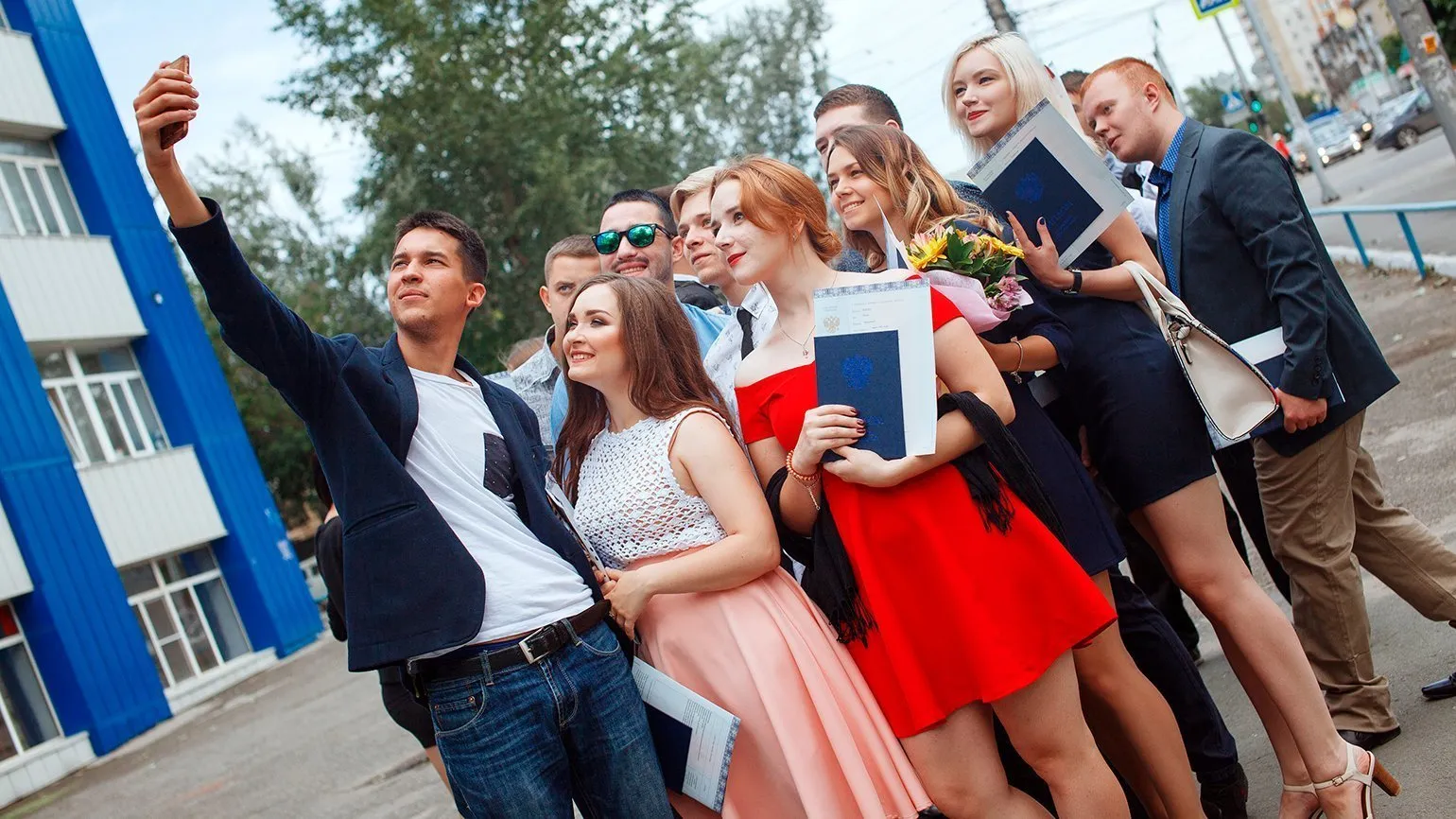
В рамках программы «Профессионалитет» планируется создание образовательно-производственных центров, известных как кластеры. Эти центры будут представлять собой интеграцию колледжей и предприятий, что позволит эффективно развивать профессиональное образование в конкретных отраслях экономики. Кластеры будут работать на стыке теории и практики, обеспечивая студентов актуальными знаниями и навыками, необходимыми для успешной карьеры. Также в рамках программы предусмотрено развитие модели колледжей-заводов, что позволит создать инновационную образовательную среду, где студенты смогут получать практический опыт непосредственно в производственном процессе. Это обеспечит высокую конкурентоспособность выпускников на рынке труда и способствует развитию экономики в целом.
Читать также:
Обнародованы детали внедрения программы «Профессионалитет». Эта инициатива направлена на улучшение качества профессионального образования в стране. Программа предполагает создание новых образовательных стандартов и обновление учебных планов, что позволит лучше подготовить студентов к требованиям современного рынка труда. В рамках «Профессионалитета» акцент будет сделан на практическое обучение и сотрудничество с работодателями, что обеспечит студентам возможность получать актуальные знания и навыки. Ожидается, что программа способствует повышению конкурентоспособности выпускников и их успешной адаптации в профессиональной среде.
С 1 сентября 2021 года вступил в силу обновленный порядок подготовки кандидатских диссертаций. Этот закон был принят в преддверии Нового года. Согласно новой редакции, предзащита научной работы вновь стала обязательным этапом итоговой аттестации для аспирантов и адъюнктов. Ранее, после реформ 2013 года, аспиранты могли получить диплом, сдав экзамены, без необходимости предзащиты диссертации. Теперь данная возможность закрыта, что подчеркивает важность тщательной подготовки и защиты научных исследований.
Диплом об окончании аспирантуры будет упразднён. Вместо него введут два новых документа: заключение комиссии о соответствии диссертации на соискание учёной степени кандидата наук установленным критериям и свидетельство об окончании аспирантуры. В случае, если аспирант не получит положительное заключение комиссии на предзащите, ему будет выдано лишь свидетельство, подтверждающее факт прохождения обучения. Эти изменения направлены на оптимизацию процесса получения учёных степеней и повышение требований к качеству диссертационных работ.
Поправки упростили процесс разработки требований к программам аспирантуры для научных организаций, не имеющих статуса вузов. В результате неудачных норм 2013 года некоторые из таких организаций были вынуждены прекратить набор аспирантов. Это изменение способствует восстановлению и улучшению аспирантских программ, что в свою очередь положительно скажется на научной деятельности и подготовке квалифицированных специалистов.
В 2022 году были обновлены федеральные государственные образовательные стандарты (ФГОС) начального и основного общего образования. Эти изменения вступят в силу с 1 сентября 2022 года, что значительно повлияет на образовательный процесс в школах. Обновленные документы направлены на повышение качества образования и соответствие современным требованиям. Важно отметить, что новые стандарты будут способствовать более глубокому пониманию предметов и развитию ключевых компетенций у учащихся.
В мае президентом был подписан закон, который предоставляет вузам и колледжам больше возможностей для формирования образовательных программ. Теперь учебные планы могут включать компетенции, связанные с несколькими профессиями, специальностями и направлениями подготовки. Это означает, что студенты смогут одновременно получать несколько квалификаций. В связи с этим разрабатываются новые федеральные государственные образовательные стандарты (ФГОС), которые будут учитывать не только отдельные профессии и специальности, но и их укрупнённые группы. Кроме того, признано, что практика формирования ФГОС на основе профстандартов является неэффективной, так как она не позволяет быстро реагировать на изменения запросов рынка труда. Новый закон и обновлённые подходы к образованию способствуют более гибкому и современному обучению, что важно для подготовки специалистов, соответствующих требованиям экономики.
Новый порядок аккредитации разрабатывается не только для вузов, но и для школ и учреждений среднего профессионального образования. Он должен вступить в силу с 1 марта 2022 года. Основное внимание в этом году уделялось вузам, поскольку аккредитация станет бессрочной. Кроме того, важным моментом стали новые аккредитационные показатели, утвердившиеся в ноябре Министерством образования и науки. Эти показатели вызвали множество вопросов у образовательных учреждений, о чем мы подробнее рассказали в нашем предыдущем материале.
Surprises of the year: state control over electronic educational resources and a change in rectors
In early December, the State Duma adopted amendments to the Federal Law "On Education" in the third reading. These changes concern the use of state information systems for distance learning in educational institutions such as schools and colleges when this involves processing students' personal data. Also, only state-verified electronic educational resources included in the official list are permitted. The new law will come into force for state platforms on January 1, 2023, and resource verification requirements will begin on September 1, 2022. These measures are aimed at increasing the security of student data and improving the quality of educational resources in a distance format.

Recent changes regarding the use of only The introduction of state-funded or state-verified digital resources in schools came as a surprise to many EdTech participants involved in developing content for schoolchildren. These innovations were announced in late September in presidential instructions prepared following a meeting of the State Council Presidium. Educational institutions must now adapt to these new requirements, which could impact the accessibility and quality of educational materials.
The amended legislative changes were developed quickly and included in a bill originally devoted to a different topic, which had already passed its first reading at the time. These actions demonstrate a desire to quickly respond to pressing issues and make necessary amendments to the legal system.
The state plans to verify online courses that align with current educational programs in secondary schools, vocational schools, and higher education institutions. This will improve the quality of education and ensure that online courses meet established standards.

Read also:
The importance of quality content in SEO cannot be overestimated. Well-written text not only attracts user attention but also improves the site's position in search engines. Content optimization includes keyword usage, structuring information, and creating unique content. Ensure that information is relevant and useful to your audience. This will help increase not only website visibility but also visitor trust. Furthermore, regularly updating content promotes user retention and increases the likelihood of returning visitors. Use on-page and off-page optimization methods to ensure maximum effectiveness of your content in search results.
The quote of the week emphasizes that EdTech development in Russia is impossible without cooperation with government agencies. Government support and cooperation with educational institutions play a key role in creating an effective ecosystem for educational technologies. In the context of rapid technological progress and changing educational needs, cooperation with the government is becoming essential for the successful implementation of innovative solutions aimed at improving the quality of education. Without this partnership, EdTech startups could face significant obstacles and limitations, hindering their development and market penetration.
This year, there have been leadership changes at several prominent universities, the most notable being the resignation of Yaroslav Kuzminov as rector of the National Research University Higher School of Economics. He explained his decision as follows: "A rector shouldn't be eternal. Otherwise, they risk becoming a monument and losing interest in change. I don't want that to happen to me. I don't want to grow old as rector." This move underscores the importance of renewal in the educational sector and the need for new ideas for university development.
Kuzminov has taken over as academic director of the Higher School of Economics, and Nikita Anisimov, previously head of the Far Eastern Federal University, has become the new rector. In his first address, Anisimov outlined the university's priority tasks and noted that no radical changes to its structure or program are planned.
Read also:
The former head of the regional FSB department has been appointed Vice-Rector for Security at the Higher School of Economics (HSE). This appointment underscores the importance of ensuring security in educational institutions, especially in light of modern challenges. The new Vice-Rector will be responsible for implementing effective measures to ensure the safety of students and staff, as well as for developing the university's information security system. HSE, as one of the country's leading universities, focuses on creating a safe educational environment.
In August, Natalia Pochinok, Rector of the Russian State Social University, was temporarily suspended due to inspections being conducted at the university. In November, she resigned of her own accord. In December, the appointment of Andrei Khazin, a historian and art critic, as acting Rector was announced. Similar to the situation at the Higher School of Economics, the new leader was appointed from outside the university. As Rossiyskaya Gazeta reported, Khazin previously served as an advisor to the president of the Russian Academy of Arts.
This year, leadership changes occurred at leading universities such as Baumanka, MEPhI, MIPT, and the Financial University under the Government of the Russian Federation. These changes were not unexpected, as the former rectors of these institutions had reached or were close to the age limit for rectorship (70). Following their resignations, the former rectors of Baumanka, MIPT, and the Financial University remained at their universities as presidents, and the former rector of MEPhI was appointed acting vice president of the Russian Academy of Education. However, the process of selecting a new rector for MIPT proved difficult: the university's faculty was forced to issue an open letter on the matter. These changes highlight the importance of renewing leadership in higher education institutions and reflect general trends in the Russian education system.

Be sure to read our recommendation.
Two clear trends are observed in the appointment of university rectors. The first trend is increasing attention to the academic experience of candidates. Universities strive to elect rectors with deep knowledge of science and education, which contributes to improving the quality of education and research. The second trend is an emphasis on management skills. Modern universities require rectors to effectively manage resources, establish partnerships, and implement innovations. These changes reflect contemporary challenges in higher education and universities' aspirations for sustainable development and international competitiveness.
"Philosopher's Stone" of the Year: Quality of Education
This year, the quality of education has become an important topic of discussion in various sectors, including secondary, higher, and continuing education, as well as in EdTech. Specialized conferences and meetings of the State Council Presidium emphasize that the issue of educational service quality requires a comprehensive approach and has no simple solutions. Discussions emphasize the need to implement modern assessment methods and improve standards, which is key to creating an effective educational environment.
The Russian Ministry of Education presented a new regional education quality rating, dubbed "motivating." In April, the press service of Rosobrnadzor reported that Russia's average weighted position in the quality of school education on the international stage was 13.5, exceeding initial forecasts of 14. However, an analysis of the situation shows that the results are not so clear-cut and require more in-depth research.
At the Russian International Forum "Time for Education," Rosobrnadzor's actions to systematize and optimize monitoring and assessment procedures in educational institutions were discussed. Forum participants also raised the issue of the lack of certain skills among schoolchildren, which highlights the need for reforms in the education system.

To improve SEO and the relevance of the text, I will rework it with an emphasis on keywords and phrases that can attract more traffic.
—
Also study the following materials:
The quality of an educational program cannot be assessed without considering its implementation by the instructor. The effectiveness of the program directly depends on the professionalism and competence of the instructor responsible for its implementation. Therefore, it is important to consider the interaction between the program and its implementer to obtain a complete picture of the quality of the educational process.
At the IVO conference, Bjørn Stensaker, Professor of Higher Education and Vice-Rector for Education at the University of Oslo, spoke about how universities around the world, including Russia, are seeking new approaches to ensuring the quality of education in a rapidly changing world. In his report, "The Quality of Education in Russian Universities: What We Learned During the Pandemic," he analyzed the relationship between the quality of education and the digitalization of universities. In addition, the HSE Institute of Education held a roundtable discussion on "The Quality of Teaching at the University: Challenges, Measurement Methods, and Best Practices." Participants discussed the systems and approaches to education that universities have developed in response to the challenges that arose during the pandemic.

Read also:
At conferences on education in October, current issues and trends in the field of educational technologies, teaching and learning were discussed. Participants shared experiences integrating digital tools into the educational process and explored the impact of distance learning on the quality of education. Methods for increasing student engagement were discussed, as was the role of teachers in a rapidly changing educational environment. Leading experts addressed inclusive education and the need to adapt curricula to the needs of modern students. The conferences provided a platform for exchanging ideas and developing recommendations for improving educational practices. The quality of general education in secondary vocational education (SVE) was a topic of active discussion at one of the Education Week sections. Quality improvement in EdTech was highlighted at numerous venues. In this context, this fall, an initiative group comprising the Skolkovo EdTech Hub, Skypro University, Smart Ranking research agency, and EdYes analytics company proposed developing an industry code for online education market leaders. This code will contain clear criteria for assessing the quality of continuing professional education (CPE). The creation of such a document will help improve standards and raise the level of educational services in the EdTech sphere.
Projects of the year: "Priority-2030", new campuses, digital educational system, and more
In 2023, the "5-100" program was replaced by a new initiative called "Priority". This project has become the largest state support program for Russian universities, aimed at increasing their competitiveness and the quality of education.
Universities will receive significant grants that will facilitate the development of scientific research and technology. The main grants will amount to 100 million rubles over ten years for each educational institution. In addition, special grants are provided, the amount of which can reach 1 billion rubles. These funds are aimed at supporting breakthrough scientific research, the creation of high-tech products and technologies, as well as increasing the human resource potential in the field of research and development. Such measures will help strengthen the position of Russian universities in the scientific field and contribute to the innovative development of the country.
Universities that meet the established criteria were required to create ten-year programs development projects that would include contributing to regional development and increasing the production of science-intensive products. Approximately 240 universities were expected to submit applications, but only 191 actually submitted applications. The remaining educational institutions likely decided they did not meet the necessary requirements.
The application process began on June 24. In July, it became known that more than one hundred universities had joined consortiums to participate in the project, which included collaboration with research organizations and enterprises. For many regional universities, this is a unique opportunity to meet the selection criteria, such as having more than four thousand full-time students, revenues exceeding one billion rubles, and more than 5% of revenue from research and development.
At the end of September, a list of universities that received the main grant was published, including 106 educational institutions. In early October, it was announced that 46 universities had been awarded special grants. The Priority 2030 project will have a significant impact on higher education, resulting in the introduction of more than 300 new specialties in universities.

Read also:
Quotes of the week: will the Priority program be able to activate higher education in Russia?
At the beginning of the year, President Vladimir Putin instructed the government to develop a network of new and modernized student campuses in Russia by 2030. In June, details of these plans became known, and the rules for providing state support for such projects and the criteria for selecting territories for construction were approved. In August, the first eight locations for the implementation of this initiative were selected.
- Yekaterinburg;
- Kaliningrad;
- Moscow;
- Nizhny Novgorod;
- Novosibirsk;
- Tomsk;
- Ufa;
- Chelyabinsk.
The heads of regions need to intensify attracting private investment for the construction of educational campuses. The Ministry of Science and Higher Education of Russia plans to organize the signing of co-financing agreements between the constituent entities of the Federation and businesses. Currently, projects in Novosibirsk, Moscow and Tomsk already have financial support. For example, 31 billion rubles are earmarked for the construction of campuses in Tomsk. However, Tomsk Region Governor Sergei Zhvachkin noted in December that the total investment in the project would be 100 billion rubles, and that the implementation of all measures would take at least 50 years. Attracting private investment is key to the successful implementation of such large-scale educational projects.
We discussed in detail the concept of the new campuses and the key ideas that formed the basis for their design and construction. Эти кампусы направлены на создание современных образовательных пространств, способствующих эффективному обучению и развитию студентов.
В феврале 2022 года пройдет отбор кандидатов для создания новых учебных кампусов.
Читайте также:
Город невест преобразуется в динамичный студенческий центр. Новый статус привлечет молодежь из разных регионов, создавая уникальную атмосферу для учебы и творчества. Обновленные учебные заведения, современные общежития и развитая инфраструктура сделают жизнь студентов комфортной и насыщенной. Разнообразные культурные мероприятия и активная студенческая жизнь помогут сформировать сообщество единомышленников. Привлечение инвестиций в образовательные проекты способствует развитию инновационных технологий и стартапов, что сделает город привлекательным не только для студентов, но и для работодателей. Город невест обретает новые горизонты, становясь центром образования и интеллектуального развития.
Цифровая образовательная среда (ЦОС) представляет собой эксперимент, который продлится до 31 декабря 2022 года. Порядок отбора регионов для участия в этом эксперименте был утверждён в феврале 2021 года. Согласно информации от ТАСС, в проекте участвуют 15 субъектов Российской Федерации, что позволит охватить 40% образовательных организаций в этих регионах. Стандарт технического оснащения для школ, включённых в ЦОС, был утверждён в декабре 2021 года, хотя фактическое начало эксперимента датируется декабрем 2020 года. Целью ЦОС является внедрение современных технологий в образовательный процесс, что должно способствовать улучшению качества обучения и доступности образования.
Цель эксперимента заключается в модернизации и развитии системы начального, основного и среднего образования в отдельных регионах России. Он направлен на создание условий для внедрения и устойчивого использования Централизованной образовательной системы (ЦОС) по всей территории страны. В рамках данного эксперимента ЦОС будет использоваться как дополнительный инструмент для повышения эффективности образовательного процесса.
Цифровая образовательная среда (ЦОС) включает в себя не только техническое оснащение учебных заведений, но и использование специализированных онлайн-ресурсов. К ним относятся инструменты для автоматического планирования, которые помогут снизить нагрузку на учителей, освободив их от рутинных задач, а также средства для проверки домашних заданий. ЦОС также предоставляет возможность создания индивидуальных учебных траекторий для школьников, что способствует более эффективному усвоению материала и адаптации образовательного процесса под потребности каждого учащегося.
В апреле депутат Госдумы Валерий Рашкин обратился в Верховный суд с требованием оспорить постановление о проведении эксперимента Центра онлайн-образования (ЦОС). Он аргументировал свою позицию тем, что данный эксперимент нарушает права детей и их законных представителей, особенно в свете недостаточного изучения влияния онлайн-обучения на здоровье детей. Тем не менее, Верховный суд не нашёл достаточных оснований для удовлетворения иска Рашкина.
В феврале было объявлено о создании платформы «Моя школа» в рамках нового проекта. Однако контракт с разработчиком был подписан только к концу года. По информации, на разработку платформы планируется выделить свыше 2 миллиардов рублей. Это значительное финансирование подчеркивает важность инициативы и ее потенциал в улучшении образовательного процесса.
Читайте также:
Для улучшения SEO-оптимизации вашего контента важно создавать качественные тексты, которые отвечают на вопросы пользователей и содержат ключевые слова. Основное внимание следует уделить уникальности и информативности, что повысит вероятность появления вашего контента в поисковых системах. Убедитесь, что текст логично структурирован и легко воспринимается, а также включайте внутренние ссылки на другие релевантные материалы. Это не только улучшает навигацию, но и увеличивает время, проведённое пользователями на вашем сайте. Правильное использование метаданных и заголовков также поможет улучшить видимость вашей страницы в поисковых системах.
Индивидуальные образовательные траектории в массовой школе: необходимость и преимущества
Вопрос о необходимости индивидуальных образовательных траекторий в массовой школе становится все более актуальным. Современное образование сталкивается с вызовами, связанными с разнообразием потребностей и интересов учеников. Индивидуальные образовательные траектории позволяют учитывать уникальные способности каждого ребенка, способствуя более эффективному обучению и развитию.
Создание индивидуальных траекторий помогает адаптировать учебный процесс к личным интересам и стилям обучения учащихся. Это способствует повышению мотивации и вовлеченности в учебу, а также улучшает усвоение материала. В результате ученики получают возможность развивать свои сильные стороны и преодолевать слабости, что делает образование более персонализированным.
Кроме того, внедрение индивидуальных образовательных траекторий в массовую школу может способствовать развитию критического мышления и самостоятельности у учащихся. Они учатся ставить перед собой цели, планировать свое обучение и принимать ответственность за свои результаты. Таким образом, индивидуализация образования становится не только инструментом для повышения успеваемости, но и важным аспектом формирования личности.
В заключение, индивидуальные образовательные траектории в массовой школе необходимы для создания более гибкой и адаптивной образовательной среды, способствующей максимальному раскрытию потенциала каждого ученика.
В рамках создания Центра Обработки Данных (ЦОС) была разработана платформа «Сферум», созданная совместно VK (Mail.ru Group) и «Ростелеком». В сентябре платформа была успешно запущена в 15 регионах, охватив более восьми тысяч школ. «Сферум» предоставляет возможность проведения видеоуроков, составления расписаний, обмена учебными материалами, общения с учениками, сбора заданий и организации родительских собраний. В этом году платформа «Сферум» была удостоена премии Рунета за значительный вклад в развитие российского интернет-сегмента.
Центры управленческих компетенций при вузах играют важную роль в развитии у студентов ключевых софт-скиллов. Также стоит отметить проект «Цифровые профессии», который предоставляет взрослым возможность освоить новые, востребованные профессии через образовательные онлайн-платформы. Государство берет на себя часть расходов на обучение, что делает программу доступной для широкой аудитории. Этот проект был запущен в июле. Генеральный директор компании «Нетология» Марианна Снигирёва отметила, что благодаря финансовой и информационной поддержке государства, программа привлекла участников, которые ранее не знали о возможностях онлайн-обучения, включая людей старшего возраста. Таким образом, проект способствует не только повышению квалификации, но и расширению доступности образования для всех желающих.
Разочарования года: приёмная кампания и попытки избавить учителей от бумажной работы
Приёмная кампания в вузы в этом году прошла по обновленным правилам, включая отмену второй волны зачислений. Данная мера была призвана устранить проблемы с неопределённостью студентов, которые колебались между учебными заведениями до самого последнего момента в рамках прежней системы приёма. Однако, новый порядок, похоже, привёл к ещё большей неопределённости и усложнил процесс как для абитуриентов, так и для вузов. В результате, многие студенты столкнулись с трудностями в выборе учебного заведения, что может негативно сказаться на их будущем образовании и карьерных перспективах. Учебные заведения, в свою очередь, испытывают сложности в планировании контингента студентов и оптимизации учебного процесса.
В этом году, осознавая, что второго шанса не будет, многие абитуриенты с высокими результатами ЕГЭ решили не рисковать и подали заявления на зачисление в менее престижные вузы, не дожидаясь результатов конкурса в более конкурентоспособные учебные заведения. В результате, студенты с более низкими баллами, но с крепкими нервами и готовностью ждать до последнего момента, смогли занять более высокие позиции в конкурсных списках и поступить в ведущие университеты. Хотя такие случаи наблюдались не везде, они все же имели место. Это привело к снижению проходных баллов в некоторых вузах, в частности, в Московском государственном университете, где произошло снижение на 34 направлениях подготовки. Кроме того, некоторые учебные заведения объявили о донаборе на определенные направления, так как не смогли заполнить все вакантные места.

Читать также:
Современная система поступления в вузы сталкивается с рядом проблем, которые требуют внимания. Основные трудности заключаются в недостаточной прозрачности процесса, высокой конкуренции, неэффективной подготовке абитуриентов, сложностях с доступом к информации и недостаточной поддержке со стороны образовательных учреждений.
Первая проблема — это недостаточная прозрачность критериев оценки и приема. Абитуриенты часто сталкиваются с неопределенностью в требованиях, что затрудняет подготовку. Вторая проблема — высокая конкуренция за места в популярных вузах. Это приводит к стрессу и давлению на студентов, что негативно сказывается на их психическом здоровье.
Кроме того, система подготовки к экзаменам не всегда соответствует требованиям вузов. Многие студенты выходят из школ неготовыми к реальным испытаниям, что снижает их шансы на успешное поступление. Также существует проблема недостаточного доступа к информации о вузах и их программах, что затрудняет выбор подходящего учебного заведения.
Наконец, поддержка со стороны образовательных учреждений часто оказывается неэффективной. Многие вузы не предоставляют достаточной информации и помощи абитуриентам, что усугубляет ситуацию. Решение этих проблем поможет сделать систему поступления более доступной и эффективной для всех участников процесса.
На популярных направлениях в вузах зачастую наблюдается нехватка бюджетных мест, что затрудняет поступление даже для олимпиадников и стобалльников. Абитуриенты с высокими баллами, но менее ста, рассчитывали занять достойные позиции в конкурсе, однако, не желая поступать в менее престижные учебные заведения, остались без мест. В результате, все бюджетные места были заполнены олимпиадниками, а вторая волна зачисления не проводилась. Таким образом, абитуриентам оставалось надеяться на донабор или возможность обучения на платной основе. Эта ситуация объясняется как новыми правилами приёма, так и ограниченным числом бюджетных мест на востребованных направлениях, что создает серьезные трудности для многих будущих студентов.

Приёмная кампания этого года приобрела черты лотереи, что вызвало недовольство среди абитуриентов. В ответ на сложившуюся ситуацию была инициирована петиция, поддерживающая студентов, которые почувствовали несправедливость в процессе поступления. Министр науки и высшего образования Валерий Фальков прокомментировал данную проблему, подчеркнув важность справедливости и прозрачности в системе высшего образования.
The petition does not address regional universities, but focuses on leading Moscow universities such as Moscow State University and St. Petersburg Polytechnic University. This emphasizes that, regardless of the number of waves of discussions initiated—whether one, two, or three—each proposed solution has its pros and cons.
The minister noted that, while some aspects of the admissions process require improvement, both university administrators and applicants were satisfied with the results. He believes that in order to improve the quality of admission, changes need to be made in the following areas:
- the number of top universities in the regions (currently, “70% of Olympiad winners are admitted to 10 universities in Russia,” but the number of universities that Olympiad winners should aspire to be admitted to needs to be increased);
- requirements for Olympiads (they need to be revised and made stricter; in addition, the mechanism for holding Olympiads itself should encourage winners and runners-up to enroll in regional universities.
In 2022, the admission procedure does not provide for the return of a second wave. However, Olympiad winners faced certain restrictions in their admission benefits. Talented schoolchildren, despite the number of diplomas they received, can apply for admission without competition to only one educational program within one university. This innovation is aimed at simplifying the admission process and ensuring equal opportunities for all Applicants.
The new list of Olympiads has increased the number of positions. The Board of the Russian Union of Rectors has decided to limit the maximum number of diploma winners among 11th-grade participants in one Olympiad profile to 300 people. This innovation is aimed at increasing competition and the quality of training of participants, which in turn can contribute to the development of educational programs and attract attention to the Olympiads.
We conducted an analysis and found that Olympiad winners account for only 1.5% of the total number of state-funded places at universities. This indicates that the problem lies not in an excess of Olympiad winners, but in an insufficient number of state-funded places available to the strongest applicants from across the country, who compete for a limited number of places at leading universities. Increasing the number of prestigious universities could help solve this problem, but the question of how long it will take to achieve this remains open.

Read also:
In August, the admissions campaign to higher education institutions traditionally starts, which becomes an important event for applicants and their parents. This period not only determines the future of students, but also emphasizes the importance of the concept of lifelong learning, or lifelong learning. In a rapidly changing labor market, constant updating knowledge and skills is becoming an integral part of career growth.
The admissions campaign to universities provides young people with the opportunity to receive a quality education that will open the doors to a successful professional life. It is important to understand that education is not the final goal, but a launching pad for further development. Lifelong learning allows you to adapt to new challenges, master modern technologies and remain competitive in your field.
Thus, August becomes not only a time of choice for future students, but also a reminder of the importance of continuous learning and self-development in modern conditions.
The issue of reducing the bureaucratic burden on teachers was raised by former Minister of Education Olga Vasilyeva back in 2018. In 2019, at a meeting with the president, she stated that reporting had been reduced to a minimum. However, the results of school effectiveness monitoring conducted by RANEPA in the same year showed that 79.4% of teachers noted an increase in the volume of bureaucratic documentation. The situation requires attention, as excessive reporting may negatively impact the quality of education and reduce teacher motivation.
At the end of 2020, the Russian Ministry of Education presented schools with a list of mandatory reporting documentation for teachers. This list includes only four items, implying that teachers can complete the remaining documentation only with their voluntary written consent. This approach reduces the administrative burden on teachers and allows them to focus on the educational process.
In March, at parliamentary hearings in the State Duma dedicated to Russia's human potential and the "Education for All" strategy, Deputy Minister of Education Viktor Basyuk reported that schools had ignored this letter.
In October, the head of Rosobrnadzor, Anzor Muzaev, again raised a pressing issue in the field of education. He emphasized the need to address existing difficulties related to the quality of educational services. In the context of constant changes in the educational system, it is important to ensure a high level of specialist training. Muzaev emphasized that effective measures to improve the educational process will help increase the competitiveness of graduates in the labor market. Rosobrnadzor continues to work on implementing innovative approaches and standards that will create a higher-quality educational environment for students.
Following this analysis, we intend to re-examine this issue and take all possible steps to reduce unnecessary paperwork in schools. Our goal is to optimize the educational process by reducing the administrative burden on teachers and students.
In November, the Ministry of Education presented the results of an analysis of teachers' requests, confirming the relevance of the problem. Minister Sergei Kravtsov noted that the ministry will focus on resolving issues in the specific regions from which the requests are received. This will allow it to respond more effectively to teachers' requests and improve educational conditions in places where it is most needed.
The hope for next year is that teachers will be freed from unnecessary bureaucracy. This will allow them to focus on their core responsibilities and improve the quality of education. Eliminating unnecessary administrative tasks will allow teachers to devote more time to students and the development of the educational process.
Scandal of the year: the case of Rakova and Zuev
This year, it was not reforms or problems that caused the greatest resonance in the field of education, but criminal events. This news had a significant impact on the public perception of the educational system and became a subject of discussion in the media and among citizens. Criminal incidents in educational institutions raise important questions about the safety and protection of the rights of students and teachers. As a result of such events, society is increasingly paying attention to the need to improve security measures and crime prevention in educational institutions.
At the end of the year, several high-profile criminal cases involving university rectors occurred. The Investigative Committee of Russia reported that the rector and an employee of the Smolensk University of Sports are suspected of embezzling funds from the educational institution. It soon became clear that a second criminal case related to abuse of office had also been opened against them. Suspicion arose over the creation of a mining farm on the university campus, which was an unexpected turn in this story. That same month, Lenta.ru reported The arrest of Kazan Federal University Rector Ilshat Gafurov in a murder case. Additionally, Samara State University of Economics Rector Svetlana Ashmarina was charged with attempted fraud, although she pleaded guilty, according to TASS. These events highlight the urgency and importance of increasing transparency and accountability in educational institutions.
In 2021, the criminal case opened in 2018 against Igor Plehve, the former rector and renowned scientist who served as head of Saratov State Technical University before his removal, concluded. He was accused of embezzlement, and a verdict was handed down in May 2021. The regional business news agency Business Vector reported on this case in more detail. This incident highlights the importance of transparency and integrity in educational institutions, as well as the need for strict oversight of university management.
One of the most resonant criminal topics was the criminal case of Marina Rakova. who previously held the position of head of the Foundation for New Forms of Education Development, and then served as Deputy Minister of Education and Vice President of Sberbank, heading the Digital Educational Platforms division. Also implicated in the case are Sergei Zuev, rector of Shaninka and director of the Institute of Social Sciences at RANEPA, Kristina Kryuchkova, executive director of Shaninka, and Maxim Inkin, former head of the Foundation for New Forms of Education Development. They are accused of fraud, which is causing a wide public outcry and raising questions about corruption and abuse of power in the education sector.
The press service of the Investigative Committee reported on the progress of the investigation into cases related to fictitious employment at the Foundation for New Forms of Education Development and RANEPA. This is the second set of cases, while the first, as Interfax reported, based on its sources, as well as RBC, was related to a government contract, which, according to investigators, Rakova lobbied for while serving as deputy minister. Contractor The fund she previously managed acted under this contract, and a subcontractor, Shaninka, was involved within its framework. However, the investigation established that the actual execution of the contract was not carried out, which was confirmed by the discovery of falsified reports. The funds were directed to the implementation of state contracts within the framework of the federal project "Teacher of the Future", which emphasizes the importance of transparency and accountability in public spending.
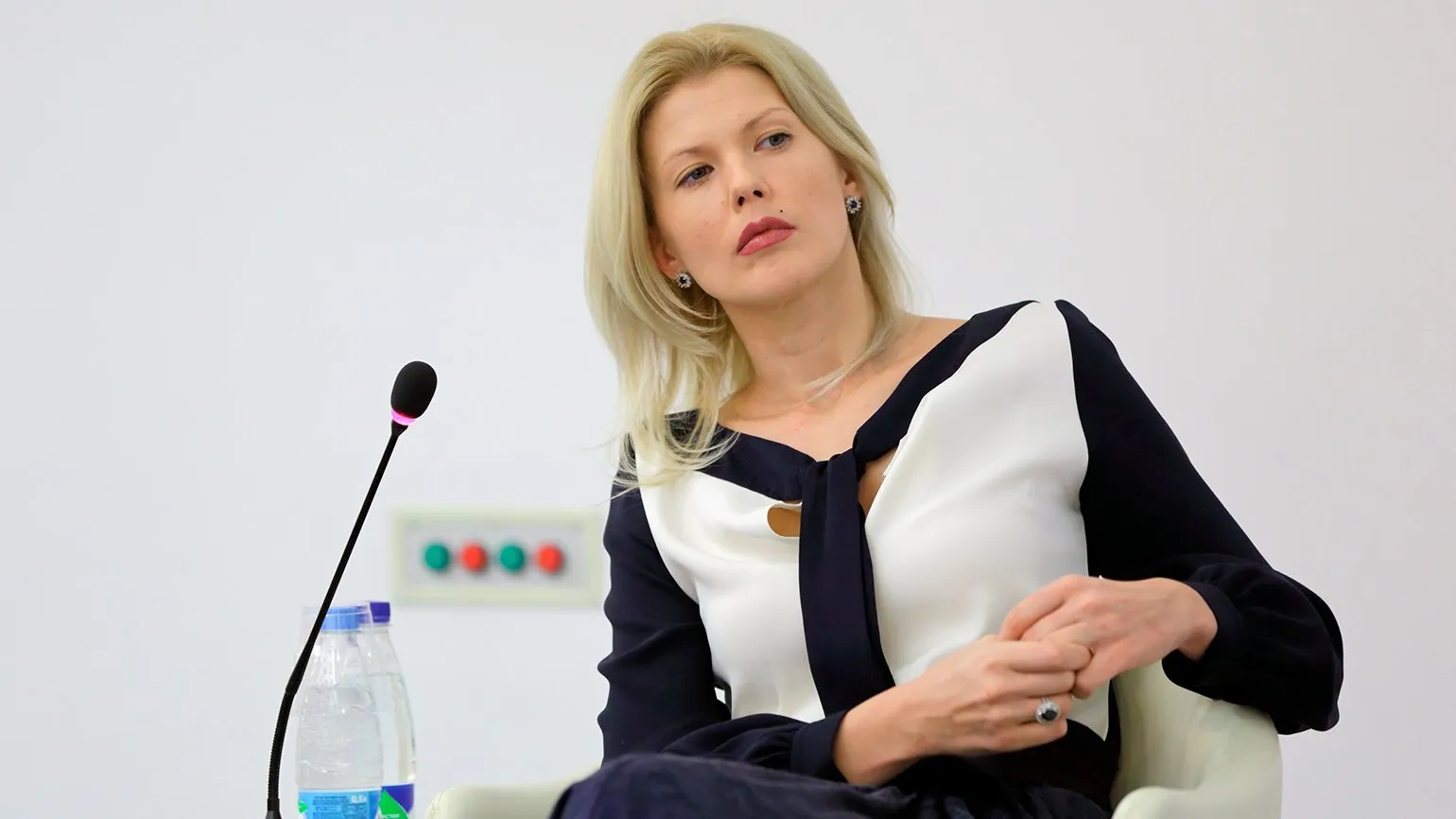
All the defendants in the case are under arrest. Various non-governmental organizations and cultural figures spoke out against the application of such a preventive measure against Sergei Zuev, who sent an open letter to the government and supervisory authorities. Members of the Human Rights Council also stood up for him at a meeting with the president in December. However, this did not change the situation: according to the Interfax agency, on December 21, Zuev was left in a pre-trial detention center until March 7.
The pain of the year: more shootings in educational institutions and the issue of security
In 2021, two tragic shootings occurred in educational institutions in Russia: in Kazan and Perm. These events once again raised questions about security measures in schools and universities, as well as the psychological and emotional problems faced by schoolchildren and students. Discussion of these topics has become especially relevant in light of growing threats, which highlights the need for a comprehensive approach to ensuring the safety and supporting the mental health of young people.
Over the past few months, numerous initiatives and strategies have been announced aimed at preventing tragedies in educational institutions. The Government Commission on Crime Prevention proposed testing Russian schoolchildren for levels of aggression, as well as organizing training on actions in the event of an attack on schools. Children's ombudsmen noted that the tragedy in Kazan is associated with insufficient educational work and the absence of a clear ideology in educational institutions. The Standing Commission of the Human Rights Council has developed a set of recommendations for improving the situation. The Ministry of Education has also prepared recommendations for enhancing security measures in educational institutions. These measures are aimed at creating a safe and harmonious educational environment for children.
The development of specialized software for identifying adolescents with destructive tendencies based on the analysis of their written work is important initiative. Such software will help educators and psychologists more quickly recognize potential problems in young people's behavior and take timely action. Using natural language processing and machine learning algorithms, it is possible to effectively analyze text materials, identifying alarming patterns and emotional deviations. This will not only improve the quality of education but also create a safer environment for adolescents.
The head of the Investigative Committee, Alexander Bastrykin, noted that after the massacre at the Kerch Polytechnic College in October 2018, instructions were issued at the federal level to improve security in educational institutions. However, by May 2021, at the time of the tragedy in Kazan, half of these instructions remained unimplemented. This underscores the need for a more serious approach to security issues in schools and colleges to prevent a recurrence of such tragedies.
We hope that this time the problem will not be forgotten before the next tragedy. It is important to pay attention to security issues and the prevention of similar situations to avoid a repeat of negative experiences. It is necessary to actively discuss and solve existing problems to ensure reliability and protection in the future.

Read also:
A teacher can take measures to prevent a mentally unstable teenager from attacking a school. The main focus should be on creating a safe and supportive environment in the educational institution. It is important to develop skills in identifying signs of disturbing behavior in students and promptly respond to them. Teachers can work with psychologists and social workers to support children experiencing difficulties. It is also necessary to establish an open dialogue between students and teachers so that everyone feels protected and can report any threats. Effective violence prevention programs in schools can reduce the risk of attacks and promote the harmonious development of adolescents.
Term of the year: digital didactics
The digitalization of all levels of education has led to the emergence of the concept of digital didactics, which has become the subject of active discussions among educators. Many have already realized that approaches to online learning differ significantly from traditional methods used in the offline environment. It is necessary to carefully study the impact of digital technologies and tools on the learning process and student perception of information in order to adapt methods and make them more effective in the context of the modern educational process.

The Director of the Institute of Education of Tomsk State University plays a key role in shaping the educational policy and development strategies of the educational institution. He is responsible for the implementation of innovative teaching methods, the development of curricula and scientific research in the field of pedagogy. Under the leadership of the Director, cooperation with other institutions, as well as participation in international projects, is carried out, which helps to improve the quality of education and strengthen the position of the University on the educational map of Russia and the world. The important tasks of the Director are также подготовка квалифицированных кадров и обеспечение высоких стандартов образовательного процесса.
Презентация доклада «Качество образования в пандемию» состоялась на открытии конференции ИВО-2021. В ходе мероприятия были обсуждены ключевые аспекты влияния пандемии на образовательные процессы и результаты обучения. Участники конференции получили возможность ознакомиться с аналитическими данными и рекомендациями по улучшению качества образования в условиях новых вызовов.
Практика преподавания продолжает оставаться проблемной областью, где преобладают доковидные подходы. Мы наблюдаем, что устоявшиеся стереотипы в преподавании, а также традиционные формы работы не изменились. Переход к онлайн-формату не привёл к изменению дидактических методов: лекции по-прежнему читаются так же, как и раньше, только с экрана ноутбука. С одной стороны, важно продолжать инвестировать в обучение и переобучение преподавателей, однако курсы повышения квалификации не являются достаточным решением. Необходимо помнить, сколько программ обучения уже было реализовано в рамках цифровизации образования. В текущей ситуации требуется серьёзная исследовательская работа и экспериментальное изучение новых дидактических моделей. Переход к цифровой дидактике в настоящее время становится особенно актуальным и оправданным.

Президент Российской академии образования играет ключевую роль в развитии образовательной системы страны. Он отвечает за стратегическое управление академией и координацию научных исследований в области педагогики и психологии. Основной задачей президента является внедрение инновационных образовательных практик и развитие научных исследований, направленных на улучшение качества образования. Важными аспектами работы президента также являются взаимодействие с государственными органами, образовательными учреждениями и научными организациями, что способствует интеграции науки и образования. Президент Российской академии образования формирует видение и стратегию развития академии, обеспечивая её соответствие современным вызовам в сфере образования и науки.
Интервью с представителем «Российской газеты» предоставляет уникальную возможность углубиться в актуальные темы и события. Это издание известно своим аналитическим подходом и объективным освещением новостей. В интервью обсуждаются важные вопросы, касающиеся политики, экономики и социальной сферы в России. Участие в таких беседах позволяет не только узнать мнение эксперта, но и понять ключевые тенденции, формирующие общественное мнение. «Российская газета» продолжает оставаться важным источником информации для тех, кто интересуется развитием страны и её позицией на международной арене.
Современные инструменты обучения действительно делают уроки более увлекательными и интерактивными. Однако важно понимать, в каком объеме и как правильно использовать технологии в образовательном процессе. На эти вопросы должна ответить наука. Научные данные, особенно в области педагогики и психологии, становятся особенно актуальными в наше время. Они помогут определить, где применение технологий будет наиболее эффективным и уместным, а также как они могут способствовать лучшему усвоению материала учащимися.
В июле был анонсирован запуск консорциума «Цифровая дидактика», который будет сосредоточен на разработке и поиске эффективных методик преподавания. В состав консорциума вошли:
- Московский городской педагогический университет;
- Томский государственный университет;
- Академия Министерства просвещения;
- издательство «Просвещение»;
- банк ВТБ;
- «Нетология»;
- «ИнтернетУрок».

Директор Института образования Томского государственного университета играет ключевую роль в развитии образовательных программ и научных исследований. Он отвечает за стратегическое планирование, управление ресурсами и координацию работы преподавателей. Важной задачей директора является обеспечение высокого качества образования, соответствующего современным требованиям и стандартам. Институт образования активно внедряет инновационные методы обучения, что способствует подготовке квалифицированных специалистов в области педагогики и образовательных технологий. Под руководством директора создаются условия для научной активности, что позволяет студентам и преподавателям участвовать в актуальных исследованиях и проектах.
На конференции ИВО-2021 состоялась презентация доклада, посвященного качеству образования в условиях пандемии. В ходе мероприятия были рассмотрены ключевые аспекты и вызовы, с которыми сталкивались образовательные учреждения в этот непростой период. Участники обсуждали влияние удаленного обучения на успеваемость и вовлеченность студентов, а также методы адаптации педагогов к новым условиям. Доклад стал важной вехой в понимании изменений в системе образования и поиске путей улучшения качества обучения в будущем.
Проблема преподавания остаётся актуальной и требует внимательного анализа. Мы наблюдаем, что в образовательной практике продолжают преобладать подходы, которые существовали до пандемии COVID-19. Это касается как устоявшихся стереотипов в преподавательском сообществе, так и форматов работы. Переход на онлайн-обучение не привёл к значительным изменениям в дидактических методах — многие преподаватели продолжают использовать традиционные лекционные форматы, просто адаптируя их к экрану ноутбука. Хотя обучение и переобучение преподавателей остаётся важным аспектом, одного повышения квалификации недостаточно. Необходимо учитывать, сколько программ обучения уже было реализовано в процессе цифровизации образовательной системы. Для успешной трансформации нужно проводить серьёзные исследовательские работы и экспериментальные разработки новых дидактических моделей. В этом контексте переход к цифровой дидактике становится особенно актуальным и оправданным.
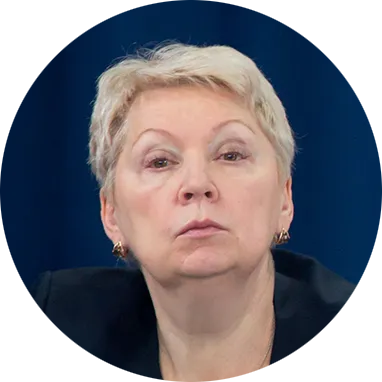
Президент Российской академии образования играет ключевую роль в развитии образовательной системы страны. Он отвечает за стратегическое руководство академией, формирует научные и образовательные инициативы, а также координирует работу с другими образовательными учреждениями и государственными органами. Под его руководством осуществляется реализация программ, направленных на повышение качества образования и внедрение инновационных методов обучения. Президент также представляет академию на международной арене, способствуя обмену опытом и знаниями с зарубежными коллегами. Важной задачей является развитие научных исследований в области педагогики и психологии, что способствует формированию современных подходов к обучению и воспитанию подрастающего поколения.
Интервью с представителем «Российской газеты» предоставляет уникальную возможность понять актуальные события и тенденции в стране. В ходе беседы освещаются ключевые вопросы, касающиеся социальной, экономической и политической жизни России. Акцент делается на важности журналистики в современном обществе и ее роли в формировании общественного мнения. Кроме того, обсуждаются вызовы, с которыми сталкивается медиаиндустрия, и пути их преодоления. Это интервью является важным источником информации для тех, кто интересуется внутренними процессами и развитием России в условиях глобальных изменений.
Современные инструменты значительно обогащают учебный процесс, делая уроки более увлекательными и интерактивными. Однако важно понимать, в каком объеме и как именно следует использовать технологии на занятиях. Научные исследования в области педагогики и психологии должны служить основой для принятия решений о применении цифровых инструментов в обучении. В текущих условиях особенно актуально опираться на научные данные, чтобы обеспечить эффективное и целесообразное внедрение технологий в образовательный процесс.
Персона года: директор казанского лицея
Многие работники сферы образования вкладывают свои силы и душу в развитие учеников, применяя творческие подходы и преодолевая трудности современного образовательного процесса. Особого внимания заслуживает учитель математики и директор многопрофильного лицея «Унбер» в Казани Алмаз Хамидуллин, который стал финалистом международной премии Global Teacher Prize 2021. Эта премия по праву считается «Оскаром» в мире педагогики, и хотя он не стал победителем, его достижения вдохновляют многих. Кроме того, в 2017 году Хамидуллин был финалистом российского конкурса «Учитель года», что подчеркивает его профессионализм и преданность делу. Педагоги, такие как Алмаз Хамидуллин, играют ключевую роль в формировании будущего образования.
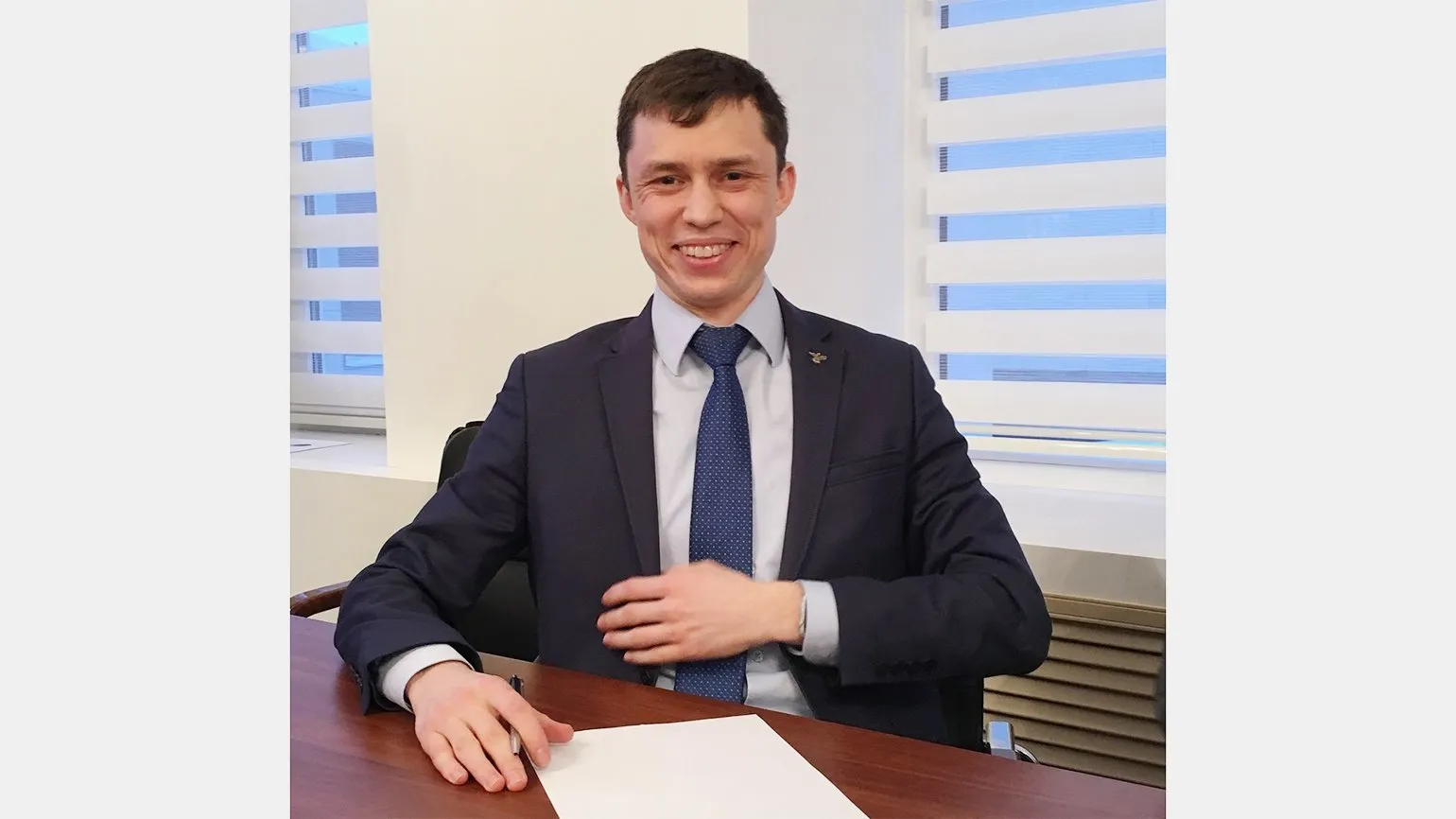
В прошлом году 50 учеников Алмаза стали победителями на российских и международных конкурсах, что подтверждает высокое качество его обучения. Алмаз применяет персонализированный подход в обучении, что является настоящим искусством, известным многим педагогам. Его занятия отличаются креативностью и увлеченностью, что делает процесс обучения интересным и эффективным. В интервью «Бизнес Online» Алмаз поделился, что, окончив МГУ по специальности «Математик, системный программист», он осознанно выбрал карьеру в педагогике, несмотря на ожидания своих однокурсников. Этот выбор оказался для него правильным, и он ни разу не пожалел о своем решении.

Читайте также:
Цитата недели: «О роли учителей как героев следует говорить больше». В современном обществе учителя играют ключевую роль в формировании будущих поколений. Их труд требует не только знаний, но и мужества, терпения и преданности делу. Учителя вдохновляют учеников, помогают им преодолевать трудности и развивать свои способности. Обсуждение их вклада в образование и общество важно для повышения статуса этой профессии и привлечения внимания к проблемам, с которыми они сталкиваются. Поддержка и признание учителей — это шаг к обеспечению качественного образования для всех.
Организация года: университет «Сириус»
В свете новостей о программе «Приоритет-2030» стоит отметить, что Университет «Сириус» получает значительную поддержку из федерального бюджета. В отличие от участников программы, «Сириус» будет обеспечен тройным размером базового гранта, который полагается каждому вузу в рамках «Приоритет-2030». Сумма поддержки для Университета составляет 3 миллиарда рублей на период с 2021 по 2023 год. Это подтверждает высокий потенциал и значимость «Сириуса» в образовательной и научной сфере.
«Сириус», образовательный центр для одарённых детей, был основан в 2014 году по инициативе президента и при поддержке фонда «Талант и успех». Он располагается на базе олимпийской инфраструктуры в Краснодарском крае. Успех этого проекта был признан значительным, что привело к решению создать аналогичные образовательные центры в 62 регионах России, о чём стало известно в 2021 году. Эти новые центры будут направлены на поддержку и развитие талантливых детей, обеспечивая им качественное образование и возможности для реализации своего потенциала.

Научно-технологический университет «Сириус» был основан в 2019 году и стал важным центром образования и исследований в России. В его структуру входят математический центр и научные подразделения, сосредоточенные на таких актуальных направлениях, как искусственный интеллект, генетика и когнитивные исследования. В 2021 году университет запустил первые программы магистратуры и аспирантуры, что значительно расширило возможности для подготовки специалистов в этих передовых областях. «Сириус» стремится к интеграции науки и образования, формируя инновационную среду для развития талантов и реализации научных проектов.
The year's breakthrough: the "Fakultetus" platform
Modern higher education faces a serious problem: there is a significant gap between the knowledge provided by universities and the demands of employers. This problem has become obvious to many, including government agencies. Last July, the Russian Minister of Education and Science instructed university rectors to pay attention to the employment process for graduates. However, despite this, the initiative has not produced any noticeable results. Educational institutions continue to face criticism for inadequately preparing students for the real conditions of the labor market, which requires urgent changes in curricula and teaching methods.
Read also:
An employer will not be represented in the education market if he does not provide financial support Support.
University career centers face the same challenges adapting to modern conditions as many other industries. However, a service, the first version of which was developed by a RANEPA student, is introducing significant changes to this system. The online platform "Fakultetus" is designed to connect higher education institutions with employers. We have already provided a detailed overview of its development. The key advantage of this platform is that it encourages university career centers to update their approaches and implement more modern methods. "Fakultetus" is becoming an important tool for increasing the effectiveness of interactions between students and employers, thereby facilitating the successful employment of graduates.
The platform initially developed cooperation with higher education institutions independently. However, in 2020, its activities attracted the attention of the Ministry of Education and Science, and in 2021, it became part of a major project to transform the career support system for students and graduates. An important aspect is that the platform remains free for users, which reflects the main position of its creator. This makes the platform accessible to everyone, helping students and graduates in their professional development and search for career opportunities.
Read also:
Career centers at universities: changes, plans and prospects
Career centers at universities play a key role in preparing students to professional life. Given the rapidly changing labor market, these centers must adapt to new demands and expectations. It is important that their functions expand to include not only traditional career services, but also active collaboration with employers, organizing internships and practicum programs.
Modern career centers should implement technologies, such as online learning platforms and virtual interviews, which will help students develop the necessary skills in a convenient format. It is also necessary to pay attention to individual career counseling, which will help each student shape a unique career path.
The prospects for the development of career centers lie in creating closer ties with industry and actively involving students in projects that match their interests and career goals. This will improve the employability of graduates and their satisfaction with their professional activities.
An important aspect is also working with alumni, who can share their experience and contacts, creating a network of professional connections for current students. Thus, career centers will become not only a place to find a job, but also a valuable resource for personal and professional growth.
Case of the Year: L&D Academy
Corporate universities of companies such as Gazprom Neft, Rosatom, and SIBUR have developed a joint educational program aimed at developing and training specialists in the field of HR. L&D Academy is designed to become the basis for the formation of a professional community where participants can exchange experiences and implement innovative approaches to employee training and development. This program will be an important step in improving the qualifications of personnel and improving human resources management processes.
We consider this event significant because corporate training is becoming a significant segment of the educational sphere and is confidently integrating into the formal education system. More and more large companies are developing joint educational programs with universities, opening their own specialized departments within them, and jointly seeking solutions to the skills gap. As Roman Baskin, Director of the Russian Railways Corporate University, the largest in Europe, noted, the boundaries between the competencies taught in colleges and universities and those traditionally developed within corporate divisions are beginning to blur. This emphasizes the importance of integrating educational processes and the need to develop new approaches to training, which in turn contributes to the improvement of employee qualifications and the quality of education.

Study additional materials:
Retraining of employees in Russian companies: problems and solutions
Retraining of employees in Russian In companies, training plays a key role in maintaining competitiveness and business adaptability. However, despite the importance of this process, many organizations face a number of challenges.
Firstly, there is a lack of a systematic approach to training. Retraining programs often fail to meet current market demands and company specifics, resulting in low training effectiveness. Secondly, there is insufficient attention to the individual needs of employees. Many companies fail to take into account that different employees have different levels of training and motivation, which requires a personalized approach.
Furthermore, the lack of modern training methods and technologies is also a significant problem. Traditional forms of training, such as lectures and seminars, are not always effective in a rapidly changing market. It is important to implement interactive methods, such as online courses and trainings, that allow employees to develop skills in a format convenient for them.
It is also worth noting that insufficient funding for retraining programs often leads to a reduction in their volume and quality. Companies must recognize that investing in employee training is an investment in the future of the business.
To address these issues, it is necessary to develop a retraining strategy that takes into account market demands, individual employee needs, and modern learning methods. This will allow companies not only to improve the skills of their employees but also to create a more effective and dynamic work environment.
Corporate training specialists face tasks and challenges comparable to those of traditional universities. This requires a high level of professionalism and the use of effective teaching methods. Corporate universities often seek optimal solutions through their own experiments, as universal methodological approaches currently do not exist. Companies such as Gazprom Neft, Rosatom, and SIBUR are taking steps to create a unified methodology based on global best practices and implementing tools for assessing the quality of educational solutions. This could have a significant impact on the educational services and EdTech solutions market in the field of learning and development (T&D).
Ideas of the Year: Digital Portfolio and "Teacher of the Year" as "Fort Boyard"
In March 2021, Anzor Muzaev, head of Rosobrnadzor, stated that the Unified State Exam (USE) does not adequately assess many of schoolchildren's abilities. In response, the agency came up with the idea of creating a digital portfolio. This portfolio will begin to form in the 4th grade and will include a variety of student achievements: creative successes, sports results, volunteer work, as well as achievements in Olympiads and other forms of extracurricular activity. These data will be considered when applying to higher education institutions, complementing the Unified State Exam results and allowing for a more complete assessment of students' potential.
In April, Deputy Minister of Education Tatyana Vasilyeva stated that digital portfolios could form the basis for resumes for future employment. This indicates that the government is considering creating a system for the lifelong accumulation of digital footprints. Such portfolios could include achievements, skills, and experience, allowing employers to more effectively evaluate candidates. The introduction of digital portfolios could significantly simplify the job search process and increase transparency in assessing applicants' qualifications.
Minister of Science and Higher Education Valery Falkov indirectly confirmed the feasibility of this idea. This statement indicates the ministry's openness to new initiatives in education and science, which could significantly impact the development of these fields in the country. Importantly, such ideas could lead to improved quality of education and the creation of new opportunities for students and researchers.
A digital footprint is formed not only during school and university education but also continues through continuing education. Modern trends emphasize the importance of lifelong learning. All achievements collected in a digital portfolio will have a significant impact on your competitiveness in the labor market.
The minister expressed doubt that information from school portfolios can serve as a full-fledged replacement for entrance exams.
Admission based on a digital portfolio carries a serious risk: it may lead to a desire to obtain diplomas, certificates, and diplomas for winning various competitions. This approach threatens the quality of selection, since the main goal is to provide state-funded places to the most prepared applicants. A key aspect of successful selection is assessing students' actual knowledge and skills, not simply the number of awards. For an effective admissions process, it is important to consider not only the number of documents but also their content, as well as the candidates' practical skills.
In an interview with RIA Novosti, Olga Vasilyeva, President of the Russian Academy of Education, expressed doubts about the possibility of replacing the knowledge assessment provided by the Unified State Exam with a set of achievements in a digital portfolio. She also emphasized that not all students will be interested in creating a digital footprint, starting in primary school. This underscores the importance of traditional assessment methods in the education system, given the need to protect personal information and the right to privacy.
In June 2023, plans were announced to introduce digital profiles as part of an experiment to create a digital educational environment (DEE). The Ministry of Education announced its intention to develop a federal service that will ensure the verification and reliable protection of all data. Information uploaded to the database will be anonymized, guaranteeing confidentiality. Only certain institutions, such as universities, will have access to this information. Digital portfolios will be created exclusively with the consent of children and their parents. In the next 5-10 years, it is planned to use digital portfolio data in conjunction with the Unified State Exam results for admission to higher education institutions.
According to the digital transformation strategy for education, published in 2023, schoolchildren will be able to begin creating digital portfolios starting in 2024. This innovation allows students to document their achievements, skills, and projects in a convenient electronic format, which will assist them in their future studies and employment. Digital portfolios will become an important tool for creating a more transparent and accessible assessment of the educational process.
At the end of the year, Anzor Muzaev, in an interview with Rossiyskaya Gazeta, once again emphasized the importance of creating a digital portfolio for applicants. He noted that such a portfolio can become a valuable tool during university admissions, allowing students to showcase their achievements, skills, and competencies. A digital portfolio not only facilitates the candidate evaluation process but also helps educational institutions more effectively identify talented and motivated students. In the context of the modern educational process, the implementation of this idea can significantly change the approach to applicant selection and increase the level of competition at universities.
Of course, I need the text that you want me to edit and optimize for SEO. Please provide it.
Universities don't take competitions for younger students into account, which demotivates students. Why not introduce an objective system for tracking significant achievements, starting in 6th grade? This could be an alternative to the Unified State Exam. We are considering the possibility of university admissions based on a portfolio that would compile all achievements—both academic and extracurricular. We believe this concept is promising and could change the approach to assessing students' knowledge and skills.
Vsevolod Lukhovitsky, a teacher of Russian language and law and a member of the "Teacher" trade union, commented on this initiative in an interview with Gazeta.Ru. He expressed concern that children as young as 11 are already too early to think about how to earn money to enter educational institutions, instead of focusing on the learning process and the pursuit of new knowledge. This could lead to the formation of a generation that does not value education and is not interested in developing their skills.
On August 25, the Russian President held a meeting of the State Council Presidium dedicated to school education. Alikhan Dinaev, winner of the 2018 "Teacher of the Year in Russia" competition, spoke at the event. He proposed improving the competition's format to increase the popularity of the teaching profession among a wider audience. President Vladimir Putin supported this initiative and noted that the competition for teachers should be made as spectacular and attention-grabbing as the popular show "Fort Boyard." This could contribute not only to raising the status of teachers but also to attracting young professionals to the field of education.
Of course, I am ready to help with editing the text. Please provide the text itself to be revised.
It is necessary to attract creative, modern teams capable of organizing effective work. As I already mentioned in our conversation, there is an example of the TV quiz show "Fort Boyard," where participants actively participate in various challenges. A similar format could be adapted for the educational process, but instead of physical testing, the focus should be on developing programs covering various areas and subjects. Our country has sufficient creative teams capable of creating high-quality educational content that meets modern requirements.
In September, a list of presidential instructions was published that mentioned the "Teacher of the Year" competition. Starting in 2022, this competition will be transformed into a spectacular show that will be broadcast on a national television channel. Funding for the competition will come from the federal budget. This change will undoubtedly contribute to improving the status of teachers in the country.
The list of presidential instructions also includes a clause calling for the term "educational service" to be removed from legislation by March 1. At a meeting of the State Council Presidium, it was emphasized that many teachers perceive this term as derogatory. Устранение данной формулировки может способствовать улучшению восприятия образовательного процесса и укреплению статуса педагогов.
Парадокс года: Алиса в образовании
В этом году вся страна следила за необычной историей девятилетней девочки, которая успешно сдала ЕГЭ по русскому языку, профильной математике, биологии и информатике. Она подала документы на факультет психологии Московского государственного университета имени М. В. Ломоносова, выбрав специальность «Психология служебной деятельности». Девочка была принята, так как в России отсутствует минимальный возраст для получения высшего образования. Однако её зачислили на платное отделение, поскольку баллов для поступления на бюджет было недостаточно. Пресс-служба факультета сообщила, что родители девочки настояли на заключении договора на обучение на контрактной основе, несмотря на неоднократные предупреждения о том, что девятилетняя девочка не готова к изучению профессии психолога. Эта ситуация поднимает важные вопросы о возрасте, уровне зрелости и готовности к высшему образованию, а также о том, как образовательные учреждения должны подходить к уникальным случаям поступления.
В силу своего возраста девочка вряд ли самостоятельно приняла решение о поступлении в университет и подала документы. Скорее всего, родители зарегистрировали её в учебном заведении, как это обычно происходит с детьми при поступлении в школу. Последующие события также напоминают конфликты, возникающие между родителями и администрацией учебных заведений.
В данной ситуации для системы образования важно отметить, что не возникло никаких препятствий для зачисления ребенка начального школьного возраста в высшее учебное заведение. Это особенно удивительно, учитывая, что учреждение, в которое он был зачислен, предназначено для взрослых, а именно — на факультет психологии. Эффективное изучение психологии требует определенного уровня эмоциональной и социальной зрелости, что в данном случае вызывает вопросы. Однако закон позволяет зачислять студентов, основываясь исключительно на результатах вступительных испытаний. Это подчеркивает существующие проблемы в системе образования, где академические достижения могут не всегда соответствовать возрастным особенностям и потребностям студентов.
Родители Алисы, согласно информации, предоставленной заместителем декана по учебной работе телеканалу «Звезда», настаивали на ускоренном прохождении шестилетней программы за два года. При этом, как сообщает «РИА Новости», они также просили администрацию учебного заведения об исключении письменных экзаменов для своей дочери, аргументируя это тем, что в девятилетнем возрасте скорость письма у ребенка значительно ниже, чем у взрослых студентов, и предлагали использовать только устный формат.
С точки зрения родителей, нехватка базового навыка у детей не является преградой для поступления в вуз, а лишь требует индивидуального подхода в обучении. В условиях современного образовательного пространства, где активно обсуждаются индивидуальные образовательные траектории и персонализированные методы, это мнение становится все более актуальным. Мария Львова-Белова, детский омбудсмен, в интервью с РБК подчеркнула, что для случаев, когда девятилетний ребенок обучается в вузе, необходима индивидуализация учебного процесса. Она отметила, что «стандартный договор» не учитывает уникальные жизненные обстоятельства и потребности каждого ребенка. Обеспечение персонализированного подхода в образовании может значительно повысить эффективность обучения и адаптацию детей к новым условиям.
Существует вопрос: если учебная программа будет адаптирована под уровень, доступный и приемлемый для девятилетнего ребёнка, включая возможные исключения, можно ли будет по-прежнему считать такую программу программой высшего образования? Важно рассмотреть, какие изменения могут повлиять на качество образования и его соответствие стандартам высшего обучения. Адаптация учебного материала должна учитывать возрастные особенности и уровень восприятия информации детьми, при этом не теряя академической ценности и глубины знаний, которые присущи высшему образованию.

Ознакомьтесь с дополнительной информацией:
Необычная практика освоения школьной программы за 3–4 года
Современные образовательные подходы позволяют учащимся осваивать школьную программу за короткие сроки, например, за 3–4 года. Эта методика привлекает внимание как родителей, так и учеников, стремящихся к более быстрому обучению. Секрет заключается в индивидуальном подходе, использовании современных технологий и эффективных методик.
Для успешного освоения программы важно создать гибкий учебный план, который будет учитывать особенности каждого ученика. Это может включать онлайн-уроки, индивидуальные занятия с репетиторами и использование специализированных образовательных платформ. Важно также сформировать правильный режим обучения, который позволит балансировать между учебой и отдыхом, что способствует лучшему усвоению материала.
Кроме того, активное участие родителей в образовательном процессе играет ключевую роль. Поддержка и мотивация со стороны семьи помогают ученикам преодолевать трудности и достигать поставленных целей. Важно не только сосредоточиться на академических успехах, но и развивать навыки самоорганизации и критического мышления.
Таким образом, освоение школьной программы за 3–4 года — это реальность, доступная каждому ученику при правильном подходе к обучению и поддержке со стороны родителей и педагогов.
Доктор психологических наук, заведующий кафедрой психологии личности факультета психологии МГУ и член Совета по развитию гражданского общества и правам человека при президенте России Александр Асмолов охарактеризовал обучение девочек в высшей школе как опасный социально-психологический эксперимент. Он отметил, что этот подход не учитывает познавательные и личностные закономерности развития детей в данной возрастной категории. В своем обращении к главе Совета по правам человека, а также к уполномоченным по правам человека и ребенка, Асмолов призвал к приостановке данного эксперимента. Информация была опубликована РИА Новости.
Вопрос о начале опасного «эксперимента» остается актуальным. Директор института педагогики Санкт-Петербургского государственного университета, доктор педагогических наук Елена Казакова, в интервью «Комсомольской правде», поднимает серьезную проблему. Она задается вопросом, как общество может позволять проводить такие эксперименты над детьми ради неясных целей родителей. Казакова отмечает, что у самой девочки нет осознанной мотивации: после окончания вуза она, вероятно, не станет работать психологом. Это подчеркивает необходимость более внимательного отношения к вопросам этики и морали в образовательных практиках.
Родители Алисы поделились своими целями на личной странице в Facebook. Они описали, как стремятся обеспечить своей дочери лучшее будущее и поддерживать её в развитии. Семья активно работает над созданием благоприятной атмосферы для учёбы и личностного роста Алисы. В их планах – развитие творческих и интеллектуальных способностей дочери, а также организация досуга, который способствует формированию её личности и социализации. Родители уверены, что поддержка и участие в жизни Алисы помогут ей достичь высоких результатов и стать уверенной в себе.
Мы хотим выделить важный аспект. Наши исследования показывают, что дети в дошкольном возрасте способны освоить школьную программу на уровне, достаточном для поступления в вуз, не испытывая негативного влияния на психику. Эти результаты соответствуют официальным образовательным стандартам. Данное открытие может стать настоящей революцией в педагогике и возрастной психологии, подчеркивая важность раннего обучения и его влияние на дальнейшее образование.
Ситуация, с которой мы столкнулись, уже стала прецедентом в образовательной сфере. Это событие подчеркивает не столько революционные изменения в педагогике или социально-психологические эксперименты, сколько парадоксальность нашей системы образования. Данный случай иллюстрирует, что акцент в современном образовании смещен не на глубокое освоение знаний, а на выполнение установленных «нормативов» и стандартов. Например, минимальные баллы на ЕГЭ становятся условием, необходимым для того, чтобы ребенок мог считаться выпускником средней школы и получить возможность поступления в высшие учебные заведения. Это касается даже детей младшего школьного или дошкольного возраста. Очевидно, что такая система требует пересмотра, чтобы обеспечить качественное образование и развитие каждого ребенка.

Обратите внимание на следующие материалы:
Десять вундеркиндов, установивших рекорды, которые трудно превзойти. Эти выдающиеся дети привлекают внимание своим необычным талантом и достижениями в различных областях. Каждый из них стал символом интеллекта и креативности, преодолевая границы возможного. Их успехи вдохновляют молодежь и показывают, что возраст не является преградой для достижения высоких целей. Рассмотрим их достижения и то, как они изменили представление о возможностях юного поколения.
Вопрос года: так что там с просветительской деятельностью?
Вы, вероятно, забыли о законе о просветительской деятельности. Его принятие вызвало значительный ажиотаж. С 1 июня закон вступил в силу, однако до сих пор не принято постановление правительства, которое должно конкретизировать его нормы. Без этого документа закон остается лишь в рамках теории, не имея практического применения.
Просветительская деятельность подразумевает распространение знаний и навыков, направленных на интеллектуальное, духовно-нравственное, творческое, физическое и профессиональное развитие человека. Она также ориентирована на удовлетворение образовательных потребностей и интересов граждан. Важно отметить, что такая деятельность осуществляется вне рамок официальных образовательных программ, что позволяет ей быть более гибкой и доступной для широкой аудитории. Применение современных методов и технологий в просветительской деятельности способствует эффективному обучению и развитию, что делает её актуальной в современном обществе.
Под это понятие попадает широкий спектр форматов. Сюда входят онлайн-курсы, которые не имеют официального статуса дополнительного образования, а также различные мастер-классы, вебинары и экскурсии. Ранее мы уже рассматривали эту тему более подробно, акцентируя внимание на разнообразии доступных образовательных возможностей.
Правительство должно определить порядок, условия и формы реализации просветительской деятельности, а также установить механизмы контроля за ней. В апреле был представлен проект постановления, который вызвал множество вопросов по вопросам ведения просветительской деятельности. Обещано доработать документ, однако с тех пор никаких обновлений не поступало.
Читайте также:
- 10 трендов онлайн-образования, которые назвали лидеры EdTech
- О каком будущем EdTech говорили на EdCrunch Glocal
- В вузы приходит новая версия «гибрида» — HyFlex. Что это за формат?
Профессия Методист с нуля до PRO
Вы прокачаете навыки в разработке учебных программ для онлайн- и офлайн-курсов. Освоите современные педагогические практики, структурируете опыт и станете более востребованным специалистом.
Find out more