
Contents:
- Employee training volumes are growing, but moderately
- Approaches to training budgets are uneven and vary across industries
- The most in-demand training topic is AI, but there are not enough courses on it
- A third of companies still do not use AI in their work processes
- The most popular training format is hybrid, and demand for business games is growing
- Training effectiveness is still measured the old-fashioned way, but there are now those who use Kirkpatrick's approach
The results of a study on corporate training trends, titled "Transformation of the Training and Development Function in the New Reality," were recently published. This study was conducted by the B1 Business Academy in collaboration with the HR management magazine Shtat, the Expert RA rating agency, and the HeadHunter platform, which specializes in job search and recruitment. The results highlight changes in approaches to employee training that have become relevant in the face of modern challenges. Corporate training is adapting to new requirements, which allows companies to effectively develop their teams and increase competitiveness in the market.
The survey involved 204 representatives of companies from various sectors of the economy and with different numbers of employees.
- up to 100 people - 18%;
- 101-500 people - 27%;
- 501-1000 people - 16%;
- more than 1000 people - 39%.
We drew attention to several important aspects identified in this study.
The volume of employee training is growing, but moderately
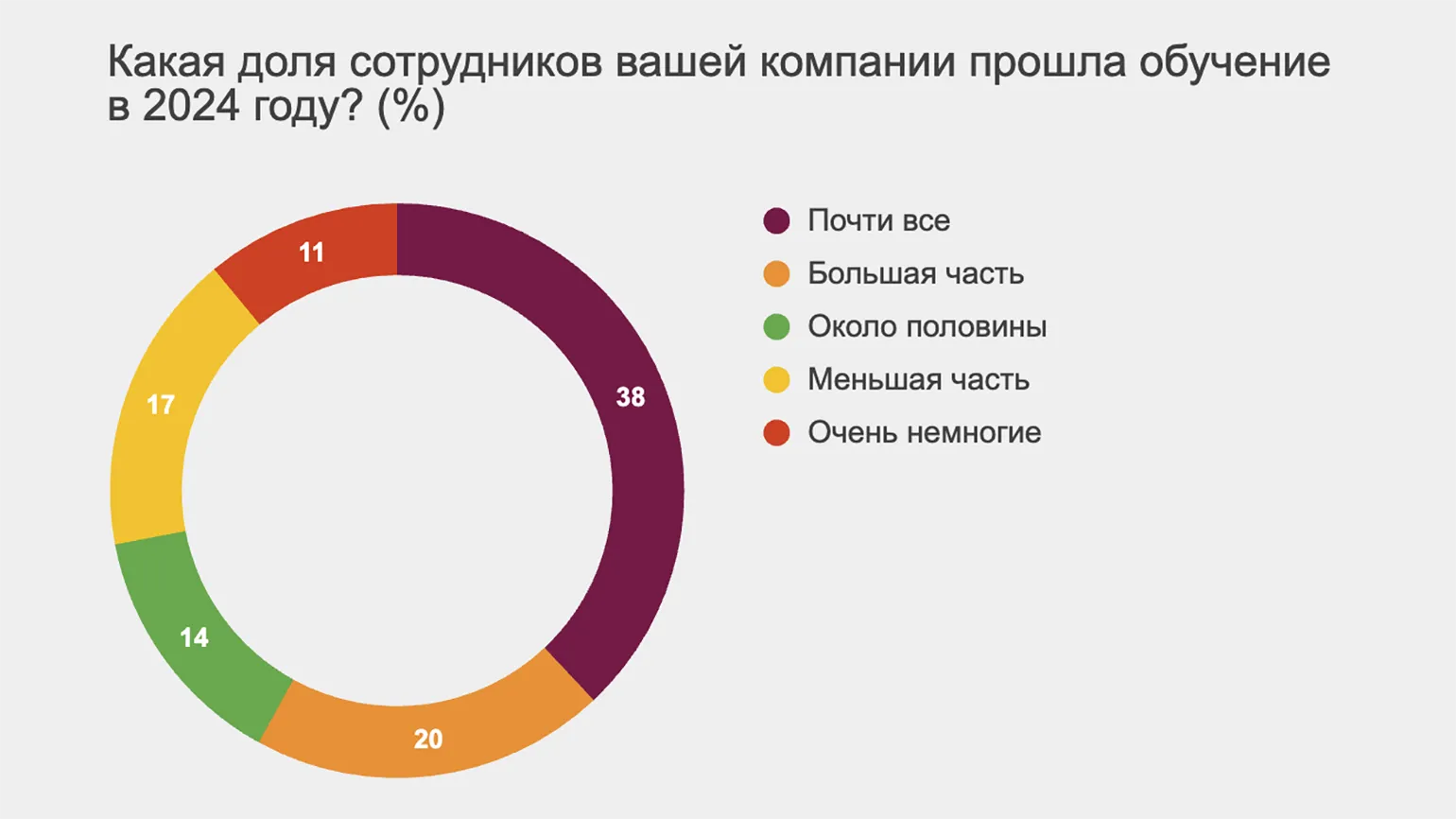
According to the survey, 38% of respondents reported that in 2024 all or almost all employees of their company had completed training, amounting to at least 81%. In 20% of organizations, training covered the majority of staff, from 61 to 80%. These data highlight the importance of continuous training and professional development of employees for the successful development of companies.
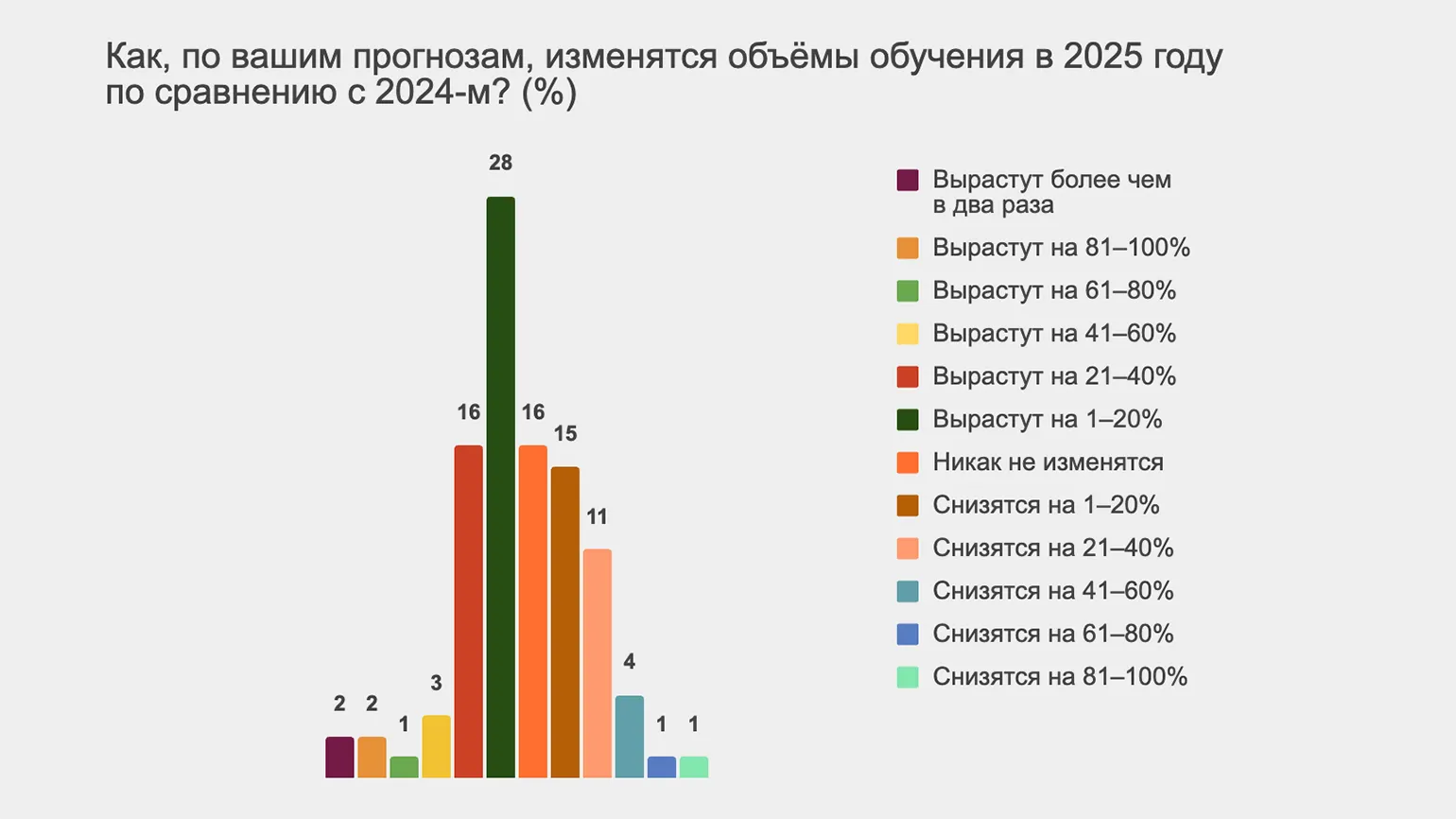
In 2024, training volume will increase by 44% in most companies, although in most cases the increase does not exceed 20%. At the same time, 33% of surveyed organizations have reduced training volume, although these reductions are also mostly minor. In 23% of companies, training volume remained the same.
Forecasts for 2025 show that 52% of respondents expect training volume to increase compared to the previous year. However, about one-third of respondents said their companies will reduce training volume, while 16% expect current levels to remain the same. It is important to take these trends into account when adapting employee training and development strategies in organizations.
Media
Elena Zhanakhova, Managing Director for Sustainability Ratings at Expert RA, notes that 2024 has become a time for companies to experiment with new approaches to training. This is reflected in the diverse strategies that organizations are applying in this area. However, as Tatyana Suslova, Partner at B1 and Head of the B1 Business Academy, emphasizes, the percentage of employers that have radically changed the volume of training—increasing or decreasing it by more than 40%—remains insignificant. This suggests that most companies prefer more moderate changes to their educational programs, which may indicate a cautious approach to the implementation of new training methods and the development of human resources.
According to forecasts for 2025, the volume of training in companies is expected to increase. However, despite this, a third of organizations continue to cut employee development programs. Changes in corporate training will be moderate, not exceeding 40%. This suggests that many companies remain cautious about investing in training and development, despite the need to adapt to new market conditions.
Approaches to training budgets are uneven and vary across industries
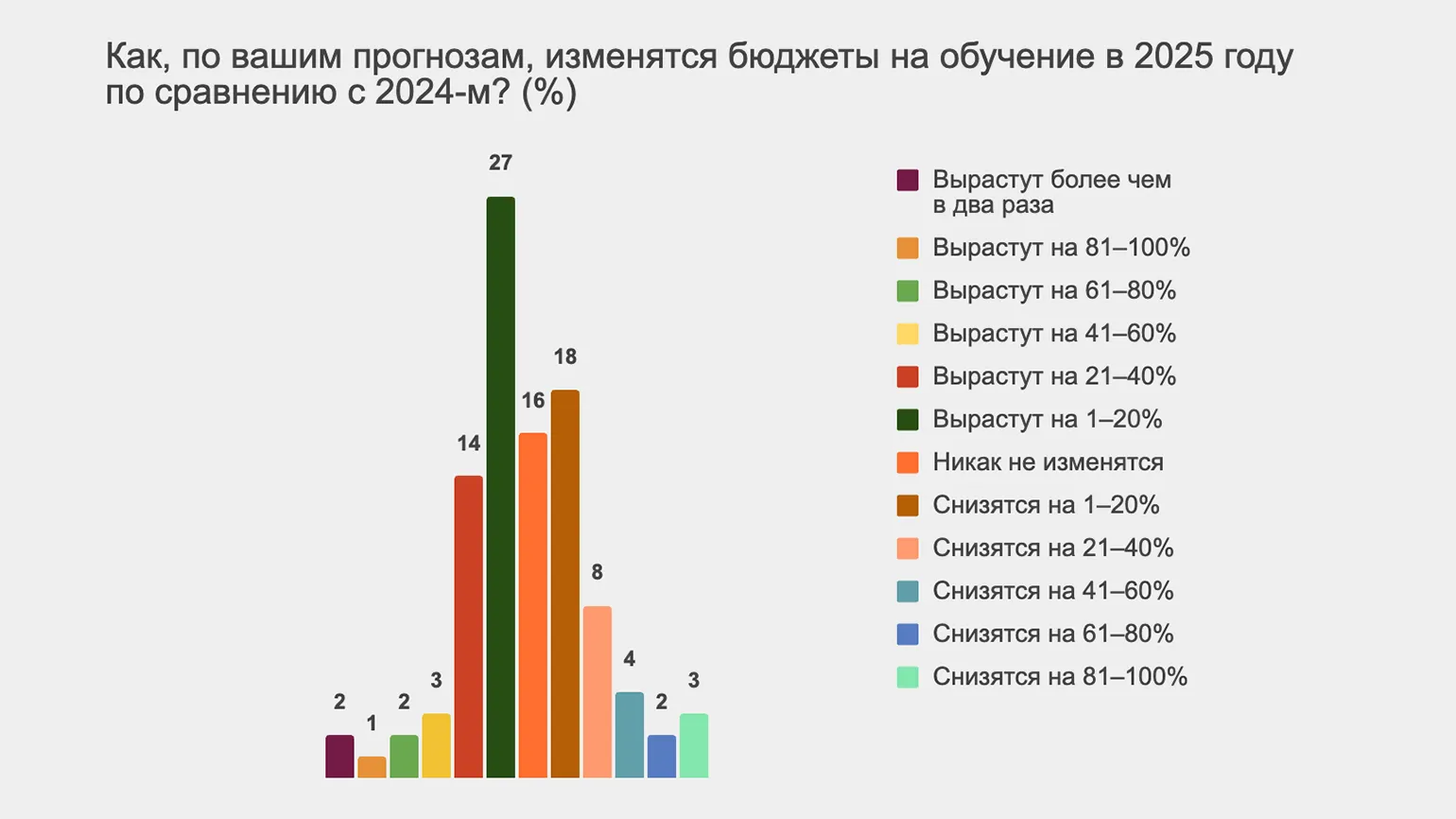
In 2024, approaches to investing in personnel development show a sharp divergence. According to the survey, 42% of employers increased their employee training budgets compared to 2023. At the same time, 39% of companies decreased training costs. These data indicate a divergence in human capital investment strategies, underscoring the importance of adapting to changing market conditions and employee needs. Investments in training remain a key factor in improving competitiveness and business performance.
According to Tatyana Suslova, there is a significant difference in the dynamics of training budgets across industries. In particular, in the IT, manufacturing, and agriculture sectors, training spending decreased by 40% to 60%. A decrease in investment in employee development was also recorded in the automotive, professional services, telecommunications, and construction industries. In contrast, industries such as healthcare, pharmaceuticals, oil and gas, energy, mining, and retail are most likely to increase their training budgets. These trends highlight the importance of adapting training strategies to the specifics of each industry to improve competitiveness and business efficiency.
Reworking the text while maintaining its essence is important for increasing its visibility in search engines. Optimize the content using keywords and phrases that are relevant to the topic. For example, if the text is about travel, it is worth using terms such as "best destinations", "world travel", "tourist tips", and similar terms. This will help improve page rankings and attract the target audience. Ensure the text is structured logically and readably so users can easily digest the information. Don't forget the importance of unique content that will be interesting and useful to readers.
Read also:
Analysis: Russian companies' investment in top management training
Russian companies continue to actively invest in the training and development of their top managers. Experts note that investments in professional development and leadership skills development programs reach billions of rubles. These investments are aimed at increasing the competitiveness of organizations, improving management practices, and adapting to rapidly changing market conditions.
Top management training includes both internal programs and courses from leading business schools. Companies recognize the importance of continuous learning to maintain innovation and effective management.
Thus, the analysis shows that Russian companies are investing significantly in the education of their executives, which subsequently contributes to business growth and improved performance.
In 2025, 35% of companies will continue to decrease investments in personnel development, while 49% of organizations will increase their investments in employee training and development. According to Tatyana Suslova, these forecasts demonstrate "cautious optimism." Many companies, after a period of austerity, are once again beginning to recognize the importance of investing in personnel training, which contributes to their increased competitiveness and market adaptability. Thus, there is a clear trend towards a renewed interest in training and developing professional skills, which in the long term can have a positive impact on business success.
The most in-demand training topic is AI, but there is a shortage of courses.
In 2024, the most popular training topics included programming, digital marketing, artificial intelligence, web design, and project management. These areas continue to attract the attention of students and professionals seeking to improve their skills and increase competitiveness in the labor market. Programming remains a key focus, given the growing demand for developers across various industries. Digital marketing attracts professionals seeking to master modern methods of promoting goods and services online. Artificial intelligence and machine learning are becoming increasingly relevant as companies seek ways to automate processes and analyze data. Web design remains important, as a high-quality user interface plays a critical role in the success of online projects. Project management also remains an in-demand skill necessary for the successful implementation of business initiatives. These areas of study provide relevant knowledge and skills that promote career growth in a constantly changing market.
- personal effectiveness (36%);
- sales and negotiations, artificial intelligence (27% each);
- information analysis and decision-making, leadership in conditions of uncertainty, team and project management (24% each);
- operational effectiveness (23%);
- change management (19%).
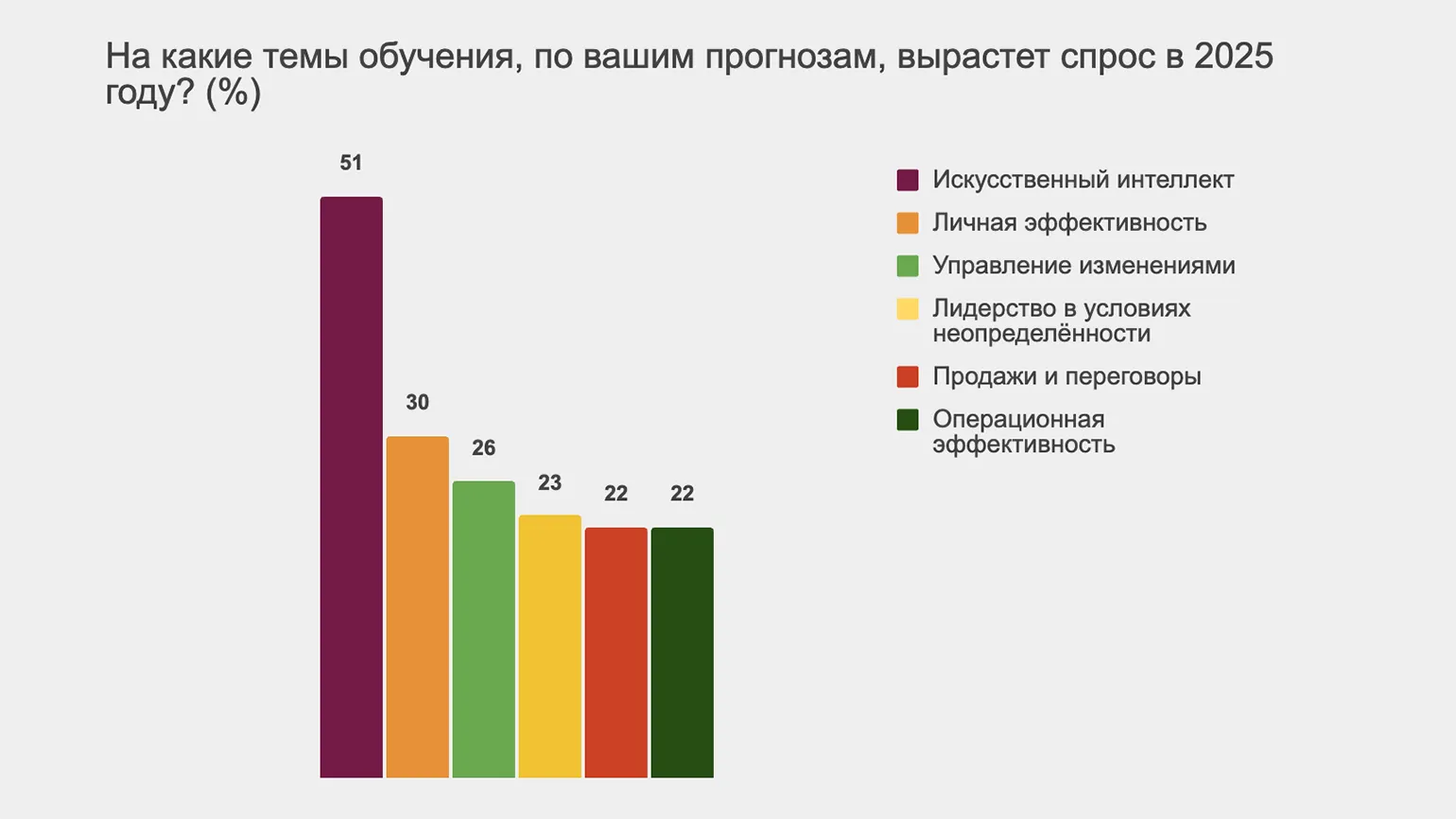
In 2025, there will be a noticeable increase in interest in training in the field of artificial intelligence, which was noted by 51% of respondents. This topic confidently occupies a leading position, significantly ahead of other areas presented in the previous year's rating.
Companies are facing a shortage of courses on artificial intelligence and hard skills. This creates gaps in employee skills and slows business growth. Amidst the rapidly changing labor market, it is important to focus on training in these areas. Investing in professional development programs will allow organizations not only to adapt to new technologies but also to increase competitiveness.
According to the survey, companies most often turn to external training providers for courses and programs on the following topics:
- personal effectiveness (41%);
- team management (30%);
- sales and negotiations (29%);
- effective communication and influence (26%);
- change management (25%);
- information analysis and decision making (25%).
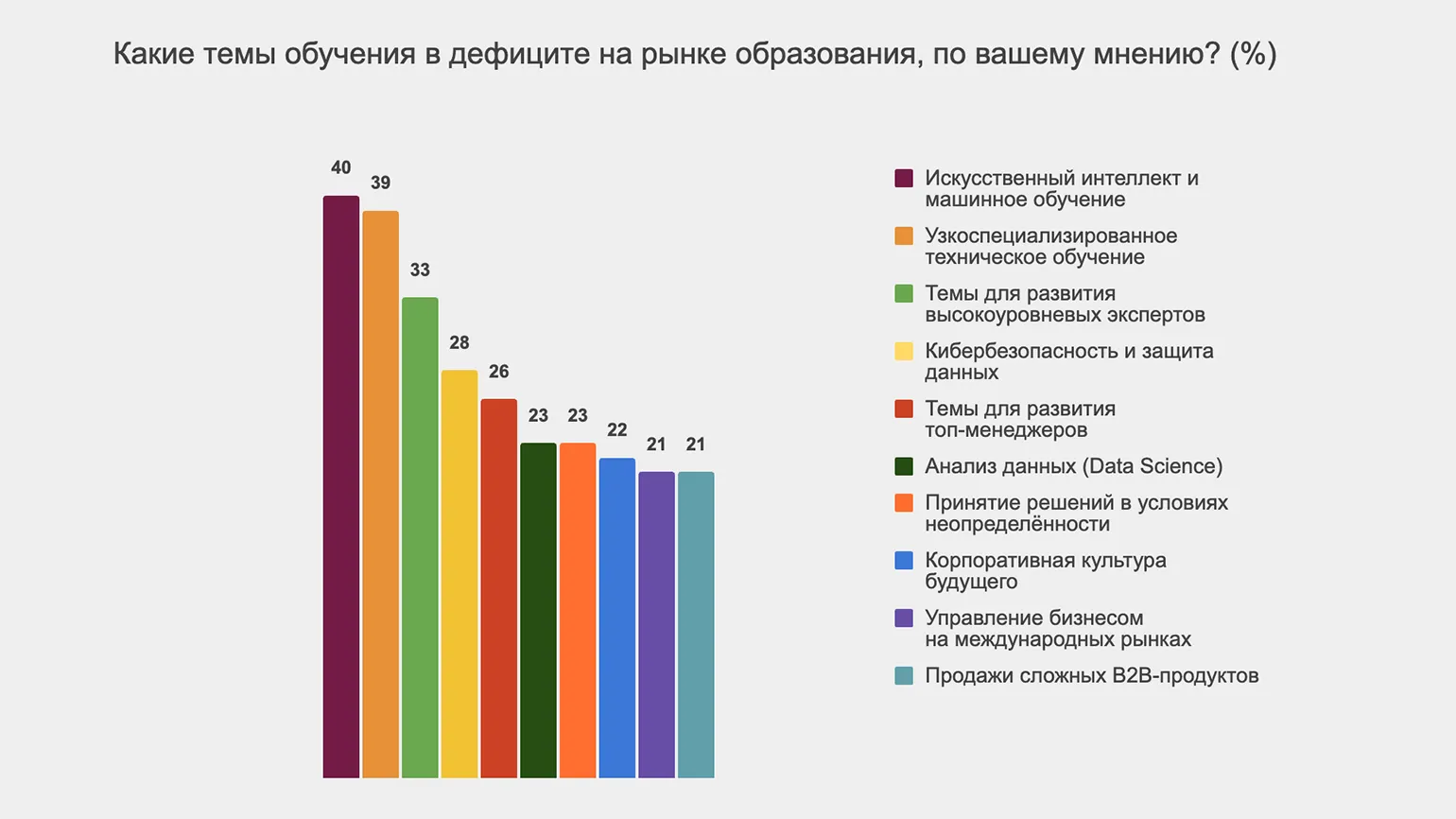
Educational service providers are not always able to meet the needs of companies for specialized training topics. According to surveys, 40% of respondents note a shortage of offerings in the field of artificial intelligence and highly specialized technical training for employees. The development of high-level experts and top managers, cybersecurity and data protection are also among the most deficient areas. Elena Zhanakhova attributes this situation to a shortage of qualified teachers willing to teach specialized courses, as well as the high cost of such programs. Due to significant costs, the actual demand for such training remains low, which makes their development economically impractical for providers.
When choosing a training provider, according to the survey, the key criteria are content quality, relevant topics, and affordable prices, noted by more than 40% of respondents. Although less of a priority, the knowledge and experience of trainers remains significant, valued by 29% of companies, as does willingness to collaborate and understanding of client needs (26% each). Important factors also include speed and flexibility of approach (19%), as well as the possibility of a hybrid training format (18%).
When choosing a suitable training provider, many companies rely on previous experience ordering or purchasing courses. Forty-four percent of organizations use networking as their primary search tool, while 43% turn to professional conferences and exhibitions. Peer recommendations play an important role for 41% of companies. About a third (29%) independently research offers online, 22% turn to specialized professional forums, and 20% immediately consider options from training market leaders. This approach allows companies to find the most relevant and high-quality educational resources that meet their needs and requirements.

Read also:
Josh Bersin: Online Learning Providers Will Face Challenges from Artificial Intelligence. With rapid advancements in technology, particularly in the field of AI, education providers must adapt to new challenges. Artificial intelligence is changing approaches to learning, which may necessitate changes to traditional teaching methods and course development. As AI becomes increasingly integrated into educational platforms, providers will need to consider the impact of this technology on student needs and the labor market. New strategies must be found to enhance learning and ensure competitiveness in a rapidly changing digital world.
A third of companies still do not use AI in their workflows
The study asked participants about conducting training for executives at their companies to implement artificial intelligence in their workflows. The results showed that almost half of respondents (44%) are not taking any special measures in this direction. A quarter of respondents (24%) noted the availability of training seminars and courses on artificial intelligence, 20% reported launching pilot projects for AI integration, and 19% mentioned peer-to-peer experience sharing sessions. Fifteen percent of participants also reported receiving consultations from AI experts and mentoring programs. It is important to note that training and experience sharing are key factors for the successful integration of AI into business processes. The use of artificial intelligence in business remains a pressing issue. According to surveys, 33% of companies have not yet entrusted AI with any tasks. Among those organizations that have already begun integrating AI technologies into their workflows, 27% use them for text processing, and 26% for image processing. Data analysis is a priority for 25% of respondents. Additionally, 20% of companies use AI chatbots to quickly answer frequently asked employee questions, and 19% use AI assistants to create presentations. The implementation of AI in business processes opens up new opportunities for improving efficiency and optimizing work.
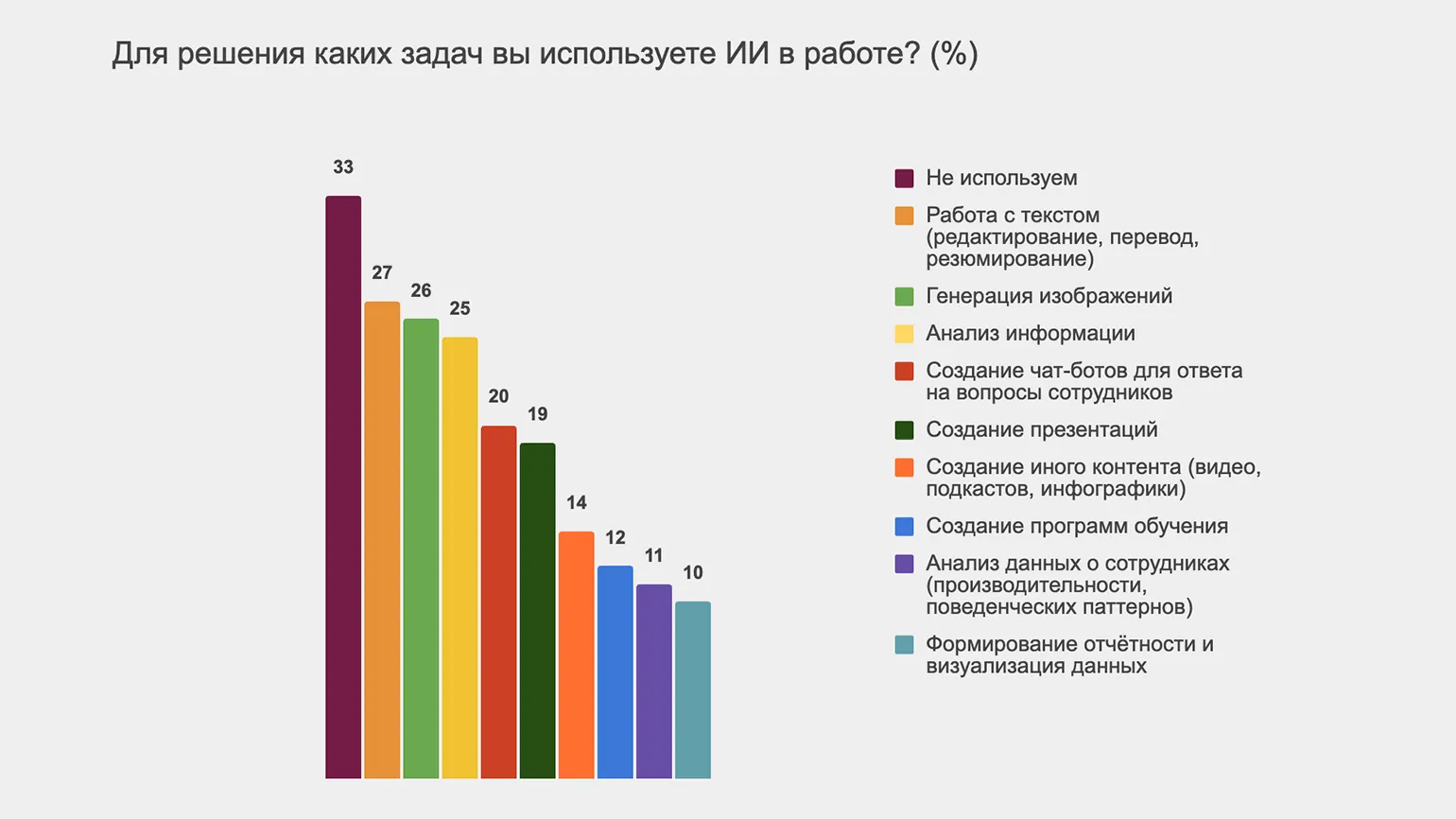
Tatyana Suslova noted that most companies use artificial intelligence tools primarily to solve content-related problems and perform routine work. However, AI is rarely used to transform approaches to learning, analytics, and decision-making. According to the survey, only 12% of participants reported using AI to design educational programs. Only 9% of companies use AI for onboarding and supporting new employees, only 5% for personalizing learning and career paths, and 4% for modeling employee career growth. The expert attributes this to organizations' low digital maturity, a lack of knowledge and experience, and a lack of effective AI implementation scenarios. Raising awareness of AI's capabilities and developing successful use cases could facilitate its wider application in these areas.
The results of a recent study of Digital Learning community members reveal interesting trends. By 2025, 7% of employers plan to systematically use artificial intelligence in employee training, while 13.5% intend to use AI to develop educational content. While these figures are still low, they represent a significant increase compared to 2% and 3% in 2024. This trend highlights the growing importance of technology in education and the need to integrate it into modern approaches to learning.

Reworked text:
Study additional materials:
Creating online courses using neural networks: practical Examples
In recent years, neural networks have significantly changed the approach to educational technologies. They offer new opportunities for developing online courses, enabling the creation of adaptive and personalized learning materials.
One effective method for using neural networks in education is to automate the content creation process. Machine learning algorithms can generate texts, videos, and tests, significantly accelerating the course development process.
Practical cases show that the use of neural networks allows for the creation of interactive platforms that adapt to student needs. For example, systems that analyze student progress data can recommend additional materials or adjust the difficulty of assignments based on student knowledge.
Furthermore, neural networks can help organize feedback. Automated student assessment systems can quickly and accurately grade assignments, providing learners with instant results and recommendations for improvement.
The use of neural networks in creating online courses not only optimizes the development process but also improves the quality of learning, making it more personalized and adaptive to the needs of each student.
The most popular learning format is hybrid, and the demand for business games is growing.
In 2024, the most popular employee training formats, excluding training, were: online courses, webinars, mentoring, and coaching. These methods provide flexibility and accessibility, allowing employees to learn at a time convenient for them and in a comfortable environment. Online courses offer a variety of topics and formats, which contributes to the deepening of knowledge and the development of professional skills. Webinars allow you to interact with experts and receive up-to-date information in real time. Mentoring and coaching provide a personalized approach to learning, helping employees achieve high results and develop their careers. These training formats are becoming important tools for improving the skills and adapting employees to the ever-changing demands of the market.
- webinars — 50%;
- meetings with experts — 37%;
- video courses — 28%;
- e-learning (the study does not specify what it means, but probably includes all other digital training formats except video courses) — 26%;
- business games — 22%;
- group coaching — 19%;
- strategic sessions — 18%;
- master classes — 17%;
- corporate conferences and forums — 15%;
- microlearning — 14%;
- off-site internships — 13%;
- business simulations — 12%.
In the next 2-3 years, respondents identify several key formats for training and interaction with experts. The most popular are meetings with experts, accounting for 35% of preferences. Webinars are also in high demand, chosen by 31% of survey participants. E-learning programs attract the attention of 29% of respondents, while video courses are of interest to 22%. Finally, business games are a relevant format for 21% of respondents. These data highlight the growing interest in a variety of educational methods and forms of interaction in the professional environment.
Tatyana Suslova noted that companies continue to show interest in digital training formats due to their effectiveness for geographically distributed teams. Digital solutions are easily scalable and cost-effective. At the same time, there is an increasing demand for business games, which help increase employee engagement, improve team dynamics, and develop practical skills. These training methods are becoming increasingly popular, as they allow them to adapt to modern market demands and enhance teamwork.
Tatyana emphasizes that a practical focus in training plays a key role in employee development. Meetings with experts provide a unique opportunity to gain relevant professional knowledge firsthand. These events facilitate familiarization with real-life cases and allow employees to learn from the mistakes of more experienced colleagues. This approach to training enhances employees' skills and promotes their professional growth.

Reading is an important part of our lives. It not only develops mental abilities, but also allows us to gain new knowledge and expand our horizons. Reading allows us to immerse ourselves in different worlds, understand diverse perspectives, and find inspiration. Books, articles, and other sources of information enrich our experiences and help develop critical thinking. Reading also helps improve writing and communication skills. Invest time in reading, and you'll notice the positive impact it will have on your life and career.
Corporate training technologies and formats have undergone significant changes over the past 10 years. First and foremost, the digitalization of education has become a key trend. Online courses, webinars, and virtual classrooms have become essential tools for employee training. This has allowed companies to reduce training costs and make it more accessible to all employees, regardless of location.
Microlearning and mobile learning stand out among the new learning formats. Microlearning involves breaking up educational material into small chunks, facilitating the process of information absorption. Mobile learning allows employees to learn anytime and anywhere, increasing the flexibility and effectiveness of the learning process.
Also worth noting is the growing popularity of adaptive learning, which takes into account the individual needs and knowledge level of each employee. The use of artificial intelligence and data analytics allows companies to create personalized educational programs.
Furthermore, social learning has become an important part of corporate culture. Employees can now share knowledge and experience through social media platforms, which contributes to a more collaborative environment.
Overall, corporate training technologies and formats have evolved significantly, allowing companies to more effectively develop their employees' skills and adapt to rapidly changing market conditions.
The majority of companies participating in the survey use a combination of in-person and online training for their employees, accounting for 82%. At the same time, 16% of organizations use a full hybrid format, which includes equal shares of in-person and online training (50%/50%). Only 9% of companies train their staff exclusively in-person, while a similar number prefer fully online training. This approach to training allows companies to more effectively adapt to modern conditions and ensure a high level of employee training.
Tatyana Suslova emphasized that more than 60% of companies using exclusively in-person training formats are reducing their budgets for educational programs. In contrast, organizations using blended formats or switching entirely to online training show the opposite trend: their training budgets remain stable or even increase. According to respondents, in-person training is becoming a specialized format that is primarily used to develop key employees, build management teams, and implement strategically important programs.
Training effectiveness is still measured the old-fashioned way, but some now use the Kirkpatrick approach.
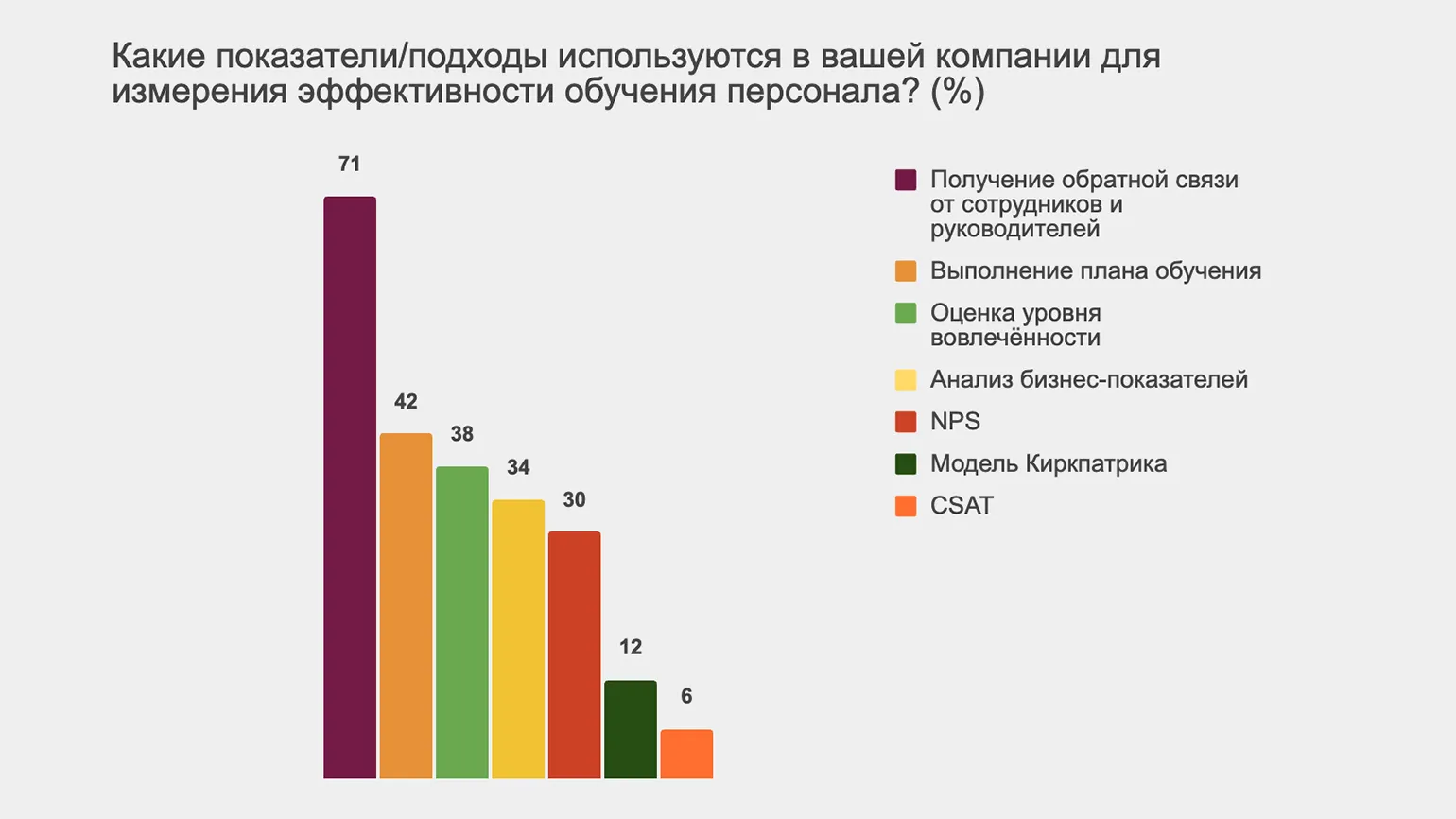
To evaluate training effectiveness, most organizations (71%) collect feedback from employees and their managers. 42% of companies analyze training plan implementation, and 38% measure employee engagement. Business metrics analysis is mentioned in only 34% of cases, while the net positive score (NPS) is used by 30% of companies. The Kirkpatrick model is used in only 12% of cases, while the employee satisfaction index (CSAT) is used in only 6% of organizations.
Reworked text:
Study additional materials:
- AI and Zoomer Engagement: Key Trends in Russian Corporate Training in 2025
- New AI Agents Can Turn Corporate Online Training into Fiction
- Executives of Foreign IT Companies Named Priority Areas for Employee Training
- Opinion: Why Convenience, Not Efficiency, Has Become the Main Thing in Corporate Training
- Opinion: "Corporate Training Is Pure Infobusiness"