
Contents:
Corporate universities, business schools and EdTech: yes Is there a chance of competition?
Corporate universities have significant experience in training executives at various levels. This creates the preconditions for their successful entry into foreign markets with educational programs. Some of them have already begun offering such services. This raises the question: are corporate universities capable of competing with traditional business schools in this area?
Corporate universities can offer unique advantages, such as tailoring courses to specific business needs and practical application of knowledge in real-world settings. These features can make their training more relevant and effective for executives seeking development. In addition, the growing interest in lifelong learning and professional development opens up new opportunities for corporate universities.
Thus, it can be assumed that, in the context of a changing educational landscape, corporate universities have every chance of occupying a significant niche in the market for educational services for executives, competing with traditional business schools.
Doubts about the need for corporate universities to expand beyond their parent company are justified. The primary objective of such institutions is to support and develop executives within the company. This work requires significant effort and resources, but is currently sufficient to achieve the stated goals. Corporate universities' entry into external markets should be driven by a more serious goal than simply profit. Corporate universities should focus on upskilling their employees and strengthening internal processes, which will ultimately improve the company's overall performance.
SberUniversity is actively expanding its horizons by offering educational programs to external audiences. The primary goal of this move is not only revenue generation but also an effort to enhance knowledge and skills in various fields. The university strives to create a platform for the exchange of experience and knowledge to prepare specialists capable of adapting to the rapidly changing demands of the modern market. In this way, SberUniversity contributes to the development of a professional environment and the formation of a competent workforce, which is an important contribution to the economy and society as a whole.
We entered the external market to support the development of Sber's client relationships as part of its digital transformation. Training is a key element in helping us achieve this ambitious goal. Revenue is the result of our progress in this area.
In 2023, the Corporate University Forum, held at SberUniversity, focused on the commercialization of educational programs. We explored this topic in depth and, although we didn't cover all corporate universities, noted that entering the external market is rare. Only a few have begun offering their services outside the company. At the same time, organizations that decide to take this step, like us, are not pursuing solely financial gain but are guided by broader goals and objectives. This underscores the importance of a strategic approach to program commercialization at corporate universities.
If parent companies were to increase revenue, corporate universities could easily become competitors to business schools. They have a unique opportunity to tailor educational programs to the specific needs of the business, making them more relevant to employees. As a result, such universities can not only improve employee skills but also contribute to company profit growth. This creates a win-win situation, where both employees and organizations gain significant benefits. The issue of segmenting educational programs is key to understanding the market. Business schools can successfully coexist by focusing on different niches. For example, corporate universities often excel at offering short- and medium-term educational solutions focused on practical aspects. At SberUniversity, we focus on topics such as digital transformation, finance, and risk management. This allows us to share Sber's expertise and offer specialized programs that meet current business needs. In this way, we create value for our clients and adapt our educational offerings to modern realities.

MBA and executive MBA programs, which are traditionally considered key in Business schools don't quite fit our niche. Corporate universities focus more on solving applied problems and imparting practical experience, rather than developing a theoretical foundation, as is the case with traditional business programs. This makes them more suitable for the needs of companies seeking effective training and development of their employees.
In the field of Executive Education, competition can be represented by various areas, where each organization has its own unique niche, target audience, and specific offerings. This allows potential clients to choose the most suitable programs that meet their goals and needs. Each player in this market offers its own unique solutions, making the choice more diverse and individualized.
Corporate universities have gained significant experience in developing educational programs not only for managers but also in teaching IT skills. This raises the question of their ability to compete with the EdTech industry, including online schools offering training in applied professional skills. However, as you have already noted, corporate universities may not have this goal. This highlights their unique role in corporate training, which emphasizes the development of specific competencies required by a particular company. In the future, we may see greater collaboration between corporate universities and EdTech platforms, allowing them to combine efforts in training and professional development. Corporate universities, such as SberUniversity, focus on management education and training IT specialists. While this focus differs significantly from EdTech, we continue to develop our educational programs both on-campus and online. We have our own digital platforms, but they are not focused on mass sales in the B2C segment. EdTech, in contrast, is primarily focused on B2C, offering extensive content, a sales team, and well-established sales mechanisms. We are confident that our focus on quality education and specialized programs will contribute to the successful development of our field.

Read also:
Generative artificial intelligence (AI) will significantly impact the skills and training of IT personnel, according to a McKinsey analysis. This approach to employee training and development will improve operational efficiency and adapt to rapidly changing market demands. Generative AI will help automate routine tasks, freeing up time for more creative and strategic work. IT professionals will be able to focus on developing critical skills such as complex problem solving, creativity, and interdisciplinary collaboration.
The implementation of generative AI in educational programs will enable personalized learning, providing individualized recommendations and tailoring content to the specific needs of each employee. This will provide a deeper understanding of technologies and trends, which will increase the competitiveness of specialists in the labor market.
Thus, generative AI will not only change the IT training process but also define new standards of professional skills required for a successful career.
"Growing" Juniors into Middles as a Challenge for Corporate Universities
SberUniversity is actively developing training programs for IT specialists, offering a range of effective solutions for upgrading the skills of aspiring specialists. Training courses include practical exercises that help juniors develop the necessary skills and move up to the middle level. Using modern learning approaches such as project-based work and mentoring, SberUniversity creates a favorable environment for students' rapid professional growth. These developments are focused on the current needs of the IT market and enable graduates to successfully adapt to the rapidly changing technological landscape. We are actively working to improve the specialist training process. This is a complex task that requires continuous improvement. To effectively develop junior specialists to the middle level, clear integration with real-world work tasks is essential. Junior specialists can be trained without deep immersion in practical tasks, but direct practice is essential for their further growth. We are currently facing the challenge of fine-tuning this integration. Together with Sber's technology department, we are developing a platform solution that will integrate into workflows and the educational process, providing optimal support for the transition from junior to middle and beyond.
The market still lacks ready-made and effective methodological solutions for the rapid growth of juniors to middle professionals, and this problem remains pressing. The search for optimal approaches and strategies that will accelerate the training and professional development of young specialists is currently ongoing.
In my opinion, yes, this is indeed the case.
Once effective solutions are found, they can be scaled up. This represents a unique opportunity for large corporate universities, which can successfully offer their services to external clients. Currently, the IT and EdTech industries face a serious problem – the "junior curse." The labor market is experiencing a surplus of entry-level specialists, while there is a shortage of qualified middle professionals. However, as you rightly noted, it's impossible to develop a junior into a middle developer using standard training courses; this process must take place in a real work environment.
Many companies are interested in providing services to develop junior developers to middle level in the external market. However, this can lead to competition for talent. Sending their junior specialists to external training can raise concerns among colleagues at other organizations. The question of how to organize such a process for the external market remains open, as it is necessary to consider the risks and possible negative consequences for all participants.
You mean that offering services to develop juniors to middle level in the external B2B market may raise concerns among other companies. They may fear that by sending their employees to study at SberUniversity, they risk losing their best specialists, as Sber will be able to attract them.
I understand that managers of other companies may have similar thoughts.
If we consider the B2C segment, we can create conditions in which young professionals seeking to develop will actively choose SberUniversity for their studies. This can be achieved by offering high-quality educational programs that meet modern market requirements. It is also important to emphasize the career growth and professional development opportunities available to graduates. To attract students, it is worth using various marketing strategies, such as targeted advertising on social media and free master classes to demonstrate the value and relevance of the courses offered. This way, SberUniversity can become an attractive place to study, and students will be willing to invest in their education.
A key aspect is understanding how internships help aspiring professionals move to the middle level. This requires not only theoretical knowledge but also the active application of skills in real-world projects. Practice allows you to develop professional qualities, deepen your understanding of technologies, and improve problem-solving skills. It is important to actively participate in projects, receive feedback, and analyze your mistakes. This approach promotes rapid growth and advanced training in your chosen field.
How Corporate Universities Can Benefit Higher Education
Recently, universities have been criticized for not sufficiently adapting to labor market demands. This leads to employers being forced to further train or retrain graduates as they begin their careers. This raises the question: is it possible that corporate universities will in the future begin training specialists from scratch, focusing exclusively on the needs of their companies? This could become an alternative to traditional higher education, allowing corporations to develop personnel that meet their specific requirements and standards. Thus, corporate universities can not only bridge the gap between education and market reality but also improve the effectiveness of specialist training.
Criticism of the education system is always possible, and indeed, there are many aspects requiring change and improvement. However, I do not believe that corporate universities should seek to replace higher education. This task is beyond the capabilities of corporations and could lead to undesirable consequences. Higher education has its own unique value and role in developing qualified specialists. Corporations can focus on developing advanced training and vocational training programs that complement academic knowledge, not replace it.
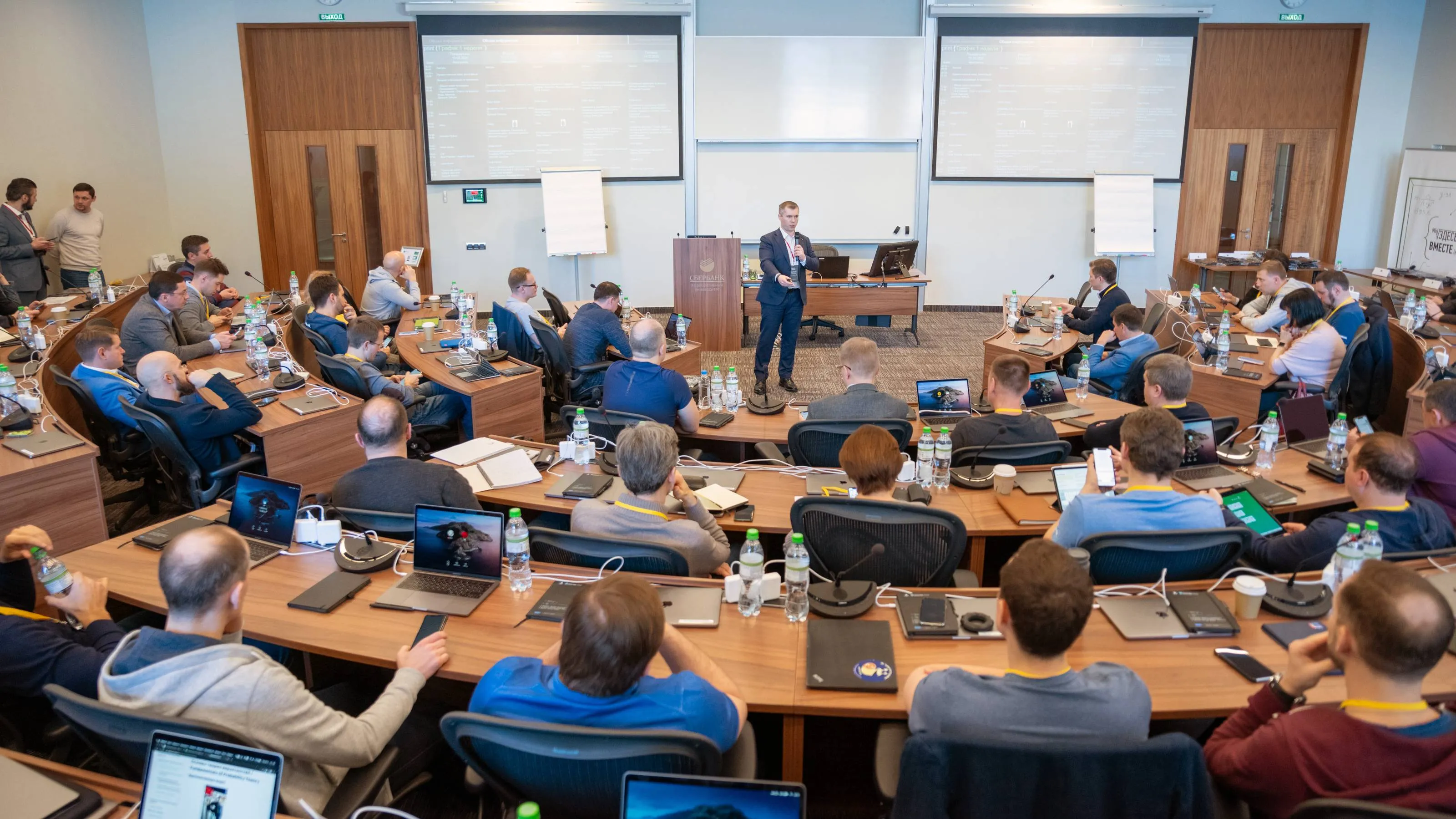
It is impossible to learn anything in 4–5 years of university study. Fully equip a person with the necessary applied skills for life. In any case, after receiving a diploma, ongoing training and acquisition of new knowledge will be required. The pace of technological development is such that even during university studies, significant changes occur that impact professional tasks. For example, the level of artificial intelligence development just four years ago was significantly different from today. Therefore, the primary goal of higher education is to prepare students for real life, develop critical thinking, and the ability to adapt to new roles and demands in the labor market. Bringing students' understanding closer to real business conditions can be achieved through various joint programs and deep integration of companies into university educational processes. For example, Sber has 52 joint programs with various universities. Such partnerships offer greater potential than establishing their own university. Joint initiatives enable students to gain relevant knowledge and skills needed for successful careers, and businesses to develop qualified personnel capable of adapting to rapidly changing market conditions.
Please indicate the text that needs to be revised.
Partnerships in education help students develop a broader worldview, rather than a limited perspective based solely on the activities of a single company, such as Sber. Higher education should offer students a variety of opportunities, and focusing on one specific technological and professional area limits this range. It is important for students to have access to a variety of approaches and ideas, which will allow them to develop critical thinking and adapt to rapidly changing labor market conditions.
Universities concentrate a significant amount of specialized expertise. There are many areas in which corporate universities do not have the necessary skills and may never be able to develop them. One such area is research. Universities play a key role in conducting research and training specialists, which makes them indispensable in the educational and scientific fields.
I advocate for closer cooperation between higher education institutions and companies. This is necessary to ensure that students and faculty are aware of current changes and trends in the labor market. Companies often develop faster than educational institutions, and it's important that curricula align with modern demands. Bringing universities and businesses closer together will provide students with relevant knowledge and skills, increasing their competitiveness in the labor market. A broad perspective is an important aspect of education, while a narrow focus can limit a specialist's opportunities. However, it's worth noting that many applied master's programs created in collaboration with businesses are aimed at training personnel for specific companies. This can be perceived as a manifestation of "tunneling" in education, as the emphasis is on highly specialized skills and knowledge. As a result, graduates of such programs may be less flexible in the labor market and less prepared for changing conditions. A master's degree offers a more relevant specialization than a bachelor's degree. Over the course of four years, students develop basic knowledge and prepare for specific career goals. At this stage, they can choose a program that involves collaboration with a specific employer. Most of the programs developed by Sber in partnership with universities are primarily aimed at master's degree programs. A partnership program doesn't always imply a narrow specialization. Consider the example of a master's program organized by MIPT, which is focused on high-tech business. The main goal of this program is to prepare talented specialists with knowledge of technology for successful careers in business. The choice of professional path remains up to the graduates. They can choose to work for large companies such as Sberbank, or found their own technology startups.

This program clearly demonstrates why it is beneficial for corporations to cooperate Partnering with universities to train specialists, rather than doing it independently. MIPT has high technological expertise and numerous research laboratories that cannot be easily replaced. Effective integration with a suitable university provides significant advantages and improved educational outcomes. Collaboration with educational institutions allows companies to access cutting-edge research and innovation, which ultimately contributes to the development of both business and scientific potential.
You noted that corporations are capable of supporting both students and faculty in their efforts to remain relevant. SberUniversity has significant experience in this area, particularly through its Summer Digital School for university and college teachers, which has been running for five years. This school was created to improve the qualifications of teachers and adapt them to the modern requirements of the educational process. As part of the program, participants are trained in modern teaching methods, digital technologies, and current trends in education. The program is aimed at developing the skills necessary for effective teaching and interaction with modern students.
The summer school offers ten thematic tracks, four of which are dedicated to information technology, two to finance and risk management, and also includes tracks on ESG, project management, soft skills, and product design. Within these tracks, we share relevant developments and tools. The training is conducted online and lasts two months, allowing for flexible integration with other classes.
Sber views this project as a charitable initiative. Participation in the project is free, and its main goal is to share experiences and best practices. We strive to provide instructors with tools and case studies they can use in their teaching.
We conduct monitoring throughout the year to understand who is using our content and how. This process does not establish specific KPIs, as our primary goal is to assess the usefulness of the information we provided to faculty and the extent to which it reached students.
The current discussion about the possibility of involving IT company employees in teaching at universities raises many questions. Rather than imposing practical training, perhaps it would be worth considering sending faculty to IT companies. This would allow them to gain practical experience and become familiar with modern tools and working approaches used in the industry. This exchange of experience will help improve the quality of IT education and make teaching more relevant and effective. Practical cases obtained through work on real projects will significantly enrich the educational process and prepare students for the challenges of the modern industry.
Combining teacher and student training seems appropriate. Teacher training creates a delayed effect that is significant for the entire educational system. By educating students today, we prepare them for future challenges, and faculty, in turn, are able to pass on and build on the knowledge they've acquired. Investments in faculty development are an important step in supporting the transformation and updating of the education system. This will ensure the quality of education and prepare a new generation of specialists capable of adapting to a rapidly changing world.
Alexander, you have unique experience working in both business and the educational sector. In your view, how can corporate universities make a significant contribution to the development of universities? What resources and knowledge available in the corporate environment can be useful for higher education?
Roman Baskin, Director of the Russian Railways Corporate University, expressed an important thought about the role of corporate universities in the modern educational landscape. He noted that corporate universities are closer to businesses than traditional universities, allowing them to better understand the current needs and objectives of companies. At the same time, they maintain a connection with the educational system, as they know the fundamentals of pedagogy, curriculum development, and the specifics of the educational market. Thus, corporate universities act as integrators between business and higher education, ensuring effective interaction and training of specialists who meet the requirements of the modern economy.
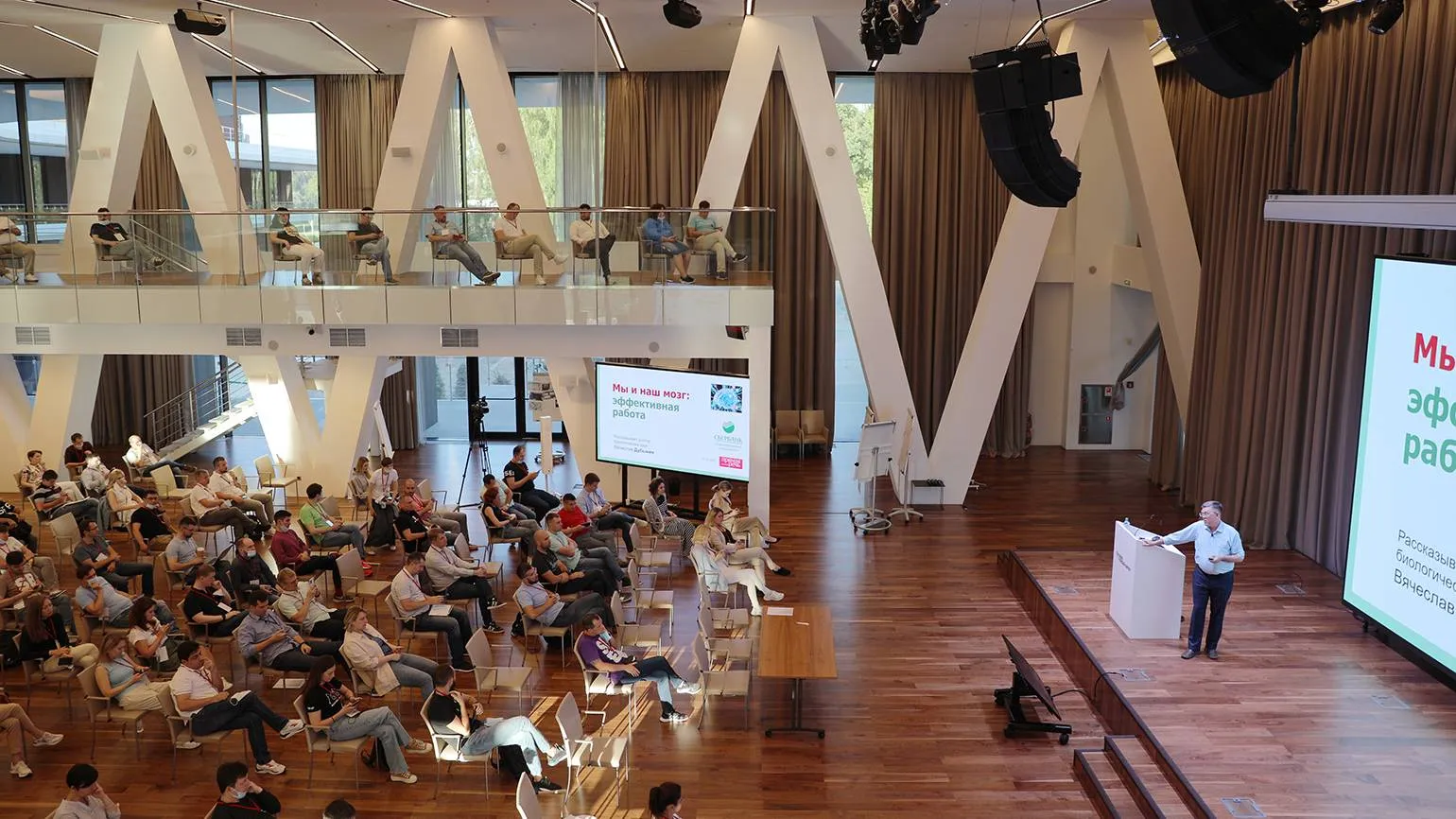
We can share We share our experience with universities in business realities, as well as our knowledge of the applied tools we use in our work. The specific approaches we employ within the company, which yield results, can be useful to both faculty and university management teams. We synthesize this experience and share it within the corporation, and it can become the basis for improving educational processes and management at higher education institutions.
What is the essence of personalized learning in a corporate environment?
In our conversation, I outlined two directions in which corporate universities could develop if they wish to scale: entering the external business education or EdTech market, and creating their own higher education. You refuted both assumptions. What is your opinion on the further development of corporate universities? What opportunities for growth do you see in this area?
Now it is important to focus not on scaling, but on deepening knowledge and skills within the company. Corporate universities should primarily address issues related to employee development and advanced training within the organization. This will improve internal processes and increase work efficiency.
A deeper understanding of a person implies a more profound analysis of their inner world, emotions, and motivations. In this context, we have access to a wider range of tools and methods than is often provided by higher education institutions and other educational institutions. This allows us to more effectively explore personal characteristics and develop interpersonal skills, significantly enriching the learning and interaction process.
Why is demand increasing?
When a person joins a corporation, we gain access to extensive information about them, which opens up new opportunities for individualizing their training. This knowledge allows us to more effectively formulate recommendations and develop strategies for their career advancement. We can tailor training and development programs based on their needs and goals, which contributes to more successful advancement within the company.
It is important to delve deeper into the content of our training and the methods we use. In this context, there is significant potential for changing approaches, especially given the capabilities of AI assistants. The use of such technologies can improve the effectiveness of training by adapting materials to the individual needs of each student. This will make the process more interactive and personalized, which, in turn, facilitates better knowledge absorption.
Modern technologies and their application are at an early stage of development. However, in the future, we will be able to create an effective connection between an understanding of a person's work, their skills, and the needs of a specific work situation. AI assistants will be able to provide exactly the content that is relevant at the moment and in a user-friendly format. This is becoming an important goal worth striving for. The implementation of this idea will allow corporate universities to reduce the volume of e-content created and focus on deeper and more personalized approaches to learning.
Do you mean that by "going deep" you mean a high degree of personalization based on expanding digital capabilities?
Personalization plays a key role in integrating with work tasks. It is important to create a system that provides a deep understanding of the individual needs of each employee. This will allow you to determine what specific actions are necessary to improve their effectiveness in their current professional role or to successfully move to the next career level. This approach not only promotes employee development but also increases the overall productivity of the company.
To achieve effective employee training, it is necessary to offer them educational solutions that align with their goals and motivations. The development of technology and digital tools opens up new opportunities for addressing this challenge. While it's important to initially focus on professional roles that are already highly digitalized and require specific hard skills, this approach can be expanded to other categories of specialists in the future. The gradual implementation of such solutions will ensure a deeper understanding and adaptation to the modern requirements of the labor market.

Read also:
Personalization using neural networks seems like an unattainable task today. However, in the near future, perhaps within a year, this technology will become accessible and feasible. Neural networks have enormous potential for creating unique user experiences tailored to specific needs and preferences. The development of artificial intelligence technologies opens new horizons for personalization, allowing businesses to interact more effectively with customers, increasing satisfaction and loyalty.
Breaking a large task into stages and blocks simplifies its implementation. Start by identifying the main goals and objectives to be achieved. Then, identify key stages, such as analysis, planning, implementation, and evaluation of results. Each of these stages can be broken down into smaller tasks, making their implementation more manageable. Prioritize each subtask to focus on the most important aspects. This approach not only improves work organization but also contributes to increased task efficiency.
To successfully digitize the necessary skills, it is important to consider the diversity of professional roles. This diversity makes the task complex, as each position requires unique skills. However, it is necessary to structure these requirements to clearly communicate to employees the skills expected of them. Properly digitizing skills will help improve understanding of responsibilities and enhance team effectiveness.
The second important step is creating extensive learning content. This includes a variety of educational products that will help people in their professional development and advance from their current level to their desired level. It is essential to provide access to materials that will help develop the skills and knowledge needed to achieve their career goals.
It is important to link learning outcomes to objective performance indicators and assessment systems used by managers and colleagues. This will allow us to see how completing the program and learning assignments improves employee performance in specific work tasks. This approach will create a closed-loop approach that will facilitate career growth and development, taking into account their professional responsibilities.
At SberUniversity, we are actively personalizing the educational process. We are currently analyzing student needs and developing individual curricula. This allows us to tailor courses and programs to the unique needs of each student, significantly increasing learning effectiveness and student satisfaction. Personalization is a key focus of our strategy, and we continue to implement new technologies and methods to achieve this.
We have made significant progress in developing our content block, and we have valuable offerings for users. However, we are only just beginning our journey in understanding human needs, digitizing essential skills, and integrating learning with work outcomes. It is important to continue developing these aspects to improve the effectiveness and quality of learning.
In Russia and abroad, there are a number of successful examples of learning personalization that have been effectively addressed. An important aspect is the use of technologies and methods that allow the learning process to be adapted to the individual needs of students. For example, some educational institutions have implemented artificial intelligence systems that analyze student progress and offer personalized learning paths. There are also platforms that use data on student performance and preferences to create unique educational trajectories. These examples demonstrate that a competent approach to learning personalization can significantly improve its effectiveness and student satisfaction.
Currently, I have not been able to find effective solutions that fully meet my requirements. I have seen examples of colleagues also striving to develop in this direction. However, I can't claim to be familiar with all the offerings on the market. Perhaps similar solutions already exist, and I simply haven't found them.