
Contents:
- Why were internal trainers and course developers needed?
- How trainers and course developers are trained?
- How people are recruited for the programs?
- How certification works?
- What turned out to be the most difficult part of implementing the project?
- What training do SkillUp participants create?
- Results to date?
Why Internal Trainers and Course Developers Were Needed
Renaissance Insurance is one of the leading insurance companies in Russia, offering over 60 types of insurance services, including property, auto, health, and life insurance. Due to the constant updating of products and services, the company regularly conducts sales training for employees, partners, and agents. Given these factors, the need to train internal experts within the company has become urgent. This will improve the level of customer service and enhance competitiveness in the insurance market.
In 2019, the organization decided to undertake a digital transformation, which naturally affected the area of HR development. The training team was tasked with developing a product that would ensure effective employee development. It was important to create innovative solutions that facilitate employee development and adaptation to the new digital environment. This included the implementation of modern educational technologies, online learning platforms, and interactive tools that would facilitate the effective acquisition of knowledge and skills. The main goal was to create a flexible training system capable of quickly responding to changes in the business environment and employee needs, which in turn would increase the organization's competitiveness in the market.
- increase in the number of internal training resources;
- preservation of knowledge accumulated in the company;
- quick and effective transfer of new knowledge and skills among employees;
- optimization of training costs;
- increase in the number of T-shaped specialists, since such people are more likely than others to bring new ideas to the company and are the main "drivers" of business;
- increase in engagement and eNPS.
The idea of SkillUp arose with the goal of creating an internal school for trainers and e-course developers. Over time, the project expanded, adding two new training programs, which we will talk about later. Training sessions are held twice a year, allowing participants to regularly update their knowledge and skills in online education.
How Trainers and Course Developers Are Trained
The Certified Trainer program is based on the classic Train the Trainer program developed by the International Coach and Trainer Association (ICTA). Minor modifications have been made to the program to meet the company's needs, incorporating modern online learning tools. The program lasts approximately one and a half months. In addition, we have developed a unique two-month program for creating e-courses. During this time, participants learn the fundamentals of instructional design, enabling them to effectively develop and implement educational materials.
The program is based on the classic ADDIE instructional design model, developed in the 1980s. This model continues to be actively used by methodologists and education specialists. We decided not to purchase ready-made programs, but instead leverage the extensive experience of professionals and colleagues to create a unique approach to training. Irina Cheshlya, Head of Digital Learning Development at Renaissance Insurance, emphasizes the importance of this experience in improving the quality of educational solutions.
A virtual space in Miro was created for employees participating in the training. This allows them to complete homework assignments and solve interactive problems during classes. SkillUp community members can view each other's projects on a virtual board and provide feedback. They check homework assignments and correct mistakes, which facilitates better learning. Developers of e-courses are trained to be visually inclined, familiarizing themselves with examples of high-quality educational sites, which improves their professional level.
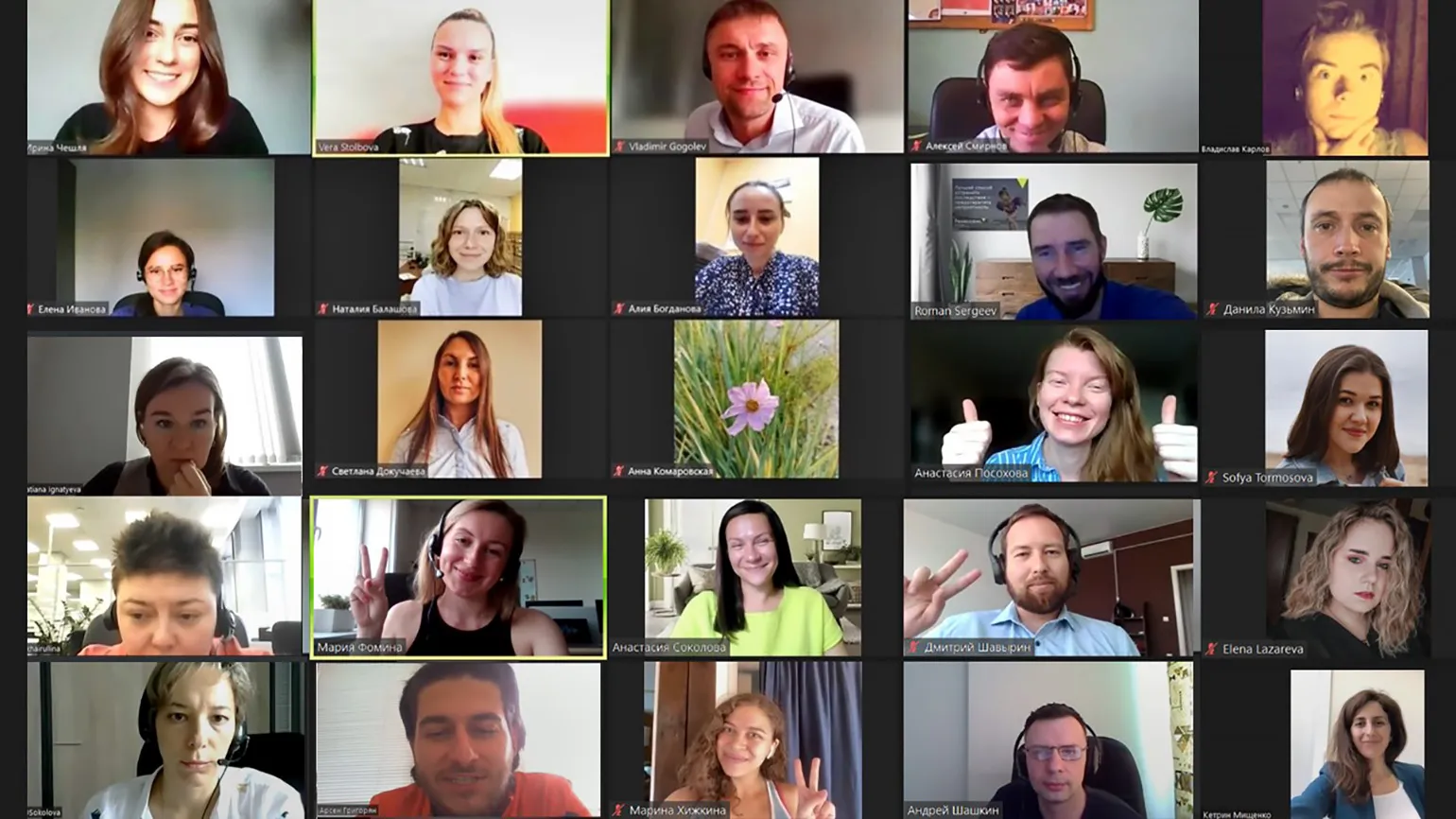
Vladimir Gogolev, Director of Training and Development at Renaissance Insurance, shares his memories of the launch of the SkillUp project. Initially, this project was intended to be regular, but at the time of its launch, there was no clear idea of the most effective format and expected results. Essentially, the launch of SkillUp became an experiment, the goal of which was to determine the optimal approaches to employee training and development.
The first SkillUp stream was launched in 2019, and at that time, 90% of classes were held in person. This option was preferred by employees. However, with the onset of the pandemic, there was a need to urgently adapt the training programs just three months before the start of the next stream. "This was very difficult, as we had no experience conducting classes on Zoom. It was also difficult for employees to adjust to the new conditions - some participants did not turn on their cameras or sound, and some simply disappeared during lessons. "This was a real challenge for our team," says Vladimir.
Despite the difficulties, during the lockdown period, there was record interest in the training: the organizers received 54 applications, of which 26 people successfully completed the course. This may indicate that people were looking for ways to cope with the stress of self-isolation and were eager to develop their skills under restrictions.
SkillUp classes are currently offered in a blended format, effectively combining online and offline learning. This approach ensures flexibility and accessibility, allowing participants to choose the learning method that is most convenient for them. The course includes theoretical lectures, practical classes, and interactive sessions, promoting deep learning and the development of practical skills. This learning format meets modern requirements and helps students successfully adapt to a rapidly changing world.
- Synchronous online lessons on Zoom, which make up the majority of educational programs.
- In-person classroom sessions (for trainers only). They take two business days from 9:00 AM to 6:00 PM. Employees are free from work during this time, and a meeting notification is sent to their calendar several weeks in advance.
- Asynchronous module. Includes recorded video lessons and text materials from instructors.
SkillUp does not have a unified platform or mobile version, but the company plans to develop a space that will unite all training tools, including a program for trainers. Currently, the SkillUp community operates on the intranet using Bitrix24, and the asynchronous module is hosted in the LMS. Access to the LMS is possible only through a work laptop or using a special program on a third-party computer. The development of a unified platform will improve the accessibility and usability of training for users.
Project organizers report that the first cohort of the SkillUp program for trainers was more in demand than the program for e-learning developers: 16 people were enrolled in the trainer cohort, while the developer cohort attracted only 10 participants. However, over time, employee interest shifted, and the e-learning developer course became more popular. One of the reasons for this shift can be attributed to the transition of education to an online format after 2019, which led to increased interest in creating educational content in this area. This change in the educational environment contributed to the growing interest in e-learning development skills, as evidenced by the increase in the number of participants in the relevant programs.
How People Are Recruited for the Programs
Organizers say that initially, all interested employees were accepted into the SkillUp programs. To attract attention and generate interest in the training, the training team, working with internal communications, developed a detailed communications plan. This plan included various strategies and tools aimed at maximizing employee engagement and effectively communicating information about the program. Information support was provided through internal channels: a banner was placed on the intranet, newsletters were sent, and posts were published on the company's Telegram channels. A proactive group of employees—project ambassadors—was formed. In the first waves, these were representatives of middle management. The project team personally communicated with these individuals and described the benefits of the upcoming project. They, in turn, shared this information with colleagues and subordinates. In subsequent cohorts, they were joined by SkillUp graduates who shared their training experiences.
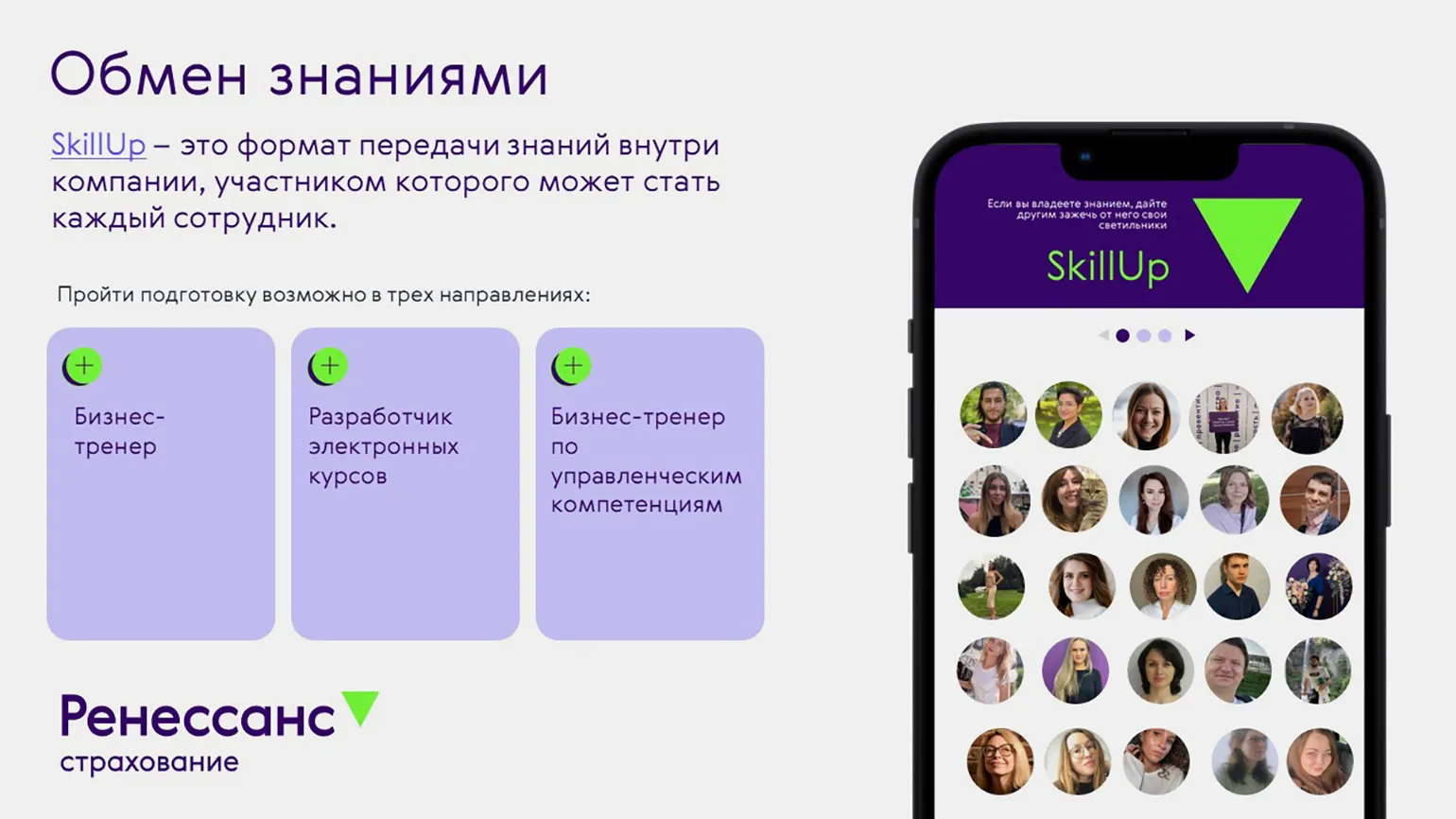
The event organizers planned in advance for interviews with graduates. This allowed them not only to document their achievements but also to share them on corporate resources. This will make information about graduates available to a wider audience, increasing their visibility and strengthening the organization's image.
Top management support plays a key role in the success of educational projects. When management is actively involved, employees begin to perceive such initiatives as valuable and meaningful. This was confirmed by the experience of Renaissance Insurance, where the launch of the SkillUp platform coincided with the introduction of a new model of corporate values, among which the main emphasis was development. The company's CEO, Yulia Gadliba, acting as the main ambassador of these values, ensured constant attention to the project, which contributed to its popularization and integration into the corporate culture.
Over time, other executives joined the project. The Vice President of Operations is actively involved in developing courses for her employees, including participating in the creation of training videos. The Vice President of Underwriting and Claims Methodology recorded several podcasts as a subject matter expert for an insurance course developed by one of the students in the online training program. This collaboration strengthens the company's educational initiatives and promotes the professional development of employees.
Vladimir Gogolev notes that it would be useful to introduce financial incentives for employees participating in the project. However, SkillUp does not yet have a well-established incentive system, although its development is planned. At the same time, students have the opportunity to receive pleasant bonuses: the three best graduates are awarded certificates for training in leading companies and branded products.

Reworked text:
Study additional Materials:
Finding, developing, and motivating experts within a company are key aspects for increasing the competitiveness and innovation of a business. The first step is to determine what skills and knowledge are needed to achieve the organization's strategic goals. This may include analyzing current employee competencies and identifying gaps.
The next step is to create training and development programs that will help employees develop the necessary skills. These can be both internal training and external courses. Investing in training not only increases knowledge but also contributes to talent retention, as employees value the opportunity for professional growth.
Motivating experts plays a significant role in their productivity and engagement. Effective motivation methods can include a reward system, recognition of achievements, and providing interesting and challenging tasks. It is important to create an atmosphere where employees feel valued and heard.
Furthermore, regular feedback and opportunities for career growth will help maintain high levels of motivation and passion for work. Ultimately, successfully identifying, developing, and motivating experts within a company not only improves work processes but also strengthens the corporate culture, which in turn leads to sustainable business success.
How Certification Works
After completing the training track and development of e-courses, graduates undergo internal certification. For successful certification, it is necessary to demonstrate the practical application of the acquired knowledge. This allows not only to confirm qualifications but also to consolidate skills, which makes them more competitive in the market. During the certification process, graduates implement their projects that favorably highlight their skills and creative approach to learning.
- The trainer conducts training for colleagues who wish to take the training and signed up for the lesson;
- The developer presents the e-course created during the training process on the program; it is taken by examiners and, if desired, graduates of previous SkillUp streams.
Certification is conducted by employees of the T&D department, using a pre-prepared checklist for a comprehensive assessment. During the process, they analyze how the trainer's course graduate interacts with the audience, the quality of the prepared materials, and other important criteria. Points are awarded for each item, and upon reaching the required score, the graduate receives an internal certificate. This gives him the opportunity to publish his courses in the company's LMS and conduct training without prior approval from T&D.
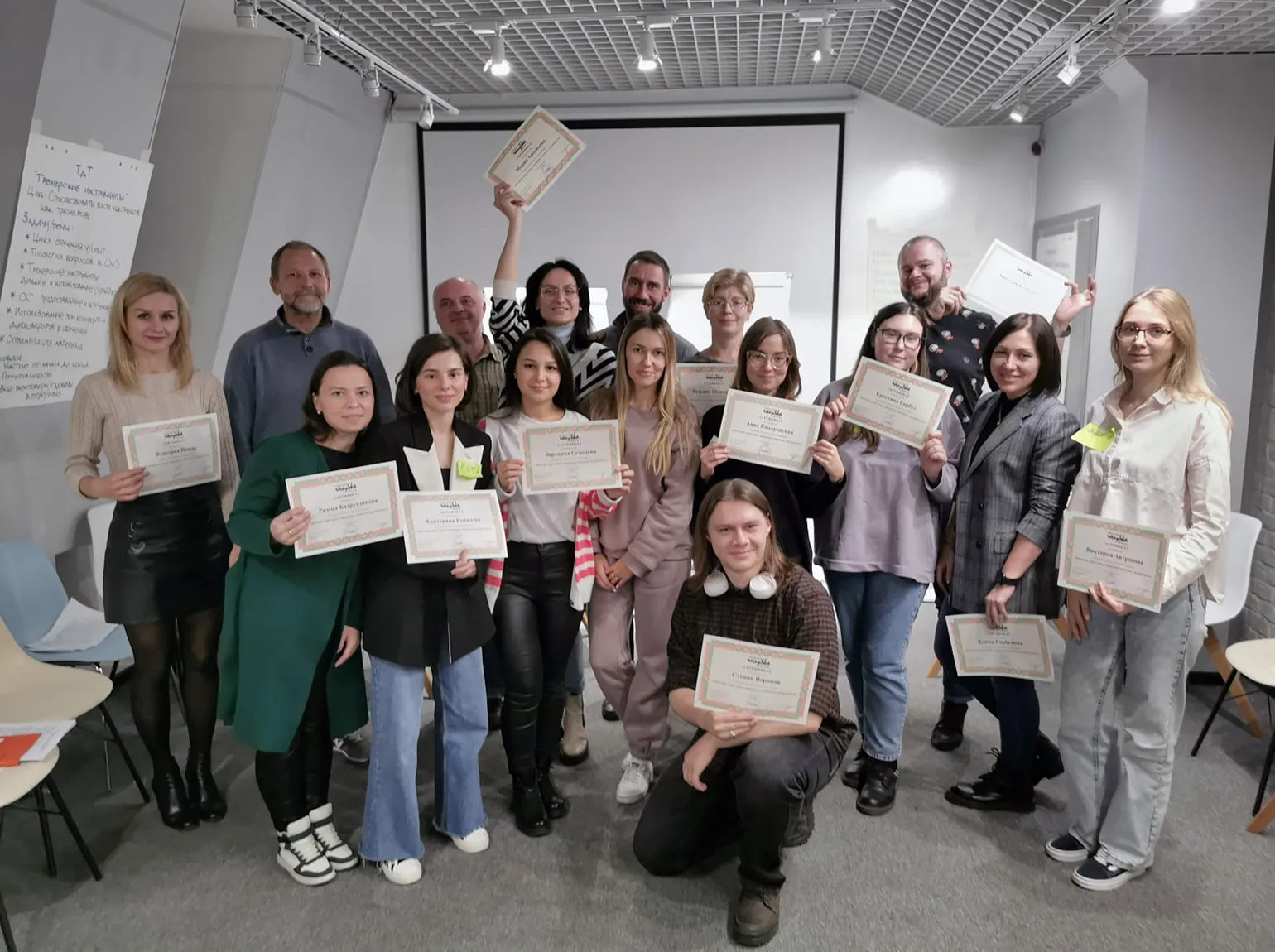
Trainers certified by Renaissance Insurance have a unique opportunity to earn an external certificate, which allows them to conduct training on third-party platforms and earn money from it. Every year, the company invites a representative of an accredited training center authorized to issue a professional trainer certificate, which is the domestic equivalent of ICTA. During the event, an advanced-level training is organized during which graduates demonstrate their skills. The examiner evaluates their work, provides feedback, and develops an individual development plan (IDP) for each participant. Upon successful completion of the exam, graduates receive a certificate, which entitles them to conduct external training. This opens new horizons for professional growth and monetization of trainers' knowledge.
What turned out to be the most difficult part of implementing the project
The training and development team faced a serious problem - low participant retention before completing the trainers' program. About half of the participants dropped out halfway through the training. This is because many begin the training with a high level of enthusiasm, not realizing how intensive the process will be and how much work they will have to do alongside their core job responsibilities. To increase the program's effectiveness, it's necessary to better communicate its requirements to participants and create more flexible learning conditions to maintain motivation and complete the training. "At that moment, only one solution came to mind—to scare them," Vladimir Gogolev smiles. Before the training begins, a meeting is held with those interested in learning, detailing the challenging schedule for the next six weeks: "You'll have two days of intensive training, four meetups with homework assignments lasting 2–2.5 hours, and the development of your own course, including the creation of a methodology, design, and script, which will require a significant amount of time." According to Gogolev, many people, having heard about this, abandon the training—and this is a positive development, as those who came out of curiosity drop out, while those who are truly motivated to teach others and strive to master professional skills in this field remain.
T&D department staff organize meetings with the managers of those employees who want to participate in the SkillUp program. It is important to convey to managers the benefits of their subordinates' growth, such as the opportunity to conduct team training or participate in meaningful meetings. Manager support is key to the success of the training, so it is important for them to reduce the employee's workload during the training period. Otherwise, the risk of the employee failing the course increases significantly.
There is a category of employees within the company who need to conduct training events for colleagues but are unable or unwilling to devote a significant amount of time to intensive, in-depth training. In response to this need, a "light" version of the training program, called "Expert," was developed after the first SkillUp cohort. This program offers a simplified approach to training, allowing participants to effectively share knowledge without delving into complex theoretical aspects. It's ideal for those who want to teach others but are limited in time. As a result of the work we've done with participants, we've seen a steady increase in completion rates. Irina Cheshlya notes that 51% of registered employees completed the training in 2022, and this figure increased to 70% in 2023. This trend indicates an increase in employee interest in training and the effectiveness of the programs.

Read also:
Building peer-to-peer training in a company is an effective way to improve employee skills and teamwork. This approach focuses on the exchange of knowledge and experience between colleagues, which contributes to a more productive and innovative work environment.
First, it is important to define the goals and objectives of peer-to-peer learning. This may include developing specific skills, solving current problems, or implementing new technologies. Then, it is necessary to create a platform for knowledge sharing. This can be either an online portal or regular meetings where employees can share their knowledge and experience.
The next step is employee engagement. For this, various methods can be used, such as training, seminars, or discussions that will help motivate the team to participate in the training. It is important to create an atmosphere of trust and openness, where everyone can freely share their experiences and receive feedback.
It is also worth considering the role of mentors. Experienced employees can take on mentoring functions, which will not only help newcomers adapt faster but also allow experienced workers to develop their leadership skills.
Regularly evaluating the results of peer-to-peer learning will help determine its effectiveness and make any necessary changes. This can be done through surveys, interviews, or employee performance analysis.
The implementation of peer-to-peer training in a company not only contributes to the professional growth of employees but also strengthens the corporate culture, which ultimately leads to increased overall productivity and competitiveness of the company.
What kind of training do SkillUp participants create?
During the training process and upon completion of the SkillUp program, each new trainer and course developer is assigned a mentor – a T&D specialist. This professional provides consultations on the creation of new courses and trainings, and offers feedback on materials, content, and packaging. Working with a mentor contributes to the improvement of the quality of educational content and helps newcomers adapt to the field of course development.
The topics of the training or course developed during training on the SkillUp platform can be varied. If a participant is an expert in a certain field, they can choose a topic that matches their professional knowledge. For example, an employee might need to create training materials on electronics and home appliance insurance for a salesperson at M.Video, and SkillUp training can help them with this. It's also possible to choose a completely new topic based on company needs, which will allow them not only to understand it but also to deepen their knowledge. For example, this year, Renaissance Insurance plans to develop more training materials on the effective management and use of Chat GPT. Employees enrolled in SkillUp programs can select these relevant topics for their training. Courses developed by students in the SkillUp program are added to the company's knowledge base and become available to all employees. For example, one compliance department employee, after completing the training, created a corporate information security simulator, mandatory for all employees. This course incorporates storytelling and gamification elements, making it more engaging and effective. More than 2,400 employees have already completed this training course, and according to feedback from the company's T&D specialists, it has received high marks from the audience. The development of such courses contributes to the improvement of the knowledge and skills of employees, which, in turn, strengthens the corporate culture and safety in the company.
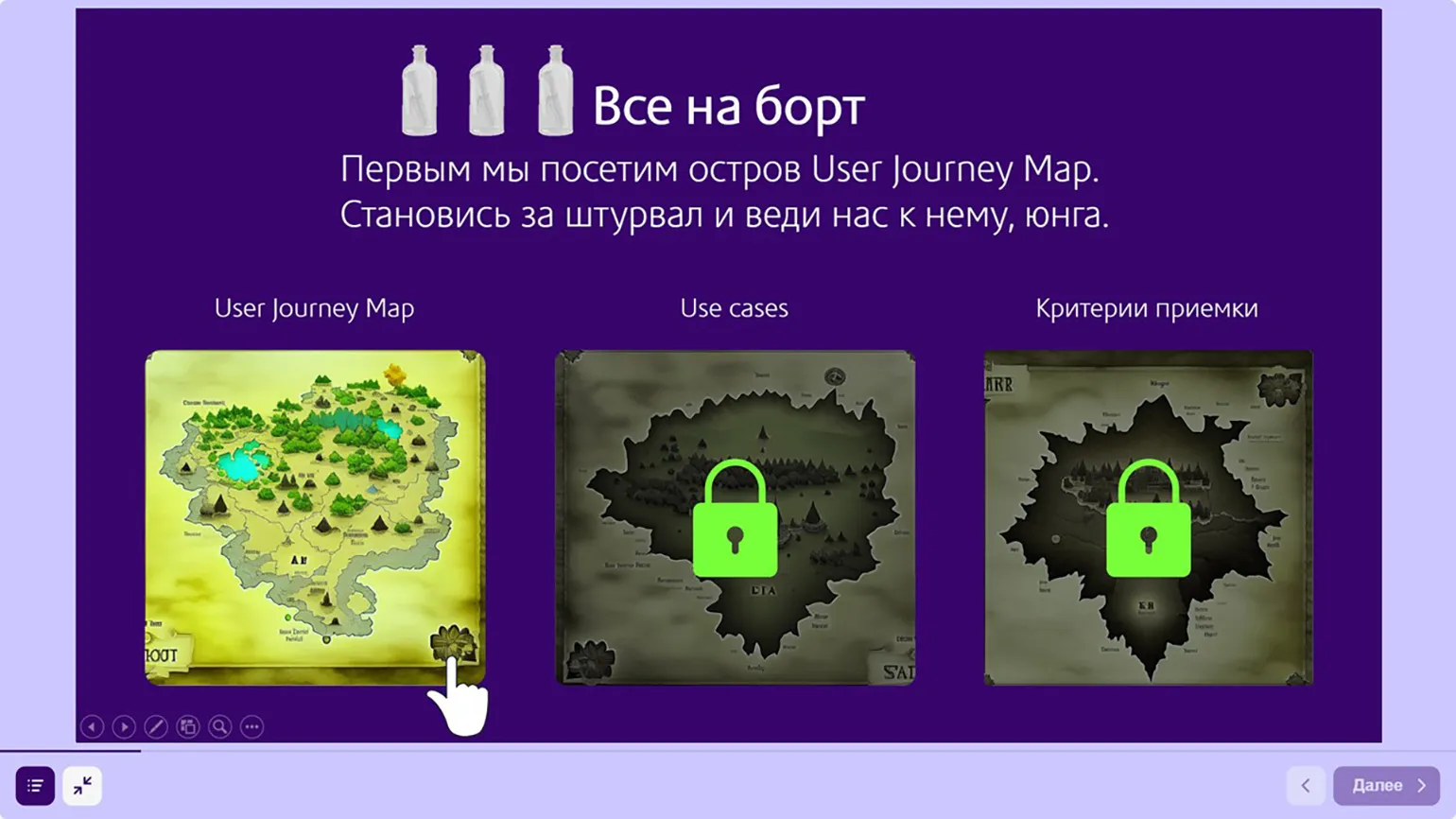
A senior information systems analyst developed a storytelling-based training program for his colleagues. The course uses a gripping pirate tale to explain key concepts. User Story artifacts are compared to a treasure map, and use cases are illustrated with the example of a tribal chieftain with a chest key. The UJM methodology is explained through a coin toss. This course is designed for business analysts and has been completed by all 43 company specialists, as well as every new analyst. As a result of the training, a unified approach to work was formed in various departments of the company, which significantly increased the effectiveness of teamwork.
A tester interested in optimizing his work with artificial intelligence organized an online training session for 200 participants. During the training, he demonstrated the use of AI tools in design, which allowed the participants to master new approaches and improve their performance.
Results to date
Currently, more than 30% of internal offline training and 64% of e-courses at Renaissance Insurance are delivered by SkillUp graduates, according to Irina Cheshli. These figures are expected to grow by 15-20% annually. This trend demonstrates the high level of specialist training, confirming the effectiveness of the SkillUp program and its importance for the development of educational initiatives in the insurance industry.
Thanks to the significant number of training programs developed in-house, the T&D department calculated that the company has saved 37 million rubles since the project's launch. This amount includes savings on expenses associated with engaging external experts and developing training materials. However, Irina believes that the actual savings could be significantly higher.
Today, the SkillUp project has 53 graduates, including 19 trainers and 34 e-learning developers. These figures include only those specialists who have successfully completed certification and continue to work for the company. According to Irina Cheshli, more than half of the graduates continue their work in training and online learning development, including on orders from T&D. Some of them regularly conduct the same training sessions, while others are developing new educational programs. SkillUp actively develops the professional skills of its graduates, which facilitates their further career advancement and improves the quality of online learning.
Active trainers create in-house "professional schools" that not only offer training but also foster professional communities in their fields, attracting colleagues as students. Among the existing initiatives, notable ones include the "Product Owner School," "Blogger School," "Scrum Master School," and "Data Visualization School (Data Science)." The latter, incidentally, is headed by a business analyst from the HR department. These schools facilitate knowledge sharing and professional skill development within the company, which enhances the overall qualifications of employees and facilitates their career advancement.
One SkillUp graduate, thanks to this project, radically changed her career: she left a call center and became a leading specialist in digital learning formats. Course creation is now her primary professional task. This transition highlights the opportunities SkillUp offers for development and career change.
This year, our project was expanded with a new program—SkillUp for Managers. This is an enhanced program for trainers, including an additional course on management fundamentals and real-world case studies. The program is aimed at executives and was developed in response to the company's strategic focus on developing management competencies. Participants will be able to enhance their knowledge and skills, enabling them to more effectively address the challenges of modern business.