
Contents:
Creating a company culture that promotes employee learning is an important trend in corporate education, as experts have repeatedly discussed at the international conference EdCrunch Glocal. This approach encourages specialists and managers at all levels to recognize the importance of continuous learning, demonstrate an interest in development, strive to acquire new knowledge, and share their experiences with newcomers. This approach not only enhances employee skills but also fosters a team ready for innovation and change in a rapidly changing business environment. Developing a learning culture within a company directly impacts its competitiveness and market success. Creating an effective corporate learning system requires more than just a formal approach. Representatives from three major companies shared their best practices at the session "How to Teach Learning: Creating a Learning Culture in a Company." They discussed the importance of integrating learning into corporate culture and offered practical recommendations for achieving tangible results. It is crucial that the learning system be focused on employee development and aligned with the organization's strategic goals. Effective training contributes to professional development, improved productivity, and the creation of a more engaged and motivated team.
CROC Case: A Systematic Approach to Developing Internal Expert Trainers
Elena Popkova, Head of the Corporate University at the IT company CROC, shared her experience in creating trainers from among employees who are ready to train their colleagues. She noted the importance of internal development and staff development for achieving corporate goals. Turning employees into trainers not only facilitates knowledge sharing but also fosters a learning culture within the company, which in turn increases overall team effectiveness and improves business results.
The speaker noted that the new training system was not developed from scratch. The company has always supported the exchange of experience and knowledge, and has had proven training formats. Top managers actively participate in these programs, and, as Elena reported, they continue to regularly conduct introductory seminars for new employees. This creates an atmosphere of cooperation and facilitates the rapid adaptation of newcomers to the corporate culture and processes.

The CROC corporate university team had to cope with three key objectives.
- systematize existing approaches, processes, and training formats;
- transform internal expertise into a real tool for employee development;
- make this tool manageable and replicable.
After compiling lists of educational formats and identifying expert employees actively participating in training events, the company decided to implement the concept of an internal trainer. As part of this initiative, gamification was used: experts participating in the program receive a "Trainer" badge. This encourages them to be more actively involved in training and increases their motivation to develop their skills. The introduction of internal training contributes to the creation of a culture of continuous education and allows for the effective use of internal resources to improve employee qualifications.
Elena and her team began training internal experts by organizing master classes. The first of these was called "Learn to Teach." As part of this initiative, a professional school of trainers was also created, which contributed to the development of skills and advanced training of employees.

Read also:
Development of teachers from among our own employees: goals and approaches
Creating a team of qualified teachers from among our own employees is important A strategy for many organizations. This not only improves the quality of training but also preserves corporate values and culture.
Why develop teachers internally? Firstly, such employees are already familiar with internal processes, corporate culture, and specific business requirements. This significantly reduces adaptation time and allows for the transfer of knowledge based on practical experience.
Secondly, investing in employee development increases their motivation and loyalty. People who see opportunities for career growth and professional development are more likely to stay with the company, which reduces turnover.
How to effectively develop teachers from your employees? First of all, it is necessary to identify training needs and conduct a competency analysis. This will help identify potential candidates ready to take on the role of a teacher.
Next, training and professional development programs should be organized. These can be internal courses, external trainings, seminars, and webinars. Ensuring access to modern educational resources and teaching methods is essential.
Support and mentoring are equally important. Experienced instructors can share knowledge and practical skills with newcomers, which facilitates faster and more effective learning.
Thus, developing instructors from within the organization not only improves the quality of training but also helps build a cohesive and motivated team ready for new challenges.
After completing the training, the trainers began systematically training their colleagues. Elena noted that planning educational events with the participation of internal experts has become an integral part of the corporate university's functioning. The introduction of new training formats has also become an important area of work. These innovative approaches not only improve the effectiveness of the educational process but also adapt to modern market demands.
Employees now have the opportunity to create their own internal distance courses, record podcasts, and share knowledge through internal blogs. They can conduct webinars, seminars, and workshops, as well as participate in training events as part of client projects. These activities promote the development of competencies and the exchange of experience within the company, which in turn improves the quality of services provided and strengthens its market position.
The company's Corporate University is focused on close collaboration with colleagues working on developing the HR brand. Internal trainers are actively involved in the implementation of HR projects. Elena noted that this should lead to the formation of an ecosystem approach, within which expertise is first developed within the company and then transferred beyond its borders.
The speaker presented the results of the development of the educational program at CROC. Currently, one in five employees is an internal trainer, and the company's experts conduct 70% of all training events. Elena Popkova noted that these employees combine training colleagues with their primary work responsibilities, which allows them to effectively develop skills within the team. It is important to highlight two key areas of their activity, which contribute to the overall qualifications of employees and the improvement of work processes.
The business direction is staffed by leading experts from specialized departments of the company. They actively strive to develop their team and effectively solve business problems. As an example, Elena mentioned the project management department, where new employees are trained in the company's internal processes. This training helps new specialists adapt more quickly and contribute to achieving overall goals.
According to the speaker, technical trainers are motivated by the opportunity to demonstrate their expertise and gain recognition within the professional community. Elena noted that "pecha-kucha" meetings are regularly organized, bringing together external experts. These events provide employees with the chance to develop public speaking skills and share knowledge and experience with colleagues from various companies and industries, which contributes to their professional growth and broadening their horizons.

Be sure to check out the additional materials:
Companies are increasingly inviting Cosmonaut-lecturers and art historians are invited to broaden employee horizons. These events are not limited to business topics but are aimed at developing creative thinking and an innovative approach. Cosmonaut-lecturers share unique stories about their space travels, which inspires the team to overcome challenges and seek unconventional solutions. Art historians, in turn, open up new perspectives on art and culture, which contributes to improved team dynamics and increased creativity. Thus, inviting specialists from various fields helps to develop a multifaceted approach to problem solving, increasing the overall effectiveness of the company and creating a unique corporate culture.
VKontakte Case: Management Training
Natalia Savchenko, Head of Training and Development at VKontakte, shared information about the training program for management. She noted that this target audience was chosen deliberately, as managers interact with teams. If managers lack the necessary training, this creates difficulties in attracting and retaining highly qualified specialists. Management training is a key aspect of a company's successful operation and ensures its competitiveness in the market.
According to the speaker, the company's rapid growth leads to developers quickly moving into management positions, often without completing the necessary systematic training. In March 2020, one of the business units submitted a request to implement a training standard for managers at various levels. However, as Natalia noted, problems arose that complicated the implementation of this request.
- the aforementioned rapid career growth of employees;
- focus on hard skills in career advancement, rather than management skills;
- lack of a unified approach to managerial development;
- an underdeveloped training culture.
Natalia's unit was tasked with developing a development system for managers who worked with subordinates for 2-5 years. These managers did not have standard management tools and did not demonstrate high motivation for learning. Creating an effective system for training and developing these specialists has become a key step in improving their management skills and motivation.

Read also:
Motivating adults to learn is a key aspect in the process of advanced training and personal growth. Adult learners often face a number of obstacles, including lack of time, work fatigue, and a lack of self-confidence. To successfully stimulate their interest in learning, several important factors must be considered.
The first step is to identify the personal goals and interests of each adult learner. Understanding what motivates them allows for a more focused and relevant learning experience. It is important to offer courses and training that align with their professional ambitions and interests.
The second aspect is creating a comfortable and supportive learning environment. Adults need to feel part of a community where they can share experiences and receive support from teachers and other learners. This helps build confidence and increase interest in learning.
The third element is the use of practical teaching methods that help adults apply their acquired knowledge in real life. Practical assignments, case studies, and projects provide an opportunity not only to learn but also to see the results of their efforts.
Flexibility of the learning process should also be considered. Adults often require the freedom to choose their own time and place for learning. Online courses and blended learning formats can be a great solution for busy individuals.
Recognition of achievements is equally important. Adult learners value feedback and recognition of their successes, which encourages them to continue learning and develop further.
In general, motivating adults to learn requires a comprehensive approach that includes understanding their goals, creating a supportive environment, using practical methods, and flexibility in learning. This will not only improve their knowledge but also build confidence, which is an important aspect of personal and professional growth.
The T&D team identified key topics that require development: the management cycle, problem solving, motivation and feedback, and change management. Based on these topics, a modular online program was developed for three months. Each program stream accommodates 100 participants, who are selected through the HR department. The program is aimed at developing the key skills and knowledge necessary for effective management and increased team productivity.
The first stage of the program includes an assessment of participants' competencies. During this stage, a case test is conducted, the results of which are used to develop an individual development and training plan. This allows each participant to receive the best recommendations and the optimal track for mastering the necessary skills.
According to the speaker, employees complete two mandatory modules: "Preparation," a series of longreads, and "Development," which includes training sessions conducted by external providers. An optional "Mastery" module is also available, which employees can take at their own discretion. This module offers an in-depth study of topics and skills, which contributes to the development of professional skills and competencies.
Upon completion of the program, participants receive recommendations for further professional growth. Natalia noted that her team selects mentors and organizes additional training and project work, which allows them to take into account the individual needs of each employee. This not only contributes to skill development but also improves the overall team's performance.
The speaker emphasized that this program has several key features that ensure its effectiveness. First and foremost, it offers a personalized approach to training for each employee. Participants undergo training sessions aimed at developing their weakest competencies, while also having the opportunity to enroll in additional sessions at their own discretion. Natalia noted that approximately 50% of participants choose the optional "Mastery" module, as they are interested in the process and strive for further development.
The company has implemented an innovative scheduling approach called the "learning campus." Within this program, training sessions on each topic are held 3-4 times on different days and at different times, giving participants the opportunity to choose the most suitable option. Training topics can be studied in any order. As Natalia notes, group participants are constantly rotating, which facilitates acquaintance and interaction with colleagues from different departments. This approach not only expands employees' knowledge but also strengthens team spirit within the company.
Training sessions are held regularly, as the three-month program is highly intensive. Classes typically take place twice a week and last two hours. During these sessions, participants have the opportunity to interact with new colleagues, creating a unique experience. This interaction allows them to establish connections with departments they might not otherwise interact with in their normal work. This format promotes the exchange of knowledge and ideas, making the training more effective and comprehensive.
The training program has a step-by-step structure, allowing for a gradual increase in the complexity of the material. The initial stage involves reading longreads, after which participants move on to video lectures. The program then includes two-hour training sessions, followed by four-hour sessions. This approach ensures deep absorption of the material and prepares participants for more complex tasks.
One of the key features of the program is flipped learning, where one hour of online training with a trainer is equivalent to four hours of individual training. Natalia notes that participants prefer to avoid theoretical lectures, while self-study formats such as videos, tests, and case studies have proven highly effective. This approach helps to significantly improve the perception of the material and promotes a deeper assimilation of knowledge.

Read also:
Flipped learning: what is it and how does it work
Flipped learning is a pedagogical approach that changes the traditional structure educational process. Instead of teachers primarily explaining material in class, students explore new information independently using videos, articles, and other resources. During class, they discuss, analyze, and apply their new knowledge in practice.
This method promotes more active student engagement in the learning process, developing critical thinking and independent study skills. Flipped learning allows teachers to devote more time to individual support and also promotes better assimilation of the material.
Flipped learning is effective both in the classroom and online, making it a versatile tool in modern educational systems. It is important to note that the successful implementation of flipped learning requires clear organization of materials and active student engagement.
Thus, flipped learning represents an innovative approach to education that meets modern requirements and helps achieve a deeper understanding of the material being studied.
The program results demonstrated high effectiveness, exceeding the established internal corporate KPIs for learning. The completion rate for mandatory modules was 82%, and the NPS score reached 39%. These results confirm the program's success and its importance for employee development.
Avito Case Study: Internal Mentoring System
Avito developed a corporate training program focused on developing internal experts, emphasizing the role of mentors rather than trainers. Olga Sass, Head of HR Development and Training, shared the "Avito Compass" case study, which demonstrates successful practices in this area. The program is aimed at improving employee qualifications and fostering a mentoring culture within the company, which contributes to more effective training and development.
In 2020, there was an urgent need to create a mentoring program, as the speaker emphasized. The transition to remote work negatively impacted informal connections between employees and the mutual exchange of experience. As the business grew and the market changed, the need for knowledge transfer became increasingly urgent. Although mentoring had already been implemented within the company, Olga noted, these were isolated instances without a clear structure or system. Creating an organized program will improve interaction between employees, increase work efficiency and strengthen corporate culture.

Read also:
Corporate training is undergoing significant changes, especially in light of the pandemic. With the rapid transition to remote and hybrid work, companies have begun actively adapting their approaches to employee training. The pandemic has accelerated the adoption of digital technologies, making online learning more accessible and in demand. Modern learning methods emphasize personalization and flexibility. Companies are striving to create individualized learning paths tailored to the unique needs of each employee. The use of analytics to evaluate training effectiveness and adjust programs has become an important aspect. With the constant changes in the labor market, employers have also begun to focus more on developing soft skills, such as communication and adaptability, which are becoming essential in the new reality. Corporate training is now viewed not only as a means of professional development but also as a tool for shaping corporate culture and increasing employee engagement.
Thus, corporate training is moving toward more interactive, adaptive, and results-oriented methods, enabling companies not only to survive in uncertain times but also to thrive.
The development of an internal mentoring system at Avito had several key goals. First, it aims to enhance the learning culture among employees, which facilitates a more effective exchange of knowledge and experience. Second, the trusting interactions within mentoring strengthen bonds between colleagues, creating an atmosphere of collaboration and support. Finally, the mentoring system opens up new opportunities for professional development within the company, allowing employees to grow and develop in their careers.
To assess the program's relevance, the HR Development and Training Department conducted over 40 in-depth interviews with managers and employees. Based on the data obtained, Olga and her team developed a minimum viable product (MVP): they manually connected mentors with mentees, tracked the interaction process, and provided support and training. Avito-Compass was subsequently automated on a specialized platform, training videos for mentors were created, a PR campaign was conducted, and the program was launched. This significantly improved the mentoring process and increased its effectiveness.
Every employee who has worked at the company for at least six months has the opportunity to become a mentor, indicating their area of expertise. Mentors independently choose how much time they can devote to this role, and the company does not set strict time limits for this activity. Each mentor also determines how many mentees they are willing to take on at a time. Olga noted that some mentors can work with groups of up to ten people, while others prefer to focus on just one mentee.
Olga, like Elena Popkova, notes that the motivation for employees to become mentors is the desire to gain recognition for their expertise, as well as a desire to share knowledge and experience. During her research and interviews, Olga discovered that many respondents expressed a need to share their knowledge: "I have a wealth of knowledge and skills, and I want to share them not only with my colleagues and employees with whom I work every day. If my information proves useful to a project manager in St. Petersburg, with whom I would never otherwise interact, that would be wonderful." Developing mentoring in organizations not only helps improve employees' professional skills but also fosters a culture of experience sharing, which in turn increases overall team effectiveness. Gamification elements, such as electronic badges and awards, play an important role in user motivation. They reward users for completing their first interaction with a mentor, receiving their first review, and other achievements. These elements contribute to increased engagement and active participation, creating a positive interaction experience. Implementing gamification can significantly increase user interest and improve the overall perception of the platform.

Read also:
Corporate training is actively developing thanks to new technologies that make the process more efficient and accessible. Let's consider the six most promising technologies that help improve training in companies.
The first important technology is virtual reality (VR). It enables the creation of immersive learning environments where employees can gain practical experience and skills in a safe environment. Virtual reality promotes better retention of material and increases learner engagement.
The second key technology is artificial intelligence (AI). AI algorithms can adapt training programs to the individual needs of employees by analyzing their progress and preferences. This allows for the creation of personalized learning paths and significantly improves results.
The third technology is mobile learning. Using mobile applications, employees can access training materials anytime and anywhere. This increases the flexibility of the learning process and allows it to be integrated into employees' daily lives.
The fourth promising technology is video conferencing. It allows for training seminars and meetings with experts from anywhere in the world. This opens up new horizons for collaborative learning and the exchange of experience among employees.
The fifth technology worthy of attention is gamification. Integrating game elements into the learning process makes it more engaging and effective. Competitions and achievements motivate employees to learn and increase their engagement.
Finally, the sixth technology is cloud learning. Storing training materials in the cloud provides easy access and the ability to collaborate on projects. This facilitates a more effective exchange of knowledge and ideas among employees.
Using these technologies in corporate training opens up new opportunities for staff development and increases the company's competitiveness in the market. Investing in modern training methods allows organizations to stay ahead and adapt to rapidly changing business conditions.
Every employee who has worked at the company for at least six months has the opportunity to choose a mentor on an internal online platform. The selection of a mentor is based on the tasks that need to be addressed. Olga emphasizes that training is viewed as an investment in the company's development. Therefore, applications from potential mentees are expected to provide a specific answer to the question: "Why do you need this?" This approach promotes more targeted employee development and improves the company's overall performance. According to the speaker, the Avito-Compass project covers a broad range of topics, extending beyond narrowly professional matters. Mentors and mentees have the opportunity to discuss not only career aspects but also management and leadership skills, as well as personal development. Olga emphasizes that this interaction is based on an equal partnership, eliminating the traditional "boss-subordinate" relationship. Mentoring is especially important at our company. A mentor is more than just a guide, but an additional resource that helps employees develop. Unlike tutors or internal experts, a mentor provides the opportunity to receive advice and recommendations based on personal experience. They ask questions that can stimulate new ideas and reflection, but do not adhere to a strict algorithm. Through this free and collaborative interaction, we provide high-quality feedback, which distinguishes mentoring from other forms of communication, such as working with managers or colleagues. We create a unique interaction format that promotes employee development and training.
Olga presented the program's results at the end of 2021: 74 mentee applications were completed. The Moscow office has 24 active mentors, and new experts join the team every month, ready to share their experience with colleagues. These achievements highlight the growing interest in the program and its importance in the participants' professional development.
A couple of tips from the speakers' experience
Session moderator Nadezhda Makova, CEO of the LXP platform K-AMPUS, invited participants to discuss two key issues that concern HR specialists. First, how to ensure real support for employee training from top managers, rather than limiting themselves to formal statements. Second, how to overcome the common excuse of "no time to study." These issues are crucial for creating an effective training and development system in organizations.
To ensure that managers foster employee development and facilitate the integration of training into the work schedule, Natalia Savchenko and her team actively collaborate with VKontakte's top managers. They demonstrate the value of educational programs by citing successful cases, employee feedback, and high NPS scores. Natalia noted that commercial effectiveness and clear metrics are key selling points for management. Similarly, the T&D department works with business unit managers: “When we conduct training in one business unit and observe positive changes, we turn to other units that haven’t yet participated and say: ‘Look, everything went well for our neighbors. Let’s apply this to you too?’”
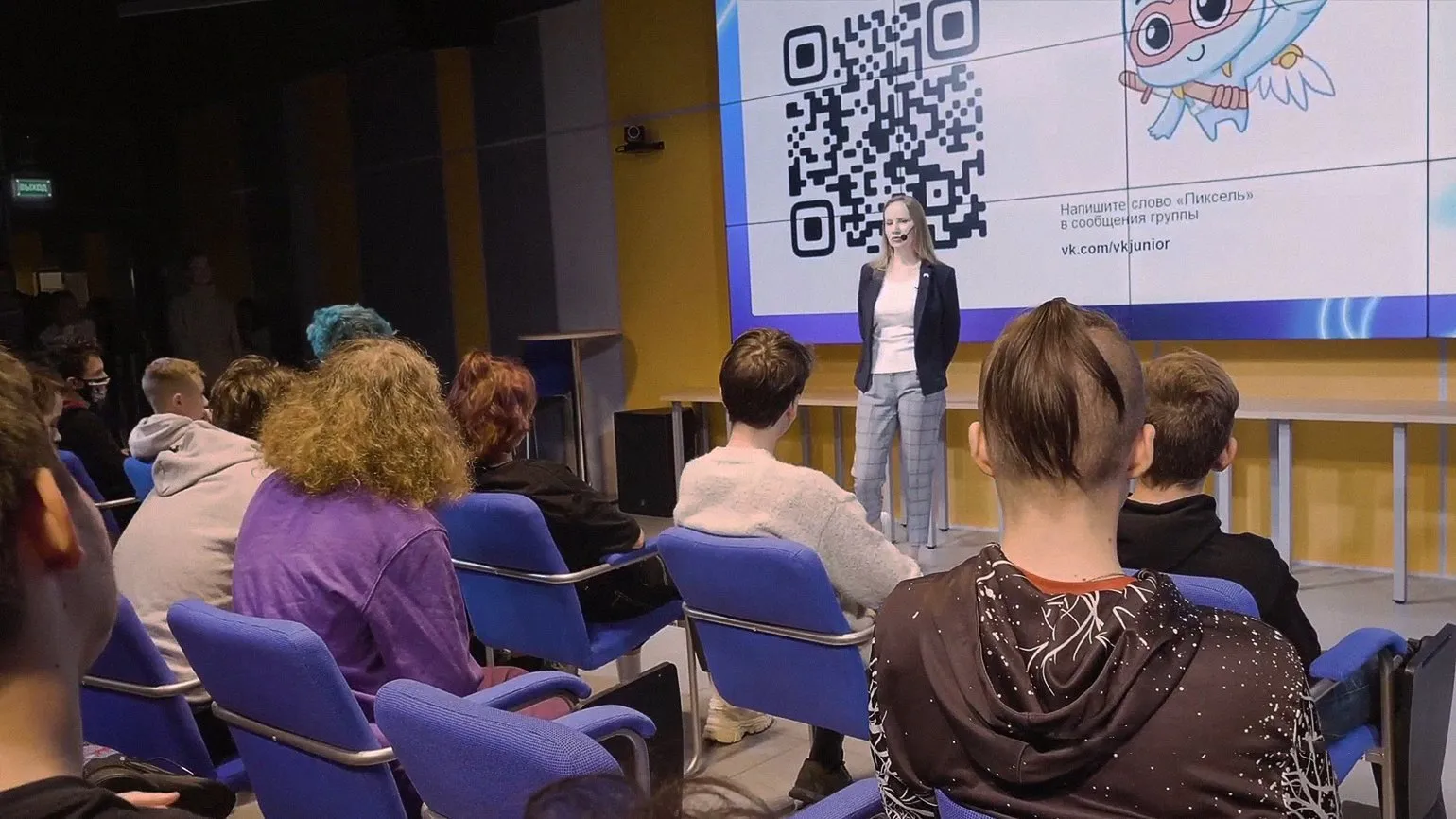
According to Olga Sass, the phrase "no time" often indicates a lack of motivation rather than a lack of time. She argues that if someone says they don't have time, it means they don't see your value. The speaker emphasizes that in such a situation, it's important to convey your value to the person, making it clear and obvious. Using real-life examples and successful results can significantly help in this process, as Natalia Savchenko has already noted.
Natalia emphasized that there's no need to persistently persuade employees to undergo training. If you provide them with the opportunity for development, they will show interest themselves and seek training when it becomes relevant for their professional growth.
Elena Popkova emphasized the importance of negotiating in a situation where there is a feeling of lack of time. It's important to find formats and approaches that are convenient for both the training provider and the employee. This promotes more effective learning and improves the quality of professional development.
Read also:
- 6 Books to Help in Employee Training and Development
- 6 Current Issues in Corporate Training
- Corporate training continues to change. How exactly?
- Development marathons in corporate training: what kind of format is this?
Staff Training and Development Manager
You will learn how to build corporate employee training programs and evaluate their effectiveness. You will be able to start a career in the HR department and implement a working personnel development system in the company.
Find out more