
Contents:
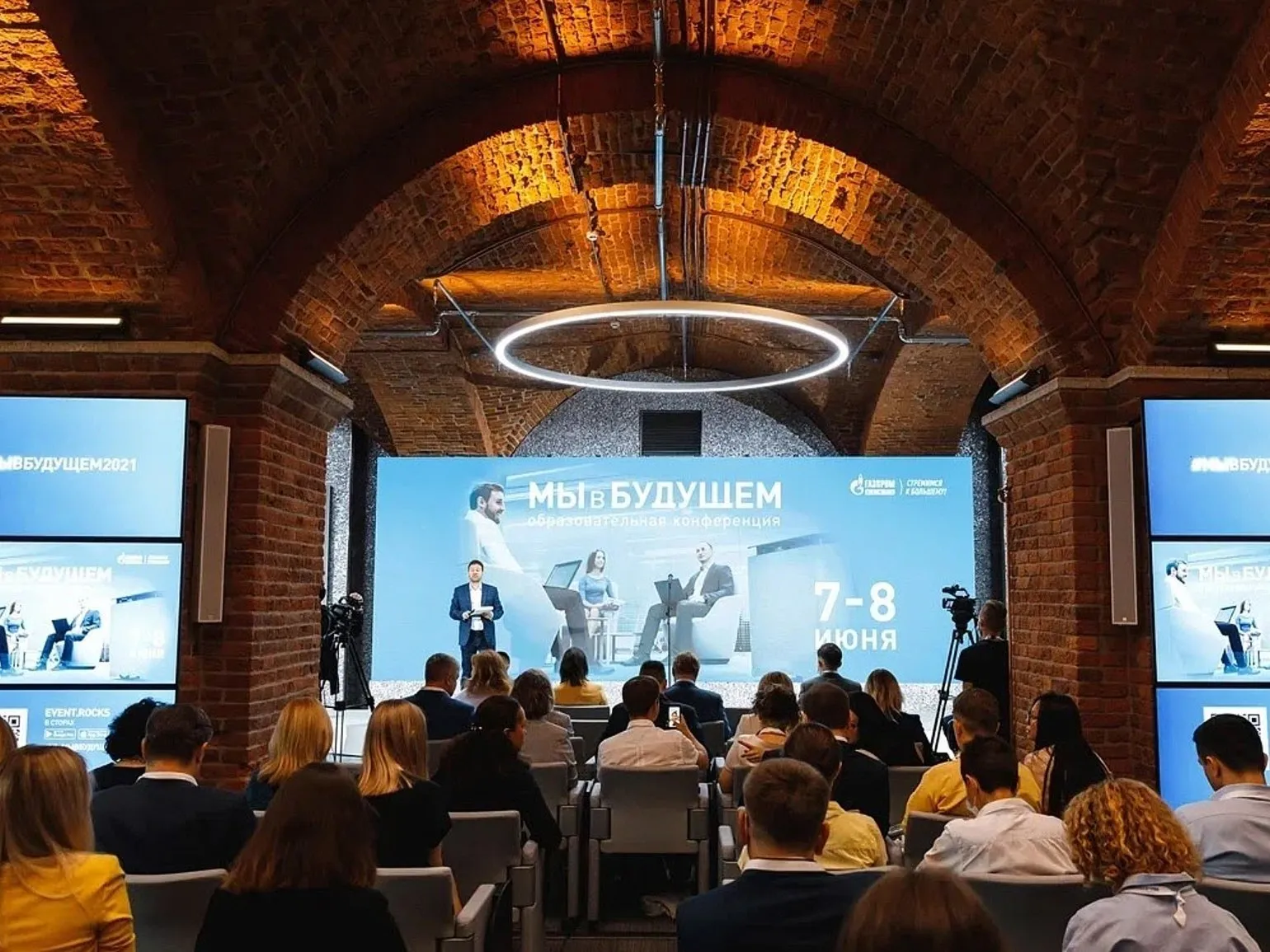
Focus on team training and team skill development is key to organizational success. Representatives of businesses and universities discussed important issues and current trends in this area at the "We in the Future" conference, held on June 7 and organized by Gazprom Neft. Modern companies face challenges related to effective teamwork, adaptation to rapidly changing conditions, and the need to develop interdisciplinary skills. In the context of globalization and digitalization, it is important not only to train employees but also to develop their ability to work together, which contributes to the achievement of shared goals and increases overall productivity. Maintaining continuous training and adaptation of team skills is becoming critical for sustainable business development.
Background: What has changed in teamwork?
Moderator Evgenia Skiba, head of the Khoroshaya Redaktsiya agency, opened one of the discussion panels by asking about the new meanings in creating and developing teams. She noted that while this topic is not new, it is becoming especially relevant. Summarizing the participants' opinions, several key trends can be identified that shape the modern understanding of teamwork and its importance. This discussion highlights how changing market conditions and demands are impacting approaches to building and managing effective teams.
Teamwork is a crucial aspect of success in today's business environment. However, many higher education institutions neglect teaching this skill. As a result, recent graduates entering the workforce face difficulties adapting to a team environment. To prepare young professionals for effective teamwork, it is essential to integrate practical elements of teamwork into the curriculum. This could include group projects, role-playing games, and internships that allow students to develop communication, collaboration, and conflict resolution skills. Thus, teamwork training should become an integral part of the educational program, which will help graduates quickly adapt to the requirements of modern companies.
Joint Educational Programs
Cooperation between businesses and higher education institutions through the creation of joint departments, industrial partnerships, and internships has become standard practice. However, recently, the emphasis has shifted to teamwork. Training can be organized so that companies receive not just individual talented graduates but also formed work teams ready to perform professional tasks. This approach improves the efficiency of youth integration into the labor market and promotes more productive work processes.
At the conference, business participants shared valuable insights and successful practices. Key strategies and methods for optimizing processes and increasing efficiency were discussed. The ideas presented can serve as a basis for implementing innovative solutions and improving business processes in various fields. Participants noted the importance of sharing experiences and collaborating to achieve common goals.
MegaFon, together with the Graduate School of Management of St. Petersburg State University, launched educational modules as part of the 5G Dream Lab project. Third- and fourth-year students, master's students, and recent graduates of St. Petersburg State University interested in modern technologies and digital product development are welcome to participate in the 5G lab. This project provides a unique opportunity to immerse themselves in the world of 5G and acquire skills in demand in the labor market. Participants will gain access to cutting-edge technologies and develop their ideas in an innovative environment.
The project includes an academic component, in which faculty from the Graduate School of Management teach students, and a practical component, where students form teams and receive support from MegaFon experts during their project work. According to Valentina Vatrak, Director of Corporate Development and HR at MegaFon, this structure effectively combines theory and practice, which fosters a deeper understanding of the student audience and prepares them for real-world challenges.
Team project work focuses on current technological ideas, from which the operator selects the most promising ones for implementation.
Initially, the project was planned as a standard recruiting process aimed at selecting the best interns. However, as Valentina notes, during the implementation, it became clear that the project's primary value lies not only in talented candidates but also in the emergence of interesting technical ideas. These ideas contribute to the formation of established teams that work on real projects that grow out of the proposed concepts. Thus, the project not only solves recruiting problems but also becomes a source of innovation and practical experience.
By the end of the first year, we accepted an entire team for an internship, which continued to explore the hypothesis generated by the project and develop technological solutions. While five teams successfully completed their work in the first year, by the second year, their number had increased to nine, six of which had already presented finished technologies. We also accepted two teams for internship, who continue to implement these projects within the company "Megafon".
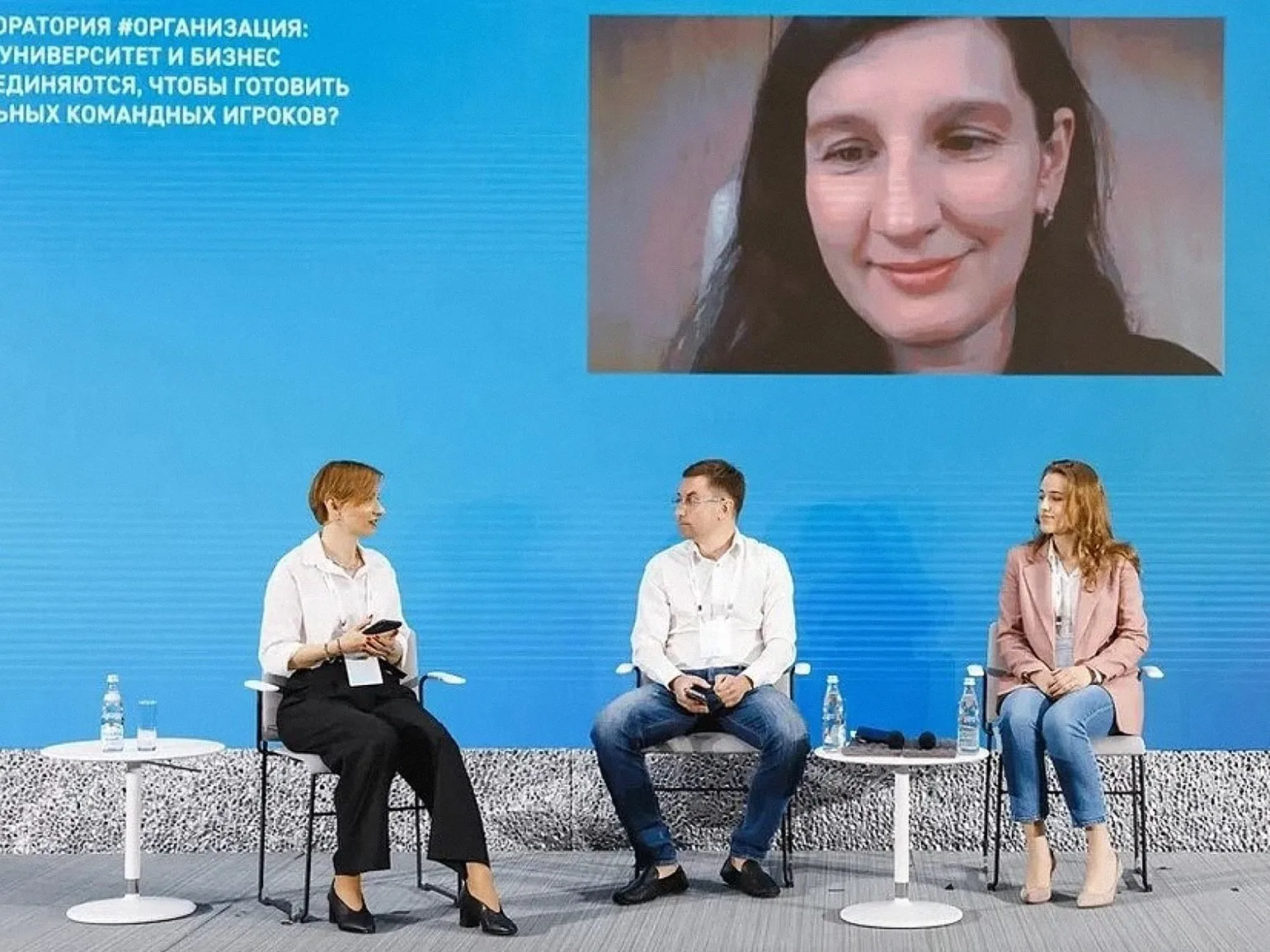
The project consists of two main components: academic and practical. In the academic part, faculty from the Graduate School of Management teach students. The practical part involves students working in teams that receive support from MegaFon experts during the implementation of their projects. Valentina Vatrak, Director of Corporate Development and HR at MegaFon, emphasized the importance of this structure for developing the skills and competencies of future specialists.
By the end of the first year, we accepted an entire team for an internship, who continued to explore the project's hypothesis and develop technological solutions. While five teams successfully completed the program in the first year, by the end of the second year, their number had increased to nine, and six of these teams had already presented finished technologies. We also accepted two teams for internships, who are continuing to implement their projects within Megafon.
ITMO University, in collaboration with Gazprom Neft, has developed a master's program aimed at training specialists and developers in the field of unmanned vehicles for the oil and gas industry. Program curator Polina Shimanchuk noted that the emphasis is on teamwork among students. Students are involved in real company workgroups from the early stages of their training, which allows them to solve relevant problems and gain practical experience. This is an important step toward developing qualified personnel capable of effectively applying modern technologies in the oil and gas sector.
Cross-functional teams are a unique phenomenon in modern business. One of the main challenges they face is a lack of understanding of the work processes of various specialists. Pavel Sorokin, Head of Innovation Engagement and Youth Policy Programs at Gazprom Neft's Exploration and Production Unit, noted that the company had previously encountered similar difficulties between engineering and construction departments. Some specialists prepared data, while others used it to develop construction strategies. Building on this experience, Gazprom Neft's Scientific and Technical Center, together with Tyumen universities, initiated the "INcorporation" project. This educational project is designed to allow representatives of various functions to learn from real business processes, immerse themselves in each other's work, and thus better understand all stages of product creation and development. This improves communication and increases the effectiveness of cross-functional teams, which ultimately leads to higher-quality results. Pavel notes that translating this case into an educational setting attracts young specialists who have a comprehensive understanding of business processes. They understand the entire chain—from data creation to its processing. In addition, they have experience interacting with “internal customers” of data, that is, with those who will use this data in practice. This creates favorable conditions for the development of qualified personnel capable of effectively applying the acquired knowledge in real business conditions.
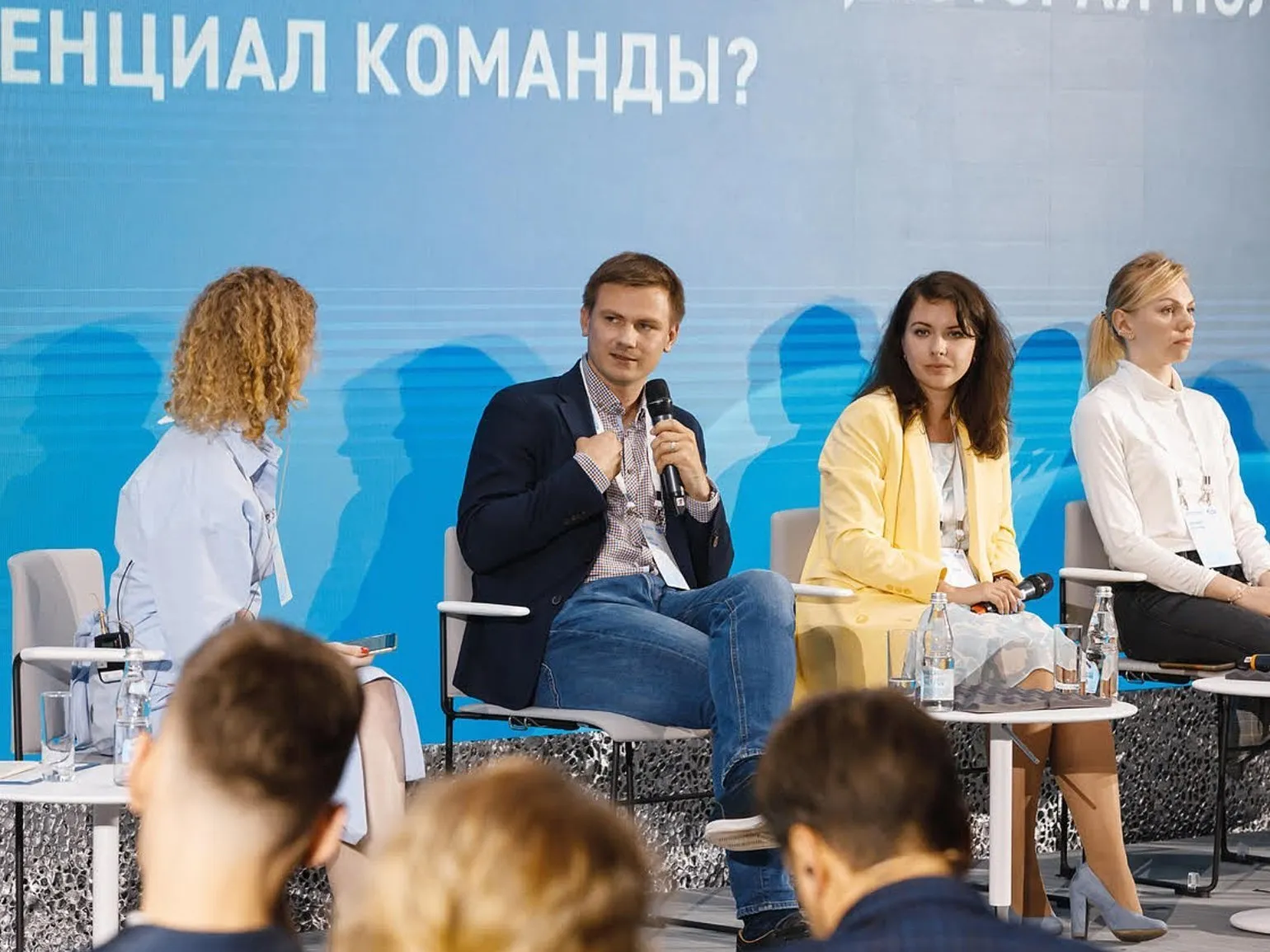
Traditional education often lacks the opportunity to gain practical experience working with real clients, as the instructor serves as the primary "client" and reviewer of student work. For graduates beginning their careers at a company, it is critical to understand how the theoretical knowledge acquired at university can be applied in practice. The INcorporation project provides students with a unique opportunity to integrate into companies' business processes during their studies, which helps them adapt more easily and reduce stress when entering the profession. This approach promotes a deeper understanding of real-world challenges and market requirements, which in turn increases the competitiveness of young professionals.
Team Practices at the University
HSE Senior Lecturer Svetlana Boguslavskaya shared information about the BarCamp project seminar designed for the university's master's students. During this event, student teams work on real-world tasks provided by both Russian and international partners of the university. Svetlana emphasized that cross-functional teams are particularly effective for implementing such projects, as they combine different skills and approaches, which contributes to a higher-quality solution to the assigned tasks.
Of course, I am ready to help you with editing the text. Please provide the text itself that you want to change.
The presence of students from different specialties on a team is a significant advantage. This creates the opportunity for a comprehensive analysis of the topic. If the group consists only of economists, we will only get an economic perspective. However, the inclusion of management, philology, and logistics specialists in the team enriches the discussion and allows for a variety of perspectives. Boguslavskaya notes that such a diversity of perspectives contributes to a more complete understanding of the issues at hand. Additionally, the experience of conducting student expeditions entitled "Rediscovering Russia" was noted as highly valuable. These expeditions cover a wide range of topics, and students, together with a group leader, embark on multi-day trips, immersing themselves in teamwork. The composition of the group plays a key role in the success of interactions, as it determines how the work will be organized. Participation in such expeditions not only helps students master research methods relevant to the topic of the trip but also provides an opportunity to develop teamwork skills. It is especially important when project management is delegated to the students themselves, which facilitates the natural emergence of team leaders. However, to ensure effective work, it is necessary to establish clear rules and frameworks.
We arrive on site and immediately establish the rules that must be followed, and also determine the working formats, as the expert notes.
The formation of effective teams and their coordinated work are achieved especially successfully when a common life is created as part of off-site events. A common environment promotes interaction and builds trust between participants.
Mixing students from different specialties in a team is a key factor for an in-depth analysis of the topic. This allows us to consider the issue from different angles. For example, if the team only has economists, we will get a limited economic view of the situation. However, by combining the knowledge of economists, managers, philologists, and logisticians, we can gain a comprehensive understanding and comprehensive coverage of any issue. This collaboration between different disciplines enriches the work process and contributes to higher-quality results.
Upon arrival, we immediately establish the rules that must be followed, and also determine the working formats, - the expert notes.