Contents:
Learn: Profession Methodist from scratch to PRO
Learn moreThe Scouting Stage: How I Looked at Jobs Abroad
I started looking for a job internationally in 2020, even before I was seriously considering moving. It was more of a fun experience than a goal. I applied for positions at international companies, viewing interviews as a training opportunity. My English level allowed me to participate in these processes, but I was looking for deeper immersion and practice, so I continued taking courses and working with tutors.
I prepared for mock interviews with the same seriousness as I did for a real job search. I researched the company and watched video tutorials on interview preparation in English. I referred to the interviews as free English lessons, which was, of course, more of a joke to ease the tension, but it really is good practice for learning the language.
With each passing day, my desire to work for an international company grew stronger. I considered various ways to achieve this goal, and studying abroad seemed like the best solution. This path allows me to adapt to a new country, make useful contacts, and earn a degree that will be in demand in the local labor market. Initially, I had planned exactly this option and even managed to enroll in a Canadian university in 2021. However, unfortunately, I was denied a student visa, making this option unavailable.
A new idea emerged: move to Europe, travel, and work remotely. This became possible thanks to the annual "digital nomad visa" - it is issued in many countries (about 50) to freelancers and remote workers who want to live in another country. To obtain this visa, your income must meet established requirements, and all work projects or employers must be located outside the country. This approach allows you to combine work and travel, opening new horizons for personal and professional growth.
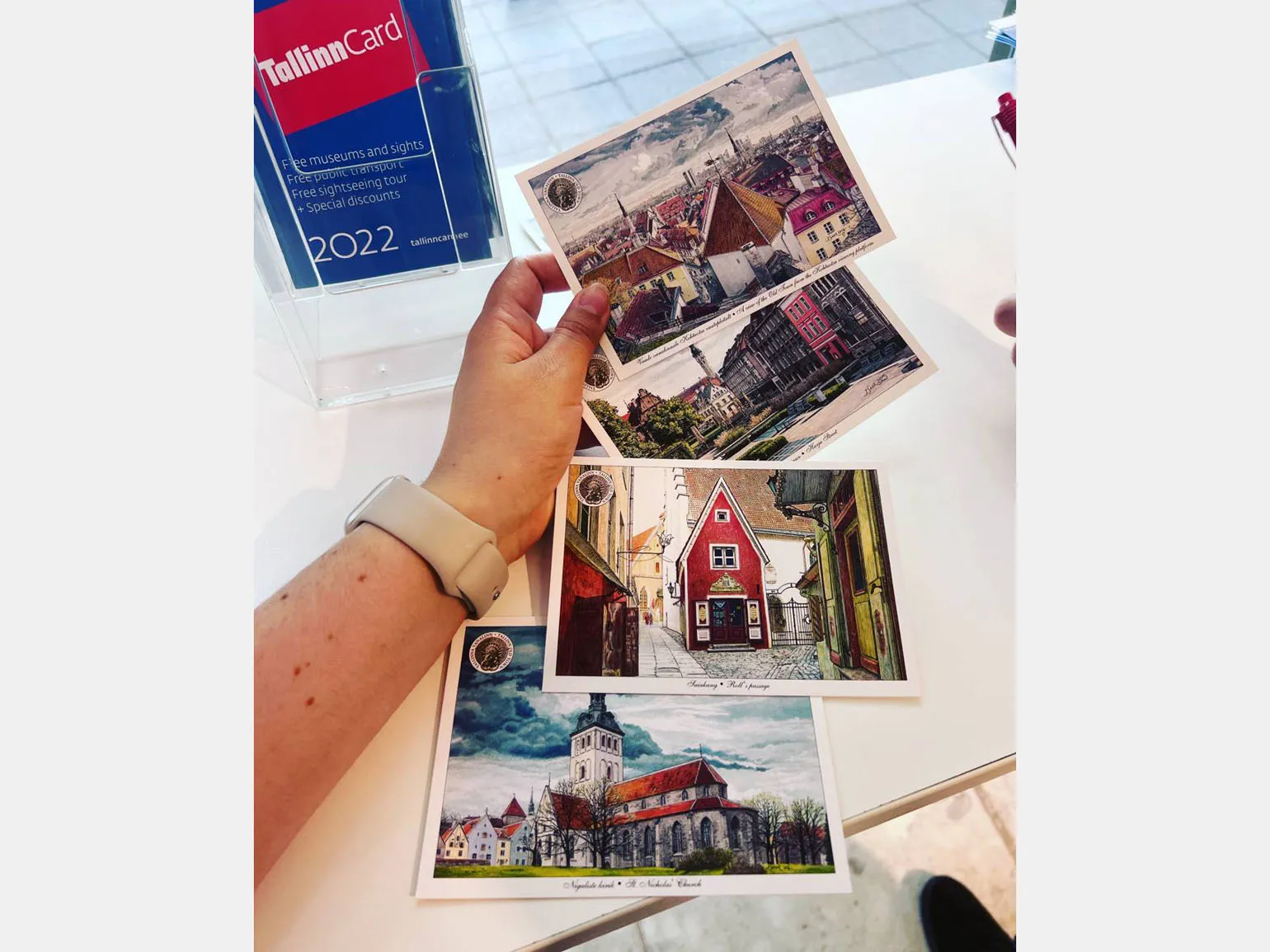
In March 2022, I moved to Estonia on a digital nomad visa, continuing my work at Skillbox from Tallinn. The country made a positive impression on me, and I began exploring career opportunities. However, the restrictions imposed on Russians significantly complicated this process. Therefore, I was forced to look for a country where I could obtain a work visa that would allow me to work locally, as well as a residence permit and, in the future, the possibility of obtaining citizenship.
When choosing a country to live, I was guided by several key criteria. Important aspects included climate, standard of living, economic opportunities, and social infrastructure. I also considered cultural characteristics, access to healthcare, and educational institutions. These factors played a decisive role in deciding where I wanted to build my life and career.
- the opportunity to obtain permanent residence or citizenship in the employer's country;
- the opportunity to come as a couple - so that the partner also receives a visa (or residence permit) with the ability to work;
- a developed country with a digital culture;
- the prevalence of the English language.
When choosing a destination for traveling with a dog, an important factor is the conditions for importing animals into the country. For example, if you are planning a trip from Russia to Australia, keep in mind that your pet will have to spend six months in quarantine, away from you. This circumstance must be taken into account when organizing the trip in order to minimize stress for both the animal and yourself.

Asia isn't right for me, and I can't imagine living there. However, a number of European countries perfectly match my expectations. As a result, I shortlisted the Netherlands, Germany, and the UK. However, in the UK, despite numerous vacancies, employers aren't as responsive to resumes, likely due to the large number of local applicants. Therefore, I focused my attention on the Netherlands and Germany as my primary job search options.
I was aiming to work for an international EdTech company with an office in Amsterdam or Berlin, working with innovative technology products. This would allow me to apply my existing experience and develop professionally. My criteria met the necessary requirements: the employer had to provide the opportunity to obtain a residence permit, as they are responsible for processing the paperwork for work permits in the country. Communicating in English was also important. Although salary wasn't my top priority, it still played a significant role, as there are income requirements for work visas. Employers rarely publish salary information, but there are resources available to estimate income levels in a country or city. One such site is Glassdoor. In EdTech, the average salary ranges from €45,000 to €80,000 per year, providing a comfortable standard of living. This income is usually sufficient to obtain a work visa, although requirements vary by country. For example, in the Netherlands, to obtain a visa, you must earn at least 60,000 euros per year.

Read also:
Online course developers are an important part of the educational ecosystem. Their income can vary depending on their experience, niche, and popularity of their courses. On average, developers can earn anywhere from several hundred to several thousand dollars per month.
The work of an online course developer involves several key stages. First, it is necessary to conduct market research and identify relevant topics that will interest the target audience. Then comes the development of educational content: creating video lessons, writing text materials, and preparing interactive assignments. It is also important to consider the features of the platform on which the course will be hosted to ensure ease of use and accessibility for students.
Once the courses are developed, developers promote them. This includes creating marketing materials, using social media, and email campaigns to attract students. Effective promotion can significantly increase the number of students and, consequently, income.
Online course developers also monitor student reviews and ratings to continually improve the quality of the content and adapt to audience demands. This makes their work not only creative but also analytical. Ultimately, successful online course developers can create a sustainable income stream by providing valuable educational content.
My Search Strategy
Although I've heard countless stories of people spending six months or even a year looking for a job, I had a feeling this wouldn't happen to me. I'm an experienced professional and thought I could quickly find a suitable position. I was hoping for luck and believed that my skills and knowledge would help me in this process.
From the very beginning, it became clear that searching for a job requires constant attention and effort, making it nearly impossible to combine with my main job. The process of searching and selecting vacancies takes a significant amount of time, and preparing for interviews takes just as much time. Sometimes I sent my resume as is, but more often I tried to adapt it to the specific requirements of employers. This increases your chances of successful employment and attracts recruiters' attention. By July 2022, I realized I needed to quit my day job to focus on finding a new opportunity. With my husband's support, I was able to quit and devote myself entirely to this process. My search ultimately took four months. By the time I quit, I had transitioned from course development to educational project management and management. In Russia, I was in a situation where employers were looking for me, but my lack of experience in the international market left me feeling like a newbie. I decided to take a step back and look at educational design positions. After several interviews, I realized that this position didn't match my ambitions and professional level, as I had already outgrown it.

During the interview, I focused on systemic solutions, rather than specific tasks, since I could not limit myself to just developing educational programs. Moreover, the nature of the work didn't match my ambitions. In Europe, educational designers not only develop courses but also design them, acting as both developer and designer. This area lost my interest, and taking someone else's place would have been wrong.
The product-based approach to my job search has proven very effective for me. I view each area as a hypothesis that needs to be tested. For example, if my hypothesis about a career path in educational design is not confirmed, I simply continue to search and explore new opportunities. This method allows me to approach the search systematically and not dwell on failures, but to explore other options that may be more suitable and promising.
My second area of job search was product management. I wanted to apply the product approach in practice and contribute to the development of a high-quality educational product. I began actively searching for openings in this field, and there were quite a lot of them, which created the illusion of quickly finding a suitable offer. However, this assumption did not come true. I was invited to interview for several product management positions, but each time it turned out that the position would be better suited for a marketer or sales specialist who would be involved in opening and developing new markets. However, I have no practical experience in these areas.
A third hypothesis emerged: to leverage my experience in training and development (L&D). Previously, I worked in HR, where I helped develop talent at large companies, and I have a significant portfolio of successful cases. This experience formed the basis for my interview stories and ultimately yielded positive results.
In four months, I applied to 309 openings. With so many applications, it's easy to get confused, especially when interview invitations from employers don't always indicate which specific position you've applied for. If you send multiple applications daily, it soon becomes difficult to remember the details of each opening. To avoid this situation, I created a spreadsheet where I tracked all my responses, noting who responded and what stage of the interaction we were at. This approach not only streamlined the job search process but also helped me feel like I was actively searching, not just mindlessly sending out resumes.
After numerous responses and months of job searching, it's natural to feel a sense of dread—how much longer will this process take? Every interview becomes a real challenge, where results aren't immediately available. You often hear the phrase, "We'll get back to you next week," but deep down, you're waiting for a response as quickly as possible to clarify the situation.
At some point, you start clinging to every opening, hoping that this one will be the one. Especially when the employer responds and invites you to an interview, you get the feeling that any minute now you'll be able to demonstrate your skills and get the job. However, the interview process can be lengthy, and sometimes you reach the final stage only to find your application ignored or the vacancy closed. Such situations can certainly cause demotivation and self-doubt.

Read also:
Modern professions in the field of education
The field of education is constantly evolving and adapting to changes in society and technology. In recent years, many new professions have emerged that reflect these changes and require unique skills. Some of these include educational technologists, who develop and implement modern technologies in the educational process. Educators specializing in distance learning are increasingly in demand as online education continues to gain popularity. Professional development coaches help teachers and students achieve their career goals and unlock their potential. Inclusive education specialists work to make education accessible to everyone, regardless of individual needs. Education data analysts use statistics and research to improve educational programs and increase their effectiveness. Curriculum designers develop courses that meet modern requirements and student interests. Virtual reality learning specialists create immersive experiences for students, allowing them to immerse themselves in the learning process. Educational psychologists help address the emotional and psychological difficulties that can arise during the learning process.
Furthermore, educational policy consultants analyze and develop strategies aimed at improving the quality of education at the national and local level. These professions illustrate the wide range of opportunities in education that are opening up for professionals in the context of technological advances and changing approaches to learning.
I actively searched for openings on LinkedIn, which became my primary source of employment information. I found very few interesting offers on other platforms, such as Indeed and Glassdoor. Moreover, the rare openings I applied for received no responses. LinkedIn proved to be the most effective tool for finding jobs in my field.
For each opening, it is important to tailor your resume to the requirements of the specific role. For example, by titling your resume as L&D Specialist or Talent & Development Manager, you can highlight your relevance. While the positions may be similar in nature, using the job title in your resume title significantly increases your chances of receiving a response. It's also helpful to vary the focus of your resume. If the job posting emphasizes specific responsibilities, highlight them in your resume and add relevant keywords. This will help improve your resume's visibility in automated candidate selection systems and attract the attention of employers.
At some point, I realized I had exhausted all options for improving my resume. As a result, I created two versions: the first resume focused on the project manager position, and the second on the learning and development (L&D) role. Both documents contain similar information, but emphasize different aspects that match the requirements of each position.
Another effective job search method that I used in addition to applying to job postings is cold sending my resume to large companies. It is recommended not to limit yourself to one submission, but to do it several times to increase your chances of getting noticed by recruiters. If one hiring manager overlooks your resume, chances are another will. I used this strategy twice, sending my resume to Amazon and Booking. This approach can broaden your employment opportunities and lead to unexpected offers.
In both cases, I was offered interviews, even multiple times, but unfortunately, the collaboration didn't materialize. At Booking, the first vacancy required the candidate to be already in the Netherlands and ready to start work without having to relocate.
The second job opening didn't align with my professional experience. I didn't pass the first interview with HR at Amazon, which focused on leadership principles. However, preparing for this interview proved to be a valuable experience.
Of 309 job applications, I received feedback on 49 of them, for a 16% success rate. These were both interviews and test tasks, suggesting that some applications led to specific actions.
Using a spreadsheet, I was able to compile statistics on the timing of rejections and invitations to the next stage. On average, rejections come after 6 days, while interview invitations come a little faster—after 5.2 days. However, there are exceptions: I once received a rejection three months after submitting my application. This data helps better understand the job search process and expectations for responses from employers.
When first contacting a company, communication typically begins with an email from an HR specialist inviting a phone conversation. This conversation is primarily technical in nature, including more detailed information about the vacancy and a discussion of salary. When the recruiter asks about your financial expectations, it is recommended not to give a direct answer, but to clarify the salary level for this position.
The initial phone conversation lasts no more than 30 minutes. If successful, the candidate is assigned a test task, after which a meeting with potential managers is scheduled. In some cases, the conversation is limited to just a conversation with HR, especially if it turns out the company is not ready to consider foreigners for this position.
The second interview option is that during the response stage, the candidate is given a test task. If you wish to continue the process, you must complete this task. While this practice is not widespread, it does occur. The test is typically timed, with approximately 20 seconds per question. The candidate must quickly solve various problems, such as mathematical or spatial reasoning. Since the test is conducted in English, it is important for those who are not fluent in English not only to quickly find solutions but also to quickly understand the problem statements. I prepared for these tests in advance, using courses and simulators that help me master the types of questions and their logic. This significantly increases my chances of passing the test.
At first glance, it may seem strange that an education specialist must solve various problems. However, this is an important step in assessing a candidate's suitability for a particular profile. During the testing process, employers pay attention to qualities such as creativity and stress resistance. In addition, some companies provide the opportunity to review test results, which can be useful for further professional development.
Interviews are conducted online. I prepared thoroughly for them, researching the company and creating cheat sheets and notes. Despite my high level of English proficiency (C1), I studied with a native speaker before each interview. I sent her the job description and my resume, and she asked me questions, simulating the role of an HR specialist. Although her questions did not always meet professional industry standards, they effectively helped me prepare for important conversations.
Despite careful preparation, it is not always possible to overcome language barriers. For example, I once spoke with an HR specialist who had a strong Irish accent. Because of this, I could not always understand his words and often had to ask again. In the end, I frankly admitted that his accent was very interesting, but some of the information remained unclear. He laughed, but unfortunately, he didn't invite me to the next stage of the interview.
There were times when I felt at a loss. For example, once I had to present the results of my test assignment—a motivation system I had developed for students. During the presentation, I stumbled and struggled constantly. Perhaps I wasn't prepared well enough or was simply very nervous, but the experience was extremely unpleasant. As a result, I failed the interview, and the reason wasn't only my language skills, but also the fact that the potential employer and I couldn't find common ground: it turned out that their expectations for the content of the presentation were completely different.
Interviews typically include standard questions, such as talking about yourself and your professional experience. Candidates often face "behavioral questions," which require recalling situations involving tight deadlines or conflicts. While preparing for such questions isn't difficult, it's impossible to predict what exactly will be asked. For example, at Amazon, they often focus on leadership principles. During one interview, I was asked to provide examples of situations where I went beyond the rules in working with clients. I assumed it was related to the principle of customer focus and answered accordingly. However, from the interviewers' reactions, it was clear they were expecting a more specific example of "wow service" that would impress clients. Even with careful preparation, unexpected difficulties can arise during an interview. Prepare examples that demonstrate your experience and meet the employer's expectations to increase your chances of success. The STAR model helped me answer the case study questions. HR managers often use this model to evaluate applicants' stories, as it allows for a structured and clear description of the situation, avoiding unnecessary details. The essence is as follows: first, you briefly outline the situation, then explain the task or goal, after which you describe your actions, and finally, summarize by highlighting the result. This structure helps make your presentation more convincing and logical.

I noticed that many are not interested, For example, your level of education, English test scores, or portfolio design. It seems much more important to be able to clearly describe your experience, the projects you've participated in, and the challenges and situations you've encountered. This allows you to better understand the value you can bring to the company and how your experience aligns with its needs.
Over the course of four months, I reached the final stages of employment negotiations twice, but I still didn't receive any job offers. This could be explained by the international situation, but I didn't encounter any negative attitudes toward myself or Russians. Some companies simply didn't consider foreign candidates, which became obvious during the first interview. Many potential employers expressed sympathy for the plight of Russians.
Results: How Networking Made a Difference
By November 2022, I concluded that cold outreach wasn't producing results, so I should focus on networking. Leveraging social and professional connections can significantly increase your chances of successful employment. Networking not only expands your social circle but also provides access to hidden vacancies that aren't publicly advertised. Active participation in professional events and online platforms will help you establish important connections and build a positive image in your field.
I analyzed my contacts on LinkedIn, Facebook, and Telegram, among those who work or live outside of Russia. Then I started messaging my acquaintances asking for help: "Hello, I'm looking for new projects. Perhaps someone you know needs an employee? Here's my resume, I'd be grateful for any recommendations." The responses were varied: many said they didn't have any suitable openings, but several agreed to recommend me to their companies. Of course, I didn't get a response to every message.
I contacted not only people I knew personally but also those with whom I had virtual connections. From the very beginning of my search, I developed a habit of meeting new people by adding them to my social networks. For example, I might write: "Hello! I'm planning a move to the Netherlands and am looking for HR or L&D specialists. I'd be happy to meet you." I also asked questions about working at specific companies. On LinkedIn, such conversations are quite common, and many were happy to respond. In most cases, the responses were general, but sometimes I was able to initiate more substantive correspondence. I used these connections in my search, and the results were quite positive.
Among those who responded to my request for help was a young woman from the Netherlands. She offered to forward my resume to her company's HR department. I contacted her on Friday and didn't expect any serious results, but on Monday I received a call from her company. As it turned out, the company had an opening that perfectly matched my profile. I was quickly scheduled for a meeting with the CEO for Thursday, without requiring any test assignments or preliminary tests.
The call was scheduled for 11 a.m. in the morning. Beforehand, I decided to walk the dog, but upon returning, I discovered that the interview had already ended. It turned out that the meeting was scheduled an hour earlier than I expected, and I had confused the time due to the switch to daylight saving time. This situation terrified me; I was extremely worried and immediately wrote to HR with an apology and a request to reschedule the meeting.
My manager was understanding, and we managed to call each other that evening. During the conversation, he offered me a new position that had not yet been posted. My previous employee had just left, and I was instantly intrigued. The position was a perfect fit: the goals, work format, and projects were much more engaging. On the one hand, the work involved tasks that I was familiar with, but on the other, it provided opportunities for further development. This offer was an excellent chance for me to expand my horizons and apply my existing experience in a new, more interesting environment.
At the end of the conversation, my manager said he was satisfied with everything and expressed his willingness to offer me the job. However, I still had doubts—was this just a polite response? I had experienced similar situations before. The next evening, I received the long-awaited letter with the collaboration offer. By then, four months had passed since I'd begun my active search, and I was thrilled to receive the offer. Many believe success comes by chance, but I'm convinced my path to it was carefully planned and prepared. During the job search, I identified the tasks I was most interested in, defined my profile, and identified my strengths and weaknesses. Numerous test assignments and interviews were an important part of this process, preparing me for the final meeting. I confidently presented my skills and was able to negotiate terms that best matched my expectations. This experience was valuable for me, as I ultimately found a company and a job that were a perfect fit.
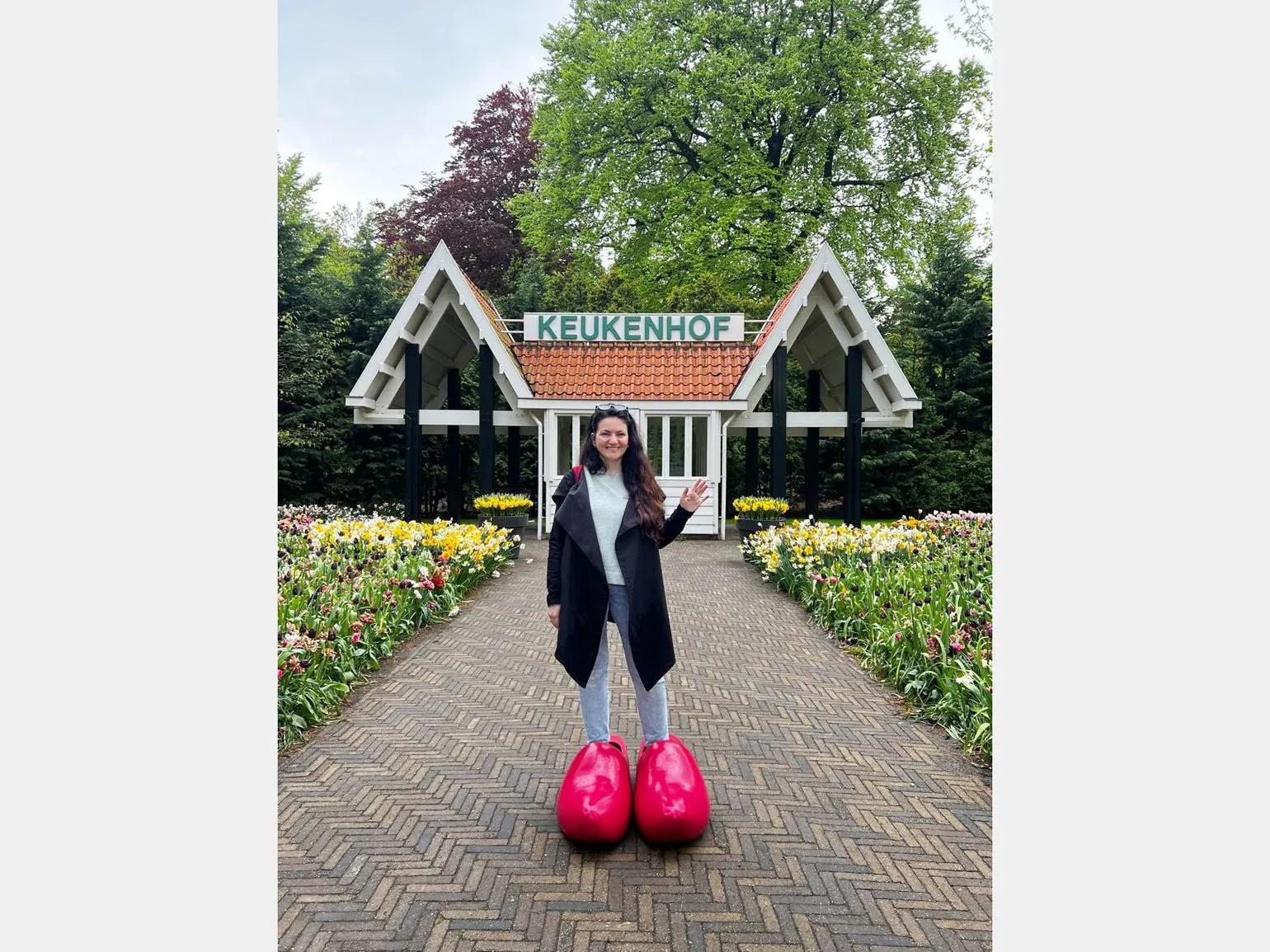
The girl who recommended me for this position soon went on maternity leave, and I was unable to meet her.
First impressions of work and future plans
In January 2023, I started a new job in the Netherlands as a project manager at Moovs Digital. The company helped me obtain a one-year work visa, which is the standard period for first contracts. However, the document processing process took several months, so my move to the country only took place in March. During the first weeks, I had to get to know the team and carry out my duties remotely.
Moovs Digital is part of the Moovs group of companies, specializing in educational consulting in various fields, including the public and corporate sectors. The company offers a wide range of products, with an emphasis on digital. We develop corporate courses and also create digital content for marketing purposes, including AR filters, interactive 360-degree spaces, and 3D animation. Our portfolio also includes a unique product—the LX platform and a multiplayer game designed to boost sales and improve knowledge. Most of our projects involve developing online courses and interactive simulations. We provide services similar to those offered by a training provider: we analyze client requests, obtain materials from experts, and help transform them into high-quality training programs.
I manage and build the team, as well as ensure project deadlines. My team consists of ten specialists, including UI and 3D designers, as well as course developers. The majority of the team is located in Budapest, but the majority of our employees are from the Netherlands. We represent diverse cultures, but I am the only Russian-speaking member of the team.
I adapted quickly to my new position. During my first week, I was able to get to know the team and representatives from other departments. On my first day, I had an unexpected meeting with a client, which was a surprise. I assumed that communicating with clients was the account manager's job, but it turns out it's also part of my responsibilities. This approach facilitates communication between clients and contractors, which contributes to more efficient project work.
At first, it was a bit scary: I had questions about how to establish communication and whether we would understand each other. However, the meeting went well, and I saw that the people on the other side of the screen were managers just like me. Now I have no difficulties with such meetings: the relationship has become warm, and I can even offer additional services that prove useful to the client. This benefits both our company and the client.
Otherwise, I haven't encountered any difficulties at work, including language barriers. My colleagues from different countries don't always speak English fluently, but we find common ground without difficulty. This "multilingual" experience is an advantage for me, as communicating with Americans or English speakers would sometimes make me feel uneasy about my speech.
My colleagues greeted me with warmth and genuine joy—they truly needed a project manager. When I arrived in Amsterdam in the spring and met the team at the office, my impressions were positive. Even if they communicate in Dutch, they instantly switch to English when someone who only speaks that language is nearby. This creates an atmosphere of mutual understanding and support, which is very important for effective work in an international team.
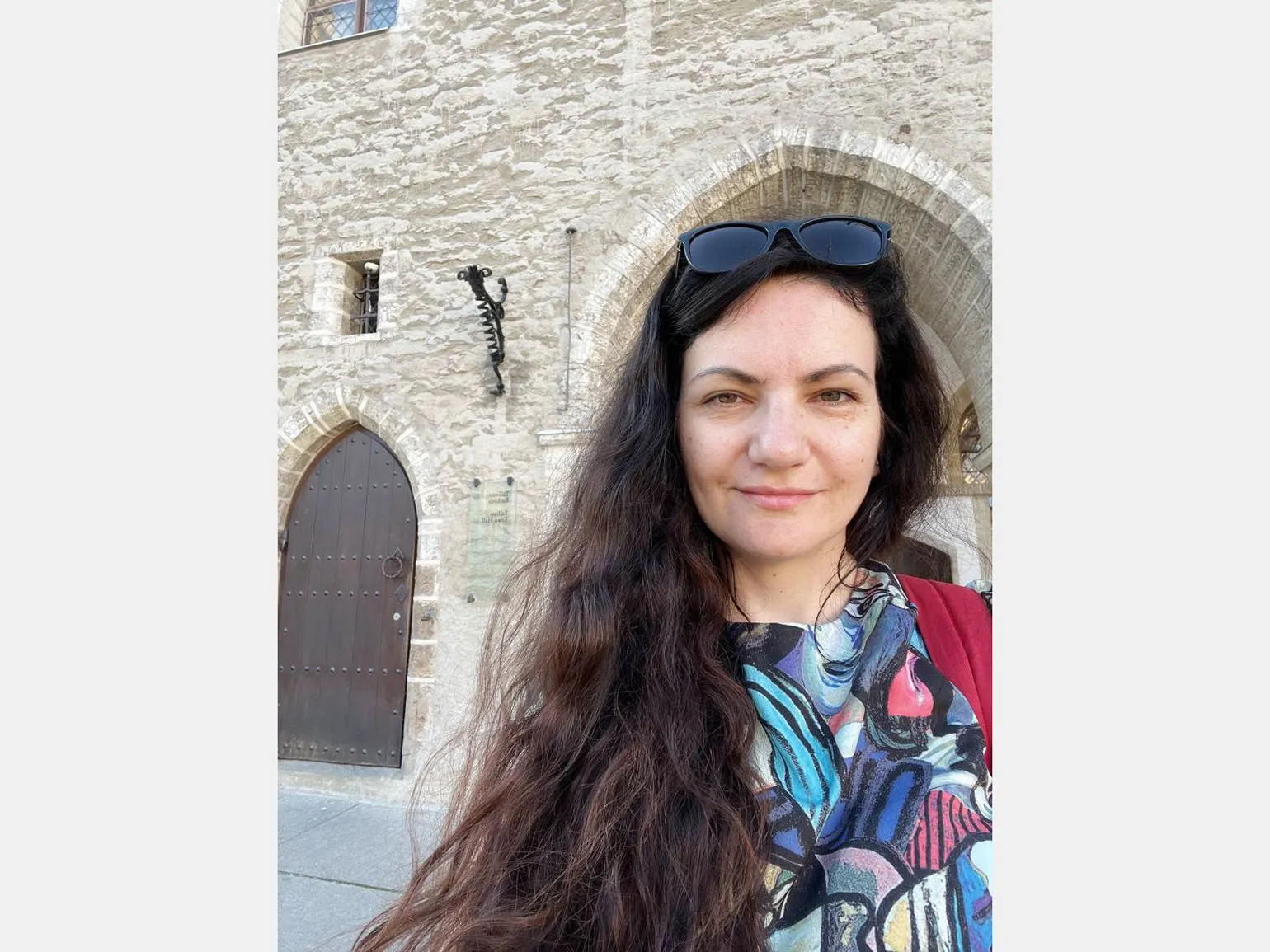
Discomfort in a new country is often related to everyday issues. On the one hand, there's the need to communicate in a foreign language every day and the desire to prove yourself at work. On the other hand, there's the need to furnish an apartment, as in the Netherlands, housing is often rented unfurnished, as well as to deal with numerous daily tasks. Of course, this process can be tiring, but it's important to understand that this is only a temporary stage that must be overcome.
The Netherlands differs significantly from Russia in its pace of life. Planning is valued here, both in terms of work tasks and vacations. While in the Moscow office the workday often ended around 8 p.m., in the Amsterdam office, employees don't stay longer than 5:30 p.m. However, it's worth noting that the workday here starts earlier—around 8 a.m. This emphasizes the work-life balance that is an important part of Dutch culture.
At first, it was difficult to adapt to the new routine, as my active work phase usually begins at 5 p.m. However, this approach helps maintain focus and discipline. I recognize that all important tasks must be completed before this time. If something remains unfinished, there is always the opportunity to finish it at home. This regimen promotes effective planning and time management.
The differences in attitudes observed here are intriguing. People don't strive to constantly race for success or complete plans in record time. They prefer to live at a comfortable pace, finding joy in communicating with friends and loved ones. This calmness is reflected not only in when they leave their desks but in their overall approach to completing work tasks. A leisurely pace in work allows them to focus on quality rather than quantity. This lifestyle promotes harmony and satisfaction, which in turn has a positive impact on morale and productivity.
At meetings, I often suggest discussing a certain issue next week. However, colleagues sometimes suggest rescheduling the meeting for two weeks later. In such cases, I agree and clarify: "Okay, let's schedule a meeting in two weeks."
The atmosphere here is much more comfortable compared to Moscow, where I often worked late into the night. In this new environment, I had to adapt to changes.
Although I am not directly involved in course development, my experience and knowledge in this field are useful. I share useful insights with the development team, primarily UI designers, which help improve and refine the courses. Sometimes I take on specific tasks; for example, I am currently preparing tests for courses for one of our clients. This does not mean that no one else is capable of doing this; it's just that everyone else is busy at the moment, and I have a better understanding of the process. My goal is to ensure high-quality educational content and improve its effectiveness for users.
Although our colleagues in the field of learning development have a high level of competence, the specifics of their work may differ. Our team includes learning consultants with deep understanding of theory and cognitive science, as well as knowledge of how to effectively organize learning processes. It's always a pleasure to discuss professional issues with them and explore ways to improve educational programs.
Most of my work focuses on organizational tasks. I interact with clients, discuss projects, and conduct brainstorming sessions. I also monitor the status of various projects and organize team meetings to ensure effective collaboration.
For the past six months, I have been working at Moovs Digital. My contract is for a year with the possibility of extension, and in the future, it may become permanent. The job search was difficult, but it shows that even without experience in international projects, without a reputation for trust or a well-established personal brand, you can achieve success. The most useful skills in this process were knowledge of English and the ability to clearly present your experience.
Russia has many highly qualified specialists and educational initiatives. Our school also stands out for its unique approach to product development. We are confident that we can offer competitive solutions and innovations to the international market.
Be sure to check out additional materials:
- Why it is useful for a methodologist to be a "newbie": a conversation about a trendy profession
- How a young teacher from Russia went to work in a Singapore school
- Russian education in emigration: how it was
- How they teach in modern high schools abroad: three cases
The court decided to ban the activities of Meta Platforms Inc. in Russia related to the sale of social networks Facebook and Instagram. This decision is based on accusations of extremist activity, which highlights the serious legal consequences for the company in the Russian Federation.
The Methodologist profession from scratch to PRO
You will improve your skills in developing curricula for online and offline courses. Master modern teaching practices, structure your experience, and become a more sought-after specialist.
Find out more