
Contents:

Learn: Methodologist of educational programs
Learn moreWhat is the Montessori Method and Why is it Important in Education?
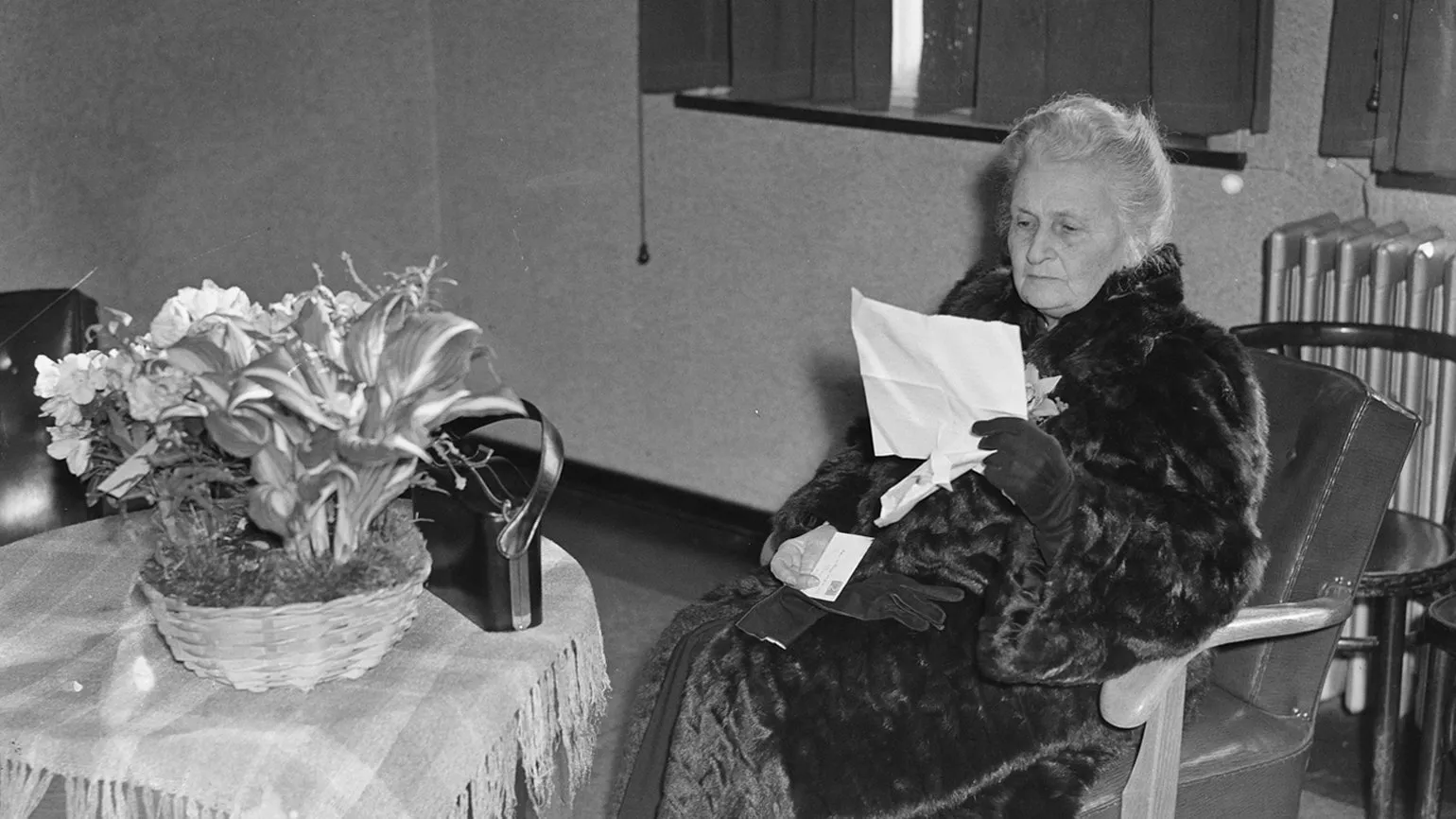
The Montessori Method is a unique pedagogical system developed by the Italian physician and scientist Maria Montessori at the beginning of the 20th century. The main idea of the method is to create an educational environment that promotes independent learning in children. Within the framework of this approach, the child has the opportunity to develop their skills, demonstrate individual talents and acquire knowledge through practical experience. The Montessori method emphasizes the active participation of children in the learning process, which contributes to their development and the development of self-confidence. This educational system is widely used in kindergartens and schools around the world, attracting the attention of parents and teachers interested in effective methods of education and training.
The Montessori system has been actively used in kindergartens and schools for over a hundred years, and there are many educational institutions worldwide that use this method. In 2014, the Wall Street Journal, not without irony, called graduates of these institutions the "Montessori mafia." This is no coincidence, as among them you can find such famous figures as Larry Page and Sergey Brin, the founders of Google, Jeff Bezos, the creator of Amazon, and Will Wright, the video game developer. Many successful innovators attribute their achievements to the Montessori education they received, emphasizing its importance and effectiveness in developing creative and independent thinking in children. The Montessori method, although most often used in teaching young children, is based on the concept of Lifelong Learning, which implies continuous learning throughout life. This approach is not limited to a specific age, but represents a holistic understanding of human development from birth to old age. It incorporates a unified philosophy and a consistent transition through the various stages of education. Every moment of learning, whether it is a baby's efforts to hold their first toy, a first-grader learning to write, a teenager solving equations, or an adult mastering new equipment, is equally valuable. This emphasizes that the principles of Montessori pedagogy are relevant not only for children, but also for teaching adults, promoting their personal and professional growth.
This article will examine five key principles of the Montessori system applied to adult education. Developed by Maria Montessori, the Montessori system emphasizes an individualized approach to learning, which is especially relevant for adults seeking personal and professional development. The principles include self-education, autonomy, active involvement, learning through experience, and respect for the individuality of each person. These principles contribute to the creation of an effective educational environment where adults can develop their skills and knowledge, improving the quality of their lives and careers. Understanding and applying these principles can significantly improve the process of learning and adaptation in the modern world.
Developing Independence as a Key to Success
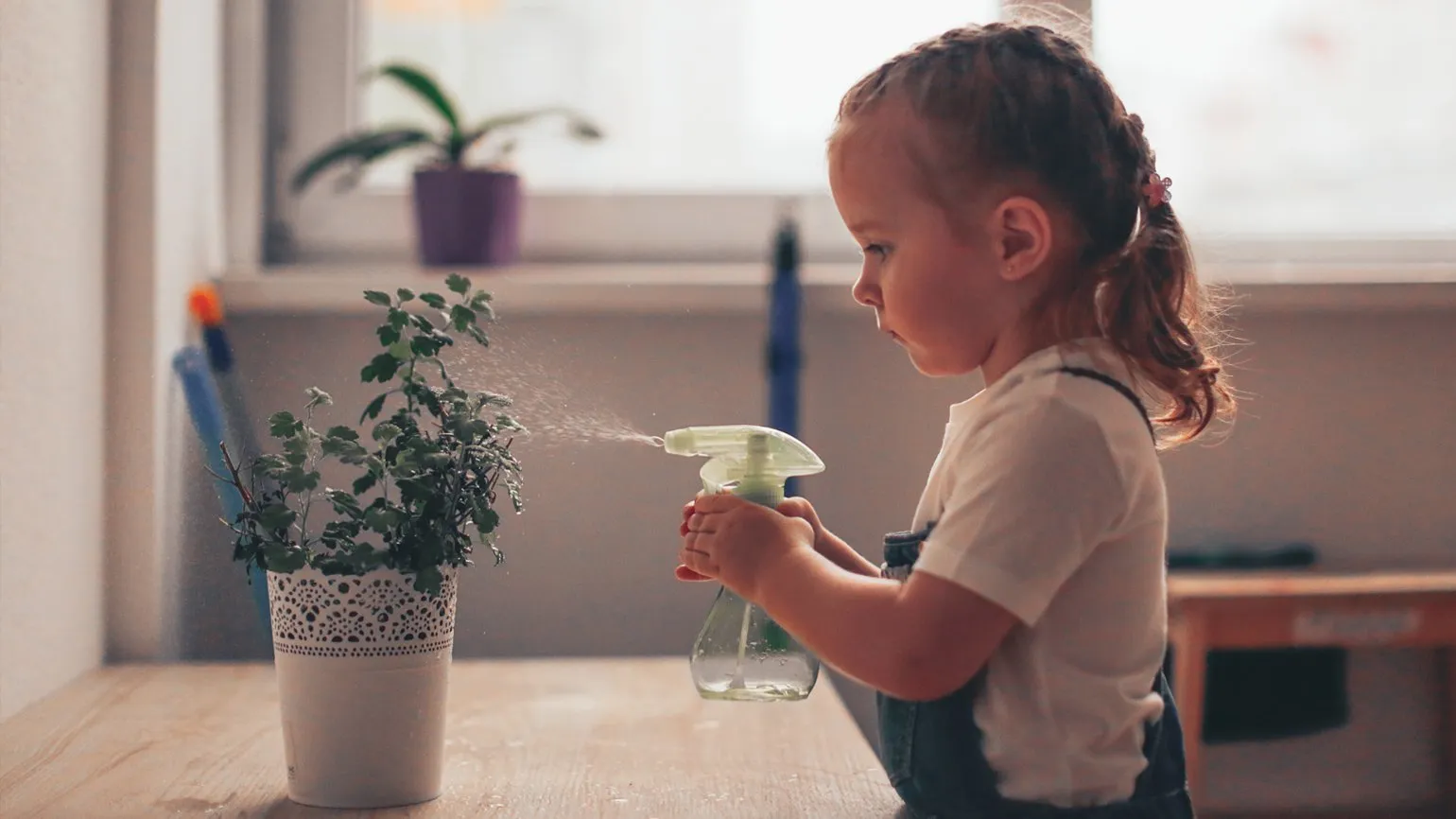
The main goal of the system is to develop independence in children. From an early age, they learn not only to solve everyday problems without adult assistance but also to express their thoughts, desires, and requests for assistance. In a Montessori-based preschool, children are given the opportunity to independently prepare simple meals, wash clothes, and organize their own workspace. This approach helps develop self-confidence and the skills needed for future life.
With age, a child's everyday independence is transformed into intellectual independence. As children mature, they begin to independently acquire knowledge, plan their activities, choose optimal learning formats and times, and take responsibility for their decisions. The author of this method views learning as a process that fosters this new level of independence. The importance of independence in learning not only develops the skills necessary for a successful life but also promotes the personal growth of each child. Montessori emphasized the importance of independent human activity for the development of their potential. She argued that by performing the necessary tasks for a comfortable life, an individual overcomes their limitations, which contributes to their personal growth and development of abilities. This approach emphasizes the importance of independence in learning and education, which creates the foundation for the formation of a confident and independent personality. Developing independence in adults is becoming an important aspect of modern education. Many people face the need to acquire new skills and knowledge in adulthood, as traditional schools often did not teach them how to actively apply their acquired knowledge in practice. The principles of active learning will help students develop responsibility, increase motivation, and learn to effectively solve complex problems. This, in turn, promotes personal and professional growth, which is crucial in a rapidly changing world. Applying adult learning methods has its own unique characteristics and requires careful consideration. It's important to consider that adult learners have prior experience and knowledge that can influence their learning. Using interactive methods, such as group discussions, role-playing, and hands-on activities, promotes a deeper understanding of the material. Individualized approaches are also recommended, allowing learners to choose topics that interest them and set their own goals. This not only increases motivation but also promotes more effective learning.
It is necessary to create a comfortable atmosphere in which adults can freely express their thoughts and share their experiences. Regular feedback will help identify weaknesses in learning and correct them promptly.
The use of modern technologies, such as online courses and webinars, also opens up new opportunities for adult learning, making it more accessible and flexible. It is important to remember that successful adult learning depends on a combination of different approaches adapted to the specific needs and goals of learners.
- Give students freedom of choice - the subject, time and place of classes, the opportunity to study alone or in pairs.
- Provide opportunities for self-monitoring. Learning materials can be organized so that students can see and correct their mistakes. This can be facilitated, for example, by transparent performance criteria, templates for correct solutions, and other tools.
- Create a special position of teachers and curators. Their main tasks are to support and organize the independent activities of students, encouraging experimentation and creativity. Students have the right to choose their own educational trajectory and work at a comfortable speed, while the teacher acts in this process more as a coach and facilitator than a source of knowledge.
Freedom within Established Boundaries as a Source of Creativity
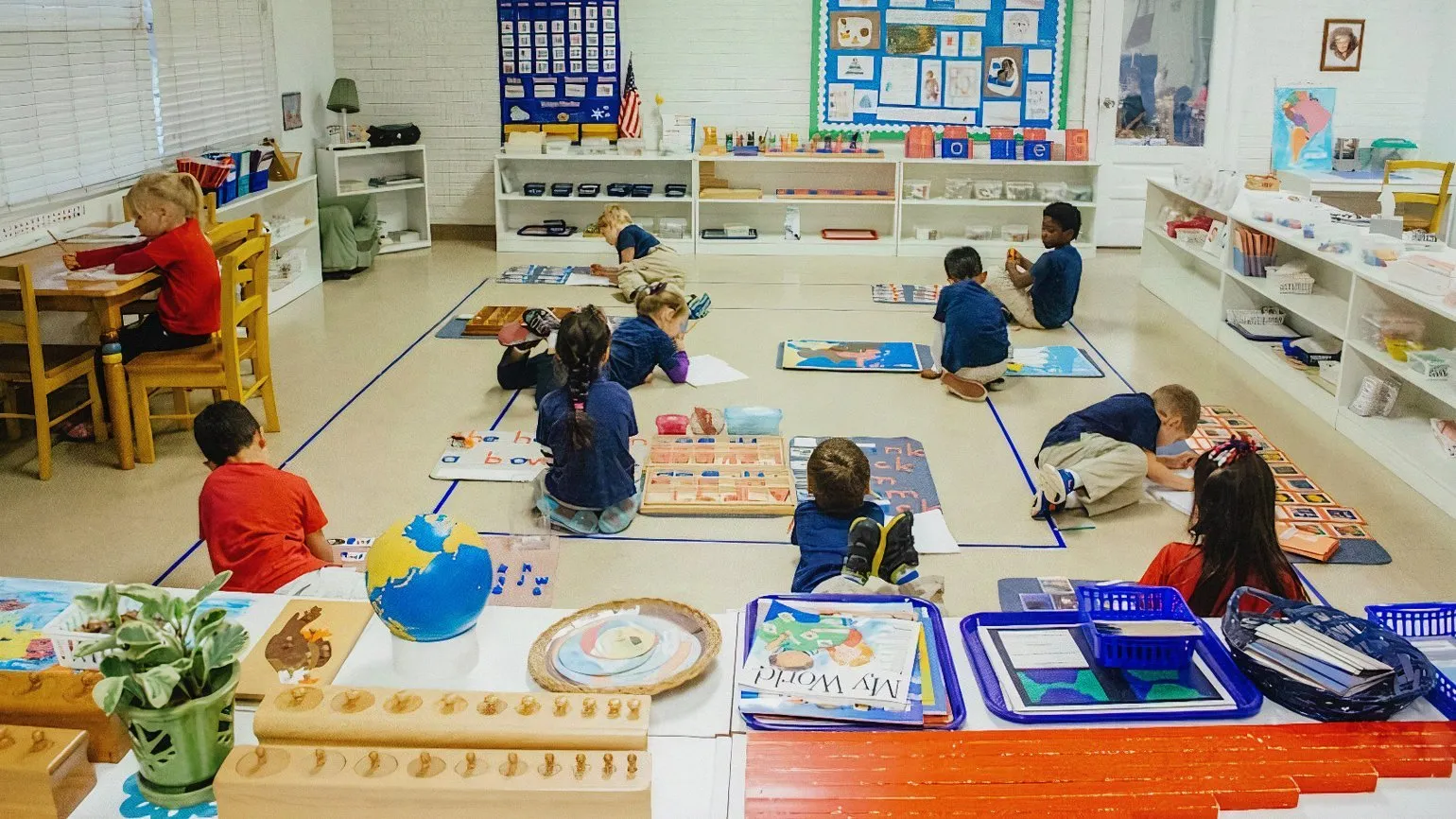
The Montessori Method differs from the traditional educational system in that it lacks a rigid lesson structure. The classroom is a specially organized developmental environment, where all educational materials are available on open shelves. Students have the opportunity to independently choose topics that interest them and study them at any time and in the company of other students. This freedom in learning promotes the development of independence, critical thinking, and creativity in children. The Montessori Method creates conditions for an individual approach to each student, which allows them to delve deeper into the topics being studied and develop their interests.
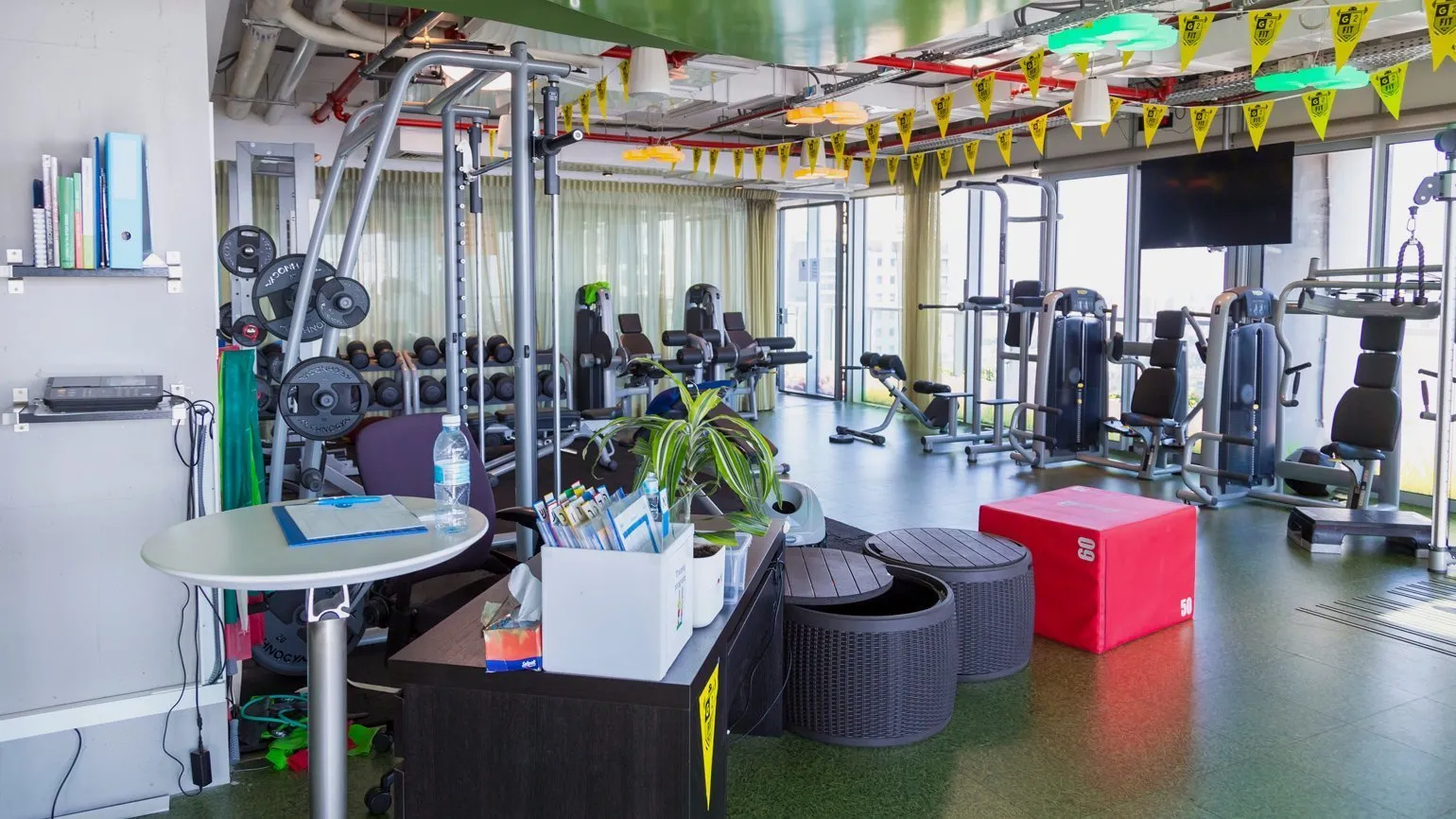
Freedom of choice in the educational process is limited by a number of factors, including group rules, group interests, and individual plans. It is important to remember that harm must not be caused to other people, the environment, or oneself. It is also necessary to take into account group interests; for example, running should not be done when all the children are focused on listening to a fairy tale. Individual plans are developed by the teacher based on child observations, age standards, and parental preferences, creating a comfortable and safe educational environment. The freedom that began to be introduced in school classrooms is gradually making its way into large companies. Google's offices offer ideal conditions for a harmonious combination of work and play. Here, employees can not only work at comfortable and well-equipped workstations but also enjoy amenities such as gardens, gyms, game rooms, hammocks, and even a swimming pool. The lack of external control allows each employee to act at their own discretion, which, of course, must be within reasonable limits. This opportunity to relax and enjoy the work process fosters creativity and productivity. Ultimately, a corporate culture focused on freedom and comfort positively influences the overall team atmosphere and fosters innovation. The company's open atmosphere is closely linked to the educational background of its founders. Sergey Brin and Larry Page were educated at various Montessori institutions before continuing their education at Stanford University. Stanford University also upholds principles such as academic freedom, freedom of movement, choice of study location and environment, freedom to relax and socialize as desired, and encouragement of experimentation. These aspects have created a unique culture that fosters innovation and creativity.
Google headquarters are recognized as some of the best offices in the world. Comparing the atmosphere of Montessori classrooms with Google offices reveals many similarities. Both spaces are designed to foster creativity, free thinking, and productive work. It is important to note that both the Montessori method and the design of Google offices emphasize comfort, functionality, and inspiration, which contributes to increased efficiency and user satisfaction.


Montessori argued that a child's freedom should have limitations determined by collective interests. She emphasized that education is the form in which this freedom is realized. It is important to understand that a child's personal development is inextricably linked to their interactions with others. Setting boundaries helps to develop responsibility and respect for others, which are fundamental for harmonious development in society. Freedom plays a key role in the development of creativity in adults and encourages experimentation. It develops independent work skills, which significantly improves the learning process. As a result, students derive greater satisfaction from their achievements and maximize the benefit of the knowledge acquired. This creates conditions for a deep understanding of the material and the active application of acquired skills in real life. The use of teaching methods for adults is an important aspect of modern education. Adult learners often have a variety of life experiences and skills, which requires adapting teaching approaches. Effective teaching for adults requires considering their motivation, needs, and learning style. One of the key aspects is the creation of a practical and relevant curriculum. Adults learn better material that is directly related to their professional activities or personal lives. It is important to use real-life examples and introduce interactive elements to maintain learners' interest and engagement.
Furthermore, it is worth using methods that promote independent learning. Adults most often value the opportunity to study material at their own pace and in a convenient time. The use of online resources, webinars, and interactive platforms can significantly improve the effectiveness of learning.
It is also important to create an atmosphere of trust and support during the learning process. Discussion, exchange of opinions, and group work contribute to a deeper understanding of the material and the development of critical thinking.
Finally, successful adult learning requires flexibility, consideration of individual characteristics, and the use of practical approaches. This will ensure not only high-quality acquisition of knowledge but also its application in everyday life and professional activities.
- Plan training according to the principles of Teal organizations, including creating conditions for student self-organization and self-governance. Students can be included in the processes of assessing the quality of education, resolving important organizational and everyday issues, holding competitions and events. When planning the curriculum, it is also worth considering opportunities for self-development and personal growth of the student.
- Use elements of Agile and EduScrum in the educational process: organize project work in teams, put the importance of learning above grades, maintain a learning rhythm. All this will help develop the "4C" skills: critical thinking, creativity, communication and coordination.
Mistakes as a learning experience
Mistakes are a natural part of life, and there is nothing shameful in them. Maria Montessori emphasized the importance of recognizing your mistakes and correcting them, whether independently or with the help of others. This process is necessary for growth and achieving excellence, as well as for finding your own unique path. Instead of scolding a child for mistakes, it is better to offer them understandable tools for self-checking and jointly seek the right solutions. This approach is also relevant in teaching adults, promoting their development and self-improvement.

Montessori argued that traditional teaching methods, such as reprimands and physical punishment, do not contribute to a child's development. She emphasized that negative approaches to teaching, such as judgment and humiliation, only undermine students' confidence and motivation. Instead, it is necessary to create a supportive and inspiring atmosphere that allows children to discover their abilities and intellectual potential. Only in this way can real progress in learning be achieved and each child can develop at their own pace.
Adult learners, regardless of age, can learn to recognize their mistakes, correct them, and learn from them. This approach is important not only to use in the teaching process but also to integrate into the development of educational programs. Building this principle into the educational process promotes a deeper understanding of the material and the development of critical thinking.
Using a variety of teaching methods for adults is a key aspect of an effective educational process. Adult learners have unique needs and preferences, so it is important to adapt teaching approaches to their experiences and motivations. Use active learning methods, such as group discussions and practical assignments, to engage participants and make the process more interactive. It is also worth considering that adults learn better when they can apply what they have learned in practice. Developing courses with a focus on real-world examples and case studies will help make learning more relevant and effective. It's important to create a supportive atmosphere where participants can share their experiences and learn from each other. This way, adult learning becomes not only a process of knowledge acquisition but also an opportunity for personal and professional growth.
- Encourage instructors to be respectful and patient with student errors. The more errors a student makes, the better they will understand the topic. It's also important to create a sense of psychological safety in their interactions with the instructor.
- Enable students to independently identify their errors while completing practical assignments. For this purpose, they can use a template or, for example, a program that automatically generates answers. The student will consider an impartial indication of an error by the system to be fair and will understand the full extent of his responsibility for the result.
Order as a basic need
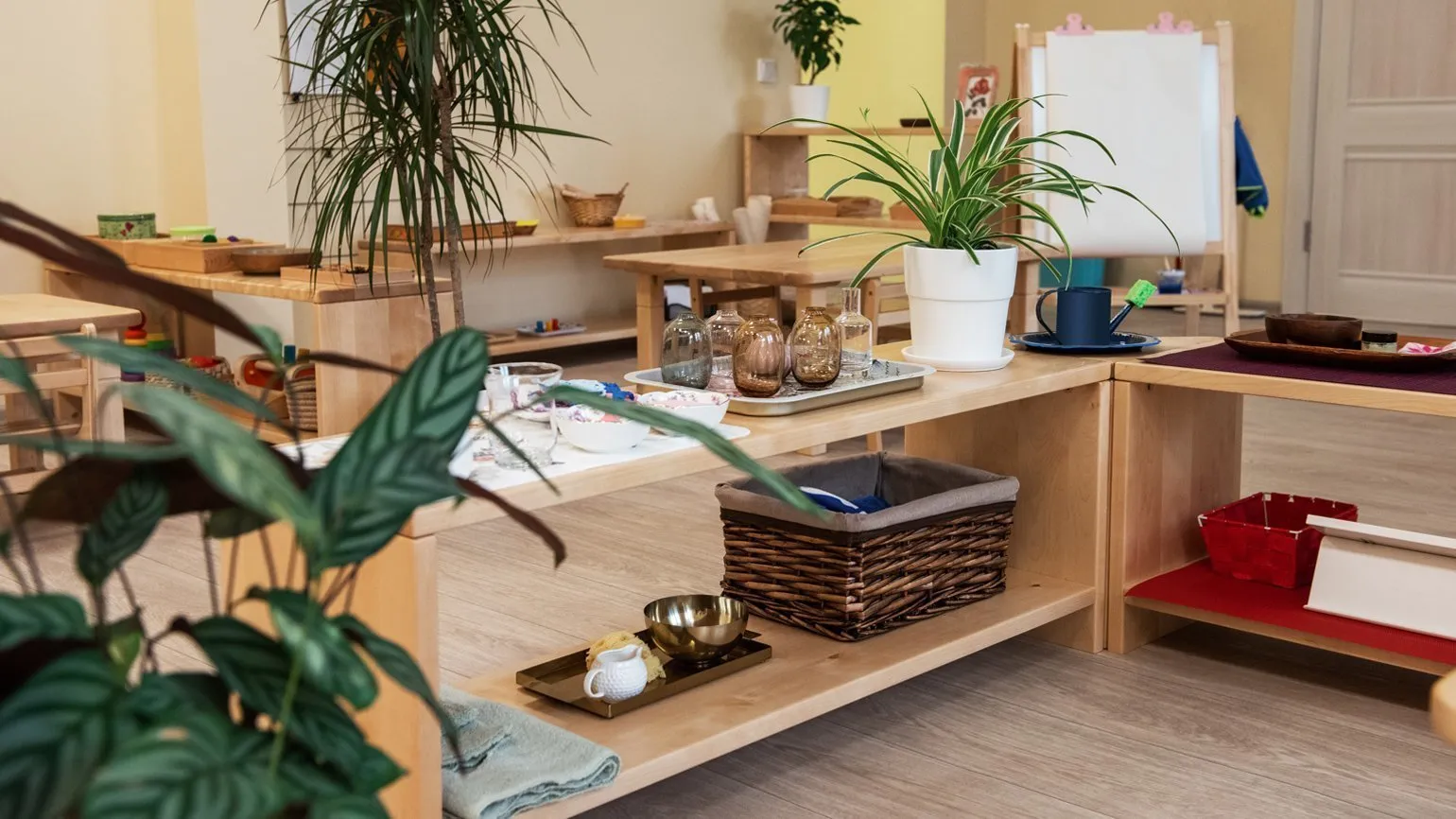
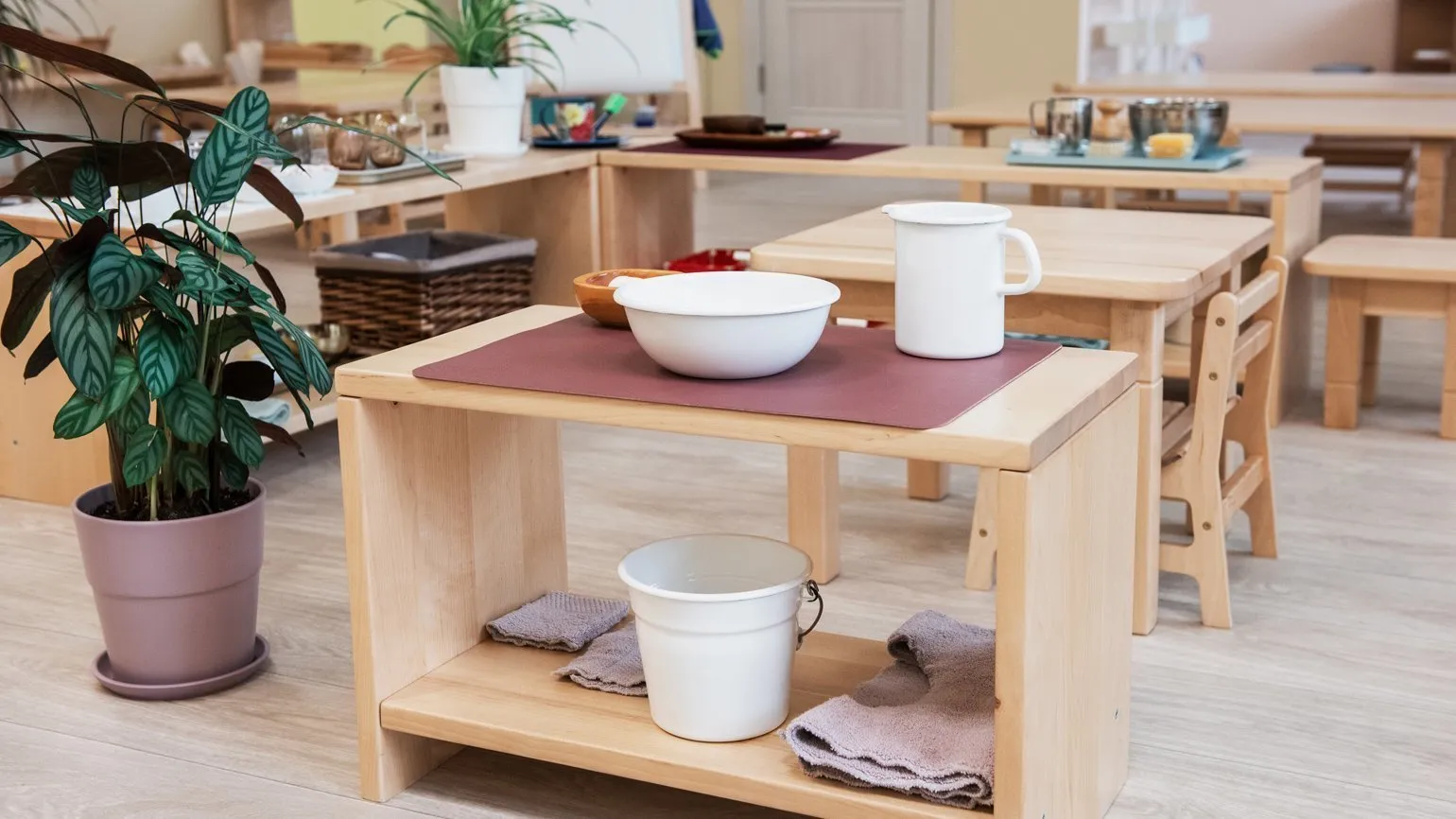
Maria Montessori emphasized the importance of order as the basis of the universe. Organization and structure in the learning environment promote concentration and create an atmosphere of safety and predictability. In a Montessori classroom for children aged one and a half to three years, toys and books are scattered about—everything is in its place, which instills in children a habit of cleanliness and tidiness. Order in a Montessori education is not limited to classrooms but encompasses the entire educational process. Rules for learning, communication, and work are consistent for all participants, and reasonable tasks and boundaries are predetermined, which contributes to the creation of a harmonious educational environment. Montessori emphasized the importance of order as one of the key human needs in life. She argued that satisfying this need contributes to the achievement of true happiness. Order creates harmony in life and helps develop organization, which, in turn, positively influences learning and personal growth. A key aspect of the Montessori method is the creation of an orderly environment in which children can freely learn and develop. Adults need a healthy educational environment just as much as children. Organization fosters a calm atmosphere, allowing students to not only enjoy the learning process but also focus on important tasks. An effective learning environment helps develop skills and knowledge, which in turn leads to personal and professional growth. Applying adult learning principles has its own unique characteristics and requires a special approach. Adult learners have a wealth of experience that must be incorporated into the learning process. For successful learning, it is important to create an atmosphere conducive to active participation and interaction. An important aspect is the use of practical examples that help connect theory to real-life situations. Adults need to understand how the knowledge they acquire can be applied in practice. It is also important to consider the individual needs and goals of each learner, creating personalized learning programs.
Interactive methods such as group discussions, role-playing and project work promote deeper learning. Feedback and support from the teacher play a significant role, as they help adult learners overcome difficulties and motivate them to continue learning.
Ultimately, to effectively teach adults, it is necessary to use an adaptive approach that takes into account their experiences and needs, and implement a variety of methods that promote active engagement and the application of knowledge in practice.
- follow clear and, importantly, few rules;
- ensure transparency of tasks;
- establish stable boundaries: adhere to a work schedule, a class schedule, maintain order in the workplace, make convenient navigation through the course;
- maintain a permanent teaching staff.
Focused Work as a Source of Energy
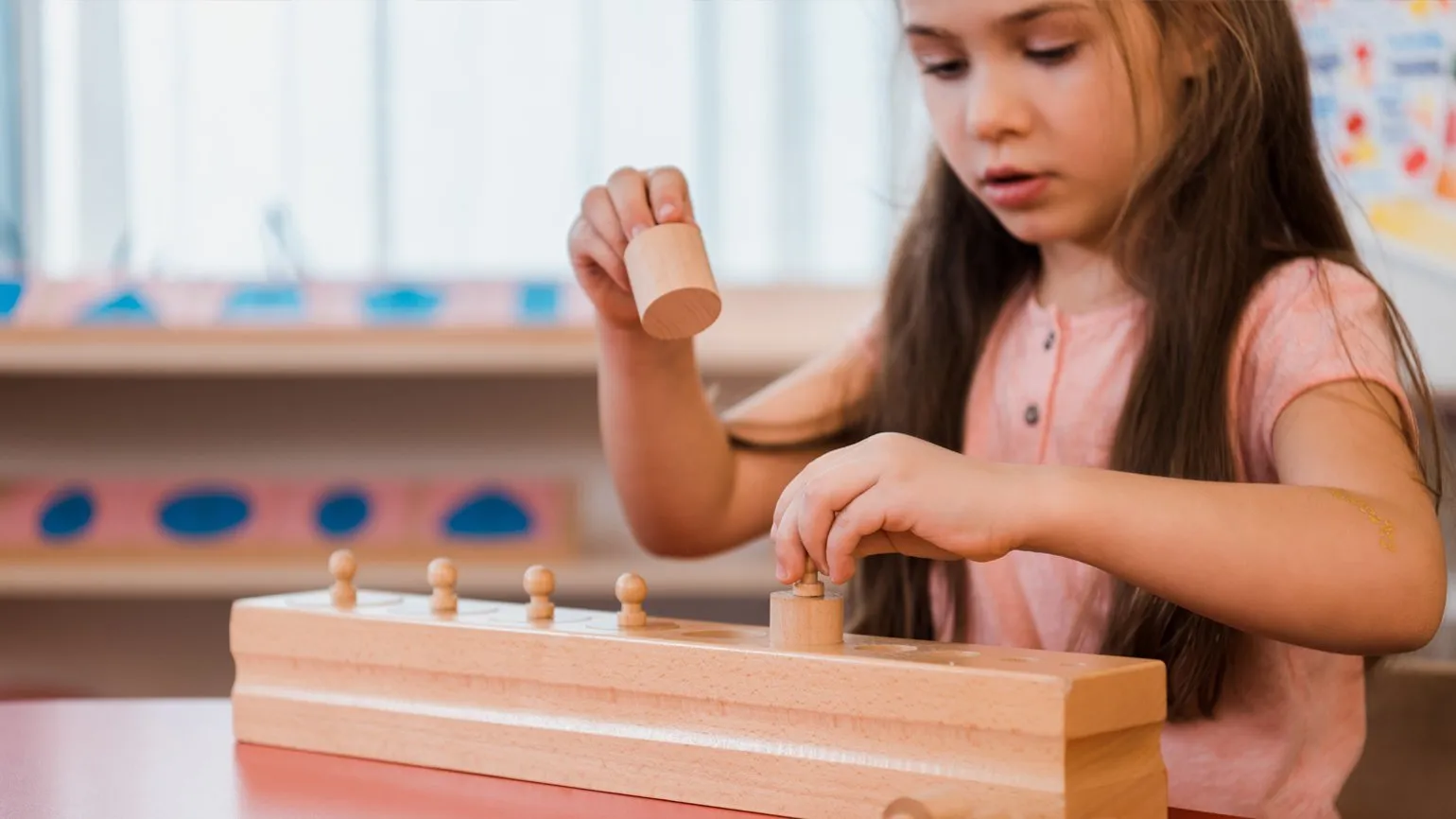
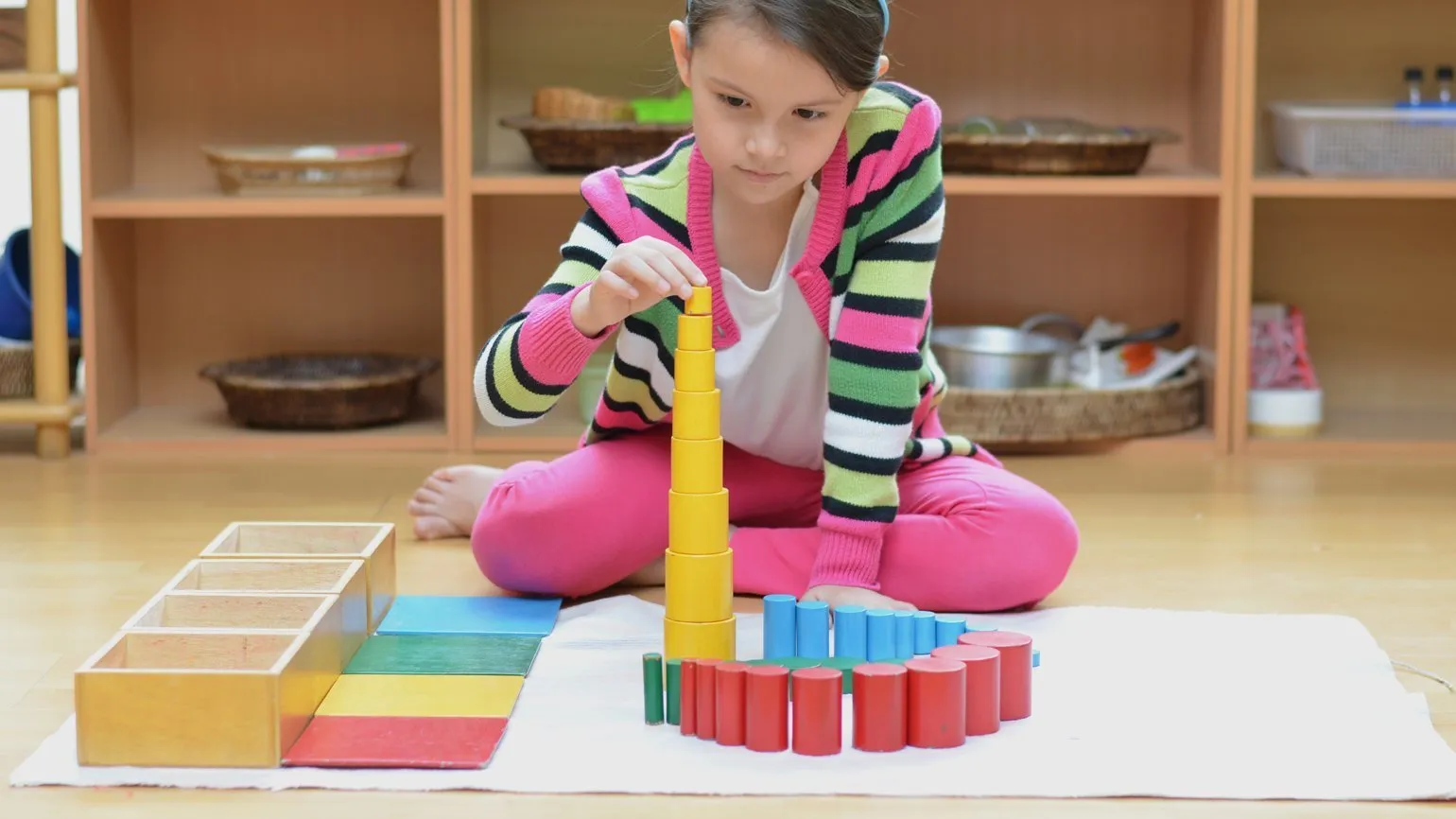
Montessori argued that deep concentration on an activity is the basis of inner harmony. Concentration is achieved through enjoyment of the work performed. When a child is passionate about what he does, he develops an internal motivation for learning and a sense of responsibility for the results of his actions. However, concentrating on a task becomes difficult in conditions of many distractions. Therefore, the Montessori system pays special attention to the design of classrooms: they should arouse interest, without overloading attention with unnecessary details. Proper design of the space helps create an atmosphere where a child can concentrate and develop effectively.
Research by American psychologist Mihaly Csikszentmihalyi confirmed the idea of the relationship between concentration and pleasure, describing a state of flow, when a person is completely focused on their activity. For example, a person passionate about drawing can spend two hours at an easel, unaware of how time flies. Csikszentmihalyi illustrates this state using the example of surgeons: "My attention is so focused that I forget about time, my body, my surroundings, and other people. I am aware only of my hands." It is important to note that immersion in flow is possible out of necessity. To achieve this, it is necessary to set clear goals, focus on the process, and regularly check your progress. Developing concentration skills and the ability to maintain a flow state can significantly increase satisfaction with an activity and improve results. Flow is a unique mental state in which a person is completely absorbed in their activity, achieving maximum productivity and creativity. This state is an important aspect of learning, promoting deep engagement and assimilation of information. It is important to understand how to induce flow to improve your study skills and achieve better results. Using techniques aimed at creating the conditions for achieving flow can significantly improve the effectiveness of learning. Learn methods that will help you achieve flow and maximize your learning opportunities. Montessori argued that spiritual life is formed on the solid foundation of a whole person, in harmony with the world around him. She emphasized that a wandering mind, separated from reality, deviates from a normal and healthy state. This demonstrates the importance of a person's connection with the environment and inner world to achieve harmony and a fulfilling existence. Concentration is important for adults because it helps them achieve educational goals and stay on track. For many students, the ability to focus is a key factor in ensuring a return on investment in learning. Focus allows for effective learning, increases productivity, and contributes to the successful completion of educational programs. The application of these methods in adult education is a key aspect to achieving effective results. Adult learners have unique experiences and motivations that must be taken into account when developing educational programs. Using approaches that focus on active engagement leads to better learning. It's important to consider the interests and needs of students to make the learning process more personalized and relevant. Adapting methods such as group discussions, hands-on assignments, and role-playing games promotes the development of critical thinking and problem-solving skills. Ultimately, integrating such approaches into adult learning ensures deep understanding and practical application of knowledge. The learning space should be beautiful, minimalist, and organized, and this applies to online learning as well. A pleasant atmosphere, where everything is thought out down to the smallest detail and nothing superfluous, helps students relax—making it much easier to focus on acquiring knowledge. The learning process should not be interrupted by technical issues, ineffective communication, gadgets, or social media. The student eliminates anything that distracts from the learning goal, and the learning organizer prevents unwanted organizational problems from arising during the process. The student must have a clear goal. He must clearly understand what results he wants to achieve, because when you know the goal, it is easier to focus on the route.
Read also:
- What is the flow state and how to use it in teaching
- Andragogy: why adults should be taught differently than children
- 6 books on how to teach adults
Educational Program Methodologist
You will go through the full cycle of creating an educational product from scratch. Learn to design curricula for online and offline courses. Become a versatile specialist — you can launch your own project or get a job as a methodologist in a large company.
Find out more